
Secure your adventure on the Inca Trail 2027 with Salkantay Trekking. Book today and choose the perfect date for you. Don’t miss this opportunity!
Secure your spot on the Inca Trail 2027. Book today and don’t miss the chance!
Here's How Our First Aid Course Went

Emergencies Don't Give You a Warning!

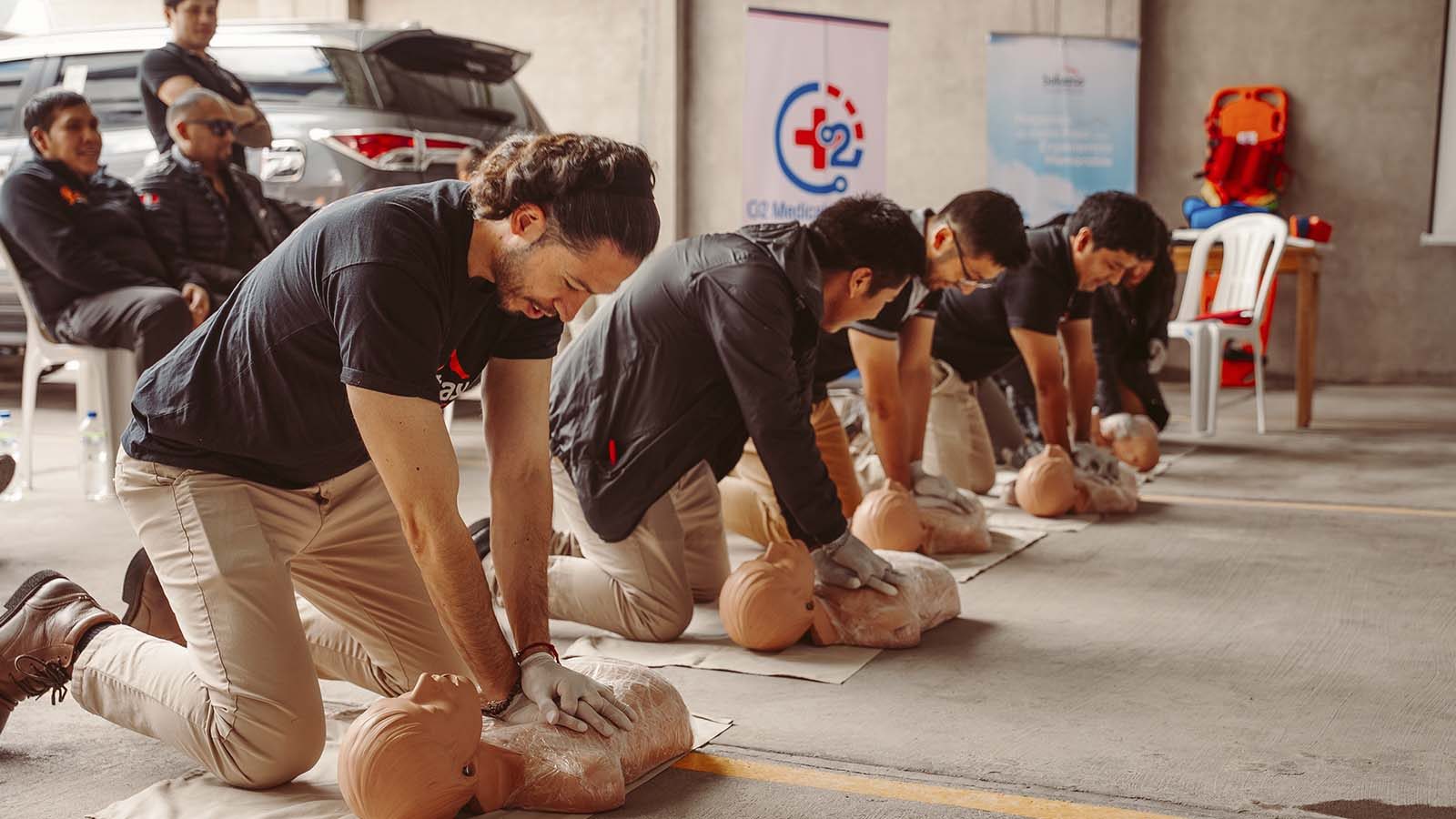
Salkantay Trekking team practicing CPR on mannequins during the first aid course
The Salkantay Trekking administrative team with the O2 Medical Network instructors after the first aid course

What would you do if a coworker needed help during an emergency? Sometimes, knowing how to respond can make a big difference. At Salkantay Trekking, we believe being prepared matters not only when hiking through the mountains, but also in the places where we work every day.

For this reason, our administrative team participated in a first aid course and the use of an automated external defibrillator (AED), led by professionals from the private clinic O2 Medical Network, where they had the opportunity to learn how to respond to unexpected situations and strengthen mutual support among colleagues.

But this training means more than simply learning new skills. It also reflects something we consider essential as a company: taking care of the people who are part of Salkantay Trekking. And there's a reason why what we learned matters to the travelers who visit us, too

Presenter opening the first aid workshop at Casa Salkantay

Why Did We Organize a First Aid Course?

When we think about safety in adventure tourism, the first things that come to mind are mountains, difficult trails, and long hikes. However, emergencies can also happen in an office, during a meeting, or while helping a visitor. A fall, an injury, choking, or someone losing consciousness are situations that can happen when we least expect them.

In those moments, recognizing what's happening and knowing how to ask for help are essential. At Salkantay Trekking, emergency preparedness is already part of our work in the mountains. Every February, our guides receive training and earn their Wilderness Advanced First Aid (WAFA) certification, a first aid program focused on situations that can arise in natural environments far from medical facilities.

But we believe that taking care of people shouldn't be limited to the trails. Our administrative staff also deserve to have the knowledge they need to respond to unexpected situations. With this in mind, we organized training focused on recognizing emergencies, providing first aid, and becoming familiar with AED use, a device that can be critical in certain cases of cardiac arrest.

During the workshop, we paid special attention to three situations: severe bleeding, choking, and traumatic injuries, while also covering other emergencies that require a timely response.

Because safety shouldn't depend solely on where we happen to be.

Salkantay Trekking team members gathered in a circle during the first aid workshop

Our Administrative Team Is Learning How to Respond, Too

Behind every adventure we organize are people working from our office. They're the ones who answer questions, coordinate reservations, arrange services, and help travelers get the information they need before setting off.

Although their responsibilities are different from those of our guides, they're also part of every visitor's experience.

That's why learning first aid is a way to strengthen their preparedness, both for their own safety and to help the people around them.

O2 Medical Network instructor explaining vital signs and the importance of time in an emergency, with training mannequins on the table at Casa Salkantay

The First Few Minutes Can Make a Difference

One of the first topics covered by the professionals from O2 Medical Network was the importance of time during an emergency.

We learned that when a person stops receiving enough oxygen, especially during cardiac arrest, the brain can begin to suffer serious damage within just a few minutes.

This helped us understand why it's so important to quickly recognize a dangerous situation, call for medical assistance, and begin the appropriate first aid measures.

We also learned the difference between an urgent medical situation and an emergency. While an urgent situation requires prompt medical attention, an emergency poses an immediate threat to a person's life or health and requires action without delay.

This was our starting point for understanding the procedures we would practice throughout the rest of the day.

Protect, Alert, and Assist: Three Steps to Remember

After learning the basics of first aid, we were introduced to the PAS method, which brings together three essential actions to take during an emergency.

  1. Protect

    Before approaching someone who has been injured, we need to make sure the area is safe. This means identifying potential hazards and preventing further injuries to the person providing assistance, the injured individual, or anyone nearby.

    We came to understand that helping also means recognizing our own limits. If an area is dangerous, we shouldn't put ourselves at unnecessary risk.

  2. Alert

    The next step is to request professional assistance. In Cusco, we can contact emergency services such as SAMU and provide clear information about what happened, the location, and the condition of the person needing help.

  3. Assist

    Once the area is safe and help has been requested, we can provide initial assistance based on our training while waiting for medical personnel to arrive.

    The professionals also explained the importance of using protective equipment, such as gloves and barrier devices, to reduce risks while providing care.

Although these steps may seem simple, understanding their order helped us realize that an appropriate emergency response begins long before performing any first aid procedure.

O2 Medical Network instructor demonstrating how to assess a person on a training mannequin

Learning to Recognize the Signs of an Emergency

One of the most important parts of our training was learning how to assess a person's condition before stepping in. The specialists taught us to check whether someone responds to stimuli, determine whether they're breathing normally, and identify signs that require immediate attention. We also discussed situations such as fainting and cardiac arrest, understanding why they shouldn't be confused, since they require different responses.

We learned that an unconscious person who isn't breathing normally may need immediate cardiopulmonary resuscitation (CPR) and the use of an AED, along with activation of emergency medical services. During this explanation, we also learned why it's important to observe chest movements and recognize abnormal breathing patterns. Our goal wasn't to become healthcare professionals.

It was to learn how to recognize when someone needs urgent help and how to respond responsibly within the limits of our abilities.

Why a Pulse Oximeter Matters in Cusco

One part of the workshop was especially relevant to our work in tourism: learning how to use a pulse oximeter. This small device measures blood oxygen saturation and pulse rate. During the workshop, we learned how to use it and why its readings should always be considered alongside a person's symptoms and overall condition. The professionals highlighted its usefulness in a city like Cusco, where high altitude can affect people arriving from lower elevations. At Salkantay Trekking, we have pulse oximeters in our first aid kits, both on our trekking routes and at our facilities. Learning more about how they work helps us better understand the information they provide and recognize when a medical evaluation is needed.

This lesson also reminded us of the importance of paying attention to our visitors from the moment they arrive, even before their hikes begin.

What Did We Learn During Our First Aid Training?

After learning the basic principles of first aid, we moved on to more specific situations that can arise both at work and in our everyday lives.

Salkantay Trekking team members practicing chest compressions on mannequins

CPR and AED Use: Learning How to Respond to Cardiac Arrest

One of the most important parts of our training was learning cardiopulmonary resuscitation (CPR) and how to use an automated external defibrillator (AED).

After understanding the consequences of interrupted blood circulation and oxygen supply, we realized why these tools are so important during cardiac arrest.

Team members kneeling over mannequins to practice chest compressions

Practicing CPR Techniques

During this activity, the professionals showed us how to position our hands correctly, maintain proper body posture, and perform chest compressions at the recommended rate and depth.

We also covered rescue breaths using barrier devices, learning how they're combined with compressions when the person providing assistance has received the necessary training.

The exercises helped us understand that performing CPR requires attention and proper technique.

And we weren't just watching a demonstration. We had the chance to practice the movements ourselves, correct our posture, and receive guidance directly from the specialists.

Instructor showing the correct hand position for CPR

Learning How an AED Works

Another key part of our training was learning how to use an automated external defibrillator.

This device analyzes the heart's rhythm and, when it detects a rhythm that requires defibrillation, prompts the delivery of an electrical shock.

During the workshop, we became familiar with its components, the instructions it provides, and the precautions needed to use it safely.

We also reviewed important considerations for using an AED on adults and pediatric patients, taking into account the differences between these groups.

This was one of the most valuable experiences of the workshop because it gave us hands-on experience with a device that many people have heard of but few have had the opportunity to use during training.

Instructor checking an injured person while the team watches

Severe Bleeding: Recognizing When Blood Loss Becomes Life-Threatening

One topic that really made us think was severe bleeding.

We learned that not all injuries carry the same risks and that significant blood loss can become a life-threatening emergency within minutes.

The professionals explained the differences between various types of bleeding and how to recognize the signs of severe blood loss.

We also learned about the importance of applying direct pressure and using specialized supplies, such as hemostatic gauze and tourniquets, which can help control certain types of severe bleeding when used correctly.

This training gave us an opportunity to review the supplies we currently have and identify additional materials that could strengthen our first aid kits.

Beyond the equipment itself, we understood that what matters most is recognizing the severity of the bleeding, calling for help, and using the appropriate techniques for the situation.

Instructor showing how to bandage an injured leg during the first aid workshop

Trauma, Fractures, and Other Injuries

Another central topic was providing initial assistance for injuries caused by falls, impacts, or accidents.

During the workshop, we learned how to recognize situations involving fractures, sprains, dislocations, and open wounds.

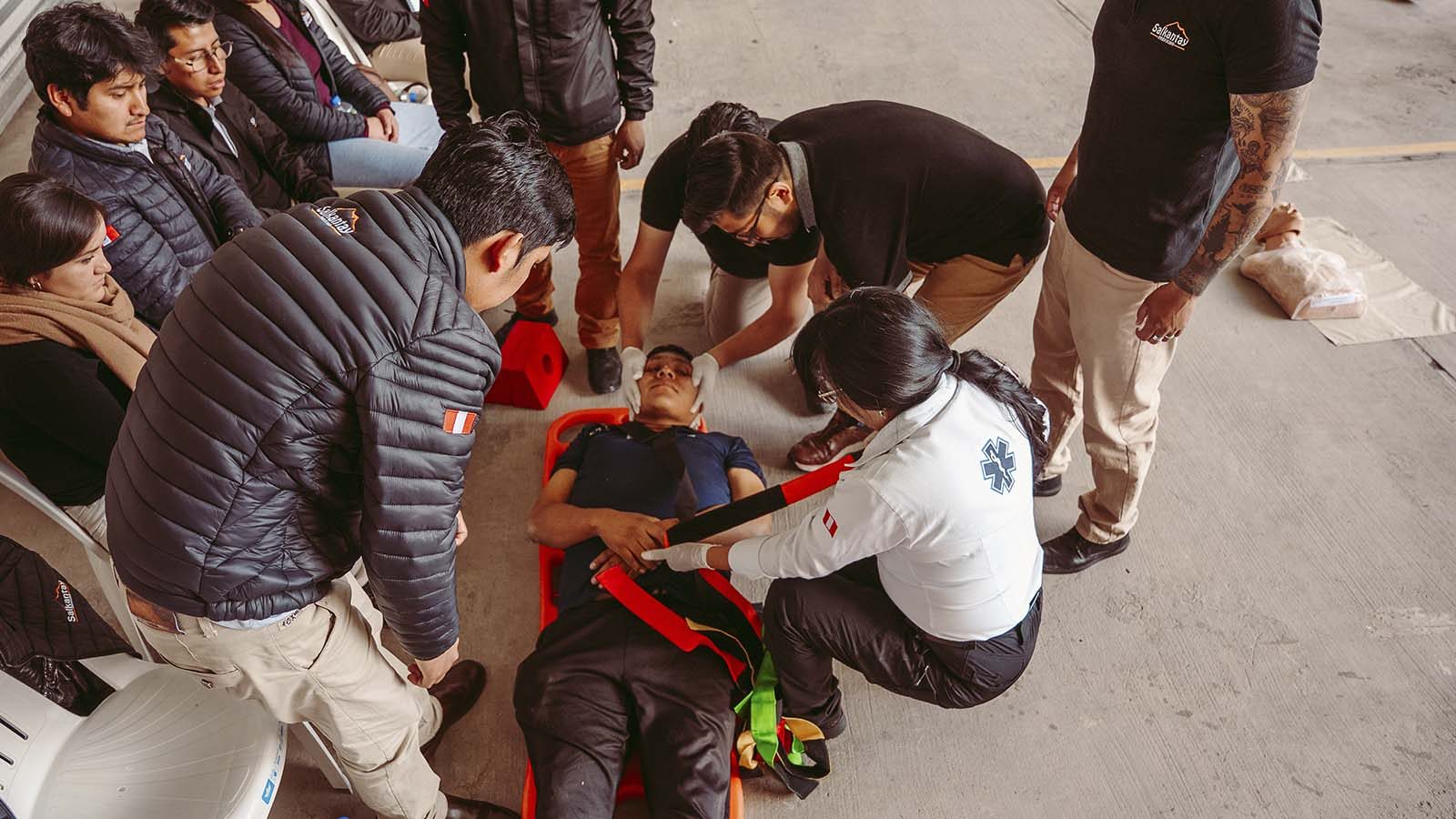
The specialists also explained why moving an injured person unnecessarily can make their condition worse, especially when a spinal injury is possible.

We learned about the precautions needed in these situations and why it's important to wait for trained professionals when the circumstances require it.

We also reviewed initial care for different degrees of burns and other conditions that may require immediate assistance.

Stabilizing the head of an injured person strapped to a stretcher

Other Situations We Should Know How to Recognize

The training also covered situations that can happen unexpectedly, such as severe allergic reactions, asthma attacks, blood glucose imbalances, and blood pressure problems.

During these explanations, we learned about the purpose of certain emergency medications and devices, as well as the importance of administering them only according to the appropriate instructions and training.

We also discussed hypothermia and water-immersion incidents, situations that are particularly relevant when understanding emergency care in different environments.

Each topic helped broaden our understanding of first aid and reminded us that even similar situations may require different responses depending on the person's condition.

Instructor demonstrating how to respond to choking in an infant

Learning How to Respond to Choking

One of the most hands-on parts of the workshop focused on airway obstructions.

The professionals taught us how to recognize when someone is experiencing severe difficulty breathing because of choking and what actions can help clear their airway.

We practiced the appropriate techniques, including five back blows and abdominal thrusts (the Heimlich maneuver) for adults.

We also learned about the differences that must be considered when helping a child, an infant, a pregnant woman, or someone with obesity.

It was an opportunity to understand that techniques must be adapted to each situation and that an incorrect intervention can make things worse.

What many of us had previously known only through videos or secondhand information became a practical learning experience, guided by professionals who explained how to recognize risks and respond appropriately.

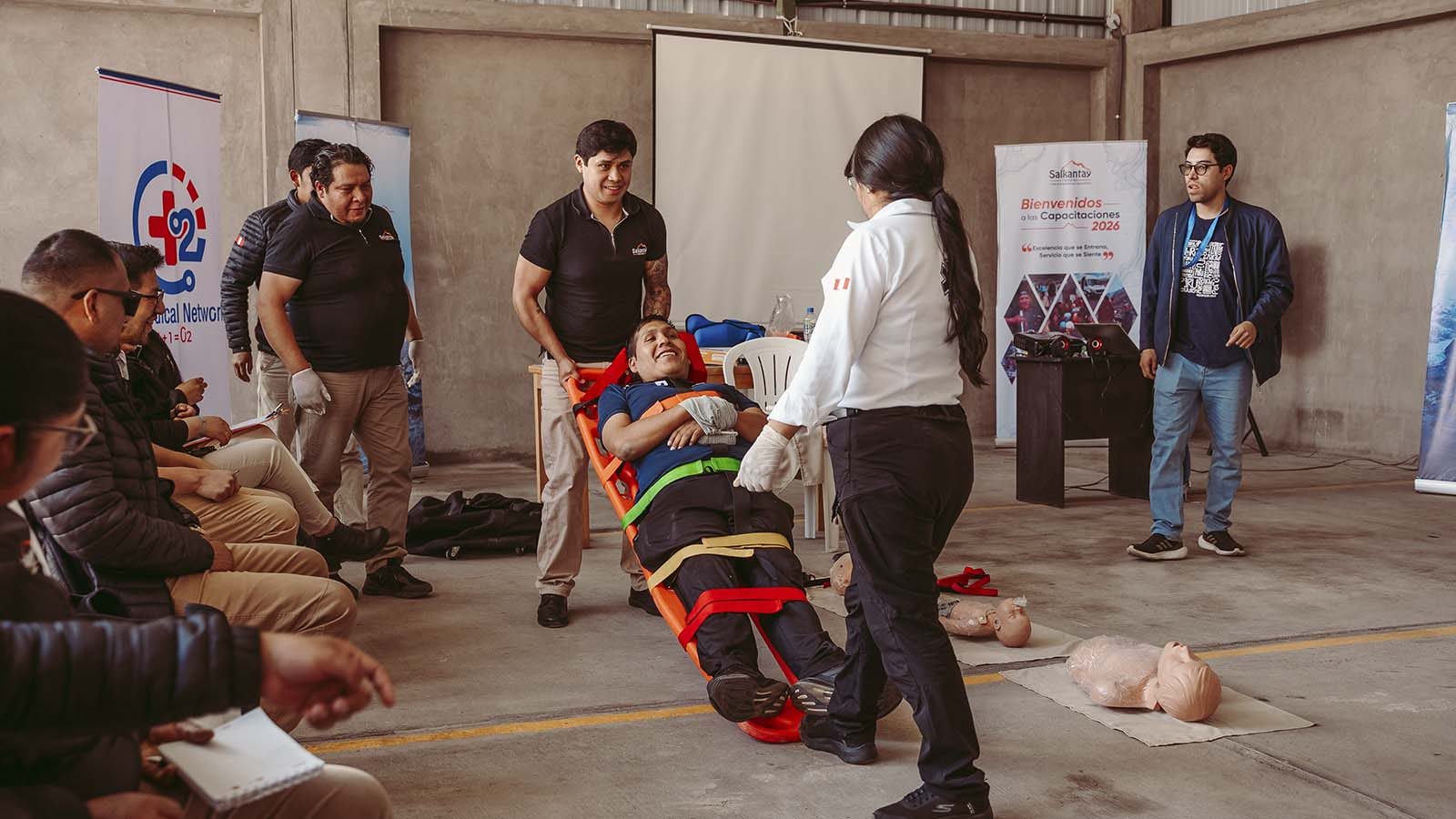
Team members strapping a volunteer onto a folding stretcher during the workshop

Learning How to Move Injured People Safely

Toward the end of the workshop, we covered another important topic: what to do when someone needs to be moved after an accident.

The professionals introduced us to different types of equipment used in these situations, including splints, folding stretchers, and immobilization devices.

They also explained the risks that must be considered before moving someone and why, with certain injuries, it's safer to keep the person still until trained medical personnel arrive.

During this part of the workshop, we took part in practical exercises and simulated emergency scenarios to better understand how to coordinate assistance and avoid movements that could cause further injuries.

These activities allowed us to put what we'd learned into practice and experience the importance of teamwork firsthand.

Because when an emergency happens, knowing what to do is only part of the response. We also need to communicate, stay calm, and understand each person's responsibilities.

The Salkantay Trekking administrative team with the O2 Medical Network instructors after the first aid course

How Does This Training Benefit Our Travelers?

Now, let's return to the question we raised at the beginning: why does first aid training for our office staff matter to the travelers who visit us?

The answer is simple: a traveler's experience with Salkantay Trekking begins long before they reach the mountains.

From the moment someone contacts us, visits our facilities, or receives information about an upcoming trek, they're already interacting with our administrative team.

That's why it's important for our staff to understand how to recognize unexpected situations, especially if a visitor needs help while at our facilities.

Training in pulse oximeter use, emergency recognition, and basic first aid techniques gives us knowledge that can be useful during these first interactions with travelers.

This preparation doesn't eliminate risks or replace professional medical care. However, it can help us provide a more organized and responsible initial response.

We want everyone who places their trust in us to find a team that's ready to listen, offer guidance, and help in whatever way they can.

Lessons We Can Take Into Our Everyday Lives

What we learned during the workshop doesn't have to stay within our office walls. This knowledge can also be useful when we're at home, spending time with family, or taking part in activities outside of work. An unexpected situation can happen at any moment, and having basic first aid knowledge can help us recognize risks and seek assistance when it's needed. For us, that's one of the most valuable aspects of this training: giving our team members skills and knowledge they can carry with them into different parts of their lives. Because the people who make up Salkantay Trekking are so much more than the roles they have within our company.

Taking Care of Our Employees Is Part of Our Commitment, Too

At Salkantay Trekking, we know that behind every reservation, phone call, coordination, and travel experience are people who dedicate their time and effort to their work. That's why we believe a company should do more than focus on providing good service. It should also care about the well-being and preparedness of its own team. The first aid course led by the professionals at O2 Medical Network is part of how we approach our work: learning together, sharing useful knowledge, and making the safety of the people we work alongside every day a priority.

A Company Is Built by Its People

When we talk about our team, we're talking about coworkers with whom we share responsibilities, challenges, and countless moments throughout the workday. Creating opportunities to learn is a meaningful way to recognize how important they are. This training also reminded us that caring for others is a shared responsibility. We can all contribute to a safer workplace, whether that means noticing a potential risk or asking for help in time when someone needs it. And that commitment begins with something simple: caring about the people around us.

At Salkantay Trekking, Caring Also Means Learning

Our first aid course left us with an important lesson: safety doesn't begin when we set out on a hike, and it doesn't end when we return from the trail.

It's also part of our office, the way we work, and the decisions we make to look out for our coworkers.

We're grateful to the professionals at O2 Medical Network for sharing their knowledge, answering our questions, and guiding us through the practical exercises held at Casa Salkantay.

We know that one training session doesn't make us experts, but it does give us an opportunity to become better prepared and understand why responding responsibly during an emergency matters so much.

At Salkantay Trekking, we want to keep building a company where preparedness, respect, and caring for people are an important part of what we do, both for those who work with us and for those who choose us to discover the Andes.

Salkantay Trekking team members smiling while carrying a volunteer on a folding stretcher during the first aid workshop

Learn more about how we look after people

Read about safe trekking in Cusco and the work of the Salkantay Foundation.

Safety Is Part of Every Step

Safety Is Part of Every Step

From our office in Cusco to the highest pass on the trail, we prepare our team to look after you. Tell us about your trek and we'll help you plan it.

Travel Associations & Certifications
Start a Conversation

Hi! Click one our members below to chat on WhatsApp