
Secure your adventure on the Inca Trail 2027 with Salkantay Trekking. Book today and choose the perfect date for you. Don’t miss this opportunity!
Secure your spot on the Inca Trail 2027. Book today and don’t miss the chance!
Find Your Next Adventure

Hiking Difficulty Levels

Excited about a trail but not sure how difficult it might be for you? We're here to help you understand what to expect on your next trekking adventure.

Hiking difficulty levels - Salkantay Trekking

How We Rate the Difficulty of Our Treks

We know these trails well, and we also know that every traveler experiences them differently. At Salkantay Trekking, we use a difficulty levels system that considers each day's activities, altitude, elevation changes, terrain, and weather to help you understand what lies ahead.

Hiking Distance and Duration

Find a hike that matches your energy.

We look at how far you'll walk, how many hours you'll spend on the trail, and how many days in a row you'll be hiking. A long day requires endurance, while several consecutive days add to fatigue, making rest and recovery just as important.

Uphill and Downhill Sections

Every slope brings a different kind of challenge.

We consider how steep the trail is and how much elevation you'll gain and lose throughout the day. Uphill sections test your endurance, while long descents require leg strength and stability.

Altitude

Even a short hike can feel challenging.

At Cusco's high mountain passes and lakes, even a short hike can feel demanding. We consider the highest altitude you'll reach, how long you'll spend there, and, on multi-day treks, the altitude where you'll sleep.

Terrain and Technical Difficulty

Get to know the trail beneath your feet.

Walking on solid ground feels different from navigating loose rocks, stone steps, or muddy paths. We also consider narrow or exposed sections and areas that require extra balance, attention, or the use of your hands for support.

Weather and Season

The mountains change with the weather, too.

The cold and wind of the high mountains, the warmth of the valleys, and the humidity of the cloud forest all affect how a hike feels. We also consider rain, which can make trails slippery and slow your pace.

Find Your Adventure Level

From cultural tours with gentle walks to multi-day journeys through the mountains, each difficulty level helps you understand the effort involved and how to prepare so you can enjoy the experience.

Level 1: Easy

For those who want to discover Cusco at a relaxed pace, with a sense of curiosity.

Enjoy city walks, museums, and archaeological sites with short walking distances and light physical activity. Transportation and stops to explore each place make up a good part of the experience.

You don't need any trekking experience. You just need to feel comfortable walking short distances and spending time on your feet during visits.

Level 2: Easy to Moderate

For those who enjoy exploring a little more on foot.

These tours combine transportation with easy walks that may add up to 3 to 4 hours throughout the day. You'll encounter some slopes and sections that involve more walking than a typical cultural tour, with breaks between the places you'll visit.

Being used to walking regularly will help you enjoy the experience. It's a great option if you want to stay active without taking on long, physically demanding days.

Level 3: Moderate

For active travelers eager to get closer to nature.

Get ready for several hours of hiking, with uphill and downhill sections and uneven terrain. Some routes pack most of the effort into a single day, while others spread it over several days. Altitude can also make a shorter hike require more energy than you might expect.

Previous hiking experience is helpful. Practicing on trails with hills before your trip will help you feel more prepared for the journey.

Level 4: Moderate to Challenging

For those looking for an adventure with a few bigger challenges along the way.

These treks combine moderate or easier sections with one or more particularly demanding days. On those days, steep slopes, altitude, or longer hiking hours will test your endurance, while other stages require less effort.

We recommend good physical fitness and experience with long hikes that involve elevation changes. Pay special attention to preparing for the most challenging day. Our guides plan breaks along the way so you can rest and recharge.

Level 5: Challenging

For those who enjoy pushing themselves, one step at a time.

Physical effort is a big part of these adventures. You may face sustained climbs, long descents, or several demanding days, with heat, altitude, or terrain adding to the challenge. Even a shorter hiking day can feel intense when it includes steep elevation changes.

We recommend previous trekking experience, along with endurance training and exercises to strengthen your legs. Breaks and the support of our guides will help you along the way, together with your own preparation.

Level 6: Challenging to Strenuous

For experienced hikers ready to take on an even greater challenge.

These are our most demanding treks, combining long hiking days, significant elevation changes, and the physical effort that builds up over time. Crossing different environments can also bring changes in temperature and terrain that require persistence and the ability to adapt.

You'll need solid experience with demanding multi-day hikes and training tailored to your itinerary. Our guides' support and planned breaks are part of the experience, but your endurance and ability to recover between hiking days will be essential.

Picture Your Adventure, Day by Day

Explore our maps and itineraries to see the estimated hiking hours and the characteristics of each day. This will help you understand what makes the trail you're excited about challenging.

What Hike Is Right for You?

Think about the hikes you've enjoyed, how you felt along the way, and what you're excited to discover next. These factors will help you choose a trail that feels right for you.

Your Fitness Level

Think about how comfortable you feel walking for several hours, climbing hills, and tackling downhill sections. Your endurance and leg strength will help you enjoy the journey.

Your Experience

Having hiked on uneven terrain or over several days helps you understand your own pace. If this will be your first trekking experience, let us know so we can guide you in choosing a route and preparing for it.

How You Adapt to Altitude

Consider where you live, any previous experiences you've had at high altitude, and how much time you'll have to acclimatize. Being physically fit doesn't guarantee that you'll adjust to altitude in the same way as someone else.

What You Want From the Experience

Maybe you're excited to take on a challenge, or perhaps you'd prefer a less demanding hike with time to stop and take in the scenery. We want to help you find an experience that matches what you're looking for.

How to Train for Trekking in Cusco?

Can you already picture yourself hiking through the mountains? Your adventure can start close to home. Taking time to prepare will help you understand your own pace and arrive feeling more confident.

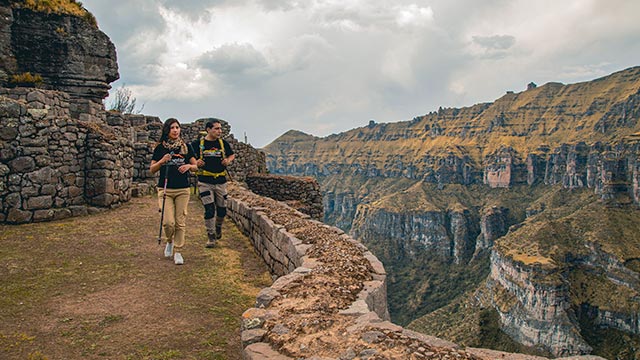
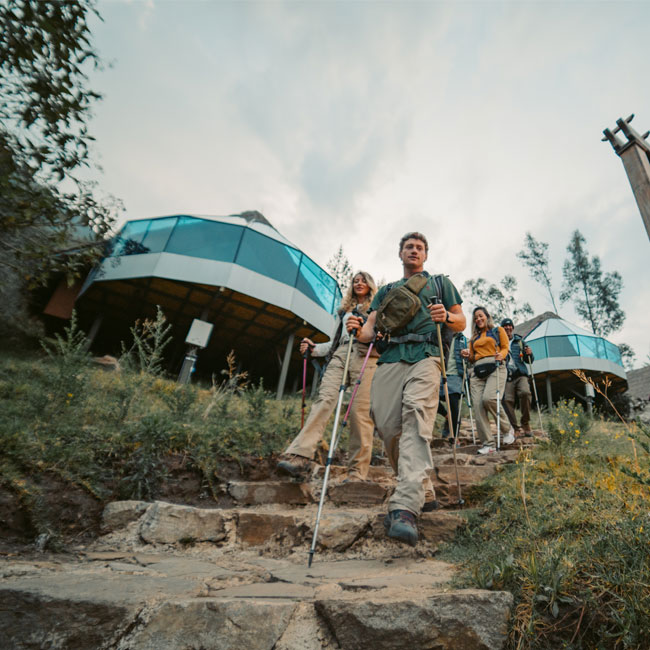
Two hikers with trekking poles walking along a stone path of the Inca Trail surrounded by green vegetation

Start Where You Are

How long can you comfortably walk right now? Use that as your starting point. Walk regularly and gradually increase the duration, making sure to leave time for rest and recovery.

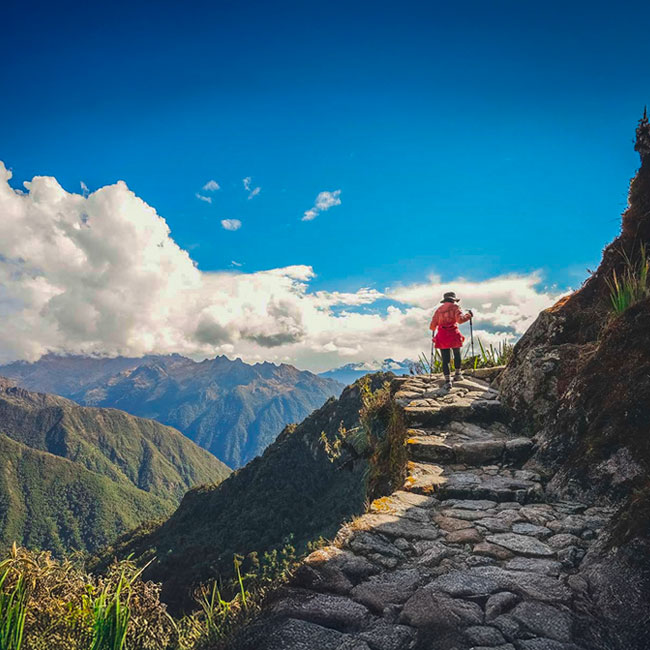
Hiker with trekking poles climbing stone steps on the Inca Trail with a mountain valley and blue sky behind

Get Used to the Effort Your Trek Will Require

Add uphill and downhill walks and stairs to strengthen your legs. If your adventure lasts several days, practice hiking on consecutive days and pay attention to how you feel when it's time to head out again.

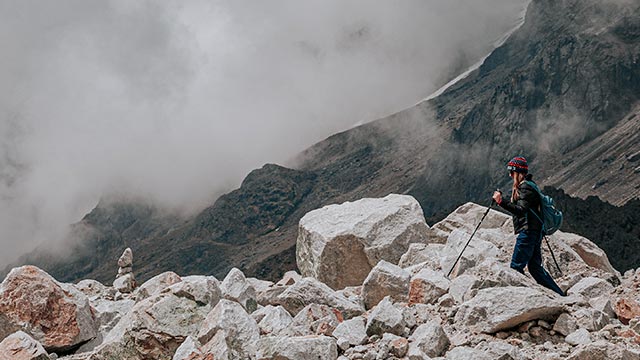
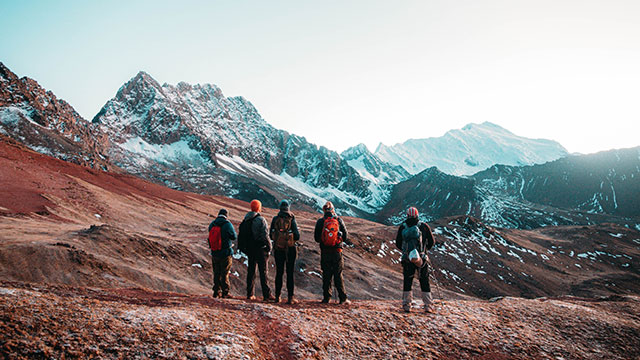
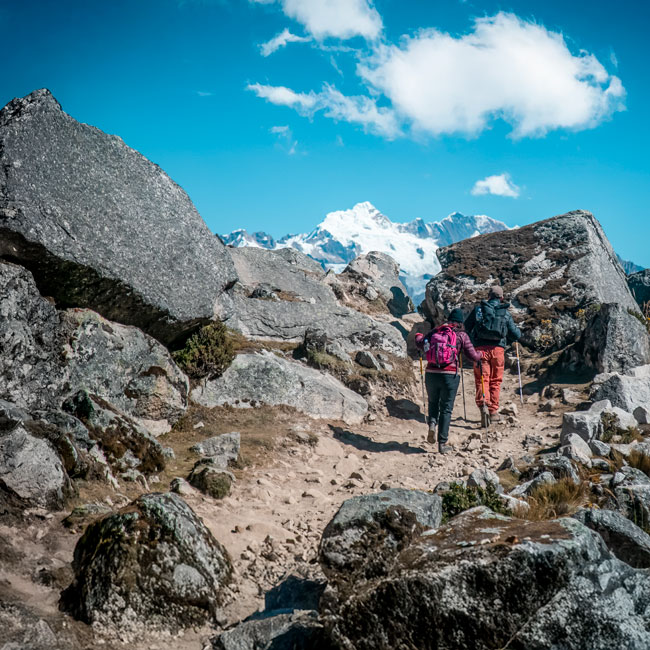
Two hikers with backpacks and trekking poles walking up a rocky trail toward snow-capped mountains on the Salkantay trek

Try Out the Gear You'll Bring

Wear your hiking boots and carry your backpack during practice hikes. Getting familiar with how they fit and feel will help you figure out what needs adjusting before you hit the trail.

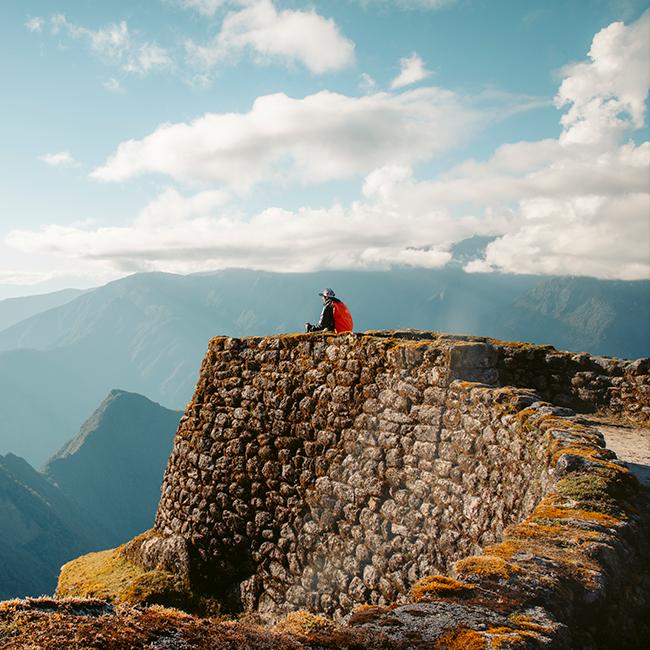
Hiker sitting on an Inca stone wall looking out over Andean mountains at sunrise

Get to Know Your Next Goal

Look at the hiking hours and elevation changes in your itinerary, especially on the most demanding day. Let those details guide your training, and celebrate every bit of progress you make.

Have you picked your next hike yet? It's time to get ready!

Now that you know what your route entails, start training gradually to improve your endurance, build confidence, and enjoy every stage of the adventure to the fullest.

Find Your Next Adventure by Difficulty Level

Choose a difficulty level and discover tours that match your fitness and experience. From easy walks to challenging treks, find a route that gets you excited and learn what to expect along the way.

Frequently Asked Questions

Let's Answer Your Questions

It's natural to have questions before a new adventure. Here, we'll help you understand how your age, preparation, and ability to adjust to altitude can affect your experience, so you know what to consider before choosing your hike.

Does Age Matter When Choosing a Hike?

Age is part of your story, but it doesn't tell us everything about how you'll feel on the trail. To guide you, we'd also like to know how active you are, what hikes you've done before, and what you need to enjoy the experience.

If you're traveling with children or have questions about participation requirements, tell us which route you're interested in. We'll go over the itinerary's conditions with you.

What Should I Look at to Understand a Tour's Difficulty?

Check the hiking hours and distance for each day, the uphill and downhill sections, and the altitude. Also consider the weather, how many consecutive days you'll be hiking, and how much weight you'll carry in your backpack.

Our maps and itineraries will help you understand each stage. Pay special attention to the most demanding day, and feel free to ask whether the estimated hiking hours include breaks.

Does the Difficulty of a Hike Vary From Person to Person?

Yes. The same uphill section can feel different depending on your fitness level, experience, how well you've adjusted to altitude, and how you're feeling that day.

Our difficulty scale describes what the trail requires. Comparing it with hikes you've already done can help you choose. And if this will be your first hiking experience, we're here to guide you.

Does Hiking at High Altitude Feel Very Different?

It can feel more demanding, even if the trail is short or doesn't have many steep sections. At higher altitudes, there's less oxygen available, so you may find yourself walking more slowly and needing more breaks.

Giving yourself time to acclimatize can help you manage the experience. Being physically fit helps you prepare for hiking, but it doesn't guarantee that you'll adjust well to altitude.

Do I Need to Acclimatize for an Easy Tour?

If you're arriving from a lower elevation, you should also think about acclimatization for sightseeing in Cusco. "Easy" describes the physical effort of the tour, not how your body will adjust to altitude.

Give yourself time to rest after arriving, allowing at least half a day before taking easy tours during your first few days. For higher-altitude or more demanding routes, plan your arrival based on the itinerary and how your body responds to altitude.

Does Rain Make a Hike More Difficult?

Yes. Rain can make the same trail require more attention and effort. Mud, wet rocks, and slippery steps can slow you down, especially on slopes.

The published difficulty level is meant as a general guide. Check the seasonal conditions and bring the recommended gear. During the trek, follow your guide's instructions.

Are the Activities on the Inca Jungle Trek Very Difficult?

Each activity brings a different kind of challenge. In addition to hiking, your itinerary may include biking, rafting, or ziplining, depending on the package you choose.

For biking, being able to brake and control your speed downhill is important. For rafting, you'll need to follow instructions and work together with the team. For ziplining, it helps to feel comfortable with heights and exposed spaces.
Check the requirements for each activity and tell us about your experience before booking. We'll help you understand what's included in your trip and how you can prepare.

Let's Talk About Your Next Hike

Let's Talk About Your Next Hike

Worried about the altitude, steep climbs, or keeping up with the group? Tell us which route you have in mind and what hiking experience you have. We'll help you understand the challenge so you can choose with confidence.

Travel Associations & Certifications
Start a Conversation

Hi! Click one our members below to chat on WhatsApp