
Planning your first time in Peru can feel a bit like opening a menu with far too many good options. Do you head straight for Machu Picchu? Spend a few days exploring Cusco? Venture into the Amazon? Eat your body weight in ceviche?
Peru is one of those countries that somehow manages to squeeze snow-capped mountains, ancient ruins, desert landscapes, colonial cities, cloud forests, and the world’s largest rainforest into one trip. The hardest part isn’t finding something to do—it’s deciding what to leave out.
If you’re wondering about the best time to visit Peru, how long you should stay, or whether hiking to Machu Picchu is worth it (it definitely is), this guide will help you find your footing. By the time you’re done reading, planning your visit to Peru should feel a whole lot less overwhelming and a lot more exciting.
Table of contents
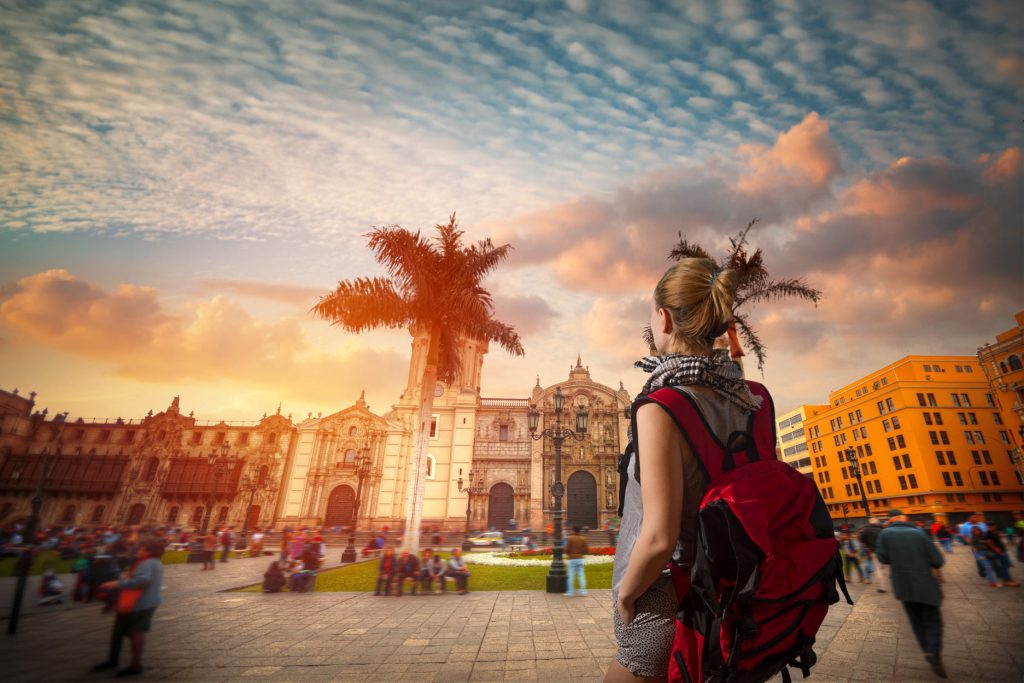
Why Peru Is Perfect for First-Time Visitors
Some countries take a few visits before they really click. Peru isn’t one of them.
Whether you’re into history, food, wildlife, hiking, photography, or simply seeing places that make you stop and say, “Well… that’s ridiculously awesome,” Peru delivers from day one.
The main tourist routes in the country are well connected but you’ll need to do some planning to find the best way around. You’ll find domestic flights connecting the main cities, comfortable long-distance buses, and trains heading toward Machu Picchu. And while traveling through Peru does involve covering some big distances, getting around is usually much simpler than first-time visitors expect.
One of the biggest reasons people fall in love with Peru is the sheer variety. You could spend the morning wandering colorful local markets, the afternoon exploring Inca ruins, and finish the day with dinner overlooking the Andes.
Of course, Machu Picchu steals plenty of headlines, but there’s so much more waiting beyond the famous citadel. The Sacred Valley, Rainbow Mountain, Lake Titicaca, the Amazon, and countless lesser-known spots all add something different to your trip.
And then there’s the food.
If you think Peruvian cuisine begins and ends with ceviche, you’re in for a pleasant surprise. Every region has its own specialties, and trying local dishes quickly becomes part of the adventure.
Best Time to Visit Peru
One of the first questions people ask when traveling to Peru is when they should go. Well, the answer depends on what you want to see.
Unlike countries with four neat seasons, Peru has several different climate zones. It could be sunny on the coast, chilly in the mountains, and humid in the Amazon, all on the same day.
The good news? There isn’t really a bad time to visit. There are simply better times for different experiences.
If you’d like a deeper breakdown, take a look at our guide to the best time to visit Peru, which explains what to expect throughout the year.
Dry Season vs Wet Season
Peru doesn’t have one single climate, which is where things can get a little confusing. The weather changes depending on whether you’re on the coast, in the Andes, or in the Amazon, so the “best” time to visit really depends on where you’re headed.
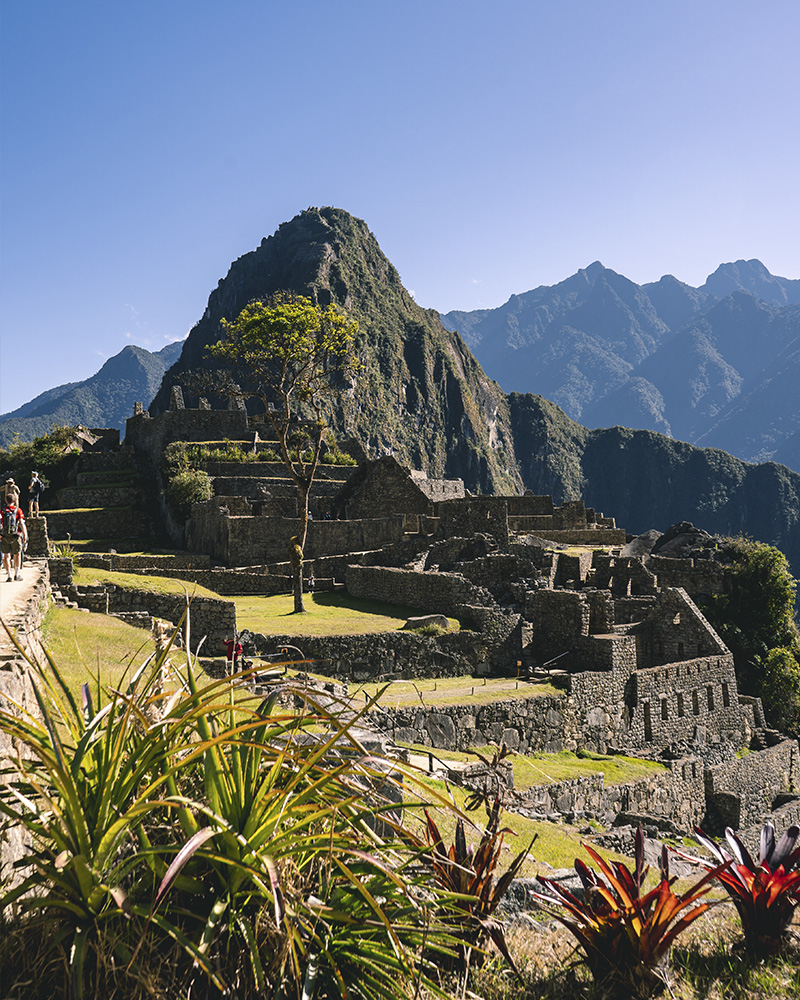
In the Andes, the dry season usually runs from May to September. This is when you’ll get the clearest skies and the best conditions for hiking. The wet season, from around November to March, brings more frequent rain showers, and the Inca Trail closes in February for maintenance.
That said, don’t write it off completely. The countryside turns an incredible shade of green, visitor numbers are generally lower, and showers often arrive later in the day rather than lasting from morning until night.
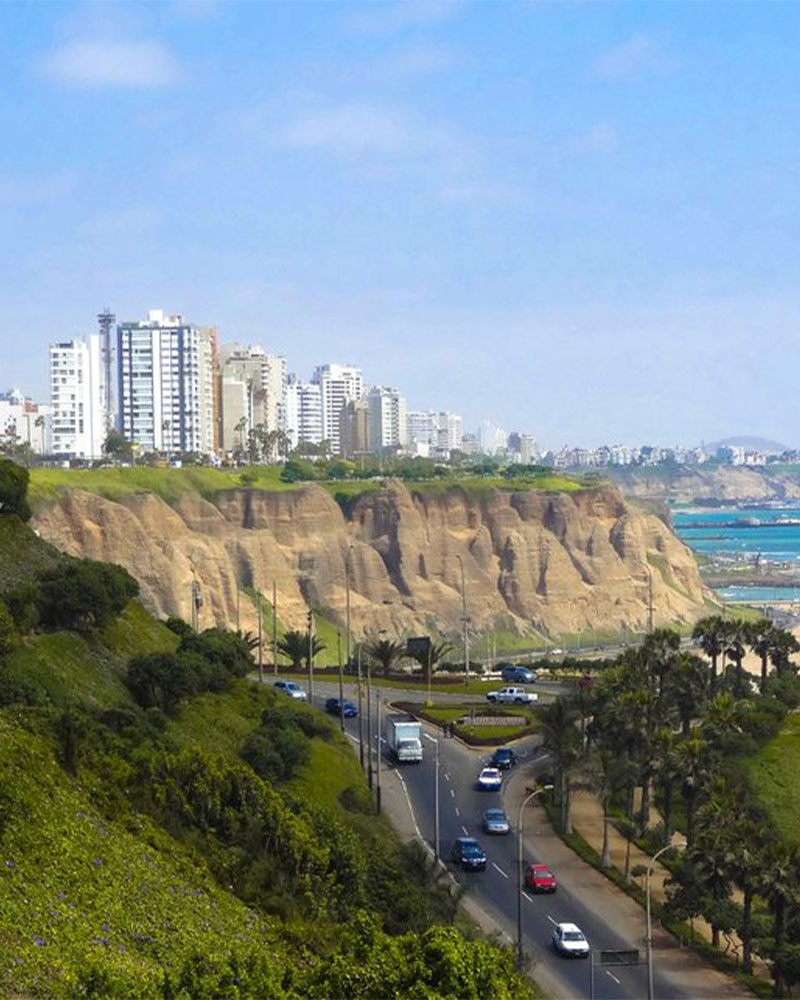
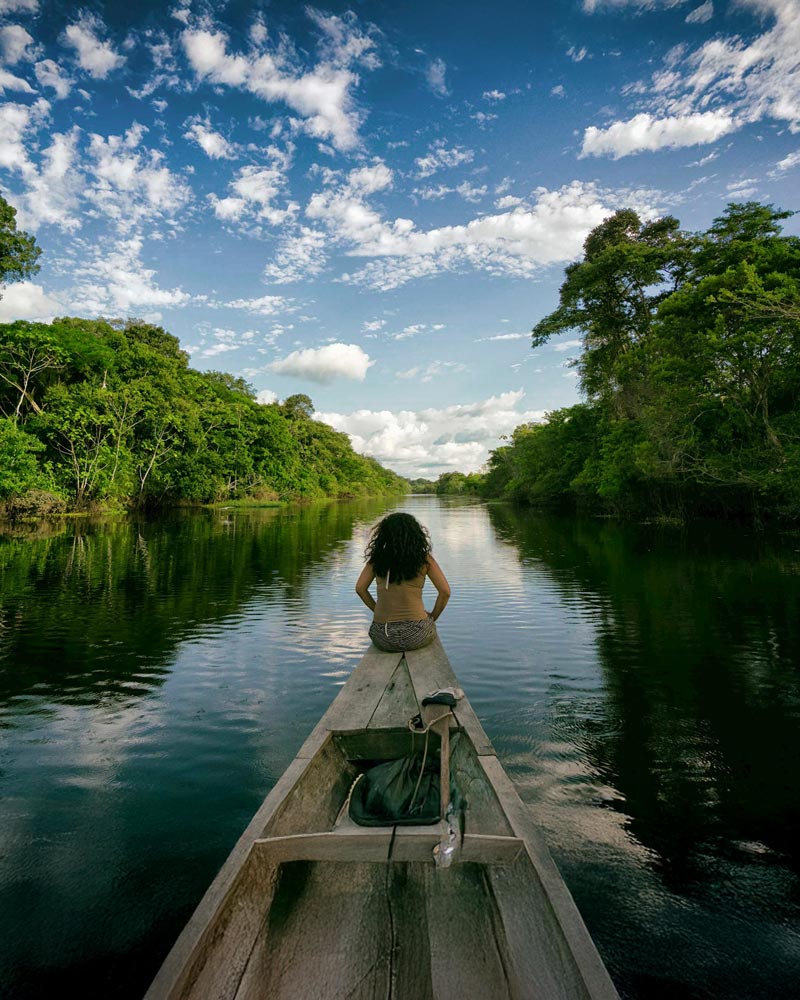
Along the coast, including Lima, it’s a different story. Summer runs from December to April, bringing warm temperatures and sunshine, while the winter months are often cooler and cloudier, with Lima’s misty gray skies. Meanwhile, the Amazon remains warm year-round, with rainfall varying by season.
Our complete guide to Peru weather explains what to expect in each region before you pack your bags.
Best Time to Visit Machu Picchu
If visiting Machu Picchu is at the top of your list, and let’s face it, it probably is, the best time to visit Machu Picchu is usually between May and September.
During these months, you’re more likely to enjoy clear mountain views and dry trails, making everything from sightseeing to photography that little bit easier.
The shoulder months (April and October) that sit on the cusp of wet and dry season are also excellent choices. You’ll often find fewer visitors while still enjoying pleasant weather.
How Long Should You Spend in Peru?
Peru isn’t somewhere you want to rush. It’s tempting to fly into Cusco, tick off Machu Picchu, snap a few photos, and fly home. You could do that, but you’d miss out on so much of what makes the country special.
If you have the flexibility, giving yourself extra time also helps with altitude acclimatization, slower travel days, and the inevitable moments where you’ll want to stay somewhere just a little longer.
Here’s a quick overview before we break down each option.
| Trip Length | Best For | Suggested Highlights |
|---|---|---|
| 1 Week | Travelers short on time | Cusco, Sacred Valley, Machu Picchu |
| 2 Weeks | First-time visitors | Lima, Cusco, Sacred Valley, Machu Picchu, Rainbow Mountain or Lake Titicaca |
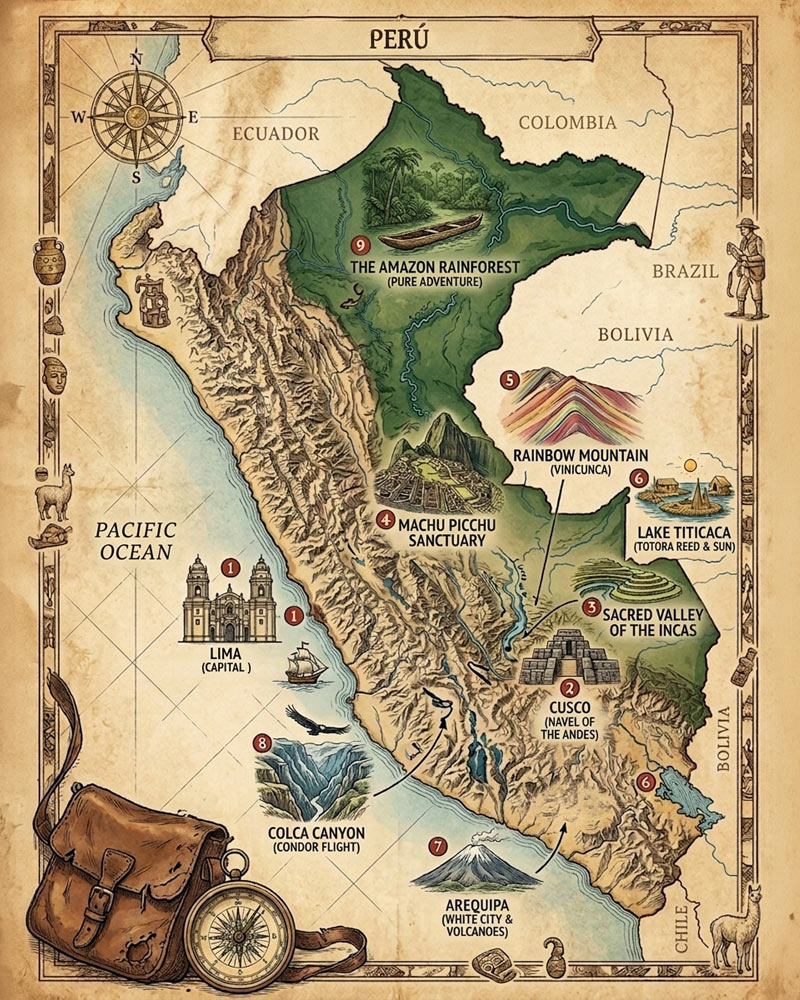
| 3 Weeks+ | Travelers wanting the full Peru experience | Lima, Cusco, Sacred Valley, Machu Picchu, Lake Titicaca, Arequipa, Colca Canyon, Amazon Rainforest |
One Week
If you’ve only got seven days, keep your itinerary focused.
Spend a couple of days in Cusco adjusting to the altitude before heading to Machu Picchu. Depending on your travel style, you could travel by train or opt for a shorter trek.
Trying to squeeze Lima, Lake Titicaca, Arequipa, the Amazon, and Cusco into one week usually means spending more time in airports or bus stations than actually enjoying Peru.
Two Weeks
For many travelers, two weeks is the sweet spot.
You’ll have enough time to explore Cusco properly, visit the Sacred Valley, experience Machu Picchu, and still add another destination or two.
This is also an ideal amount of time if you’ve always dreamed of hiking the Salkantay Trek, which combines incredible mountain scenery with an unforgettable arrival at Machu Picchu. If you’re comparing routes, our guides to the Salkantay Trek and the Inca Trail can help you decide which adventure suits you best.
Three Weeks or More
With three weeks, you can start building a trip that feels less like a checklist and more like an adventure.
You could combine Cusco and Machu Picchu with Lake Titicaca, Arequipa, Colca Canyon, the Amazon Rainforest, and even spend a few days relaxing along Peru’s northern coast.
Having extra time also gives you breathing room if travel plans need to change because of weather or if you simply fall in love with a place and decide to stay an extra day.
The Best Places to Visit on Your First Trip
It’s not unusual for your Peru itinerary to grow every time you read another blog or watch another travel video. One minute you’re planning a quick visit to Machu Picchu, and the next you’ve somehow added an Amazon lodge, a canyon, three mountain hikes, and a food tour in Lima.
If it’s your first trip, don’t feel like you have to see absolutely everything. Peru isn’t going anywhere, and leaving yourself a reason to come back isn’t the worst thing in the world.
These are the destinations that deserve a spot on just about every first-timer’s list (time-dependent, of course).
Lima
Most international flights arrive in Lima, but don’t make the mistake of treating it as somewhere to sleep before your next flight.
Peru’s capital has one of the best food scenes in South America, and even a couple of days gives you time to wander the cliffs of Miraflores, explore the artsy streets of Barranco, and try out dishes that make you wonder why Peruvian restaurants aren’t on every street corner back home.
Whether you’re trying fresh ceviche, tucking into lomo saltado, or discovering a dessert you’ve never heard of, Lima is a brilliant introduction to the country.
If you’re wondering what to order first, our guide to Peruvian food will point you in the right direction.
Cusco
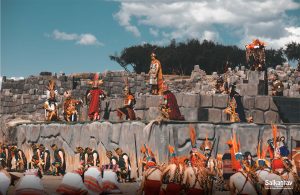
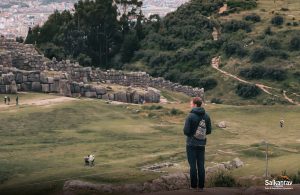
Once the capital of the Inca Empire, Cusco is a colorful mix of ancient stone walls, colonial architecture, lively plazas, and quaint narrow streets.
The city sits at 11,155 feet (3,400 m), so give yourself a day or two to take it easy and acclimate to the high altitude. Your first afternoon isn’t the time to prove your fitness by sprinting up cobbled streets.
Instead, spend your time exploring local markets, visiting museums, enjoying acclimatization tours, and soaking up the atmosphere while your body adjusts.
Sacred Valley
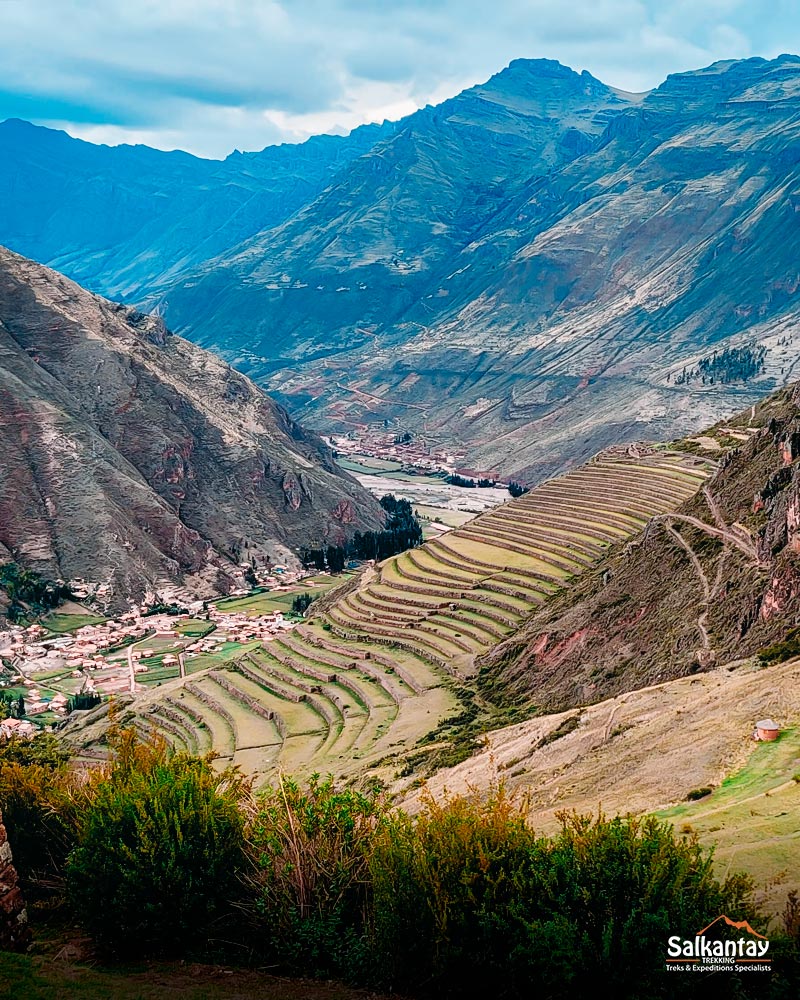
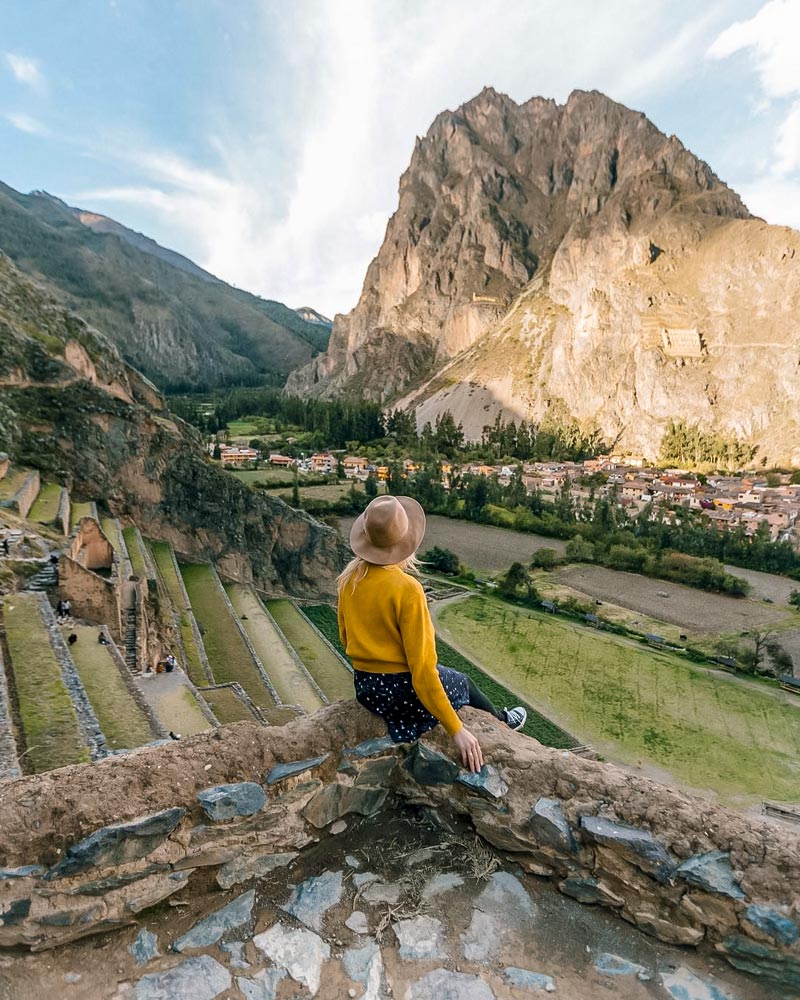
Just outside Cusco lies the Sacred Valley. The altitude is lower than Cusco, making it an ideal place to acclimatize, but that’s only part of the appeal. You’ll find impressive Inca ruins, traditional villages, colorful markets, dramatic mountain scenery, and some of the prettiest landscapes in the region.
Many visitors rush through the valley in a single day. We’d argue it deserves longer.
Slowing down here gives you a chance to experience rural Peru at a gentler pace before moving on to Machu Picchu.
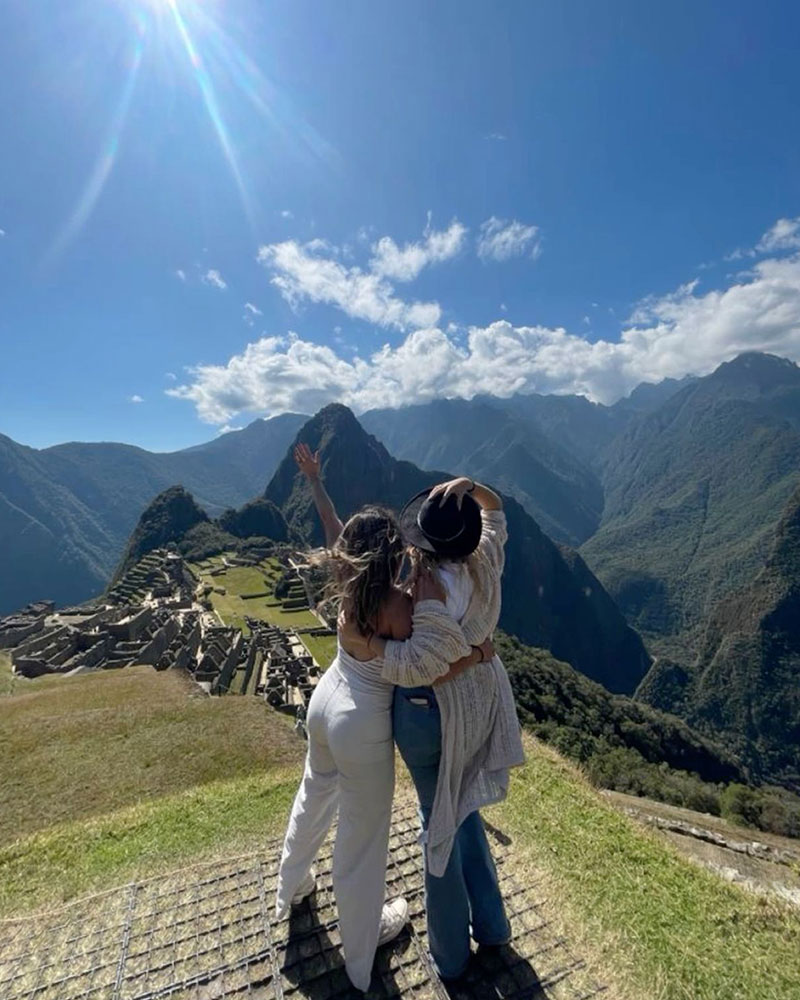
Machu Picchu
Let’s be honest. There’s a good chance this is why you’re here.
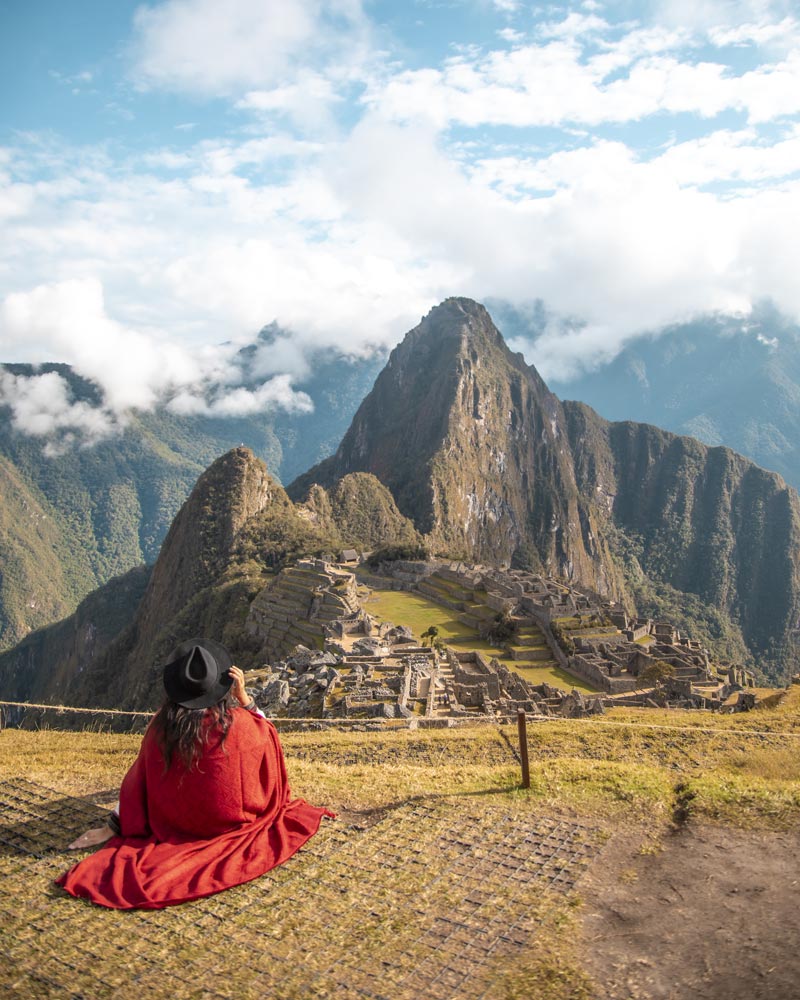
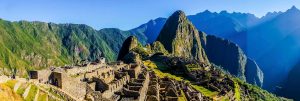
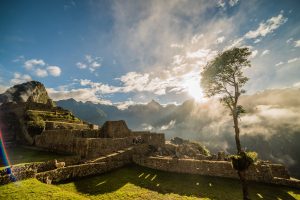
Even after seeing thousands of photos, nothing quite prepares you for your first glimpse of Machu Picchu. Whether the morning sun is lighting up the terraces or clouds are swirling dramatically around the mountains, it always lives up to the hype.
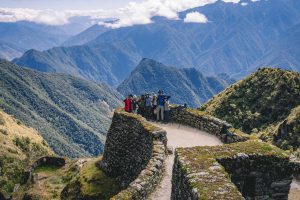
Getting there is part of the experience too. Some travelers arrive by train, while others prefer earning those views on foot. Hiking the Salkantay Trek rewards you with changing landscapes, fewer crowds along the trail, and a real sense that you’ve traveled through the Andes rather than simply arriving at the end.
Whichever route you choose, book well in advance, especially during the busiest months, to avoid disappointment.
Rainbow Mountain
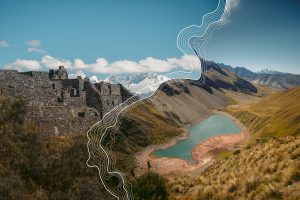
If you’ve ever wondered whether those colorful photos you’ve seen online are heavily edited, you’ll be pleased to know Rainbow Mountain really does look like that, especially if you visit during the dry season. From May to September, the natural colors are at their most vibrant. In the wetter months, rain, cloud cover, and changing light can make the colors appear more muted, but the scenery is still pretty spectacular.
The famous striped slopes have become one of Peru’s most popular day trips, although reaching them isn’t quite as effortless as the Instagram posts sometimes suggest. The high altitude (5,100 m / 16,732 ft) means even a relatively short walk can feel surprisingly challenging. The good news is that the scenery more than makes up for it.
Lake Titicaca
The lake sits on the border between Peru and Bolivia, is the highest navigable lake in the world, and is a place where traditional cultures are still very much part of everyday life.
Many visitors spend time exploring the famous floating islands (Uros) before visiting local communities on Taquile or Amantani Islands. It’s a completely different pace from Cusco, making it a nice change after several busy days of sightseeing.
Just remember that you’re still at high altitude here, so it’s still a good idea to take things slowly.
Arequipa and Colca Canyon
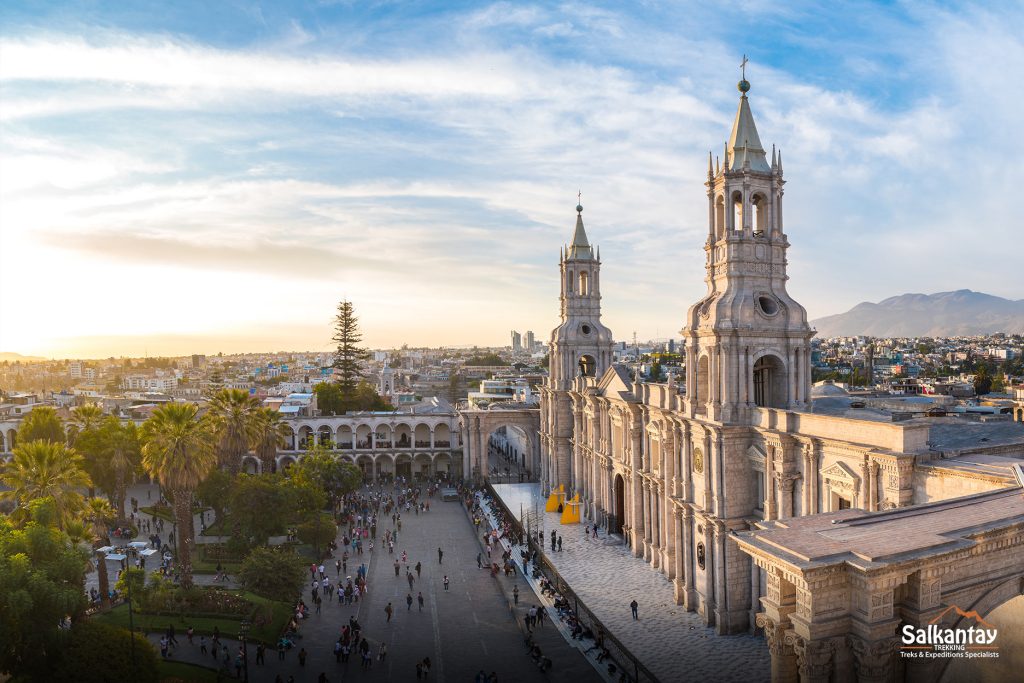
Often called the White City, thanks to its beautiful volcanic stone buildings, Arequipa is worth visiting for its relaxed atmosphere alone.
It’s also the gateway to Colca Canyon, one of the deepest canyons in the world and home to soaring Andean condors that you can watch glide effortlessly above the cliffs.
Whether you choose a day trip or a multi-day trek, this region offers a completely different side of Peru from the Sacred Valley and Machu Picchu.
The Amazon Rainforest
It would be a shame to leave Peru without experiencing at least one part of the Amazon.
Swap mountain air for jungle humidity, and suddenly what you hear changes from church bells and bustling plazas to birds, monkeys, frogs, and whatever made that noise in the trees.
From Puerto Maldonado, you can stay in jungle lodges, take guided wildlife walks, cruise along rivers, and spot everything from colorful macaws to sleepy sloths if you’re lucky.
It’s a reminder that Peru isn’t just one incredible destination. It’s dozens of completely different worlds rolled into one.
Is Peru Safe to Travel?
This is one of the most common questions people ask before they travel to Peru. Well, the short answer is yes.
Millions of people visit Peru every year without any problems, and for most travelers, the biggest challenge is deciding which incredible place to explore next. Like anywhere, though, using a bit of common sense goes a long way.
Common Safety Tips
Most visits to Peru are trouble-free, but it’s worth taking the same precautions you’d use in any unfamiliar destination.
Keep valuables out of sight, avoid carrying large amounts of cash, and stay aware of your surroundings in busy tourist areas.
When using taxis, book through your hotel or tour operator, or use trusted ride apps rather than flagging one down on the street.
If you’re hiking, always choose reputable operators with experienced guides. Not only is it safer, but you’ll also get a much better experience.
Altitude Sickness
For many first-time visitors, altitude is far more likely to cause problems than anything else. Places like Cusco, Rainbow Mountain, and Lake Titicaca sit thousands of feet above sea level, and your body needs time to adjust. The golden rule? Don’t rush.
Spend your first few days taking things easy, stay hydrated, avoid alcohol, and save the serious hiking until you’ve had a chance to acclimatize. A slower start often means a much more enjoyable trip.
If you’re headed to Cusco and want some more tips on getting used to the elevation, check out our guide on acclimatizing in Cusco.
Food and Water
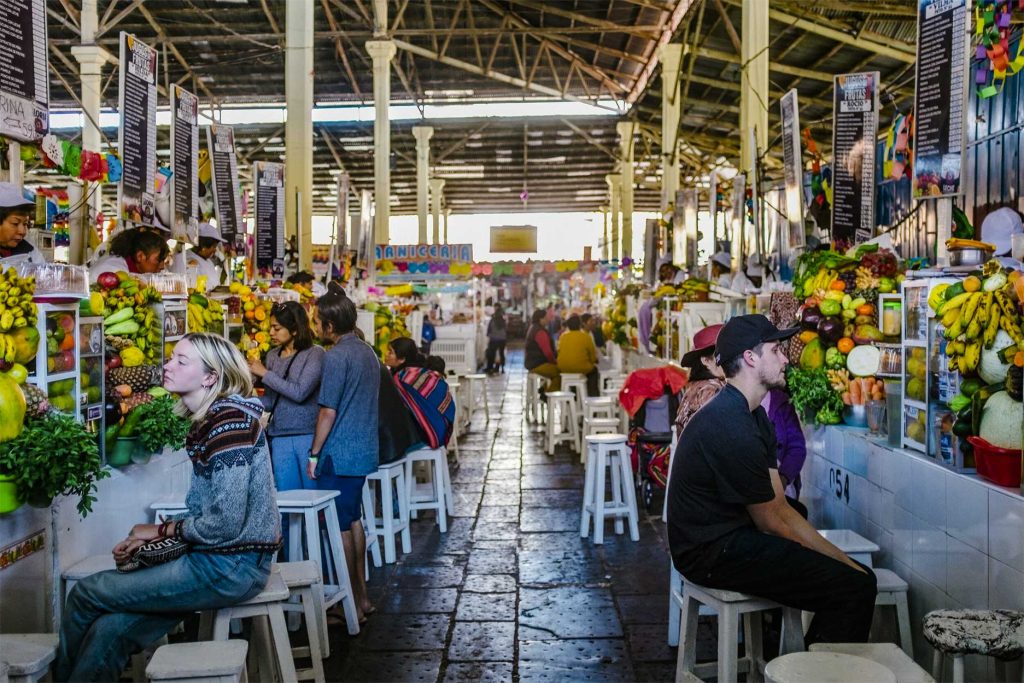
Trying local food is one of the highlights of travel in Peru. Street food can be fantastic, but use your judgment. Busy stalls with high turnover are usually a safer option.
As for water, stick to bottled or filtered drinking water rather than drinking straight from the tap.
Other than that, come hungry. Because somewhere between your first empanada, your second plate of ceviche, and that dessert you definitely weren’t planning on ordering, you’ll understand why Peru has earned such an incredible reputation for food.
Getting Around Peru
One look at a map is enough to realize Peru is bigger than many first-time visitors expect. The good news is that getting from A to B is usually easier than it looks.
Whether you’re hopping between cities, heading into the Andes, or making your way to Machu Picchu, there are plenty of ways to get around. The trick is choosing the right one for your itinerary rather than squeezing too much into a few days.
Domestic Flights
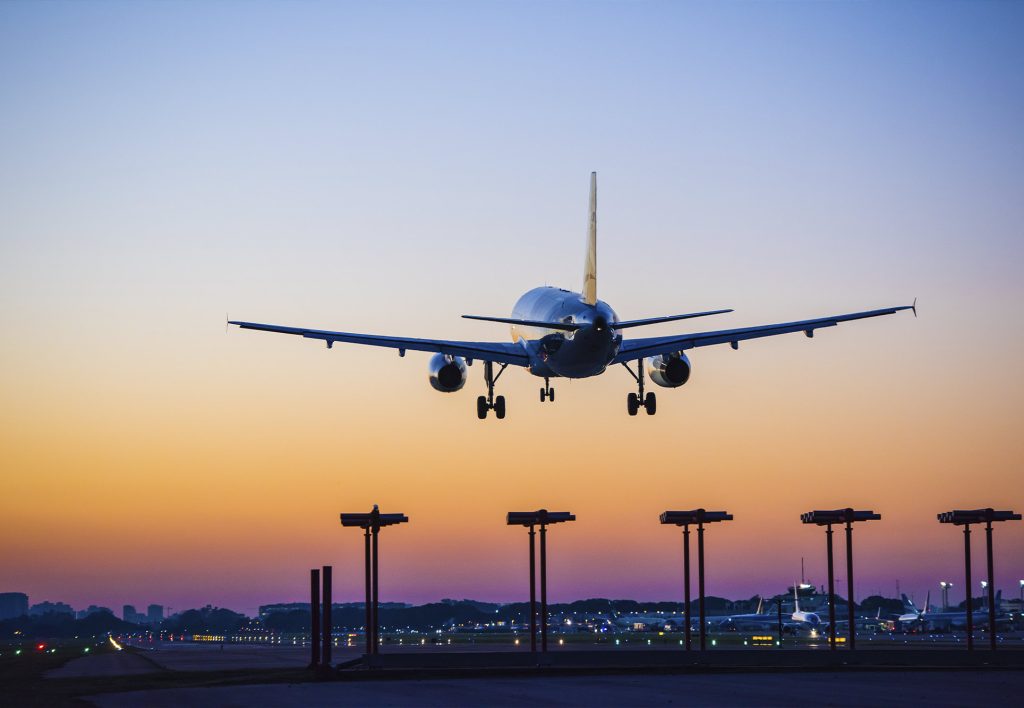
If you’re planning to visit several regions, domestic flights are a huge time-saver.
Flying between Lima, Cusco, Arequipa, Juliaca (for Lake Titicaca), and Puerto Maldonado can turn what would be a long bus journey into a quick hop across the country. They’re especially useful if you’re short on vacation time.
Just remember that mountain weather can occasionally cause delays, so avoid booking tight connections if you can.
Buses
Peru has an extensive long-distance bus network, and many companies offer comfortable overnight services.
For shorter journeys, buses are an affordable way to travel while enjoying the scenery. For longer routes, premium buses often have reclining seats in case you need to catch up on sleep.
If you’re traveling through Peru on a budget, buses are often the best balance between cost and convenience.

Trains
Unless you’re going on a trek, the train is the easiest way to reach Machu Picchu.
Services run from Cusco or Ollantaytambo to Aguas Calientes, with some amazing views along the Urubamba River for much of the journey. We like to think of it as part of the experience rather than just the transport.
Book well ahead if you’re visiting during the busiest months, as trains can sell out quickly.
Taxis and Ride Apps
In cities like Lima and Cusco, taxis are easy to find, but it’s generally better to arrange one through a trusted source when possible. Fares aren’t always metered, so agree on the price before setting off if you’re using a regular taxi.
What to Pack for Peru
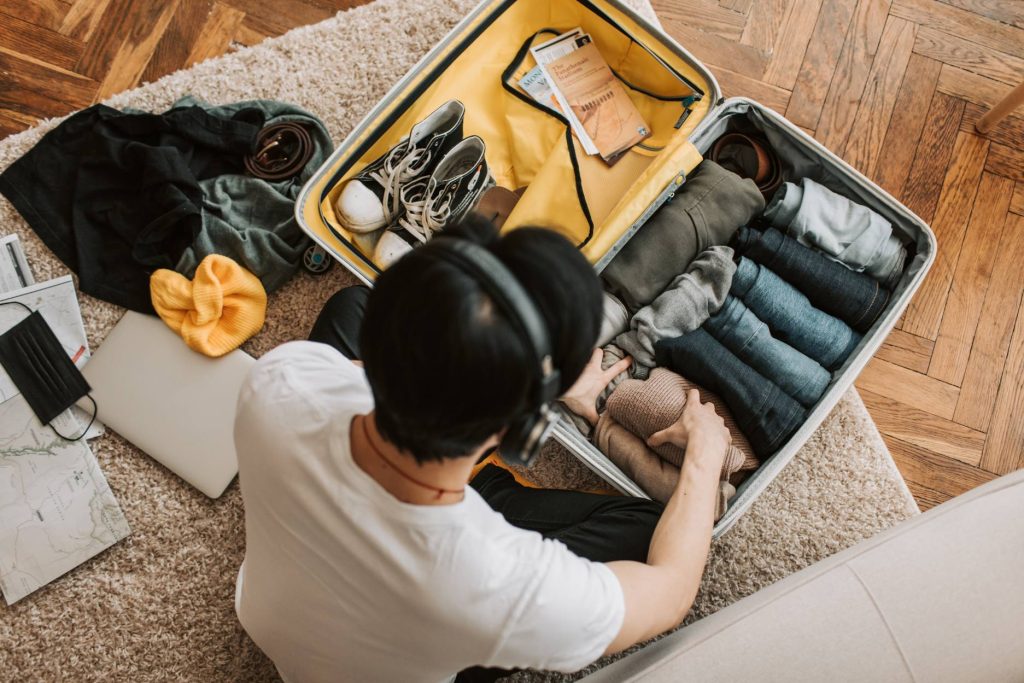
Packing for Peru can feel slightly confusing when you’re visiting deserts, mountains, cloud forests, and the Amazon on the same trip. But the secret isn’t packing more. It’s packing smarter.
Layers will become your best friend, because the weather can change dramatically throughout the day, especially in the Andes.
If you’re looking for a complete checklist, our trekking in Peru packing list covers everything you’ll need for both sightseeing and hiking adventures.
Clothing
Lightweight clothes work well during the day, while a warm fleece or insulated jacket is a must-have for chilly mountain mornings and evenings. A waterproof jacket is also worth bringing, even if you’re visiting during the dry season.
Comfortable walking shoes are another essential, and make sure they’re broken in. Even city sightseeing in places like Cusco involves plenty of uneven streets, stairs, and cobblestones.
Hiking Essentials
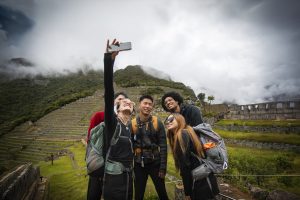
Planning to hike the Salkantay Trek, tackle the Inca Trail, or simply spend time exploring the mountains by yourself? You should always carry a small daypack containing a reusable water bottle, sunscreen, sunglasses, a hat, insect repellent, and a basic first-aid kit.
The sun is surprisingly strong at altitude, even when the air feels cool, so don’t let cloud cover fool you. SPF 50+ is ideal for protecting your skin against strong UV rays at high elevations.
Travel Documents and Money
Keep your passport somewhere safe and make digital copies before you leave home.
Credit cards are widely accepted in larger cities, but smaller towns, markets, and local businesses often prefer cash, so it’s useful to carry some Peruvian soles with you.
It’s also worth letting your bank know you’re traveling to avoid any unexpected card issues halfway through your trip.
Practical Peru Travel Tips for First-Time Visitors
The little things can make a big difference when you’re visiting a new country. Knowing a few local customs before you arrive helps everything run that bit more smoothly.
Currency
Peru uses the Peruvian Sol (PEN). ATMs are easy to find in cities and tourist destinations, although carrying some smaller notes is helpful for taxis, markets, and smaller shops. Many larger shops and tour agencies also accept US dollars.
Language
Spanish is the main language throughout Peru, while Quechua is still widely spoken in many Andean communities.
You don’t need to be fluent to enjoy your trip, but learning a few simple phrases goes a long way. Even a cheerful “Buenos días” is usually met with a smile.
Tipping
Tipping in Peru isn’t compulsory everywhere, but it’s appreciated for good service.
Restaurants may already include a service charge, so check your bill before adding anything extra. Visitors tend to tip guides, drivers, and hotel staff if they’ve had a great experience, although the amount is always up to you.
Internet and SIM Cards
You’ll usually find decent WiFi in hotels, cafés, and restaurants, although speeds can vary depending on where you are.
If you’ll be relying on maps or messaging while you’re out exploring, picking up a local SIM card or eSIM is usually inexpensive and makes life much easier.
Ready to Plan Your Peru Adventure?
There’s no such thing as seeing all of Peru in one trip, and honestly, that’s part of the fun.
Whether you’re wandering through the streets of Cusco, standing in awe at Machu Picchu, spotting wildlife in the Amazon, or watching condors soar above Colca Canyon, every stop adds another experience you’ll remember for a lifetime.
If this is your first time in Peru, don’t worry about creating the perfect itinerary. Focus on seeing the places that excite you most, leave a little room for the unexpected, and give yourself time to enjoy the journey instead of racing through it.
You never know, you might be planning your next visit to Peru before the first one is even over.
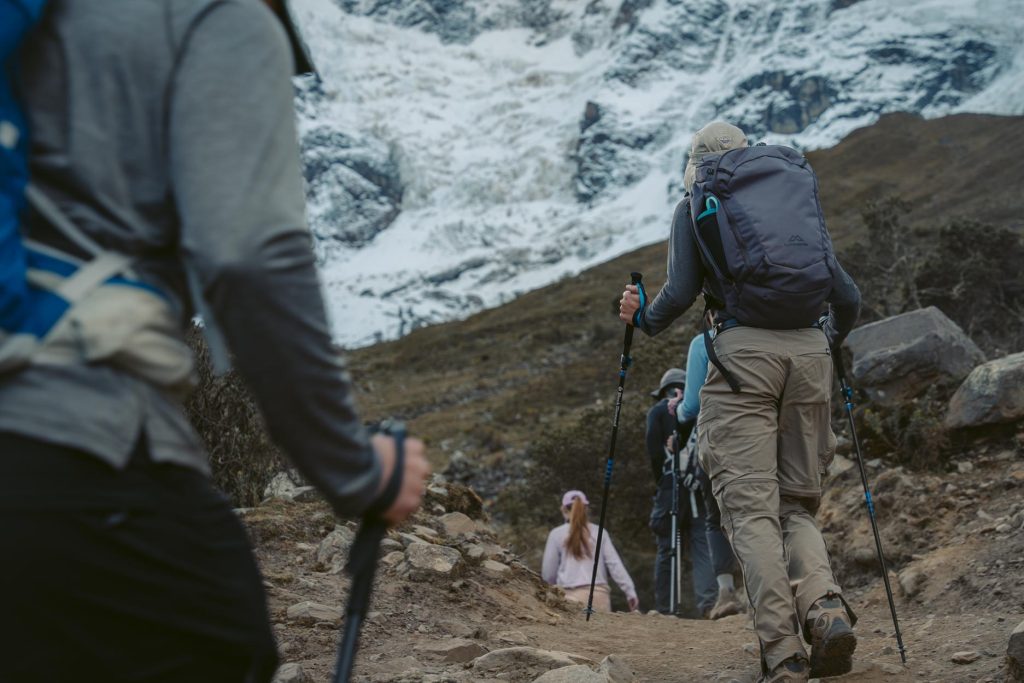
And if hiking to Machu Picchu is on your bucket list, we’d love to help you get there. Whether you’re looking for the breathtaking scenery of the Salkantay Trek or the legendary Inca Trail, the team at Salkantay Trekking can help you choose the adventure that’s right for you.

Leave A Reply