
Trying to choose between the Inca Trail vs Ancascocha Trek?
You’re not alone. Most travelers planning a hike to Machu Picchu have heard of the Inca Trail. It’s famous, it’s iconic, and it tends to dominate every conversation about trekking in Peru.
On the opposite end of the spectrum is the Ancascocha Trek, which we think is a bit of a hidden gem. It doesn’t get nearly as much attention, but hikers who’ve walked it tend to wonder why more people aren’t talking about it.
The truth is that both routes offer an amazing experience, but they appeal to different types of travelers.
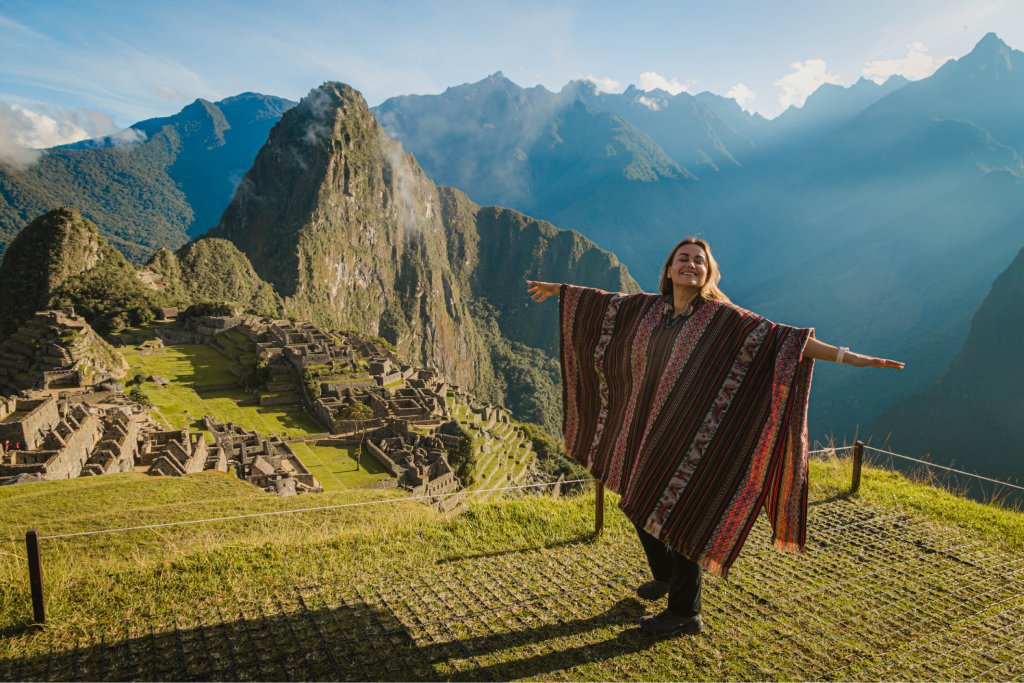
The Inca Trail to Machu Picchu is all about history, following in ancient footsteps, and the arrival through the Sun Gate (Inti Punku), which is on so many bucket lists. The Ancascocha Trek is wilder, quieter, and packed with mountain scenery that could easily fill your camera roll on the first morning.
So, when it comes to choosing the Inca Trail or Ancascocha Trek, which one will secure a place on your Peru itinerary?
Let’s break it down.
Table of contents
- Inca Trail vs Ancascocha Trek: Quick Comparison
- What Is the Inca Trail?
- What Is the Ancascocha Trek?
- Which Trek Is More Difficult?
- Which Trek Has Better Scenery?
- Which Trek Offers More Cultural Experiences?
- Which Trek Has Better Archaeological Sites?
- Which Trek Is Better for Machu Picchu?
- Crowds and Trail Atmosphere
- Permits, Availability, and Booking
- How Far in Advance Should You Book?
- Camping and Accommodation Comparison
- Altitude and Acclimatization
- Best Time to Hike the Inca Trail and Ancascocha Trek
- Who Should Choose the Inca Trail?
- Who Should Choose the Ancascocha Trek?
- Frequently Asked Questions
- Which Trek Should You Choose?
Inca Trail vs Ancascocha Trek: Quick Comparison
Before we get into the details, here’s the brief version if you’re short on time.
Inca Trail vs Ancascocha Trek Comparison Table
| Feature | Inca Trail | Ancascocha Trek |
|---|---|---|
| Duration | 4 Days / 3 Nights | 5 Days / 4 Nights |
| Distance | Approx. 27.3 miles (44 km) | Approx. 32.9 miles (53 km) |
| Final Destination | Machu Picchu | Machu Picchu |
| Maximum Altitude | 4,215 m (13,829 ft) | 4,650 m (15,255 ft) |
| Difficulty | Moderate to challenging | Moderate to challenging |
| Cultural Experiences | Archaeological heritage and Inca history | Rural Andean communities, landscapes, and local traditions |
| Crowds | High | Very Low |
| Permit Required | Yes | No |
| Guide Required | Yes | Recommended |
| Accommodation | Campsites | Campsites + Hotel in Aguas Calientes |
| Scenery | Ruins, cloud forest, mountains | High mountains, valleys, lakes |
| Best For | History lovers | Experienced hikers seeking solitude |
| Booking Notice | Often 4–8 months ahead | Usually much more flexible |
| Main Challenge | Stone stairs, elevation gain, permit logistics | Higher altitude, longer distance, remoteness |
What Is the Inca Trail?
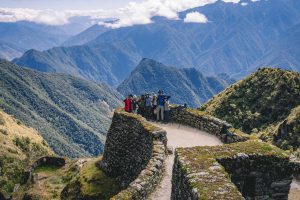
The Inca Trail is the most famous trek in South America and one of the most sought-after hiking experiences in the world. Over four days, hikers walk along original Inca pathways, cross mountain passes, pass through cloud forests, and visit archaeological sites before arriving at Machu Picchu through the Sun Gate.
It’s the route that usually comes to mind when people think about a hike to Machu Picchu, and for good reason. The combination of history, scenery, and sense of achievement is hard to beat.
Flora, Fauna, and Landscapes on the Inca Trail
The variation in the landscape along the trail often surprises hikers.
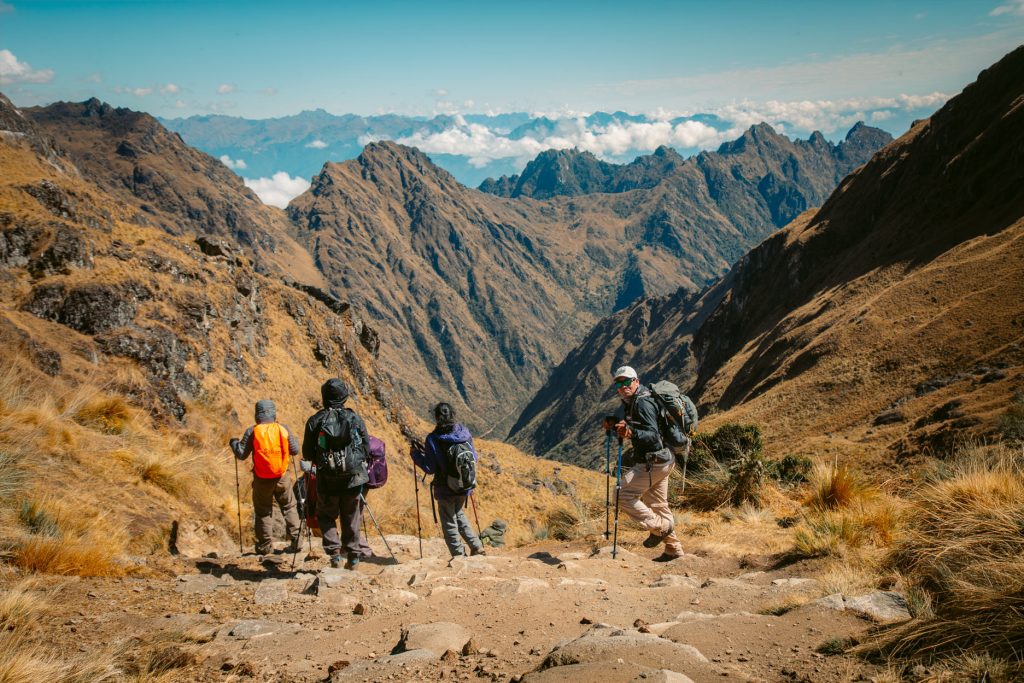
The trail is constantly changing. One day, you’re clambering through rugged mountain scenery. The next, you’re walking through lush cloud forest, surrounded by orchids and hummingbirds.
As you wind your way toward Machu Picchu, you’ll pass through several ecosystems, which makes every day feel different from the last.
Expect to see an array of stunning wildlife, like:
- Hummingbirds
- Orchids and bromeliads
- Viscachas
- Various Andean bird species
- Spectacled bears (very rare, but they do live in the region)
The changing scenery is one of the reasons the Inca Trail hike has remained so popular for decades.
Archaeological Sites on the Inca Trail
This is where the Inca Trail really separates itself from almost every other trek in Peru.
Instead of simply hiking through incredible landscapes, you also walk through history. It feels a little like you’ve gone back in time, and you can really start to imagine what life was like all those hundreds of years ago.
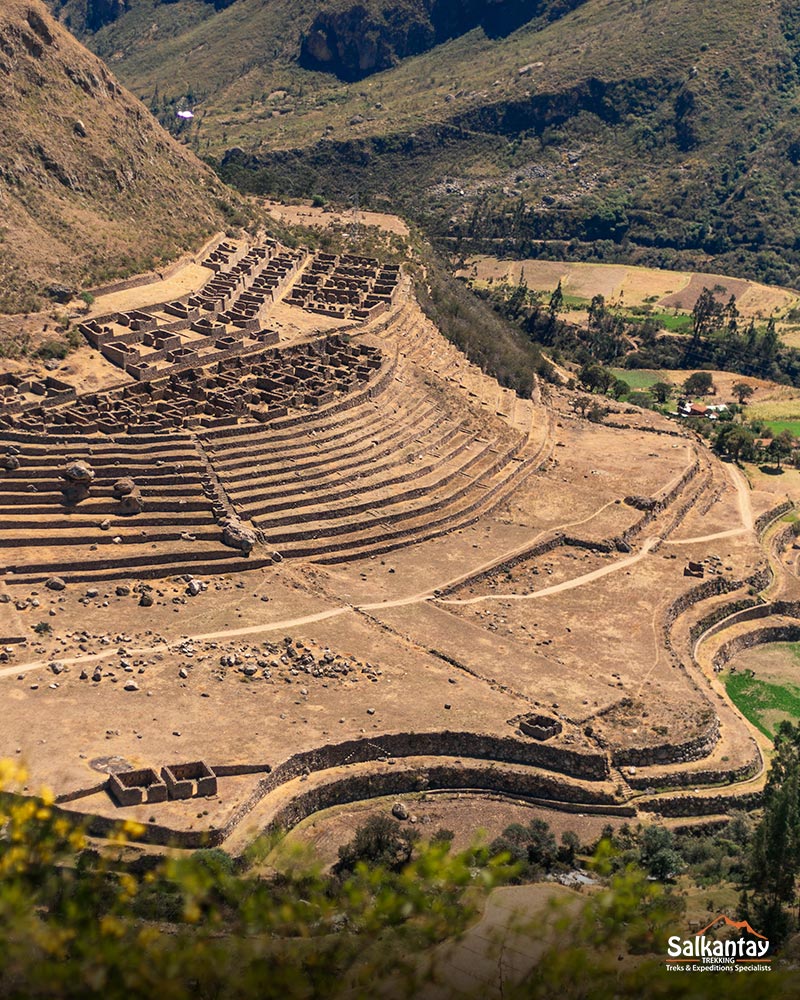
Along the route, you’ll visit various archaeological sites that many visitors to Machu Picchu never get to see.
Some of the highlights include:
- Llactapata
- Runkurakay
- Sayacmarca
- Phuyupatamarca
- Wiñay Wayna
- Inti Punku (Sun Gate)
Each deepens your understanding of the Inca civilization and builds anticipation for the grand finale at Machu Picchu.
By the time you arrive, you’ll already understand a lot about the region’s history.
What Are the Characteristics of the Inca Trail?
The Inca Trail didn’t get its legendary status for nothing. Here are some of its most standout features:
- Entrance to Machu Picchu through Inti Punku
- Original Inca stone pathways
- Lots of archaeological sites
- A range of ecosystems and landscapes
- Strict permit regulations
- Professional guide requirement
- Limited daily visitor numbers
- Strong historical importance
The biggest challenge for many travelers isn’t hiking the trail but getting a spot in the first place.
There’s a limited number of Inca Trail permits, meaning availability can disappear months before departure dates, especially during peak season.
That’s why we recommend that any travelers interested in the classic Inca Trail to Machu Picchu experience book as early as possible.
What Is the Ancascocha Trek?
The Ancascocha Trek is one of Peru’s best-kept secrets.
While thousands of hikers compete for permits for the Inca Trail every year, the Ancascocha route quietly delivers some of the most spectacular mountain scenery in the Andes with only a fraction of the visitors.
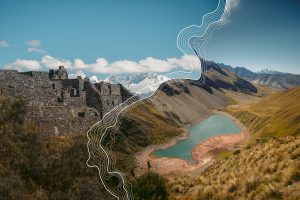
Rather than focusing heavily on famous archaeological sites, the Ancascocha Trek is all about remote landscapes, dramatic mountain passes, turquoise lakes, and a genuine feeling of wilderness. It’s a beautiful route that’s somehow managed to slip under most people’s radar.
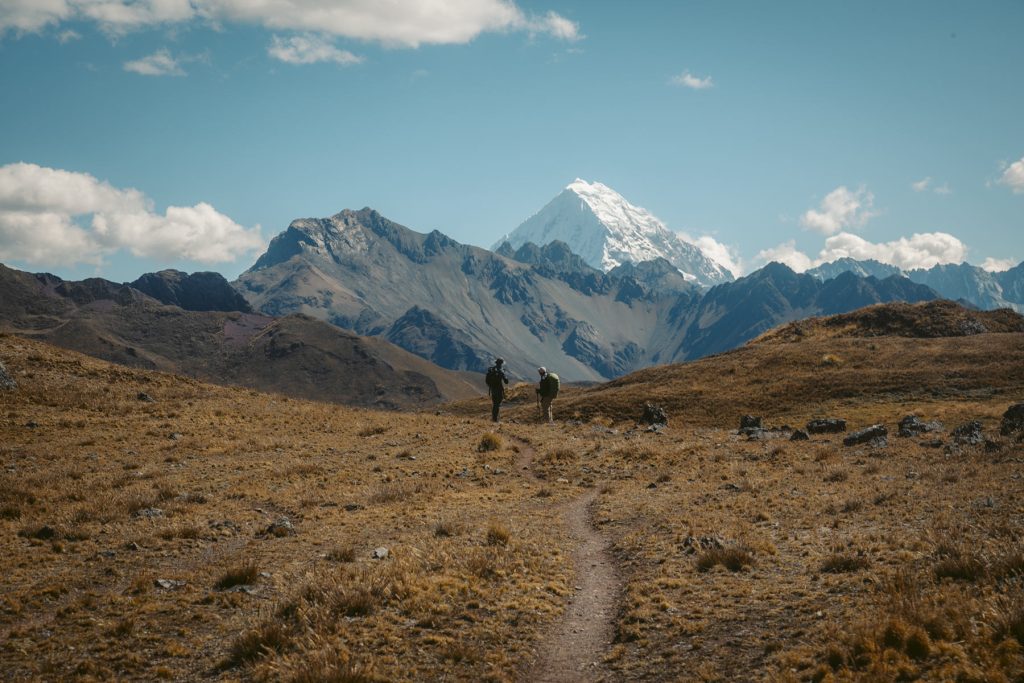
Flora, Fauna, and Landscapes on the Ancascocha Trek
This trek wastes absolutely no time showing you what it’s got to offer.
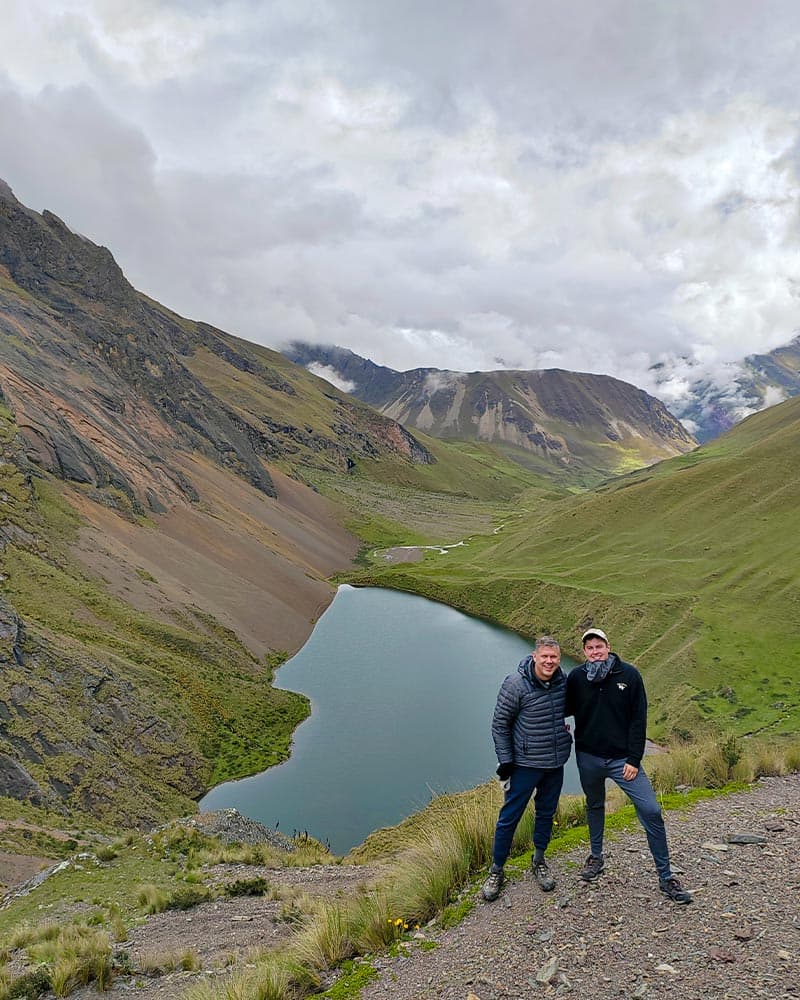
Trekkers pass through enormous mountain valleys, crystal-clear lakes, high-altitude grasslands, and snow-capped peaks that seem to go on forever.
A lot of the sections feel extremely untouched.
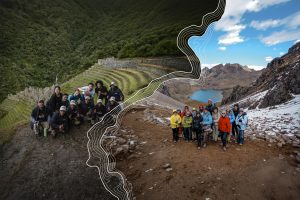
In fact, it’s very common to hike for long stretches without seeing a single other trekking group, which makes it feel as though you’ve discovered something special.
The most common wildlife you can expect to see on the route includes:
- Alpacas
- Llamas
- Vicuñas
- Andean geese
- Hawks and other birds of prey
The scenery is spectacular from start to finish.
There aren’t many treks where every turn makes you stop and say, “Okay, now this has to be the best view of the day.”
The Ancascocha Trek somehow manages to do so repeatedly.
Archaeological Sites on the Ancascocha Trek
It’s easy to assume the Ancascocha Trek is all about scenery. And while the mountains are undoubtedly the main attraction, there are also several fascinating archaeological sites along the way.
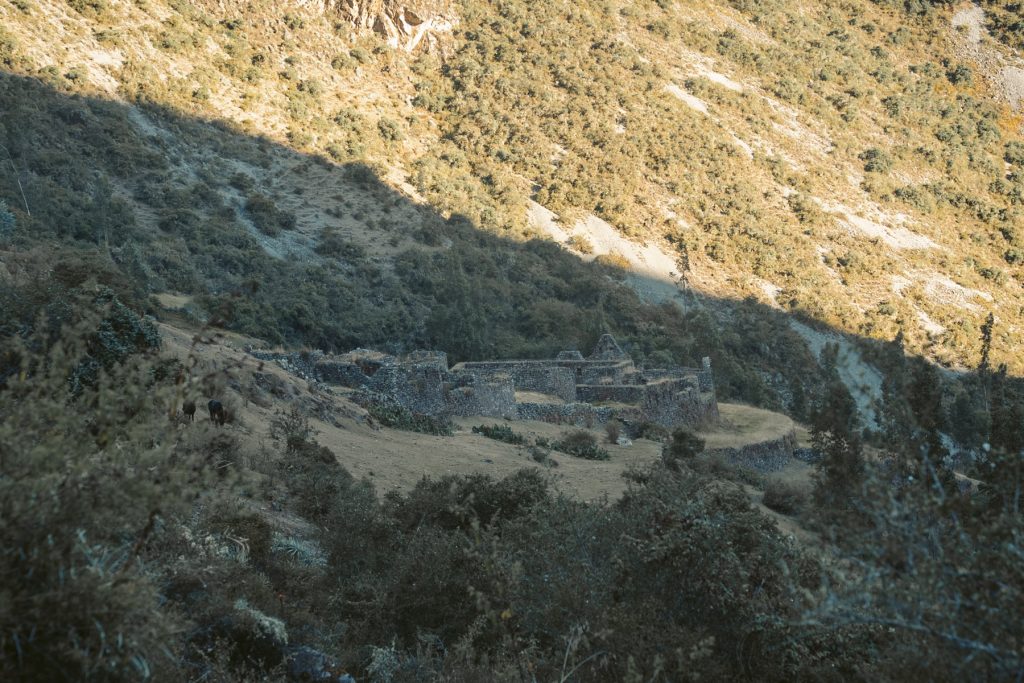
One of the most notable is Incaracay, an impressive complex that receives only a tiny fraction of the visitors in comparison to sites along the Inca Trail.
You’ll also pass zones rich in Inca history, giving hikers a perfect mix of archaeology and nature without the crowds.
And, like the Inca Trail, the adventure ends with a visit to Machu Picchu itself.
What Are the Characteristics of the Ancascocha Trek?
The Ancascocha Trek is perfect for travelers looking for something a little different and off the beaten path.
Some of the top features of the route include:
- Extremely low visitor numbers
- Stunning mountain scenery
- High-altitude passes
- Remote Andean valleys
- Beautiful alpine lakes
- Lesser-known archaeological sites
- Flexible booking options
- No government permit requirements
- A stronger sense of adventure and solitude
For many hikers, the biggest attraction is simple. The space. The room to breathe.
While the Inca Trail is understandably busy, the Ancascocha Trek often feels like you have an entire section of the Andes almost to yourself.
Which Trek Is More Difficult?
This is usually the first practical question people ask.
After all, beautiful scenery is amazing, but it’s slightly less enjoyable when your legs are considering filing a formal complaint.
Both treks require a decent level of fitness, but they challenge hikers in different ways.
Inca Trail Difficulty
The Inca Trail is generally rated as moderate to challenging.
The distance isn’t especially extreme, but the route is famous for something many hikers develop a love-hate relationship with.
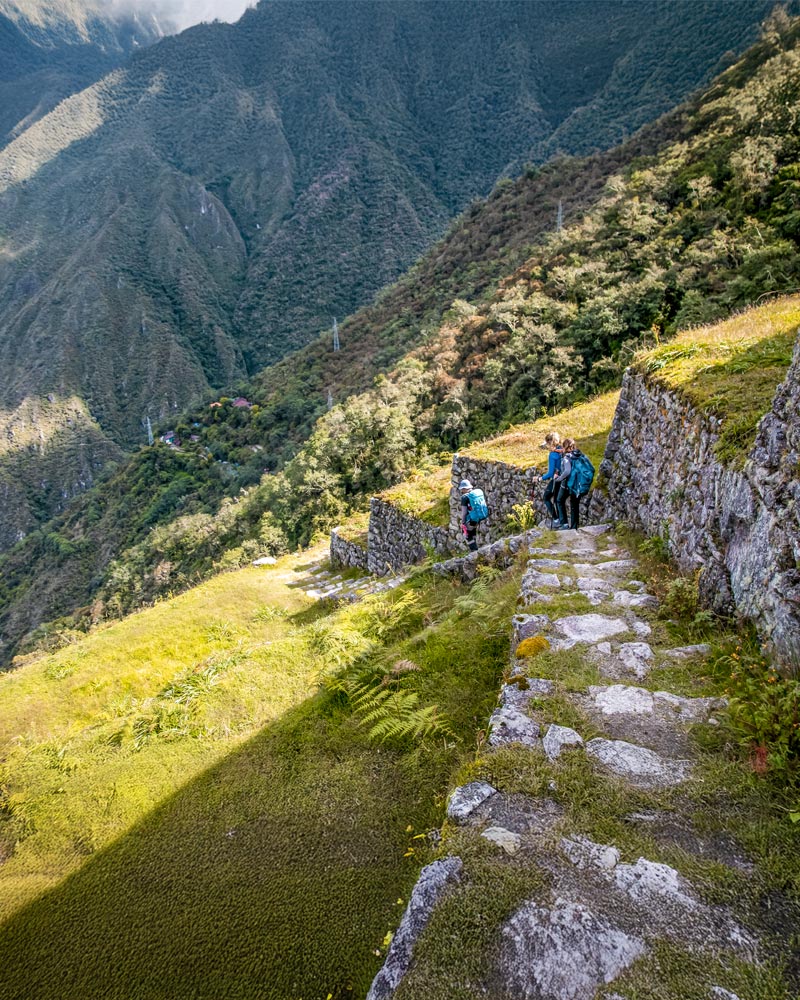
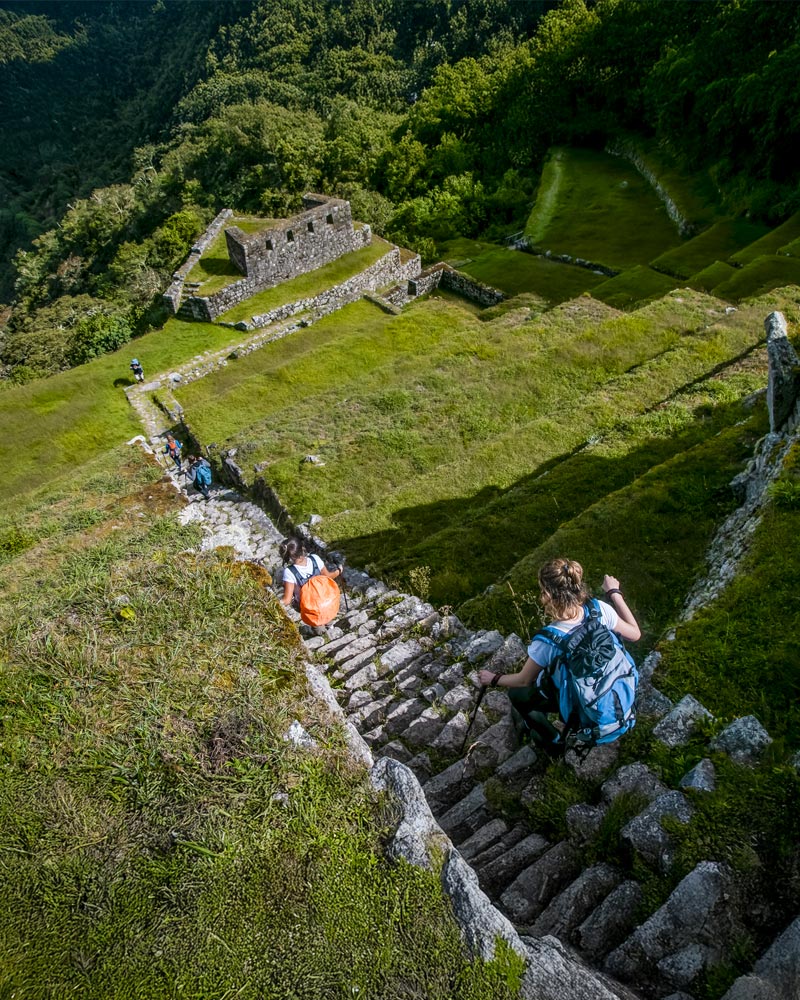
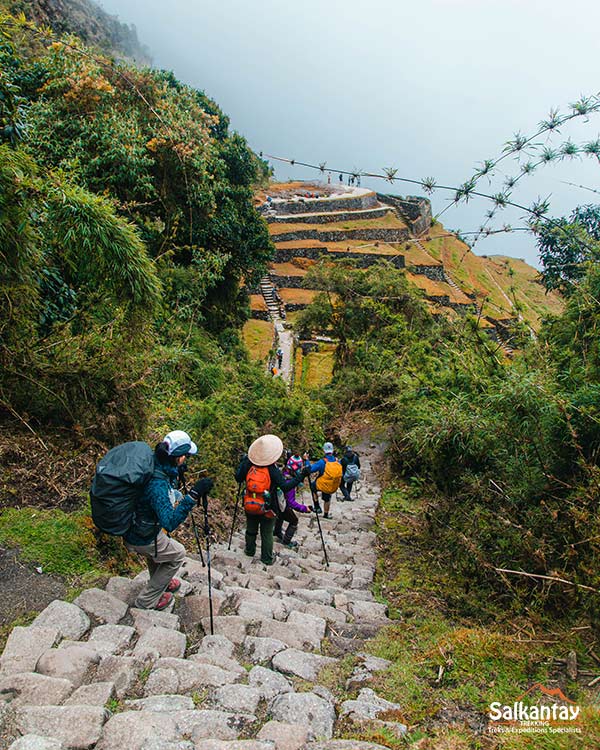
Stairs. Lots of stairs.
Ancient stone stairs going up, ancient stone stairs going down, and occasionally ancient stone stairs that somehow seem to be doing both at the same time.
The toughest section is usually the climb to Dead Woman’s Pass at 4,215 m (13,829 ft), the route’s highest point.
Most reasonably fit hikers who spend time acclimatizing in Cusco or the surrounding areas beforehand can complete the trek successfully.
The challenge is real, but so is the sense of accomplishment.
Ancascocha Trek Difficulty
The Ancascocha Trek is also rated as moderate to challenging, but is generally considered more difficult than the Inca Trail.
The distances are longer, the route is more remote, and the altitude is noticeably higher.
There are fewer famous staircases to battle, but the trail makes up for it by spending more time at elevations where simply walking uphill can feel like a true test of your lungs’ capabilities.
This is often the trek hikers choose if they want a more demanding adventure and don’t mind working a little harder for their views.
Fortunately, the views are very good at rewarding those who put in the effort.
Altitude Comparison
Altitude is one of the biggest differences between these two routes.
- Inca Trail Highest Point: 4,215 m (13,829 ft)
- Ancascocha Trek Highest Point: 4,650 m (15,255 ft)
The difference might not look like much, but that extra elevation is significant. Even experienced hikers often notice the difference.
No matter which route you choose, though, spending a few days in Cusco beforehand is one of the smartest decisions you can make.
Which Trek Has Better Scenery?
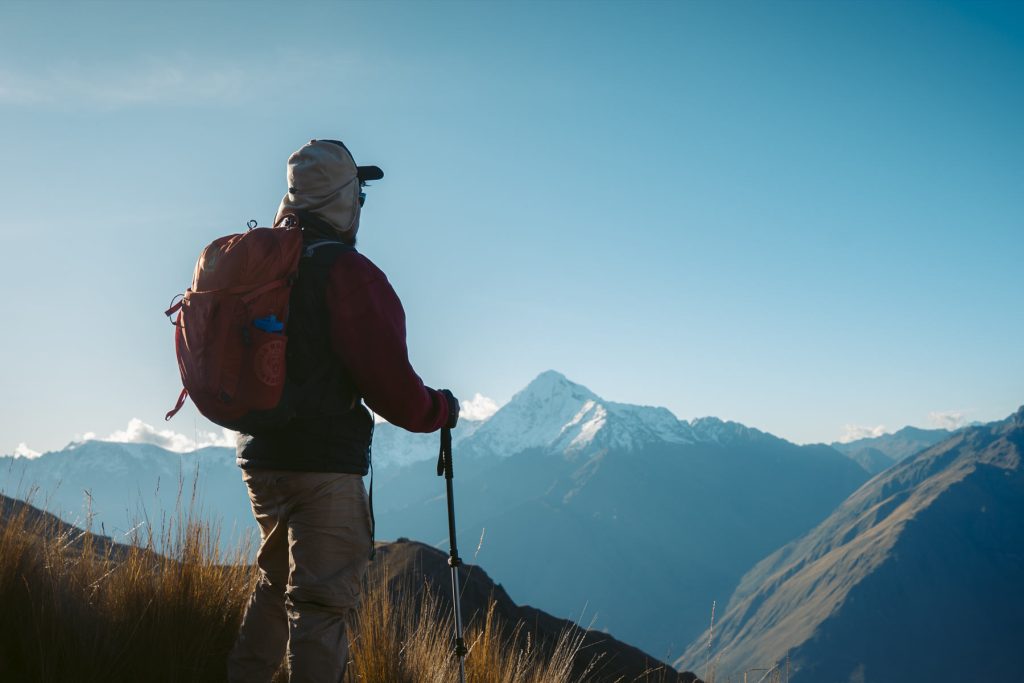
This is where things get interesting, because if you’re choosing between the Inca Trail and the Ancascocha Trek purely on scenery, you’re in for a difficult decision.
Both treks offer incredible views. The real difference is the type of scenery you’ll spend your days looking at.
Scenery on the Inca Trail
The Inca Trail is all about variety.
One minute you’re climbing through mountain landscapes, the next you’re wandering through a cloud forest. Before long, you’ve stumbled across another archaeological site that somehow appears in the middle of nowhere.
It keeps changing, which is part of the fun.
Some hikers actually finish the trek, surprised by how green parts of it are. Peru’s mountains get all the attention, but the cloud forest and high jungle sections are equally memorable.
Of course, the biggest scenic moment comes right at the end.
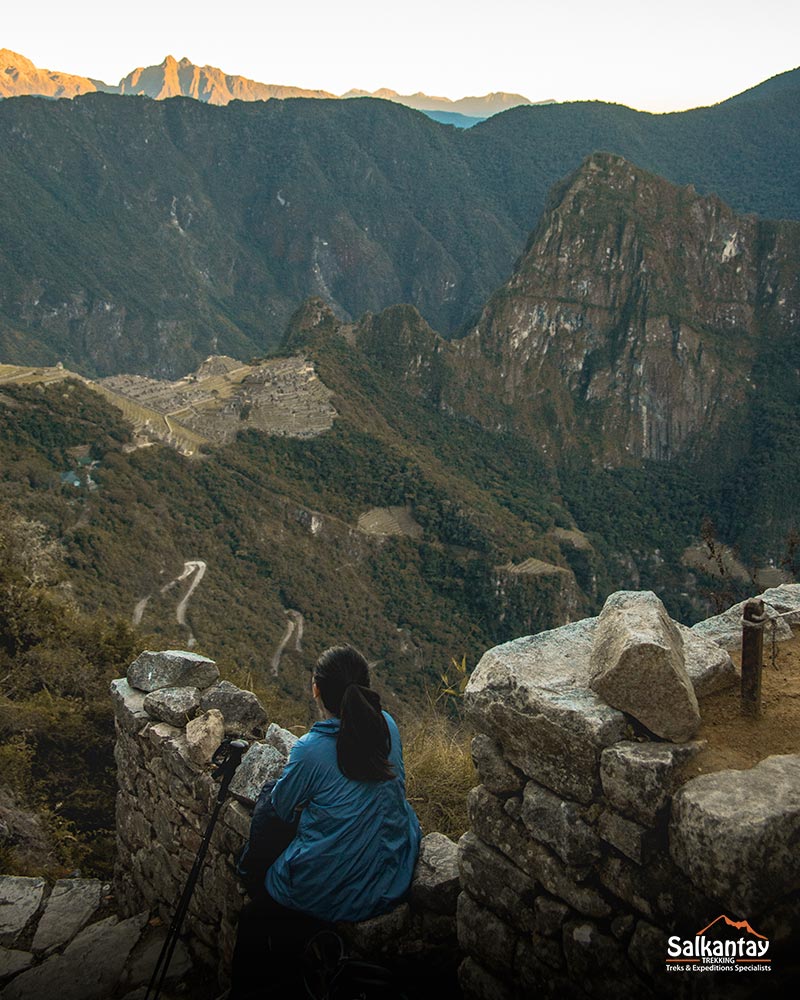
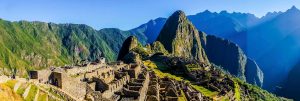
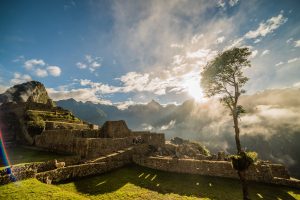
Walking through Inti Punku, the Sun Gate, and seeing Machu Picchu spread out below you is one of those rare travel experiences that deserves the hype. We’ve all seen attractions that looked better on Instagram than in real life. This isn’t one of them.
Scenery on the Ancascocha Trek
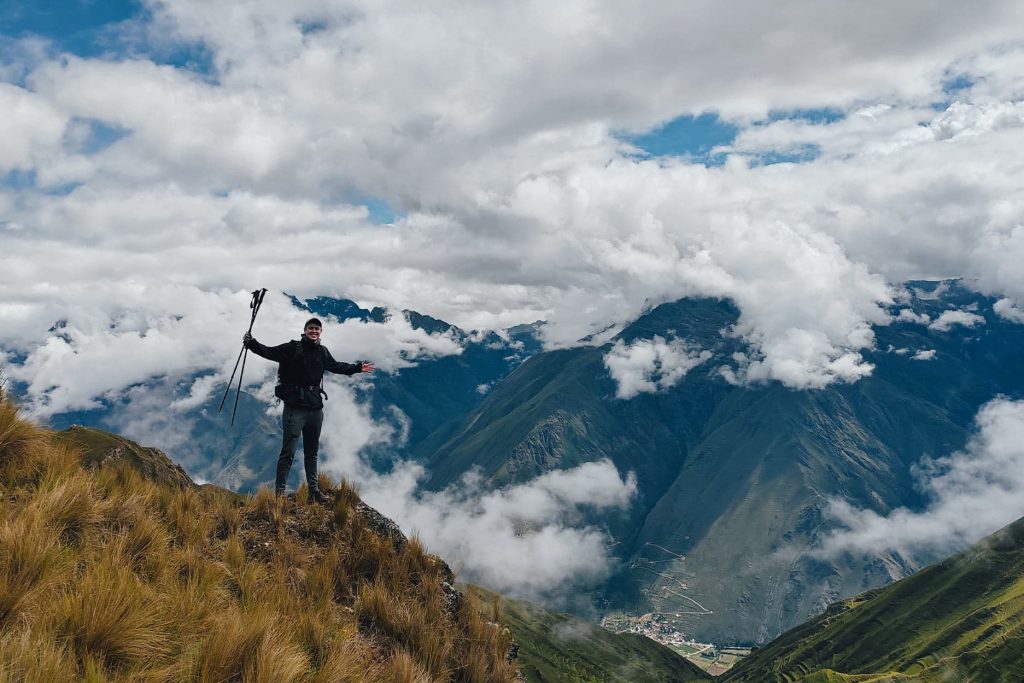
If the Inca Trail is about variety, the Ancascocha Trek is about scale. Everything feels bigger.
The mountains look bigger. The valleys look bigger. Even the silence somehow feels bigger.
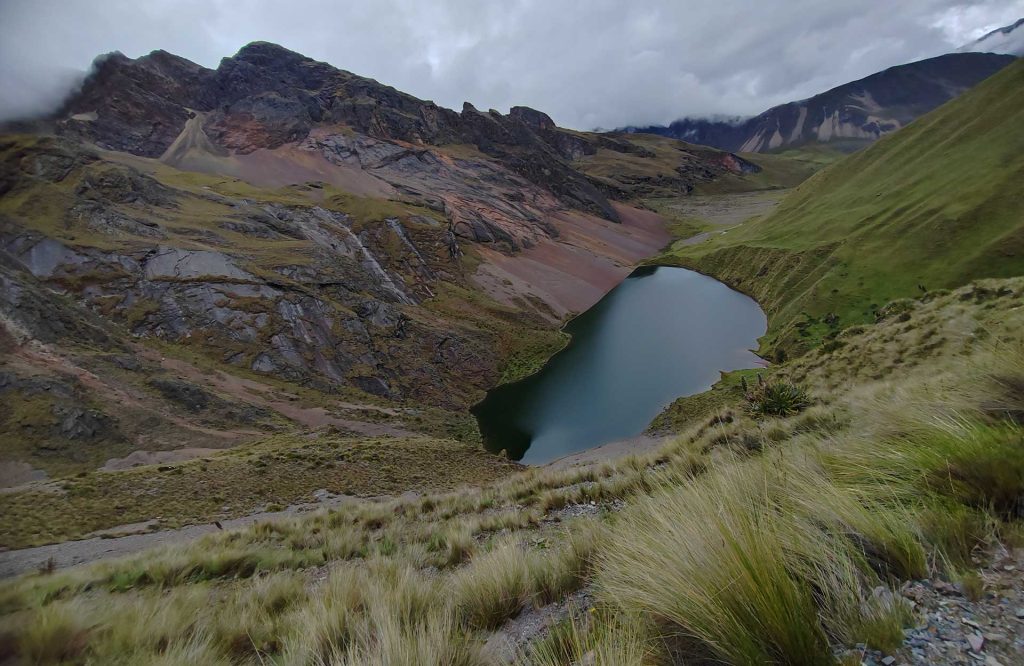
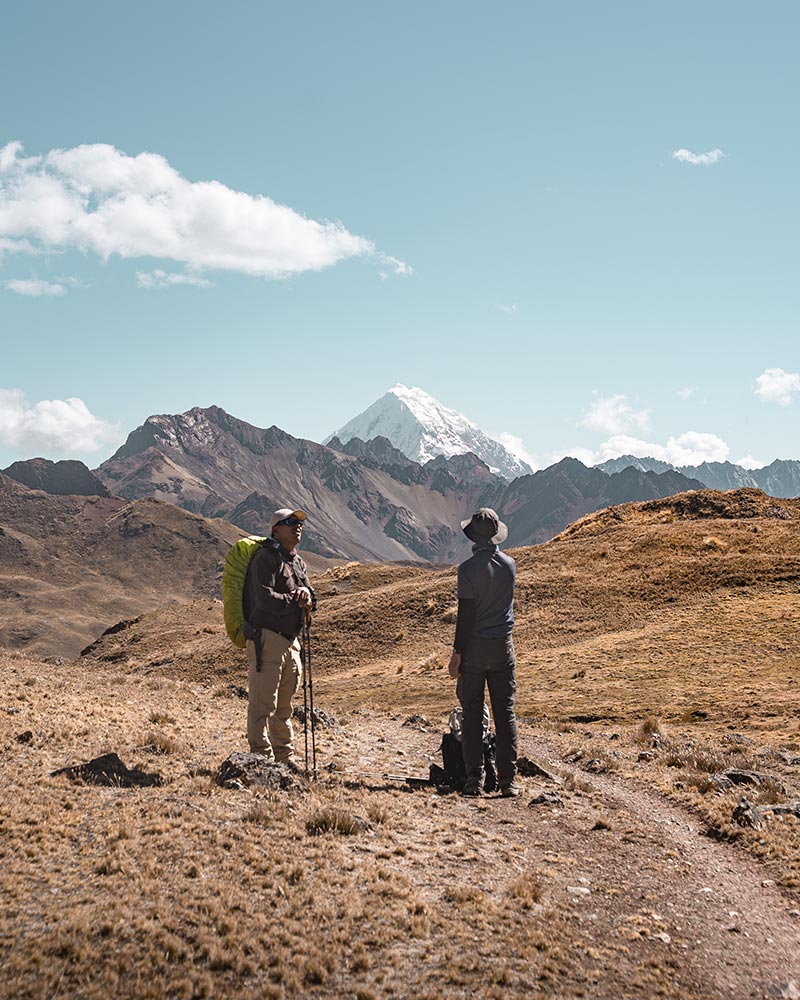
This route takes you through parts of the Andes that many visitors never see. There are long stretches where you’ll be surrounded by huge peaks, alpine lakes, grazing alpacas, and very little else.
The scenery feels wilder than the Inca Trail and considerably more remote. If your idea of a perfect day involves giant landscapes and hardly any other people around, Ancascocha makes a very strong argument for itself.
Which Trek Offers More Cultural Experiences?
At first glance, you might assume the Inca Trail wins this category because it’s packed with history.
But culture and history aren’t quite the same thing. One focuses on the past. The other focuses on the people living here right now. And that changes things slightly.
Cultural Experiences on the Inca Trail
The cultural side of the Inca Trail comes through its history.
Every archaeological site tells part of the story of the Inca Empire. Every stone path reminds you that people were walking these routes centuries before hiking boots existed.
For travelers who enjoy learning about civilizations, engineering, and ancient cultures, it’s fascinating.
You don’t just visit Machu Picchu at the end. You spend four days slowly building up to it. By the time you arrive, the whole experience feels more meaningful because you’ve already seen so much of the world the Incas created.
Cultural Experiences on the Ancascocha Trek
This is where Ancascocha really stands out.
The route passes through remote Andean communities where traditional ways of life are still very much alive.
You’ll see farmers working the land, families herding alpacas, and locals going about their day much as generations before them have done.
It never feels staged. Nobody is standing there waiting to perform for passersby. You’re simply passing through communities that happen to be part of the landscape. That’s what makes it interesting.
For many hikers, these personal encounters become some of the most memorable moments of the entire trip.
Which Trek Has Better Archaeological Sites?
We can probably keep this one fairly short. The Inca Trail wins by a long shot.
That’s not a criticism of the Ancascocha Trek. It’s simply not trying to compete in this category.
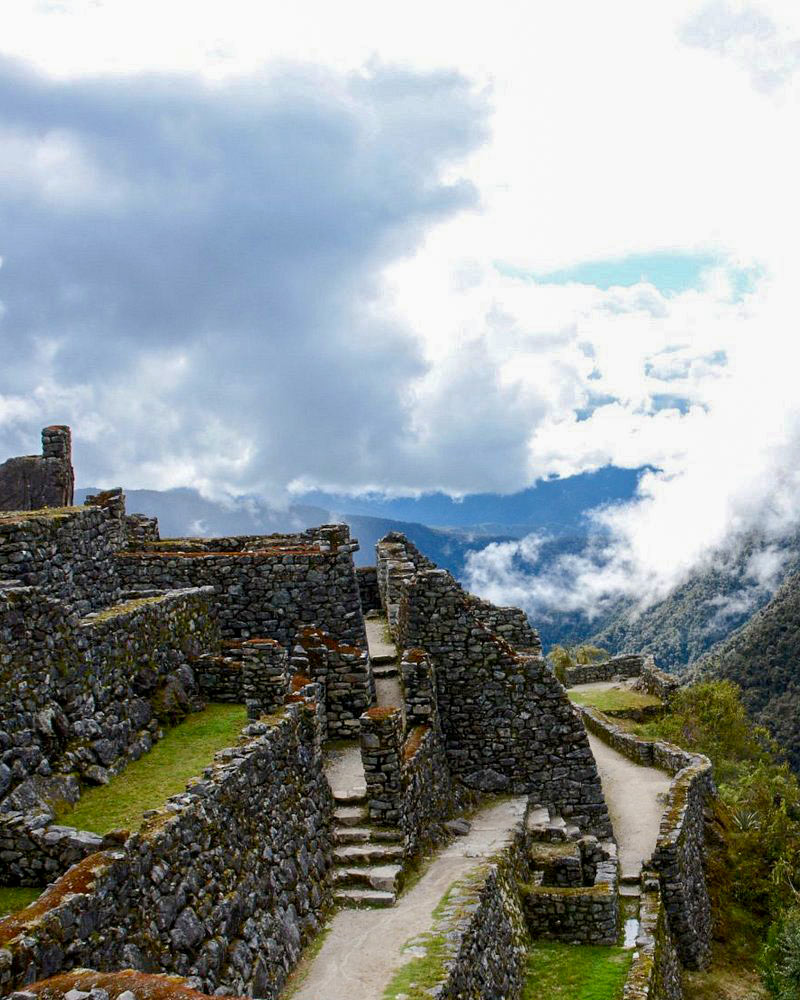
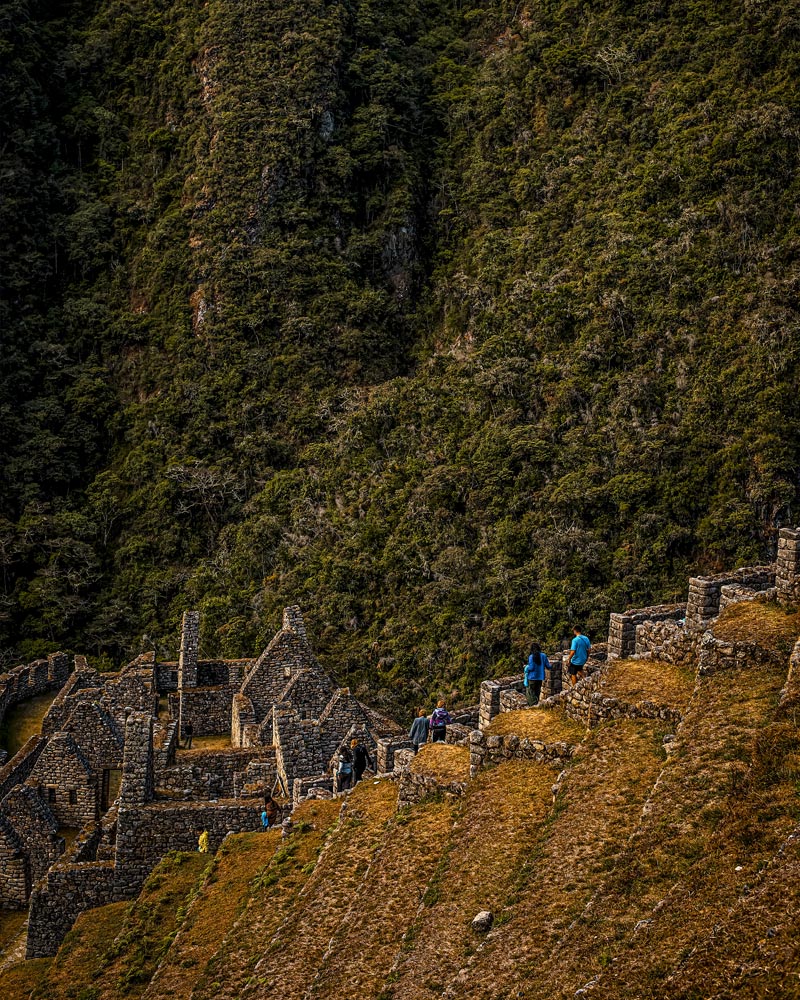
The Inca Trail was practically designed for people who love archaeology. Along the route, you’ll visit sites like Llactapata, Sayacmarca, Phuyupatamarca, and Wiñay Wayna before finally arriving at Machu Picchu.
It feels like one long history lesson, except with significantly better scenery.
Ancascocha does include a few archaeological sites, including Incaracay, but they’re not the main event. The mountains are.
If ancient ruins are high on your priority list, the Inca Trail is probably the better choice.

Which Trek Is Better for Machu Picchu?
This depends entirely on how important the arrival itself is to you, because although both treks end with a visit to Machu Picchu, they get there in very different ways.
The Inca Trail delivers one of the most famous arrivals in the world.
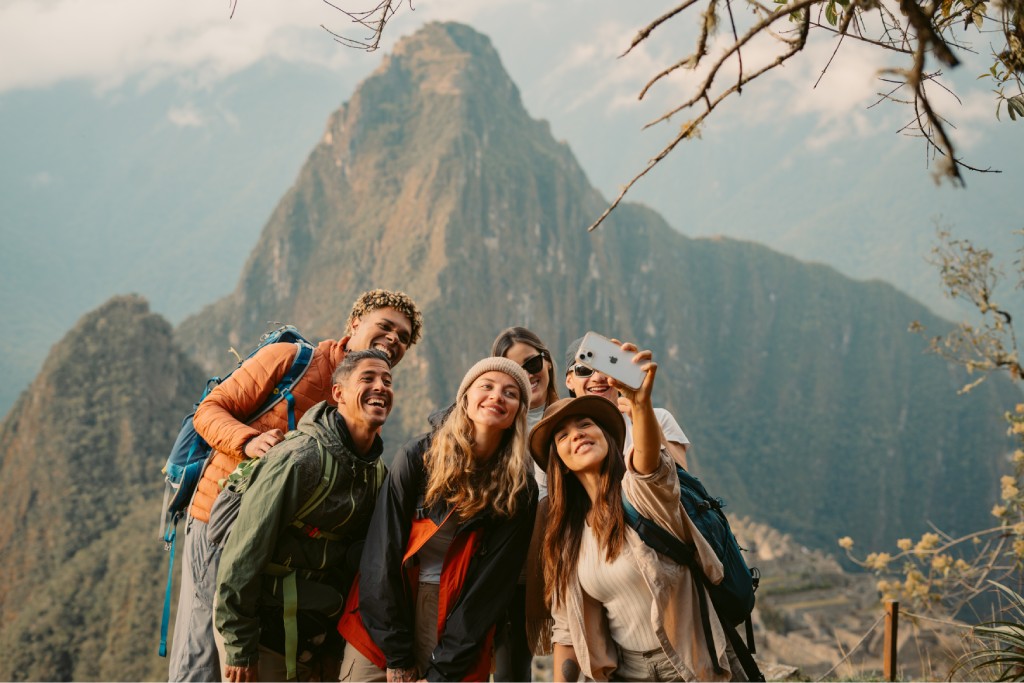
After several days of hiking, you reach Inti Punku and see Machu Picchu appear below you.
It’s dramatic. It’s emotional. And yes, even the people who claim they don’t get emotional about these things usually end up taking far too many photos.
The Ancascocha Trek approaches things differently. After completing the trek, you’ll continue toward Aguas Calientes before visiting Machu Picchu the following day.
You still get the full Machu Picchu experience. You just don’t get the Sun Gate arrival. For some travelers, that won’t matter at all. For others, it’s the deciding factor.
Crowds and Trail Atmosphere
This section tends to separate people quite quickly, as these treks vary widely in how many people hike them each day.
Some travelers enjoy a bit of buzz on the trail. Others want as few humans as possible.
Neither approach is wrong.
How Busy Is the Inca Trail?
The Inca Trail is popular. Very popular.
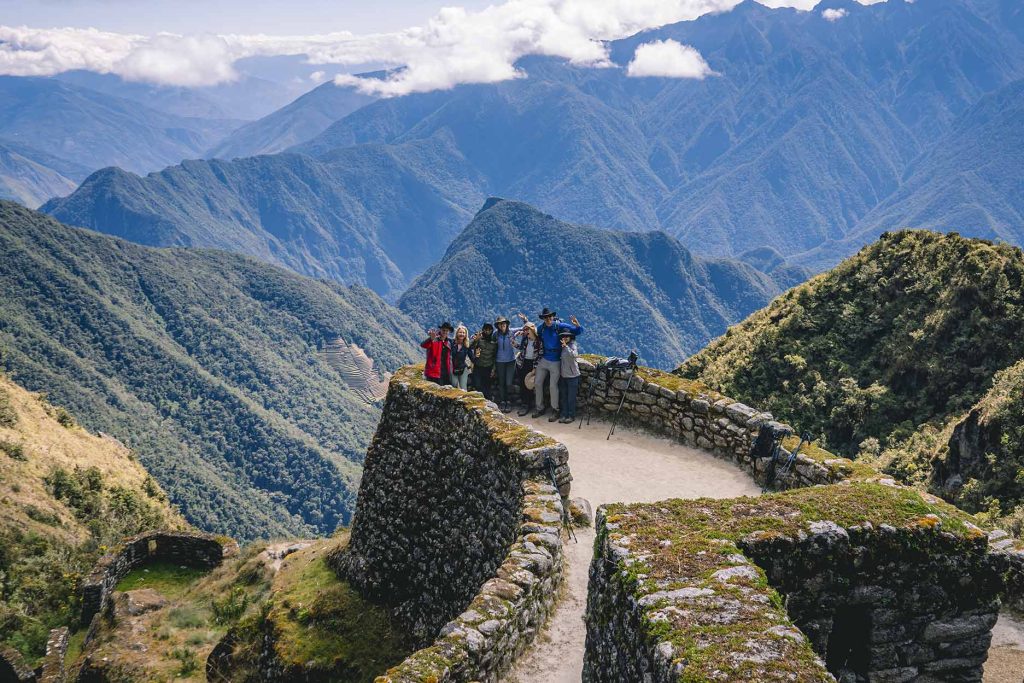
There are strict visitor limits in place to prevent it from becoming completely overcrowded, but you’ll still encounter plenty of other trekkers along the way.
You’ll see groups at campsites. You’ll pass people on the trail. You’ll probably end up chatting with hikers from half a dozen different countries.
For many people, that’s part of the fun. The atmosphere feels exciting because everyone knows they’re doing something special.
How Busy Is the Ancascocha Trek?
Then there’s Ancascocha. Some days you might see another trekking group. Some days you might not.
You’ll definitely see alpacas. Probably way more alpacas than people.
The route feels far more remote than the Inca Trail, which is a huge part of its appeal.
If you’ve been searching for an alternative to the Inca Trail because you’d rather avoid crowds, this is where Ancascocha starts making a lot of sense.
Permits, Availability, and Booking
For some travelers, the decision gets made right here. Not because they prefer one trek over the other, but because one is available and the other isn’t.
Inca Trail Permit Requirements
The biggest challenge with the Inca Trail comes to finding a spot in the first place.
Only a limited number of permits are available each day (300 for guides and support staff, 200 for trekkers), and they often sell out months in advance.
That’s especially true during the dry season (May to October), when demand is at its highest.
If you’re hoping to secure a spot on the Inca Trail, it’s worth checking Inca Trail availability as early as possible.
The words “I’ll book it later” have disappointed many travelers over the years.
Ancascocha Trek Booking Requirements
This is one of the biggest advantages of the Ancascocha Trek. There are no government permits required.
That doesn’t mean you should leave everything until the last minute (Machu Picchu can also sell out well in advance), but it does mean you’ll usually have much more flexibility.
For travelers planning a trip on shorter notice, that’s a pretty big deal.
How Far in Advance Should You Book?
For the Inca Trail, four to eight months ahead is often a sensible target. Sometimes even earlier. Basically, as soon as you know when you can travel, get it sorted.
For Ancascocha, availability is generally much easier to find.
So if your dream trek planning style involves being organized six months in advance, either route usually works.
If your planning style involves suddenly remembering Peru exists three weeks before your vacation, Ancascocha might be your friend.
Camping and Accommodation Comparison
Despite ending in the same place, these treks feel quite different once the hiking stops for the day.
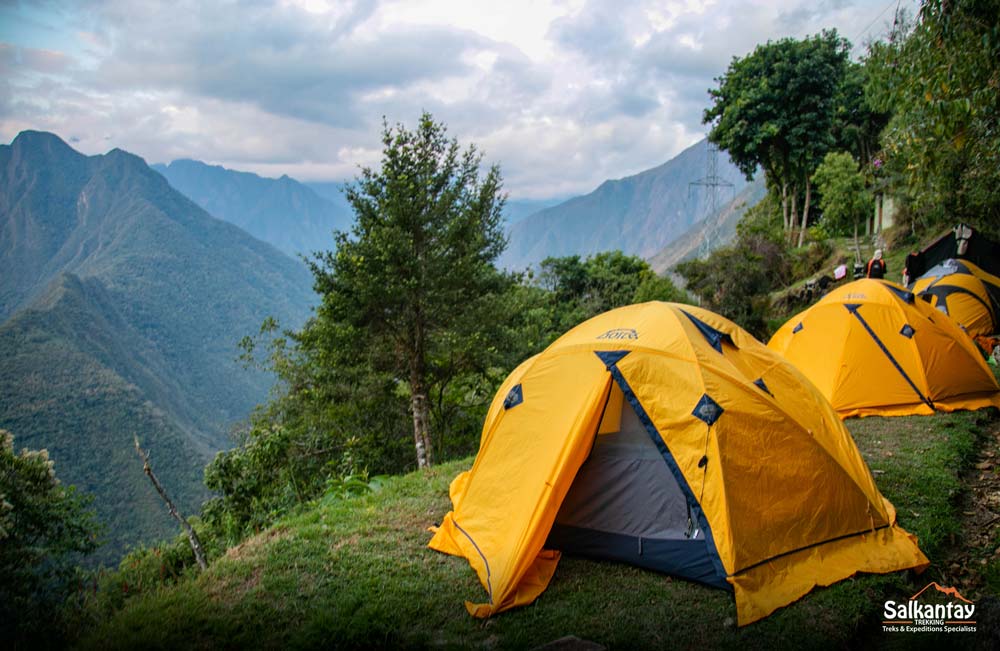
On the Inca Trail, you’ll spend each night camping along the route. The campsites are well established, and the support teams do an incredible job, but you’re still camping in the mountains.
Expect tents, sleeping bags, and early mornings. Oh, and the crowds. Don’t forget the crowds.
Ancascocha also includes camping, but many itineraries finish with a hotel stay in Aguas Calientes before your Machu Picchu visit.
After several days on the trail, a hot shower suddenly starts feeling like one of humanity’s greatest inventions.
Neither option is better. It just depends on whether you’re after the classic trekking experience or a little extra comfort and a good wash before visiting Machu Picchu.
Altitude and Acclimatization
Whether you choose the Inca Trail or the Ancascocha Trek, altitude is probably the thing that’s most likely to catch you off guard.
A lot of people arrive in Cusco feeling completely fine and assume they’re ready to start trekking the next day. Then they walk up a flight of stairs, wonder why they’re suddenly breathing as though they’ve just run a marathon, and realize the mountains have other ideas.
The good news is that a little preparation goes a long way. Give your body time to adjust, and you’ll usually have a much more enjoyable experience on the trail.
Altitude Sickness Symptoms
Altitude affects everyone differently. It doesn’t care how old you are, how fit you are, or how many times a week you go to the gym.
The most common symptoms include:
- Headaches
- Dizziness
- Fatigue
- Nausea
- Shortness of breath
- Difficulty sleeping
Most cases are mild and will improve in a day or two with rest and proper acclimatization, but it’s always worth paying attention to how you’re feeling.
How to Prepare for High Altitude
The best thing you can do is spend a few days in Cusco before starting your trek. We usually recommend two or three days, which gives your body time to adjust before you start tackling mountain passes.
Drink plenty of water, avoid going too hard on your first day, and save the celebratory pisco sours until you’ve visited Machu Picchu.
If you’re looking for some activities to do while you spend a few easy days in Cusco, our guide on acclimatization tours might help.
What to Do if You Feel Sick on the Trail
First of all, don’t panic.
Mild altitude symptoms are fairly common, especially during the first day or two. Let your guide know how you’re feeling, slow your pace if needed, and make sure you stay hydrated.
The important thing is not to try to be a hero. If symptoms become severe or aren’t improving, descending to a lower altitude is always the safest option. The mountains will still be there tomorrow.
Best Time to Hike the Inca Trail and Ancascocha Trek
One of the nice things about trekking in Peru is that there isn’t really a terrible time to visit. Some months are certainly easier than others, but both routes can be enjoyed throughout most of the year.
The main thing you’ll be balancing is weather versus crowds.
Dry Season Conditions
The dry season generally runs from May through October and is considered the best time for both treks.
You’ll usually get clearer skies, better mountain views, and a lower chance of rain interrupting your plans. Not surprisingly, it’s also the busiest time of year, especially on the Inca Trail.
If you’re hoping to hike during peak season, remember to keep an eye on Inca Trail availability and book early.
Wet Season Conditions
The rainy season runs from roughly November to April.
The trails can be muddier and the weather more unpredictable, but there are some advantages too. The mountains are greener, visitor numbers are lower, and the landscapes can look incredibly dramatic when the clouds roll through.
It’s also worth remembering that the Inca Trail closes every February for maintenance, and some tour operators won’t run other routes due to higher safety risks.
Before planning your trip, it’s worth taking a look at our guide to Peru weather so you know exactly what to expect.
Month-by-Month Considerations
If you’re flexible with your travel dates, April, May, September, and October often offer a nice balance between good weather and manageable crowd levels.
That said, there’s no single perfect month for everyone. Some travelers love a bit of sunshine, while others would happily trade a little rain for quieter trails.
Who Should Choose the Inca Trail?
The Inca Trail is famous for a reason.
If you’ve always wanted to hike the original route to Machu Picchu, walk through ancient archaeological sites, and arrive through the Sun Gate, no other trek delivers the same experience.
The Inca Trail might be right for you if:
- History and archaeology are major priorities
- You want the classic hike to Machu Picchu
- Entering through Inti Punku is important to you
- You don’t mind booking well in advance
- You like the idea of following original Inca pathways
For many travelers, this is the bucket-list trek they’ve been thinking about for years.
Who Should Choose the Ancascocha Trek?
The Ancascocha Trek appeals to a different type of traveler.
Instead of focusing on famous ruins, it focuses on remote landscapes, impressive mountain scenery, and a much quieter overall experience.
The Ancascocha Trek may be a better fit if:
- You prefer fewer crowds
- Mountain scenery is your top priority
- You want a more remote adventure
- You missed out on Inca Trail permits
- You enjoy longer and more challenging hikes
Many guides would argue it’s one of Peru’s most underrated trekking routes, which is probably why people who’ve done it tend to recommend it so enthusiastically afterward.
Frequently Asked Questions
Are you still weighing up the Inca Trail or Ancascocha Trek? Here are a few of the questions travelers ask most often, along with their answers.
Without a doubt. It may not have the global reputation of the Inca Trail, but many experienced trekkers consider it one of the most beautiful routes in Peru. The mix of dramatic mountain scenery, remote trails, and smaller crowds makes it a fantastic choice.
Most tour operators rate this route as moderate to challenging.
The higher altitude and longer distances make it more demanding than many other routes to Machu Picchu, so you must have a reasonable level of fitness and acclimatize properly.
That depends on what you’re looking for.
The Inca Trail is ideal for travelers who love history and want the iconic Sun Gate arrival. The Ancascocha Trek is perfect for those looking for epic scenery, solitude, and a more off-the-beaten-path experience.
Some beginners complete the trek successfully, but it’s not usually the first route we’d recommend for someone with little hiking experience. The altitude and length of the trek can be demanding, so preparation is important.
Yes, if you really can’t decide and want the best of both worlds, you can choose to hike our 5-Day Ancascocha Trek and Inca Trail Short option. You’ll spend the first part of the route hiking along the Ancascocha Trek before heading to Ollantaytambo to KM 104, where you’ll hike along part of the Inca Trail to Machu Picchu.
Which Trek Should You Choose?
By now, you’ve probably realized there isn’t a clear winner, and that’s because these treks do different things.
The Inca Trail is all about history, archaeology, and the chance to experience one of the world’s most famous trekking routes.
The Ancascocha Trek is quieter, tougher, and much more remote, with an emphasis on mountain scenery rather than famous ruins.
The good news is that whichever route you choose, you’ll spend days exploring the Andes before arriving at one of the most remarkable places on the planet.
There are definitely worse ways to spend a vacation.
Ready to choose your route to Machu Picchu? Whether you’re drawn to the history of the Inca Trail or the remote mountain scenery of Ancascocha, Salkantay Trekking can help you plan the trek that fits your travel style, fitness level, and timing.

Leave A Reply