
Trying to decide between the Inca Trail vs the Lares Trek?
Honestly, it’s a tough choice. Both are incredible hikes, both take you through the Andes, and both end with a visit to Machu Picchu. But the experience along the way couldn’t be more different.
The Inca Trail is Peru’s rockstar trek. It’s famous, steeped in history, and offers the chance to walk along ancient Inca pathways all the way to the Sun Gate (Inti Punku).
The Lares Trek takes a different approach. Instead of archaeological sites and permit stress, you’ll find mountain lakes, traditional villages, alpacas, and some of the most beautiful scenery in the region.
So which one is right for you?
Let’s find out by comparing the Inca Trail and Lares Trek side by side.
Table of contents
- Inca Trail vs Lares Trek: Quick Comparison
- What Is the Lares Trek?
- Which Trek Is More Difficult?
- Which Trek Has Better Scenery?
- Which Trek Offers More Cultural Experiences?
- Which Trek Has Better Archaeological Sites?
- Which Trek Is Better for Machu Picchu?
- Crowds and Trail Atmosphere
- Permits, Availability, and Booking
- Altitude and Acclimatization
- Best Time to Hike the Inca Trail and Lares Trek
- Who Should Choose the Inca Trail?
- Who Should Choose the Lares Trek?
- Frequently Asked Questions
- Which Trek Should You Choose?

Inca Trail vs Lares Trek: Quick Comparison
If you’re short on time and just want the highlights, here’s a quick overview of both treks.
Inca Trail vs Lares Trek Comparison Table
| Feature | Inca Trail | Lares Trek |
|---|---|---|
| Duration | 4 Days / 3 Nights | 4 Days / 3 Nights |
| Distance | Approx. 44 km (27.3 miles) | Approx. 31.5 km (19.6 miles) |
| Final Destination | Machu Picchu | Machu Picchu |
| Maximum Altitude | 4,215 m (13,829 ft) | 4,700 m (15,420 ft) |
| Difficulty | Moderate to Challenging | Moderate to Challenging |
| Archaeological Sites | Many | Few |
| Cultural Experiences | Archaeological and historical focused | Living Andean culture and local communities |
| Crowds | High | Low |
| Permit Required | Yes | No |
| Guide Required | Yes | Recommended |
| Accommodation | Campsites | Campsites + hotel in Aguas Calientes |
| Meals | 4 breakfasts, 3 lunches, 3 dinners, tea time in the afternoon, and daily snacks | 4 breakfasts, 3 lunches, 3 dinners, tea time in the afternoon, and daily snacks |
| Scenery | Ruins, cloud forest, mountains | Mountains, lakes, villages |
| Best For | History lovers | Culture and nature lovers |
| Booking Notice | Often 4–8 months ahead | Can usually be booked much later |
What Is the Inca Trail?
If Peru had a trekking hall of fame, the Inca Trail would be front and center.
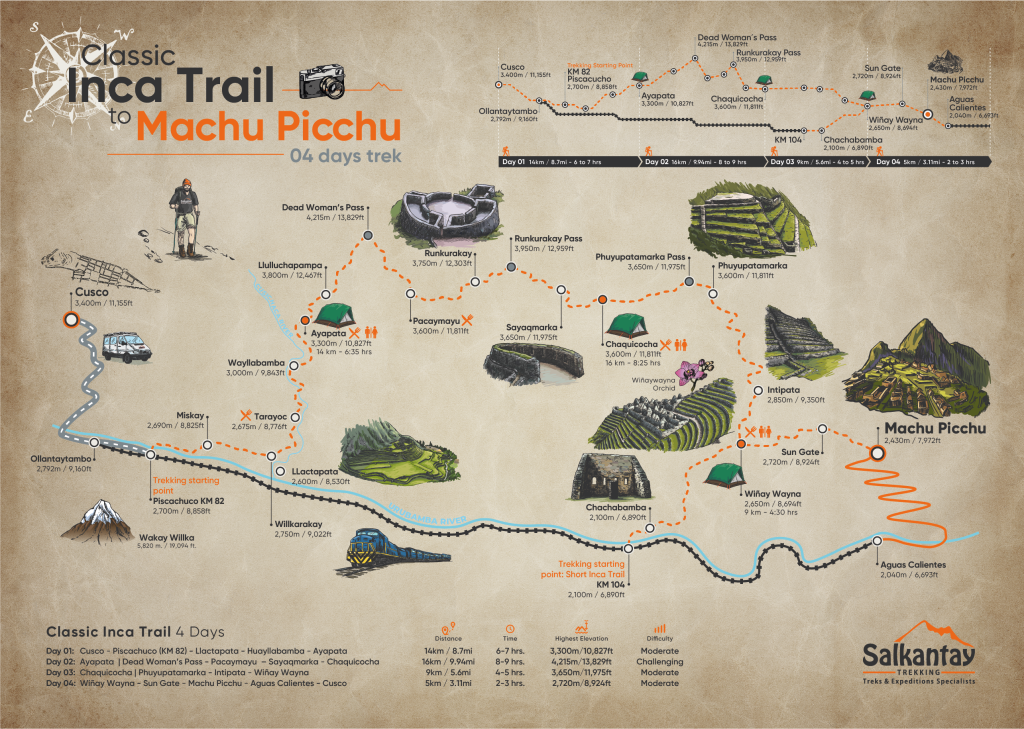
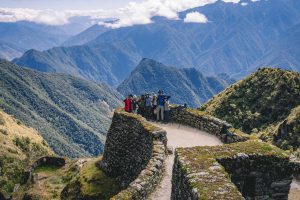
This is the route most people picture when they imagine hiking to Machu Picchu. Over four days, you’ll follow original Inca pathways through mountain passes, cloud forests, and a series of impressive archaeological sites before arriving at the Modern World Wonder itself.
It’s popular, it’s regulated, and yes, permits can be frustratingly hard to get. There’s a reason travelers book it months in advance.
Flora, Fauna, and Landscapes on the Inca Trail
One of the biggest surprises for many hikers is just how much the scenery changes throughout the trek.
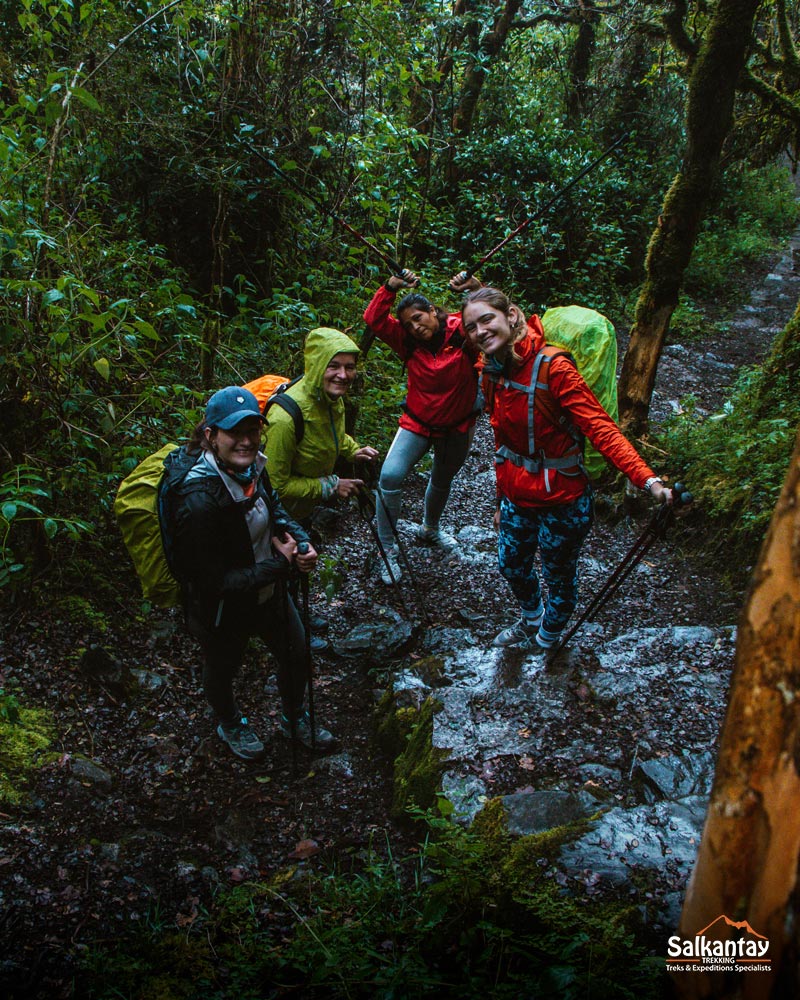
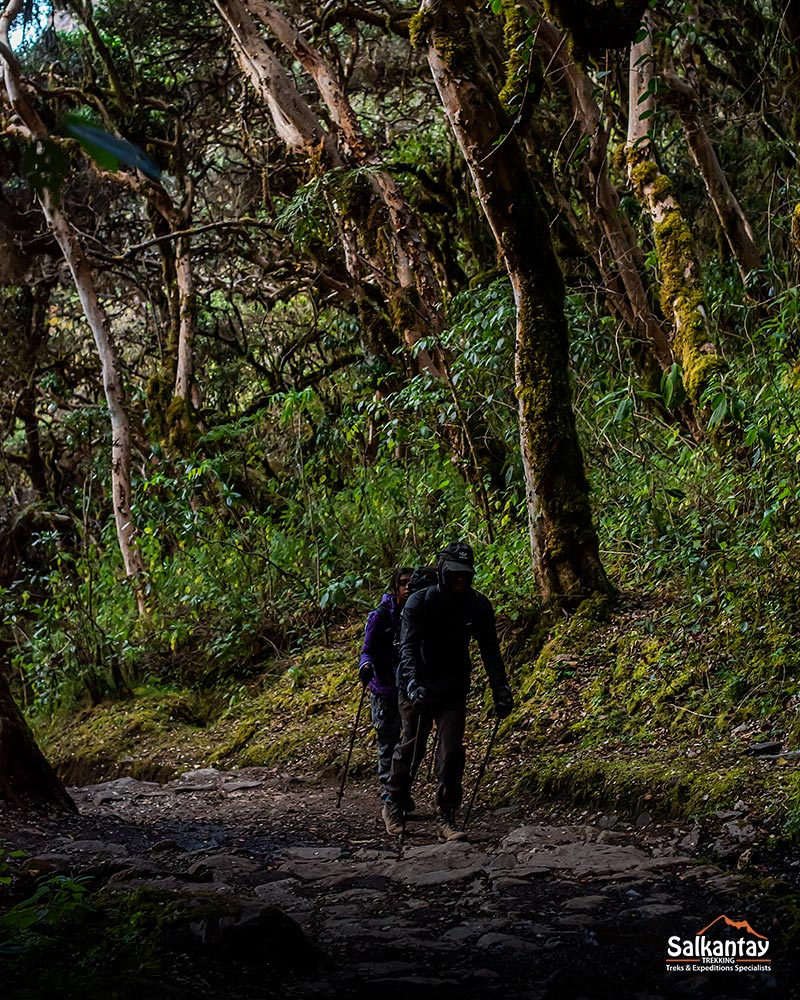
You’ll walk through high Andean mountains one day and lush cloud forest the next. Along the trail, you’ll see orchids, bromeliads, hummingbirds, and various native plant species.
Keep your eyes open, and you may even spot some of the region’s more elusive wildlife. The area is home to spectacled bears, though they’re rarely seen.
The variety is part of what makes the Inca Trail hike so special. Every day feels completely different from the last.
Archaeological Sites on the Inca Trail
This is where the Inca Trail really separates itself from most other treks in Peru.
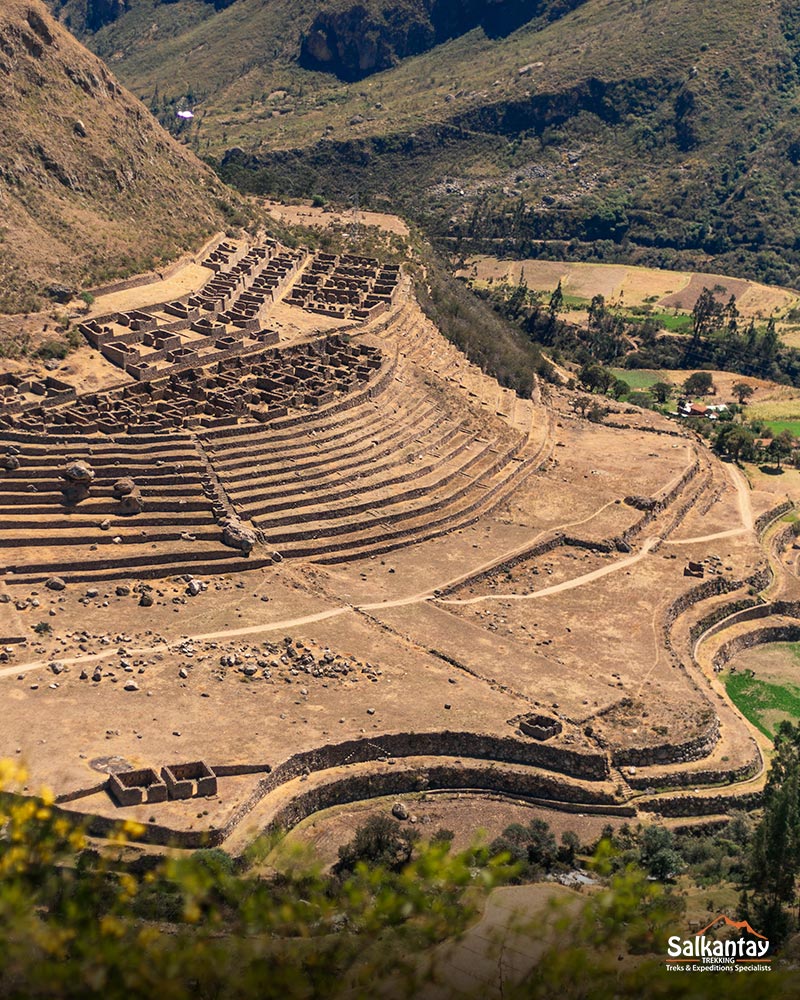
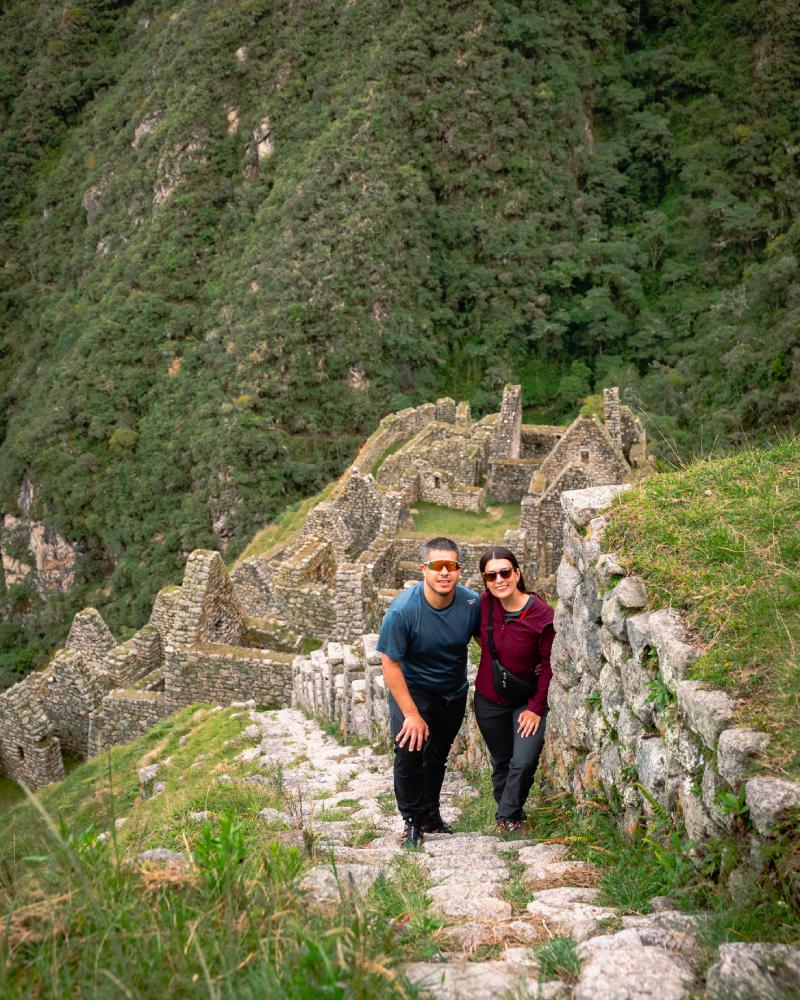
Rather than simply hiking through beautiful landscapes (which is incredible in itself), you’ll also visit numerous fascinating Inca ruins that most other visitors never see.
Ruin highlights include:
- Llactapata
- Runkurakay
- Sayacmarca
- Phuyupatamarca
- Wiñay Wayna
- Inti Punku (Sun Gate)
By the time you reach Machu Picchu, you’ll already have learned a bunch about Inca history.
What Are the Characteristics of the Inca Trail?
Some of the things that make the Inca Trail in Peru so unique include:
- Direct access to Machu Picchu through Inti Punku, the Sun Gate (no other route offers this experience)
- Ancient stone paths built by the Incas
- Lots of interesting archaeological sites along the route
- Diverse ecosystems and landscapes
- Government-issued permit requirements
- Strict visitor limits (only 200 permits available a day for visitors and 300 for guides and support staff)
- Professional guides and support teams
- One of the world’s most famous trekking experiences
If you’ve had Machu Picchu on your bucket list for years, this is often the trek people imagine when they think about hiking there.
What Is the Lares Trek?
The Lares Trek is often described as an alternative to the Inca Trail, but that doesn’t really do it justice.
This isn’t a backup option for people who missed out on permits. It’s a fantastic trek in its own right.
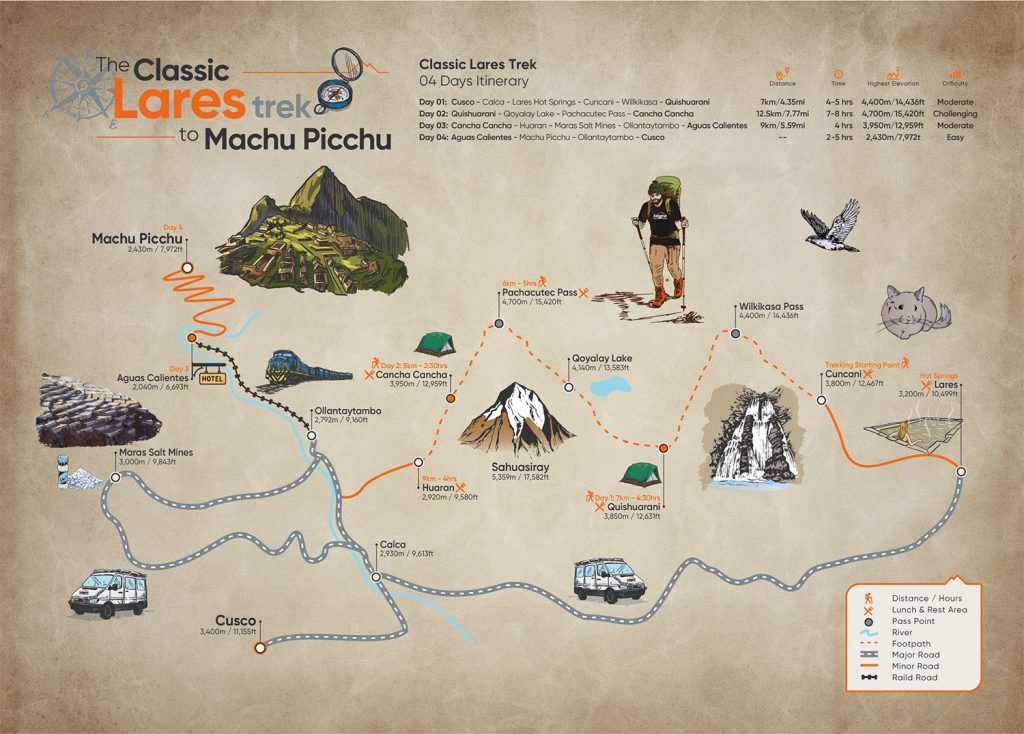
Instead of taking you on a tour of various Inca ruins, the Lares Trek takes you through remote valleys, traditional Andean communities, and some seriously impressive mountain scenery. It’s quieter, less crowded, and feels a little more off the beaten path.
If the Inca Trail is Peru’s celebrity trek, the Lares Trek is the underrated favorite that people won’t stop recommending after they’ve done it.
Flora, Fauna, and Landscapes on the Lares Trek
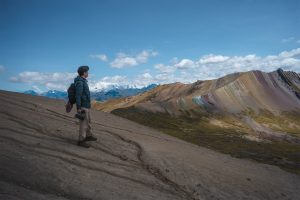
If dramatic mountain views are your thing, you’re going to love the Lares Trek.
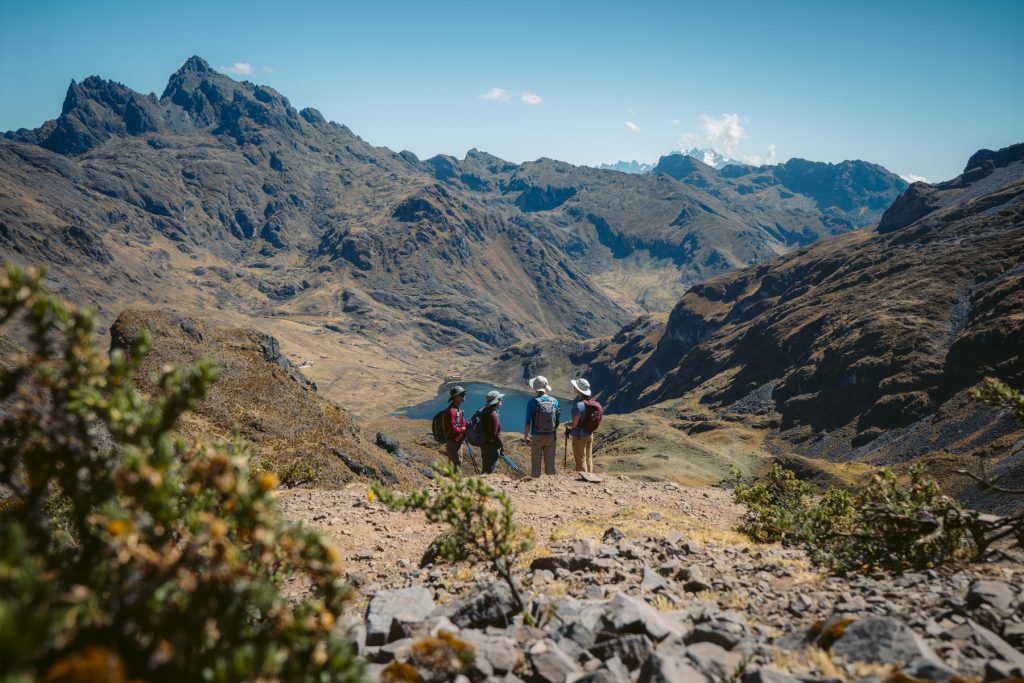
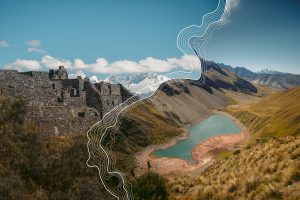
The route passes through stunning Andean landscapes filled with turquoise lakes, rolling valleys, snow-capped peaks, and grazing alpacas.
Unlike the Inca Trail, which moves through several ecosystems, the Lares Trail stays firmly in classic high-Andean territory.
Expect huge mountain views pretty much everywhere you look.
Wildlife that many trekkers spot along the route include:
- Alpacas
- Llamas
- Vicuñas
- Andean birds
- Mountain wildlife native to the region
It’s the kind of scenery that keeps forcing you to stop for “just one more photo.”
Local Communities and Cultural Experiences on the Lares Trek
This is where the Lares Trek Peru really sets itself apart from the rest.
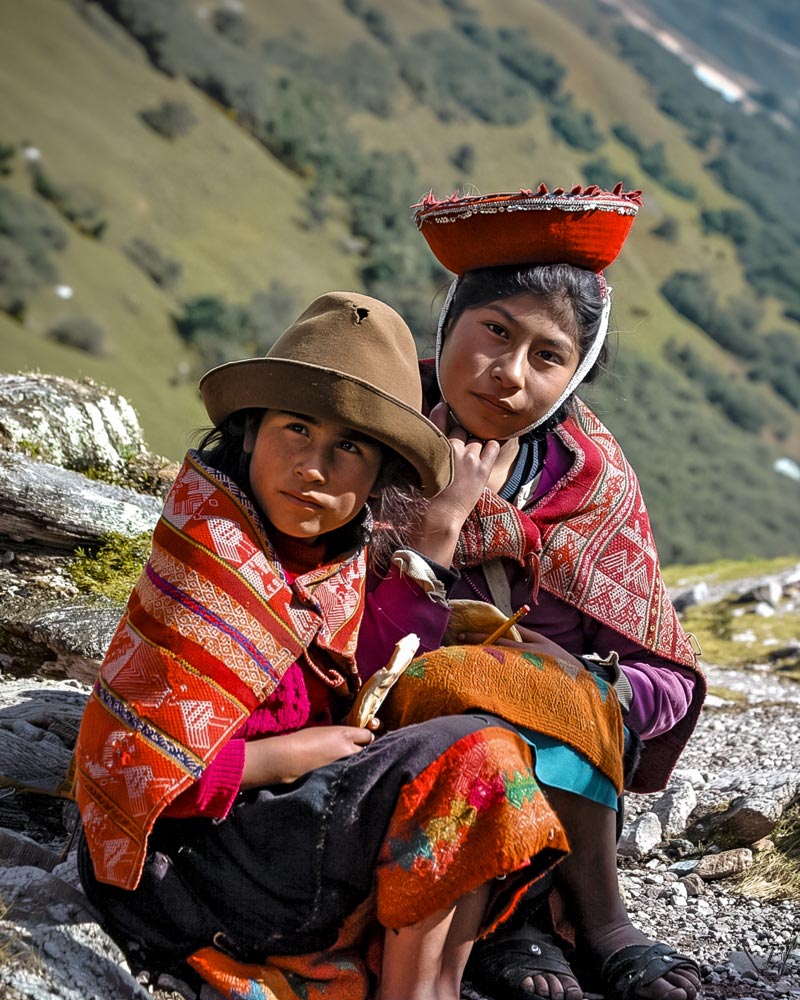
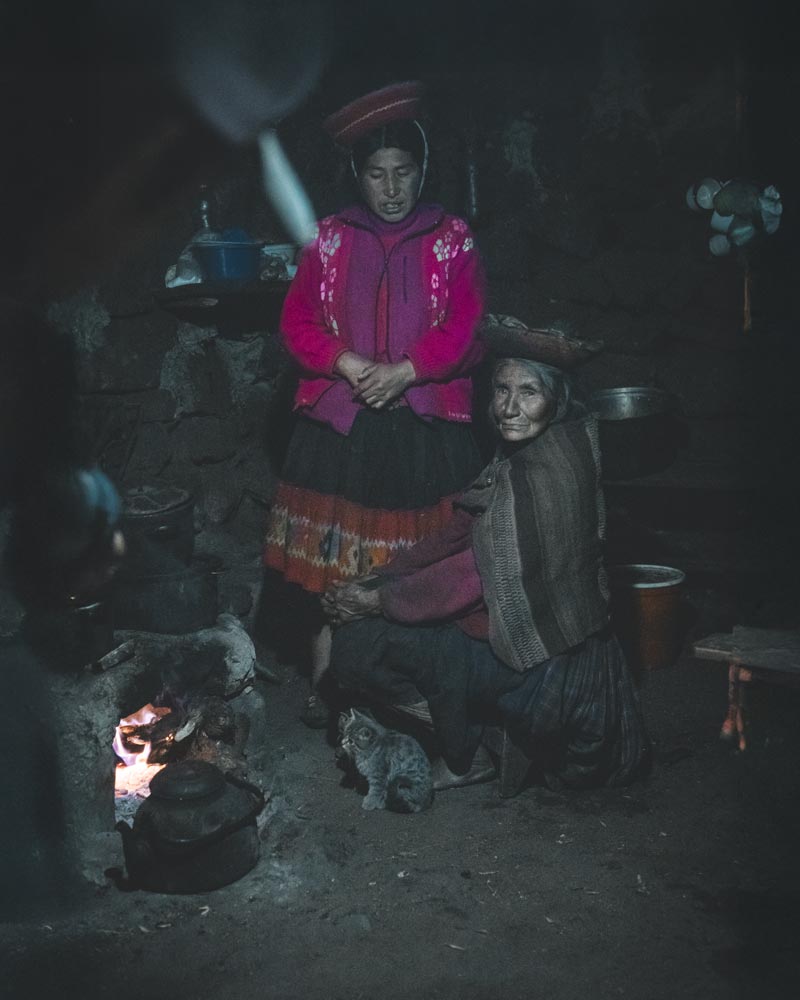
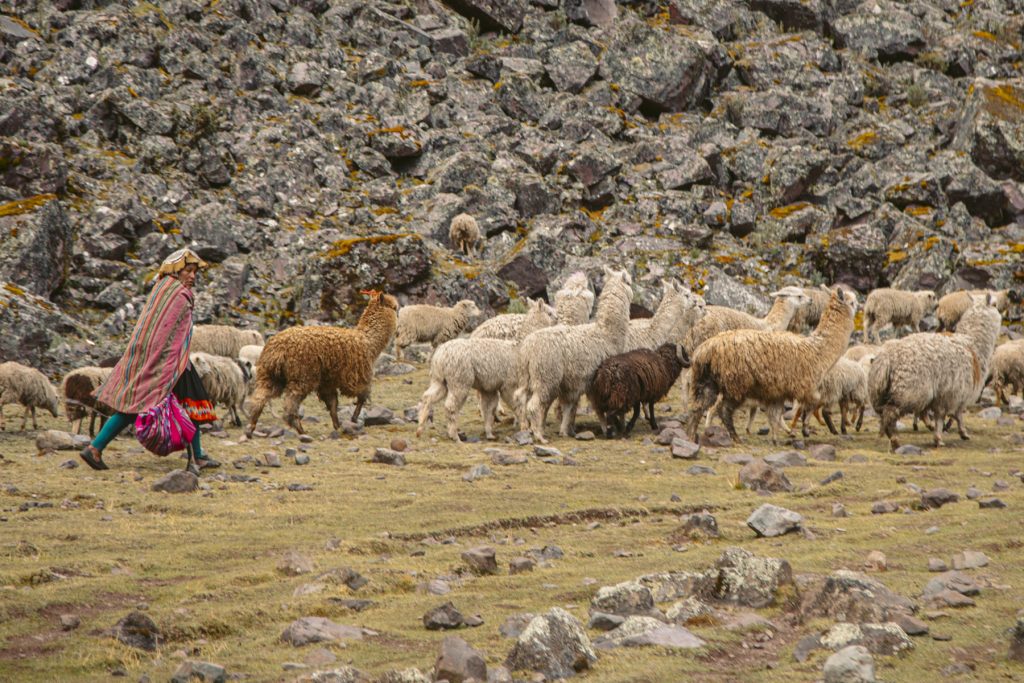
Many families living in the region continue traditions that have existed for generations. Along the route, you’ll pass through villages where locals still wear traditional clothing, herd their alpacas, and speak Quechua as their first language.
Rather than learning about history through visits to ruins, you’ll experience living Andean culture right in front of you.
What Are the Characteristics of the Lares Trek?
Some features that really make the Lares Trek shine include:
- Fewer crowds than the Inca Trail
- Rich cultural experiences
- Traditional Andean villages
- Beautiful mountain scenery
- High mountain passes
- Visit to the Lares hot springs
- Night in a hotel in Aguas Calientes
- Visit to the Maras Salt Mines
- Train from Ollantaytambo to Aguas Calientes
- No permit requirements
- Flexible booking options
- A quieter, more remote atmosphere
In the end, the Lares Trek vs Inca Trail debate often comes down to whether you’d rather spend four days exploring ancient Inca history or four days experiencing modern Andean culture.
There’s no wrong choice here. It’s just your own personal preference.
Which Trek Is More Difficult?
Let’s get the big question out of the way.
Neither of these treks is a walk in the park. Unless your local park happens to sit at a high altitude and involves hiking over mountain passes.
Both routes require a reasonable level of fitness, but they present different challenges.
Inca Trail Difficulty
The Inca Trail is often described as moderate to challenging, and that’s a fair assessment.
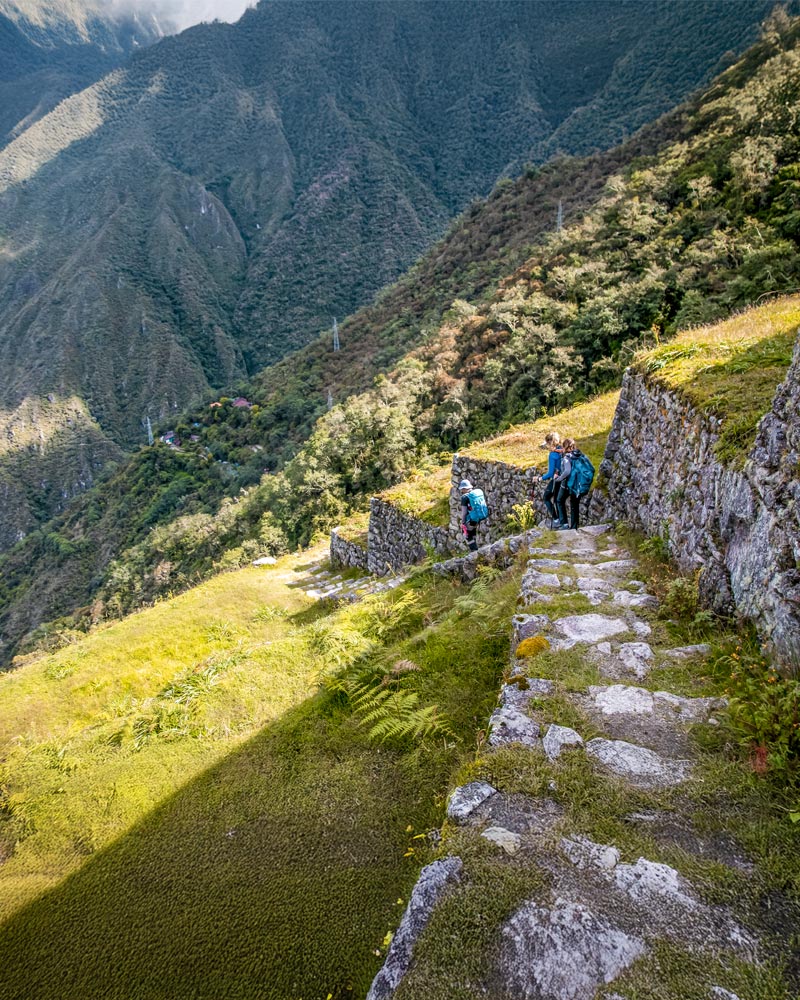
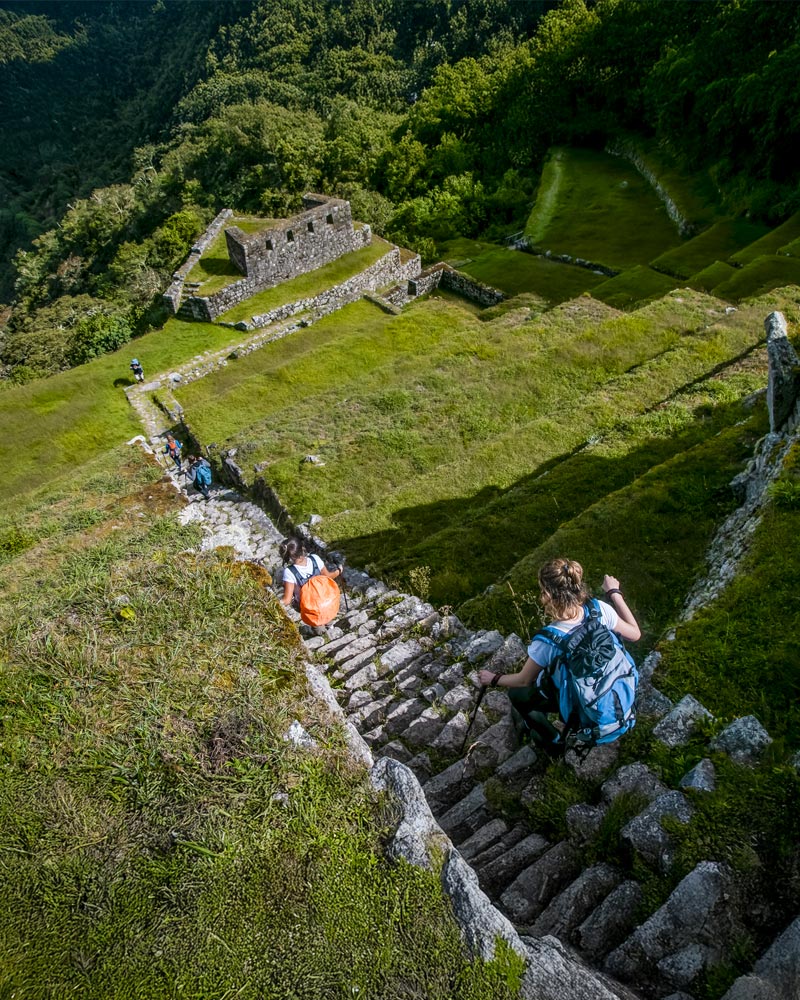
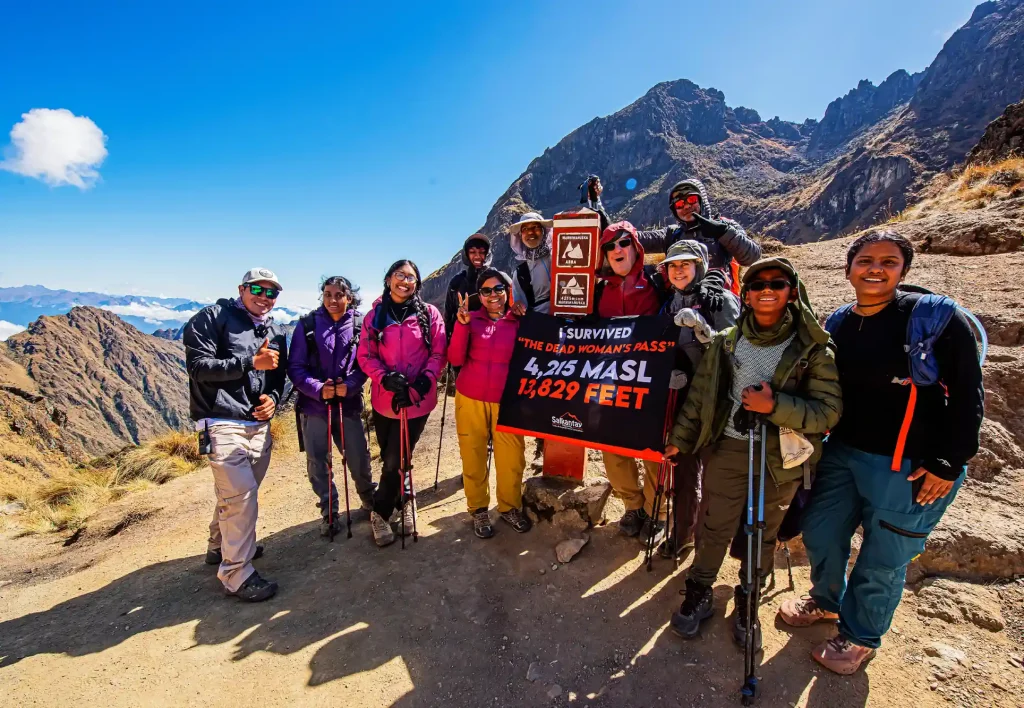
The biggest challenge isn’t usually the distance. It’s the endless stone steps. The highest point is Dead Woman’s Pass at 4,215 m (13,829 ft). Reaching the top is tough, but most reasonably fit hikers who acclimatize properly can complete the trek successfully.
The good news? Every uphill section comes with a pretty spectacular reward.
Lares Trek Difficulty
The Lares Trek is often considered slightly more difficult than the Inca Trail.
While there are fewer stairs, the route reaches higher elevations and spends more time at altitude. The highest point sits around 4,700 m (15,420 ft), which is significantly higher than anything you’ll encounter on the Inca Trail.
At those elevations, even simple tasks can feel surprisingly tiring.
Many hikers find the terrain itself manageable, but notice the altitude much more.
Altitude Comparison
If altitude is your biggest concern, the Inca Trail has a slight advantage.
Inca Trail Highest Point: 4,215 m (13,829 ft)
Lares Trek Highest Point: 4,700 m (15,420 ft)
That extra elevation makes a difference.
Regardless of which trek you choose, taking the time to acclimatize in Cusco beforehand is one of the smartest things you can do.
Which Trek Has Better Scenery?
This feels a bit like asking someone whether pizza or tacos are better. There isn’t really a wrong answer.
The scenery is spectacular on both treks. The real question is what kind of scenery you enjoy most.
Scenery on the Inca Trail
The Inca Trail is all about variety.
You’ll hike through mountain passes, cloud forests, and ancient archaeological sites, often all within the same day. And just when you think you’ve settled into one landscape, something completely different appears around the next corner.
And then there’s the grand finale.
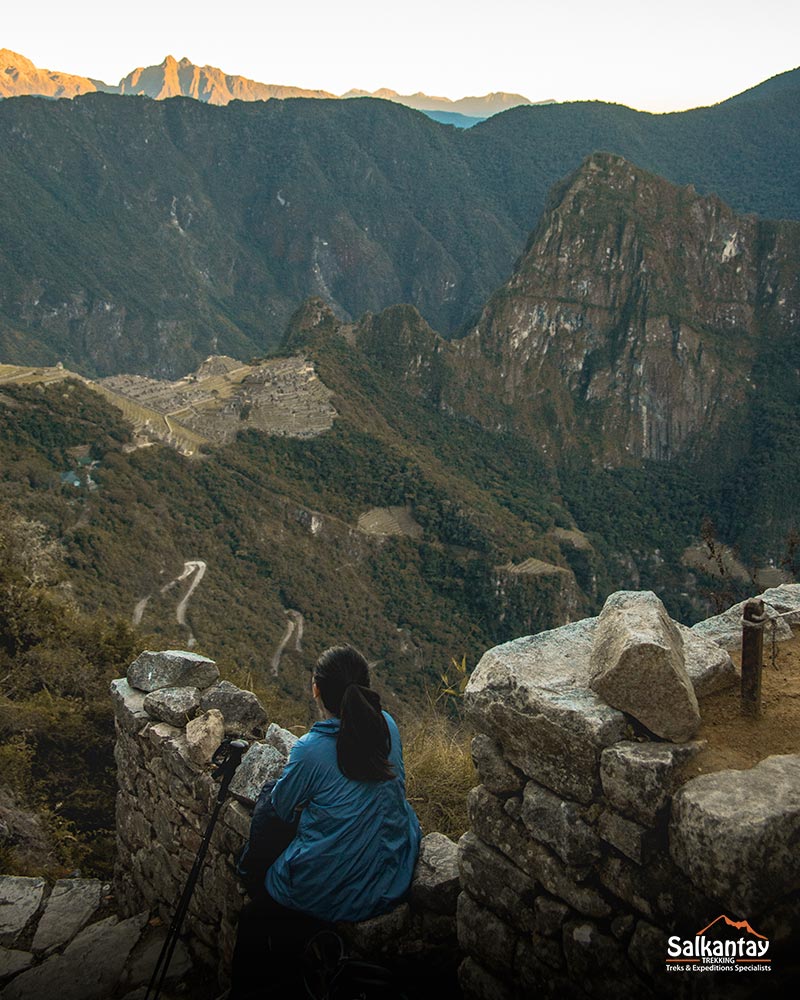
Arriving at Machu Picchu through the Sun Gate is one of those travel moments that genuinely lives up to the hype. Everyone says it will be unforgettable, and yep, they’re right. Hikers on all other routes don’t get this opportunity, so it’s definitely worth the effort.
Scenery on the Lares Trek
The Lares Trek doesn’t have as much variety, but what it does have, it does exceptionally well.
This is classic Andean scenery at its finest. Huge mountains. Bright blue lakes. Alpacas grazing in the distance. Tiny villages surrounded by dramatic peaks.
Some sections feel so remote that it’s hard to believe you’re only a few hours from Cusco.
If your camera roll is mostly landscapes and mountain photos, the Lares Trek might just be your dream hike.
If you’re looking for a mix of scenery and history, the Inca Trail probably edges it.
If you simply want the Andes at their most beautiful, Lares makes a very convincing argument.
Which Trek Offers More Cultural Experiences?
This one is actually pretty easy.
Both treks teach you something about Peru, but they do it in completely different ways.
The Inca Trail focuses on the past. The Lares Trek focuses on the present.
Inca History on the Inca Trail
The Inca Trail is overflowing with history.
Every day brings another archaeological site, another section of the original stone pathway, or another glimpse into how advanced the Inca civilization really was.
If you’re the type of traveler who slows down to read every information sign at a historical site, you’ll absolutely love it.
Andean Communities on the Lares Trek
The Lares Trek offers something you simply won’t get on the Inca Trail. Local culture and people.
Along the route, you’ll pass through traditional communities where Quechua culture is still very much alive. You’ll see locals tending alpacas, farming the land, and going about daily life just as their families have for generations.
For many hikers, these cultural interactions are the most memorable part of the entire trek.
Which Trek Has Better Archaeological Sites?
Again, this category has a very clear winner.
The Inca Trail literally appears to have been built around archaeology.
You’ll visit many impressive Inca sites before reaching Machu Picchu itself, which helps create a sense of anticipation that builds throughout the trek.
On the other hand, the Lares Trek isn’t really about ruins at all. While you do eventually arrive at Machu Picchu on this route, the focus is firmly on landscapes and culture rather than archaeology.
If ancient history is high on your wish list, the Inca Trail wins this round comfortably.
Which Trek Is Better for Machu Picchu?
Both treks include a visit to Machu Picchu, but the experience is quite different.
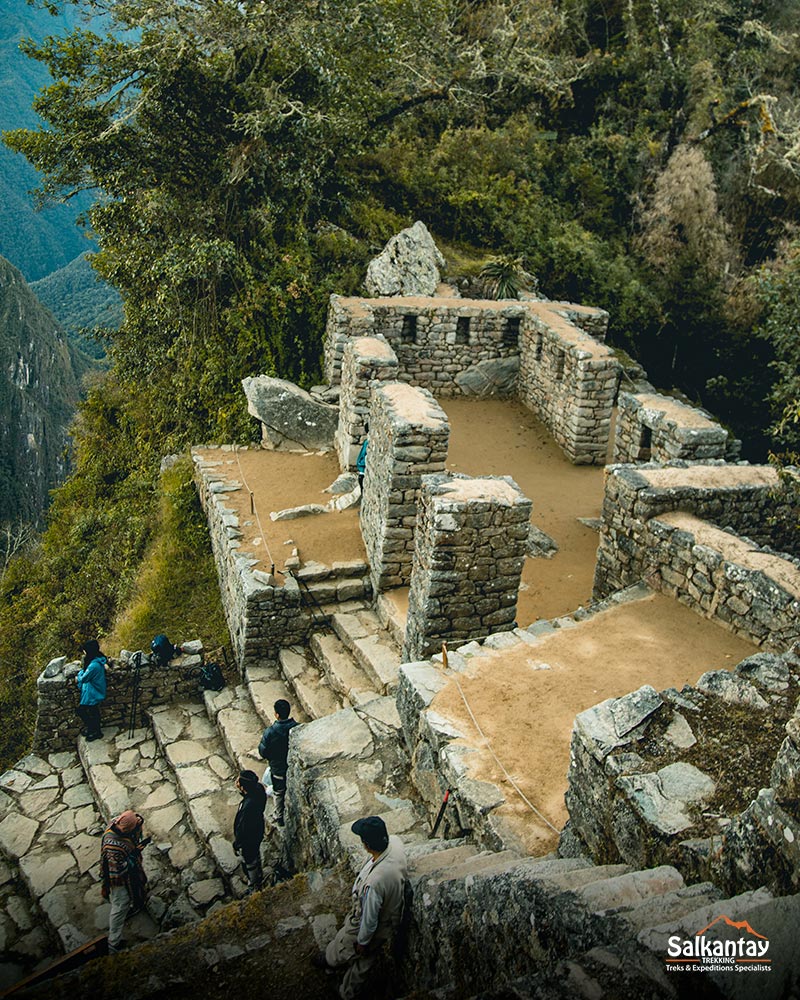
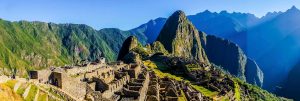
There’s no doubt that the Inca Trail gives you one of the most iconic arrivals in the world. After days of hiking, you enter through Inti Punku, also known as the Sun Gate, and see Machu Picchu spread out below you. It’s a moment many travelers never forget.
The arrival from the Lares Trek is completely different. After completing the trek, you’ll catch the train from Ollantaytambo to Aguas Calientes before visiting the citadel.
You’ll still get to explore one of the world’s most famous archaeological sites, but without the dramatic Sun Gate arrival.
If how you enter Machu Picchu itself is your main priority, the Inca Trail has the edge.
Crowds and Trail Atmosphere
Not everyone wants the same thing from a trek.
Some people enjoy meeting other hikers along the way. Others dream of having a mountain valley practically to themselves.
The Inca Trail and Lares Trek sit on opposite ends of that spectrum.
How Busy Is the Inca Trail?
The Inca Trail is one of Peru’s most sought-after experiences, so it kind of goes without saying that it’s busy.
Permits limit the number of people on the route, so it never feels completely overrun, but you’ll rarely be alone. Expect to see other trekking groups throughout the journey.
For many travelers, that’s part of the atmosphere. You’re sharing a famous adventure with people from all over the world, and it’s a lot of fun.
How Busy Is the Lares Trek?
The Lares Trek is much quieter.
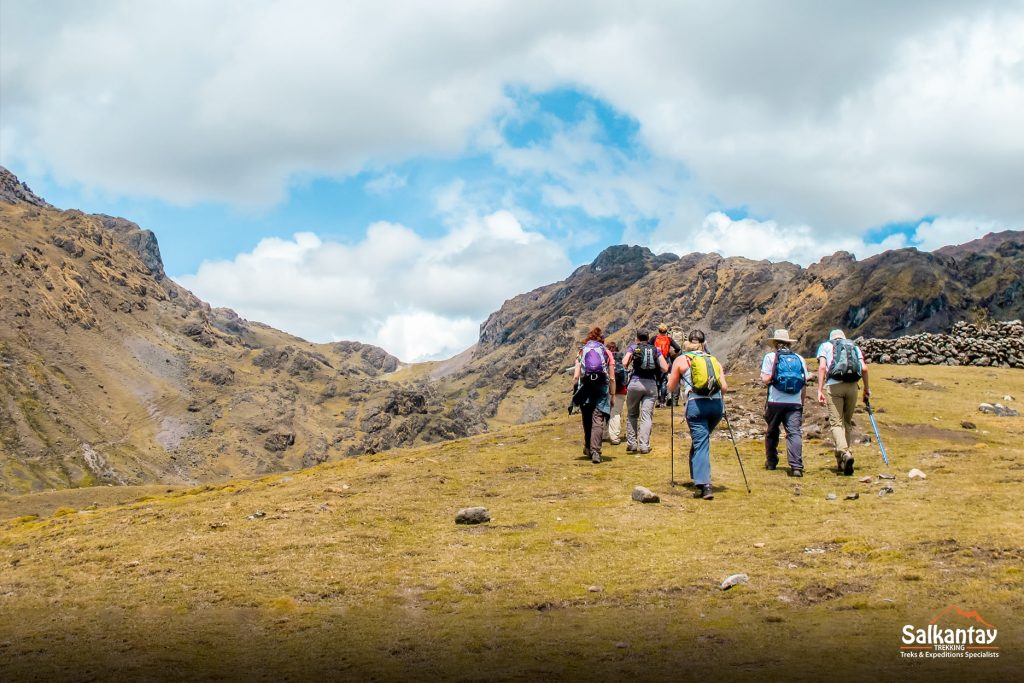
There are sections where you’ll spend hours surrounded by mountains, lakes, and alpacas with barely another hiker in sight.
If your idea of a great trek involves fewer crowds and a stronger sense of wilderness, Lares is hard to beat.
Permits, Availability, and Booking
This section often makes the decision easier for travelers planning at the last minute.
Inca Trail Permit Requirements
The Inca Trail operates under a strict permit system.
There are only a limited number of permits available each day, and they can sell out months in advance during peak season (May to October).
If hiking the Inca Trail to Machu Picchu is your dream, don’t leave your booking until the last minute.
Lares Trek Booking Requirements
One of the biggest advantages of the Lares Trek is flexibility.
There are no government permits required, which means availability is generally much easier to obtain.
That makes it a fantastic option for travelers with shorter planning timelines.
How Far in Advance Should You Book?
For the Inca Trail, booking 4 to 8 months in advance is often recommended, especially if you’re traveling during the dry season.
For the Lares Trek, you can usually book much closer to your departure date.
That’s one reason many travelers end up choosing the Lares Trek vs the Inca Trail when permits are no longer available.

Altitude and Acclimatization
No matter which trek you choose, altitude deserves your respect.
Many travelers arrive in Cusco feeling great and assume they’re ready to hit the trail immediately. Then the altitude reminds them who’s in charge.
The good news? A little preparation goes a long way.
Altitude Sickness Symptoms
Altitude affects everyone differently, no matter how fit you are or how old you are.
Common symptoms include:
- Headaches
- Shortness of breath
- Dizziness
- Nausea
- Fatigue
- Difficulty sleeping
Most cases are mild and will get better on their own with rest and proper acclimatization, but it’s always important to listen to your body.
How to Prepare for High Altitude
The best thing you can do to make sure you feel good for your trek is to spend at least two or three days acclimatizing in Cusco before your trek.
Drink plenty of water, eat light meals, avoid overdoing it on your first couple of days, and take things slowly.
A little preparation now can make a huge difference once you’re standing on a mountain pass several days later.
If you’re looking for more tips, check out our guide on ‘How to Train for Altitude’ before your trip.
What to Do if You Feel Sick on the Trail
First, don’t panic.
Mild altitude symptoms are fairly common.
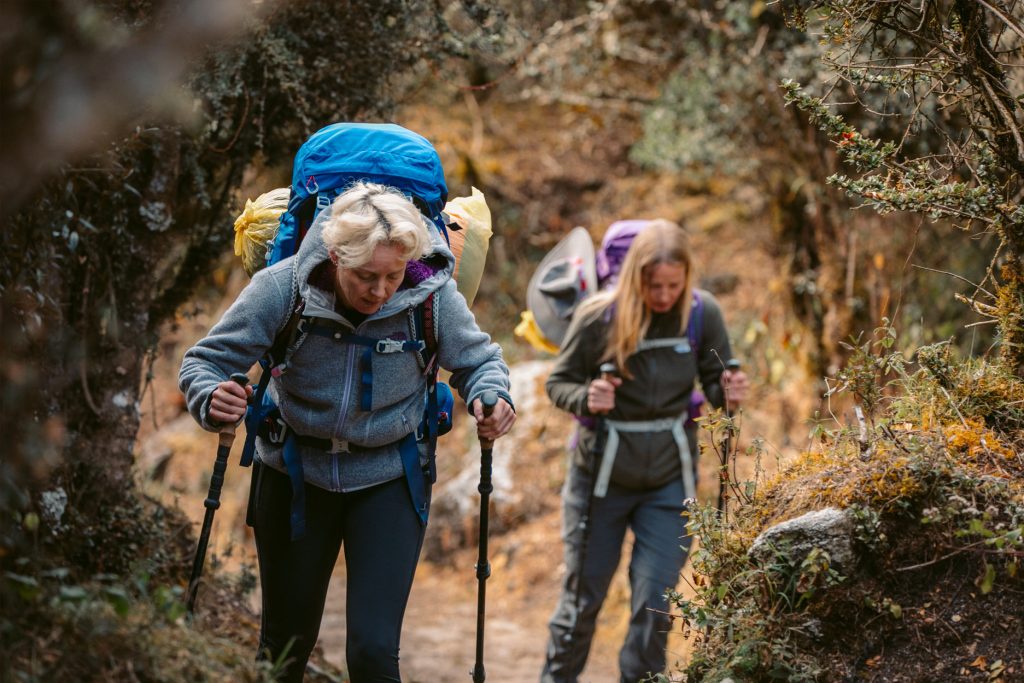
Let your guide know how you’re feeling, drink plenty of water, and slow your pace if needed. Most trekkers feel much better after taking things a little easier.
The key is not trying to “push through” severe symptoms. Your guide will always prioritize your safety and help determine the best course of action. If you’re really feeling unwell and not improving, the best thing to do is descend to a lower altitude.
Best Time to Hike the Inca Trail and Lares Trek
You can hike both routes year-round, but some months make life easier than others.
The dry season, from roughly May through October, is generally considered the best time to trek. You’ll usually get clearer skies, better mountain views, and a lower chance of rain turning the trail into a mud-wrestling competition.
Of course, everyone else knows this too, so it’s also the busiest time to visit.
Dry Season Conditions
Dry season is peak trekking season for a reason.
Sunny days, cooler temperatures, and spectacular views make it ideal for both the Inca Trail and Lares Trek.
If you’re planning to hike during these months, particularly on the Inca Trail, book early. Very early.
Wet Season Conditions
The rainy season runs from November to April.
You’ll likely encounter wetter trails and more unpredictable weather, but you’ll also see greener landscapes and fewer tourists.
Some travelers actually prefer this time of year because the trails feel much quieter.
However, the Inca Trail closes in February for maintenance, and some tour operators won’t run other routes due to higher safety risks.
Month-by-Month Considerations
If your schedule is flexible, April, May, September, and October often strike a nice balance between weather and crowd levels.
That said, there isn’t a single perfect month for everyone. The best time to visit often depends on whether you value sunshine, solitude, or a bit of both.
For a deeper breakdown, take a look at our guide to the ‘Best Time to Visit Machu Picchu’.
Who Should Choose the Inca Trail?
If you want the classic Machu Picchu trekking experience, the Inca Trail is a fantastic option.
Choose the Inca Trail if:
- Visiting Machu Picchu is your top priority
- You love history and archaeology
- You want to enter through the Sun Gate
- Walking original Inca pathways sounds exciting
- You don’t mind booking months in advance
- You want Peru’s most iconic trek
For many travelers, this is a once-in-a-lifetime bucket-list adventure, which is why it sells out so many months in advance.
Who Should Choose the Lares Trek?
The Lares Trek appeals to a slightly different type of traveler.
Choose the Lares Trek if:
- You prefer fewer crowds
- You love mountain scenery
- Cultural experiences are important to you
- You want to meet local communities
- You missed out on Inca Trail permits
- You enjoy quieter and more remote trails
It’s a fantastic alternative that offers a completely different side of Peru.
Frequently Asked Questions
Still undecided? We get it. It’s a tough choice. Here are some of the questions we hear most often to help you make your final decision.
Definitely, it might not have the worldwide fame of the Inca Trail, but many travelers consider it one of the most authentic trekking experiences in Peru.
The combination of mountain scenery and cultural encounters is hard to beat.
The Lares Trek is considered moderate to challenging.
The route isn’t especially technical, but the high altitude can make hiking more demanding than many people expect. Proper acclimatization makes a huge difference here.
The answer depends on your travel style.
The Inca Trail is the most famous trek to Machu Picchu, and it gives you that unforgettable Sun Gate arrival.
The Lares Trek offers a quieter, more culturally immersive journey while still leading you to Machu Picchu at the end.
Yes, many beginners complete the Lares Trek without a problem.
However, a good fitness level and proper acclimatization are important because of the altitude. Training before your trip will make the experience much more enjoyable.
The Lares Trek wins this one by a mile.
While the Inca Trail remains extremely popular, the Lares Trek offers a much quieter and more peaceful experience.
Which Trek Should You Choose?
By now, you’ve probably realized there isn’t a clear winner.
And that’s because the Inca Trail and Lares Trek aren’t really competing with each other at all. They both cater to different types of travelers, so we’re sure you know which one is right for you.
Choose the Inca Trail if you love the idea of combining incredible scenery with fascinating history. There’s a reason it’s one of the most famous treks in the world.
Choose the Lares Trek if you’re more interested in mountain landscapes, local culture, and escaping the crowds.
The good news is that there isn’t a bad choice here. Both routes take you through some of the most beautiful scenery in Peru and end with a visit to Machu Picchu.
Not a bad way to spend a few days in the Andes, right?
So, if you’ve made up your mind and are ready to begin planning your adventure, Salkantay Trekking is here to help make it become a reality.


Leave A Reply