
There’s no denying that climate change has had a huge effect worldwide, and Peru hasn’t escaped the headlines, whether about shrinking glaciers or the phenomenon known as El Niño.
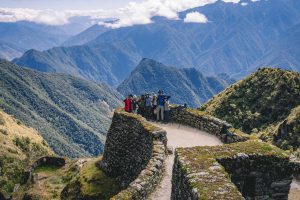
The good news? Peru is still an incredible place to visit. The mountains are still dramatic, the Amazon is still wildly biodiverse, and trekking routes like the Salkantay Trek still deliver the kind of views that make you stop mid-hike just to stare for a minute.
But the weather in Peru is indeed changing.
Rainy seasons don’t always behave quite like they used to. Glaciers in the Andes are shrinking. Dry seasons last longer in some regions, while in others there’s heavier rainfall and flooding.
This doesn’t mean Peru is off-limits for travelers. It means planning carefully, staying flexible, and choosing responsible operators is more important than ever.
In this guide, we’ll look at climate change in Peru, how it’s affecting the country’s weather patterns, and what it means if you’re planning an adventure in one of South America’s most diverse destinations.
Table of contents
- Understanding Climate Change in Peru
- Peru’s Climate Zones: A Country of Contrasts
- The Role of El Niño and La Niña in Peru
- What Climate Change Means for Popular Trekking Routes
- What Is the Peruvian Government Doing About Climate Change?
- What Climate Change Means for Travelers Visiting Peru
- How Travelers Can Visit Peru More Responsibly
- Final Thoughts on Climate Change in Peru
Understanding Climate Change in Peru
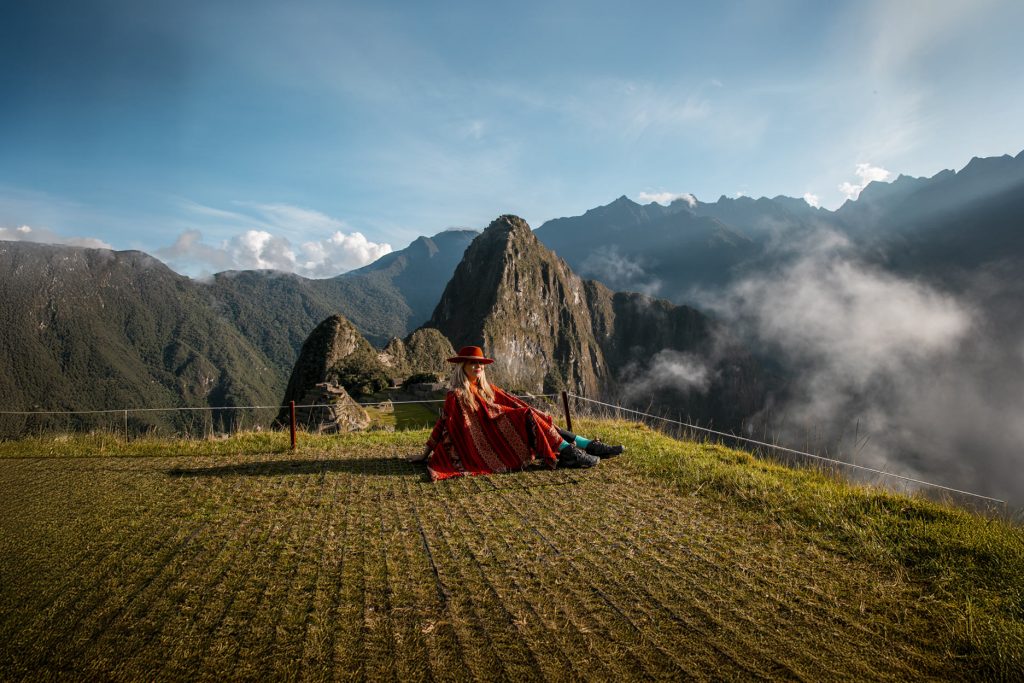
Peru has always been a country of dramatic climate contrasts, from the coastal desert to the Andes and the Amazon rainforest.
You can leave the desert coast one day, spend the next day hiking through the Andes, and spend a third surrounded by rainforest. That’s one of the reasons traveling here feels like visiting several countries at once.
The challenge is that climate change is affecting each of these regions differently.
Some changes are obvious, like retreating glaciers. Others are harder to spot unless you’ve lived in Peru for decades. But together, they’re reshaping Peru’s climate in ways we should all try to understand.
What Is Driving Climate Change in Peru?
Like most countries around the world, Peru is experiencing the effects of rising global temperatures.
These warmer temperatures affect rainfall, glaciers, river levels, ecosystems, and seasonal weather patterns. The impact isn’t the same everywhere, though.
That’s because Peru’s geography is anything but simple. The country is one of the most biodiverse places on Earth.
Peru contains coastal deserts, some of the highest mountains in South America, cloud forests, and huge areas of Amazon rainforest. When temperatures rise, each region responds differently.
It’s one of the reasons predicting Peru’s weather can sometimes feel like predicting a llama’s mood. You might think you’ve got it figured out, and then it decides otherwise.
Why Peru Is Particularly Vulnerable to Climate Change
Peru is home to many ecosystems that are sensitive to even small environmental changes.
The Andes are a good example.
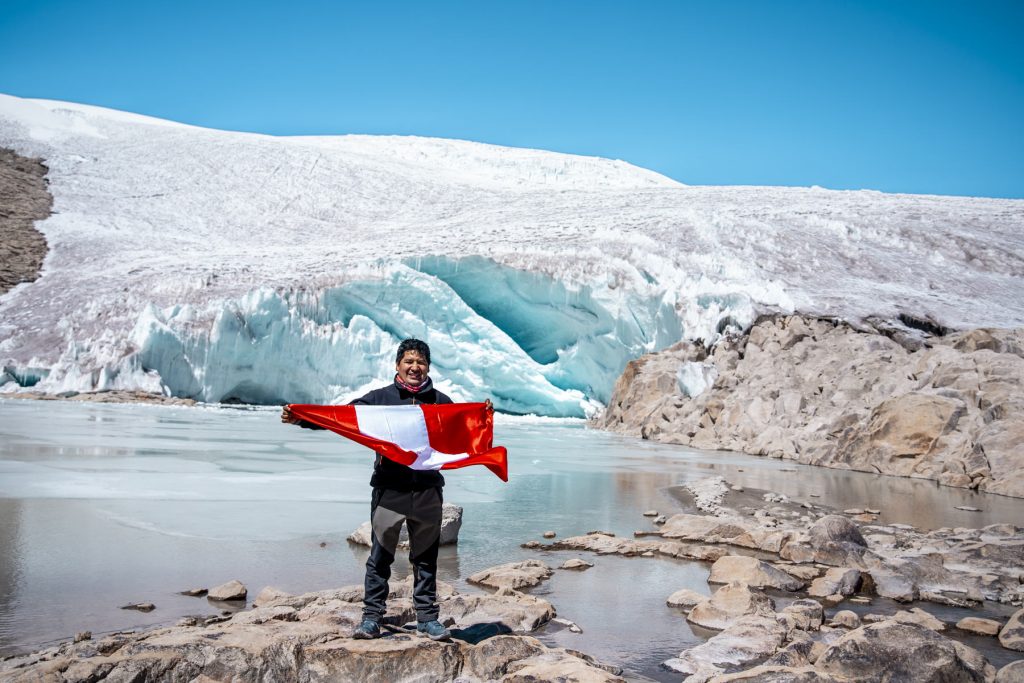
The water that originates in mountain glaciers goes to watersheds, rivers, agriculture, human consumption, and ecosystems, especially during the dry season. Communities rely on it for household use, agriculture, and local livelihoods. As the glaciers shrink, long-term water supplies become harder to manage.
The Amazon hasn’t escaped either. There are significant shifts in rainfall patterns and more frequent droughts in some areas.
Then there’s tourism.
Many of Peru’s biggest attractions are closely tied to weather and seasonal conditions. Whether you’re hiking to Machu Picchu, exploring the Sacred Valley, or heading to Rainbow Mountain, changing weather patterns can affect your experience.
Peru’s Climate Zones: A Country of Contrasts
There’s no straightforward answer to the question, “What is the climate in Peru?”
It depends entirely on where you are.
The weather in Lima is completely different from the weather in Cusco. Cusco is completely different from the Amazon. And the Amazon has its own set of rules altogether.
The Coastal Desert
Most people don’t expect Peru to have a desert coastline.
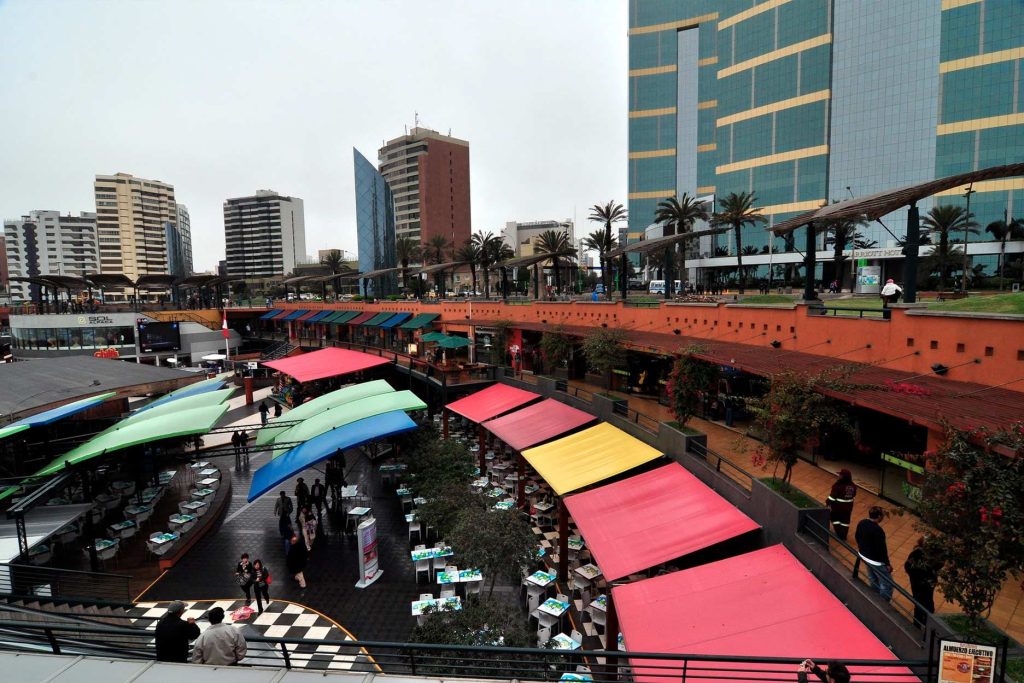
Yet much of the Pacific coast is surprisingly dry, especially around Lima and the surrounding region.
Climate change is making ocean temperatures warmer and fueling stronger weather events during El Niño years. While the coast doesn’t usually see much rain, some areas have experienced unusually intense flooding and storms when ocean conditions change.
If you’re traveling during an El Niño year, you’ll need to pay special attention to forecasts.
The Andes Mountains
Many travelers spend the majority of their trip in the Andes.
And it’s no surprise, as it’s packed with many of Peru’s most famous sights, from Machu Picchu and Cusco to the Salkantay Trek and Rainbow Mountain.
It’s also where some of the most visible climate changes are happening.
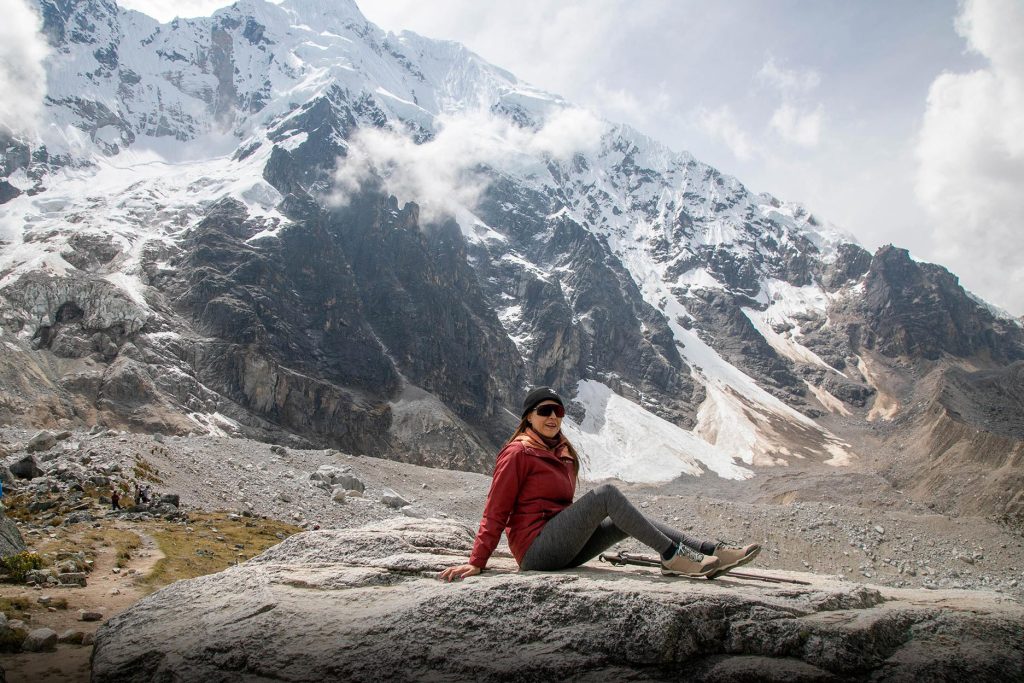
Glaciers are gradually shrinking, temperatures are rising, and seasonal weather patterns are becoming a little less predictable. The mountains aren’t suddenly changing overnight, but hikers may notice that the weather can be more variable than guidebooks from ten years ago might suggest.
The Amazon Rainforest
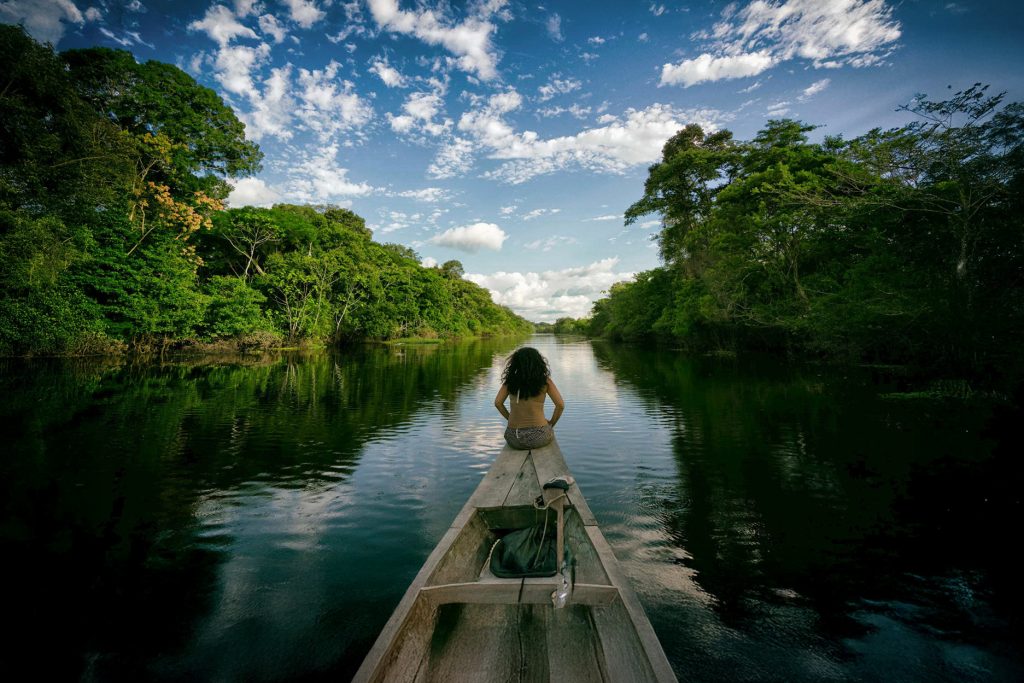
The Peruvian Amazon covers around 60% of the country and is one of the most biodiverse places on the planet.
There have always been wet and dry seasons in the rainforest, but scientists have noticed more frequent droughts and flooding in some areas. These changes affect wildlife, river levels, and local communities that depend on the forest.
Thankfully, the Peruvian Amazon remains one of the world’s most biodiverse regions, but it is also facing growing pressure from droughts, shifting rainfall patterns, deforestation, and ecosystem stress. It serves as another reminder that even the world’s largest rainforest isn’t completely immune to climate change.
The Role of El Niño and La Niña in Peru
If you’ve spent a while in the country, you’ll know that whenever unusual weather hits, chances are someone will mention El Niño within about 30 seconds. Confused? We’ll explain.
What Is El Niño?
El Niño is a natural climate pattern that occurs when sea surface temperatures in the tropical Pacific Ocean become warmer than normal.
It has affected weather patterns for centuries and remains one of the biggest influences on Peru’s climate today.
How El Niño Affects Peru’s Weather
When El Niño events are particularly strong, they can bring heavy rainfall to coastal regions, which increases the risk of flooding and landslides.
Other parts of the country experience different impacts, such as changes in temperature and seasonal weather patterns.
For travelers, it doesn’t automatically mean you have to change your plans. It simply means you need to pay a little more attention to forecasts and local advice.
What Is La Niña?
Slightly less known, La Niña is basically El Niño’s cooler sibling.
It happens when Pacific Ocean temperatures become cooler than normal, which, again, influences weather patterns across Peru in different ways.
How Climate Change May Influence Future El Niño Events
Scientists are still trying to understand exactly how climate change and El Niño interact.
However, a warmer world means greater uncertainty in weather patterns.
But that’s not a reason to panic.
It’s simply another reason to stay informed, check the forecast, and remember that even when the weather doesn’t cooperate, Peru still has many ways to impress you.
What Climate Change Means for Popular Trekking Routes
This is the section most travelers are especially interested in.
Not because glaciers and climate change aren’t important, but because people want to know whether it will affect their trip.
The short answer is yes, but probably not in the dramatic way you might imagine.
Trekking Seasons Are Becoming Less Predictable
Traditionally, Peru’s dry season runs roughly from May to September, while the wettest months fall between November and March.
Those patterns still exist.
What’s changing is that the edges are becoming fuzzier. A dry-season hike might get an unexpected storm. A rainy-season month might be drier than expected.
That’s one reason checking current forecasts has become more important than relying solely on historical averages.
If you’re researching Peru’s weather before a trip, recent conditions are often more useful than what happened five years ago.
High-Altitude Trails Are Seeing the Biggest Changes
Routes that spend significant time at elevation are naturally more exposed to changing mountain conditions.
That doesn’t mean they’re becoming unsafe. It just means that being flexible has become part of the trekking experience.
It’s more important than ever for tour operators and locals to stay on top of trail maintenance, route management, and weather monitoring to keep visitors safe and comfortable.
What About the Salkantay Trek and Inca Trail?
Fortunately, Peru’s most famous hikes are still as incredible as ever.
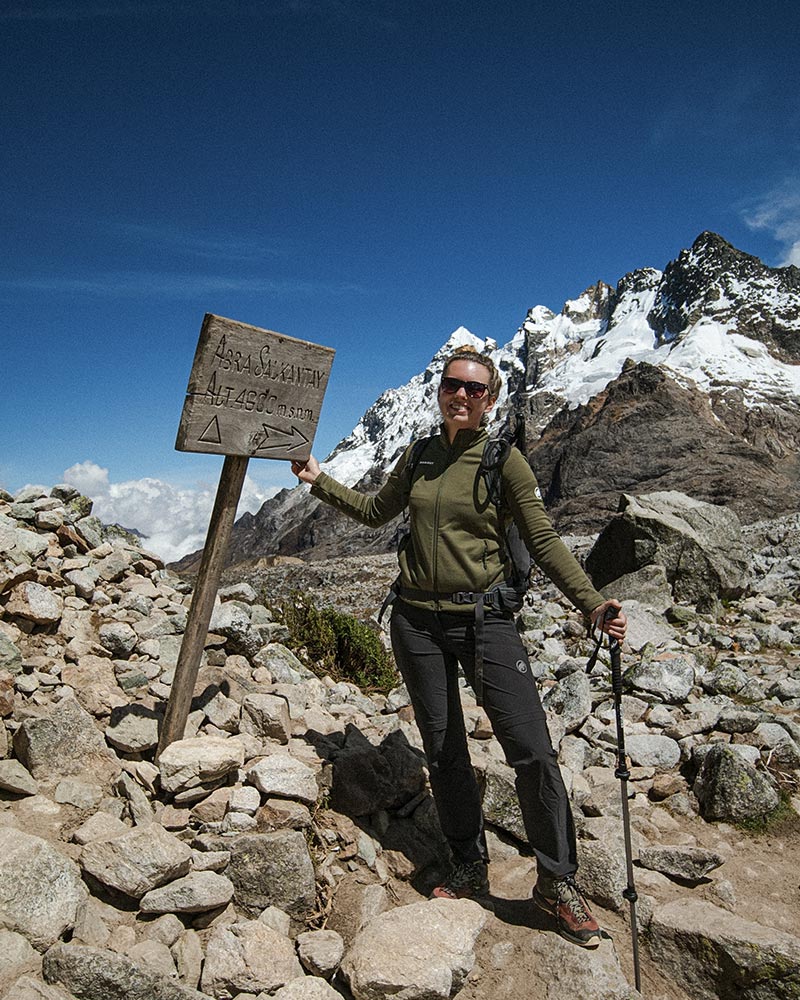
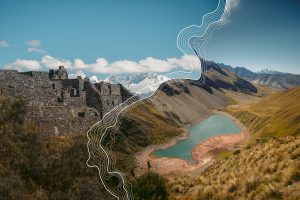
The Salkantay Trek still delivers snow-capped mountains, cloud forests, and those “is this place even real?” moments around every corner.
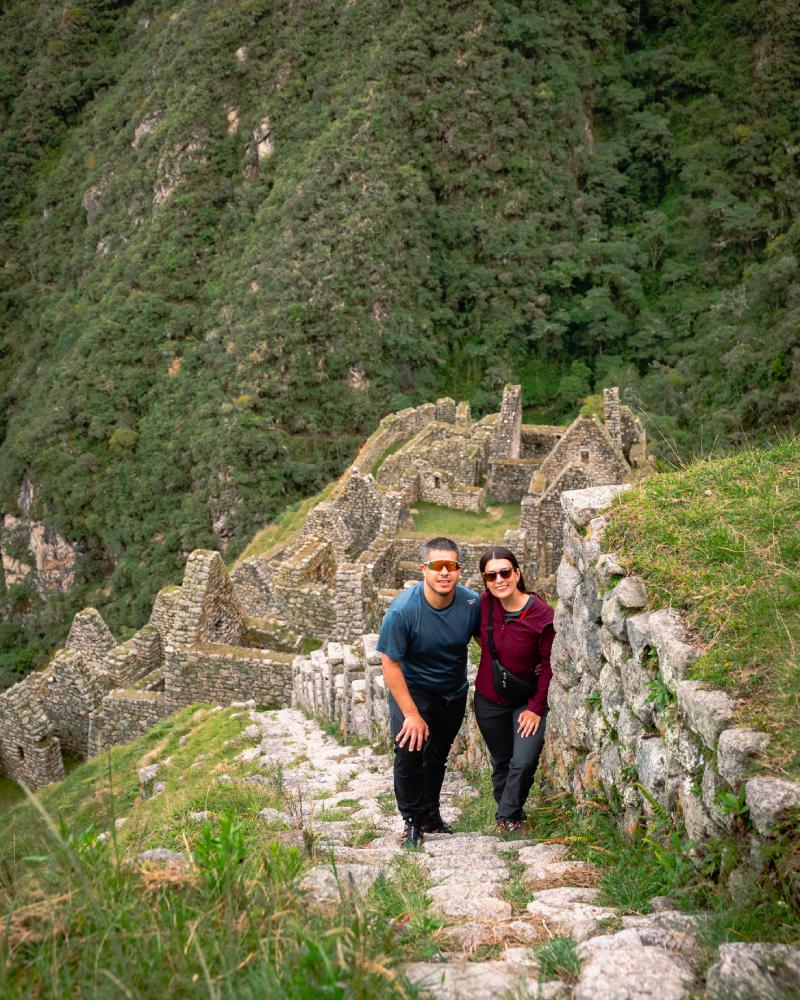
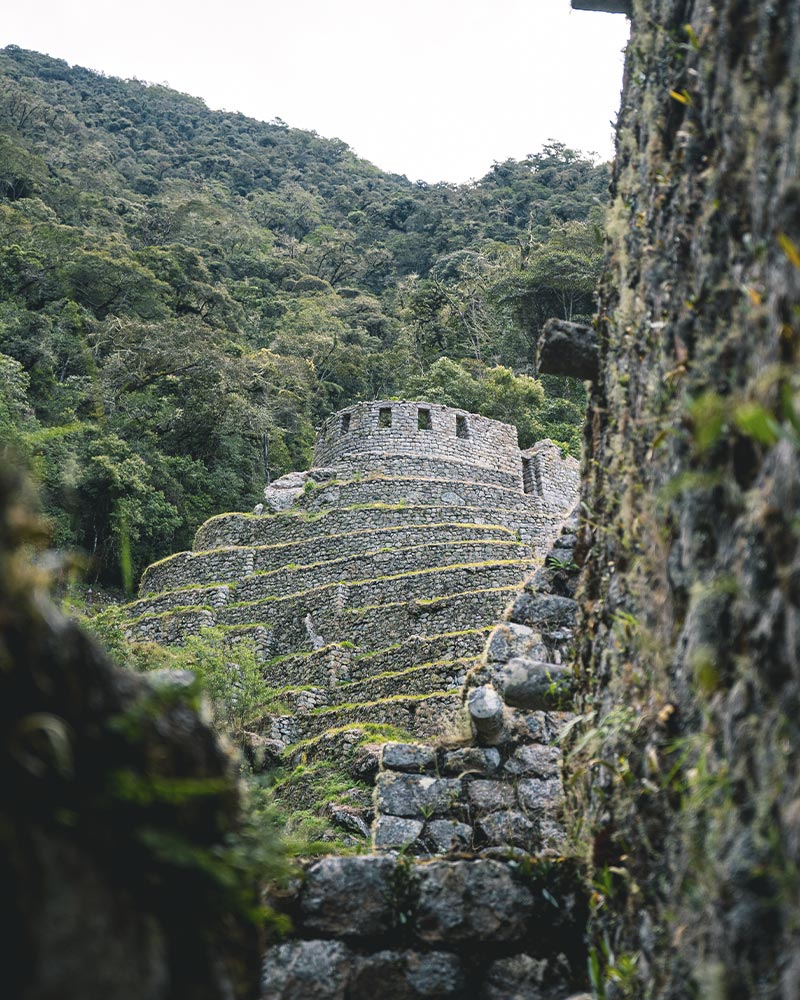
The Inca Trail still attracts travelers from around the world for good reason.
What has changed is how important it is to prepare properly.
Packing for a wider range of conditions, traveling with a reputable operator, and understanding seasonal weather patterns can make a huge difference.
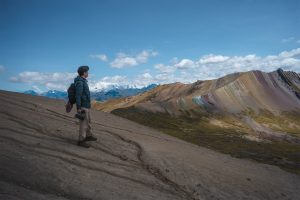
The same goes for day trips to Rainbow Mountain, where the weather can change surprisingly quickly because of the high altitude.
Climate change hasn’t made these experiences disappear, but it has made preparation, flexibility, and responsible route management much more important.
What Is the Peruvian Government Doing About Climate Change?
It’s easy to read about shrinking glaciers and changing weather patterns and assume nobody is doing anything about it.
Thankfully, that’s not the case.
Peru has launched a range of projects aimed at protecting natural areas, reducing emissions, and helping communities adapt to changing conditions.
National Climate Policies
Like many countries around the world, Peru has created plans to help prepare for the effects of climate change.
These focus on things like protecting water supplies, supporting agriculture, and conserving important natural areas.
Renewable Energy Initiatives
Peru is also investing more in renewable energy.
Solar, wind, and hydroelectric power are helping to reduce the country’s reliance on fossil fuels and provide cleaner energy sources for the future.
Conservation and Reforestation Projects
One of Peru’s biggest strengths in the fight against climate change is its natural environment.
Projects across the country are helping protect forests, restore damaged areas, and support local communities that depend on these ecosystems.
For travelers, that’s encouraging news. Many tourism experiences now help fund conservation work, meaning your trip can help protect the very places you’ve come to see.
What Climate Change Means for Travelers Visiting Peru
By this point, you might be wondering whether climate change will affect your travel plans to Peru.
The answer is yes… but probably not in the way you think.
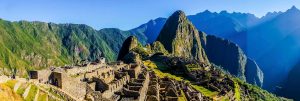
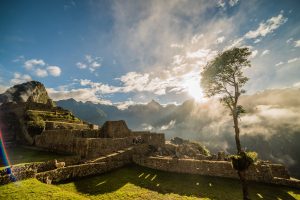
Peru isn’t suddenly becoming impossible to visit. Machu Picchu is still there. The mountains are still spectacular. The Amazon is still one of the most incredible places on Earth.
What climate change means is that it’s worth being a little more flexible and prepared than travelers might have needed to be 20 years ago.
Choosing the Best Time to Visit
One of the most common questions travelers ask is, “When should I go?”
The truth is that there’s no single answer because Peru has so many different climates packed into one country.
The coast, the Andes, and the Amazon all behave differently. That’s been true for centuries, and it remains true today.
Generally speaking, the dry season is still the most popular time for trekking and visiting Machu Picchu. However, weather patterns aren’t always as predictable as they once were, so check current forecasts before finalizing your plans.
If you’re still deciding when to travel, our guide to the best time to visit Peru can help you understand what to expect year-round.
Planning to visit Machu Picchu specifically? It’s also worth checking out the best time to visit Machu Picchu, especially if you’re trying to avoid both rain and crowds.
Preparing for Mountain Conditions
The mountains don’t care what the weather app said yesterday.
That’s something trekkers learn pretty quickly.
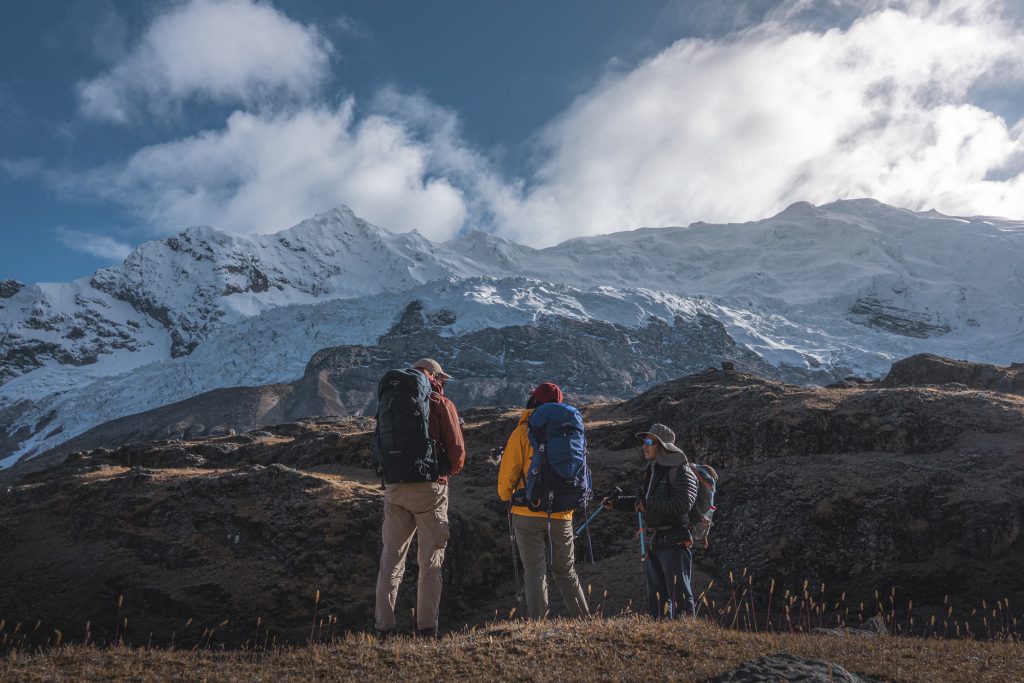
Even during the dry season, temperatures can swing dramatically between morning, afternoon, and night. Add changing weather patterns into the mix, and packing smart becomes even more important.
A good layering system is your best friend.
Bring waterproof gear, sun protection, warm layers, and comfortable hiking clothes. Yes, it can feel ridiculous carrying a rain jacket under a cloudless sky. No, you won’t think it’s ridiculous if a storm rolls in two hours later.
Weather-Related Challenges Travelers May Face
One thing climate change has done is make the weather a little less predictable.
That doesn’t mean your trip is going to be ruined. Far from it. Most travelers still have an amazing time in Peru. It just means you might need to expect the occasional surprise.
Depending on when you visit, you could come across rain outside the usual wet season, muddier trails after heavy downpours, or bigger swings in temperature between sunny afternoons and chilly evenings.
In the mountains, periods of heavy rain can sometimes lead to landslides, higher river levels, or temporary trail closures while routes are made safe again. Occasionally, trekking routes need to be adjusted or you experience delays, but that’s all done with safety in mind.
It’s one of the reasons we always recommend packing for a range of conditions, even if the forecast looks perfect. A waterproof jacket can feel like extra weight until the moment it comes in very handy.
How Travelers Can Visit Peru More Responsibly
Most travelers won’t solve climate change during a two-week vacation.
But there are still ways to reduce your impact and help protect the places that make Peru special.
The goal isn’t to be perfect. No one is. It’s simply making better choices where you can.
Supporting Sustainable Tourism
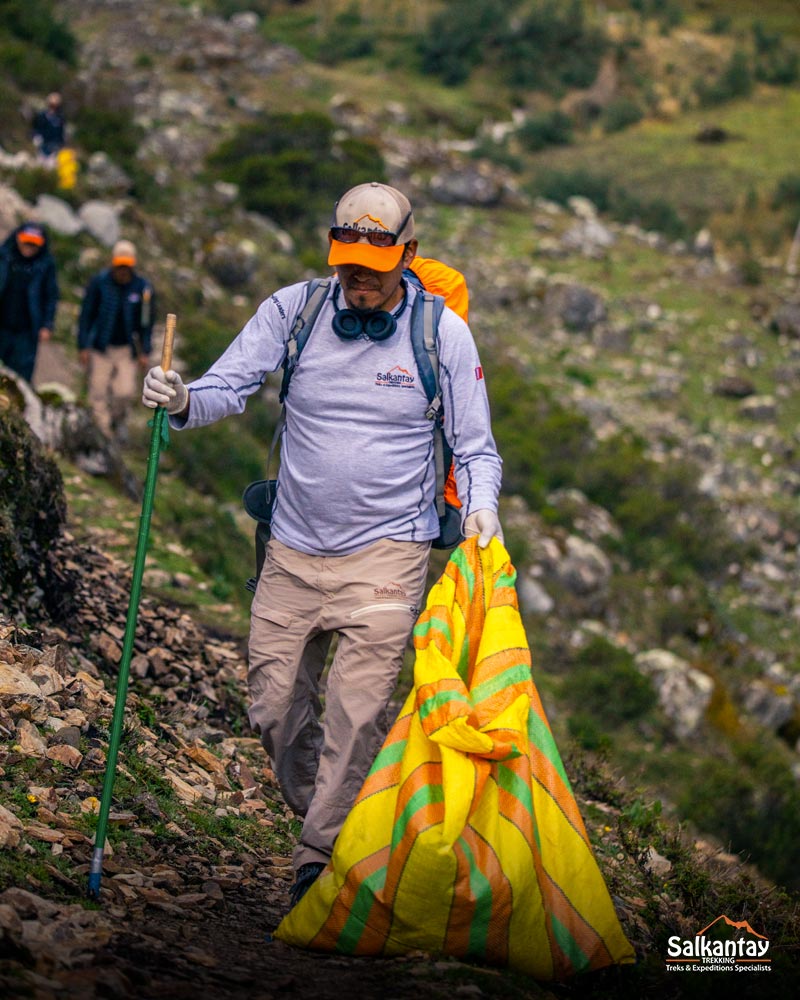
When possible, choose locally owned businesses, hire local guides, and support community-based tourism projects to ensure tourism benefits the people who call these places home.
Making these decisions also encourages the long-term protection of natural and cultural sites.
After all, communities are far more likely to protect landscapes that provide sustainable income and opportunities.
Reducing Environmental Impact While Traveling
Small actions add up and are easy to implement.
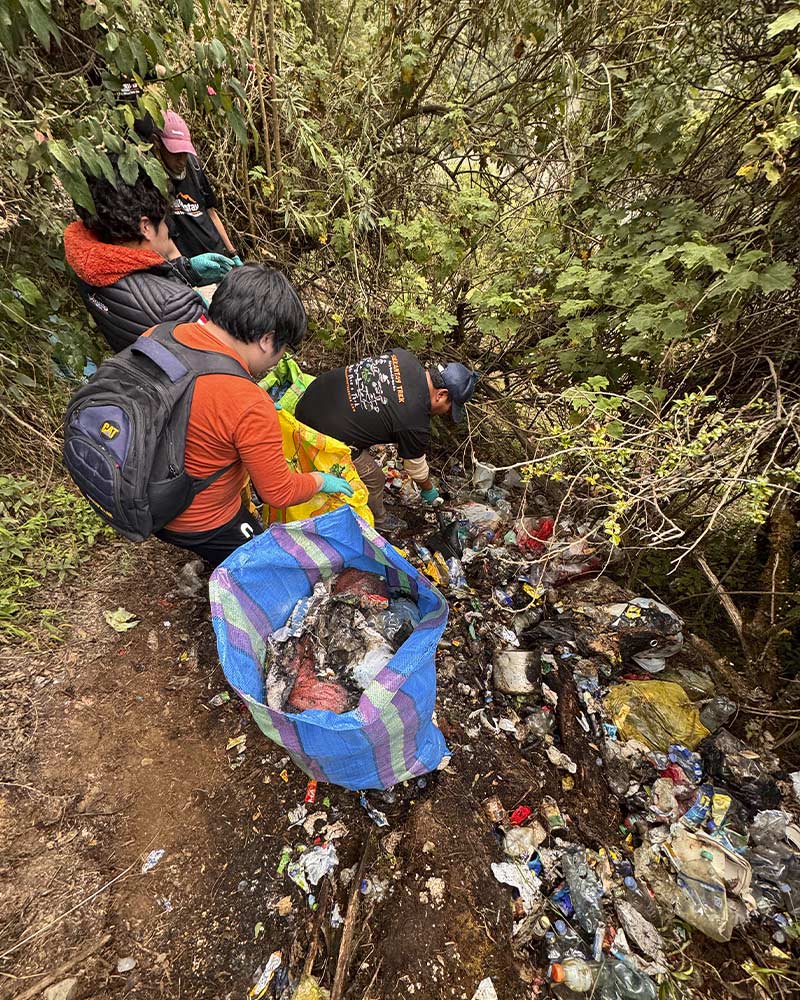
Carry a reusable water bottle. Avoid unnecessary single-use plastics. Stick to marked trails. Respect wildlife. Leave places the way you found them.
Pretty simple, really.
Responsible travel isn’t about perfection. It’s about making lower-impact choices whenever possible.
Choosing Responsible Tour Operators
The company you travel with matters—a lot.
Responsible operators help reduce environmental impacts, support local communities, and follow sustainable practices that protect Peru’s natural landscapes.
Whether you’re heading into the Amazon, hiking to Rainbow Mountain, or tackling the Salkantay Trek, choosing an experienced and responsible operator helps ensure these places remain just as impressive for future generations.
Oh, and as a bonus, it usually leads to a better travel experience too.

Final Thoughts on Climate Change in Peru
The climate in Peru is changing. There’s no getting around that.
For travelers, the takeaway isn’t fear. It’s awareness.
Understanding climate change in Peru can help you prepare for your trip, pack more effectively, and set realistic expectations about the conditions you might encounter.
The mountains are still breathtaking. The Amazon is still wildly diverse. Machu Picchu still has a habit of making people forget whatever they were talking about five minutes earlier.
Peru hasn’t lost what makes it special.
If anything, changing conditions are a reminder of why these landscapes are worth protecting in the first place.


Leave A Reply