
Hiking the Inca Trail is a once-in-a-lifetime experience that connects travelers with the history and natural beauty of the Andes. Choosing the best time to visit the Inca Trail can make the difference between an unforgettable adventure and a challenging hike. Understanding the climate and conditions of each Inca Trail season is important to enjoying this ancient route as much as possible.
Below, you’ll discover everything you need to know to choose the ideal moment for your adventure: what the weather is like month by month, what to expect during the Inca Trail dry season and rainy months, the different versions of the Inca Trail you can hike, and the best alternative routes to Machu Picchu.
So, if you’re ready, let’s take a closer look at the Inca Trail and its changing weather and microclimates.
Table of contents
The Best Time to Hike the Inca Trail at a Glance
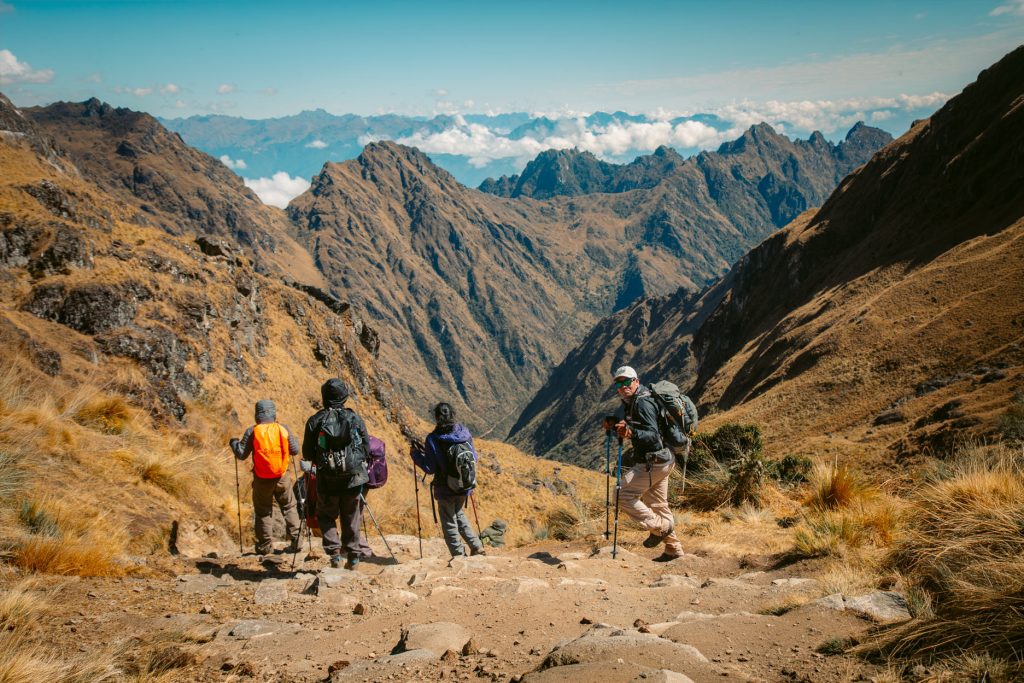
If you’re looking for the short answer, the best time to visit the Inca Trail is usually April, May, September, and October. These “end of season months” strike a great balance between weather, scenery, and visitor numbers. You’ll often enjoy sunny days, greener landscapes than the middle of the dry season, and a slightly quieter trail than the busy winter months.
If guaranteed blue skies are your top priority, June through August are excellent choices, although they’re also the busiest months and permits sell out well in advance, so make sure you book early. On the other hand, November to March brings the rainy season, when you’ll find fewer hikers and vibrant green scenery, but you’ll need to be prepared for wetter trails and changing mountain weather.
Just remember that the Inca Trail closes every February for maintenance, so if you’re planning to come to Peru then, you won’t be able to hike the route.
Here’s a quick comparison of the months if you’re short on time before we dive into more detail.
| Month | Weather | Permit Demand | Why Visit? |
|---|---|---|---|
| January | Wet | Low | Quiet trails and lush scenery if you don’t mind the rain. |
| February | Trail Closed | — | The Inca Trail closes for annual maintenance, although Machu Picchu remains open. |
| March | Higher Rainfall | Low | Green landscapes as the rainy season begins to ease. |
| April | Mostly Dry | Medium | One of the best months for great weather and fresh green scenery. |
| May | Dry | High | Excellent trekking conditions and the beginning of peak season. |
| June | Dry | Very High | Clear skies, cool temperatures, and Inti Raymi celebrations in Cusco. |
| July | Dry | Very High | Fantastic mountain views but one of the busiest months. |
| August | Dry | Very High | Stable weather and excellent visibility throughout the trek. |
| September | Dry | Medium | Pleasant temperatures with slightly fewer visitors. |
| October | Mostly Dry | Medium | Great balance of weather, scenery, and crowd levels. |
| November | Rain Begins | Low | Greener landscapes and quieter trails. |
| December | Wet | Low | Warm but wet days, fewer visitors, and dramatic mountain scenery. |
Inca Trail Weather by Month
The weather on the Inca Trail changes throughout the year, and every month offers something a little different. Some are known for clear skies and perfect hiking conditions, while others bring greener landscapes and quieter trails. Here’s what to expect month by month to help you decide when to plan your adventure.
January
One of the wettest months of the year on the Inca Trail, January brings frequent rainfall, though the sun occasionally breaks through. Daytime temperatures hover around 18°C (64°F), and nights around 7°C (45°F), creating a humid yet mild environment. Despite the challenges, many find this the best season to do the Inca Trail if you’re looking for solitude and lush landscapes.
February
In February, the Inca Trail closes for maintenance and safety reasons. Rainfall is heavy, and the trails become slippery, increasing the risk of accidents. Even so, the climate remains mild, with temperatures similar to those in January. This short break helps preserve the condition of the ancient path, ensuring that when it reopens, travelers can experience it in optimal conditions.
March
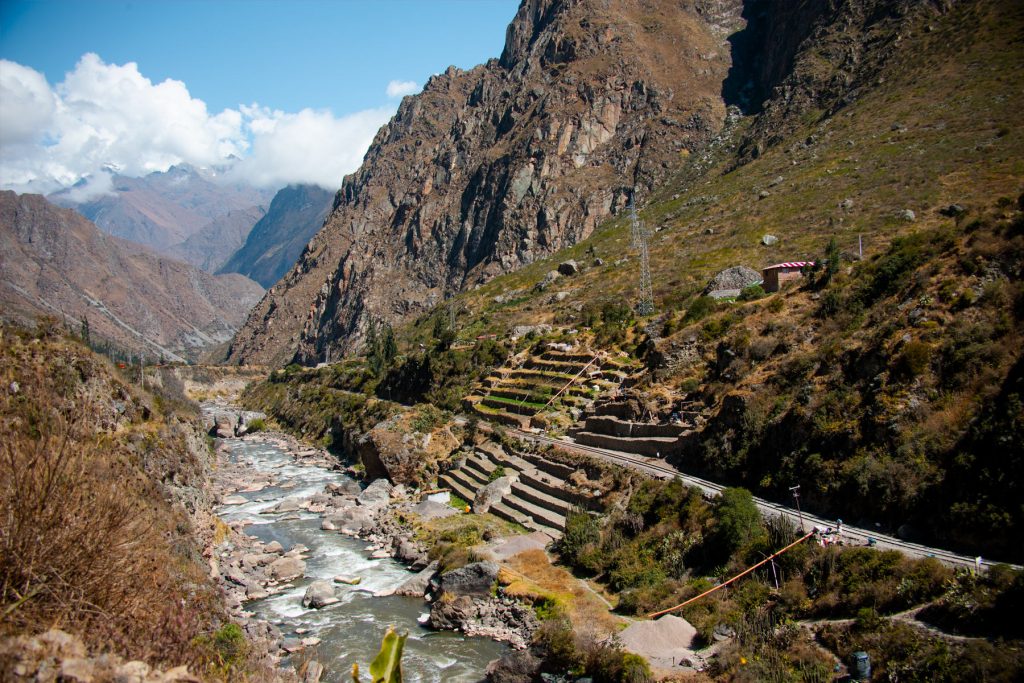
The rains gradually decrease, and the first hikers return to the route. Days become sunnier, and the landscape glows with vivid green hues. Daytime temperatures reach around 19°C (66°F), while nights stay close to 8°C (46°F). It’s a transitional period full of color and energy.
April
The shoulder month of April marks the shift toward the Inca Trail dry season and more stable weather. Drizzles may still occur, but sunny days dominate. Many travelers would argue that this is the best time to visit the Inca Trail, as it offers a perfect balance between good weather and tranquility.
May
May marks the beginning of the Inca Trail dry season and the end of the continuous rains. The paths are firm, and the scenery looks especially lush and green. Daytime temperatures reach around 19°C (66°F), dropping to 4°C (39°F) at night, which many may find comfortable for trekking.
June
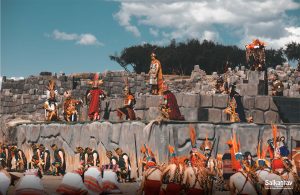
June is one of the driest months of the year, offering nearly perfect weather conditions. The days are sunny and ideal for capturing breathtaking photos along every section of the trek. It’s also a festive month in Cusco, coinciding with the colorful Inti Raymi celebration, so there’s higher demand for hotels and tours in the city, which can make reservations complicated if you don’t book in advance.
July
In July, the skies remain clear, but the nights grow colder as the Andean winter arrives. Temperatures can drop to 0°C (32°F), so it’s essential to bring warm clothing. During the day, the dry and mild weather makes trekking pleasant and photogenic. Many adventurers consider this month and June to be the best time to visit the Inca Trail for stunning views and great hiking conditions.
August
The dry weather continues, and days become even brighter. Daytime temperatures typically range from 19°C (66°F) to 24°C (75°F), while nighttime temperatures drop to around 3°C (37°F). This month is popular for its stable climate and incredible visibility across the Andes.
September
September brings slightly warmer temperatures and a slight decrease in tourist flow. Days are pleasant, with blue skies and minimal rain. It’s an ideal month for those seeking a quieter experience on the Inca Trail.
October
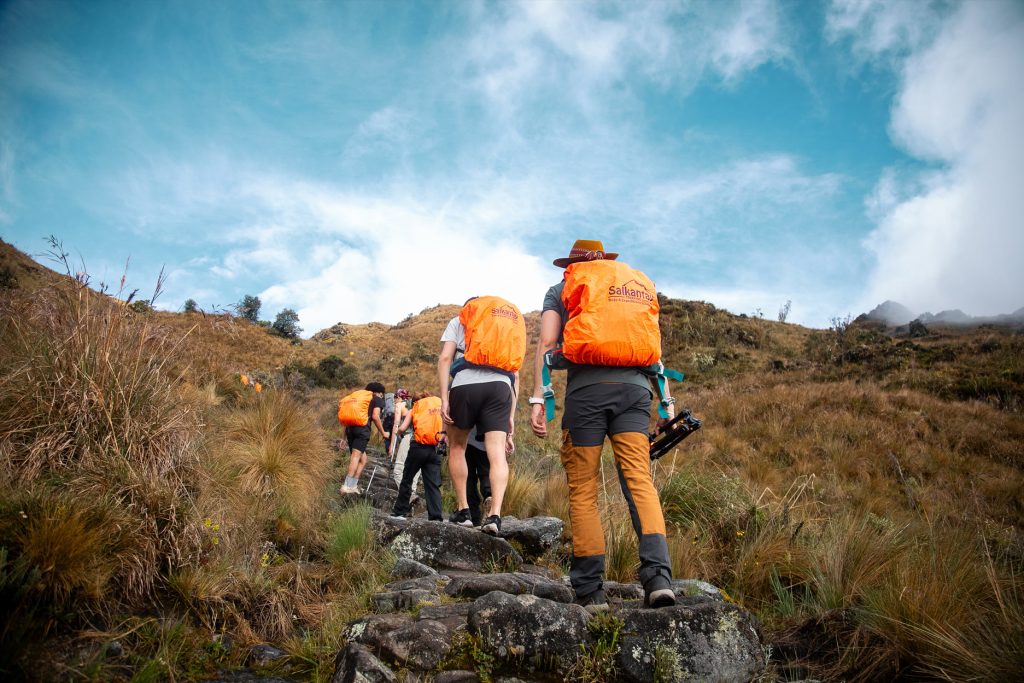
October is another shoulder month, marking the transition to the rainy period, but the climate remains predominantly dry. Daytime temperatures hover around 19°C (66°F), while nights stay close to 6°C (43°F). This month combines the charm of the Inca Trail dry season with fewer visitors, making it an excellent choice for your adventure.
November
This month marks the end of the Inca Trail dry season and the beginning of the first rains. The fields regain their vivid green color, and the weather remains pleasant. Daytime temperatures average around 19°C (66°F), while nighttime temperatures drop to about 5°C (41°F).
December
Summer begins in Peru, and the rains become more frequent. The Inca Trail remains warm, with occasional sunny breaks and cool nights. It’s an excellent month for those who prefer fewer crowds and a more relaxed experience. While it’s not the best season for Inca Trail trekking for everyone, it does offer a quiet and personal connection with the Andes.
Check out our blog, “The Best Time to Visit Machu Picchu,” to help you choose the ideal time for your adventure.
Dry Season vs. Rainy Season on the Inca Trail
You can hike the Inca Trail for most of the year, but the experience varies by season. The dry season is famous for its sunny days and clear mountain views, while the rainy season transforms the landscape into a lush, green paradise. Understanding the pros and cons of each will help you choose the best time to visit based on your travel style.
Dry Season (May to October)
The dry season is considered the best time to visit the Inca Trail. During these months, clear skies let you enjoy the majestic Andean landscapes at their best, with sunny days and ideal weather for trekking.
Because it’s the most popular Inca Trail season, permits and tickets tend to sell out months in advance. Booking at least six months ahead ensures availability and the best travel options.
Rainy Season (November to April)
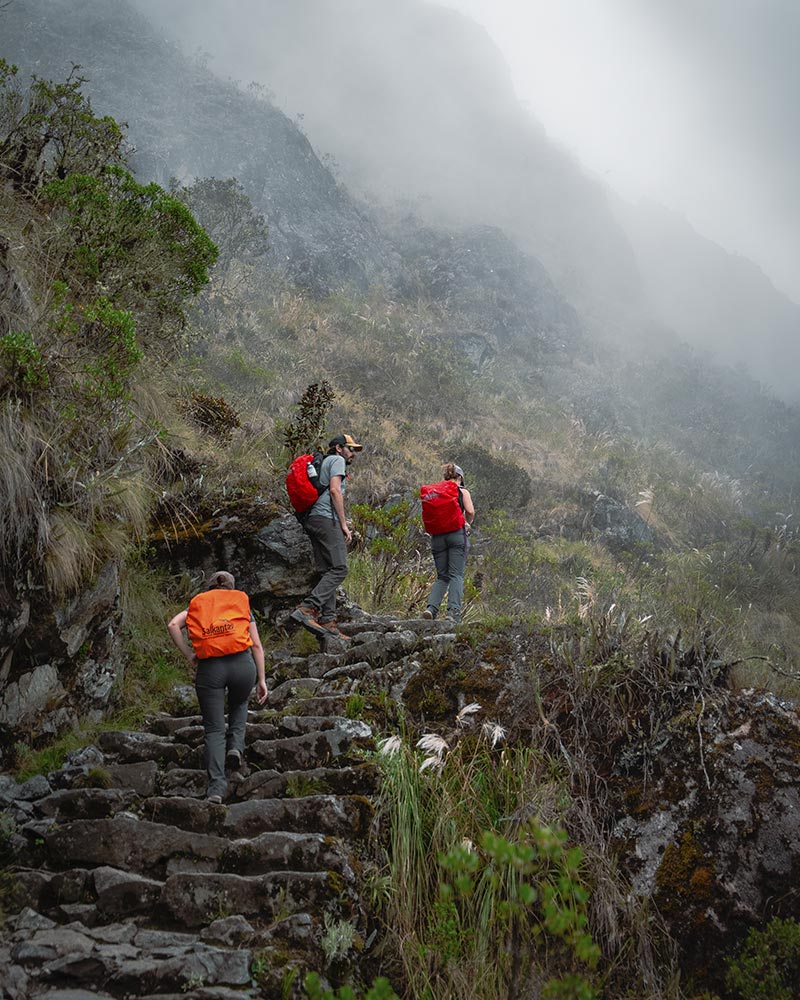
During the rainy season, the Inca Trail offers a different kind of adventure. The weather can change rapidly, so preparation is key. Be sure to bring waterproof clothing and proper footwear to stay comfortable throughout the journey. Despite the frequent showers, the vegetation looks more vibrant, and the landscapes turn a lush, intense green.
The rain adds freshness to the atmosphere, but the humidity can make certain sections more challenging to navigate.
For some travelers, this period is considered the ideal time to visit the Inca Trail, offering solitude and natural beauty, except for February when the trail closes completely.
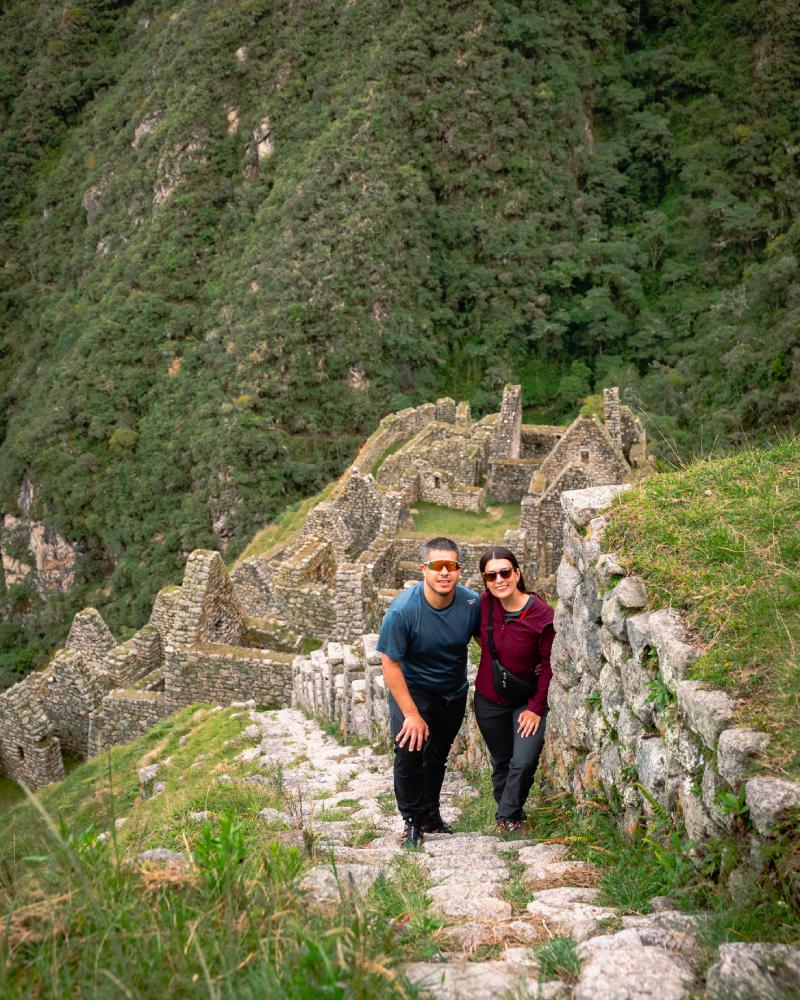
Which Season Is Best for Your Travel Style?
No two hikers are looking for the same experience. Some want crisp blue skies and mountain views for days, while others are happy to endure a little rain for quieter trails and greener scenery. If you’re still wondering which month is right for you, here’s a quick guide based on different travel styles.
Best Weather
If your dream is blue skies and mountain views that seem to go on forever, plan your hike between May and September. These are the driest months of the year, making them ideal for long days on the trail and those classic postcard-worthy photos of the Andes.
Fewest Crowds
For a quieter experience, consider April, September, October, or November. You’ll still have good trekking conditions but are less likely to share every viewpoint with dozens of other hikers.
Best Photography
Photography lovers usually favor May through August, when clear skies make it easier to capture sweeping mountain views and sunrise over Machu Picchu. Just remember that the clearer the weather, the busier the trail tends to be.
Best for Green Landscapes
If you love colorful scenery, waterfalls, and mountains covered in fresh vegetation, the shoulder months of April and October are hard to beat. The recent rainfall brings the landscape to life without the constant downpours of the peak rainy season.
Best for Budget Travelers
If you’re hoping to keep costs down, consider hiking during the shoulder season, particularly March, April, October, or November. While Inca Trail permit prices remain the same year-round, you’ll often find better deals on flights and accommodation in Cusco outside the busiest months. You’ll also avoid the peak-season crowds without sacrificing much in terms of weather.
Best for First-Time Hikers
For most first-time trekkers, April, May, September, and October offer the sweet spot. The weather is generally reliable, the temperatures are comfortable for hiking, and conditions are a little more forgiving than during the wetter months.
When Do Inca Trail Permits Go on Sale?
Choosing the right month is only half the battle. The other challenge is securing a permit.
The Inca Trail has a strict daily permit limit, and places for the most popular months can disappear surprisingly quickly. If you’re planning to hike between May and August, it’s a good idea to book six to eight months in advance. Some dates can sell out even earlier, especially around June and July.
Permits for the following year are usually released in November, so if you’re planning well ahead, keep an eye on release dates and book as soon as your preferred dates become available.
If your ideal dates are already full, don’t panic. Alternative routes like the Salkantay Trek or Lares Trek still finish at Machu Picchu and offer equally memorable experiences.
It’s important to note that when you make a reservation for the Inca Trail and Machu Picchu, your personal details and passport information must be correct. An error in this information could affect the reservation, and any changes are subject to current rules and availability.
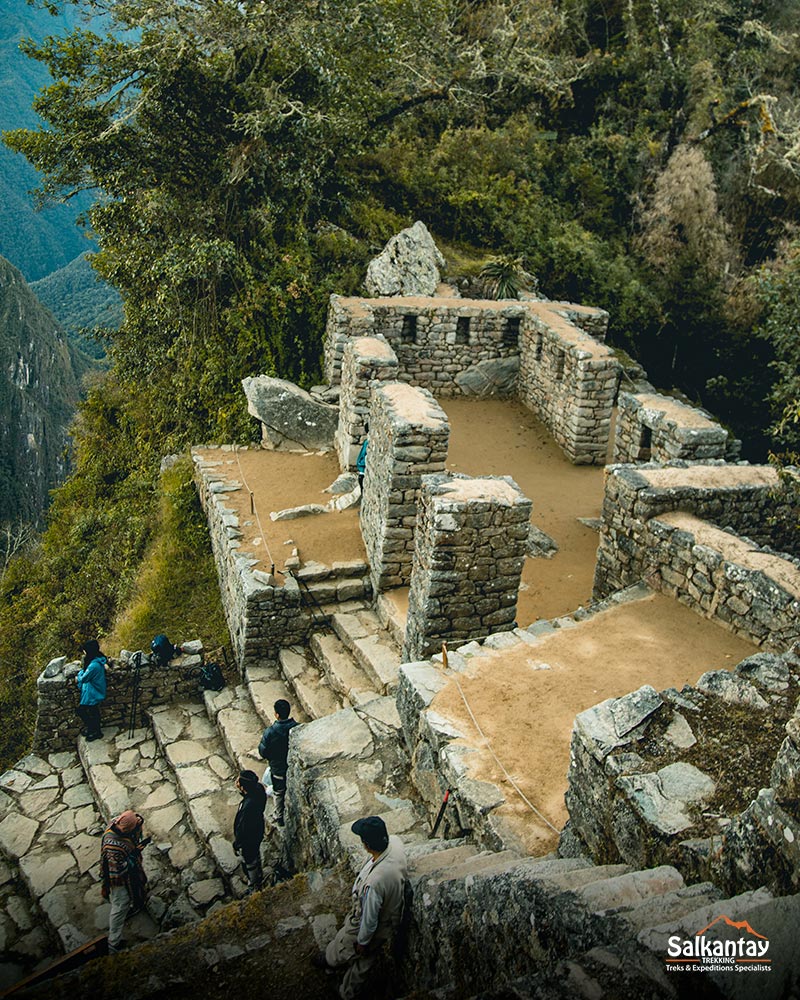
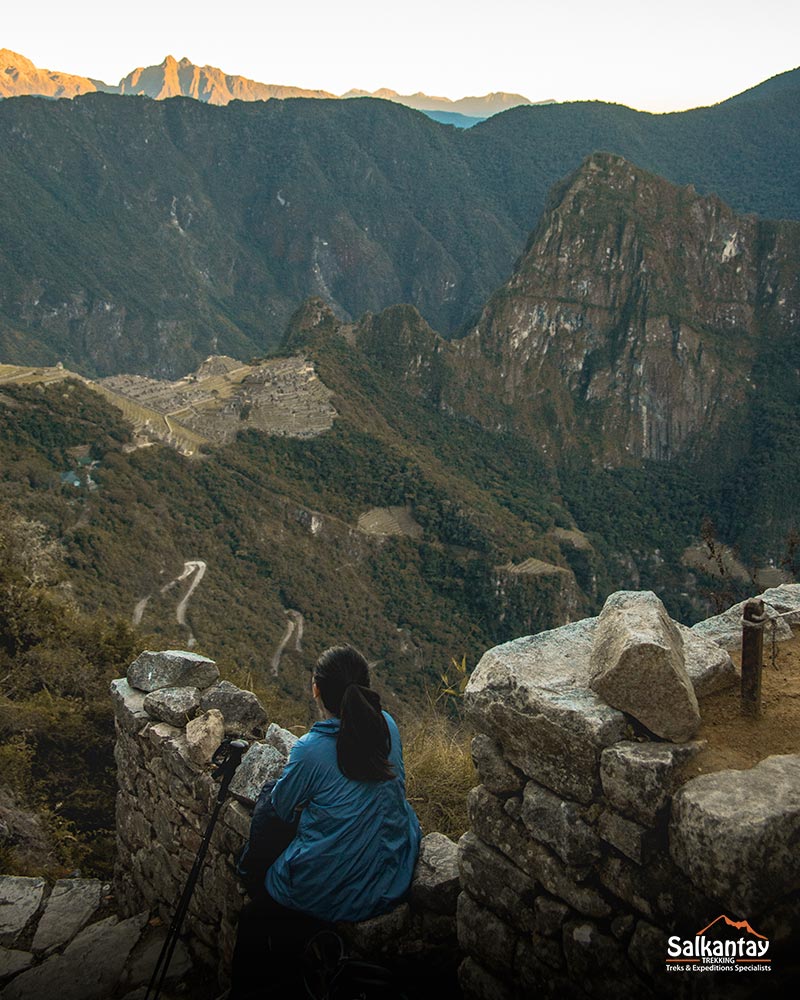
What to Pack for the Inca Trail in Every Season
The weather on the Inca Trail can change quickly, no matter what time of year you visit. A sunny morning can quickly turn into an afternoon shower, especially during the shoulder seasons, so it’s worth packing for a little bit of everything. Layers are your best friend here.
During the dry season, lightweight hiking clothes, sun protection, and warm layers for chilly mornings and evenings are usually enough. Even in July and August, nighttime temperatures can drop close to freezing at higher elevations.
If you’re hiking during the rainy season, waterproof jackets, rain covers for your backpack, and quick-drying clothing become much more important. A good pair of broken-in hiking boots with decent grip is essential year-round, as some sections of the trail can be uneven or slippery.
If you want a more in-depth look at what to bring, check out our packing list for trekking in Peru.
Frequently Asked Questions
Planning your trek on the Inca Trail requires precise, up-to-date information. Below, you’ll find answers to the most common traveler questions. Each one will help you prepare for your hike.
The best time to visit the Inca Trail is between May and October, during the Inca Trail dry season. These months offer sunny days, firm trails, and crisp mountain views. Many trekkers agree that this is the best season for Inca Trail adventures thanks to ideal weather conditions and clear skies.
You should book several months ahead, especially for June and July, when demand is highest. Permits and tickets often sell out quickly. To guarantee your spot, book at least six months in advance, especially if you plan to travel during the best season for Inca Trail hikes.
No. The Inca Trail closes in February for maintenance and preservation work. This temporary closure protects the trail and ensures safe conditions for hikers.
The Inca Trail is considered moderate to challenging, so you need to be in good physical condition and have decent endurance. With proper preparation for trekking at altitude and a positive attitude, anyone can complete the Inca Trail at any time of year.
Pack a light backpack with essentials like your passport, sunscreen, and insect repellent. Please keep in mind that you’ll need clothing for both cold and rainy conditions, even in the dry season.
Wear comfortable, well-worn hiking boots to prevent blisters and make sure you enjoy every section of the trail. It’s a good idea to choose one size larger than usual to account for natural foot swelling.
No. You can only enter with an authorized tour agency. This regulation ensures safety and control along the route. Professional guides provide informative and secure experiences throughout your journey, helping you make the most of the Inca Trail.
The highest point is Warmiwañusca Pass, at 4,215 meters (13,829 ft) above sea level. From here, hikers enjoy breathtaking views of the Andes. It’s definitely a reward that makes the effort worthwhile. Clear days during the Inca Trail dry season make this viewpoint especially spectacular.
The Inca Trail is safe if you follow your guide’s instructions. The paths are well-marked and maintained, though caution and proper acclimatization are always important. Traveling during the dry season reduces weather-related risks and improves visibility.
Daytime temperatures hover around 19 °C (66 °F), dropping to 5 °C (41 °F) at night. July is the coldest month, with temperatures near 0 °C (32 °F) after sunset.
Take a look at our “Inca Trail: Complete Trekking Guide” if you want to know more about this iconic route to help you make your final decision.
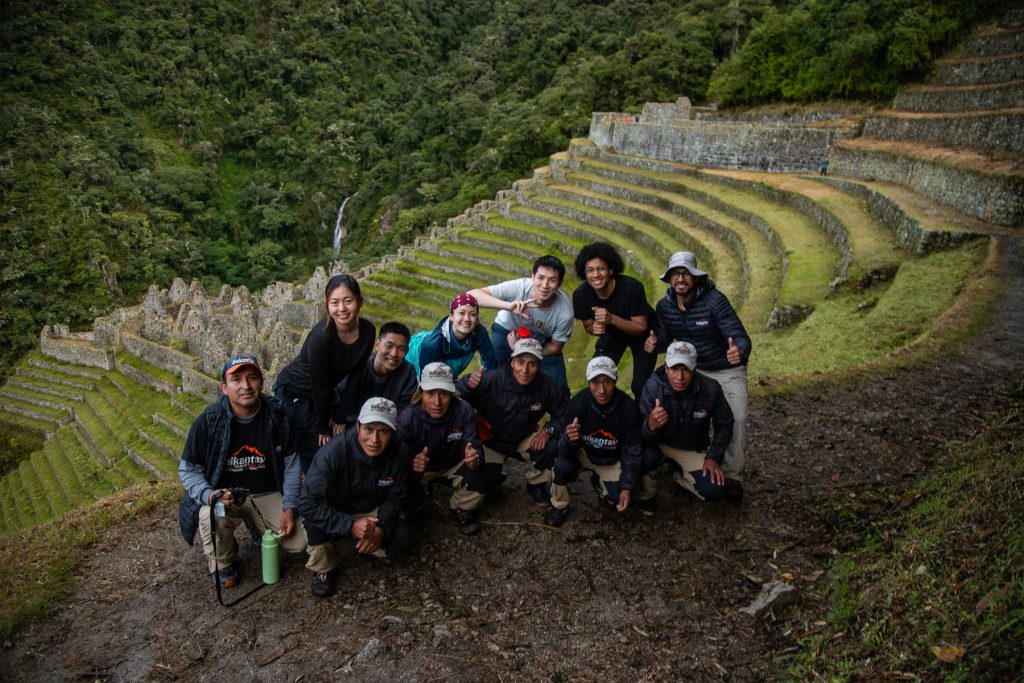
The Decision Is Yours
Deciding the best time to visit the Inca Trail is the first step toward a truly unforgettable experience. Whether you prefer the clear skies of the Inca Trail’s dry season or the lush green scenery of the rainy months, each season has something unique to offer, and Salkantay Trekking is here to help you plan your Andean adventure exactly the way you want.

Leave A Reply