
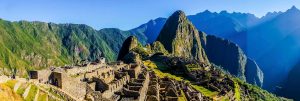
If there’s one place in the world that feels like it came straight out of a dream, it’s Machu Picchu. Its ancient Inca ruins, perched high in the Peruvian Andes, give off a magic that transcends time and history.
However, choosing the best time to visit Machu Picchu can make a big difference in your experience: the weather, the number of visitors, and even the landscapes change noticeably throughout the year.
What is the weather in Machu Picchu really like? What’s the best month to travel? Is it better to go during the dry season or the rainy season?
In this blog, you’ll discover how each month transforms this historical and natural treasure, so you can decide what the perfect time is to live your own adventure in the Inca citadel.
- How to Choose the Best Time to Visit Machu Picchu?
- What is the best time to visit Machu Picchu?
- Rainy Season vs Dry Season in Machu Picchu
- What is the best time to visit Machu Picchu?
- How to choose when to visit Machu Picchu by traveler type?
- How to Get to Aguas Calientes (Machu Picchu Pueblo)
- Essential Packing Guide for Machu Picchu
- Practical tips to plan your visit
- Altitude in Machu Picchu: What You Should Know
- The best time to go trekking to Machu Picchu
- Hikes and tours to get to Machu Picchu
- Frequently Asked Questions about Machu Picchu
- Travel to Machu Picchu: Listen to Your Heart
How to Choose the Best Time to Visit Machu Picchu?
Choosing when to travel to Machu Picchu isn’t just about dates, but about what kind of experience you want to have. The weather, the number of visitors, and ticket availability can completely change your trip. A sunny day doesn’t feel the same as a foggy one, and exploring the citadel with few people around is very different from doing it during peak season.
Before you decide on your trip, pay attention to these key factors:
- Weather: Weather is a crucial factor when planning your visit to Machu Picchu. The most important thing to know is that it has two seasons: the dry season (May to October), which usually offers more stable days and clear skies. On the other hand, the rainy season (November to April), when rain is more common, transforms the landscape into a greener, more mystical setting because of the mist.
- Visitor crowds: There are months when Machu Picchu has a higher number of tourists and it’s known as peak season (June, July, and August), so you may feel a much more crowded atmosphere. If you prefer to avoid crowds, consider planning your visit during the shoulder season, which includes April, May, September, and October.
- Ticket availability: Tickets for Machu Picchu are limited and can sell out weeks or even months in advance, especially during periods of higher crowds. That’s why planning ahead is essential to secure your entry.
- Unexpected weather changes: Andean weather can change within hours. Even in the dry season, brief rains can happen. Being prepared with the right clothing will allow you to enjoy your visit without setbacks.
There isn’t one perfect date for everyone. It all depends on whether you prioritize stable weather, fewer visitors, or greener landscapes.

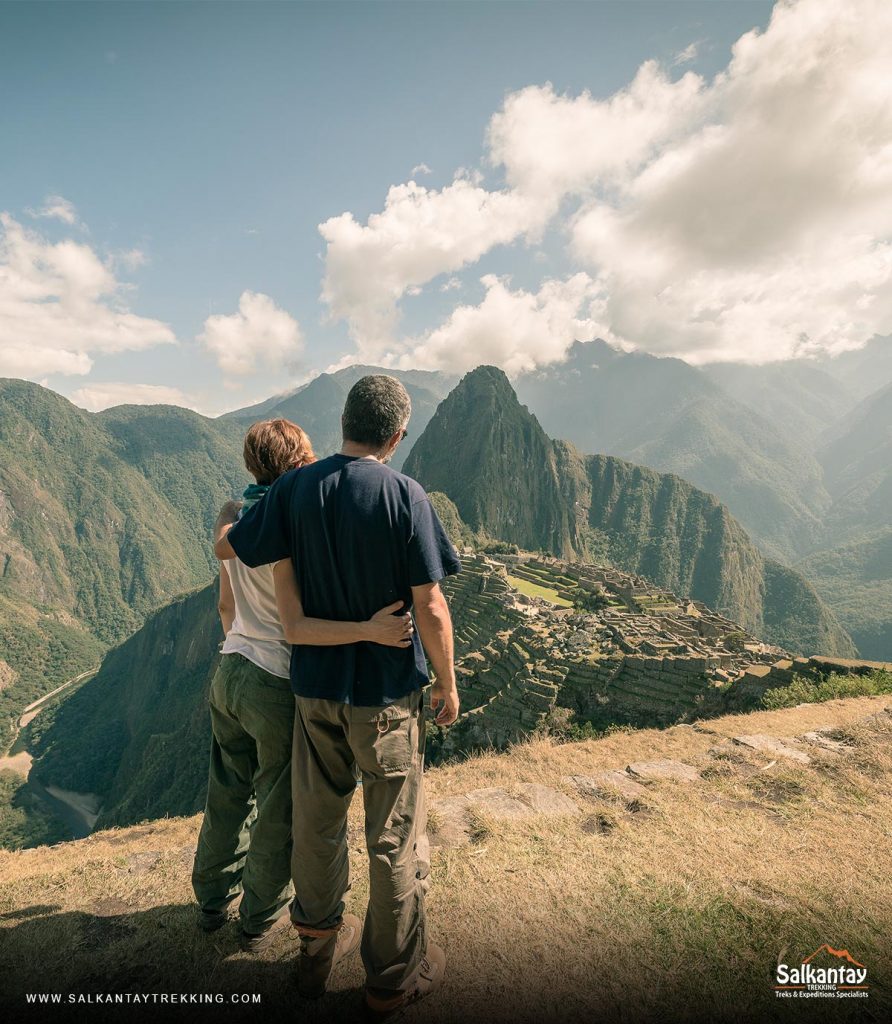
What is the best time to visit Machu Picchu?
If you’re looking for a direct answer, the best time to visit Machu Picchu usually lines up with the dry season, between May and October, when rain is less frequent and the weather is more stable.
However, the best moment will depend on your personal preferences. If you prefer a balance between good weather and fewer visitors, the shoulder months like April, May, September, and October often offer a more comfortable experience.
If you prefer lush vegetation and don’t mind the rain, December and January stand out for their intensely green landscapes.
To help you decide more clearly, below we explain each season, along with its main advantages and disadvantages.
Rainy Season in Machu Picchu, Peru
The rainy season in Cusco begins between October and November and lasts until March or early April. However, it’s important to understand that the weather in Machu Picchu is not the same as in Cusco. While Cusco and the Sacred Valley have a drier highland climate, Machu Picchu is located on the edge of the jungle, where rainfall is usually more frequent and intense.
During these months, the rain usually isn’t constant all day. It often shows up in the afternoons or at night, leaving clearer mornings. It’s not a permanently gray landscape, but a changing environment where the mist can suddenly open up and reveal the citadel among the clouds.
January and February concentrate the heaviest rains. Sometimes intense storms occur; other times, a fine, almost imperceptible rain falls like a light curtain of water. This can partially affect the experience, with lower visibility at certain moments, but it also transforms the environment: vegetation reaches its peak, orchids bloom, and wildlife becomes more active.
This period coincides with the low tourism season. You’ll find fewer visitors and, in many cases, better rates on hotels, tours, and services. However, you should also consider that rain can cause occasional logistical delays, such as road or train delays due to landslides. For that reason, during these months it’s recommended not to plan overly tight itineraries.
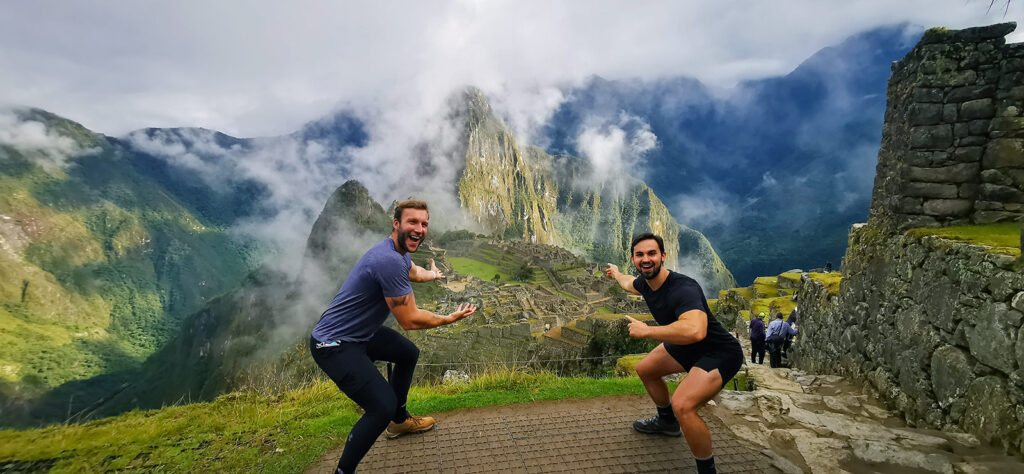
Dry Season in Machu Picchu, Peru
The dry season in Machu Picchu covers the months from April to October. During these months, the weather is more stable and skies tend to stay clear, which considerably improves visibility.
For this reason, many travelers consider it the best time to visit Machu Picchu. However, it also coincides with peak tourism season, especially between June and July. Demand increases significantly, so booking tickets, trains, and hotels should be done several months in advance.
The landscape during the dry season tends to look less intense in green tones due to constant sun. Also, the presence of mosquitoes increases due to Machu Picchu’s location on the edge of the jungle.
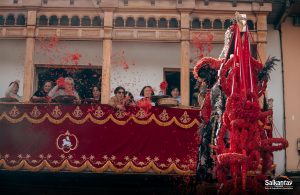
An additional benefit of traveling in these months is the cultural activity in Cusco and Aguas Calientes. For example, June and July are marked by important traditional festivities, such as Corpus Christi, a celebration that allows you to join in among groups of musicians and dancers, dances, and processions, creating a more authentic connection with the local culture.
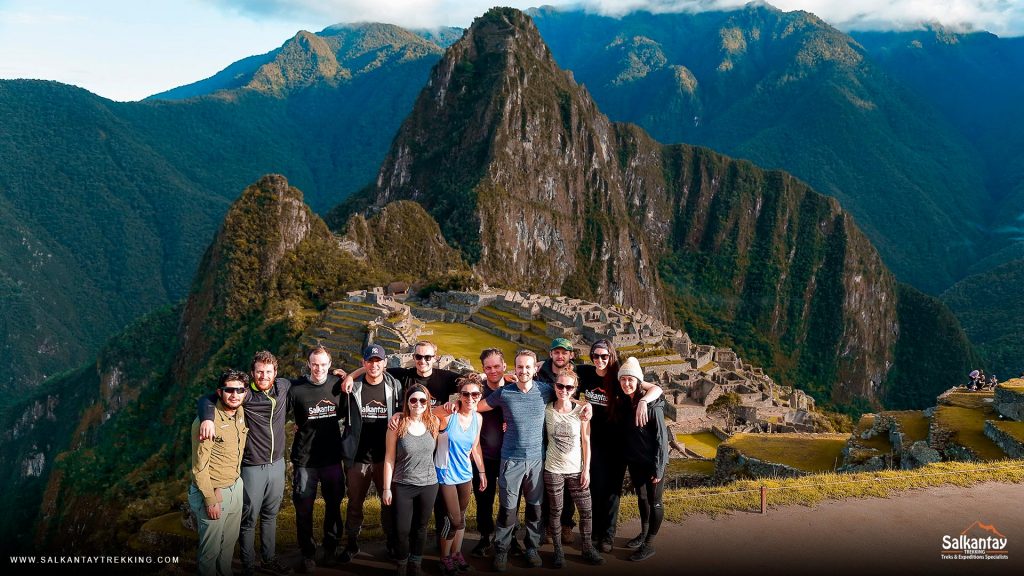
Transition season in Machu Picchu
This season arises as an explanation of an in-between period that has the best of both existing seasons, and includes the months of April, May, September, and October.
During these months, rains are light or sporadic. They aren’t as intense as in January or February, but they don’t disappear completely either. Sometimes a soft drizzle falls that you barely notice and leaves clouds in motion, creating some of Machu Picchu’s most iconic photos.
The landscape keeps a vibrant green tone without reaching the excess humidity of peak rainy season. At the same time, the sun isn’t as intense as in peak season, which makes walking through the citadel more comfortable.
As for prices, there are deals, but not as tempting as in the low season. Even so, it’s easier to find availability for hotels and trains. The risks of landslides or delays still exist, but the probability is lower compared to the rainiest months.
Many experienced travelers agree that this stage offers the best balance between weather, colors, and tranquility. If you’re looking for striking photos, good visibility, and a smoother experience, the transition season may be your best choice.
Rainy Season vs Dry Season in Machu Picchu
| Rainy Season | Dry Season | |
|---|---|---|
| Climate | – Foggy mornings – Rain in the afternoons – Daytime temperatures: 12°C-18°C (53.6°F-64.4°F) – Nighttime temperatures: around 10°C (50°F) | – Clear skies – Low chance of rain – Daytime temperatures: 18°C-22°C (64°F-72°F) – Nighttime temperatures: around 6°C (42.8°F) |
| Nature | – Green and wet landscapes due to the rains – Ruins surrounded by lush vegetation | – Clear views that allow you to appreciate architectural details – Ruins contrasting with the blue sky |
| Crowds | – Fewer tourists compared to the dry season. – Opportunity to enjoy Machu Picchu with more tranquility. | – A higher influx of tourists, especially from June to August. |
| Price | – Lower prices for hotels, tours, and services due to the low tourist season | – Hotel and tour rates may be higher due to the high tourist season. |
| Experience | – A calm and tranquil experience with a magical atmosphere | – More predictable and sunny weather conditions. Ideal for exploring without interruptions. |
| Recommendation | – Perfect for those seeking an intimate and affordable experience. – Bringing appropriate rain gear is essential. | – Ideal for travelers who prefer more stable weather. – Bringing sunscreen and light, warm clothing is recommended. |
If you prioritize visibility and predictable weather, the dry season is usually the best option. If you prefer peace and intensely green landscapes, the rainy season may surprise you. And if you’re looking for balance, the transition months often offer the best of both worlds.
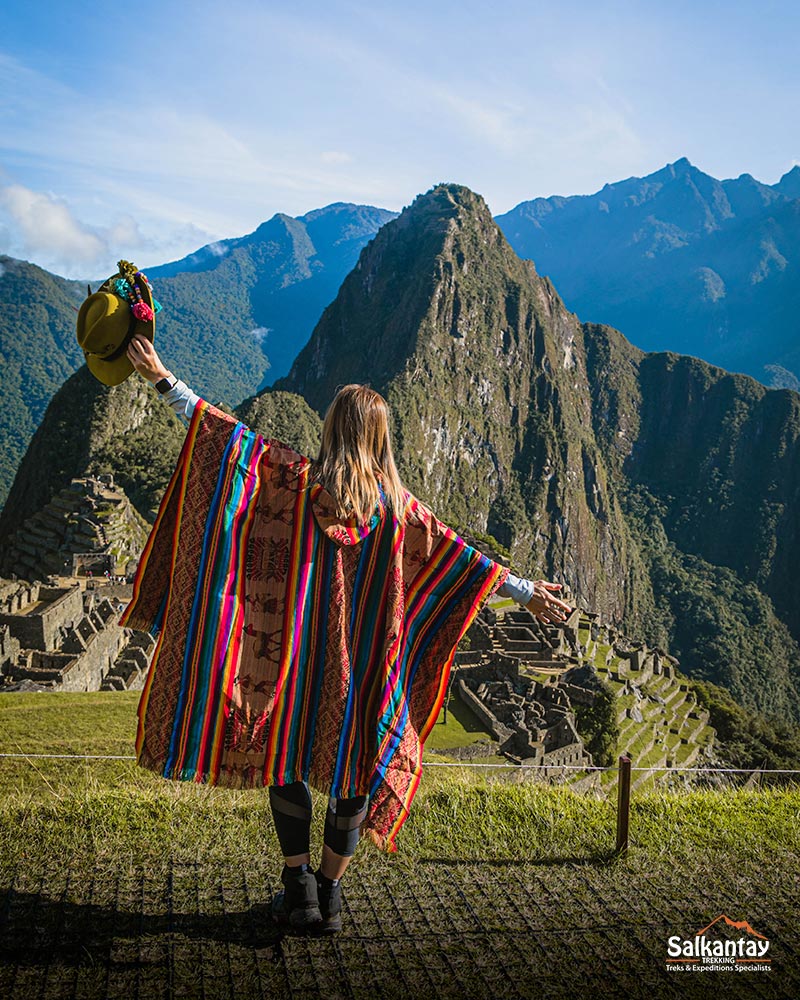
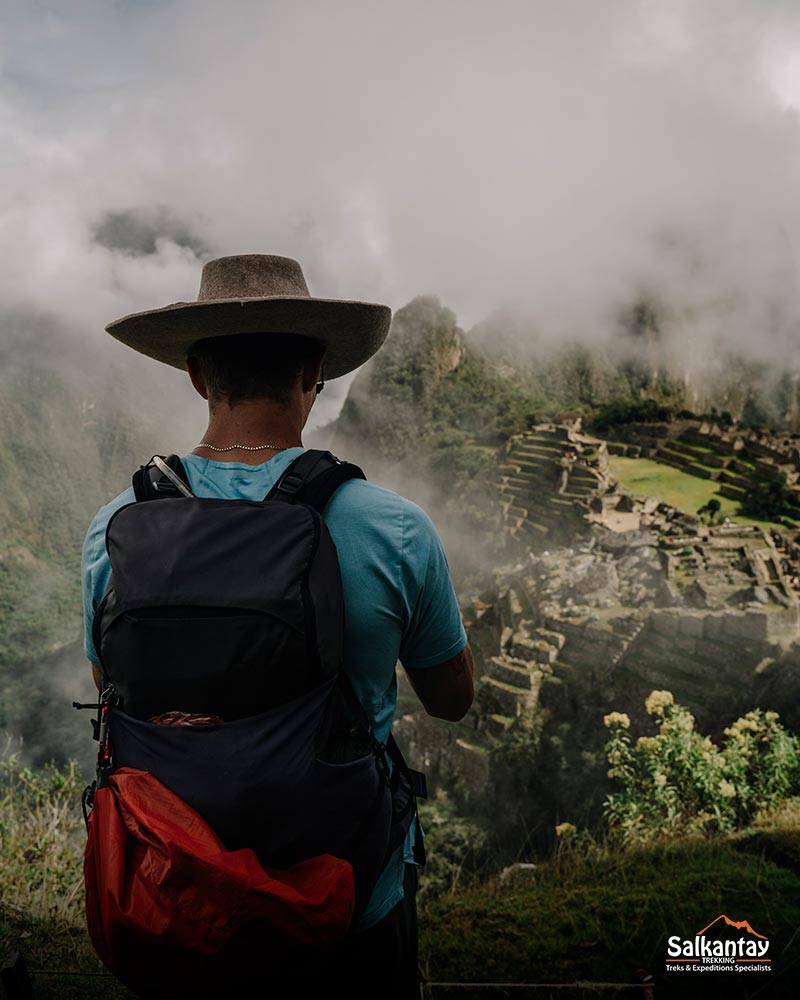
What is the best time to visit Machu Picchu?
By now, you probably already have an ideal season in mind to visit Machu Picchu. However, each season is divided into months in which both the number of visitors and the overall experience vary.
That’s why, below we explain the weather month by month so you can choose more clearly the period that best fits your trip during your favorite season.
Cusco and Machu Picchu In January
Weather in Machu Picchu: Machu Picchu in January is in the middle of the rainy season. Although the landscape becomes lush and green, the weather can be unpredictable, with intermittent rain and cloudy days. Despite possible visibility restrictions, the incredible natural setting makes January an interesting option for vegetation lovers.
Daytime temperatures at the Machu Picchu citadel can range between 20 °C (68 °F) and 25 °C (77 °F), while nighttime temperatures can drop to 10 °C (50 °F). For that reason, we recommend bringing light clothing, but also being prepared with extra layers and rain gear.
Weather in Cusco: In Cusco, rain is frequent, although there are usually moments during the day when the sun appears. Temperatures range between 5.8 °C (42.4 °F) at night and 18.5 °C (65.3 °F) during the day, making it fairly mild.
Cusco and Machu Picchu in February
Weather in Machu Picchu: February continues to be one of the rainiest months of the year. However, with luck, you can find sunny days in Machu Picchu. Without a doubt, it’s a good time to visit this sacred place in a calmer, less touristy atmosphere.
Machu Picchu temperatures in February range between highs of approximately 22 °C (71.6 °F) and lows around 8 °C (46.4 °F). We recommend bringing a rain jacket or water-resistant clothing in case of sporadic rainfall.
Weather in Cusco: Cusco in February is quite rainy. Rain can happen daily and be fairly heavy. Even so, temperatures stay between 5.9 °C and 18 °C (42.6 °F and 64.4 °F)
IMPORTANT NOTE: Due to frequent rains and slippery trails during this month, the Inca Trail to Machu Picchu is closed for maintenance work to ensure the safety of hikers.
DON’T MISS IT!: In February, carnivals are celebrated in Cusco and Aguas Calientes. The date changes every year, but the tradition is clear: groups of musicians and dancers walk the streets in comparsas, the music doesn’t stop, and everyone gets soaked. Also, it’s typical to enjoy the traditional puchero, an iconic dish of this festivity.
Cusco and Machu Picchu in March
Weather in Machu Picchu: Machu Picchu in March is especially beautiful, since the rains decrease significantly and the sun appears more often. Vegetation is still abundant, and the landscape becomes sunnier, clearer, and more colorful.
Temperatures in Machu Picchu in March range around 21 °C (69.8 °F), and at night around 8 °C (46.4 °F). It’s the best time to visit Machu Picchu if you want to avoid crowds and enjoy more stable weather.
Weather in Cusco: In March, Cusco starts to be sunnier. It’s a good time to do some excursions with a green and beautiful landscape. Temperatures range between 5.7 °C and 18.4 °C (42.3 °F and 65.1 °F).
DON’T MISS IT!: Holy Week can be celebrated in March or April. In Cusco, the city transforms with the Lord of the Earthquakes and its traditional parades. In Machu Picchu Pueblo, the celebrations are more discreet, but the “twelve dishes” begin to appear on local menus.
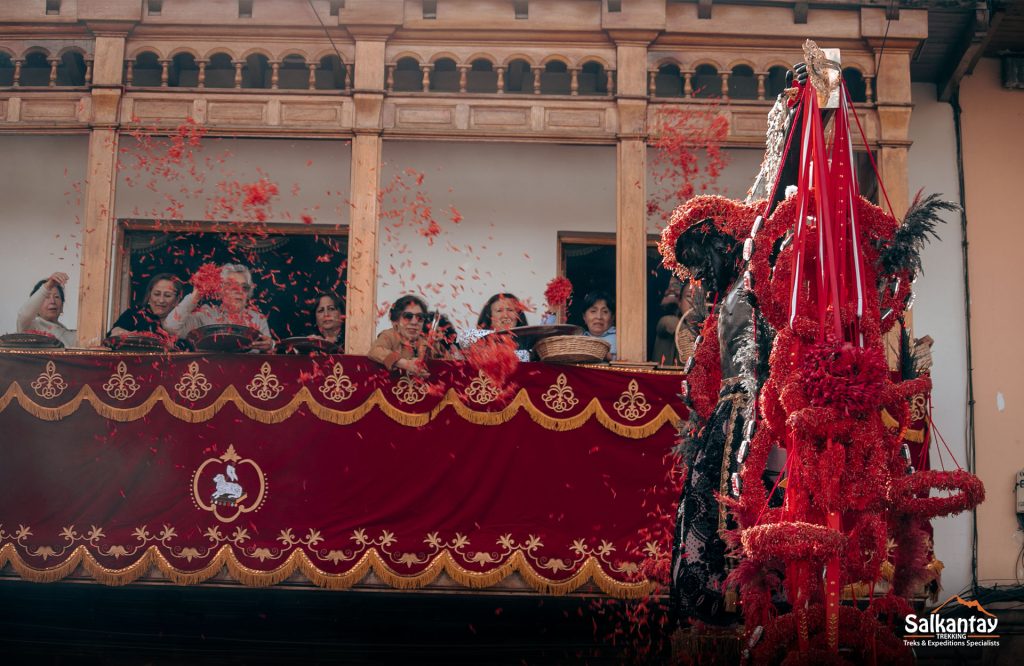
Cusco and Machu Picchu in April
Weather in Machu Picchu: April definitely marks the end of the rainy season. With sunnier days and vibrant wildlife, nature is at its peak. Machu Picchu weather in April ranges between 22 °C (71.6 °F) during the day and 8 °C (46.4 °F) at night. It’s one of the best times of the year to visit Machu Picchu, since the weather is pleasant and there are fewer tourists than in the following months.
Weather in Cusco: April is a beautiful month to visit Cusco. Although there can still be some rain, the sun is much more present. Nighttime temperatures drop to 4.2 °C (39.6 °F) and daytime temperatures can reach 18.9 °C (66.0 °F).
Cusco and Machu Picchu in May
Weather in Machu Picchu: May is the beginning of peak season in Machu Picchu. The weather is still pleasant, but tourist crowds gradually increase. Machu Picchu temperatures in May can reach around 30 °C (86 °F) during the day and 6 °C (42.8 °F) at night, with a bigger contrast between cold and heat throughout the day. If you prefer a quieter atmosphere, it’s recommended to visit at the beginning of the month.
Weather in Cusco: In May, the dry season begins in Cusco. There won’t be rain anymore, but temperatures will be much more varied, with quite cold nights. At night it can drop to 2 °C (35.6 °F), but during the day highs reach about 18.7 °C (65.7 °F). Take advantage before all the tourists arrive!
DON’T MISS IT!: In May, Señor de Torrechayoc is celebrated in Aguas Calientes, one of the most important religious festivities in the region. Processions, traditional dances, and strong local participation mark these special days.
Cusco and Machu Picchu in June
Weather in Machu Picchu: This month you can feel an intense excitement in the air, since it’s full of celebrations connected to Inca traditions. As for the weather, it’s excellent this month: no rain, but a bit colder. The maximum temperature in Machu Picchu in June reaches around 28 °C (82.4 °F) and the minimum around 6 °C (42.8 °F). The sun is intense during the day and rain is rare, allowing you to visit the site without problems.
Weather in Cusco: June is the driest month of the entire year, with very little rain. You may not see a single cloud. Temperatures start to polarize, with very cold nights down to 0.2 °C (32.4 °F) and highs of 18.5 °C (65.3 °F) during the day.
DON’T MISS IT! This month coincides with the anniversary of Cusco, meaning there are plenty of festivals, such as the famous Inti Raymi. Therefore, we recommend making reservations in advance, as tourist crowds flock to enjoy the parades and celebrations.
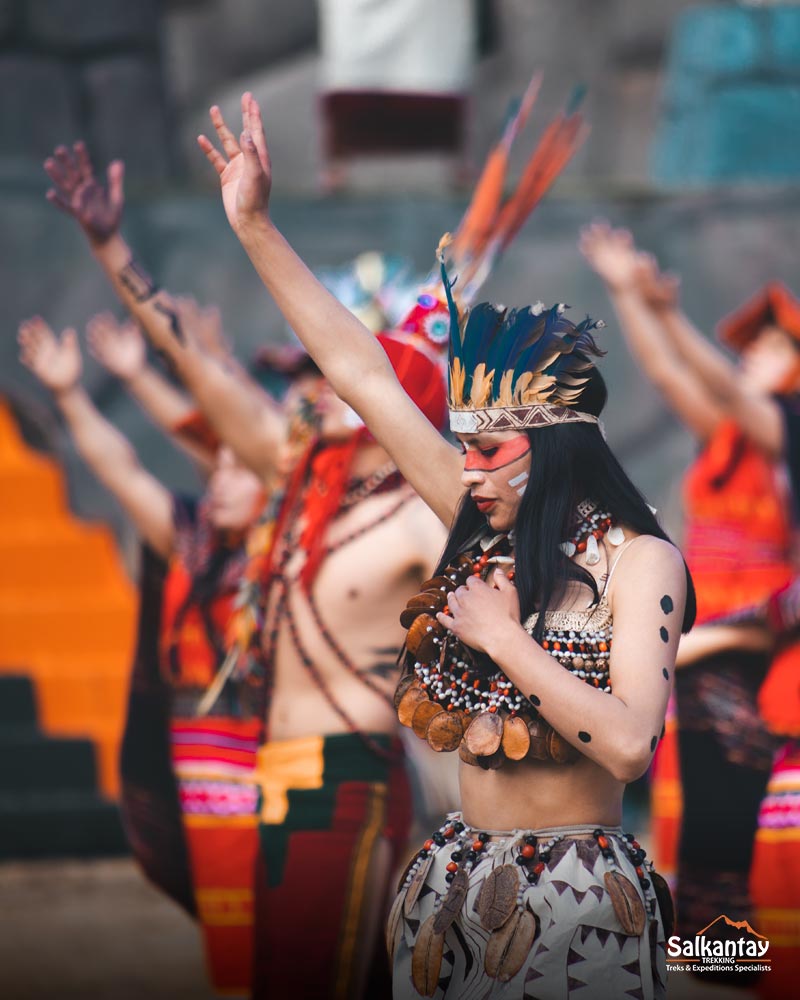
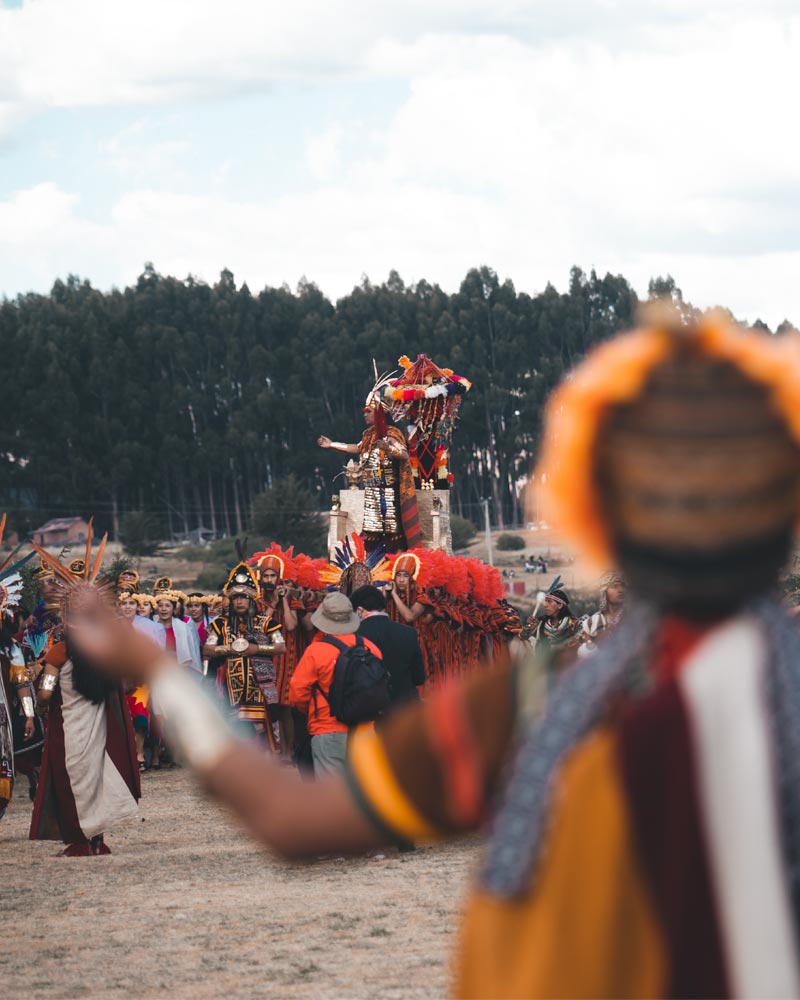
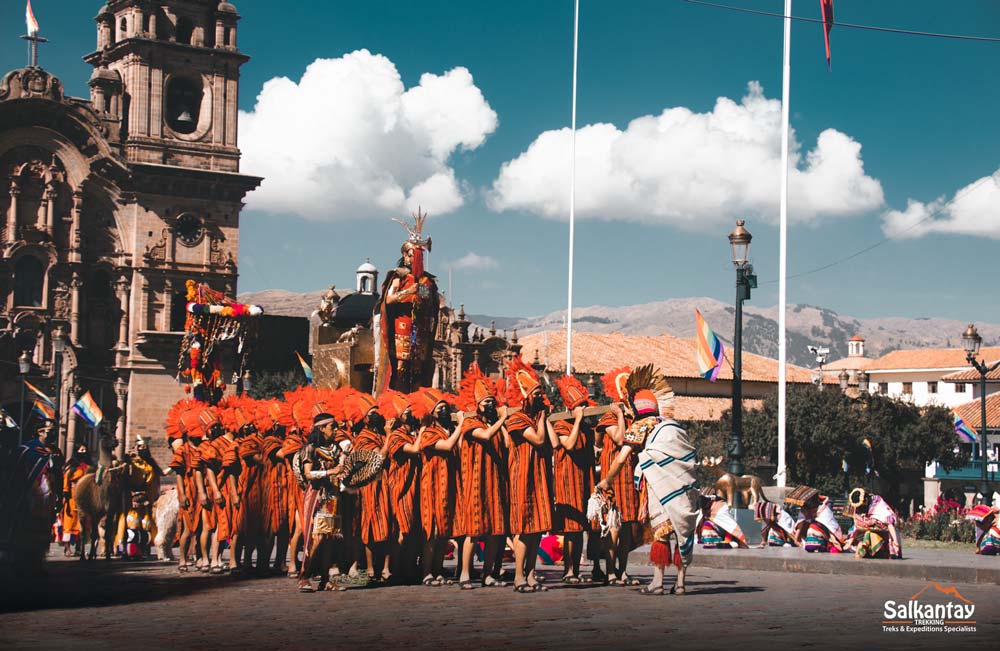
Cusco and Machu Picchu in July
Weather in Machu Picchu: Machu Picchu in July is the peak of high season. This month attracts tourists from all over the world to explore the Inca citadel while taking in the mystical mountains and valleys around it. The weather ranges between 27 °C (80.6 °F) during the day and 7 °C (44.6 °F) at night. We recommend booking your Machu Picchu tickets in advance, since demand in July is high. Also, we suggest arriving early at the citadel to enjoy a calmer atmosphere.
Weather in Cusco: July is the coldest month in Cusco, with minimum temperatures of 0.3 °C (32.5 °F) and highs of 18.1 °C (64.6 °F). Although it’s a dry month, in the mornings the so-called “frosts” often occur, caused by moisture turning into ice on vegetation.
DON’T MISS IT! On July 7, dances and parades are held in Machu Picchu Pueblo in honor of Machu Picchu becoming a wonder, and on the 24th there is a special concert to celebrate the rediscovery of Machu Picchu.
Cusco and Machu Picchu in August
Weather in Machu Picchu: August is an exciting month to visit Machu Picchu. The weather is pleasant and dry, with highs of 26 °C (78.8 °F) and lows of 6 °C (42.8 °F), which will allow you to enjoy the spectacular landscapes without worrying about rain.
However, keep in mind that the site will be more crowded, so it’s important to plan and reserve your Machu Picchu tickets in advance. This period is an incredible opportunity to do the different hikes and tours to Machu Picchu, fully enjoying the natural setting and Peru’s history.
Weather in Cusco: August brings fairly warm temperatures during the day, although nights will still be cold. Highs are 19.3 °C (66.7 °F) and lows are 0.6 °C (33.1 °F). Although the landscape will be a bit drier, the sun will bring out the incredible colors of the surroundings.
Cusco and Machu Picchu in September
Weather in Machu Picchu: It’s another one of the best times to visit Machu Picchu. Machu Picchu weather in September is still pleasant (maximum temperature 22 °C – 71.6 °F and minimum temperature 7 °C – 44.6 °F), but tourist crowds begin to decrease gradually. This means you’ll have more space to explore the site and enjoy its panoramic views without the crowds.
Weather in Cusco: September is one of the warmest months of the year. Nighttime temperatures rise to around 3.4 °C (38.1 °F) and daytime temperatures stay around 19.2 °C (66.6 °F). It’s an ideal time to explore the surroundings of Cusco, with no rain, sunshine, and mild weather.
Cusco and Machu Picchu in October
Weather in Machu Picchu: In October, the first rains begin in Machu Picchu, although temperatures stay at highs of 22 °C (71.6 °F) and lows of 5 °C (41 °F). It’s a perfect month to explore the Inca citadel and its surroundings, since the number of tourists is still lower than in September and vegetation begins to be much richer and more colorful.
Weather in Cusco: This is the hottest month of the year. October has great weather, with sporadic rain and generally blue skies. Temperatures are between 4.7 °C (40.5 °F) and 20.3 °C (68.5 °F).
Cusco and Machu Picchu in November
Weather in Machu Picchu: Although November is a transition period toward the rainy season, rainfall in Machu Picchu is not as intense as in the following months. Temperatures range between 22 °C (71.6 °F) and 6 °C (42.8 °F), so it’s a good time to enjoy the landscape at its best. You’ll be able to observe different types of plants and flowers, especially orchids and banana plants.
Weather in Cusco: In November, the first rains begin in Cusco. It still has pleasant weather, with a minimum temperature of 5.2 °C (41.4 °F) at night and a maximum of 20 °C (68 °F) during the day. It’s recommended to travel at the beginning of the month to avoid heavier rains.
DON’T MISS IT! On November 1 and 2, All Saints’ Day is celebrated. In Cusco and Machu Picchu Pueblo, the plazas fill with traditional fairs, decorated breads, and colorful altars, while the streets are decorated for this special date.
Cusco and Machu Picchu in December
Weather in Machu Picchu: December is the month when summer begins in Peru, but it’s also when frequent rains start. The rainy season in Machu Picchu brings highs of 21 °C (69.8 °F) and lows of 6 °C (42.8 °F), which means rainfall can be more frequent.
Despite the rain, Machu Picchu in December has its own charm, since the mountains and valleys will be full of life. Also, if you decide to celebrate Christmas or New Year’s in Machu Picchu at Christmas, you’ll be able to start the year in a different and unique way surrounded by nature.
Weather in Cusco: Rain in December is more frequent, although it’s still a warm month. Temperatures range between 5 °C (41 °F) and 18.8 °C (65.8 °F). The landscape will already be fuller with vegetation, so if you use rain protection you can have a great travel experience.
DON’T MISS IT! On December 23 and 24, Santuranticuy is celebrated in Cusco’s Plaza de Armas, a traditional Christmas fair where artisans fill the plaza with unique Andean images, figures, and scenes.
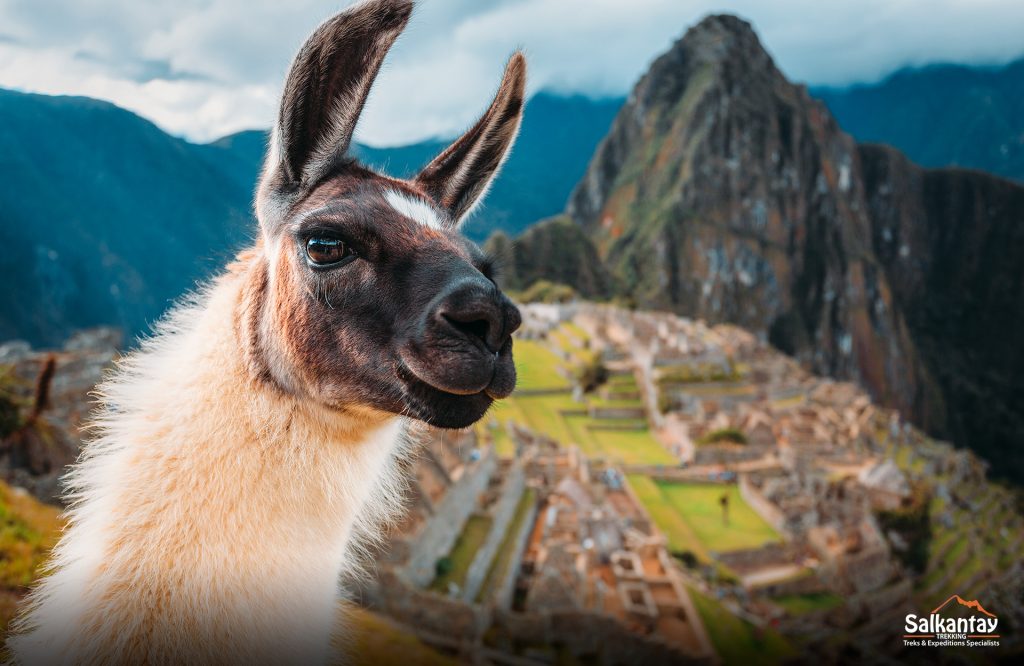
Now that you know what Machu Picchu is like throughout the year, for you, what is the best month to go to Machu Picchu? No matter what time of year you choose, Machu Picchu will always captivate you with its mystery and archaeological beauty in the middle of the Andes.
How to choose when to visit Machu Picchu by traveler type?
There isn’t one “best month” for everyone. The ideal moment depends on what you’re looking to experience. Here’s a summary based on your profile:
| Traveler type | Months | Explanation |
| Photographers | April, May, September, and October. | Green landscapes, dramatic clouds, and fewer people in the frame. |
| Content and video creators | June, July, and August. | Clear skies and more stable light during the day. |
| Trekkers (Inca Trail, Salkantay, Lares, Inca Jungle) | April, May, and September. | A good balance between stable weather and trails in better condition. |
| To avoid crowds | March, April, October, and November. | Lower concentration of visitors and a smoother experience. |
| To travel on a tight budget | January and February. | More availability and better rates on hotels and services. |
| For a honeymoon or romantic trip | April, May, and September. | Pleasant weather, intense colors, and more privacy. |
| For traveling with family | May, June, or September. | More predictable weather and lower risk of heavy rain. |
| For cultural and spiritual travelers | June | Because of the number of important festivities like Inti Raymi |
How to Get to Aguas Calientes (Machu Picchu Pueblo)
Before visiting Machu Picchu, you first need to get to Aguas Calientes, officially known as Machu Picchu Pueblo. This is the mandatory access point to the citadel and is located at the base of Machu Picchu mountain.
There are different ways to get there from Cusco, and the best option will depend on your budget, available time, and travel style.
By Train: The Most Comfortable and Scenic Option
The most direct and comfortable way is through a combination of road transportation and train. From Cusco, you can take a van or a tourist bus to the town of Ollantaytambo, in the Sacred Valley (duration: 1.5 to 2 hours). If you’re traveling without a tour, the usual departure point is from Pavitos Street.
In the town of Ollantaytambo, you’ll board a train from the companies Peru Rail or Inca Rail, which will take you to Aguas Calientes in approximately 2 hours. During the ride, you’ll enjoy spectacular views of the Urubamba River, mountains, and lush vegetation.
🚉 Important Fact: In peak season, it’s also possible to take a direct train from the San Pedro station in Cusco to Aguas Calientes, which avoids the intermediate transfer to Ollantaytambo.
→ Travel Tip: If you already have your Machu Picchu entry ticket, book your train tickets in advance. Availability may be limited, and demand is high.
Shared Taxi + Hike: The Budget-Friendly and Adventurous Route
For those looking for a more active and budget-friendly experience, there is an alternative that combines ground transportation with hiking.
From Cusco you can take a shared taxi to the Hidroelectrica station, passing through the town of Santa Teresa. The trip takes about 7 hours and has an approximate cost of 70 soles (21 USD). From the Hidroelectrica station, you’ll have two options:
- Walk about 2.5 to 3 hours along a route parallel to the train tracks until you reach Aguas Calientes.
- Take a local train from the Hidroelectrica station to the town of Aguas Calientes (approx. 30 minutes). It’s important to keep in mind that from Hidroelectrica there are only two departures per day: one in the morning and one in the afternoon.
In the town of Aguas Calientes you can reach the Inca citadel, Machu Picchu, on foot in approximately two hours, or by bus in about 25 to 30 minutes.
Essential Packing Guide for Machu Picchu
Packing correctly can make the difference between a comfortable adventure and a complicated day in Machu Picchu. Whether you travel in the dry season or rainy season, bringing the right clothing and items will allow you to fully enjoy this Andean destination.
During the rainy season (November to April), a good rain jacket, rain poncho, and non-slip footwear are a must. Rain usually appears in the afternoons, so dressing in layers, with quick-drying clothing, is ideal to stay comfortable. Also, it’s key to protect your belongings with waterproof covers or sealed bags inside your backpack.
In the dry season (April to October), days are usually sunny, but mornings and nights can be cold. It’s recommended to bring light clothing for the day, a warm jacket for the night, a hat, sunglasses, and sunscreen. The Andes sun is intense, so sun protection is non-negotiable.
For those planning to do one of the long hikes to Machu Picchu, such as the Inca Trail, Salkantay Trek, or Lares Trek, your packing list should also include:
- Trekking boots with good traction
- Quick-drying socks
- Trekking poles
- Insect repellent
- Headlamp with batteries
- Reusable water bottle or a hydration system like backpacks with water bladders, belts with bottles, and foods with a high water content.
- Energy snacks
- Toilet paper and a first aid kit
→ Travel Tip: Make sure to bring a small, comfortable daypack for entering the citadel, since access with bulky luggage is not allowed.
For a detailed list based on route type and season, check our complete Machu Picchu packing list guide.

Practical tips to plan your visit
Choosing the best time is only one part of the trip. Good planning can make the difference between a smooth experience and an itinerary full of setbacks. These tips will help you organize your visit strategically.
Book in advance
Machu Picchu has limited daily quotas and in peak season, especially between June and August, tickets can sell out several months in advance. The same happens with trains and accommodations in Aguas Calientes.
If you plan to hike mountains like Huayna Picchu or Machu Picchu Mountain, make sure to book even further in advance, since these entries are usually the first to sell out.
Consider local festivities
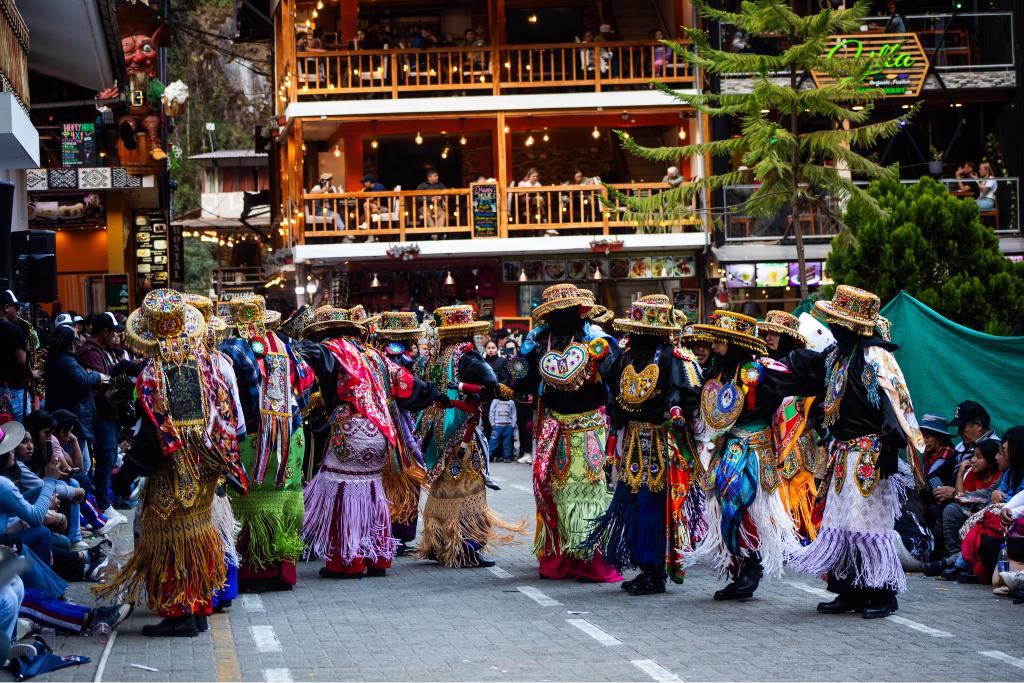
Some dates of the year coincide with important celebrations in Cusco and the Sacred Valley. June, for example, concentrates traditional festivities that significantly increase demand for tourism services. Also, events like carnivals, Holy Week, or traditional fairs can change the city’s dynamic.
If your trip coincides with a festivity, book further in advance and consider the impact it may have on availability and mobility.
Organize your itinerary by season
In the dry season, demand is higher and the sun can feel intense at midday. Arriving early will allow you to walk through the citadel with fewer people and cooler temperatures.
In the rainy season, it’s recommended not to plan overly tight connections. Although rainfall usually doesn’t last all day, it can cause occasional delays on roads or trains.
In the transition months, the weather is usually more balanced, which makes for a more comfortable and flexible experience.
Altitude in Machu Picchu: What You Should Know
Machu Picchu is located at 2,430 meters above sea level (7,972 feet), a moderate altitude that allows most travelers to explore the citadel without major complications. Thanks to this elevation, it’s uncommon for altitude sickness symptoms to appear, and those who have acclimated beforehand in Cusco or the Sacred Valley usually enjoy the visit without issues.
If you decide to hike one of the nearby mountains, such as Huayna Picchu or Machu Picchu Mountain, be prepared for greater effort. Huayna Picchu reaches 2,720 m.a.s.l. (8,923 feet), and Machu Picchu Mountain goes up to 3,082 m.a.s.l. (10,111 feet). At these elevations, you may feel slight shortness of breath or fatigue, especially on the climbs. Even so, with a steady pace and good hydration, most visitors complete these hikes without problems.On the other hand, if you want a lighter experience but still panoramic, you can choose Huchuy Picchu Mountain, which rises to 2,497 m.a.s.l. (8,192 feet). Its altitude is similar to the citadel’s, so it usually doesn’t cause discomfort.
Key Elevations in the Region
| Place | Elevation (m) | Elevation (ft) |
|---|---|---|
| Aguas Calientes | 2,040 m | 6,692 ft |
| Machu Picchu (citadel) | 2,430 m | 7,972 ft |
| Huchuy Picchu Mountain | 2,497 m | 8,192 ft |
| Huayna Picchu | 2,720 m | 8,923 ft |
| Machu Picchu Mountain | 3,082 m | 10,111 ft |
| Cusco | 3,399 m | 11,151 ft |
→ Travel Tip: If you spend a couple of days in Cusco before visiting Machu Picchu, your body will adapt better to the altitude. This will help you enjoy the visit with more energy and peace of mind.
How to Prepare for the Altitude?
Although altitude sickness symptoms are not common in Machu Picchu, it’s always good to be prepared. Here are some simple tips that will make your trip more enjoyable:
- Acclimate in Cusco or the Sacred Valley for one or two days before going up to the citadel.
- Walk calmly and don’t try to rush on the stairways.
- Hydrate frequently and avoid heavy meals or alcoholic drinks on the first day.
- Herbal infusions like coca tea can help you feel better at altitude.
Visiting Machu Picchu is a unique and accessible experience. With proper preparation, you’ll be able to marvel at its history and landscapes without letting the altitude stop you. Listen to your body, breathe deep, and let yourself be wrapped up in the greatness of the Andes.
The best time to go trekking to Machu Picchu
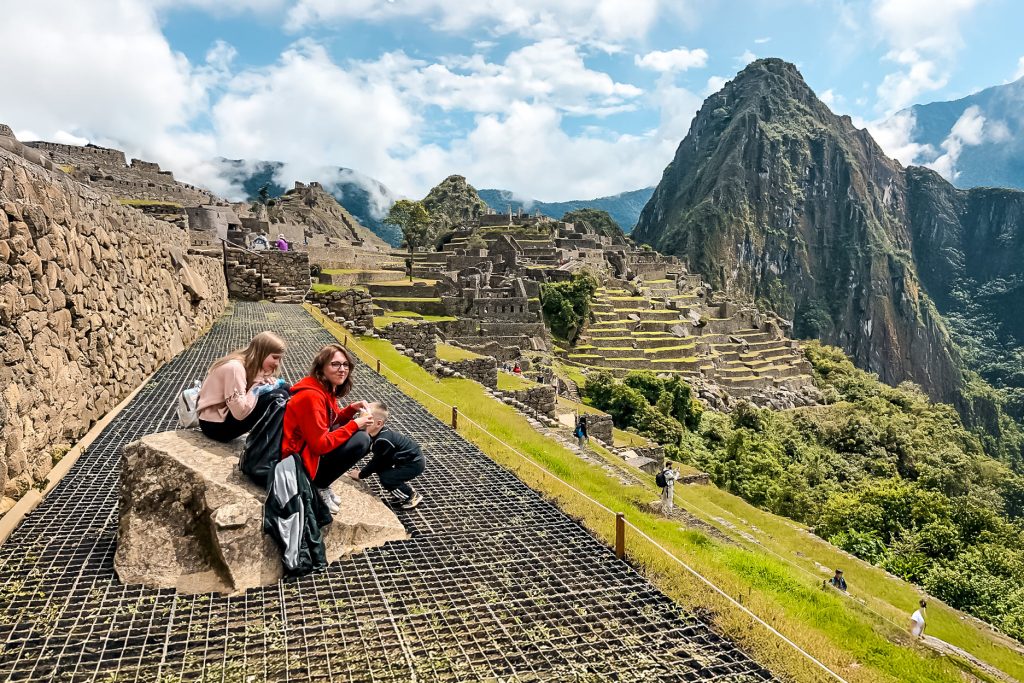
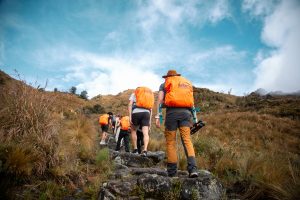
The best time to go hiking in Machu Picchu is during the dry season, which runs from April to October. In these months, the weather in Machu Picchu tends to be more stable, with less rain and more moderate temperatures. This provides an optimal hiking experience on your visit to Machu Picchu.
The rainy season in Cusco runs from November to March, and although it’s possible to hike during that period, conditions can be more difficult due to frequent storms. Trails can become slippery and the landscape may be covered by clouds and mist, which could affect visibility of the impressive views in the area. Also, some routes may be closed for passenger safety, as is the case with the Inca Trail.
Don’t worry! Even if you travel during the rainy season you’ll have an unforgettable trip. You don’t always get the chance to visit a world wonder and one of the most important historic monuments on the planet. Enjoy it and let yourself go with the feeling.
Hikes and tours to get to Machu Picchu
There are different routes to reach Machu Picchu, and the best option will depend on your fitness level, the type of experience you’re looking for, and the time you have available.
Below, we present some of the most outstanding hikes to Machu Picchu:
Classic Inca Trail
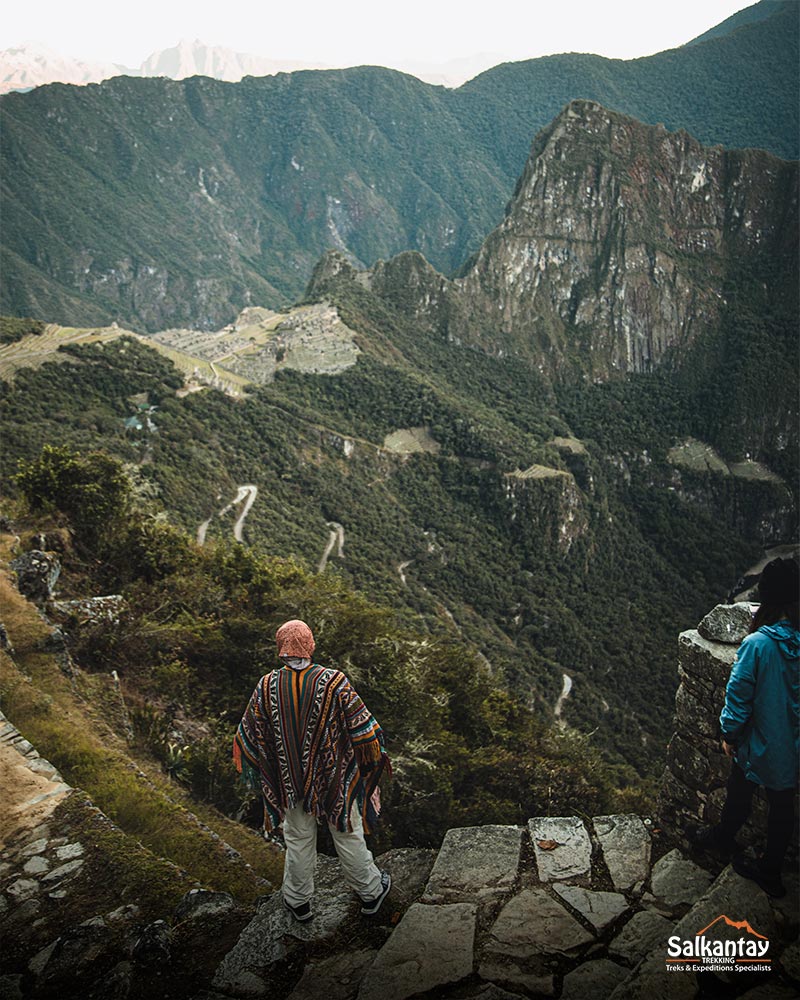
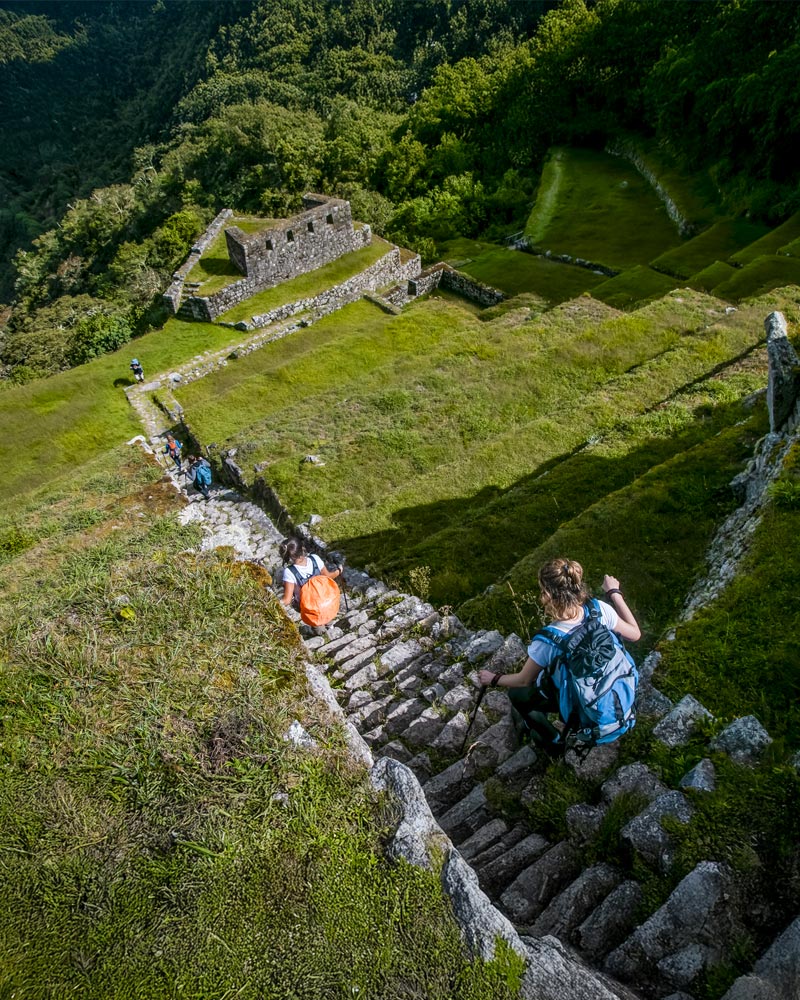
It’s the most famous and sought-after hiking route to Machu Picchu. The Classic Inca Trail takes about 4 days to complete and offers a full experience that combines trekking, nature, and history. You’ll cross impressive landscapes, Inca ruins, and several microclimates. A standout moment is arriving at the Sun Gate or Inti Punku, where you’ll get your first view of Machu Picchu at sunrise.
EXPERT TIP: Plan your trip well! If you want to do the Inca Trail, remember that this route closes in February, so you’ll need to choose other travel dates in order to have open access. June and July can be ideal months.
Salkantay Trek
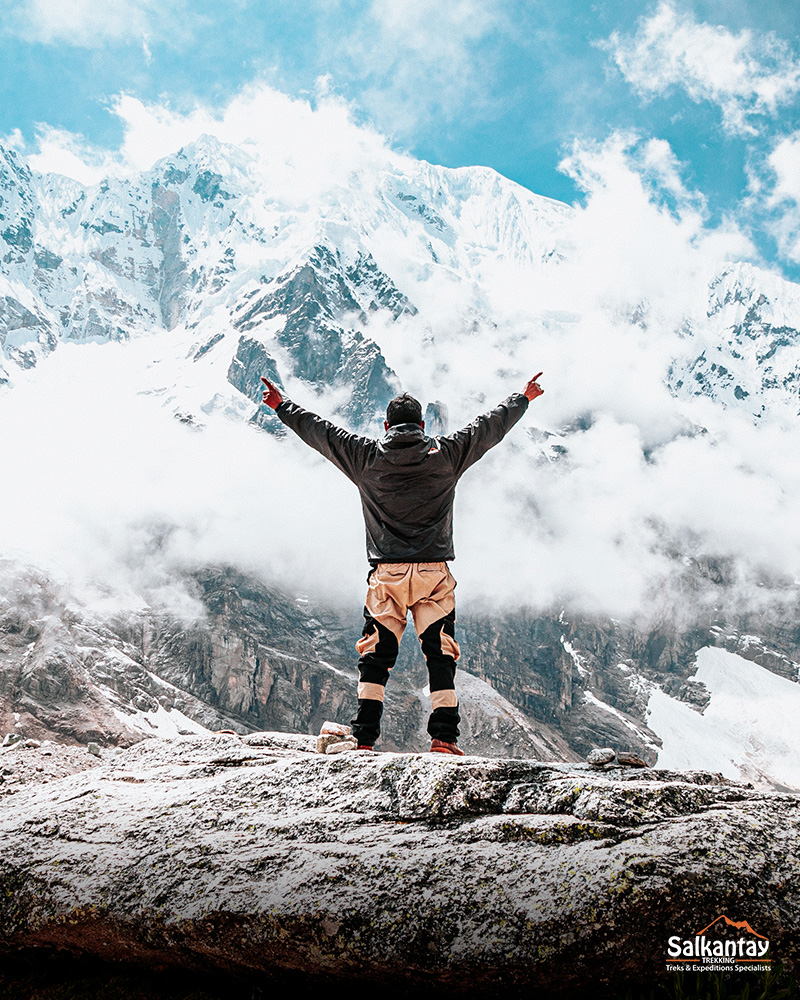
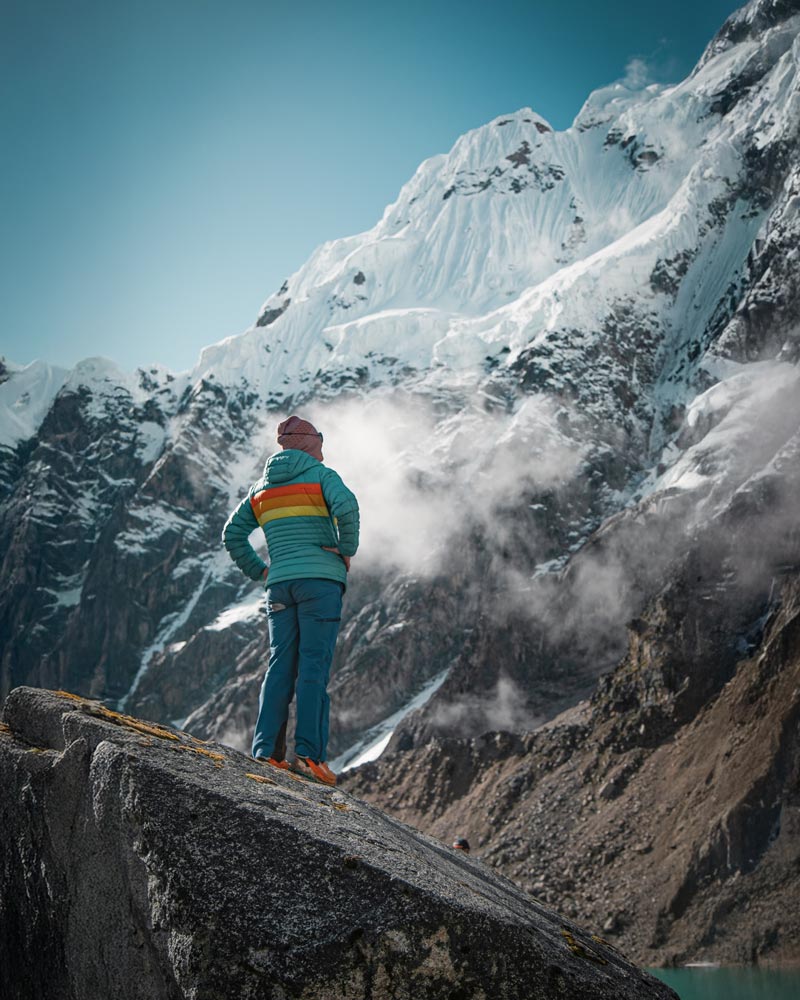
This is a wilder alternative to the Inca Trail. The Salkantay route is generally completed in 5 days and takes you through diverse landscapes, from snowcapped mountains to the tropical jungle. The Salkantay trek is less crowded than the Inca Trail and doesn’t require permits as limited. Also, it takes you to points of interest like Humantay Lake and Salkantay Pass.
EXPERT TIP: To enjoy vivid colors and lush vegetation that contrasts with the snowcapped mountains, do the Salkantay route in April and May. The rains won’t be constant anymore, but the landscape will be completely green.
Choquequirao Trek
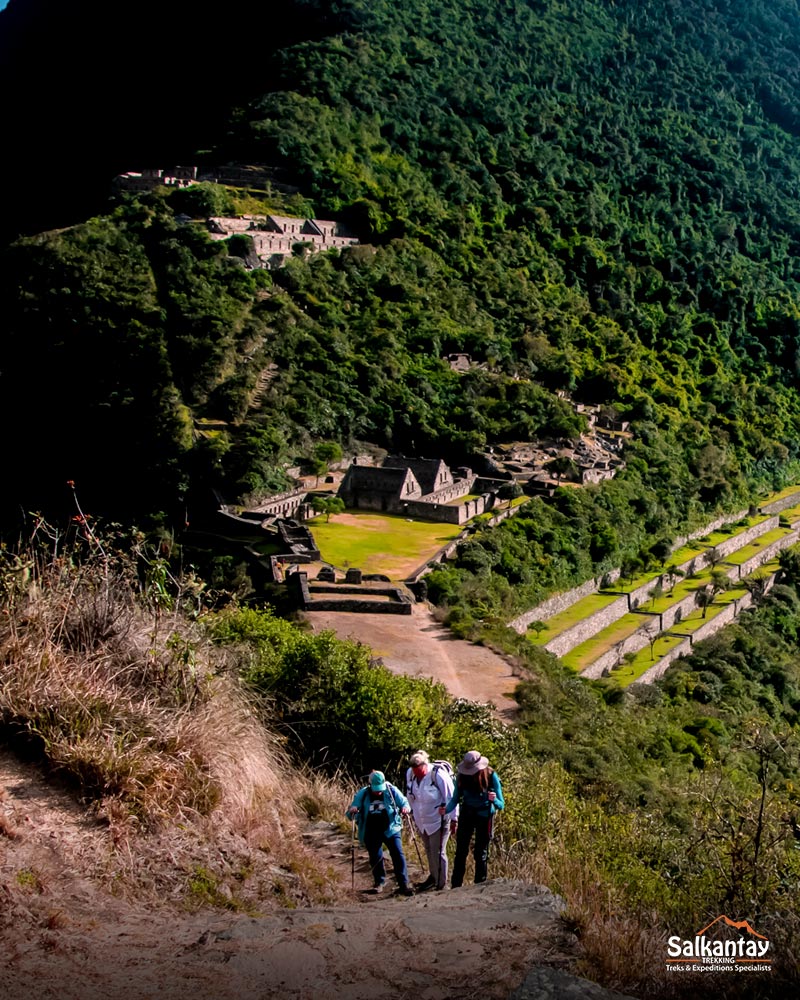
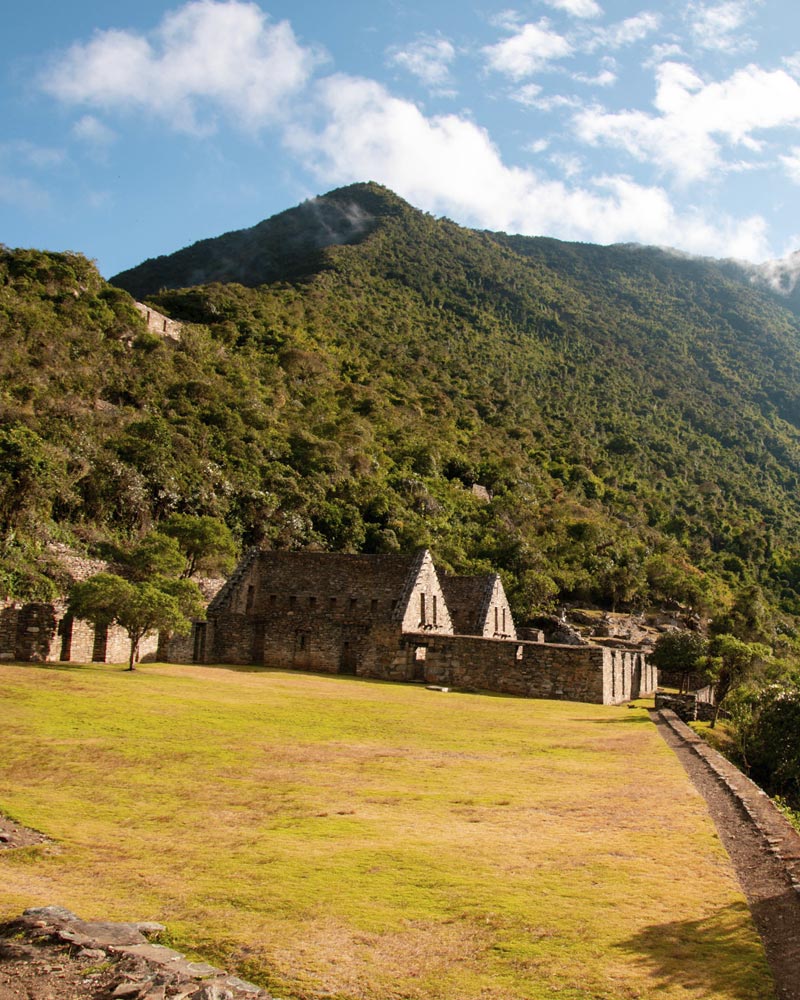
If you’re looking for a more challenging and less crowded adventure, the Choquequirao trek to Machu Picchu could be the option for you. Choquequirao is an impressive archaeological site and is often called “Machu Picchu’s sister” due to similarities in its architecture. The hike lasts 4, 5, and even 7 days, and takes you through varied landscapes full of vegetation with native and unique plants from the area.
EXPERT TIP: Do this hike in the dry season, in August or September, since you’ll need to sleep in tents and it can be a bit more uncomfortable. If you like challenges, any time of year will be optimal!
Lares Trek
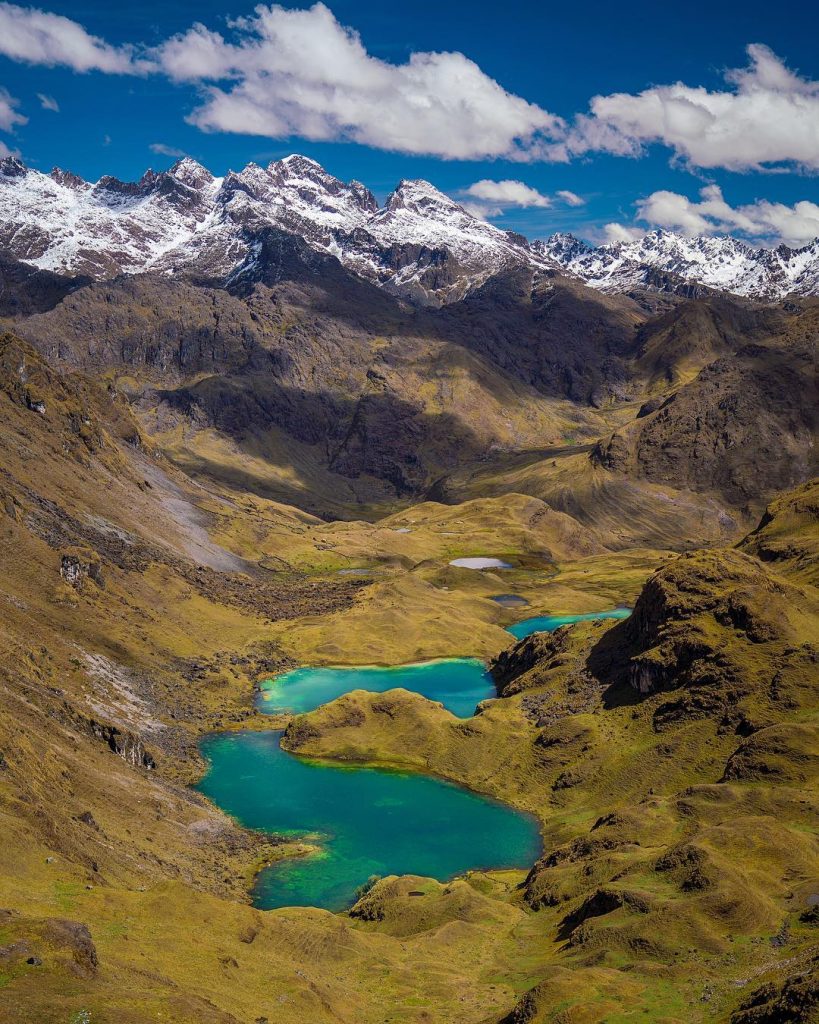
This route is a wonderful option for those who want to combine hiking with immersion in local culture. The Lares Trek usually takes about 3 to 4 days, where you’ll pass through picturesque Andean villages, interact with residents of local communities, and have the opportunity to immerse yourself in their traditional way of life. You’ll also enjoy impressive mountain landscapes and the chance to relax in natural hot springs.
EXPERT TIP: October and November can be the ideal months for this route. During the day it will be warmer and you can get wet in a river, while at night you can ease the cold by bathing in Lares’ hot springs.
Ancascocha Trek:
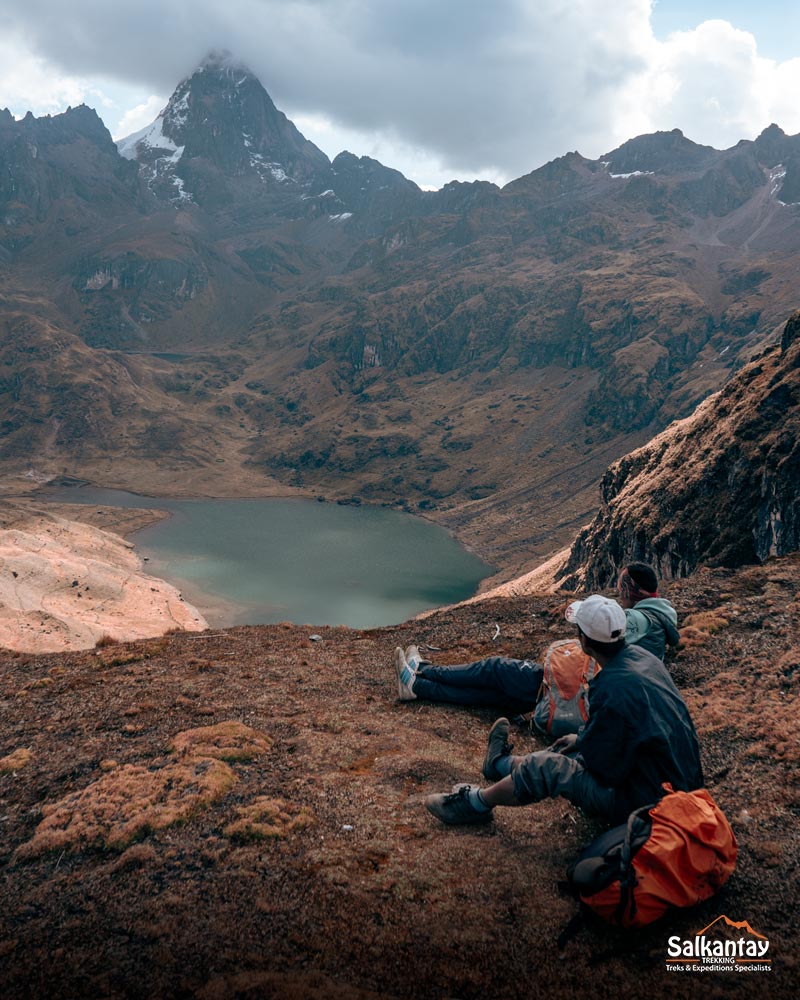
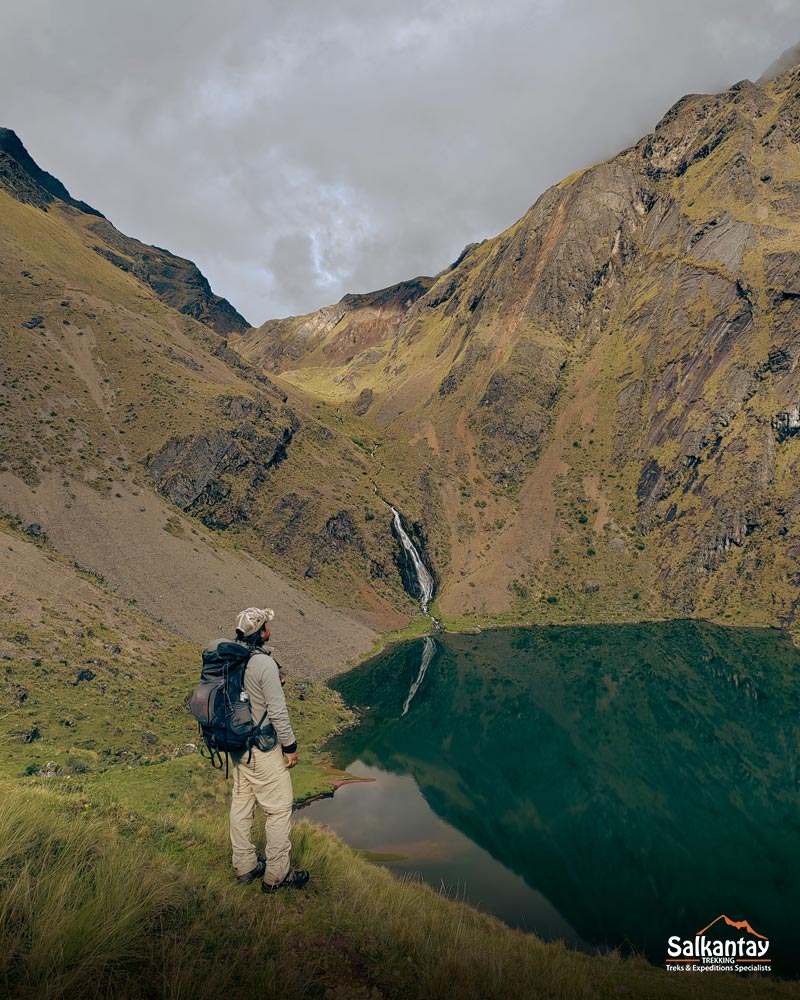
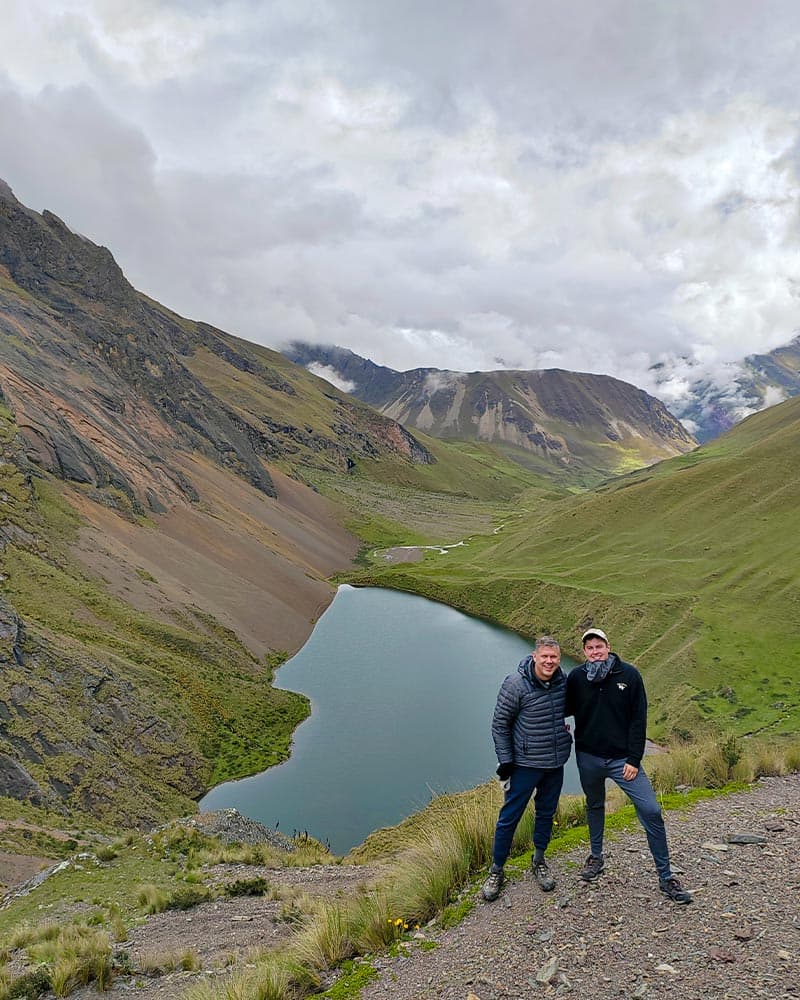
This is one of the lesser-known and less crowded routes to reach Machu Picchu. The classic Ancascocha Trek takes you to see waterfalls, lakes, and high mountains, passing through ancient Inca villages until reaching the wonderful Machu Picchu citadel. A challenging adventure in which you’ll discover incredible and unknown places.
EXPERT TIP: This route is especially beautiful in the rainy season, since the lakes and waterfalls will be full of water. Also, you’ll enjoy a beautiful landscape with lush forests. Doing the Ancascocha hike in December, January, or February can be a good choice.
Huchuy Qosqo Trek
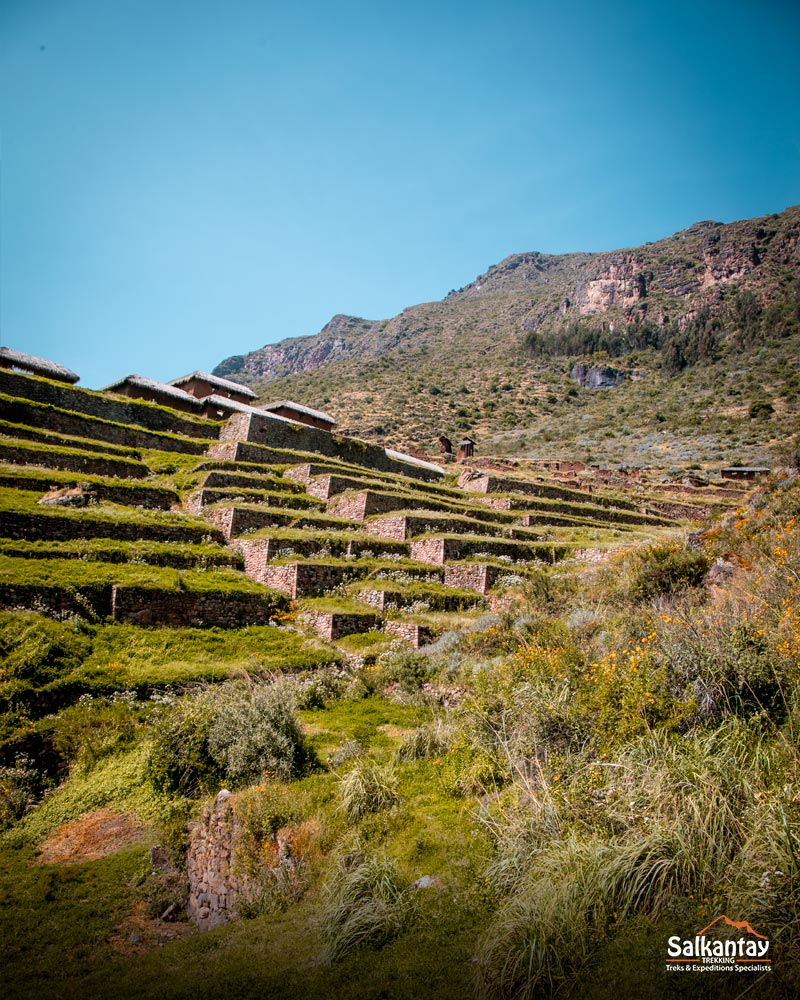
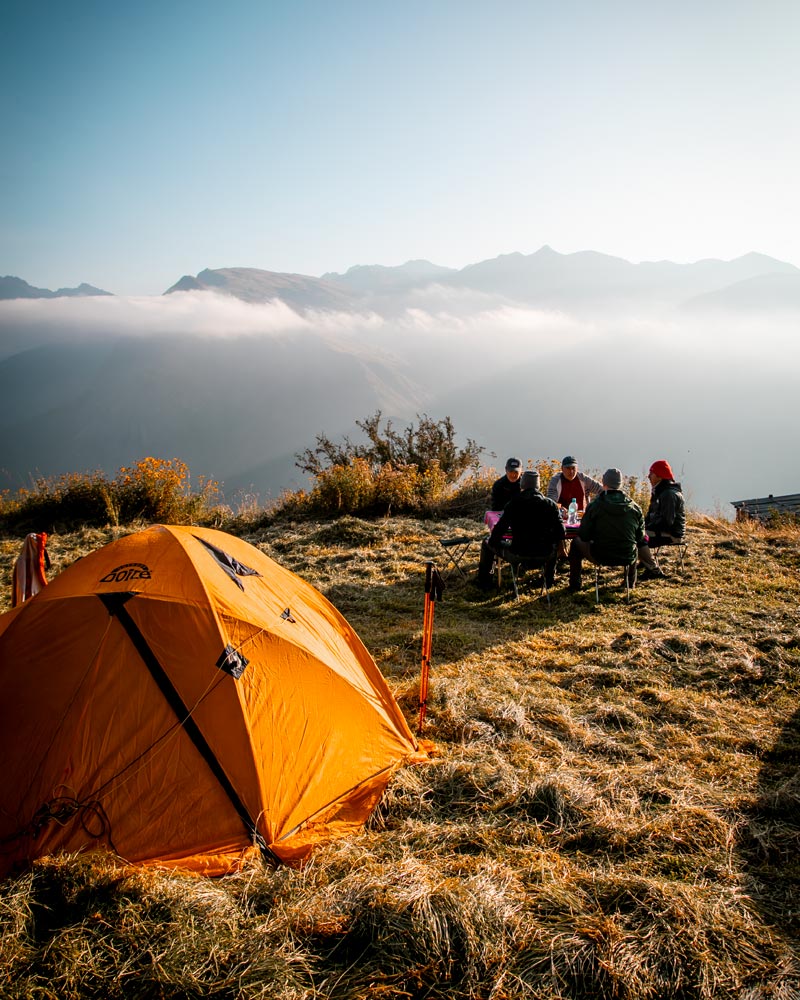
The magical moment on this route is visiting the Huchuy Qosqo archaeological complex, a very well-preserved site located high on a mountain with views of the Urubamba Valley. The Huchuy Qosqo Trek lasts 3 days and invites you to learn in depth about Inca history until reaching their greatest construction Machu Picchu.
EXPERT TIP: During January, February, and March the Urubamba Valley will be full of life, with plants and flowers growing everywhere. On this hike, the rains aren’t as annoying, so it’s a good time to visit Huchuy Qosqo.
Route with the Best of Cusco
Touring Cusco’s most beautiful and popular attractions is possible. On this 7-day route you’ll explore the best of Cusco, including the Sacred Valley of the Incas, Rainbow Mountain, Humantay Lake, and the grand Machu Picchu. A complete journey through our region that will fill you with colors and sensations.
EXPERT TIP: This route is ideal to enjoy during Cusco’s dry season. It will allow you to access all attractions easily, with no rain and sunny skies. Visit the best of Cusco in June, July, and August.
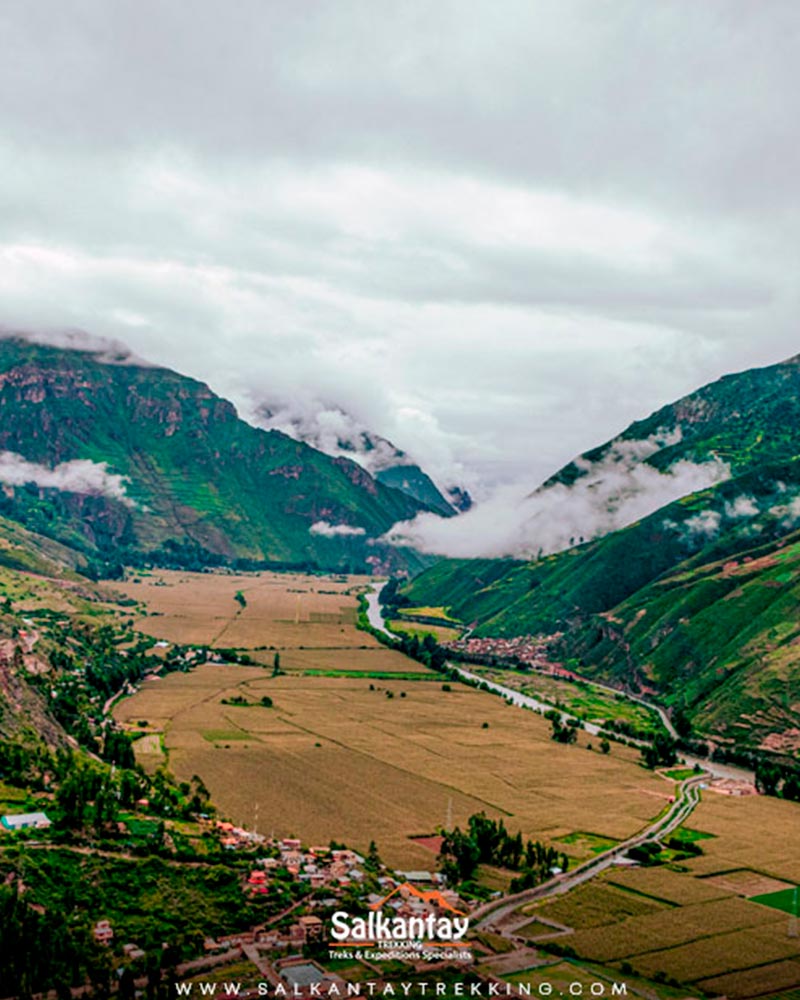
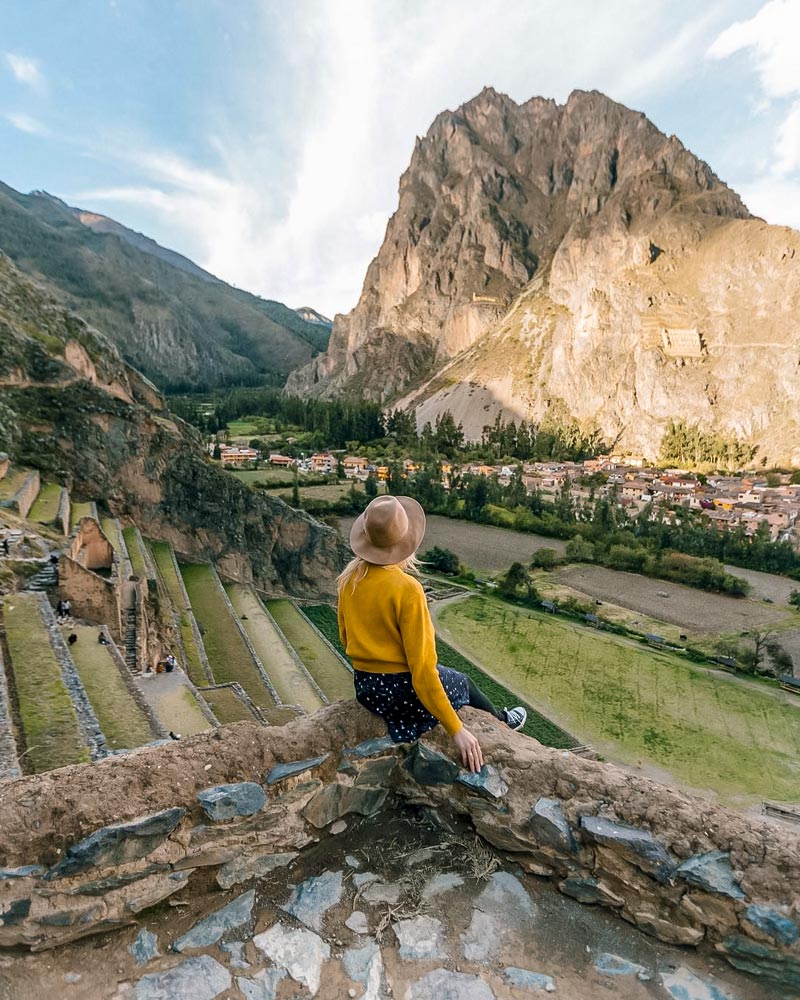
Inca Jungle
This option offers you an adrenaline-filled adventure that will take you to Machu Picchu not only by hiking, but also by biking, rafting, and zip-lining through the Andean cloud forests. This will let you feel the climate changes from the Andes to the jungle in a single day. The Inca Jungle hike is known for mixing adventure sports and hiking in Peru, an experience that will awaken your senses.
EXPERT TIP: This route is incredible in both the rainy season and the dry season. Even so, the shoulder months are the ones that can give you better weather, along with fewer tourists. Do the Inca Jungle between March and May, or between August and November.
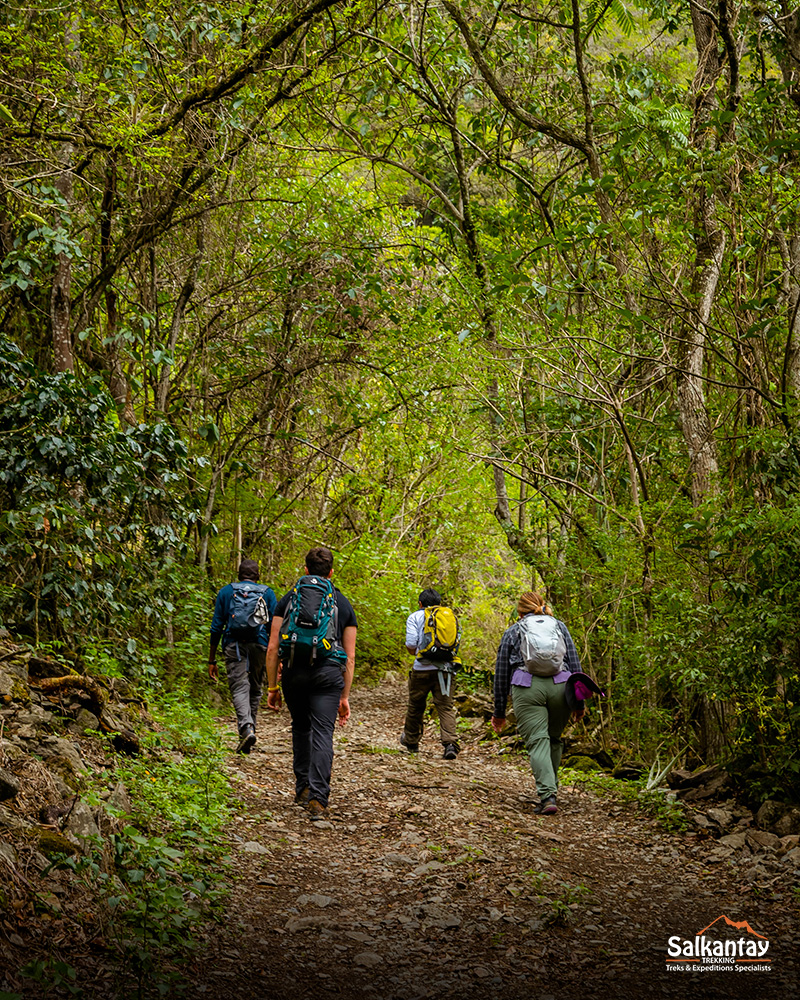
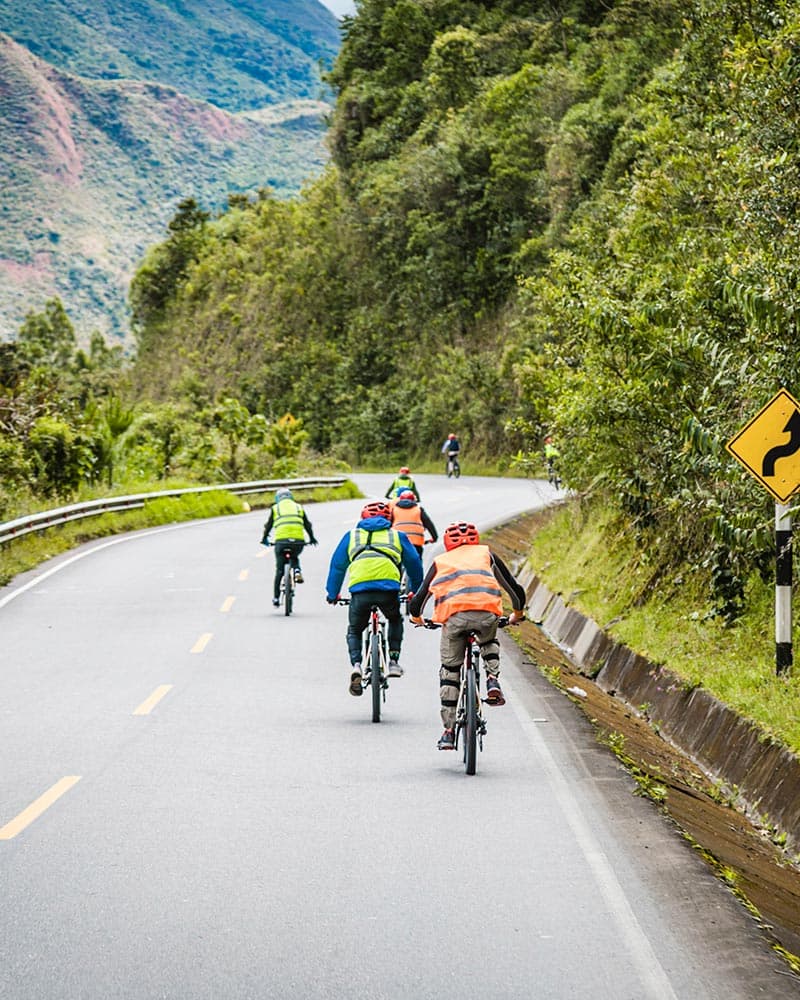
GUIDE’S ADVICE: Before choosing a route, consider your physical fitness level, interests, and available time. Whatever hike you choose, it will reward you with unique and enriching experiences that will bring you closer to the majesty of Machu Picchu in a special way.
Starting August 1, 2025, 1,000 daily tickets without pre-registration will be available for Machu Picchu directly at the Machu Picchu Pueblo Cultural Center, from 6:00 a.m. to 8:30 p.m., payable in cash or by card. Tickets are valid for the following day, and real-time availability will be displayed on screens. For more details and tips to make the most of this option, read the blog Last-Minute Tickets to Machu Picchu: Complete Guide.
This change improves transparency and makes access to the Inca wonder easier. Plan well and enjoy your trip!
Frequently Asked Questions about Machu Picchu
What is the best month to go to Machu Picchu?
If you’re looking for an almost perfect balance between good weather, still-green landscapes, and fewer crowds than during peak season, May and September are usually the most recommended months.
If you want to minimize rain as much as possible, June, July, and August offer more stability, though with more visitors.
What are the rainy months in Machu Picchu?
The rainy season generally runs from November to March, with February being the rainiest month. During this period, rainfall is more frequent, especially in the afternoons and nights.
In what month is there fog in Machu Picchu?
Fog is more common during the rainy season (November to March), especially in January and February. It usually clears up as the morning goes on, creating very photogenic scenes when it opens up.
What is the easiest hike to Machu Picchu?
If we’re talking about multi-day routes, Huchuy Qosqo is usually considered one of the most accessible options. It’s shorter (approximately 2 to 3 days), has less technical difficulty, and fewer high-mountain passes compared to routes like the Inca Trail or the Salkantay Trek.
Is the hike to Machu Picchu difficult?
The difficulty of hiking to Machu Picchu can vary depending on the route you choose and your fitness level. There are multi-day options, although you can also stay overnight in the town of Aguas Calientes and do a 2-hour hike. This route isn’t complicated, but it’s made up of somewhat steep stairs that can cause fatigue.
What is the best month to travel to Peru?
The best month to travel to Peru depends on your preferences and the activities you want to do during your trip. However, the months from May to September are usually considered the best time to visit Peru, especially if you plan to explore Machu Picchu and other areas of the Andes without rain and weather inconveniences.
What is the busiest time in Machu Picchu?
The busiest time to visit Machu Picchu is usually during the peak tourism season, which generally covers the months of June and July. During these months, tourist flow tends to be more intense due to summer vacations in the Northern Hemisphere and school vacations in Peru.
What is the best time of day to visit Machu Picchu?
The best time to visit Machu Picchu is usually in the early morning hours and the late afternoon hours. These times offer cooler temperatures and fewer crowds, allowing you to fully appreciate the beauty and tranquility of the site.
Is Machu Picchu cold or hot?
Machu Picchu has a varied climate due to its location between the Andes mountains and the Peruvian jungle. However, Machu Picchu tends to be more mild and humid rather than cold or hot.
Is it better to visit in September or October?
The choice between September and October will depend on your priorities. If you prefer more stable temperatures and you’re willing to deal with slightly bigger crowds, September could be the best option. If you’re willing to take a little more risk with rain, but you’re looking for a calmer experience in terms of visitors, October could be more suitable.
→ Traveler Tip: Arrive early to secure your ticket, or buy online at tuboleto.cultura.pe.
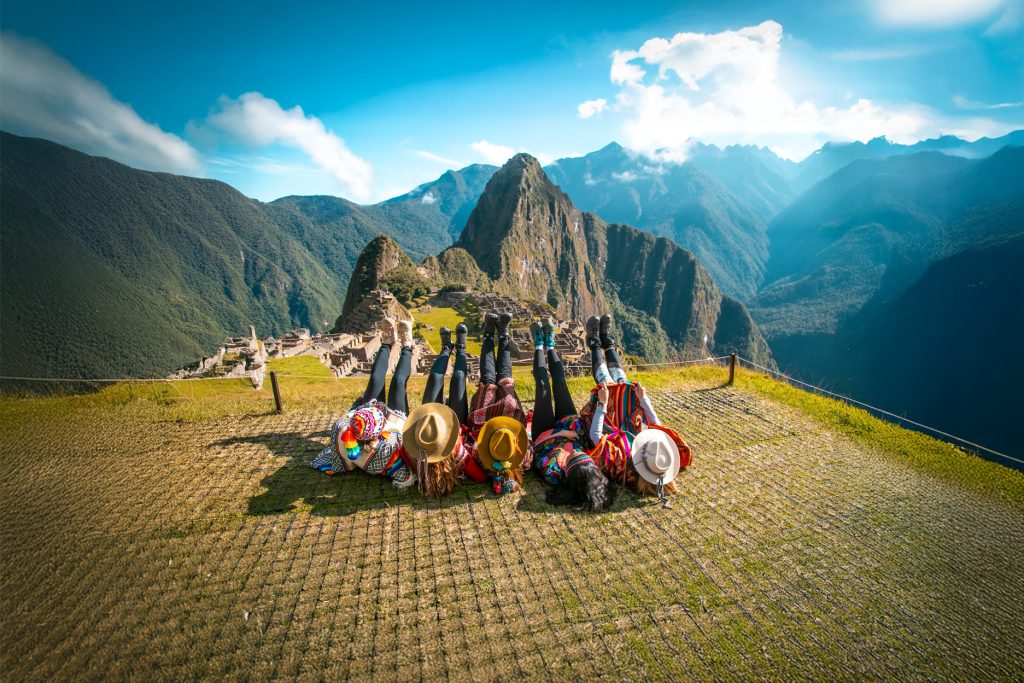
Travel to Machu Picchu: Listen to Your Heart
Entering Machu Picchu is much more than taking a trip; it’s connecting with history, nature, and an energy that has transcended centuries.
Choosing the ideal moment to visit is a personal decision. Each season offers a different experience: clear skies and dry trails, intensely green landscapes, or a calmer and more immersive atmosphere. There isn’t one single correct answer, only the one that best fits what you want to experience.
No matter what time of year you choose, Machu Picchu will always welcome you with its greatness, its mystery, and that hard-to-explain feeling you only understand once you’re there.
You might be Interested:
- Machu Picchu tickets: Everything you need to know!
- Machu Picchu: The easy way
- Classic Inca Jungle Trail: An incredible adventure in the jungle towards Machu Picchu
- Ancascocha Trek: Adventure to Machu Picchu
- Lares Trek or Salkantay Trek? | We’re cracking open the treasure chest to Machu Picchu.
Written by: Hillary Cristina Quispe


Leave A Reply