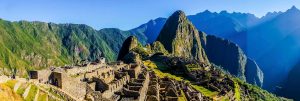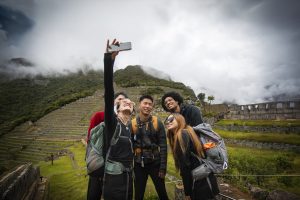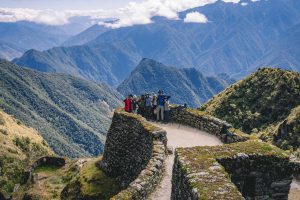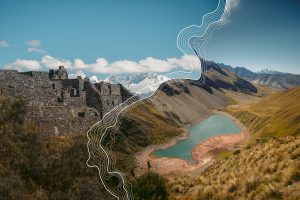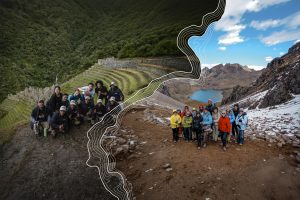
The Inca Jungle Trek is not the classic route to Machu Picchu. It is an adventure experience that combines downhill biking, hikes through the cloud forest, optional rafting, ziplining, hot springs, tropical landscapes, and a final visit to one of the most iconic archaeological sites in the world.
If you are looking for a more active, dynamic, and different way to reach Machu Picchu, this guide will help you understand how the route works, what activities it includes, how difficult it is, when to travel, what to pack, and what to check before booking.
Table of contents
- What Is the Inca Jungle Trek?
- What Makes the Inca Jungle Trek Different?
- Where Does the Inca Jungle Trek Take Place in Cusco?
- Classic Inca Jungle Trek Map and Route Overview
- Main Activities on the Inca Jungle Trek
- Classic 4-Day Inca Jungle Trek Itinerary
- Where Do You Sleep During the Inca Jungle Trek?
- What Is the Return to Cusco Like?
- How Difficult Is the Inca Jungle Trek?
- Is the Inca Jungle Trek Safe?
- Best Time to Do the Inca Jungle Trek
- What to Pack for the Inca Jungle Trek
- What Is Usually Included in an Inca Jungle Trek Tour?
- How Much Does the Inca Jungle Trek Cost?
- Inca Jungle Trek vs. Salkantay Trek vs. Inca Trail
- Is the Inca Jungle Trek Worth It?
- Tips Before Booking the Inca Jungle Trail
- Frequently Asked Questions About the Inca Jungle Trek
- Conclusion: Is the Inca Jungle Trek Right for You?
What Is the Inca Jungle Trek?
The Inca Jungle Trek is an alternative adventure route from Cusco to Machu Picchu that combines downhill biking, hikes through cloud forest areas, optional activities such as rafting and ziplining, hot springs, and a final visit to the Inca citadel. Unlike a classic trek, its main appeal lies in the variety of experiences and landscapes, from Abra Málaga to Santa María, Santa Teresa, Hidroeléctrica, Aguas Calientes, and Machu Picchu.
This experience is especially popular among travelers looking for something different from the traditional train journey or the more demanding high-altitude treks. It gives you movement, variety, and a strong sense of adventure without requiring advanced mountaineering experience.
Along the route, you will move from high-Andean landscapes near Abra Málaga to warmer, more tropical areas around Santa María and Santa Teresa. That change in scenery is one of the reasons why the Inca Jungle Trail feels so different from other routes to Machu Picchu.
Is the Inca Jungle Trek the Same as the Inca Trail?
No, the Inca Jungle Trek is not the same as the Inca Trail.
The Inca Trail is a historic trekking route that follows original Inca paths and requires a special permit. It focuses more on archaeology, ancient stone trails, and the traditional hike to Machu Picchu through the Andes and the cloud forest.
The Inca Jungle Trek, on the other hand, is a multi-sport experience. It usually includes downhill biking, hiking, optional rafting, optional ziplining, hot springs, and a visit to Machu Picchu. It does not require the same type of permit as the Inca Trail, but you do need a valid Machu Picchu ticket for the final visit.
In simple terms: the Inca Trail is more historical and archaeological, while the Inca Jungle Trek is more adventurous, flexible, and based on outdoor activities.
Who Is the Inca Jungle Trek For?
The Inca Jungle Trek is ideal for travelers who want more than a standard hike. It is an excellent option if you enjoy adventure, changing landscapes, tropical weather, cultural contact, and active days outdoors.
This experience is perfect for those looking for a different way to reach Machu Picchu. It combines downhill biking from the mountains, hikes through cloud forest valleys, and a well-earned rest in hot springs. You can also add an extra dose of adrenaline with optional activities such as rafting (going down rivers on an inflatable raft) or ziplining (gliding along suspended cables between trees or mountains).
It may not be the best option if you prefer a quiet, purely cultural route or if you do not feel comfortable with adventure activities. However, for travelers looking for energy, movement, and variety, the Inca Jungle Trek to Machu Picchu offers one of the most exciting alternatives from Cusco.
What Makes the Inca Jungle Trek Different?
The Inca Jungle Trek stands out because it breaks away from the idea that every route to the Inca citadel has to focus only on hiking. Here, the journey feels like a complete adventure experience. You move through different altitudes, climates, towns, and landscapes while combining several outdoor activities in one itinerary.
That is why many adventurers choose this alternative when they want something more dynamic than the classic train trip and less focused on long days in the high mountains, such as the Salkantay Trek.
A Multi-Activity Experience
The biggest difference is the variety. On the Inca Jungle Trek, hiking is only one part of the experience. The journey usually begins with a downhill biking section from the highlands, continues along cloud forest trails and small towns, and may include rafting, ziplining, and a visit to the Cocalmayo Hot Springs.
This combination makes the adventure feel active from the very first day. You are not just walking from one point to another; you move through the landscape in different ways, which keeps the route exciting, dynamic, and less repetitive.
For travelers looking for adrenaline, nature, and a final reward at Machu Picchu, this variety is one of the main reasons to choose the Inca Jungle Trek.
From the Andes to the Cloud Forest
Another highlight is the dramatic change in scenery. The journey generally begins in Cusco and continues toward Abra Málaga, a high mountain pass surrounded by Andean landscapes. From there, you descend into warmer, greener areas where the environment changes quickly.
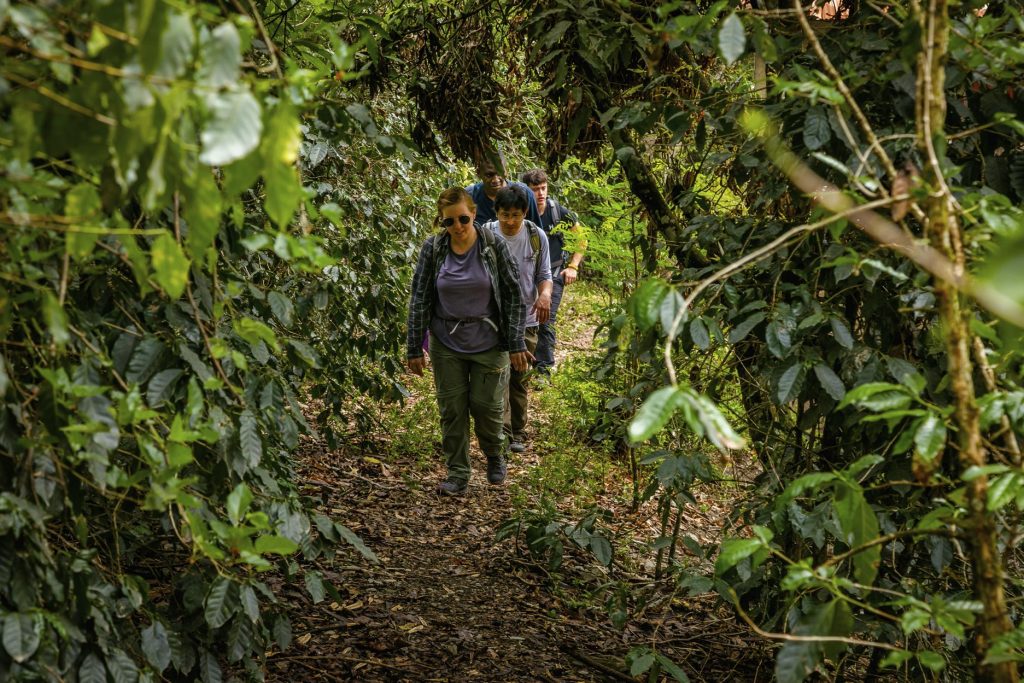
As you move toward Santa María and Santa Teresa, the air becomes more humid, the vegetation grows denser, and the route begins to feel more tropical. You may pass rivers, fruit plantations, coffee-growing areas, valleys, and cloud forest landscapes before reaching Aguas Calientes.
This transition from the Andes to the cloud forest gives the Inca Jungle Trek its own identity. It is not just a way to reach Machu Picchu; it is a journey through different natural and cultural layers of the Cusco region.
A More Flexible Alternative to Classic Treks
The Inca Jungle Trail is also more flexible than some classic routes. The Inca Trail requires limited permits and follows a more regulated trekking format. The Salkantay Trek is a more intense mountain hike, with higher altitude and more physically demanding days.
The Inca Jungle occupies a different space. It still requires physical effort, but it focuses more on varied experiences, adventure, and contact with tropical landscapes. That makes it a strong option for travelers who want something active, but not necessarily a traditional trekking expedition.
If you want an adventure to Machu Picchu that does not depend only on physical endurance, the Inca Jungle Trek can be a very good choice.
Where Does the Inca Jungle Trek Take Place in Cusco?
The Inca Jungle Trek takes place in the Cusco region of Peru and connects the Andes with the cloud forest on the way to Machu Picchu. Most itineraries begin in the city of Cusco and travel by road toward Abra Málaga before descending into warmer valleys and cloud forest towns.
From there, the route usually passes through places such as Santa María, Santa Teresa, Hidroeléctrica, and Aguas Calientes before reaching Machu Picchu.
Starting Point and Final Destination
The journey normally begins in Cusco, the main gateway for travelers visiting Machu Picchu and other routes in the region. From Cusco, the tour heads toward Abra Málaga, where the downhill biking section usually begins.
The final destination is Machu Picchu, which is generally reached from Aguas Calientes on the last day. Depending on the itinerary and the operator, the return to Cusco may be by train, by vehicle, or with a combination of both.
Main Stops Along the Route
Abra Málaga
Abra Málaga is one of the highest points connected with the Inca Jungle Trek and is commonly associated with the downhill biking section. From this area, travelers descend from a cold Andean environment into warmer landscapes such as Santa María, making it one of the most noticeable transitions of the journey.
Santa María
Santa María is usually linked to the first part of the cloud forest experience. It is a warmer area where travelers can find rafting options, depending on the season, weather, river conditions, and the package booked.
Santa Teresa
Santa Teresa is one of the most anticipated stops along the route because of its proximity to the Cocalmayo Hot Springs. After active days of biking and hiking, this area offers a more relaxing moment before continuing toward Machu Picchu.
Hidroeléctrica
Hidroeléctrica is an important point before reaching Aguas Calientes. Many travelers walk from this area along the train tracks toward the town, surrounded by lush vegetation and mountain views.
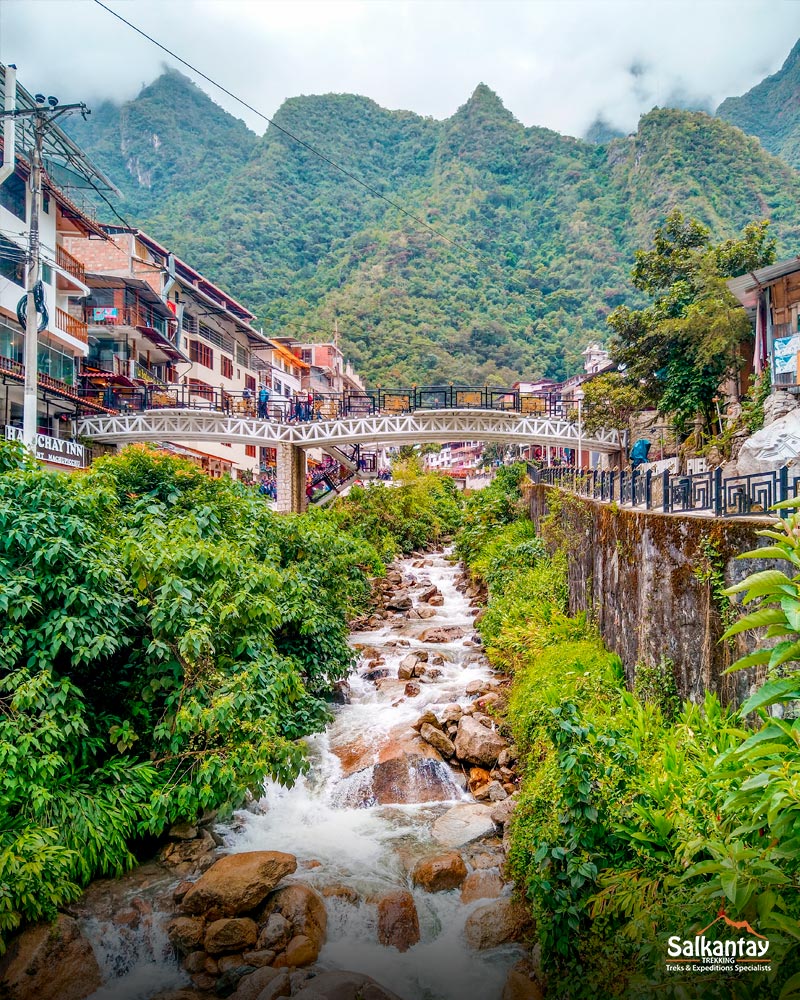
Aguas Calientes
Aguas Calientes, also known as Machu Picchu Pueblo, is the last town before visiting Machu Picchu. Most travelers spend the final night here and begin the final visit to the Inca citadel early the next morning.
Classic Inca Jungle Trek Map and Route Overview
A simple map is one of the best ways to understand the classic Inca Jungle Trek. Because the route connects different landscapes and towns, a visual overview helps show how the journey moves from Cusco toward Machu Picchu.
A useful map for this blog should clearly show the main points of the route: Cusco, Abra Málaga, Santa María, Santa Teresa, Hidroeléctrica, Aguas Calientes, and Machu Picchu.
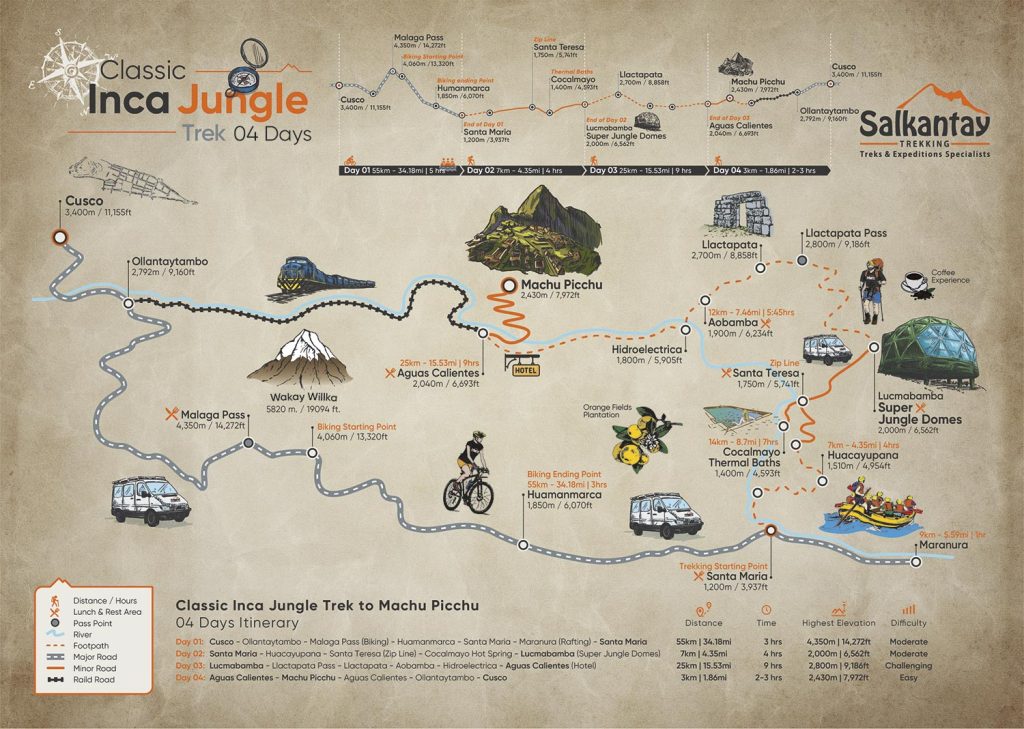
Classic Inca Jungle Trek Details
| Detail | Information |
|---|---|
| Starting point | Cusco / Abra Málaga |
| Highest altitude | Approx. 4,316–4,350 m / 14,160–14,271 ft, depending on the exact starting point |
| Final destination | Machu Picchu |
| Main activities | Biking, hiking, optional rafting, optional ziplining, hot springs |
| Typical duration | 4 days and 3 nights |
| Difficulty | Moderate |
| Ideal for | Adventurous and active travelers |
Main Activities on the Inca Jungle Trek
The variety of experiences is the heart of the Inca Jungle Trek. This adventure attracts travelers because it offers much more than a hiking itinerary. Each day brings a different type of experience, from adrenaline to relaxation.
Downhill Biking from Abra Málaga
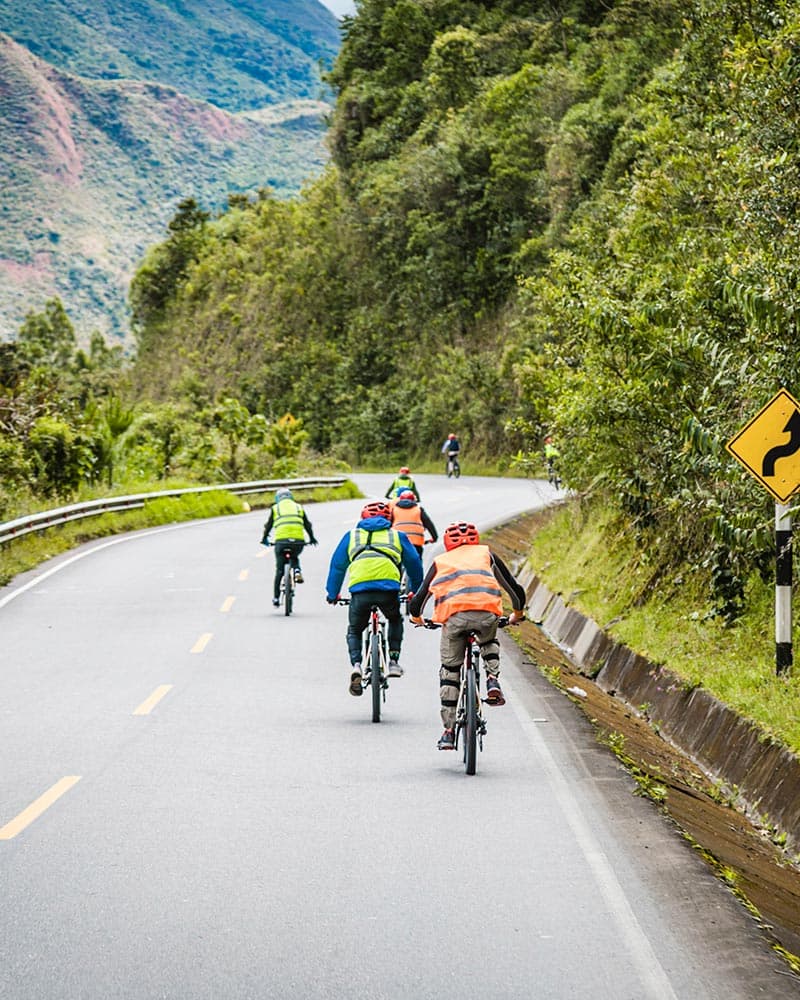
Downhill biking is usually one of the main activities of the Inca Jungle Trek. After leaving Cusco and reaching the high areas near Abra Málaga, travelers begin a descent toward warmer areas.
This section is exciting because the landscape changes as you ride down from the mountains toward the cloud forest. However, it also requires attention and responsibility. You do not need to be a professional cyclist, but you should feel comfortable riding a bike and following safety instructions.
A good operator should provide a helmet, bike, basic protective gear, orientation, and clear instructions before beginning the route. If you feel nervous, let your guide know before starting the activity.
Guide tip: do not try to go fast just to keep up with the group. Keep your distance, use both brakes gently, and descend at a comfortable pace. Safety should always come before adrenaline.

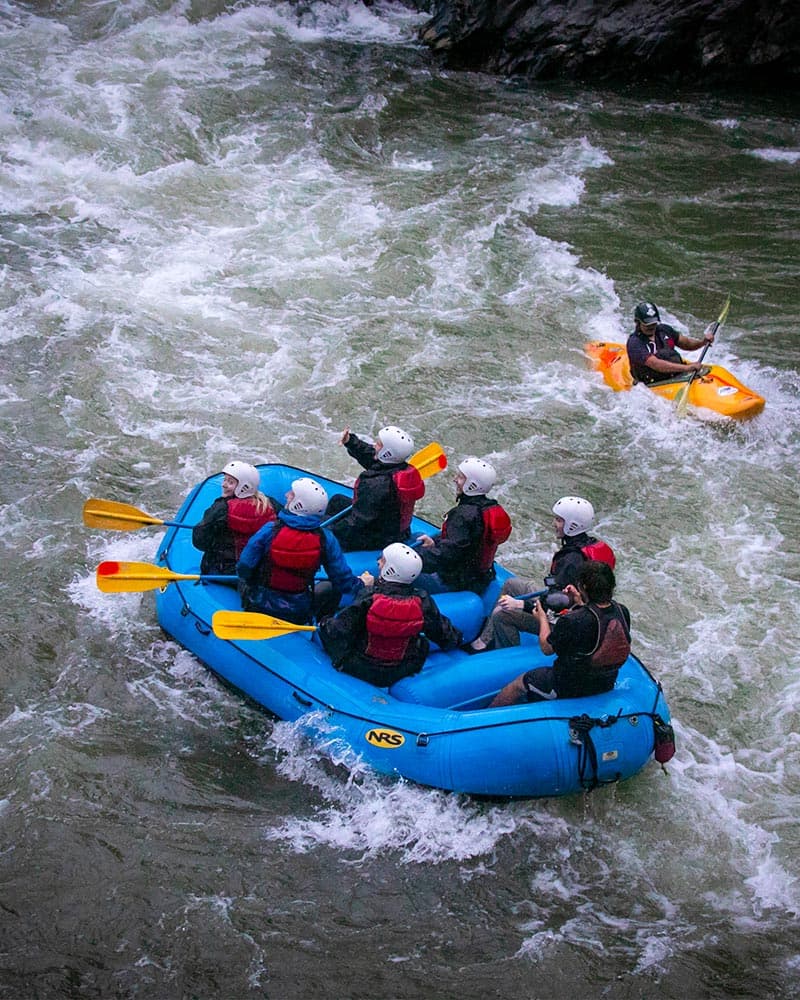
Rafting in Santa María
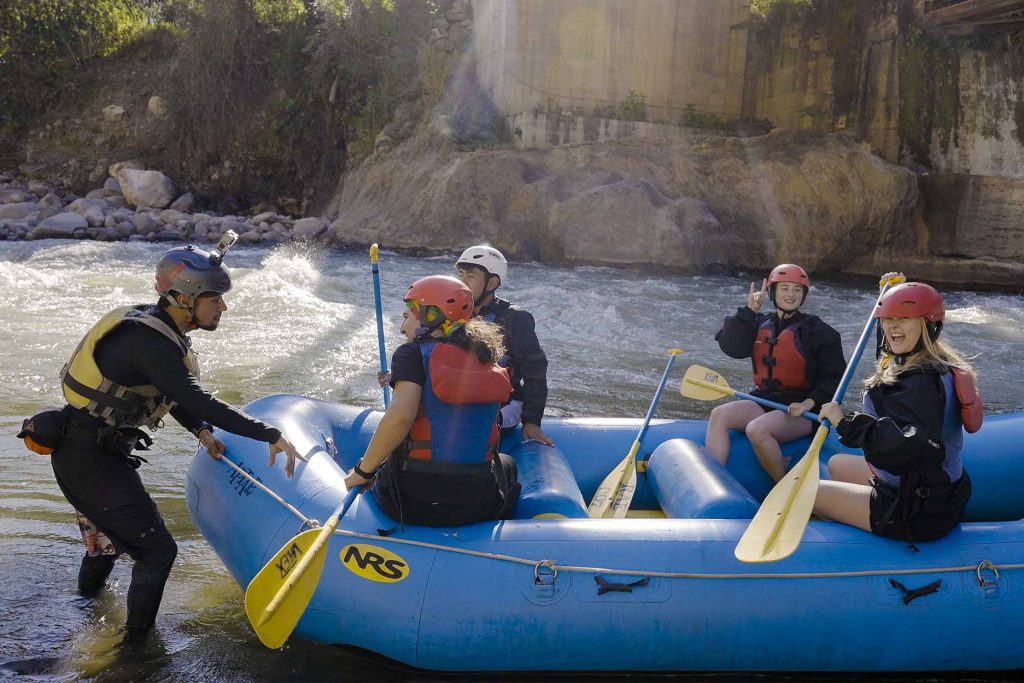
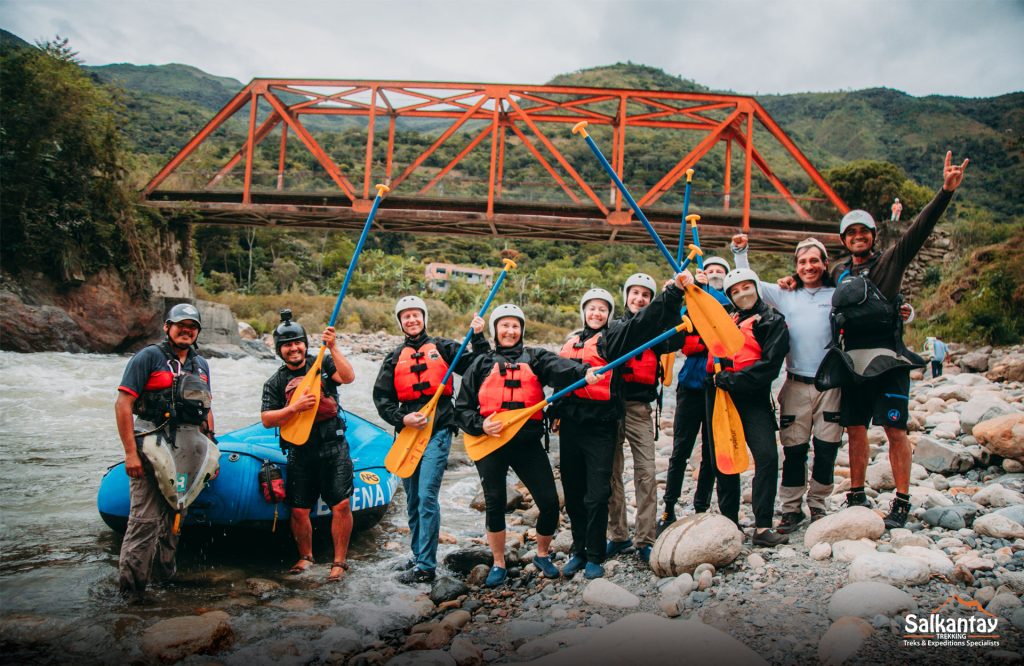
Rafting is usually offered near Santa María, depending on the itinerary, season, river conditions, and tour operator. It adds a strong dose of adrenaline to the experience and is one of the reasons many travelers choose the Inca Jungle Trek.
Because rafting depends on safety conditions, it may be included in some packages or offered as an optional extra in others. Before booking, always check whether rafting is included, whether it has an additional cost, and what happens if the weather or river level affects the activity.
Take note: rafting is usually offered more frequently between April and December, but it always depends on the river level, weather, and the operator’s safety assessment. During months with heavy rainfall, the activity may be canceled or replaced with another option for safety reasons.
Hiking Through the Cloud Forest
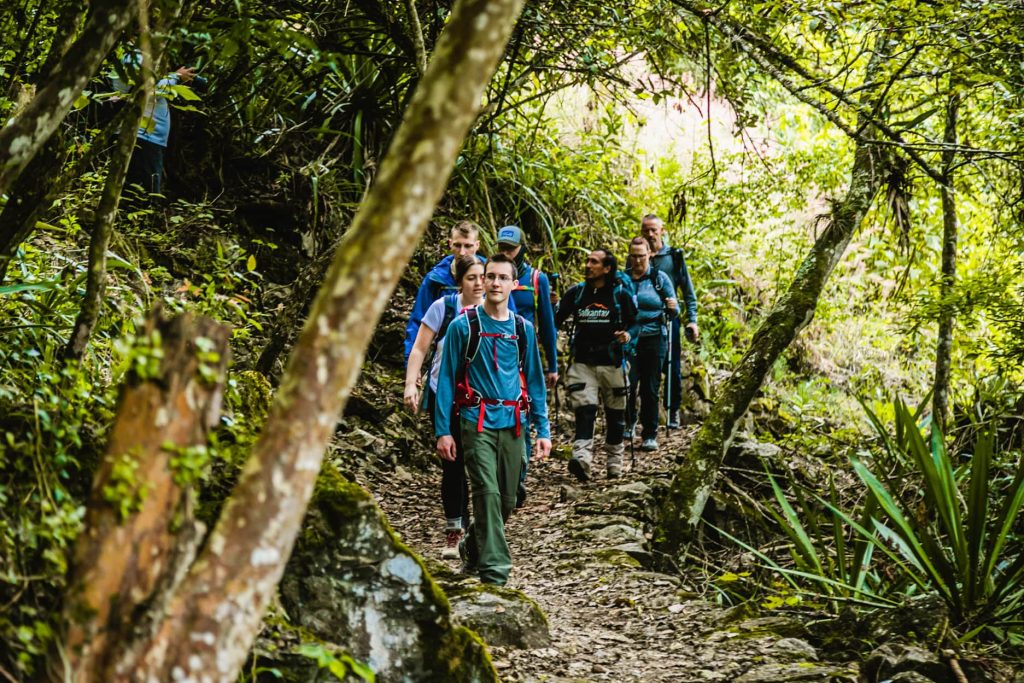
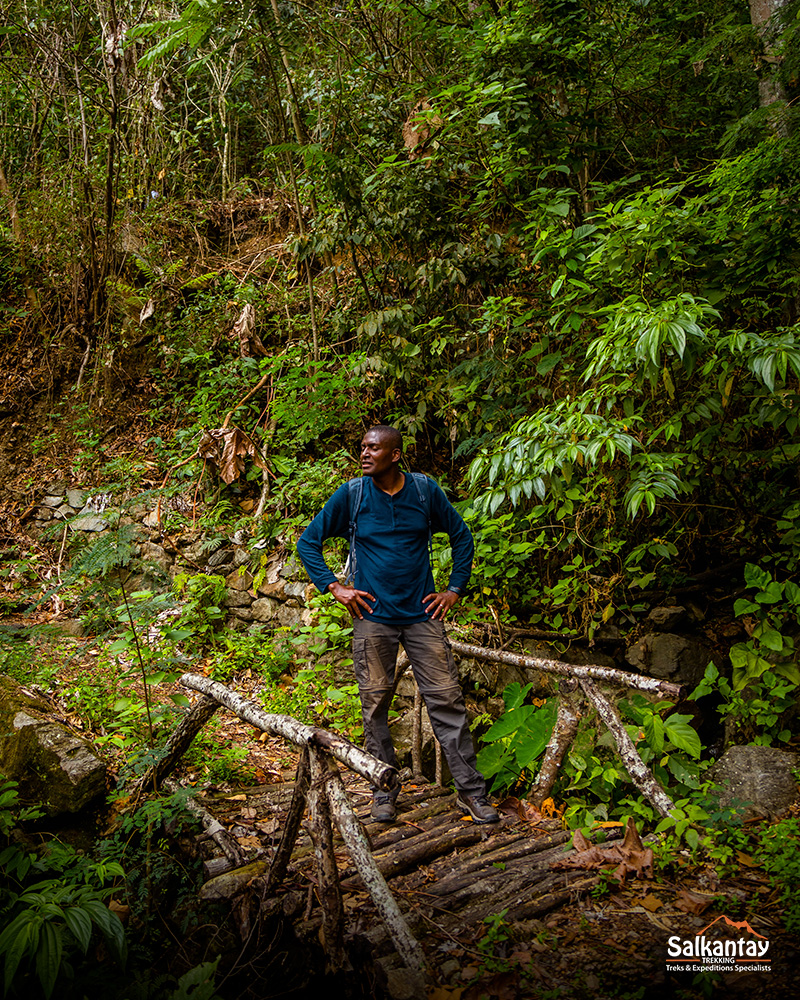
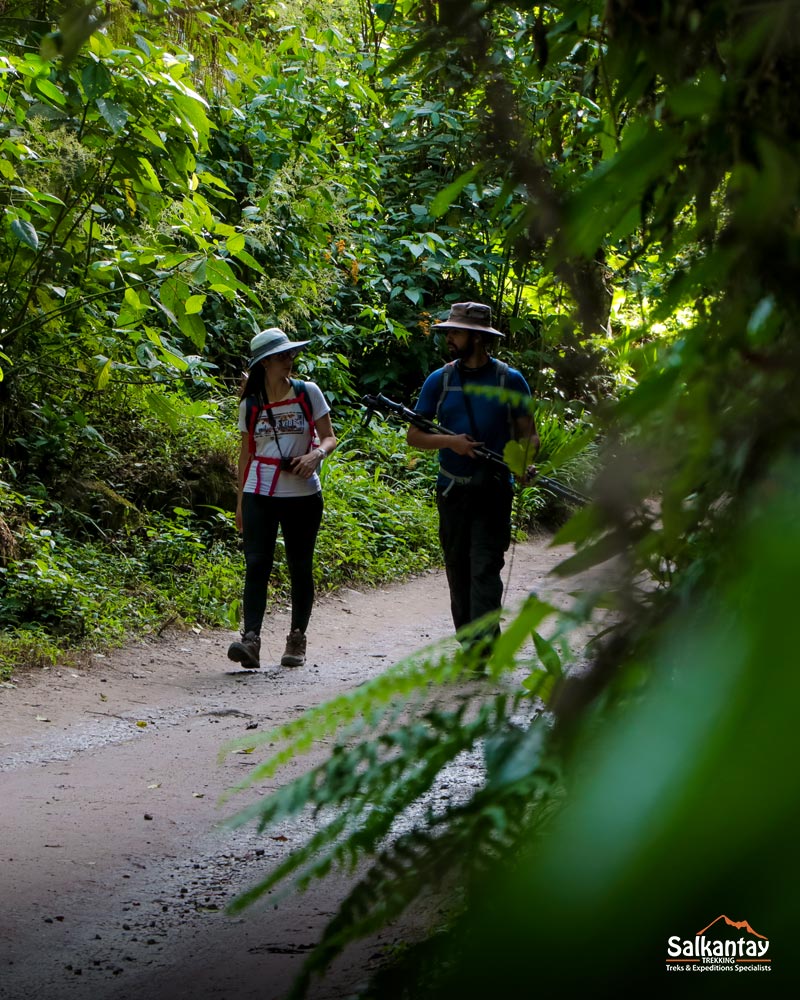
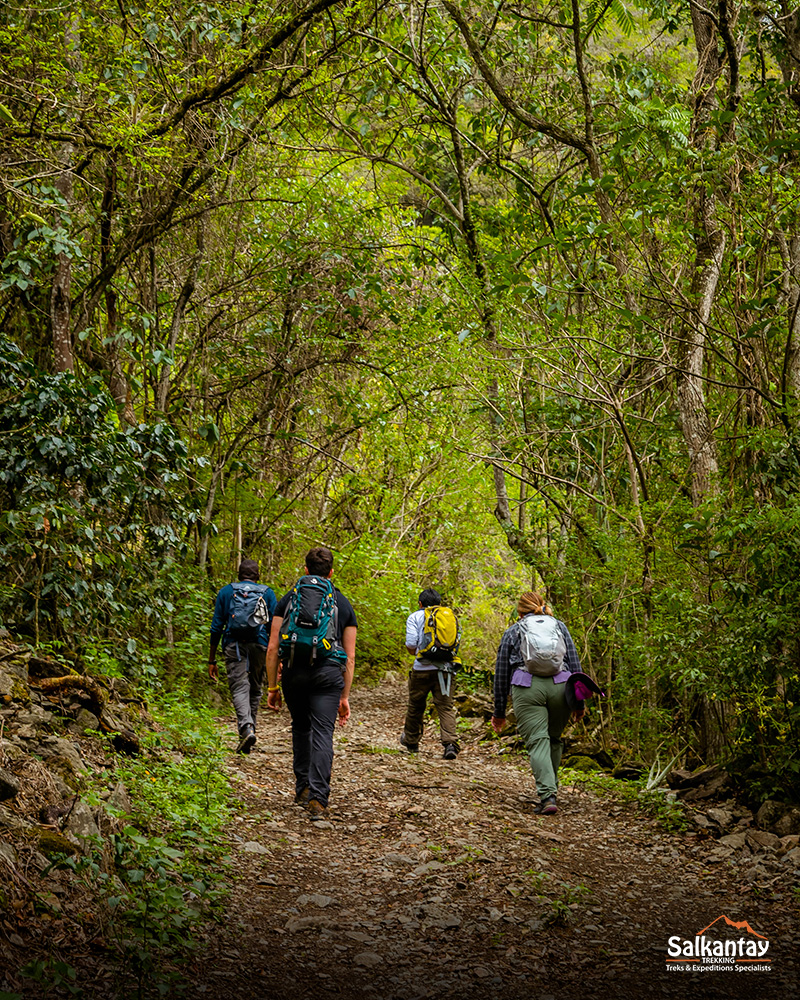
Hiking remains an essential part of the Inca Jungle Trek, but walking this route feels different from a classic high-altitude trek. Instead of spending the entire route in cold mountain environments, you move through warmer valleys, cloud forest trails, rural areas, and tropical landscapes.
The route may include views of rivers, plantations, forest-covered slopes, and local communities. This gives the trek a more cultural and natural rhythm. You are not only moving toward Machu Picchu; you are also discovering another side of Cusco that many travelers miss.
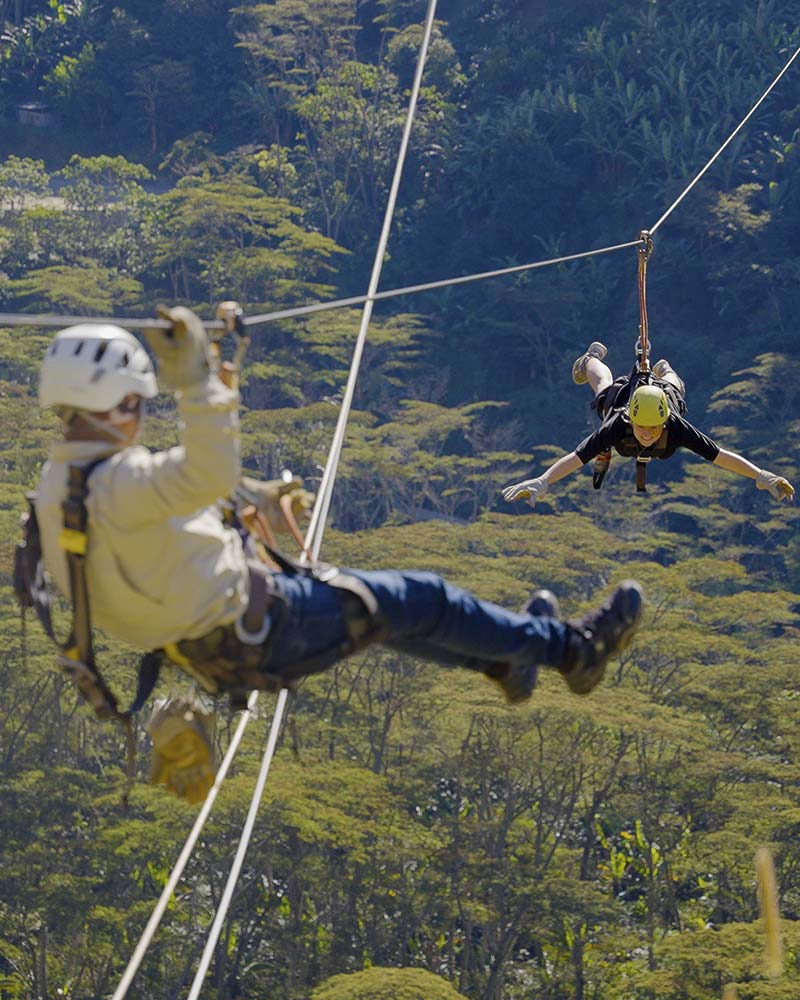
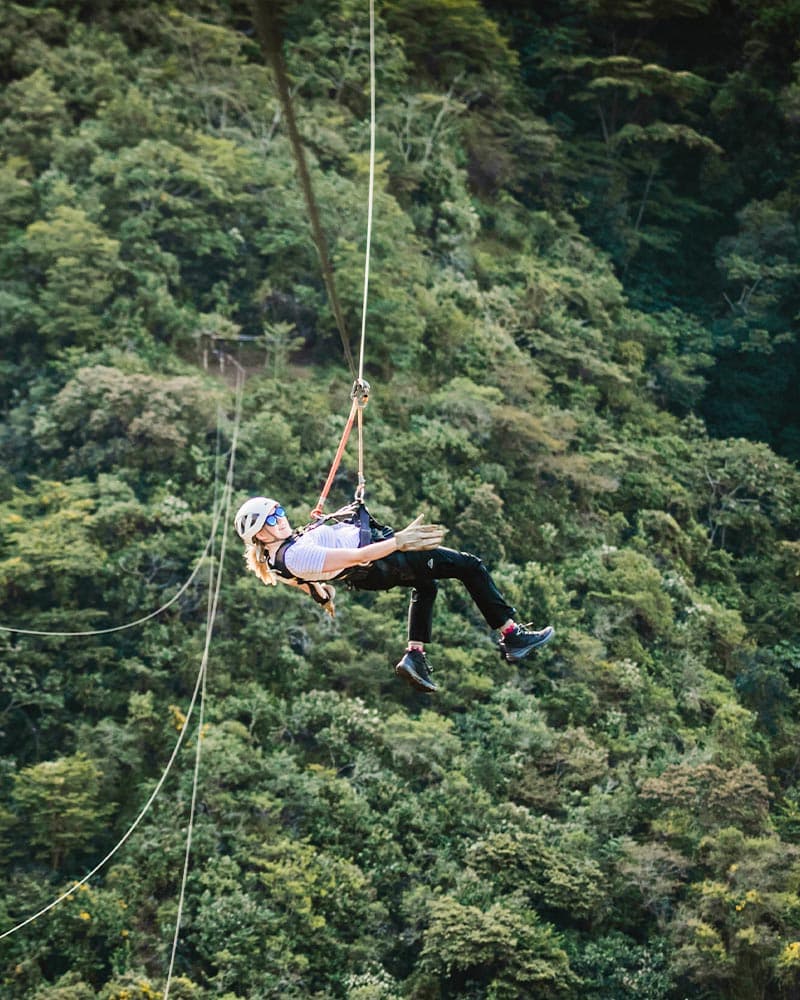
Ziplining Near Santa Teresa
Ziplining is another popular optional activity, usually offered near Santa Teresa. It is designed for travelers who want an additional adventure before continuing toward Aguas Calientes.
Like rafting, ziplining may or may not be included in the base price of a tour. Some travelers love adding it, while others prefer to skip it and continue with the regular itinerary. That flexibility is part of what makes the Inca Jungle Trek appealing.

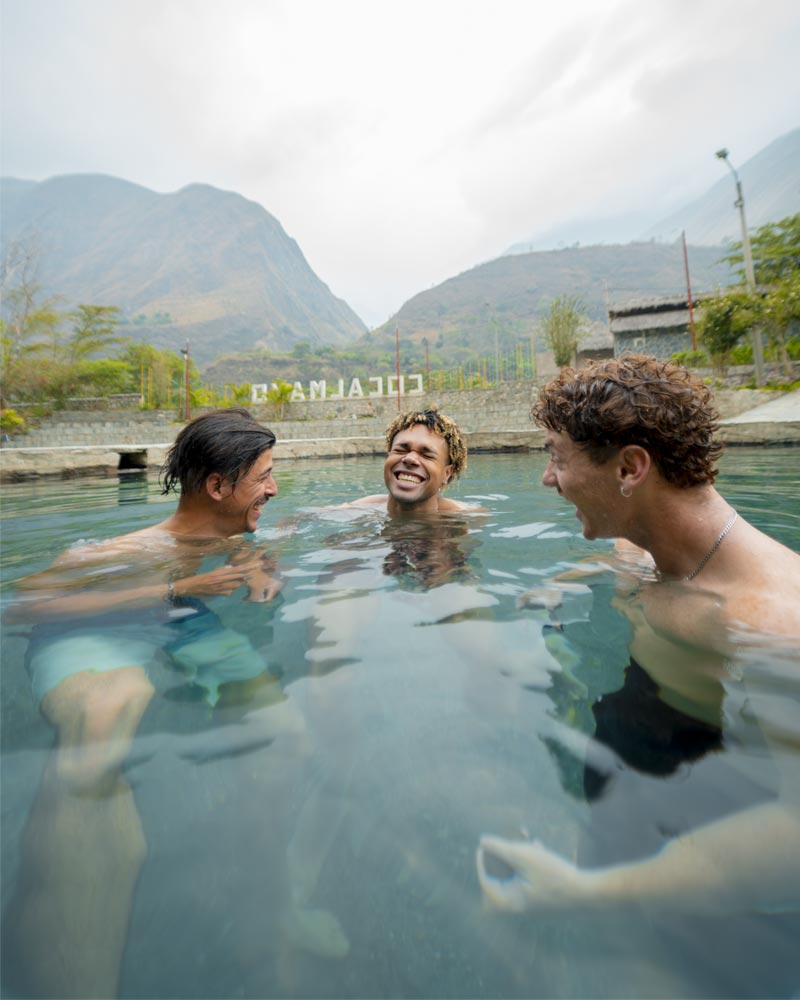
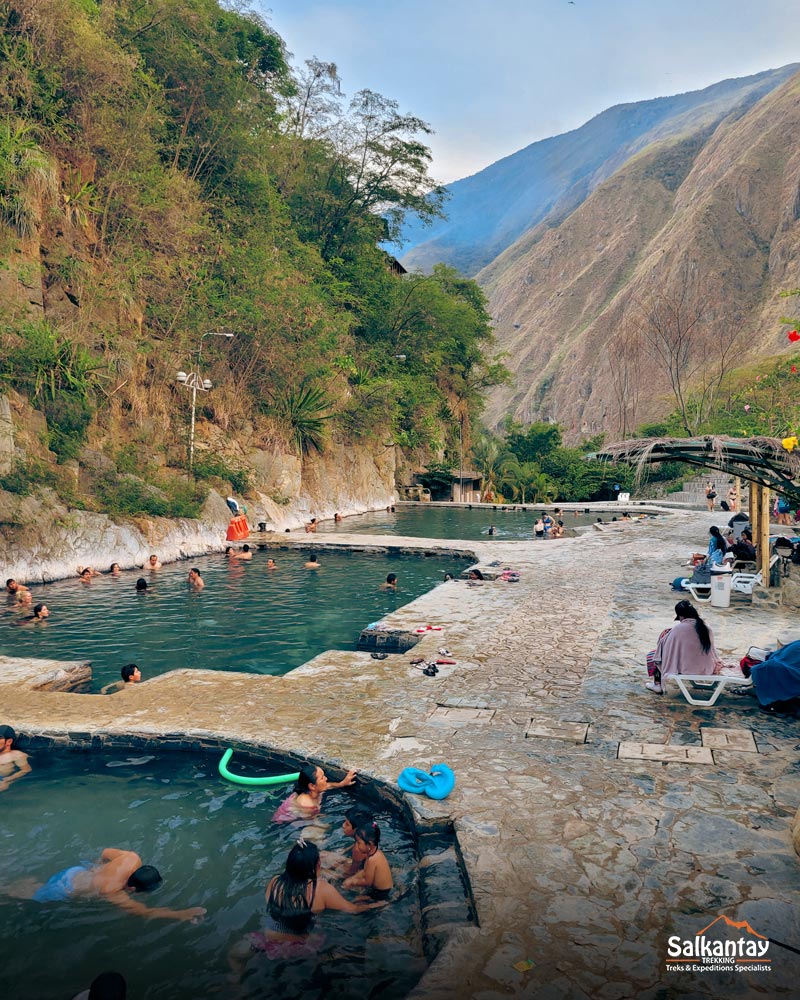
Cocalmayo Hot Springs
The Cocalmayo Hot Springs are one of the most relaxing stops of the journey. After biking, hiking, and possibly rafting or ziplining, the hot springs offer a very welcome break in a beautiful natural setting near Santa Teresa.
This is a great moment to recover, enjoy the warm pools, and slow down before the final approach to Machu Picchu. For many travelers, Cocalmayo becomes one of the most memorable parts of the experience.
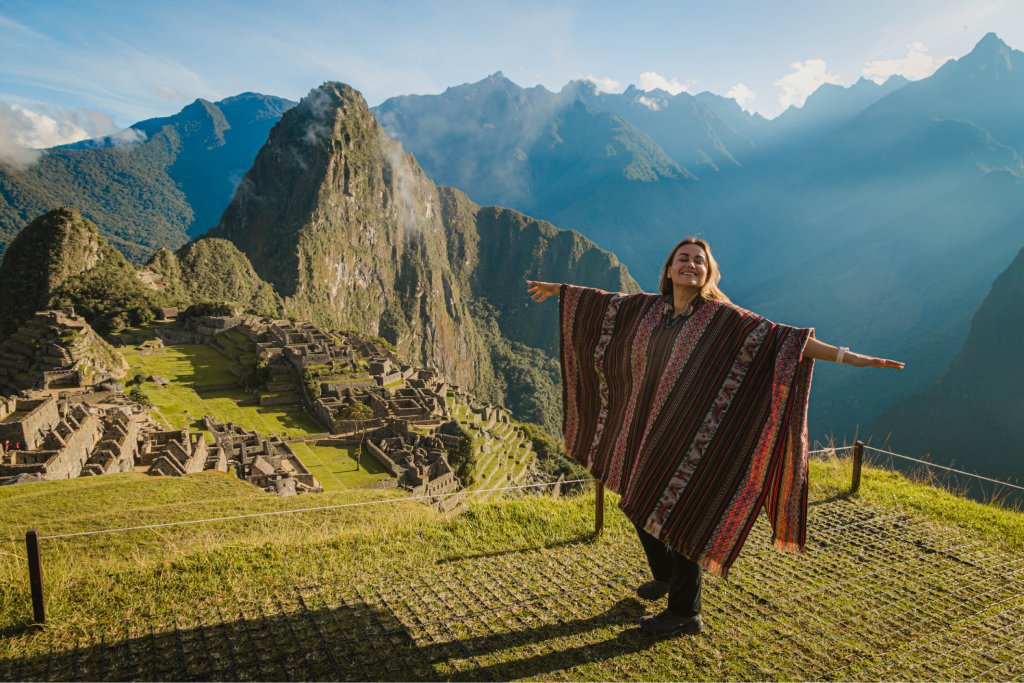
Machu Picchu: The Final Reward
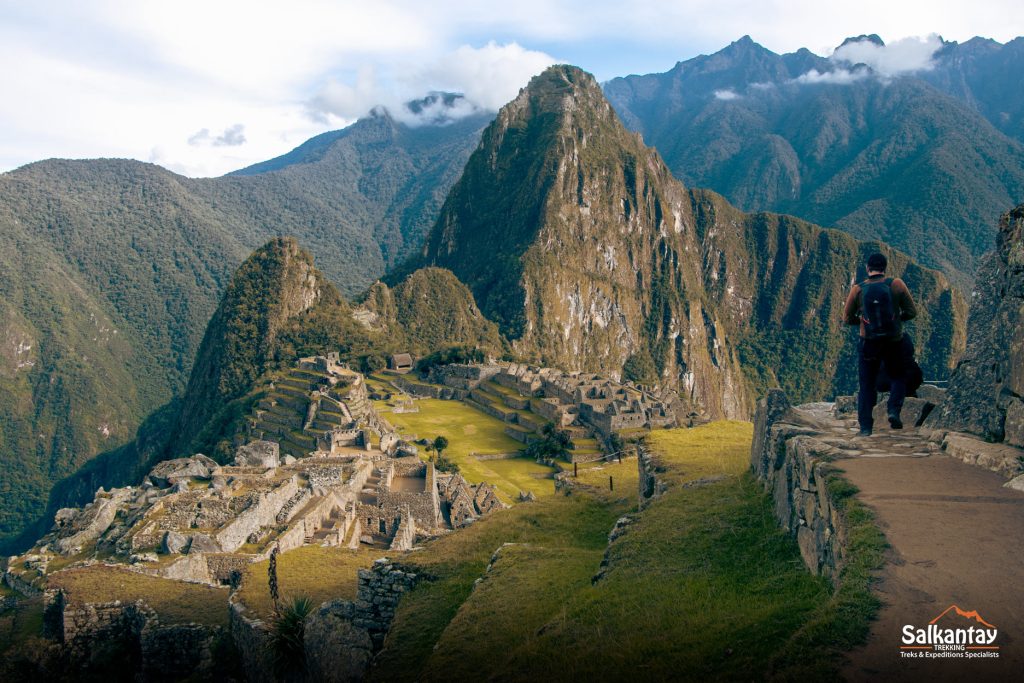
The final reward of the Inca Jungle Trek is Machu Picchu. After several days of movement, adventure, and changing landscapes, the itinerary ends with a guided visit to the Inca citadel.
This last day gives the whole journey its full meaning: you arrive at Machu Picchu after crossing valleys, roads, rivers, towns, and cloud forest trails. That combination makes the arrival at the sanctuary feel much more special and personal.
Classic 4-Day Inca Jungle Trek Itinerary
Most classic Inca Jungle Trek itineraries last 4 days and 3 nights. Details may vary depending on the operator, weather, activity availability, and return option, but the general structure usually follows this route.
Day 1: Cusco – Abra Málaga – Santa María
The adventure generally begins early in Cusco with a vehicle ride to Abra Málaga. From this high point, the downhill biking section begins, taking you from high-Andean areas toward warmer valleys.
After the biking activity, the journey continues to Santa María. Depending on the package and conditions, rafting may be available in this area. The day usually ends with dinner and an overnight stay in Santa María or nearby.
Day 2: Santa María – Santa Teresa
The second day focuses more on hiking. You move through tropical landscapes, rural roads, and areas where the vegetation becomes greener and denser. This is the day when many travelers begin to feel the jungle side of the route more strongly.
Along the way, you may see local farms, fruit trees, coffee-growing areas, rivers, and mountain views. The day usually ends near Santa Teresa, where travelers can rest and, depending on the itinerary, enjoy the Cocalmayo Hot Springs.
Day 3: Santa Teresa – Hidroeléctrica – Aguas Calientes
The third day may include optional ziplining near Santa Teresa before continuing toward Hidroeléctrica. From there, many itineraries include a walk along the train tracks toward Aguas Calientes.
This section feels like the final approach to Machu Picchu. The landscape is lush, the weather is warmer, and the anticipation grows as you get closer to the town located below the Inca citadel.
Once in Aguas Calientes, travelers usually spend the night and prepare for the early visit to Machu Picchu the next morning.
Day 4: Machu Picchu – Cusco
The final day begins with the visit to Machu Picchu. Depending on your entrance time and assigned circuit, you will explore the archaeological site with your guide and learn about its history, architecture, and cultural importance.
After the visit, you will return to Cusco according to the option included in your tour. Some packages use train service for part of the return, while others may include a vehicle route. This is one of the details you should confirm before booking.
Where Do You Sleep During the Inca Jungle Trek?
In most itineraries, accommodation is in basic guesthouses or local lodgings in Santa María, Santa Teresa, and Aguas Calientes. It is not usually a camping route like some Salkantay or Inca Trail programs.
Comfort can vary depending on the operator, so it is worth checking whether the room is private or shared, whether it includes a private bathroom, what type of lodging is used each night, and what services are included. This detail can make a big difference in your experience, especially after active days of biking, hiking, and adventure activities.
What Is the Return to Cusco Like?
The return can vary depending on the package booked. Some tours include a train from Aguas Calientes or Ollantaytambo and then transportation to Cusco. Others use the Hidroeléctrica route by vehicle, which is usually more affordable but also longer and more tiring.
Before booking, confirm the type of return, the approximate duration, whether the train is included, whether there are additional transfers, and what the final drop-off point in Cusco will be. A tour may seem cheaper at first, but the comfort level can change significantly depending on this part of the logistics.
How Difficult Is the Inca Jungle Trek?
The Inca Jungle Trek is generally considered a moderate adventure route. It does not require advanced trekking experience, but travelers should feel comfortable with hiking, downhill biking, humid weather, and several active days before reaching Machu Picchu.
It is not as physically demanding as some high-altitude treks, but it still requires energy, balance, and a positive attitude toward adventure. You will have long days, changing weather, and activities that require attention.
Physical Difficulty
Physically, the Inca Jungle Trek is moderate. You should be able to walk for several hours, handle warm and humid conditions, and stay active for several days.
The route normally does not involve the same altitude challenge as the Salkantay Trek, but that does not mean it is effortless. The combination of biking, hiking, heat, humidity, and early mornings can still feel demanding, especially if you are not used to active trips.
Good preparation helps a lot. You do not need to train like an athlete, but walking regularly, doing light cardio, and strengthening your legs with simple exercises can help you enjoy the experience much more.
Technical Difficulty
The technical difficulty depends mainly on the adventure activities. Downhill biking requires control, concentration, and confidence on a bike. Rafting and ziplining require you to follow safety instructions and use the proper equipment.
You do not need previous rafting or ziplining experience for most standard tours, but you should be willing to listen carefully and respect your guide’s instructions. The safest experience comes from choosing a responsible operator with good equipment and trained staff.
Who Should Avoid This Route?
The Inca Jungle Trail may not be ideal for travelers who do not enjoy adventure activities or who feel very uncomfortable with biking, rafting, or heights. It may also not be the best option for people who want a quiet cultural route with minimal physical activity.
If your main dream is to walk along ancient Inca stone paths, the Inca Trail may be a better fit for you. If you want dramatic high-altitude landscapes and a more intense mountain challenge, the Salkantay Trek may be a better option.
But if you want an active route with variety, tropical landscapes, and a more adventurous pace, the Inca Jungle Trek is an excellent choice.
Is the Inca Jungle Trek Safe?
The Inca Jungle Trek can be safe when you travel with a responsible operator, use the right equipment, follow your guide’s instructions, and understand the nature of the activities. Like any adventure experience, it involves a certain level of risk, especially during biking, rafting, and ziplining.
The key is not to eliminate every risk, but to manage them well.
Safety During Downhill Biking
During the downhill biking section, safety depends on the condition of the bikes, the quality of the equipment, the route, the guide’s instructions, and your own level of control.
Before starting, your guide should explain how to brake, how to keep distance from other cyclists, how to handle curves, and what to do if you feel uncomfortable. You should wear a helmet and any additional protective gear provided to you.
You do not need to go fast to enjoy this section. The goal is not to compete. The goal is to descend safely while enjoying the landscape.
Safety During Rafting and Ziplining
Rafting and ziplining should always depend on conditions. A professional operator will consider the weather, river level, equipment, staff training, and traveler safety before confirming these activities.
If rafting or ziplining is optional, do not feel pressured to participate. You can still enjoy the Inca Jungle Trek without doing every extra activity. The best tour is not the one with the most adrenaline; it is the one that matches your comfort level.
Do You Need Previous Experience?
No, in general, you do not need previous experience to do the Inca Jungle Trek. Many travelers complete the route without having done rafting tours, ziplining, or downhill biking before.
However, you should have a basic fitness level, feel comfortable with active trips, and be willing to follow instructions. If you are unsure about any activity, ask questions before booking and before the activity begins.
Best Time to Do the Inca Jungle Trek
The best time to do the Inca Jungle Trek is usually during the dry season, from May to October, when rain is less frequent and conditions are generally better for hiking, biking, and visiting Machu Picchu.
However, because the route moves from the Andes toward the cloud forest, the weather can change along the way. You should always prepare for both sun and rain.
Dry Season: May to October
The dry season is the most popular time to do the Inca Jungle Trek. During these months, travelers usually find clearer skies, more stable trail conditions, and a lower chance of heavy rain.
This season is especially good if you want better conditions for biking and hiking. It is also one of the busiest periods for visiting Machu Picchu, so booking in advance becomes important.
Rainy Season: November to April
The rainy season brings greener landscapes and a more tropical feeling, but it also increases the possibility of mud, slippery trails, route changes, and weather-related adjustments.
Activities such as biking and rafting may depend much more on conditions during these months. Some travelers enjoy the lush scenery, but you should be flexible and prepared with proper rain gear.
Shoulder Months: April, May, September, and October
The shoulder months can offer a good balance between weather, scenery, and the number of travelers. April and May often bring greener landscapes after the rainy season, while September and October can still offer good conditions before the heavier rains return.
If you want a slightly quieter experience without giving up pleasant weather, these months are worth considering.
Travel tip: the weather can change quickly as you descend from the Andes into the cloud forest. To plan your trip better, also check our guide on the best time to visit Machu Picchu.
What to Pack for the Inca Jungle Trek
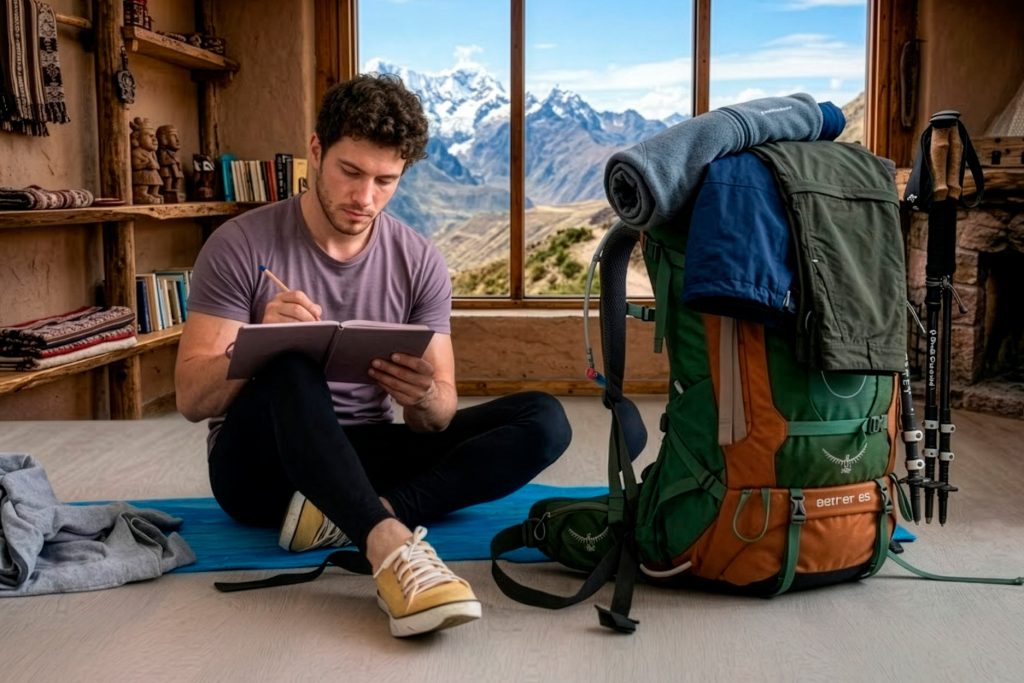
Packing for the Inca Jungle Trek can feel confusing because the adventure combines mountain weather, cloud forest landscapes, outdoor activities, and the final visit to Machu Picchu. You do not need to bring too much, but you do need the right items.
The goal is to pack light, stay comfortable, and be prepared for changing conditions.
Essential Clothing
Bring lightweight trekking clothes that dry quickly. Since the route enters warmer and more humid areas, breathable clothing will help you stay comfortable during the day.
You should also bring a waterproof jacket or poncho, a light warm layer for cooler moments, and clothing you can use for the hot springs. Avoid heavy cotton clothing because it takes longer to dry.
Useful clothing items include:
- Lightweight trekking pants or shorts
- Breathable T-shirts
- Waterproof jacket or poncho
- Light fleece or jacket
- Swimsuit for Cocalmayo
- Extra socks
- Comfortable clothes for the evenings
Footwear
Good footwear is important. You do not necessarily need heavy mountain boots, but you do need comfortable shoes with good grip. The route may include wet sections, mud, or uneven terrain, especially during the rainy season.
Choose shoes that are already broken in. New footwear can cause blisters and make the trek less enjoyable.
Personal Items
Some personal items are especially important because of the cloud forest climate and the adventure activities. Bring insect repellent, sunscreen, sunglasses, a reusable water bottle, basic toiletries, personal medication, and cash in small bills.
You should also bring your passport, as you will need it for Machu Picchu and for trip logistics.
What Not to Bring
Avoid overpacking. Heavy luggage makes the experience more uncomfortable and limits your mobility. You should also avoid valuables, unnecessary electronics, or any restricted items at Machu Picchu.
For the final visit, remember that Machu Picchu has its own entry rules. Large backpacks, drones, tripods, alcohol, sharp objects, and other restricted items are not allowed inside the archaeological site. Before your visit, always check the updated official regulations, as entry rules may change.
Packing tip: because this route combines mountain weather, cloud forest landscapes, and adventure activities, it is important to prepare well. Check our Machu Picchu packing list before your trip.
What Is Usually Included in an Inca Jungle Trek Tour?
Inclusions can vary a lot between operators, so this is one of the most important things to check before booking. Two tours may seem similar at first, but the details can be very different.
Before choosing an Inca Jungle Trek tour, look beyond the title and compare what is actually included.
Common Inclusions
Many Inca Jungle Trek tours usually include transportation from Cusco, a professional guide, accommodation, some meals, bike equipment, basic activity coordination, Machu Picchu entrance according to the package, and return logistics.
Some tours may also include train service for part of the return, while others use a more affordable vehicle route. This difference can affect both the price and the comfort level.
Common Extras or Optional Costs
Rafting, ziplining, the Cocalmayo Hot Springs, some meals, snacks, drinks, accommodation upgrades, more comfortable transportation options, tips, and certain additional services may not always be included.
That does not mean a tour is bad. It simply means you need to clearly understand the package before booking. A cheaper tour can end up being more expensive if several important experiences are not included.
How Much Does the Inca Jungle Trek Cost?
The price of the Inca Jungle Trek varies depending on the duration, type of accommodation, included activities, Machu Picchu ticket, return by train or vehicle, and group size.
As a reference, a 4-day Inca Jungle Trek usually costs between US$350 and US$700 per person in group service, while more complete, private, or better-accommodation options can exceed US$800 or US$900. Some budget tours may look attractive at first, but if they do not include rafting, ziplining, Cocalmayo, the train, Machu Picchu entrance, or some meals, the final cost can increase.
That is why, rather than comparing only the price, you should compare the full value of the package: what it includes, what it does not include, what the return will be like, what type of accommodation you will have, and whether the main activities are already covered. This will help you avoid surprise expenses during the trip.
What to Check Before Booking
Before confirming your tour, ask about:
- Machu Picchu entrance ticket
- Included or planned Machu Picchu circuit
- Machu Picchu entrance time
- Bike equipment
- Whether rafting is included or has an optional cost
- Whether ziplining is included or has an optional cost
- Entrance to the Cocalmayo Hot Springs
- Included meals
- Type of accommodation
- Return by train, vehicle, or both
- Group size
- Cancellation policy
- Safety equipment and guide experience
Confirm which Machu Picchu circuit is included. Currently, visits are organized by specific circuits and routes, so the experience can vary a lot depending on the ticket assigned. If you want the classic view or a more complete route inside the archaeological site, verify this before paying.
A good operator should answer these questions clearly. If the information is vague, ask again before paying.
Inca Jungle Trek vs. Salkantay Trek vs. Inca Trail
Many travelers compare the Inca Jungle Trek with the Salkantay Trek and the Inca Trail before choosing a route to Machu Picchu. The best option depends on your travel style, fitness level, interests, and expectations.
| Route | Ideal for | Difficulty | Main experience | Permits | Landscape |
|---|---|---|---|---|---|
| Inca Jungle Trek | Adventurous travelers | Moderate | Biking, hiking, rafting, ziplining, hot springs | Machu Picchu ticket required | Andes and cloud forest |
| Salkantay Trek | Mountain lovers | Moderate to challenging | High-altitude trekking and dramatic landscapes | Machu Picchu ticket required | Glaciers, valleys, and jungle |
| Inca Trail | History and culture lovers | Moderate to challenging | Ancient Inca paths and archaeological sites | Special permit required | Andes, cloud forest, and ruins |
Choose the Inca Jungle Trek If…
Choose the Inca Jungle Trek if you want an adventure with variety, warmer landscapes, and several experiences in one trip. It is ideal if you like the idea of biking, hiking, hot springs, and optional rafting or ziplining before reaching Machu Picchu.
This is an excellent option for travelers who want movement, energy, and a less traditional approach.

Choose the Salkantay Trek If…
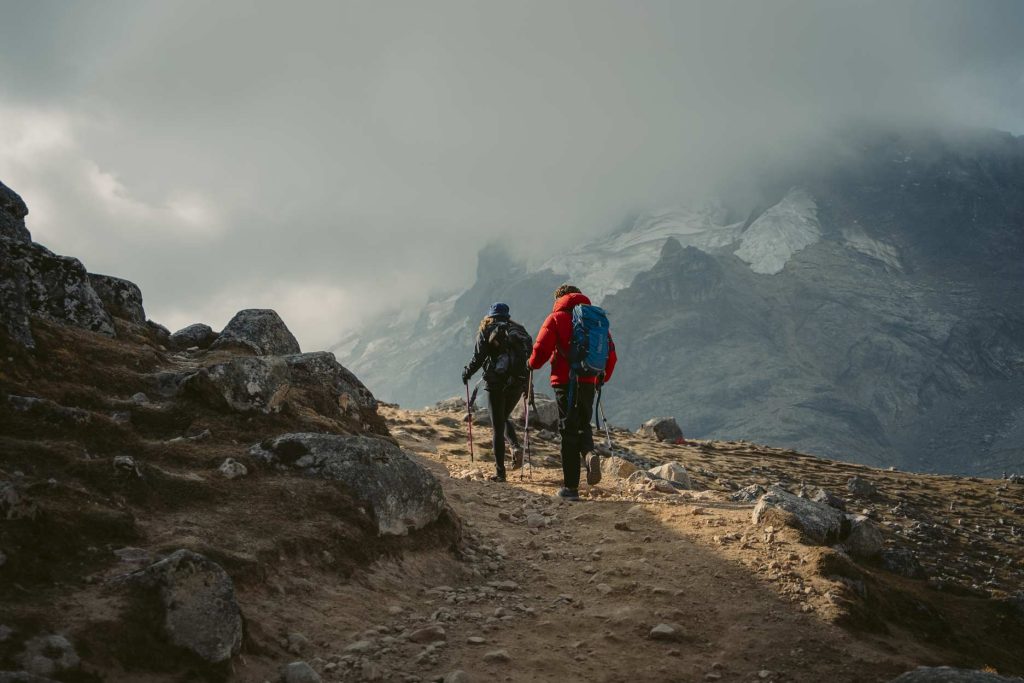
Choose the Salkantay Trek if you want a more intense mountain experience. This route is better for travelers who dream of high-altitude landscapes, glaciers, valleys, and a more physically demanding journey.
Salkantay is less about adventure activities and more about the majesty of the mountains and the connection with them.
Choose the Inca Trail If…
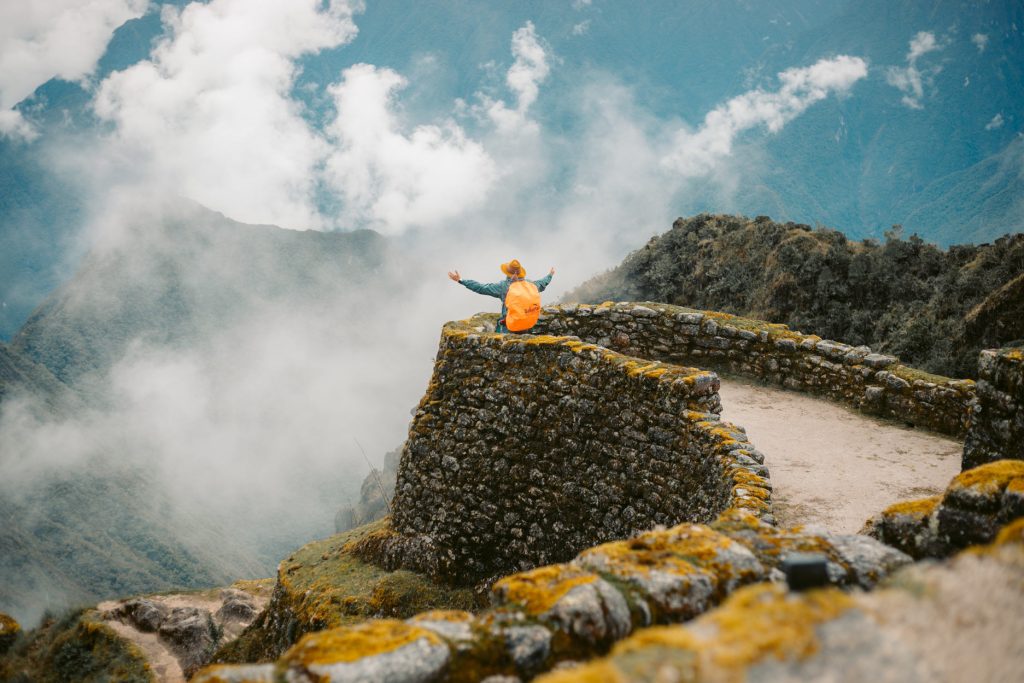
Choose the Inca Trail if your main interest is history, archaeology, and walking along original Inca paths. This route is more regulated and requires an advance permit, but it offers a unique cultural experience.
It is the best option for travelers who want the most traditional trekking route to Machu Picchu.
Recommendation: if you want the most dynamic experience, with biking, hiking, optional rafting, ziplining, hot springs, and Machu Picchu, the Classic Inca Jungle Trek may be the best alternative for you.
Is the Inca Jungle Trek Worth It?
Yes, the Inca Jungle Trek is worth it if you want to reach Machu Picchu in a more active, varied, and adventurous way. It is not the most archaeological route like the Inca Trail or the most mountainous like Salkantay, but it combines biking, hiking, cloud forest, hot springs, and optional activities in one experience.
This route is especially worth it for travelers who want to combine adrenaline, nature, local culture, relaxation, and Machu Picchu in a single itinerary.
Main Reasons Travelers Choose This Route
Travelers choose the Inca Jungle Trek because it offers:
- Several experiences in one trip
- A mix of Andean and jungle landscapes
- A more adventurous alternative to Machu Picchu
- Optional rafting and ziplining
- A visit to the Cocalmayo Hot Springs
- A moderate difficulty level
- A final visit to Machu Picchu
- An experience different from the classic routes
If you want your journey to Machu Picchu to feel active from beginning to end, this adventure offers exactly that.
Tips Before Booking the Inca Jungle Trail
Before booking the Inca Jungle Trail, take the time to understand the details. This route involves more logistics than a simple tour because it combines transportation, adventure activities, hiking, accommodation, meals, and entrance to Machu Picchu.
The better you understand the package, the better your experience will be.
Carefully Review the Included Activities
Not all tours include rafting, ziplining, or the Cocalmayo Hot Springs. Some operators include them within the package, while others offer them as optional extras.
Ask before booking so you know exactly what the price includes.
Ask About Machu Picchu Tickets
Always confirm whether the Machu Picchu entrance ticket is included. Also ask about the planned circuit, entrance time, and whether it is possible to add options such as Huayna Picchu or Machu Picchu Mountain.
This is one of the most important details of the entire trip because the assigned circuit can change the way you explore the archaeological site.
Choose the Right Season
If you want better weather conditions for biking, hiking, and visiting Machu Picchu, the dry season, from May to October, is usually the best option. If you prefer greener landscapes and fewer crowds, some rainy-season or shoulder-season months can still work, but you need to be flexible.
Travel Light
Pack only what you need. The Inca Jungle Trek involves movement, warm weather, and several active days, so heavy luggage can quickly become uncomfortable.
Focus on lightweight clothing, good footwear, rain protection, insect repellent, sunscreen, a swimsuit, documents, and essential items.
Book With a Trekking Specialist Operator
A trekking specialist operator can make a big difference, especially on a route that includes biking, hiking, optional rafting, ziplining, hot springs, transportation, and Machu Picchu logistics.
Good organization helps you enjoy the adventure without worrying about every detail. It also gives you clearer information about inclusions, safety, tickets, schedules, and route conditions.
If you already know this is the adventure route for you, explore our Inca Jungle Trek to Machu Picchu and check available departures, inclusions, and itinerary details.
Frequently Asked Questions About the Inca Jungle Trek
Going with a guide is highly recommended because the route involves logistics, transportation, adventure activities, Machu Picchu tickets, and coordination through several towns and landscapes.
The classic Inca Jungle Trek usually lasts 4 days and 3 nights. Some agencies offer 3-day versions, but the 4-day itinerary allows you to better enjoy the biking, hiking, hot springs, optional activities, and final visit to Machu Picchu.
No. The Inca Jungle Trek does not require the special Inca Trail permit. However, you do need a valid ticket to enter Machu Picchu, and the visiting circuit must be confirmed before the trip.
It has a moderate difficulty level. It does not require advanced trekking experience, but it does require a good basic fitness level, comfort with several active days, and willingness to do activities such as biking, hiking, optional rafting, or ziplining.
It normally includes downhill biking, hikes through cloud forest areas, a visit to Cocalmayo, and Machu Picchu. Depending on the operator, it may also include rafting and ziplining as optional or additional activities.
The best time is usually from May to October, during the dry season. April, September, and October can also be good shoulder months, with greener landscapes and a lower chance of heavy rain.
You should not bring large backpacks, food or cooking utensils, alcohol, illegal substances, tripods, selfie sticks, drones, umbrellas, trekking poles with metal tips, sharp objects, or any item that could damage the archaeological site or interrupt the visit. Always check the official rules before traveling, as they may be updated.
Conclusion: Is the Inca Jungle Trek Right for You?
The Inca Jungle Trek is one of the most exciting alternative routes to Machu Picchu because it combines adventure, nature, local culture, and relaxation in one journey. Instead of following only a trekking trail, you cross changing landscapes, bike down from the Andes, hike through tropical valleys, relax in hot springs, and end at one of the most iconic archaeological sites in the world.
If you want an active, varied, and different route from the classic way of reaching Machu Picchu, this adventure may be perfect for you. The Inca Jungle Trek gives you the chance to experience Cusco from another angle: more tropical, more dynamic, and full of moments that make the journey just as memorable as the destination.