
Machu Picchu Mountain offers one of the most sweeping views of the sanctuary, but only those who dare to climb its more than 1,600 steps get to see it.
The hike to its summit is one of the most impressive hikes within the sanctuary. It’s not the easiest route, but it is one of the most rewarding for those seeking a panoramic view, a physical challenge, and an experience different from the traditional visit. In this guide, you’ll discover what it is, how to get there, what ticket you need, how demanding the hike is, and whether it’s really worth including in your trip.
What is Machu Picchu Mountain?
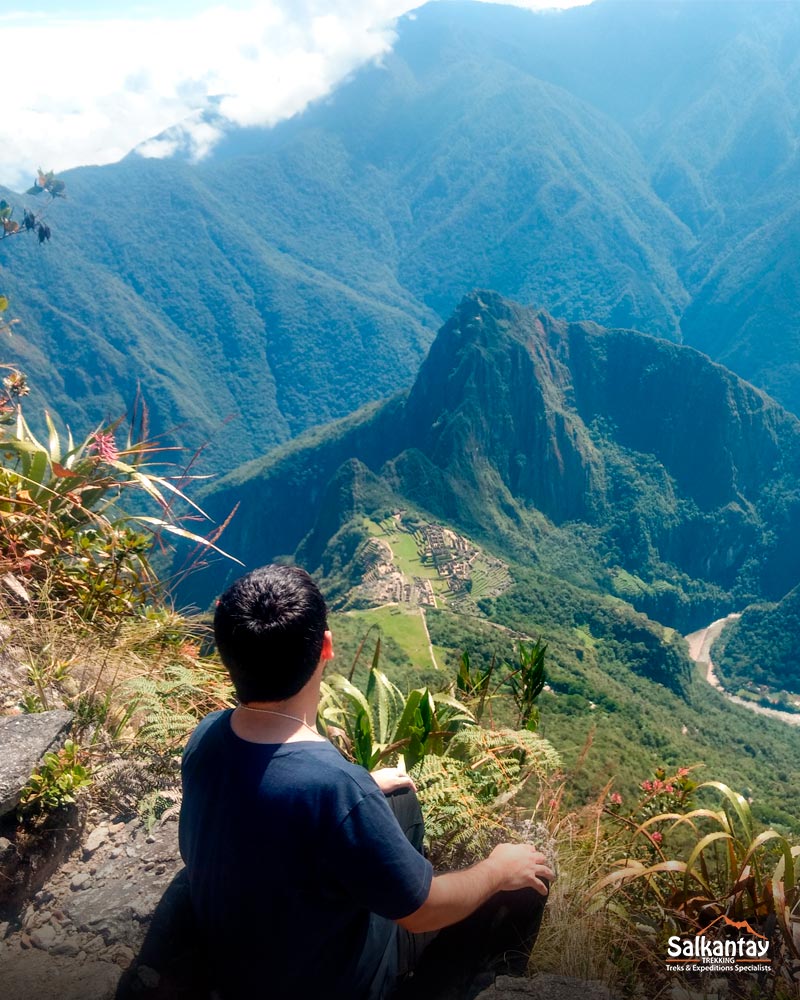
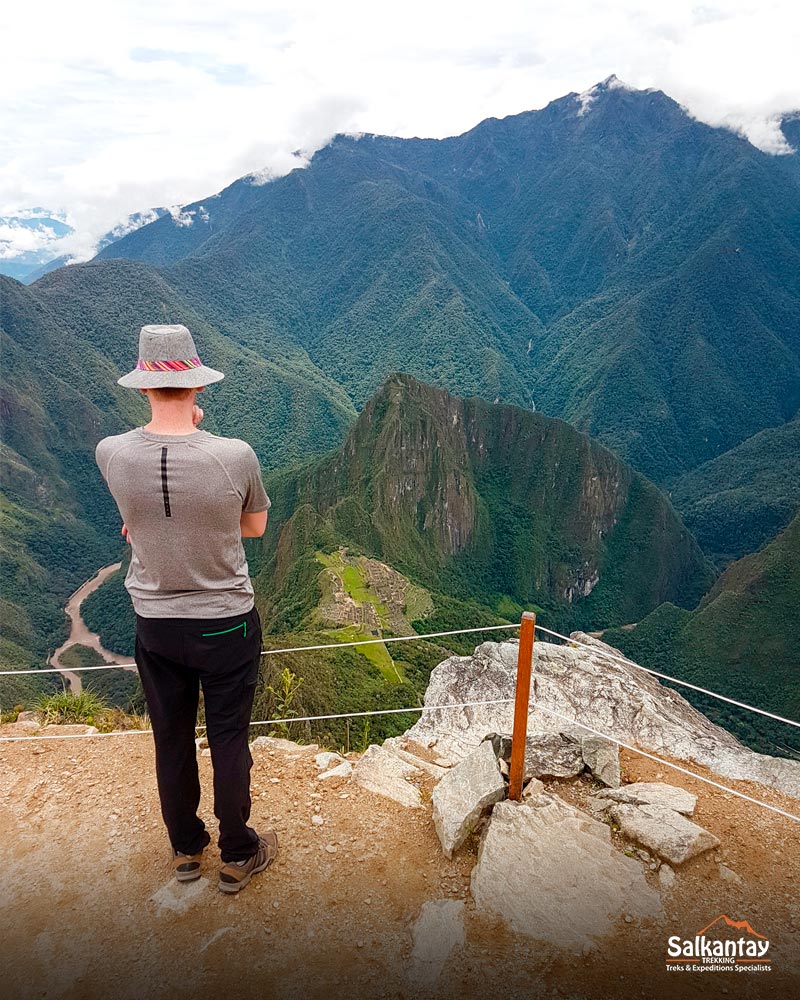
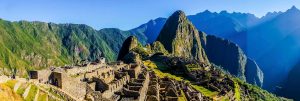
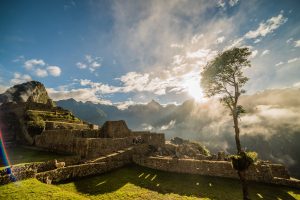
Machu Picchu Mountain is the highest peak within the Machu Picchu Historic Sanctuary. From its summit, you’ll enjoy one of the most spectacular views of the sanctuary, the Inca citadel, its terraces, the surrounding mountains, and the Urubamba River valley.
The name “Machu Picchu” comes from two Quechua words: machu, meaning “old,” and picchu, meaning “mountain” or “peak.” Therefore, its meaning is often interpreted as “old mountain.”


Are Machu Picchu and Machu Picchu Mountain the same thing?
No, they aren’t exactly the same. When we talk about Machu Picchu, we’re usually referring to the historic site with its terraces, paths, plazas, temples, and main areas.
Machu Picchu Mountain, on the other hand, is a specific mountain within the site. It’s located behind the citadel and has its own trail leading to the summit. From there, you can see Machu Picchu from above.
The confusion over the name has been around for a long time. The mountain was already called Machu Picchu before the citadel became famous. According to one of the best-known stories, when Hiram Bingham arrived in the area and asked about the name of the ruins, the farmer Melchor Arteaga thought he was asking about the mountain above. That is why he gave him the name of the mountain: Machu Picchu.
For that reason, to this day it is not known with absolute certainty what the original name of the Inca citadel was. What we do know is that, over time, the name Machu Picchu began to be used to refer to both the sanctuary and the mountain that gave it its name.
Where is Machu Picchu Mountain located?
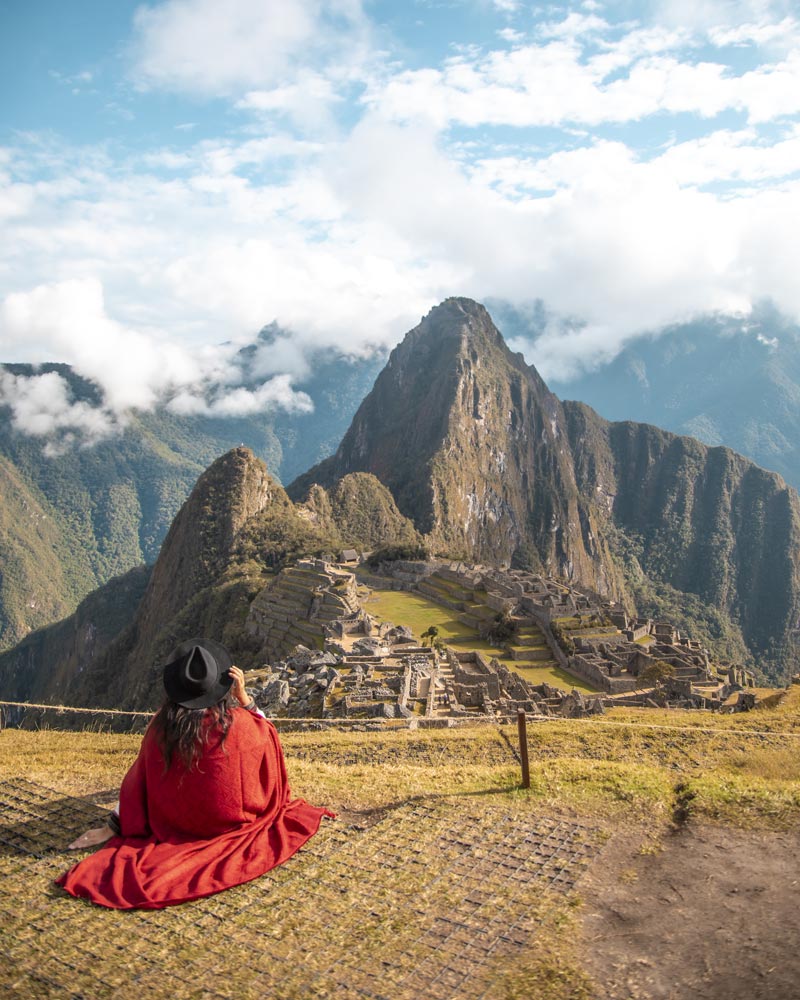
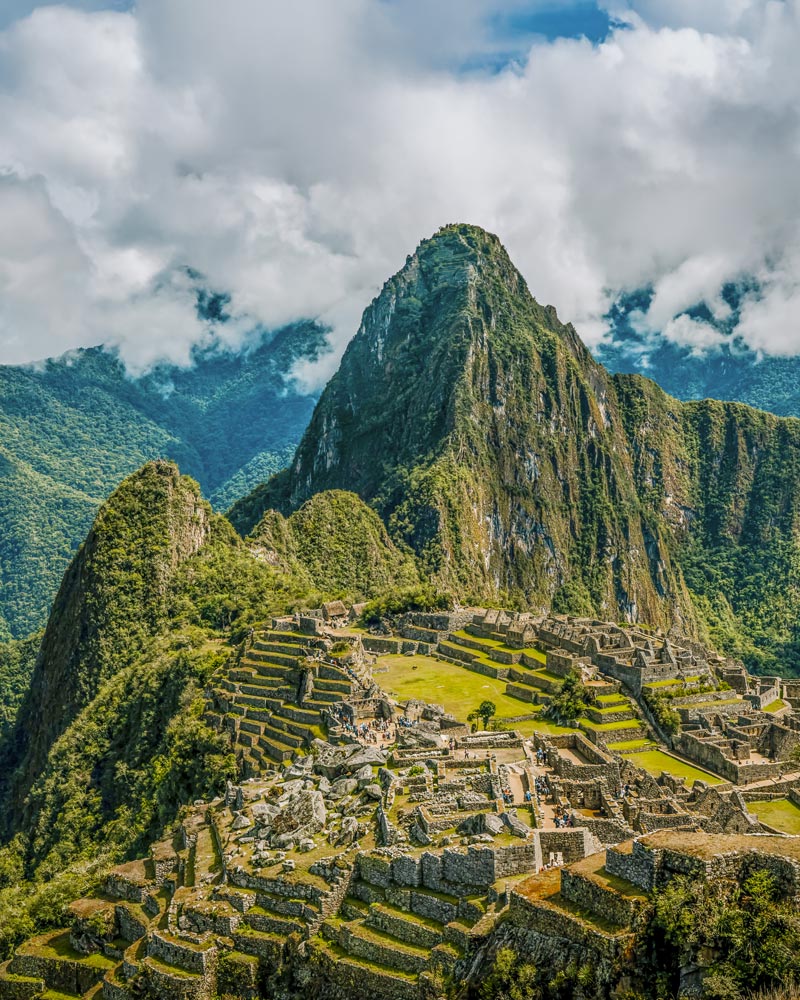
Machu Picchu Mountain is located south of the Machu Picchu citadel. Unlike Huayna Picchu and Huchuy Picchu, it doesn’t usually stand out in panoramic photos of the sanctuary, since these two mountains appear side by side and form part of the most recognizable image of Machu Picchu.
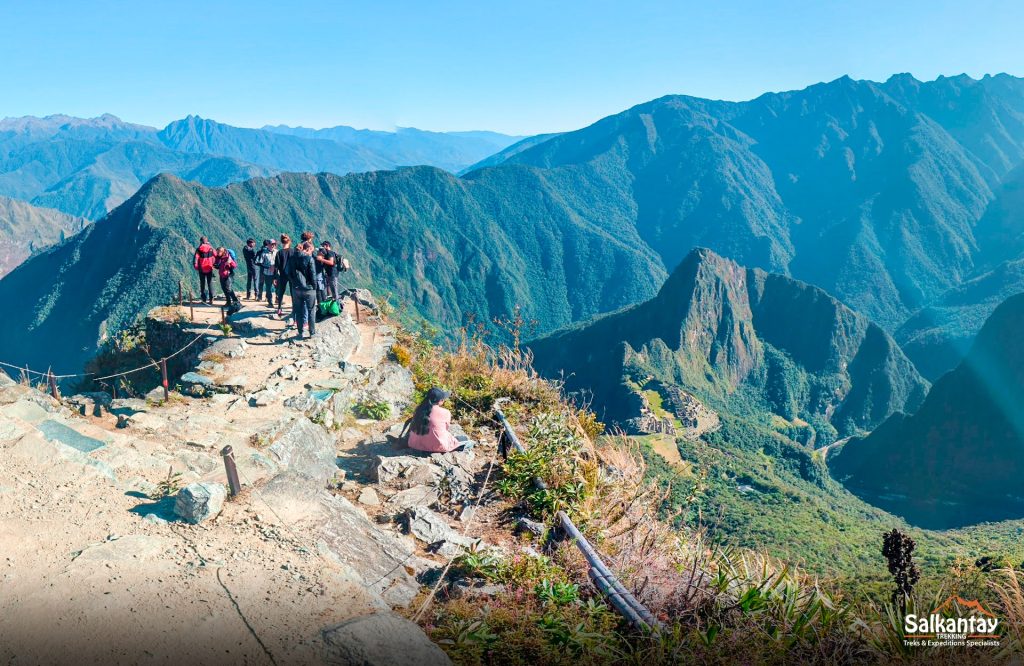
Machu Picchu Mountain is located on the opposite side and rises imposingly above the sanctuary. Therefore, although it does not always take center stage in traditional photos, from its summit it offers one of the most complete panoramic views of the entire citadel, the mountains, and the Urubamba River valley.
How to Get There?
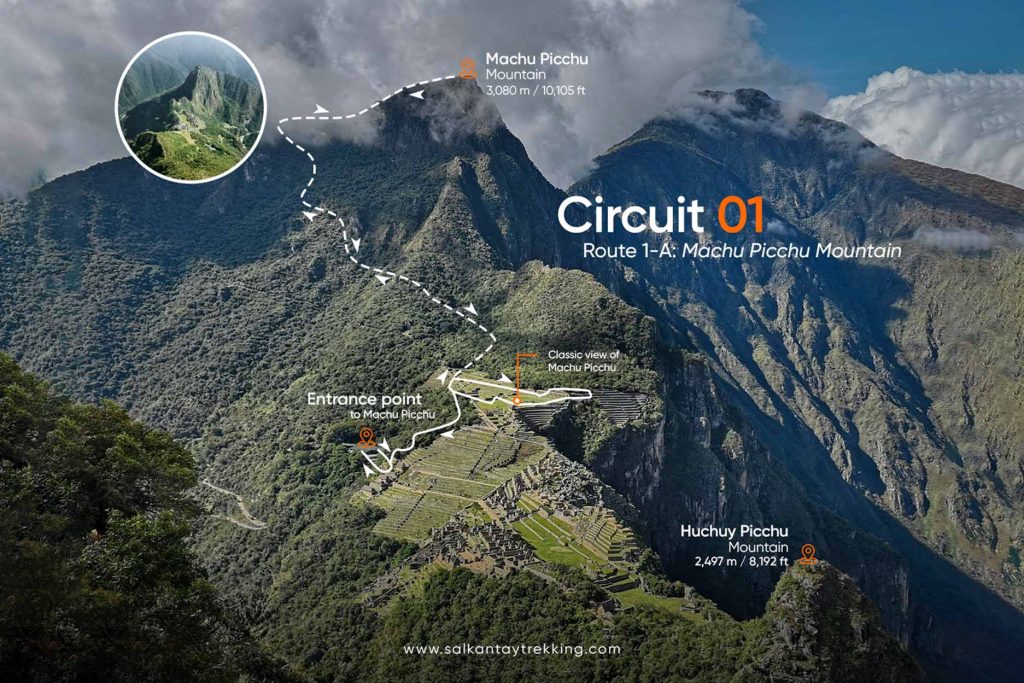
To take this hike, you must purchase the Route 1-A ticket: Machu Picchu Mountain Route. To reach the trailhead, you must first enter the sanctuary and ascend to the upper area of Machu Picchu, where the terraces and panoramic viewpoints are located.
From there, the route continues toward the southern sector of the upper platform until reaching the Machu Picchu Mountain checkpoint, where the ascent officially begins.
Elevation of Machu Picchu Mountain
Machu Picchu Mountain stands at 10,105 ft / 3,080 m a.s.l.. From the Machu Picchu citadel, located at 7,972 ft. / 2,430 m a.s.l., the hike gains approximately 2,133 ft. / 650 meters in elevation in a single ascent.
At first glance, this elevation gain may sound intimidating. It’s even normal to wonder: “Will I get altitude sickness from climbing so many meters in such a short time?” However, in most cases, the answer is no, especially if you’ve already acclimated in Cusco.
Although it may seem surprising, Machu Picchu Mountain is at a lower altitude than the city of Cusco, which is located at 11,150 feet / 3,399 m a.s.l.. Therefore, if you spent a few days in Cusco before your visit, you won’t experience symptoms of altitude sickness during this hike. If you acclimatized in the Sacred Valley, you might also experience some mild discomfort, but it’s usually minimal and manageable.
Is it recommended for people with a fear of heights?
Machu Picchu Mountain offers one of the highest and most impressive panoramic views of the entire sanctuary. In fact, its viewpoints are at a higher altitude than those of Huayna Picchu, so the sensation of height may be more intense.
If you suffer from severe acrophobia to the point of feeling uncomfortable even inside the citadel, this hike is probably not the best option for you. The experience can feel overwhelming and detract from your enjoyment of the visit.
If your fear of heights is moderate, you could take it as a personal challenge, provided you feel prepared and proceed at your own pace. The key is to know your own limits and not push yourself too hard.
On the other hand, if you only feel a slight discomfort with heights and love panoramic views, Machu Picchu Mountain can be an excellent choice. It is a demanding hike, yes, but also very rewarding for those seeking a broader, elevated, and peaceful perspective of Machu Picchu.
Is it worth climbing Machu Picchu Mountain?
Yes, it’s definitely worth climbing Machu Picchu Mountain, especially if you’re looking for a broader, quieter, and higher panoramic view of the entire Historic Sanctuary.
This hike is special because it allows you to see Machu Picchu from a different perspective. As you ascend, the citadel appears smaller and smaller among the mountains, while the Andean landscape opens up with breathtaking views of the valley, the green peaks, and the natural surroundings of this sacred site.
If you suffer from severe acrophobia to the point of feeling uncomfortable even inside the citadel this hike is probably not the best option for you. The experience can feel overwhelming and detract from your enjoyment of the visit.
If your fear of heights is moderate, you could take it as a personal challenge, provided you feel prepared and proceed at your own pace. The key is to know your own limits and not push yourself too hard.
On the other hand, if you only feel a slight discomfort with heights and love panoramic views, Machu Picchu Mountain can be an excellent choice. It is a demanding hike, yes, but also very rewarding for those seeking a broader, elevated, and peaceful perspective of Machu Picchu.
Who is this experience ideal for?
The Machu Picchu Mountain hike is ideal for travelers who enjoy walking, love panoramic views, and are looking for a physical challenge during their visit to Machu Picchu. It’s a good option for young adults, active adults, and teenagers aged 14 and up, provided they are used to walking and feel comfortable with a long climb.
It is not a technical hike, but it does require good physical fitness, as the climb is steady and demanding.
If you are traveling with young children, older adults, or people who are not in good physical condition, it might be better to consider other options such as Huchuy Picchu. But if you like challenges, are eager to hike, and want to take home an unforgettable view, this mountain can become one of the most special moments of your trip.
What will you find on Machu Picchu Mountain?
The trail
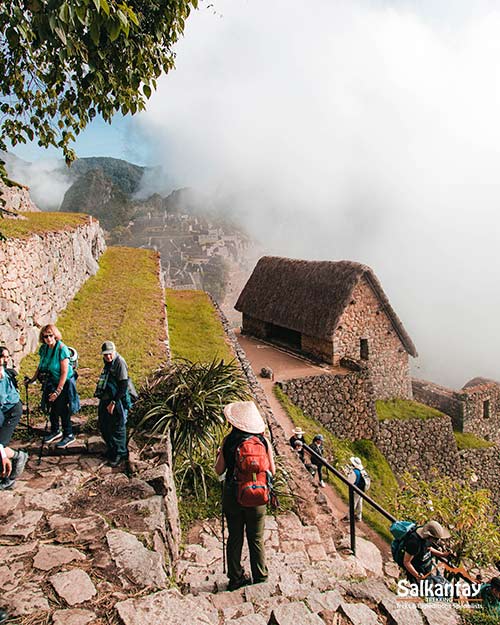
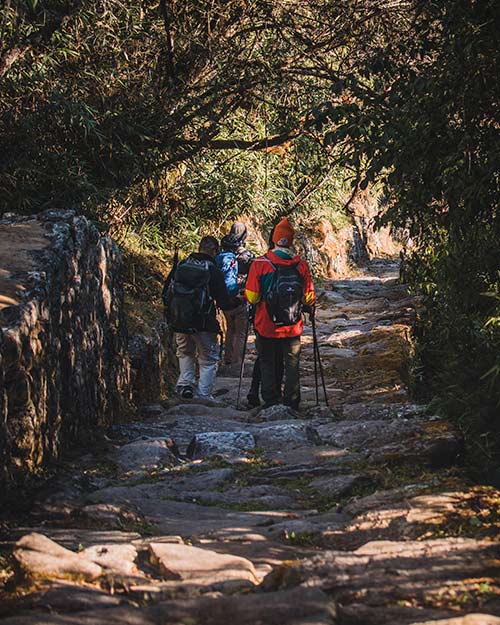
During the hike up Machu Picchu Mountain, you won’t encounter any archaeological sites along the way. The experience focuses primarily on the trail, the natural surroundings, and the panoramic views that come into view as you gain elevation.
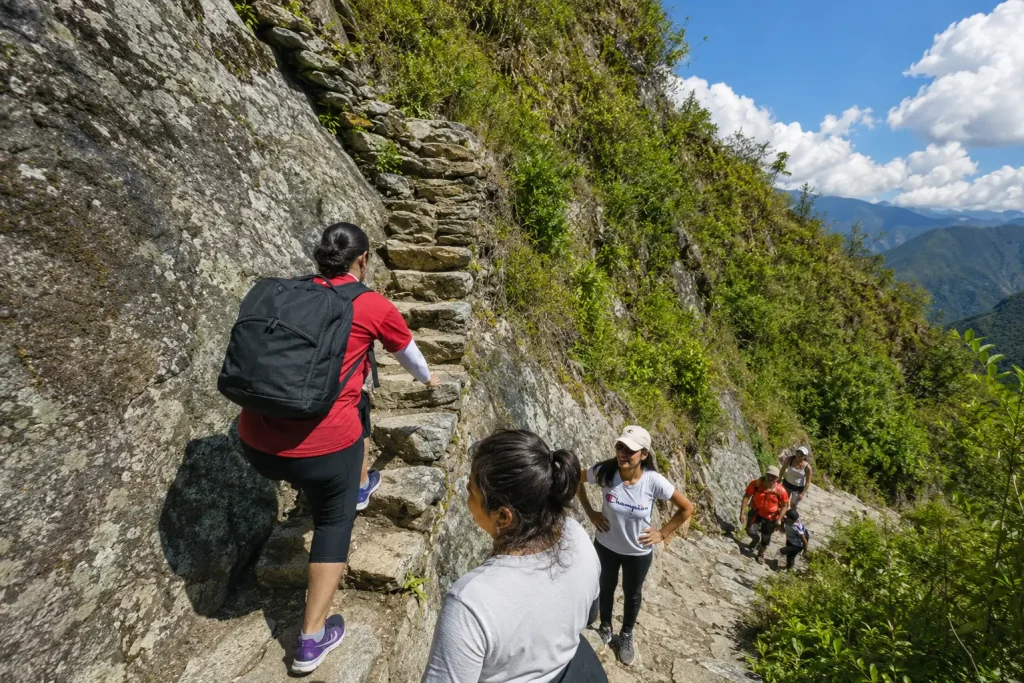
The trail alternates between flat sections and stone staircases. At the start, the path is surrounded by vegetation, which provides some shade and makes the first few steps feel more manageable. As you continue, the trail opens up to the sun and the climb becomes steeper.
In several sections, you’ll encounter moderately narrow stairs and somewhat exposed areas, though not as steep as on Huayna Picchu.
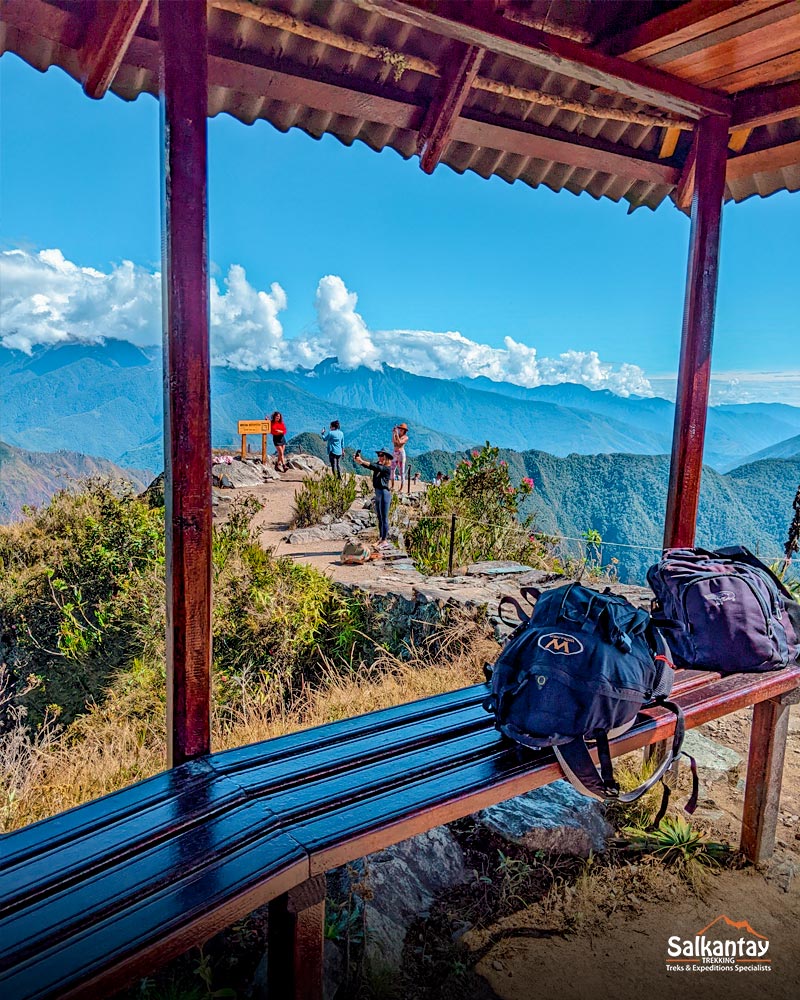
In the final stretch, the slope feels steeper. Before reaching the main viewpoint, there is an area where you can rest and recharge. Then, you’ll continue to the summit, where you’ll find a small hut and the classic Machu Picchu Mountain sign, perfect for taking photos.
The trail has approximately 1,600 stone steps, which make up a large part of the hike. Although there are no official rest stops, you can take breaks in various sections and use them to snap some photos.
Trail Length and Hiking Time
The hike to Machu Picchu Mountain is one of the longest trails within the sanctuary. The total distance is approximately 2.42 miles / 3.9 km, round trip.
The average walking time is 3.5 hours, though this may vary depending on your pace, rest breaks, and the time you spend taking photos at the viewpoint. If you also complete the full circuit, the visit can take around 5 hours.
The maximum time allowed for this route is 7 hours, including the hike and the visit to the citadel. This allows you to proceed at a leisurely pace and better enjoy the experience.
| Details | Information |
| Maximum elevation | 10,105 ft / 3,080 m |
| Total distance | 2.42 miles / 3.9 km, round trip |
| Hiking time | Approx. 3.5 hours round trip |
| Hike + circuit | Approx. 5 hours |
| Maximum time allowed | 7 hours |
| Difficulty | Moderate to challenging |
| Availability | Year-round |
| Elevation from the citadel | Approx. 2,133 ft / 650 m. |
Hike Difficulty
The hike to Machu Picchu Mountain is moderate to challenging. You don’t need advanced trekking experience, but you do need good stamina, physical fitness, and a willingness to climb many steps.
The greatest challenge lies in the length of the hike, the constant ascent, and the total elevation gain. Although some steps are narrow and there are exposed sections, the trail generally feels wider and less intimidating than Huayna Picchu.
For active, well-acclimated travelers, the hike can be manageable if approached with patience. It may also be an option for teenagers aged 16 and older, provided they are used to walking and feel comfortable on mountain trails.
What are the views like from the mountain?
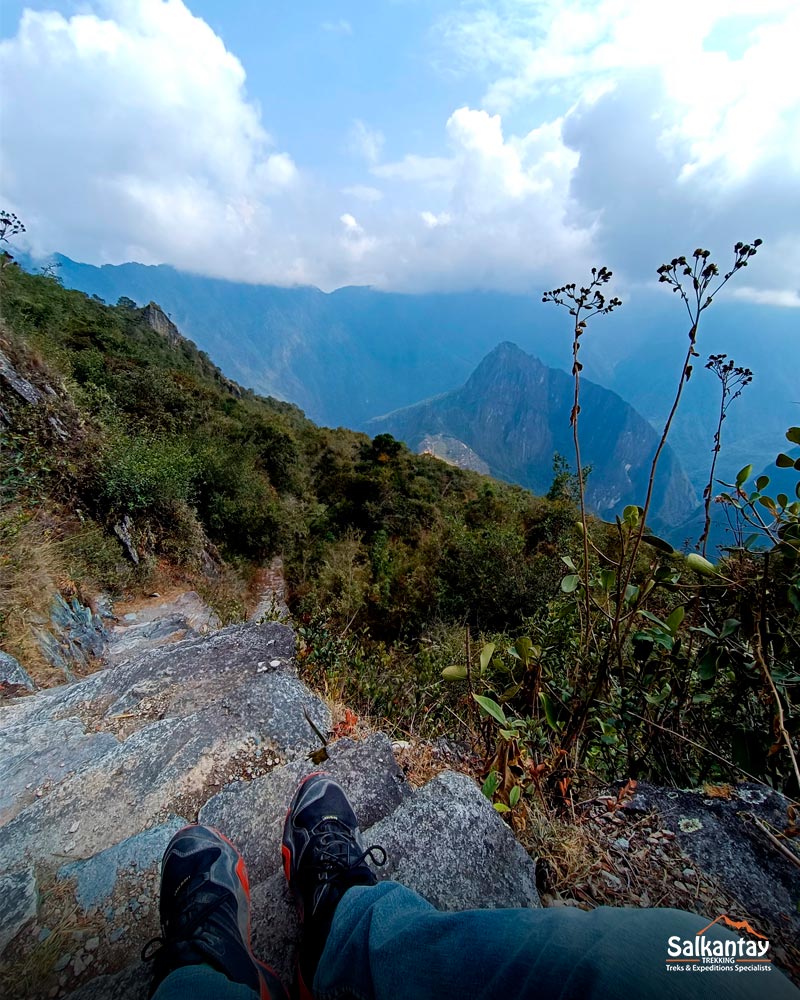
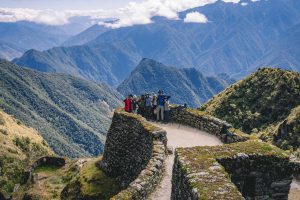
The views from Machu Picchu Mountain are one of the main reasons this hike is worth it. From the summit, you’ll have a sweeping view of the citadel, nestled among mountains, deep valleys, and the Urubamba River winding in the distance.
During the ascent, you’ll also come across several spots with panoramic views. From certain sections, you can see the Machu Picchu citadel from above, Huayna Picchu Mountain, Huchuy Picchu, the Sacred Valley, part of the Vilcanota mountain range, and the final stretches of the Inca Trail.
On clear days, you can even see more distant mountains, such as the snow-capped Salkantay. Every pause along the way offers a new perspective of the sanctuary, so the experience combines physical exertion, nature, and history in a single journey.
What is the flora and fauna like?
During the hike, especially in the early sections, you’ll see plenty of vegetation that helps shade part of the Sun Trail. The local flora includes native trees, ferns, orchids, and other plants typical of the Andean forest.
You can also spot birds, insects, butterflies, and, with a little luck, hummingbirds flitting through the vegetation. The experience isn’t just about reaching the summit, but also about enjoying the natural surroundings of Machu Picchu.
Do you prefer an organized experience?
If you want to visit Machu Picchu without worrying about schedules, buses, trains, tickets, and logistics, check out our tour options to Machu Picchu with a local guide.
At Salkantay Trekking, we help you organize a safe, well-planned experience tailored to your pace.
What ticket do you need to hike up?
The ticket that allows you to hike up Machu Picchu Mountain is Circuit 1, Route 1-A: Machu Picchu Mountain Trail. This ticket includes access to the hike and also gives you the famous panoramic view of the citadel perfect for that postcard-worthy photo of Machu Picchu.
However, this ticket does not allow you to explore the innermost areas of Machu Picchu, such as the agricultural sector or the royal sector. Therefore, we recommend treating it as a supplement to your visit, not as the best option if you want to explore the citadel in greater depth.
With this ticket, you will mainly be able to visit:
- Lower Platform
- Upper Platform
- Guardian’s House
- Machu Picchu Mountain
If you wish to enhance your experience, you can choose another ticket for Circuit 2 or Circuit 3, which allow you to explore more inner areas of the citadel and better appreciate the architectural grandeur of Machu Picchu.
Important Ticket Information
If you plan to climb Machu Picchu Mountain, please consider the following points before booking your ticket.
Availability
Machu Picchu Mountain has a daily limit of 350 tickets, divided into two time slots of 175 tickets each.
For each time slot, 150 tickets are sold online and 25 tickets are reserved for in-person sales. In total, 300 tickets are available online and 50 tickets are available in person each day.
We recommend purchasing your ticket 1 or 2 months in advance, especially if you want to secure a specific date and time.
Note: Before purchasing, always check the schedules and available slots on the official platform at tuboleto.cultura.pe.
Entry Times for Machu Picchu Mountain
First time slot: 7:00 a.m.
During this time slot, you enter Machu Picchu starting at 7:00 a.m. and access Machu Picchu Mountain between 8:00 a.m. and 9:00 a.m.
This time slot is ideal if you spent the night in Aguas Calientes and want to start early. The temperature is usually cooler, and the morning light helps you better enjoy the views during the ascent.
Second time slot: 9:00 a.m.
In this time slot, you enter Machu Picchu starting at 9:00 a.m. and access Machu Picchu Mountain between 10:00 a.m. and 11:00 a.m.
This schedule may be a good option if you’re arriving by train or coming from routes such as the Short Inca Trail, Salkantay Trek, or Lares Trek. Just be sure to plan your time carefully so you arrive at the mountain entrance without rushing.
Ticket Prices
| Visitor Type | Adult | College Student | Children ages 3–17 |
| Foreign Visitors | S/ 200 / USD 60 | S/ 125 / USD 38 | S/ 118 / USD 35 |
| Peruvians, Cusco residents, and CAN citizens | S/ 112 / USD 33 | S/ 80 / USD 24 | S/ 80 / USD 24 |
| Foreign residents in Peru | S/ 112 / USD 33 | S/ 80 / USD 24 | S/ 80 / USD 24 |
Requirements for entry with your ticket
When entering Machu Picchu, bring the necessary documents and verify that they match the information on your ticket:
Please note the following:
- You must present a valid passport or a document proving your nationality or residency.
- Children under 3 years of age enter for free when accompanied by an adult.
- Cusco residents can enter for free on Sundays with a valid physical ID, subject to ticket availability.
- Peruvian war veterans enter for free.
- People with disabilities who are Peruvian nationals pay S/ 100.
Important note: The passport you present must be valid and match the information on your ticket. Additionally, the passport must be valid for at least 6 months upon entry into Peru.
Note: The ticket is valid only for the date, entry time, and route selected at the time of purchase.
Best Time to Visit Machu Picchu
In the Peruvian Andes, the rainy season runs from November to March, while the dry season runs from May to October. The latter coincides with the peak tourist season, as it offers clearer days and better conditions for visiting Machu Picchu.
Although many travelers assume that Machu Picchu has a cold climate because it’s in the highlands, it’s actually located in the cloud forest of the Andes. As a result, the climate is typically warm, humid, and changeable year-round. Mosquitoes are also common, especially during the wettest months.
Interestingly, the rainy season coincides with summer, while the dry season corresponds to winter. Temperatures can range from 44 °F to 83 °F / 7 °C to 28 °C, with humidity of approximately 50% during the dry season and up to 90% during the rainy season.
Advantages of the dry season: May to October
During these months, conditions are generally more stable for visiting Machu Picchu.
| Less morning fog | You’ll have better views of the citadel and the mountains. |
| Less rain | The hike is usually more comfortable and predictable. |
| Less humidity | The hike may feel easier. |
| Fewer insects | There are fewer mosquitoes than during the rainy season. |
| Less slippery trails | The rocks and stairs are usually drier. |
Advantages of the rainy season: November to April
Although there’s a higher chance of rain, this season also has its advantages.
| Fewer tourists | Your visit may feel more relaxed. |
| Greater ticket availability | It’s usually easier to find tickets on short notice. |
| Cooler weather during the hike | Light rain can make the hike more refreshing. |
| Cheaper flights | You may find better prices for travel to Peru. |
So, when is the best time to visit?
The best time to visit Machu Picchu depends on the kind of experience you’re looking for. If you want better views and a lower chance of rain, the dry season from May to October is usually the most recommended option.
However, if you prefer to avoid large crowds, we recommend considering the shoulder months such as March, April, September, or October. These months can offer a good balance between weather, availability, and fewer visitors.
Note: The busiest months of the high season are usually June and July, so it’s best to book well in advance if you plan to travel during those dates.
Tips and recommendations for your visit
How to prepare for Machu Picchu Mountain?
The best way to prepare is to build up your endurance before the trip. You don’t need professional training, but you should be in good physical condition to better enjoy the climb.
You can go on long walks, climb stairs, do leg exercises, and practice walking on slopes. If you have time, start at least a few weeks before your visit. This will help you feel less tired during the ascent.
It’s also important to be well acclimated. If you’re coming from sea level, spend at least one or two days in Cusco or the Sacred Valley before climbing the mountain.
Tips for a Relaxed Climb and a More Enjoyable Experience
Climbing Machu Picchu requires effort, but you’ll enjoy it much more if you take your time and listen to your body.
Keep these recommendations in mind:
- Walk at your own pace: You don’t need to climb quickly. Take breaks whenever you need them.
- Bring water or sports drinks: They’ll help keep your energy up during the climb.
- Choose practical, permitted snacks: Bring something light, easy to store, and that doesn’t create a lot of waste.
- Hiking shoes with good traction: Choose comfortable, non-slip shoes, as the path has stone steps and some uneven sections.
- Lightweight, comfortable clothing: Wear breathable clothes that allow you to move freely throughout the hike.
- Cap or hat and sunglasses: These will help protect you from the sun, especially on the most exposed sections of the trail.
- Avoid carrying too much weight: A light backpack will make the hike more comfortable.
- Start well acclimated: This will reduce fatigue and the likelihood of altitude-related discomfort.
- Arrive early: There are usually lines to enter Machu Picchu, so avoid arriving right on time.
- Respect the trail: Follow the signs and stay on the marked path.
- Don’t leave trash behind: Keep your trash with you and help protect the sanctuary.
Note: During the rainy season, the rocks can become slippery. Wear shoes with good traction, walk carefully, and avoid rushing on the stairways.
What to bring for the hike?
Bring only what you need. A lightweight backpack will allow you to hike more comfortably and prevent you from getting tired too soon.
- Cell phone or camera
- Water or sports drinks
- Light snacks
- A spare T-shirt or shirt
- Sunscreen
- Biodegradable insect repellent
- Rain poncho
- ID or passport
- Entrance ticket
- Small trash bag
Frequently Asked Questions
According to the most widely accepted theories, Machu Picchu Mountain may have served ritual, astronomical, and surveillance purposes for the Incas.
Due to its elevated location, it would have been used to observe the landscape, the sacred mountains, and any movements on nearby trails, allowing the citadel to be alerted in advance.
Currently, there is no strict age restriction. However, good physical fitness is recommended, as the climb is steep and requires effort. If you are traveling with children or people with medical conditions, carefully consider whether this hike is suitable for them.
It’s not recommended. If you buy a ticket in person, you’ll usually only be able to use it the next day. Plus, during peak season, there may be long lines and limited availability.
It’s best to book in advance on the official Tuboleto website. You can also buy it in Cusco or Aguas Calientes, but doing so through a qualified tour operator is usually safer and more convenient.
It is not considered a dangerous hike if done with caution. However, it has some steep sections, stone stairs, and areas where the height may feel more intense, especially for people with a fear of heights.
To enjoy it safely, walk at a leisurely pace, follow the trail signs, stay on the marked path, and take breaks when needed.
No, it’s not mandatory. You can hike on your own by following the authorized trail. However, a guide can enhance the experience with historical, cultural, and practical information during the visit.
Yes, you can bring water and light snacks, always responsibly. Do not leave trash along the trail and keep all wrappers until you find a suitable place to dispose of them.
Is it possible to visit Machu Picchu and hike up the mountain on the same day?
Yes, it is possible. However, it is best suited for people in good physical condition. If you prefer a more relaxed experience, you can visit the citadel one day and hike up the mountain the next.
Yes, as long as you’re in moderate physical shape and enjoy walking. It’s not a technical route, but it does require effort, patience, and stamina to complete the climb.
At Salkantay Trekking, we help you organize your entire experience, from choosing the right ticket to the best itinerary for enjoying Machu Picchu at your own pace.
Contact us and plan your trip with local experts.
You may also be interested in:
- Huchuy Picchu Mountain: Complete Guide
- Huayna Picchu Mountain: Everything You Need to Know
- Machu Picchu tickets: Everything you need to know!
- The Machu Picchu Mountains 2026: Huayna Picchu, Huchuy Picchu, and Machu Picchu Mountain
Written by: Hillary Cristina Quispe

Leave A Reply