
If you’ve spent more than five minutes on a hiking social media page, you’d be forgiven for thinking every trail ends with someone dangling dramatically off a cliff edge while orchestral music plays in the background. Sounds pretty risky, right?
In reality, safe hiking is absolutely possible for beginners and experienced trekkers alike. Most hiking dangers come down to poor planning, bad decisions, or wildly overconfident people wearing sneakers on rocky mountain trails because “they looked fine on Instagram.”
The good news? A little preparation goes a very long way. Whether you’re planning a weekend day hike, a bucket-list adventure like the Salkantay Trek, or a high-altitude expedition in Peru, understanding basic hiking guidelines can mean the difference between an unforgettable adventure and a very long, uncomfortable story for the airport bar afterward.
This guide covers real trekking risks, practical safety tips for hiking, essential hiking safety tools, and smart advice for hiking in mountain environments because adventure is fun. Getting rescued by strangers while wrapped in a foil blanket? Less fun.
Table of contents
- Is Hiking Actually Dangerous?
- The Most Common Hiking Dangers
- What Are the Basic Safety Rules for Hiking?
- Essential Hiking Safety Tools and Gear
- The Three-Layer Rule for Hiking Explained
- Safe Hiking Tips for Beginners
- Hiking Safety Tips for High-Altitude Treks
- What To Do in a Hiking Emergency
- Human Mistakes That Cause Most Hiking Accidents
- Are Guided Treks Safer Than Hiking Independently?
- Safety Tips for Multi-Day Treks Like the Salkantay Trek
- Frequently Asked Questions About Hiking Safety
- Final Thoughts on Hiking Safety
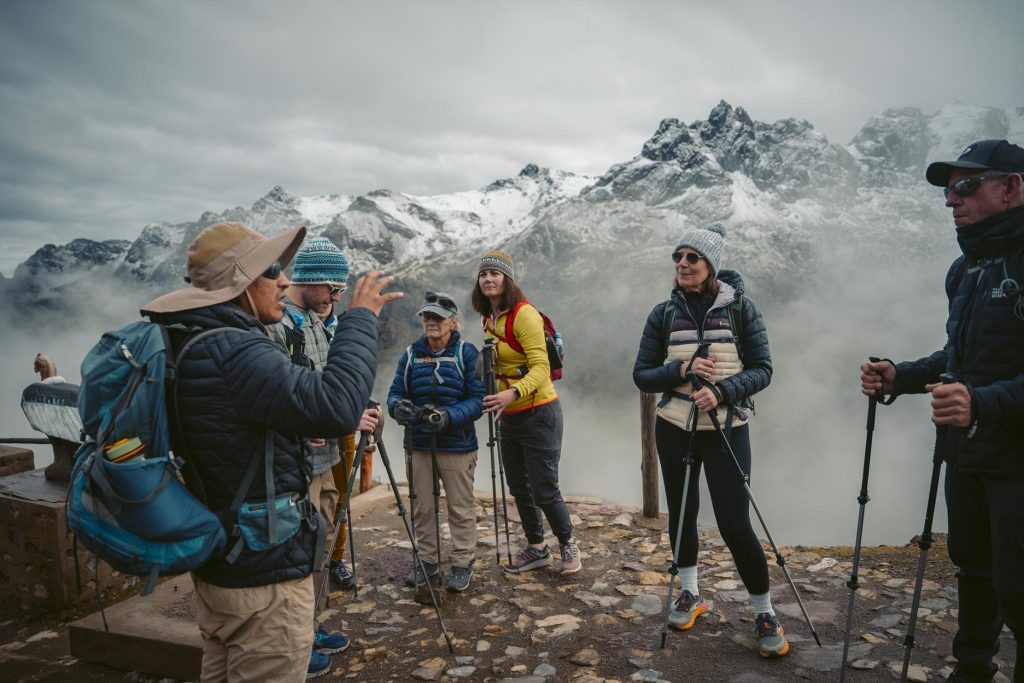
Is Hiking Actually Dangerous?
Hiking has risks, sure. But so does driving to the grocery store, and nobody makes dramatic documentaries about that. The key difference is that hiking puts you in environments where preparation matters more.
The vast majority of trekking accidents are preventable. Safe hiking usually comes down to understanding the trail, respecting the weather, bringing the right gear, and knowing when your body is waving a giant red flag.
Why Trekking Feels More Dangerous Than It Often Is
Part of the fear comes from the setting. Mountains look intense. Remote trails feel unpredictable. And yes, hearing the words “high-altitude pass” does sound slightly villainous.
But trekking isn’t automatically dangerous. Millions of people hike safely every year. Problems usually happen when hikers underestimate conditions, overestimate their fitness, or assume Google Maps will somehow work in the middle of nowhere.
The Difference Between Hiking, Trekking, and Mountaineering
Not all outdoor adventures are the same thing.
Hiking usually refers to shorter walks on trails or marked routes. Trekking tends to involve multi-day adventures with changing terrain and longer distances. Mountaineering is a completely different beast involving technical climbing skills, ropes, ice axes, and a much higher risk level.
The average trekker on the Salkantay Trek in Peru isn’t mountaineering. They’re hiking long distances at altitude with guides and support, along established routes.
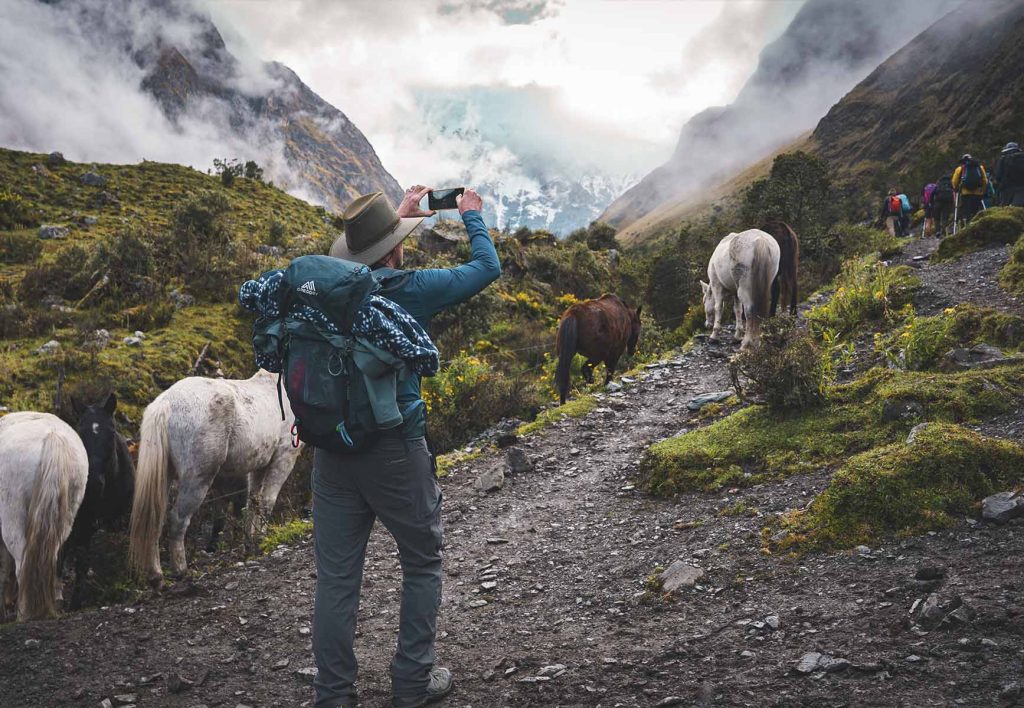
Most Hiking Accidents Are Preventable
Most hiking dangers are surprisingly predictable and are usually down to:
- Not enough water
- Ignoring weather forecasts
- Starting too late
- Wearing the wrong gear
- Pushing beyond physical limits
- Ignoring altitude symptoms
Notice how “attacked by a bear while crossing a lava field” isn’t on the list.
Preparation beats panic every single time.
The Most Common Hiking Dangers
The outdoors is beautiful, but nature doesn’t care whether you remembered sunscreen. Understanding common risks is one of the most important parts of hike safety.
Weather Changes in Mountain Environments
Mountain weather isn’t like other weather. It changes ridiculously fast. Sunshine can turn into freezing rain in less time than it takes to eat a granola bar.
This is especially true in Peru, where conditions can shift dramatically throughout the day. Checking the weather in Peru before you decide when to trek is non-negotiable. Some seasons are far better than others, and some months, particularly February, pose a much higher risk due to extreme weather conditions.
Altitude Sickness and Physical Exhaustion
Altitude has humbled many confident hikers. One minute, you feel unstoppable. The next, you’re climbing stairs, absolutely exhausted.
Symptoms of mountain sickness can include headaches, nausea, dizziness, and shortness of breath. This is why taking some time to learn how to train for altitude before visiting Peru and other high-elevation locations, like Nepal, matters.
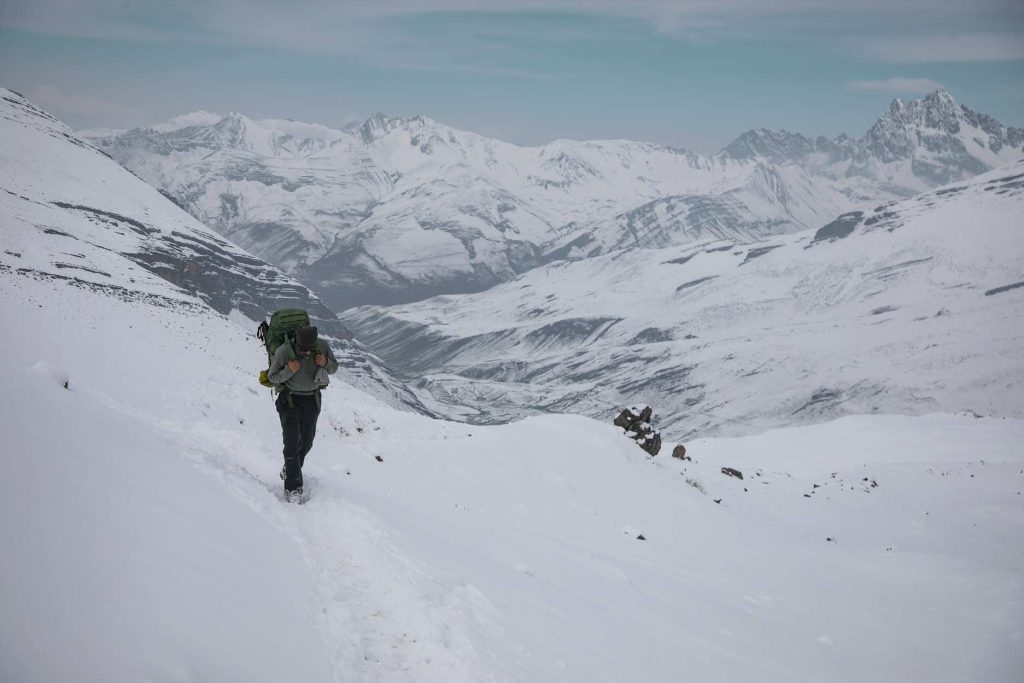
Slips, Trips, and Falls on Uneven Terrain
This is one of the most common hiking accidents worldwide. Wet rocks, loose gravel, mud, roots, and tired legs aren’t a great combination.
Good footwear and pacing yourself make a huge difference.
Getting Lost or Losing the Trail
People assume trails are always obvious. They’re not.
Fog, darkness, poor signage, or distractions can make finding your way around surprisingly tricky. One wrong turn can quickly become several hours of “this definitely wasn’t on the map.”
Wildlife Encounters and Insect Bites
Most wildlife wants absolutely nothing to do with humans. But mosquitoes, biting flies, and curious animals can still create problems depending on where you hike.
Respect wildlife, avoid feeding animals, and apply insect repellent when needed.
Dehydration and Heat Exhaustion
Many hikers underestimate how much water they need. Then the sun appears, the trail gets steep, and suddenly everyone’s morale collapses at once.
Drink consistently throughout the hike rather than waiting until you’re already thirsty.
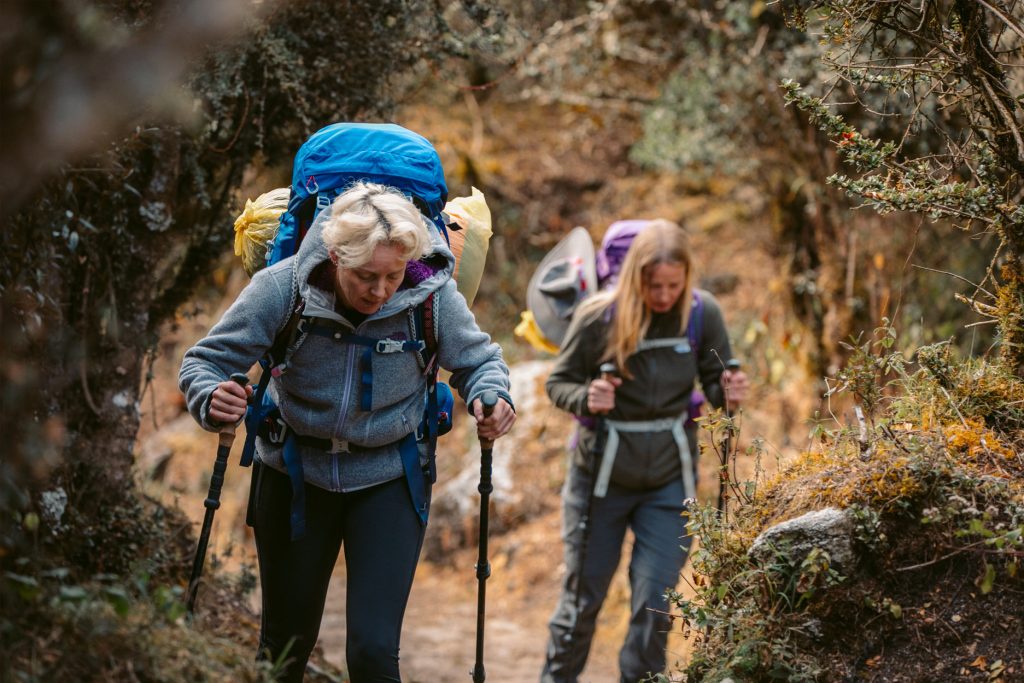
Hypothermia in Cold Conditions
Cold-weather hiking can be dangerous even when temperatures don’t seem extreme. Wind, rain, and sweat can quickly lower body temperature.
Layering properly is one of the most important hiking guidelines you can follow.
Dangerous River Crossings
Fast-moving water is stronger than it looks. River crossings should never be rushed, especially after heavy rain.
If conditions feel unsafe, turn back. The mountains will still be there for you to try again tomorrow.
Overestimating Fitness Levels
This one catches people constantly.
A scenic five-mile walk near home isn’t the same as trekking at 15,000 feet (4,500 meters) carrying a backpack uphill for hours. Be realistic about your fitness and experience level.
What Are the Basic Safety Rules for Hiking?
The best advice for hiking is usually simple. These aren’t glamorous survival tricks from reality TV. They’re practical habits that prevent problems before they start.
Tell Someone Your Route Before Leaving
Always let someone know where you’re going and when you expect to return. If something goes wrong, this information becomes incredibly important.
Never Ignore Weather Forecasts
Weather forecasts exist for a reason. Ignoring storm warnings because “it looks fine right now” is how people end up shivering under rocks while questioning their life choices. Don’t let this be you.
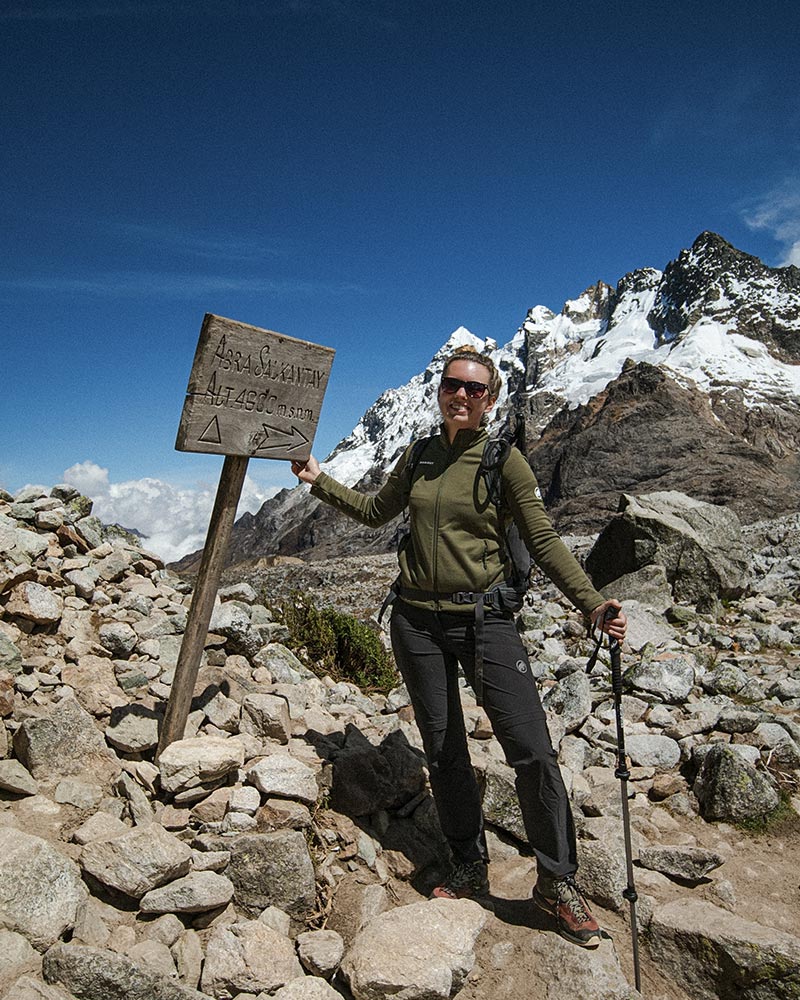
Stay on Marked Trails
Shortcuts are often longer, more dangerous, and somehow always involve regret. Marked trails exist because they’re safer and easier to navigate.
Start Earlier Than You Think You Need To
Late starts cause all kinds of problems. Darkness, exhaustion, and rushed decisions become much more likely.
Early mornings also usually mean better weather conditions or at least time to make a backup plan if it suddenly starts to pour.
Know Your Physical Limits
There’s no medal for pushing yourself into complete misery. Strong hikers know when to slow down, rest, or even turn back.
Hike With a Partner When Possible
Solo hiking can be rewarding, but having another person nearby improves hiker safety in emergencies.
Carry More Water Than You Think You Need
Everyone thinks they packed enough water until the trail suddenly becomes uphill forever. Then nobody feels confident anymore. Sipping little and often is the best way to avoid dehydration and exhaustion.
Learn Basic Emergency Procedures
Even simple first aid knowledge can make a huge difference on the trail. And always have an emergency plan in case things don’t go the way you’d hoped.
Essential Hiking Safety Tools and Gear
You don’t need expensive gear to enjoy safe hiking. But there are a few hiking safety tools worth bringing every time.
Navigation Tools Every Hiker Should Carry
Getting lost is much less fun than it sounds, so consider bringing the following.
Offline Maps and GPS Apps
Download maps before your hike. Cell service disappears surprisingly fast in mountain regions.
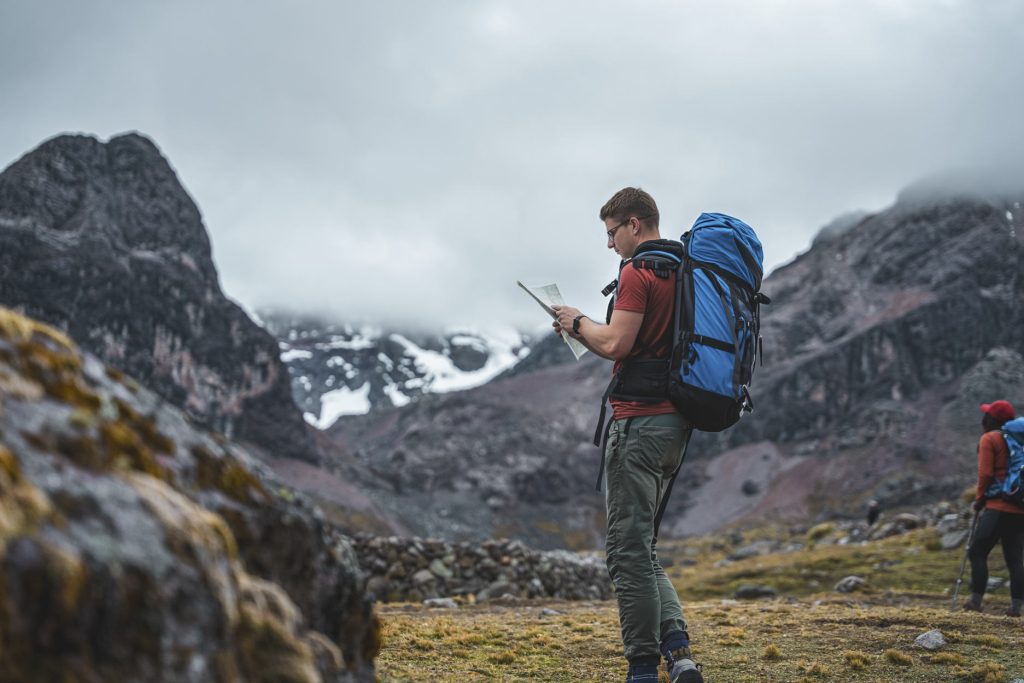
Paper Maps and Compasses
Yes, old-school navigation still matters. Batteries die. Phones break. Maps don’t suddenly decide they need a software update halfway through a storm.
Emergency Safety Equipment
Think of these as your “hopefully unnecessary but very reassuring” items to bring on the trail.
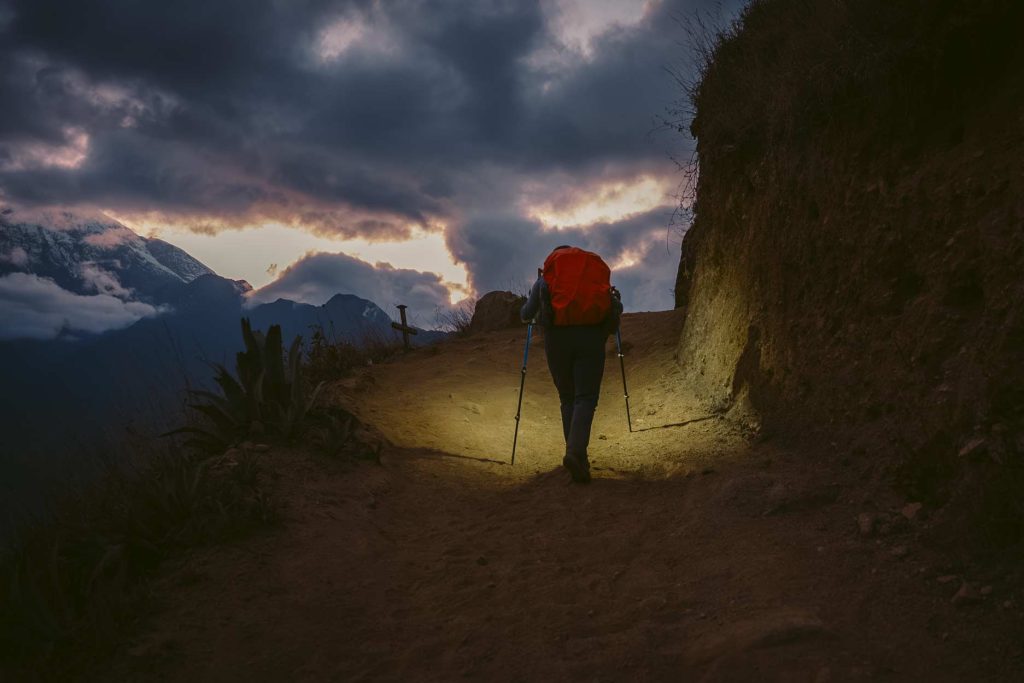
Headlamps and Backup Batteries
Phone flashlights aren’t enough for serious hiking. And if you’re camping overnight, going for a hands-free bathroom visit makes things much easier.
Emergency Shelters and Blankets
Tiny emergency blankets weigh almost nothing and can genuinely save lives in cold conditions. Always worth it if you’re heading to remote spots.
First Aid Kits
Even a basic first aid kit is better than trying to fix blisters with optimism. Bring the essentials and any personal medication in case you find yourself away from home for longer than planned.
Proper Hiking Clothing and Footwear
Bad clothing choices can ruin a hike fast.
Waterproof Layers
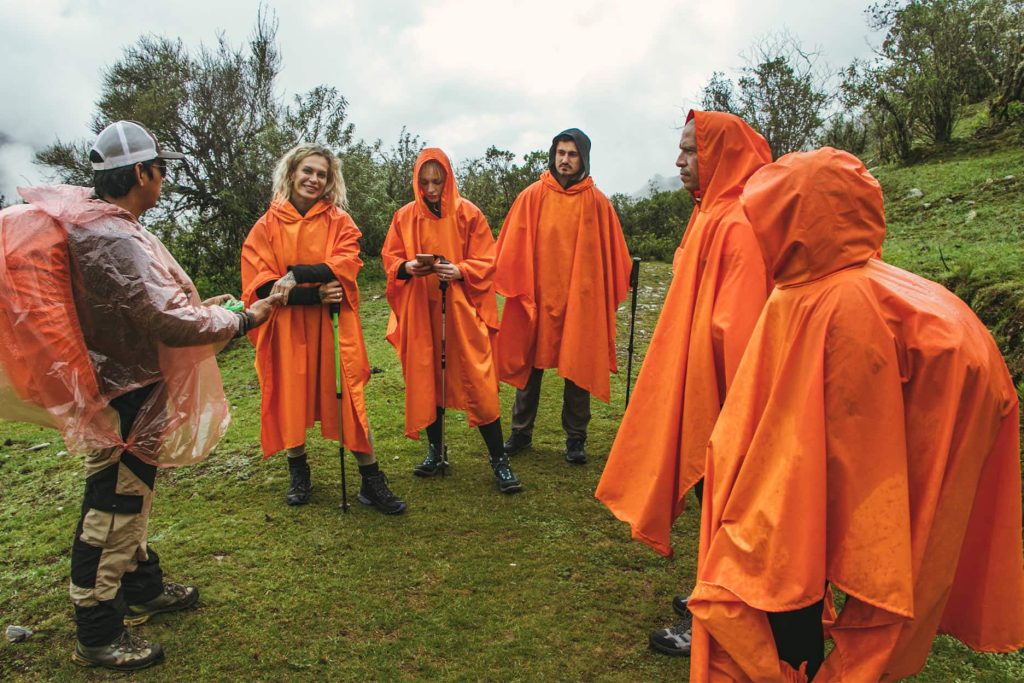
Mountains love surprise rainstorms. A waterproof outer shell, pants, and a backpack cover will help keep you comfortable throughout your trip. The last thing you want is to reach camp and discover your cozy pjs are damp.
Hiking Boots With Good Grip
Your ankles will appreciate this more than you realize. Sneakers might look cool, but you don’t want them to be the reason for cuts, bruises, and twisted ankles.
Sun Protection and Hats
Sunburn at altitude hits differently. Usually harder. Yep, even behind significant cloud cover, you can still get a serious sunburn. We recommend SPF 50+ if you’re heading up high.
Food and Water Essentials
Bring snacks with actual energy value. Hiking isn’t the time for tiny “wellness crackers” that taste like cardboard disappointment. Our top trekking snacks include:
- Nuts
- Dried fruit
- Energy bars
- Chocolate
- Jerky
The Three-Layer Rule for Hiking Explained
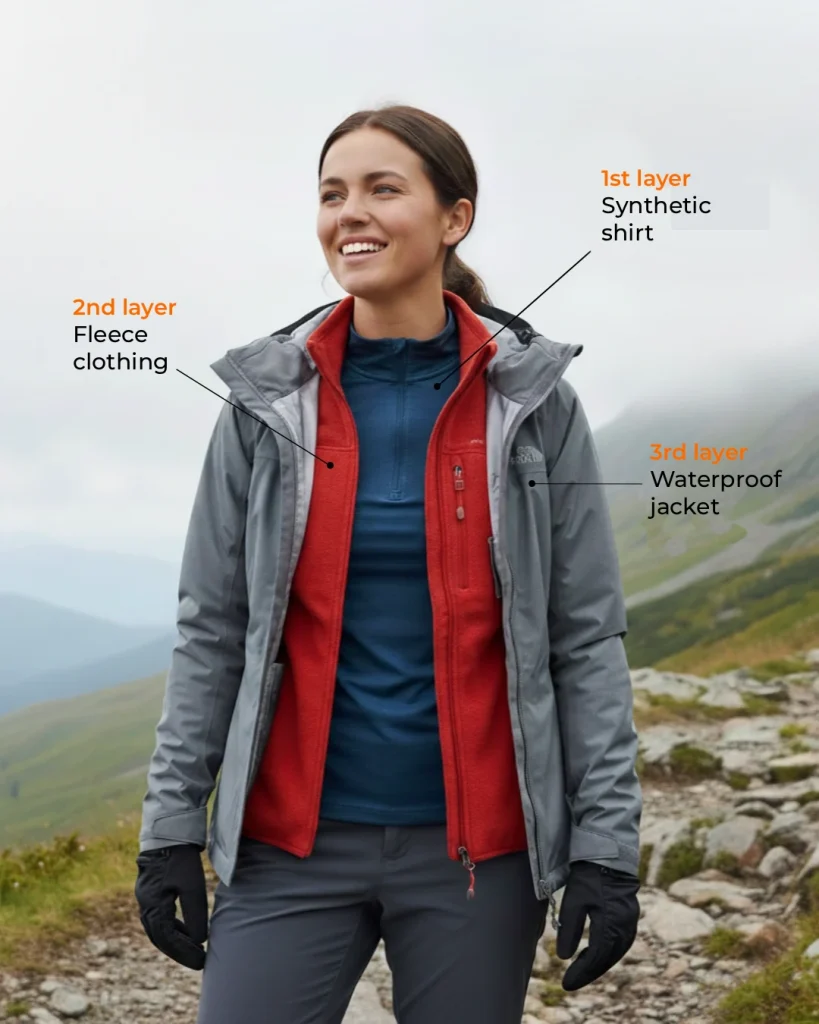
The three-layer rule is one of the most important principles of safety for hiking and trekking in changing weather conditions.
Base Layers and Moisture Control
The base layer sits closest to your skin and helps manage sweat. Don’t choose cotton because it stays wet and cold.
Mid Layers for Insulation
This layer keeps warmth trapped close to your body. Fleece jackets are popular because they’re lightweight and warm, and dry quickly if you do get them wet.
Outer Layers for Wind and Rain Protection
Your shell layer protects against rain, snow, and wind. A hardshell jacket is your best bet and is easy to store when you don’t need it. Leave your bulky jackets at home.

Why Layering Matters in Mountain Weather
Mountain temperatures can swing dramatically during one hike. Layering helps you adjust quickly without overheating or freezing.
Safe Hiking Tips for Beginners
Starting hiking for the first time can feel weirdly intimidating. Everyone online seems to own expensive gear, casually climbs mountains before breakfast, and somehow never looks sweaty. Meanwhile, beginner hikers are out here wondering if one granola bar is enough for a four-hour hike. (It’s definitely not.)
The truth is, everyone starts somewhere. You don’t need to be ultra-fit, outdoorsy, or able to identify birds by sound to enjoy hiking safely. Most beginner mistakes come from trying to do too much too quickly. The best hiking tip for new trekkers is simple: build confidence gradually and focus on consistency, not speed.
Choose Beginner-Friendly Trails First
A lot of people accidentally ruin their first hiking experience by choosing a trail that’s wildly above their fitness or experience level. Just because a hike is popular online doesn’t mean it’s beginner-friendly.
Start with shorter trails that are clearly marked and have moderate elevation gain. Get comfortable with basic hiking guidelines like pacing yourself, staying hydrated, and carrying the right gear before jumping into demanding mountain routes.
There’s absolutely no shame in starting small. In fact, experienced hikers usually recommend it because confidence matters just as much as fitness on the trail.
Don’t Chase Social Media Expectations
Social media has done some wonderful things for travel inspiration. It’s also convinced people that hiking involves effortlessly twirling on mountaintops while wearing spotless white sneakers.
Real hiking looks a little different.
Sometimes it’s muddy. Sometimes you’re breathing heavily uphill while questioning every life decision that led you there. Sometimes your hair becomes one with the wind in a way no brush can fix.
Don’t compare your experience to carefully edited content online. A safe, enjoyable trek is infinitely better than pushing yourself too hard for a photo.
Pace Yourself on Steep Climbs
One of the most common beginner mistakes is starting too fast. Excitement kicks in, adrenaline takes over, and suddenly someone is speed-hiking uphill like they’re training for a mountain marathon.
Then comes the inevitable crash.
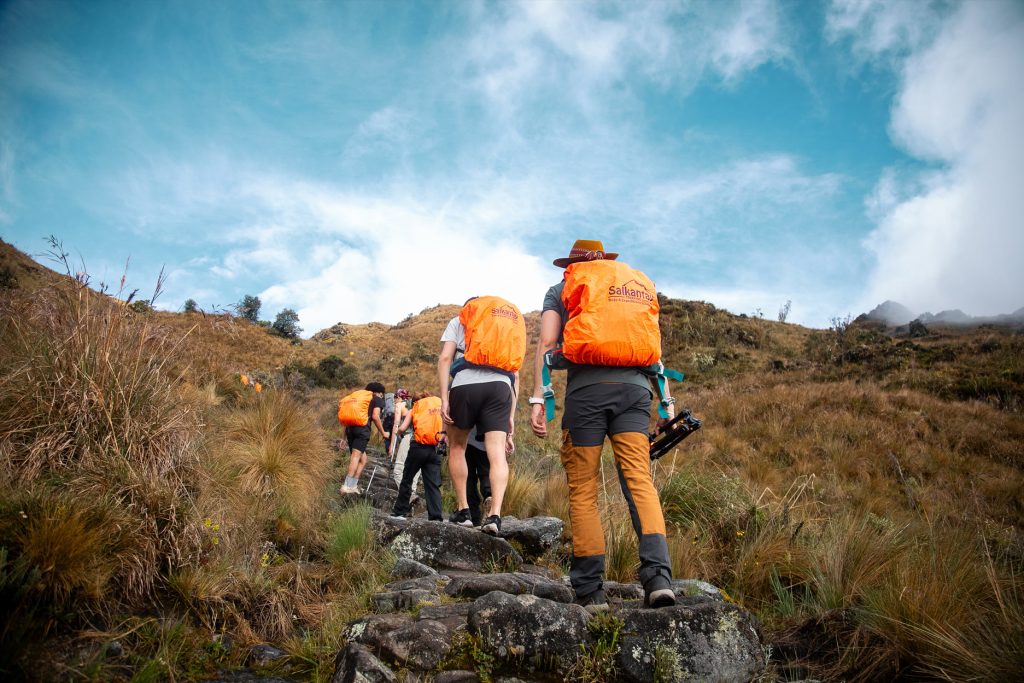
Good hikers understand pacing. Trekking is about rhythm, not racing. Slow, steady movement is far more sustainable, especially at altitude. On treks in Peru, many first-time hikers are surprised by how much altitude changes their energy levels.
A good rule? If you’re completely out of breath after five minutes, slow down. Mountains are patient. You don’t need to sprint at them.
Learn How to Read Trail Difficulty Ratings
Not all “moderate” trails are the same. In fact, it’s a pretty broad term. One trail’s moderate is another trail’s “why are my legs vibrating?”
Before choosing a hike, research:
- Total distance
- Elevation gain
- Trail conditions
- Altitude
- Estimated hiking time
- Weather exposure
- Water availability
This is especially important on routes in Peru where altitude adds an entirely different level of difficulty. Even experienced hikers can struggle when trekking above 13,000 feet (4,000 meters).
Practice With Day Hikes Before Multi-Day Treks
Multi-day trekking is very different from casual hiking. You’re dealing with longer hours, changing weather, physical fatigue, and sometimes sleeping at altitude.
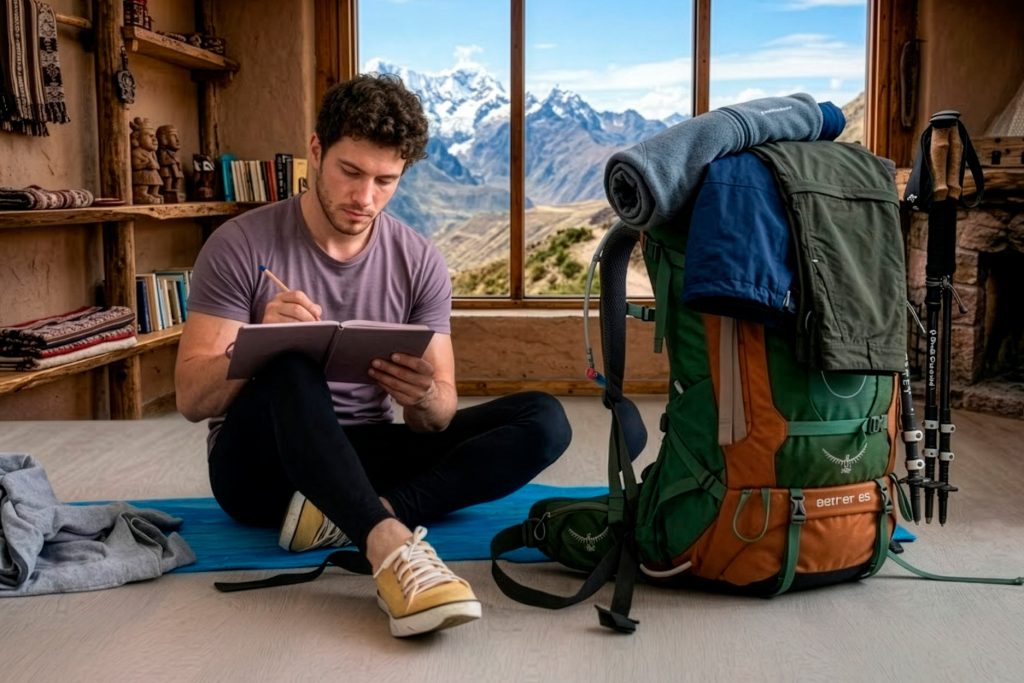
Before attempting bigger adventures like the Salkantay Trek or the Ausangate Trek, build experience gradually with full-day hikes closer to home.
This helps your body adapt to longer distances while teaching you important hike safety habits like:
- Managing energy levels
- Staying hydrated
- Layering clothing properly
- Using hiking safety tools
- Carrying a backpack comfortably
It’s also a good way to discover which snacks actually work for you and which ones become weirdly inedible after hour three. Seriously, it happens.
Hiking Safety Tips for High-Altitude Treks
High-altitude trekking deserves its own section because altitude changes everything. Trails that would feel manageable at sea level suddenly become much harder once oxygen levels drop. That’s why many hiking dangers in Peru are linked more to altitude than technical terrain.
The good news is that you can reduce most altitude-related problems with proper preparation and smart pacing.
Why Altitude Changes Everything
At higher elevations, your body gets less oxygen with every breath. This affects energy, recovery, hydration, sleep, and physical performance.
Simple things become harder. Walking uphill feels steeper. Carrying a backpack feels heavier. Even tying your boots can somehow feel oddly exhausting.
This catches people off guard because they assume fitness alone will protect them. Unfortunately, altitude doesn’t care how many spin classes you survived back home.
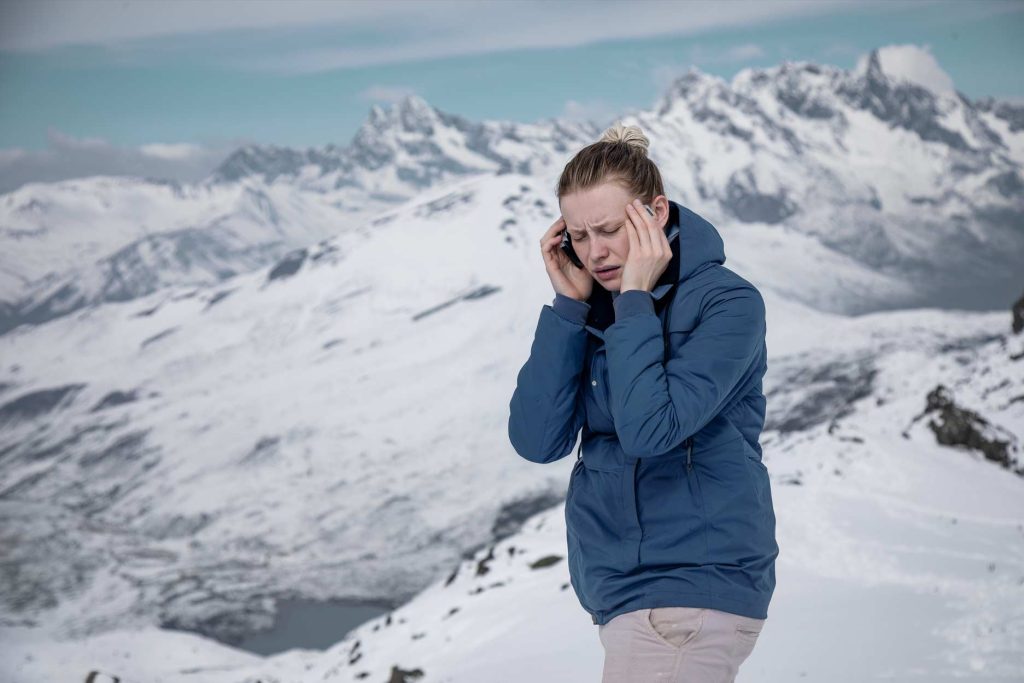
Symptoms of Altitude Sickness
Altitude sickness can affect almost anyone, regardless of age or fitness level.
Common symptoms include:
- Headaches
- Dizziness
- Nausea
- Fatigue
- Loss of appetite
- Trouble sleeping
- Shortness of breath
Mild symptoms are common at higher elevations, but you should never ignore severe symptoms.
One of the biggest mistakes hikers make is trying to “push through” altitude sickness. That’s not toughness. That’s how small problems become bigger ones very quickly.
How to Acclimatize Properly
Acclimatization means giving your body time to adjust before starting demanding hikes.
The best strategy is to spend several days at altitude before beginning your trek. In Peru, many travelers take shorter tours in Cusco to acclimate, allowing their bodies to adjust gradually over 2 or 3 days before starting their adventure.
It also helps to:
- Avoid alcohol initially
- Sleep well
- Eat regularly
- Stay hydrated
- Avoid overexertion during your first few days
Slow adjustment is one of the best safety tips for hiking at altitude.
If you’re very worried, speak to your doctor back home about medication to help reduce symptom severity.
The Importance of Hydration at Altitude
People lose water faster at high elevations, even when temperatures feel cold. Dry mountain air increases your risk of dehydration, which can worsen altitude symptoms.
This is why experienced guides constantly remind trekkers to drink water. Not because they enjoy repeating themselves, but because dehydration sneaks up surprisingly fast in the mountains.
Electrolytes can also help during long trekking days and can almost feel like a treat.
Why Guided Treks Improve Safety
Guided trekking dramatically improves hiker safety on high-altitude routes.
Experienced guides know how to:
- Recognize altitude sickness symptoms
- Adjust pacing
- Respond to emergencies
- Monitor weather conditions
- Handle route changes
- Support struggling hikers
This local knowledge is extremely valuable in the Andes, where conditions can change quickly.
Guides also remove a lot of the mental stress from trekking. Instead of worrying about navigation or logistics, hikers can focus on enjoying the scenery and not accidentally dropping their trekking poles into a valley.
What To Do in a Hiking Emergency
Nobody plans for emergencies, but smart hikers prepare for them anyway. Knowing how to respond calmly can make an enormous difference in difficult situations.
Most hiking emergencies become worse because people panic, make rushed decisions, or ignore early warning signs.
What To Do if You Get Lost
Getting lost is one of the most common hiking fears, and honestly, it’s understandable. Trails can become confusing surprisingly fast, especially in fog, snow, forests, or unfamiliar mountain terrain.
The first thing to do is stop moving.
People often make the mistake of continuing while hoping the trail magically reappears. This usually just makes navigation even harder.
Instead:
- Stay calm
- Check your map or GPS
- Retrace your steps carefully if it’s safe to
- Look for trail markers
- Conserve phone battery
- Stay visible in case you need rescuing
This is why downloading offline maps before hiking is such an important hiking guideline.
What To Do During Severe Weather
Storms in the mountains can develop quickly, especially during wet seasons.
If severe weather rolls in:
- Avoid exposed ridges
- Stay away from isolated trees during lightning
- Get to lower ground when possible
- Put on dry layers quickly
- Protect yourself from wind exposure
Weather-related problems often escalate because hikers wait too long to react. Turning around early is almost always the smarter decision.
How To Handle Injuries on the Trail
Even minor injuries become more complicated in remote environments.
Blisters, rolled ankles, cuts, and muscle strains are common hiking dangers that can quickly slow a group down.
Basic first aid knowledge matters more than fancy gear. At minimum, hikers should know how to:
- Clean wounds
- Wrap sprains
- Prevent blisters
- Stay warm when injured
- Recognize signs of exhaustion or dehydration
This is where carrying proper hiking safety tools and a first-aid kit really pays off.
Emergency Communication Tips
Cell service is unreliable in many trekking regions, especially in the mountains of Peru.
Before hiking:
- Download offline maps
- Save emergency contacts
- Bring portable chargers
- Learn local emergency numbers
- Inform someone about your route
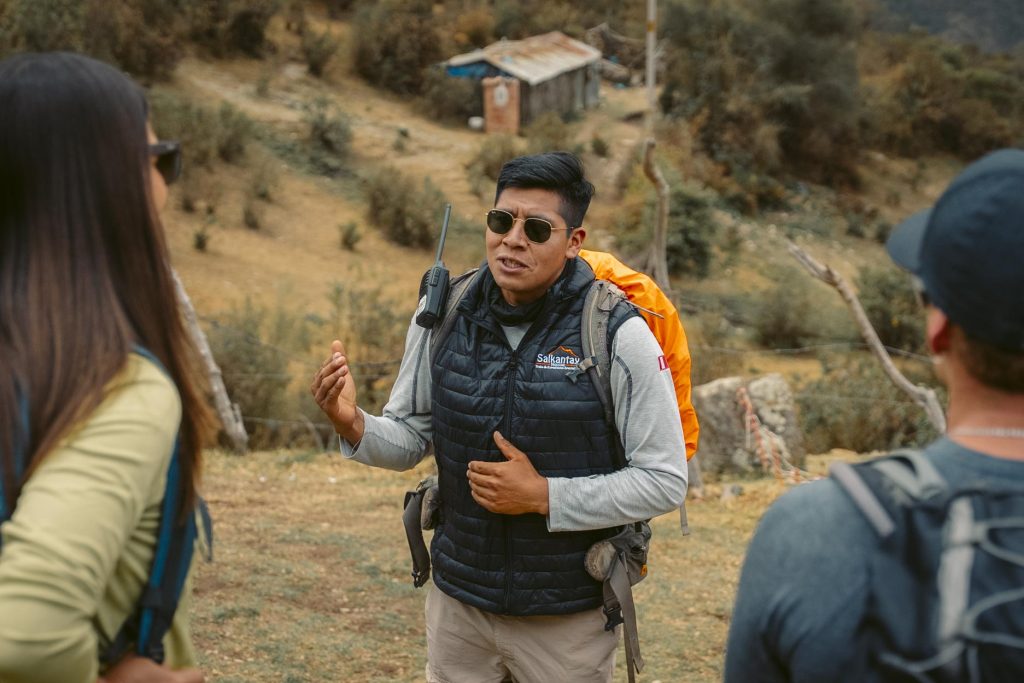
On guided treks, support teams often carry radios or satellite communication devices for emergencies. Guides will also be knowledgeable on first aid measures, emergency escape routes, and other valuable information that you might not have if you go alone.
When To Turn Back
Possibly the most underrated hiking skill of all is knowing when to stop.
Too many accidents happen because hikers become emotionally attached to finishing the route, no matter what. But mountains don’t reward stubbornness. In fact, it’s quite the opposite.
So, turn back if:
- Weather conditions worsen
- Someone feels unwell
- The trail becomes unsafe
- You’re running out of daylight
- Altitude symptoms increase
- Fatigue affects decision-making
Experienced trekkers know this truth very well, and you can always try again tomorrow.
Human Mistakes That Cause Most Hiking Accidents
Nature often gets blamed for many hiking accidents, but humans are actually the bigger problem in most cases. Most dangerous situations start with small decisions that slowly pile up until things go sideways.
The frustrating part? Many accidents are completely avoidable.
Ignoring Fatigue and Warning Signs
Exhaustion changes how people think. Tired hikers make slower decisions, lose concentration, trip more easily, and ignore warning signs they would normally notice.
One of the most important pieces of advice for hiking is to listen to your body early, rather than waiting until fatigue completely takes over.
If everyone in the group suddenly becomes unusually quiet, slow, or clumsy, it’s probably time for a break.
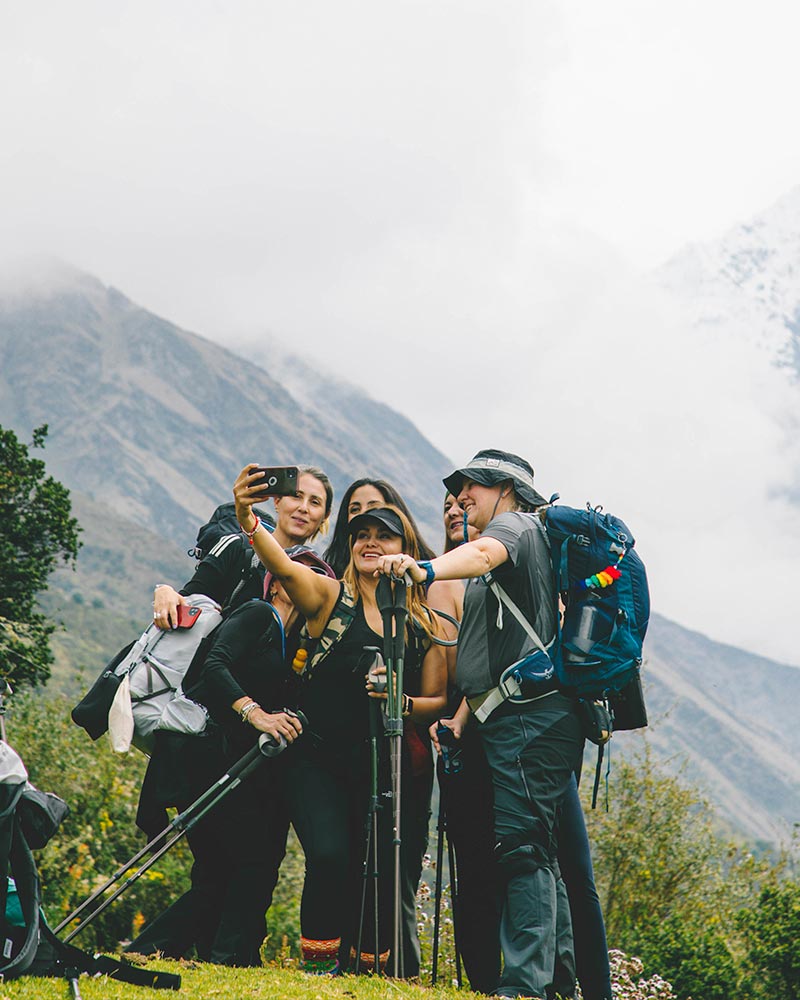
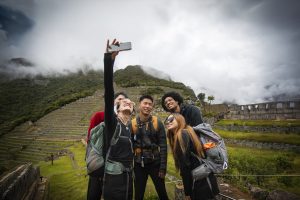
Taking Risks for Photos
Modern hiking culture has created a phenomenon in which people casually stand near cliff edges for photos while their friends yell, “That’s perfect!”
It is, in fact, not perfect.
Many accidents happen because hikers leave the safety of marked trails to chase dramatic viewpoints or social media shots. No photo is worth serious injury. Ever.
Hiking Without Enough Preparation
A surprising number of hikers head into remote areas with almost no planning. Big mistake.
Common errors include:
- Not downloading maps
- Not having the right clothing
- Not drinking enough water
- Using poor footwear
- Not researching the weather
- Having unrealistic ideas of timing
Preparation is one of the biggest factors in safe hiking, especially on multi-day treks.
Poor Group Decision-Making
Groups can sometimes make bad decisions because nobody wants to speak up.
One person feels tired. Another notices the bad weather moving in. Someone else thinks the pace is too fast. But everyone stays quiet because they don’t want to ruin the mood.
Good trekking groups communicate openly and make conservative decisions together.
Summit Fever and Pressure To Continue
“Summit fever” happens when hikers become so focused on reaching the destination that they ignore obvious risks. This is incredibly common during bucket-list adventures, such as Everest expeditions.
People convince themselves:
- “We’re almost there.”
- “It’ll probably clear up.”
- “We already came this far.”
And suddenly? They’re pushing through storms, exhaustion, or dangerous trail conditions.
Smart trekkers understand that turning back can actually be the most experienced decision of all.
Are Guided Treks Safer Than Hiking Independently?
In many cases, yes. A guided trek is especially useful in unfamiliar mountain environments.
Benefits of Experienced Local Guides
Guides know routes, local weather patterns, emergency procedures, and altitude symptoms. You’ll learn more about the local area when traveling with a guide and have them to help when things don’t go to plan.
Emergency Support and Logistics
Not every trek goes as it should. Sometimes someone gets hurt, your vehicle gets delayed because of traffic, or you simply need to get a hold of someone back home. Support teams can help out with injuries, transportation, and communication if needed.
Navigation and Route Knowledge
Trails in Peru can change due to bad weather or even landslides. Local experience matters. Guides know alternative trails and can contact backup transportation if there’s literally no way around an obstacle.
Safer High-Altitude Trekking Experiences
Guided trips remove much of the uncertainty and help hikers focus on enjoying the experience rather than constantly worrying about logistics. They’re able to see when someone is starting to experience altitude symptoms and react accordingly. They might even realize something’s up before you do.
They also help manage pacing so that no one over-exerts themselves and becomes fatigued early on.
Safety Tips for Multi-Day Treks Like the Salkantay Trek
Multi-day trekking requires extra preparation, especially in the Andes, where altitude is also a factor.
Why Mountain Weather Changes Quickly in Peru
Mountain weather in Peru changes quickly because the Andes create their own unpredictable weather systems. High elevations, strong winds, valleys, glaciers, and shifting cloud cover all mean conditions change fast.
You can start the morning freezing, spend midday sweating in bright sunshine, and finish the afternoon hiding from rain while pretending your “water-resistant” jacket is doing something useful.
Preparing for Altitude on the Salkantay Trek
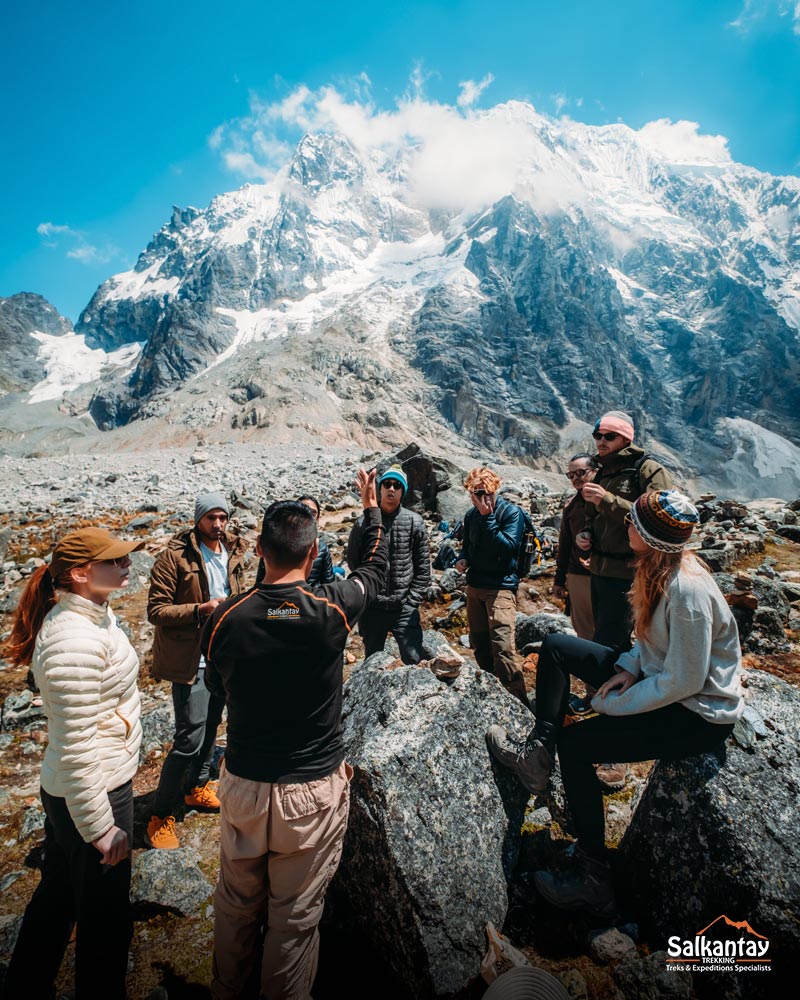
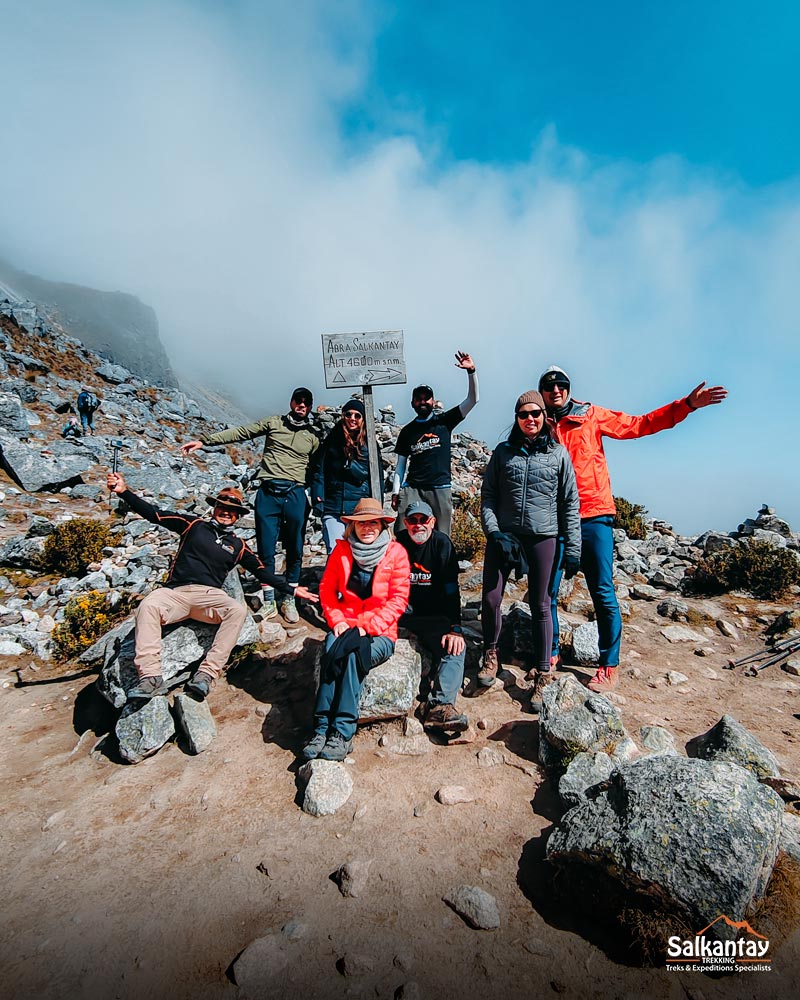
The Salkantay Trek reaches 15,190 feet (4,630 meters), which is a lot higher than many travelers have been before. Even fit hikers can feel the effects of altitude if they arrive in Cusco and immediately head for the mountains.
Spending a few days adjusting before your trek makes a huge difference and helps your body adapt gradually before tackling the trail.
Choosing the Right Trekking Company
There are so many travel companies in Cusco to choose from that it can be a bit overwhelming. They don’t all operate the same way.
A responsible company will focus on pacing, guide training, emergency planning, quality equipment, and realistic itineraries rather than rushing trekkers from A to B.
Before you book, read reviews carefully and ask questions about the guide’s experience, group sizes, altitude management, first-aid training, and emergency procedures. A good trekking company should make you feel confident before you even step onto the trail.
Packing Smart for Mountain Conditions
Packing for multi-day trekking is all about balance. You need enough gear to stay warm, dry, and comfortable without carrying half your house on your back.
Following a proper packing list for Peru helps hikers avoid common mistakes like bringing cotton clothing, forgetting waterproof layers, or wildly underestimating how cold mountain nights can get. Smart packing is one of the simplest ways to improve safety for hiking at altitude.
Why Responsible Guides Matter
Responsible guides monitor group safety, weather, trail conditions, pacing, hydration, and altitude symptoms throughout the trek.
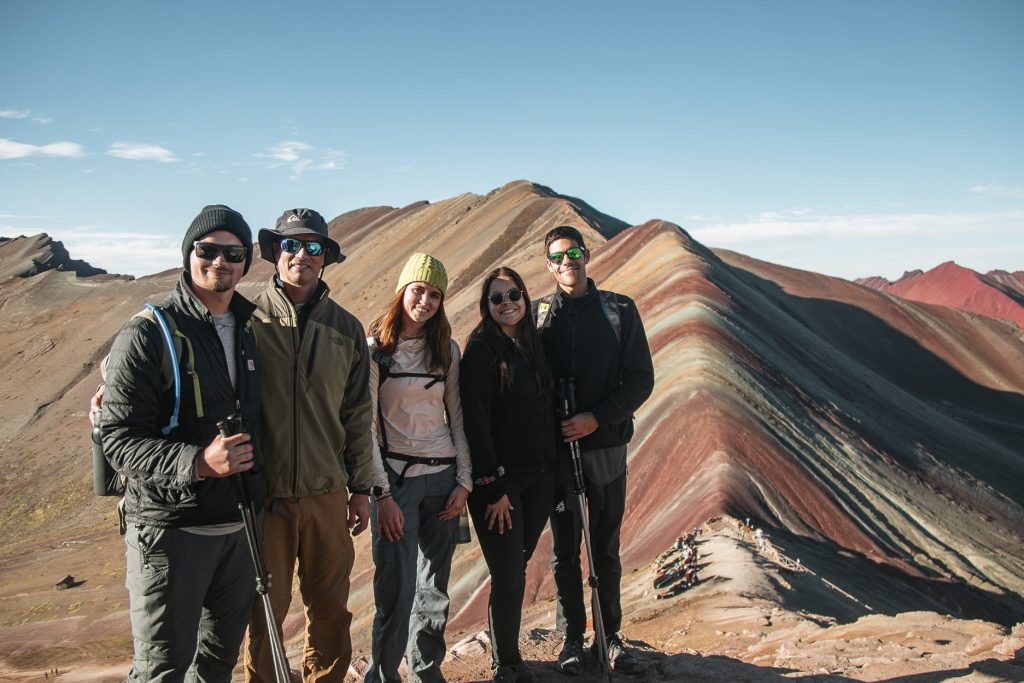
They also understand how quickly conditions can change in the Andes and know when adjustments are needed to keep hikers safe. That support becomes invaluable on challenging day hikes like Rainbow Mountain and on high-mountain sections like those on the Ausangate Trek or the Salkantay Route.
Frequently Asked Questions About Hiking Safety
Hiking safety can feel overwhelming when you first start researching it. In reality, most safe hiking comes down to preparation, awareness, and making sensible decisions on the trail. Here are some of the most common questions hikers ask before heading into the mountains, along with their answers.
If you only remember five things before a hike, make them these:
.- Check the weather forecast
.- Bring more water than you think you need
.- Stay on marked trails
.- Carry basic hiking safety tools
.- Turn back if conditions become unsafe
Good judgment prevents more problems than expensive gear ever will.
The three-layer rule is a clothing system designed to keep hikers comfortable in changing weather conditions.
The first layer manages sweat, the second provides insulation, and the outer layer protects against rain and wind. This system is especially important in mountain environments where temperatures can change quickly throughout the day.
If you’re trekking in Peru or hiking at altitude, layering properly becomes one of the biggest factors in hike safety and overall comfort.
Solo hiking isn’t automatically dangerous, but it does increase risk because there’s nobody nearby to help during emergencies or navigation mistakes.
If you hike alone, choose well-marked trails, share your route with someone, carry navigation tools, and avoid pushing beyond your experience level. For high-altitude routes or remote mountain treks, guided hiking is usually the safer option.
Final Thoughts on Hiking Safety
Hiking should feel adventurous, exciting, and memorable. Not terrifying.
The outdoors always carries some risk, but good preparation reduces it dramatically.
The best hiking guidelines are simple:
- Respect the mountains
- Know your limits
- Bring proper gear
- Pay attention to the weather
- Stay flexible
Safe hiking isn’t about avoiding adventure. It’s about making smart decisions so you can actually enjoy it.
And honestly, the mountains are a lot more fun when you’re properly prepared instead of wondering whether your “waterproof” jacket was mislabeled the entire time.


Leave A Reply