
When it comes to the big debate of trek vs train to Machu Picchu, there’s no single right answer. Some travelers dream of arriving at the Modern World Wonder after days of mountain passes, glacier views, and questionable leg decisions. Others want panoramic train windows, comfy seats, and enough energy left to walk around Machu Picchu without their knees hurting.
The good news? Both options are incredible. The tricky part is figuring out which experience fits your travel style, budget, fitness level, and patience for altitude-induced wheezing.
Whether you’re considering the legendary Inca Trail to Machu Picchu route, the epic Salkantay Trek, or simply taking the train to Machu Picchu, this guide breaks it all down without pretending every traveler wants to “find themselves” at 15,000 feet (4,572 meters).
Table of contents
- Why Travelers Compare Trekking and Taking the Train to Machu Picchu
- What Is the Difference Between Trekking and Taking the Train?
- The Main Trekking Routes to Machu Picchu
- Taking the Train to Machu Picchu Explained
- Salkantay Trek vs Train to Machu Picchu
- Cost Comparison: Trek vs Train to Machu Picchu
- How Difficult Is the Salkantay Trek Compared to Taking the Train?
- Do You Have to Hike to Reach Machu Picchu?
- Best Option for Different Types of Travelers
- Best Time of Year for Trekking or Taking the Train
- Trekking to Machu Picchu vs Going by Car
- Can You Return From Machu Picchu by Train After Trekking?
- Pros and Cons of Trekking to Machu Picchu
- Pros and Cons of Taking the Train to Machu Picchu
- Frequently Asked Questions About Getting to Machu Picchu
- So, Should You Trek or Take the Train to Machu Picchu?
Why Travelers Compare Trekking and Taking the Train to Machu Picchu
Machu Picchu is one of those bucket-list places that definitely manages to live up to the hype. But unlike many famous landmarks, getting there is part of the experience.
That’s why travelers spend so much time comparing trekking vs taking the train. The journey shapes the trip. Do you want adventure, challenge, and giant mountain scenery? Or do you want convenience, comfort, and more time for pisco sours in Aguas Calientes?
Both are very valid choices.
What Is the Difference Between Trekking and Taking the Train?
At its core, this comes down to experience versus convenience.
One option involves hiking through the Andes for several days while coming face-to-face with high altitude. The other involves dramatic river views from a train window while someone hands you snacks. Different, but both very awesome.

What It’s Like to Reach Machu Picchu by Train
Taking the train to Machu Picchu Pueblo, also known as Aguas Calientes, is the easiest and fastest option. Most travelers take the train from Cusco to Machu Picchu or take a car to Ollantaytambo and then get the train from there.
The journey itself is beautiful. You’ll pass green valleys, steep cliffs, rivers, and cloud forest scenery without having to carry a backpack.
For travelers short on time, older visitors, families, or anyone not interested in multi-day hiking, Machu Picchu by train is a fantastic option.
What It’s Like to Reach Machu Picchu on a Trek
Trekking feels more immersive. You earn the arrival.
Routes like the Inca Trail and the Salkantay Trek take you through remote mountain landscapes, tiny villages, alpine lakes, and ancient ruins before finally reaching Machu Picchu itself.
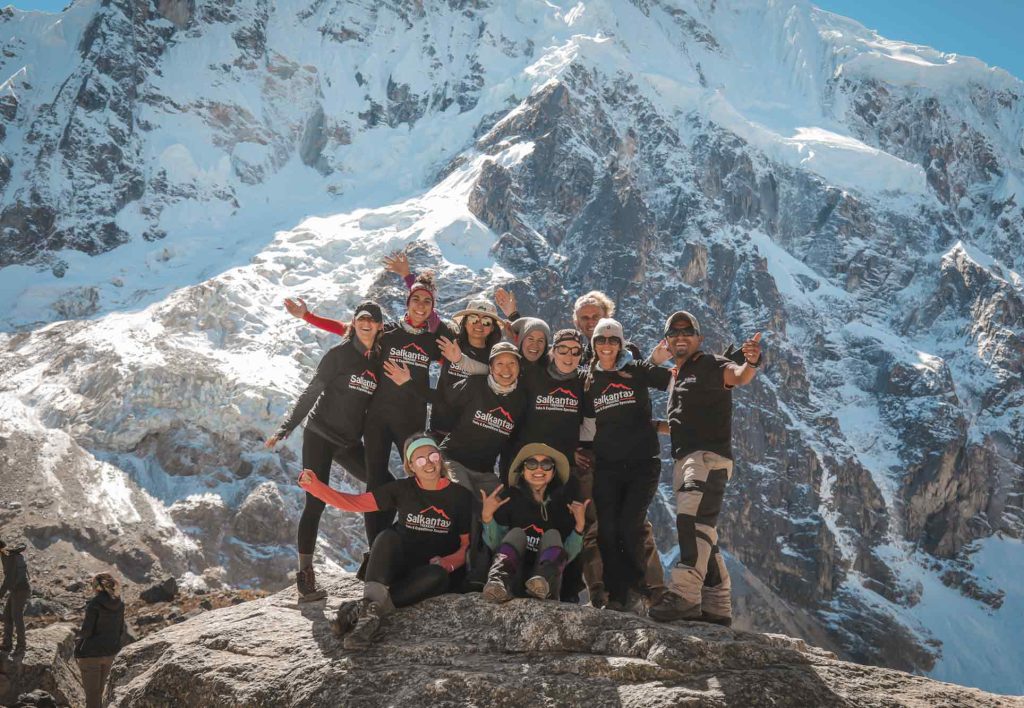
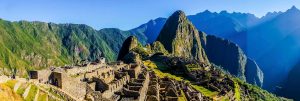
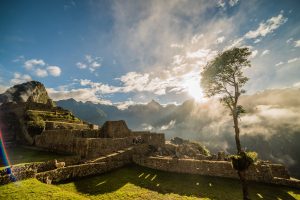
In fact, when you hike the Classic 4-Day Inca Trail, you enter Machu Picchu through Inti Punku, which isn’t possible any other way. There’s something wildly satisfying about arriving sweaty, tired, emotional, and slightly smelling like hiking socks while the first view of the archaeological site appears through the clouds.
Who Each Option Is Best For
Trekking is best for:
- Adventure travelers
- Hikers
- Nature lovers
- Travelers with more time
- People wanting a deeper experience
The train is best for:
- Families
- Luxury travelers
- Older travelers
- Visitors short on time
Anyone asking, “Do you have to hike to Machu Picchu?” with visible concern
The Main Trekking Routes to Machu Picchu
Not all treks are the same. Some take you along ancient pilgrimage routes. Others are mountain adventures with fewer crowds and bigger scenery. Let’s take a closer look at the main contenders.
The Classic Inca Trail
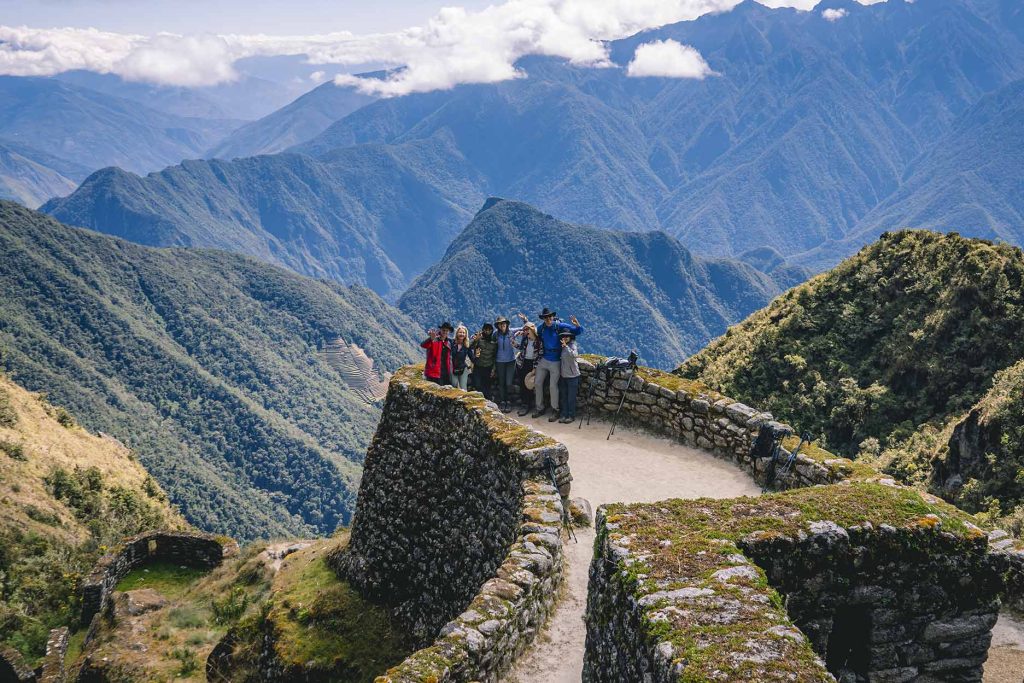
The Inca Trail is the famous one. Think original stone paths, cloud forest, archaeological sites, and the iconic Sun Gate entrance into Machu Picchu.
Permits sell out months in advance, and regulations are strict, with only 500 spaces available a day. Guides and support staff take up 300 of these, leaving just 200 for those hoping to trek the ancient trail. If you want the classic experience, book early. Very early.
It’s also important to note that the Classic Inca Trail closes every February for maintenance, conservation, and cleaning work, reopening again in March.
The Salkantay Trek
The Salkantay Trek is often considered the best alternative to the Inca Trail to Machu Picchu route.
Why? Bigger scenery. Fewer crowds. More variety.
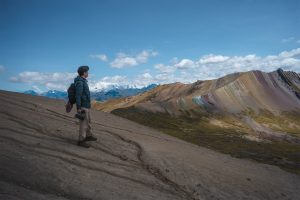
One day, you’re walking beneath snow-covered mountains. The next, you’re in a tropical jungle drinking fresh coffee. It feels less polished and more adventurous.
For travelers seeking epic landscapes and a more rugged experience, the Salkantay Trek usually wins the trek-vs-train-to-Machu Picchu debate pretty quickly.
The Lares Trek
The Lares Trek focuses more on culture and local communities.
You’ll pass traditional Andean villages, learn about weaving traditions, and experience quieter trails. It’s less about dramatic entrances and more about cultural connection. This is an excellent alternative if you want to avoid the big crowds.
The Inca Jungle Trek
The Inca Jungle Trek is for travelers who think hiking alone sounds suspiciously calm.
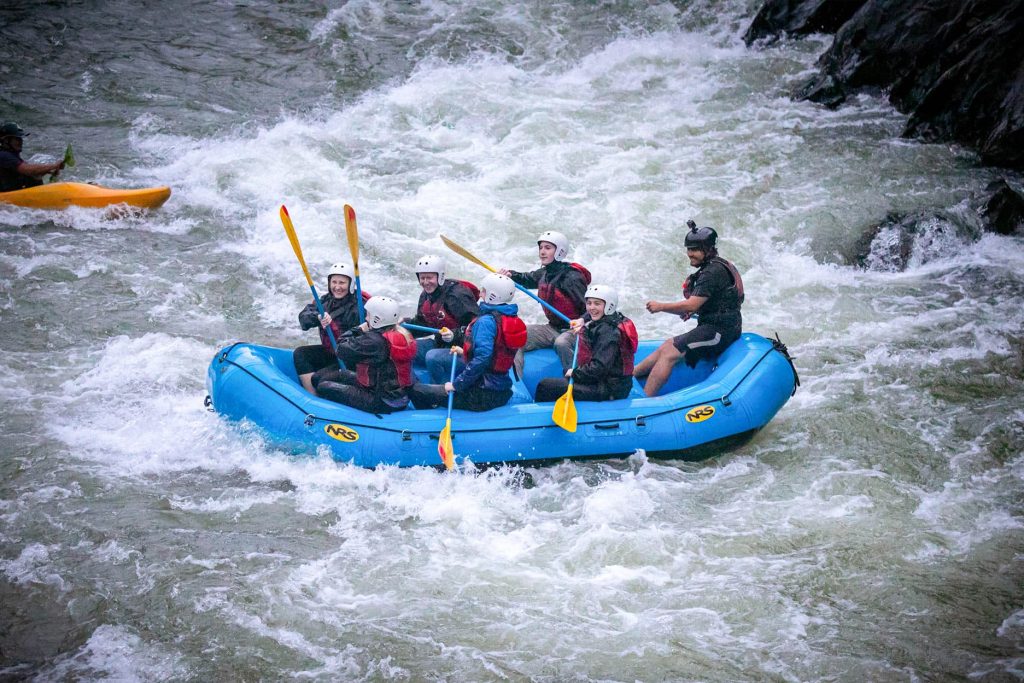
This route combines trekking with biking, rafting, and ziplining. It’s basically the most adventurous version of getting to Machu Picchu.
Taking the Train to Machu Picchu Explained
If trekking sounds slightly too ambitious or you’re short on time, don’t worry. Plenty of travelers visit Machu Picchu by train and have an amazing experience.
Train Routes From Cusco and Ollantaytambo
Most routes start in either Cusco, from Poroy, or Ollantaytambo in the Sacred Valley.
The train from Cusco to Machu Picchu is longer and more direct, while departures from Ollantaytambo are usually faster and more popular.
Many travelers stay in the Sacred Valley first to break up the journey and adjust to the altitude.
PeruRail vs Inca Rail
These are the two main train companies.
PeruRail has more departure options and different service levels, including a service for locals. Inca Rail tends to feel slightly more boutique and modern.
Honestly, both are excellent options, and your final choice might just depend on availability when you go to book. They both also offer luxury options and tickets for those on a tighter budget.
Budget, Mid-Level, and Luxury Train Options
Expedition by PeruRail and the Voyager by Inca Rail are the budget-friendly options.
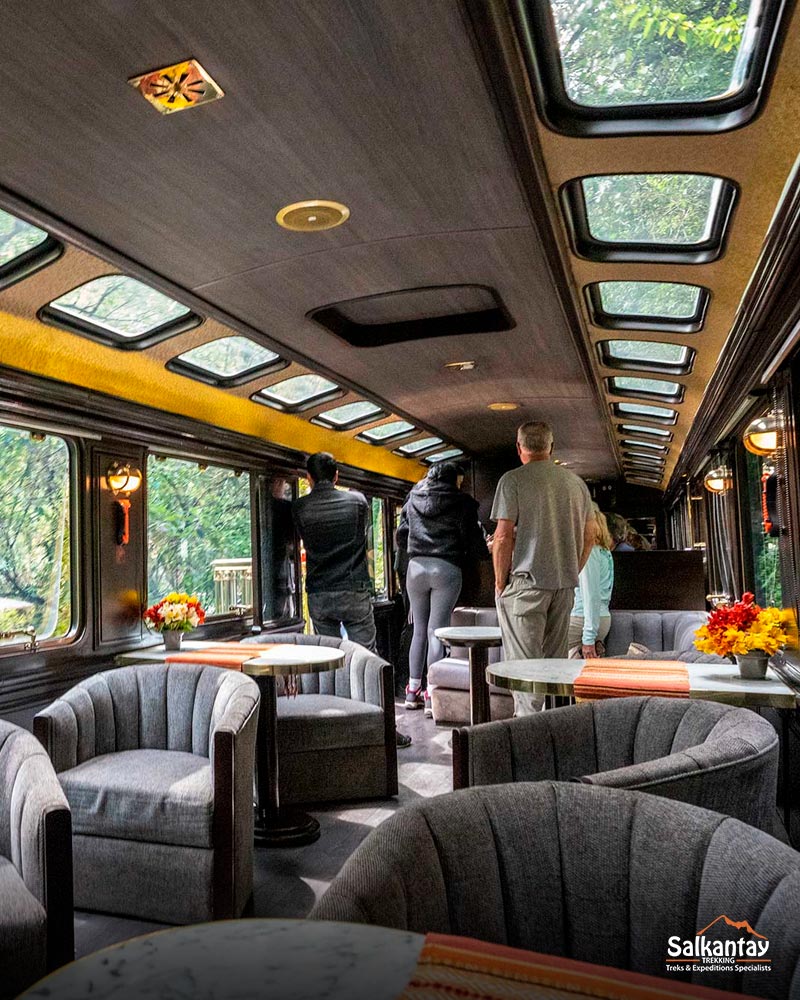
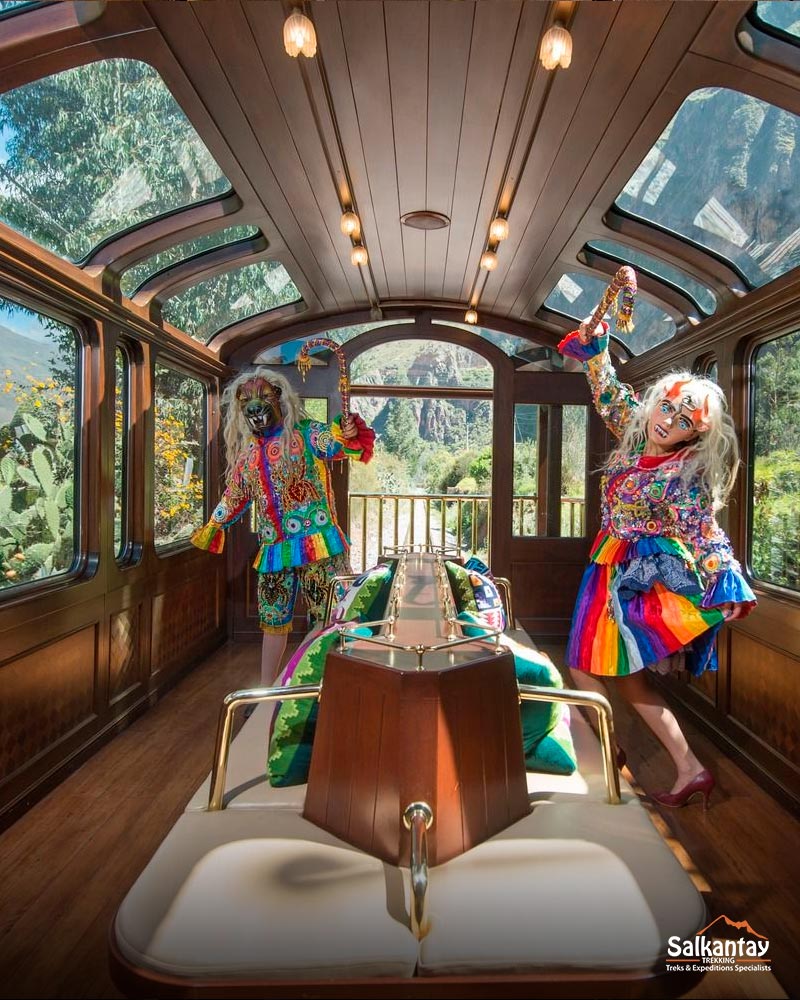
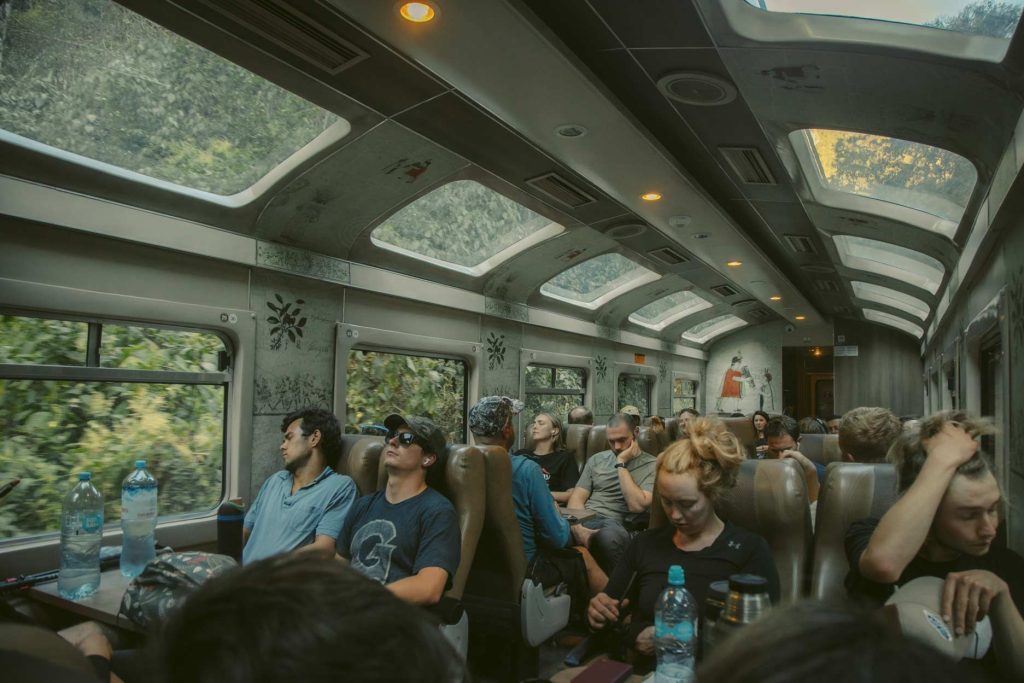
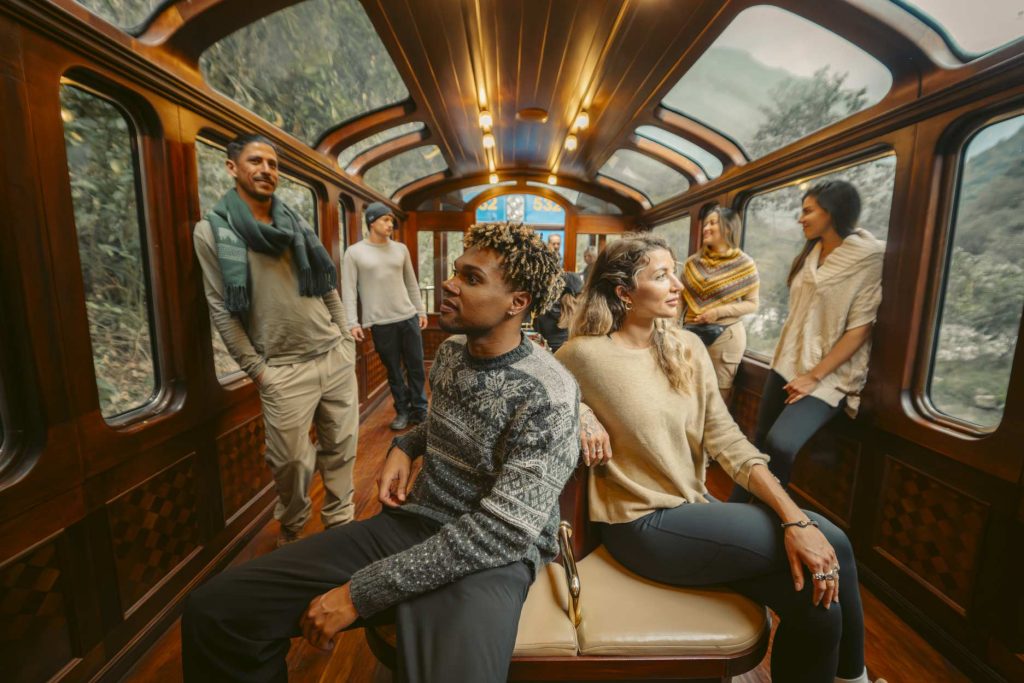
PeruRail’s Vistadome and Inca Rail’s 360° trains offer panoramic windows and a more scenic experience.
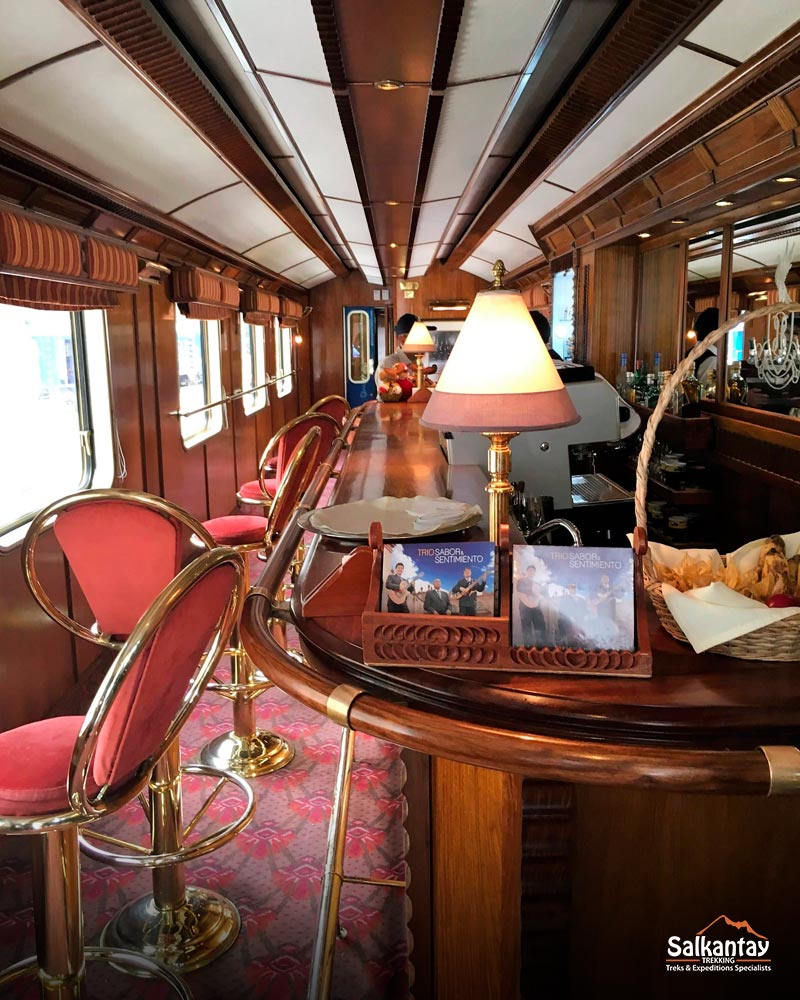
Luxury trains? Think fine dining, cocktails, and pure relaxation on your way to one of the Modern Seven Wonders of the World.
What the Train Journey Is Actually Like
The scenery is beautiful, especially once the train begins to follow the Urubamba River into the cloud forest.
It’s smooth, comfortable, and easy. If your ideal vacation includes fewer blisters and more legroom, this might be your winner.
Check out our complete guide on getting the train to Machu Picchu for a full breakdown of the options.
Salkantay Trek vs Train to Machu Picchu
Choosing between the Salkantay Trek and the train to Machu Picchu really comes down to what kind of trip you want.
The Salkantay Trek feels like an experience in itself, not just a means of transportation. You’ll spend several days hiking through changing landscapes, from icy mountain peaks to warm jungle trails, before finally arriving at Machu Picchu. It’s immersive, challenging, and incredibly rewarding.
Taking the train to Machu Picchu is more about convenience and comfort. You still get beautiful scenery, but without the altitude struggles, camping, or the commitment of multi-day hiking. For travelers short on time or not interested in trekking, the train makes visiting Machu Picchu easier.
Here’s a more detailed breakdown of how they stack against each other.
Scenery and Landscapes
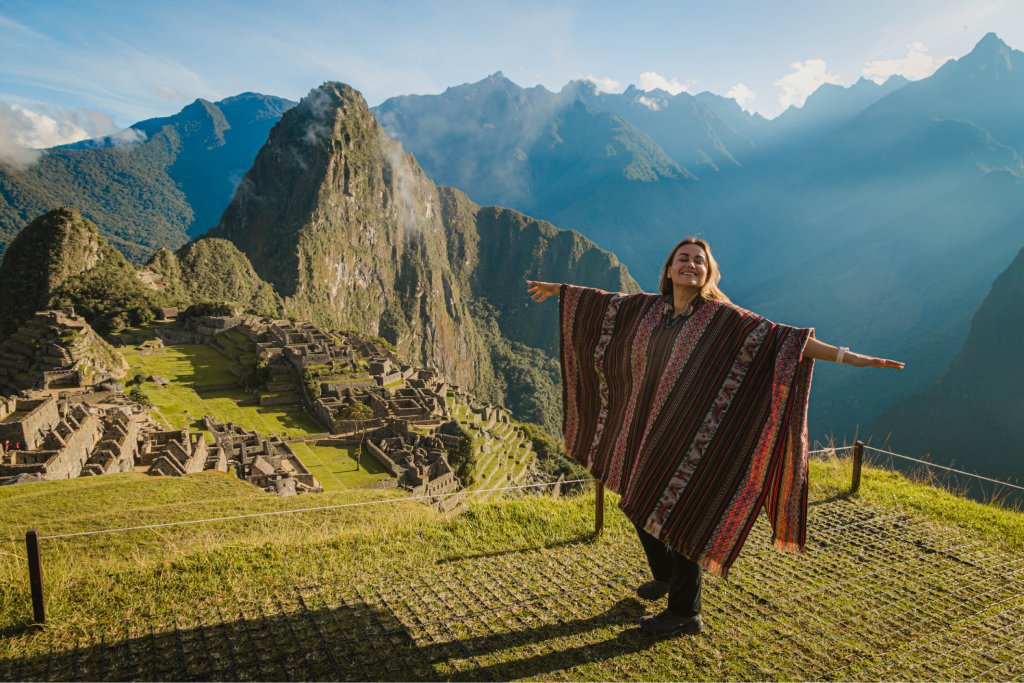
The Salkantay Trek absolutely dominates here. You’ll see glaciers, mountain lakes, valleys, jungle, and dramatic Andean scenery that most train passengers never experience.
The train journey is still beautiful, though. Huge windows give you views of rivers, green mountains, and jungle landscapes as you travel toward Aguas Calientes. It’s less dramatic than trekking, but still one of the most scenic train rides in South America.
Adventure and Experience
If you want a true adventure, trekking is the clear winner. There’s something unforgettable about waking up in the mountains, hiking ancient trails, and reaching Machu Picchu after days on your feet.
The train experience is calmer and more relaxed. You can sleep in a proper bed, shower daily, and avoid carrying a backpack uphill while gasping for oxygen.
Physical Difficulty
The train is easy. The only real effort you need to put in is walking around Machu Picchu itself.
The Salkantay Trek is physically demanding, especially because of the altitude. Expect long hiking days, steep climbs, and uneven terrain. You don’t need to be an athlete, but you do need decent fitness and to put some effort into training for altitude before your adventure.
Comfort and Convenience
The train is far more comfortable overall. You’ll have proper seating, bathrooms, luggage storage, and a much easier journey from Cusco to Machu Picchu. Any overnight stays will usually be in hotels or hostels.
Treks are constantly becoming more comfortable, but you’re still camping and spending long periods outdoors. However, luxury glamping options do exist if you really want to hike in style.
Travel Time Required
Most train visits to Machu Picchu can be done in one or two days, making them perfect for shorter Peru itineraries.
The Classic Salkantay Trek takes 5 days, plus you’ll need to factor in 2 or 3 acclimatization days in Cusco beforehand. If you only have a few vacation days, this can be a major factor in your final decision.
Altitude and Acclimatization
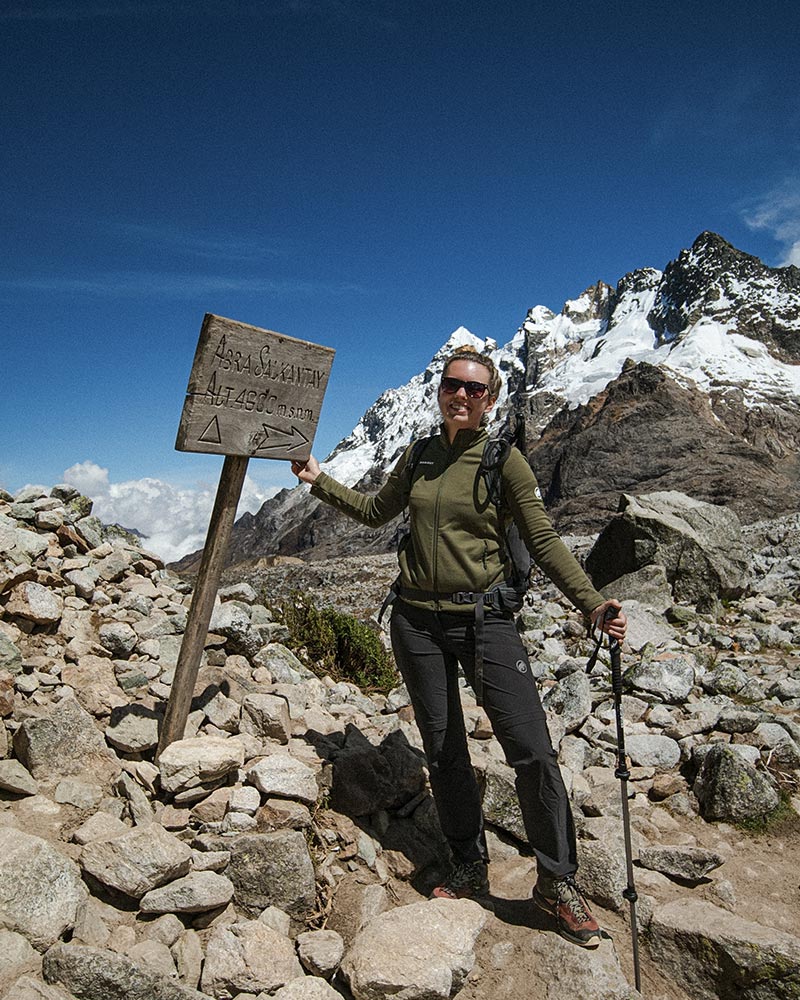
Altitude affects trekkers much more than train travelers. The Salkantay Pass reaches dizzy heights of 15,190 feet (4,630 meters), high enough to make even fit hikers feel it.
Train travelers still need to acclimate in Cusco, but the overall altitude exposure is much lower and more manageable.
Cultural Experience
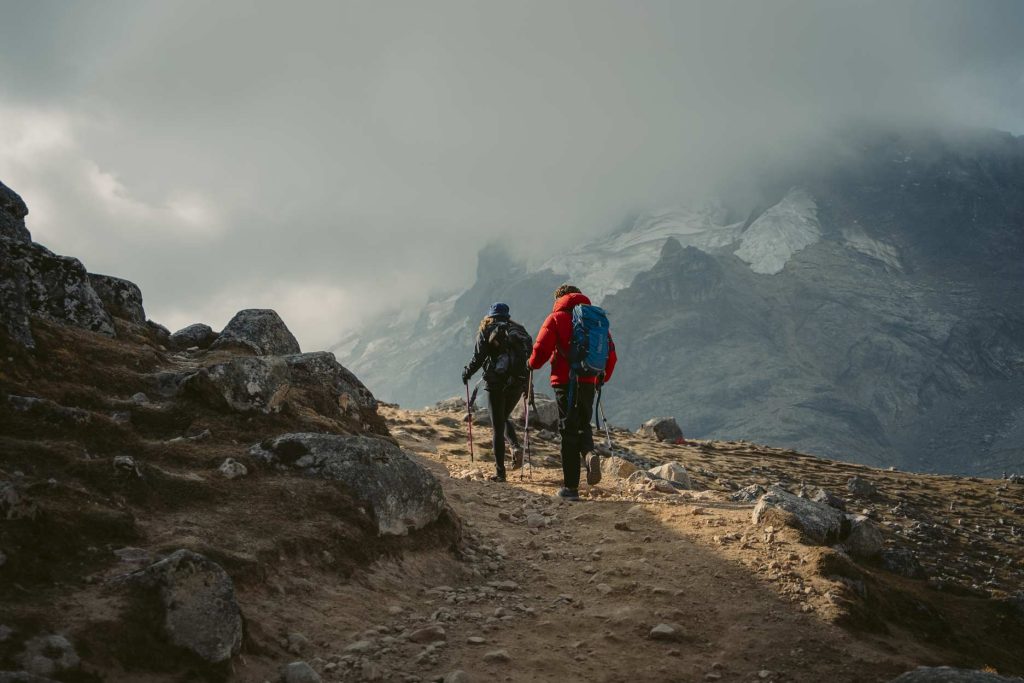
You’ll often feel more connected to local culture on a trek because you pass through remote villages and spend several days with local guides and trekking teams.
Train travelers usually experience more of the tourist route, but staying in the Sacred Valley beforehand can add a more cultural side to the trip if that’s what you’re looking for.
Food and Accommodation
Train travel naturally offers more comfort, especially if you stay in hotels along the way. You’ll have easier access to restaurants, showers, and all the little things people suddenly miss after one night outdoors.
That said, modern trekking tours can surprise people. Many Salkantay Trek operators serve excellent meals, and some campsites offer exclusive accommodation with proper beds instead of tents and sleeping mats.
Crowds and Atmosphere
The train route and Aguas Calientes can feel busy, especially during peak season. You’ll share the experience with a lot of other travelers all heading toward the same destination.
The Salkantay Trek feels quieter and more remote. There are still other hikers on the trail, but overall, it feels more personal and less crowded.
Sustainability and Environmental Impact
Responsible trekking companies often work closely with local communities and focus on sustainable tourism practices. Treks can create jobs in remote areas that directly benefit local families.
In reality, all tourism has an environmental impact, and the key is choosing responsible operators who genuinely care about conservation.
Cost Comparison: Trek vs Train to Machu Picchu
Cost is one of the biggest deciding factors when comparing trekking and taking the train to Machu Picchu Pueblo (aka Aguas Calientes). Prices vary hugely depending on comfort level, availability, season, and how fancy you want the experience to feel.
You can absolutely visit Machu Picchu on a budget. You can also go all out on a totally luxurious experience. It’s up to you. Here’s how they compare price-wise.
Average Cost of the Salkantay Trek
Most standard guided Salkantay tours range from $400–$700 depending on comfort level and inclusions. However, you can put together your own trek without a guide for around $200 and spend up to $3,000 on luxury options.
Budget group tours usually include:
- Guide
- Meals
- Camping equipment
- Transportation
- Entrance tickets
Higher-end group tours may include:
- Glass sky domes
- Luxury camps
- Hot showers
- Better meals
- Smaller groups
Most other treks to Machu Picchu will be within a similar price range unless they include special permits or you go private.
Average Cost of the Inca Trail
The Inca Trail is generally more expensive because permits are limited and government-regulated.
Group tours can set you back anywhere between $650 and $1200 per person and usually include permits, guides, porters, meals, camping, and entrance fees. The permit system means prices stay high year-round, especially during peak season.
If you want to go private and tailor everything to your preferences, you can easily spend $2,500 or more.
Average Train Ticket Prices
Machu Picchu train tickets vary massively depending on train type and season.
Here are your typical one-way prices:
- Budget Train: $60+
- Mid-tier Train: $90+
- Luxury Trains: $500+
These prices are usually for tickets from Ollantaytambo rather than directly from Cusco.
If you’re booking last-minute during high season, prices can climb quickly. Machu Picchu train tickets disappear surprisingly fast once the busy months hit. We recommend booking well in advance to avoid disappointment.
Additional Costs Travelers Forget About
This is where prices can quickly soar if you’re not careful. You should pay particular attention to the costs below if you’re planning your trip without a tour operator.
Bus Tickets
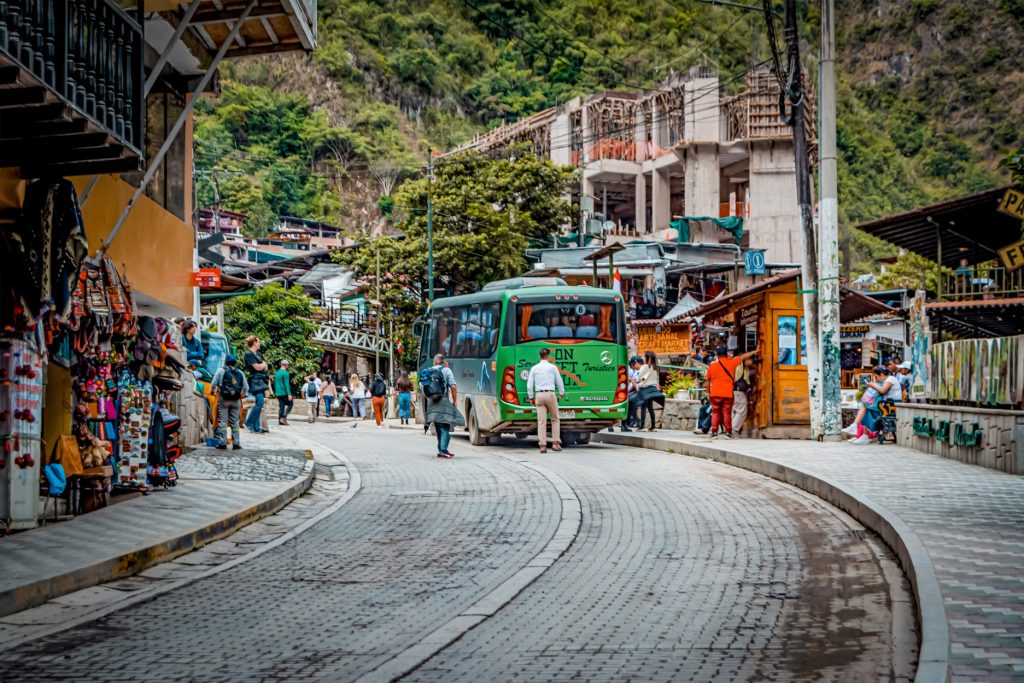
The shuttle bus between Aguas Calientes and Machu Picchu costs:
- $24 round-trip
- $12 one-way
You can hike instead, but after several days of trekking, those stairs can feel pretty punishing.
Entrance Tickets
You’ll need to book your Machu Picchu entrance tickets separately unless included in your tour. For a foreign tourist adult, Circuit 1 or 2 tickets will cost around $59, depending on current exchange rates. If you wish to hike Huayna Picchu or Machu Picchu Mountain once inside, you’ll be paying an extra $60 and will need to book your ticket well in advance to secure the spots.
Hotels
Train travelers usually need more hotel nights. Hotel prices in Cusco and Aguas Calientes range from:
- Budget hostels: $15–$40
- Mid-range hotels: $60–$150
- Luxury stays: $300+
Aguas Calientes can cost more than Cusco because it’s such a busy place with a constant flow of tourists.
Porters and Gear
Trekkers may rent sleeping bags, trekking poles, or duffel bags. Extra gear rentals can include:
- Sleeping bag: $15–$30
- Trekking poles: $10–$20
- Duffel bag rental: $15–$25
Porters are usually included on treks but may cost extra on budget tours.
Before hiking, check this trekking in Peru packing list so you bring everything you need.
Guides and Tours
Privately guided tours of Machu Picchu vary hugely in quality and price and tend to cost more than group tours. The cost can range from $50–$100, and sometimes more, depending on the experience level and length of the tour.
How Difficult Is the Salkantay Trek Compared to Taking the Train?
Short answer? Significantly harder.
Long answer? The train to Machu Picchu is straightforward and comfortable. The Salkantay Trek involves hiking at high altitude for several days through mountain terrain and different climates.
That said, difficulty is part of what makes the trek so rewarding.
Fitness Requirements
You don’t need to be an ultramarathon runner, but decent fitness helps a lot. If you can comfortably handle long walks, hills, and a few hours of activity each day, you’ll probably do fine with preparation.
The biggest mistake travelers make is assuming altitude will magically “be okay.”
Altitude Challenges
Altitude is often harder than the hiking itself. The highest point of the Salkantay Trek reaches 4,630 meters / 15,190 feet, where even tying your shoelaces can feel like a mini workout.
Altitude affects everyone differently. Even very fit travelers can struggle. Most people need at least two or three days in Cusco before trekking to acclimatize properly. Hydration, rest, and small trips to adapt to the altitude all help.
Check out our guide on the best acclimatization tours in Cusco to help you plan your first few days in the city before your trek.
Hiking Distances and Terrain
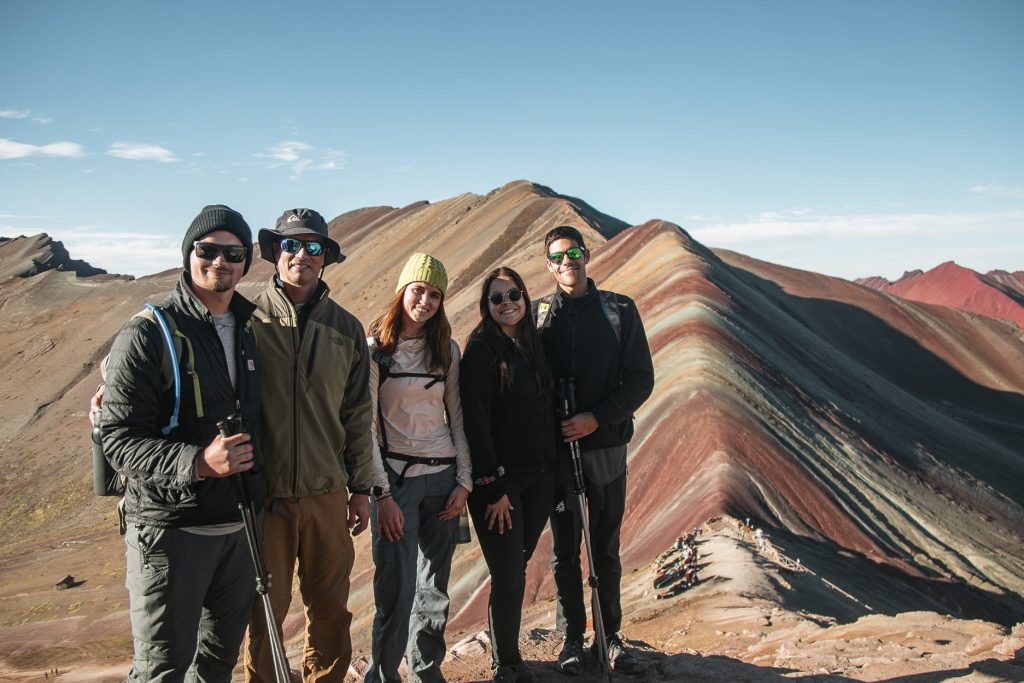
Expect steep climbs, rocky mountain paths, jungle trails, and long hiking days. The distance each day varies, but expect anywhere from 6.21 to 15.53 miles per day (10 km–25 km), depending on the itinerary.
Is the Salkantay Trek Worth It for Beginner Hikers?
Absolutely, as long as beginners prepare properly and choose a reputable operator.
Many first-time trekkers complete the route every year. You don’t need mountaineering experience, just realistic expectations and a willingness to embrace a challenge.
Do You Have to Hike to Reach Machu Picchu?
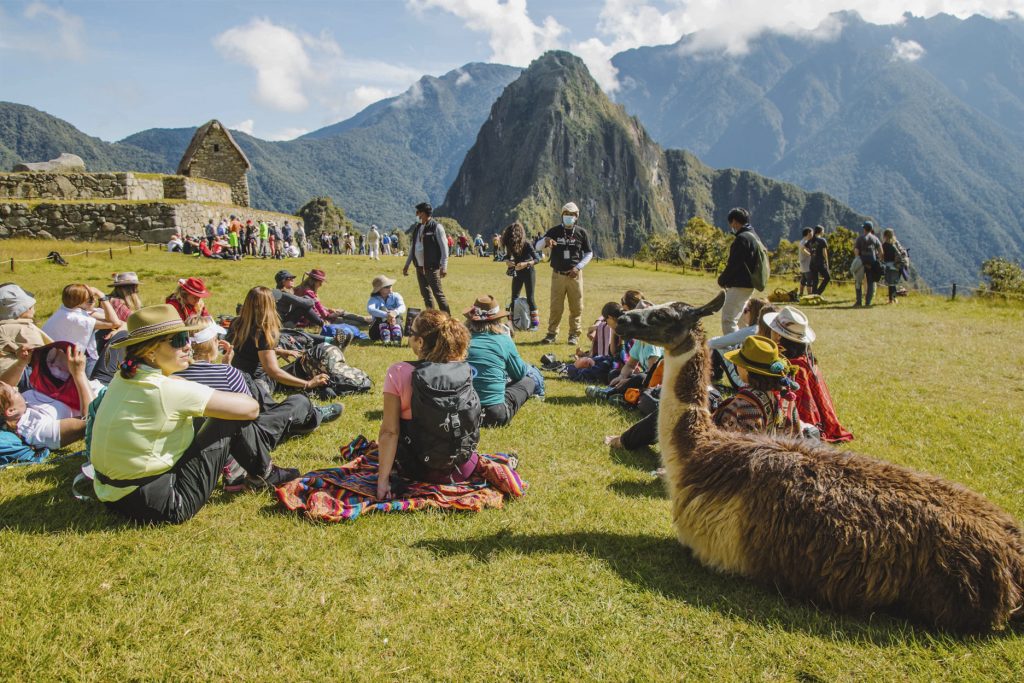
Nope. Even though you’ll see plenty of people making their way on foot online, hundreds of travelers reach the site every day without trekking at all.
Taking the train to Machu Picchu is a very popular option and works well for:
- Families
- Older travelers
- Travelers with limited mobility
- People short on time
- Anyone who simply doesn’t enjoy hiking
There’s no “wrong” way to experience Machu Picchu. The best option is the one that matches your time, comfort level, budget, and sense of adventure.
Is the Train the Easier Option?
Without question. There’s no physical difficulty when it comes to taking the train, and you can enjoy Machu Picchu comfortably in a short timeframe.
You’ll still do some walking around the ruins themselves, but compared to multi-day trekking, it’s dramatically easier.
Can You Combine a Trek and Train Journey?
Yes, and it’s actually very common. One of the most popular options is hiking the Salkantay Trek to Machu Picchu and returning by train afterward.
Best Option for Different Types of Travelers
Not every traveler wants the same thing from a trip to Machu Picchu. Some people want adventure. Some want comfort. Some just want a nice photo without needing emergency calf stretches afterward.
Here’s a quick breakdown of which option usually works best depending on your travel style.
| Traveler Type | Best Option | Why |
|---|---|---|
| Adventure Travelers | Salkantay Trek | Bigger scenery, multi-day hiking, and a more immersive experience |
| Families | Train to Machu Picchu | Easier logistics, less physical strain, and more flexibility |
| Older Travelers | Train to Machu Picchu | More comfortable and accessible overall |
| Luxury Travelers | Luxury Train | Scenic travel without sacrificing comfort or fancy meals |
| Budget Travelers | Salkantay Trek or Hydroelectric Route | Better overall value and lower accommodation costs |
| Travelers Short on Time | Train to Machu Picchu | Possible to visit in one or two days |
| Beginner Hikers | Salkantay Trek With Preparation | Challenging but achievable with acclimatization |
| Photography Lovers | Salkantay Trek | More dramatic landscapes and fewer crowds |
| Travelers Nervous About Altitude | Train to Machu Picchu | Less exposure to extreme elevations |
Best Time of Year for Trekking or Taking the Train
The best time to visit Machu Picchu depends a lot on whether you’re trekking or taking the train. Weather affects both experiences differently, and Peru’s seasons can vary widely.
Dry Season vs Rainy Season
Dry season runs roughly from May through October and is ideal for trekking. You’ll get clearer skies and better mountain views.
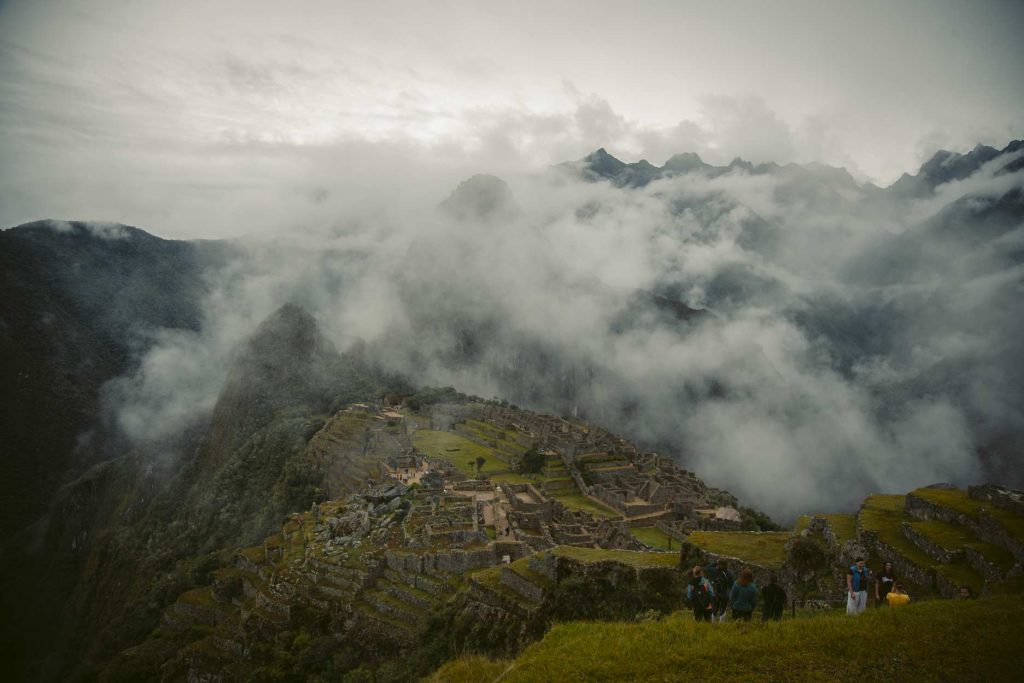
Rainy season (November to April) means trails can become muddy and slippery, but there are also fewer crowds and greener landscapes. Machu Picchu itself looks incredibly dramatic, surrounded by mist and clouds.
Best Months for the Salkantay Trek
May, June, September, and October are the sweet spots for the Salkantay Trek.
You’ll usually get good weather without the absolute peak-season crowds of July and August. Temperatures are cooler at night, though, especially at higher elevations, so packing properly matters.
When Train Travel Is Most Comfortable
Train travel works well year-round because the weather affects it less than trekking.
That said, the rainy season can occasionally cause delays or disruptions due to landslides and heavy rain. If flexibility matters, the dry season is usually the safest choice.
Trekking to Machu Picchu vs Going by Car
Most people compare trekking with taking the train, but there’s also a third option to get to Machu Picchu. You can travel partway by car, then either walk the rest of the way or take a train. This is popular with budget backpackers who aren’t trekking.
The Hydroelectric Route Explained
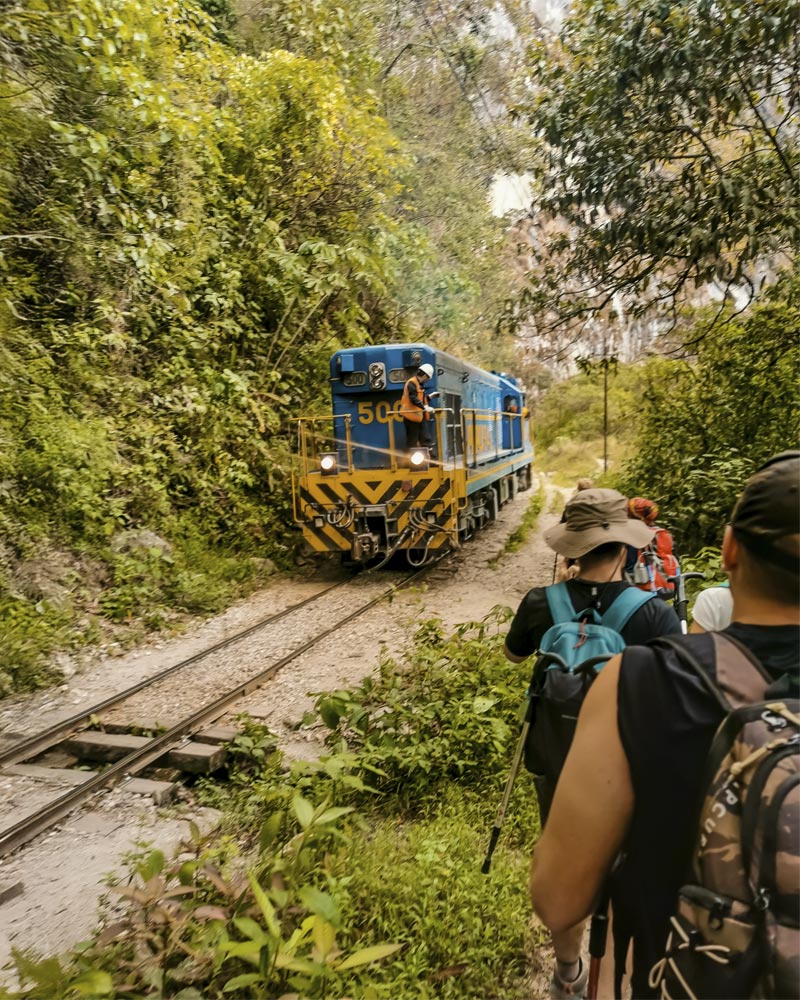
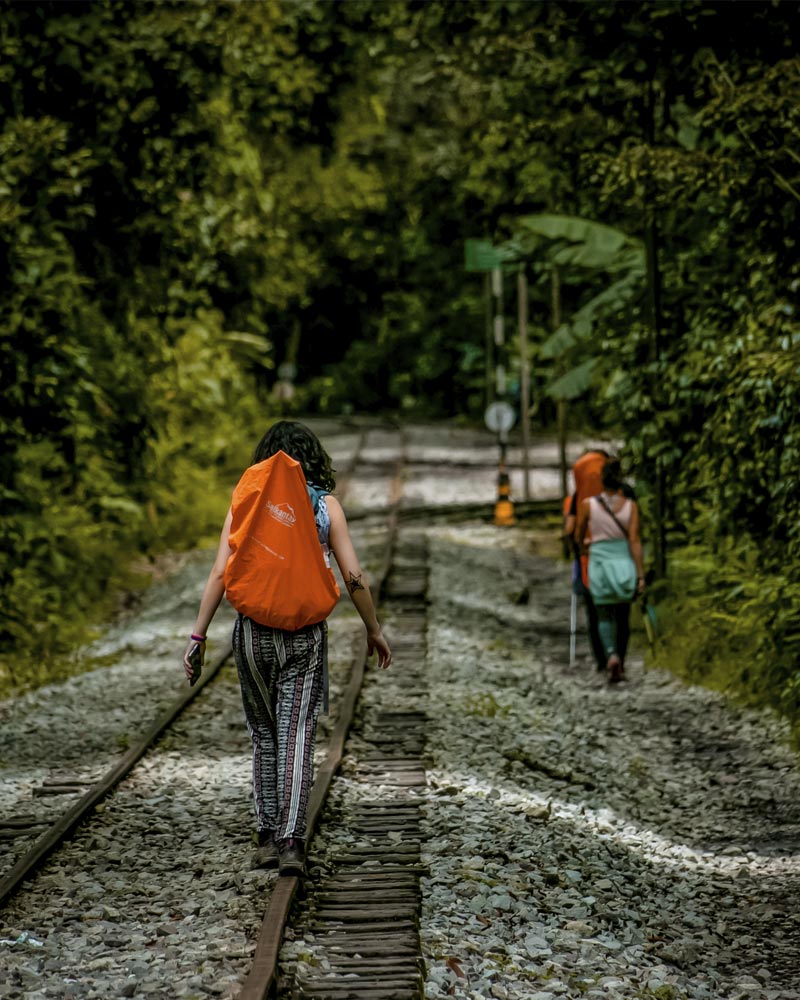
The Hydroelectric route involves a long drive from Cusco to Hydroelectric, followed by a 3-hour walk along the train tracks to Aguas Calientes.
It’s cheaper than taking the train and doesn’t require permits like the Inca Trail, but the journey is much longer and more tiring overall.
If you choose to board the train for the last section, prices start from $41 per person.
Car and Bus Alternatives
There’s no direct road to Machu Picchu itself, so even travelers going “by car” or “by train” still need to walk or take a shuttle bus for the final section.
Is the Cheap Route Worth It?
For backpackers and long-term travelers, absolutely. It can save a decent amount of money and still deliver beautiful scenery along the way.
For travelers short on time or wanting a smoother experience, the train is usually worth the extra cost.
Can You Return From Machu Picchu by Train After Trekking?
Yes, and most people do exactly that. Even those who trekked their way there.
Common Return Routes
Most tours end in Aguas Calientes, where travelers board the train back to Ollantaytambo or Cusco.
Some tours include the return train automatically, while others offer it as an optional add-on.
Train Return Logistics
Book return tickets early, especially in high season. Afternoon departures are the most common for trekkers visiting Machu Picchu.
Overnight Options in Aguas Calientes
Some travelers choose to stay overnight in Aguas Calientes after visiting Machu Picchu. It gives you time to relax, shower properly, and enjoy a relaxing evening before heading back to Cusco.
Pros and Cons of Trekking to Machu Picchu
For many travelers, hiking through the Andes is the highlight of the entire Peru trip. But it’s not always the perfect fit for everyone. Here’s a quick look at the advantages and disadvantages of traveling on foot.
Pros:
- Incredible scenery
- More immersive experience
- Adventure factor
- Strong sense of accomplishment
- Less touristy feeling
Cons:
- Physically demanding
- Requires more time
- Altitude challenges
- The weather can be unpredictable
Pros and Cons of Taking the Train to Machu Picchu
Taking the train to Machu Picchu is the easier, faster, and far more comfortable option. Let’s check out the pros and cons.
Pros:
- Comfortable
- Fast
- Accessible
- Great for short trips
- Suitable for almost everyone
Cons:
- Less adventurous
- More crowded
- Can be expensive
- Misses the remote trekking scenery
Frequently Asked Questions About Getting to Machu Picchu
Planning how to get to Machu Picchu can feel surprisingly complicated at first. With train routes, trekking permits, altitude concerns, and so many transport combinations, most travelers end up with a lot of questions. Here are some of the most common ones and their answers
Generally yes. The Salkantay Trek reaches higher altitudes and feels more physically demanding.
However, many travelers still prefer the Salkantay Trek because the scenery is more dramatic and the permits are easier to secure. In fact, it’s generally known as the best alternative route to the Inca Trail.
Absolutely. The train to Machu Picchu is scenic, comfortable, and ideal for travelers who either don’t have time for trekking or simply don’t want to spend several days hiking at altitude. For many travelers, their goal is to see Machu Picchu, not particularly the journey there.
It depends on your travel style. One to two days works for train travelers. Trekkers will need at least four to five days.
Yes, you can definitely do Machu Picchu in one day, especially by train from Cusco, though it makes for a long day. It’s completely doable, though, if your schedule is tight. Just prepare for an early alarm and a very sleepy train ride home afterward.
The Hydroelectric route is usually the cheapest option.
Travelers take shared transportation from Cusco to Hydroelectric, then walk along the train tracks to Aguas Calientes before visiting Machu Picchu the next day.
It’s budget-friendly, but it also takes longer and requires more effort than taking the train directly.
So, Should You Trek or Take the Train to Machu Picchu?
This is the part where people expect a dramatic final answer. But honestly, both options are fantastic. The best choice depends entirely on your travel style, fitness level, budget, and how much you enjoy hiking for days on end.
Choose the trek if:
- You love hiking
- You want adventure
- You have extra time
- You want a deeper connection to the landscape
- You enjoy earning your views
Choose the train if:
- You’re short on time
- Comfort matters more
- You’re traveling with kids or older relatives
- Hiking at altitude sounds like something you wouldn’t enjoy
For many travelers, the sweet spot is to trek to Machu Picchu and return by train.
You get the adventure, the scenery, and the sense of accomplishment without having to retrace every mountain pass in reverse.

Leave A Reply