The debate around solo trekking vs guided trek adventures has been going on for years. Usually somewhere halfway up a mountain, while one hiker is confidently following a map, and another is wondering why the “shortcut” now involves a suspicious number of llamas.
Some travelers love the freedom of an independent trek. Others would rather have the comfort of experienced guides, planned logistics, and someone else figuring out where dinner is coming from. Neither option is wrong. It really comes down to your experience level, budget, confidence, and what kind of trip you actually want.
Whether you’re planning the legendary Salkantay Trek, considering the Inca Trail, or eyeing up the wild beauty of the Ausangate Trek, choosing between solo trekking and guided trekking can completely shape your experience (and sometimes, you aren’t actually allowed to go it alone).
So, let’s break it all down, including safety, cost, flexibility, stress levels, altitude struggles, snack logistics, and why trekking alone sounds romantic until you realize you forgot toilet paper three days from civilization.
Table of contents
- What Is the Difference Between Solo Trekking and Guided Treks?
- Is Solo Trekking Safe?
- Advantages of Solo Trekking
- Disadvantages of Solo Trekking
- Benefits of Guided Trekking
- Downsides of Guided Treks
- Solo Trek vs Guided Trek Cost Comparison
- Which Option Is Better for Different Types of Travelers?
- Guided Treks vs Solo Treks: Key Differences at a Glance
- Questions to Ask Before Choosing a Solo or Guided Trek
- Solo Trekking vs Guided Trekking on the Salkantay Trek
- Why Many Travelers Choose Guided Treks for Challenging Routes
- Final Verdict: Should You Trek Solo or Choose a Guided Trek?
- So, Over to You
What Is the Difference Between Solo Trekking and Guided Treks?
At first glance, the difference seems obvious. One involves hiking alone. The other involves hiking with guides.
But there’s actually a lot more to it than that. Your choice affects safety, comfort, planning, transportation, accommodations, meals, permits, and how much brainpower you’ll need to use while already hiking uphill, possibly at altitude.
What Counts as Solo Trekking?
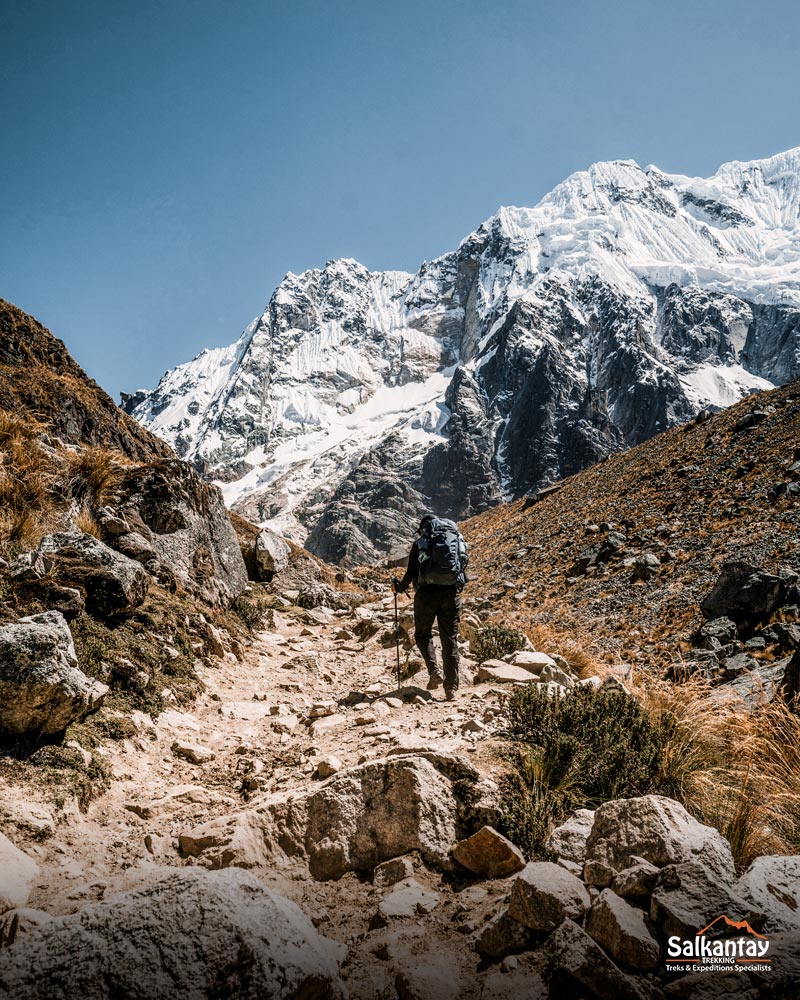
Solo trekking usually means organizing the entire trip yourself. You need to sort out the transportation, navigation, accommodations, food, permits, and gear without support staff or guides.
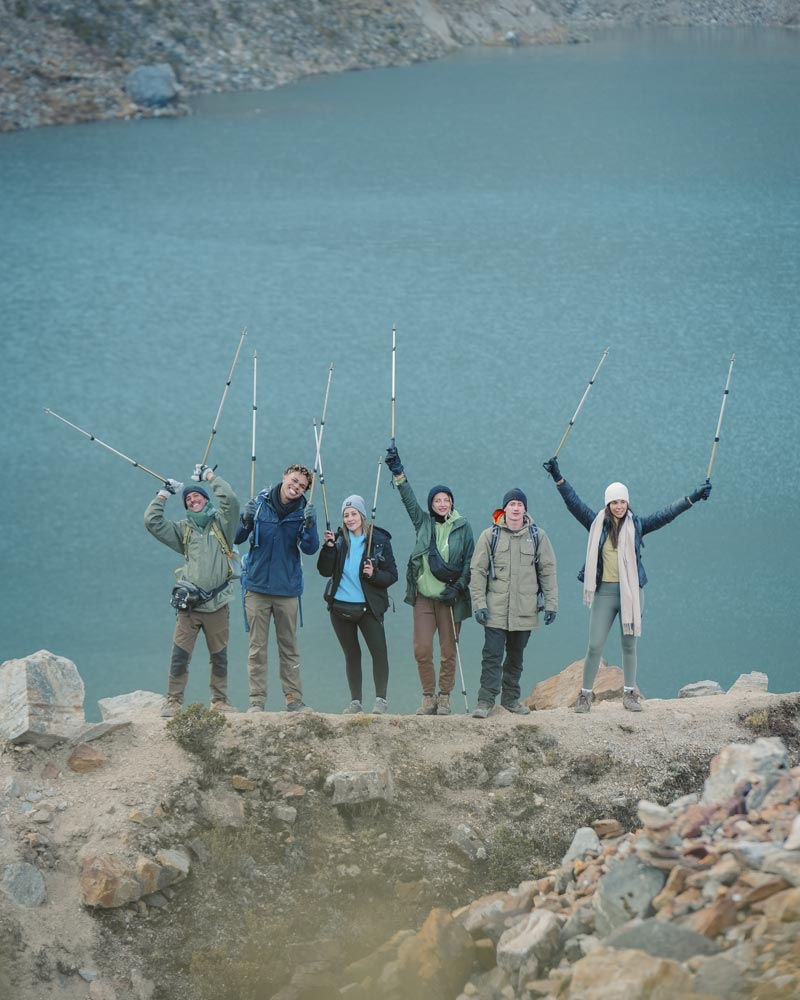
Some independent trekkers hike completely alone. Others join up with people they meet along the route or go with a group of friends. Either way, you’re responsible for yourself from start to finish.
An independent trek can be incredibly rewarding. You can stop whenever you want, hike at your own pace, and spend twenty minutes taking photos of one dramatic mountain without somebody announcing, “Okay, everyone, time to move!”
But it also means carrying more responsibility. If something goes wrong, there’s no guide magically appearing with altitude pills, emergency plans, or motivational snacks.
What Is Included in a Guided Trek?
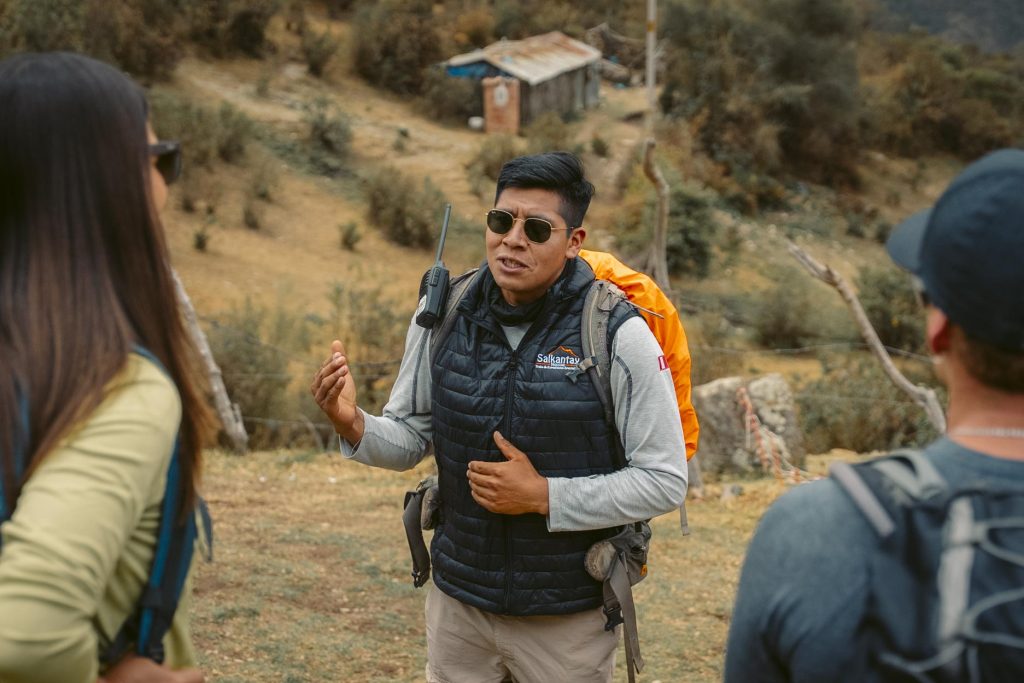
Guided trekking usually includes transportation, accommodations or campsites, meals, permits, luggage support, and professional guides who know the route inside out.
On many Peruvian treks, guided hiking tours also include porters or muleteers who carry heavy gear. Your knees will absolutely notice the difference by day two.
A guided trek is less about surviving the logistics and more about enjoying the experience. Instead of worrying about maps, sudden changes in the weather, or where to refill water, you can focus on the mountains around you and the fact that your legs are somehow still functioning.
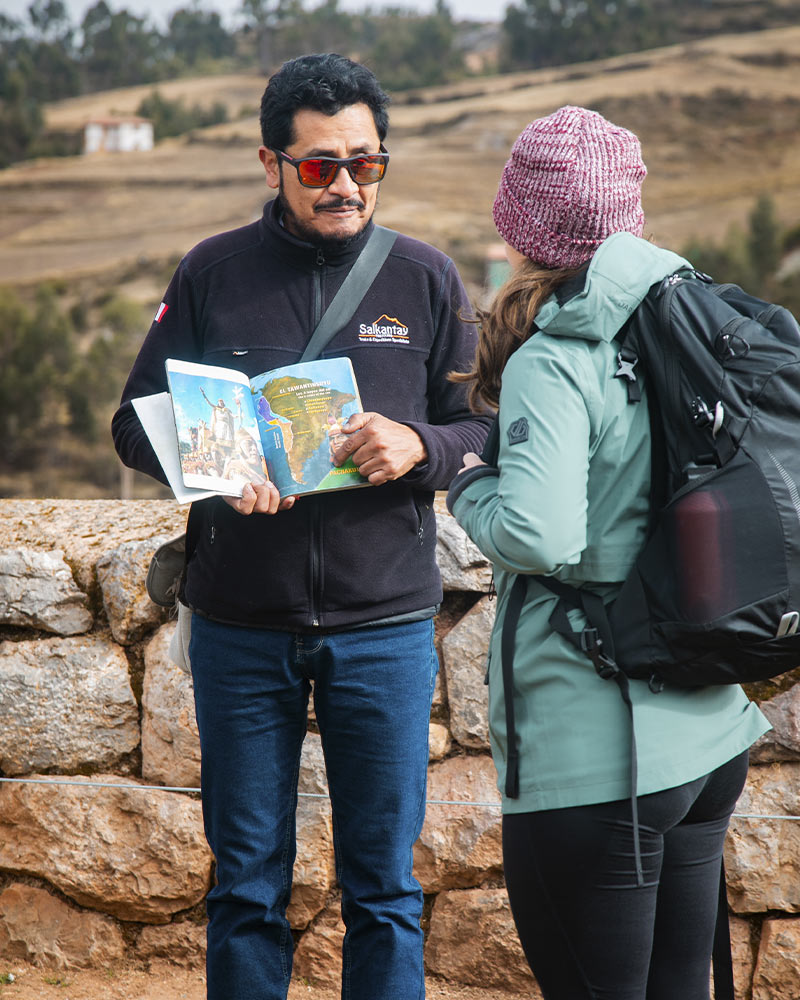
Many guided treks also include cultural experiences, local storytelling, and support teams that most independent trekkers simply don’t get access to. This could mean the difference between seeing something insanely awesome or walking past it without noticing at all.
Why the Choice Matters for Different Types of Treks
Not all treks are the same.
A short, well-marked route near a busy town that you do in a day or two is very different from a remote high-altitude trail in Peru that can last for days. Some routes are beginner-friendly and easy to navigate, while others involve extreme weather, steep terrain, and very limited emergency support.
That’s why the solo trek vs guided trek decision matters so much. A confident hiker on one trail may struggle badly on another, especially at altitude.
Routes like the Salkantay Trek may look manageable online, but mountain conditions can change quickly. A trail that feels straightforward in perfect weather can suddenly become far more difficult when rain, exhaustion, or altitude sickness enter the picture.
Is Solo Trekking Safe?
This is usually the first question people ask, right after “How bad are the bathrooms?”
The truth is that solo trekking can absolutely be safe, but it depends on the route, your experience level, weather conditions, and how prepared you are.
The problem is that many people underestimate how quickly small problems become big ones on remote trails. A wrong turn, sudden downpour, or mild altitude sickness can become much harder to manage when you’re completely alone.
Common Safety Concerns When Trekking Alone
There’s a reason people ask “Is solo trekking safe” so often. Trekking alone removes your backup system. If you get sick, lost, injured, or caught in bad weather, you’re going it alone.
That doesn’t mean solo trekking is dangerous by default, but it does require more awareness, planning, and responsibility.
Navigation Challenges
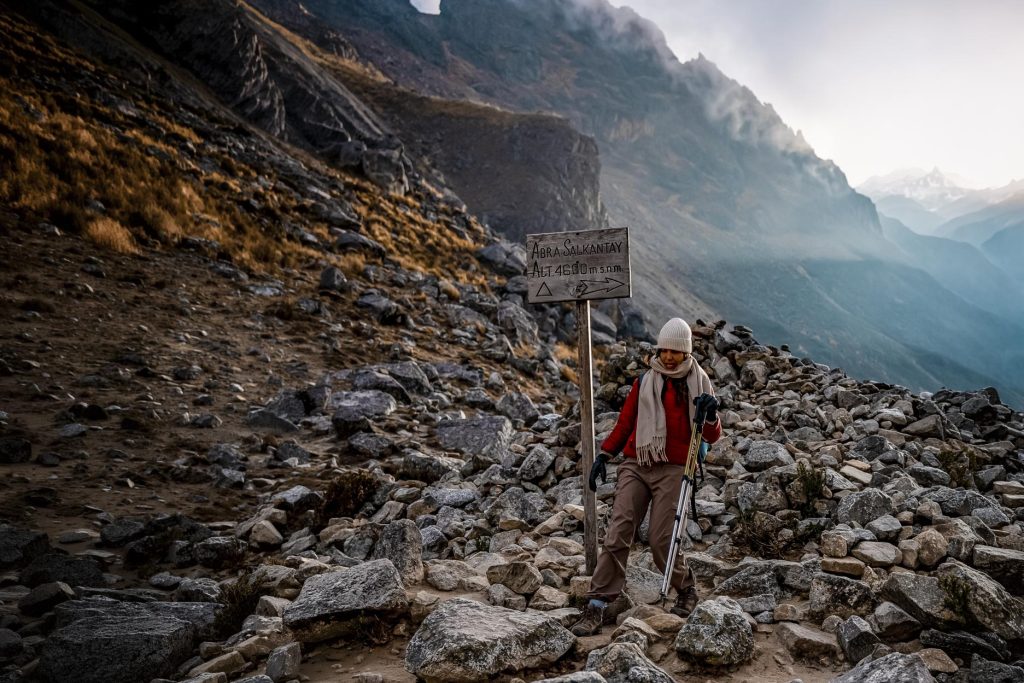
Even well-known trekking routes can become confusing. Trails split, signs disappear, the weather changes how much you can see, and suddenly, Google Maps becomes hilariously useless. Yep, there’s not much signal available on remote mountain passes, in case you were wondering.
Some trails in Peru pass through isolated valleys with very little signage, and it’s surprisingly easy to take a wrong turn when you’re tired and thinking about your next meal.
Having a guide removes that uncertainty completely. They know the terrain, weather patterns, and alternate routes if conditions change unexpectedly.
Altitude Sickness Risks
Altitude is no joke. It doesn’t care how fit you are or how many motivational podcasts you listen to. It can affect anyone.
Treks in Peru often climb well above 13,000 feet (4,000 meters), and symptoms can hit fast. Headaches, nausea, dizziness, and exhaustion can turn an exciting trek into a miserable experience in minutes.
Knowing how to acclimate in Cusco before starting your hike can make a massive difference. This could include eating lightly, avoiding alcohol, drinking plenty of water, and going on small day tours to get your body used to the dizzy heights before setting out on a multi-day trek.
Professional guides from reliable operators are usually trained to recognize early signs of altitude sickness and respond appropriately, which is one of the biggest benefits of guided trekking on high-altitude routes.
Weather and Trail Conditions
Mountain weather changes quickly. Sunny mornings can become freezing storms by afternoon.
One minute you’re slapping on your sunscreen. Next, you’re wearing every layer you packed and wondering why you ever thought it was a good idea to hike to this freezing mountain pass.
Rain, snow, muddy trails, and poor visibility can make a trek dramatically harder, especially for solo hikers carrying full backpacks.
Emergency Situations in Remote Areas
If you twist an ankle in a city, it’s annoying, but you can take it easy to recover.
If you twist an ankle six hours from the nearest road at altitude, things get complicated very quickly.
Guided trekking means you have access to emergency support that solo travelers simply don’t have. Guides know evacuation procedures, communication systems, and nearby assistance points, which can make a huge difference in serious situations.
Wildlife and Environmental Risks
Most trekking routes are safe from dangerous wildlife, but Mother Nature still has plenty of ways to humble you. River crossings, landslides, falling rocks, and extreme temperatures often pose bigger risks than animals.
Environmental conditions can become unpredictable fast, especially in mountain regions where the weather changes hour by hour. Experienced guides are usually far better at recognizing risky conditions before they become serious problems.
How to Stay Safe While Trekking Alone
If you choose solo trekking, preparation matters. A lot.
- Research the route carefully
- Download offline maps
- Tell someone your itinerary
- Carry emergency supplies
- Learn basic first aid
- Respect altitude.
And please do not show up with brand-new boots. Every experienced trekker reading this just winced. Hiking shoes that you haven’t broken in are the quickest way to feet full of blisters.
Whether you’re heading out on the Ausangate Trail, Choquequirao Trek, or the Salkantay Route, make sure you use a packing list before departure to save you from rookie mistakes like underestimating cold weather or forgetting waterproof layers.
It’s also smart to start with easier routes before attempting challenging multi-day hikes in remote areas.
Who Should Avoid Solo Trekking
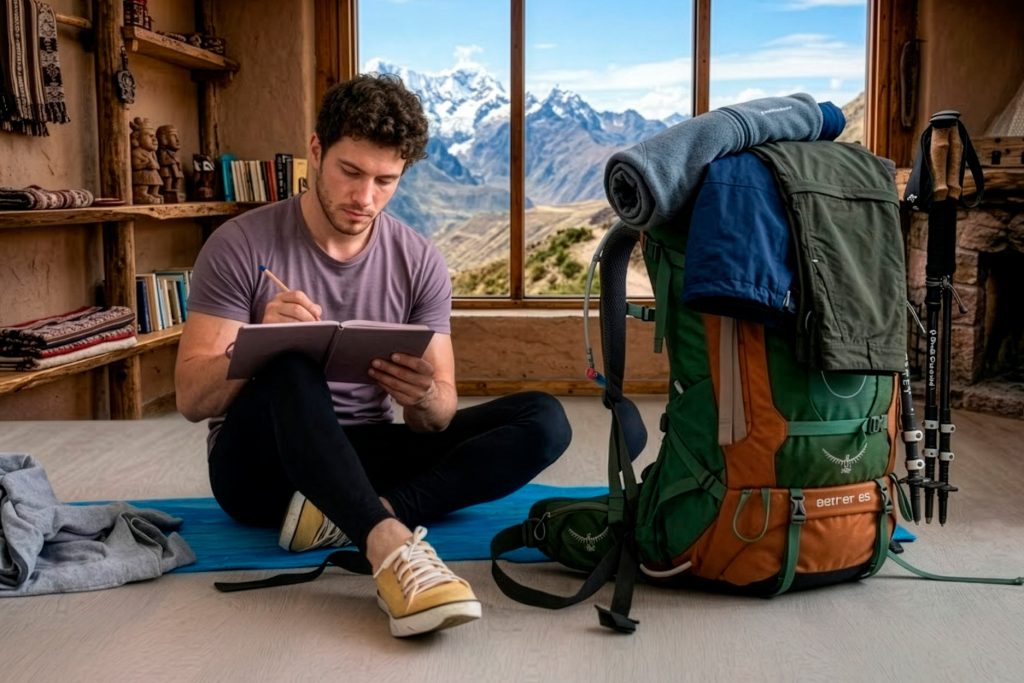
Solo trekking is probably not the best idea for complete beginners, travelers with little hiking experience, or anyone uncomfortable finding their way around remote environments.
It can also be risky for travelers attempting difficult high-altitude routes without proper acclimatization or training.
There’s no shame in choosing guided trekking. Plenty of experienced hikers still prefer guided treks because they want less stress and more enjoyment overall.
That’s totally valid in our opinion.
Advantages of Solo Trekking
Despite the risks, the advantages of solo trekking are easy to understand. There’s something deeply satisfying about being fully independent in the mountains.
For many travelers, it’s the freedom and flexibility that make trekking alone feel so rewarding.
Freedom to Set Your Own Pace
Want to hike fast? Go for it.
Want to stop every ten minutes because the scenery looks like a movie set? Also fine.
Solo trekking gives you total control over your day without needing to match a group’s pace or schedule.
More Flexibility and Spontaneity
You can change plans whenever you want. Stay somewhere beautiful for longer. Take detours (as long as you know where you’re going). Start late. Stop early.
There’s no group schedule. No committee meetings about lunch breaks. You decide when to stop for food. No one else.
Having that flexibility is one of the biggest reasons experienced hikers often prefer an independent trek.
Lower Overall Costs
An independent trek is often cheaper than guided hiking tours, especially if you already own gear and know how to organize logistics yourself.
Budget travelers usually love this part. Spending less on guides and support services means they’ve got more money to spend on extra travel afterward.
However, if you don’t plan perfectly, the costs can quickly mount up, and it doesn’t actually work out much cheaper in the end.
A Stronger Sense of Adventure
There’s a unique thrill to figuring things out on your own. You feel more connected to the journey because every decision is one you’ve made.
Sometimes that decision is a brilliant one. Sometimes it involves accidentally hiking uphill for an extra hour because you confidently ignored the map. Oops.
Oh well, it’s character building.
Personal Growth and Confidence
Trekking alone pushes you outside your comfort zone. You become more self-reliant, adaptable, and confident.
There’s something extremely rewarding about completing a challenging trek all by yourself. You’ll also probably gain a much deeper appreciation for hot showers afterward.
Disadvantages of Solo Trekking
Solo trekking offers a lot of freedom, there’s no doubt about that, but there are definitely trade-offs.
A lot of people picture peaceful mountain solitude, but forget about the less glamorous parts, like planning logistics at 5 am while trying to figure out why your backpack suddenly weighs the same as a small refrigerator.
Planning and Logistics Can Be Stressful
Independent trekking means you’re the one organizing transportation, permits, accommodation, food, gear, and navigation.
Some people find this exciting. Others find it exhausting.
Long treks in Peru often involve complicated transportation schedules and remote trailheads, so planning mistakes can quickly snowball into bigger problems.
Carrying Your Own Gear
When you go it alone, there are no porters. There’s no mule support. No magical backpack-carrying fairies.
Everything you bring, you carry.
And somehow your backpack always feels twice as heavy on day three, right around the time the trail suddenly becomes vertical for absolutely no reason.
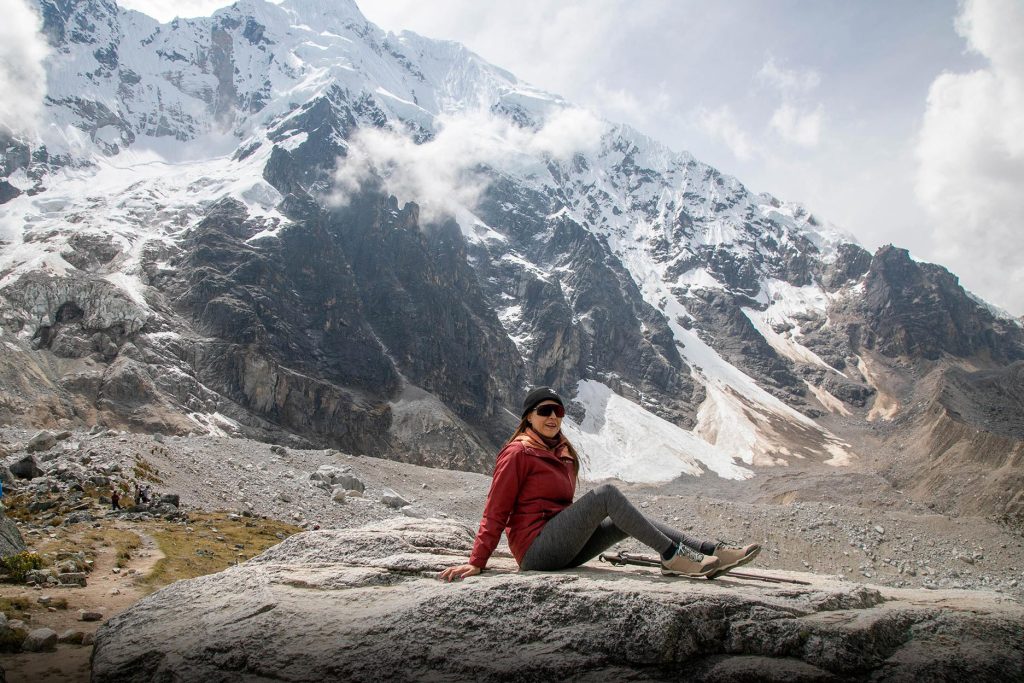
Loneliness and Isolation on the Trail
Some travelers love to spend time by themselves. Others realize halfway through a trek that they actually really miss conversation.
There’s only so much emotional support a llama can provide.
Solo trekking can feel peaceful and reflective, but it can also feel isolating during long days on remote trails, especially if you’re experiencing rough weather or if campsites are quiet.
Limited Support During Emergencies
This is one of the biggest disadvantages of solo trekking.
If something goes wrong, you need to solve the problem yourself. Experienced hikers are usually good at managing this, but it can be intimidating for beginners or travelers unfamiliar with mountain environments.
Even minor injuries become more stressful when there’s nobody around to help.
Navigation Mistakes Can Be Costly
Getting lost wastes time, energy, and supplies. In extreme situations, it can put you in quite a lot of danger.
Wrong turns can also lead to missed campsites, delayed transportation, or difficult backtracking at altitude, which is far less fun than it sounds.
Guided treks remove most of that risk entirely, especially on remote or high-altitude routes.
Benefits of Guided Trekking
The benefits of guided trekking go far beyond convenience. A good guide can completely transform your experience from stressful to unforgettable.
For many travelers, especially those trekking at high altitude for the first time, guided trekking makes for a much more enjoyable balance between adventure and comfort. You still get the challenge and incredible scenery, just without needing to stress about every small detail along the way.
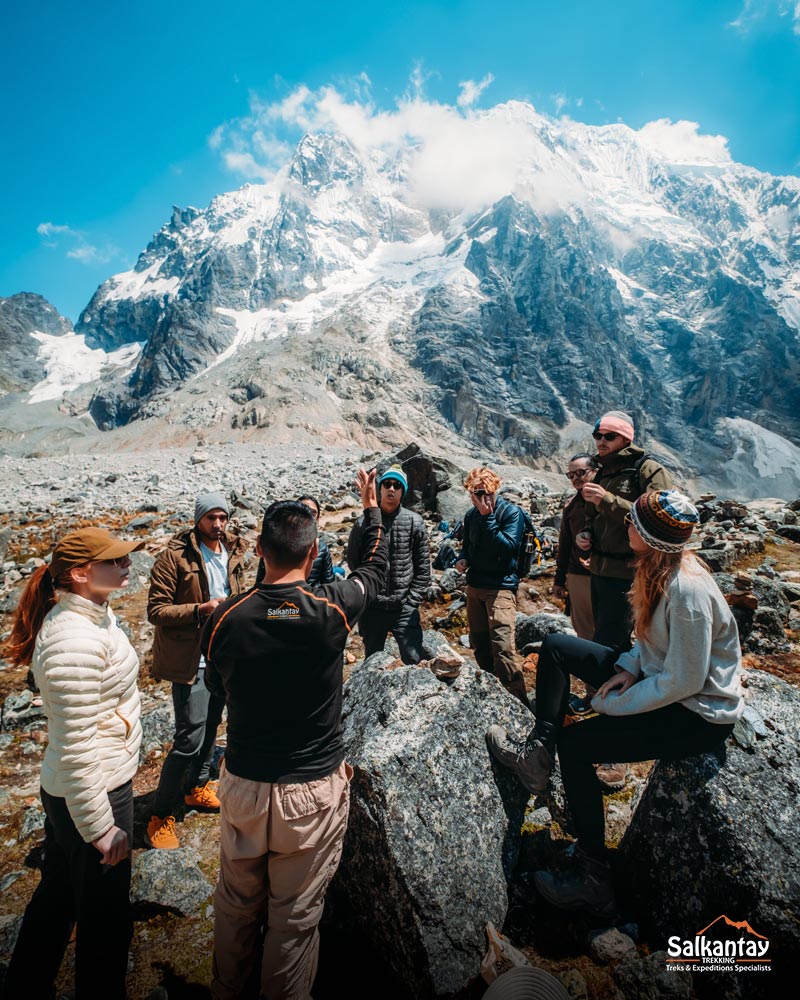
Better Safety and Support
This is the biggest advantage of guided trekking. Your safety.
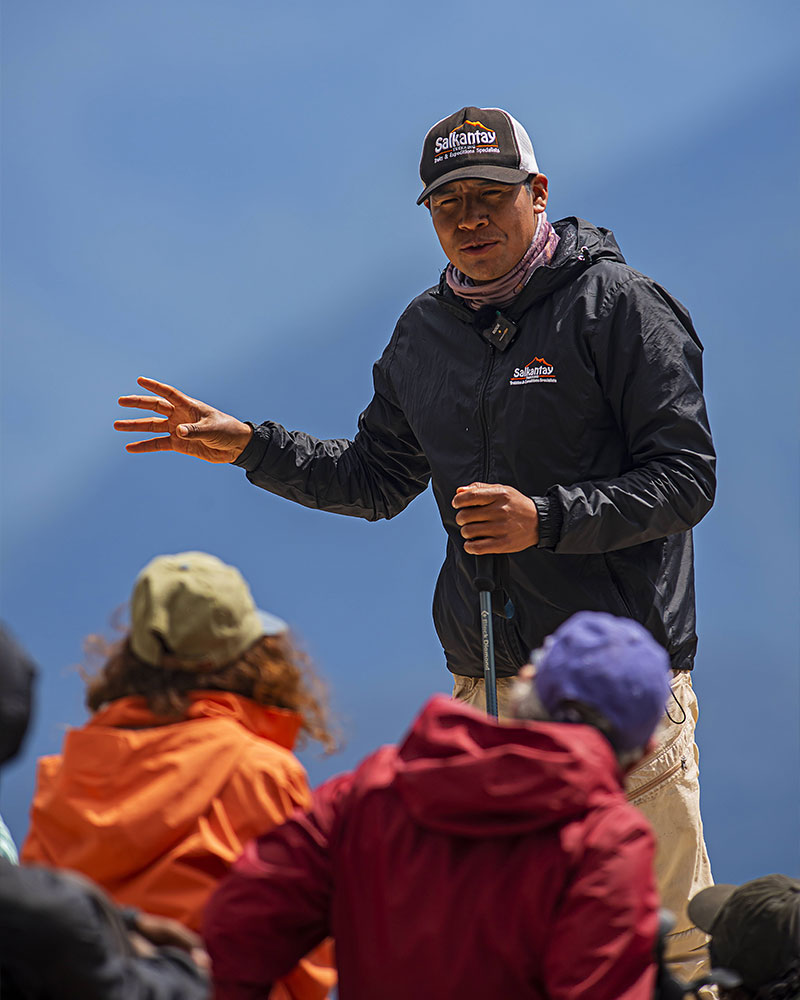
Guides keep an eye out for altitude sickness symptoms, adjust plans when the weather changes, and know what to do in an emergency. That peace of mind is very important, especially on remote trails where help can be far away.
On remote routes like the Ausangate Trek, having experienced support nearby can make a huge difference. Guides know the terrain, understand local conditions, and are trained to handle situations that many independent trekkers have never come across before.
Easier Logistics and Organization
Transportation? Sorted. Meals? Done. Campsites? Yep, that too. Luggage? Taken care of.
You literally just show up and hike with your daypack on. It’s honestly kind of glorious.
This is one of the main reasons many travelers choose guided treks vs solo treks. Instead of spending weeks arranging permits, accommodations, and transportation, you can focus on preparing for the actual adventure.
It also means fewer chances for things to go wrong halfway through your trip.
Local Knowledge and Cultural Insights
Guides add context to the landscapes around you. You learn about local communities, traditions, wildlife, and history that you’d probably miss when you’re by yourself.
Without guides, many trekkers walk straight past fascinating places without realizing how important they are. A good local guide can turn a beautiful hike into a much deeper experience by sharing stories and traditions connected to the region.
That cultural connection is one of the most underrated benefits of guided trekking.
Porters, Muleteers, and Gear Assistance
On routes like the Salkantay Trek, having gear support changes the entire experience.
Hiking with a light daypack instead of hauling your whole life uphill feels wonderfully luxurious after a few steep climbs.
Support teams can carry camping gear, food, and heavier equipment, which makes the trek easier on you physically and lets you enjoy the scenery more instead of constantly adjusting your backpack straps and regretting every unnecessary item you packed.
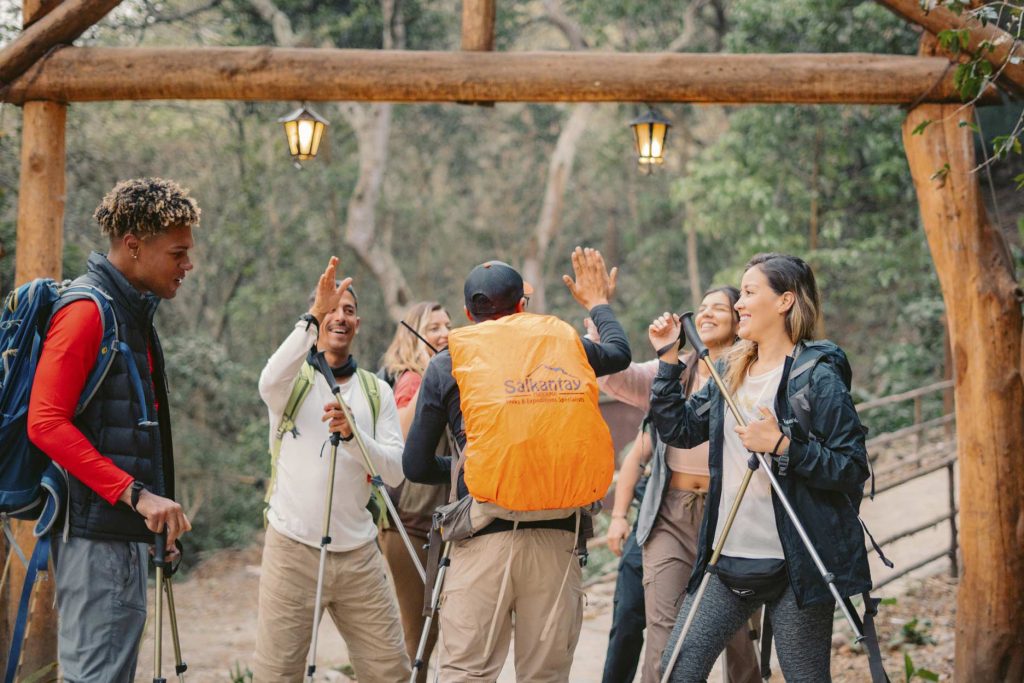
Group Camaraderie and Shared Experiences
One underrated part of guided trekking is the social side.
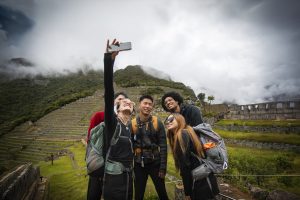
By the end of a tough trek, your group somehow turns into a weird little mountain family bonded by snacks, sore legs, and mutual suffering.
Shared experiences on challenging trails can form surprisingly strong friendships. Even if you start the trek not knowing anyone, there’s a good chance you’ll leave with new travel buddies and at least one inside joke.
Less Stress and More Comfort
Guided trekking takes away decision fatigue. You can focus on enjoying the scenery instead of constantly planning the next step.
That’s a huge reason many travelers choose guided treks vs solo trekking, especially on longer or more difficult routes.
There’s something genuinely relaxing about finishing a long day of hiking and knowing your tent is already set up and dinner is somehow magically ready.
Sometimes You Can’t Go It Alone
Some trekking routes actually require guides by law, so solo trekking isn’t always an option even if you want it.
The best example in Peru is the Inca Trail. Because of government regulations put in place to protect the trail and manage visitor numbers, hikers aren’t allowed to go on the route by themselves. You must book through a licensed tour operator with an authorized guide.
This actually turns out to be a good thing for most trekkers. The Inca Trail involves permits, checkpoints, campsites, transportation logistics, and strict entry rules that would be super complicated to manage alone, even if it were allowed.
Downsides of Guided Treks
Sure, there are a lot of positives, but guided treks aren’t perfect either.
While they offer convenience and support, there are a few trade-offs that some travelers struggle with, especially hikers who value flexibility and independence above everything else.
Higher Costs Compared With Independent Trekking
There’s no avoiding this one. Guided trekking costs more in almost every scenario.
You’re paying for logistics, staff, transportation, meals, support, safety, and expertise. Once you factor in everything included, the price often makes sense, but it can still feel expensive for budget travelers as a lump sum.
For some hikers, especially experienced backpackers, an independent trek simply feels like better value when it comes to the financial side.
Less Flexibility With Itinerary and Pace
Group schedules can feel restrictive if you prefer total freedom.
Sometimes you’ll want to stop longer for photos. Other times, you’ll wonder why Gary from Wisconsin needs fifteen minutes to adjust his trekking poles before every uphill section.
Guided trekking usually follows a fixed itinerary with planned stops and pacing. That structure works well for most people, but it can feel limiting if you enjoy being spontaneous on your travels.
Group Dynamics Can Affect the Experience
Most trekking groups are great.
But occasionally you end up beside someone who treats every uphill climb like an Olympic qualifying event, while another person somehow manages to unpack an entire bakery during snack breaks.
Traveling with a group means adapting to different personalities, hiking speeds, and energy levels. If the group dynamic works well, it can make the trek even more fun. If not, it can occasionally test your patience.
Less Sense of Independence for Some Travelers
For hikers looking for complete self-reliance, guided treks can feel less adventurous.
Part of the appeal of solo trekking is figuring things out by yourself and feeling like you’re fully responsible for the journey. Guided treks remove some of that challenge by nature.
That doesn’t make them less rewarding, though. It just creates a different type of experience.
Solo Trek vs Guided Trek Cost Comparison
Cost is often the deciding factor in the guided treks vs solo trekking debate.
At first glance, solo trekking usually looks cheaper. But once you add up gear, permits, transportation, accommodations, and emergency planning, the price gap can become smaller than most people expect.
Typical Costs for Solo Trekkers
Solo trekking is usually cheaper upfront because you’re not paying for guides, support staff, and other organized services.
This is usually the preferred option for budget-conscious travelers because it gives you more flexibility with spending. You can choose cheaper accommodations, cook your own meals, and move as quickly or slowly as you want.
That said, independent trekkers still need to budget for transportation, camping equipment, permits, food, insurance, and emergency expenses. Plus, any trekking gear they don’t already have.
What Guided Trek Packages Usually Include
Most guided trekking packages include:
- Transportation
- Guides
- Meals
- Accommodation
- Permits
- Luggage support
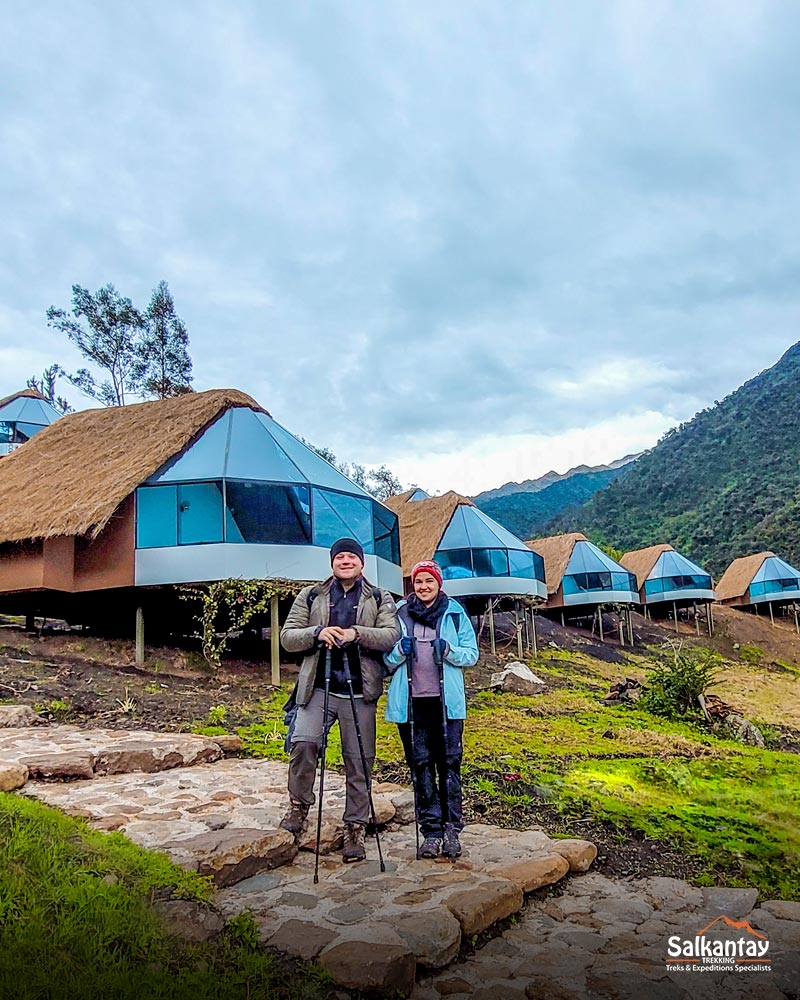
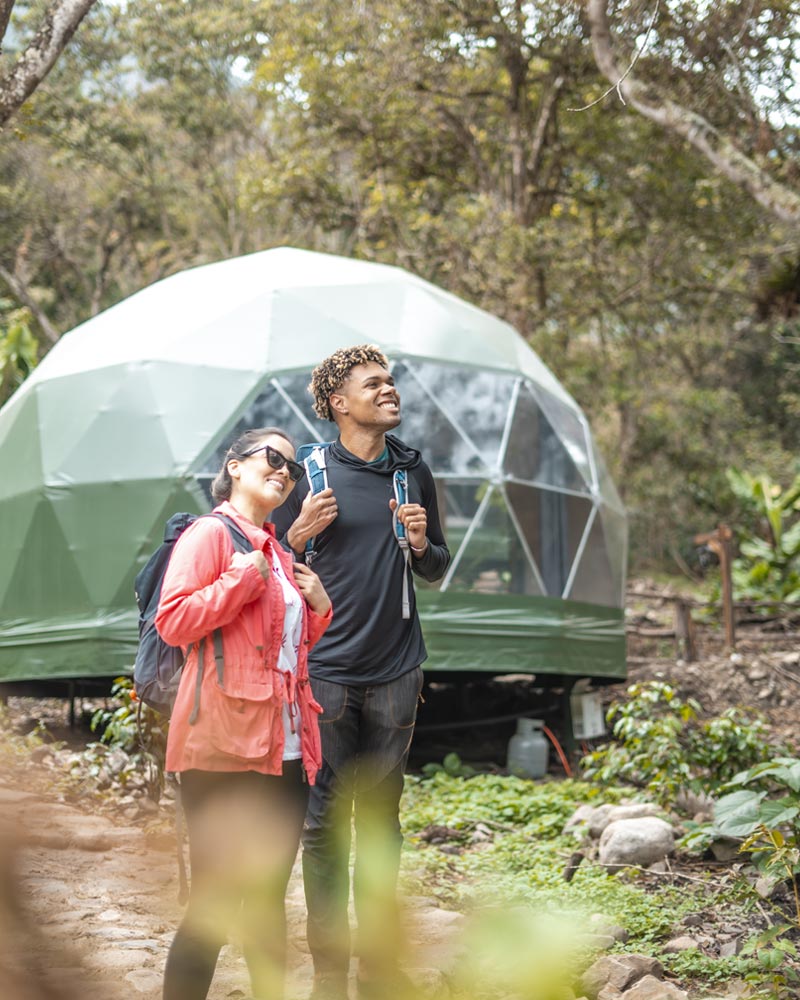
Some premium guided hiking tours even include hot showers, glamping options, and actual beds in remote locations, which feels deeply confusing after mentally preparing for total wilderness survival.
The convenience factor is a major reason why many travelers feel guided trekking is worth the extra cost.


Hidden Costs Independent Trekkers Often Forget
Many solo trekkers forget about things like water purification, emergency transportation, camping equipment, satellite communication devices, and replacement gear.
Or extra snacks. You always need extra snacks.
These unexpected costs can pile up quickly, especially if weather changes force adjustments to your plans. Delays with transportation, extra nights in hotels, or replacing damaged gear can all stretch your budget higher than expected.
Is a Guided Trek Worth the Extra Cost?
For many travelers, it is.
Having that extra support, convenience, safety, and reduced stress often makes guided trekking feel like a worthwhile investment, especially on challenging routes.
A guided trek may cost more, but many people feel it saves time, energy, and a lot of unnecessary stress during the trip itself.
Which Option Is Better for Different Types of Travelers?
There’s no universal winner here. Different travelers need different experiences and have different expectations.
The best choice depends on your hiking experience, budget, comfort level, and what kind of adventure you actually want from the trip.
Best Choice for First-Time Trekkers
Guided trekking is usually the better choice for beginners.
You’ll get some top trekking experience while having valuable support around you. It’s also much easier to enjoy the scenery when you’re not having to worry about navigation, permits, or whether you accidentally packed three pairs of socks and no waterproof jacket.
Especially for first-time high-altitude trekkers, going on a guided trek can make the entire experience far safer and more enjoyable.
Best Choice for Experienced Hikers
Experienced hikers often enjoy solo trekking because they already know how to manage planning, mountain conditions, and the challenges of multi-day hiking.
If you’re comfortable finding your way across remote trails and handling unexpected situations, an independent trek can be extremely rewarding and freeing.
However, many experienced hikers still choose guided trekking simply because they want a smoother, less stressful trip.
Best Choice for Budget Travelers
An independent trek is usually cheaper, making it a very attractive option for backpackers and long-term travelers.
If keeping costs low is your top priority, solo trekking usually makes more sense. Just remember that cheaper doesn’t always mean easier.
A lot of budget travelers underestimate how exhausting it can be to organize every detail themselves while also dealing with altitude and tough trails.
Best Choice for Solo Female Travelers
Many solo female travelers prefer guided trekking for the safety measures, structure, and social connection.
That doesn’t mean women can’t trek independently, though. Plenty do, successfully and confidently, all over the world.
But guided treks often give you more peace of mind, especially on remote routes where language barriers, arranging transportation, and isolated campsites can feel intimidating when traveling alone.
Best Choice for Couples and Groups
Guided trekking often works really well for couples and groups because the planning and logistics become much simpler.
There’s no arguing over maps at altitude. No debates about where to camp. No relationship-ending discussions about whose idea it was to “take the shortcut.”
Your tour operator arranges everything for you, making the experience smoother and more relaxing overall.
Best Choice for Luxury Adventure Travelers
If comfort matters to you, guided hiking tours are the clear winner.
Some trekking companies offer seriously impressive setups in remote places. Comfortable camps, hot meals, private transport, and proper beds suddenly make mountain trekking feel suspiciously civilized.
You still get the adventure, just with far fewer headaches.
Guided Treks vs Solo Treks: Key Differences at a Glance
If you’re still stuck in the guided treks vs solo treks debate, this comparison table makes things a little easier. Both styles of trekking have their strengths, but the right option depends on your experience level, confidence, budget, and how much stress you’re willing to deal with before your morning coffee at 4.000 metros de altitude
| Factor | Solo Trekking | Guided Trekking |
|---|---|---|
| Safety | Requires self-navigation and emergency planning | Professional guides provide support and emergency assistance |
| Cost | Usually cheaper upfront | More expensive but includes logistics and support |
| Flexibility | Full freedom over pace and itinerary | Fixed schedule with group structure |
| Convenience | Requires planning transportation, permits, and accommodations | Most logistics are handled for you |
| Physical Demands | Often harder due to carrying more gear | Easier with porters or mule support |
| Social Experience | More solitude and independence | Group atmosphere and shared experience |
| Cultural Insight | Limited unless you research independently | Guides provide local history and cultural knowledge |
| Stress Levels | Higher responsibility throughout the trek | Lower stress and easier overall experience |
| Best For | Experienced and independent hikers | Beginners, families, and travelers who want convenience |
Safety
Guided trekking generally offers a much higher level of safety, especially on remote or high-altitude routes.
Having experienced guides nearby can make a huge difference during emergencies, sudden weather changes, or altitude-related problems.
Cost
Solo trekking is usually more budget-friendly upfront, but costs can add up quickly once you add in transportation, gear, accommodation, and other unexpected expenses.
Guided treks cost more initially but often provide better overall value and fewer surprises along the way.
Flexibility
Independent trekking gives you complete freedom over your schedule, pace, and route choices.
Guided treks follow fixed itineraries, which can feel restrictive for some travelers but reassuring for others.
Convenience
This is where guided trekking really shines.
Most of the planning is handled for you, which means less stress before and during the trek. You can focus entirely on hiking and enjoying the experience instead of constantly thinking about the next step.
Cultural Experience
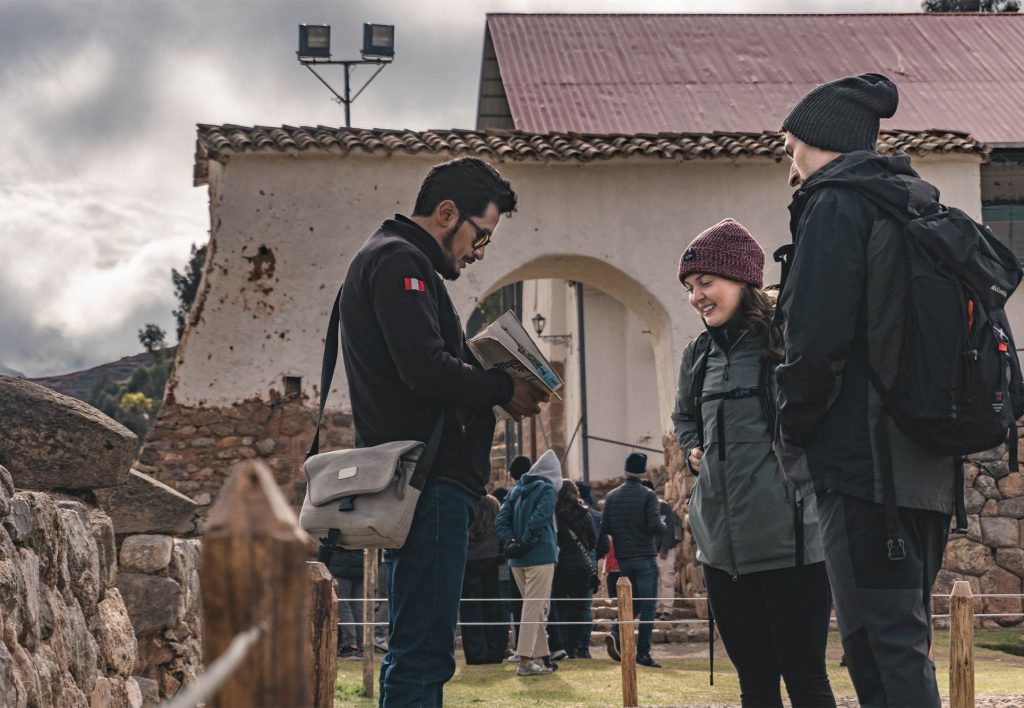
Guides give you a much deeper insight into local culture, traditions, and history.
Without a person who knows the area, independent trekkers sometimes miss important stories and cultural details along the route.
Physical Demands
Solo trekking is often harder on you physically because you carry more weight and have to manage everything yourself.
Guided treks are usually easier on your body, thanks to support teams and only having to carry lighter daypacks.
Social Experience
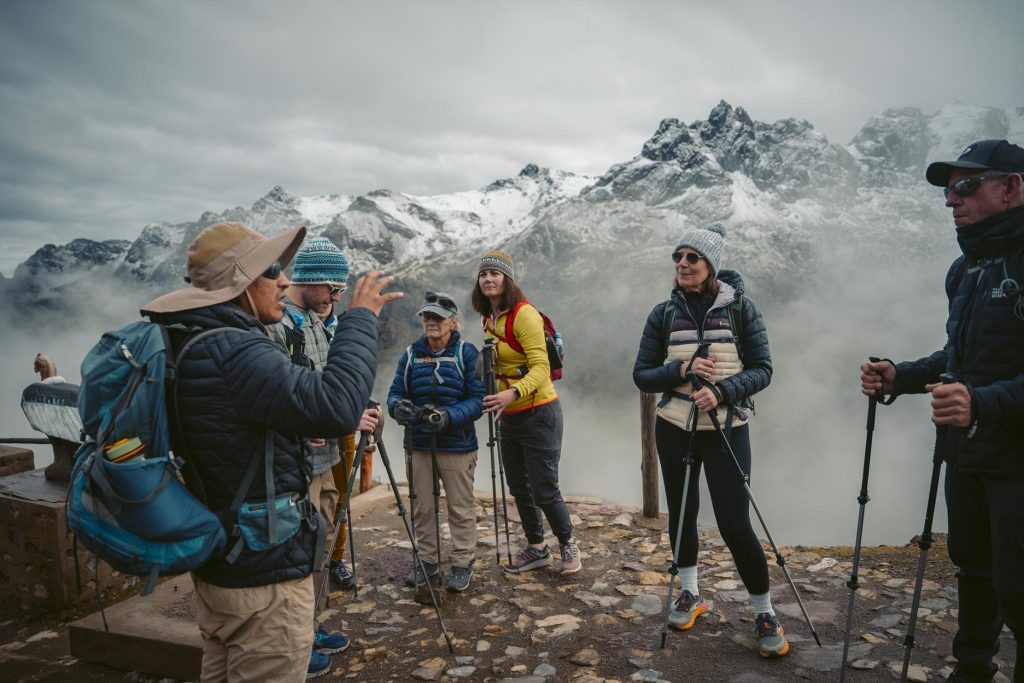
Guided treks are more social by nature. You’ll spend several days hiking, eating, and struggling uphill alongside the same group of people, which creates a surprisingly strong bond.
By the end of the trek, those who were strangers just a couple of days ago somehow become the people cheering you on during steep climbs and sharing emergency snacks when morale drops.
Solo trekking is quieter and more independent. Some travelers love the solitude and reflection that comes with trekking alone, while others start talking to alpacas by day three just to hear another voice. Sadly, they don’t talk back.
Neither experience is better. It simply depends on whether you want to form a connection or enjoy complete freedom on the trail.
Questions to Ask Before Choosing a Solo or Guided Trek
Before you book anything, ask yourself a few honest questions.
The right trekking style depends more on what will genuinely help you enjoy the experience safely and comfortably, rather than simply what looks cool online.
How Experienced Are You With Multi-Day Hiking?
A long mountain trek is very different from a casual weekend hike.
Experience matters, especially when altitude, weather, and difficult terrain are involved. If you’ve never done a multi-day trek before, guided trekking is often the smarter option.
Are You Comfortable Navigating Remote Trails?
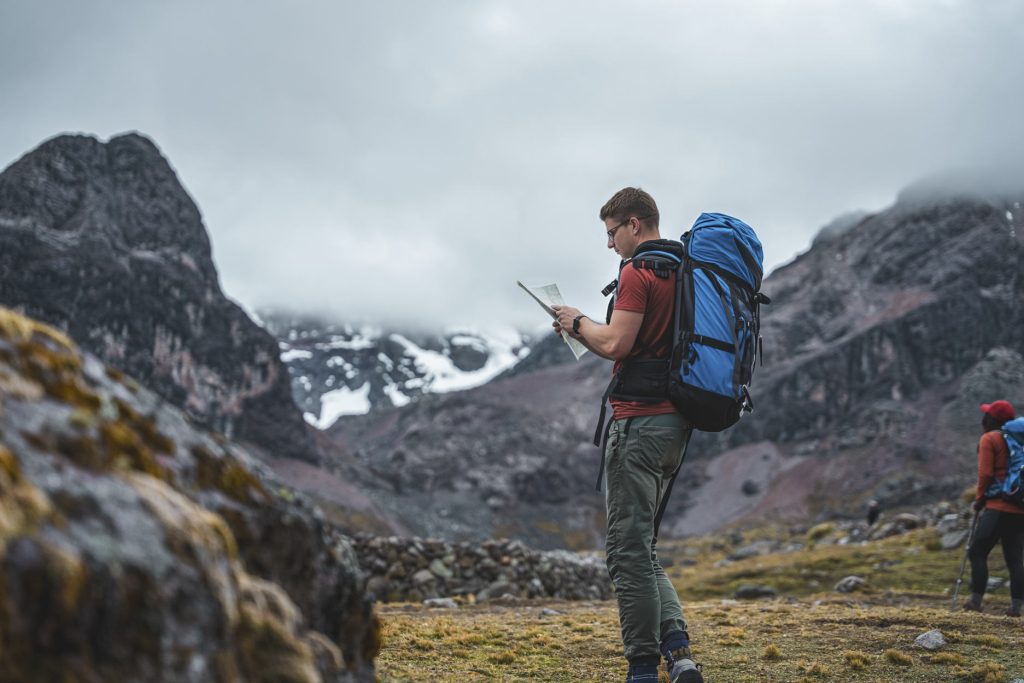
If reading maps already stresses you out, adding altitude and mountain weather is very unlikely to help.
Remote trekking requires you to be confident with navigation, planning, and decision-making. If those things sound overwhelming, a guide removes a huge amount of stress.
How Important Is Convenience?
Some travelers love planning every detail. Others just want to hike without worrying about anything else.
Know which one you are before choosing between solo trekking and guided trekking.
What Is Your Budget?
Be realistic about costs. Cheap trips can become expensive quickly when things go wrong.
Guided treks cost more upfront, but they also reduce the risk of costly mistakes or unexpected problems due to poor planning during the trek.
What Kind of Experience Do You Want?
Do you want independence and challenge? Or comfort, support, and cultural insight?
That answer usually decides everything. Neither choice is better universally. It simply depends on what type of adventure feels most rewarding to you.
Solo Trekking vs Guided Trekking on the Salkantay Trek
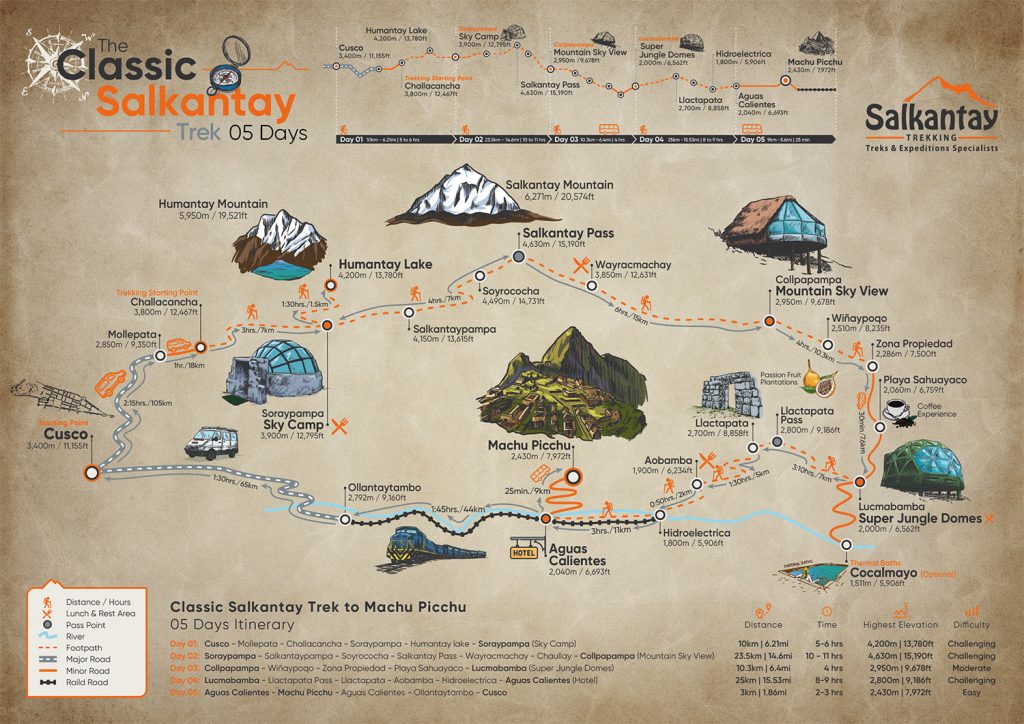
The Salkantay Trek is one of Peru’s most incredible hiking routes, but it’s also a great example of why the solo trekking vs guided trek debate matters so much.
The route combines high altitude, remote mountain terrain, changing weather, and long hiking days, which can make independent trekking more challenging than many travelers expect.
Why Some Travelers Choose to Trek Salkantay Solo
Experienced hikers often enjoy solo trekking on the Salkantay route because it offers more freedom and flexibility. You can set your own pace, choose your accommodations, and fully customize the experience.
Solo trekking is also usually cheaper, making it appealing for budget travelers and experienced backpackers comfortable with route planning and mountain conditions. Just bear in mind that you’ll need an entry ticket to enter the trekking route and Humantay Lake, plus other possible expenses along the route, like entry to the Cocalmayo hot springs.
Why Many Travelers Prefer a Guided Salkantay Trek
For most travelers, guided trekking makes the experience much easier and less stressful.
Transportation, meals, campsites, and logistics are all sorted for you, so you can focus on enjoying the trek instead of constantly planning the next step.
Guides also provide important safety support, especially at high altitude, where weather and trail conditions can change quickly. And, you’ll enjoy plenty of stories about the trail and the surrounding area for some cultural insight. That’s something that you don’t get when going it alone.
The Altitude and Logistics Challenge
One of the greatest difficulties on the Salkantay Trek is altitude. The route climbs to 15,190 feet (4,630 meters), and many hikers underestimate how physically demanding that can feel.
Altitude sickness can cause headaches, nausea, fatigue, and dizziness. If you suddenly fall ill and haven’t got a trained guide nearby, managing your symptoms could prove a lot more difficult.
Make sure you know how to train for altitude and take time to acclimate before your trek to reduce the likelihood of falling sick.
There’s also the fact that the weather is constantly changing, which is something guides are prepared to account for and take action if things get challenging, like finding a new route or another emergency backup plan.
Why Many Travelers Choose Guided Treks for Challenging Routes
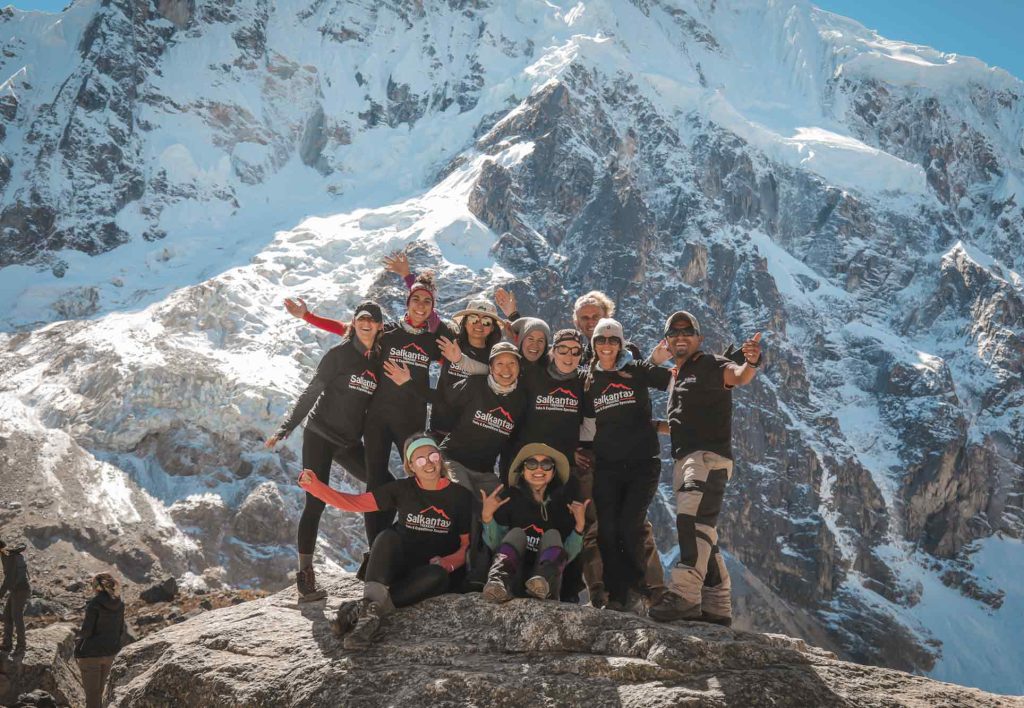
As trekking routes become more remote, technical, or physically demanding, guided trekking becomes much more appealing.
Even confident hikers often prefer support on difficult routes because it allows them to enjoy the experience fully without constantly managing logistics and risk.
High-Altitude Safety and Emergency Support
High-altitude trekking adds an entirely different level of difficulty to an adventure.
Guides know how to recognize altitude sickness symptoms early and respond quickly if needed. That knowledge can genuinely save lives on demanding mountain routes.
Simplified Logistics and Permits
Complex routes can involve permits, transportation coordination, campsites, timing restrictions, and entrance tickets.
Trying to organize all of that on your own can become exhausting fast, especially in another country where transport times occasionally feel more like optimistic suggestions.
Trekking with a guide removes that stress completely. Everything gets organized in advance, making the experience smoother from start to finish.
Better Access to Local Culture and History
Guides help travelers connect with local traditions and communities in a much more meaningful way.
Without them leading the way, it’s easy to walk through incredible places without fully understanding their history or cultural importance.
Good guides add depth to the experience by sharing stories, local customs, and insights that most travelers would miss by themselves.
Reducing Stress on Longer Expeditions
Long treks are physically exhausting enough already.
When you’ve got somebody else to handle logistics, meals, campsites, and transportation, it makes a huge difference mentally, especially after several difficult hiking days at altitude.
There’s something very comforting about arriving at camp tired and discovering someone else has already figured out dinner.
Final Verdict: Should You Trek Solo or Choose a Guided Trek?
So, solo trekking vs guided trek: which is better?
Annoyingly, the answer is still “it depends.”
Both options offer incredible experiences, but the best choice depends on your confidence, hiking experience, budget, and what kind of adventure you actually want.
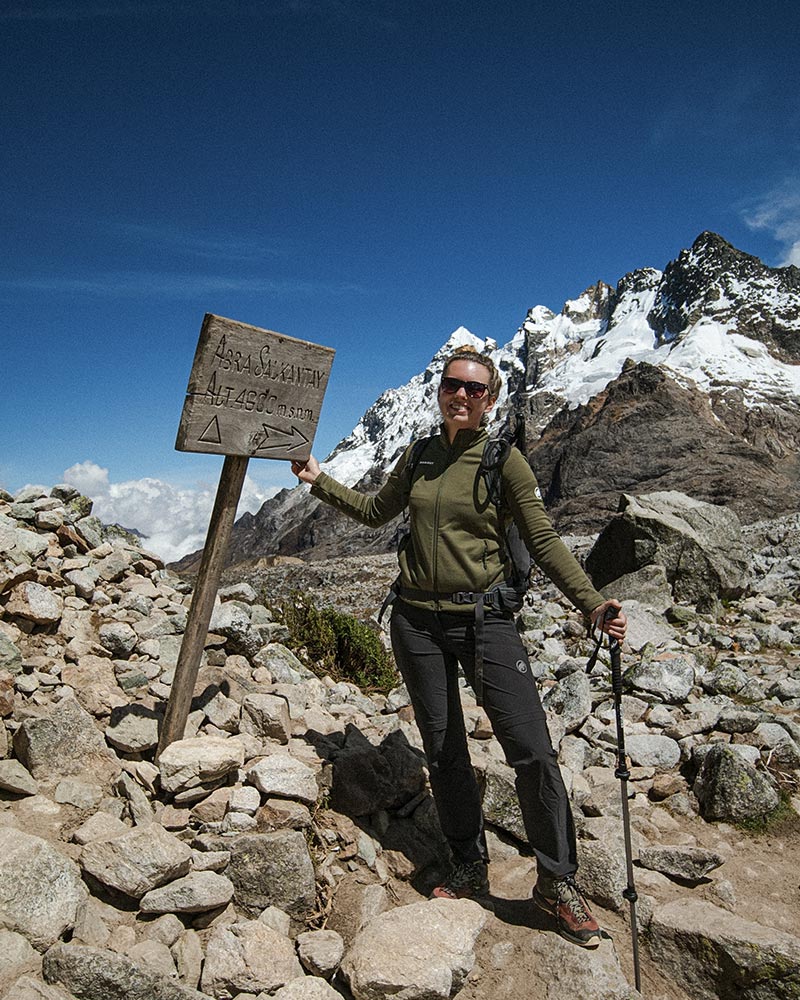
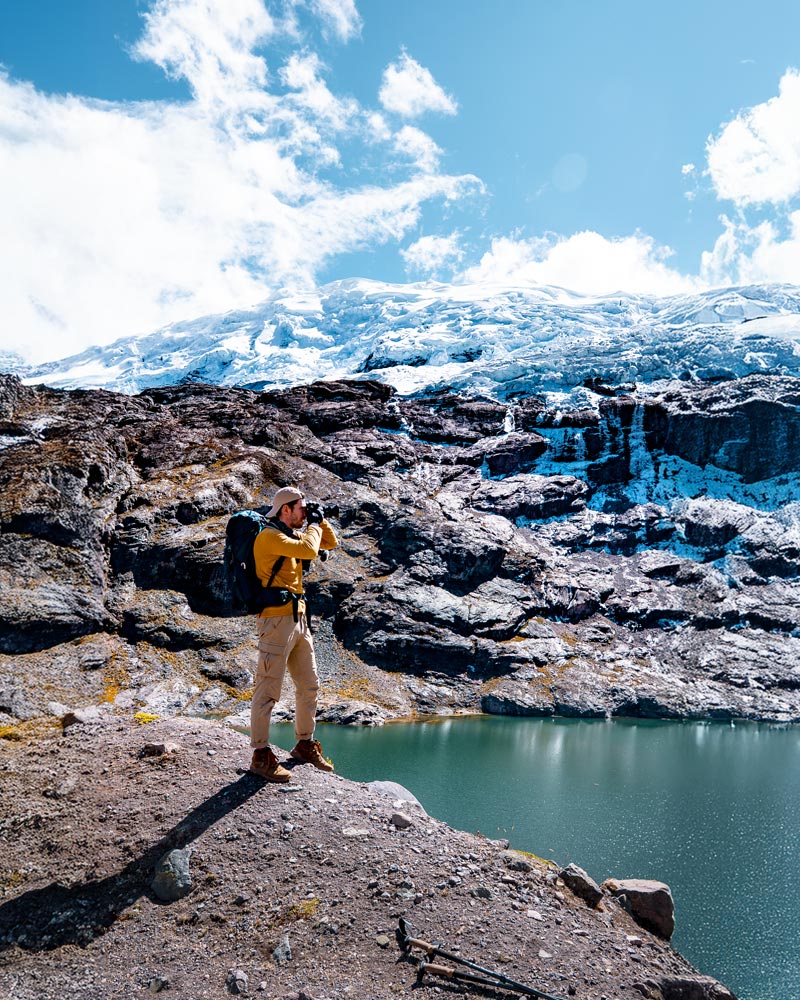
Why Solo Trekking Appeals to Independent Travelers
If you value freedom, flexibility, independence, and personal challenge, solo trekking is highly rewarding.
There’s something unforgettable about standing in the mountains knowing you got yourself there completely on your own. Every decision, every challenge, and every success feels personal.
For experienced hikers, that sense of independence is often the best part of the entire journey and why they choose to go alone in the first place.
Why Guided Treks Are the Better Fit for Most People
For most travelers, though, guided trekking offers the best balance of safety, comfort, convenience, and enjoyment.
You spend less time worrying about the organization and more time actually appreciating the landscapes around you.
On routes like the Salkantay Trek, where altitude and logistics can turn a dream trip into a stressful experience if you’re underprepared, this becomes even more important.
Guided trekking simply allows many people to enjoy the adventure more fully.
The Best Choice Depends on Your Travel Style
There’s no right or wrong choice here.
Some travelers genuinely love the challenge and freedom of an independent trek. Others prefer the smoother experience, safety, and social atmosphere that guided hiking tours provide.
The best trek is the one that matches your experience level, comfort zone, and travel style.
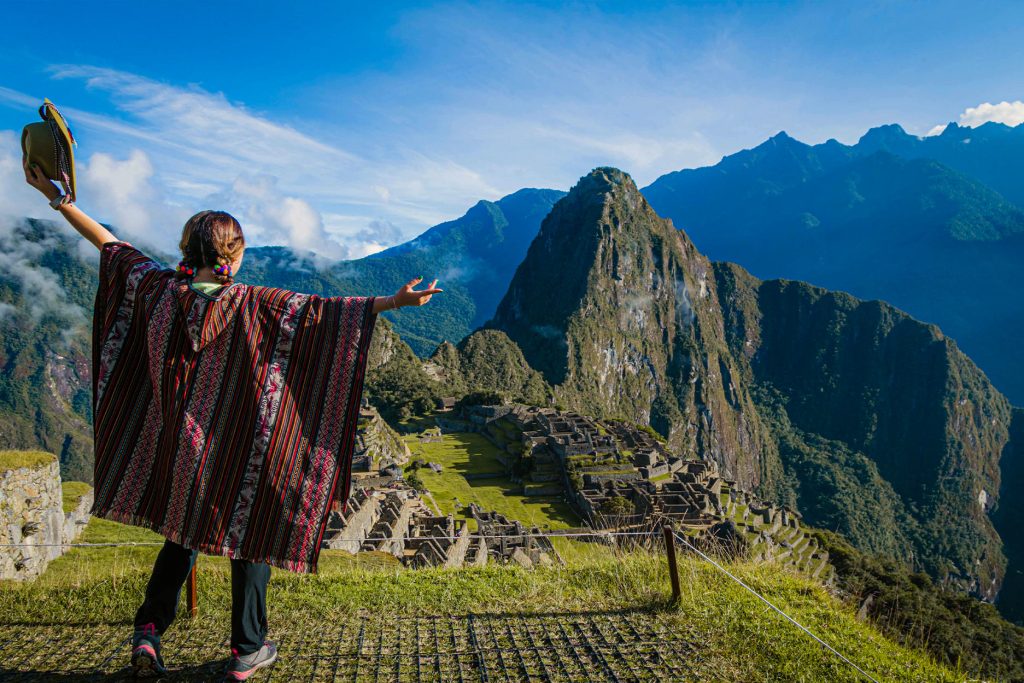
So, Over to You
The solo trek vs guided trek debate ultimately comes down to what kind of adventure you want.
Solo trekking gives you independence, flexibility, and a personal challenge. Guided trekking provides support, safety, local expertise, and a much smoother overall experience.
Whichever option you choose, preparation matters. Train properly, pack carefully, and respect altitude.
And remember that mountains have a funny way of humbling everyone eventually. Even the guy confidently explaining his “ultralight setup” while carrying seventeen protein bars and a full-size camping pillow.