
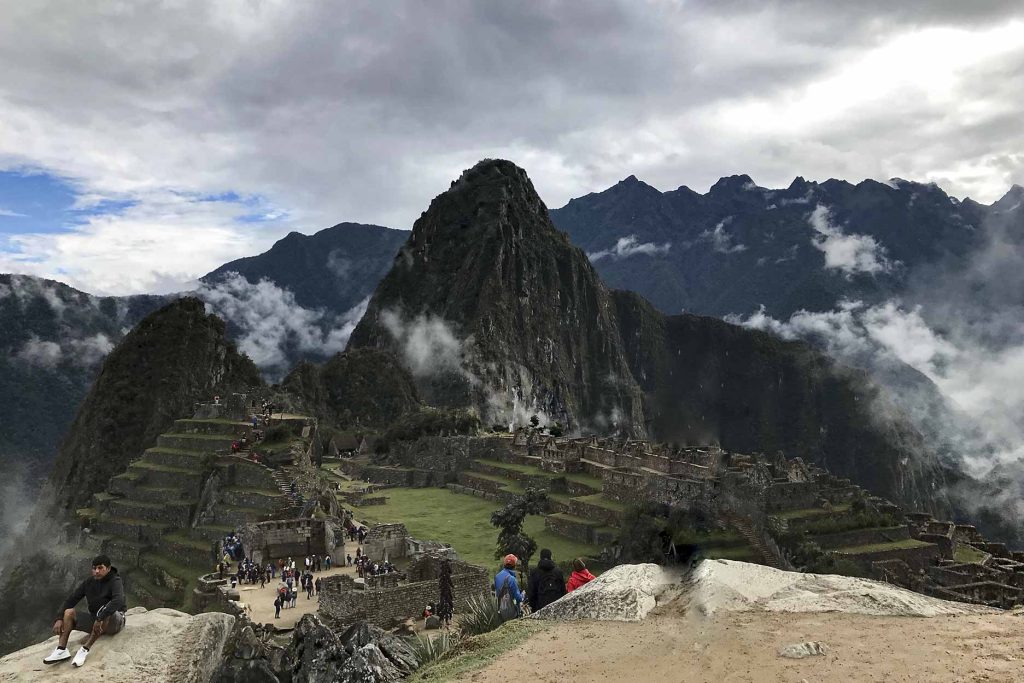
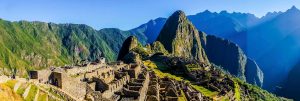
If you’re researching the best Machu Picchu hiking trails, you’ll quickly realize there’s more than one way to reach the citadel. Some routes were carved into mountainsides by the Incas themselves; others simply exist because people kept walking the same beautiful path over and over again for centuries.
But here’s the thing: there isn’t one “best” trek. There’s the best one for you.
Some routes are heavy on history. Some are all about landscapes. Others quietly try to break you before rewarding you with a hot spring and a cold drink.
So, before you lace up your boots and commit, let’s dive into the 7 best treks to Machu Picchu, one of the Seven Wonders of the Modern World and UNESCO World Heritage Site.
Table of contents
- How to Choose the Best Machu Picchu Hiking Trail
- Quick Look: Which Machu Picchu Walk Is Right For YOU?
- Inca Trail
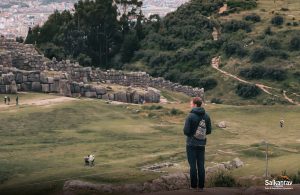
- Salkantay Trek
- Lares Trek
- Ancascocha Trek
- Huchuy Qosqo Trek
- Inca Jungle Trek
- Inca Quarry Trail
- BONUS TREK: Choquequirao Trek
- Best Time For A Machu Picchu Hike
- What Is The Best Alternative Trek To Machu Picchu?
- FAQs About The Best Hiking Trips To Machu Picchu
- Take Your Pick!
How to Choose the Best Machu Picchu Hiking Trail
First things first, here’s a quick insider tip on finding what’s right for you. Most people don’t choose based on “what’s best,” they choose based on what fits their time, fitness, and tolerance for early mornings.
Here’s what actually matters…
Time
Got 3–4 days? Your options narrow quickly. Want something longer and more remote? That opens things up.
Fitness level
Some treks are a solid challenge but doable for most people. Others require more training beforehand and truly test your endurance levels.
Crowds
If you like company, great. You’ll be fine almost anywhere. If not, you’ll want to avoid certain routes.
Experience type
- History → Inca Trail
- Scenery → Salkantay
- Culture → Lares
- Remote adventure → Choquequirao or Ancascocha
Quick Look: Which Machu Picchu Walk Is Right For YOU?
| Trek | Duration | Difficulty | Best For |
| Inca Trail | 4 Days | Moderate–Challenging | History lovers & iconic experience |
| Salkantay Trek | 5 Days | Moderate–Challenging | Scenery & variety |
| Lares Trek | 4 Days | Moderate | Culture & local life |
| Ancascocha Trek | 5 Days | Challenging | Remote, off-the-beaten-path hiking |
| Huchuy Qosqo Trek | 3 Days | Moderate | Short treks & fewer crowds |
| Choquequirao Trek | 7+ Days | Challenging | Serious hikers & ruins without crowds |
| Inca Quarry Trail | 4 Days | Moderate | Quiet alternative with history |
| Inca Jungle Trail | 4 Days | Moderate | Adventure lovers & and socializers |
Inca Trail
Typical Length: 4 days
Difficulty: Moderate to Challenging
Maximum elevation: 4,215 meters / 13,829 feet
Total distance: 27.3 miles / 44 kilometers
Best time of year: May to October (The trail is closed in February for maintenance)
Required permits: Official permit (only 500 available a day, roughly 200 for tourists and 300 for staff), Machu Picchu entrance ticket
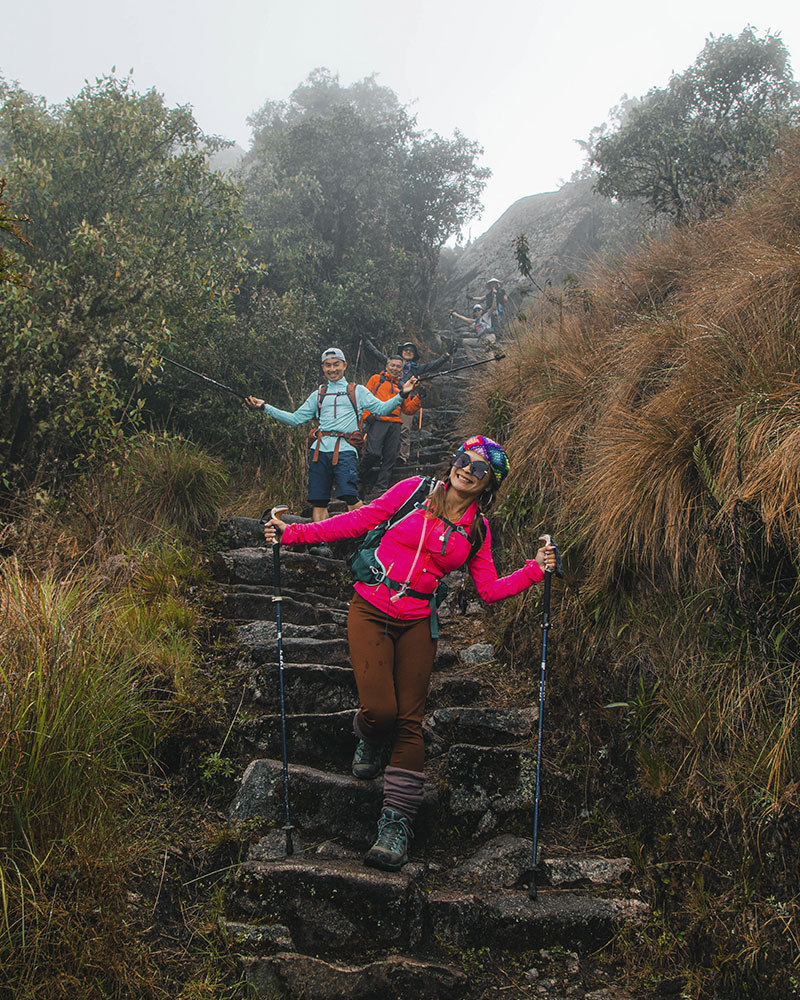
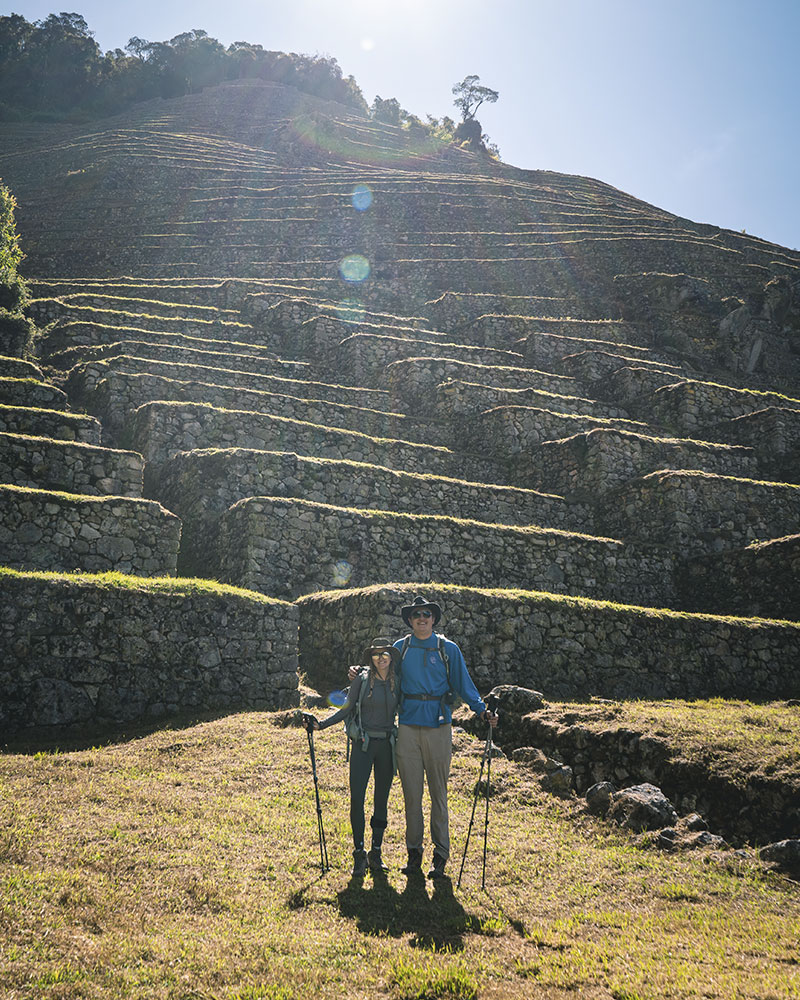
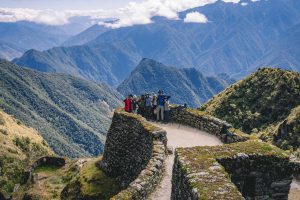
The Inca Trail forms a small part of what’s known as Qhapaq Ñan, a vast pre-Columbian network developed and expanded by the Incas, stretching across 6 South American countries. It was a huge factor in the empire’s success as it allowed military mobilization and communication via chaskis, the messengers who ran across these trails.
Today’s best-known section of the routeconnects the Sacred Valley of the Incas to the original entrance of Machu Picchu at the Sun Gate above the citadel. This is the part that’s called the Inca Trail today, and it’s won an enormous amount of recognition and awards worldwide. It’s an ancient trail, one of a kind, and the most popular hiking route for entering Machu Picchu through the Sun Gate. The trail’s popularity means it’s heavily regulated by the government and is closed every February for maintenance.
Doing the Inca Trail to Machu Picchu is an unforgettable experience, but remember it’s a highly popular adventure, and permits run out quickly, so plan ahead.
Salkantay Trek
Typical Length: 5 days
Difficulty: Moderate to Challenging
Maximum elevation: 4,630 meters / 15,190 feet
Total distance: 45.5 miles / 73.3 kilometers
Best time of year: May to October
Required permits: Machu Picchu entrance ticket, Humantay Lake & Salkantay Trek entrance ticket
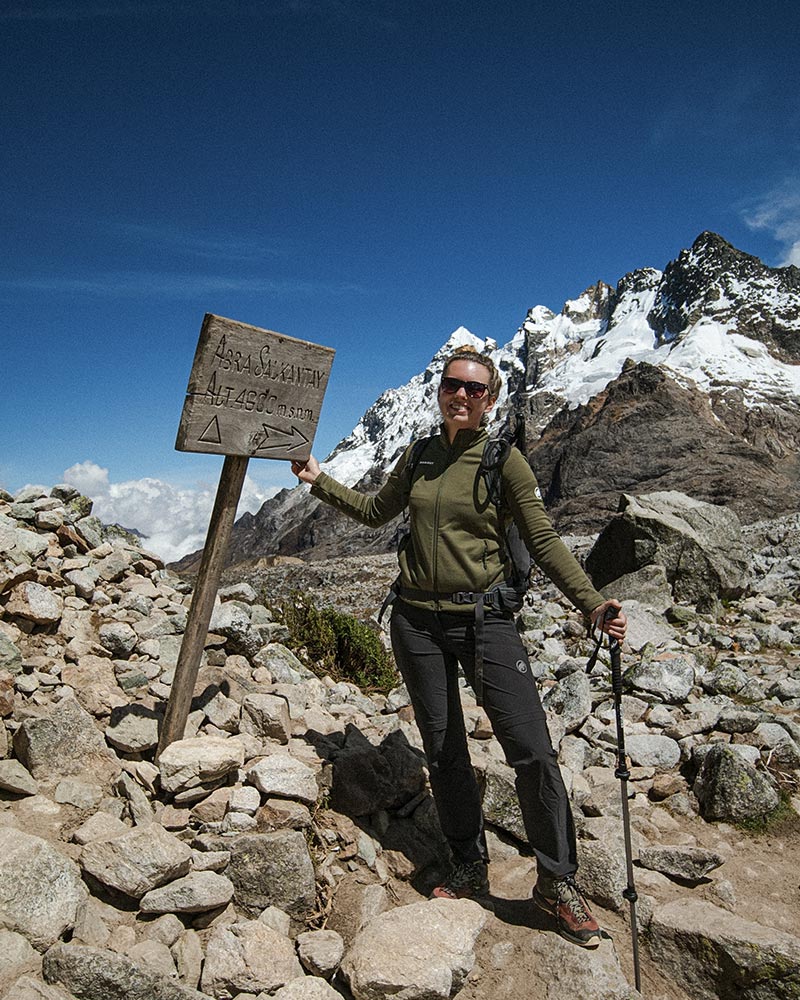
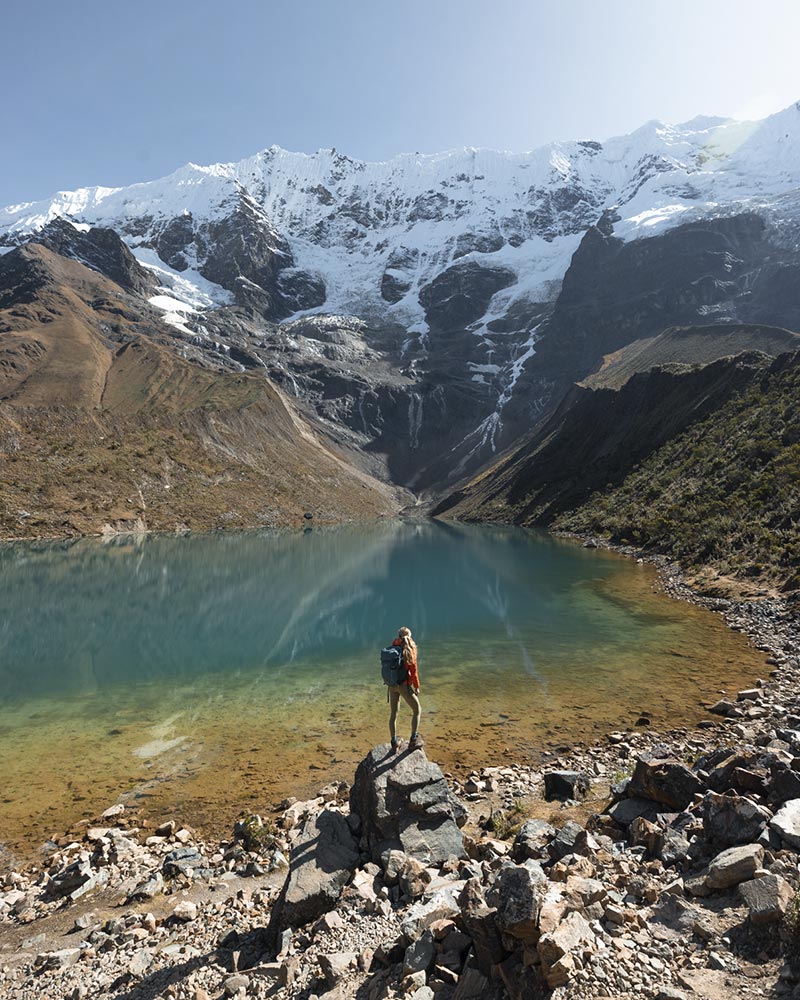
The Salkantay Trek boasts more eco-diversity than the Inca Trail and is cheaper, less crowded, and less strict. The trail offers the best of both worlds, starting among the grandeur of the Andes’ sacred snow caps and glacial lakes before taking you down into the tropical jungle and cloud forest. You’ll even visit one of Cusco’s top destinations, Humantay Lake.
The landscapes on this trail will leave you in awe, with a camera full of surreal photographs, and your heart content. It’s widely considered the best alternative trek to Machu Picchu, and arguably the most scenic. You even get to enjoy a bit of glamping in the Andes. Yes, really.
Lares Trek
Typical Length: 4 days
Difficulty: Moderate
Maximum elevation: 4,700 meters / 15,420 feet
Total distance: 19.6 miles / 31.5 kilometers
Best time of year: May to October
Required permits: Machu Picchu entrance tickets
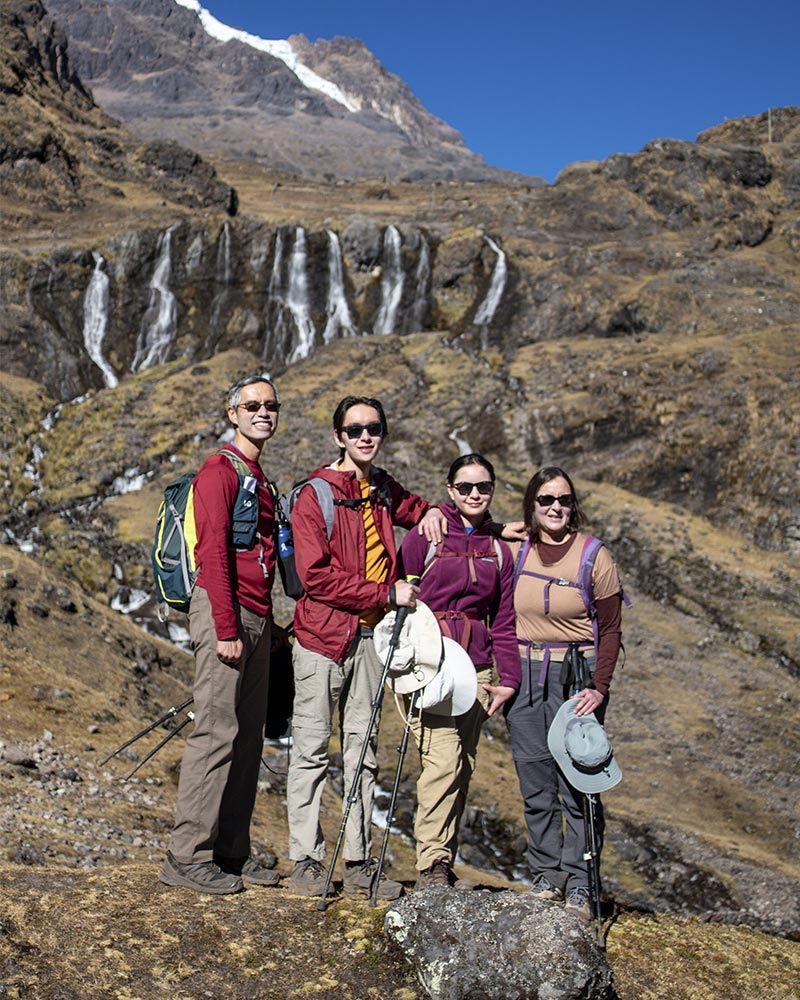
The Lares Trek is another great alternative route to Machu Picchu and is even less crowded than Salkantay. This trail’s big draw is that it provides an opportunity to observe genuine rural life in the Andes. The Lares Valley is home to local farmers and artisans, and along the trail, hikers will interact with them as they go about their very traditional daily life. Think weaving, cooking, and the occasional curious alpaca.
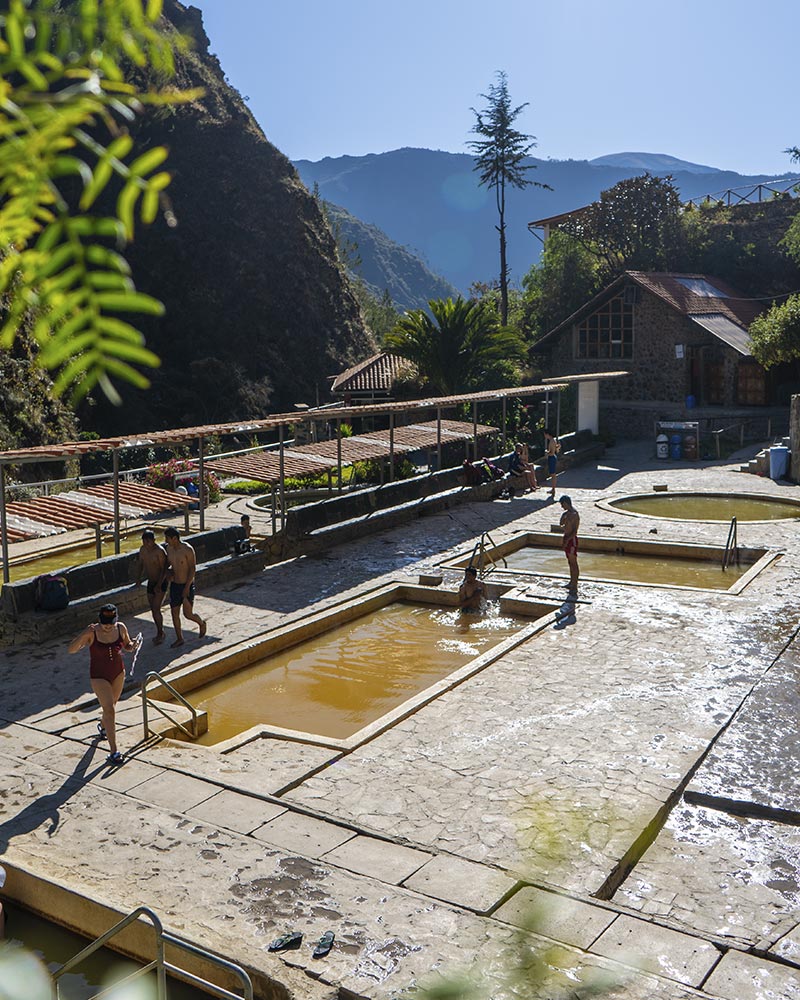
The stunning backdrop is snowy Mount Veronica with its glacial lakes, waterfalls, rivers, native trees, and colorful valleys. At the start of the trail, in the town of Lares, you’ll find medicinal hot springs to relax in before the trek. What a great way to start the trip, right?
Ancascocha Trek
Typical Length: 5 days
Difficulty: Challenging
Maximum elevation: 4,650 meters / 15,255 feet
Total distance: 32.9 miles / 53 kilometers
Best time of year: May to October
Required permits: Machu Picchu entrance ticket
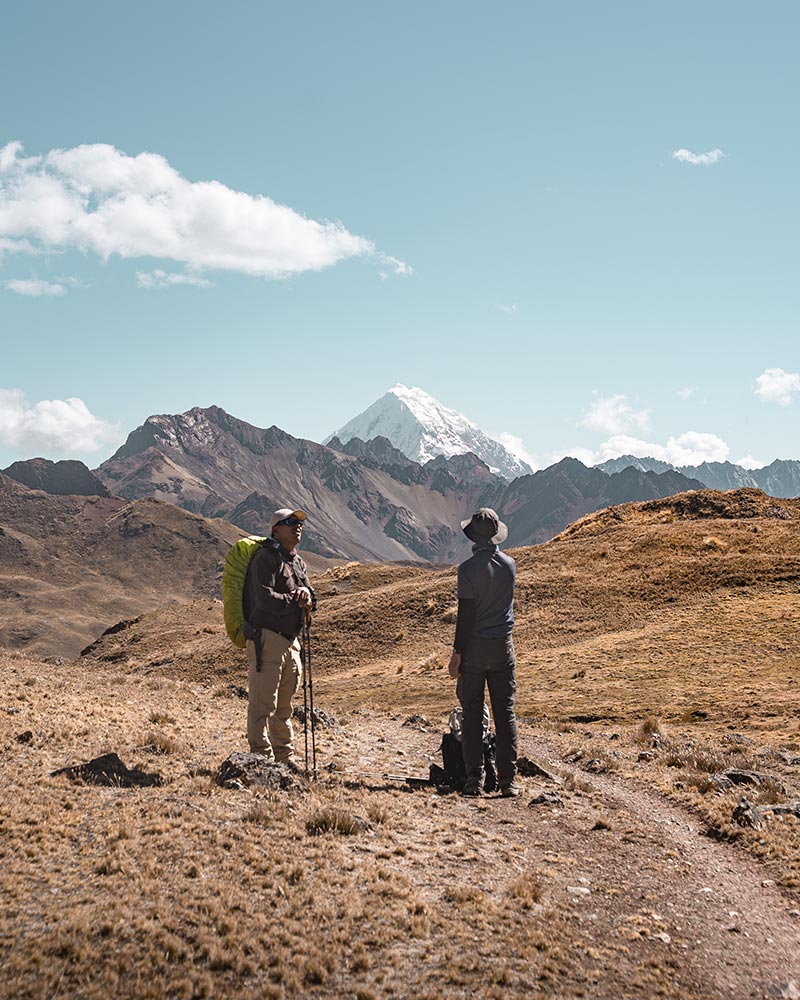
This is an extraordinary trek, sometimes called the Hidden Inca Trail or Super Inca Trail, because it twists its way through the towering Andes on one of the lesser-known Inca-era routes.
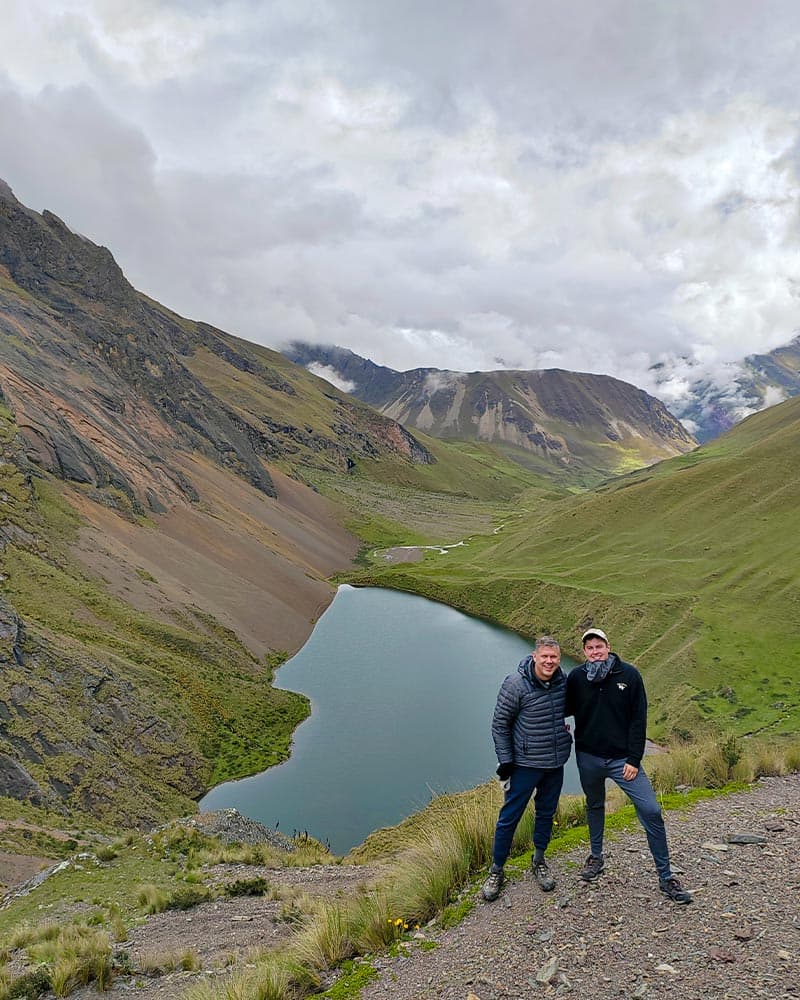
You’ll enjoy a high, free-falling waterfall, meander along a charming, rumbling river in open valleys, and then challenge yourself to cross over snowy mountain passes before descending into the cloud forest. And you’ll have it all to yourself, except for llamas, alpacas, condors, and the locals.
The Ancascocha Trek is an adventure that combines challenges, natural beauty, and a unique cultural experience. It’s an excellent choice if you want to explore a less-traveled route to Machu Picchu and enjoy nature in its purest form.
Huchuy Qosqo Trek
Typical Length: 3 days
Difficulty: Moderate
Maximum elevation: 4,200 meters / 13,780 feet
Total distance: 14.9 miles / 24 kilometers
Best time of year: May to October
Required permits: Huchuy Qosqo entrance ticket, Machu Picchu entrance ticket
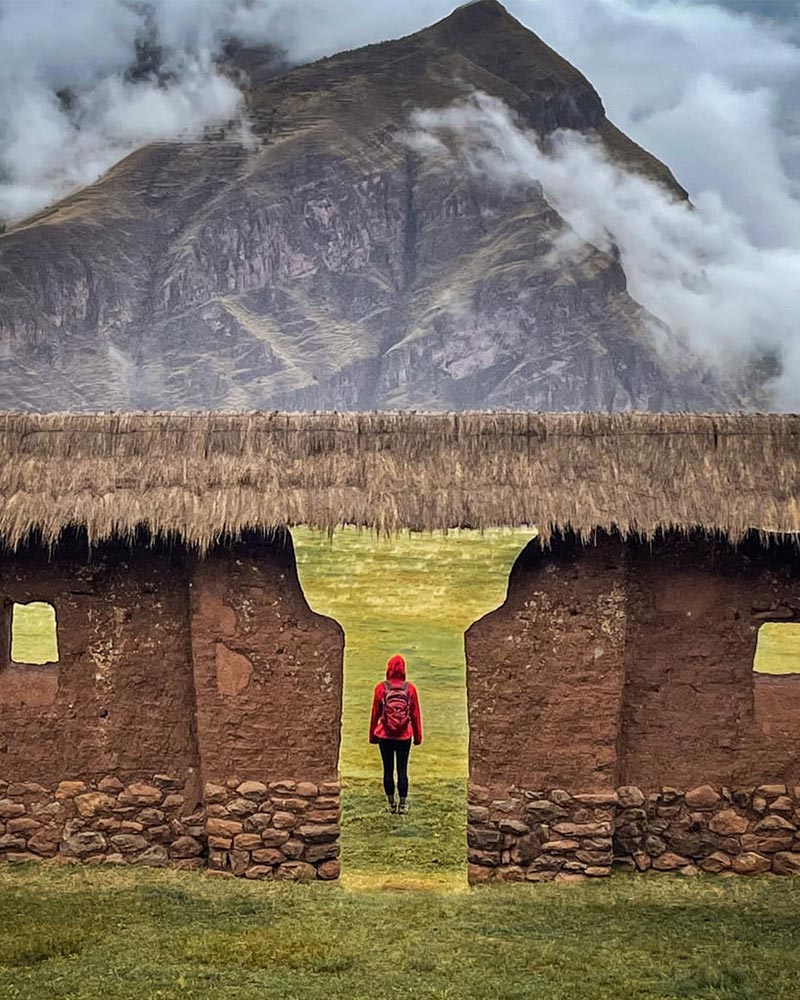
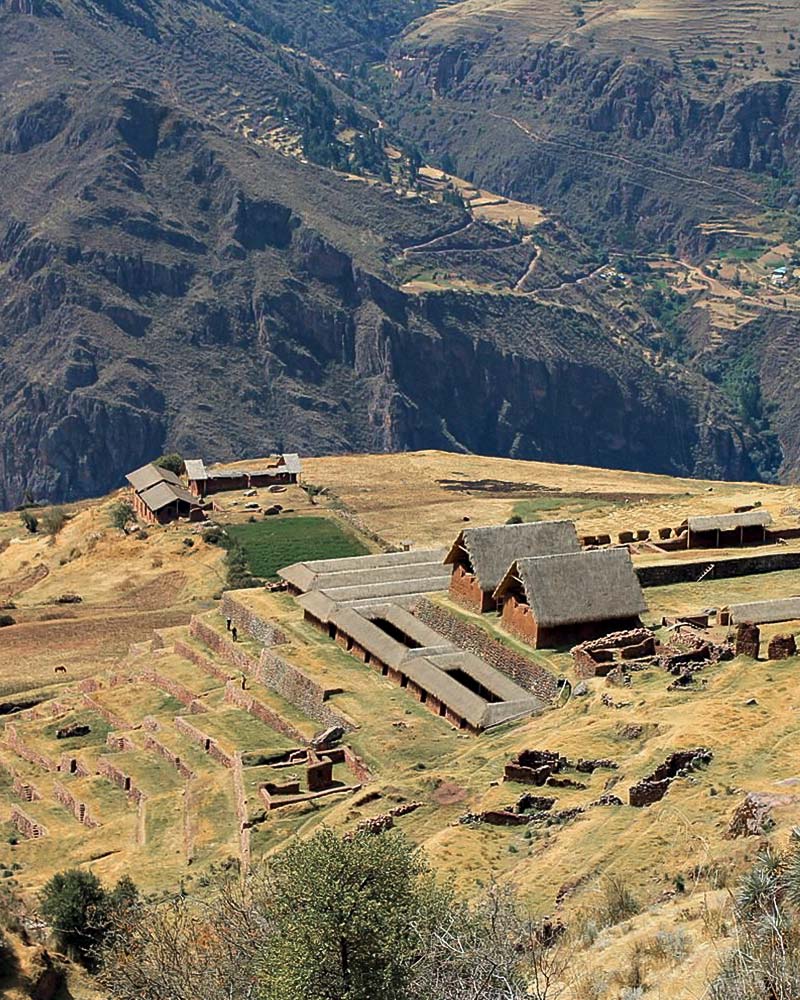
Here’s another hike you can enjoy without being overrun by other visitors. It’s in the Sacred Valley of the Incas near Cusco and leads to an extensive and highly impressive Inca military and administrative center, an archeological site only accessible by hiking. It sits on a vast plateau overlooking the surrounding snow-capped peaks of the Vilcabamba Mountain Range, and the hike there takes you on a pilgrimage through picturesque scenes of the Andes.
Huchuy Qosqo means “Little Cusco”, and it’s one of the few trails that start directly from Cusco, beginning in the archeological site of Tambomachay.
Inca Jungle Trek
Typical Length: 4 days
Difficulty: Moderate
Maximum elevation: 4,350 meters / 14,272 feet
Total distance: 21.7 miles / 35 kilometers
Best time of year: May to October (Rafting unavailable from January to March)
Required permits: Machu Picchu entrance ticket
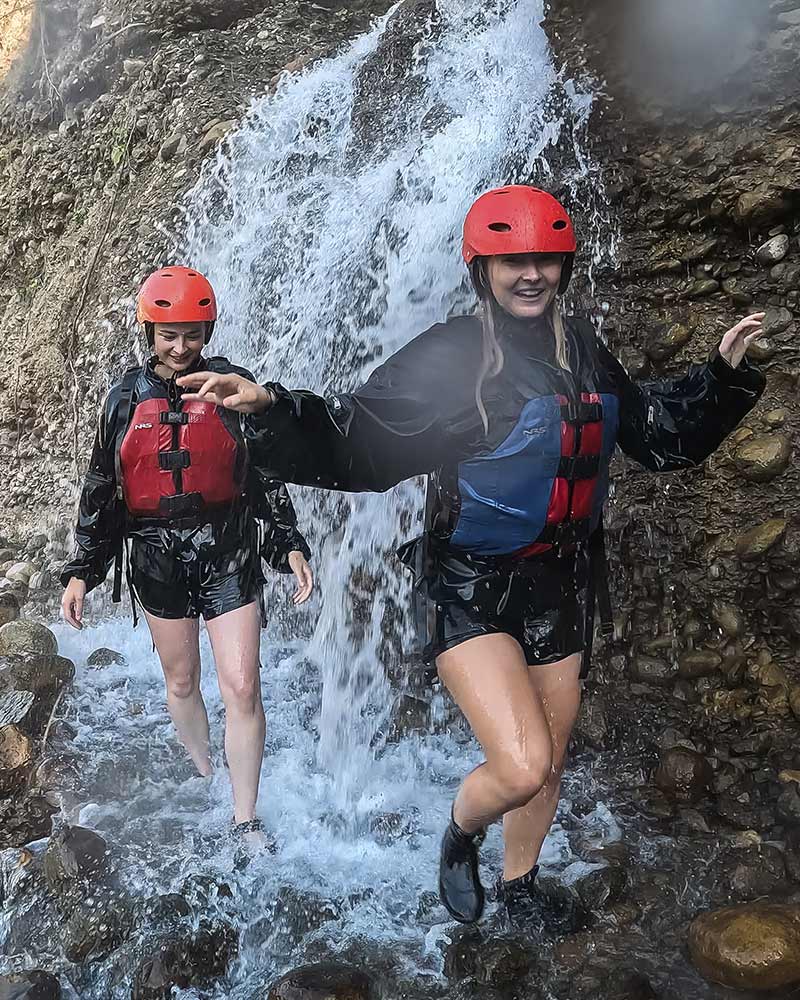
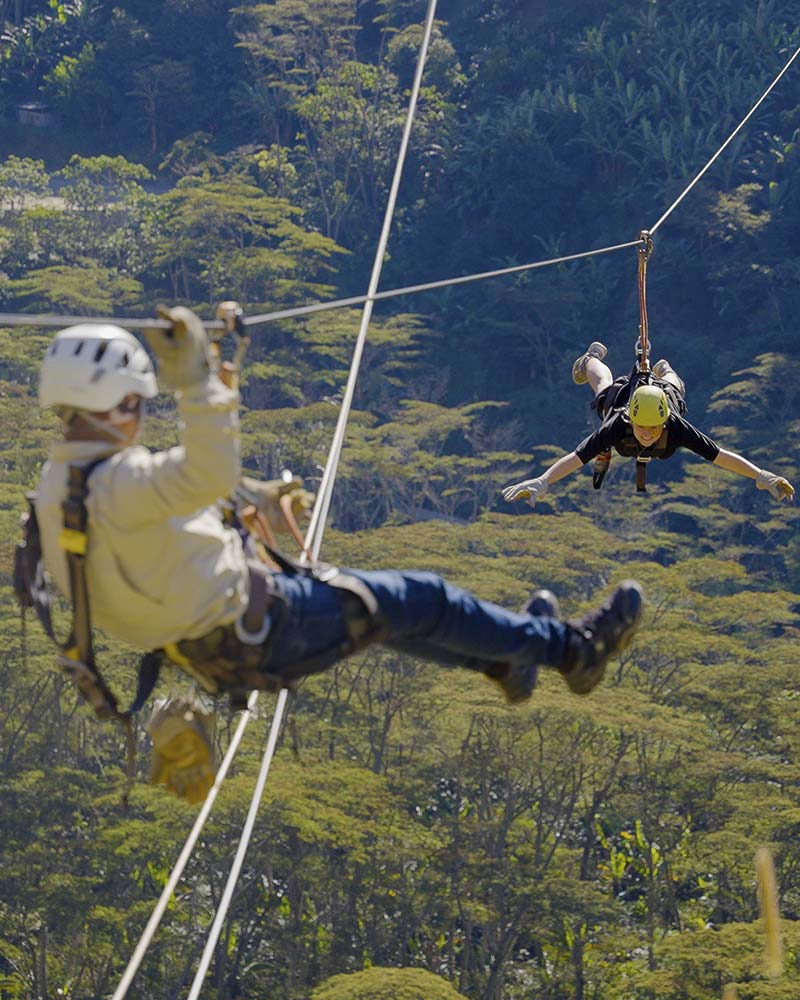
The Inca Jungle Trek is an adrenaline-pumping adventure that gets you to Machu Picchu not only by trekking but also by biking, rafting, and ziplining through the cloud forests of the Andes.
To top it all off, you’ll get a well-earned soak in the Cocalmayo Hot Springs in Santa Teresa and get a first glimpse of Machu Picchu in the distance from the Llactapata archaeological site.
Inca Quarry Trail
(Also called the Cachicata Trail or Chaski Trail)
Typical Length: 4 days
Difficulty: Moderate
Maximum elevation: 4,500 meters / 14,764 feet
Total distance: 20.5 miles / 33 kilometers
Best time of year: May to October
Required permits: Machu Picchu entrance ticket
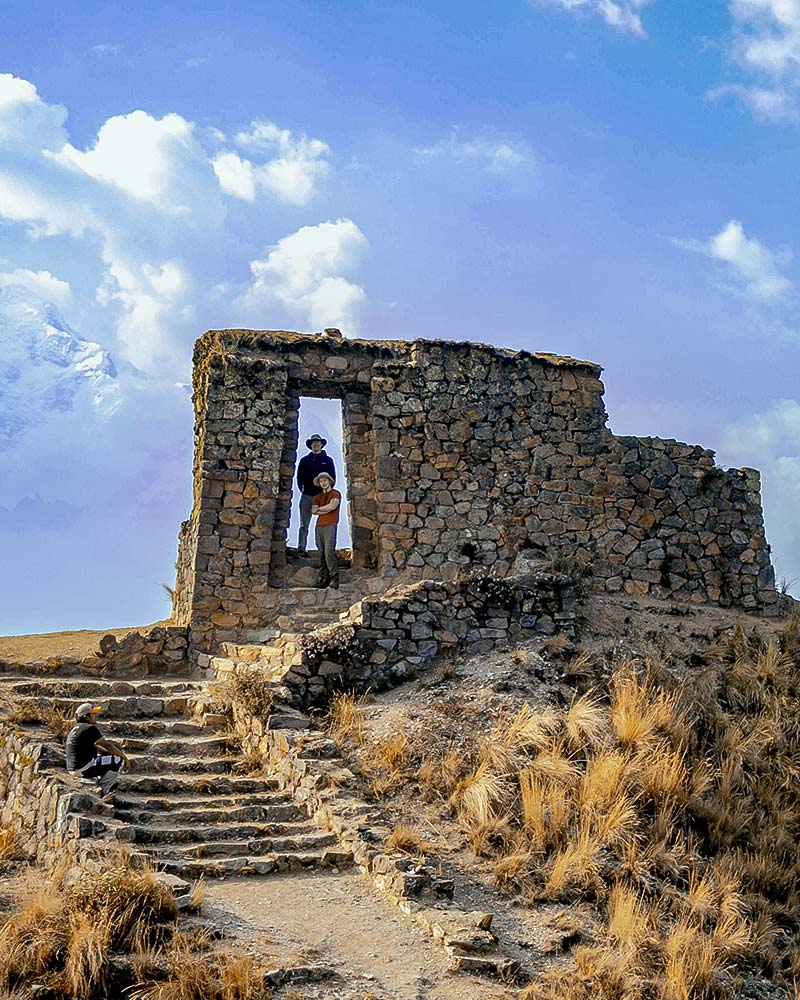
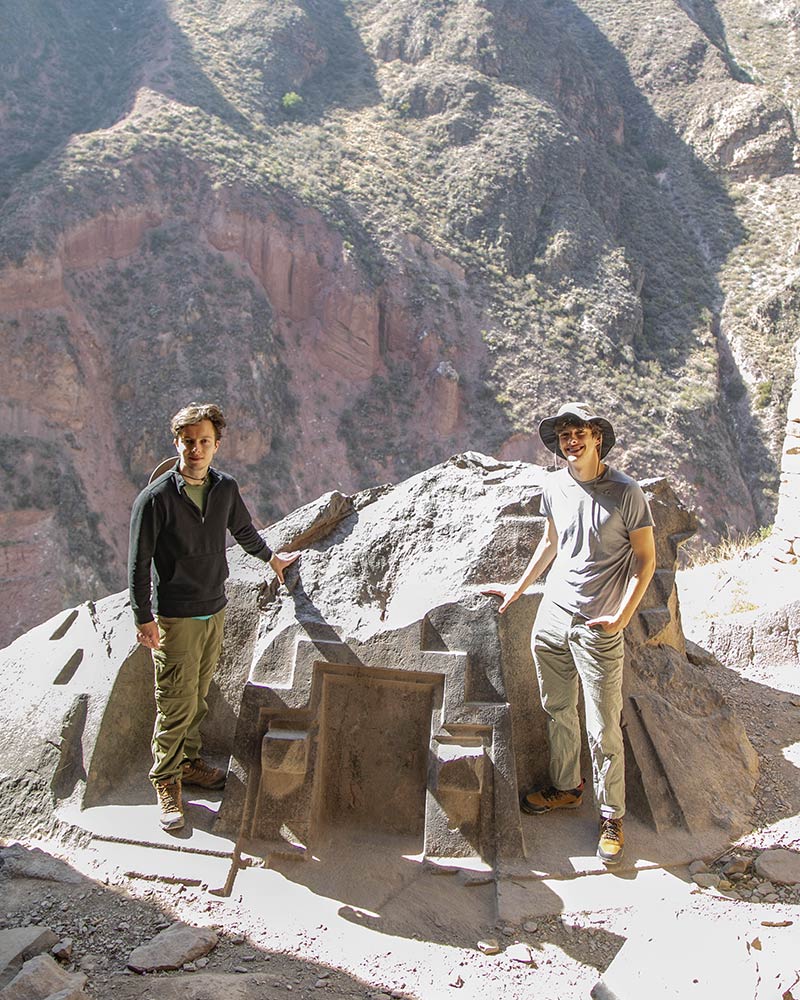
The Inca Quarry Trail (also called the Cachicata Trail) takes you to the source of the stones used in Inca construction. It’s a great route if you want to avoid the crowds.
You’ll be able to interact with the local communities that live in the area and get a close-up look at Andean life. Plus, you’ll have the chance to stand inside the Sun Gate in Ollantaytambo, which offers the perfect vantage point for gazing at the imposing snow-capped Mount Verónica right in front of you. The Inca Quarry Trek is an adventure that combines stunning landscapes, exploration of Inca ruins, and the opportunity to get to know the local culture.
BONUS TREK: Choquequirao Trek
Typical Length: 7 days
Difficulty: Challenging
Maximum elevation: 4,650 meters / 15,256 feet
Total distance: 55.2 miles / 89 kilometers
Best time of year: May to October
Required permits: Choquequirao entrance ticket, Machu Picchu entrance ticket
If seven treks weren’t enough for you, how about this as a bonus?
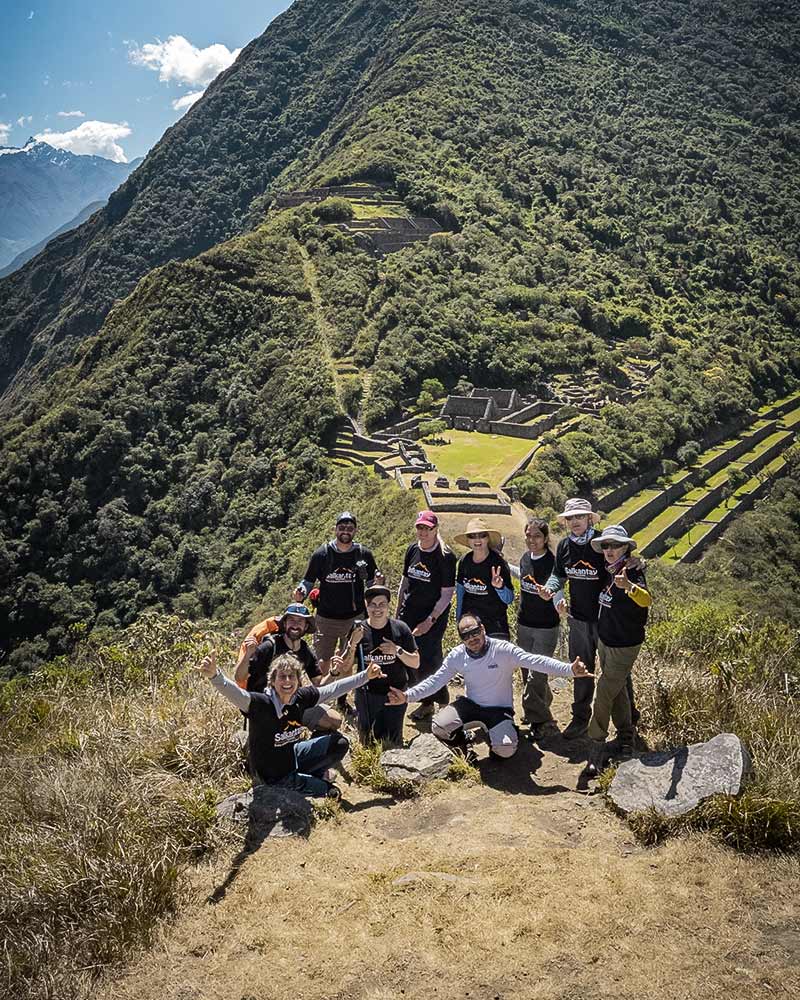
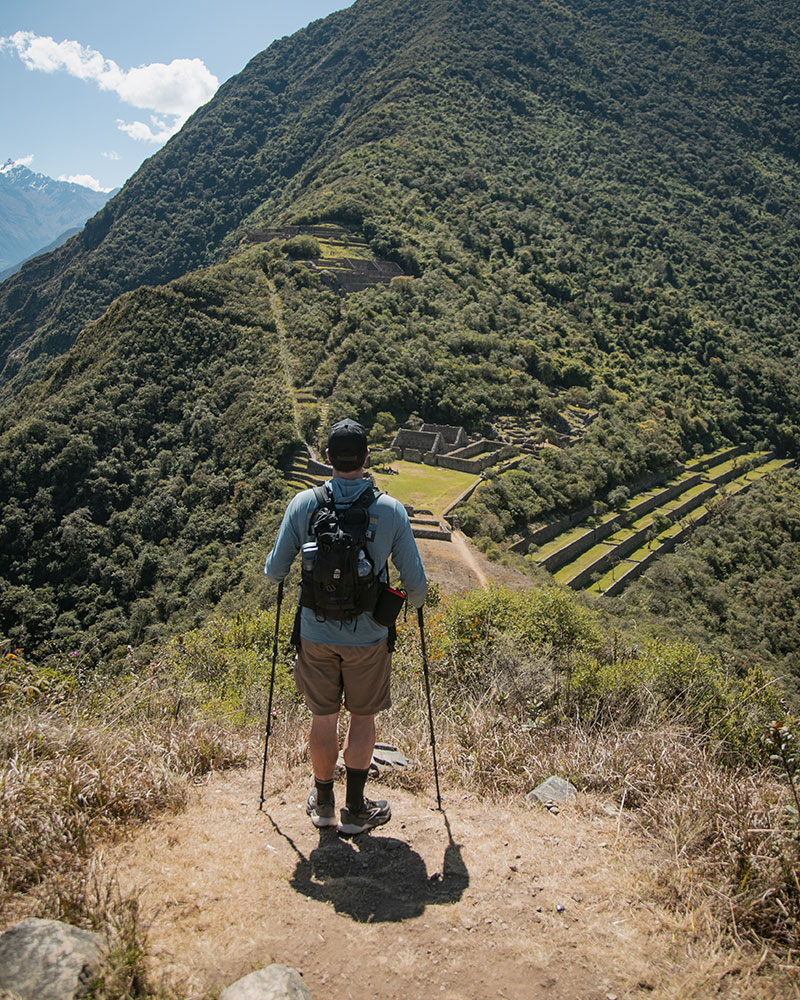
On this route, you’ll first visit the archeological complex of Choquequirao, which means “cradle of gold” in the native language of Quechua. Often compared to Machu Picchu (and sometimes called its sister city), this vast site is still only partially excavated and far less visited. You’ll then continue hiking until you reach Machu Picchu itself. Yes, you read that right. Two incredible archaeological sites in one epic adventure.
But be warned: this trek is challenging and is for those who think their vacation should endure a bit of suffering. Seriously. Expect long, steep days and massive changes in elevation, but also be rewarded with a genuine sense of discovery. You might not see anyone else on this route.
Best Time For A Machu Picchu Hike
Timing matters more than people think, and it can really make or break your trip. Here’s a quick breakdown of the different seasons and what you can expect.
Dry Season (May–October)
- Best weather
- Clear views (but cold nights)
- Busiest time
Rainy Season (November–April)
- Fewer crowds
- Lush landscapes
- Mud. Quite a lot of mud.
Shoulder Months (April & October)
- The sweet spot
- Good weather + fewer people (best of both worlds)
What Is The Best Alternative Trek To Machu Picchu?
If you can’t get an Inca Trail permit, or simply don’t fancy the crowds, there are plenty of Machu Picchu hikes to choose from. And good ones at that.
The honest answer is that the “best alternative trek to Machu Picchu” depends on what you want out of the experience. But a few routes consistently stand out for different reasons:
Best overall alternative: Salkantay Trek
This is the one most people land on, and not by accident. It delivers huge Andean scenery, dramatic changes in landscape, and a real sense of journey, from snow-capped peaks to cloud forest. It’s also more flexible and less restricted than the Inca Trail, which helps.
Best for culture: Lares Trek
If you’re more interested in people than peaks, this is the one. You’ll pass through traditional Andean communities where daily life still revolves around farming and weaving, rather than tourism. It’s quieter, slower, and feels more personal.
Best for solitude: Ancascocha Trek
This is where you go to avoid the crowds almost entirely. It’s remote, less commercialized, and far less traveled than the main routes, which is perfect if you want that “are we the only ones out here?” feeling.
Best for a serious challenge: Choquequirao Trek
Longer, tougher, and far more demanding, this route is for experienced hikers who want something that feels genuinely off-grid. The reward is visiting a vast Inca site with a fraction of the visitors.
In short, if you’re looking for a well-rounded experience, Salkantay is usually the safest bet. But if you’ve got a specific priority, whether it be culture, quiet, or a proper physical challenge, there’s a trek that does it perfectly.
If you’re still exploring your options or want to discover lesser-known trails, we recommend reading our blog post on alternatives to the Inca Trail and Salkantay. You’ll find unique, less crowded options that offer equally incredible experiences on the way to Machu Picchu. It’s perfect if you’re looking for something different without losing the essence of trekking in the Andes.
FAQs About The Best Hiking Trips To Machu Picchu
Finding it hard to choose your favorite? Think you already know, but still have queries? Don’t worry, as we answer some of the most frequently asked questions below.
What is the easiest trek to Machu Picchu?
The Huchuy Qosqo Trek is one of the shortest and most manageable hiking trips to Machu Picchu, and not just because it’s shorter.
You’re not dealing with a load of high mountain passes or extreme terrain changes like on Salkantay or Choquequirao. And you also won’t be plunged into the jungle and high humidity. That said, easiest is still relative, as this is still a high-altitude hike and not just your simple Sunday stroll.
What is the hardest Machu Picchu hike?
The Choquequirao Trek takes this one. It’s not just because it’s long (at least 7 days), but the terrain and steep climbs are also tough, especially in the heat. It’s physically demanding in a way that feels quite different from the high, cold passes of other treks.
Do you need a guide to trek to Machu Picchu?
Yes, for routes like the Inca Trail, it’s mandatory. Most alternative treks are also done with guided tours for logistics and safety. It’s technically possible to do some of them without a guide, but most opt to book with a tour operator to make the most of the trip without worrying about the details.
How far in advance should I book?
For the Inca Trail, 4–6 months minimum. Alternatives are more flexible, but still book early in peak season (May to October). If you’ve got a particular route in mind or dates you simply can’t be flexible on, book as soon as you can to avoid disappointment.
Which are the best hikes in Machu Picchu?
Once inside, there are a few great walks to certain spots. Here are the highlights:
- Huayna Picchu – the steep, iconic peak you see in most photos. Short, sharp, and not ideal if you’re nervous about heights. You need to book months in advance.
- Machu Picchu Mountain (Montaña) – less crowded, less dramatic, but with wide, sweeping views. Also book this in advance.
- Sun Gate (Inti Punku) – accessible if you arrive by the Inca Trail or buy the specific permit for the route.
Take Your Pick!
There’s no wrong choice when it comes to Machu Picchu hiking trails. No matter which you go for, we’re sure you’ll have the trip of a lifetime.
Some treks give you history. Some give you silence. Some give you remoteness. And some give you full-on high-adrenaline fun.
But one thing connects them. All of them end in the same place: standing in front of Machu Picchu, one of the New Seven Wonders of the World. Every one of them is worth it. Every time.
So, if you’re ready to strap on your hiking boots and hit your trail of choice, it’s time to book your trek to Machu Picchu.

Leave A Reply