
Hiking to Machu Picchu is one of the most sought-after experiences for travelers visiting Cusco. While the famous Inca Trail and the Salkantay Trek are the most well-known routes—and often sell out months in advance—many alternative Machu Picchu hiking trails offer equally breathtaking journeys through the Andes Mountains.
These routes allow you to avoid crowds, secure availability even during peak season, and explore remote landscapes filled with history, culture, and natural beauty.
In this guide, you’ll discover the best Machu Picchu hike options, compare different trekking routes, and find the perfect trail based on your travel style, difficulty level, and time available. Get ready to choose your ideal adventure and experience Machu Picchu uniquely and unforgettably.
Table of contents
- What Are the Machu Picchu Hiking Trails?
- Why Choose Alternative Treks to Machu Picchu?
- Best Machu Picchu Hiking Trails (Alternatives)
- Comparison Table of Machu Picchu Hiking Trails
- How to Choose the Best Machu Picchu Hiking Trail
- When to Hike Machu Picchu Trails
- Frequently Asked Questions About Alternative Machu Picchu Treks
- Start Your Journey
- You May Also Be Interested In
What Are the Machu Picchu Hiking Trails?
Machu Picchu hiking trails are trekking routes that cross the Andes Mountains from Cusco to the Inca citadel. Beyond the Classic Inca Trail, options like the Lares Trek, Choquequirao Trek, Huchuy Qosqo, and Ancascocha offer diverse landscapes, cultural experiences, and varying difficulty levels for travelers seeking alternative ways to reach Machu Picchu.
These Peru Machu Picchu hikes combine nature, history, and adventure, making them ideal for travelers looking to explore beyond traditional routes.
Why Choose Alternative Treks to Machu Picchu?
The Inca Trail and Salkantay Trek are the most popular Machu Picchu trails, which means high demand and limited availability.
- The Inca Trail is restricted to approximately 500 permits per day (including guides and porters)
- The Salkantay Trek, while not permit-restricted, often faces limited accommodation availability
If you can’t secure a spot—or simply prefer a more off-the-beaten-path experience—there are many alternative treks to Machu Picchu that are just as spectacular.
These routes offer:
- Fewer crowds and more tranquility
- Unique landscapes across the Andes and cloud forests
- Authentic cultural encounters with Andean communities
- A wider range of difficulty levels and trekking styles
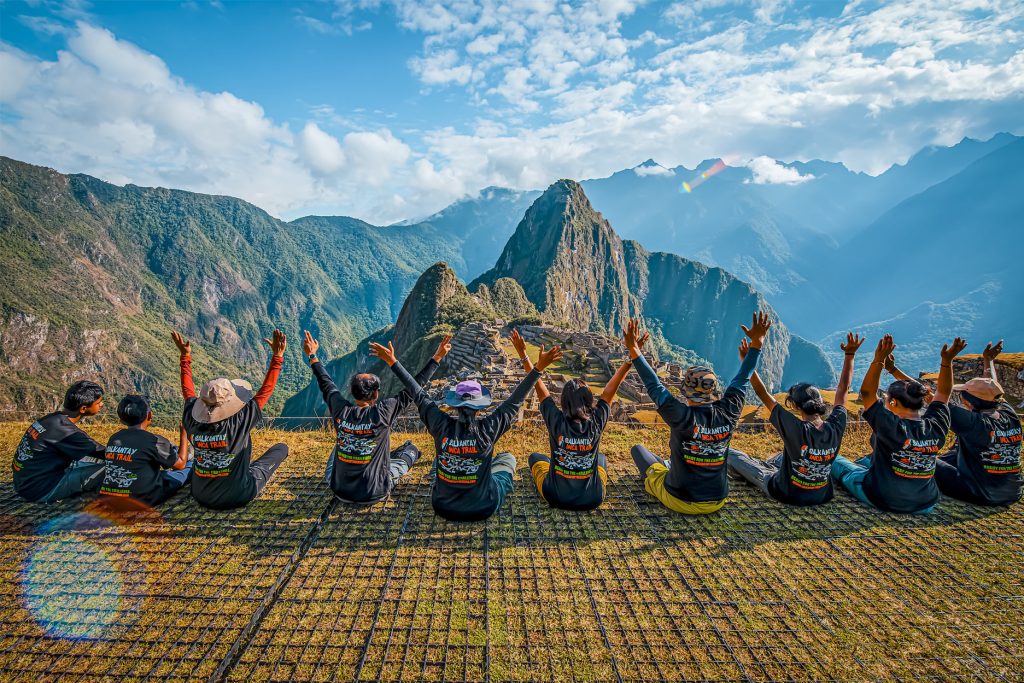
At Salkantay Trekking, we specialize in creating unforgettable experiences across a variety of Peru trekking routes. Below, we present some of the best Machu Picchu hiking trails with availability and unique appeal.
Best Machu Picchu Hiking Trails (Alternatives)
Several Machu Picchu hikes offer completely different experiences. Some stand out for their cultural immersion, others for remote scenery or adventure activities.
Below are the best alternatives to the Inca Trail and Salkantay.
Inca Jungle: Adventure and Adrenaline
The Inca Jungle Trek is an exciting alternative filled with activities that awaken truly unique sensations. This route combines extreme sports within the wild environment of the Andes Mountains and the cloud forest.
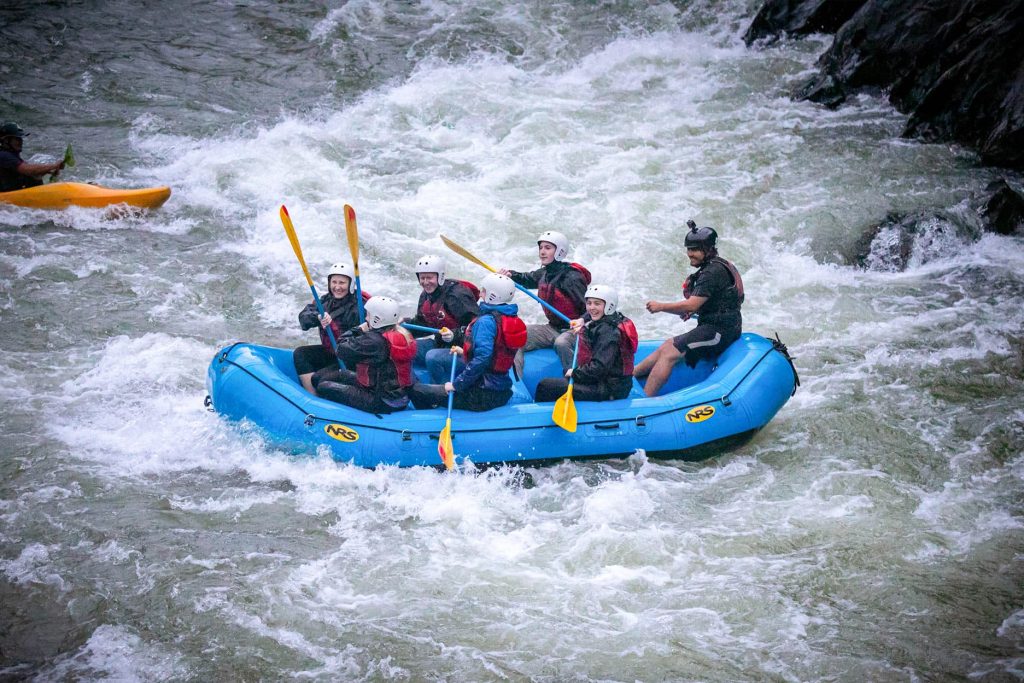
As you descend by bike, you’ll notice the dramatic change in climate and temperature as you enter the Cusco jungle region. Here, you’ll witness the raw शक्ति of nature while rafting along powerful rivers. If you’re looking to boost your adrenaline even further, you can try ziplining, offering panoramic views of valleys and mountains across the region.
The adventure culminates with a visit to Machu Picchu, where you’ll discover the history and architecture of the Inca civilization. You’ll be amazed by its monumental structures, built atop a mountain and surrounded by breathtaking scenery.
Route Description
The Classic Inca Jungle Trek blends adventure activities, stunning landscapes, and archaeological sites on the way to Machu Picchu.
- Day 1: Downhill biking from Abra Málaga to the jungle, followed by rafting on the Vilcanota River (Class III and III+), with full safety equipment included.
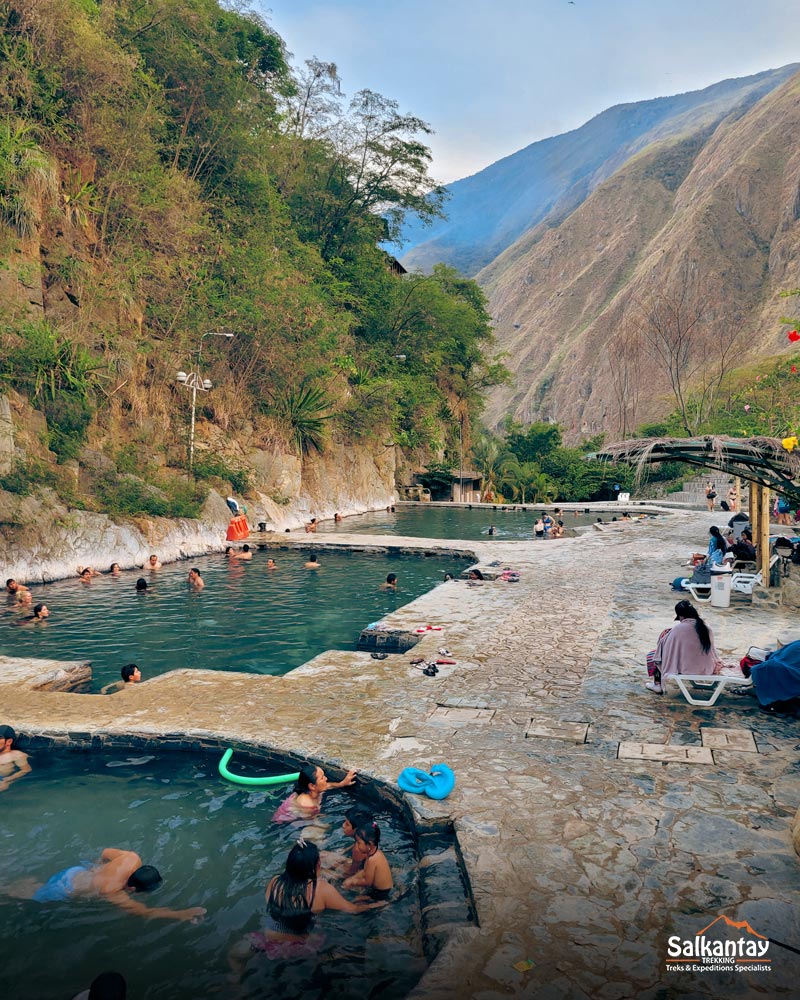
- Day 2: Hiking along ancient Inca trails to Santa Teresa, optional zip-lining, and relaxation in the Cocalmayo hot springs. Overnight in exclusive camps such as the Super Jungle Domes.
- Day 3: Visit a local coffee farm and the Llactapata archaeological site, with distant views of Machu Picchu. Continue to Aguas Calientes.
- Day 4: Guided exploration of Machu Picchu, visiting temples, terraces, and plazas, with optional hikes to Huayna Picchu, Huchuy Picchu, or Machu Picchu Mountain.
This trek is ideal for travelers looking for a mix of adventure, nature, and culture in one unforgettable journey.
Inca Jungle Trek (4 Days): Itinerary, Distances, and Difficulty
| Day | Activity | Distance | Duration | Difficulty | Altitude |
| Day 1 | Downhill Biking | 55 km / 34.18 miles | 3 hours | Moderate | 1,200 m – 4,350 m / 3,937 – 14,272 ft |
| Day 1 | Rafting | 9 km / 5.59 miles | 1 hour | Moderate | — |
| Day 2 | Hiking & Zipline | 7 km / 4.35 miles | 4 hours | Moderate | 1,200 m – 2,000 m / 3,937 – 6,562 ft |
| Day 3 | Hike to Llactapata & Aguas Calientes | 25 km / 15.53 miles | 8–9 hours | Challenging | 1,800 m – 2,800 m / 5,906 – 9,186 ft |
| Day 4 | Machu Picchu (Exploration) | — | 2–5 hours | Easy–Moderate | 1,800 m – 2,800 m / 5,906 – 9,186 ft |
| Day 4 | Optional Mountains | — | 2–4 hours | Moderate–Challenging | Machu Picchu Mountain: 3,000 m / 9,843 ft Huayna Picchu: 2,720 m / 8,924 ft Huchuy Picchu: 2,497 m / 8,192 ft |
TAKE NOTE: Rafting is usually available only between April and December, depending on river levels. During the rainy season, water flow increases significantly, making conditions unsafe, so rafting is not recommended for safety reasons.
Climate on the Inca Jungle Trek
- Rainy Season (November–April): Frequent rain and slippery trails; January and February are the wettest months. It is recommended to bring a waterproof jacket or poncho and hiking boots with good grip.
- Dry Season (May–October): Sunny days, clear views, and warm temperatures. May marks the beginning of clearer weather, and October tends to have fewer tourists.
- Temperatures: Daytime temperatures range from 24–26 °C (75–79 °F), while nighttime temperatures drop to 9–13 °C (48–55 °F). Layered clothing is recommended: thermal layers for early mornings and nights, lighter clothing for the day, plus a hat, sunglasses, and sunscreen.
- Logistics: Rain in Cusco can delay flights and transfers, so it’s important to have a backup plan to avoid disruptions.
With this information, you’ll be able to choose the best time to travel, pack properly, and fully enjoy your Inca Jungle Trek adventure.
Did you know? One little-known fact about the Inca Jungle Trek is that the bike descent from Abra Málaga (4,350 m / 14,272 ft) into the jungle represents one of the fastest altitude changes of any trekking route in the Andes.

Inca Quarry Trek: History and Ancestral Paths
If you’re looking for an off-the-beaten-path and less crowded route, the Inca Quarry Trek—also known as the Cachicata Quarry Trek—is an excellent choice. This trail takes you through ancient Inca quarries, where massive stone blocks were extracted and carved for the construction of temples and fortresses.
You’ll visit Inti Punku (Sun Gate), a symbolic gateway between earth and sky, offering unique views of the Veronica Mountain. Along the trek, it’s common to camp in high-altitude locations with open views over the Sacred Valley.
During your visit to Machu Picchu, you’ll witness the astonishing engineering of the Inca civilization. You’ll see how enormous stones were transformed into structures that have withstood the test of time. You’ll also be impressed by the Incas’ advanced knowledge of engineering and urban planning.
Route Description
The Inca Quarry Trek combines challenging hikes, unique landscapes, and lesser-known archaeological sites, culminating in the majestic Machu Picchu.
- Day 1: Hike from Soqma to the Perolniyoc waterfall and the Racaypata archaeological site. Continue ascending to the Rayan campsite, with panoramic views of the valley.
- Day 2: Hike to panoramic viewpoints and Inti Punku (Sun Gate), with breathtaking views of the Sacred Valley and Veronica Mountain, before returning to camp.
- Day 3: Explore the Cachicata quarry and learn about Inca construction techniques. Visit the living Inca town of Ollantaytambo, then take the train to Aguas Calientes.
- Day 4: Full exploration of Machu Picchu, visiting temples, terraces, and plazas, with time to admire the greatness of the Inca civilization before returning to Cusco.
This trek is ideal for travelers seeking adventure, history, and nature in one unforgettable journey.
Inca Quarry Trek (4 Days): Itinerary, Distances, and Difficulty
| Day | Activity | Distance | Duration | Difficulty | Altitude |
| Day 1 | Perolniyoc Waterfall & Racaypata | 8 km / 4.97 miles | 5–6 hours | Moderate | 3,000 m – 3,700 m / 9,843 – 12,139 ft |
| Day 2 | Inti Punku (Sun Gate) | 13 km / 8.08 miles | 8–9 hours | Moderate–Challenging | 3,600 m – 4,500 m / 11,811 – 14,764 ft |
| Day 3 | Cachicata Quarry & Ollantaytambo | 9 km / 5.6 miles | 4 hours | Moderate | 2,040 m – 3,600 m / 6,693 – 11,811 ft |
| Day 4 | Machu Picchu (Exploration) | — | 2–5 hours | Easy–Moderate | 1,800 m – 2,800 m / 5,906 – 9,186 ft |
| Day 4 | Optional Mountains | — | 2–4 hours | Moderate–Challenging | Machu Picchu Mountain: 3,000 m / 9,843 ft Huayna Picchu: 2,720 m / 8,924 ft Huchuy Picchu: 2,497 m / 8,192 ft |
Weather on the Inca Quarry Trek
The Sacred Valley region, where the Inca Quarry Trek to Machu Picchu is located, has two clearly defined seasons: the dry season and the rainy season.
The rainy season typically runs from November to April, when rainfall is frequent and trails can become slippery and muddy.
In contrast, the dry season lasts from April/May to October and is characterized by mostly sunny days, clear skies, and significantly less rain—ideal conditions for hiking and enjoying panoramic Andean views.
- During the rainy season, daytime temperatures in the valley are usually moderate (18–22 °C / 64–72 °F), with cooler nights (5 °C or lower / 41 °F or lower). Increased humidity makes muddy terrain and logistics more demanding.
- In the dry season, daytime temperatures typically range between 20 °C (68 °F) and 25 °C (77 °F), with colder nights—especially from May to August—when temperatures can drop to 0 °C (32 °F) to 5 °C (41 °F), offering more stable and clear trekking conditions.
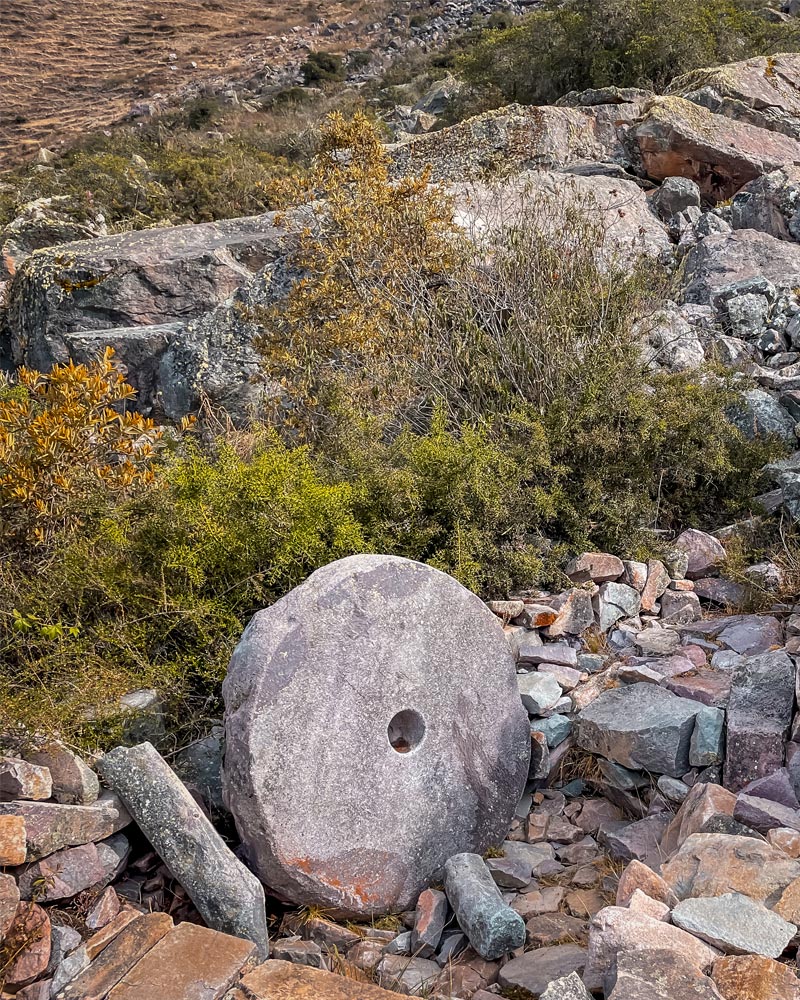
Did you know? In places like Cachicata, you can still see partially carved stones that were never transported. This provides direct evidence of Inca construction techniques and the use of ramps and specialized pathways to move massive stone blocks.
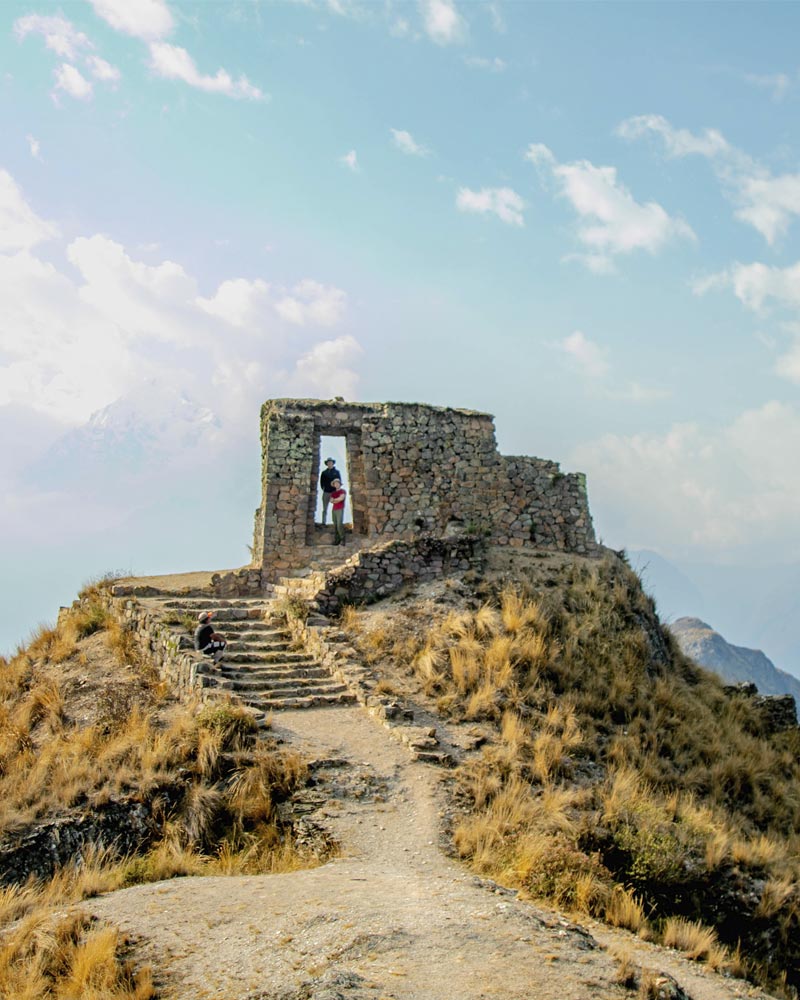
Lares Trek: The Andes in Their Purest Form
If you’re interested in Andean culture, the Lares Trek will truly captivate you. This trail is one of the least traveled routes in Cusco, yet it offers one of the most authentic experiences you can have. It takes you through breathtaking Andean landscapes, with stunning views of rivers, waterfalls, glacial lakes, and snow-capped mountain peaks.
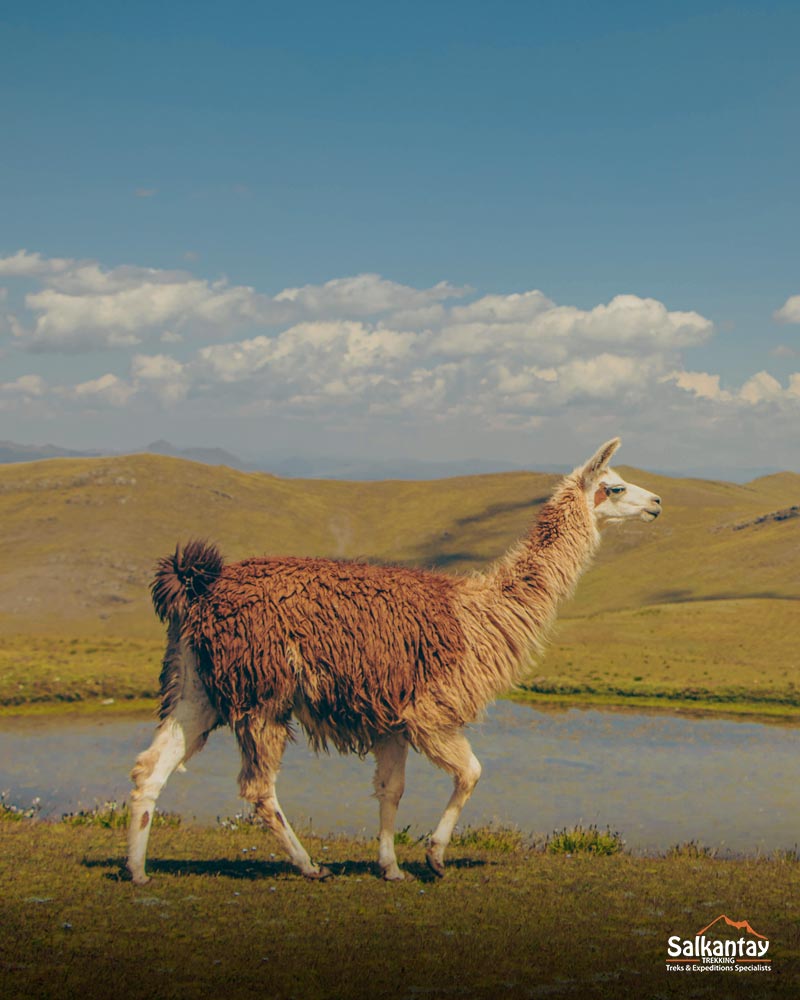
It’s the perfect option for travelers who want to connect with local communities that still preserve their ancestral traditions. Along the way, you’ll see shepherds with their llamas, women weaving colorful textiles, and children greeting you with genuine smiles.
When you arrive at Machu Picchu, you’ll discover a place filled with history and beauty. As you explore its incredible structures with a guide, the ancient Inca citadel will come to life before your eyes.
Route Description
The Lares Trek is a unique cultural experience that allows you to closely connect with Andean communities, their traditions, and the landscapes of the Sacred Valley before reaching Machu Picchu.
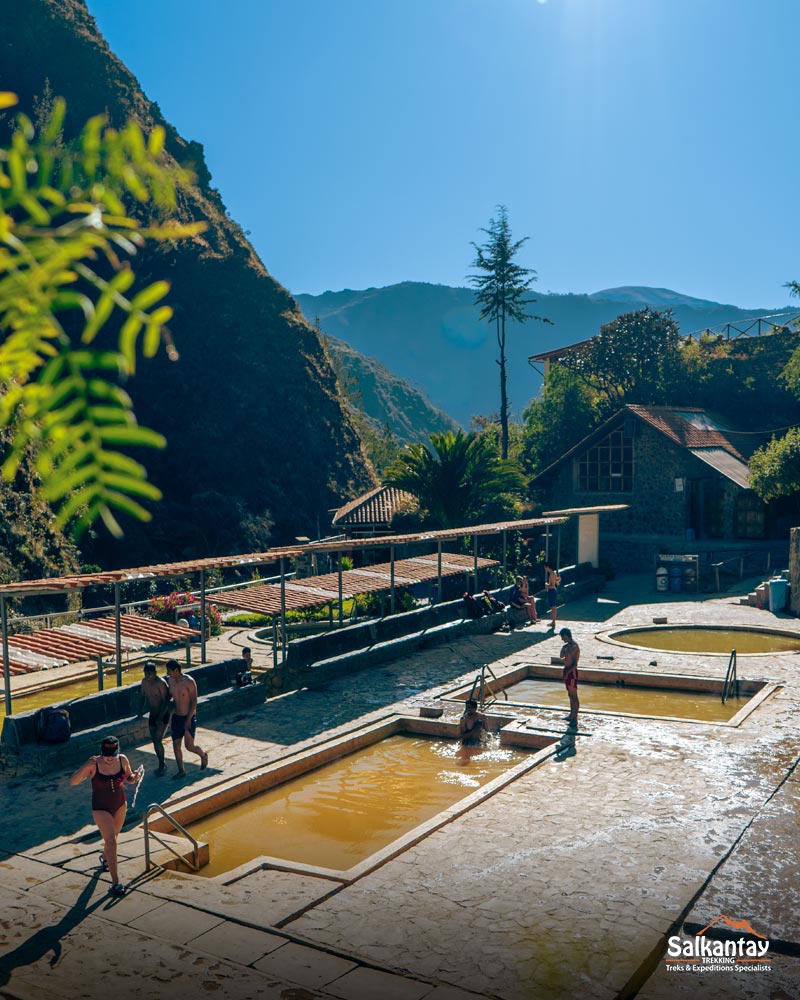
- Day 1: Relax in the Lares hot springs before beginning your hike from the community of Cuncani. Along the way, you’ll visit the Pacchayoc waterfall and ascend to the Willkikasa Pass (4,400 m / 14,436 ft), before descending to the campsite in Quiswarani, where you can interact with the local community.
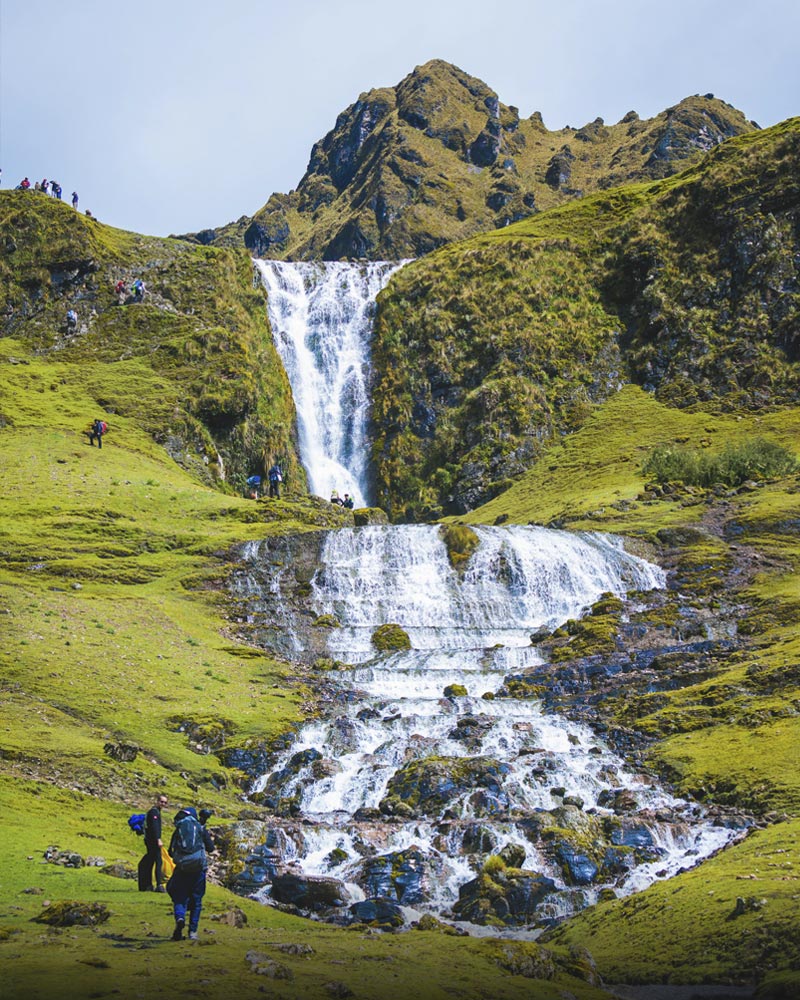
- Day 2: Ascend to the Pachacutec Pass (4,700 m / 15,420 ft), surrounded by landscapes of lagoons and the Seven Waterfalls. After lunch, continue to the community of Cancha Cancha, known for its traditional weaving.
- Day 3: Descend toward the Sacred Valley, passing herds of llamas and alpacas until reaching Huaran. Then visit the Maras Salt Mines and explore the Inca town of Ollantaytambo before taking the train to Aguas Calientes.
- Day 4: Explore Machu Picchu on a guided tour. If you wish, you can hike Huayna Picchu, Huchuy Picchu, or Machu Picchu Mountain before returning to Cusco.
This route is ideal for travelers seeking a combination of living culture, Andean landscapes, and the final visit to Machu Picchu.
Lares Trek (4 Days): Itinerary, Distances, and Difficulty
| Day | Activity | Distance | Duration | Difficulty | Altitude |
| Day 1 | Lares Hot Springs, Pacchayoc Waterfall & Willkikasa Pass | 7 km / 4.35 miles | 4–5 hours | Moderate | 3,800 m – 4,400 m / 12,467 – 14,436 ft |
| Day 2 | Seven Waterfalls & Pachacutec Pass | 11 km / 6.84 miles | 7–8 hours | Challenging | 3,850 m – 4,700 m / 12,631 – 15,420 ft |
| Day 3 | Descent to Huaran, Maras Salt Mines & Ollantaytambo | 9 km / 5.59 miles | 4 hours | Moderate | 2,040 m – 3,950 m / 6,693 – 12,959 ft |
| Day 4 | Machu Picchu (Exploration) | — | 2–5 hours | Easy–Moderate | 2,430 m / 7,972 ft |
| Day 4 | Optional Mountains | — | 2–4 hours | Moderate–Challenging | Machu Picchu Mountain: 3,000 m / 9,843 ft Huayna Picchu: 2,720 m / 8,924 ft Huchuy Picchu: 2,497 m / 8,192 ft |
Weather on the Lares Trek
The weather on the Lares Trek can be unpredictable due to its altitude, which ranges from 3,100 to 4,500 meters (10,170–14,764 ft). These elevation changes cause rapid temperature variations throughout the day.
- The rainy season runs from November to April, with frequent rainfall that can make trails slippery and campsites wetter. However, during this time, the landscapes become greener and more vibrant, offering a visually rich experience.
- During this season, daytime temperatures typically range between 15 °C and 20 °C (59–68 °F), while nighttime temperatures can drop to between 0 °C and 5 °C (32–41 °F) at higher elevations. It is recommended to bring layered clothing, waterproof footwear with good grip, and trekking poles for stability.
Due to muddy terrain and trail conditions, it’s advisable to start hikes early and allow extra time for delays. If you prefer more stable weather and drier trails, the best time to hike this route is usually between May and October.
Did you know? Both the Inca Quarry and Lares Treks are part of National Geographic’s exclusive list of the 6 best alternative routes to Machu Picchu.
Ancascocha Trek: Challenge and Natural Beauty
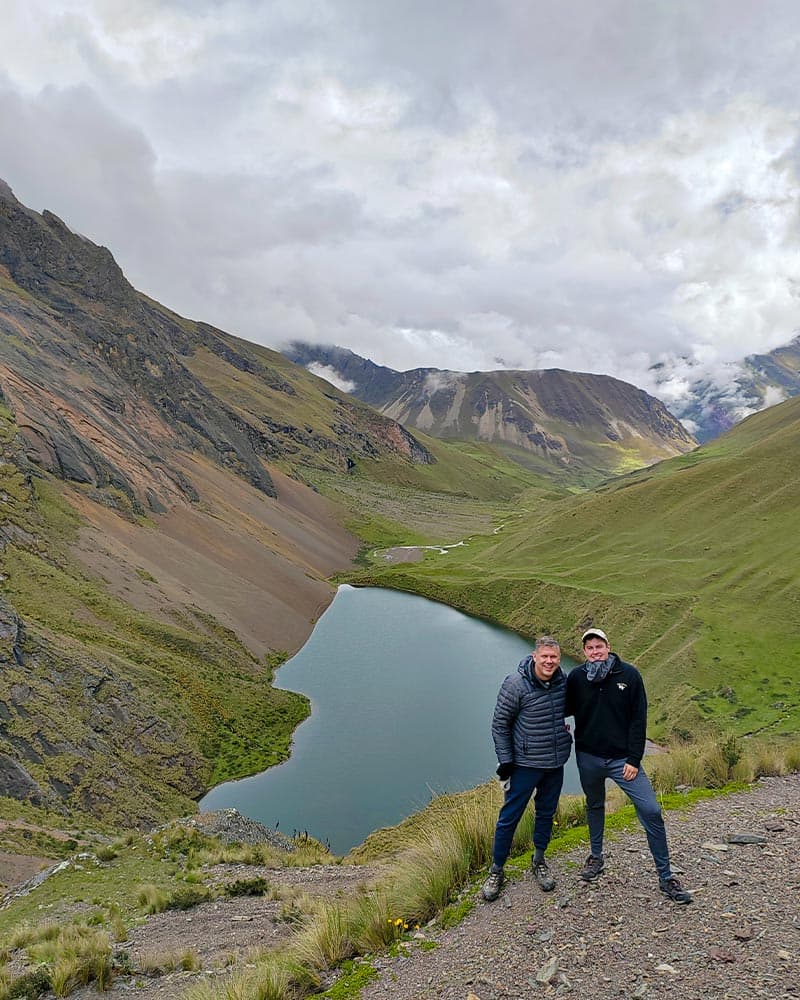
Considered one of the most challenging Machu Picchu hiking trails, the Ancascocha Trek is perfect for those seeking a true adventure. This route takes you through remote valleys, towering mountains, and crystal-clear lagoons. It crosses high mountain passes that will test your endurance, but every effort is rewarded with breathtaking viewpoints overlooking the Andean range.
If you want to get away from conventional tourist routes, this trek is for you. You’ll explore rarely visited trails surrounded by dramatic landscapes and experience a deep, uninterrupted connection with nature.
The journey culminates with a visit to Machu Picchu—an epic ending to an unforgettable expedition. After days of exploring mountains, valleys, and ancient Inca paths, arriving at the sacred citadel becomes the ultimate reward, closing a journey filled with history, culture, and adventure.
Route Description
The Ancascocha Trek is a challenging 5-day hike, ideal for travelers seeking spectacular landscapes, off-the-beaten-path trails, and a quieter experience in the Andes before reaching Machu Picchu.
- Day 1: The adventure begins in Soqma with a hike to the Perolniyoc waterfall and the Racaypata archaeological site, built on a cliff. After lunch in the mountains, descend to the Rayan campsite for the night.
- Day 2: Ascend to Kuychiccasa Pass, where you’ll enjoy panoramic views of the Sacred Valley and Veronica Mountain, with the possibility of spotting condors. Then descend to the community of Ancascocha for camping.
- Day 3: Reach the highest point of the trek at Huayanay Pass (4,650 m / 15,256 ft). Then descend toward the community of Quesqa and visit the Paucarcancha archaeological site before setting up camp.
- Day 4: Hike for approximately five hours along a section of the Classic Inca Trail to KM 82, passing small communities and the Llactapata archaeological site. Then travel to Ollantaytambo to take the train to Aguas Calientes.
- Day 5: The journey concludes with a guided visit to Machu Picchu, where you will explore this Wonder of the World before returning to Cusco.
This route is perfect for those looking for a challenging trek, remote landscapes, and a more peaceful connection with the Andean environment before reaching Machu Picchu.
Ancascocha Trek (5 Days): Itinerary, Distances, and Difficulty
| Day | Activity | Distance | Duration | Difficulty | Altitude |
| Day 1 | Perolniyoc Waterfall & Racaypata | 8 km / 4.9 miles | 5–6 hours | Moderate | 3,000 m – 3,700 m / 9,843 – 12,139 ft |
| Day 2 | Kuychiccasa Pass & Sacred Valley | 14 km / 8.7 miles | 8–9 hours | Challenging | 3,700 m – 4,500 m / 12,139 – 14,764 ft |
| Day 3 | Huayanay Pass & Quesqa | 14 km / 8.7 miles | 8 hours | Challenging | 3,900 m – 4,650 m / 12,795 – 15,256 ft |
| Day 4 | Classic Inca Trail Section to Ollantaytambo | 13 km / 8.08 miles | 5 hours | Easy | 2,040 m – 3,120 m / 6,693 – 10,236 ft |
| Day 5 | Machu Picchu (Exploration) | — | 2–5 hours | Easy–Moderate | 2,430 m / 7,972 ft |
| Day 5 | Optional Mountains | — | 2–4 hours | Moderate–Challenging | Machu Picchu Mountain: 3,000 m / 9,843 ft Huayna Picchu: 2,720 m / 8,924 ft Huchuy Picchu: 2,497 m / 8,192 ft |
Weather on the Ancascocha Trek
The weather on the Ancascocha Trek is highly variable due to altitude, as the route passes through cloud forests, high Andean zones, and areas near glaciers. For this reason, it is essential to bring proper gear and check the forecast before starting the hike.
- The rainy season runs from November to April, bringing heavy rainfall, frequent fog, and slippery trails that can make the trek more demanding and cause delays. However, during this time, the vegetation becomes more lush and the landscapes turn intensely green.
- In the dry season (May to October), weather conditions are generally more stable, with less rainfall and better visibility. However, strong winds and sudden temperature changes can occur at higher elevations, so layered clothing and wind protection are recommended.
To fully enjoy the trek, it’s advisable to bring a waterproof jacket or poncho, hiking boots with good traction, trekking poles, dry clothing for the night, and a water-resistant backpack. With proper preparation, you’ll be able to make the most of this challenging and spectacular Andean route.
Did you know? The Ancascocha Trek is considered by some explorers to be one of the routes closest to the original Qhapaq Ñan, as it follows ancient Inca paths that remain largely intact and passes through some of the least-visited areas of the Sacred Valley.
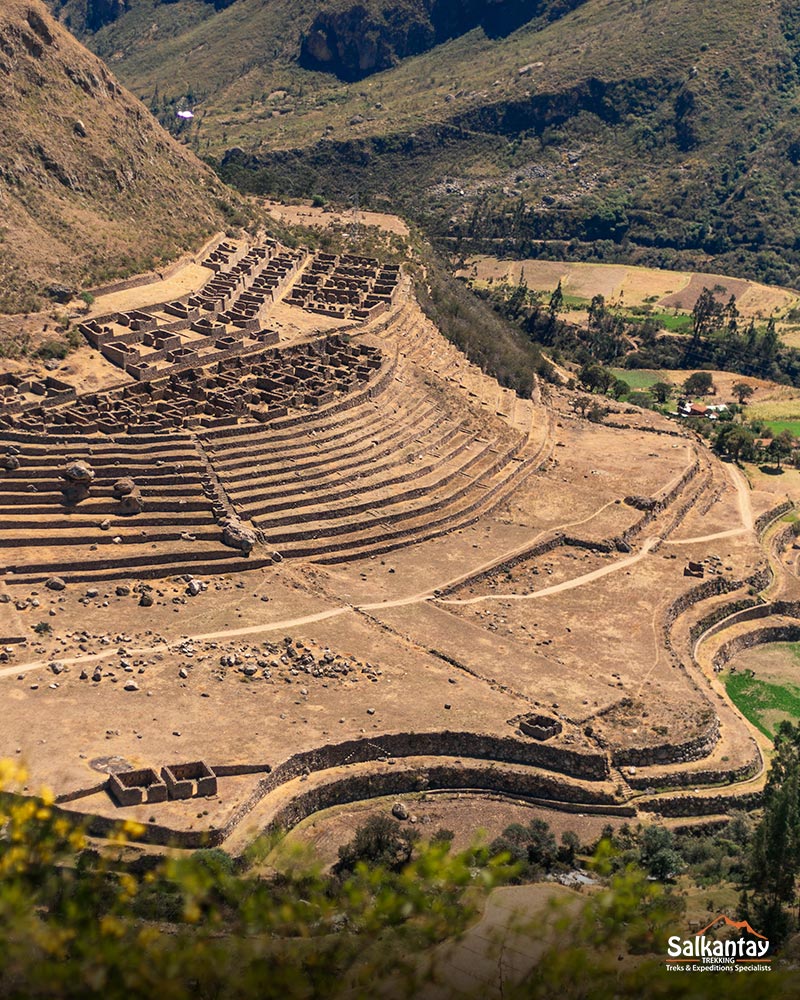
Huchuy Qosqo Trek: A Hidden Inca Treasure
If you prefer a more relaxed journey but don’t want to miss the experience of an Andean hike, the Huchuy Qosqo Trek is the perfect alternative. This relatively short trail leads you to a hidden gem: the archaeological site of Huchuy Qosqo, an ancient Inca sanctuary with stunning views over the Sacred Valley. This route is ideal for travelers seeking a less demanding trek that is still deeply rewarding.
Your journey continues to Machu Picchu, where Inca history comes to life before your eyes. As you explore its impressive structures, you’ll gain a more profound understanding of the greatness of this civilization, whose legacy continues to inspire the world today.
Route Description
Huchuy Qosqo, which means “Little Cusco” in Quechua, was an important Inca settlement strategically located above the Sacred Valley. This trek combines Andean landscapes, history, and a shorter route to Machu Picchu.
- Day 1: The hike begins in Tambomachay, crossing the Sicllacasa Pass and continuing to Qoricocha Lake, where you’ll enjoy lunch by the water. Then continue to the highest point of the route before descending through valleys and canyons to the Huchuy Qosqo archaeological site, where you will camp.
- Day 2: Explore the Huchuy Qosqo archaeological complex before descending to Lamay for lunch. Then travel to Ollantaytambo to explore its historic Inca town and take the train to Aguas Calientes, where you will spend the night.
- Day 3: Visit Machu Picchu on a guided tour. If you have tickets, you can hike Huayna Picchu, Huchuy Picchu, or Machu Picchu Mountain before returning to Cusco.
This route is ideal for travelers looking for a shorter trek that combines Inca history, Sacred Valley landscapes, and the final visit to Machu Picchu.
Huchuy Qosqo Trek (3 Days): Itinerary, Distances, and Difficulty
| Day | Activity | Distance | Duration | Difficulty | Altitude |
| Day 1 | Hike to Qoricocha Lake & Huchuy Qosqo | 18 km / 11.18 miles | 9 hours | Easy–Moderate | 3,800 m – 4,200 m / 12,467 – 13,780 ft |
| Day 2 | Huchuy Qosqo Exploration & Transfer to Ollantaytambo | 3 km / 1.86 miles | 2 hours | Moderate | 3,600 m / 11,811 ft |
| Day 3 | Machu Picchu (Exploration) | — | 2–5 hours | Easy–Moderate | 2,430 m / 7,972 ft |
| Day 3 | Optional Mountains | — | 2–4 hours | Moderate–Challenging | Machu Picchu Mountain: 3,000 m / 9,843 ft Huayna Picchu: 2,720 m / 8,924 ft Huchuy Picchu: 2,497 m / 8,192 ft |
Weather on the Huchuy Qosqo Trek
The weather in Huchuy Qosqo is variable due to altitude and seasonal changes. The route crosses humid forests and high Andean zones, where conditions can change quickly. It is essential to bring layered clothing, a lightweight waterproof jacket, and protection against wind and moisture.
- Rainy Season (November–April): Most intense between January and March. Trails become slippery and more demanding, with daytime temperatures ranging from 12 °C to 20 °C (54–68 °F), and nighttime temperatures dropping to 0 °C or lower at higher elevations. The landscape becomes lush and vibrant.
- Dry Season (May–October): Clear days and pleasant temperatures between 18 °C and 24 °C (64–75 °F), although nighttime temperatures can drop to around 0 °C (32 °F).
Recommendations
- During the rainy season, bring a waterproof jacket or poncho, water-resistant pants, footwear with good traction, and trekking poles.
- Pack thermal clothing for nighttime, a hat, light gloves, and a waterproof cover for your backpack.
- For more stable weather and smoother hiking conditions, plan your trek between April–May or September–October.
Did you know? The Huchuy Qosqo archaeological site includes agricultural storage structures called qolqas, designed with natural ventilation systems to preserve foods such as corn, potatoes, and quinoa for long periods.
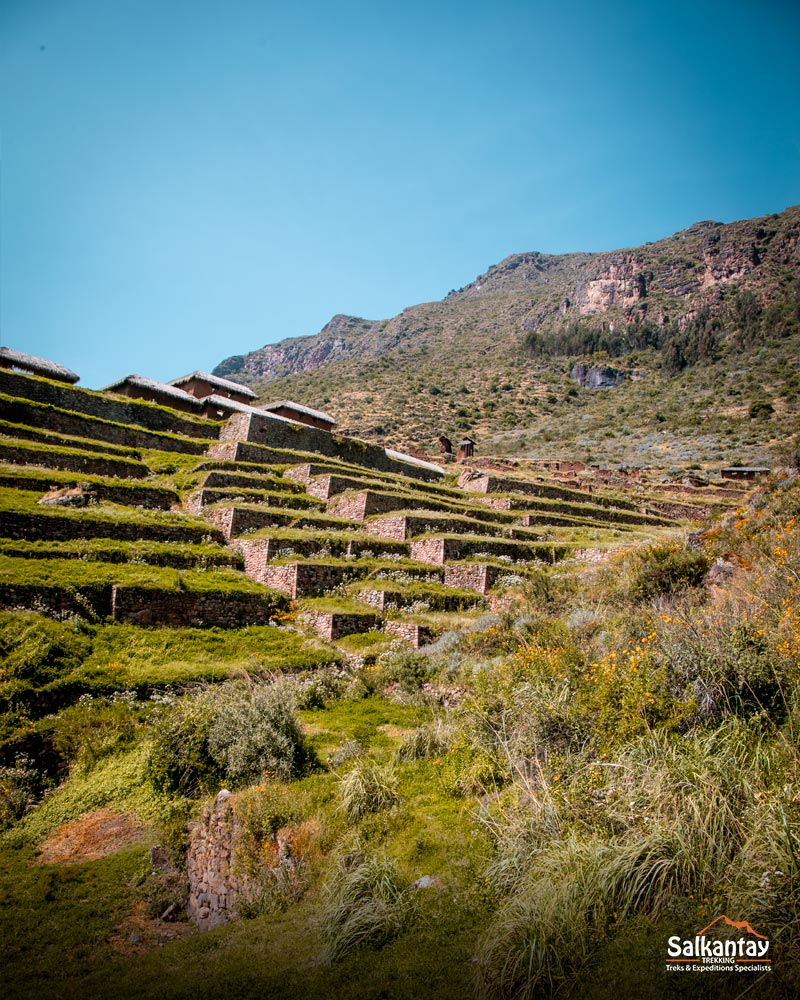
Choquequirao to Machu Picchu Trek: The Great Andean Expedition
The Choquequirao to Machu Picchu Trek stands out as one of the most extraordinary routes in South America, ideal for those seeking an epic expedition that connects two sacred cities of the Inca world. This journey crosses the Vilcabamba mountain range, traversing deep canyons, cloud forests, and remote landscapes—making it a true adventure through the history, geography, and biodiversity of southern Peru.
It is the perfect alternative for travelers who crave authenticity and spectacular scenery beyond conventional routes.
The journey begins at Choquequirao, known as the “sacred sister of Machu Picchu,” whose name in Quechua means “Cradle of Gold.” This monumental archaeological complex sits at over 3,000 meters (9,842 ft) above sea level and, unlike Machu Picchu, receives very few visitors. This allows you to explore its temples and terraces in an atmosphere of silence and mystery before continuing the expedition through high mountain passes and tropical valleys, ultimately reaching the legendary citadel of Machu Picchu.
Route Description
The Choquequirao to Machu Picchu Trek is a long-distance journey that connects two of the most important archaeological complexes of the Inca Empire. It is considered one of the most challenging and spectacular treks in the Andes.
- Day 1: Depart from Cusco to Cachora and begin the hike from Capuliyoc, with panoramic views of the Apurímac Canyon and snow-capped peaks such as Padreyoc. Descend into the canyon to reach the campsite.
- Day 2: Cross the Apurímac River and undertake a demanding ascent to Marampata, where you’ll enjoy your first views of the Choquequirao archaeological complex.
- Day 3: Full exploration of Choquequirao, visiting temples, ceremonial plazas, agricultural terraces, and scenic viewpoints overlooking the valley.
- Day 4: Hike from Choquequirao to the archaeological site of Pinchaunuyoc, then descend to the Blanco River before ascending to the Maizal campsite.
- Day 5: Ascend toward San Juan Pass, crossing high-altitude forests and ancient Inca paths until reaching the Andean community of Yanama.
- Day 6: Cross Yanama Pass, one of the highest points of the trek, surrounded by peaks of the Vilcabamba range, before descending to Totora.
- Day 7: Hike through increasingly tropical landscapes with coffee plantations, fruit trees, and waterfalls until reaching La Playa or Lucmabamba.
- Day 8: Ascend to the Llactapata archaeological site, where you’ll enjoy one of the first panoramic views of Machu Picchu, then descend to Aguas Calientes.
- Day 9: Guided tour of Machu Picchu, exploring temples, plazas, and terraces before returning to Cusco.
This trek combines adventure, history, and natural diversity in a unique expedition across the Peruvian Andes.
Choquequirao to Machu Picchu Trek (9 Days): Itinerary, Distances, and Difficulty
| Day | Activity | Distance | Duration | Difficulty | Altitude |
| Day 1 | Capuliyoc – Descent into the Apurímac Canyon | 14 km / 8.7 miles | ~6 hours | Moderate | 2,900 m – 1,900 m / 9,514 – 6,233 ft |
| Day 2 | Ascent to Marampata & Choquequirao | 16 km / 9.9 miles | 7–8 hours | Challenging | 1,900 m – 3,050 m / 6,233 – 10,006 ft |
| Day 3 | Choquequirao Exploration | — | 4–5 hours | Moderate | 3,050 m / 10,006 ft |
| Day 4 | Choquequirao – Pinchaunuyoc – Maizal | 14 km / 8.7 miles | 7 hours | Challenging | 3,050 m – 2,800 m / 10,006 – 9,186 ft |
| Day 5 | Maizal – San Juan Pass – Yanama | 16 km / 9.9 miles | 7–8 hours | Challenging | up to 4,000 m / 13,123 ft |
| Day 6 | Yanama Pass – Totora | 12 km / 7.4 miles | 6–7 hours | Moderate–Challenging | up to 4,600 m / 15,091 ft |
| Day 7 | Totora – La Playa / Lucmabamba | 16 km / 9.9 miles | 6–7 hours | Moderate | 3,000 m – 2,000 m / 9,843 – 6,562 ft |
| Day 8 | Llactapata – Aguas Calientes | 12 km / 7.4 miles | 5–6 hours | Moderate | 2,700 m – 2,000 m / 8,858 – 6,562 ft |
| Day 9 | Machu Picchu Exploration | — | 2–5 hours | Easy–Moderate | 2,430 m / 7,972 ft |
Weather on the Choquequirao Trek
The weather during the Choquequirao Trek varies significantly due to changes in altitude and ecosystems along the route. Throughout the journey, you transition from the dry Andean climate to the warm, humid cloud forest.
In the Apurímac Canyon, daytime temperatures typically range between 20 °C and 30 °C (68 °F – 86 °F), especially in the lower sections of the valley. However, at higher elevations near Choquequirao and within the Vilcabamba range, nighttime temperatures can drop to 0 °C (32 °F).
The region has two main seasons:
- Dry season (April–October): Sunny days and clear skies, ideal for enjoying canyon views and mountain scenery.
- Rainy season (November–March): Increased rainfall, especially near Santa Teresa and Machu Picchu, making trails wetter and more slippery.
Thanks to this climatic diversity, the Choquequirao to Machu Picchu Trek passes through a wide range of landscapes—from arid mountains to lush tropical forests full of life.
Did you know? Less than 30% of Choquequirao has been excavated, leaving a large part of this archaeological site undiscovered.
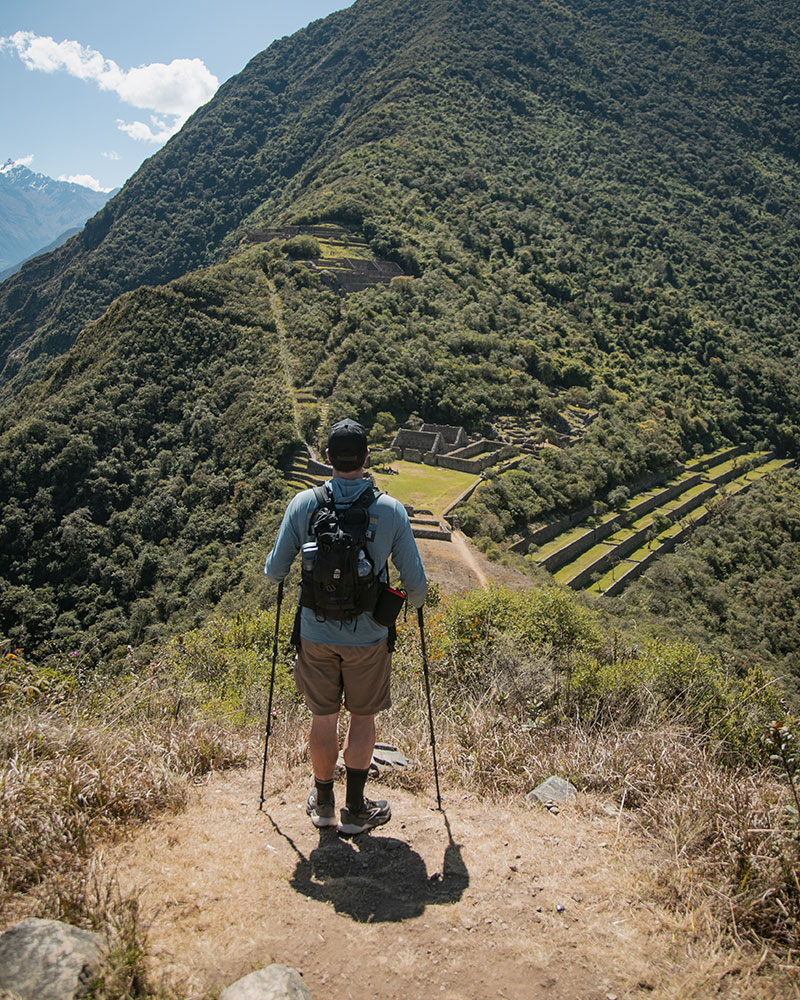
Comparison Table of Machu Picchu Hiking Trails
| Route | Duration | Difficulty | Max Altitude | Type of Experience | Ideal For |
| Inca Trail | 4 days | Moderate | 4,215 m / 13,828 ft | Historical & archaeological | History lovers |
| Salkantay Trek | 4–5 days | Moderate–High | 4,630 m / 15,190 ft | Nature & adventure | Experienced trekkers |
| Choquequirao Trek | 9 days | High | 3,050 m / 10,006 ft | Archaeological exploration | Adventurers |
| Lares Trek | 3–4 days | Moderate | 4,450 m / 14,600 ft | Cultural | Travelers interested in Andean communities |
| Huchuy Qosqo | 1–2 days | Easy | 4,200 m / 13,780 ft | Historical | Short hikes |
| Inca Jungle | 3–4 days | Moderate | 4,350 m / 14,272 ft | Adventure | Younger travelers |
| Quarry Trek | 3–4 days | Moderate | 4,450 m / 14,600 ft | Archaeological | Intermediate trekkers |
| Ancascocha | 4–5 days | High | 4,650 m / 15,256 ft | Andean landscapes | Advanced trekking |
How to Choose the Best Machu Picchu Hiking Trail
Choosing the right Machu Picchu hiking trail depends on several key factors. Understanding these elements will help you find the experience that best matches your travel style.
Consider Your Available Time
Time is one of the most important factors when planning a Machu Picchu trek.
Some hikes can be completed in just one or two days, while others require several days of trekking through the Andes.
For example:
- Huchuy Qosqo is ideal for short itineraries.
- Lares Trek typically lasts three to four days.
- Choquequirao Trek can extend up to nine days.
If you have limited time, choosing a shorter route allows you to experience Andean trekking without significantly altering your Cusco itinerary.
Evaluate Your Physical Fitness Level
Machu Picchu hiking trails vary significantly in difficulty. Some involve moderate hikes, while others require greater endurance due to high altitude and steep terrain.
For example:
- Huchuy Qosqo and Lares Trek are moderate options.
- Ancascocha and Choquequirao are demanding routes with high mountain passes and long hiking days.
Before choosing a route, it is recommended to acclimatize for at least two to three days in Cusco.
Define the Type of Experience You’re Looking For
Each Machu Picchu trek offers a different kind of experience.
- Culture: The Lares Trek allows interaction with traditional Andean communities.
- Adventure: The Inca Jungle Trek combines hiking with biking, rafting, and ziplining.
- History: The Huchuy Qosqo Trek features ancient Inca paths and views of the Sacred Valley.
- Remote exploration: Ancascocha and Choquequirao offer wild landscapes with very few visitors.
Defining the type of experience you want will help you choose the ideal trek.
When to Hike Machu Picchu Trails
The best time to hike Machu Picchu trails depends on the weather in the Andean region of Cusco, which is divided into two main seasons.
Dry Season (May – October)
The dry season is the most popular time for Machu Picchu hiking trails. During these months, sunny days are more common and rainfall is less frequent.
The most recommended months are:
- May
- June
- July
- September
During this season, trails are usually in better condition and mountain views are clearer and more impressive.
Rainy Season (November – April)
During the rainy season, precipitation is more frequent, especially between January and February.
However, there are also advantages:
- Greener landscapes
- Fewer tourists
- More peaceful trekking experiences
For many travelers, this season offers a more adventurous way to explore alternative Machu Picchu hiking trails.
Frequently Asked Questions About Alternative Machu Picchu Treks
The Huchuy Qosqo Trek is one of the shortest and most accessible hikes near Cusco. Its short duration and moderate difficulty make it an excellent option for travelers who want to experience Andean trekking without long hiking days.
If you’re looking for a quieter experience away from crowds, the best options are the Ancascocha Trek and the Lares Valley route. Both offer incredible landscapes, interaction with local communities, and less crowded trails compared to the Classic Inca Trail.
The dry season, from May to October, is the best time for alternative treks, offering stable weather, clear skies, and panoramic views. Despite being high season, these routes are less crowded than the most popular trails.
If you want fewer crowds and greener landscapes, April and November are also excellent months to hike.
It is recommended to complete these routes with a certified guide, especially on trails that are less marked or difficult to access. In addition to ensuring safety, a guide enriches the experience with historical, cultural, and natural insights.
On routes like Lares or Ancascocha, where terrain can be more challenging, a guide is practically essential.
The Inca Jungle Trek is ideal for adrenaline seekers. It combines mountain biking, rafting, hiking, and ziplining, taking you from high Andean peaks into the tropical jungle. It’s a dynamic experience full of excitement and changing landscapes.
Alternative Machu Picchu hiking trails are an excellent option if the Inca Trail is sold out or if you prefer a more personalized and less crowded experience.
They allow you to enjoy equally spectacular landscapes, connect with local communities, and explore lesser-known Inca paths—without strict permit limitations.
Start Your Journey
Alternative Machu Picchu hiking trails offer a unique and authentic experience for those seeking adventure, connection with nature, and a deeper understanding of Andean culture. No matter which route you choose, proper planning, acclimatization, and preparation will ensure an unforgettable journey.
Step beyond the conventional and explore extraordinary paths leading to the Inca citadel with Salkantay Trekking.
You May Also Be Interested In

Leave A Reply