
If you’re searching how to prevent altitude sickness when hiking, you’re already doing the right thing, because altitude sickness is one of those problems that’s much easier to prevent than deal with halfway up a mountain.
It’s also one of the most misunderstood parts of trekking. People assume it’s about fitness, or luck, or just “seeing how you feel.” In reality, there are very clear reasons why altitude sickness (also called mountain sickness) happens, and even clearer ways to reduce your risk.
Whether you’re heading to Peru, Nepal, or anywhere above 2,500 meters (8,200 feet), this guide covers how to prevent altitude sickness, how to prepare for a high-altitude hike, and what to do if things don’t go to plan.
Table of contents
- What Is Altitude Sickness?
- What Are the Symptoms of Altitude Sickness?
- Who Is Most at Risk of Altitude Sickness?
- How to Prevent Altitude Sickness When Hiking
- How to Prevent Altitude Sickness Naturally
- How to Prepare for High Altitude Before Your Trip
- Acclimatization Tips for Trekkers in Peru
- Altitude Sickness on Real Treks in Peru (By Route)
- Does Medication Help Prevent Altitude Sickness?
- Altitude Sickness Treatment: What to Do If You Feel Symptoms
- What Is the Best Altitude for Avoiding Sickness?
- Common Mistakes That Increase Your Risk
- Can You Avoid Altitude Sickness Completely?
- FAQs About Preventing Altitude Sickness When Hiking
- Staying Safe at High Altitude
What Is Altitude Sickness?
Before getting into mountain sickness prevention, it helps to understand what’s actually going on in your body, because this isn’t random. It’s physics.
Why Altitude Affects Your Body
As you gain altitude, the air pressure drops. There’s still oxygen in the air, but each breath contains less of it. Your body suddenly has to work harder to get the same amount of oxygen it’s used to at sea level.
To compensate, your breathing speeds up, your heart rate increases, and over time, your body starts producing more red blood cells. That process is called acclimatization, and it doesn’t happen instantly.
Altitude sickness kicks in when you go up faster than your body can adapt.
When Altitude Sickness Typically Begins (Elevation Thresholds)
For most people, altitude sickness starts to become a risk at around 2,500 metres (8,200 ft). Above that, the chances increase with both altitude and speed of ascent.
By the time you reach 3,500–4,000 metres (11,500–13,000 feet), which is standard for many hikes, like the Salkantay Trek in Peru, your body is working noticeably harder, even if you feel fine at rest.
What Are the Symptoms of Altitude Sickness?
One of the biggest mistakes trekkers make is missing the early signs. The symptoms don’t usually arrive dramatically. Instead, they build gradually, and they’re easy to dismiss if you don’t know what you’re looking for. Here’s what to look out for…

Mild Symptoms (Acute Mountain Sickness – AMS)
This is the most common form of altitude sickness, and it’s where most people land if they feel anything at all.
Typical symptoms include:
- A persistent headache (usually the first sign)
- Nausea or reduced appetite
- Dizziness or lightheadedness
- Fatigue that feels out of proportion to the effort
- Poor sleep
It often feels like a mild hangover, which isn’t the nicest feeling in the world.
Severe Symptoms (HAPE & HACE)
In rarer cases, altitude sickness can progress into more serious conditions:
- HAPE (High Altitude Pulmonary Edema): fluid in the lungs
- HACE (High Altitude Cerebral Edema): swelling of the brain
Symptoms can include confusion, breathlessness at rest, lack of coordination, and a persistent cough.
When Symptoms Become Dangerous
The key difference is progression. Mild symptoms should stabilize or improve with rest. If they get worse, especially without further ascent, that’s when it becomes serious.
At that point, continuing upwards isn’t just uncomfortable, it’s risky.
Who Is Most at Risk of Altitude Sickness?
Altitude sickness doesn’t follow the rules people expect, which is why it catches so many people off guard. In fact, it can affect anyone, no matter how fit or healthy you are or how old you are.
Fitness vs Altitude (Common Misconception)
Being fit helps you hike longer and recover faster, but it doesn’t protect you from altitude sickness. Plenty of strong, experienced hikers struggle at altitude, often because they push harder and ascend faster.
Previous Altitude Exposure
If you’ve been to altitude before and felt fine, that’s a good sign, but it’s not a guarantee. Your response can vary from trip to trip.
Speed of Ascent
This is the single biggest factor. The faster you go up, the less time your body has to adapt. Most cases of altitude sickness come down to itinerary, not ability.
How to Prevent Altitude Sickness When Hiking
This is where things become practical. If you’re wondering how to avoid altitude sickness, these are the habits that actually make a difference on the trail.
Ascend Slowly and Follow Acclimatization Rules
There’s no shortcut here. Gradual ascent is the most effective way to prevent altitude sickness.
A good rule of thumb is to avoid increasing your sleeping altitude by more than 300–500 meters per day once you’re above 3,000 meters (9,842 feet). Many treks naturally build this in, but not all, so it’s worth checking.
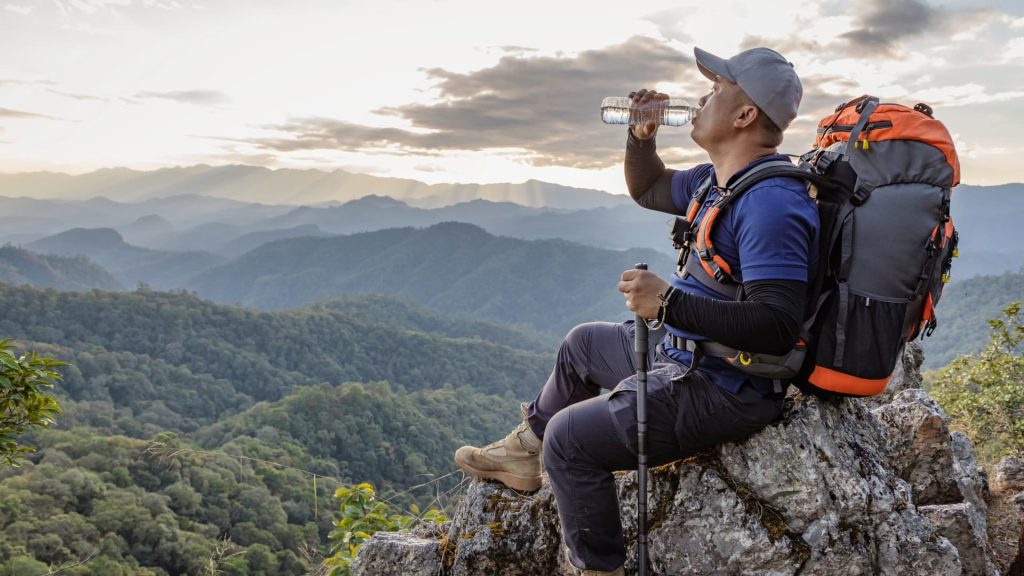
Stay Hydrated (But Not Excessively)
Hydration supports acclimatization, but more isn’t always better. Aim for steady intake throughout the day rather than forcing large amounts all at once.
Clear or pale yellow urine is usually a good sign you’re on track.
Eat a High-carb Diet at Altitude
Carbohydrates require less oxygen to metabolize than fats or proteins, making them a more efficient fuel source at altitude.
This is why you’ll often crave simple, carb-heavy meals on a trek, and why that second portion of pasta suddenly feels justified.
Avoid Alcohol and Smoking
Both interfere with how your body uses oxygen and can worsen symptoms of altitude sickness. It’s not about perfection, just moderation, especially in the first few days.
Sleep at Lower Elevations When Possible
Many trekking itineraries follow a “climb high, sleep low” pattern. This gives your body exposure to higher altitude during the day, while allowing recovery overnight.
Take Rest Days Seriously
Rest days aren’t a sign of weakness. They’re part of mountain sickness prevention. Skipping them to “save time” is one of the fastest ways to feel rough later.
Listen to Your Body (Early Symptom Awareness)
A mild headache isn’t something to ignore. It’s your body flagging that it’s under pressure. Slow down, hydrate, and give yourself time to adjust.
How to Prevent Altitude Sickness Naturally
If you’re looking for natural ways to support acclimatization, there are a few approaches that can help. Just keep expectations realistic. These aren’t miracle cures.
Hydration Strategies
Consistent hydration helps your body regulate itself more effectively at altitude. Adding electrolytes can be useful, especially on longer trekking days.
Coca Tea and Traditional Remedies
In Peru, coca tea is widely used for altitude symptoms. Many travellers find it helpful for mild headaches and nausea.
While research is mixed, it’s a low-risk option and part of the local culture. Many people also find ginger and garlic useful to combat nausea and improve blood circulation. Just don’t expect any of these to replace proper acclimatization.
Breathing Techniques
At altitude, it helps to slow your breathing and keep it controlled, especially on steep sections. Short, steady steps paired with consistent breathing can make a noticeable difference.
Gradual Exposure Before Your Trek
Spending even a couple of days at a moderate altitude before going higher gives your body a head start. It’s one of the simplest and most effective natural strategies.
How to Prepare for High Altitude Before Your Trip
Preparation is where you can quietly stack the odds in your favour. Check out these top tips.
Pre-Acclimatization Strategies
If your itinerary allows, arrive early and spend time at altitude before your trek begins. Even 48–72 hours can make a big difference.
Training vs Altitude Readiness
If you’re wondering how to train for high altitude hiking, focus on cardiovascular fitness and endurance. It’ll help you manage effort, but just remember that it won’t prevent altitude sickness on its own.
Planning Your Itinerary
One of the best things you can do is build acclimatization into your travel plans. So once you arrive early, wander around the area slowly, exploring and going on shorter day trips.
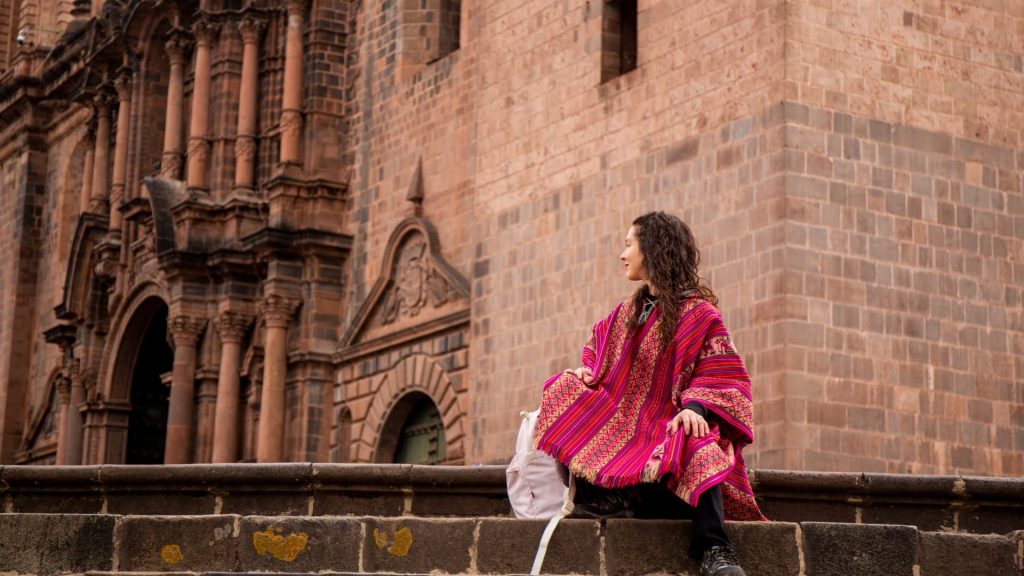
If you’re heading to Peru, take a look at our guide on “How to Acclimate in Cusco”, as it’s a great starting point before any trek in the region.
Acclimatization Tips for Trekkers in Peru
Peru is an incredible trekking destination, but it’s also where a lot of people come face to face with altitude for the first time.
Why Cusco Is the Ideal Acclimatization Base
At around 3,400 meters (11,154 feet), Cusco gives you immediate exposure to altitude in a controlled way. You’re high enough to start adapting, but still able to rest, eat well, and take things slowly.
Suggested Acclimatization Itinerary (2–3 days)
- Day 1 is for arrival and rest. You might feel slightly off, and that’s normal.
- On day 2, you should start moving gently. Think short walks around the city and light activity.
- On day 3, you can build up slightly, but nothing intense, just more time on your feet. Consider short day trips in and around the city.
If you want ideas, check out this list on the “Best Cusco Tour Options for Acclimatization Before a Trek”.
Best Low-impact Activities Before a Trek
Think easy, not ambitious. Walking tours, valley visits, and gentle hikes are ideal. You’re preparing your body, not testing it.
Altitude Sickness on Real Treks in Peru (By Route)
Not all treks behave the same. Some give you time to adjust, others go straight for it. Knowing what to expect on each route makes a big difference to your preparation plans.
The Salkantay Trek – Gradual But Still Demanding
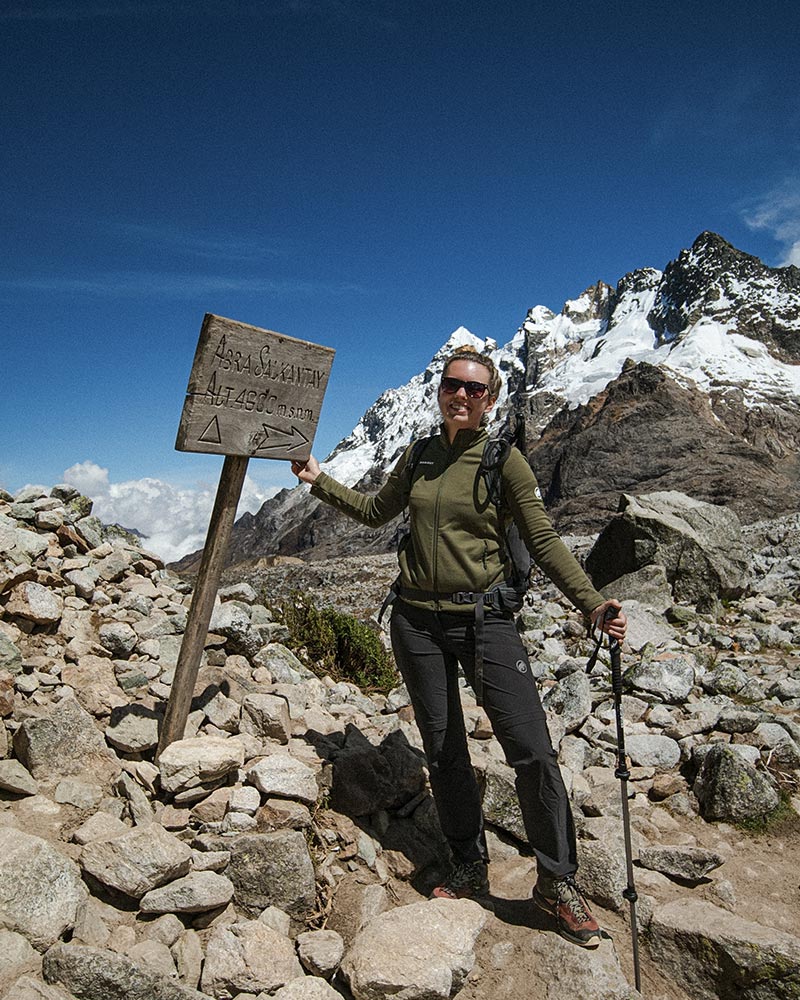
- Max altitude: 4,630 meters / 15,190 feet
- Distance: 73.3 km / 45.5 miles
- Difficulty: Moderate to challenging
The Salkantay Trek builds altitude steadily, but the early days still pack a punch.
Most people feel the effects on the approach to Salkantay Pass. The climb is long, the air is thin, and if you’ve rushed your acclimatization, it shows here first.
The trick is pacing. The trekkers who take it slow, hydrate properly, and accept a steady rhythm tend to adjust well after the pass.
The Inca Trail – Short But High Impact
- Max altitude: 4,215 meters / 13,829 feet
- Distance: 44 km / 27.3 miles
- Difficulty: Moderate to challenging
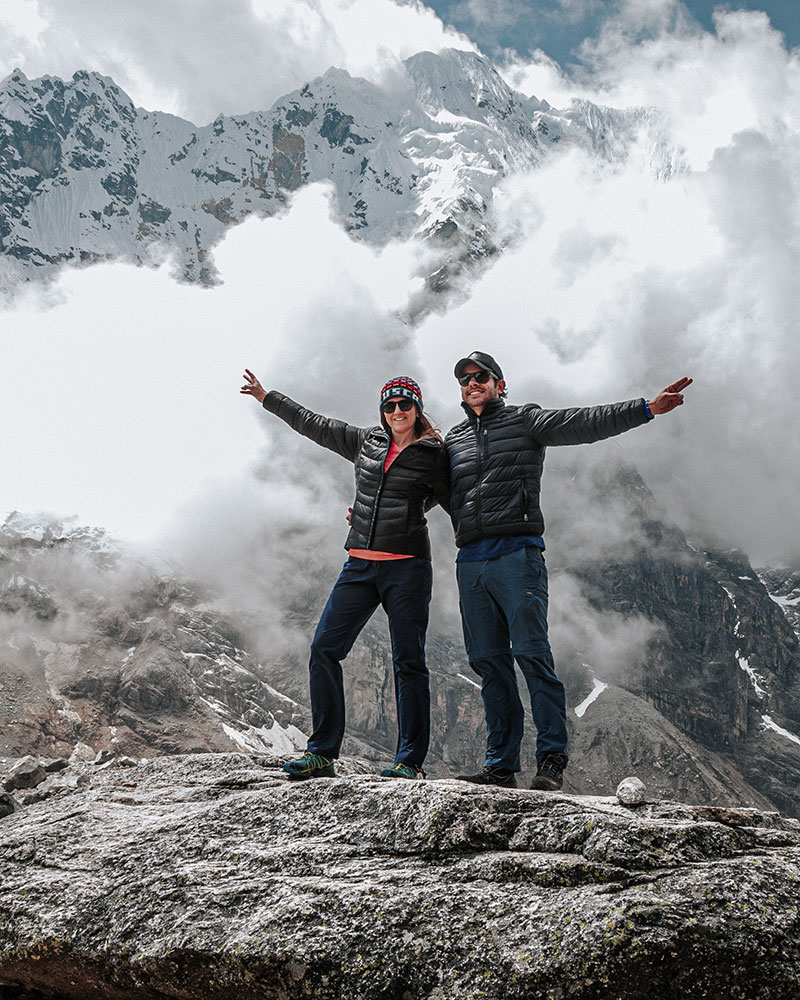
The Inca Trail compresses a lot of challenge into a short space. The altitude hits hardest on the steep climb to Dead Woman’s Pass.
Even with good acclimatization, this section feels tough. The gradient combined with the altitude means you’ll need to slow right down, and that’s expected, not a sign something’s wrong.
The Ausangate Trek – High Altitude from Start to Finish
- Max altitude: 5,200 meters / 17,060 feet
- Distance: 55.5 km / 34.5 miles
- Difficulty: Moderate to challenging
The Ausangate Trek is a different level altogether.
You’re consistently high, with very little time spent below 4,400 meters (14,436 feet). That constant exposure means your body is always working harder, even at rest.
Strong acclimatization is essential here. Done properly, it’s one of the most rewarding treks in Peru. Skipped or rushed, it can be a real struggle.
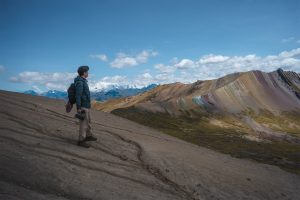
Rainbow Mountain – The Sneaky One
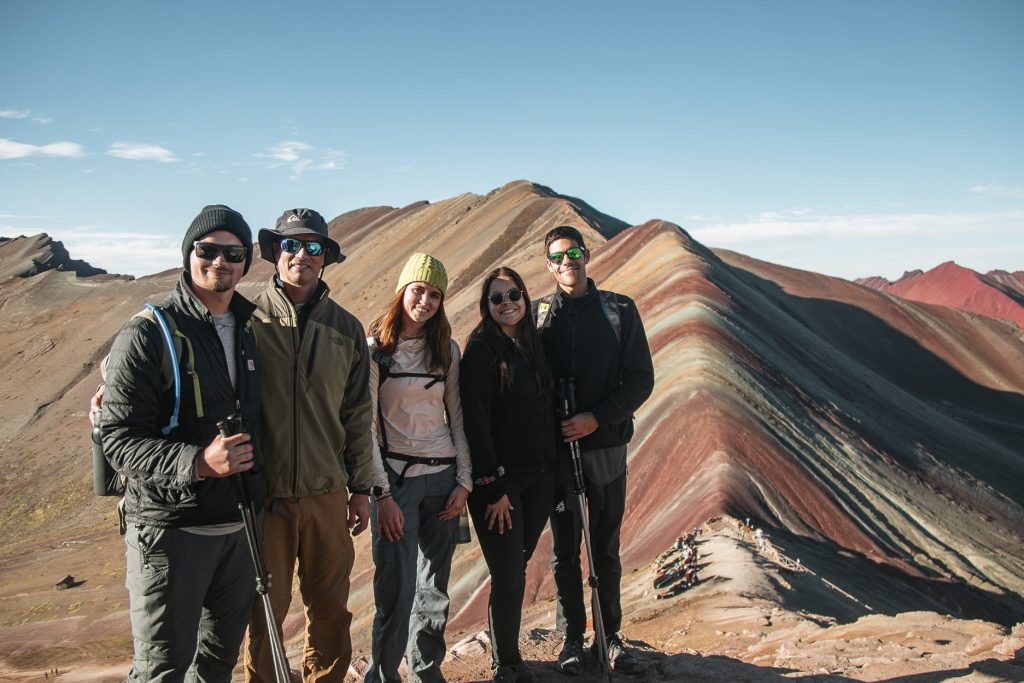
- Max altitude: 5,100 meters / 16,732 feet
- Distance: 7 km / 4.35 miles
- Difficulty: Moderate (but often feels harder)
Rainbow Mountain is where people get caught out.
It looks short and manageable, but the altitude is extreme, and you often reach it quickly. Symptoms can appear fast, especially if you haven’t acclimatized properly.
Treat it like a serious high-altitude hike, not a casual day trip.
Does Medication Help Prevent Altitude Sickness?
Medication can absolutely play a role in how to prevent altitude sickness, but it’s not a magic shield you take and forget about. Think of it as support rather than a substitute for acclimatization, pacing, and common sense.
A lot of trekkers aren’t sure whether to go down the medication route or stick to natural methods. The reality is, it depends on your itinerary, your risk level, and how cautious you want to be.
Acetazolamide (Diamox) Explained
Acetazolamide, usually called Diamox, is the most commonly used medication for altitude sickness prevention.
It works by helping your body adapt to lower oxygen levels more quickly. Essentially, it encourages deeper and faster breathing, which improves oxygen uptake while your body is still adjusting.
Many trekkers take it preventatively, starting a day or two before ascending and continuing during the early part of the trek. It’s particularly useful if:
- You’re ascending quickly
- You don’t have much time to acclimatize
- You’ve had altitude sickness before
That said, it’s not something to take casually. Side effects can include tingling in fingers and toes, increased urination, and a slightly odd metallic taste. Nothing dramatic for most people, but noticeable.
Ibuprofen – Does It Actually Help?
This one comes up a lot, and the answer is sort of, but not in the way people think.
Ibuprofen can help relieve headaches caused by altitude sickness, which makes you feel better in the short term. But it doesn’t help your body acclimatize or prevent the underlying issue.
So yes, it can be part of your kit, but it’s not a prevention strategy on its own.
When to Consider Medication
Medication is worth considering if your itinerary is tight or ambitious. For example:
- You’re going from low altitude to over 4,000 meters (13,123 feet) in a short time
- You’re doing something like Rainbow Mountain early in your trip
- You’ve previously struggled with altitude
For slower, well-paced treks with proper acclimatization, many people manage perfectly well without it.
Important Precautions
Always speak to a doctor before taking medication for altitude sickness. This isn’t something to self-prescribe based on a blog (even a very good one).
Make sure you understand dosage, timing, and whether it’s appropriate for you personally.

Altitude Sickness Treatment: What to Do If You Feel Symptoms
Even if you’ve done everything “right,” altitude sickness can still show up. What matters most is how you respond in that moment.
The good news is that mild altitude sickness is very manageable, as long as you don’t ignore it.
Immediate Actions to Take
The first step is simple. Stop going up.
Sit down, rest, and give your body time to catch up. Drink water, eat something light if you can, and avoid pushing forward “just to see how it goes.”
A lot of mild cases improve within a few hours if you stop and let your body adjust.
When to Stop Ascending
If your symptoms aren’t improving, or if they’re getting worse, that’s your sign to hold your position.
Continuing to climb while feeling unwell is one of the fastest ways to turn a mild problem into a more serious one.
When to Descend Immediately
Descending is the most effective altitude sickness treatment. Even dropping a few hundred meters can make a noticeable difference.
You should descend if:
- Symptoms are getting worse instead of better
- You’re struggling to walk steadily
- You feel unusually breathless, even at rest
There’s no medal for pushing through altitude sickness. The smart move is always the safer one.
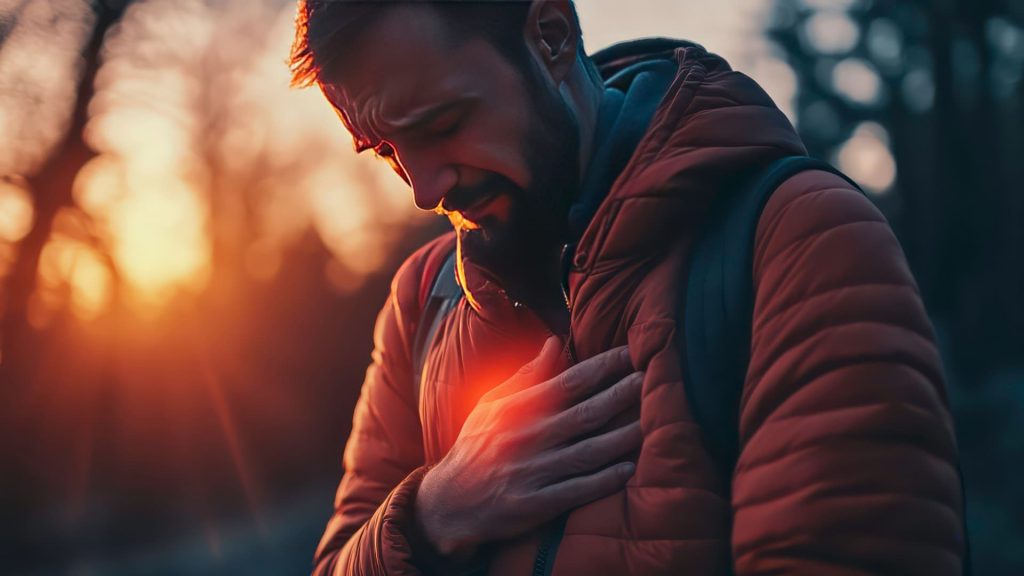
Emergency Warning Signs
Some symptoms need immediate action:
- Confusion or unusual behaviour
- Loss of coordination
- Severe breathlessness
- Severe headache
- Persistent coughing
- Chest tightness
These can indicate serious conditions like HAPE or HACE. At that point, descent and getting medical help are urgent.
What Is the Best Altitude for Avoiding Sickness?
This is one of those questions where everyone wants a straightforward answer, but altitude doesn’t really work like that.
Safe Altitude Ranges
| Altitude | Risk |
| Below 2,500 meters / 8,200 feet | Low risk for most people |
| 2,500–3,500 meters / 8,200–11,482 feet | Mild symptoms possible |
| Above 3,500 meters / 11,482 feet | Higher risk, especially with rapid ascent |
The key thing isn’t just the number. It’s how quickly you get there.
Why Symptoms Vary by Person
Two people can stand at the same altitude and feel completely different. One is fine, the other has a headache and no appetite.
That variation comes down to individual physiology, how well you’ve acclimatized, hydration, pace, and sometimes just luck.
It’s why comparing yourself to others on the trail is rarely helpful.
Common Mistakes That Increase Your Risk
A lot of altitude sickness cases aren’t unavoidable. They come from small decisions that add up.
Ascending Too Quickly
This is still the biggest cause, by far.
Tight itineraries, packed schedules, or just impatience can all lead to going up faster than your body can handle.
Ignoring Mild Symptoms
That “slight headache” is usually your first warning sign. Ignoring it and continuing to climb rarely ends well.
Catching symptoms early is one of the easiest ways to avoid bigger problems later.
Overexertion Early In the Trek
There’s a temptation to start strong, especially if you’re feeling good on day one.
But your body is already working harder at altitude. Pushing too hard too soon adds unnecessary strain and can trigger symptoms faster.
Poor Hydration Habits
Too little water makes symptoms worse. Too much can dilute your electrolytes and make you feel off in a different way.
Aim for steady, consistent hydration rather than extremes, so small sips consistently throughout the day.
Can You Avoid Altitude Sickness Completely?
We’re going to be very honest here.
Realistic Expectations
You can do everything right and still feel mild symptoms. That doesn’t mean you’ve failed. It just means your body is adapting.
The goal isn’t perfection but reducing risk and managing symptoms early.
Managing vs Preventing
A better way to think about it is control, not avoidance.
You’re controlling your ascent, your pace, your hydration, and your response to symptoms. Do that well, and altitude sickness becomes far less of a problem.
FAQs About Preventing Altitude Sickness When Hiking
The last thing you want when you take on a trek is to fall extremely ill and have to cut your trip short. So, it’s completely understandable if you still have some lingering doubts. Well, to help, we’ve answered some of the most frequently asked questions below.
How Can I Prevent Altitude Sickness Naturally?
The most effective natural approach is to ascend slowly and allow time to acclimatize. Stay well hydrated, eat regular meals (especially carbs), and avoid alcohol in the first few days. Spending 2–3 days at a moderate altitude before your trek also makes a big difference.
Some travellers use coca tea and other natural remedies, but these should be seen as support, not a replacement for proper acclimatization.
How Do I Prepare for Being at High Altitude?
The best way to prepare is to build acclimatization into your itinerary. Arrive early, spend a few days at altitude before trekking, and plan a gradual ascent. You can also improve your fitness beforehand, but remember that fitness alone won’t prevent altitude sickness.
What Are the Symptoms of Altitude Sickness?
Common symptoms include headache, nausea, dizziness, fatigue, and trouble sleeping. These usually start mildly but can worsen if you keep ascending. More serious symptoms include confusion, breathlessness at rest, and loss of coordination, which require immediate attention.
How Quickly Does Altitude Sickness Start?
Symptoms can begin within 6 to 24 hours after reaching a higher altitude. It often starts with a mild headache and fatigue, especially if you’ve ascended quickly without acclimatizing.
Staying Safe at High Altitude
Altitude has a way of keeping you humble. It doesn’t care how prepared you think you are, but it does respond well when you respect it.
Take the time to acclimatize properly, don’t rush your itinerary, and pay attention to how you feel each day. Those three things alone will put you ahead of most trekkers.
And once you’ve got that balance right, you can actually enjoy the experience, from the landscapes and the silence to the sense of being somewhere genuinely different, instead of just focusing on getting through it.


Leave A Reply