
If you’ve been searching for hiking for beginners and feeling like every guide assumes you already own expensive gear and know exactly what you’re doing, you’re not alone. Getting started can feel oddly complicated, especially when you’re just trying to figure out what an easy hike even looks like.
The reality is much simpler. Hiking is one of the most accessible ways to get outside, move your body, and explore somewhere new. You don’t need to be particularly fit, you don’t need loads of equipment, and you definitely don’t need to jump straight into long-distance routes or multi-day hiking trips for beginners.
You just need to know where to start and what actually matters. So, let’s get into what hiking is, its benefits, and where to kick things off. By the end, you’ll be eager to strap on your boots and get outdoors.
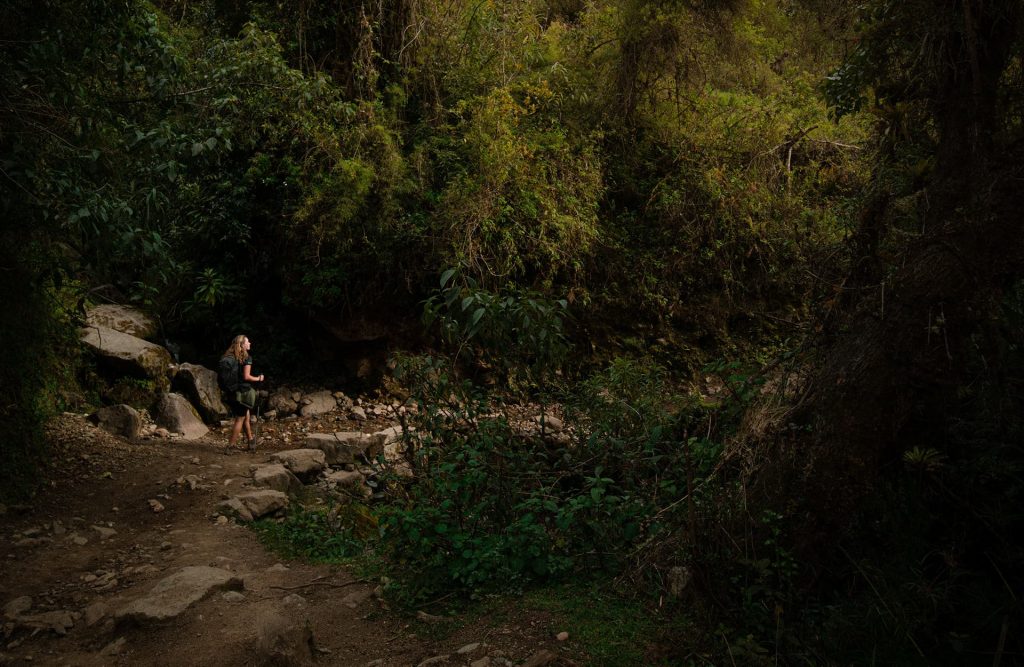
Table of contents
- What Is Hiking and Why Is It Great for Beginners
- How to Start Hiking as a Beginner
- Essential Hiking Gear for Beginners
- Beginner Hiking Safety Tips
- Common Beginner Hiking Mistakes to Avoid
- How to Progress from Hiking to Trekking
- Guided Hiking Tours For Beginners In Peru
- Frequently Asked Questions About Hiking For Beginners
- Your First Hike Is Just the Beginning
What Is Hiking and Why Is It Great for Beginners
Before getting into gear lists or trail apps, it helps to understand what hiking actually is, and why it’s such a good entry point if you’re starting from scratch.
What Counts as Hiking?
At its simplest, hiking is just walking, but on trails instead of pavements. Forest paths, coastal routes, countryside tracks. It all counts.
There’s a tendency to assume hiking has to mean mountains or extreme terrain, but even a short, easier hike through a local park or nature reserve fits the definition.
The Benefits of Hiking for Beginners
Hiking is one of those rare activities that works on multiple levels without feeling like effort.
Physically, it builds endurance, improves balance, and strengthens your legs. Mentally, it’s even better, as it means less screen time, more fresh air, and a noticeable drop in stress levels.
It’s also flexible. You can go at your own pace, choose your own distance, and gradually build up to longer hiking trips for beginners when you feel ready.
Do You Need to Be Fit to Start Hiking?
No, and this is where a lot of people get stuck or make a mistake by deciding it’s not for them.
You don’t train for hiking. Hiking is the thing that builds your fitness over time. Starting with a short, easier hike is more than enough.
How to Start Hiking as a Beginner
This is the part most people actually care about: how to go from “I like the idea of hiking” to “I’ve actually done one.” It’s less complicated than it looks, but a few smart choices early on make a big difference.
Choosing Your First Easy Hike
Your first hike should feel manageable. Think almost suspiciously easy.
Look for:
- Short distances (3–5 km)
- Flat or gently rolling terrain
- Clearly marked trails
This isn’t about pushing limits. It’s about building confidence.
How to Find Beginner-Friendly Trails Near You
If you’ve ever searched ‘hiking for beginners near me’, you’ll know it’s not always obvious where to go.
This is where apps like AllTrails come in. You can filter routes by difficulty, distance, and elevation, making it much easier to find a genuinely beginner-friendly option.
Look for routes labelled:
- Easy
- Family-friendly
- Well-reviewed
How Long Should Your First Hike Be?
Aim for 1–2 hours.
It’s enough to feel like you’ve done something without turning it into an endurance test. As you get more comfortable, you can gradually increase both distance and time.
Understanding Distance, Elevation, and Difficulty
Distance simply means how far you’ll walk.
Elevation is what catches most beginners out. Even a short route can feel challenging if there’s a lot of climbing involved.
Difficulty is usually a mix of both, along with terrain, which means the type of ground you’re walking on. So a flat, smooth surface would be easy, but a hilly, rough path would be much harder.
What Makes an “Easy” Hike?
An easier hike typically includes:
- Short distance (under 6 km)
- Minimal elevation
- Clear paths
- No technical terrain
If you can walk it comfortably and still enjoy the surroundings, you’ve picked well.
Essential Hiking Gear for Beginners
Gear is where things can start to feel overwhelming. There’s a lot of advice out there, and most of it makes it sound like you need everything immediately. You don’t.
Do You Really Need Special Hiking Gear?
When it comes to hiking gear for beginners, there’s a lot of unnecessary pressure to buy everything at once.
You don’t need to.
Start simple and build up over time. Most hiking equipment for beginners is about comfort and safety, not performance.
Basic Hiking Equipment Checklist
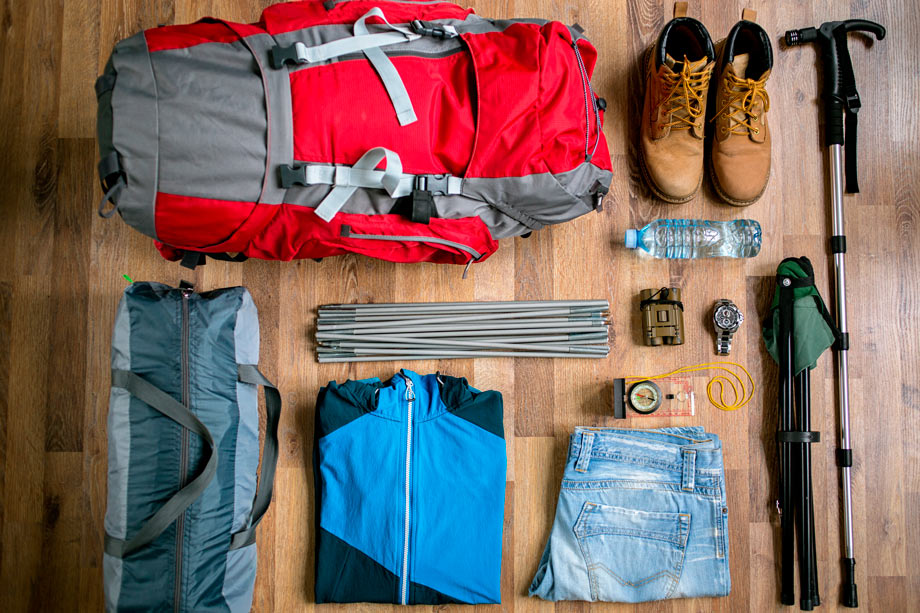
A simple hiking equipment for beginners setup includes:
- Comfortable footwear
- Weather-appropriate clothing
- Small backpack
- Water
- Snacks
That’s enough to get going.
As you start going further and on more trips, a few hiking essentials for beginners become important:
- Extra layer
- Navigation (app or map)
- Fully charged phone
- Basic first aid kit
These aren’t optional once you move beyond short walks.
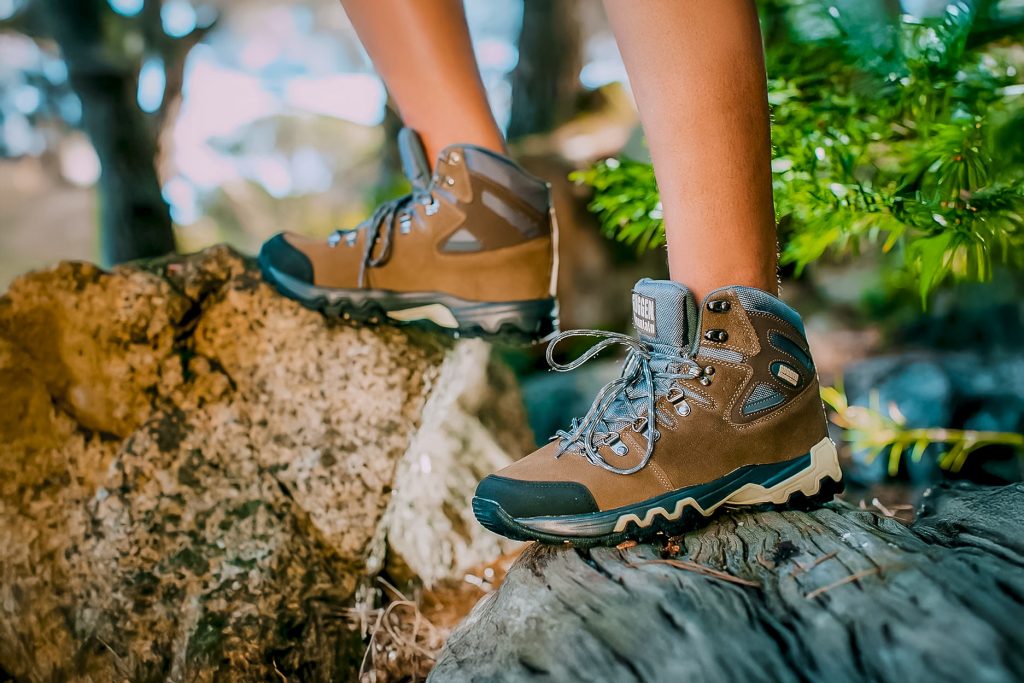
Choosing the Right Hiking Shoes for Beginners
Footwear is one of the few things worth getting right early. The wrong choice can turn an otherwise easy hike into a fairly miserable experience.
Do You Need Hiking Boots or Trail Shoes?
One of the biggest questions around hiking shoes for beginners is whether you need boots.
In most cases, you don’t, at least not immediately.
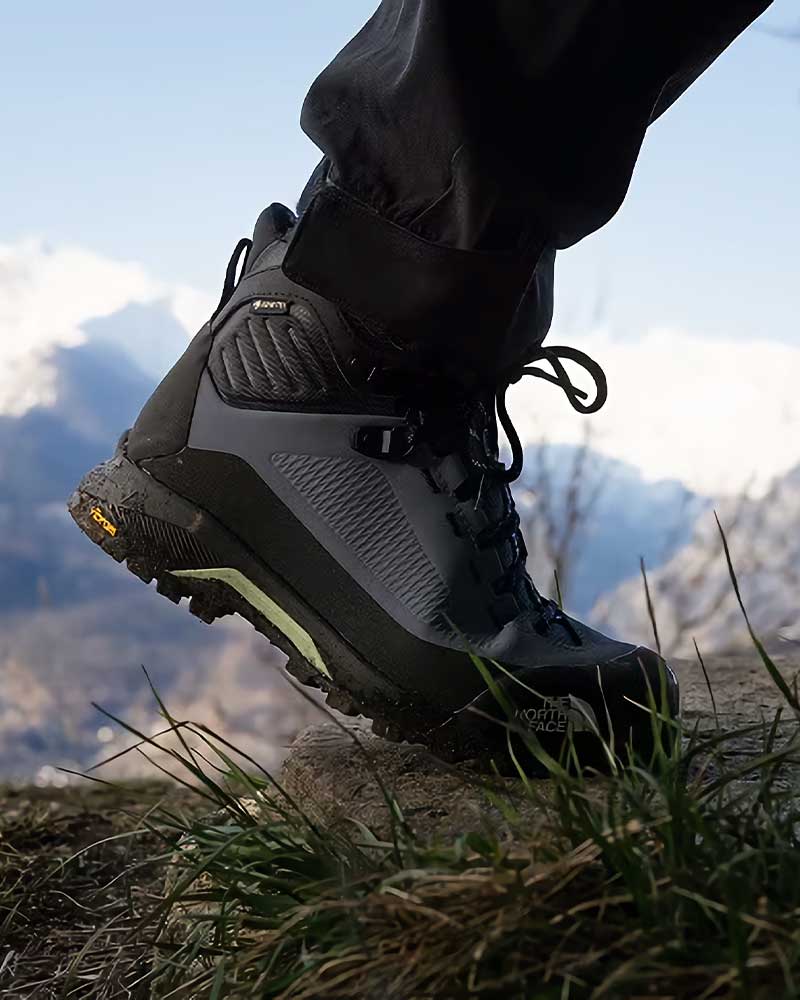
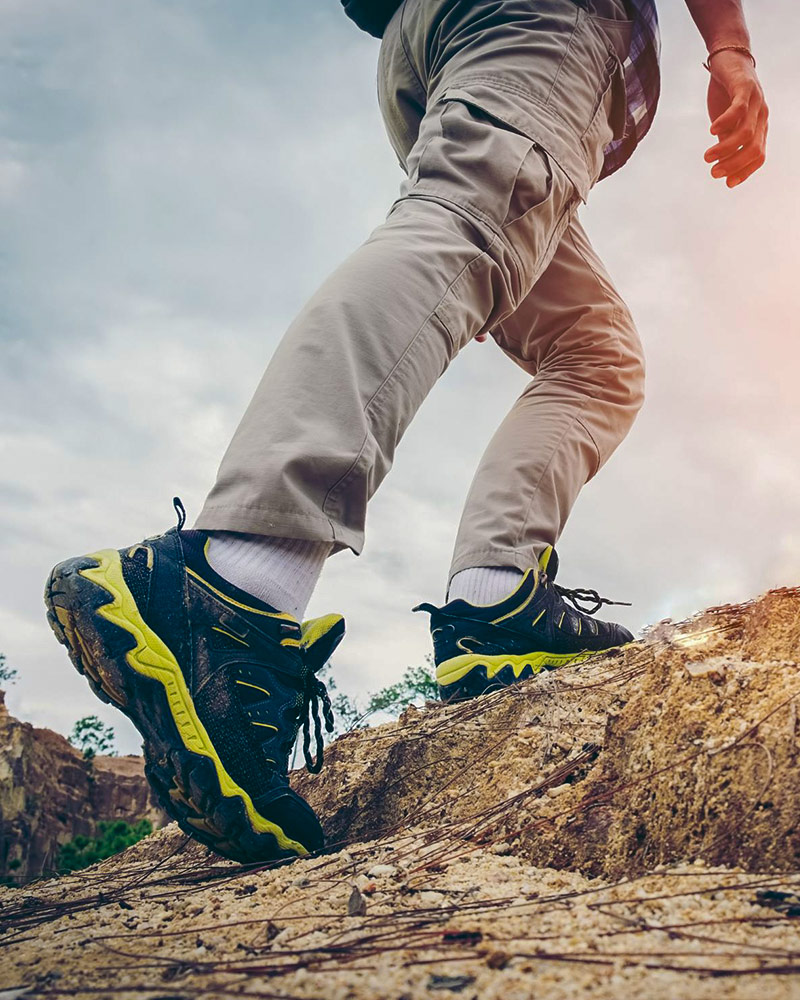
Trail shoes are lighter, more comfortable, and ideal for most beginner hikes. Boots come into play later, especially for rough terrain or longer hiking trips for beginners.
What to Look for in Beginner Hiking Footwear
Focus on:
- Comfort
- Grip
- Breathability
If they feel wrong straight away, they’ll feel worse after a few kilometres.
Common Mistakes When Choosing Hiking Shoes
- Buying heavy boots too early
- Ignoring fit
- Not testing them properly
- Choosing based on looks
This is one area where getting it right makes a huge difference.
What to Wear Hiking (The Layering Basics)
Clothing matters more than most beginners expect. It’s not for style, but for comfort and temperature control. This is where layering comes in.
Understanding Layered Clothing
Layering is about flexibility. Instead of one heavy outfit, you wear lighter layers that you can take off or put on as conditions change. It should fold up small and be easy to store in your backpack when not in use.
The 3-Layer Rule Explained Simply
The standard system is made up of:
- Base layer: manages sweat
- Mid layer: adds warmth
- Outer layer: protects from weather
It’s simple, but very effective.
What Beginners Should Avoid Wearing
When you’re out and about, your comfort should always come first, so leave behind:
- Cotton (holds moisture)
- Overly heavy clothing
- Anything untested
Your future hiking self will thank you.
What to Pack in Your Backpack
Packing is less about bringing everything and more about bringing the right things. Overpacking is just as common as underpacking and is an easy way to make sure your first hike is uncomfortable.
Choosing a Backpack for Day Hikes
A small daypack is all you need. Around 15–25 litres is ideal for carrying your hiking essentials for beginners without overloading yourself.
Look for padded shoulder straps, breathable mesh where it comes into contact with your back, and pockets to make essential items easier to access.
Water, Snacks, and Water Bottle Basics
Bring more water than you think you’ll need. A reliable water bottle is one of the simplest but most important bits of hiking equipment for beginners.
Snacks should be easy to carry and quick to eat. Think nuts, dried fruit, chocolate, and energy bars.
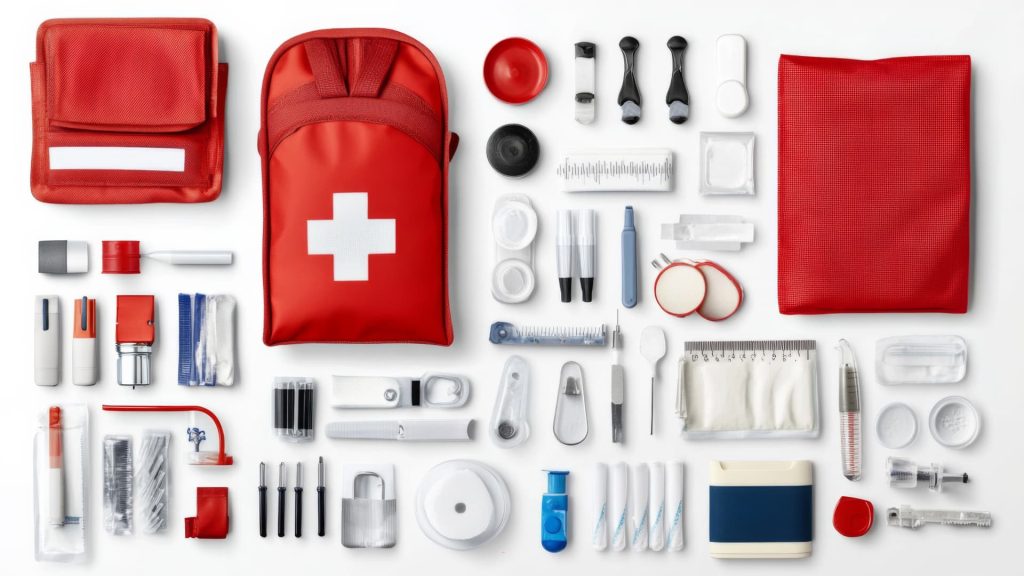
Why a First Aid Kit Matters
A basic first aid kit is part of any sensible hiking gear for beginners setup. You probably won’t need it, but it’s not something you want to skip, just in case.
Beginner Hiking Safety Tips
Safety doesn’t need to be complicated, but it does need to be considered. Most issues beginners run into are avoidable with a bit of preparation.
How to Avoid Getting Lost
Stick to marked trails and plan your route in advance. Most beginner issues come from poor planning, not bad luck.
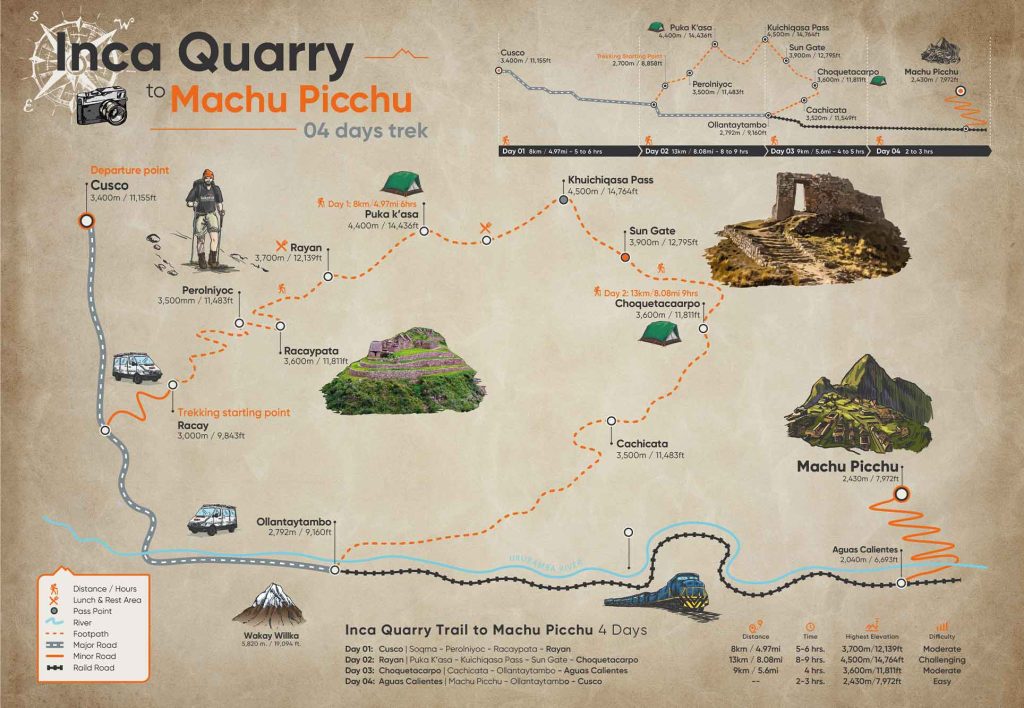
Using Maps and Navigation Tools
There are apps and maps available that make navigation much easier, especially when you’re still learning.
Download maps before you go in case of a poor signal.
Hiking Solo vs With Others
Both options are completely valid.
Solo hiking offers more freedom, while going with others can make your first few hiking trips for beginners feel more relaxed and like you’ve got someone with you in case anything doesn’t quite go to plan.
Common Beginner Hiking Mistakes to Avoid
Most beginner mistakes are predictable and thankfully easy to avoid once you know what they are.
Doing Too Much Too Soon
Trying to jump straight into long or difficult routes is one of the fastest ways to lose motivation.
Start small. Build gradually.
Wearing the Wrong Gear
Most beginner discomfort, like blisters, overheating, and getting soaked, comes back to poor gear choices.
Underestimating Weather and Terrain
Conditions can change quickly, even on an easier hike. Always check forecasts and plan accordingly.
How to Progress from Hiking to Trekking
Once you’ve done a few hikes, you feel something change. What felt new at the beginning starts to feel normal, and naturally, you start looking for more.
When Hiking Starts to Feel Easy
You’ll notice it gradually.
Distances feel shorter. Hills feel manageable. You start looking for something more challenging than your usual hiking trips for beginners. This could be the time to start looking at some treks.
What Is Trekking?
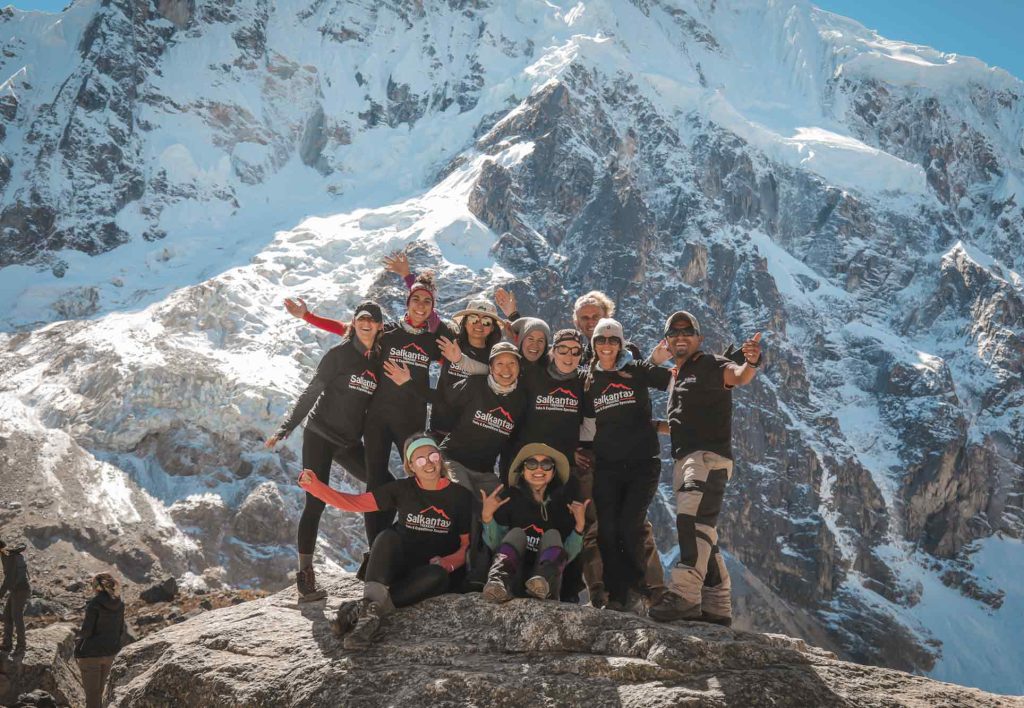
Trekking is essentially longer, multi-day hiking, like the Salkantay Trek in Peru or the Fisherman’s Trail in Portugal. You’re covering more ground, often in more remote areas, and carrying everything you need with you.
Preparing for Your First Multi-Day Adventure
This is where hiking for beginners starts to turn into something bigger.
A multi-day trek might sound like a huge leap, but in reality, it’s just a series of day hikes strung together, with a bit more planning, a bit more endurance, and slightly more commitment.
The key difference isn’t just distance. It’s consistency. You’re walking day after day, often with changing terrain, weather, and altitude. That’s what makes preparation important, but not complicated.
Start with your hiking foundation:
- If you’re comfortable walking 8–10 km in a day, you’re in a good place
- If hills don’t completely ruin your mood, even better
- If you’ve done a few longer hiking trips for beginners, you’re ready to step up
From there, preparation becomes about a few practical upgrades:
- Build endurance, not speed: You don’t need to be fast. You need to be steady. Longer weekend hikes, back-to-back walking days, and gradually increasing distance will do far more for you than anything else.
- Get used to carrying more: Even if you’re not carrying everything yourself on a guided trek, you’ll still have a daypack. Add a bit of weight to your regular hikes so it doesn’t feel like a shock.
- Dial in your gear: By this point, your hiking gear for beginners should feel familiar. You know what works, what doesn’t, and what you actually use. Multi-day trekking isn’t the time to test brand-new shoes.
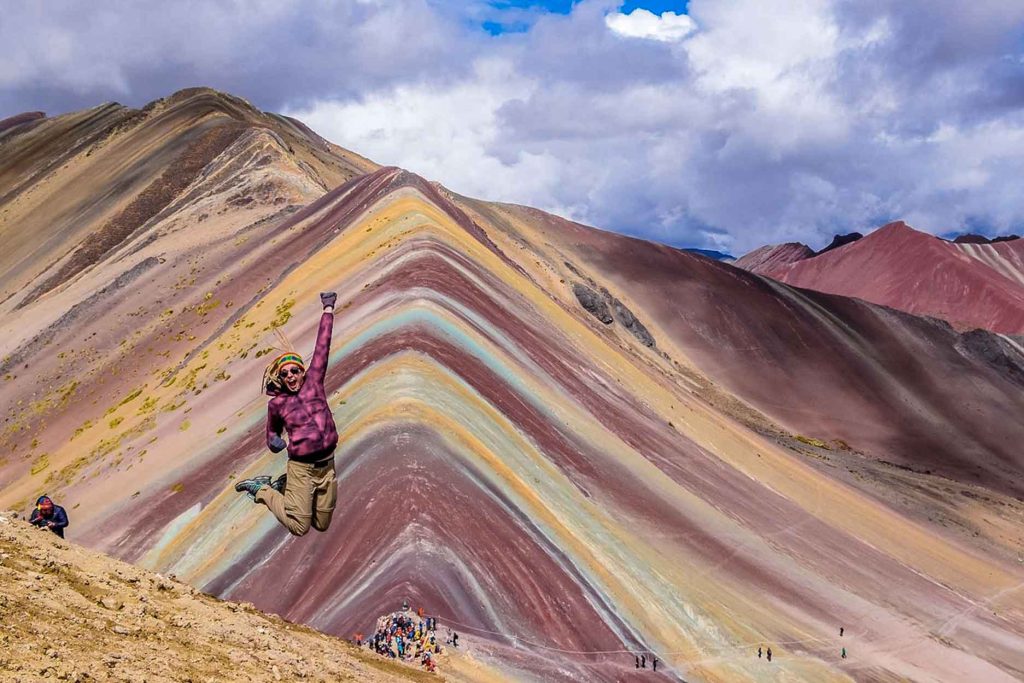
- Understand elevation and altitude: This is the biggest jump, especially if you’re heading somewhere like Peru. Hiking at altitude feels different. It’s slower, more demanding, and less predictable. Starting with something like Rainbow Mountain is a good introduction to higher elevations without committing to a full trek.
- Choose the right first trek: Not all treks are created equal. Some are designed for experienced hikers, others are far more accessible. If you want a stepping stone, look at options like Cusco Day Hikes first, as they help you build confidence in a similar environment before committing to something longer.
When you’re ready, you can start exploring proper multi-day hikes in South America, Asia, or anywhere else around the globe, where routes vary from beginner-friendly to more demanding.
Guided Hiking Tours For Beginners In Peru
Once the idea of trekking starts to feel realistic, the next question is usually, “Do I actually know enough to do this on my own?”
For most beginners, the answer is no, and that’s completely fine.
Guided hiking tours exist for exactly this reason. They take care of the logistics, navigation, and planning, so you can focus on the experience rather than worrying about what you might be missing.
In a destination like Peru, this becomes even more valuable. You’re dealing with altitude, unfamiliar terrain, and routes that are often remote. Having local guides not only makes things easier, but it also makes them safer and far more enjoyable.
For beginners, this means:
- No route planning or navigation stress
- Support with pacing and acclimatization
- Help with gear, food, and logistics
- A structured introduction to multi-day trekking
It also makes bigger routes far more accessible. Treks that might feel out of reach when you think about doing them alone, like the Choquequirao Trek, become realistic once you have the right support.
If you’re starting to look beyond day hikes, guided trekking is often the simplest and most enjoyable way to make that jump.
Frequently Asked Questions About Hiking For Beginners
When you’re just getting into hiking, it’s usually the smaller, practical questions that hold you back, not the big ones. This section covers some of the most common things beginners wonder about, so you can get clear answers without overthinking it.
How Long Should I Hike as a Beginner?
For your first few hikes, aim for around 1–2 hours in total.
That’s enough time to get a feel for things without turning it into a test of endurance. In terms of distance, that usually works out to around 3–5 km, depending on terrain.
If it feels easy, that’s a good sign. The goal early on isn’t to push your limits. It’s to build confidence and actually enjoy the experience. From there, you can gradually increase both distance and duration as hiking starts to feel more natural.
Is Hiking Good for Bone Density?
Yes, and it’s one of the more underrated benefits.
Hiking is a weight-bearing activity, which means it helps stimulate bone growth and maintain bone density over time. Walking on uneven terrain also adds a bit of variation and resistance, which can be more beneficial than flat, repetitive movement.
It’s not about intensity either. Regular, moderate hikes are enough to have a positive impact, especially when combined with consistency.
Is Hiking Good for Blood Pressure?
It is. Regular hiking can help lower blood pressure by improving cardiovascular health and reducing stress levels.
You’re combining steady physical activity with time outdoors, which tends to have a calming effect on the body. Even shorter, easier hikes can contribute to better heart health if you do them consistently.
Like most things, it’s not about one big effort but about building a habit.
How Often Should Beginners Go Hiking?
A good starting point is once a week.
That’s enough to build momentum without feeling like a chore. As it becomes part of your routine, you can increase frequency or start mixing in longer hiking trips for beginners on weekends.
Consistency matters more than intensity here. One regular, enjoyable hike a week will take you much further than occasional overambitious ones that leave you exhausted.
Your First Hike Is Just the Beginning
Starting hiking for beginners doesn’t require a big leap but just a small, well-chosen first step.
You don’t need perfect gear, a detailed plan, or loads of experience. A simple, easier hike, a bit of curiosity, and a willingness to try is enough.
From there, it builds quickly. One short walk turns into regular outings. Regular outings turn into longer routes. And before long, bigger hiking trips and even multi-day treks start to feel entirely within reach.
That’s how it starts. So tie up your laces and pack your bag. There’s a whole world of hikes waiting for you.


Leave A Reply