
If you’re wondering how many days do you need in Peru, you’re already asking the right question.
Peru isn’t the kind of destination where you casually tick off the highlights over a long weekend and call it a day. This is a country with ancient Inca cities, colonial towns, snow-capped mountains, cloud forests, desert oases, coastal cities, and one of the largest sections of the Amazon Rainforest on Earth. It’s the travel equivalent of a buffet where every dish looks good, and unfortunately, your vacation days are the size of a side plate.
One traveler arrives determined to see Machu Picchu and leaves wishing they’d spent another week exploring Cusco. Another one plans for seven days and realizes they could easily fill three weeks. Peru does that to many people.
The good news? Whether you have five days or a full month, it’s possible to build a fantastic Peru travel itinerary. The key is to understand what realistically fits within your available time and avoid the temptation to cram every famous attraction into one whirlwind trip.
This guide breaks down how long to spend in Peru, what you can see during different trip lengths, and how to make the most of your time in one of South America’s most fascinating destinations. So, let’s get to it.
Table of contents
- How Many Days Do You Need in Peru?
- Peru at a Glance
- How Many Days Should You Spend in Peru?
- Peru Itineraries by Trip Length
- The Best Places to Visit in Peru
- Things to Do in Peru
- Should You Spend More Time in Cusco or Lima?
- How Far Apart Are Cusco and Machu Picchu?
- The Best Time to Visit Peru
- When to Avoid Machu Picchu
- Is Peru Safe to Travel?
- Planning Your Peru Budget
- Essential Peru Travel Tips
- Frequently Asked Questions About Visiting Peru
- So, How Long Should You Spend in Peru?
How Many Days Do You Need in Peru?
There isn’t one perfect answer because the ideal trip depends on your interests, budget, and available vacation time. Someone planning a quick bucket-list trip to Machu Picchu needs far less time than someone hoping to explore the coast, Andes, and Amazon in a single adventure.
Still, there are some useful guidelines. Here’s how many days you should spend at a glance before we get into the details:
| Trip Length | Best For | What You Can See |
|---|---|---|
| 3–5 Days | Bucket-list trip | Cusco, Sacred Valley, Machu Picchu |
| 7 Days | First-time visitors | Lima, Cusco, Sacred Valley, Machu Picchu |
| 10 Days | Most travelers | Lima, Cusco, Machu Picchu, Rainbow Mountain, Humantay Lake |
| 14 Days | Comprehensive trip | Add Arequipa, Colca Canyon, or Lake Titicaca |
| 21+ Days | Deep exploration | Coast, Andes, Amazon, trekking routes |
The Short Answer
Most travelers need between 10 and 14 days in Peru.
This period gives you enough time to visit Lima, explore Cusco, spend time in the Sacred Valley, and experience Machu Picchu without feeling like you’re constantly sprinting toward the next bus, train, or airport.
If you only have a week, you can still enjoy Peru’s highlights. You’ll simply need to focus on fewer destinations.
With three weeks or more, Peru really starts to open up. Suddenly, places like Arequipa, Lake Titicaca, Paracas, Huacachina, and the Amazon become realistic additions rather than impossible dreams squeezed into an already overloaded schedule.
For most first-time visitors, 10–14 days hit the sweet spot between seeing the major attractions and having time to actually enjoy them.
How Long to Spend in Peru Based on Your Travel Style
Not every traveler moves at the same pace.
Some people are happy hopping between airports, buses, and hotels every other day. Others consider changing accommodations twice in one week to be extreme.
Here’s a rough guide:
5–7 Days
Perfect for travelers focused on Machu Picchu and Cusco. You’ll see Peru’s biggest icons, but you won’t have much room for detours.
10–14 Days
Ideal for most visitors. This timeframe allows you to combine Lima, Cusco, the Sacred Valley, and Machu Picchu while adding other highlights like Rainbow Mountain, Lake Titicaca, or Arequipa.
Three Weeks
Great for travelers wanting a broader experience. You can comfortably explore southern Peru and add destinations like the Amazon Rainforest or Peru’s desert coast.
One Month or More
Now you’re getting into serious exploration territory. You’ll have time to slow down, visit lesser-known destinations, and enjoy Peru without constantly watching the calendar.
The biggest mistake travelers make isn’t staying too long. It’s trying to do too much in too little time.
What Can You Realistically See in One Trip?
This is where many Peru travel itineraries become a little optimistic.
On paper, Peru looks manageable. In reality, distances are larger than many visitors expect, and altitude can affect how quickly you move through the country.
A first-time traveler might hope to see:
- Lima
- Cusco
- Sacred Valley
- Machu Picchu
- Rainbow Mountain
- Humantay Lake
- Arequipa
- Colca Canyon
- Lake Titicaca
- Amazon Rainforest
- Paracas
- Huacachina
And all that in about ten days.
Technically? Maybe.
Enjoyably? Not really.
A much better approach is to choose one region as your focus.
Southern Peru alone can easily fill two weeks. Between Cusco, Machu Picchu, the Sacred Valley, trekking routes, and nearby attractions, many travelers never feel the need to venture elsewhere.
The goal isn’t to see everything. The goal is to leave feeling like you’ve experienced Peru rather than merely passing through it.
Peru at a Glance
Before deciding how long to spend in Peru, it helps to understand just how varied the country really is.
Many visitors arrive expecting mountains and Machu Picchu. Then they discover deserts, beaches, jungle lodges, volcanoes, colonial cities, and wildlife-rich rainforests.
Peru isn’t one destination. It’s several destinations rolled into one country.
Why Peru Is Bigger Than Most Travelers Expect
Peru is the third-largest country in South America, covering roughly 496,000 square miles (1,285,220 square kilometers).
To put that into perspective, that’s larger than California and Texas combined.
The challenge isn’t just distance. It’s geography.
Traveling between destinations often means crossing mountain ranges, winding through valleys, or flying between regions separated by vast stretches of jungle.
For example:
- Lima to Cusco: approximately 1.5-hour flight
- Cusco to Puno: around 7 hours by road
- Cusco to Puerto Maldonado: around 10 hours by bus or a short one-hour flight
- Lima to Arequipa: around 1.5-hour flight
These travel times add up quickly and can potentially take up a few days in total.
That’s why understanding how long to spend in Peru is so important before building your itinerary.
Understanding Peru’s Three Main Regions
Peru is traditionally divided into three geographical regions, each offering completely different experiences.
The Coast
Most international travelers arrive in Lima, Peru’s capital and largest city.
The coastal region stretches along the Pacific Ocean and includes major attractions such as Lima, Paracas, Huacachina, and the mysterious Nazca Lines.
This part of Peru offers:
- Ocean views
- Fresh seafood
- Colonial architecture
- Desert landscapes
- Wildlife excursions
It’s also home to some of the country’s most famous culinary experiences.
Food lovers could easily spend several days eating their way through Lima alone and still leave with a list of restaurants they never managed to try.
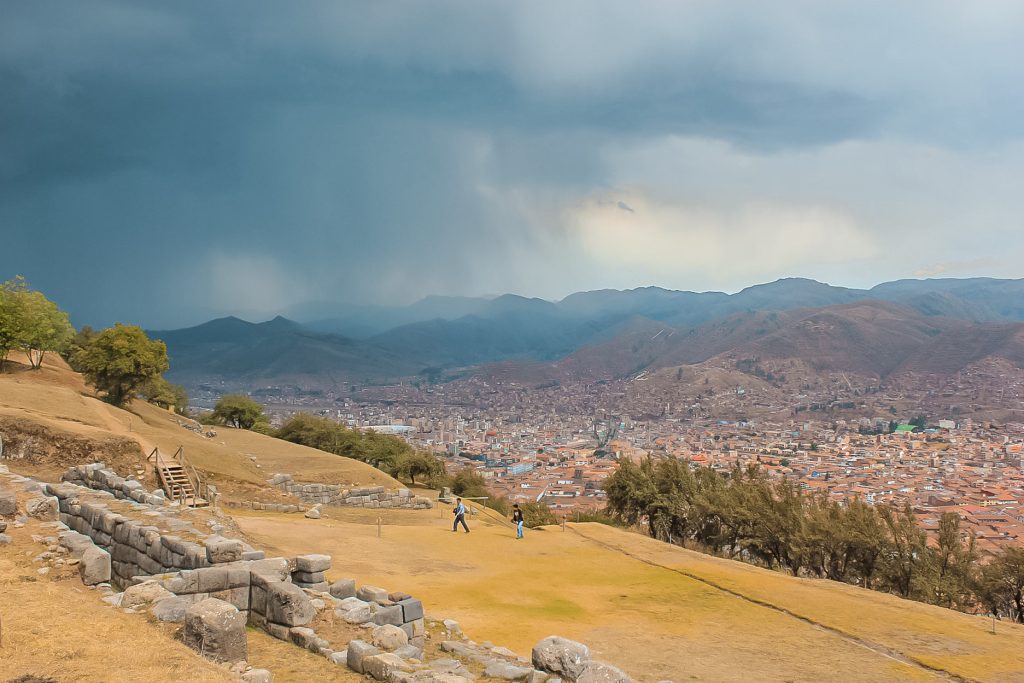
The Andes
The Andes are what many people picture when they think about Peru.
This region contains some of the most famous places to visit in Peru, including:
- Cusco
- The Sacred Valley
- Machu Picchu
- Rainbow Mountain
- Humantay Lake
- Lake Titicaca
- Arequipa
- Colca Canyon
The Andes deliver dramatic scenery, ancient history, incredible hiking opportunities, and many of Peru’s most iconic attractions.
This is where most first-time visitors spend the majority of their trip.
It’s also where altitude becomes a factor, making acclimatization an important part of planning. More on that below.
The Amazon
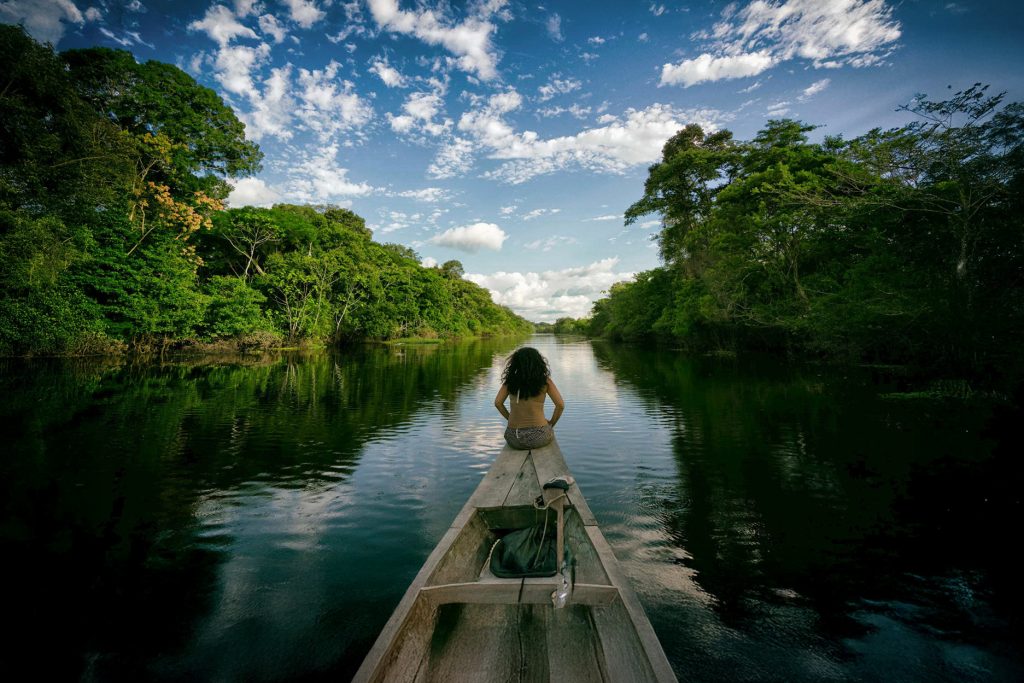
Then there’s the Amazon.
Just when you think Peru couldn’t possibly fit another ecosystem into one country, along comes one of the most biodiverse regions on Earth.
Popular gateways to the Amazon include:
- Puerto Maldonado
- Iquitos
Visitors come for:
- Wildlife spotting
- Jungle lodges
- River cruises
- Birdwatching
- Indigenous culture
The Amazon feels like an entirely different world compared to the Andes or the coast.
Adding it to your trip creates an amazing contrast, but it also requires extra travel time.
How Many Days Should You Spend in Peru?
The answer depends less on what Peru offers and more on what you want from your trip.
Some travelers are happy seeing the highlights. Others want a deeper experience that includes trekking, wildlife, culture, and slower travel.
Here’s what different trip lengths actually look like in practice.
3–5 Days in Peru
A short trip to Peru should focus almost entirely on Cusco and Machu Picchu.
Trying to squeeze in multiple regions will actually leave you spending more time in transit than sightseeing.
A realistic itinerary might include:
- Arrival in Cusco
- Acclimatization day
- Sacred Valley exploration
- Machu Picchu visit
- Return travel
If you’re short on time, the one-day Machu Picchu option can be an efficient way to experience the citadel.
Will you see everything Peru offers? No.
Will you experience one of the world’s most famous archaeological sites? Definitely.
7 Days in Peru
A week gives you breathing room.
This is often the minimum recommended time for first-time visitors.
With seven days, you can comfortably include:
- Lima
- Cusco
- Sacred Valley
- Machu Picchu
You may even have time for one additional excursion, such as Rainbow Mountain or a Sacred Valley tour using the Cusco tourist ticket.
Seven days won’t let you see the entire country, but it gives you a solid introduction to Peru’s highlights.
10 Days in Peru
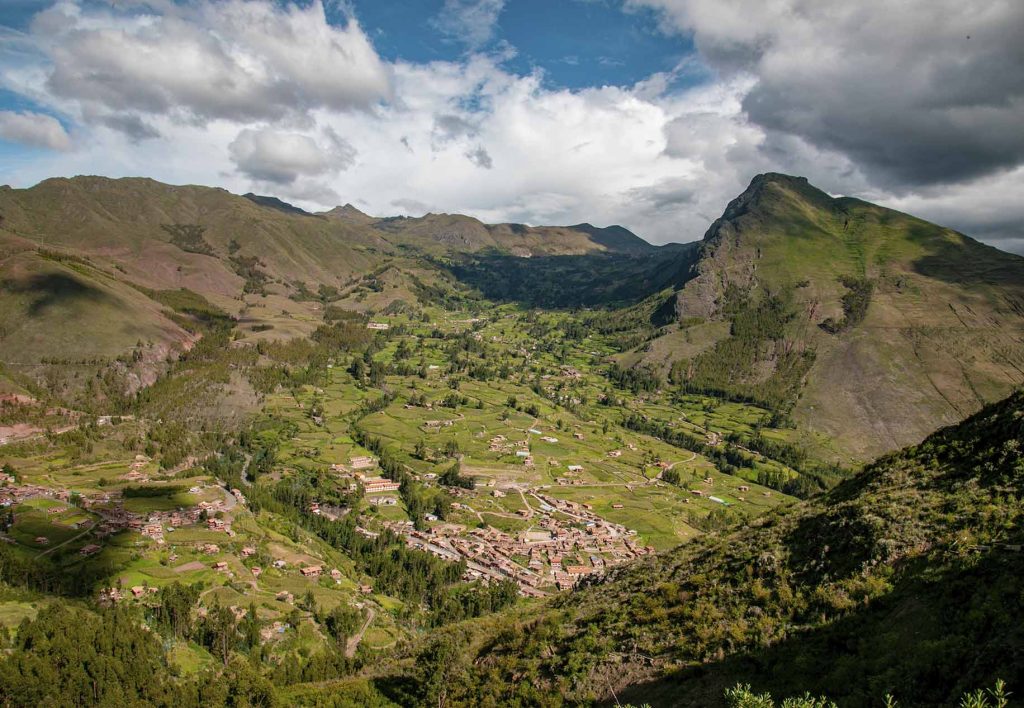
For many travelers, ten days is the sweet spot.
A well-planned 10-day Peru itinerary gives you enough time to see major attractions without having to rush every moment of the trip.
You could include:
- Lima
- Cusco
- Sacred Valley
- Machu Picchu
- Rainbow Mountain
- Humantay Lake
Or replace some of those day trips with a short trek.
This is where options like the Salkantay Trek or the Inca Trail start becoming realistic additions.
Ten days balances sightseeing, adventure, and recovery time remarkably well.
14 Days in Peru
Two weeks is where Peru really shines.
At this point, you’re no longer simply checking off attractions.
You’re experiencing different sides of the country.
A two-week trip might include:
- Lima
- Cusco
- Sacred Valley
- Machu Picchu
- Rainbow Mountain
- Arequipa
- Colca Canyon
- Lake Titicaca
Or:
- Lima
- Cusco
- Sacred Valley
- Machu Picchu
- Amazon Rainforest
This timeframe gives you some flexibility, which is something many travelers underestimate until they arrive.
Having a spare day here and there can make a huge difference when dealing with weather, altitude, or simply wanting to linger somewhere beautiful.
21 Days in Peru
Three weeks is enough time to build a truly comprehensive Peru travel itinerary.
You can combine the coast, Andes, and Amazon without feeling rushed.
Many travelers use three weeks to visit:
- Lima
- Paracas
- Huacachina
- Nazca
- Arequipa
- Colca Canyon
- Cusco
- Sacred Valley
- Machu Picchu
- Lake Titicaca
- Amazon Rainforest
This is also a fantastic timeframe for those who love trekking and who want to tackle longer routes while still seeing Peru’s other major highlights.
One Month in Peru
A month allows you to travel at a completely different pace.
You can spend extra time in places that deserve it, take multi-day treks, visit lesser-known destinations, and enjoy experiences that don’t fit neatly into shorter itineraries.
This is often when Peru becomes more than a vacation.
You’ll have time to linger in mountain towns, spend several days in the Amazon, sample endless plates of ceviche and lomo saltado, and discover that some of your favorite memories come from places you hadn’t even planned to visit.
And that’s the funny thing about Peru. Most travelers arrive wondering how many days they need. Many leave wondering how soon they can come back.
Peru Itineraries by Trip Length
Now that you have a better idea of how long to spend in Peru, it’s time for the fun part: actually planning the trip.
One of the biggest challenges when building a Peru travel itinerary is deciding what to leave out. Nobody likes hearing that they can’t see everything, but Peru rewards travelers who slow down and spend more time in fewer places.
The itineraries below aren’t the only way to explore Peru, but they offer realistic routes that balance sightseeing, travel time, and altitude acclimatization.
5 Day Peru Itinerary
Five days isn’t a lot of time, but it’s enough to see Peru’s most famous attraction.
The key is to focus on the Cusco region and resist the urge to cram in extra destinations.
- Day 1: Arrive in Cusco and acclimatize
- Day 2: Explore Cusco and nearby Inca sites
- Day 3: Visit the Sacred Valley
- Day 4: Visit Machu Picchu
- Day 5: Return home
This itinerary works best for travelers whose main goal is to visit Machu Picchu.
When time is tight, a Machu Picchu one-day trip can help you maximize your schedule, although spending a night in Aguas Calientes usually gives you a more relaxed experience.
7 Day Peru Itinerary
A week gives you enough time to combine Peru’s cultural capital with its modern one.
- Day 1–2: Lima
- Day 3: Fly to Cusco and acclimatize
- Day 4: Explore Cusco
- Day 5: Sacred Valley
- Day 6: Machu Picchu
- Day 7: Return home
This itinerary works particularly well for first-time visitors because it introduces both coastal and Andean Peru.
You’ll get excellent food, fascinating history, beautiful scenery, and one of the world’s most iconic archaeological sites.

10 Day Peru Itinerary
A 10-day Peru itinerary gives you enough time to explore without feeling like you’re constantly packing and unpacking.
- Day 1–2: Lima
- Day 3: Fly to Cusco
- Day 4: Acclimatization and city exploration
- Day 5: Sacred Valley
- Day 6: Machu Picchu
- Day 7: Cusco
- Day 8: Rainbow Mountain
- Day 9: Humantay Lake or additional Cusco exploration
- Day 10: Departure
14 Day Peru Itinerary
Two weeks allows you to experience Peru beyond the standard highlights.
One excellent route looks like this:
- Day 1–2: Lima
- Day 3–5: Cusco and Sacred Valley
- Day 6: Machu Picchu
- Day 7: Cusco
- Day 8: Rainbow Mountain
- Day 9–10: Arequipa
- Day 11: Colca Canyon
- Day 12–13: Lake Titicaca
- Day 14: Return home
Alternatively, swap Arequipa and Lake Titicaca for an Amazon adventure if wildlife and jungle experiences appeal to you more than mountain scenery.
3 Week Peru Itinerary
Three weeks unlocks nearly everything Peru is famous for.
A classic route includes:
- Days 1–3: Lima
- Days 4–5: Paracas and Huacachina
- Days 6–8: Arequipa and Colca Canyon
- Days 9–14: Cusco, Sacred Valley, and Machu Picchu
- Days 15–16: Rainbow Mountain and Humantay Lake
- Days 17–18: Lake Titicaca
- Days 19–21: Amazon Rainforest
This itinerary covers the coast, the Andes, and the Amazon while showcasing many of Peru’s most famous places.
It’s ambitious, but it’s very achievable.
The Best Places to Visit in Peru
Choosing the best places to visit in Peru is a hard job. Every destination offers something different, and each traveler falls in love with different corners of the country.
Some people come for ancient history. Others arrive for hiking, wildlife, food, or photography.
These destinations consistently rank among the top Peru things to visit for good reason.
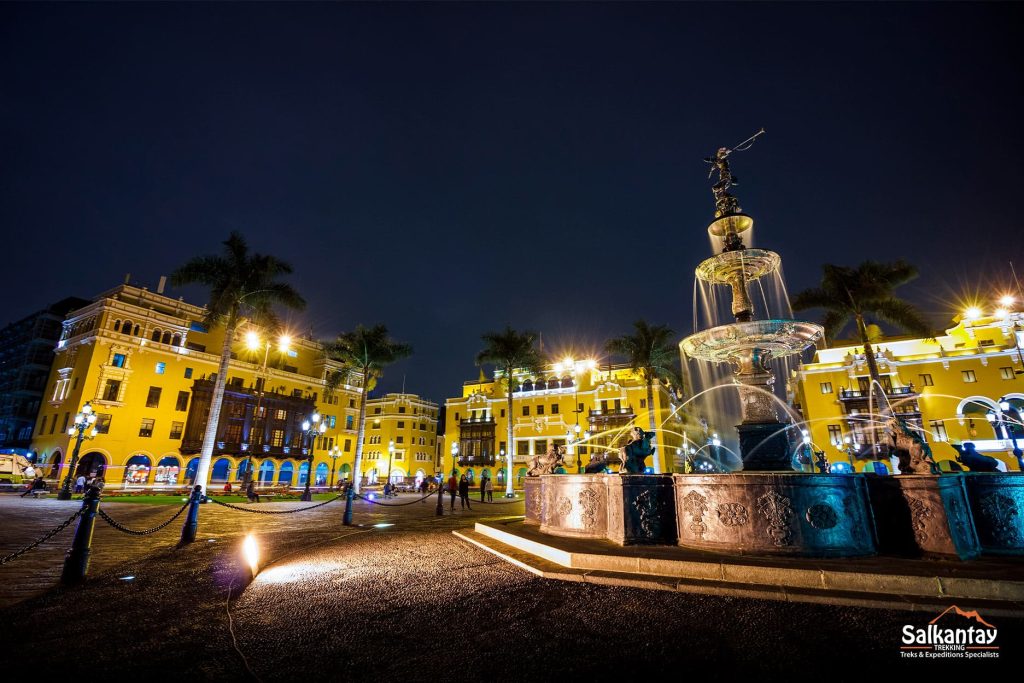
Lima
Lima is often treated as a quick stop before heading to Cusco.
That’s a mistake.
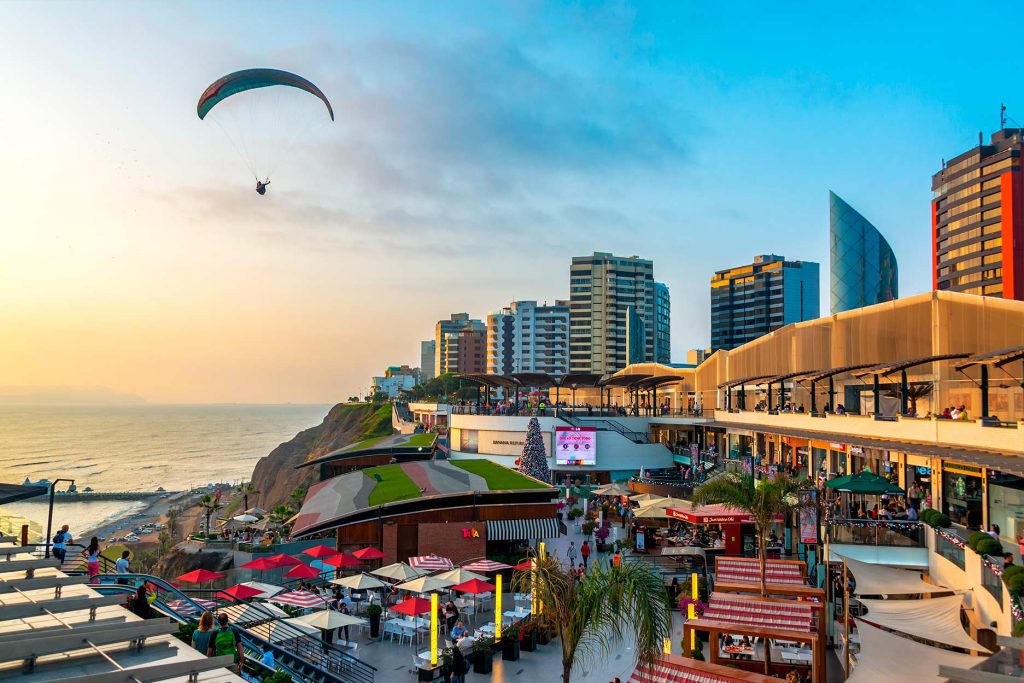
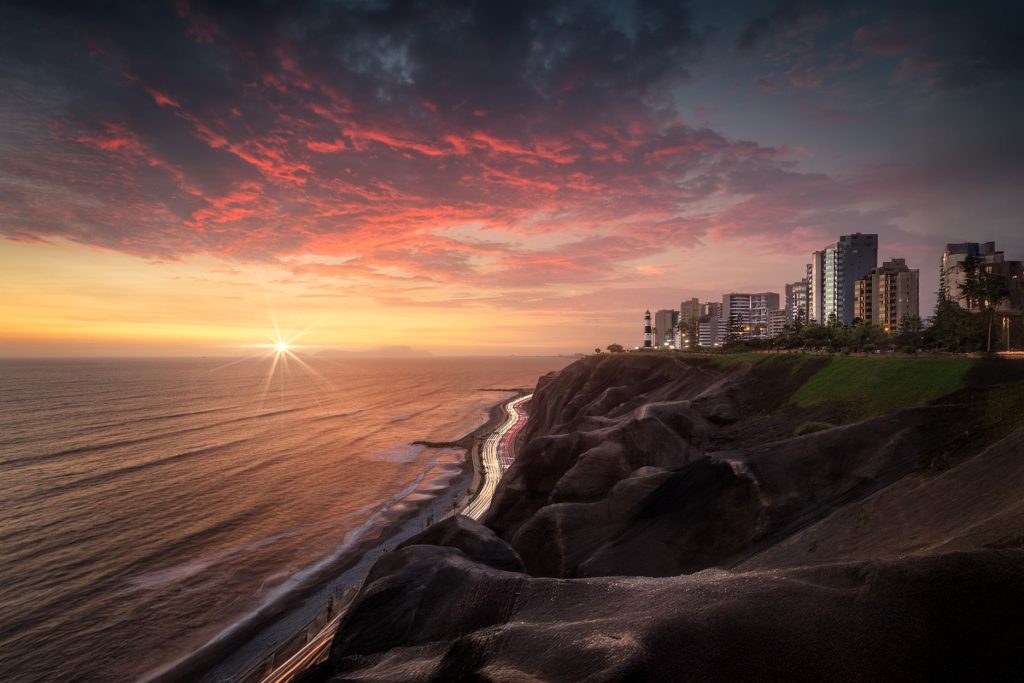
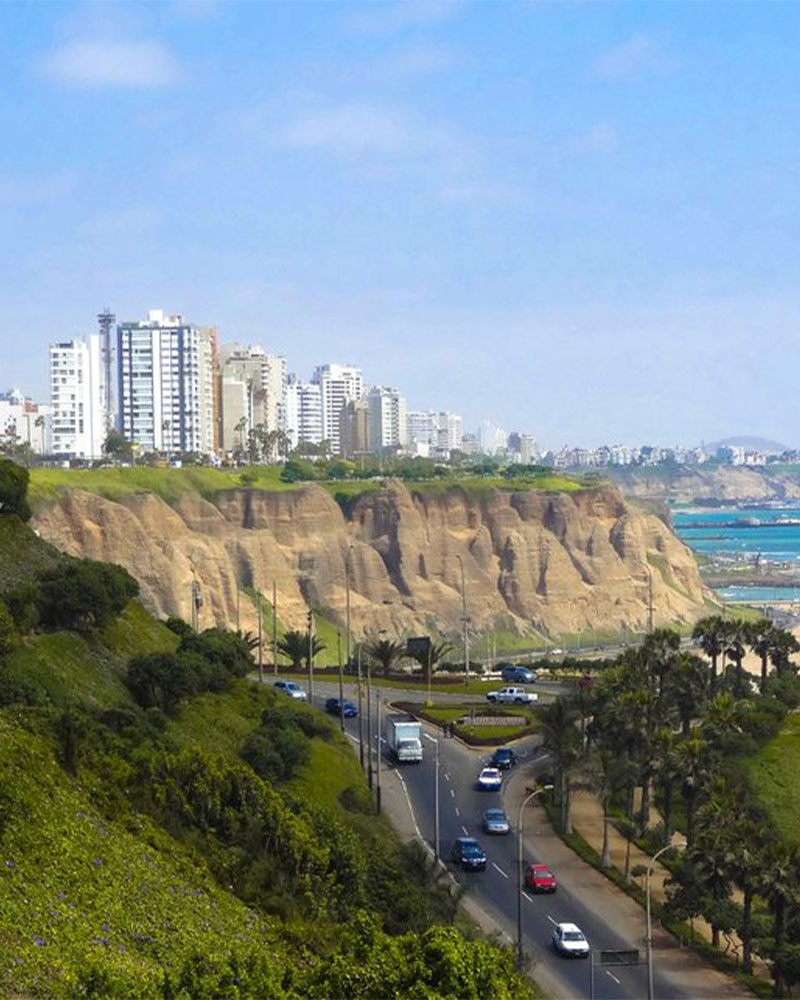
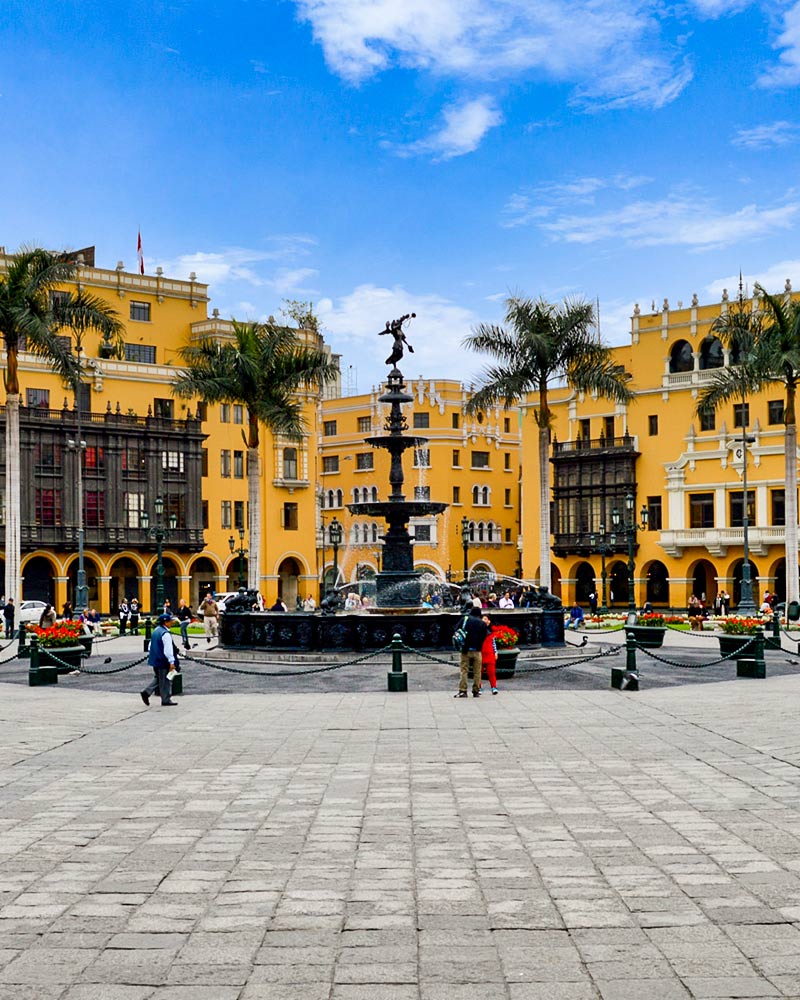
Peru’s capital has evolved into one of South America’s most exciting food destinations while still holding beautiful colonial architecture, dramatic ocean views, and fascinating museums.
The city’s top highlights include:
- Plaza Mayor
- Miraflores
- Barranco
- Larco Museum
- The Pacific coastline
It’s also the perfect place to ease into Peru before heading to higher elevations.
And let’s be honest: if your first meal is ceviche overlooking the Pacific Ocean, you’re starting strong.
Cusco
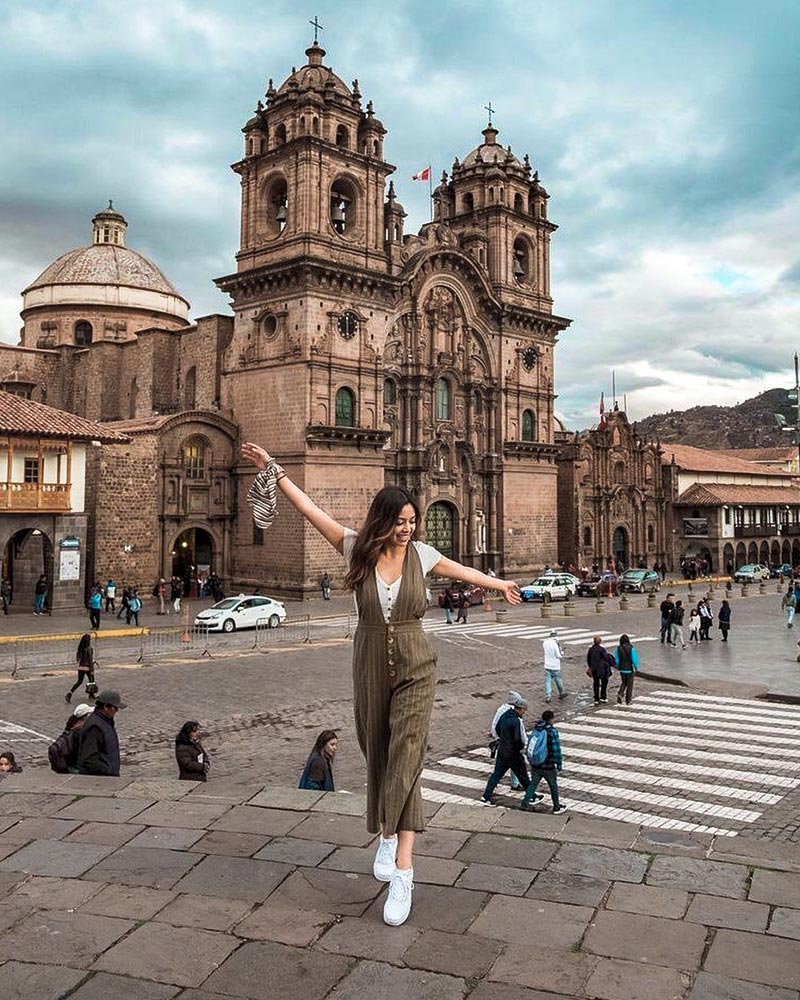
If visitors choose only one place to visit in Peru, it would probably be Cusco.
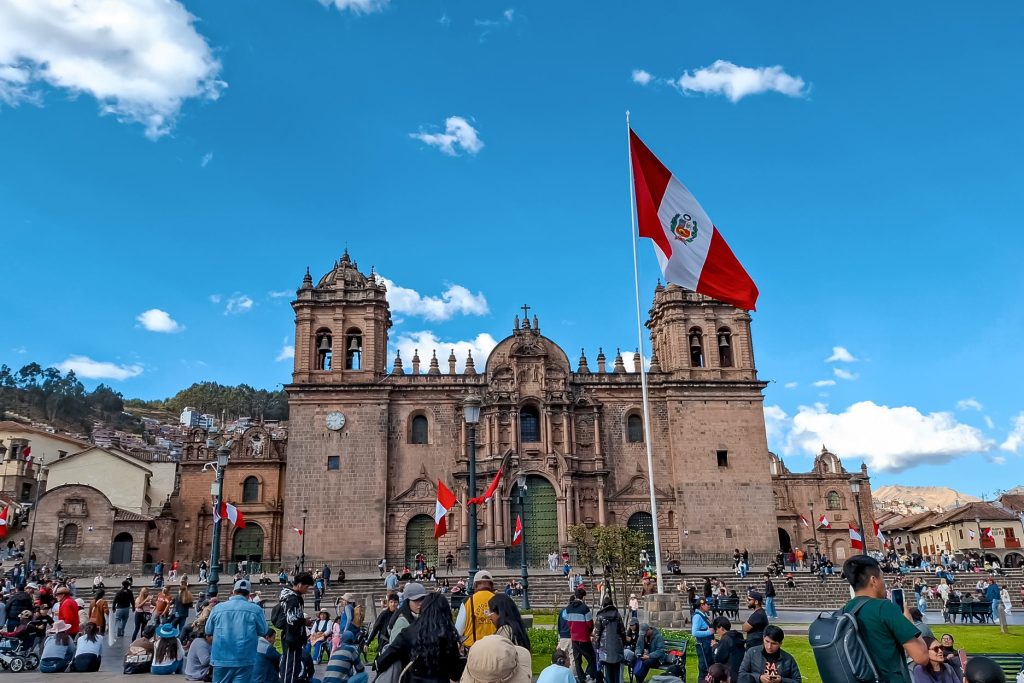
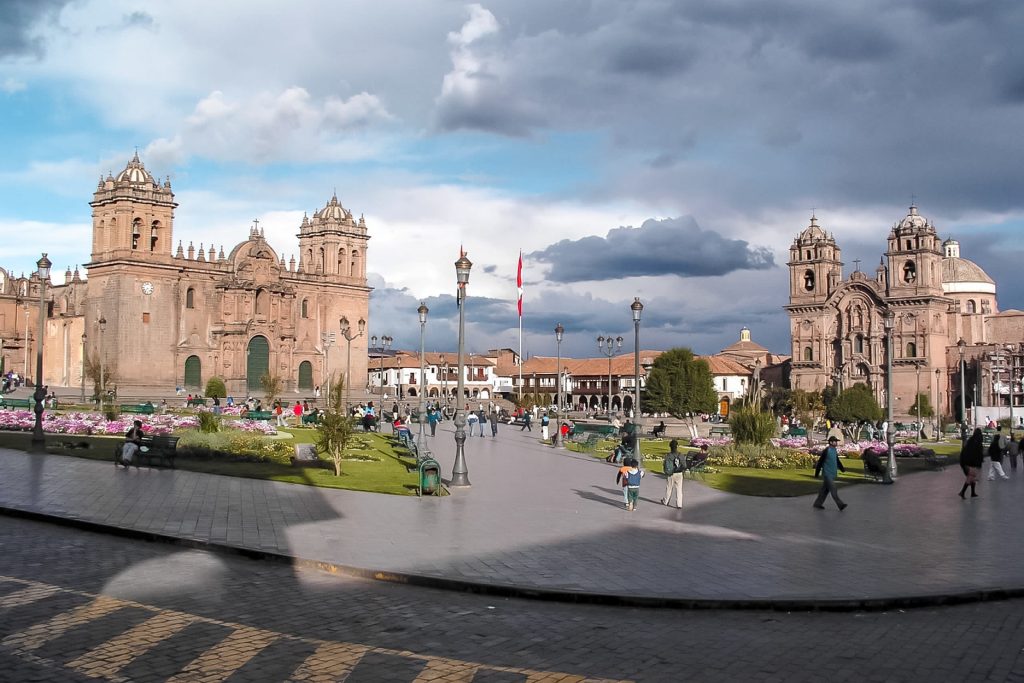
Once the capital of the Inca Empire, Cusco is a blend of ancient stonework, colonial architecture, lively markets, and mountain scenery in a single endlessly fascinating city.
Many visitors arrive expecting a gateway to Machu Picchu.
They leave wishing they’d stayed longer.
You’ll find plenty of the top things to see and do in Peru here, like:
- Qorikancha
- Sacsayhuamán
- San Pedro Market
- Plaza de Armas
- Traditional Andean neighborhoods
Cusco also serves as the launching point for many adventures throughout the region.

Arequipa
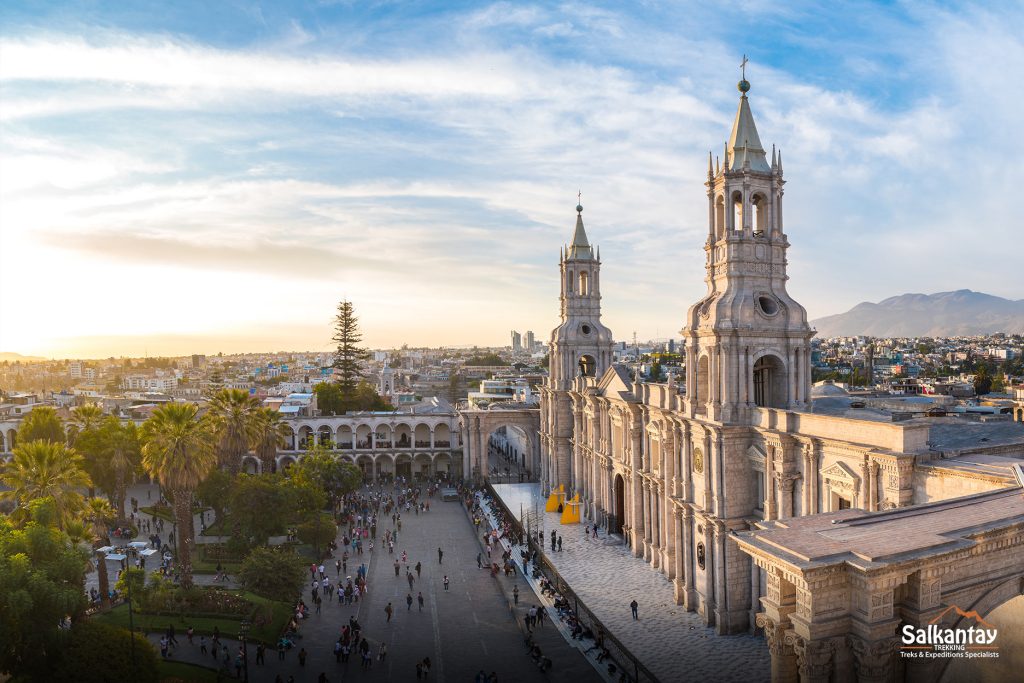
Known as the White City, Arequipa is one of Peru’s most attractive urban destinations.
Surrounded by volcanoes and filled with beautiful colonial architecture, it has a different atmosphere from both Lima and Cusco.
Some of the more popular attractions include:
- Santa Catalina Monastery
- Plaza de Armas
- Yanahuara Viewpoint
- Local food markets
Many visitors arrive intending to stay one night and end up staying three.
It’s that kind of place.
Colca Canyon
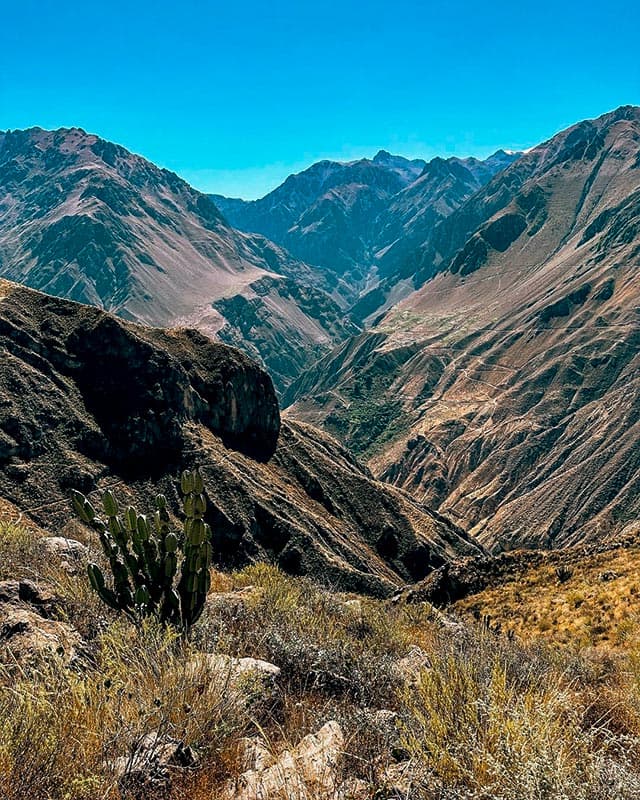
Peru’s more famous attractions often overshadow Colca Canyon, which is a shame because it’s truly spectacular.
It provides dramatic scenery, traditional villages, and excellent hiking opportunities, plus it’s twice as deep as the Grand Canyon in some sections.
It’s also one of the best places in South America to spot Andean condors soaring overhead.
Seeing one of these enormous birds glide above the canyon walls is a genuinely unforgettable experience.

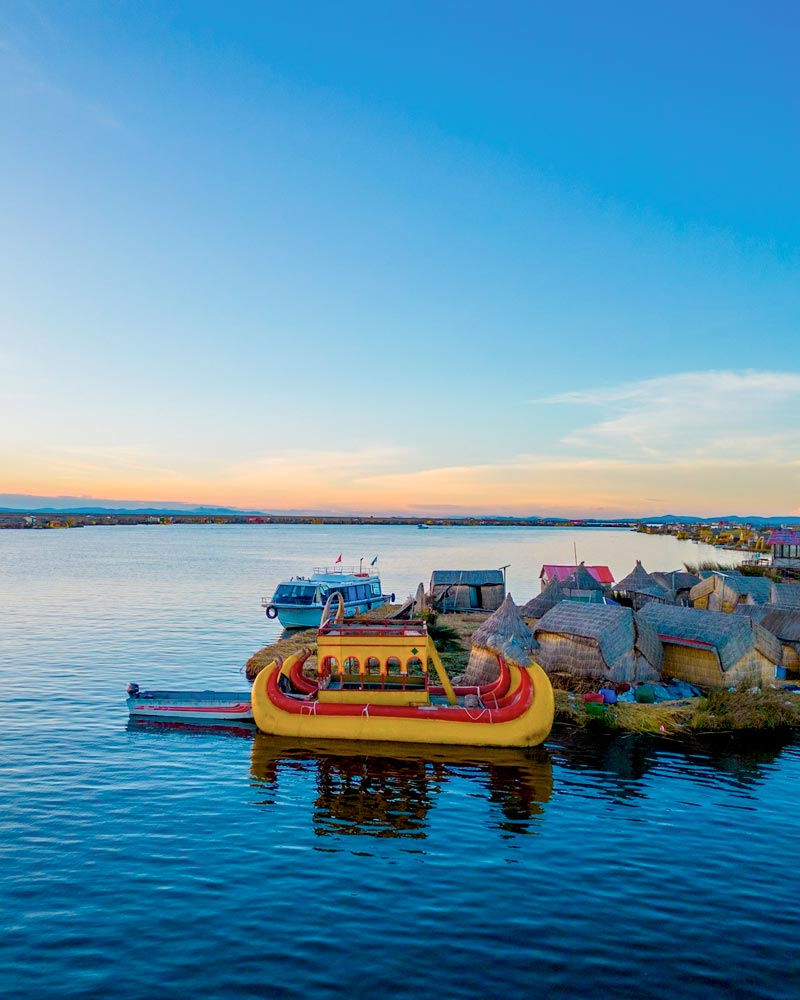
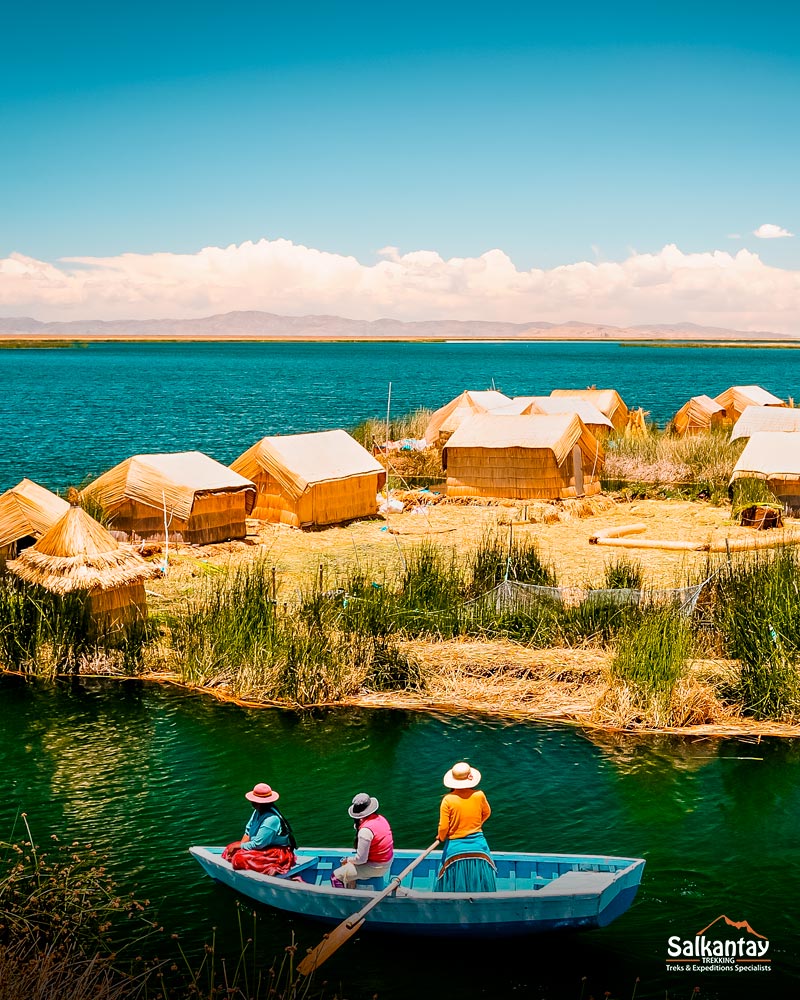
Lake Titicaca
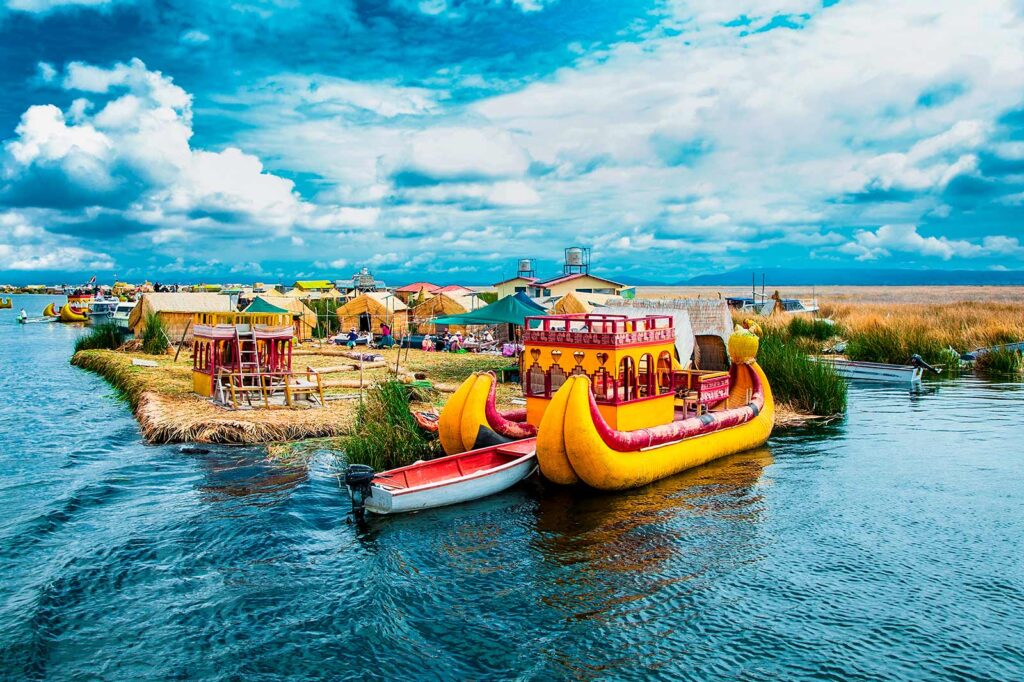
Sitting on the border between Peru and Bolivia, Lake Titicaca is the highest navigable lake in the world.
It’s famous for:
- Floating reed islands
- Indigenous communities
- Cultural traditions
- Stunning lake views
The region gives you a fascinating insight into Andean life and has a slower pace than many of Peru’s busier tourist destinations.
Paracas
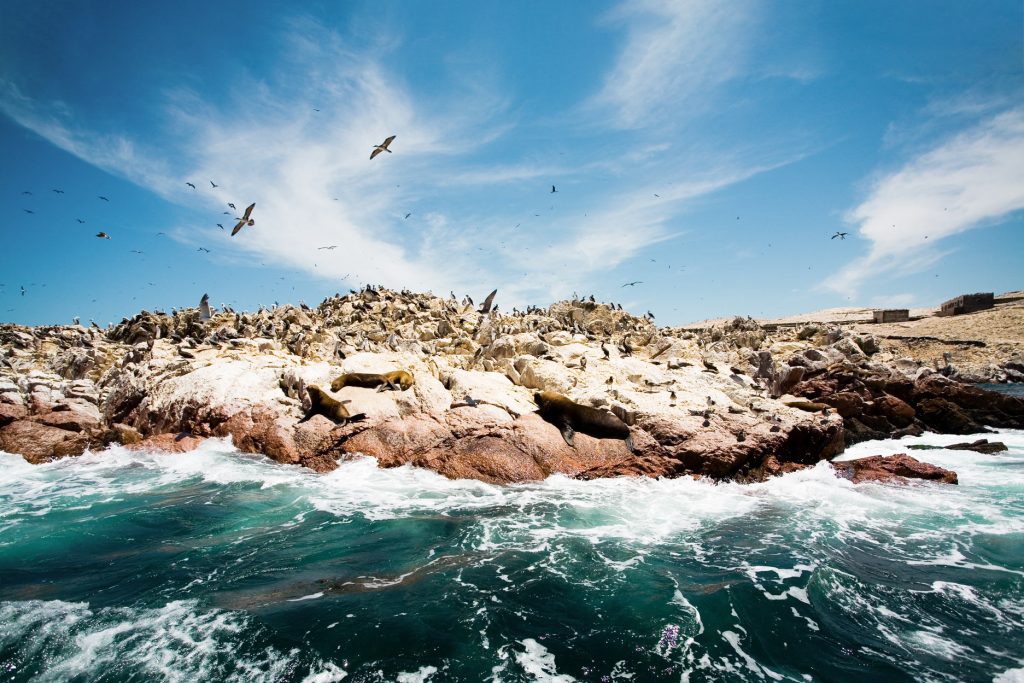
Paracas is where Peru swaps mountains for ocean scenery.
This coastal destination is famous for:
- Wildlife excursions
- Sea lions
- Penguins
- Coastal desert landscapes
- The Ballestas Islands
It’s often described as Peru’s answer to the Galápagos, but on a smaller scale and with considerably fewer giant tortoises.
Huacachina
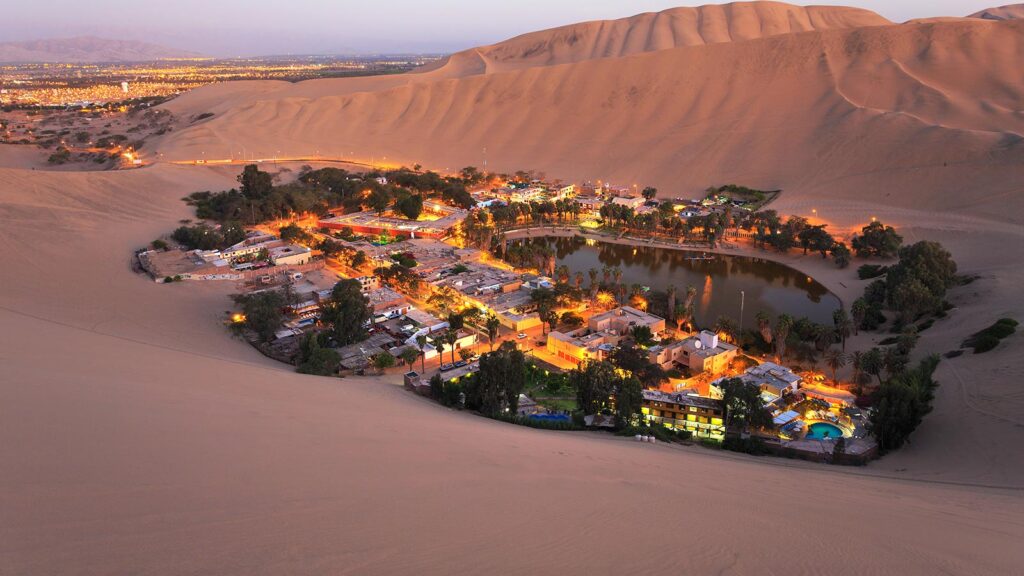
A desert oasis surrounded by giant sand dunes? That sounds like something somebody made up after watching too many adventure movies.
Yet Huacachina exists.
Visitors come to this stunning destination for:
- Sandboarding
- Dune buggy rides
- Desert sunsets
- Photography
It’s one of the most unique places to visit in Peru and boasts a dramatic contrast to the coast, mountains, and jungle that dominate a large part of the country.
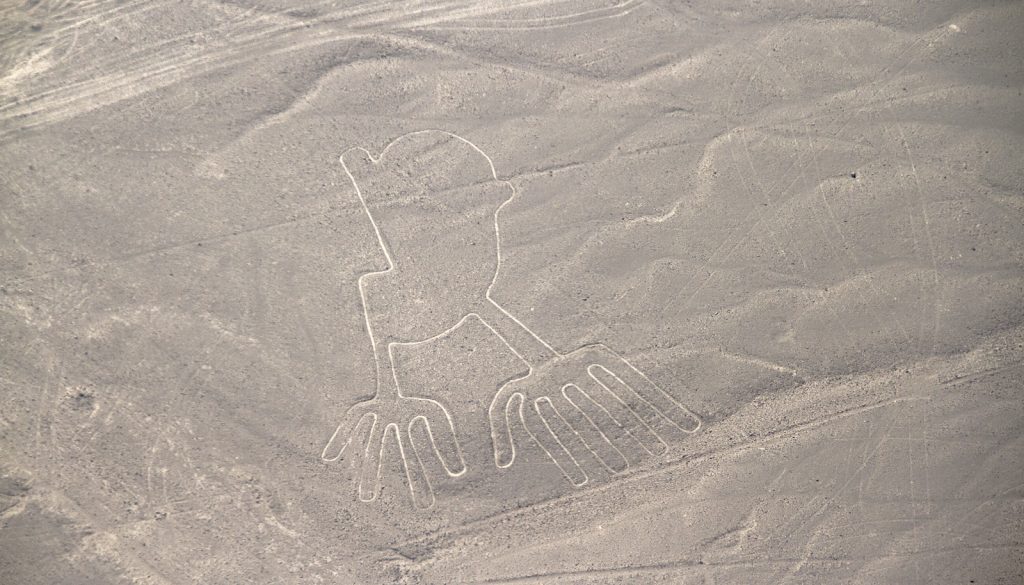
Nazca
The Nazca Lines are one of the world’s great archaeological mysteries.
The best views of these enormous geoglyphs are from the air, where giant shapes depicting animals, plants, and geometric figures become visible across the desert floor.
Why were they created? Nobody knows exactly why.
The Peruvian Amazon
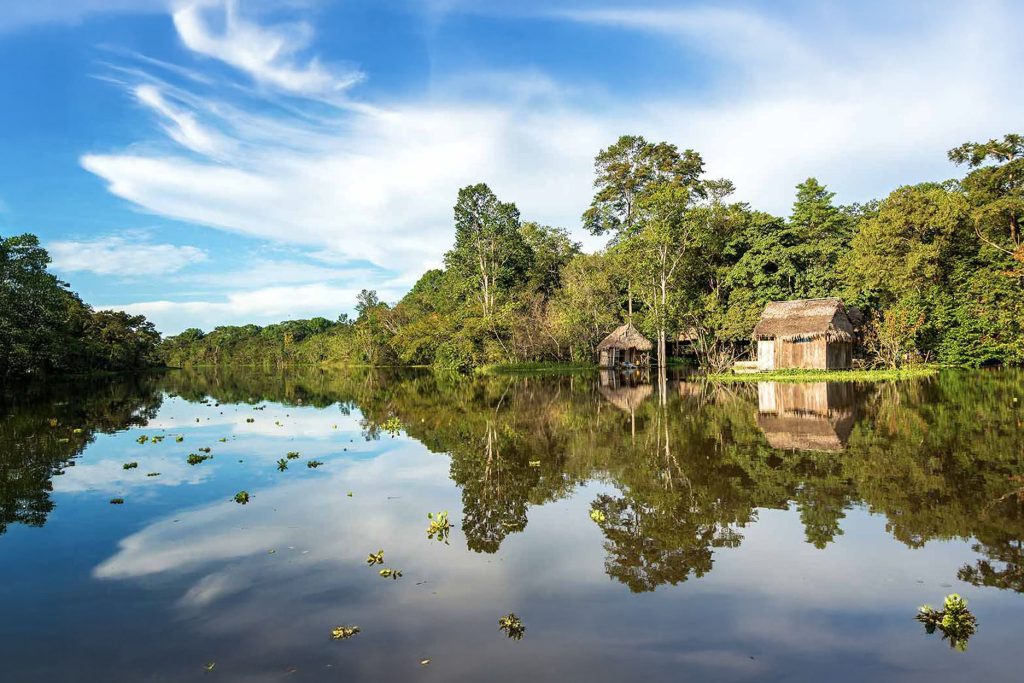
For travelers wondering what to do in Peru beyond the Andes, the Amazon provides a completely different experience.
The rainforest is home to:
- Monkeys
- Macaws
- Caimans
- Giant river otters
- Thousands of plant species
Whether you choose Puerto Maldonado or Iquitos as your entry point, the Amazon provides some of the most memorable wildlife encounters in South America.
After all, it’s not every day you wake up to the sound of howler monkeys instead of an alarm clock.
Things to Do in Peru
By now, you’ve probably noticed that Peru isn’t short on attractions.
The bigger problem is narrowing down the list.
From ancient ruins and mountain treks to jungle adventures and unforgettable food, Peru packs more experiences into one country than seems possible. Whether you’re visiting for five days or five weeks, you’ll never run out of things to do in Peru.
The key is choosing experiences that match your interests and the amount of time you have available.
If you’re building a Peru travel itinerary for the first time, these are some of the most rewarding experiences to prioritize.
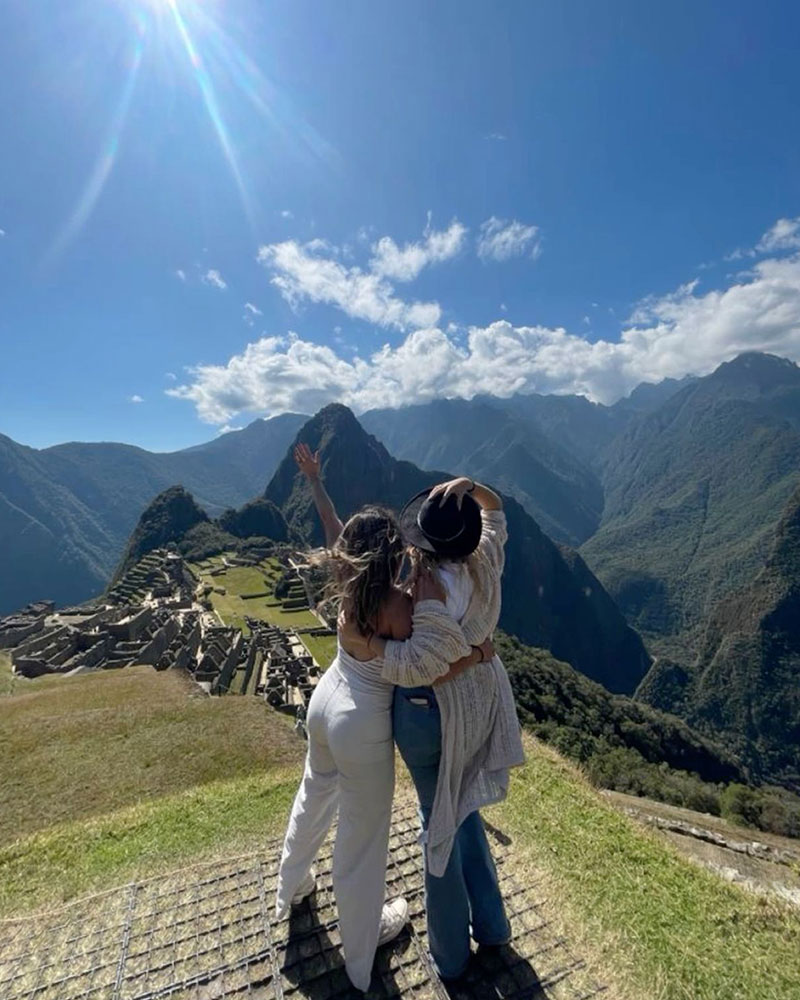
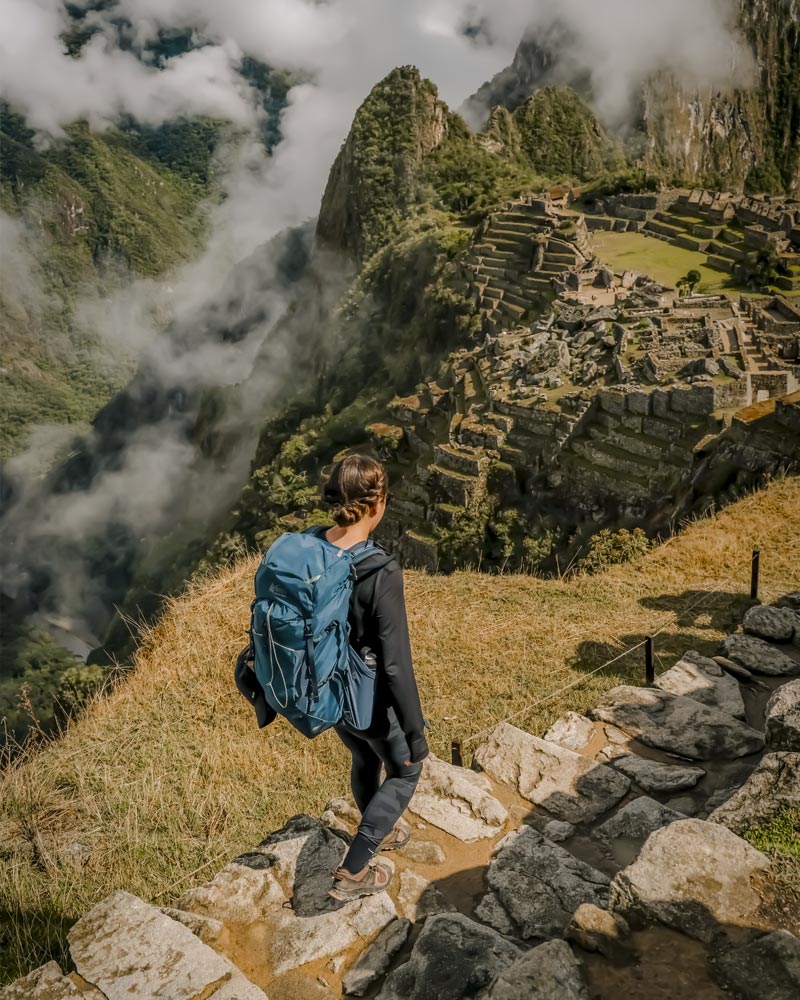
Visit Machu Picchu
No list of places to visit in Peru would be complete without Machu Picchu.
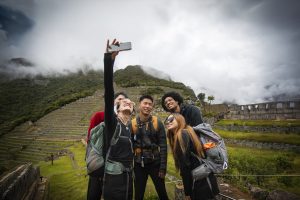
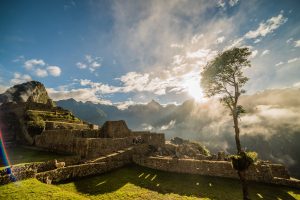
Perched high among the Andes, this legendary Inca citadel has become one of the most recognizable landmarks on Earth. In fact, it’s one of the Modern Seven Wonders of the World and a UNESCO World Heritage Site.
And despite the photographs, documentaries, guidebooks, social media posts, and coffee-table books, it still manages to exceed expectations.
Visitors come for:
- Inca architecture
- Mountain scenery
- History
- Hiking
- Photography
There are several ways to visit.
For shorter vacations, the Machu Picchu One Day option can work well. Travelers who want a more relaxed experience often prefer the 2-day Machu Picchu itinerary, which gives you more time to enjoy the area and a relaxing night in Aguas Calientes itself. There are also various trekking options that end with a visit to Machu Picchu, from history-packed trails to fun-filled jungle adventures.
Whichever option you choose, book early. Machu Picchu entry tickets sell out far sooner than many first-time visitors expect.
Trek the Salkantay Trail
For many travelers, reaching Machu Picchu is only half the adventure.
The journey itself can be just as memorable.
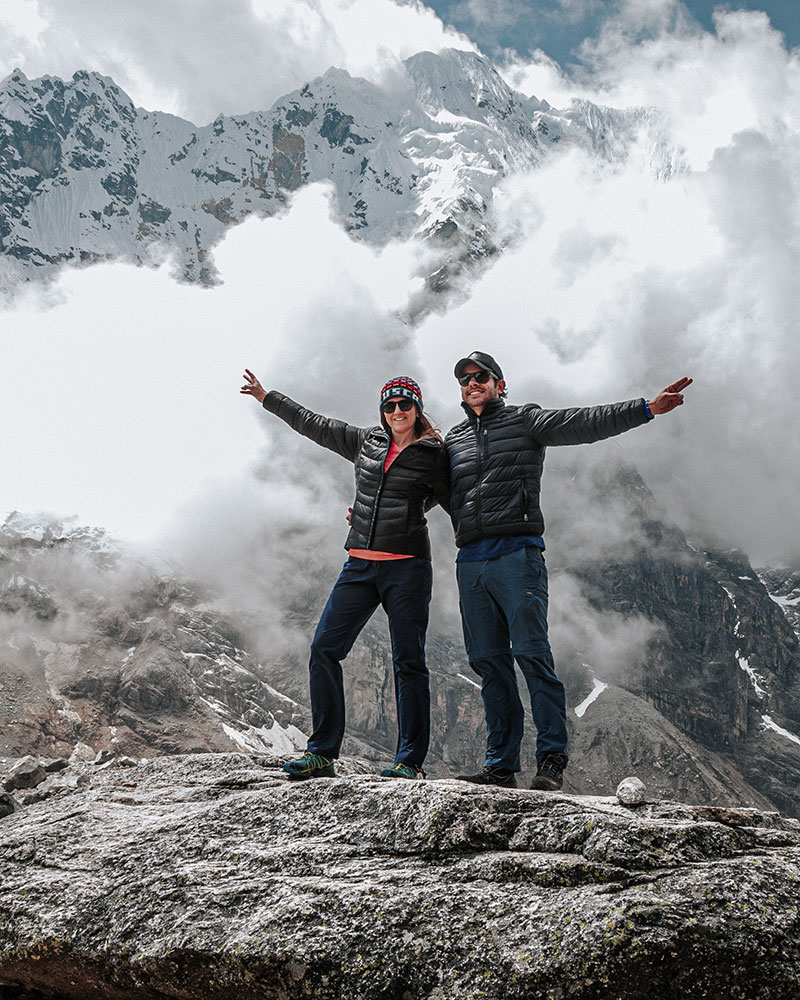
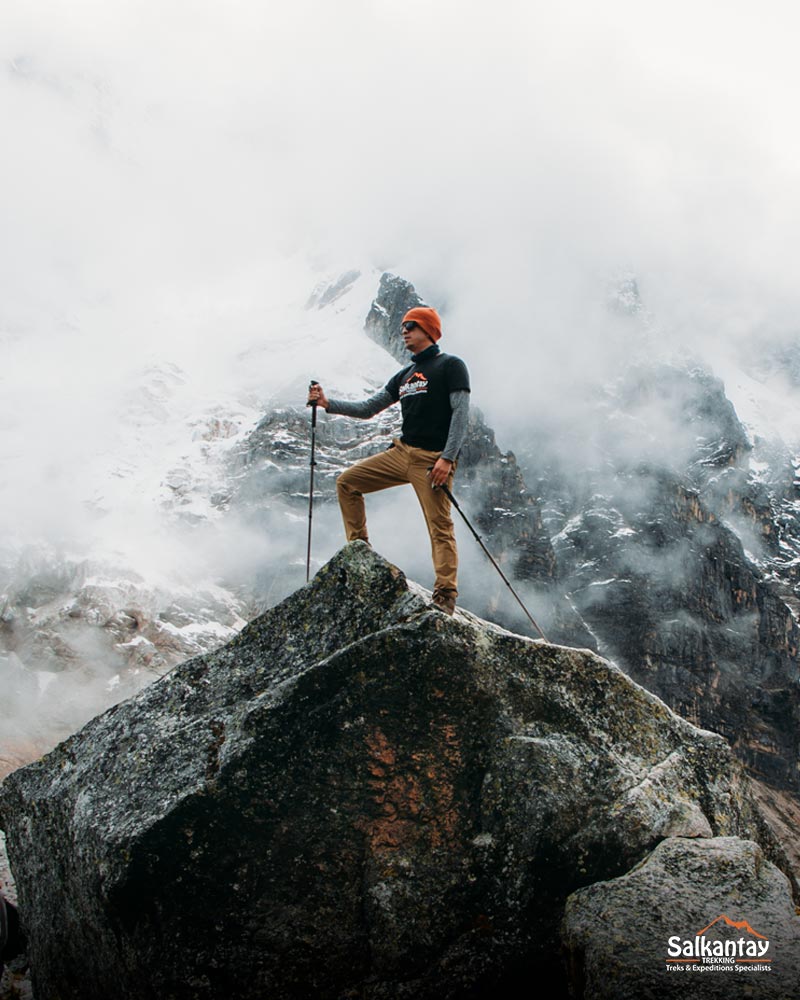
The Salkantay Trek is one of the most spectacular hiking routes in South America and is often considered the best alternative to the Classic Inca Trail (more on that one in a sec).
Unlike many famous treks that seem determined to test your patience as much as your endurance, the Salkantay route constantly rewards your effort.
You’ll pass:
- Snow-capped mountains
- High mountain passes
- Cloud forests
- Remote Andean communities
- Tropical valleys
One day, you’re surrounded by glaciers. The next, you’re walking through lush greenery filled with orchids and hummingbirds.
It’s a trek that never gets boring. Ever.
For active travelers looking for what to do in Peru beyond the standard tourist route, this is often the highlight of the trip.
Hike the Inca Trail
Some hikes are famous.
The Inca Trail is legendary.
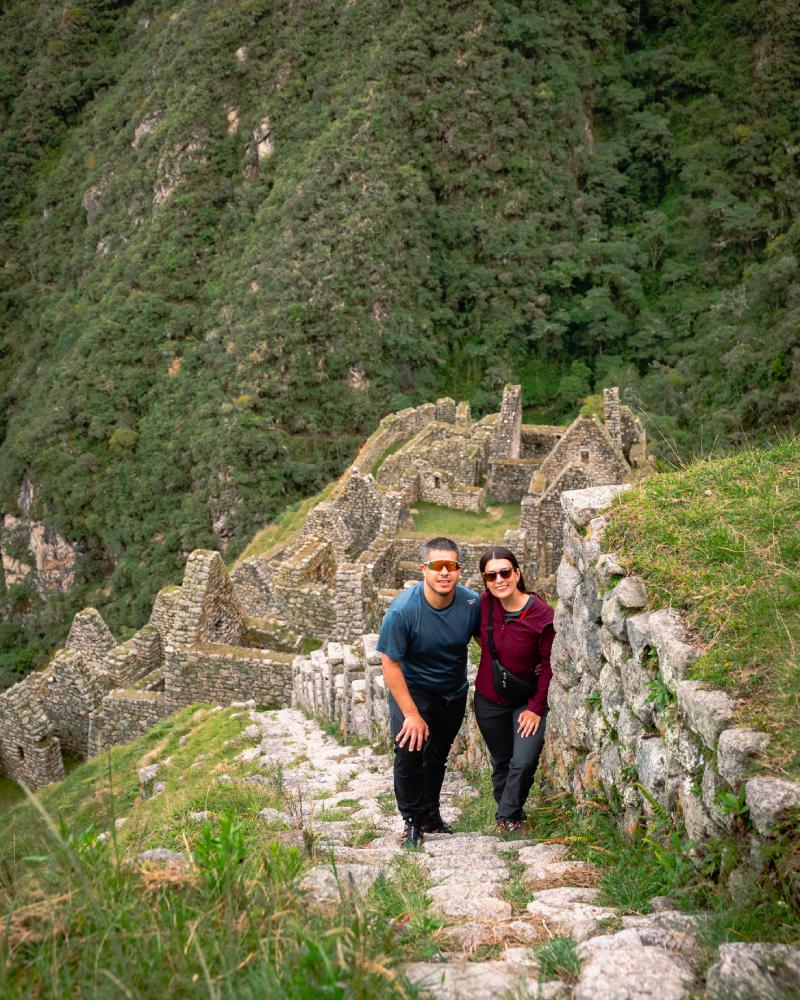
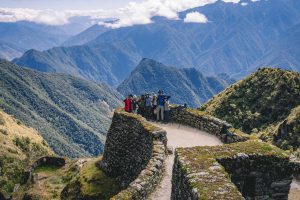
This route follows ancient stone pathways once used by the Incas themselves, and eventually leads hikers through the Sun Gate and into Machu Picchu.
It’s one of the most iconic trekking experiences on the planet.
Along the way, hikers will come across:
- Inca ruins
- Mountain scenery
- Cloud forests
- Archaeological sites inaccessible by road
The biggest challenge isn’t the hiking, though. It’s securing a permit.
The Inca Trail has strict visitor limits set by the government, and spaces always sell out months in advance. There are only 500 spaces available per day, and 300 go to guides and support staff, leaving just 200 for travelers.
It’s also important to note that the trail closes every February for maintenance.
If the dates align with your trip, it’s an incredible experience. If not, don’t panic. Peru has no shortage of world-class trekking alternatives.
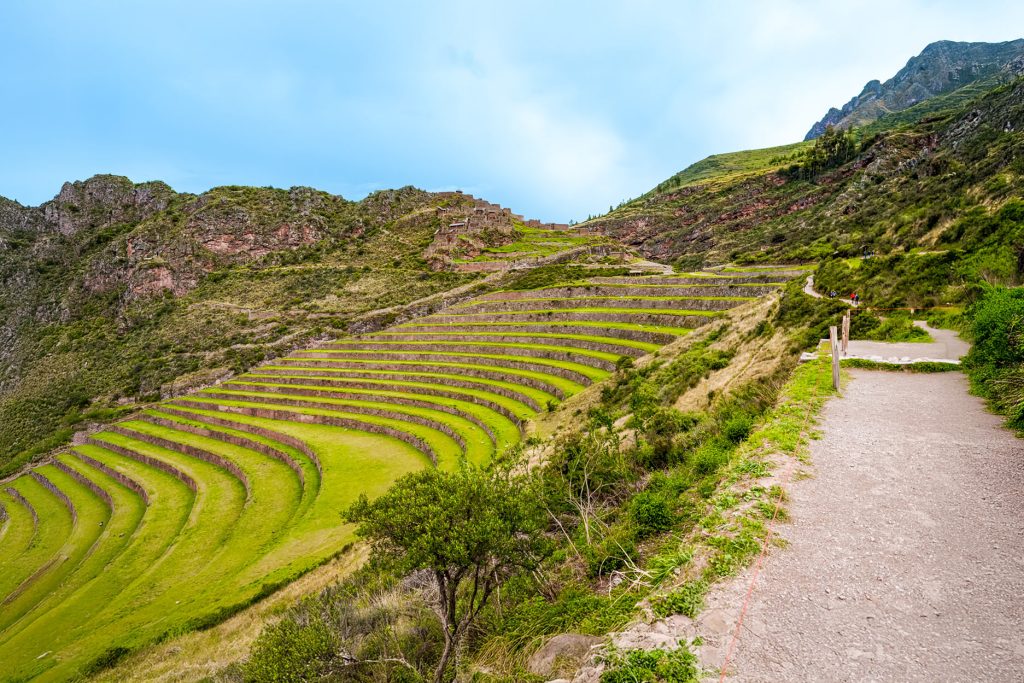
Explore the Sacred Valley
The Sacred Valley often gets overshadowed by Machu Picchu, which is a little unfair. It doesn’t get much credit, but it still boasts a huge array of sites to see and places to visit.
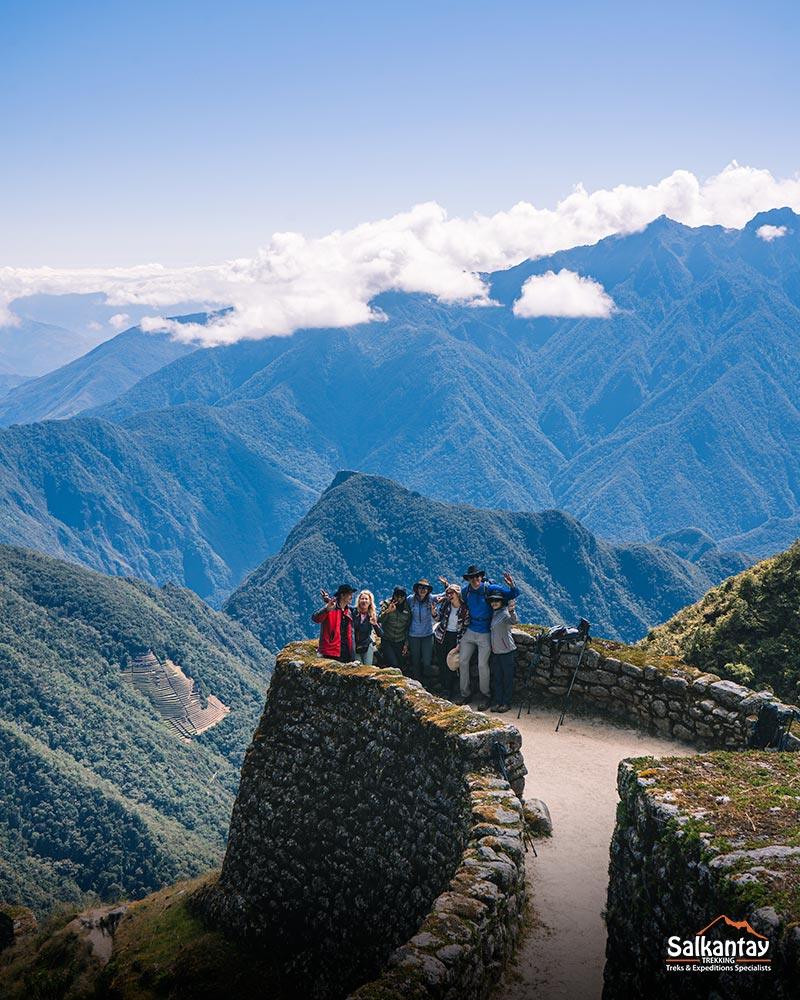
Stretching between Cusco and Machu Picchu, the valley is packed with:
- Inca ruins
- Traditional villages
- Local markets
- Mountain landscapes
- Agricultural terraces
Popular stops include:
- Pisac
- Ollantaytambo
- Moray
- Chinchero
- Maras Salt Mines
You can visit most attractions using the Cusco tourist ticket, making the region easy to explore independently or as part of a full-day, Sacred Valley guided tour.
The Sacred Valley is also lower in elevation than Cusco, making it a great place to spend time while acclimatizing.
Hike Up Rainbow Mountain
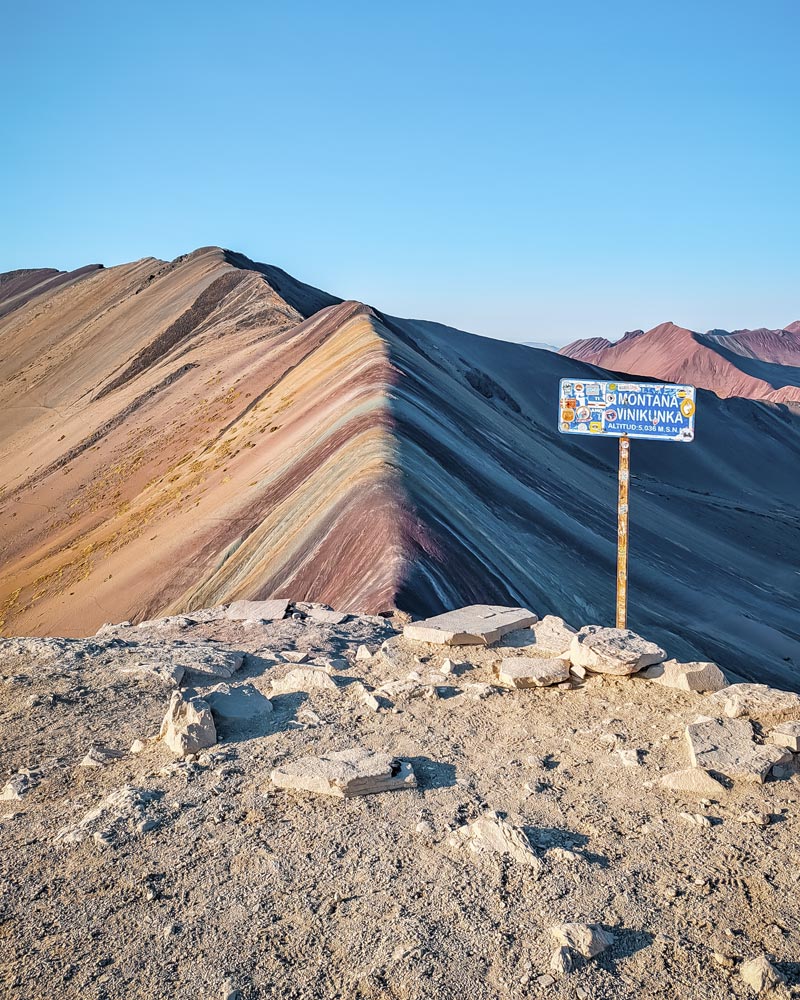
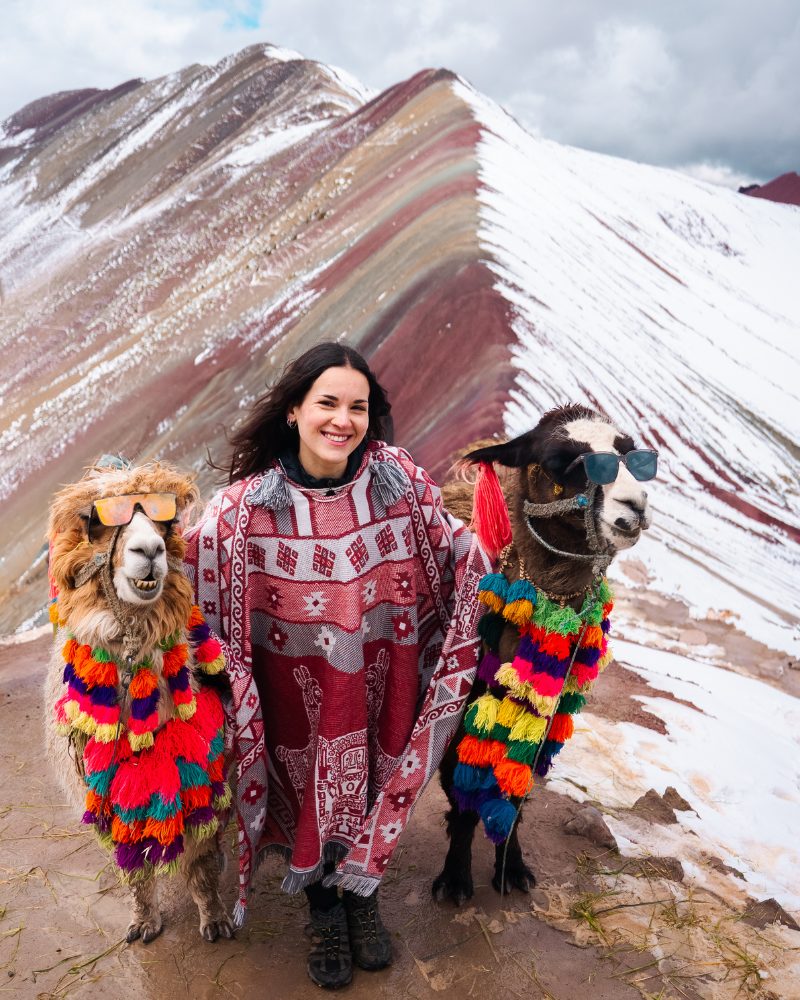
One glance at Rainbow Mountain and you’ll understand why it became one of Peru’s fastest-growing attractions.
The naturally colored mineral-filled stripes create a landscape that looks almost unreal.
The catch?
The hike reaches dizzy heights of 16,732 feet above sea level (5,100 meters).
That means acclimatization is essential.
Many travelers include Rainbow Mountain after spending several days in Cusco, giving themselves time to adjust to the altitude before tackling it.
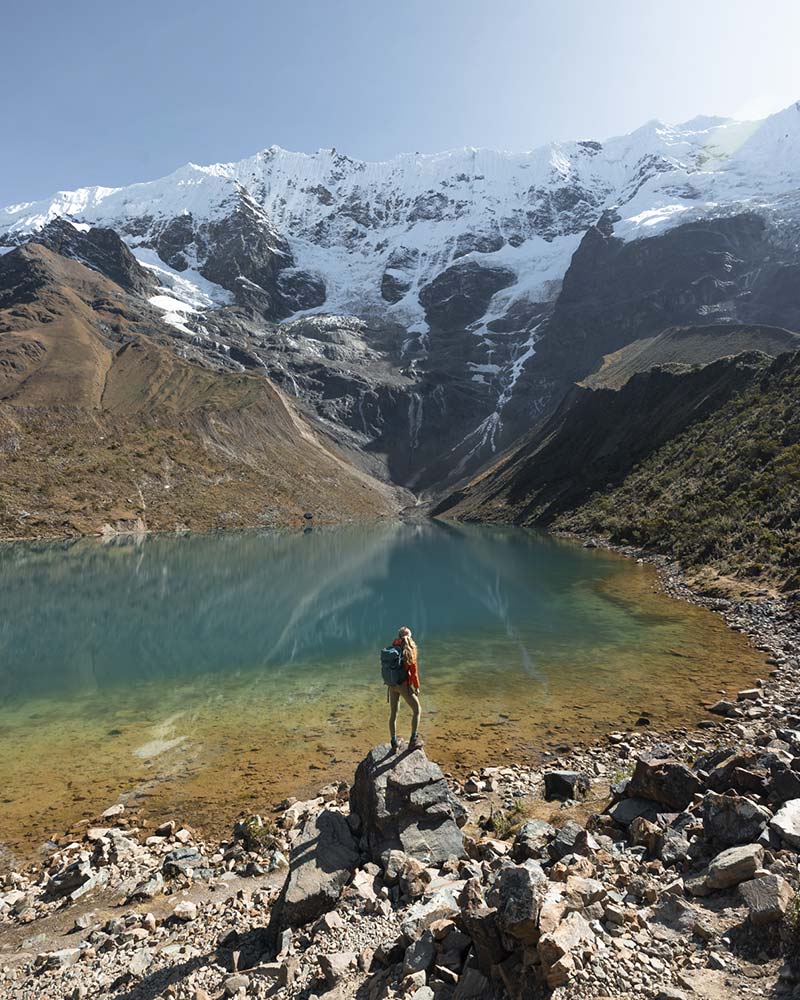
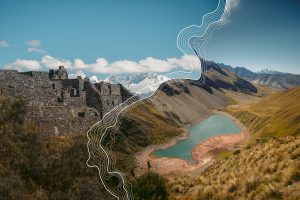
Visit Humantay Lake
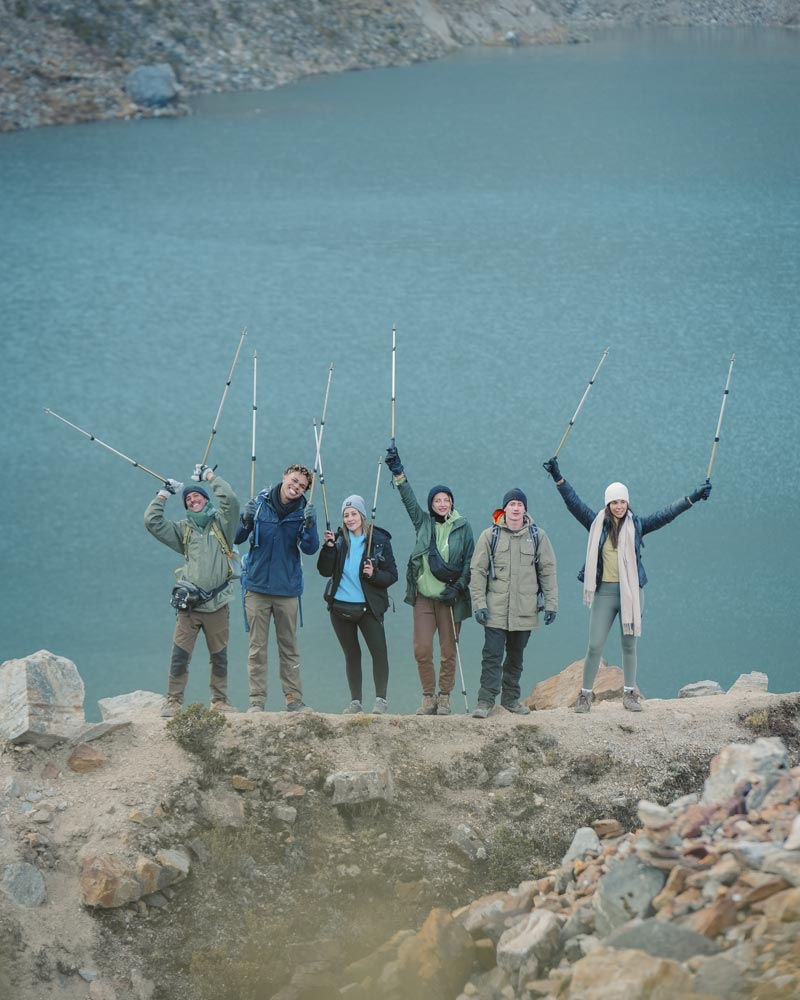
Humantay Lake feels like one of nature’s overachieving moments.
Apparently, snow-capped peaks weren’t enough. The landscape also needed an impossibly turquoise alpine lake.
The hike is relatively short but steep, making it an extremely rewarding day trip from Cusco.
It’s often considered one of the most beautiful natural attractions in Peru and appears on many travelers’ lists of favorite experiences.
Experience Peruvian Food
Peru has quietly become one of the world’s most exciting food destinations.
Actually, not that quietly. At this point, the secret is very much out.
Peruvian cuisine blends Indigenous, Spanish, African, Chinese, Japanese, and European influences into something truly unique to the country.
Some of the must-try dishes include:
- Ceviche
- Lomo saltado
- Ají de gallina
- Causa
- Anticuchos
- Rocoto relleno
Every region has its own specialty, so it’s well worth doing your research on what to eat and where in Peru before you get here.

Should You Spend More Time in Cusco or Lima?
This is one of the most common Peru itinerary questions.
Both cities deserve a place in your plans, but if forced to choose, most travelers end up spending more time in Cusco.
That’s not because Lima isn’t worth visiting.
It’s because Cusco acts as the gateway to many of Peru’s most famous attractions.
Let’s break it down.
Reasons to Prioritize Cusco
For first-time visitors, Cusco usually offers the highest concentration of bucket-list experiences.
Within easy reach of the city, you’ll find:
- Machu Picchu
- Sacred Valley
- Rainbow Mountain
- Humantay Lake
- Salkantay Trek
- Inca Trail
You could easily spend a week (or way longer) in the region without running out of things to do.
Cusco itself is also packed with history and culture. It’s the former capital of the Inca Empire and remains one of South America’s most fascinating cities.
Add in the mountain scenery and vibrant atmosphere, and it’s easy to understand why so many travelers extend their stay.
When Lima Is Worth Extra Days
Lima deserves more than the one-night stopover many visitors give it.
If you enjoy:
- Food
- Museums
- Architecture
- Coastal scenery
- Urban exploration
Then Lima is worth spending several days exploring.
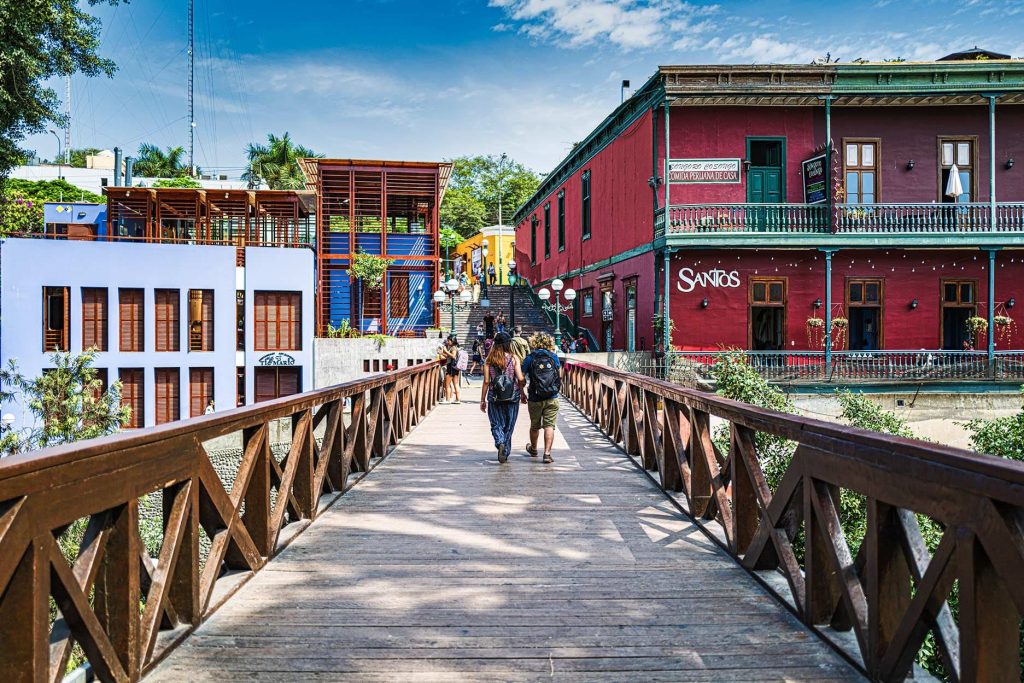
The city has some of the best restaurants in the Americas, beautiful neighborhoods such as Miraflores and Barranco, and a fascinating blend of colonial and modern influences.
It’s also the perfect place to recover after a long international flight before heading into the Andes.
Not every day of your Peru trip needs to involve climbing a mountain.
Recommended Split for Most Travelers
For most first-time visitors, this balance works well:
7-Day Trip
- Lima: 2 days
- Cusco Region: 5 days
10-Day Trip
- Lima: 2 days
- Cusco Region: 8 days
14-Day Trip
- Lima: 2–3 days
- Cusco Region: 6–8 days
- Other destinations: Remaining time
If your primary goal is to see Peru’s most famous attractions, Cusco should take up the larger share of your itinerary.
If food, culture, and city exploration are your priorities, consider giving Lima an extra day or two.
How Far Apart Are Cusco and Machu Picchu?
One of the biggest misconceptions among first-time visitors is assuming Machu Picchu sits right next to Cusco.
Technically, it’s in the same region.
Practically speaking, reaching Machu Picchu requires a little planning, as you can only reach the town of Aguas Calientes on foot or by train.
Fortunately, getting there is part of the adventure.
Travel Times
The journey from Cusco to Machu Picchu typically involves multiple stages.
Most visitors travel from Cusco to Ollantaytambo before boarding a train to Aguas Calientes, the town located below Machu Picchu.
Typical travel times are:
- Cusco to Ollantaytambo: 1.5–2 hours
- Train to Aguas Calientes: 1.5–2 hours
- Bus to Machu Picchu entrance: 25–30 minutes
Altogether, expect roughly 3.5–5 hours of travel each way, depending on your chosen route and connections.
This is one reason many travelers choose to stay overnight near Machu Picchu rather than attempt to do everything in a single day.
Train Routes
The train is the most popular way to reach Machu Picchu.
Services depart from:
- Ollantaytambo
- Poroy (seasonally)
- San Pedro Station (limited services)
Most travelers opt to depart from Ollantaytambo, as the trains departing from Poroy and San Pedro are heavily dependent on the season.
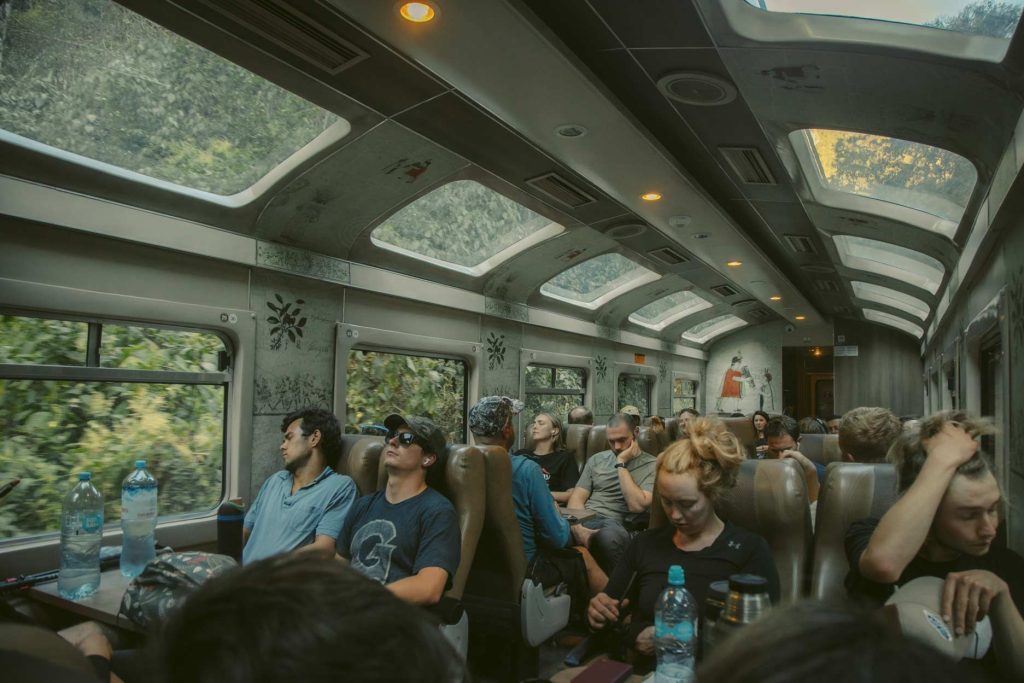
The journey itself is extremely scenic, and many train services offer large windows so you can admire the world as it goes by.
As the train follows the Urubamba River, dramatic mountain landscapes gradually give way to lush cloud forest scenery.
Even travelers who aren’t normally excited about train journeys tend to spend much of this ride staring out the window.
Trekking Routes
For many visitors, the route to Machu Picchu becomes part of the whole experience.
Popular trekking options include:
- Salkantay Trek
- Inca Trail
- Lares Trek
- Inca Jungle Trek
The Salkantay Trek typically takes four to five days and showcases some of Peru’s most spectacular mountain scenery.
The Inca Trail usually takes four days and ends with an arrival through the famous Sun Gate (known as Inti Punku).
The Lares Trek is much quieter and offers a more culturally immersive journey through rural Andean communities.
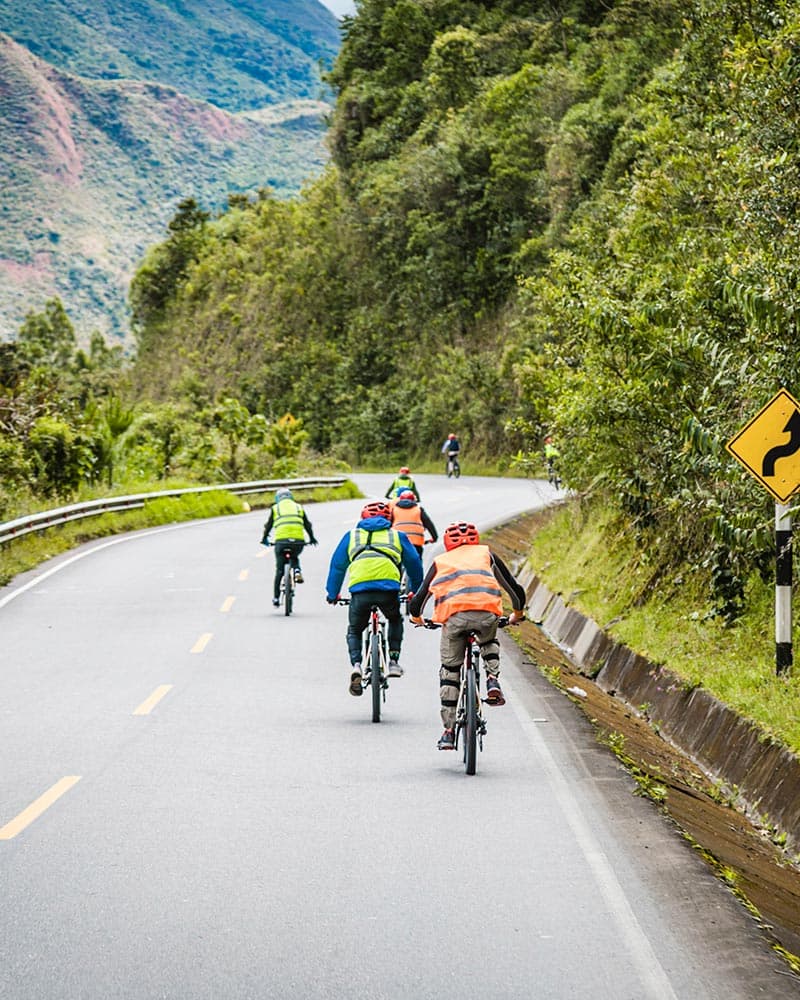
The Inca Jungle Trek is for adventure lovers and combines trekking with biking, rafting, and ziplining across the jungle canopy.
All offer unforgettable experiences, but they provide very different journeys.
The best option depends on your priorities and availability.

Day Trip vs Overnight Stay
Can you visit Machu Picchu as a day trip from Cusco? Absolutely.
Should you? That depends on your schedule.
A day trip works well for travelers with limited vacation time.
However, an overnight stay comes with many advantages, like:
- Less rushed travel
- Earlier access to Machu Picchu
- More flexibility with train schedules
- Time to explore Aguas Calientes
- Better chances of avoiding peak crowds
Many travelers who initially plan a day trip later decide that spending a night near the site makes for a more enjoyable experience.
After all, if you’ve traveled all the way to one of the world’s most famous archaeological sites, there’s no prize for seeing it as quickly as possible.
Sometimes slowing down is the better strategy.
The Best Time to Visit Peru
One of the first questions travelers ask when planning a trip is, “What’s the best month to visit Peru?”
It’s a fair question, but the real answer is that Peru doesn’t have a single perfect month.
This is a country with deserts, mountains, cloud forests, and rainforest all packed into one destination. Conditions can vary dramatically depending on where you are. It might be sunny on the coast, chilly in the Andes, and pouring rain in the Amazon, and that’s all on the same day.
That’s why the best time to visit Peru depends largely on what you want to see and do.
If Machu Picchu is your priority, one season stands out. If you’re visiting the Amazon, another might suit you better. And if you’re hoping to avoid crowds while still enjoying good weather, there are a couple of sweet spots worth knowing about.
The good news? Peru is a year-round destination. There’s never really a bad time to visit. You just get different experiences.
Visiting Peru During the Dry Season
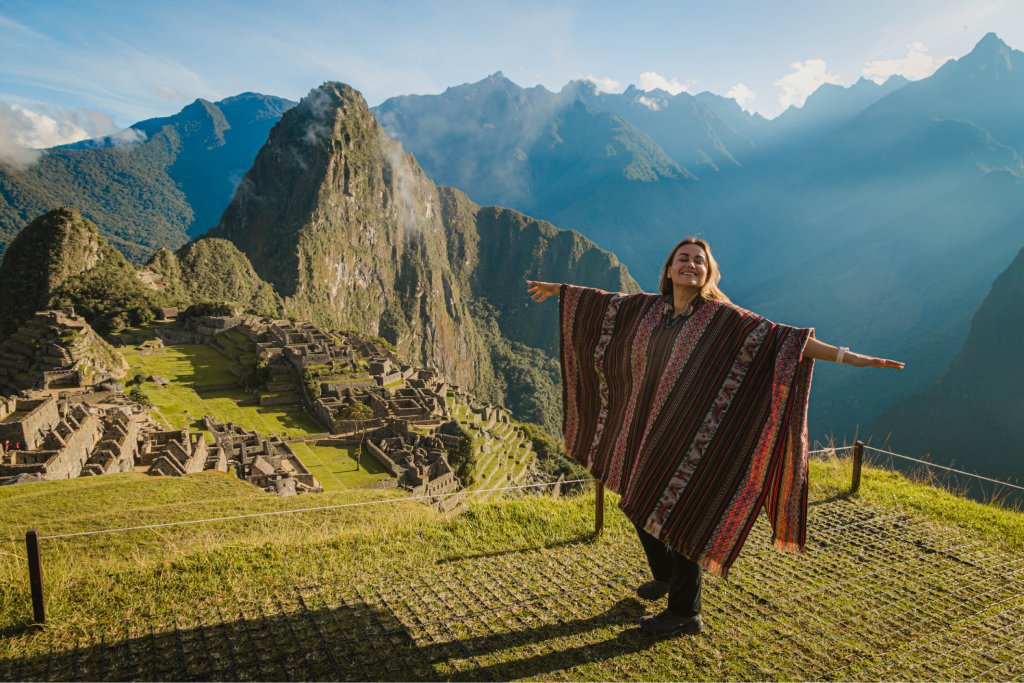
The dry season generally runs from May to October and is considered the best time to visit Peru by most travelers.
This is when you’ll find:
- Clear mountain views
- Sunny days in the Andes
- Lower rainfall
- Excellent trekking conditions
- Reliable hiking weather
Not surprisingly, it’s also peak tourism season.
If your Peru travel itinerary includes Cusco, Machu Picchu, Rainbow Mountain, or the Salkantay Trek, this is often the ideal time to visit.
The dry season gives you the best chance of seeing those postcard-worthy mountain views that seem to appear on every Peru travel brochure ever printed.
June, July, and August are particularly popular because they align with summer vacations in North America and Europe.
The trade-off?
More visitors, higher demand, and the need to book accommodations, trains, and Machu Picchu entry tickets well in advance.
Visiting Peru During the Rainy Season
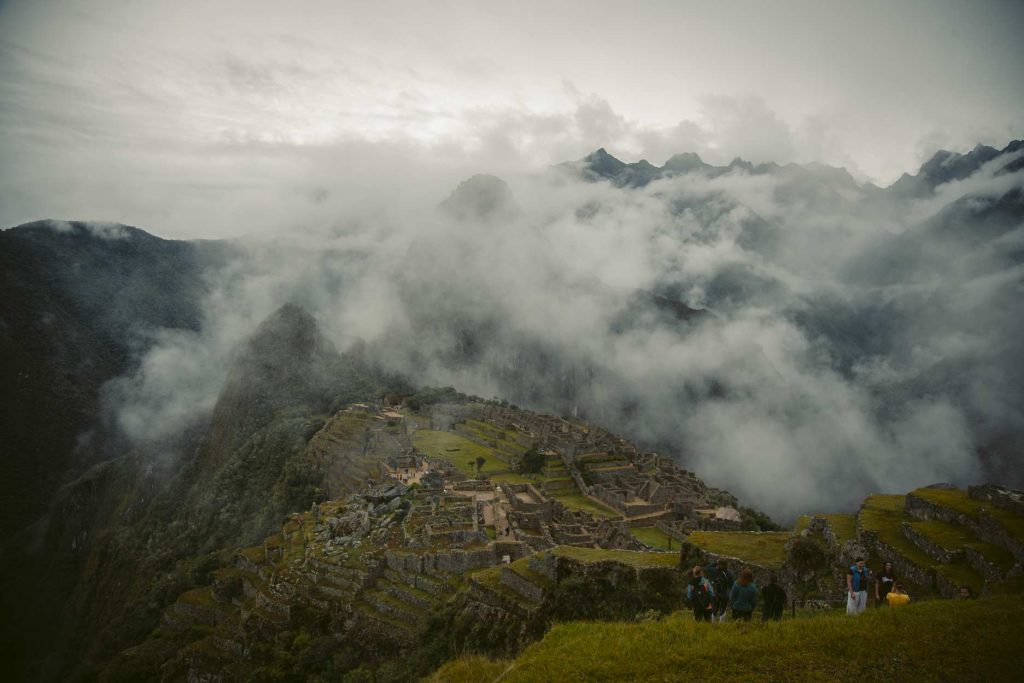
The rainy season typically runs from November to April, with January and February experiencing the heaviest rainfall in many Andean regions.
That might sound like bad news. But it isn’t necessarily.
Traveling during the rainy season has some advantages:
- Fewer crowds
- Lower prices
- Greener landscapes
- Better hotel availability
The mountains become incredibly lush and green during these months, creating some stunning scenery.
Rain often falls in the afternoon rather than all day, meaning you can still also enjoy sightseeing and outdoor activities with a little flexibility.
That said, hikers should be aware that trail conditions can become muddy and unpredictable.
February deserves special mention because the Classic Inca Trail closes for annual maintenance during this month, and many operators won’t run other routes either due to a higher danger risk.
If hiking is a major part of your trip, it’s worth keeping that in mind.
The Best Time to Visit Machu Picchu
You can visit Machu Picchu year-round, but some months offer more reliable conditions.
For many travelers, the best time to visit Machu Picchu falls between May and September.
These months typically bring:
- Lower rainfall
- Better visibility
- Clearer mountain views
- More predictable weather
June and July deliver some of the best conditions, but the downside is that they’re also among the busiest months of the year.
If you’d rather avoid the largest crowds while still enjoying good weather, consider visiting during:
- April
- May
- September
- October
These shoulder-season months are an excellent balance between pleasant conditions and manageable visitor numbers.
If you’re looking for a detailed breakdown, our guide to the best time to visit Peru provides a month-by-month overview.
The Best Time for Trekking
For trekking enthusiasts, timing matters. A lot.
Nothing ruins a mountain view quite like a wall of cloud and rain.
The best time of year to go to Peru for trekking generally falls between May and September.
Popular routes such as the Salkantay Trek and Inca Trail benefit from:
- Dry trails
- Stable weather
- Better visibility
- Comfortable hiking conditions
June, July, and August are what most people consider the prime trekking months.
That doesn’t mean you should ignore the shoulder seasons.
April, May, September, and October still give you excellent hiking conditions with fewer people on the trails.
In fact, many experienced hikers actually prefer these months.
You still get beautiful scenery while enjoying more breathing room.
The Best Time for the Amazon
The Amazon follows slightly different rules.
After all, it’s a rainforest. Rain is kind of part of the package.
The dry season in the Amazon generally runs from May to October, offering:
- Easier wildlife viewing
- Better hiking conditions
- Lower water levels
- More accessible jungle trails
The wetter months bring:
- Higher river levels
- Easier boat access
- Lush vegetation
- Different wildlife opportunities
Neither season is necessarily better. They’re simply different.
The Amazon remains one of the most rewarding places to visit in Peru, regardless of when you travel.
The Best Time to Visit the Coast
Peru’s coast follows a very different weather pattern from the Andes.
While much of the country experiences its dry season between May and September, the coast is often at its best during the Southern Hemisphere summer, from December to April.
This is when destinations like Lima, Paracas, and Huacachina enjoy:
- Warmer temperatures
- More sunshine
- Clearer skies
- Better beach conditions
Lima is famous for its coastal fog, which is most common from June to September. During this time, temperatures remain mild, but skies are often gray and overcast.
For travelers hoping to enjoy Peru’s coastline, desert landscapes, and wildlife excursions, the best month to visit Peru is often between January and March. You can expect the sunniest conditions along the Pacific coast at this time of year, making it ideal for exploring destinations such as Paracas National Reserve and the Huacachina Oasis.
That said, the coast can be visited year-round, and even Lima’s cooler months remain comfortable compared to many destinations in North America and Europe.
When to Avoid Machu Picchu
Just to be clear, there isn’t a time when Machu Picchu becomes completely unworthy of a visit.
Even during busy or rainy periods, it’s still one of the most remarkable places on Earth.
It’s just that some times are better than others, depending on your priorities.
If you’re hoping to avoid crowds, heavy rainfall, or logistical headaches, it’s worth understanding which periods are best to avoid.
Peak Tourist Season
The busiest months at Machu Picchu are generally:
- June
- July
- August
This is during Peru’s dry season and coincides with international summer vacations.
Throughout these months, you can expect:
- Larger crowds
- Limited ticket availability
- Higher accommodation prices
- Increased demand for trains
The site itself remains incredible, but you’ll be sharing it with a lot more people.
If your travel dates are fixed for these months, the solution isn’t to avoid Machu Picchu.
It’s booking everything as early as possible.
Heavy Rainfall Months
January and February bring the highest rainfall levels to the Cusco region, which can lead to:
- Reduced visibility
- Muddy trails
- Weather-related disruptions
- Less predictable conditions
The mountains are beautiful during this period, but views can come and go quickly depending on the weather.
That doesn’t mean you should automatically avoid these months.
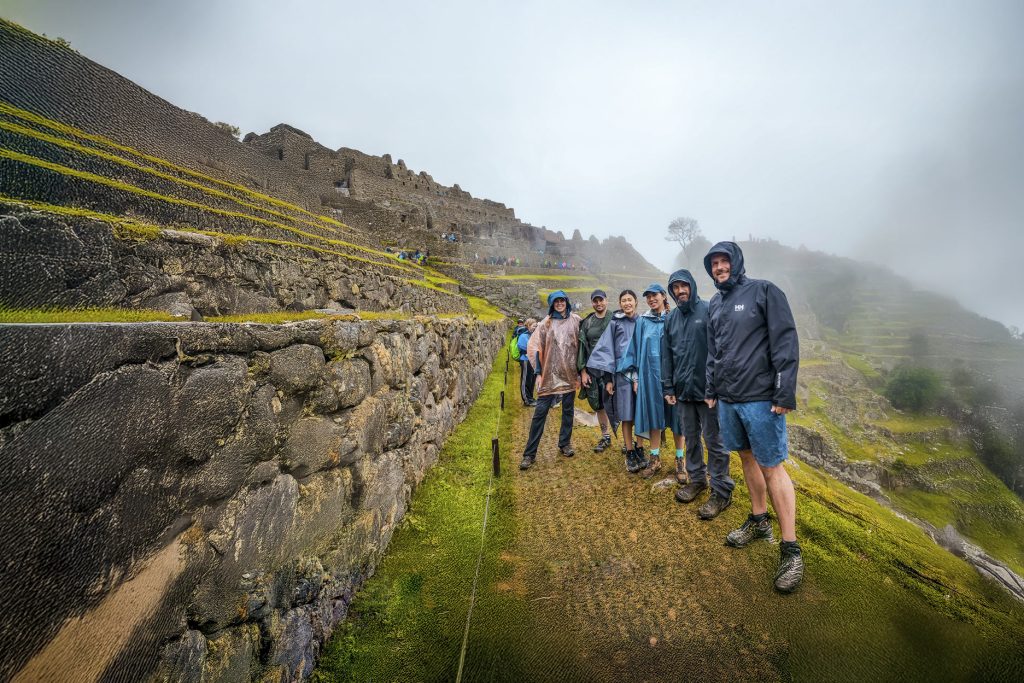
Many travelers visit during the rainy season and have fantastic experiences. Just arrive with realistic expectations and a waterproof jacket.
Public Holidays and Crowds
Certain dates can significantly increase visitor numbers.
One of the biggest examples is Inti Raymi, the famous Festival of the Sun held in Cusco every June.
Major holidays tend to mean:
- Increased crowds
- Higher prices
- Greater demand for accommodations
- More competition for Machu Picchu permits
These periods create an exciting atmosphere but require a lot more planning.
Is Peru Safe to Travel?
At some point during trip planning, most travelers ask the same question:
Is Peru safe?
The short answer is yes.
Millions of people visit Peru every year without encountering serious problems.
Like any destination, Peru has areas that require caution and situations travelers should be aware of. But overall, most visitors enjoy safe and memorable experiences throughout the country.
Understanding basic Peru safety practices goes a long way toward reducing risk and increasing confidence.
Current Safety Overview
Most people would consider Peru safe for tourists visiting popular destinations such as:
- Lima
- Cusco
- Sacred Valley
- Machu Picchu
- Arequipa
- Lake Titicaca
Tourism plays an important role in the country’s economy, and the vast majority of visits go without any hiccups.
Most concerns involve the same issues travelers encounter in many destinations around the world and aren’t unique to Peru in the slightest, like:
- Pickpocketing
- Petty theft
- Scams
- Opportunistic crime
The biggest dangers are often far less dramatic than people imagine.
In fact, altitude sickness causes more disrupted vacations than crime for most visitors.
Transportation Safety
Transportation is one area where travelers should exercise extra care.
When moving between destinations, keep yourself safe by:
- Using reputable bus companies
- Choosing registered taxis
- Verifying transportation details in advance
- Avoiding informal services whenever possible
Domestic flights are common for longer routes and can save you a lot of travel time.
Road travel in mountainous areas sometimes involves winding roads and long journeys, making overnight buses and reputable operators especially important.
A little extra planning here can make your trip considerably smoother.
Solo Travel Safety
Is Peru safe to travel alone?
For most travelers, yes.
Peru is one of South America’s most popular destinations for solo travelers, backpackers, and independent adventurers.
Popular tourism hubs like Cusco, Lima, and Arequipa have vibrant traveler communities.
Solo travelers should follow the same precautions they would use anywhere, which should include:
- Stay aware of your surroundings
- Avoid displaying valuables
- Research neighborhoods before booking accommodations
- Share itinerary details when appropriate
Many visitors arrive alone and leave with an entire group of new friends collected from hostels, tours, and trekking routes. It can be a lot of fun if you prepare properly and know what to expect.
Essential Safety Tips
So, is Peru dangerous to travel to? The answer is generally no, but smart travel habits still matter.
Some practical tips include:
- Carry only what you need each day
- Keep copies of important documents
- Use ATMs in secure locations
- Stay hydrated at altitude
- Get travel insurance
- Book activities through reputable companies
And perhaps most importantly, give yourself time to acclimatize.
Many travelers spend weeks researching crime statistics and almost no time preparing for altitude.
Then they arrive in Cusco and discover the stairs are suddenly much harder to get to the top of than they thought.
Knowing how to acclimate before your trip and considering going on some of the best acclimatization tours in Cusco can make a huge difference to your overall experience.
Planning Your Peru Budget
One of the biggest misconceptions about Peru is that it’s either extremely cheap or surprisingly expensive.
The truth sits somewhere in the middle.
Peru can accommodate almost every travel style, from budget backpackers sleeping in hostels to luxury travelers enjoying five-star hotels, gourmet dining, and private guides.
Your overall budget will depend on where you go, how you travel, and whether experiences like a visit to Machu Picchu or a multi-day trek are part of your itinerary.
The good news? Peru generally offers excellent value compared to many other bucket-list destinations around the world.
Backpacker Costs
Budget travelers can explore Peru without spending a fortune.
A backpacker budget will usually get you:
- Hostel dorms
- Local transportation
- Casual restaurants and street food
- Group tours
- Basic accommodations
Expect daily costs to range from $30 to $60 per day, excluding major experiences such as Machu Picchu permits or multi-day treks.
Many travelers are pleasantly surprised by how affordable local food can be. A simple 3-course lunch menu often costs less than a coffee and a pastry in some North American cities.
Mid-Range Costs
Most visitors fall into the mid-range category.
This budget will mean you can afford:
- Comfortable hotels
- Domestic flights
- Private rooms
- Guided trips
- Restaurant meals
A reasonable mid-range budget often falls between $80 and $180 per person per day.
This travel style provides a good balance between comfort and affordability while still allowing room for major highlights.
Luxury Travel Costs
Peru also delivers exceptional luxury experiences.
High-end travelers can enjoy:
- Boutique hotels
- Luxury trains
- Fine dining
- Private guides
- Premium trekking experiences
- Exclusive Amazon lodges
- Private transport options
Luxury budgets often begin around $250 per day and can climb significantly higher depending on accommodations and activities.
Peru Travel Budget Breakdown
| Travel Style | Daily Budget | Accommodation | Transportation |
|---|---|---|---|
| Backpacker | $30–60 | Hostels | Public transport |
| Mid-Range | $80–180 | Hotels | Flights and tours |
| Luxury | $250+ | Premium hotels | Private transfers |
Essential Peru Travel Tips
A great itinerary can make a huge difference, but small planning decisions often determine whether a trip feels smooth or stressful.
These practical travel tips will help you avoid some of the most common mistakes first-time visitors make.
Book Machu Picchu Early
If there’s one piece of advice worth repeating, it’s this:
Book Machu Picchu early.
Visitor numbers are limited, and tickets usually sell out weeks or months in advance during peak travel periods.
The same applies to:
- Train tickets
- Inca Trail permits
- Popular accommodations
- Guided tours
Waiting until the last minute can seriously limit your options and leave you disappointed.

Plan for Altitude Acclimatization
This is the section many travelers skip.
It’s also the section many travelers wish they hadn’t skipped.
Cusco sits at approximately 11,150 feet above sea level (3,400 meters). Nearby attractions often reach even higher elevations.
Your body needs time to adjust.
For the best experience:
- Spend your first day taking it easy
- Stay hydrated
- Avoid intense activity immediately after arrival
- Allow time before high-altitude hikes
- Stay away from alcohol while you adjust
- Eat light meals
Reading our guide on how to acclimate in Cusco before your trip can help you prepare properly.
Pack for Different Climates
Peru has a habit of keeping travelers on their toes when it comes to the weather.
You might experience:
- Warm coastal temperatures
- Chilly mountain mornings
- Intense sunshine
- Rainforest humidity
All during the same trip.
Layers are your friend.
A practical packing list should include:
- Light clothing
- Warm layers
- Waterproof jacket
- Comfortable, broken-in walking shoes
- Sun protection
The goal is versatility, not packing your entire wardrobe.

Use Domestic Flights Strategically
Peru is a large country. Very large.
While long-distance buses are popular and great for when you’re on a budget, flights can save valuable vacation time.
Domestic routes fly to and from:
- Lima
- Cusco
- Arequipa
- Puerto Maldonado
- Juliaca
- Iquitos
For travelers low on time, flights often mean the difference between seeing one region and seeing three.
The extra cost can be well worth it when you have limited vacation days.
Carry Cash Outside Major Cities
You can generally use credit cards in larger cities and tourist areas.
However, cash is still very useful in:
- Small towns
- Local markets
- Rural communities
- Some transportation services
Having a mix of payment options helps avoid unnecessary stress. Just don’t carry excessive amounts at once.

Frequently Asked Questions About Visiting Peru
Even after planning an itinerary, travelers usually have a few lingering questions.
Here are some of the most common.
Yes.
A week is enough to experience Peru’s major highlights if you focus on a specific region.
Many travelers spend seven days exploring Lima, Cusco, the Sacred Valley, and Machu Picchu.
You might leave wanting more, but you’ll still enjoy an incredible introduction to the country. And you can always come back.
Absolutely.
A 10-day Peru itinerary is ideal for first-time visitors.
Ten days give you enough time to experience:
.- Lima
.- Cusco
.- Sacred Valley
.- Machu Picchu
.- Additional day trips, such as Rainbow Mountain or Humantay Lake
This timeframe balances sightseeing and relaxation without feeling rushed.
Two weeks is excellent.
With 14 days, travelers can comfortably explore southern Peru while adding more destinations like:
.- Arequipa
.- Colca Canyon
.- Lake Titicaca
.- The Amazon Rainforest
The best month to visit Peru depends on your priorities.
For mountain destinations such as Cusco and Machu Picchu, April, May, September, and October are often excellent choices.
These months offer:
.- Pleasant weather
.- Lower rainfall
.- Fewer crowds than peak season
That said, Peru is a year-round destination, and every season offers advantages.
Yes.
For most visitors, Peru is a safe destination when standard travel precautions are followed.
Millions of travelers visit each year without major problems.
As with any destination, staying aware of your surroundings and using common sense goes a long way toward ensuring you have a smooth trip.
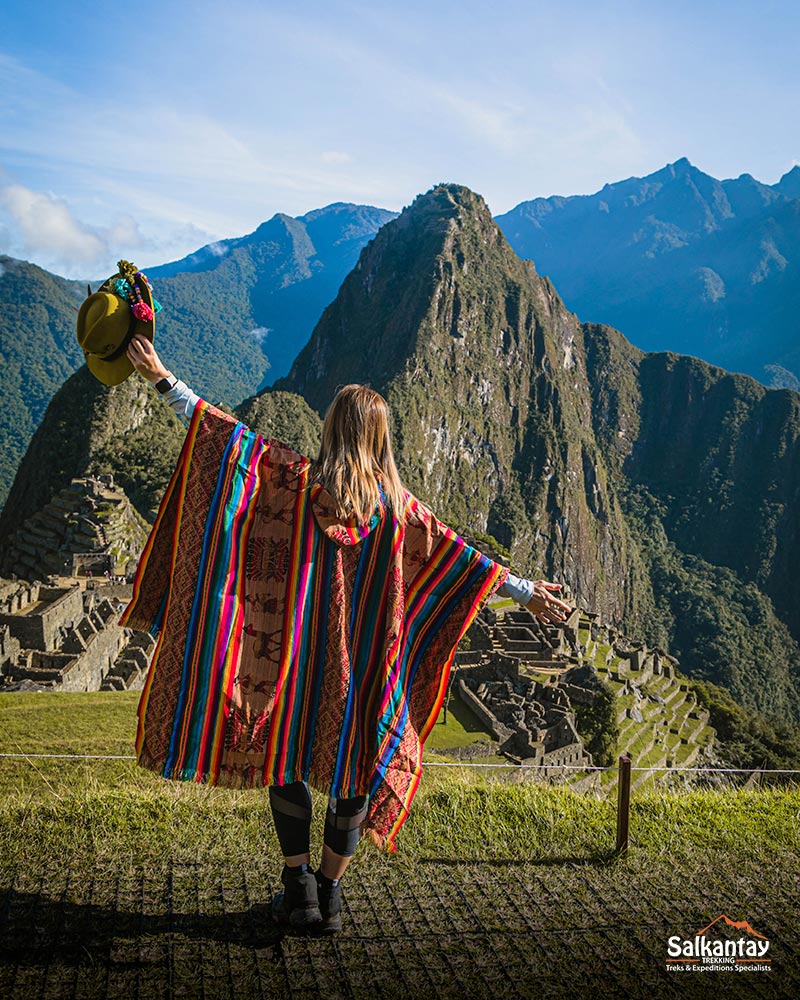
So, How Long Should You Spend in Peru?
So, how many days do you need in Peru?
If there’s one answer that fits most travelers, it’s this:
Aim for 10 to 14 days.
That gives you enough time to experience Peru’s biggest highlights without feeling like you’re racing from one attraction to the next.
You’ll have time to explore Cusco, wander through the Sacred Valley, visit Machu Picchu, enjoy Peru’s world-famous food, and perhaps even add destinations such as Rainbow Mountain, Lake Titicaca, or Arequipa.
If you only have a week, don’t worry. Peru still delivers an unforgettable experience.
If you have three weeks or more, even better. The country rewards travelers who take things slowly and explore beyond the most famous landmarks.
And that’s really the secret to Peru. People often arrive focused on one destination, usually Machu Picchu.
Then they discover colorful mountain villages, incredible cuisine, dramatic landscapes, ancient history, welcoming communities, and enough adventures to fill several return trips.
The question isn’t really how long to spend in Peru. It’s how many times you’ll want to come back.
If you’re looking to book a trip to Cusco, Salkantay Trekking is here to help, whether it be organizing a visit to Machu Picchu, day trips out of the city, or an epic adventure on the Salkantay Trek.



Leave A Reply