
Planning a Peru itinerary isn’t always as straightforward as travelers hope. Do you spend more time in Cusco? Add the Amazon? Head south to Arequipa? Stay longer in Lima for the food? It’s a tough decision.
Peru is packed with world-famous sights, epic hikes, ancient ruins, colorful mountains, and enough scenery to fill your camera roll in a day.
The good news? If you have 10 days in Peru, you can experience many of the country’s biggest highlights without feeling like you’re spending your entire vacation sitting on buses or sprinting through airports.
This 10-day Peru itinerary is designed for travelers who love adventure. It’s the perfect mix of exploring cities, mountain scenery, cultural experiences, and the Salkantay Trek, one of the most spectacular routes to Machu Picchu.
Whether you’re planning your first trip to Peru, researching the best Peru travel itinerary, or comparing different Peru travel plans, this guide will help you make the most of every day.
Table of contents
- Peru Itinerary at a Glance
- Peru Itinerary: 10 Days for Adventure Travelers
- Best Time to Visit Peru
- How Many Days Do You Need in Peru?
- How Much Does a 10-Day Trip to Peru Cost?
- Where to Stay During This Peru Itinerary
- Getting Around Peru
- Altitude Tips for Visiting Peru
- What to Pack for a 10-Day Peru Itinerary
- Alternative Peru Itineraries
- Frequently Asked Questions About Visiting Peru
- Time to Plan Your Trip
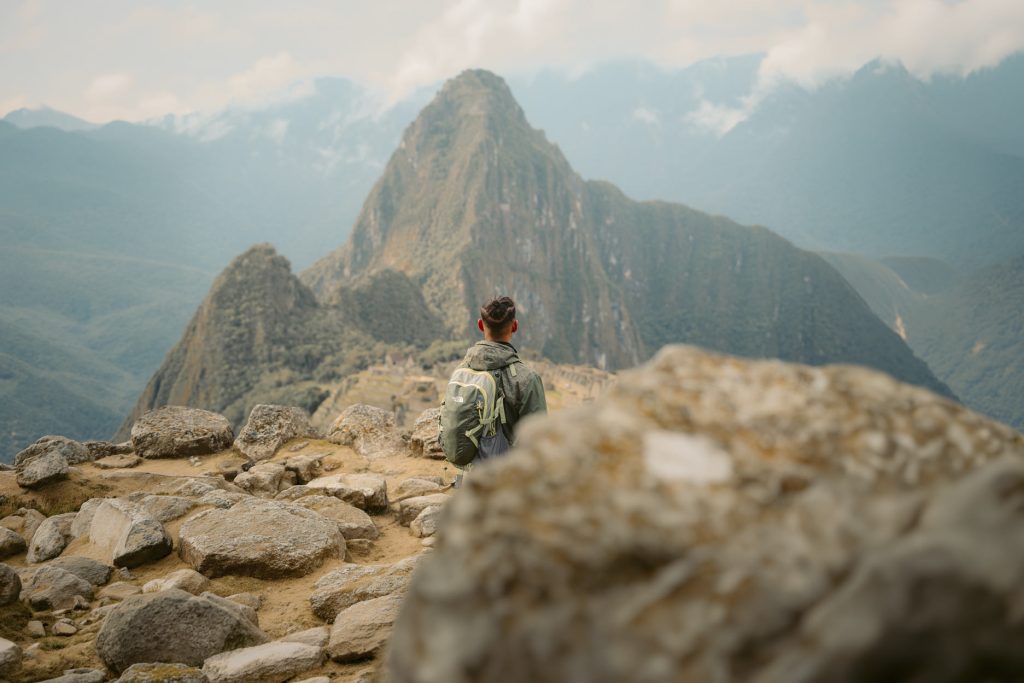
Peru Itinerary at a Glance
Before diving into the details, here’s a quick overview of this 10-day Peru itinerary.
Route Overview
- Day 1: Lima
- Day 2: Cusco
- Day 3: Sacred Valley
- Day 4: Salkantay Short Trek
- Day 5: Salkantay Short Trek
- Day 6: Salkantay Short Trek
- Day 7: Machu Picchu
- Day 8: Cusco
- Day 9: Rainbow Mountain or Ausangate 7 Lakes Hike
- Day 10: Lima and departure
This route is the perfect balance between Peru’s cultural highlights and its incredible outdoor adventures. Instead of rushing around the country trying to see everything, you’ll spend more time experiencing the places that make Peru special. And you can always come back and see more.
Peru Itinerary Map
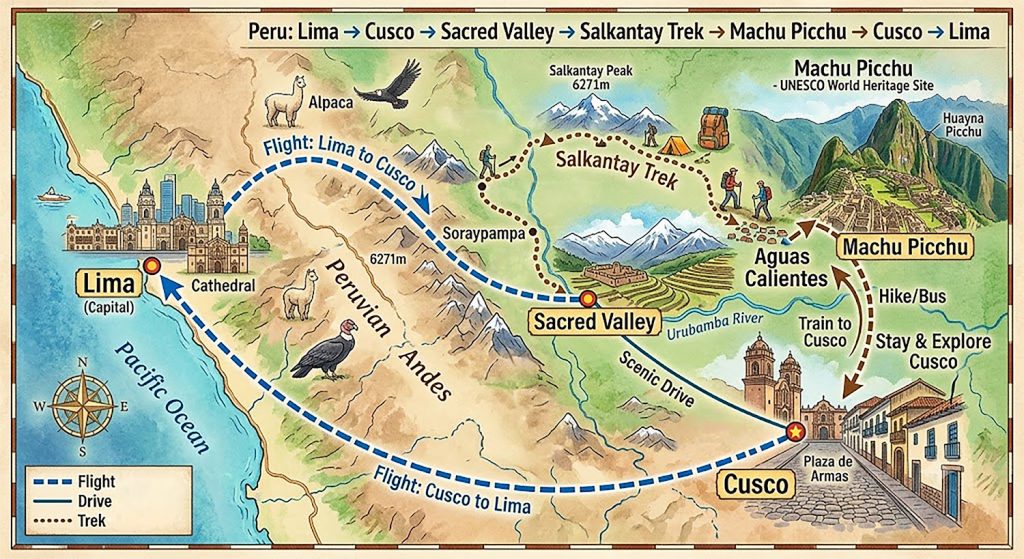
Total Travel Time and Distances
Traveling by domestic flights helps keep this travel itinerary in Peru efficient, rather than wasting days on buses.
- Lima to Cusco: 1 hour 20 minutes
- Cusco to Sacred Valley: 1–2 hours
- Salkantay Trek: 4 days
- Aguas Calientes to Cusco: 3–4 hours
- Cusco to Lima: 1 hour 20 minutes
By focusing on southern Peru, you’ll spend less time moving between places and more time actually enjoying your vacation.
Peru Itinerary: 10 Days for Adventure Travelers
This Peru vacation itinerary introduces you to Peru’s culture, landscapes, and altitude before building toward the grand reveal of Machu Picchu, Modern World Wonder and UNESCO World Heritage Site.
Day 1: Arrive in Lima and Explore Miraflores
Most international flights arrive in Peru’s vibrant coastal capital of Lima. Many travelers immediately fly to Cusco, but spending your first day here is a great idea to shake off the jet lag and ease into your adventure.
Miraflores is one of the safest and most visitor-friendly neighborhoods in the city and sits above the Pacific Ocean.
Top Things to Do in Lima
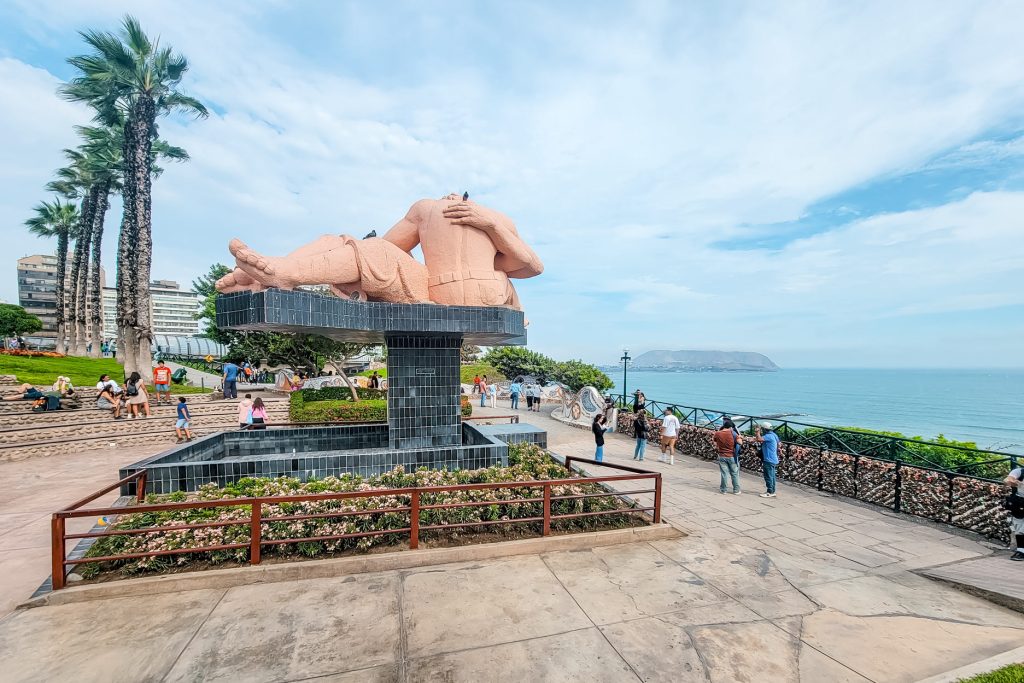
Walk along the Malecón, a cliffside path with ocean views that makes even a casual stroll feel scenic. You can also visit Parque del Amor (Park of Love), where couples pose for photos.
Food lovers should absolutely make time for ceviche. This is Peru’s national dish and is fresh, flavorful, and very easy to become obsessed with.
If you’ve got enough time, wander through Barranco, Lima’s colorful arts district filled with street art, cafés, and historic charm.
Where to Stay in Lima
For first-time visitors, Miraflores is hard to beat. You’ll find excellent restaurants, walkable streets, ocean views, and easy access to the airport.
Barranco is another great option if you prefer a more creative and bohemian atmosphere.
Day 2: Fly to Cusco and Acclimatize
Today you’ll fly from sea level into the Andes.
Cusco sits at approximately 11,150 feet (3,400 meters), so your body will probably notice the difference immediately. Some travelers feel perfectly fine. Others find themselves wondering why walking up a staircase suddenly feels like an Olympic event.
The key is taking it easy.
Exploring Cusco at a Slow Pace
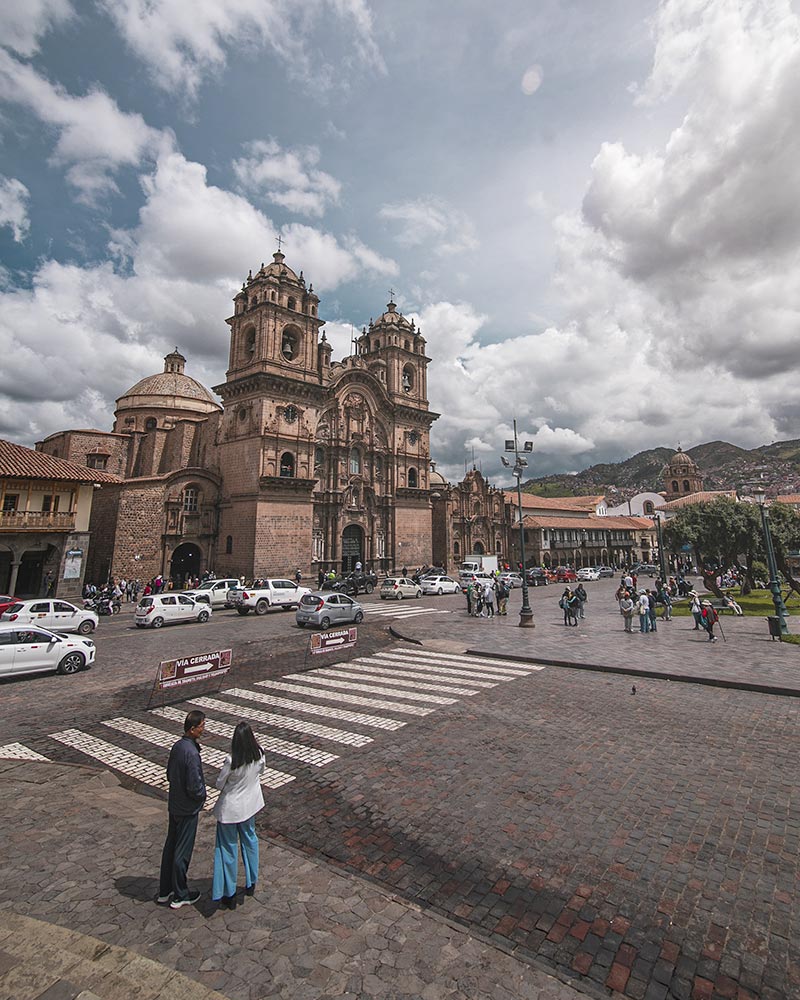
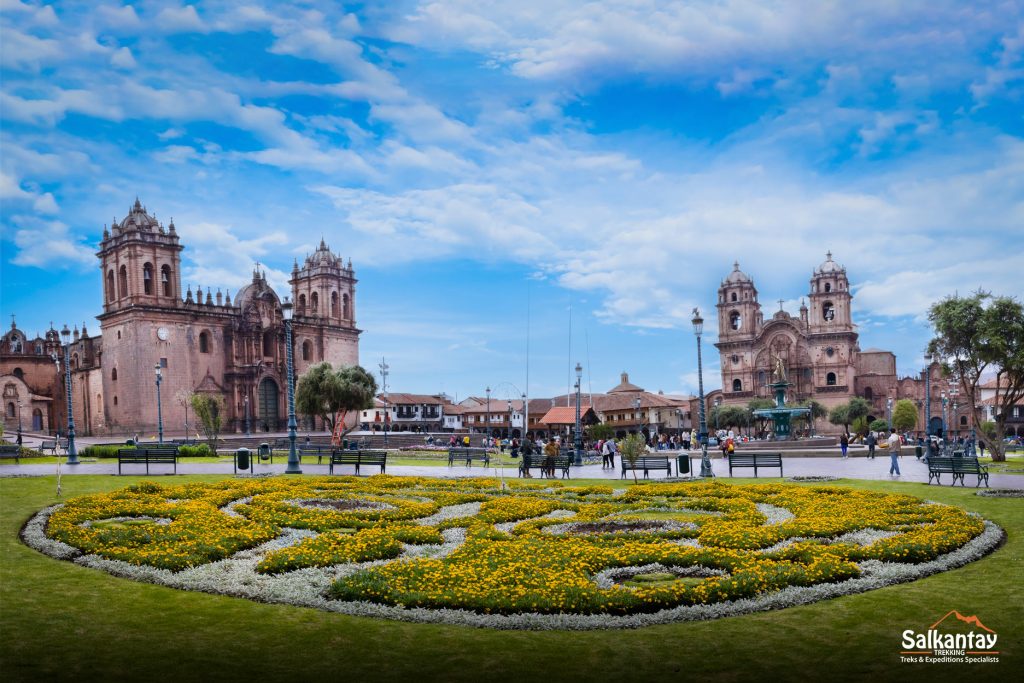
Spend your first day wandering around the Plaza de Armas, exploring cobbled streets, and admiring the city’s blend of Inca and Spanish architecture.
Visit San Pedro Market for local snacks and to get a feel for the market’s vibe.
We recommend you enjoy a relaxed afternoon rather than cramming in major hikes or strenuous activities.
Altitude Tips for Your First Day
To help you feel as good as possible at these new dizzy heights, here are some tips on how to acclimate in Cusco:
- Drink plenty of water
- Avoid alcohol at first
- Eat lightly
- Walk slowly
- Get a good night’s sleep
- Don’t plan intense activities immediately
Small and non-strenuous acclimatization tours in Cusco can help you prepare for the days ahead. Think something like a city tour or a visit to nearby archaeological sites.
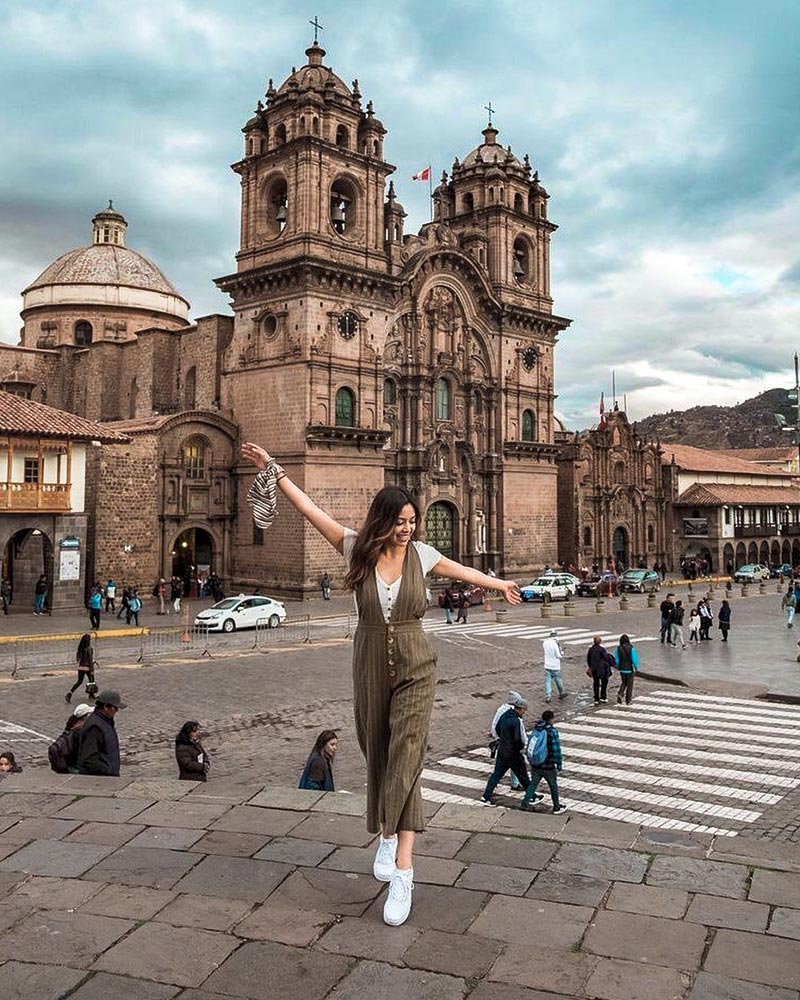
Day 3: Explore the Sacred Valley
The Sacred Valley is one of Peru’s most beautiful regions and often surprises many travelers.
The scenery is spectacular, the altitude is lower than Cusco, and the area is packed with fascinating Inca sites.
For a deeper dive into the region and things to do there, see our complete Sacred Valley Guide.
Pisac
Pisac is home to impressive Inca ruins and one of the region’s most famous markets.
The ruins sit dramatically on the mountainside, and from here, you’ll get incredible views over the valley below.
Arrive early if possible to enjoy quieter trails and cooler temperatures. The exposure and high altitude can make the sun feel intense into the afternoon.
Ollantaytambo
Ollantaytambo feels like stepping back in time.
The town still retains its original Inca layout, and the fortress above showcases some of the most impressive architecture in Peru.
Many travelers wish they had spent more time here. If you have longer than 10 days or are flexible, you could spend a night here on your way back from Machu Picchu.
Chinchero
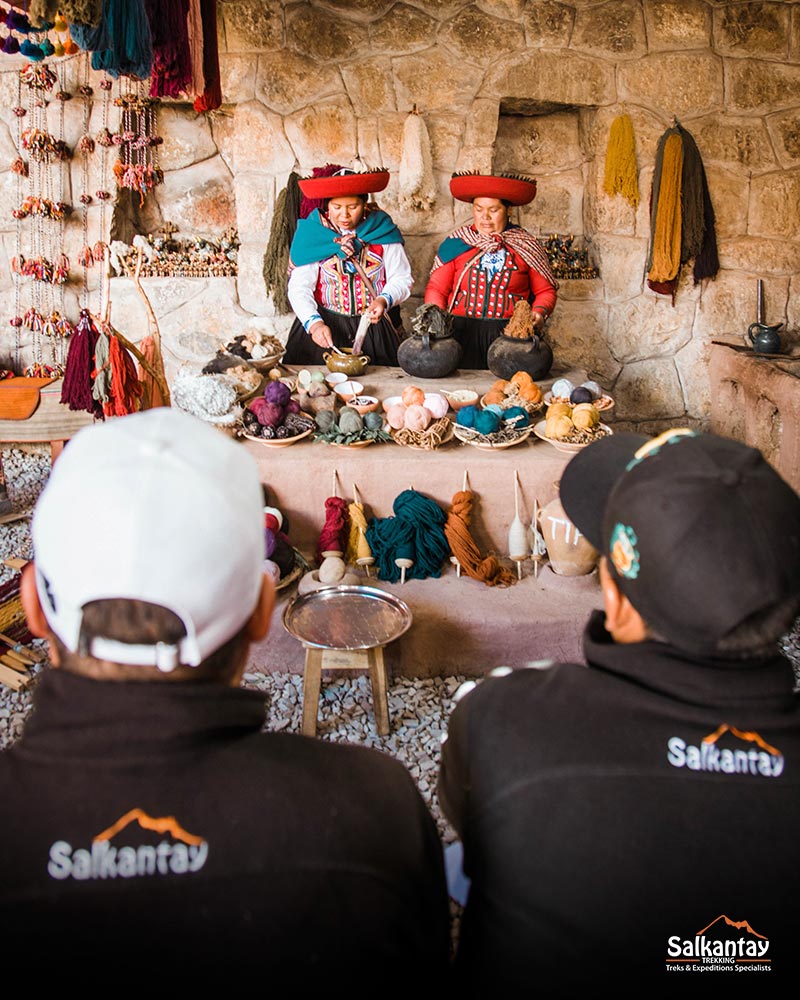
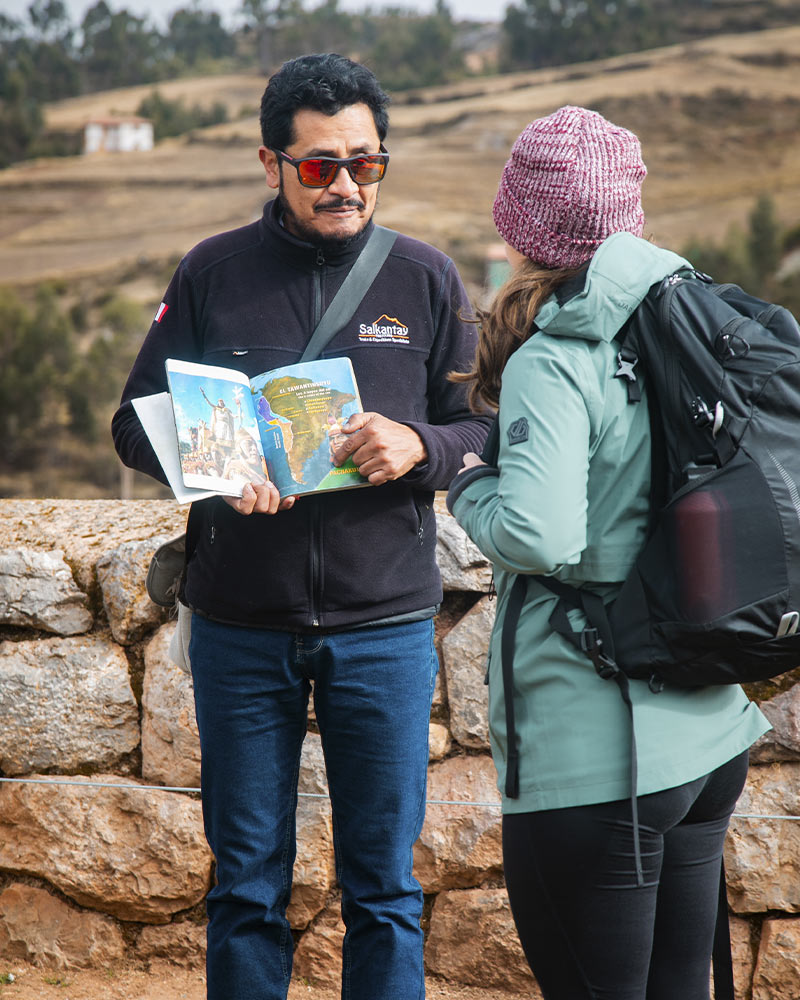
This place isn’t talked about as much, but Chinchero offers beautiful mountain views and traditional weaving demonstrations that are fascinating to see.
It’s a great place to learn about local culture before heading deeper into the Andes and your Peruvian adventure.
You can see all of these spots and enjoy a delicious lunch in Urubamba on the full-day Sacred Valley tour.
Day 4: Begin the Salkantay Trek
The true adventure starts now.
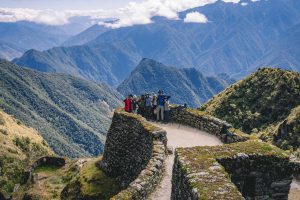
While many visitors choose the Classic Inca Trail, the Salkantay Trek is now one of Peru’s most popular hiking routes, and for good reason. The scenery is bigger, the crowds are smaller, and the landscapes change a lot throughout the journey.
Now, the classic route lasts 5 days, but to fit into your 10-day Peru itinerary, we’ve chosen the 4-day Salkantay Trek to give you more time around the trail.
What to Expect on Day One
The first day introduces trekkers to towering mountain scenery and high-altitude terrain.
You’ll gradually leave towns behind and enter a world of glaciers, valleys, and rugged Andean beauty.
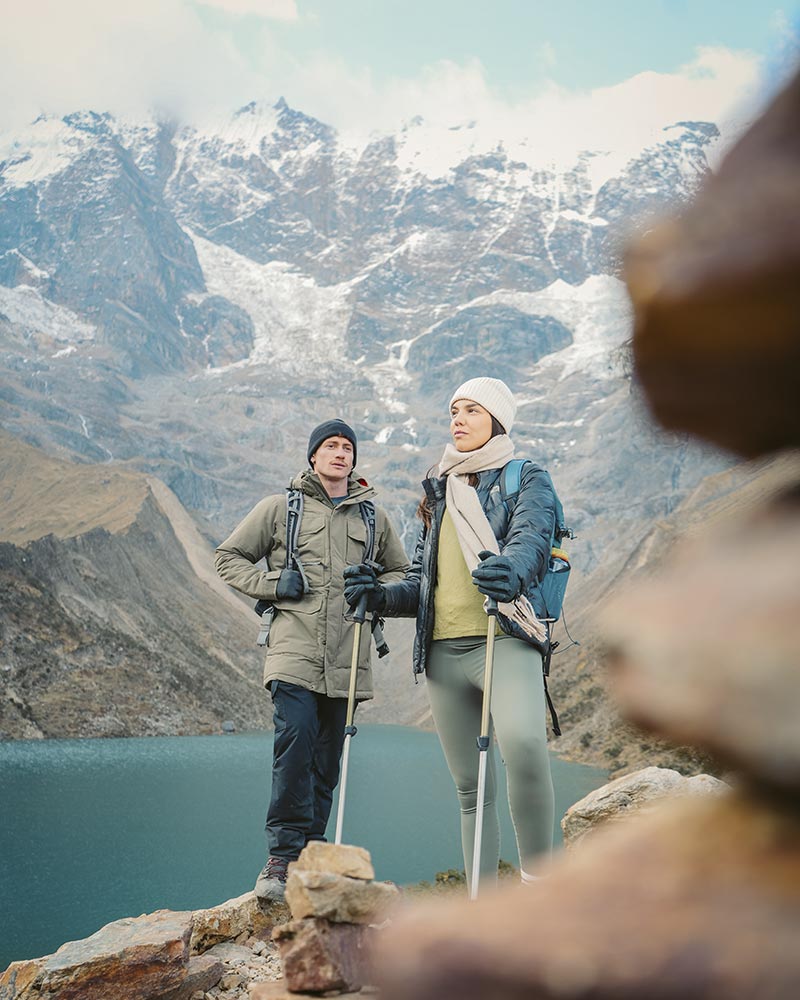
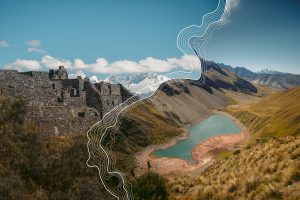
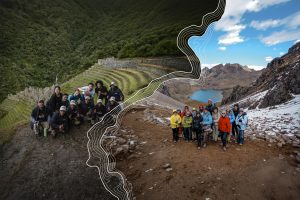
It’s a challenging day, but the rewards arrive almost immediately. In fact, this afternoon you’ll hike up to one of the most beautiful scenes of the region at Humantay Lake.
Highlights of the Route
- Snow-capped peaks
- Traditional mountain communities
- Stunning valley views
- First views of Salkantay Mountain
- Outstanding beauty of Humantay Lake
This is where Peru starts showing off big time.
Day 5: Cross Salkantay Pass
Today is what most people consider the most challenging and rewarding day of the trek.
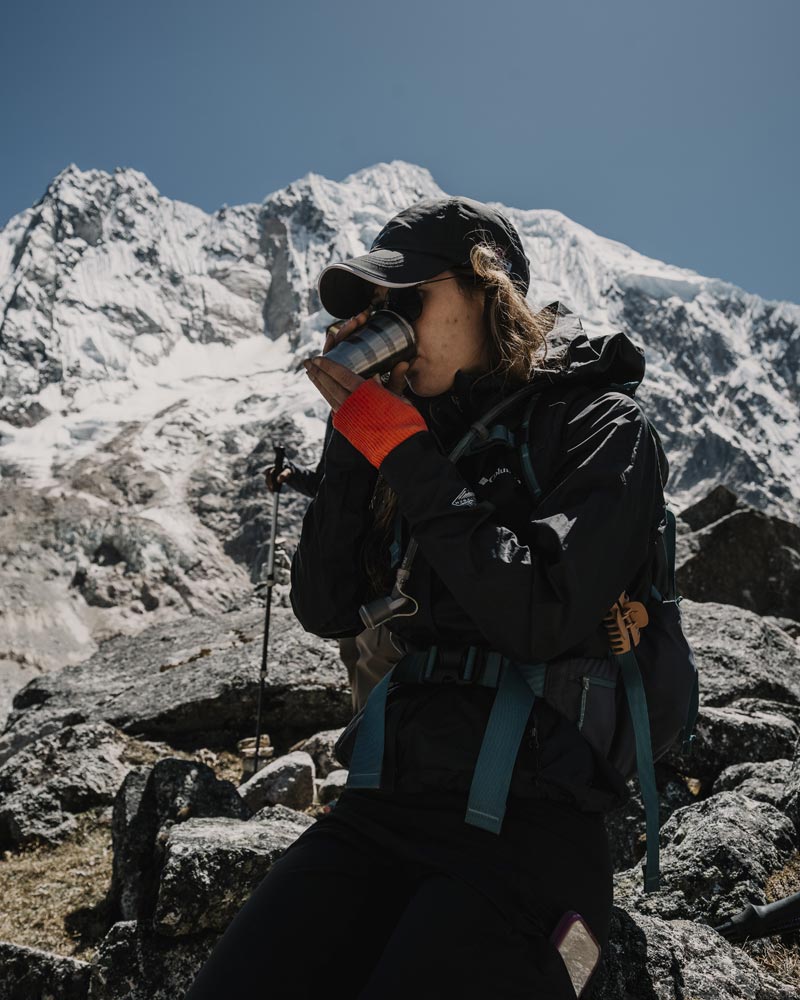
You’ll cross Salkantay Pass, the highest point of the route.
Trekking Conditions
Today you should expect cooler temperatures, thinner air, and steeper terrain.
The climb requires effort, but most trekkers find the pace manageable if they’ve acclimated properly.
This is exactly why spending time in Cusco beforehand is so important.
Salkantay Pass Highlights
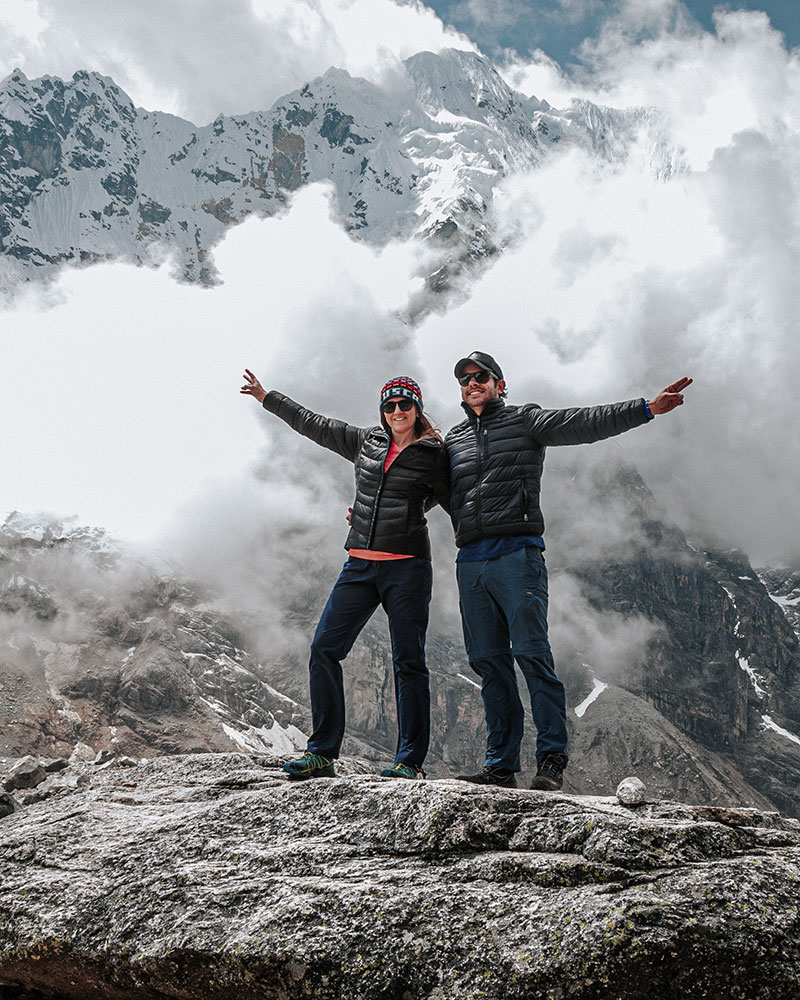
Reaching the pass feels like standing on top of the world.
At 15,190 feet (4,630 meters), you’ll enjoy incredible views of glaciers, peaks, and some of the most dramatic mountain scenery in all of Peru.
This is usually one of the highlights of many people’s entire trip.
Day 6: Descend Into the Cloud Forest
One of the most fascinating aspects of the Salkantay Trek is how quickly the landscapes change.
Today you’ll descend from cool, alpine environments into warmer, greener terrain.
Landscapes Along the Route
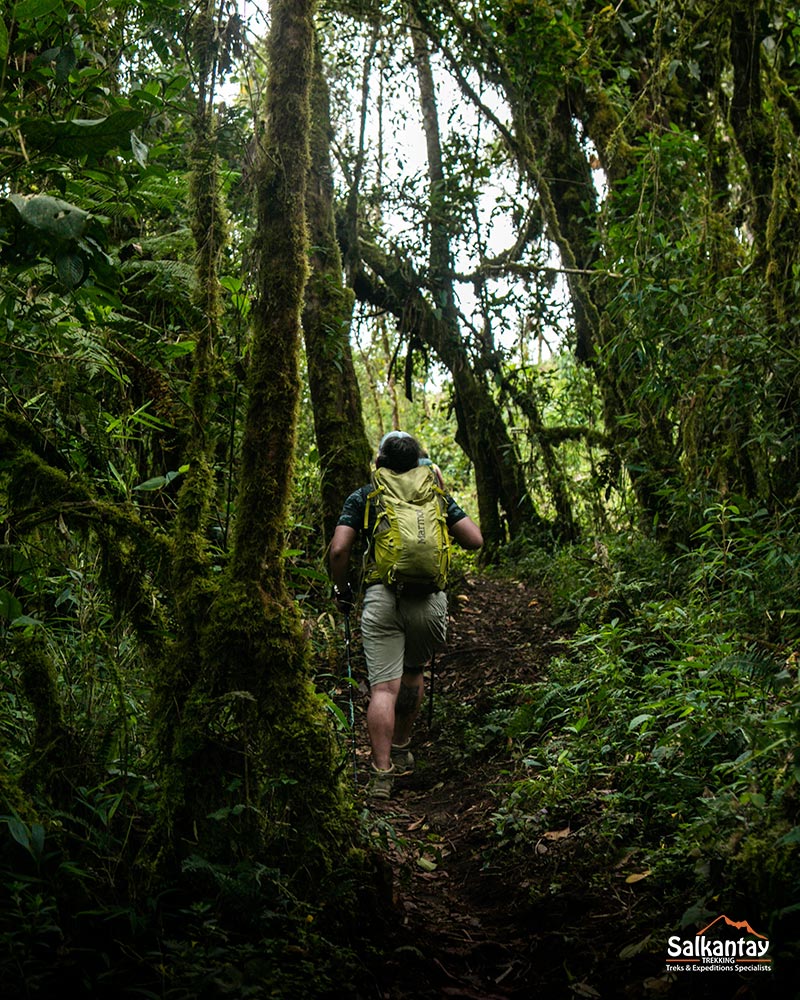
The scenery changes as you descend in altitude, from rocky mountain terrain to lush cloud forests.
You’ll notice a difference in the vegetation, wildlife, and overall atmosphere compared to previous days.
You might feel like you’re hiking through multiple countries in just a few days.
Coffee Farms and Jungle Scenery
As temperatures rise, you’ll begin passing coffee-growing regions and subtropical vegetation, where you’ll also get to learn more about the coffee-making process and brew your very own cup.
Many travelers are surprised by how green this section of the trek becomes, but see it as a welcome contrast after the harsher mountain landscapes higher up.
This afternoon, you’ll walk alongside the railroad to Aguas Calientes, the town that sits at the base of Machu Picchu. If you weren’t excited to see it already, you definitely will be by now.

Day 7: Visit Machu Picchu
The moment you’ve been waiting for.
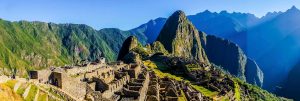
After days of trekking through amazing landscapes, you’ll finally reach one of the world’s most famous archaeological sites.
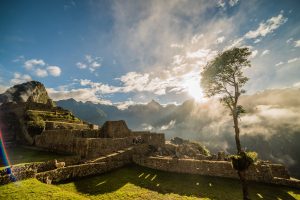
And somehow, despite all the photos you’ve already seen, it still manages to exceed expectations. There’s a certain atmosphere that’s indescribable in an image.
Machu Picchu Highlights
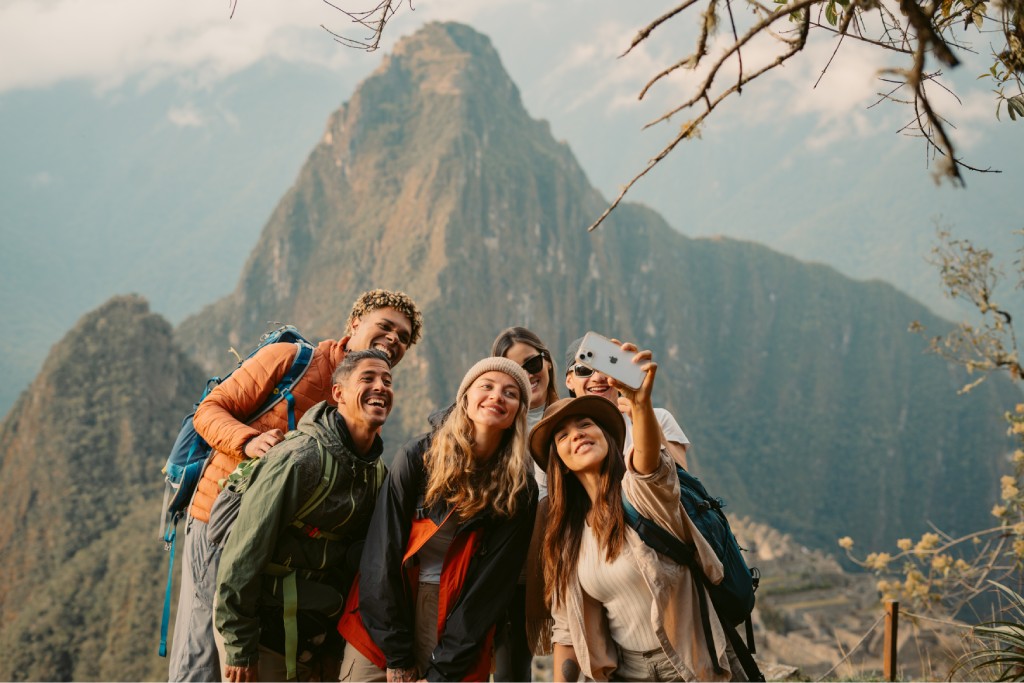
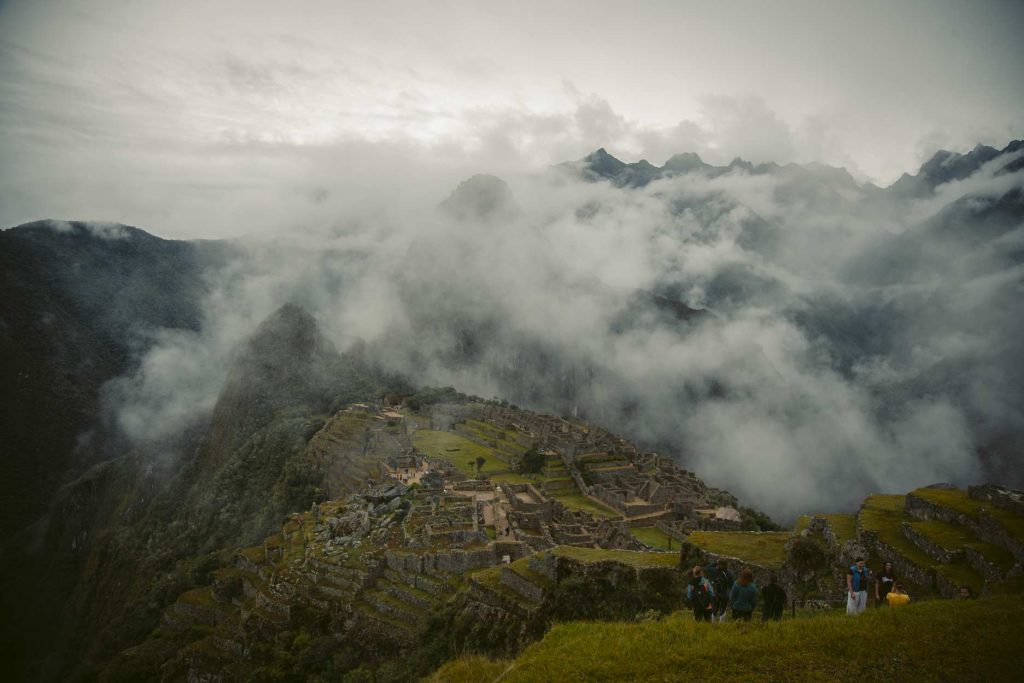
The scale, location, and preservation of Machu Picchu are super impressive.
It’s hard to believe how Inca engineers built such an extraordinary city in harmony with steep mountain slopes, terraces, and cloud forest landscapes.
Inside, you can take time to explore the terraces, temples, ceremonial spaces, and viewpoints throughout the site.
If you’re short on time or prefer not to trek, consider the 2-day Machu Picchu option.
Important Visitor Tips
- Book entrance tickets well in advance
- Arrive early whenever possible
- Follow your designated circuit
- Bring water and sun protection
- Expect changing weather conditions
The best photos often come from simply slowing down and taking in the scenery rather than rushing around trying to capture every angle. We know it’s exciting, but taking it easy really pays off.
In the afternoon, you’ll travel back to Cusco by train and car to unwind after an epic few days of adventure.
Day 8: Explore Cusco
Today is your opportunity to revisit favorite spots or discover parts of the city you missed earlier.
Best Things to Do in Cusco
There’s so much to see in the historic center, from walking around the plazas to entering churches and cathedrals.
Qorikancha is another great spot to visit, as it was once one of the most important temples in the Inca Empire.
Walk through the San Blas neighborhood and browse artisan shops for gifts and souvenirs, or simply sit in a plaza with a coffee and enjoy watching city life unfold.
After several days of hiking, nobody will judge you for choosing the coffee option.
Food and Culture Experiences
Cusco’s food scene is always improving, and you’ll find a huge variety of gourmet restaurants and local, more budget-friendly places to eat.
We recommend you try local specialties such as alpaca, lomo saltado, or trout from nearby lakes.
Cooking classes and cultural experiences are also great ways to learn more about Peruvian traditions and take what you learned home to share with friends and family.
Day 9: Rainbow Mountain or Ausangate 7 Lakes Hike
For your final adventure day, choose between two of Peru’s most spectacular high-altitude landscapes.
Both offer incredible mountain scenery, colorful terrain, and a chance to experience the Andes beyond the classic tourist route.
Rainbow Mountain
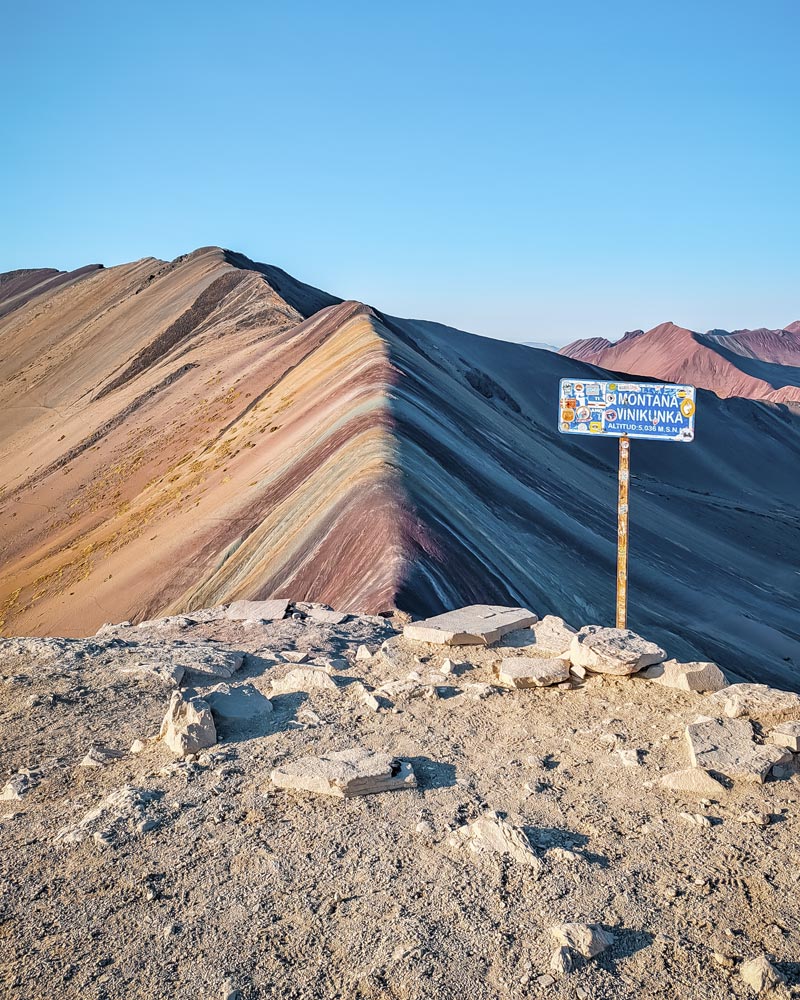
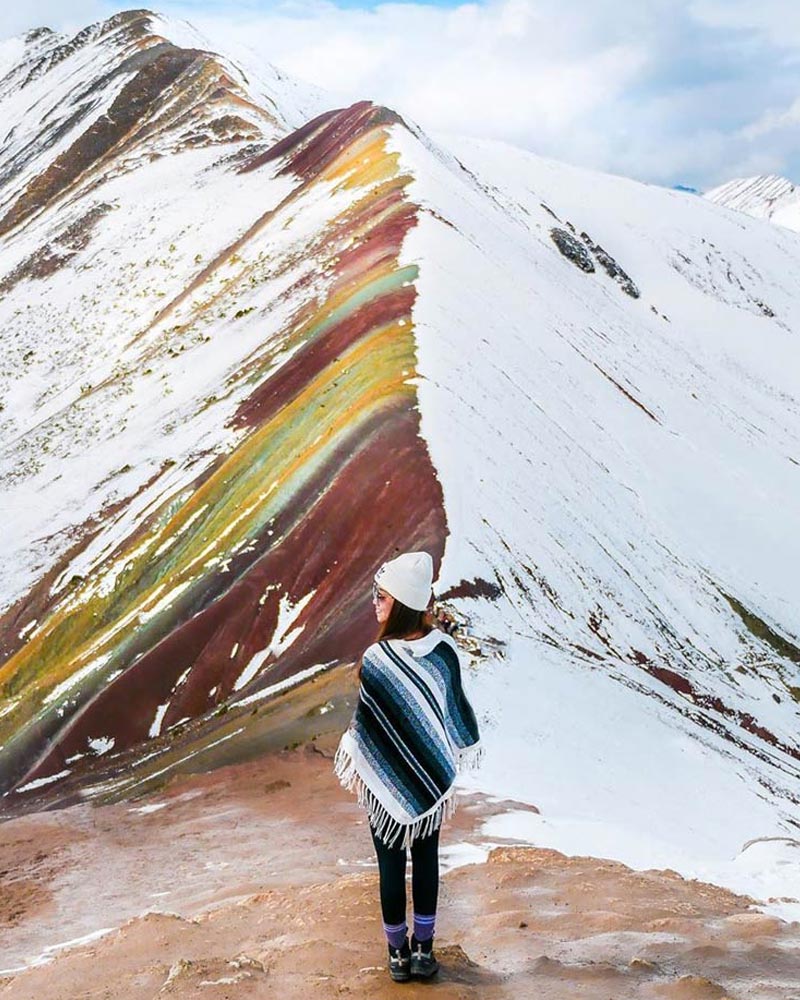
Rainbow Mountain has become one of Peru’s most famous sights.
Its colorful mineral-striped slopes look almost unreal. It’s a little like Mother Nature went crazy with a paintbrush.
The hike is challenging because of the altitude, but the views are seriously unforgettable. And if time allows, you can also pay a visit to the Red Valley, which feels almost as though you’ve stepped foot on Mars.
Ausangate 7 Lakes Hike
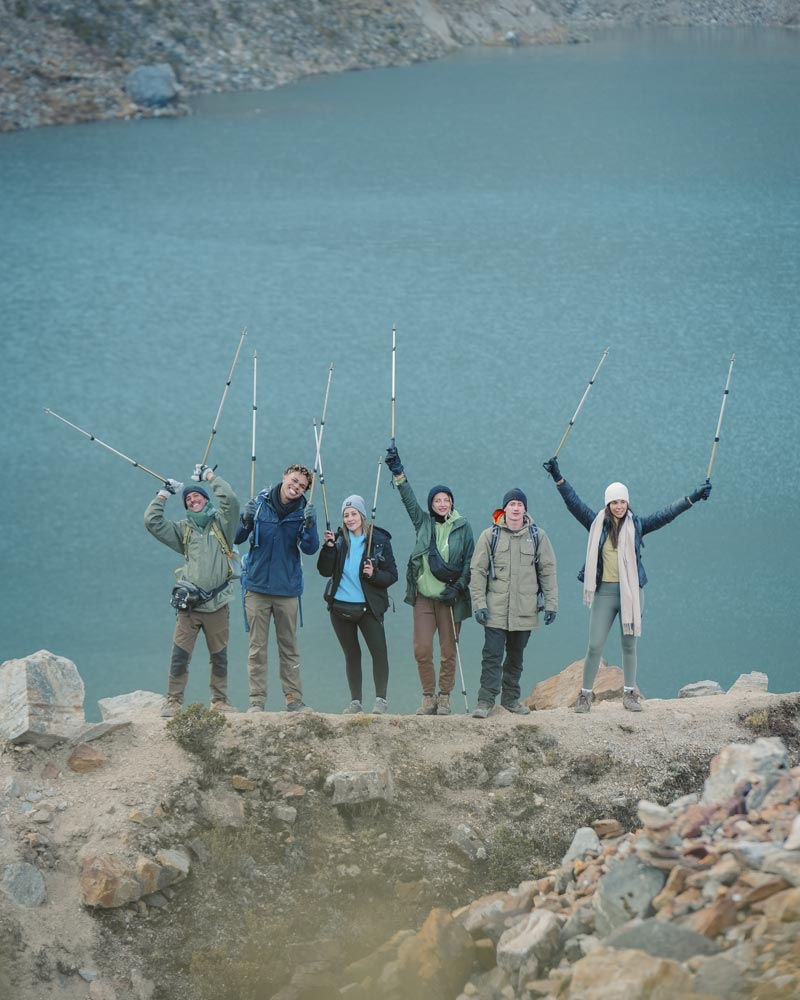
If you’re looking for something a little less crowded and arguably more rewarding, the Ausangate 7 Lakes Hike is an excellent alternative.
Located near the towering Ausangate Mountain, this route takes you past a series of stunning glacial lakes, each with its own shade of turquoise, emerald, or deep blue. Along the way, you’ll come across snow-capped peaks, grazing alpacas, and some of the most dramatic mountain scenery in Peru.
Which Day Trip Is Best?
Choose Rainbow Mountain if:
- You want Peru’s most famous day hike
- Unique geological landscapes appeal to you
- You don’t mind larger crowds
Choose Ausangate 7 Lakes if:
- You prefer fewer tourists
- You love alpine scenery and glacial lakes
- You want a more off-the-beaten-path adventure
Truthfully, there’s no wrong choice here.
Day 10: Return to Lima and Go Home
Unfortunately, every great adventure eventually comes to an end, usually at an airport.
Fly back to Lima, grab any last-minute souvenirs, enjoy one last taste of Peruvian cuisine, and prepare for your journey home.
By now, you’ve experienced bustling cities, ancient ruins, mountain passes, cloud forests, and one of the world’s most iconic destinations.
Not bad for a 10-day trip to Peru, right?
Best Time to Visit Peru
One of the biggest questions travelers ask when planning a Peru trip itinerary is when they should actually go.
There’s no straightforward answer, and it depends on what you want to do, but if hiking, trekking, and Machu Picchu are high on your list, timing can make a huge difference.
For a detailed seasonal breakdown, check out our guide to the best time to visit Peru.
Peru’s Dry Season
The dry season runs roughly from May to October.
This is generally considered the best time to visit Peru for trekking and outdoor adventures.
Why? You can expect sunny days, clear mountain views, and ideal hiking conditions.
The trade-off? More visitors.
Peru’s Shoulder Season
April and October sit comfortably on the edges of peak and rainy seasons.
Many experienced travelers consider these the sweet spots because you’ll usually enjoy good weather, fewer crowds, and slightly lower prices.
And that’s certainly not a bad combination.
Peru’s Rainy Season
The rainy season typically runs from November to April.
As the name suggests, rainfall increases significantly, particularly in the Andes.
That doesn’t mean you should avoid Peru entirely, though. The landscapes become greener, crowds go down, and prices can be lower.
You just need to pack your rain gear.
What Is the Best Month to Go to Peru?
If you’re looking for the best month to visit Peru, June is hard to beat.
The weather is generally dry, mountain views are excellent, and trekking conditions are at their best. There are also many festivities in Cusco that you don’t see at other times of the year.
However, May, July, August, September, and October are also excellent months.
The truth is that there isn’t one perfect answer. The best months to go to Peru depend on your priorities, budget, and tolerance for large crowds.
When to Avoid Machu Picchu
If avoiding crowds is your goal, try not to visit during peak holiday periods, especially June through August.
February can also be challenging due to heavier rainfall, and the Classic Inca Trail is closed for the entire month for maintenance. Tour operators often won’t run other routes at this time of year either due to increased risk.
The busiest times generally combine school vacations, holidays, and ideal weather.
If flexibility is on your side, April, May, September, and October often offer the best balance between conditions and crowd levels.
How Many Days Do You Need in Peru?
One of the most common questions travelers ask is whether they have enough time. Peru is a surprisingly large country, and trying to cram everything into one trip is a bit like ordering every item on a restaurant menu because it all sounds good. Tempting? Yes. Practical? Not really.
The good news is that with careful planning, a Peru itinerary 10 days long gives you enough time to experience the best of what the country has to offer without turning your vacation into an ongoing sprint.
Is 10 Days Enough for Peru?
Yes, absolutely.
Ten days gives you enough time to visit Lima, explore Cusco, discover the Sacred Valley, hike to Machu Picchu, and squeeze in another unforgettable adventure such as Rainbow Mountain or Humantay Lake.
What you won’t have time for is everything else. Peru has deserts, beaches, jungles, canyons, colonial cities, and mountain regions spread across a huge area.
Instead of trying to see the entire country, this travel itinerary for Peru focuses on the destinations that consistently rank among travelers’ favorites. That doesn’t mean you can’t tailor it to the places you most want to see, if it’s different from what we have here.
Is 2 Weeks in Peru Too Much?
Not at all. In fact, two weeks is what many first-time travelers to the country consider the ideal length for a trip to Peru.
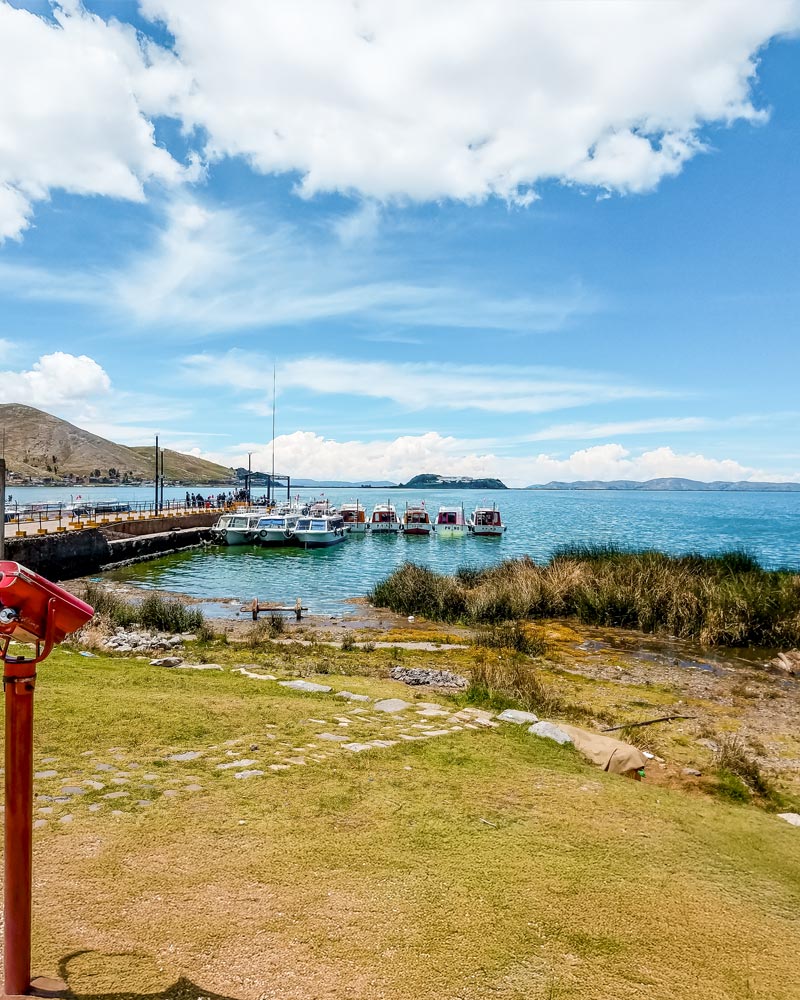
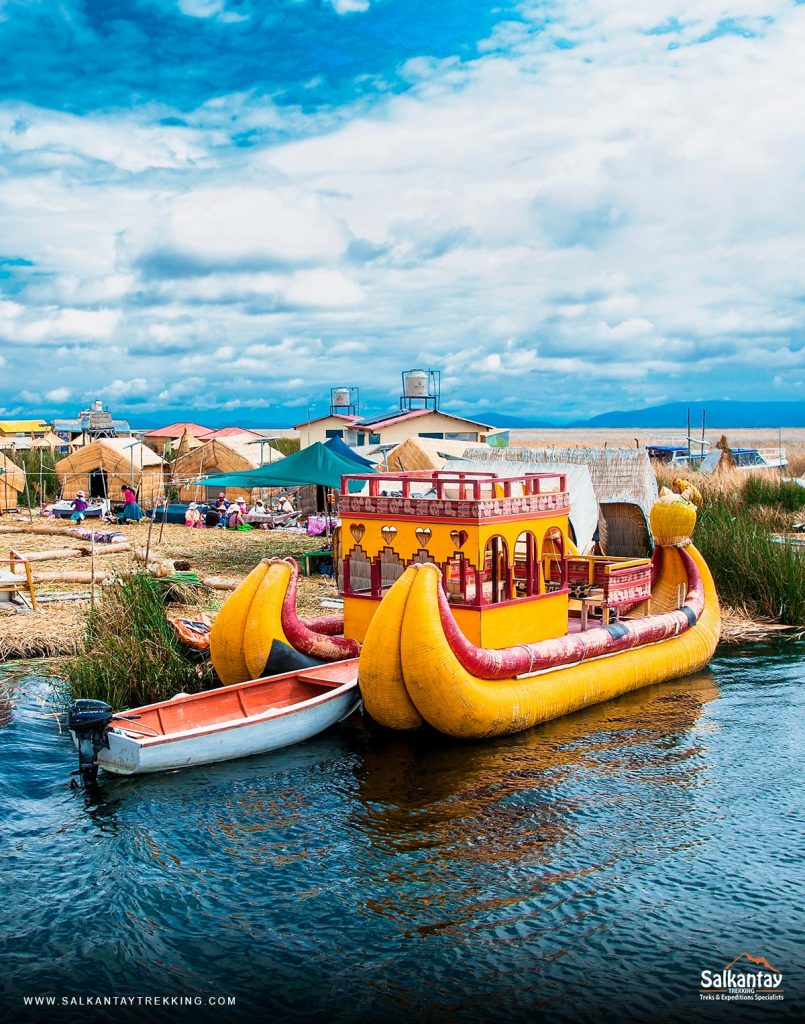
An extra four days means you can add on destinations like Arequipa, Lake Titicaca, or the Amazon Rainforest without rushing.
The challenge isn’t finding enough things to do. It’s deciding what to leave out.
One Week vs 10 Days vs 2 Weeks
If you only have one week, focus on Cusco, the Sacred Valley, and Machu Picchu.
With 10 days in Peru, you can comfortably add Lima, the 4-day Salkantay Trek, and another day trip.
In two weeks, you can begin exploring beyond the classic southern Peru route.
For most adventure travelers, however, this 10-day Peru itinerary hits the sweet spot between seeing a lot and actually enjoying it without feeling pressured by time.
How Much Does a 10-Day Trip to Peru Cost?
One of Peru’s biggest advantages is that it can work for almost every budget. Whether you’re a backpacker counting every dollar or a luxury traveler looking for boutique hotels and private guides, there are plenty of options in Peru.
Budget Traveler
Budget travelers can expect to spend roughly $30–$60 per day.
This typically includes:
- Hostel accommodation
- Local transportation
- Affordable restaurants
- Basic tours
You can often cover your budget Peru vacation itinerary for around $700–$1,200, excluding international flights.
Mid-Range Traveler
Most visitors fall into this category.
Expect daily costs of approximately $80–$180 per person, including:
- Comfortable hotels
- Domestic flights
- Guided excursions
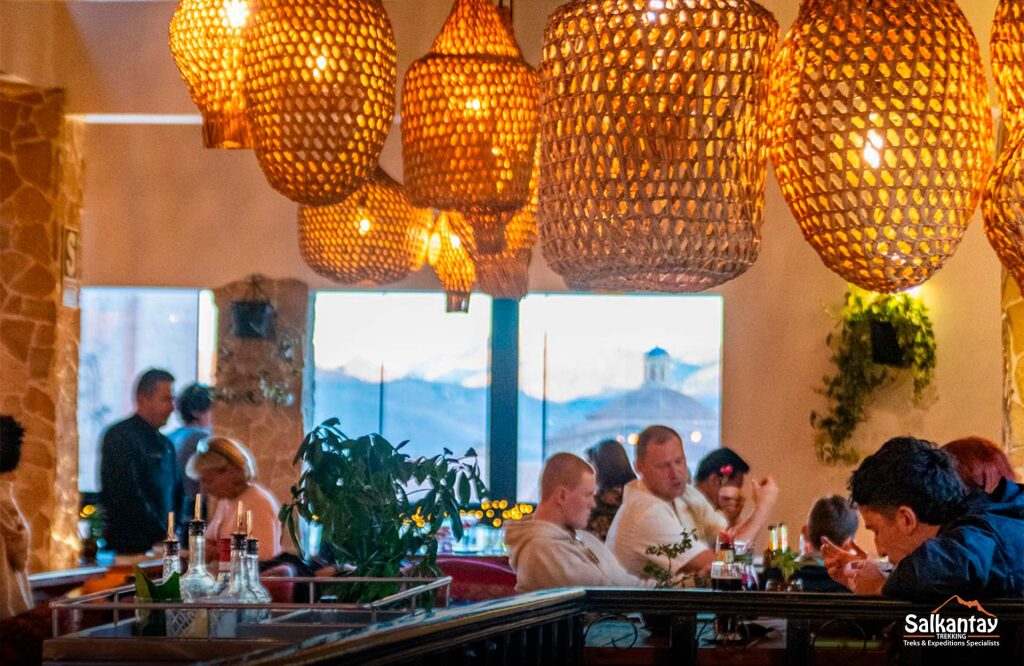
- Quality restaurants
A realistic budget for a mid-range Peru trip itinerary is usually between $1,500 and $3,000.
Luxury Traveler
Luxury travel in Peru can range from $250 per day to well over $1,000 per day.
Think:
- Boutique hotels
- Luxury lodges
- Private transfers
- Fine dining experiences
- Premium guided tours
Costs can rise significantly depending on hotel category, private services, and premium experiences.
Where to Stay During This Peru Itinerary
Accommodation can have a huge impact on your experience. Fortunately, Peru has everything from budget hostels to luxury mountain lodges.
Lima
Miraflores is usually the best choice for first-time visitors.
Here, you’ll get to enjoy:
- Ocean views
- Great restaurants
- Safe, walkable streets
- Easy access to attractions
Barranco is another top choice if you prefer a more artistic and laid-back atmosphere.
Cusco
The Historic Center is perfect if you want easy access to major attractions.
San Blas is ideal for travelers seeking quaint streets, artisan shops, and a slightly quieter vibe.
Just remember that “slightly uphill” in Cusco can feel very different at altitude, and staying in San Blas could mean you’re walking up many hills.
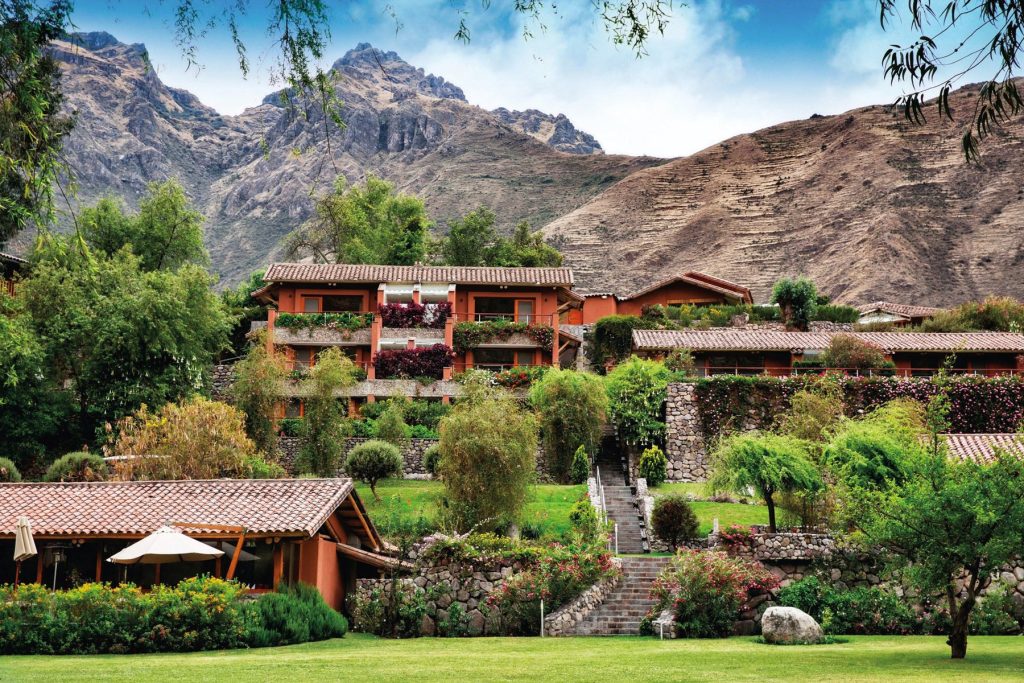
Sacred Valley
Ollantaytambo makes an excellent base thanks to its beautiful setting and its convenience when traveling to or from Machu Picchu.
Urubamba is another popular option, with a peaceful atmosphere and mountains all around. There are many luxury hotels and spas out this way.
Along the Salkantay Trek
One of the highlights of choosing the Salkantay Trek is the variety of accommodation available along the route.
Depending on your route, this may include:
- Sky Camp
- Mountain Sky View
- Super Jungle Domes
- Sacred Jungle Lodge
Not every hiking trip includes sleeping beneath mountain peaks and waking up to glacier views.
Getting Around Peru
Peru is larger than many travelers expect. Thankfully, finding your way between major destinations is pretty straightforward.
Domestic Flights
Domestic flights are often the best option when covering long distances, especially if you’re short on time.
Popular routes include:
- Lima to Cusco
- Cusco to Lima
- Lima to Arequipa
Booking early can help you get better prices.
Buses
Peru has a massive long-distance bus network.
Comfort levels vary widely, but premium operators offer reclining seats and surprisingly comfortable overnight journeys.
They’re a great option if you’re traveling on a budget.
Trains
Trains are mainly used for reaching Machu Picchu.
The journey itself is part of the experience, passing through stunning mountain scenery and river valleys.

Private Transfers
Private transfers offer maximum flexibility and comfort.
They’re especially useful for exploring the Sacred Valley, where you can easily combine multiple stops into a single day. Going private instead of with a group means you can customize your day trips to suit your needs and stop for as long or as short a time as you want at any location.
Altitude Tips for Visiting Peru
Altitude catches many travelers off guard.
You don’t need to be climbing Everest to feel its effects. Simply arriving in Cusco can be enough.
The good news? Most visitors adjust just fine with a little patience and proper preparation.
Destinations by Elevation
Below are the approximate elevations of the places you’ll visit:
- Lima: 505 feet (154 m)
- Sacred Valley: 12,303 feet (3,750 m)
- Cusco: 11,155 feet (3,400 m)
- Machu Picchu: 7,972 feet (2,430 m)
- Humantay Lake: 13,780 feet (4,200 m)
- Rainbow Mountain: 16,732 feet (5,100 m)
How to Prevent Altitude Sickness
The best approach is simple:
- Stay hydrated
- Avoid overexertion
- Eat light meals
- Sleep well
- Allow time to acclimatize
If you’re especially worried about how you might feel, you can speak to a doctor back home about medication to lessen any negative effects.

Signs You Need More Acclimatization Time
Common symptoms that indicate you need to take things easy include:
- Headaches
- Fatigue
- Shortness of breath
- Dizziness
- Difficulty sleeping
If symptoms persist or worsen, take a rest day and seek medical advice if necessary.
Fortunately, most travelers feel significantly better after a day or two.
What to Pack for a 10-Day Peru Itinerary
Packing for Peru can be tricky because you’re likely to encounter several climates in a single trip.
One day, you’re in a city. The next, you’re hiking beside glaciers. A few days later, you’re walking through a cloud forest and jungle.
Layers are your friend.
Essential Clothing
Bring:
- Moisture-wicking shirts
- Hiking pants
- Warm fleece
- Waterproof jacket
- Comfortable walking shoes that you’ve broken in
- Sun hat and sunscreen SPF 50+
The weather can change quickly, especially in the mountains, so you want to be able to take layers off and put them on easily.
Trekking Equipment
For hikers tackling the Salkantay Trek, consider adding:
- Daypack
- Trekking poles
- Headlamp
- Reusable water bottle
You’ll thank yourself later.
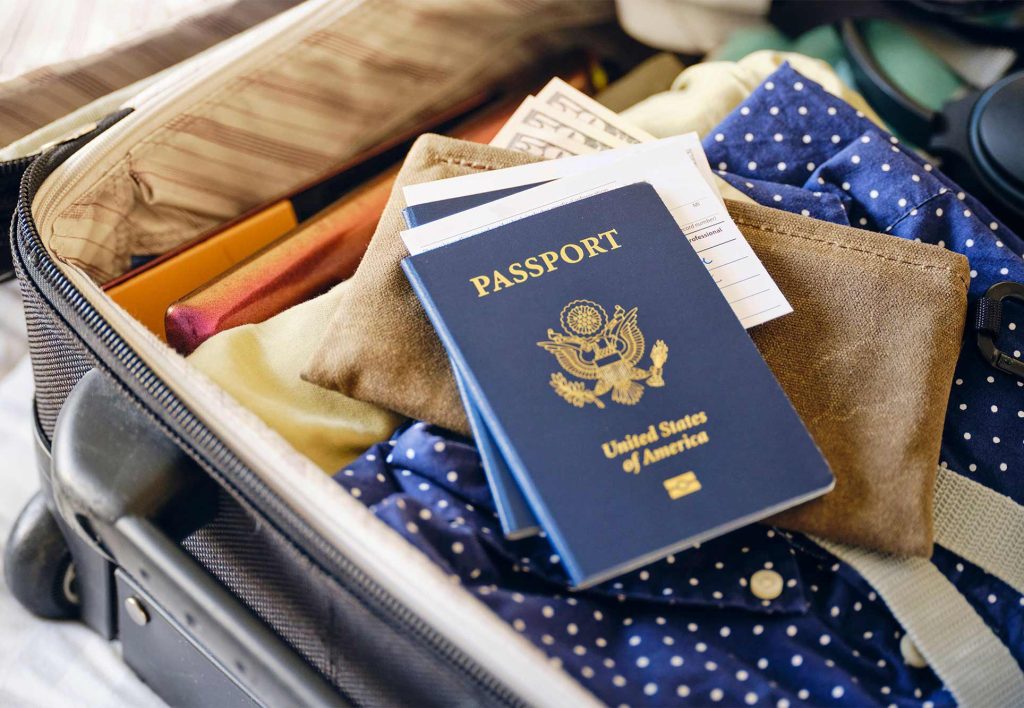
Travel Documents and Essentials
Don’t forget:
- Passport
- Travel insurance
- Credit cards
- Cash for small purchases
- Power bank
- Copies of important documents
The exciting parts of travel tend to go much more smoothly when you’ve remembered your passport.
Alternative Peru Itineraries
Not every traveler has the same priorities. If you’re looking for a different experience from the 10-day suggestion above, here are a few alternatives.
Peru Itinerary for First-Time Visitors
If Machu Picchu is your primary goal, focus on:
- Lima
- Cusco
- Sacred Valley
- Machu Picchu
It’s simple, efficient, and packed with highlights.
Peru Itinerary With the Inca Trail
The Inca Trail remains one of the world’s most famous hikes.
Unlike the Salkantay Trek, it follows original Inca pathways and enters Machu Picchu through the Sun Gate.
Permits are limited and often sell out months in advance, but if you manage to secure a spot, you can replace the Salkantay 4-day option above with this trek.
Peru Itinerary Including the Amazon
Have extra time?
Add:
- Puerto Maldonado
- Tambopata National Reserve
- Amazon lodges and cruises
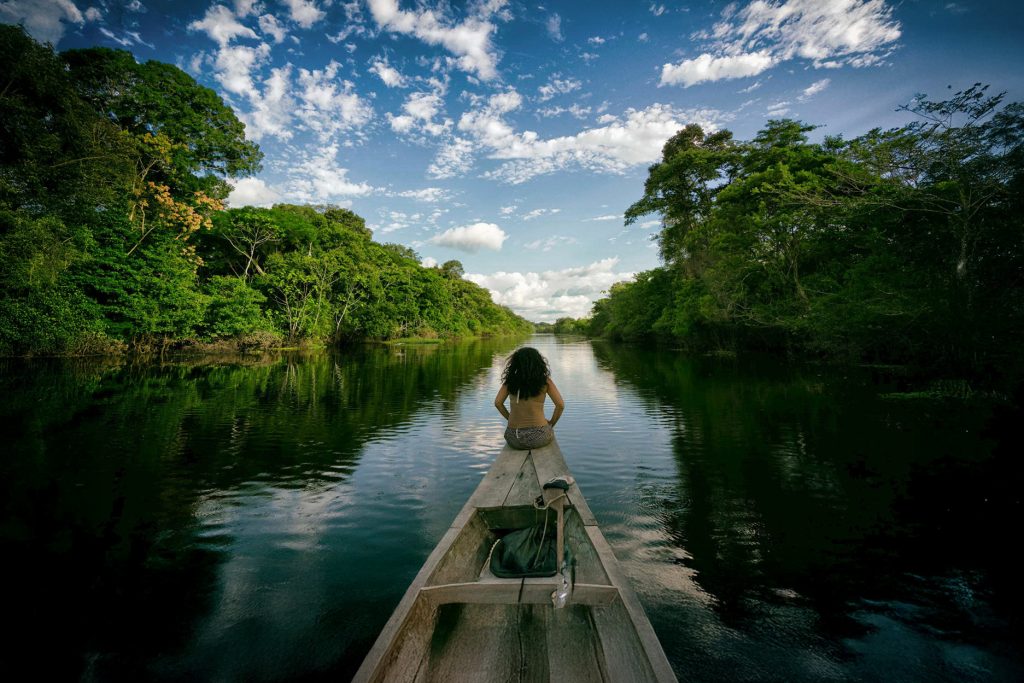
You’ll swap mountain views for monkeys, macaws, and rainforest adventures. Alternatively, you can head to the Amazon after Lima and make it your main adventure.
Peru Itinerary Focused on Hiking
For serious outdoor enthusiasts, consider combining:
- Salkantay Trek
- Humantay Lake
- Rainbow Mountain
Few countries offer this much mountain scenery in such a short distance.
Frequently Asked Questions About Visiting Peru
Before finalizing your Peru travel plans, here are answers to some of the questions travelers ask most often.
Most travelers should aim for at least 10–14 days.
This gives you enough time to explore southern Peru without feeling rushed.
If you only have one week, focus on Cusco, the Sacred Valley, and Machu Picchu.
June is what most people would say is the best month to visit Peru, thanks to dry weather and excellent hiking conditions.
However, April, May, September, and October are also fantastic choices.
Not even close.
Two weeks allow you to explore more destinations while maintaining a comfortable pace.
Many travelers finish their first visit already planning a second one. The longer the better in such a diverse country.
If possible, avoid peak crowds during July and August.
February can also bring heavier rainfall.
For a quieter experience, aim for April, May, September, or October.
That depends on what you’re looking for.
The Inca Trail offers historic significance and the famous Sun Gate entrance.
The Salkantay Trek delivers more diverse scenery, higher mountain passes, fewer crowds, and often greater value.
Many adventure travelers would argue that Salkantay has the edge. Plus, it’s already known as the best alternative to the Classic Inca Trail.
Generally, yes.
Millions of travelers visit Peru every year without problems.
Like anywhere else:
.- Stay aware of your surroundings
.- Avoid displaying valuables
.- Use reputable transportation
.- Follow local advice
A little common sense goes a long way.
Time to Plan Your Trip
Peru is one of those destinations that somehow manages to exceed expectations. The photos look incredible, the stories sound impressive, and then you arrive and realize it might actually be better than everyone said it would be.
From wandering the streets of Cusco to exploring the Sacred Valley, crossing mountain passes on the Salkantay Trek, and finally standing before Machu Picchu, this Peru itinerary gives you an adventure that combines culture, history, landscapes, and unforgettable experiences.
Now comes the hard part: booking the flights, choosing your dates, and trying not to spend the next few weeks obsessively looking at photos of Machu Picchu.
Trust us, it happens to the best of us.

Leave A Reply