
Traveling to Peru with pets is entirely possible, but it requires careful planning—especially if your itinerary includes destinations like Cusco or Machu Picchu. Between health requirements, entry regulations, and conditions such as altitude, it’s normal for many questions to come up.
In this updated guide, we explain step by step everything you need to know—from mandatory documents to how to manage your pet’s adaptation to high altitude, what to expect upon arrival in the country, and most importantly, what to do if you plan to visit Machu Picchu, where pets are not allowed.
Table of contents
- What You Need to Know Before Traveling to Peru with Pets
- Entry Requirements for Pets Entering Peru (Official Guide)
- Vaccinations and Health Certificates Explained
- Airline Rules for Traveling with Pets to Peru
- Arrival in Peru: What Happens at the Airport?
- Traveling with Pets in Cusco: Altitude, Climate, and Safety
- Is Cusco Pet-Friendly? Hotels, Transportation, and Tips
- Can You Bring Pets to Machu Picchu?
- Frequently Asked Questions About Traveling to Peru with Pets
- Conclusion
What You Need to Know Before Traveling to Peru with Pets
Before planning your trip, it’s essential to understand that traveling to Peru with pets—especially to destinations like Cusco and Machu Picchu—requires compliance with specific regulations and careful consideration of various logistical factors that are not always obvious at first.
It’s not just about bringing your pet with you, but about ensuring four key aspects:
Travel well-being
International journeys can be long and stressful. Factors such as flight duration, temperature changes, and the type of transport (cabin or cargo hold) directly impact your pet’s experience.
Airlines typically require certified pet carriers (secure, ventilated crates or bags for transporting pets such as dogs or cats) and limit the number of animals per flight, so booking in advance is essential.
Compliance with health requirements
Peru requires mandatory documentation supervised by Servicio Nacional de Sanidad Agraria (SENASA), including an official veterinary certificate and a valid rabies vaccination.
These documents must be issued within a specific timeframe before travel (generally between 10 and 30 days), and any mistake may prevent your pet from entering the country.
Adaptation to the destination (especially at altitude)
If your itinerary includes Cusco or other Andean regions, you must consider the impact of altitude (3,400 meters above sea level / 11,155 feet). Pets can also experience effects such as fatigue or difficulty breathing, so a gradual acclimatization period is recommended, avoiding intense activity during the first days.
Restrictions in tourist destinations
Additionally, some iconic places such as Machu Picchu have strict regulations that do not allow pets, with no exceptions for visitors.
This makes it necessary to plan safe alternatives, such as pet care services in Cusco or adjusting your itinerary.
Key tip: Before traveling, always verify the most up-to-date information from official sources and with your airline. Regulations may change, and proper planning helps you avoid issues during your trip.
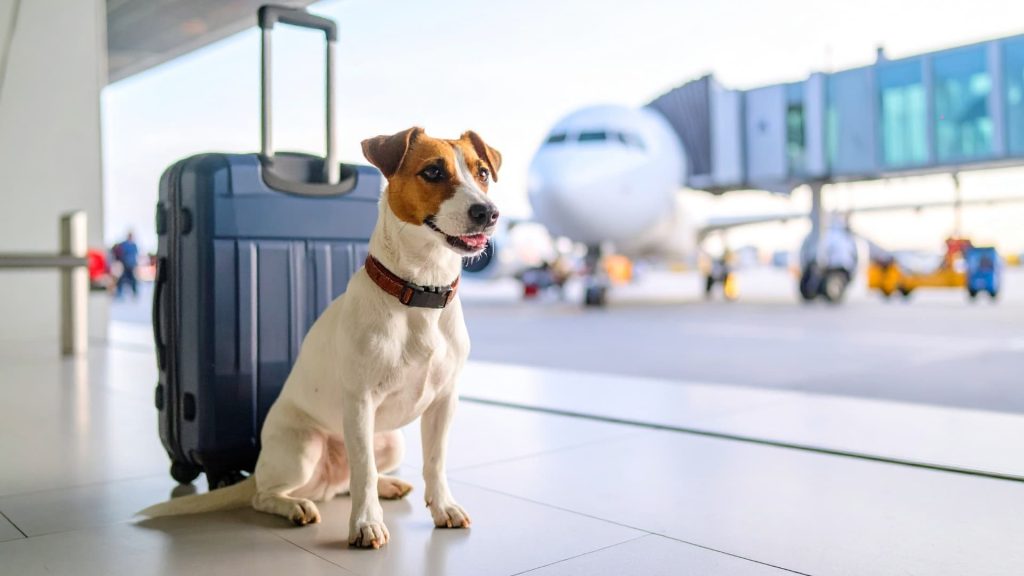
Entry Requirements for Pets Entering Peru (Official Guide)
One of the biggest sources of confusion when traveling with pets is the legal process for entering the country. Peru has strict sanitary regulations to prevent diseases and ensure animal safety.
The responsible authority is Servicio Nacional de Sanidad Agraria (SENASA), and all requirements must be met before your arrival.
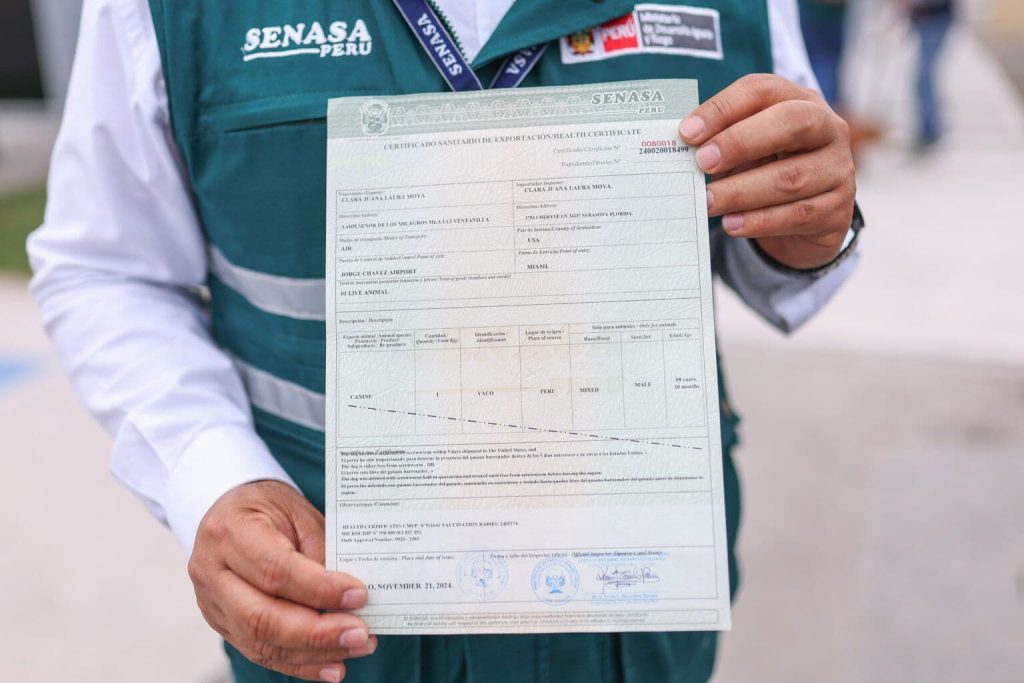
Mandatory documents
To enter Peru with your pet (dogs or cats), you must present:
- International veterinary health certificate
Issued by an authorized veterinarian, it must confirm that the animal is clinically healthy and fit for travel.
- Official health certificate from the country of origin
This document must be validated by the competent health authority (for example, the United States Department of Agriculture or its equivalent in other countries).
- Valid rabies vaccination
Mandatory in most cases. It must have been administered within the allowed timeframe (generally 30 days before travel).
Key conditions you must meet
- Documents must be officially signed and stamped
- The information must match your pet’s details exactly
- Incomplete or outdated documents are not accepted
Common mistake: bringing certificates without official validation or with incorrect dates.
Inspection upon arrival in Peru
Upon landing, your pet will be evaluated by SENASA personnel at the airport.
The process includes:
- Document review
- Visual inspection of the animal
- Payment of an administrative fee (may vary)
If everything is in order, entry is immediate.
What happens if you do not meet the requirements?
In case of inconsistencies or missing documentation, authorities may:
- Temporarily retain the animal
- Require quarantine
- Deny entry into the country
For this reason, prior preparation is essential.
Important: All documents must be issued within a specific timeframe before travel (generally 30 days), although this may vary depending on the country of origin. Always verify updated requirements directly with SENASA or your country’s health authority before traveling.
Vaccinations and Health Certificates Explained
To enter Peru, your pet must meet specific sanitary conditions that ensure it does not pose a risk to public health or other animals.
Mandatory vaccinations
- Rabies vaccine
This is the primary requirement. It must be valid at the time of travel and administered within the allowed period.
In most cases, it must have been given at least 30 days before entry if it is the first vaccination.
- Up-to-date boosters
Although not always mandatory, additional vaccines (such as distemper or parvovirus in dogs) are often recommended by veterinarians and may be required by some airlines.
Veterinary health certificate
This document is essential and must be issued by an authorized veterinarian.
It must confirm that your pet:
- Is in good health
- Shows no signs of infectious or contagious diseases
- Is fit to travel
This certificate typically has a short validity period (generally 7 to 10 days before travel).
Required content of the certificate
The document must include clear and verifiable information:
- Animal details (species, breed, age, sex, color)
- Microchip number (if applicable)
- Complete vaccination history
- Date of rabies vaccination
- Clinical evaluation signed by the veterinarian
- Official signature and stamp
In many countries, this certificate must be validated by a national health authority before travel.
Deworming (case-dependent)
Although not always a mandatory entry requirement, some authorities recommend:
- Recent internal and external deworming (in the days before travel)
This may be required by:
- Airlines
- Transit countries
- Additional sanitary protocols
Airline Rules for Traveling with Pets to Peru
Each airline has its own policies for transporting pets, but most follow international standards such as those established by the International Air Transport Association. Understanding these rules before purchasing your flight is key to avoiding problems.
Transport options
Cabin (in-cabin)
- Allowed for small pets (generally up to 7–8 kg including the carrier)
- They must travel inside an approved soft-sided carrier
- The carrier must fit under the seat
Ideal for small dogs or cats, as it reduces travel stress.
Cargo hold (checked cargo)
- For larger pets
- They travel in rigid, certified crates (IATA-compliant)
- The animal is transported in a pressurized and climate-controlled compartment
Although it is safe, it may cause more stress, so proper preparation of the pet is recommended.
Additional costs
Pet transport is not included in the ticket. Fees vary depending on:
- Weight
- Route
- Travel method (cabin or cargo hold)
The cost of bringing a pet to Peru varies significantly depending on the transport method and origin. Airline fees from the United States typically range between $125 and $350 USD (approximately 438 to 1,225 soles), depending on whether the pet travels in the cabin ($125–$200 USD per segment / 438–700 soles) or in the cargo hold ($250–$350 USD / 875–1,125 soles, variable by weight). In contrast, hiring an international pet relocation agency can increase the total cost to approximately $1,200 to $3,500 USD (4,200 to 12,250 soles).
These costs must be added to documentation and equipment expenses. Obtaining the health certificate or United States Department of Agriculture validation in the United States ranges between $88 and $150 USD (approximately 308 to 525 soles).
Once in Peru, the SENASA process costs approximately S/ 91.10 (around $25 USD). Additionally, the cost of the carrier or kennel (appropriately sized for each dog) must be included in your budget, ranging between $50 and $120 USD (175 to 420 soles) depending on size.
Carrier or crate requirements
Both in the cabin and in the cargo hold, airlines require:
- Adequate ventilation on at least three sides
- Sufficient size for the animal to stand, turn around, and lie down comfortably
- Waterproof base
- Secure locking system
For cargo transport, specifications are stricter and must comply with IATA regulations.
Key aspects to consider
- Temperature restrictions
Some airlines do not transport pets if temperatures at origin, layover, or destination exceed certain limits (extreme heat or cold).
- Limited space per flight
Airlines only allow a limited number of pets per flight, especially in the cabin.
- Routes and layovers
Not all flights accept pets, especially those with multiple connections.
Practical recommendations
- Reserve space for your pet in advance (this is not done automatically when purchasing your ticket)
- Avoid very long flights or those with multiple layovers
- Do not sedate your pet without a veterinary recommendation (many airlines discourage it)
- Check specific airline requirements (they can vary significantly)
- Always confirm conditions directly with the airline before purchasing your ticket. Policies change frequently and depend on aircraft type, route, and season.
Arrival in Peru: What Happens at the Airport?
Upon arriving in Peru, your pet must go through a mandatory sanitary inspection before leaving the airport. This process is supervised by personnel from the National Agricultural Health Service in Peru (SENASA) and is usually carried out in the international arrivals area.
What is the step-by-step process?
Once you land:
- Go to the SENASA sanitary control area
Usually located near customs or baggage claim. - Present all documentation
Staff will review veterinary certificates, vaccinations, and official validations. - Animal inspection
A visual evaluation is conducted to confirm that the pet:- Shows no signs of illness
- Matches the submitted documentation
- Payment of the administrative fee
An inspection fee may apply, approximately $15 to $30 USD (S/ 51.75 to S/ 100), depending on the airport and current regulations.
How long does it take?
If all documents are correct, the process is usually quick (20–45 minutes). During peak hours, it may take longer.
What happens if everything is in order?
- You receive the sanitary entry authorization
- You can continue your trip within the country without restrictions
No quarantine is required if all requirements are met.
What happens if there are problems with the documents?
If inconsistencies or missing requirements are detected, authorities may:
- Temporarily retain the animal until documentation is corrected
- Require sanitary quarantine in specific cases
- Deny entry into the country and order the return to the country of origin
These measures depend on the level of non-compliance.
Traveling with Pets in Cusco: Altitude, Climate, and Safety
This is one of the most important—and least explained—factors when traveling to Peru with pets.
Cusco is located at 3,400 meters above sea level (11,155 feet), which means lower oxygen availability. Just like people, animals can be affected by altitude changes, especially if they come from low-altitude areas.
How does altitude affect your pet?
Pets may experience symptoms similar to mild altitude sickness:
- Fatigue or reduced activity
- Loss of appetite
- Rapid or labored breathing
- Behavioral changes (more quiet or lethargic)
In most cases, these symptoms are temporary and improve with acclimatization.
Additional factors to consider
- Variable climate
In Cusco, you may experience intense sun during the day and cold temperatures at night.
- High solar radiation
UV exposure is stronger at high altitude, even on cloudy days.
- Uneven terrain
Cobblestone streets and sloped routes may require more physical effort.
Key recommendations for safe acclimatization
- Rest during the first 1–2 days
Avoid long walks or demanding excursions upon arrival.
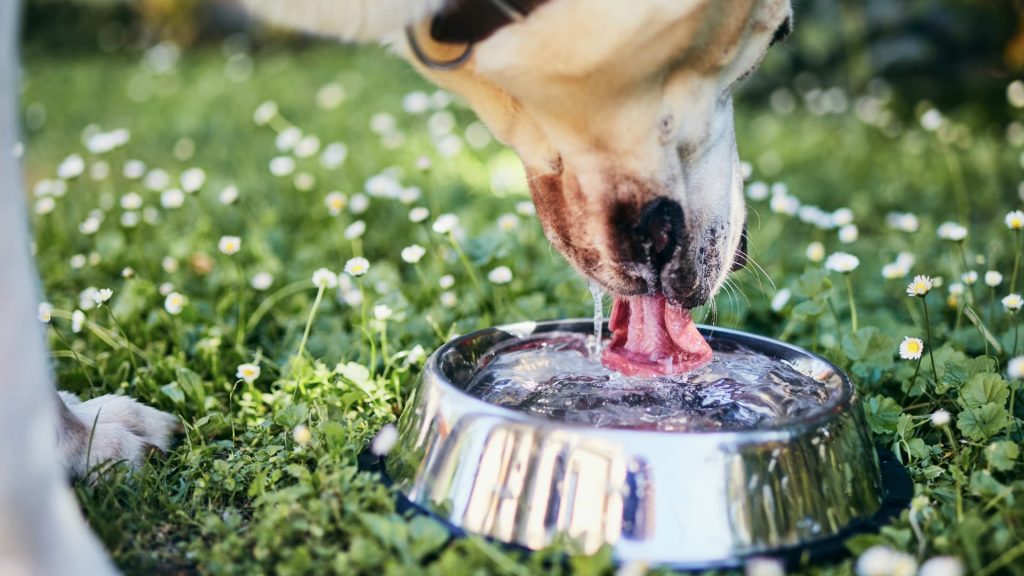
- Constant hydration
Make sure your pet always has access to water.
- Gradual activity
Increase exercise levels progressively.
- Monitor behavior
If you notice persistent or severe symptoms, consult a local veterinarian.
Important tip: Avoid taking your pet directly on treks or high-mountain routes without a prior acclimatization period. This is especially important if you plan to explore areas near the Sacred Valley.
Is Cusco Pet-Friendly? Hotels, Transportation, and Tips
Cusco is becoming increasingly pet-friendly, especially in tourist areas, but it still has limitations that you should consider when planning your trip.
What you will find
- Pet-friendly hotels (with conditions)
Some accommodations accept small or medium-sized pets, usually with specific rules (maximum weight, additional fee, or restricted areas). Advance notice before check-in is commonly required.
- Cafés and open spaces
Many cafés with terraces allow pets, especially in central and tourist areas.
- Parks and walking areas
Spaces such as plazas and open areas are suitable for walking your pet, always under supervision.
What may be limited
- Public transportation
It generally does not allow pets, except in specific cases or for small animals in carriers.
- Indoor restaurants
Most do not allow pets inside due to health regulations.
- Organized tours
Tour operators usually do not include pets for logistical and safety reasons.
What you should know before traveling
- Always confirm in advance
Contact hotels and services directly before booking.
- Choose accommodations with open spaces
They make it easier for your pet to adapt.
- Use private transportation
Taxis or private services tend to be more flexible than public transportation.
- Respect local regulations
Use a leash and maintain control of your pet in public spaces.
Can You Bring Pets to Machu Picchu?
No. Pets are not allowed in Machu Picchu. This is one of the most important restrictions to consider when planning your trip. Access is regulated by the Ministerio de Cultura del Perú, which enforces strict rules for site conservation.
Why are pets not allowed?
- Protection of archaeological heritage
Machu Picchu is a highly sensitive site. The presence of animals can affect structures and pathways. - Ecosystem conservation
The area is part of a protected natural environment, with delicate flora and fauna. - Official site regulations
Access is restricted exclusively to authorized visitors under controlled conditions.
There are no exceptions for tourists, even for small pets.
What to Do with Your Pet When Visiting Machu Picchu
This is where many travelers lack clear information. The key is to plan ahead.
Recommended options
1. Pet boarding services in Cusco
- Specialized services by the hour or day
- Supervised spaces with trained staff
Ideal if you plan to spend the entire day away. You can find boarding services, parks, and a wide range of dog-related services on the DogPack app, among other available platforms.
2. Pet sitters
- Personalized care at your accommodation or home
- Less stress for your pet
Recommended for short trips or sensitive pets. You can find pet sitters in Cusco on PetBacker.
3. Pet-friendly hotels
- Some accommodations offer additional support or connections with caregivers
- Makes logistics easier during your visit
Hotels with strong references for pet care include Hilton Garden Inn Cusco andAranwa Cusco Boutique Hotel.
Key recommendations
- Book these services in advance (especially during high season)
- Verify references and service conditions
- Leave clear instructions regarding feeding and care
This allows you to visit Machu Picchu without worries, knowing your pet is in a safe and controlled environment.
Pet-Friendly Alternatives in the Sacred Valley
If you prefer to always travel with your pet, consider exploring destinations such as the:
- Sacred Valley
- Short hikes (rural trails, paths between farms, and easy routes in areas such as Urubamba or Pisac)
- Outdoor cultural experiences (cafés with terraces, gardens, viewpoints, and natural spaces where pets are more accepted)
Many of these places offer greater flexibility and fewer restrictions.
If you are planning your trip, we recommend checking our complete Peru travel guide, where you will find updated advice on weather, destinations, and overall planning. It is the ideal complement to better understand the country and adapt your itinerary if you are traveling with your pet.
Frequently Asked Questions About Traveling to Peru with Pets
Can I travel to Peru with my dog?
Yes. You can enter Peru with your dog as long as you meet the health requirements: a valid rabies vaccination, an international veterinary certificate, and official validation from the country of origin. In addition, your pet will be inspected upon arrival by Servicio Nacional de Sanidad Agraria (SENASA).
Are pets allowed in Machu Picchu?
No. Pets are not allowed in Machu Picchu according to regulations from the Peruvian Ministry of Culture. There are no exceptions for tourists.
What documents do I need to enter Peru with my pet?
You must present:
- International veterinary certificate (issued 7–10 days before travel)
- Valid rabies vaccination
- Health certificate validated by the official authority of the country of origin
All documents will be verified upon entry by SENASA.
Is Peru a pet-friendly country?
Partially. In cities such as Lima or Cusco, there are more hotels, cafés, and open spaces that accept pets, but there are still limitations in transportation, restaurants, and tours. The experience largely depends on prior planning.
What is the most common pet in Peru?
Dogs are by far the most common pet in Peru, followed by cats. This is reflected in the availability of veterinary services, specialized stores, and adapted urban spaces.
Can I move to Peru with my pet?
Yes, it is possible. The process is similar to traveling, but with more planning: you must meet health requirements, coordinate international transport, and consider long-term adaptation (housing, veterinarians, environment). Many expatriates live in Peru with their pets without issues.
How are dogs treated in Peru?
In general, the treatment of pets has improved significantly in recent years, especially in urban areas. There are veterinary clinics, pet care services, and a growing culture of animal welfare, although there are still differences between regions.
Conclusion
Traveling to Peru with pets is entirely possible when planned carefully. Meeting the sanitary requirements established by SENASA, properly coordinating air transport, and preparing your pet for conditions such as altitude in Cusco will make the difference between a smooth trip and one full of complications.
It is also essential to understand destination limitations: iconic places such as Machu Picchu do not allow pets, so anticipating solutions (such as boarding services or pet sitters) is a key part of the planning process.
With the right information, you can design a balanced experience between adventure and well-being, exploring destinations such as the Sacred Valley in a safe, flexible, and responsible way.










Leave A Reply