If you’ve been researching hiking gear for Peru, chances are you’ve seen the phrase “layering system” thrown around a lot. Outdoor brands love it. Trekking blogs love it. Your overly enthusiastic hiking friend who owns six headlamps definitely loves it.
But what does it actually mean?
In simple terms, the layering system is the best way to stay comfortable while trekking in changing mountain weather. And trust us, Peru’s mountains love changing the weather. One minute you’re freezing at a windy pass, the next you’re peeling off a jacket layer because the sun suddenly decided to become aggressively tropical.
Whether you’re hiking the Salkantay Trek, tackling the Inca Trail, or heading to Rainbow Mountain for the day, understanding how to layer for hiking can seriously improve your experience on the trail.
Because nobody enjoys hiking at high altitude dressed like a sweaty burrito.
So, join us as we share what the layering system means, how to find the right balance, and exactly what to pack in your bags when you’re heading to a trek in Peru, or anywhere else for that matter.
Table of contents
- Why the Layering System Matters for Trekking in Peru
- What Is the Layering System?
- The Base Layer: Your Foundation for Comfort
- The Mid Layer: Keeping Heat In
- The Outer Layer: Protection Against Rain and Wind
- How to Layer for Hiking in Different Weather Conditions
- The Best Layering System for the Salkantay Trek
- Common Layering Mistakes Trekkers Make
- Accessories That Complete Your Layering System
- How to Pack Layers Without Overpacking
- Layering System Checklist for Trekking in Peru
- Final Tips for Staying Comfortable on the Trail
- Frequently Asked Questions About The Layering System
- Layer Up and Head Out There
Why the Layering System Matters for Trekking in Peru
Peru trekking isn’t just “cold weather hiking.” In fact, many hikes in Peru take you to much warmer climates, such as Colca Canyon near Arequipa and the Choquequirao route. Even the Inca Trail and Salkantay Trek take you into the cloud forest and high jungle, which are much warmer than the cold mountain passes.
Basically, the weather varies a great deal, depending on the altitude, season, and area of the trek.
What we can say is that the Andes like to keep things interesting. You can experience sunshine, wind, freezing temperatures, rain, and sunburn all in the same day. Sometimes all before lunch.
That’s why mountaineering layers matter so much here.
A proper clothing-layer setup helps regulate your body temperature without constantly stopping to unpack and rearrange your entire backpack every 30 minutes.
How Mountain Weather Changes Quickly on the Trail
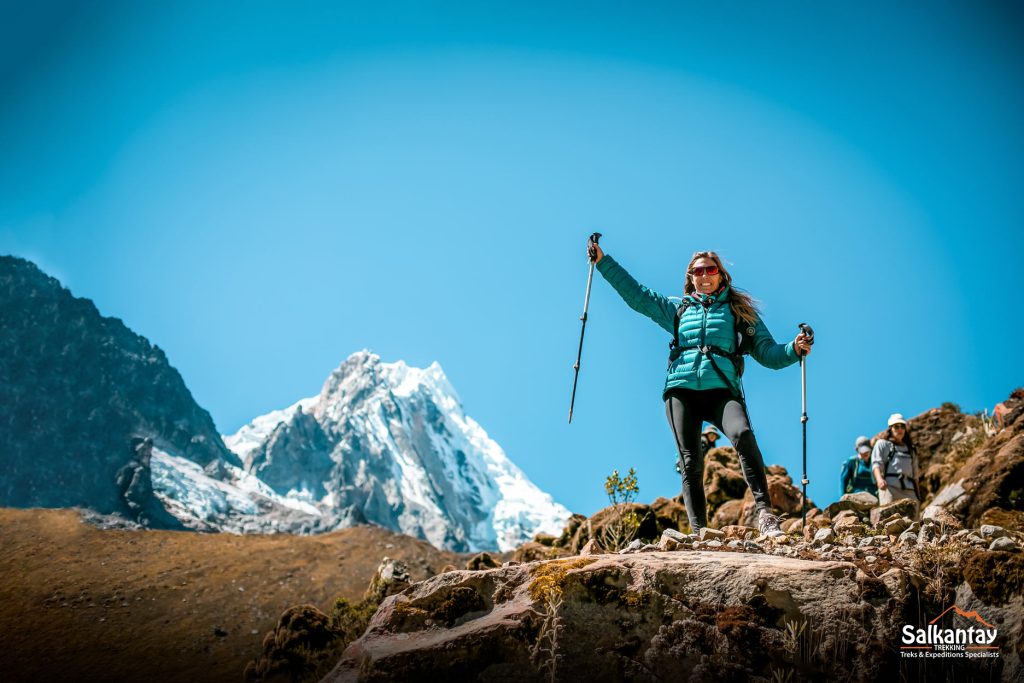
The weather in the Andes changes fast. Really fast.
You might start hiking before sunrise in freezing temperatures, wearing gloves, a beanie, and every emotional support layer you packed. By mid-morning, you’re hiking uphill in direct sun, wondering why you brought so many clothes in the first place.
Then the clouds roll in. Then the wind starts. Then it rains sideways.
Welcome to trekking in Peru.
If you’ve read anything about Peru weather, you already know mountain conditions can be wildly unpredictable depending on altitude and season.
Why Cotton Becomes a Problem at Altitude
Cotton is comfortable for approximately six minutes when trekking.
After that, it absorbs sweat, stays wet, traps the cold against your skin, and slowly becomes a major regret.
Cotton socks are a big no when trekking, as the wetness and inability to dry can cause blisters.
At high altitude, wet clothing becomes a much bigger issue because temperatures drop quickly, especially once the sun disappears. A sweaty cotton shirt at sea level is annoying. A sweaty cotton shirt at over 15,000 feet feels like a personal attack and can leave you extremely cold and uncomfortable for hours.
The Difference Between Staying Warm and Overheating
One of the biggest beginner mistakes in cold-weather layering is thinking that more layers automatically equals more comfort.
In reality, overheating is often the bigger problem.
If you sweat too much while hiking uphill, your clothes get damp. Once you stop moving or temperatures drop, you cool down fast. That’s why the best layer for hiking is usually one that balances warmth with breathability.
The goal isn’t to be permanently toasty. The goal is to stay dry and comfortable while adjusting as conditions change.
What Is the Layering System?
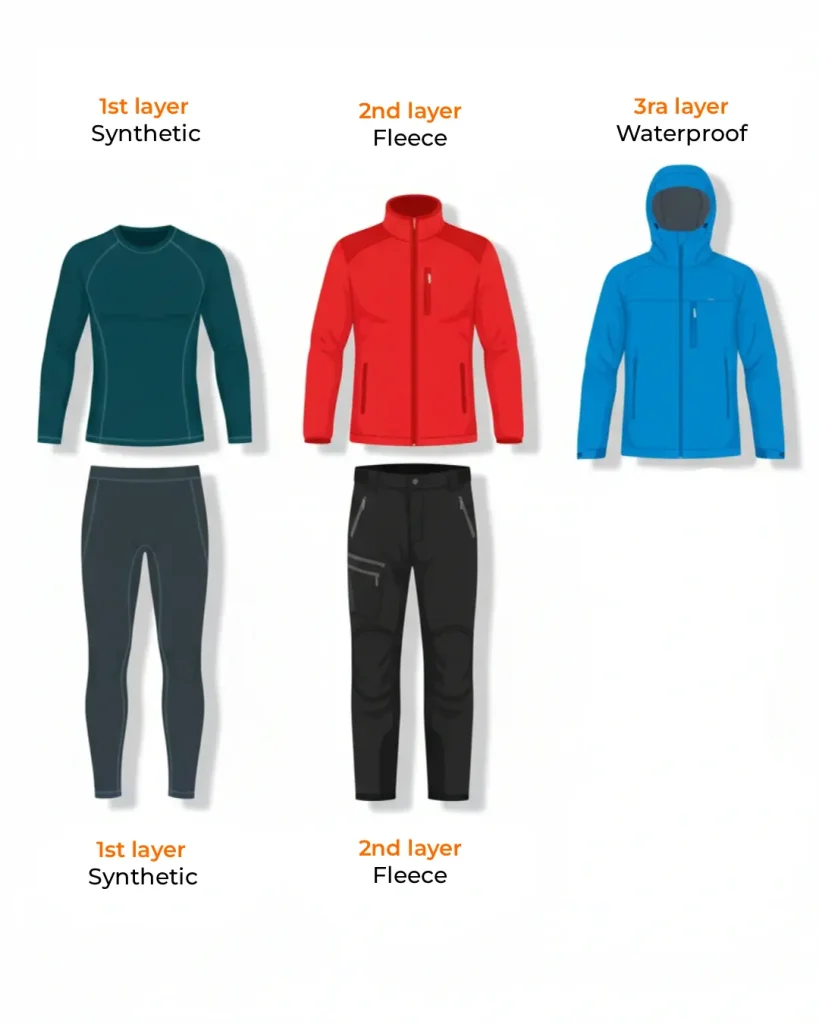
The layering system is basically a smart way to dress for outdoor activities, using multiple lightweight clothing layers instead of one giant heavy jacket.
Think of it as teamwork, but for your clothes.c
Each layer has a specific job, and together they help manage sweat, heat, wind, and rain.
The Classic Three-Layer Principle Explained
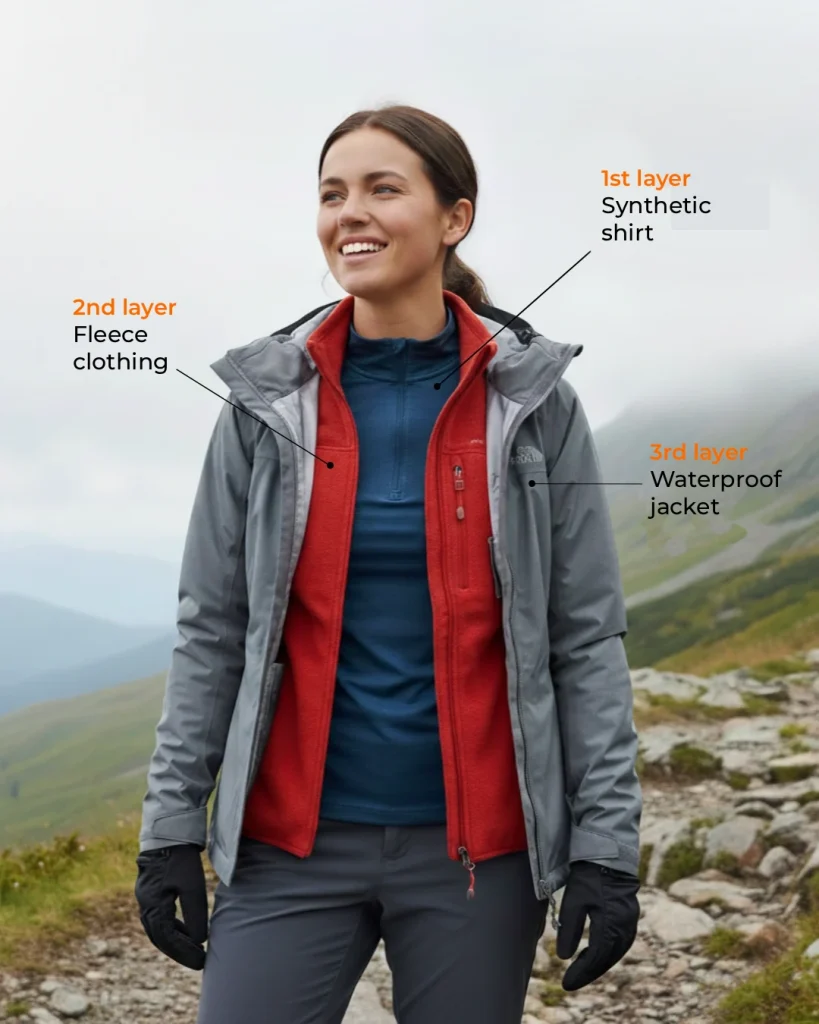
The classic layering system has three main parts and is the foundation of cold-weather layering. It’s made up of:
- Base layer for moisture control
- Insulating layer for warmth
- Water and windproof outer layer for protection
That’s it. You can add or remove layers depending on conditions, but those three categories stay the same.
Some extreme mountaineering layer systems use more levels, but for most Peru treks, the classic three-layer setup works perfectly.
It’s simple, efficient, and much less dramatic than carrying three giant winter coats.
How Layering Traps Heat While Staying Breathable
Your body naturally produces heat while hiking. Layers help trap that warmth without making you feel like you’re hiking inside a sauna.
The trick is air.
Good insulation layers create tiny pockets of warm air while still allowing moisture to escape. That’s why proper trekking gear feels surprisingly lightweight compared to old-school bulky winter clothing.
The Base Layer: Your Foundation for Comfort
Your base layer sits directly against your skin, which means it has one very important job, by which we mean handling sweat before it ruins your day.
A good base layer can make cold mornings comfortable. A bad one can turn you into a damp mess halfway up the mountain.
What a Base Layer Actually Does
Base layers pull moisture away from your skin so it can evaporate quickly. This helps regulate body temperature and keeps you dry while hiking.
That’s especially important on steep hikes like the Salkantay Trek, where uphill climbs can have you sweating hard even in freezing temperatures.
Best Materials for Base Layers
Not all base layers are made the same way.
Some perform brilliantly. Others should probably remain indoors forever. Here are our favorite materials to choose from for your moisture-wicking base layer.
Merino Wool
Merino wool is the gold standard for layering in cold weather.
It’s warm, breathable, moisture-wicking, and somehow manages not to smell horrifying after multiple trekking days. Which, in all honesty, feels a little like wizardry.
It also regulates temperature really well, making it ideal for Peru’s constantly changing conditions.
Synthetic Fabrics
Synthetic base layers dry quickly and are usually cheaper than merino wool.
They’re great for active hikers and work especially well during rainy season treks when drying clothes can become a real challenge.
The downside? They can get smelly pretty fast. Your trekking group may eventually notice.
Best Base Layers for Trekking In Cold Weather
For Peru treks, lightweight or midweight base layers usually work best.
Heavy thermal layers can be useful at camp during colder months, but while hiking, breathability matters more than maximum warmth.
A long-sleeve merino wool shirt is usually the sweet spot.
Should Your Base Layer Be Tight or Loose?
Base layers should fit close to your skin without feeling restrictive.
Too loose, and they won’t wick moisture properly. Too tight, and you’ll feel like an overstuffed burrito climbing uphill at altitude.
Aim for comfortably fitted.
The Mid Layer: Keeping Heat In
The middle layer clothing is your insulating layer. Its job is to keep your body heat from escaping.
This is the cozy part of the layering system.
What the Insulating Layer Does
Your insulating layer traps warm air around your body while still allowing moisture to move outward.
Without it, cold mountain air strips away heat surprisingly fast, especially during breaks or at camp.
Best Mid Layer Clothing for Hiking
There are several good options depending on temperatures and trekking style.
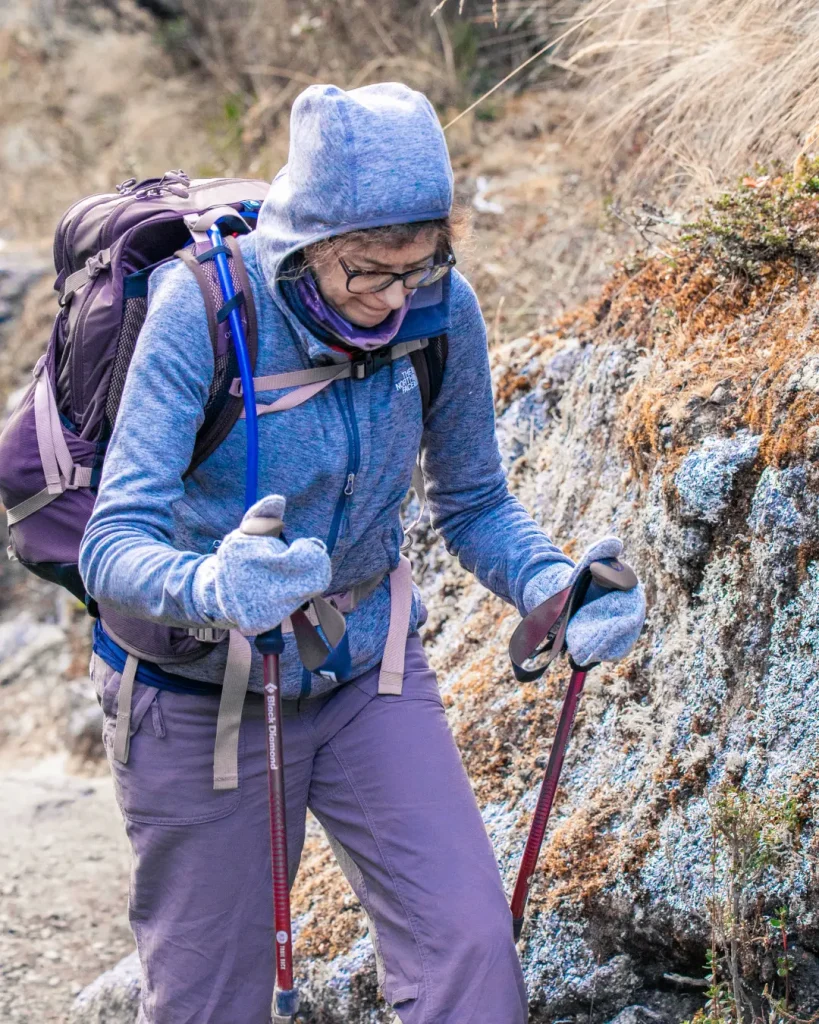
Fleece Jackets
Fleece is reliable, breathable, and dries quickly.
It’s one of the best layers for hiking choices because it works well even when damp and handles high activity nicely. Plus, they look pretty good, too. And that’s not a bad thing.
Down Jackets
Down jackets are incredibly warm for their weight, making them perfect for cold campsites and early mornings.
They’re especially useful on high-altitude treks like Salkantay.
The downside is that it performs badly when wet, so you’ll need a waterproof shell over the top if rain arrives.
Synthetic Insulated Jackets
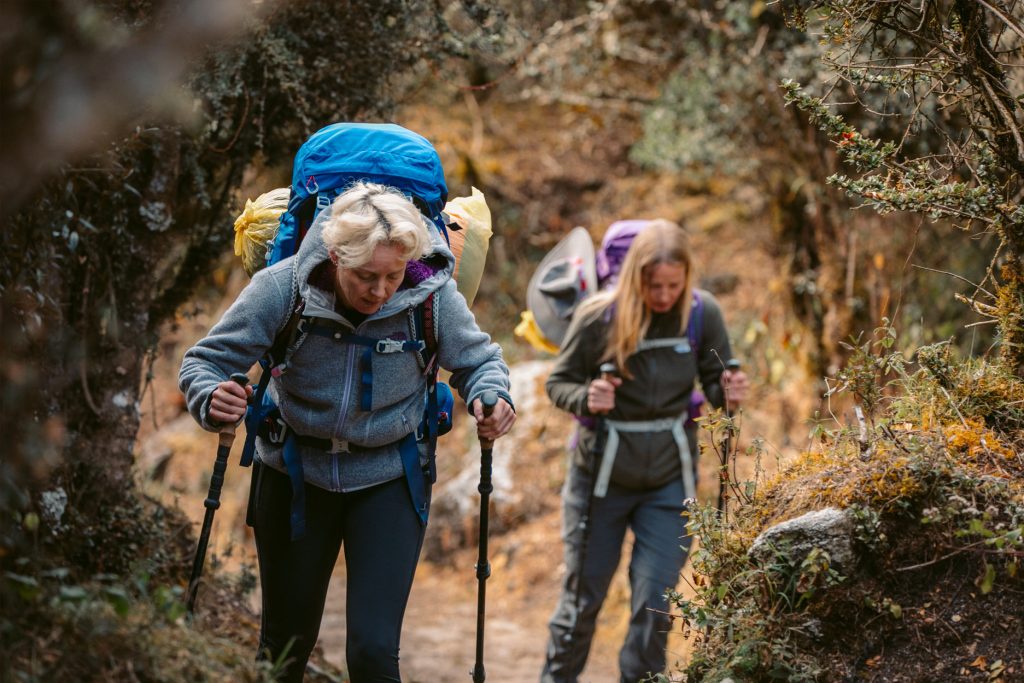
Synthetic insulation layers mimic down but continue working even in damp conditions.
They’re slightly bulkier but more practical for wet environments.
For Peru trekking, synthetic jackets are often the safer all-around choice.
How to Choose the Right Warmth Level
Don’t buy the warmest jacket you can find and assume you’ve solved the problem.
Your warmth needs depend on:
- season
- altitude
- activity level
- whether you run hot or cold
If you’re hiking hard uphill, lighter insulation layers are usually better.
The Best Middle Layer Clothing for Peru Treks
For most Peru hikes, go for:
- lightweight fleece for daytime hiking
- insulated jacket for mornings and camp
- optional second fleece during colder months
That combo handles most conditions comfortably.
If you’re planning a multi-activity adventure that moves through different climates, like on the Inca Jungle Trek, versatility matters even more because the weather changes so much. On day one, for example, you start at a high, chilly mountain pass before descending to the edge of the jungle by mountain bike. Yep, all that in just half a day.
The Outer Layer: Protection Against Rain and Wind
Your outer layer acts like your personal weather shield.
Because up here? Mountain weather has absolutely no respect for your plans.
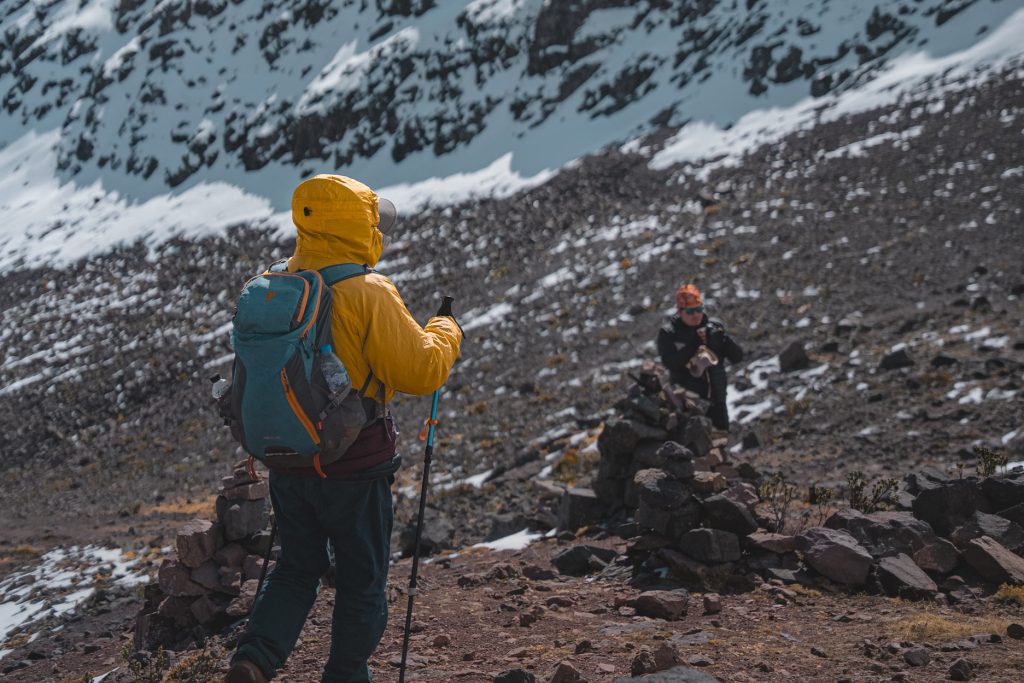
Why Your Shell Layer Matters in the Andes
Wind at altitude can make temperatures feel far colder than they actually are. Add rain, and things get uncomfortable fast.
A good outer shell blocks wind and moisture while still allowing heat and sweat to escape.
Waterproof vs Water-Resistant Jackets
This confuses a lot of trekkers.
Water-resistant jackets handle drizzle. Waterproof jackets handle actual rain.
For trekking in Peru, especially during the wet season, you want real waterproof protection. Tiny mountain drizzle has a sneaky way of turning into full cinematic storm scenes.
What to Look for in a Trekking Shell Jacket
Not all rain jackets are trekking-friendly. Some are basically plastic bags with sleeves and will be of absolutely no use on a mountain pass once the heavens open.
Breathability
A breathable shell prevents sweat buildup while hiking uphill.
Because staying dry from rain doesn’t help much if you’re soaked from your own sweat.
Weight and Packability
Your shell should pack down small enough to live in your backpack without taking over the entire space. Lightweight gear always wins on multi-day treks.
Ventilation Zippers
Pit zips may not sound exciting, but they’re glorious during steep climbs.
They’re basically like tiny underarm air-conditioning systems.
Hood Design
A proper adjustable hood matters more than people think, especially during windy mountain conditions.
A floppy useless hood in high winds is decorative at best.
Do You Need Waterproof Pants for Trekking?
Not always, but they’re worth bringing during the rainy season or on longer treks.
In fact, lightweight rain pants are smart emergency gear.
Nobody enjoys hiking for hours in soaked pants while pretending they’re “fine.”

How to Layer for Hiking in Different Weather Conditions
One of the best things about the layering system is how flexible it is.
You’re not dressing for one temperature. You’re dressing for changing conditions throughout the day.
Cold Mornings at High Altitude
Whether you’re on a multi-day trek or waking up at 4 am to head to Rainbow Mountain for the day, you’re in for some chilly early morning weather.
Start the day with:
- base layer
- fleece or insulating layer
- waterproof shell if windy
You’ll probably remove layers within the first hour once your body warms up, but you’ll want to pop them back on again once you’ve been standing still at a summit for 10 minutes.
Sunny Afternoons on the Trail
This is where people overheat fast.
Often, a lightweight base layer alone is enough while hiking in direct sun.
Keep your jacket layer accessible, though. The weather changes quickly in the Andes.
Rainy Season Trekking
Rainy season means prioritizing waterproof protection and quick-drying fabrics.
If you’re trekking between November and April, your layering system should focus heavily on moisture management.
Check out our guide on the best time to visit Machu Picchu for more seasonal planning advice.
Windy Mountain Passes
Wind strips heat away fast.
Add your shell layer before you get cold, not after. It’s much easier to stay warm than recover warmth once you’re freezing.
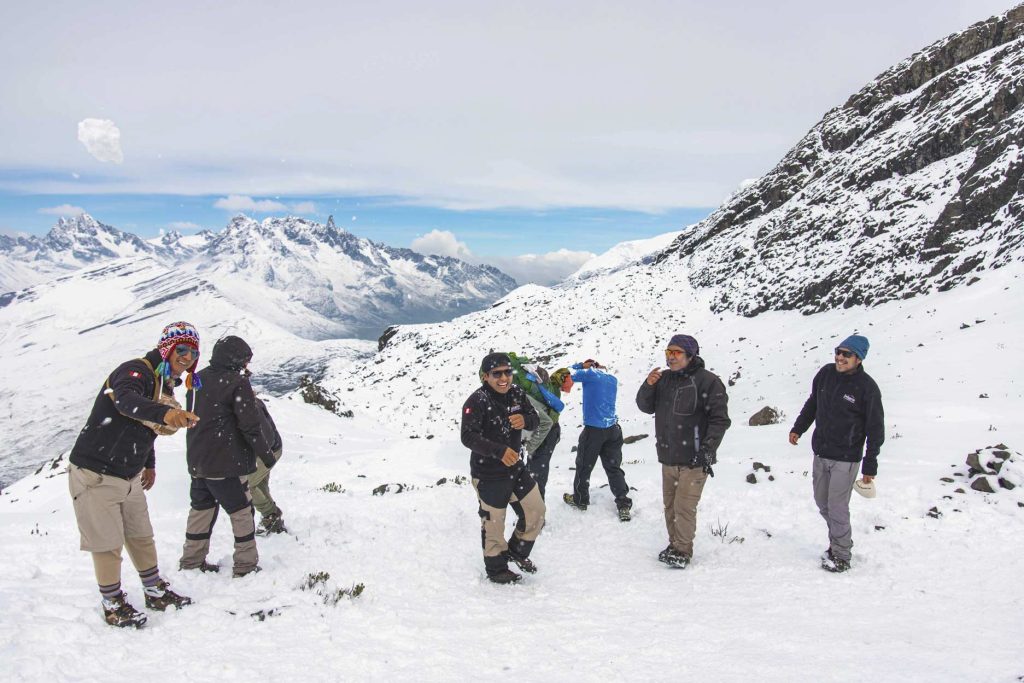
Layering for Snow and Freezing Temperatures
At very high altitudes, you’ll want:
- thermal base layer
- fleece mid layer
- insulated jacket
- waterproof shell
This setup works especially well for colder overnight stops on the Salkantay route.

The Best Layering System for the Salkantay Trek
Our Salkantay Trek packing list covers everything you’ll need, but clothing layers deserve special attention because temperatures change dramatically throughout the trek.
Typical Temperatures on the Salkantay Trek
You can experience:
- below-freezing mornings
- intense midday sun
- cold windy passes
- mild jungle temperatures later in the trek
Basically, the Andes refuse to commit to a single climate, no matter what day of the week it is.
What to Wear During the Day
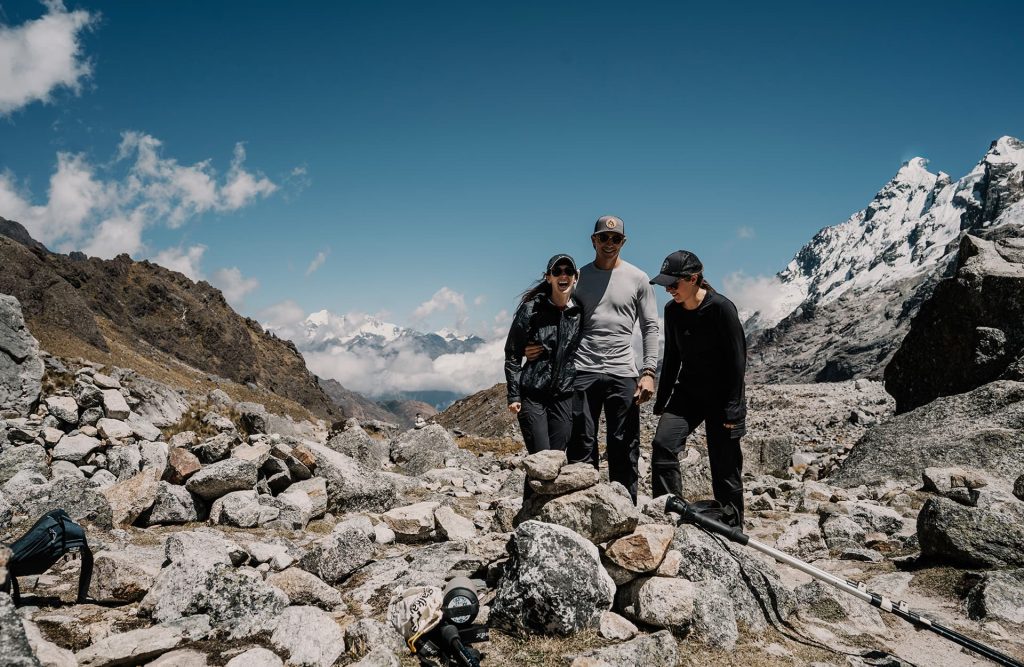
Most hikers do well with:
- moisture-wicking base layer
- lightweight fleece
- waterproof shell in backpack
You’ll probably remove and add layers constantly throughout the day. That’s totally normal.
What to Wear at Camp at Night
Evenings get cold fast at altitude. Even if you’ve warmed up a lot while hiking, you’ll cool down pretty quickly once you’re sedentary.
Bring:
- dry thermal base layers
- insulated jacket
- warm socks
- beanie
Changing into dry, comfy clothes at camp feels unbelievably good after a long trekking day.
How Many Layers You Actually Need
You’ll actually need less than most people think. The goal is versatility, not carrying your entire closet into the Andes. Most trekkers only actively wear 2–3 layers at a time, and many of these can be reused over various days.
Common Layering Mistakes Trekkers Make
Even experienced hikers mess this up sometimes. Here are our top tips on how to avoid the most common mishaps when it comes to layering.
Wearing Too Many Layers
Too many layers lead to sweating. Sweating leads to damp clothes. Damp clothes lead to misery on the trail. Try starting slightly cool instead of overly warm. You can always put on more layers if you’re too cold.
Hiking in Cotton Clothing
We’re saying it again because it matters.
Cotton isn’t your friend on mountain treks. It causes sweating and keeps you damp. Cotton socks are the perfect environment for blisters, and they’re one of the quickest ways to ruin your fun on a hike.
Ignoring Sweat Management
Good cold-weather layering is really sweat management in disguise.
If you’re drenched after every uphill section, adjust earlier next time.
Using Heavy Jackets While Walking Uphill
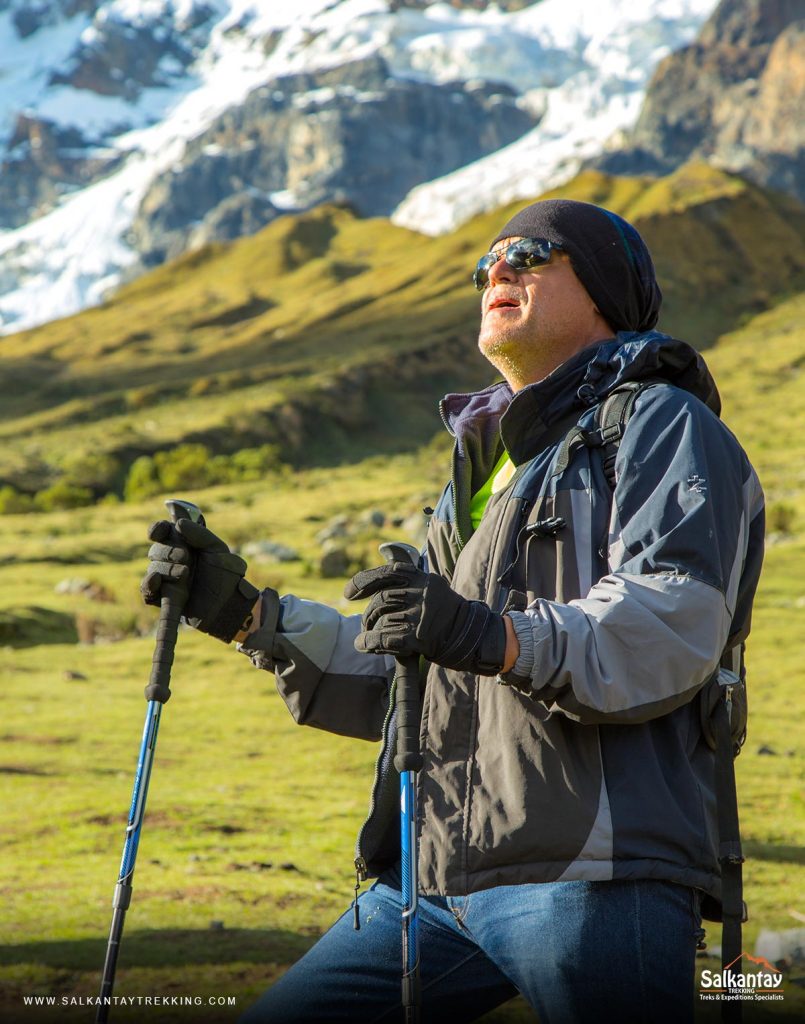
Big insulated jackets are great for camp, but not so great during steep climbs. You’ll overheat fast and be adding extra, unnecessary weight that you could really do without.
Not Packing Rain Protection
The weather in the Andes is pretty special in that pretty much no one can predict what’s going to happen and when. Even dry season treks in Peru can get unexpected rain.
Always carry a waterproof shell. Always.
Accessories That Complete Your Layering System
The small things matter more than people realize. Cold hands and wet socks can ruin morale surprisingly quickly. Pack these comfort items to enjoy your trek to the max.
Hiking Hats and Beanies
A lightweight sun hat for daytime and a warm beanie for evenings is the ideal combo.
Peru’s sun at altitude is no joke and can even do some damage when hiding behind the clouds.
Gloves for Cold Weather Trekking
Bring lightweight gloves, even during the dry season. Early mornings at altitude can be brutally cold.
Buffs and Neck Gaiters
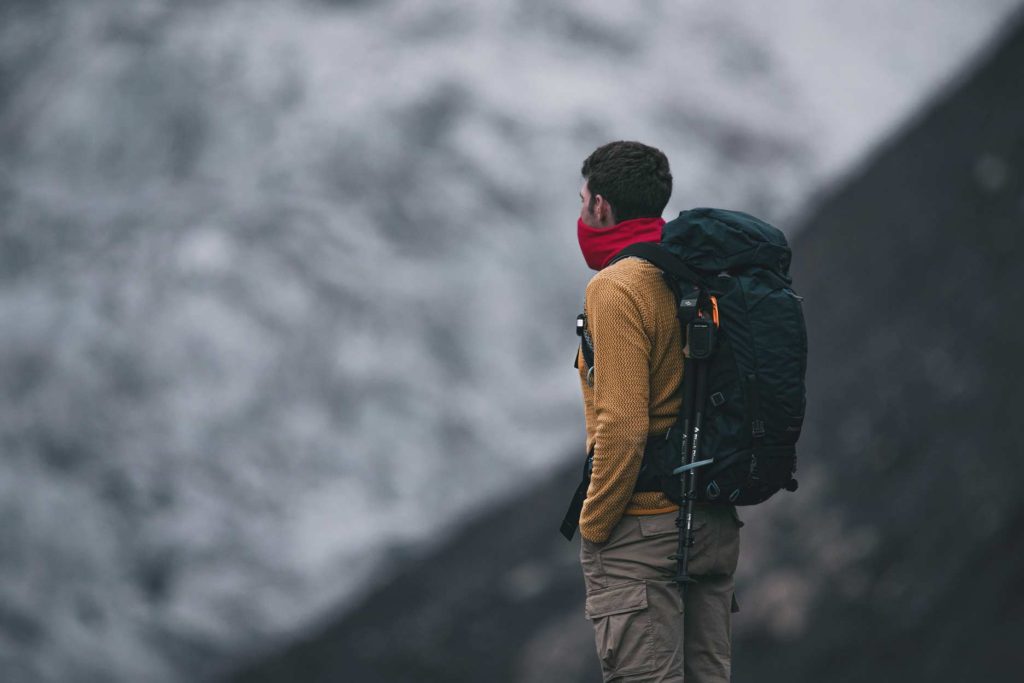
These are tiny items, but they can make a massive difference.
Buffs help with:
- cold wind
- dust
- sun protection
- warmth at night
They also make everyone look vaguely outdoorsy and competent.
Trekking Socks and Sock Layering
Good socks matter. We’re sure you get this by now.
Merino wool hiking socks help prevent blisters and regulate temperature better than cotton athletic socks.
Your feet will thank you later.
How to Pack Layers Without Overpacking
Overpacking is practically a trekking tradition. Yep, even the most seasoned trekkers can fall victim to packing too many items.
People panic about cold weather and suddenly pack enough clothing for a six-month Arctic expedition. Let’s look at how to avoid all that unnecessary weight.
The Ideal Number of Hiking Shirts and Jackets
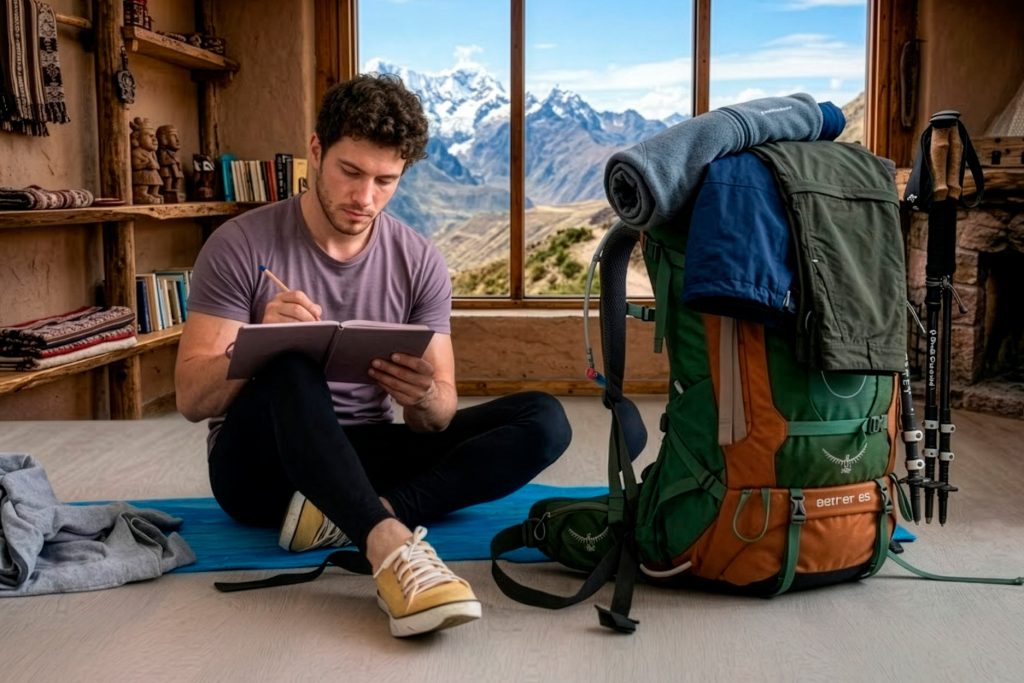
For most multi-day Peru treks, you’ll need:
- 2–3 hiking shirts
- 1 fleece
- 1 insulated jacket
- 1 waterproof shell
That’s usually enough.
Lightweight Layering Tips for Multi-Day Treks
Choose pieces that work together instead of single-purpose items. A lightweight fleece that layers under a shell is far more useful than one giant heavy jacket that’s all or nothing.
How to Stay Warm With Fewer Clothes
Don’t worry. Fewer clothes doesn’t mean you need to freeze. Focus on:
- staying dry
- blocking wind
- layering efficiently
Not bulk. Bulky clothes often just make hiking uncomfortable and don’t really make you any warmer.
If you need more packing advice, check out our full trekking in Peru packing list.
Layering System Checklist for Trekking in Peru
Before your trek, make sure your layering system includes the essentials.
Essential Base Layers
- moisture-wicking shirts
- thermal top
- trekking underwear
- hiking socks
Recommended Insulating Layers
- fleece jacket
- lightweight insulated jacket
- optional extra thermal layer for colder months
Waterproof Outer Layers
- waterproof shell jacket
- rain pants
- backpack rain cover
Optional Cold Weather Extras
- glove liners
- neck gaiter
- insulated camp pants
- extra wool socks
Final Tips for Staying Comfortable on the Trail
The layering system sounds technical at first, but once you use it properly, it becomes second nature.
And honestly, it makes trekking way more enjoyable.
Adjust Layers Before You Sweat
This is the golden rule. Don’t wait until you’re overheating to remove a layer.
Always Carry a Rain Shell
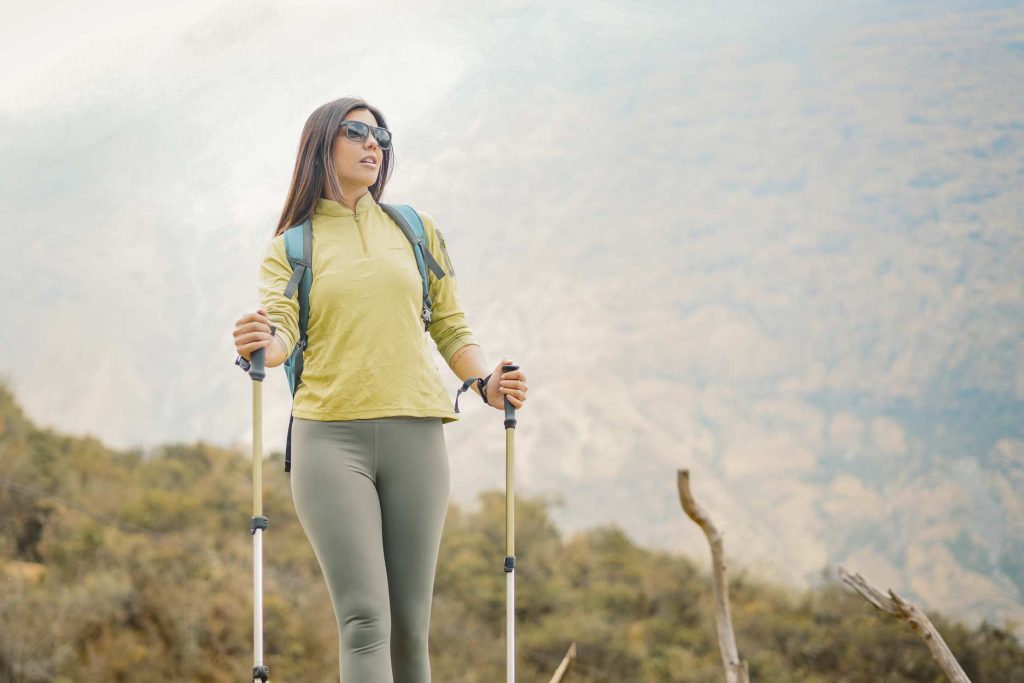
Even if the forecast looks perfect, bring rain protection. The mountains are always full of surprises when it comes to the weather.
Prepare for Four Seasons in One Day
That’s Peru trekking in a nutshell.
One minute you’re freezing. Next, you’re sunburned. Then it rains. Then somehow you’re sweating while wearing gloves. No, we’re not joking.
But with the right layering system, you’ll be ready for all of it, and a lot more comfortable while hiking some of the most incredible trails on Earth.
Frequently Asked Questions About The Layering System
If you’re still feeling slightly confused about layering in cold weather, don’t worry. Many people are. The good news is that once you understand the basics, the whole thing becomes surprisingly simple. Here are some of the most common questions hikers ask before trekking in Peru.
The 7-level layering system is a military-style cold-weather clothing setup designed for extreme conditions. Most trekkers in Peru don’t need this many mountaineering layers. For treks like the Salkantay Trek, a standard three-layer system is usually more than enough.
Usually, because one of the layers isn’t doing its job properly. Cotton clothing, poor-quality insulation layers, or sweaty base layers can all make you feel colder. Heavy and damp clothing is often a bigger problem than the temperature itself.
The best layer for hiking depends on conditions, but a moisture-wicking base layer is usually the most important. If your first layer stays dry, the rest of your layering system works much better.
Base layers should fit close to your skin without feeling restrictive. A snug fit helps move sweat away from your body more effectively during hiking.
Layer Up and Head Out There
A good layering system can honestly make the difference between loving your trek and counting down every miserable mile until camp. The mountains in Peru are unpredictable, the temperatures change constantly, and altitude has a funny way of making small clothing mistakes feel much bigger.
The good news? You don’t need expensive expedition gear or twelve different jacket options hanging dramatically from your backpack.
You just need the right clothing layer for the right job.
A moisture-wicking base layer keeps sweat under control, a solid insulating layer traps warmth when temperatures drop, and a waterproof outer shell protects you from wind and rain when the Andes decide to throw a tantrum. Put them together properly, and you’ll stay far more comfortable whether you’re hiking the Salkantay Trek, exploring the Inca Trail, or heading into the high-altitude wonderland of Rainbow Mountain.
And remember: trekking in Peru is rarely about looking fashionable. If everyone smells slightly like sunscreen, rain, and determination by day three, you’re probably doing it right.
Pack smart, layer well, and let the mountains do the rest.