Planning a Peru hiking trip sounds simple enough, right? You pick a trail, book a flight, and show up with decent boots. But in reality, there’s a bit more going on behind the scenes.
A proper Peru hiking trip involves choosing the right trek for you, understanding altitude (which will absolutely have some sort of effect on you), timing your visit around the seasons, and knowing how to prepare for a hike in a country where landscapes (and the weather) change fast.
If you’ve been wondering, “How can I plan a trip like this without missing something important?”, this guide walks you through it step by step. From picking the right Peruvian hike to packing smart and avoiding altitude regrets, it’s all here.
Table of contents
- Why Peru Is One of the Best Hiking Destinations in the World
- How to Plan a Hiking Trip to Peru (Step-by-Step Overview)
- Best Places for Peru Hiking
- Inca Trail to Machu Picchu
- How to Choose the Right Trek for Your Level
- How to Plan a Hiking Trip to Machu Picchu
- Best Time to Plan a Peru Hiking Trip
- Preparing for Altitude in Peru
- How to Plan a Sustainable Hiking Trip
- What to Pack for a Hiking Trip to Peru
- Booking Your Trip: What to Reserve in Advance
- Budgeting for a Hiking Trip in Peru
- Guided vs Independent Hiking in Peru
- Travel Documents, Insurance, and Entry Requirements
- Final Preparation Before You Travel
- Frequently Asked Questions About Hiking in Peru
- Ready to Plan Your Hiking Trip to Peru?
Why Peru Is One of the Best Hiking Destinations in the World
Peru doesn’t just offer hiking. It offers variety on a seriously high level.
Within one country, you’ve got high-altitude mountain passes, lush cloud forests, remote Andean villages, desert canyons, and ancient Inca routes that still function surprisingly well considering how old they are. That range means a Peru hiking experience can look completely different depending on where you go.
What really sets it apart, though, is the mix of nature and history. You’re not just walking through scenery. You’re walking through places that were used by civilization hundreds of years ago, often ending at something as iconic as Machu Picchu.
There’s also something for almost every trekking level out there. You don’t need to be an ultramarathon runner to enjoy hiking here, but if you are, Peru will happily find the right challenge for you.
How to Plan a Hiking Trip to Peru (Step-by-Step Overview)
If you’re hoping to figure out how to plan a trip like this without getting overwhelmed, the key is breaking it down into smaller parts.
Start with your trek. That decision shapes everything, including how long you’ll stay, where you’ll fly into, when you need to book to secure a spot, and how much you’ll need to prepare.
Next, pick your timing. The weather in Peru isn’t just a background detail. We’re serious. It can completely change your experience.
Then comes logistics. This includes:
- Flights (usually into Lima or Cusco)
- Accommodation before and after your trek
- Transport between destinations
- Booking your trek or permits
After that, focus on preparation. This is where most people underestimate things. Knowing how to prepare for a hike at altitude is very different from preparing for a weekend walk at home.
Finally, and we can’t exaggerate this enough, give yourself time. A rushed itinerary and high-altitude trekking don’t mix particularly well.

Best Places for Peru Hiking
Choosing where to go is often the hardest part of planning a Peru hiking trip. And that’s not because options are limited, but because there are so many good ones. Here’s a rundown of the top routes.
Salkantay Trek
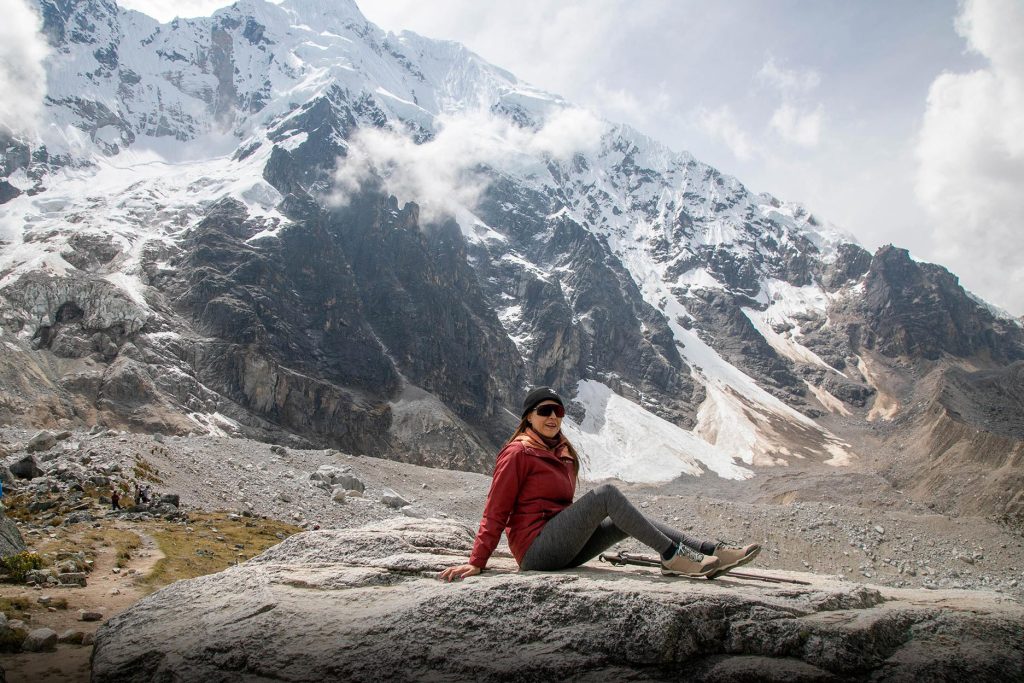
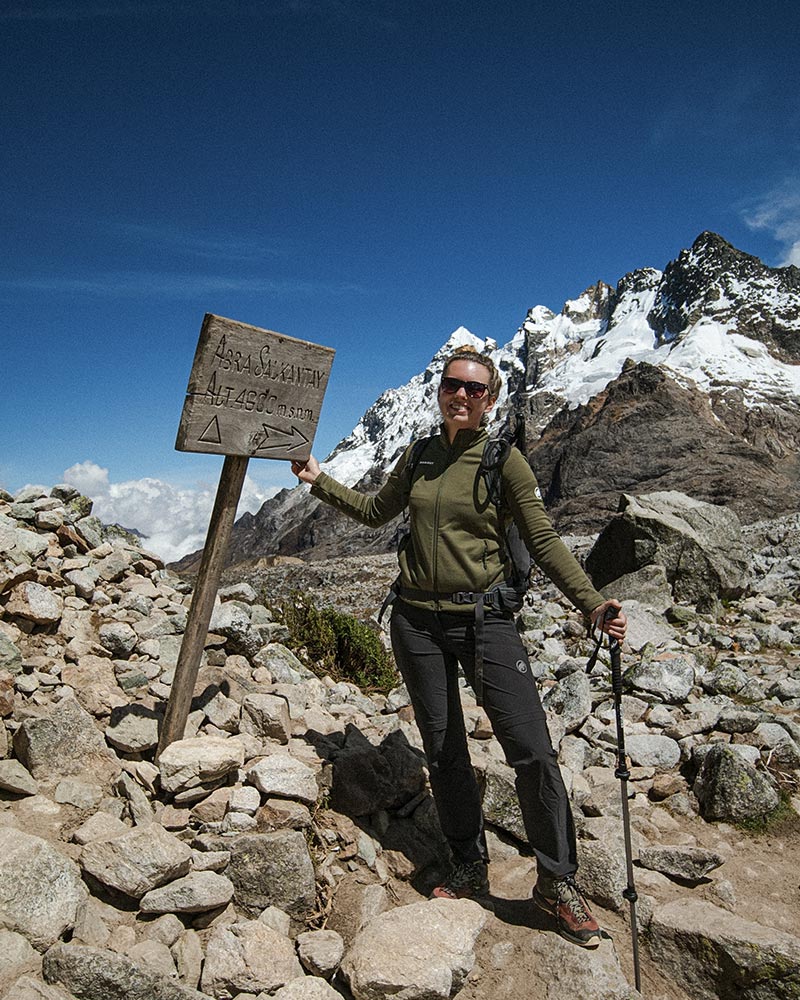
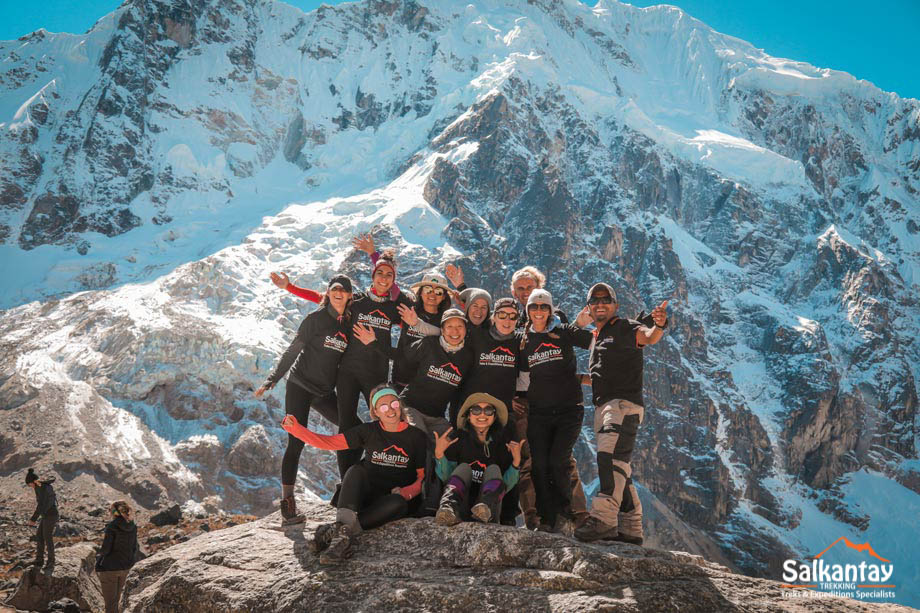
The Salkantay Trek is one of the most diverse routes in Peru. Over a few days, you move from high-alpine landscapes to a tropical jungle, passing glaciers, mountain passes, and remote valleys along the way.
It’s a solid option if you want something physically rewarding without the permit restrictions of the Inca Trail. It also tends to be less crowded, which helps if you’re trying to avoid the feeling of hiking in a queue.
Inca Trail to Machu Picchu
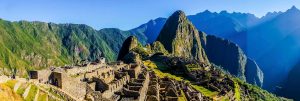
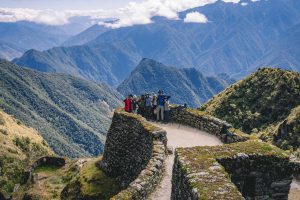
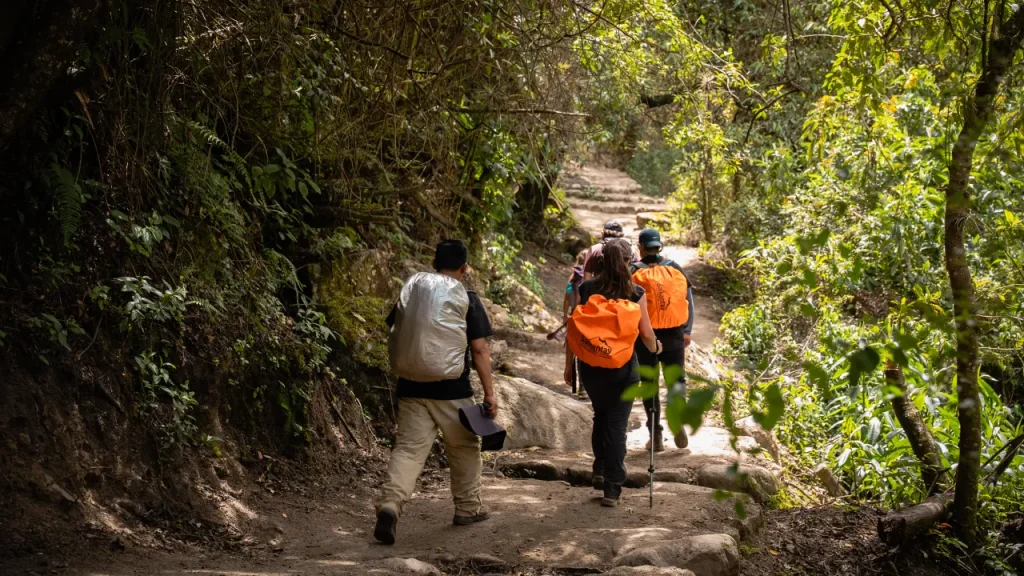
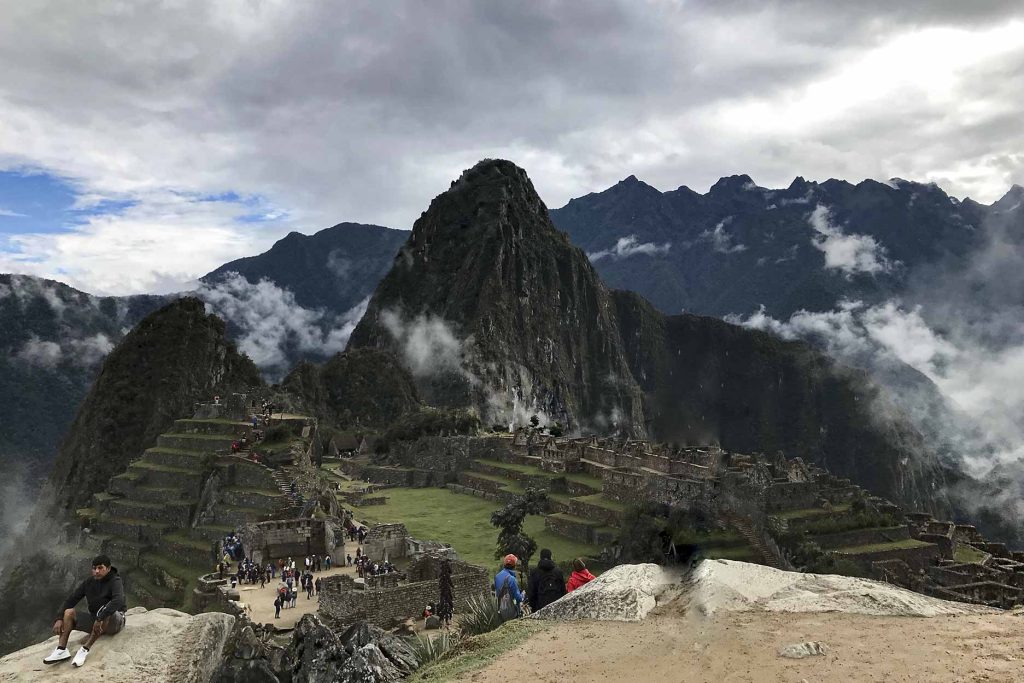
The Inca Trail is the most famous Peruvian hike, and for good reason. It combines well-preserved stone paths, multiple archaeological sites, and a dramatic entrance into Machu Picchu through the Sun Gate.
Because of its popularity, access is strictly controlled by the Peruvian government. Permits are limited and often sell out months in advance, so this isn’t a last-minute decision. We recommend booking at least six months in advance. The trail is also closed every February for maintenance.
Lares Trek
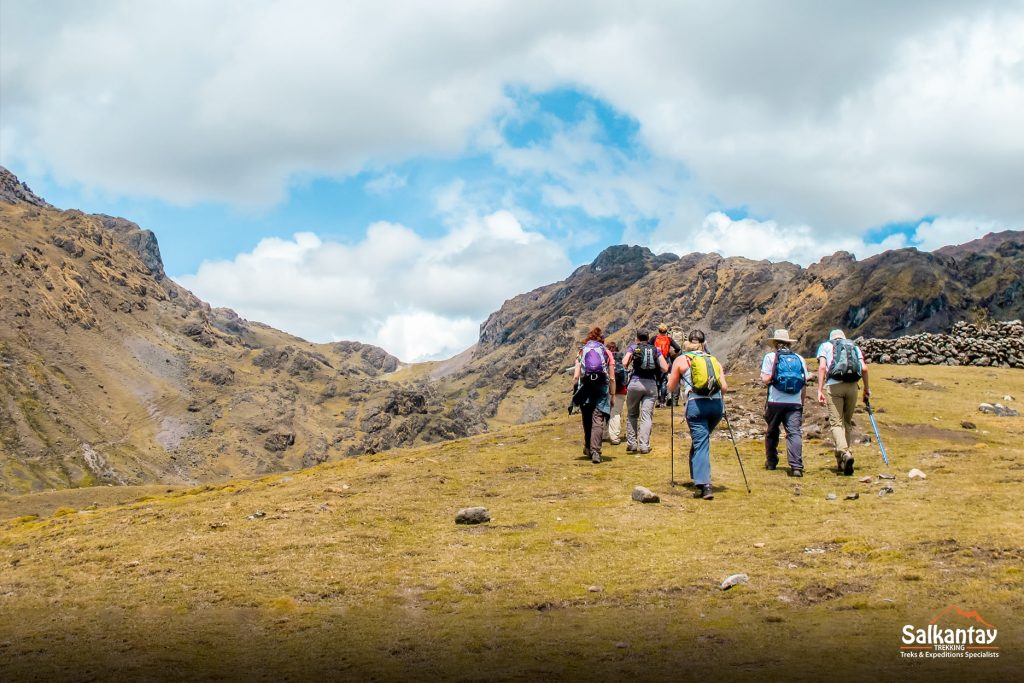
The Lares Trek offers a quieter experience with a stronger cultural focus. Instead of major archaeological sites, you’ll pass through traditional villages where daily life hasn’t changed much over time.
It’s ideal if you’re looking for something less crowded and more immersive.
Ausangate Trek
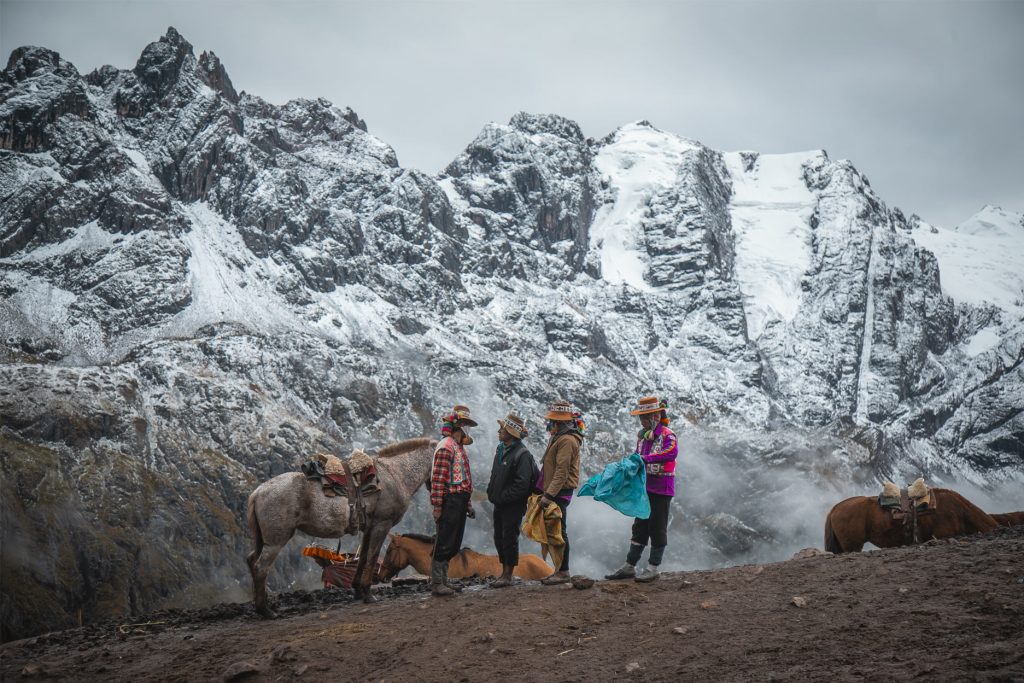
The Ausangate Trek is remote, high, and unapologetically challenging.
You’ll be trekking up to 17,060 ft / 5,200 m, surrounded by glaciers and some of the most dramatic landscapes in the country. For experienced hikers with strong acclimatization, it’s one of the most rewarding routes available.
Santa Cruz Trek (Cordillera Blanca)
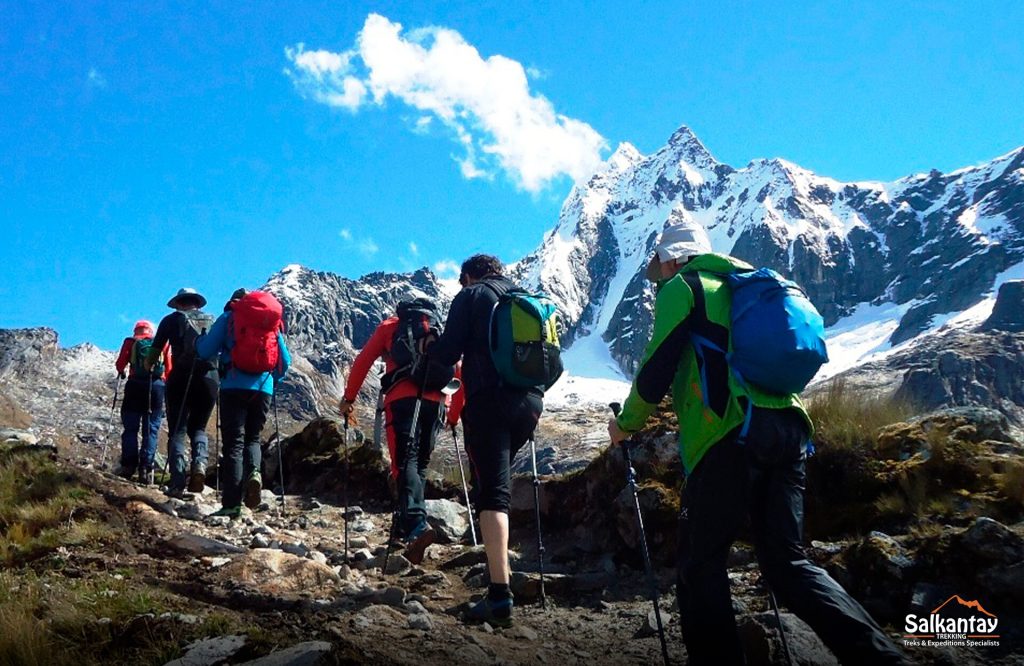
Based out of the city of Huaraz, located in northern Peru, this trek offers classic alpine scenery. Think sharp peaks, turquoise lakes, and wide valleys. It’s often overlooked by international travelers, which makes it feel more remote despite being relatively accessible.
Colca Canyon
Colca Canyon sits near the city of Arequipa and offers a different kind of hiking experience. Instead of climbing, you’ll descend deep into one of the world’s deepest canyons and then climb your way back out.
It’s hot, dry, and physically demanding in a completely different way from high-altitude treks.

How to Choose the Right Trek for Your Level
One of the biggest mistakes people make when planning a Peru hiking trip is choosing a trek based on photos rather than reality.
When deciding, think about:
- Daily hiking hours
- Elevation gain
- Maximum altitude
- Terrain difficulty
Beginner hikers should look for guided treks with strong support. Intermediate hikers can handle multi-day treks with moderate elevation. Advanced hikers can opt for the more remote and demanding routes.
Be realistic. Altitude alone can make a moderate trek feel much harder than expected.
How to Plan a Hiking Trip to Machu Picchu
If your main goal is reaching Machu Picchu, you’ve got a few different ways to do it.
The Inca Trail is the most iconic route, but it’s not the only one. Alternatives like Salkantay and Lares also connect to Machu Picchu via Aguas Calientes, often with more flexibility and fewer crowds.
You can also skip the hiking entirely and travel by train to Machu Picchu if time or fitness is a concern.
The key thing here is timing. If you want the Inca Trail, book months in advance. If you’re open to alternatives, you’ll have more options.
When organizing your trip, remember that Machu Picchu also needs to be reserved in advance and can sell out, particularly if you’re hoping to hike an extra mountain inside, like Huayna Picchu.
Best Time to Plan a Peru Hiking Trip
Timing your Peru hiking trip well makes a huge difference to your experience, especially when it comes to the climate.
Dry Season (May to October)
This is the most popular time for a reason. Expect clear skies, stable weather, and excellent trekking conditions.
The downside? It’s peak season, so trails can be busy and bookings need to be made early. Temperatures also drop more dramatically at night and can go below freezing on some routes, so packing accordingly is an absolute must.
Rainy Season (November to April)
Rain is frequent, especially in the Andes. Trails can be muddy and visibility can be limited.
Some routes close entirely, including the Inca Trail in February. However, certain treks remain open and can still be done if you’re prepared for wet conditions.
It’s important to note that although some routes remain open throughout the year, some tour operators won’t run them due to a higher safety risk.
Shoulder Seasons (April & October)
These months are also sometimes known as the shoulder months, because they sit at the end of the main seasons.
Many hikers find them to be the sweet spot, because they offer a balance between good weather and fewer crowds. You may get occasional rain, but you’ll also get greener landscapes and quieter trails.
Preparing for Altitude in Peru
Altitude is part of the experience on most trekking routes in Peru.
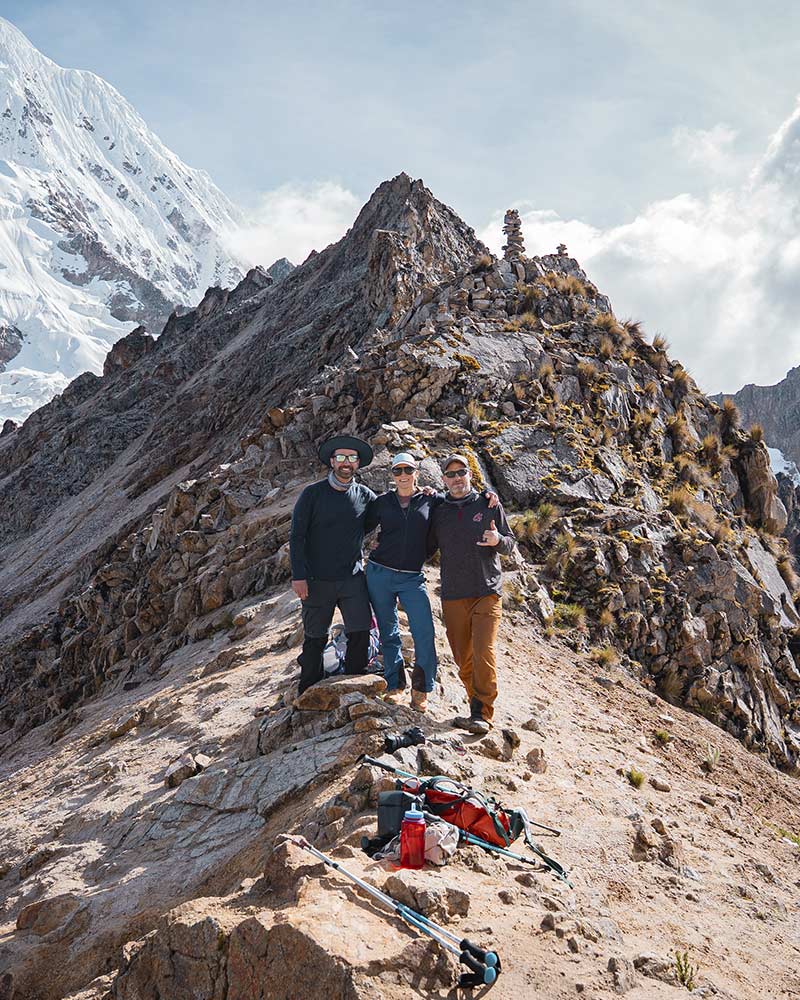
Cusco sits at 11,155 ft / 3,400 m, and many treks go higher. Even fit hikers can feel the effects if they don’t prepare properly.
Altitude Sickness Symptoms
Altitude sickness, or mountain sickness, doesn’t discriminate. It can literally affect anyone, no matter their age or fitness level. Common symptoms include:
- Headaches
- Nausea
- Dizziness
- Loss of appetite
- Fatigue
These can range from mild to more serious, depending on how your body reacts.
Acclimatization Tips & Prevention Strategies
The best way to deal with altitude is to respect it. Here are some tips to adjust to the new heights and help with altitude sickness:
- Spend at least 2–3 days acclimatizing in Cusco
- Stay well hydrated
- Avoid alcohol early on
- Eat light meals
- Ascend gradually where possible
- Speak to a doctor about medication if necessary
How to Plan a Sustainable Hiking Trip
Sustainable travel planning matters more than ever, especially in places like Peru, where ecosystems and communities are closely connected.
To do your bit, choose operators that:
- Support local staff and communities
- Reduce environmental impact
- Follow responsible trekking practices
As a traveler, you can:
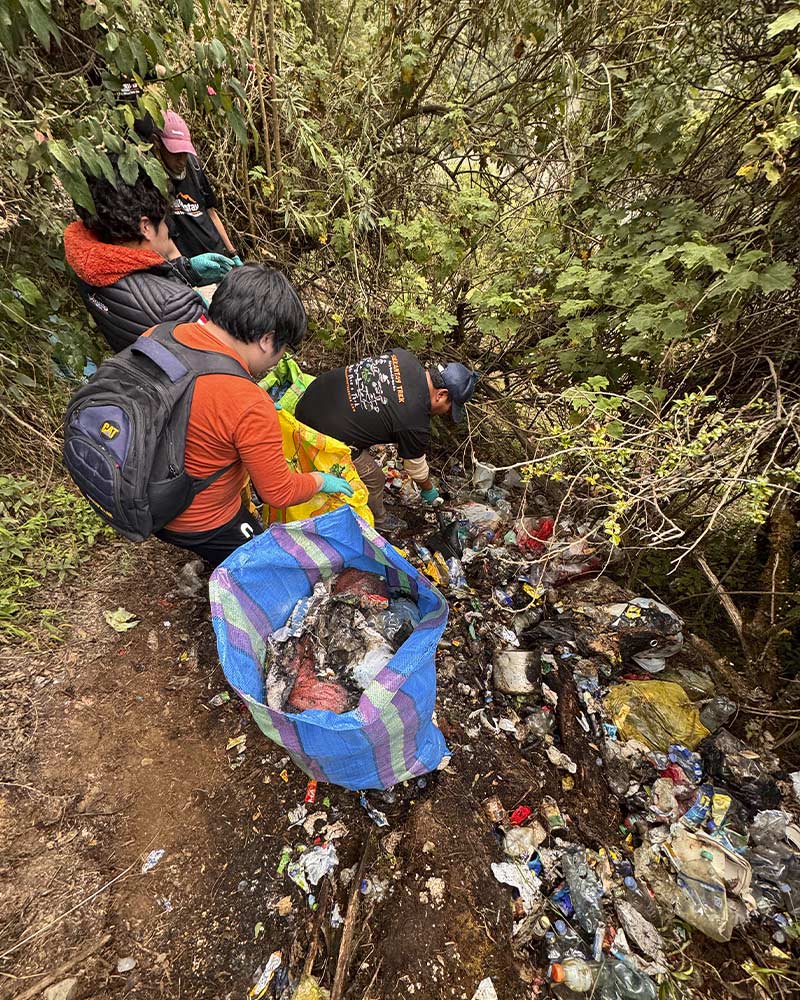
- Avoid single-use plastics
- Stay on marked trails
- Respect local customs and environments
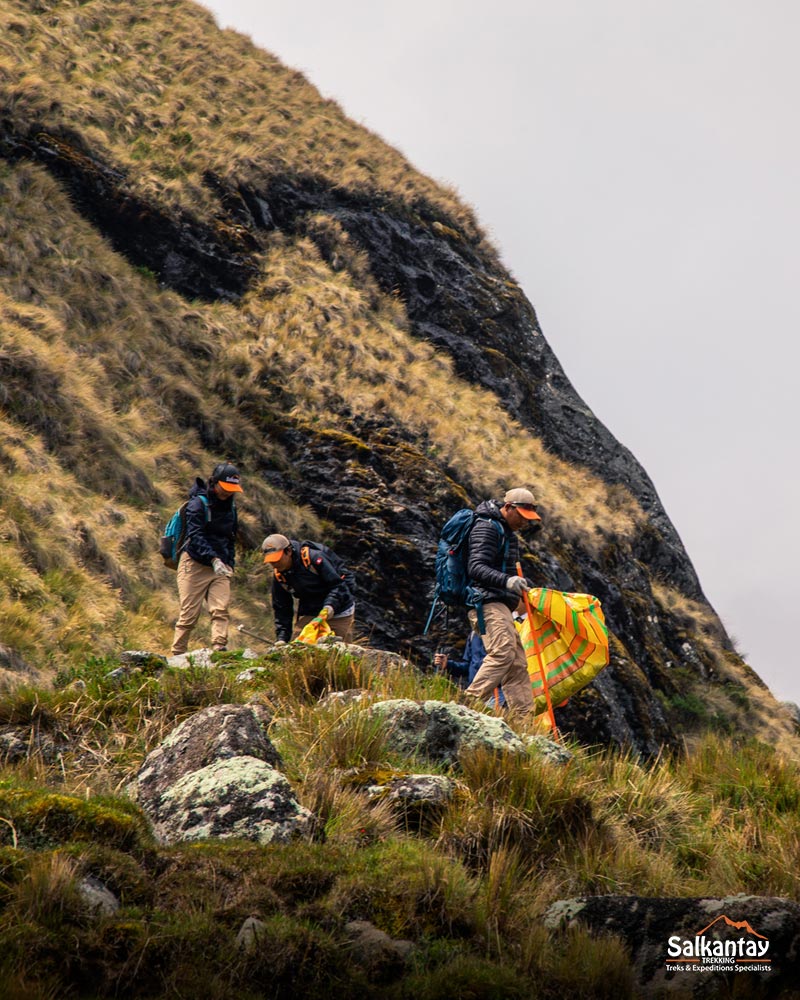
- Take any trash with you
It’s not complicated. It just requires a bit of awareness.
What to Pack for a Hiking Trip to Peru
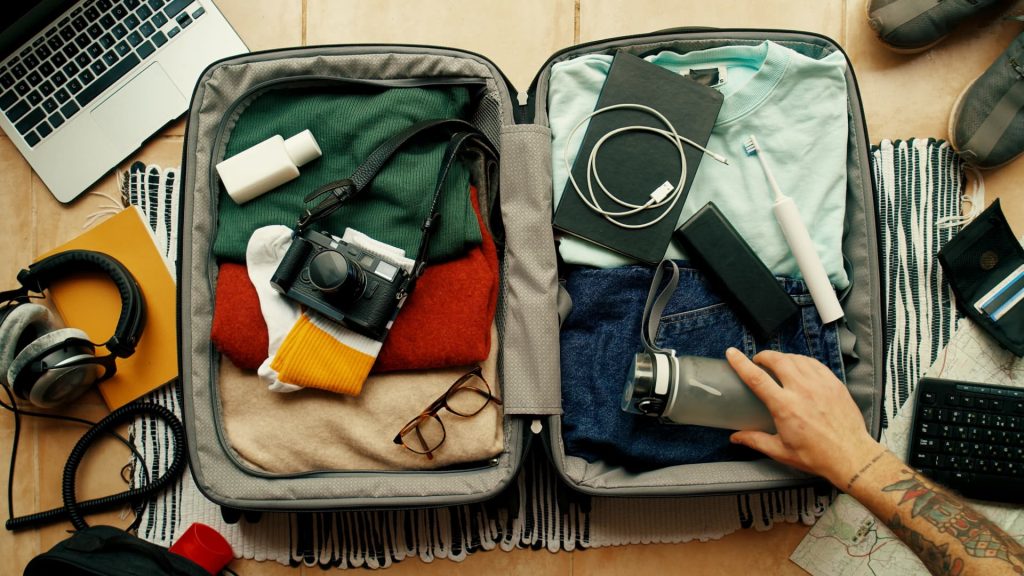
Packing for Peru is less about bringing everything and more about bringing the right things.
You’ll need to prepare for changing conditions, like cold mornings, warm afternoons, and possible rain at any time.
Key Items Include:
- Layered clothing system (thin, moisture-wicking layers)
- Waterproof jacket
- Good, broken-in hiking boots
- Sun protection
- Insect repellent
- Reusable water bottle
Our detailed packing list is worth following. Seriously. This is not the place to wing it.
Booking Your Trip: What to Reserve in Advance
When planning a Peru hiking trip, a bit of forward planning makes everything smoother. Some things you can leave flexible and decide once you’re here, but your core bookings are worth locking in early.
Trek Permits and Tours
If you’re planning the Inca Trail, this should be your first move. Permits are limited and often sell out months in advance, especially for peak season.
Other treks like Salkantay or Lares are more flexible, but the best operators and dates still fill up, so we recommend reserving your space three to four months in advance. Booking early gives you more choice and time to prepare properly.
Flights
Flights into Lima are usually cheapest when booked a few months ahead. If your trek starts in Cusco, you’ll also need a short domestic flight of around an hour. These run frequently but can still increase in price closer to your travel dates, and you might find it harder to find the time you want during peak seasons.
Accommodation
You’ll need somewhere to stay before and after your trek, especially in Cusco. It gets busy during peak season, so booking ahead means better options and less last-minute stress.
Aim to arrive 2–3 days early to acclimatize properly.
Transport and Extras
If your trip includes trains to Machu Picchu or entry tickets outside of a trek, it’s worth booking these in advance too. Availability can be limited during busy periods.
Budgeting for a Hiking Trip in Peru
A Peru hiking trip can be as budget-friendly or as comfortable as you want. It really depends on how you travel.
Trek Costs
This is usually your biggest expense. Guided treks typically include transport, meals, guides, and accommodation, which makes things easier to manage overall.
Prices vary depending on the route and level of comfort, but you’re paying for logistics, safety, and support, not just the hike itself.
Daily Expenses
Outside of your trek, budget for:
- Meals
- Transport
- Entrance fees
- The occasional impulse souvenir
Costs in Cusco are generally reasonable, but the main tourist areas can be pricier.
Tips and Extras
Tipping is standard on guided treks, especially for guides and porters.
You may also need to budget for:
- Gear rental
- Travel insurance
- Snacks and small extras
Our guide on “Tipping in Peru” can give you more information on what to expect at different stages of your travels.

Guided vs Independent Hiking in Peru
Choosing between guided and independent hiking comes down to how much responsibility you want on your plate.
Guided Hiking
Going guided means most things are taken care of, like route planning, food, logistics, and support. It’s a great option if you want a smoother, lower-stress experience, especially at altitude. You also get a better insight into the local area, as your guide will hold a wealth of knowledge and enjoy sharing it with you.
Independent Hiking
Hiking independently gives you more freedom, but also more to manage. You’ll need to handle navigation, gear, food, and safety yourself. You might also miss something exciting or interesting that a local guide would have pointed out to you.
Which Is Better?
If it’s your first time hiking in Peru, or your first time at altitude, guided trekking is usually the safer and more enjoyable option.
If you’re experienced and confident with planning logistics, independent hiking can work well on certain routes. To hike the Inca Trail, you must travel with a licensed tour guide, so there’s no option of going it alone here.
Travel Documents, Insurance, and Entry Requirements
This part isn’t exciting, but it’s the kind of thing that can derail a trip fast if you ignore it.
First, check your passport. You’ll need at least six months’ validity from your arrival date in Peru. It’s a simple thing, but it catches people out more often than you’d think.
Travel insurance is just as important, especially for a Peru hiking trip. Make sure your policy covers:
- High-altitude trekking
- Emergency evacuation
- Medical treatment
- Adventure activities (if your trip includes them)
Standard policies don’t always include trekking, so it’s worth double-checking before you go.
Entry requirements for Peru are straightforward for most travelers, but always check the latest guidelines before you travel, just in case anything has changed.
Final Preparation Before You Travel
You’re nearly there. At this point, it’s less about planning and more about making sure nothing slips through the cracks.
A few days before you leave:
- Double-check all bookings (flights, accommodation, trek details)
- Save digital and printed copies of important documents
- Confirm pickup times or meeting points for your trek
- Check your bank settings for international use
It’s also worth doing a final gear check. Try everything on, make sure it fits, and avoid bringing anything brand new that hasn’t been tested. Hiking boots that haven’t been broken in are a shortcut to a foot full of blisters.
This is the stage where small details make a big difference.
Frequently Asked Questions About Hiking in Peru
This is where you clear up the last-minute doubts people always have before committing to a trip.
The most famous Peruvian hike is the Inca Trail. It’s known for its mix of mountain scenery, archaeological sites, and the final approach into Machu Picchu through the Sun Gate.
The best months for Peru hiking are typically June through August, during the dry season when conditions are most stable.
If you prefer fewer crowds, April and October are great alternatives with generally good weather.
Yes, absolutely. Not every route is extreme.
While the Inca Trail has some challenging sections, other routes like the Salkantay or shorter treks can be more manageable, especially with a guide.
Fitness helps, but preparation matters more.
It’s one of the best countries in the world for hiking.
You get a mix of landscapes, well-established trekking routes, and the added bonus of cultural and historical sites along the way. Few places offer that combination.
Ready to Plan Your Hiking Trip to Peru?
At this point, you’ve got everything you need to start planning a Peru hiking trip properly.
Once you’ve chosen your route, picked the right time to go, and sorted your preparation, the rest starts to fall into place. The logistics might take a bit of effort upfront, but that’s what allows you to actually enjoy the experience once you’re there.
Whether you’re heading for the Inca Trail, exploring quieter routes, or building a broader itinerary, hiking in Peru delivers the kind of trip that sticks with you.
And yes, your legs will probably remind you of it for a few days afterward. That’s just part of the deal.