
Cusco, Peru is not just the former capital of the Inca Empire—it’s the starting point for one of the most immersive travel experiences in South America. Located at over 3,400 meters (11,155 feet) above sea level, it can be challenging for travelers arriving from lower altitudes, so understanding how to move around the city is key.
In this complete Cusco, Peru travel guide, you’ll find everything you need to plan your trip without mistakes: from how to manage the altitude and choose the best way to get there, to what to do beyond Machu Picchu. If it’s your first time, here you’ll find clear answers, practical tips, and one simple promise: to help you travel better, with confidence and without wasting time on the wrong decisions.
Where is Cusco, Peru, and why is it important?
Cusco is located in southeastern Peru, in the Andes Mountains, at around 3,400 meters (11,155 feet) above sea level. It’s important because it was the capital of the Inca Empire and remains the main gateway to Machu Picchu. It also offers a unique mix of living history, colonial and Inca architecture, and serves as a base for exploring the Sacred Valley, trekking routes, and cultural experiences across South America.
What does Cusco mean?
The name Cusco comes from the Quechua word Qosqo, meaning “navel of the world.” Its origin is tied to the expansion of the Inca Empire between the 13th and 16th centuries. Under the rule of Pachacutec, the city was designed as the empire’s capital, with a vast road network connecting the entire Andean region and strategically organized ceremonial, administrative, and residential centers.
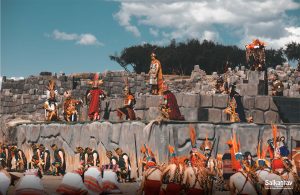
After the Spanish arrival in the 16th century, Cusco was rebuilt on top of its Inca foundations, creating a city where two historical periods coexist. This overlap is visible in its streets, temples, and plazas, as well as in daily life: Quechua is still spoken alongside Spanish, and celebrations like Inti Raymi show that the culture is not just history—it’s still alive today.
Cusco Flag: History and Meaning
The Cusco flag is a modern symbol that became popular in the 1970s, when the local government adopted it as a representation of regional identity. It features seven horizontal stripes in rainbow colors and has since been associated with the heritage of the Inca Empire, although there is no historical evidence that it was used during Inca times.
It is often confused with the LGBTQ+ flag due to its similar design; however, they are not the same. The Cusco flag has seven stripes and includes a distinctive light blue tone, while the LGBTQ+ flag has six colors and represents diversity and inclusion. Although they look similar, they carry different meanings.
If you want to better understand its origin and symbolism, explore our full blog about the Cusco flag.
Basics Before Traveling to Cusco
Documentation
To enter Peru, you need a valid passport. Depending on your nationality, you may also need a visa. Upon arrival, immigration registration is digital (Andean Migration Card), so it’s important to keep your entry information throughout your trip.
Vaccinations
No mandatory vaccines are required for Cusco. However, if you plan to visit the Amazon, a yellow fever vaccine is recommended. Travel insurance that covers medical assistance is also highly advisable.
Money
The local currency is the Peruvian sol (PEN). In Cusco, you’ll find ATMs and many places accept credit cards, but it’s recommended to carry cash for small purchases, markets, or local transportation.
What to Pack
Pack in layers: warm days and cold nights are common. Include sunscreen, sunglasses, a reusable water bottle, and comfortable shoes, especially if you plan to walk or take excursions.
If you’re traveling from abroad, check all entry requirements and procedures based on your nationality in advance.
Best Time to Visit Cusco
Dry Season (May to October)
Offers stable conditions with clear skies and low chances of rain. Ideal for trekking and visiting Machu Picchu. Keep in mind this is peak season, especially from June to August, so expect more tourists and higher prices.
Rainy Season (November to April)
Brings greener landscapes and fewer visitors. However, rain can affect visibility and some routes, especially for hiking.
Shoulder Months (March, April, October, November)
A great balance between good weather and fewer crowds, making them an excellent option for many travelers.
Cusco Altitude: What to Expect and How to Avoid Altitude Sickness
Cusco sits at around 3,400 meters (11,150 feet), which can affect travelers arriving from sea level. At this altitude, the air contains less oxygen, so your body needs time to adjust. This process is called acclimatization and is key to avoiding altitude sickness.
To reduce the impact, it’s recommended to rest on your first day, stay hydrated, avoid heavy meals, and limit physical exertion upon arrival.
Common symptoms include headaches, fatigue, dizziness, nausea, and trouble sleeping. In most cases, they are mild and improve with rest, hydration, and gradual adjustment. You can also try coca tea or consult a doctor if symptoms become stronger. If symptoms worsen or persist, descending to a lower altitude is recommended.
Want to know exactly how to prevent it and what to do step by step? Check out our complete guide to acclimatizing in Cusco.
How to Get to Cusco (The Easiest Way)
There are two main ways to get to Cusco:
By Plane
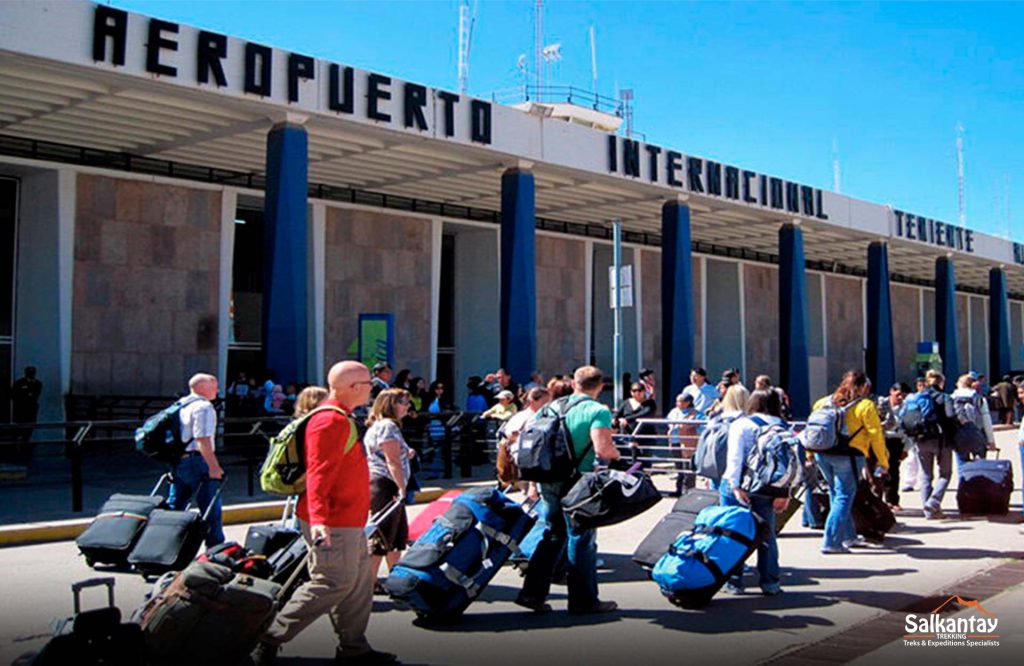
If you’re traveling from outside Peru, your entry point will be Jorge Chávez International Airport in Lima, the capital city. From there, you’ll take a second flight of about 1 hour to Alejandro Velasco Astete International Airport in Cusco.
Once you arrive, you can take a taxi or a transfer service to reach the city center. This is the fastest and most convenient option, especially for international travelers.Extra tip: Direct international flights from Cusco operate to Santiago (Chile), La Paz (Bolivia), and Bogotá (Colombia).
By Bus
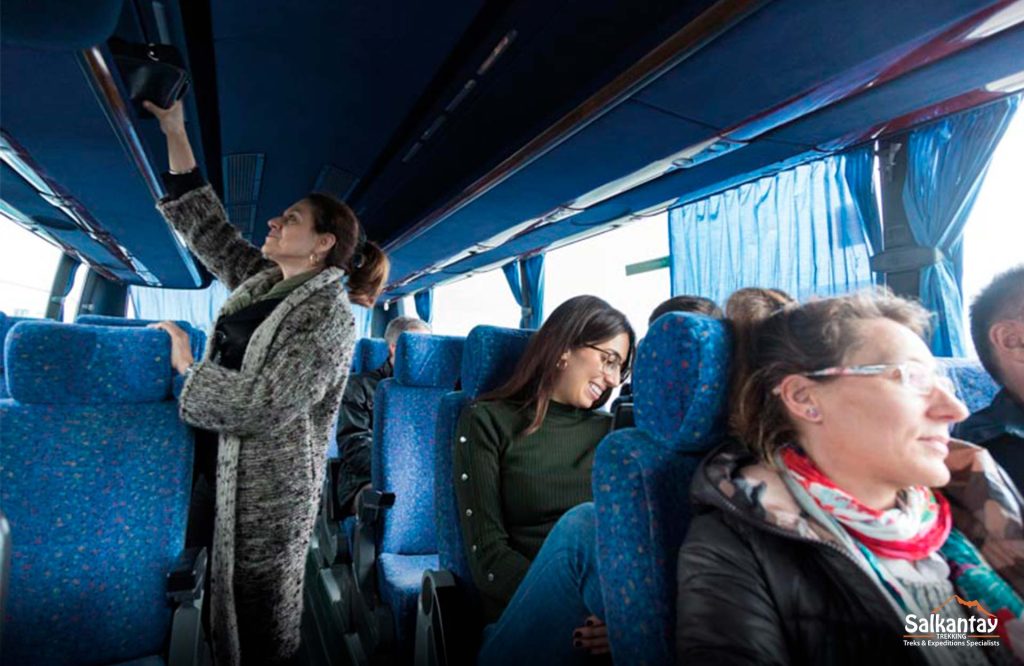
If you prefer a land-based adventure, you can reach Cusco by bus from several cities in Peru. The main bus terminal is about 15 minutes from the Historic Center.
The roads offer panoramic views of the Andes, making this a more relaxed option for travelers who enjoy scenic journeys.
Getting Around Cusco: How to Move Easily
Getting around Cusco is relatively simple once you know your options. Most distances in the historic center are short, but depending on your plans, you may combine different types of transportation:
- Public transportation: The cheapest option. Buses and minibuses run throughout the city, but they can be confusing for visitors and crowded during peak hours.
- Taxis and apps: Taxis are widely available and affordable. They don’t use meters, so agree on the price before getting in. You can also use apps like Uber or InDrive for more transparency and safety.
- Car or motorcycle rental: Not recommended within the city due to traffic, narrow streets, and limited signage. It may be useful for exploring areas outside Cusco on your own.
- Walking: One of the best ways to get around, especially in the historic center. Keep in mind that altitude can make walking more challenging at first, so take it slow.
Where to Stay in Cusco
Choosing where to stay in Cusco can significantly impact your experience. Here are some recommended options based on your travel style:
- Luxury and boutique hotels: Ideal if you’re looking for comfort and premium service. Options like Belmond Hotel Monasterio Cusco or JW Marriott El Convento Cusco offer historic settings and high-end amenities.
- Mid-range hotels: A great balance between price and comfort. Casa Andina Premium Cusco and Tierra Viva Cusco Centro stand out for location and service.
- Hostels and budget options: Perfect for travelers on a budget or those looking for a social atmosphere. Pariwana Hostel Cusco, Loki Hostel, and Wild Rover are popular choices.
Best areas to stay: The Historic Center and areas near Plaza de Armas are the most recommended due to their proximity to attractions, restaurants, and transportation, as well as safety and walkability.
If you want more options based on budget and travel style, check out our full guide on where to stay in Cusco.
Where to Eat in Cusco
Cusco’s food scene is diverse, blending traditional Andean cuisine with modern options. To help you choose quickly, here are some recommendations:
- Local restaurants: Great for trying classic dishes like lomo saltado, ají de gallina, or cuy. Recommended spots include Chicha by Gastón Acurio and Morena Peruvian Kitchen near Plaza de Armas.
- Healthy and vegetarian options: Cusco has a strong organic and plant-based scene. Greens Organic is a standout, offering balanced menus ideal for acclimatization days.
- Cafés and brunch spots: Perfect for relaxed breakfasts or breaks during the day. You’ll find quality Peruvian coffee, artisan bread, and comfortable spaces in areas like San Blas.
International cuisine: Italian, fusion, and creative dining options are widely available. Top picks include Cicciolina (Italian/international) and Limo Cocina Nikkei (Peruvian-Japanese fusion).
Looking for the best places to eat? Explore our full guide: Where to Eat in Cusco.
Best Cafés in Cusco: Where to Go Without Wasting Time
If you want great coffee in Cusco without falling into average tourist spots, these are some of the top-rated cafés:
- Three Monkeys Coffee (Top 100 worldwide): Known for specialty coffee and advanced brewing methods.
- Florencia y Fortunata Specialty Coffee (Top 100 worldwide): Women-led café with high-quality beans and a strong social impact.
- ONÍRICA Coffee Roastery & Brew Bar: Ideal for pure specialty coffee with methods like V60, Chemex, or Aeropress.
- La Valeriana: A classic in the historic center, perfect for a relaxed break with coffee and pastries.
Nightlife in Cusco
Cusco’s nightlife is varied and easy to adapt to your travel style:
Chill bars with a view
- Limbus Resto Bar: Rooftop with city views, perfect to start the night.
- The Library: Hidden bar with a calm atmosphere (reservation required).
Craft beer and pubs
- Cholos Craft Beer: Wide selection of local and international craft beers.
- Paddy’s Irish Pub: Classic Irish pub with a relaxed vibe.
- Fada (Wild Rover): Social and lively, popular with travelers.
Pisco and Peruvian cocktails
- Museo del Pisco: Ideal for trying traditional cocktails.
- La República del Pisco: Intimate setting focused on tastings.
Lively nightlife
- La Chupitería: Energetic atmosphere, music, and shots.
More upscale options
- Black Cat: Modern cocktails and elegant setting.
- Casa Palacio: Jazz-themed bar with live music and dining.
Planning your trip? Learn how to organize your itinerary step by step with this guide: Cusco Travel Guide: How to Plan the Perfect Itinerary.
Things to Do in Cusco Beyond Machu Picchu
Cusco offers much more than a visit to Machu Picchu. If you have extra time in the city or want to enrich your trip, there are experiences that allow you to connect with nature, history, and local life in a deeper way.
Trekking and Adventure
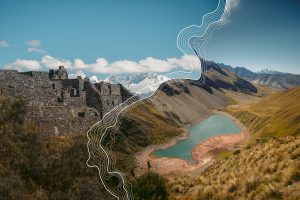
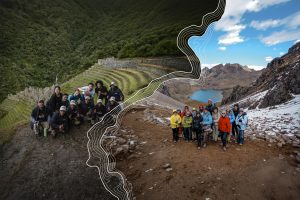
Cusco’s geography is ideal for travelers seeking direct contact with nature. You can choose day hikes to places like Humantay Lake or Rainbow Mountain, where the landscape takes center stage.
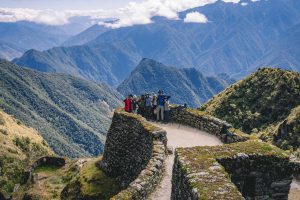
If you’re looking for something more immersive, multi-day routes like the Salkantay Trek or the Inca Trail combine high-altitude trekking, diverse ecosystems, and a progressive journey toward areas near Machu Picchu.
Culture and History
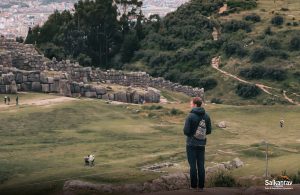
Beyond its landscapes, Cusco is a city where history is present in every corner. You can visit temples like Qorikancha, explore archaeological sites such as Sacsayhuamán, or discover museums like the Pre-Columbian Art Museum, the Inka Museum, and the Regional Historical Museum, which explain the development of Andean culture.
Neighborhoods like San Blas also offer a mix of art, tradition, and local life worth exploring at a slower pace.
Urban Experiences
Cusco can also be enjoyed through local experiences that go beyond traditional tourism. You can take Peruvian cooking classes, join art workshops like painting toritos de Pucará, or visit the planetarium to observe the Andean sky and understand its connection to Inca cosmology. These activities add context and make your trip more complete—even without leaving the city.
Best Day Tours in Cusco
Cusco offers a wide range of tours for all interests, from history to adventure:
Cusco City Tour:
Discover Cusco’s history by visiting the Cathedral, Qorikancha, Sacsayhuamán, and other key sites. You’ll see the blend of Inca and Spanish culture.
Sacred Valley Tour:
Explore the Sacred Valley, like Pisac’s artisan market and Ollantaytambo, one of the best-preserved Inca towns, while enjoying the natural beauty of the region.
Super Sacred Valley Tour:
Visit key Inca sites like Chinchero, Maras, Moray, Ollantaytambo, and Pisac in one super route.
Maras and Moray:
Discover the Maras salt mines and Moray’s agricultural terraces—an impressive example of ancient engineering.
Qeswachaka Inca Bridge:
Experience Andean traditions by visiting this handwoven bridge and, if timing allows, take part in its annual reconstruction.
Cusco Tourist Ticket
The Cusco Tourist Ticket is a pass that grants access to multiple archaeological sites and museums in Cusco and the Sacred Valley with a single payment. It includes places like Sacsayhuamán, Q’enqo, Puka Pukara, Tambomachay, and selected museums.
You can purchase it at official COSITUC offices in Cusco or directly at the entrance of included sites.
Want details on ticket types, prices, and tips? Check out our full guide on the Cusco Tourist Ticket.
Tips for Traveling to Cusco, Peru
Traveling to Cusco is an exciting and enriching experience. Here are some key tips:
- Acclimatize: hydrate, rest, and avoid heavy meals for the first 2 days
- Dress in layers: warm days and cold nights are common
- Wear comfortable shoes for walking and exploring ruins
- Respect cultural norms at temples and historical sites
- Try local food: ceviche, lomo saltado, and native potatoes
- Stay hydrated due to altitude and climate
- Avoid overexertion, especially in the first days
- Use safe transportation (registered taxis or apps)
- Get travel insurance
- Ask permission before taking photos of locals
- Explore beyond Machu Picchu
- Experience local festivals if possible
- Take your time and enjoy the pace
Travel tip: To reach Machu Picchu by train, travel with PeruRail or Inca Rail from Cusco, Ollantaytambo, or Urubamba. Book in advance and choose based on your budget.
Estimated Daily Budget in Cusco
Your daily expenses will depend on your travel style:
Accommodation
- Budget: $10–25 USD
- Mid-range: $40–90 USD
- High-end: $120+ USD
Food
- Local menu: $3–6 USD
- Average restaurant: $10–20 USD
- Premium dining: $25+ USD
Transportation
- Short taxi rides: $2–5 USD
- Daily transport: $5–10 USD
Activities and Entry Fees
- Tickets and activities: $20–70 USD
Extras (coffee, snacks, shopping)
- Around $5–15 USD
Total per day
- Budget: $30–50 USD
- Mid-range: $70–130 USD
- High-end: $150+ USD
Frequently Asked Questions
Cusco is known for being the capital of the Inca Empire and the main gateway to Machu Picchu. It also stands out for its blend of Inca and colonial architecture, living culture, and proximity to unique landscapes and archaeological sites.
Yes, Cusco is generally safe for tourists. As in any city, it’s important to take basic precautions: avoid poorly lit areas at night, keep an eye on your belongings, and use reliable transportation.
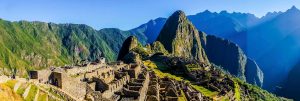
Yes. Cusco sits at about 3,400 meters (11,150 feet), while Machu Picchu is at around 2,430 meters (7,972 feet), so altitude is higher in Cusco and requires acclimatization.
The most beautiful aspect of Cusco is its mix of history and Andean landscapes, from colonial streets and Inca sites to its proximity to Machu Picchu.
The distance is about 80 km (50 miles) in a straight line. Travel time is typically 3–4 hours, combining a drive to Ollantaytambo and a train to Aguas Calientes.
Generally, yes. Peru remains an active tourist destination, especially in areas like Cusco. However, it’s recommended to check official travel advisories and follow basic safety precautions.
An Unforgettable Journey Through the Heart of the Andes
Cusco, with its historical charm and natural beauty, is a destination that will stay with you forever. Whether you explore ancient Inca ruins or immerse yourself in local culture, this guide will help you avoid common mistakes and make the most of your trip.If you want to start your experience the right way, with Salkantay Trekking you can explore the city with expert local guides. Our Cusco City Tour helps you understand its history, visit key archaeological sites, and connect with its essence from day one.

Leave A Reply