You’ve probably heard people casually say things like, “Oh yeah, we hiked at high altitude,” while posting photos of snowy mountains and suspiciously clean hiking boots. But what is high altitude trekking, really? And why does everyone suddenly become obsessed with electrolytes and oxygen levels the second they land in Peru?
High-altitude trekking is one of the most rewarding adventures you can have. The views are bigger, the mountains feel wilder, and reaching a pass after hours of uphill hiking gives you the kind of main-character energy you simply don’t get walking around your local park.
But trekking at high elevation also comes with challenges. Your body reacts differently, breathing gets harder, and altitude sickness can turn an exciting trip into a rough one if you don’t prepare properly.
The good news? Thousands of beginners complete high-altitude treks every year, including the famous Salkantay Trek in Peru. With the right preparation, pacing, and mindset, there’s no reason your first trek at altitude can’t be incredible.
Table of contents
- What’s Considered High Altitude?
- What Is High-Altitude Trekking?
- How High Altitude Affects the Human Body
- What Is Altitude Sickness?
- Altitude Sickness Symptoms to Watch For
- How to Prepare for High-Altitude Trekking
- Best Ways to Prevent Altitude Sickness
- What to Pack for a High-Altitude Trek
- Common Mistakes First-Time High-Altitude Trekkers Make
- Can Anyone Do a High-Altitude Trek?
- Best Beginner-Friendly High-Altitude Treks
- Is High-Altitude Trekking Safe?
- Final Tips for Your First High-Altitude Trek
- Frequently Asked Questions About High-Altitude Trekking
- Thin Air, Huge Mountains, and the Kind of Adventure You Never Forget
What’s Considered High Altitude?
Before diving into mountain passes and dramatic trekking photos, it helps to understand what counts as “high altitude” in the first place. Because technically, your lungs don’t care whether you call it hiking, trekking, or “finding yourself in the Andes.” They only care about oxygen.
Low Altitude vs High Altitude vs Extreme Altitude
Altitude is generally divided into a few categories:
- Low altitude: Below 5,000 feet (1,500 m)
- High altitude: 5,000–11,500 feet (1,500–3,500 m)
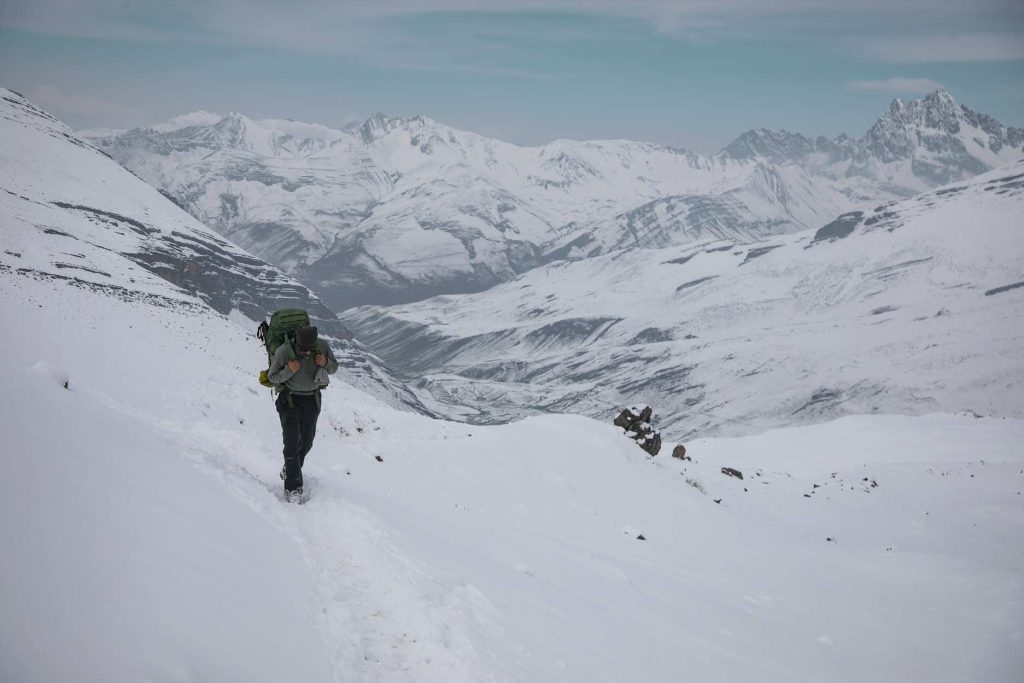
- Very high altitude: 11,500–18,000 feet (3,500–5,500 m)
- Extreme altitude: Above 18,000 feet (5,500 m)
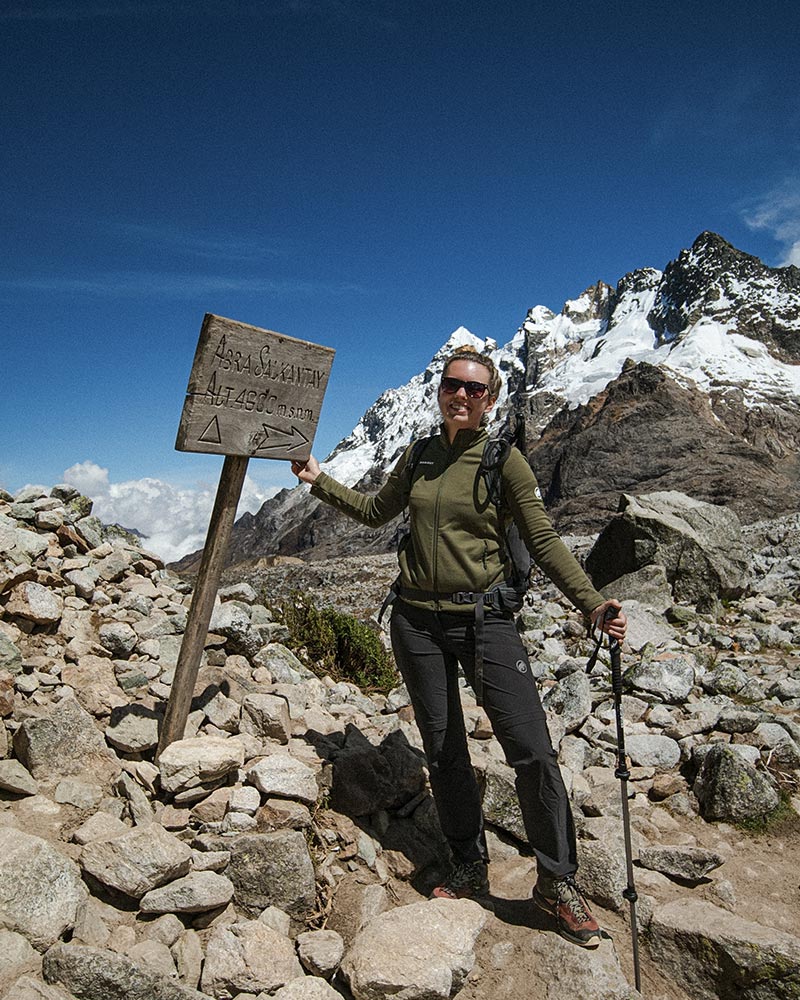
Most popular trekking routes fall into the “very high altitude” category. For example, the Salkantay Pass on the Salkantay Trek reaches over 15,000 feet. That’s well into the zone where your body starts filing a formal complaint.
At What Elevation Does Altitude Start Affecting the Body?
For many people, symptoms begin around 8,000 feet (2,500 m). That’s usually when the body notices there’s less oxygen available in the air.
And no, the air isn’t “thinner” because there’s less oxygen floating around. The percentage of oxygen stays roughly the same. There’s just lower air pressure, meaning your body gets less oxygen with every breath.
Tiny science lesson over. Back to the mountains.
Why Trekking at Altitude Feels More Difficult
Ever climbed a lot of stairs and immediately regretted every life decision? High altitude can feel like that, except the stairs are a mountain and you’re carrying a backpack.
At elevation, your muscles receive less oxygen, so even easy movement feels harder. Your heart works faster, breathing becomes heavier, and recovery takes longer. That’s why experienced trekkers move slowly uphill. Not because they’re lazy. Because the mountain always gets its own way.
What Is High-Altitude Trekking?
High-altitude trekking involves hiking routes that reach significant elevation, usually above 8,000 feet (2,439 m). These treks often pass through mountains, remote valleys, glaciers, and rugged landscapes where altitude becomes a huge factor.
Unlike a regular day hike, trekking at high elevation means you need to factor in acclimatization, physical preparation, and a bit more respect for what your body is doing.
Definition of High-Altitude Trekking
High-altitude trekking is long-distance hiking at elevations where reduced oxygen levels affect physical performance and increase the risk of altitude sickness.
Treks can last anywhere from one day to several weeks and often involve camping, mountain lodges, or remote routes far from major cities.
Popular High-Altitude Treks Around the World
Some treks are practically bucket-list celebrities at this point. Here are our top picks.
Salkantay Trek
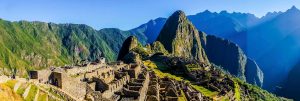
The Salkantay Trek is one of the best beginner-friendly high-altitude adventures in the world. It combines snowy mountains, cloud forests, dramatic scenery, and Machu Picchu at the end, which feels like a pretty strong reward for sore legs.
Unlike the classic Inca Trail, the Salkantay route reaches much higher elevations, making acclimatization especially important.
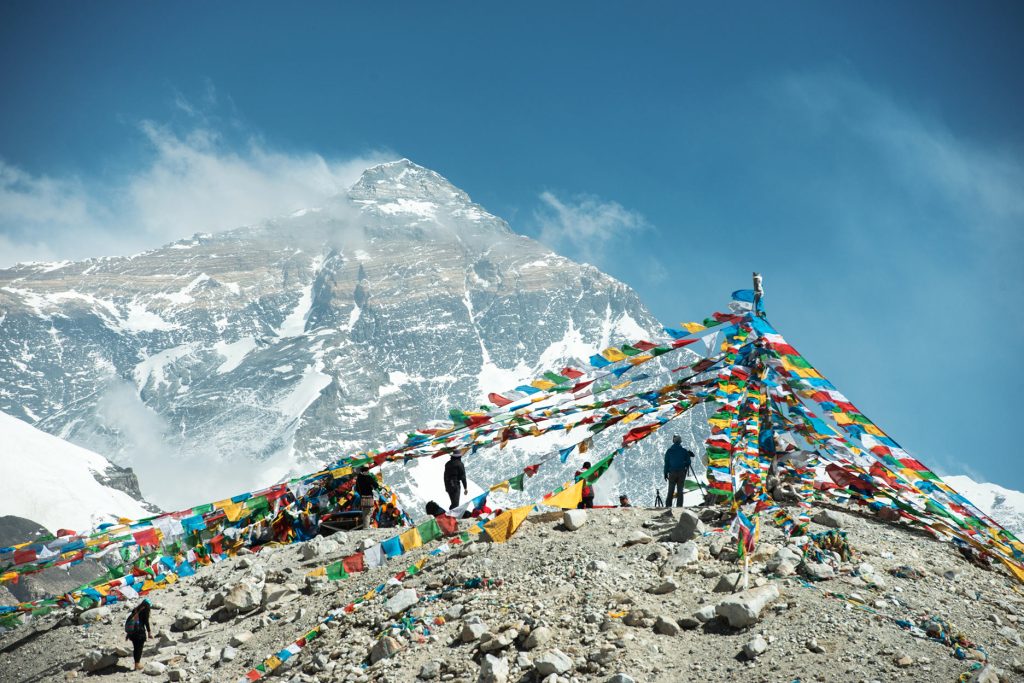
Everest Base Camp
Probably the most famous trekking route on Earth. Stunning? Absolutely. Easy? Not remotely.
Trekkers deal with long hiking days, cold temperatures, and elevations above 17,000 feet.
Kilimanjaro
Africa’s tallest mountain is technically non-technical, meaning you don’t need climbing experience. You do, however, need determination and functioning lungs. You’ll reach seriously dizzy heights of over 19,000 feet (almost 6,000 meters). Yes, that’s very high.
Annapurna Circuit
This is Nepal doing what Nepal does best: giant mountains, beautiful villages, and trails that make your camera work overtime.
Why People Choose High-Altitude Adventures
Honestly? They’re unforgettable.
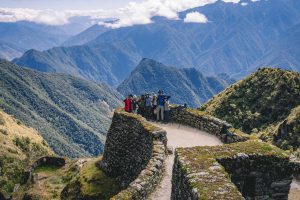
There’s something wildly satisfying about reaching a mountain pass after days of trekking. You disconnect from normal life, spend hours surrounded by ridiculous scenery, and realize your body can do more than you thought.
Also, mountain sunrises hit differently when you earn them.
How High Altitude Affects the Human Body
The effects of high altitude on the human body are real, even for fit people. Altitude doesn’t care how many spin classes you take or how well you’ve been eating lately.
Reduced Oxygen Levels Explained
As elevation increases, oxygen pressure decreases. Your body has to work harder to get enough oxygen into your bloodstream.
That means:
- Faster breathing
- Increased heart rate
- Faster fatigue
- Headaches
- Difficulty sleeping
Basically, your body turns into an overworked intern trying to keep up.
Effects of High Altitude on Breathing and Heart Rate
At altitude, even walking uphill slowly can leave you breathless. Your body compensates by breathing faster and pumping blood harder.
This is normal. What’s not normal is severe breathlessness while resting or struggling to recover after small movements.
Physical Performance Changes at Elevation
You will move more slowly. Everyone does. It’s inevitable.
Strength, endurance, and recovery all decrease at high elevation. The biggest mistake beginners tend to make is fighting this reality instead of accepting it.
Basically, slow trekking is smart trekking.
Sleep, Appetite, and Hydration at Altitude
Altitude has a habit of messing with sleep and appetite. Some people wake up constantly during the night or lose interest in food altogether.
The thing is, your body still needs calories and hydration. Probably more than normal.
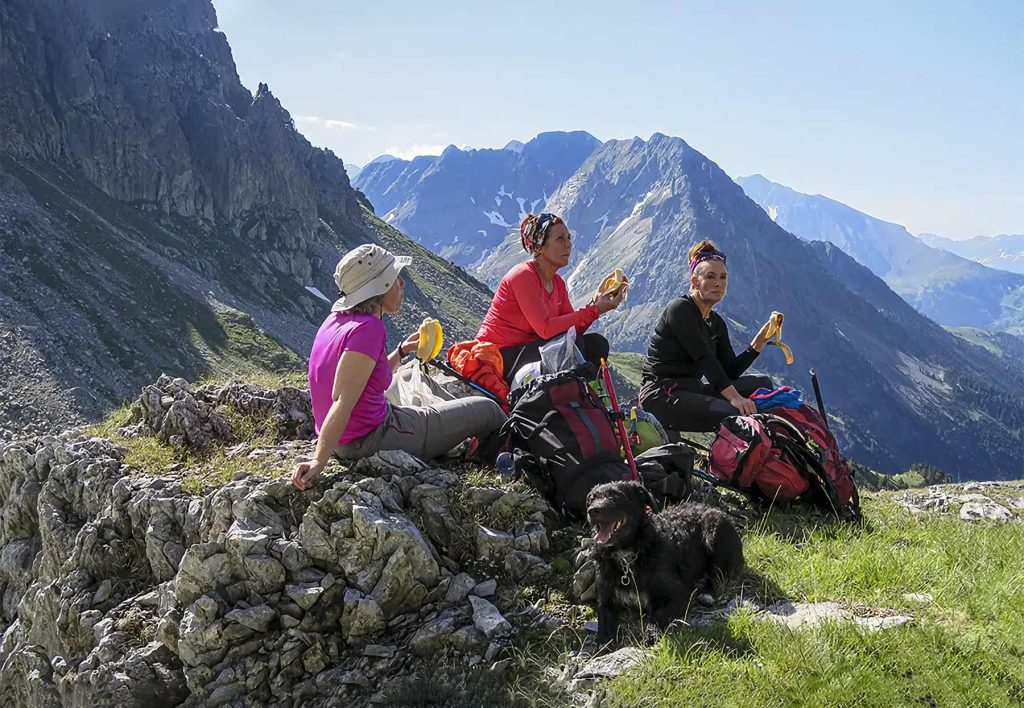
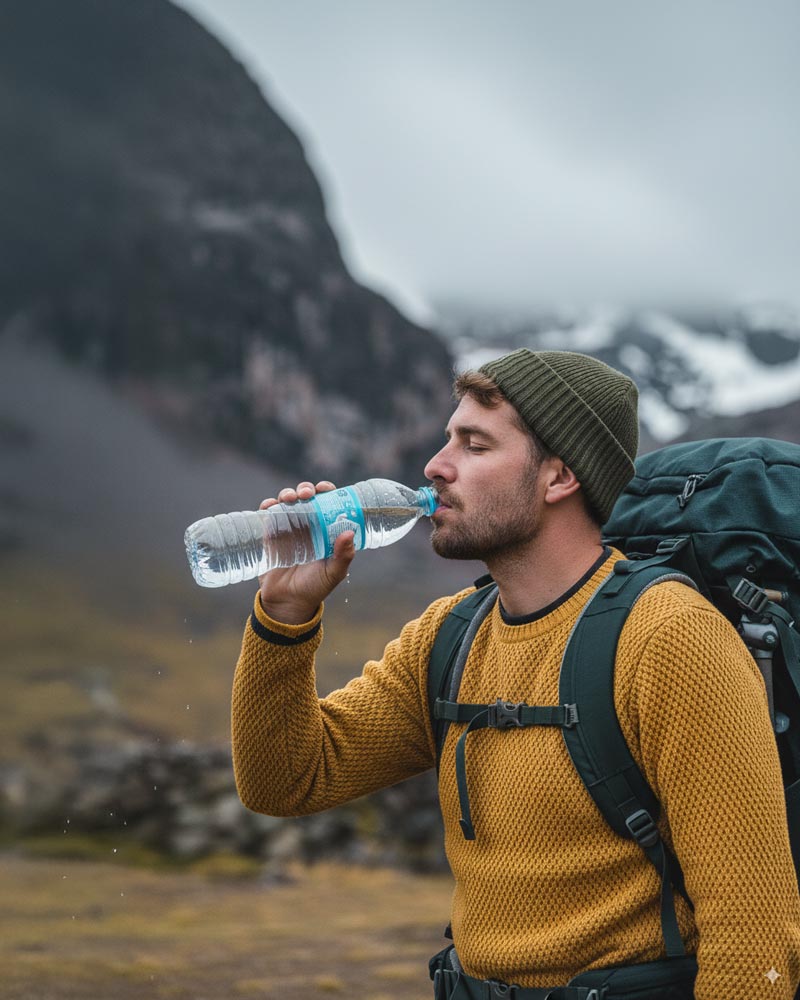
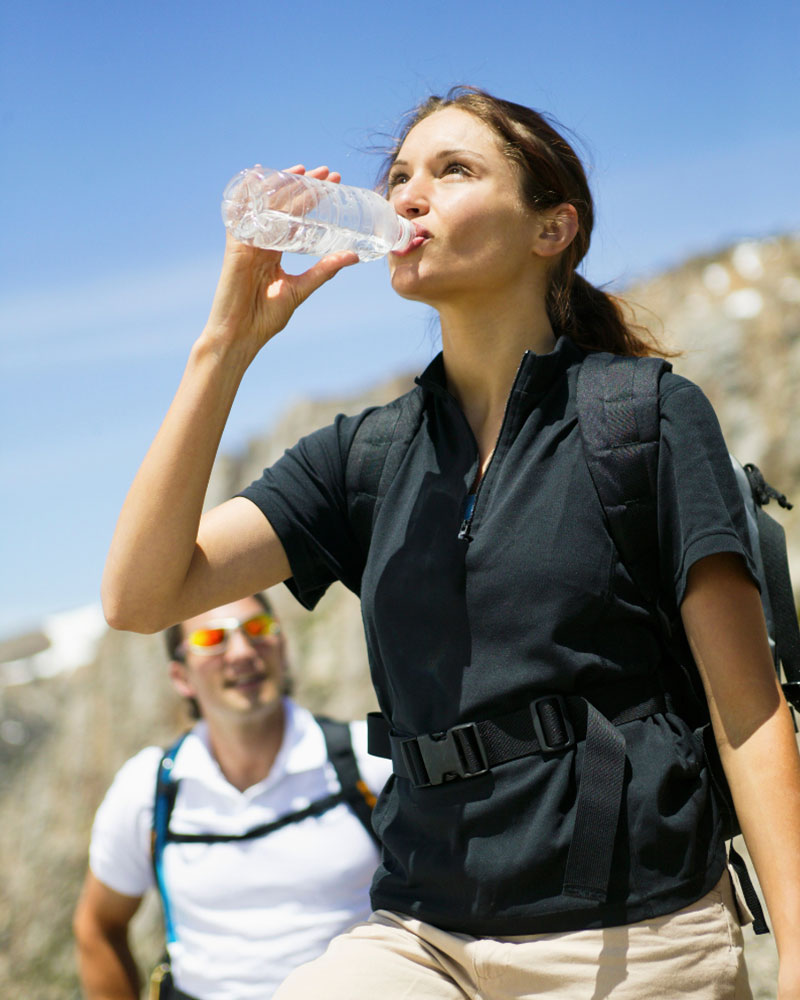
Drink more water than you think you need. Then drink a little more. Sipping little and often is the best way to go.
What Is Altitude Sickness?
Altitude sickness happens when your body struggles to adapt to the lower oxygen levels. It can affect anyone, regardless of age or fitness level.
Yes, even marathon runners. The mountains are very democratic like that.
Acute Mountain Sickness (AMS)
AMS is the most common form of altitude sickness.
Symptoms include:
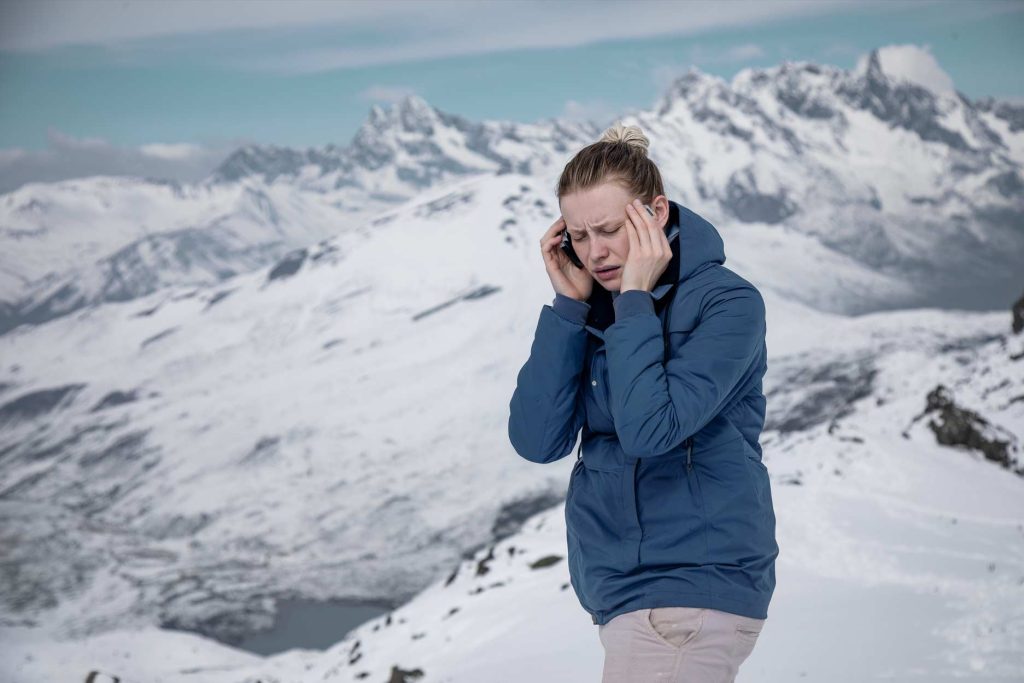
- Headaches
- Nausea
- Fatigue
- Dizziness
- Loss of appetite
Mild AMS is common and usually manageable with rest and hydration.
High Altitude Pulmonary Edema (HAPE)
HAPE is a severe condition that causes a fluid buildup in the lungs.
Symptoms may include:
- Severe shortness of breath
- Chest tightness
- Persistent cough
- Blue lips or fingernails
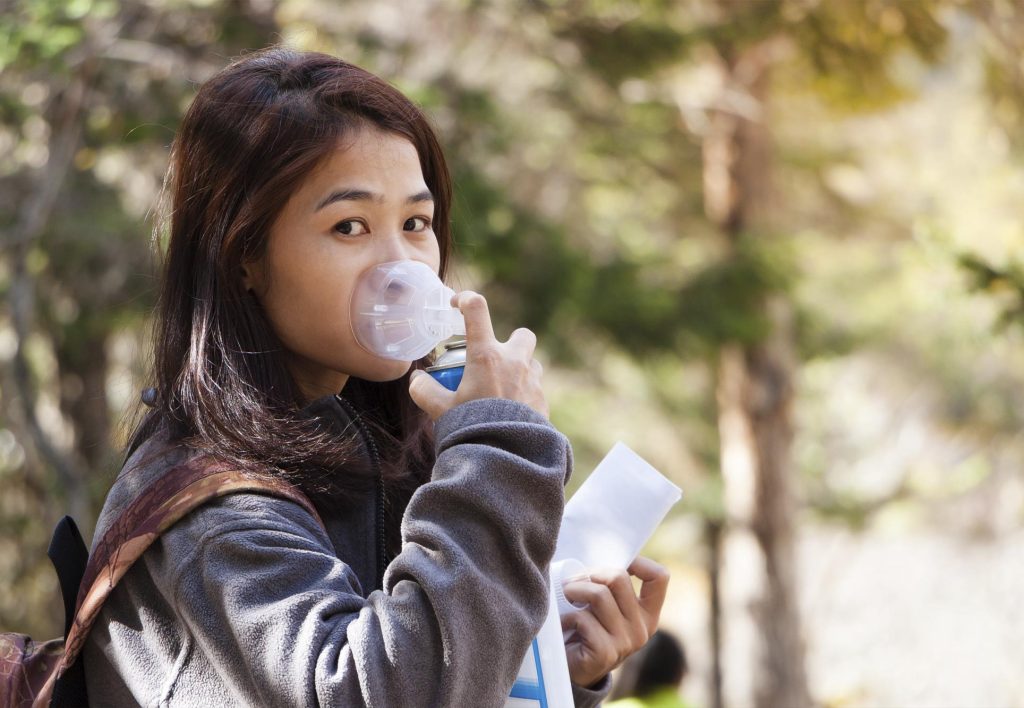
This is a medical emergency requiring immediate descent from wherever you are and supplementary oxygen. Always have an escape plan before you head up to higher elevations.
High Altitude Cerebral Edema (HACE)
HACE involves swelling in the brain and is extremely serious.
Symptoms include:
- Confusion
- Loss of coordination
- Difficulty walking
- Hallucinations
If someone starts acting strangely at altitude, take it seriously.
Who Is Most at Risk?
Anyone can experience altitude sickness symptoms. Being in peak physical fitness doesn’t guarantee protection.
The risk of getting ill increases when you:
- Ascend too quickly
- Skip acclimatization days
- Sleep at high elevation too soon
- Ignore early symptoms
Altitude Sickness Symptoms to Watch For
Knowing the warning signs early is one of the best ways to stay safe while trekking.
Mild Symptoms
These are the classic beginner complaints:
- Mild headache
- Slight nausea
- Fatigue
- Dizziness
- Trouble sleeping
Sure, they’re not fun, but they’re usually manageable.
Moderate Symptoms
Symptoms become more concerning when they interfere with normal movement or recovery.
Watch for:
- Vomiting
- Strong headaches
- Extreme fatigue
- Shortness of breath during rest
Severe Symptoms That Require Immediate Descent
This is the “stop hiking immediately” category.
Signs include:
- Confusion
- Chest congestion
- Inability to walk properly
- Severe breathing difficulty
Descending saves lives. No joke.
When to Stop Trekking and Seek Help
If symptoms worsen despite rest, hydration, or medication, it’s time to get to a lower elevation and find medical help.
Summits are optional. Getting home safely is not.
How to Prepare for High-Altitude Trekking
The best trekking experiences usually start months before the trip itself. Preparing for altitude is the best way to give yourself a good chance of avoiding the nasty symptoms.
Physical Fitness and Endurance Training
You do not need to become an ultramarathon runner. But you should prepare.
Focus on:
- Hiking practice
- Cardio workouts
- Leg strength
- Stair climbing
- Long walks with a backpack
The better your baseline fitness, the more enjoyable the trek becomes.
Acclimatization Strategies
Acclimatization is your body’s process of adapting to reduced oxygen.
Before trekking, spend a few days adjusting in Cusco or another mountain town.
Check out the best acclimatization tours in Cusco if you’re heading to Peru and want to adjust gradually while still exploring, like the city tour or a trip out to Maras and Moray.
Hydration and Nutrition Tips
Drink often, eat regularly and lightly, and avoid heavy alcohol before trekking. Make sure you take the time to rest and go slowly.
Your body burns more energy at altitude, even while resting.
Mental Preparation for Trekking at Elevation
Altitude trekking is as mental as it is physical.
Some days feel amazing. Others feel like your backpack gained double its weight overnight.
Stay patient with yourself.
Choosing the Right Trek for Your Experience Level
For beginners, Peru is a fantastic place to start. The Salkantay Trek offers big mountain scenery without requiring technical climbing skills.
Best Ways to Prevent Altitude Sickness
Altitude sickness is one of the biggest concerns for first-time trekkers, and honestly, fair enough. Headaches, nausea, dizziness, and feeling like you’ve suddenly forgotten how breathing works aren’t exactly part of the dream vacation brochure.
The good news is that most cases of altitude sickness can be avoided with the right preparation. You don’t need to be an elite athlete or survive on green smoothies and motivational podcasts. You just need to give your body time to adjust and make sensible decisions on the trail.
Climb Slowly and Gain Elevation Gradually
One of the main causes of altitude sickness is ascending too quickly. Your body needs time to adapt to lower oxygen levels, and rushing uphill like you’re late for work usually backfires.
That’s why experienced guides always recommend a slow, steady pace. On routes like the Salkantay Trek, pacing yourself properly makes a huge difference, especially on steep mountain passes.
If everyone around you suddenly seems to be hiking painfully slowly, there’s a reason. The mountain tends to reward patience, not speed. The last thing you want is for everyone to be enjoying the incredible views at the top while you’re huddled over trying to catch your breath.
Rest Days and Acclimatization Hikes
Acclimatization days might sound boring in theory, but they’re one of the smartest things you can do before a high-altitude trek.
Spending a few days in Cusco before your trek gives your body time to adjust naturally to the elevation. Light hikes and gentle activity help far more than staying in bed, convincing yourself you’re “saving energy.”
This guide on how to acclimate in Cusco explains exactly how to prepare before your trek begins.
Foods and Drinks That Help at Altitude
At high elevation, hydration becomes much more important. The dry air, extra breathing, and physical effort all increase dehydration, which can make altitude sickness symptoms feel worse.
Drink water constantly throughout the day, even if you don’t feel thirsty. Electrolytes also help, especially during long hiking days.
Food-wise, most trekkers do better with lighter meals and plenty of carbohydrates. Heavy, greasy meals at altitude can really make your stomach feel like it’s got a weight inside and make moving around much harder.
Medications for Altitude Sickness
Some trekkers use medication to help prevent or reduce altitude sickness symptoms, especially on routes with rapid elevation gain. Always speak with a doctor before taking anything for altitude symptoms.
Diamox
Acetazolamide, commonly known as Diamox, is one of the most common medications used for altitude sickness prevention. It helps your body acclimatize faster and is often recommended for trekkers heading to high elevations.
Some people swear by it. Others mainly complain about the weird tingling fingers. Both can be true.
Ibuprofen
Ibuprofen can help reduce altitude-related headaches and mild discomfort during the acclimatization process.
It’s useful to carry in your first aid kit, but it shouldn’t be used to ignore worsening symptoms while you keep climbing higher.
Aspirin and Altitude Questions
A lot of trekkers ask whether aspirin helps at high altitude. Some studies suggest it may be useful for headaches, but it’s not considered a first port of call for altitude sickness.
If you’re unsure which medication is right for you, check with a medical professional before your trip. For example, doctors tend not to recommend Diamox to those suffering from certain allergies or severe liver and kidney conditions.
Remember that your mountain guide is excellent at finding trails, but probably shouldn’t be your pharmacist. Everyone is different, and you want to make sure you find the right thing for your body and needs.
What to Pack for a High-Altitude Trek
Packing for a high-altitude trek is all about balance. Bring too little, and you’ll spend four days freezing and regretting your choices. Bring too much, and your backpack starts feeling like you’re carrying double your bodyweight.
The weather at high elevation changes fast, especially on routes like the Salkantay Trek, where you can go from bright sunshine to icy wind surprisingly quickly. Smart packing is less about luxury and more about staying comfortable, dry, and functional on the trail.
Essential Clothing Layers
Layering matters far more than bringing a huge, bulky jacket. At high altitude, temperatures can swing dramatically between early mornings, sunny afternoons, and cold evenings.
A good layering system usually includes:
- Moisture-wicking base layers
- A warm fleece or mid-layer
- Waterproof outer shell
- Lightweight down jacket for cold nights
- Gloves, a hat, and warm socks
The goal is flexibility. You want to be able to add or remove layers easily without unpacking your entire life every time the weather changes its mood.
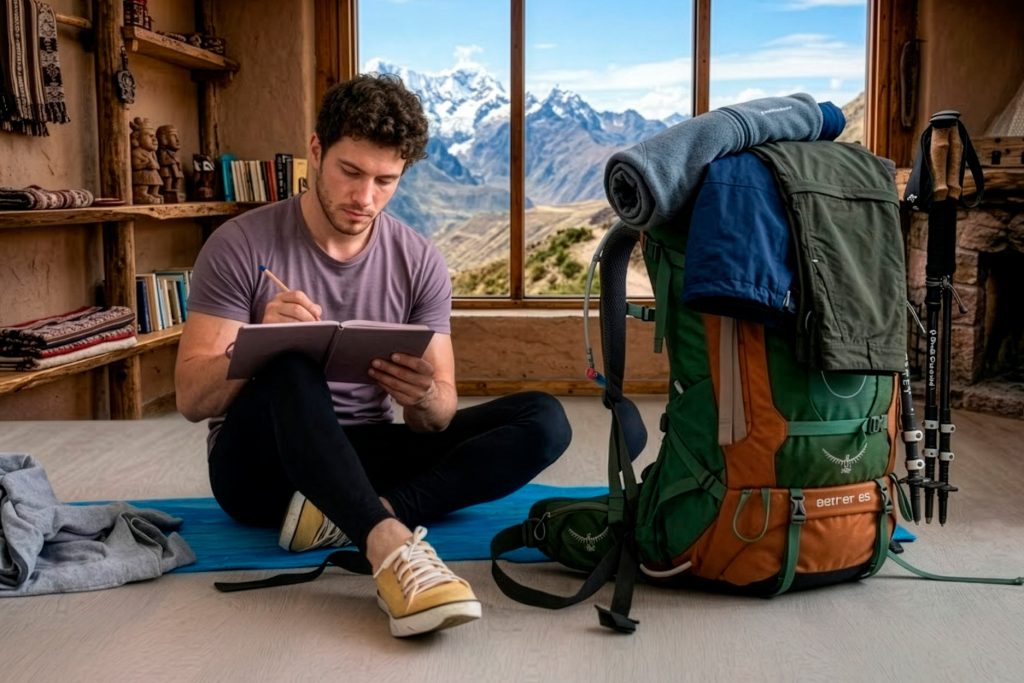
Trekking Gear and Equipment
Good gear makes trekking at high elevation far more enjoyable. You don’t need the most expensive equipment on Earth, but a few things are absolutely worth investing in.
A solid pair of broken-in hiking boots is probably the biggest one. Brand-new boots on a multi-day trek are basically just blisters waiting to happen.
Trekking poles also help more than people expect, especially on steep descents when your knees start negotiating for better working conditions.
Other useful gear includes:
- A comfortable daypack
- Headlamp
- Sunglasses
- Sunscreen
- Reusable water bottle or hydration pack
And yes, sunscreen matters. We’re talking SPF 50+. High altitude sun is aggressive. You can absolutely get sunburned while surrounded by freezing air and lots of clouds.
Water Purification and Hydration Systems
Hydration becomes incredibly important at altitude because your body loses fluids faster because of heavier breathing and more physical effort.
Most trekkers carry either a hydration bladder or reusable water bottles for easy access while hiking. Water purification tablets or filters are also useful on remote routes where clean drinking water may not always be available.
If you wait until you feel thirsty, you’re already behind.
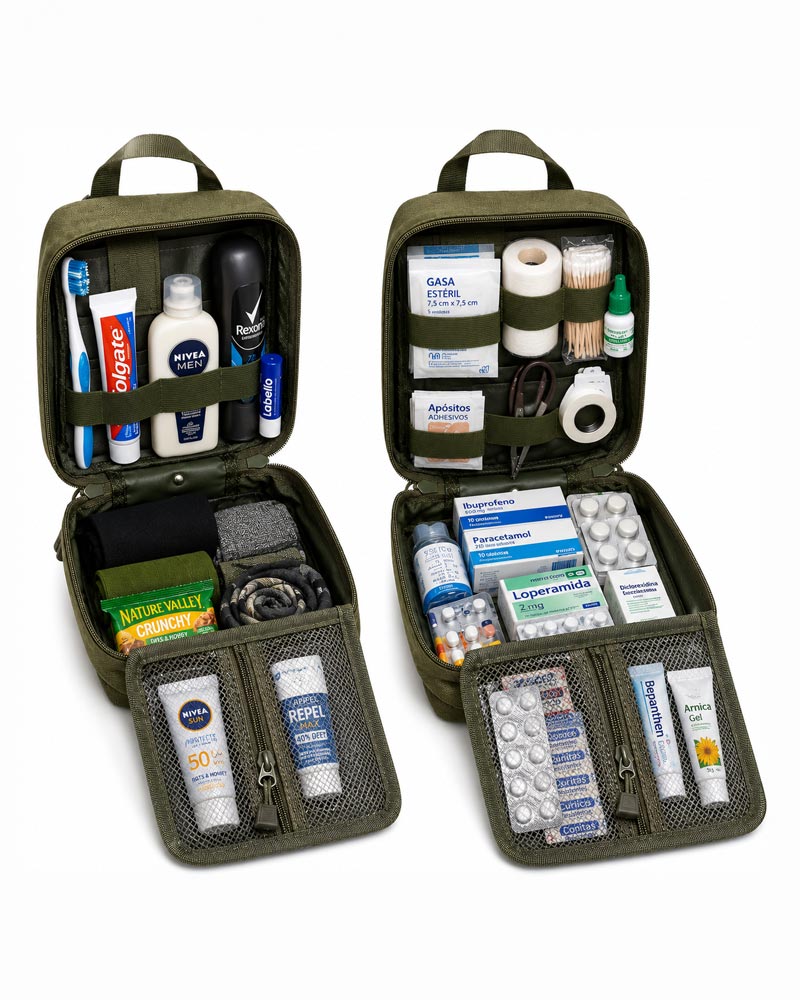
First Aid and Emergency Essentials
Even guided treks should include a few personal medical basics in your bag.
A simple first aid kit should include:
- Blister treatment
- Pain relief medication
- Electrolyte packets
- Bandaids
- Personal medications
- Altitude medication, if prescribed
You hopefully won’t need most of it. But the second you do, you’ll feel incredibly grateful to yourself for packing it.
Snacks and Energy Foods
There’s something about high-altitude trekking that turns snacks into emotional support items. It’s true. It’ll be one of your biggest home comforts when you’re in a remote spot on a mountain.
Your body burns a huge amount of energy at elevation, so keeping quick calories nearby really helps during long hiking days.
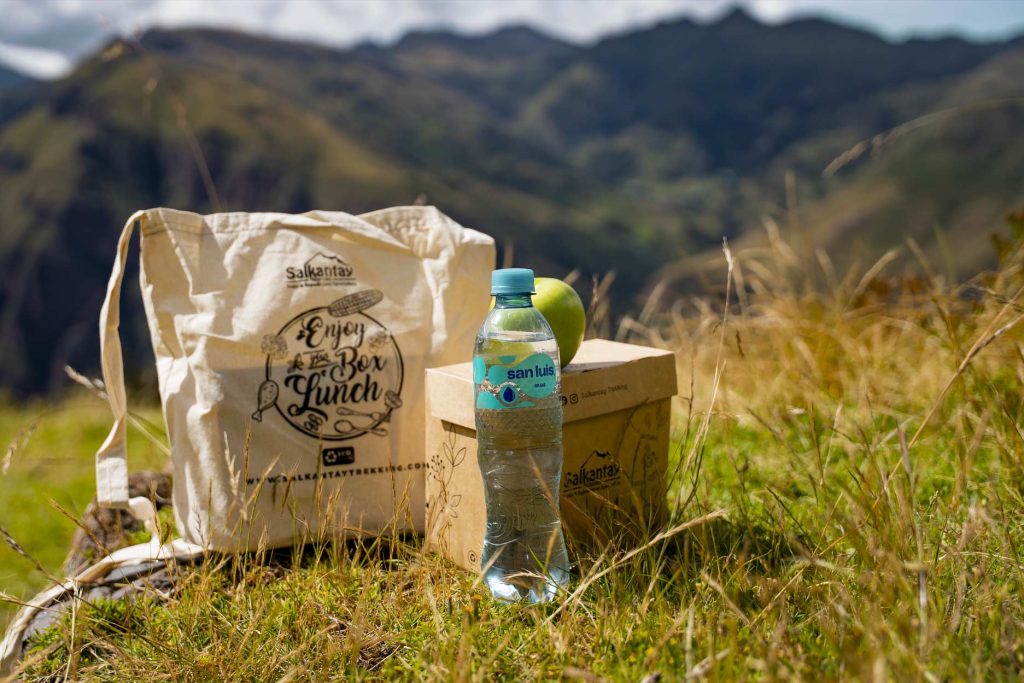
Energy bars, trail mix, chocolate, nuts, dried fruit, and cookies all work well. Honestly, mountains are one of the few places where eating candy before noon somehow feels like you’re actually doing the right thing.
Common Mistakes First-Time High-Altitude Trekkers Make
Most beginner mistakes at altitude are completely avoidable. The problem is that people usually make them because they’re excited, overconfident, or convinced they’re “probably fine.”
So, here’s what not to do if you can help it.
Going Too Fast
One of the fastest ways to ruin a trek is hiking too aggressively on the first day.
People arrive full of energy, adrenaline, and plenty of confidence, then they charge uphill like they’re trying to win something. A few hours later, altitude sickness symptoms start creeping in, and suddenly every uphill step feels like its own mini mountain.
At high elevation, slow pacing isn’t a weakness. It’s a strategy.
Ignoring Symptoms
A mild headache can be normal during acclimatization. Severe headaches, dizziness, nausea, or confusion aren’t things to simply “push through.”
One of the biggest dangers with altitude sickness is pretending it’ll magically improve while you keep going higher. Sometimes the smartest trekking decision is resting or making your way back down.
That summit will still be there another day.
Underestimating Cold Temperatures
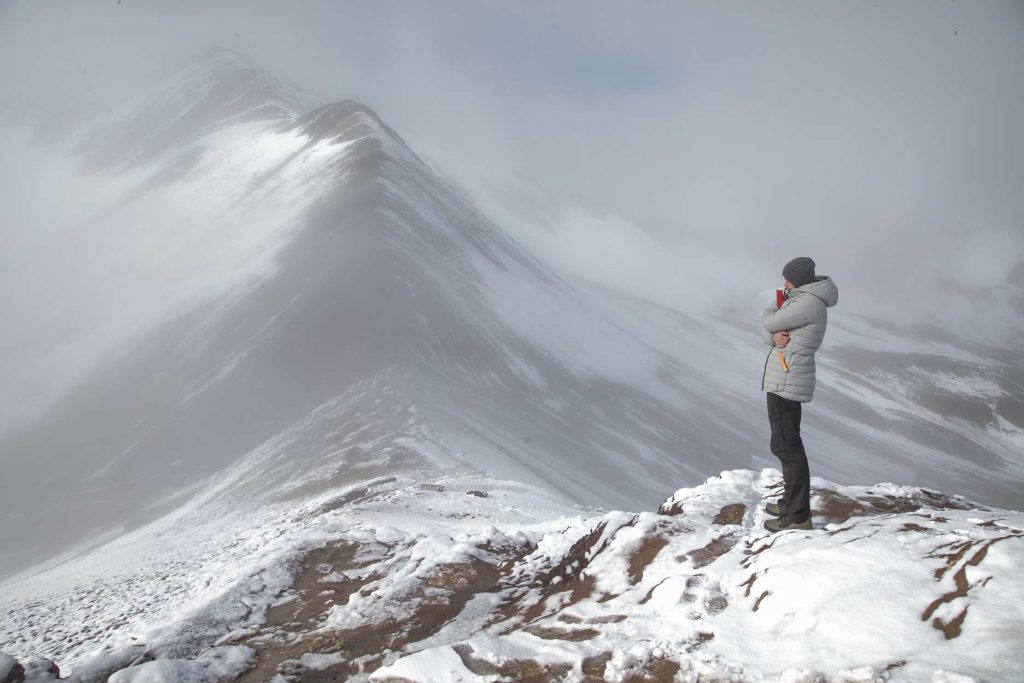
Many first-time trekkers focus so much on hiking that they forget mountains can get seriously cold, especially early in the morning and overnight.
Even in Peru, temperatures at high elevation can drop below freezing. Routes like the Salkantay Trek regularly involve icy mornings before the sun fully comes up.
Being cold, tired, and underdressed isn’t a fun combination.
Poor Hydration Habits
Dehydration makes altitude sickness symptoms a lot worse and drains your energy much faster.
Plenty of trekkers simply forget to drink enough because cooler mountain temperatures make them feel less sweaty. In reality, the dry air actually dehydrates you all day long.
So, drink consistently, not just when you remember.
Carrying Too Much Weight
There’s always one person carrying three jackets, five “essential” camera lenses, and enough snacks to survive a small apocalypse.
Don’t be that person.
Heavy backpacks make trekking at altitude so much harder. Pack smart and focus on what you’ll realistically use.
Can Anyone Do a High-Altitude Trek?
A lot of people assume high-altitude trekking is only for ultra-fit adventurers who casually run marathons for fun. Thankfully, that’s not true.
Most healthy people can complete a high-altitude trek with the right preparation, reasonable expectations, and enough patience to pace themselves properly.
Age and Fitness Considerations
You don’t need to be an elite athlete to trek at high elevation. In fact, plenty of experienced trekkers move slowly, take regular breaks, and fully embrace the “one step at a time” approach. No one is judging you up here.
Fitness absolutely helps, especially cardiovascular endurance and leg strength, but mindset matters just as much. People often struggle more because they rush, ignore symptoms, or underestimate the challenge, rather than because they aren’t fit enough.
Every year, travelers of all ages complete routes like the Salkantay Trek and Everest Base Camp with great success.
Trekking with Asthma, Diabetes, or COPD
Certain medical conditions can make trekking at high altitude more complicated, but not necessarily impossible.
Asthma, diabetes, and COPD can all be affected by lower oxygen levels and physical exertion at high elevation. Some travelers also notice changes in blood sugar control or breathing patterns while trekking.
This doesn’t automatically mean you can’t go. It just means preparation becomes even more important. As does keeping an eye out for signs you might be overdoing it.
When to Speak to a Doctor Before Trekking
It’s always worth speaking with a doctor before a high-altitude trek if you:
- Have heart or lung conditions
- Take regular medication
- Have experienced altitude sickness before
- Have concerns about breathing or circulation
A little preparation beforehand is much better than trying to Google medical advice halfway up a mountain with one bar of signal.

Best Beginner-Friendly High-Altitude Treks
Not every high-altitude trek needs to involve extreme suffering and scenes like they’re straight out of a dramatic survival documentary. Some routes are much more beginner-friendly but still deliver incredible scenery and a real sense of adventure.
The key is choosing a trek with good infrastructure, manageable pacing, and enough time for acclimatization.
Salkantay Trek in Peru
The Salkantay Trek is one of the best introductions to high-altitude trekking anywhere in the world.
You get huge mountain scenery, glaciers, cloud forests, and the reward of arriving at Machu Picchu without needing technical climbing experience. It’s challenging enough to feel like a real adventure, but accessible enough for motivated beginners who prepare properly.
The changing scenery is also ridiculous (in a good way). One day you’re surrounded by snowy peaks, and the next you’re walking through lush jungle valleys, wondering how this is still the same trek. Trust us. It is.
Rainbow Mountain
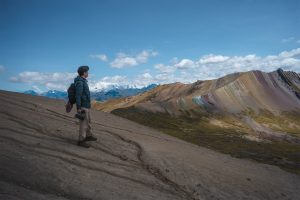
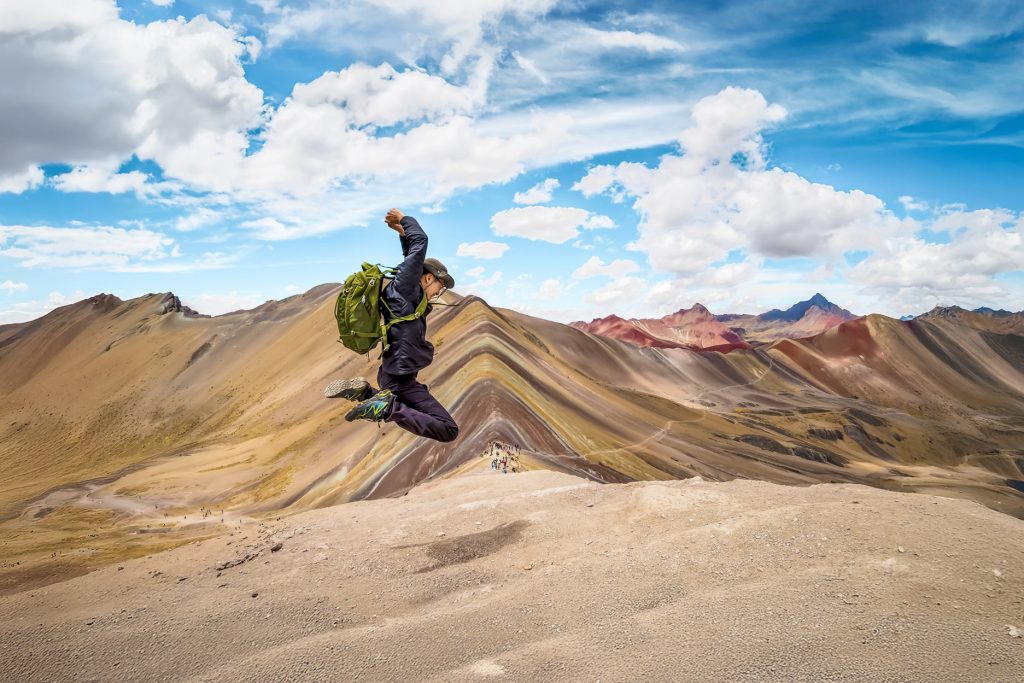
Rainbow Mountain is a one-day hike, but the altitude is no joke. The trail climbs to 16,732 feet (5,100 meters), which means even strong hikers can feel the effects of elevation quickly.
Still, it’s a great option for travelers wanting a shorter high-altitude experience near Cusco.
Everest View Trek
For travelers dreaming about Nepal without committing to the full Everest Base Camp trek, the Everest View Trek is a fantastic alternative.
You still get incredible Himalayan scenery and a high-altitude trekking experience, but with shorter distances and lower physical demands.
Acatenango Volcano
Guatemala’s Acatenango hike is steep, challenging, and completely worth it for the views of nearby volcanic eruptions lighting up the night sky.
Few trekking experiences feel more dramatic than sitting above the clouds watching an active volcano explode in the distance while holding a cup of instant coffee.
Tips for Choosing Your First Trek
When choosing your first high-altitude adventure, think realistically about:
- Your fitness level
- Trek duration
- Maximum elevation
- Weather conditions
- Available acclimatization time
There’s no prize for choosing the hardest trek immediately. Starting with a well-supported route usually leads to a much more enjoyable experience.
Is High-Altitude Trekking Safe?
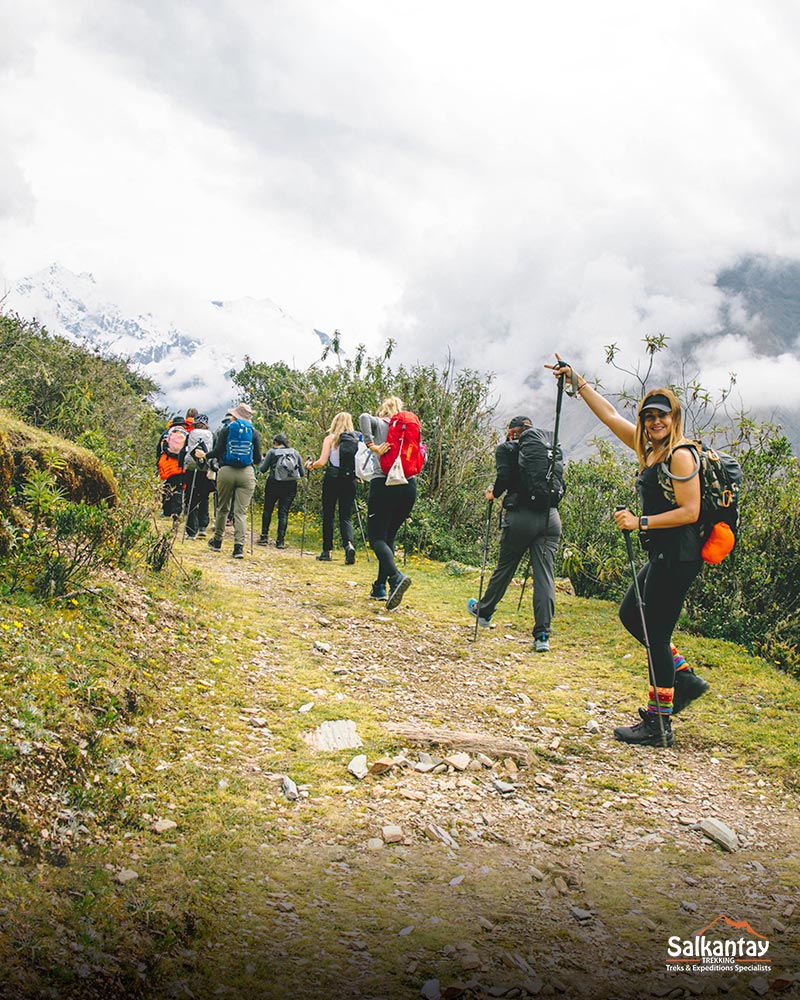
High-altitude trekking comes with risks, but it’s generally very safe when done responsibly and with proper preparation.
Most serious problems happen when trekkers ignore symptoms, ascend too quickly, or underestimate the effects of altitude on the body.
Understanding the Real Risks
The biggest risks at high elevation usually involve altitude sickness, weather conditions, dehydration, or exhaustion.
That sounds dramatic, but most issues can be managed or prevented entirely by trekking slowly, staying hydrated, and listening to your body early rather than waiting until symptoms become severe.
Safety Measures Used by Trekking Companies
Professional trekking companies take altitude safety seriously, especially on popular routes in Peru and Nepal.
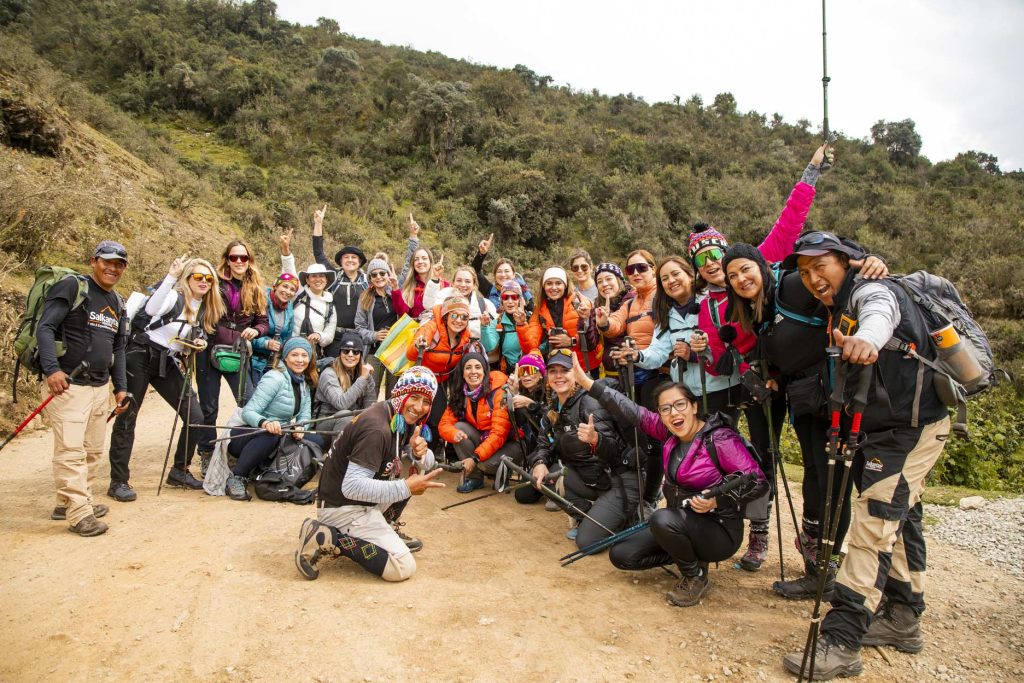
Guides monitor trekkers for symptoms, pace the group carefully, and carry emergency equipment when needed. Many companies also use oxygen tanks, first aid kits, and satellite communication devices on remote routes.
This is one reason guided trekking can feel much less intimidating for beginners.
Importance of Guides and Emergency Plans
Experienced guides know how to spot altitude sickness symptoms early, usually before trekkers even realize something is wrong themselves.
They also understand evacuation routes, emergency response procedures, and when someone genuinely needs to descend instead of “just resting for a minute.”
That kind of experience is extremely valuable at high elevations where conditions can change quickly.
Travel Insurance for High-Altitude Treks
Travel insurance is one of those things people ignore until they suddenly really need it.
Before booking a trek, check whether your policy covers:
- High-altitude trekking
- Emergency evacuation
- Helicopter rescue
- Adventure activities
Some insurance policies stop coverage above certain elevations, which isn’t the sort of surprise anyone wants halfway through a mountain trek.
Final Tips for Your First High-Altitude Trek
Your first high-altitude trek will probably challenge you more than expected. It’ll also probably become one of the trips you talk about for years afterward.
The combination of huge landscapes, physical effort, and being completely disconnected from normal life tends to stick with people for the long run.
Listen to Your Body
Your body usually gives warning signs before altitude sickness becomes serious.
Headaches, dizziness, nausea, or unusual fatigue shouldn’t be ignored just because you’re determined to keep going. Resting for a few hours is far better than forcing yourself into a worse situation later.
Train Before You Go
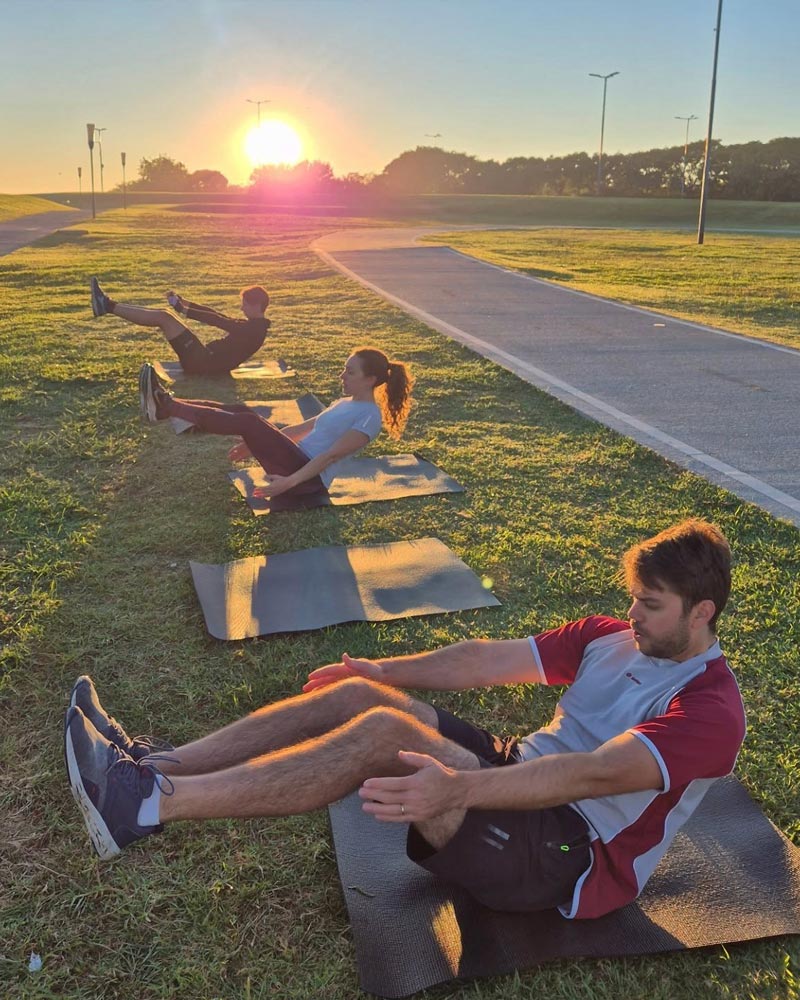
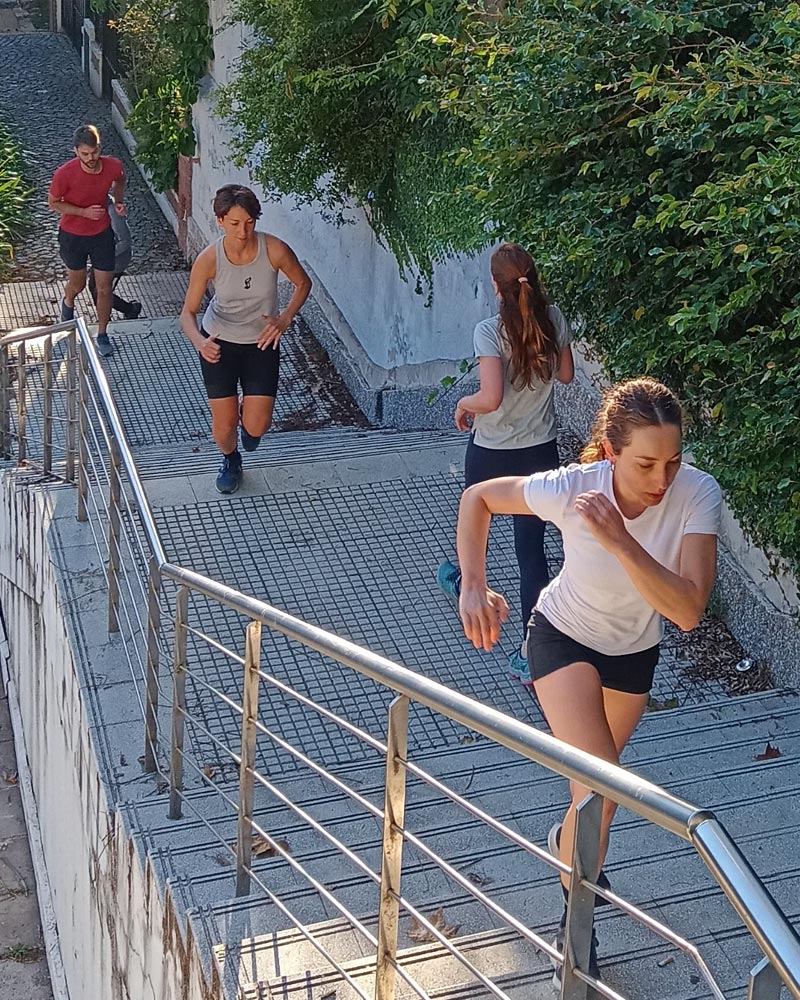
You don’t need to train like a professional athlete, but basic preparation makes the entire experience more enjoyable.
Long walks, hiking practice, stair workouts, and cardio training all help build endurance before your trek begins.
This guide on how to prepare for altitude is a great place to start.
Take Acclimatization Seriously
One extra acclimatization day can completely change your trekking experience.
A lot of people try to squeeze ambitious itineraries into short vacations, but rushing altitude adjustment rarely ends well. Spending time adjusting in a nearby town or city before your trek usually makes the hike safer, easier, and far more enjoyable.
Enjoy the Experience, Not Just the Summit
Some of the best moments during trekking happen away from the big landmarks.
What do we mean? Sunrises over mountain valleys. Laughing with your group during a difficult climb. Drinking tea while completely exhausted. Watching the landscape change hour by hour.
The summit matters, but so does everything that gets you there.
Frequently Asked Questions About High-Altitude Trekking
Still got questions? Of course you do. Heading up to high altitude is no small feat. We’ve answered some of the most frequently asked questions below to help you feel as prepared as possible before your big trip.
Most trekking routes above 8,000 feet (2,500 m) are considered high-altitude trekking because oxygen levels start affecting the body more noticeably at that elevation.
Many beginners safely trek between 10,000 and 15,000 feet (3,000–4,500 meters) with proper acclimatization, preparation, and pacing. Anything over that is best to keep until you’ve had a bit more experience.
No. Unfortunately, altitude sickness can affect anyone. But climbing gradually, hydrating properly, and acclimatizing well can reduce the risk significantly.
It can be dangerous if symptoms are ignored or trekkers ascend too quickly. But for most people, guided high-altitude trekking is very safe with proper planning.
Most travelers need at least two to three days to begin adjusting properly before starting a major trek at high elevation.
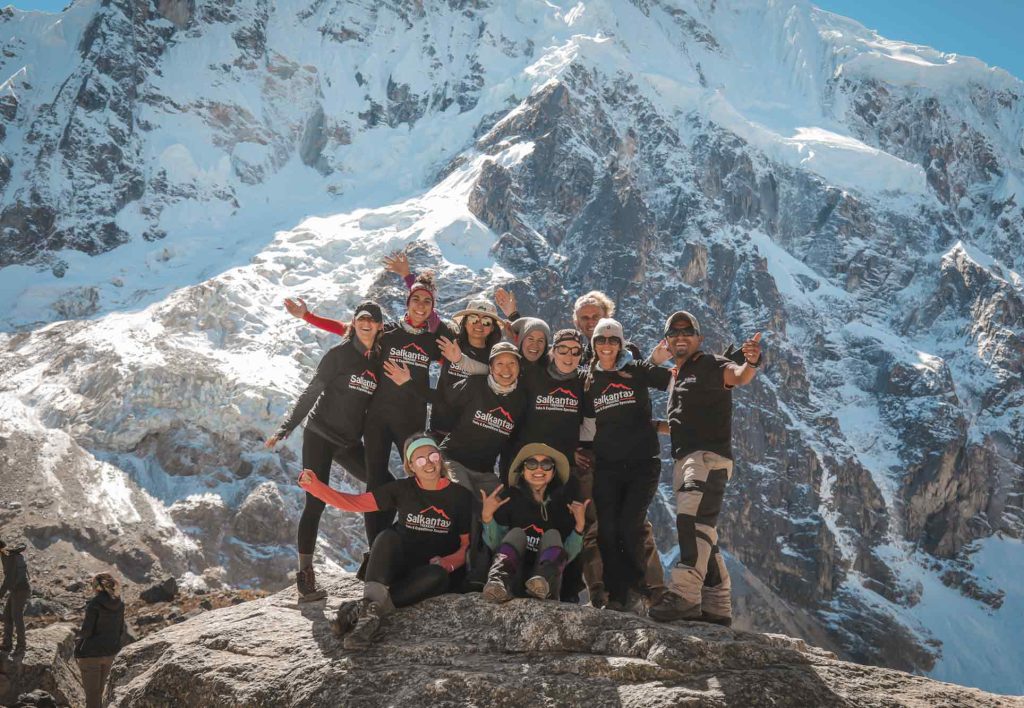
Thin Air, Huge Mountains, and the Kind of Adventure You Never Forget
High-altitude trekking pushes you in ways regular travel rarely does. You’ll walk slower, breathe harder, and occasionally wonder why mountains insist on being so aggressively uphill. But somewhere between the glaciers, the early-morning sunrises, and the feeling of reaching a mountain pass on your own two legs, it all starts making sense.
That’s the thing about trekking at high elevation. It’s challenging, yes, but it’s also wildly rewarding.
With the right preparation, smart acclimatization, and a little patience, even first-time trekkers can safely enjoy incredible routes around the world. And if you’re looking for a truly unforgettable place to start, the Salkantay Trek delivers just about everything you could want from a mountain adventure, with huge scenery, real challenge, unforgettable landscapes, and Machu Picchu waiting at the end like the world’s most dramatic finish line.