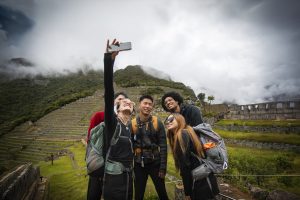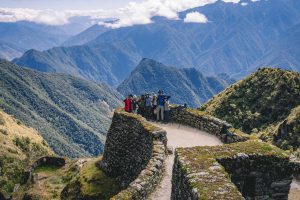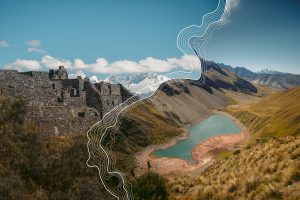
Just imagine the iconic ancient stone path, covered with footsteps most of the year, but totally, gloriously quiet.
That’s February on the Inca Trail.
Every year, without fail, the classic 4-day Inca Trail circuit is officially closed for the entire month of February. That’s from January 31st to February 28th (29th in a leap year).
This isn’t some random tourism office whim, far from it. It’s a mandated closure by the Peruvian authorities, including the Ministry of Culture, designed for trail conservation and safety. During this time, they carry out maintenance, cleaning, and repairs to the stone steps, bridges, campsites, drainage systems, and more, so the route stays usable and safe for the rest of the year.
To clarify, there’s no hiking the Classic Inca Trail to Machu Picchu in February. You simply can’t buy permits for that route during this month, and attempting it isn’t an option. Even the short 2-day version isn’t open.
But before you sigh, we’ve got some good news. Machu Picchu itself is still open all year round, and there’s still plenty of adventure to be had.
Below, we look at what other options you have and why some other routes should also be avoided at this time of year.
Table of contents
- Why Does The Inca Trail Close In February?
- What Is February Weather Really Like In The Andes?
- Is Machu Picchu Still Open In February?
- Can You Still Trek To Machu Picchu In February?
- The Reality Of Alternative Treks In February
- Why Some Operators Say No To February Treks
- How To Get To Machu Picchu In February
- Extra Ideas For February Apart From Trekking
- What To Pack For February Adventures
- Why February Can Still Be Brilliant
- Still Want To Trek? Plan For Another Month
- Why Waiting A Few Weeks Changes Everything
- The Bottom Line On The Inca Trail In February
Why Does The Inca Trail Close In February?
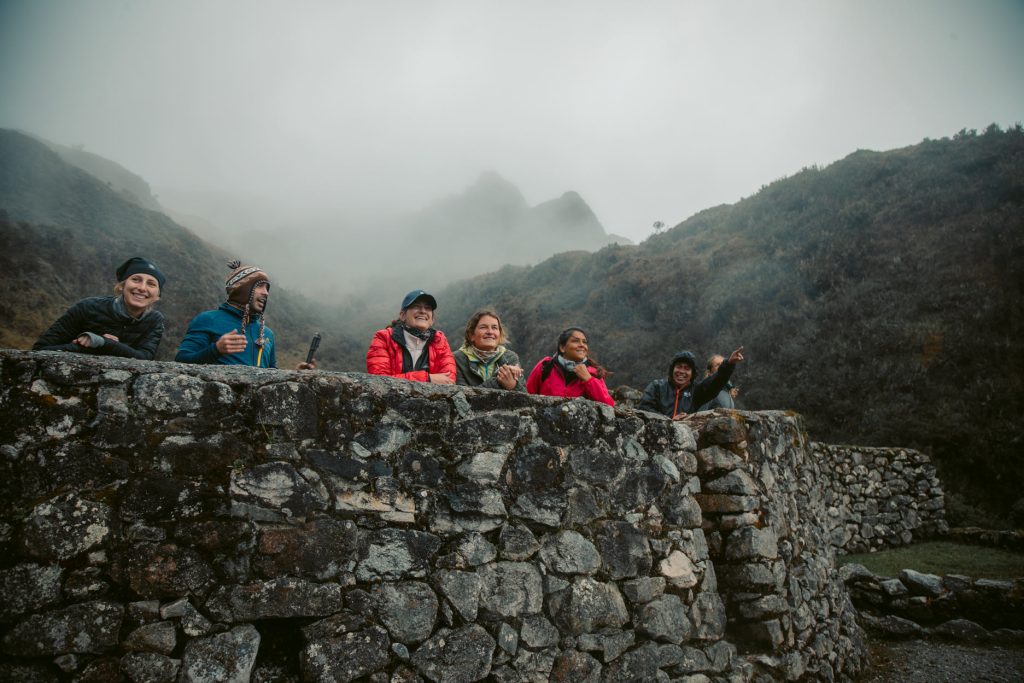
February sits right in the middle of the Andean rainy season, and it’s widely considered the wettest and most unstable month of the year in the Cusco region.
The Inca Trail closes in February for three main reasons, all of them sensible.
Trail Maintenance And Preservation
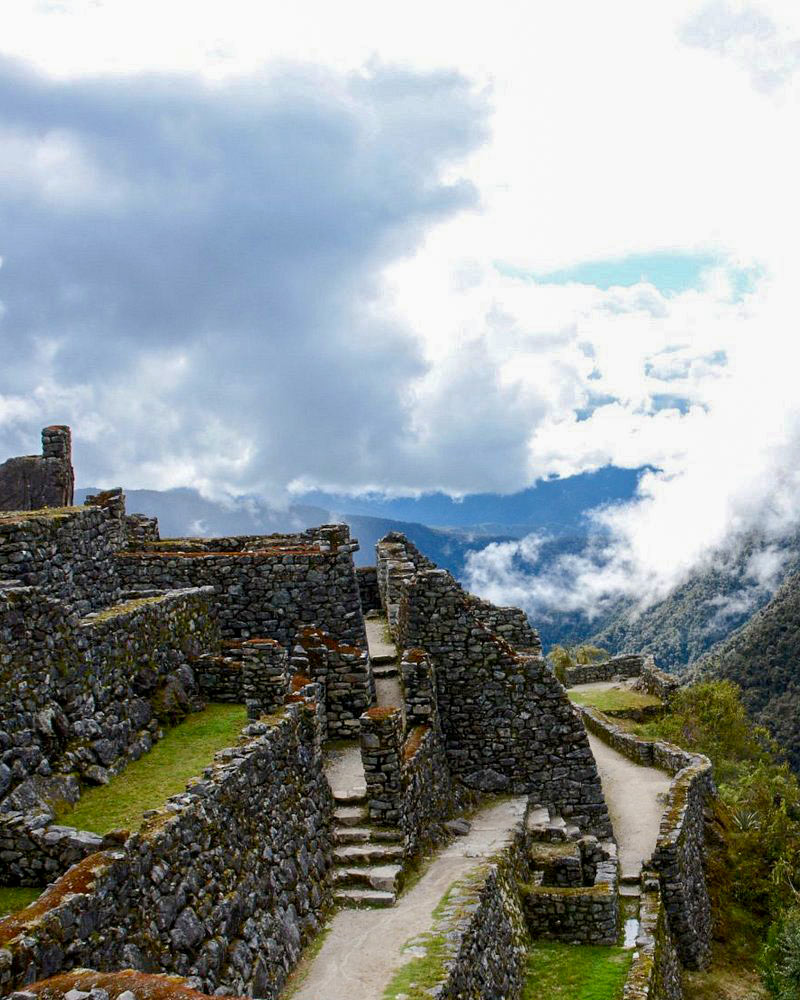
The Inca Trail is way more than just a hiking route. It’s a protected archaeological site made up of original Inca stonework, ancient staircases, terraces, tunnels, and campsites.
February is the one month when authorities can properly:
- Repair damaged stone steps
- Reinforce drainage systems
- Stabilize landslide-prone sections
- Clear erosion and debris
- Protect fragile ruins along the route
Trying to do this while hundreds of hikers pass through every day simply wouldn’t work. It’s better to close off one entire month than try to do it sporadically and close random days throughout the year.
Weather-Related Safety Risks
The climate on the Inca Trail in February brings:
- Heavy, persistent rainfall
- Saturated soil and unstable slopes
- Slippery stone steps
- Increased risk of landslides and trail washouts
- Swollen rivers and damaged paths
Even with experienced guides, these conditions significantly increase the risk of accidents. Closing the trail removes that danger entirely, which is the point.
Long-Term Sustainability
The closure isn’t about causing you any inconvenience. It’s about making sure the trail survives for many years to come. Giving the route time to rest and recover during its harshest month is what allows it to safely welcome hikers for the remaining eleven.
What Is February Weather Really Like In The Andes?
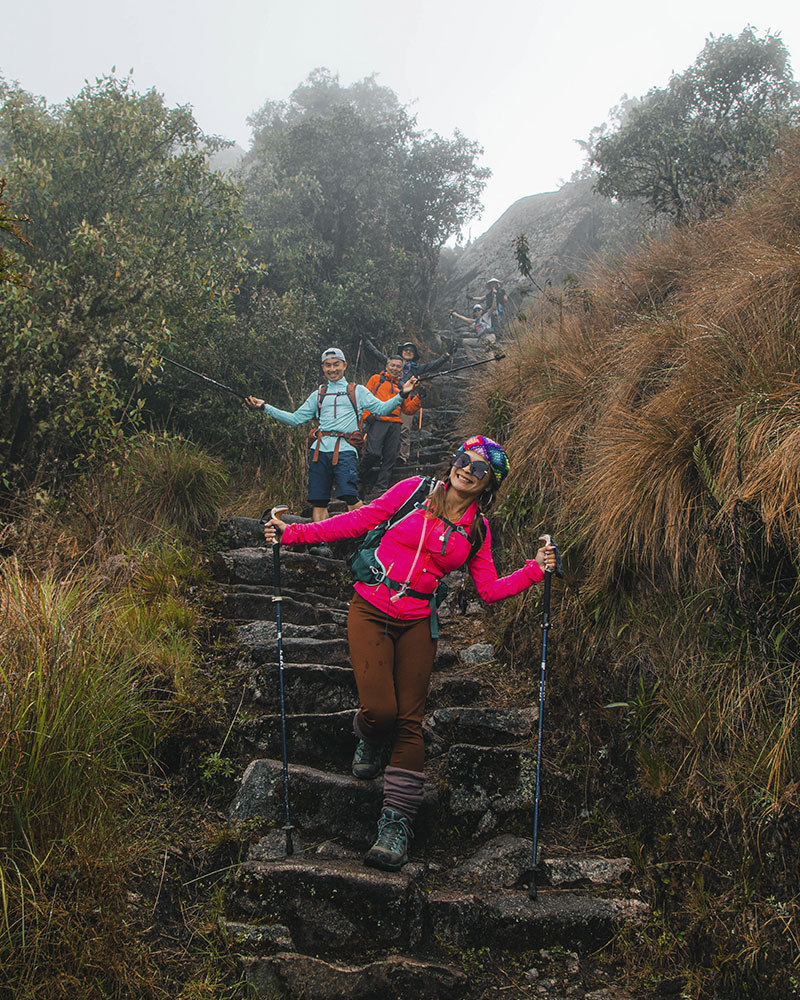
February weather in the Cusco region isn’t just a bit of rain here and there. It’s a full-on tropical mountain wet season, and you should expect:
- Frequent, often heavy rain that sometimes lasts all day, and sometimes intense afternoon storms.
- High humidity and clouds, meaning misty views and reduced long-range visibility.
- Warm days (often around mid-teens Celsius, ~60-70°F) and cool nights (single digits °C, ~40s°F).
- Trails that turn to mud quickly and rivers that swell and sometimes flood.
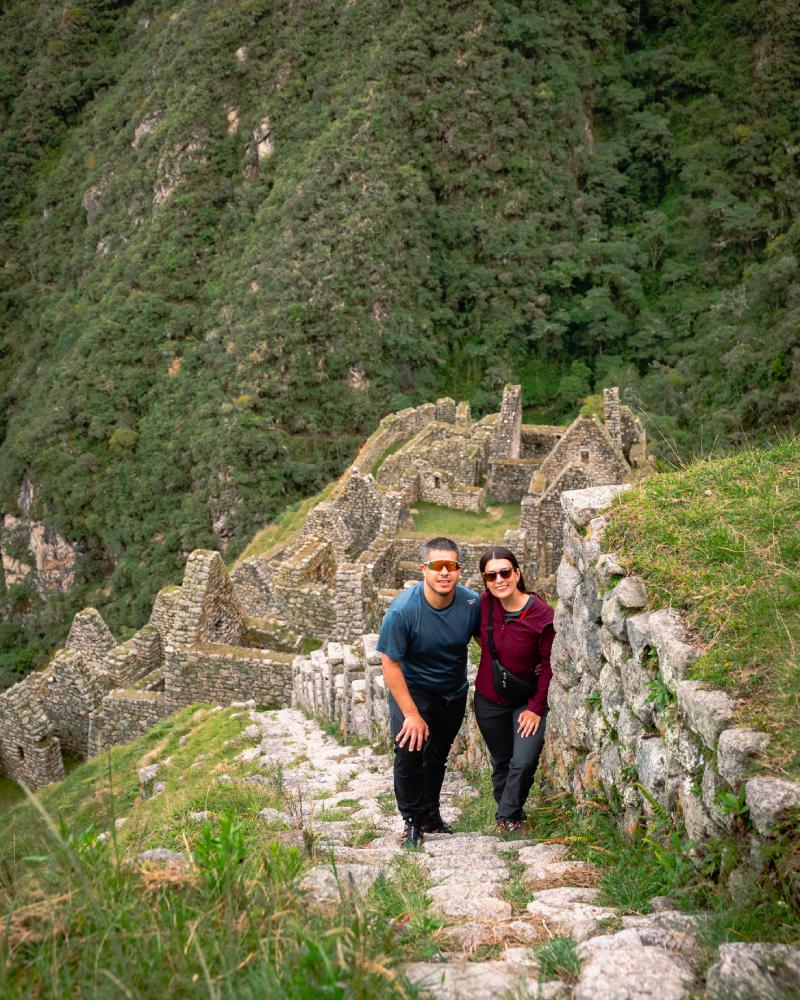
But it’s not all bad. That rain makes the whole landscape insanely green and lush, with waterfalls and orchids popping up everywhere. Many travelers actually prefer this season for the colors and the sense of solitude.
Is Machu Picchu Still Open In February?
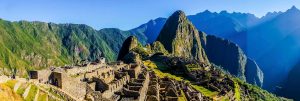
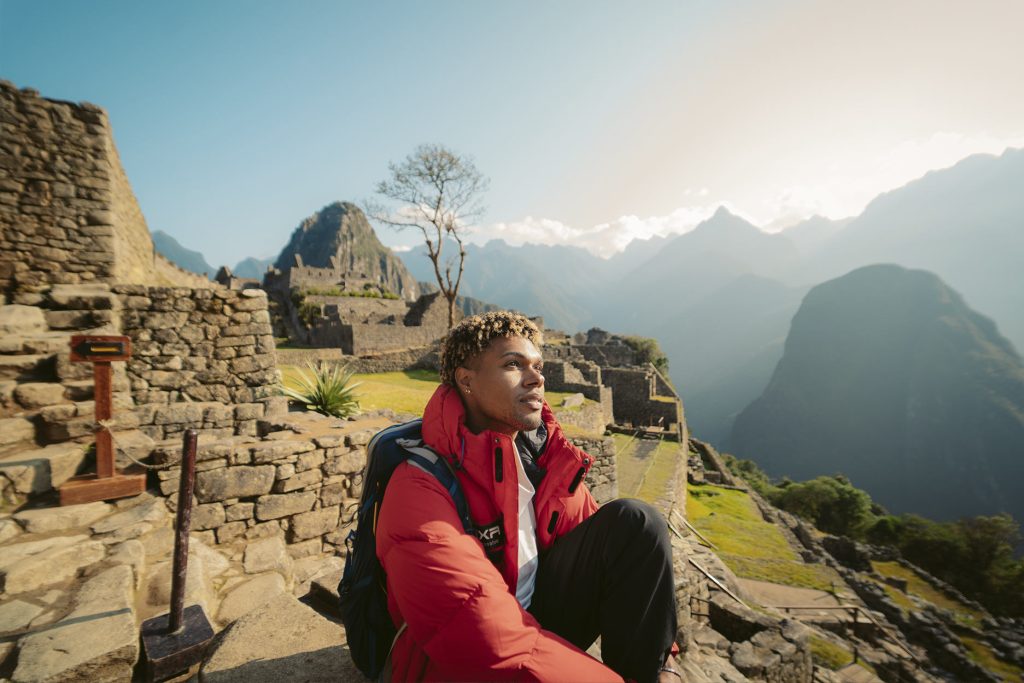
Yes. Machu Picchu itself remains open year-round, including February.
That means you can still:
- Visit the citadel
- Explore the Sacred Valley
- Travel by train to Aguas Calientes
- Take the shuttle bus up to the site
February visits often come with fewer crowds and a greener landscape, but don’t forget there’s always the chance of clouds, rain, and occasional delays. Visibility can be hit-or-miss at the site, so a little flexibility is essential.
But for many travelers, February is about seeing Machu Picchu, not necessarily hiking to it, and that part of the plan is absolutely doable.
Can You Still Trek To Machu Picchu In February?
This is where things get more complicated, and where being completely honest matters.
You’ll often see claims online that alternative treks “operate as normal” in February. Technically, some routes aren’t officially closed in the same way as the Inca Trail. But that doesn’t mean they’re a good idea. In fact, they’re not a good idea at all.
There’s a big difference between allowed and advisable.
The Reality Of Alternative Treks In February
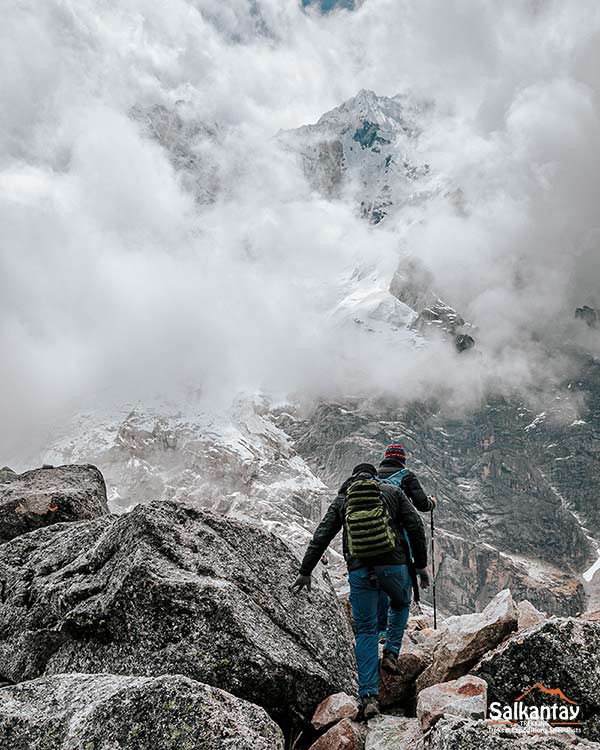
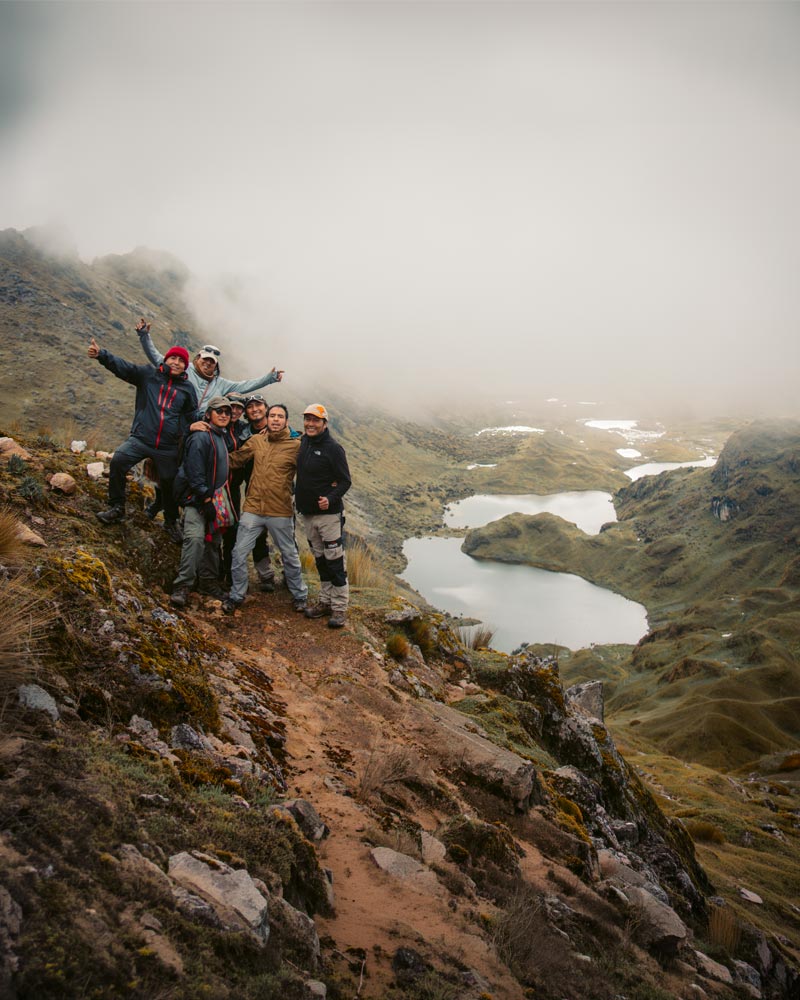
Routes like Salkantay, Lares, and Choquequirao are sometimes marketed as February alternatives. On paper, they remain open. In practice, they come with serious risks during this time of year.
Why February Trekking Is High Risk
Across the Andes in February (so not just on the Inca Trail), trekkers face:
- Landslides caused by saturated slopes
- Trail sections washing out overnight
- River crossings becoming impassable
- Poor footing on steep descents
- Emergency evacuations becoming slower or impossible
- Limited access for rescue or support
Even the most experienced hikers can find themselves struggling to deal with conditions that change by the hour. A trail that looks manageable in the morning can become unsafe by afternoon. Even with the best intentions and a positive outlook, there’s always a risk.
This is why some responsible operators choose not to run multi-day treks at all in February. It’s not about comfort or convenience but avoiding unnecessary danger for guests, guides, and support staff.
Salkantay Trek In February
The Salkantay route is higher, more remote, and more exposed than the Inca Trail. In February, that means:
- Heavy snowfall at high passes mixed with rain below
- Mudslides on narrow mountain paths
- Rivers running far stronger than usual
- Campsites at risk of flooding
- Limited escape routes if conditions deteriorate
While some companies still operate the route, February is widely regarded as the most unstable month for this trek. Many seasoned guides consider it the least predictable time of year, and unpredictability is not what you want in high-altitude terrain.
Lares Trek In February
The Lares trek is often described as a cultural or “gentler” alternative, but in February, that reputation can be misleading.
While the terrain is less technical than some routes, February still brings:
- Heavy rainfall in narrow valleys
- Swollen streams and river crossings
- Slippery stone paths near villages
- Reduced access to emergency transport in remote areas
The fact that you’re closer to local communities on this trail doesn’t eliminate risk. In fact, poor weather can make support and evacuation more difficult, especially when roads become muddy or impassable.
Choquequirao Trek In February
Choquequirao is one of the most demanding treks in this part of Peru, even in ideal conditions.
In February, it becomes a serious undertaking that shouldn’t really be considered.
Risks include:
- Extremely steep ascents and descents on saturated soil, making them extremely slippery
- Long, isolated stretches with no quick exit routes
- River crossings that are significantly more dangerous during heavy rain
- Landslides on narrow mountain paths
This isn’t a route where flexibility is optional. Weather delays or forced turnarounds are common in the rainy season, and the remoteness makes every challenge even harder.
Huchuy Qosqo In February
Tour operators often market Huchuy Qosqo as a short or beginner-friendly trek, which is exactly why visitors underestimate it in February.
During the wet season:
- Clay-heavy trails become slick and unstable
- Steep descents are prone to slips and falls
- Fog and cloud cover reduce visibility
- River crossings near the Sacred Valley can become unpredictable
Shorter doesn’t mean safer. February conditions can turn even modest elevation changes into a real hazard.
Ancascocha Trek In February
Ancascocha is a high-altitude route that connects remote Andean terrain with long, exposed sections.
In February, trekkers face:
- Poorly defined trails after heavy rainfall
- Landslide-prone slopes
- Snow and rain mixing at higher elevations
- Limited infrastructure or shelter along the route, exposing trekkers to possible lightning
Because this trek relies on sustained good weather to remain manageable, February significantly increases both physical difficulty and risk.
Inca Quarry Trek In February
The Inca Quarry route is sometimes suggested as a quieter alternative, but its terrain presents problems during the peak rainy season.
February conditions often include:
- Narrow paths with loose footing
- Waterlogged sections that erode quickly
- Reduced stability on steep inclines
- Limited options if weather forces a retreat
- Greater exposure to lightning risks
While the route is scenic, it demands stable ground conditions to be safely enjoyed and that’s something February rarely delivers.
Inca Jungle Trek In February
The Inca Jungle trek blends hiking with biking, rafting, ziplining, and road travel, which can sound appealing. That’s until February weather enters the picture.
Key issues include:
- Muddy or flooded roads
- Unsafe mountain biking conditions
- Landslide risk on transport routes
- Delays or cancellations due to road closures
- More extreme rapids for rafting, making it unsafe
Because this trek relies heavily on infrastructure rather than remote trails, heavy rain can disrupt entire sections of the itinerary, sometimes with little warning.
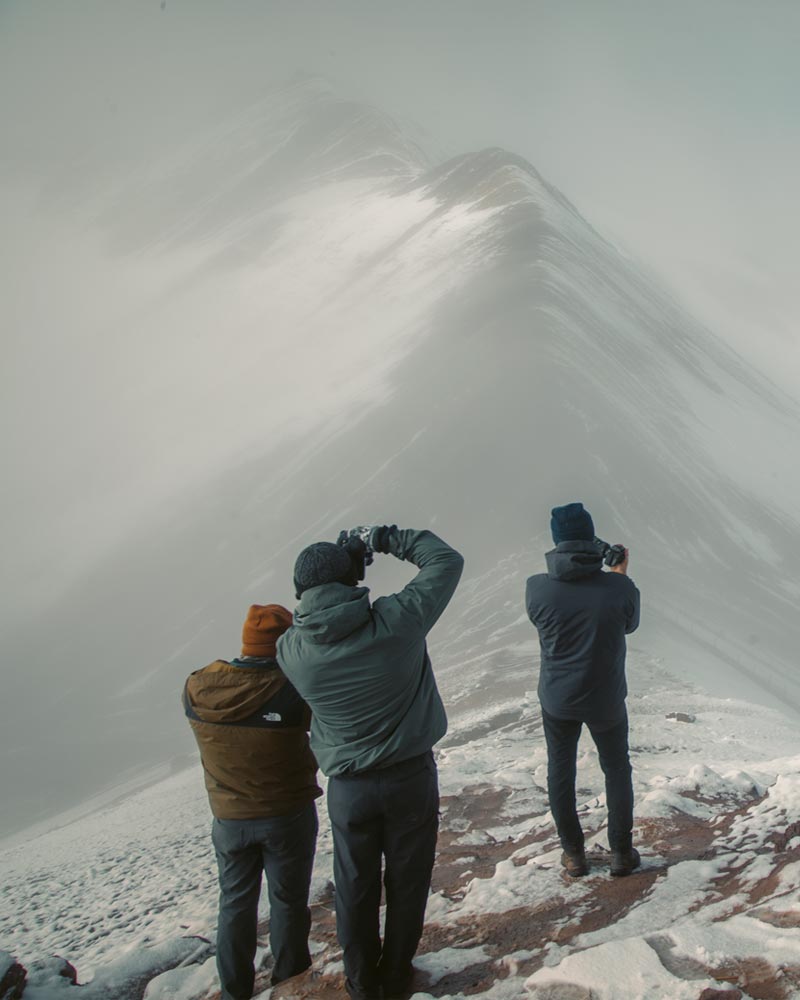
Ausangate Trek In February
Ausangate is nowhere near Machu Picchu (it’s in the opposite direction), so trekkers might think this is a safer and more reliable option during this time of year. In reality, it’s one of the highest and most remote trekking routes in Peru, and February is when those characteristics become liabilities rather than selling points.
Key risks include:
- Heavy snowfall at high elevations combined with rain at lower elevations
- Poor visibility on mountain passes
- Trails obscured by snow, mud, or washouts
- Extremely cold, wet nights at altitude
- No reliable evacuation routes in bad weather
- More exposure to lightning spots
Because the Ausangate trek is so isolated, any incident becomes far more complex to manage. Rescue support is limited, weather changes are sudden, and turning back isn’t always straightforward once you’re committed to a pass.
This route demands stable conditions, clear visibility, and strong logistical support, which are all things February simply can’t guarantee.
Why Some Operators Say No To February Treks
Saying “no” to February trekking isn’t a lack of adventure. Instead, it’s a sign of experience.
When conditions compromise everyone’s safety, the responsible choice is to wait. Mountains will still be there in March. Machu Picchu will still be there next season. What matters is that everyone goes and comes back safely.
Choosing not to operate treks during the riskiest month of the year protects:
- Visitors
- Guides
- Porters
- Local communities
- The trails themselves
It’s also supports the idea that a great trek should be challenging, not reckless.
How To Get To Machu Picchu In February
Since you can’t hike the Classic Inca Trail in February, you’ve got to get to Machu Picchu by other means.
At other times of the year, you can walk along the train tracks from the Hydroelectric train station to Aguas Calientes, but even this short, flat hike is dangerous in February. The river is prone to flooding, and landslides happen due to all the rain, leaving the trail muddy and slippery.
We recommend you go classic and catch the train from Ollantaytambo or Poroy to Aguas Calientes (the town at the entrance to Machu Picchu). This is the most straightforward and weather-reliable option. It’s also an easy way to make Machu Picchu happen on your schedule rather than on what the weather decides. You can choose between a one-day or two-day trip that includes a visit to Machu Picchu.
Alternatively, choose a two-day tour of Maras and Moray or the Sacred Valley that includes a train ride and a visit to the Inca citadel on the final day.



Extra Ideas For February Apart From Trekking
If rain ruins your plans on a certain day, or you simply want something less damp, here are perfect ways to make the most of your February trip:
Explore Cusco
This city (once the Inca capital) deserves days, not hours. Museums, plazas, colonial churches, and local markets like San Pedro bring history and culture alive. Trying out a range of local dishes in some of the many restaurants around the city is a great option. There’s so much to see and do that you can easily fill up your schedule in the city alone. Try the half-day city tour as in intro to the place.
Sacred Valley Tour
Hop on a full-day Sacred Valley tour. Think Pisaq, Ollantaytambo, Moray, and Maras Salt Mines. Each stop is incredible and worth its own trip if you’ve got the time.
Visit Machu Picchu By Train
We’ve already mentioned how rain doesn’t affect the opening hours of this world wonder. Ride the rails into Aguas Calientes and take the shuttle up to the citadel for a misty and moody beautiful view.
Local Festivals & Culture
February falls near Carnaval in Peru when you get to enjoy colorful parades, music ,and rural festivities that give a flavor of local life you won’t get in high season.
What To Pack For February Adventures
Since rain is basically a daily guarantee, you’ll need to pack:
- Waterproof jacket and pants
- Water-resistant hiking boots with grip
- Dry bags/waterproof stuff sacks
- Quick-dry clothing layers
- Warm layers for nights
- Blister care essentials
- A good attitude (rain looks worse than it feels once you’re out there)
Why February Can Still Be Brilliant
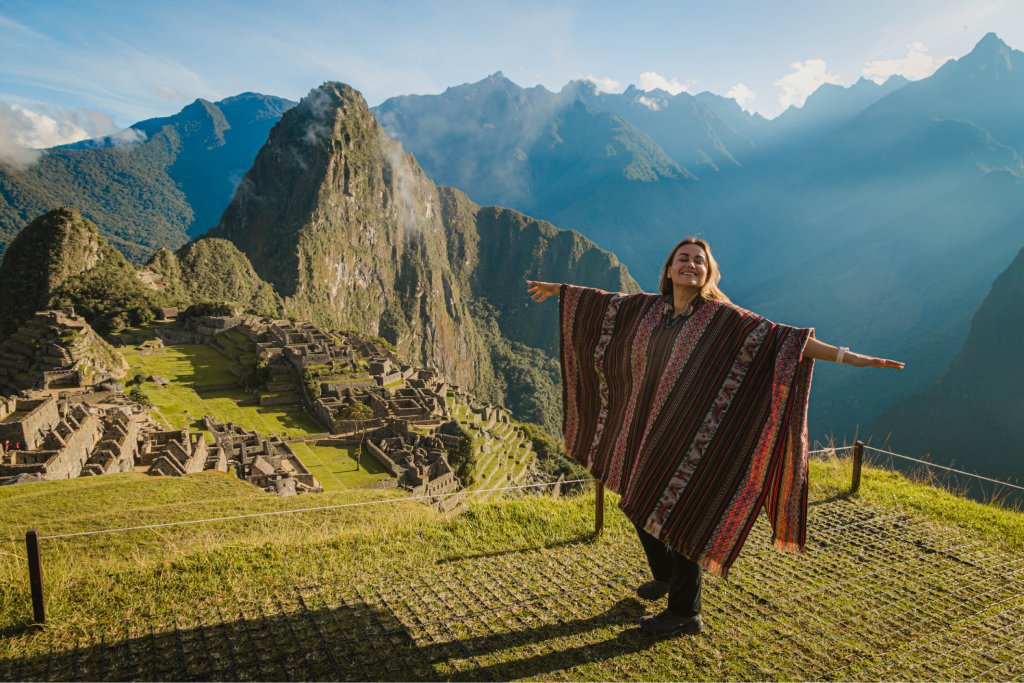
Here’s the deal. November through March is rainy season, and February is its heart. But that doesn’t mean your trip has to be ruined. It simply means your adventure looks a bit different with:
- Fewer crowds at Machu Picchu
- Lower prices on tours and hotels
- Lush green scenery and dramatic waterfalls
- Quieter alternative activities with a more intimate feel
Some travelers swear February is their favorite time to visit because of the space, mood, and raw feeling of the Andes without the crowds that the Inca Trail brings. And with smart planning, you get all the perks without the negative effects.
Still Want To Trek? Plan For Another Month
If trekking is your priority, make February the planning month rather than the hiking one. Locking in dates for March through September gives you:
- Safer conditions
- Better visibility
- More reliable routes
- A far smoother overall experience
Sometimes the best travel decision is knowing when to wait.
Why Waiting A Few Weeks Changes Everything
Despite it just being a month, the difference between February and March in the Andes can be dramatic.
Rainfall begins to taper off. Trails stabilize. River levels drop. Visibility improves. Routes become safer and more predictable.
That shift is why March through early autumn is top trekking season. It’s not because February is inconvenient, but because it’s genuinely more volatile.
Waiting doesn’t mean settling, either. It means experiencing these routes under conditions that allow you to enjoy them rather than endure them.

The Bottom Line On The Inca Trail In February
The Inca Trail closes in February for a reason, and it’s a good one.
Rain, unstable terrain, and safety concerns make this month unsuitable for classic trekking routes. While Machu Picchu remains open and accessible by other means, multi-day hikes are best saved for drier, more predictable seasons.
Traveling smart doesn’t mean missing out. It means choosing the right experience at the right time, and setting yourself up for an adventure you’ll remember for the right reasons.