
If you’re wondering about the best time to visit Peru, the short answer is, it depends on what you want to do. This is a country where you can go from coastal desert to high-altitude mountains to dense Amazon jungle in a single trip, and each region plays by completely different weather rules.
That said, there is a sweet spot.
For most travellers, the best time to visit Peru is during the dry season from May to October. This is when you’ll get clear skies in the Andes, ideal trekking conditions, and reliable access to places like Machu Picchu and the Sacred Valley.
But that’s only part of the story. Want beaches? You’ll need summer. Prefer fewer crowds and lower prices? The rainy season has its perks. Heading into the Amazon? Water levels matter more than sunshine.
Before you lock anything in, here’s a quick breakdown:
- Best overall time: May to October (dry season in the Andes)
- Best for Machu Picchu & trekking: May to September
- Best for the Amazon rainforest: May to October (wildlife spotting), November to April (river access)
- Best for the coast & beaches: December to March
- Cheapest time to visit: January to March (rainy season, fewer tourists)
In this guide, we’ll break it all down by region, season, and month, so you can time your trip properly rather than just hoping for the best.
Table of contents
- Peru Month-By-Month Travel Guide
- Why Is Peru’s Climate So Varied?
- Climate According to Peru’s Geography
- Best Time of Year to Visit Peru
- The Best of the Peruvian Coast
- The Best of the Peruvian Highlands
- The Best of the Peruvian Rainforest
- When Not to Visit Peru
- Tips for Traveling to Peru
- Frequently Asked Questions
- So, What Is the Best Time to Visit Peru?
- You might also be interested in:
Peru Month-By-Month Travel Guide
If you want a clearer picture of the best time to visit Peru, looking at it month by month makes things much easier. Here’s what to expect throughout the year.
January
Peak rainy season in the Andes and Amazon. Expect heavy showers around Cusco and trekking routes can be muddy. Good time for fewer crowds and lower prices. The coast (especially the north) is hot and sunny.
February
Wettest month in the highlands. The Inca Trail is closed for maintenance. Not ideal for trekking, but still possible to visit Machu Picchu by train. Coastal areas remain warm and lively.
March
Rain starts easing towards the end of the month. Landscapes are lush and green, and crowds are still relatively low. A bit of a transitional month.
April
One of the most underrated months to visit Peru. The rainy season fades, the countryside is still green, and trekking conditions improve significantly.
May
A standout month. Start of the dry season, clear skies in the Andes, and fewer tourists than peak season. One of the best times to visit Machu Picchu.
June
Dry, sunny, and busy. This is peak season in Cusco, with major festivals like Inti Raymi. Ideal trekking weather, but expect crowds.
July
Similar to June: excellent weather, busy trails, and higher prices. Great for trekking, but book everything well in advance.
August
Still dry and popular, though slightly cooler at night in the Andes. Another strong month for hiking and outdoor activities.
September
One of the best balance months. Dry conditions remain, but crowds start to thin out. Great for trekking and sightseeing.
October
End of the dry season. Occasional rain begins returning, but it’s still a very good time to visit with fewer tourists.
November
Rain becomes more frequent, especially in the Andes. Still manageable for travel, with quieter sites and lower prices.
December
Rainy season begins properly in the highlands, but the coast enters its best period, which is warm, sunny, and ideal for beaches.

Why Is Peru’s Climate So Varied?
The weather conditions in Peru are so diverse due to a number of factors:
Privileged Geographical Location
Peru is located near the equator, giving it a tropical vibe. Thanks to this low-latitude position, the differences between summer and winter average temperatures are minimal, creating a stable climate throughout the year.
Influence of Ocean Currents
The Humboldt Current (the Peruvian Current) plays a key role. This cold water flow from the Pacific Ocean helps maintain moderate temperatures and influences the climate, especially along the coast.
Trade Winds and the South Pacific Anticyclone (SPA)
Trade winds, reinforced by the SPA, interact with cold ocean currents to create an arid subtropical climate along the Peruvian coast.
The Influence of the Imposing Andes Mountains
The varying altitudes of the Andes create a wide range of microclimates. From cold, snow-capped peaks to warm, humid Amazonian jungles, each region has its unique character.
Special Climatic Phenomena
Peru is also affected by events like El Niño, which causes torrential rains and increases in temperature, and the friaje, which brings freezing waves, particularly in the jungle and the Andes.

Climate According to Peru’s Geography
Peru sits in the western part of South America, and is very geographically diverse, reflected in its climate. Its territory spans approximately 1.28 million square kilometers and is divided into three central regions, each with unique characteristics that directly influence the climate conditions:
The Coast: The Desert Facing the Ocean
The coastal strip of Peru, located between the Pacific Ocean and the foothills of the Andes, is a predominantly desert region. Although it may seem opposite to what you’d expect, being close to the sea doesn’t mean it rains a lot. That’s because of the influence of the Humboldt Current. This cold current creates an arid subtropical climate, with cloudy skies and minimal rainfall throughout the year.
The Mountains: The Majestic Andes
The Andes mountain range runs through Peru from north to south, acting as a climatic barrier. Altitude plays a crucial role in this region, creating climates ranging from warm in the valleys to cold in the high mountains. Temperatures and rainfall vary depending on the elevation, with wet seasons (from November to March) and dry seasons (from May to September) ideal for exploring cities like Cusco or the famous Machu Picchu.
The Jungle: The Green Heart of the Amazon
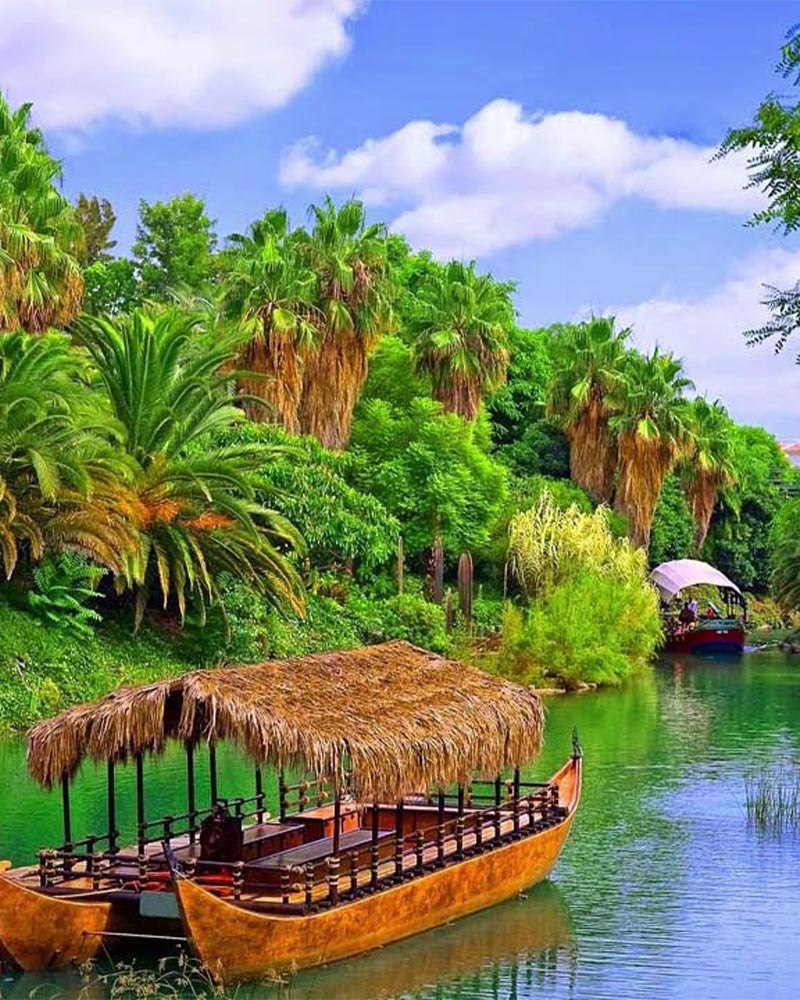
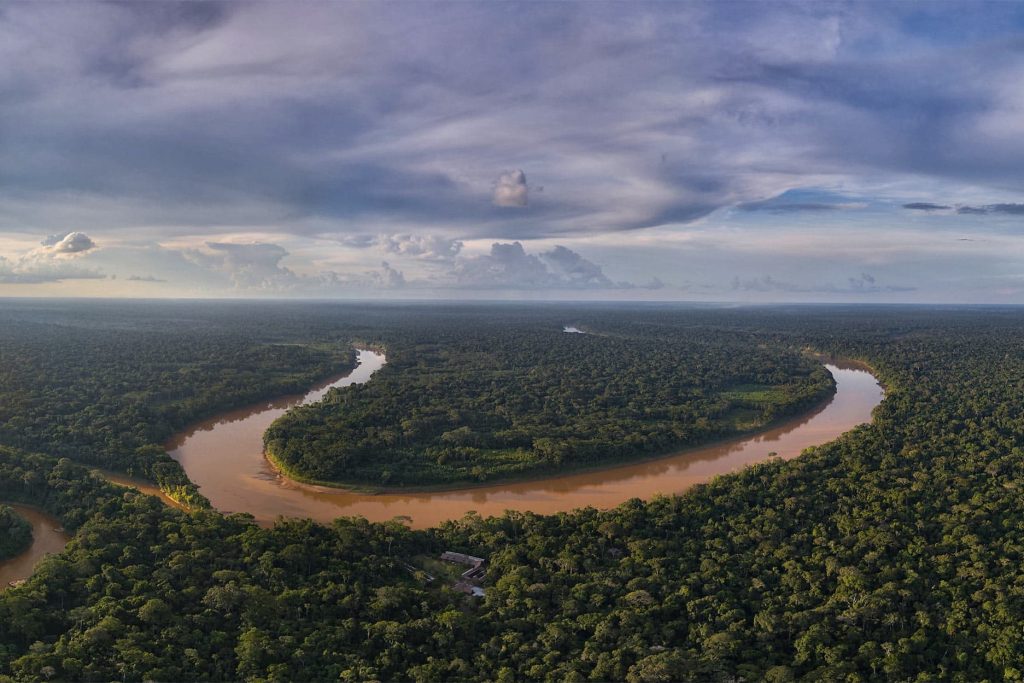
To the east of the Andes, the Peruvian Amazon is a vast region of tropical rainforests. The climate is warm and humid, and there’s heavy rainfall throughout almost the entire year, although it intensifies between November and April. This spot is extremely biodiverse, making it a paradise for nature lovers.
The geography of Peru is the key to understanding its diverse climate. Each region is distinct, from the arid coasts to snow-capped mountains and lush jungles.
Best Time of Year to Visit Peru
The weather conditions in Peru change dramatically depending on which region you’re in, so let’s take a closer look at them all, so you know when best to visit.
Best Time to Visit the Peruvian Coast
The Peruvian coast is perfect for travelers who want to enjoy the beaches by the Pacific Ocean.
With a subtropical desert climate, this region enjoys pleasant temperatures throughout most of the year. However, choosing the right time to visit can make the difference between an OK experience and an unforgettable vacation.
Climate of the Peruvian Coast
The Peruvian coast is characterized by an arid desert climate, with temperatures varying depending on the season. Summers (from December to March) are generally warm and rainy, while winters (from June to September) are typically cooler and drier. However, even in winter, it doesn’t get intensely cold, meaning you can enjoy a pleasant atmosphere year-round.
Summer: From December to March
If you love the sun and outdoor activities, Peru’s summer is the ideal season to enjoy the coast. During these months, temperatures remain high, making the beaches perfect for swimming, surfing, or enjoying water sports. Coastal cities like Lima, Nazca, and Trujillo come alive with tourists diving into the Pacific waters or exploring their vibrant cultural scenes.
While the heat can be intense, nights are usually calmer, offering a pleasant breeze as the sun sets. Rain is also more likely in the summer, especially in the north, so make sure you pack accordingly.
Autumn and Spring: April, May, October, and November
If you prefer to avoid crowds and enjoy pleasant temperatures without extreme heat, transitional months like April, May, October, and November are excellent times to visit Peru. During these months, the climate remains warm but with less humidity and rain, making it comfortable to explore the coastal region without worrying about the weather.
This period is also perfect for those who want a more relaxed experience while still enjoying the beauty of the beaches and the cultural offerings of coastal cities. In particular, Lima’s gastronomy shines during these months, with a varied and delicious selection attracting tourists worldwide.
Winter: From June to September
Although a cooler, drier climate characterizes winter along the Peruvian coast, it’s still a great option for travelers looking to escape the summer heat. During these months, temperatures drop slightly, especially in the mornings and evenings, giving you time to enjoy a stroll without the intense heat.
If you visit cities like Lima, Paracas, or Huacachina in winter, a light jacket will be enough to keep you comfortable, as temperatures don’t dip too low. The coast is less crowded, meaning you can enjoy major tourist attractions without the summer crowds.
So, When Should You Visit the Peruvian Coast?
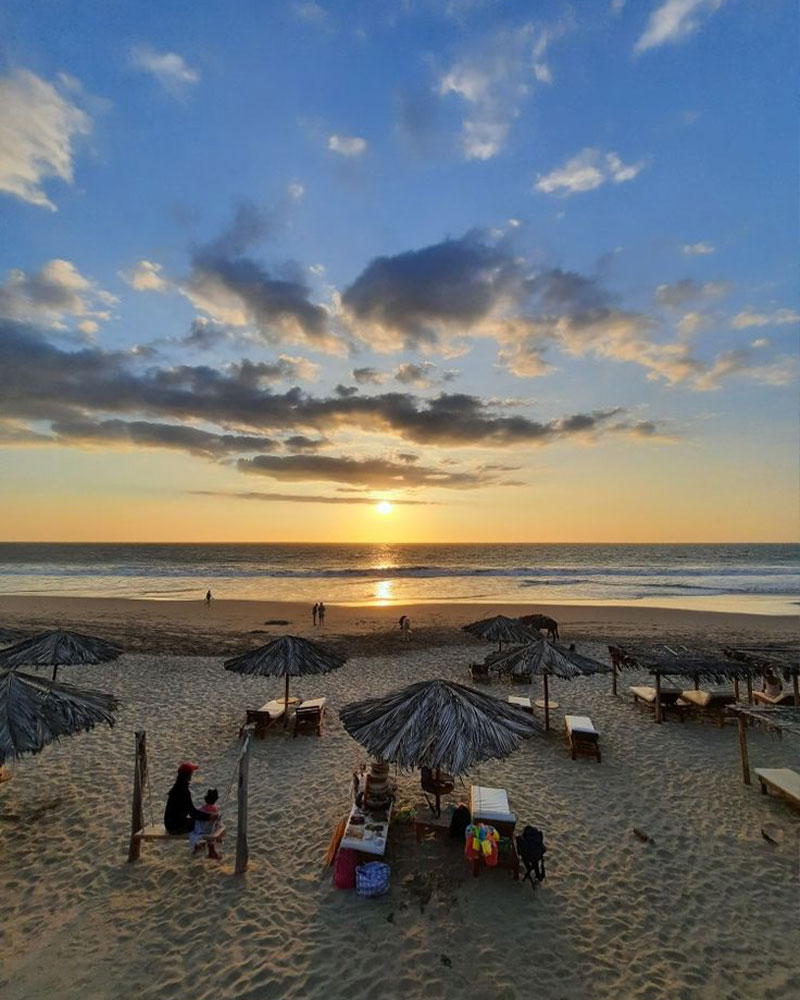
If you aim to enjoy warm weather, water activities, and vibrant beaches, the best time to travel to the Peruvian coast is from December to April. During these months, the temperatures are ideal for surfing, swimming, or simply relaxing under the sun.
However, if you prefer to avoid the crowds and enjoy a quieter experience, April, May, October, and November also offer excellent conditions for exploring the coast without the high temperatures.
And if you’re interested in escaping the heat and enjoying cooler weather, the winter months (June to September) are a great option, especially if you don’t mind the morning and evening chill.
The Best Time to Visit the Peruvian Highlands
The Peruvian highlands are one of the country’s most visited regions. Their stunning landscapes include imposing mountains, deep valleys, and towns full of history and culture.
However, the climate in the highlands is generally temperate and cool, with two main seasons: the rainy and dry seasons.
Rainy Season: November to March
If you want to see the Peruvian highlands at their natural best, the rainy season is an excellent option. Although rainfall is common, especially in January and February, the landscapes are filled with vibrant vegetation, rushing rivers, and nature bursting with life.
This is a top season for travelers seeking a more adventurous experience. The rains in the highlands don’t usually last all day, so you can still enjoy hikes and trips during the mornings. However, keep in mind that some trekking routes or outdoor activities may be affected by the weather, which could make it difficult to access certain places.
The rainy season also brings cooler weather, especially at night, so bring warm clothes and items suitable for humidity. The biggest advantage of traveling now is the smaller number of tourists, which lets you enjoy the tranquility and beauty of the landscape without the crowds.
Dry Season: April to October
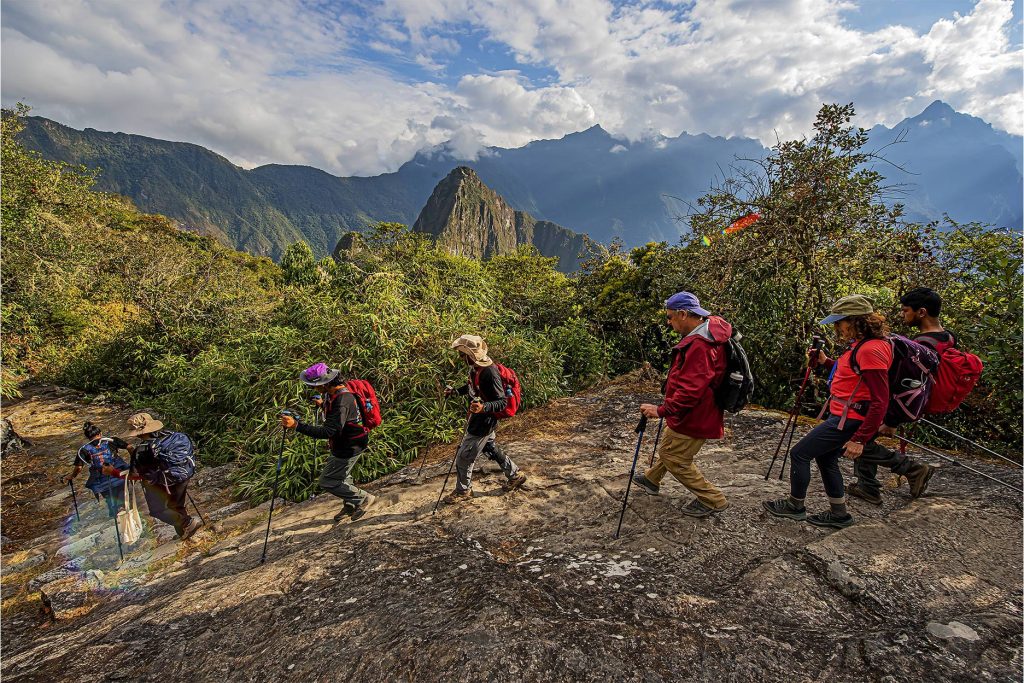
The dry season is undoubtedly the best time for those who want to trek and enjoy outdoor activities. During these months, rainfall is scarce, and temperatures are more pleasant when exploring the highland trails. The most popular routes, such as the Inca Trail to Machu Picchu or trekking through the Sacred Valley of the Incas, are now more accessible and safe.
The temperature in the highlands during the dry season is more temperate during the day, making it more comfortable to walk along the trails. Nights tend to be calm and chillier, so it’s a good idea to wear clothing suitable for low nighttime temperatures. The dry climate also means that vegetation in some areas may be drier compared to the rainy season, although the landscapes remain impressive.
Another great advantage of the dry season is the opportunity to enjoy a variety of traditional festivals and celebrations in the highlands’ cities and towns. Festivities such as the Feast of the Virgin of Carmen in Paucartambo (July) or Inti Raymi (June) attract tourists and locals alike, allowing you to immerse yourself in Andean culture while enjoying the good weather.
So, when should you visit the Peruvian Highlands?
If you aim to go trekking and enjoy the best outdoor experience, the best months to visit the Peruvian highlands are from April to October. During the dry season, conditions for activities are unbeatable, with more predictable weather and less rain.
If you prefer a quieter experience and don’t mind a little rain, the rainy season from November to March is the best time to visit. During this time, you can enjoy the vibrant nature and fewer tourists. Although some activities may be limited, the region’s natural beauty is extremely impressive.
The Best Time to Visit the Peruvian Rainforest
The Peruvian rainforest is distinguished by two main seasons: the rainy season and the dry season, each with its advantages. Throughout the year, the climate remains hot, with temperatures ranging between 25°C and 30°C, but rainfall varies depending on the season.
Rainy Season: November to April
If you want to explore the rainforest at its absolute best, the rainy season is ideal. During these months, rains are frequent and can be intense, creating a green and vibrant landscape full of life and activity. Rivers rise during this season, making it easier to access some remote areas via small boats.
Although rains are common, downpours are usually short-lived, so mornings and afternoons can be pleasant for hiking or outdoor activities. While it’s important to factor in the humidity, the landscapes full of vegetation and active wildlife make this a beautiful season for travelers seeking to explore the jungle to the fullest.
It’s essential to prepare for the rain. Waterproof clothing, sturdy boots, and insect repellent are a must. Additionally, during the rainy season, some trekking routes and paths may become muddy or slippery, so you need to bring the right gear to enjoy your adventure to the fullest.
Dry Season: May to October
The dry season, which lasts from May to October, is the most popular time to visit the Peruvian rainforest. This is especially true for travelers who prefer more predictable conditions. During these months, rains are less frequent, and temperatures remain warm, making days out, trekking, and boat trips much more comfortable.
The dry season has its advantages: The rivers are lower, making it easier to access certain areas and enjoy drier walking trails. The humidity is also lower, making hikes and outdoor stays more pleasant. Sunny days are standard, so it’s easier to observe wildlife, as animals tend to be more active during daylight hours.
However, during the dry season, more remote areas may be less accessible due to decreasing water levels, especially in areas like Manu National Park. That said, the dry season is still perfect for enjoying birdwatching, fishing, and river exploration.
Autumn and Spring: Alternative to Avoid Crowds
The transition months, such as April, May, and October, are a great time between rain and drought. During these months, the climate is balanced: there’s not as much humidity as in the rainy season, but it’s still possible to see the rainforest at its greenest. While rains aren’t as frequent, temperatures remain warm, and the vegetation is still lush.
This is an ideal time for those hoping to avoid the crowds of the dry season and who want a more peaceful experience. The routes are accessible, and although some paths may be slightly wetter, the rainforest is still rich in fauna and flora.
So, When should you visit the Peruvian rainforest?
If you love nature and want to explore the Amazon at its best, the rainy season (November to April) is the perfect time to see the rainforest at its most vibrant. The rains make the landscape especially lush, with swollen rivers and active wildlife. However, you need to prepare for humidity and rain.
On the other hand, if you prefer a drier and more predictable climate for your activities, the dry season (May to October) is the best option. During this time, trekking, boat trips, and rainforest explorations are ideal, with less rain and warm temperatures.
The intermediate months, like April, May, and October, offer a balanced experience. There’s less rain and pleasant temperatures, allowing you to enjoy the rainforest without the crowds of tourists.

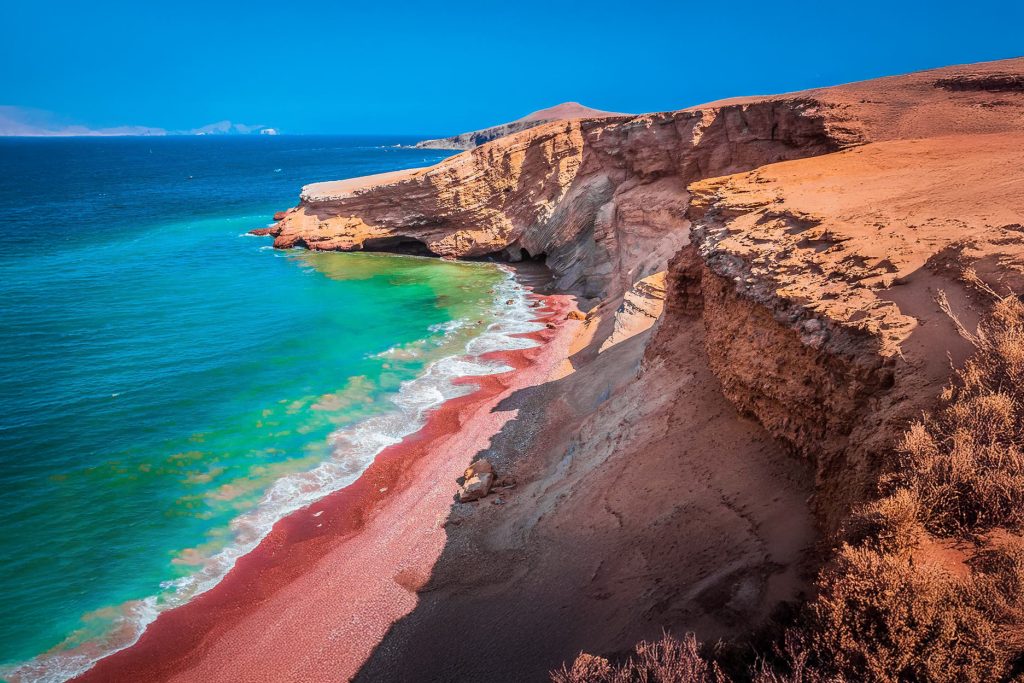
The Best of the Peruvian Coast
The Peruvian coast is a fascinating destination for those looking for sun, sea, and culture. Its warm and dry climate, especially in the summer months, makes it easier to enjoy the beautiful landscapes, beaches, and outdoor activities.
Let’s take a closer look at what you can see on the Peruvian coast and when it is best to visit.
Best Time to Visit Lima
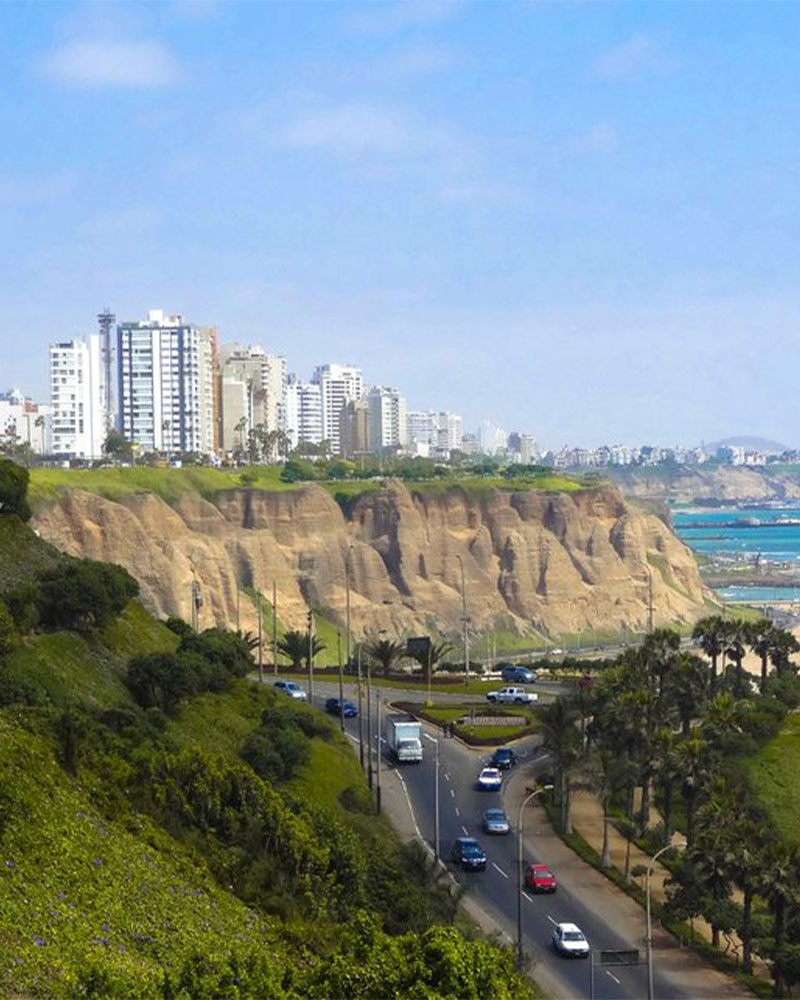
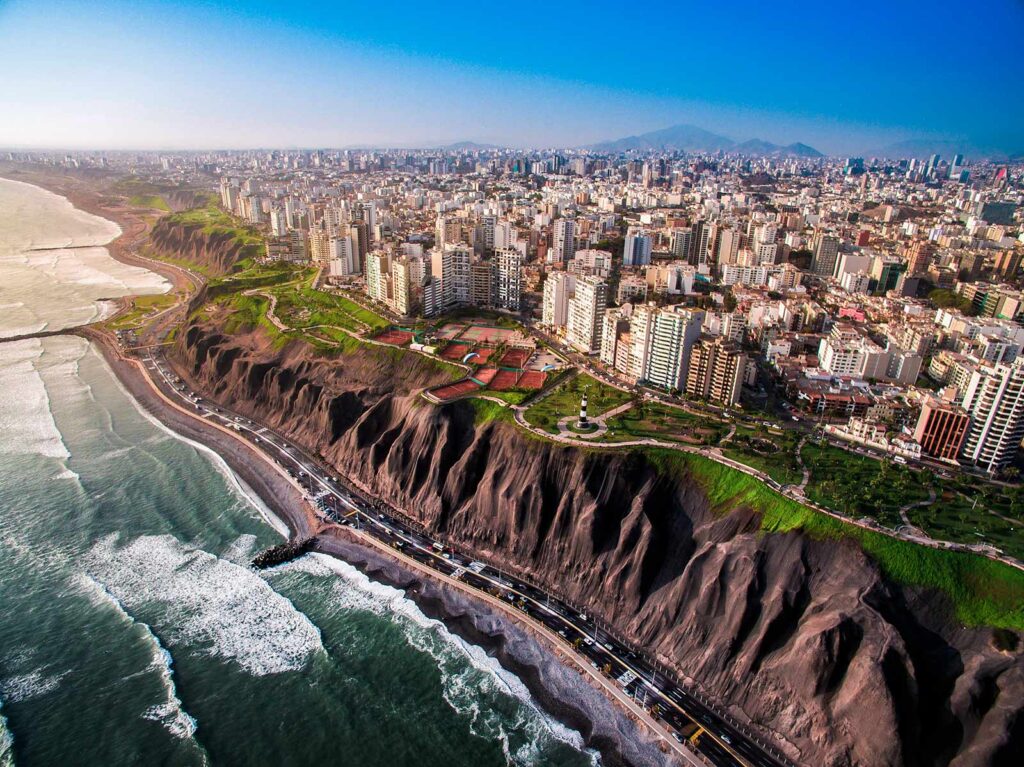
Lima, the country’s capital, is one of the most visited destinations on the Peruvian coast, and the best time to visit is during the summer, from December to March. During these months, the city is sunny and warm, making it perfect for exploring its parks and beaches, and trying the incredible cuisine (said to be one of the best in the world). The historic center is also impressive, with iconic monuments such as the Plaza Mayor and the Lima Cathedral.
Although the weather in Lima, Peru, can be cloudy and humid in winter, from June to September, the drizzle gives it a unique charm. Temperatures remain mild, and although it’s not the warmest season, you can make the most of it to visit museums and enjoy the city without the typical summer crowds.
Best Time to Visit Paracas
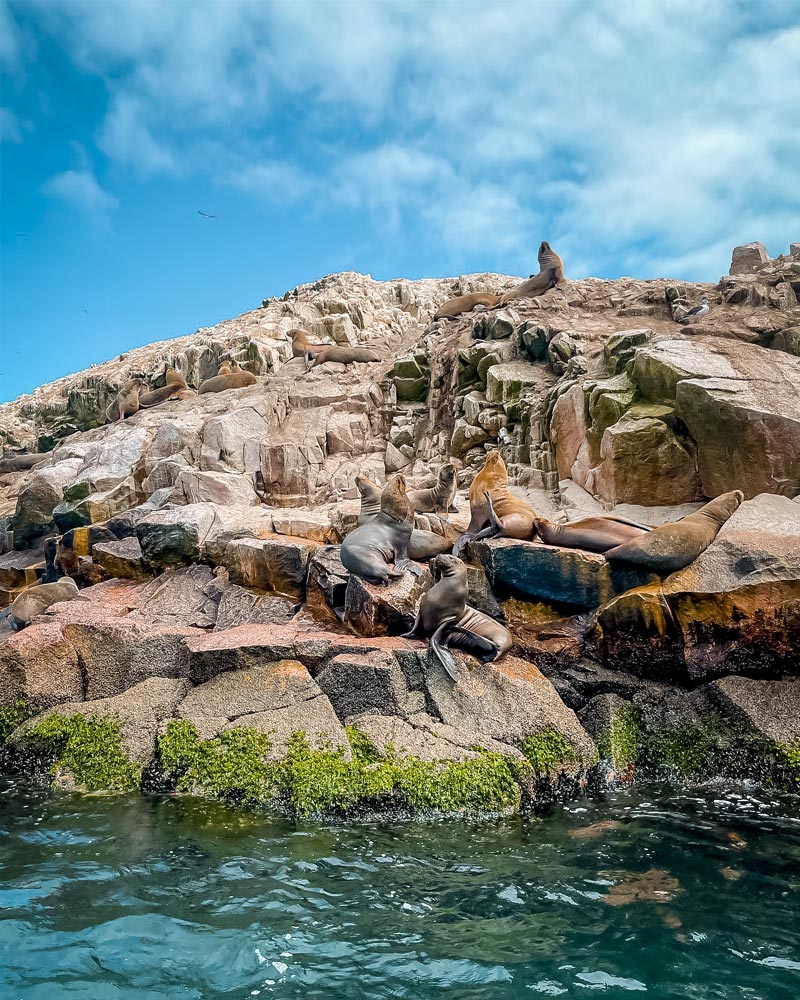
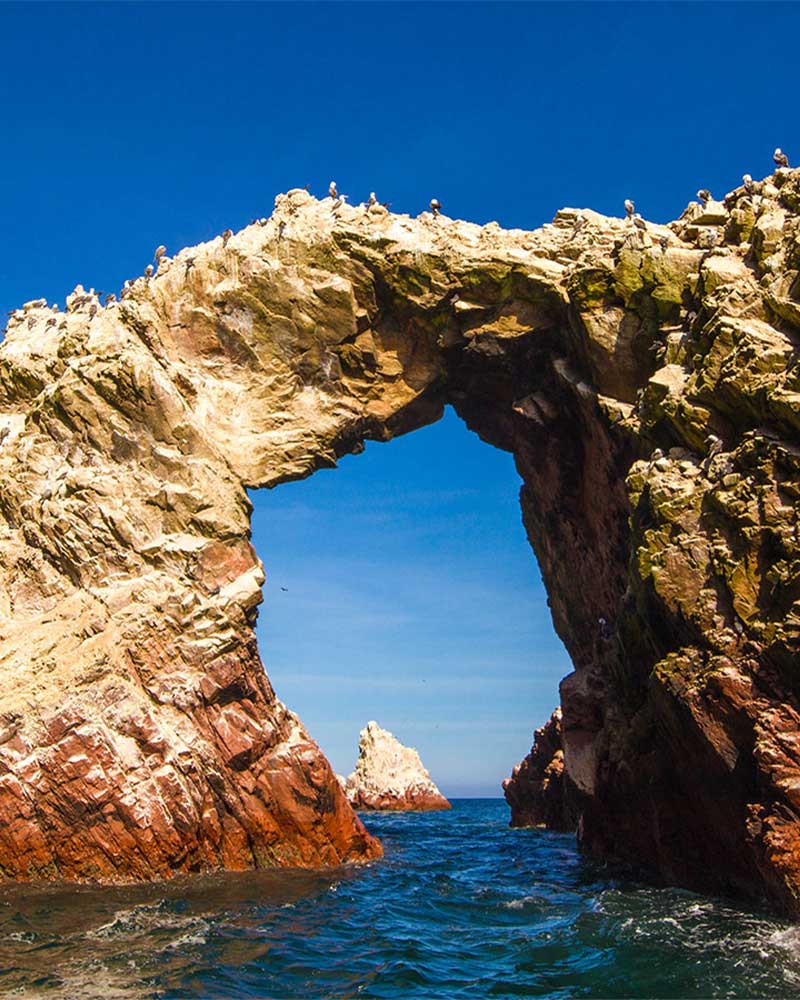
Paracas is another must-see destination on the Peruvian coast. It’s known for its calm beaches and proximity to the Ballestas Islands, a true paradise for lovers of marine fauna. This destination is perfect for any time of year, as its warm and dry climate guarantees ideal days for enjoying the beaches and boat trips. However, if you prefer to avoid strong winds, February and March are ideal, as the wind is less intense, making walks and outdoor activities even more pleasant.
Best Time to Visit Trujillo and Chiclayo
In northern Peru, the cities of Trujillo and Chiclayo are famous for their rich history, culture, and beaches. The best time to make the most of your visit to these cities is between January and May. During these months, the warm and sunny weather is ideal for exploring the archaeological ruins of Chan Chan, the largest adobe city in America, and the pyramids of Tucumé. This is also a good time to enjoy the beaches of the north and their surroundings, like Huanchaco and Pimentel.
Best Time to Visit Máncora and Piura
If you’re looking for sunny days along the north of the Peruvian coast, Máncora and Piura are perfect destinations. From December to March, the region enjoys warm and sunny temperatures, making it the best time to enjoy the beaches, popular with domestic and international tourists. These months are also ideal for enjoying nightlife and water activities, like surfing, in a relaxed and vibrant atmosphere.
The Peruvian coast is full of diverse destinations perfect for different types of travelers. While summer, from December to March, is the best time for most coastal destinations due to the warm and bright weather, each region has its particular charm throughout the year. From the beaches of Lima to the historical charms of Trujillo and the nature of Paracas, every bit of the Peruvian coast promises a unique experience.
The Best of the Peruvian Highlands
The imposing Andes mountain range frames the Peruvian highlands, perfect for travelers seeking to explore mountainous landscapes, ancient cities, and living cultures. Due to its altitude, the climate varies significantly, and each season offers different experiences.
Take a look at the highlights to see in the Peruvian highlands and what the best time is to visit.
Best Time to Visit Cusco
Cusco, the ancient capital of the Inca Empire, is a must-see destination in the Peruvian highlands. The best time to visit Cusco is during the dry season, between May and September. These months offer an ideal climate for touring the city, visiting the historic center, and hiking, like going on the Choquequirao Trek or the Inca Trail.
It’s also a time to enjoy important festivals, such as Inti Raymi, the Sun Festival, which takes place in June and is one of the largest and most important celebrations of Peruvian culture.
Remember that in February, the Inca Trail is closed for maintenance due to weather conditions. Some tour operators also prefer not to operate on other routes due to riskier conditions because of the rainfall.
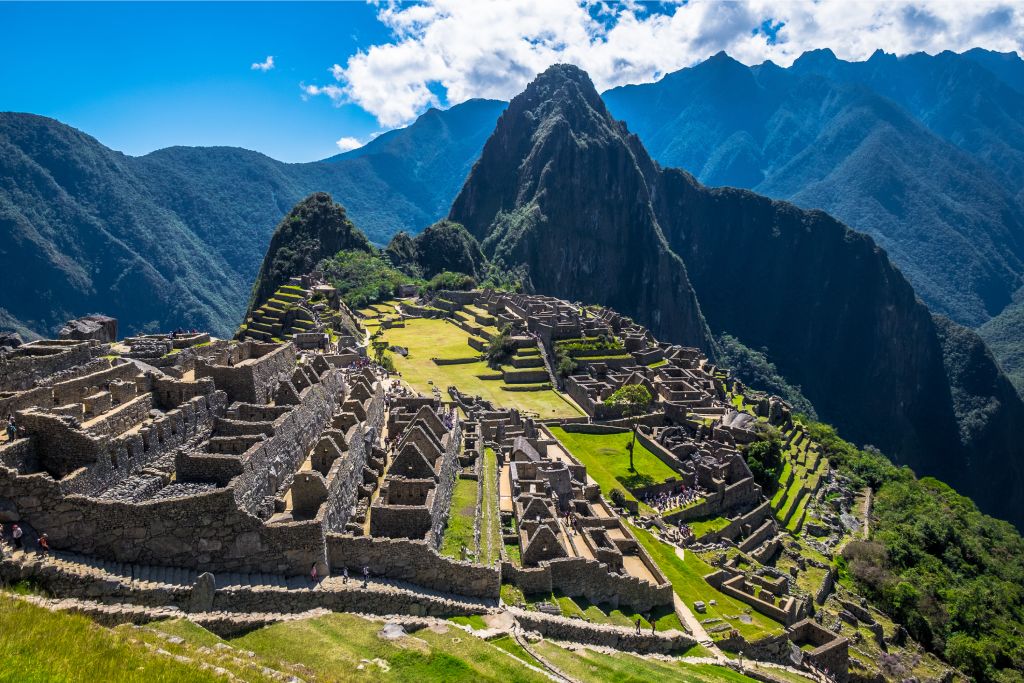
Best Time to Visit Machu Picchu
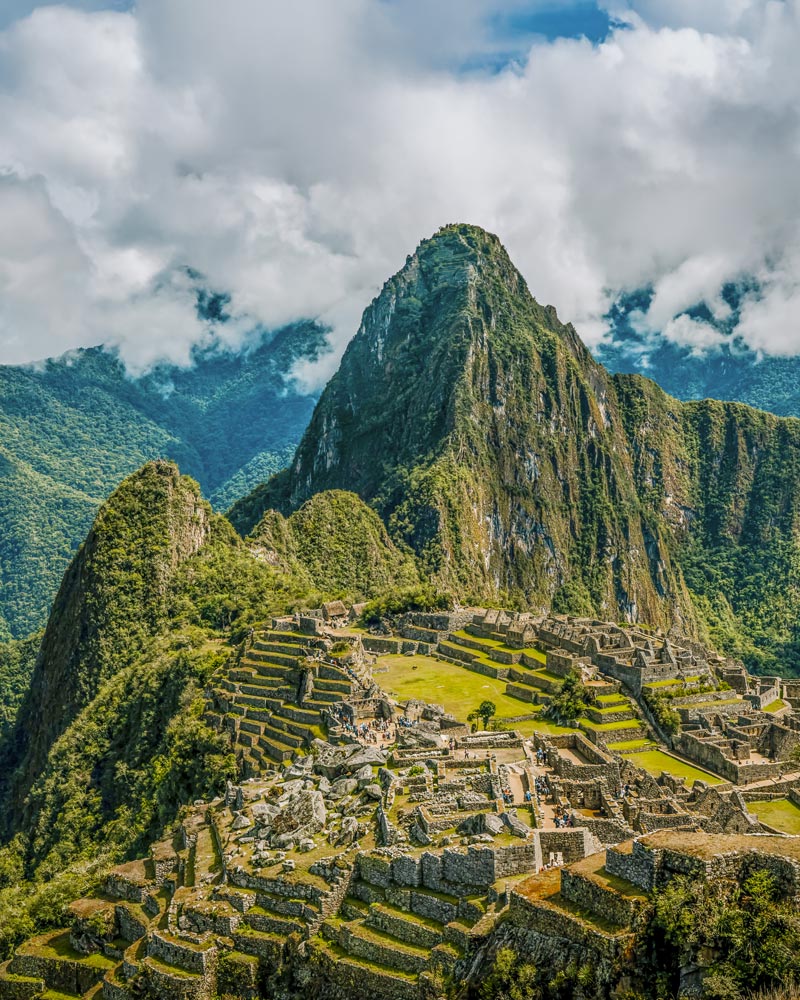
For most travelers, visiting Machu Picchu is the main event, so timing matters. The best time to do so is between May and September. During these months, the dry and sunny climate offers ideal conditions for hiking to the Inca citadel and enjoying clear views of the Andean landscape. Just remember that these months coincide with the busy season, which means a higher influx of tourists.
If you prefer to avoid crowds and enjoy a moderate climate, October and April are also excellent options. There are fewer tourists and less rainfall, giving you the best of both worlds.
Best Time to Visit the Sacred Valley
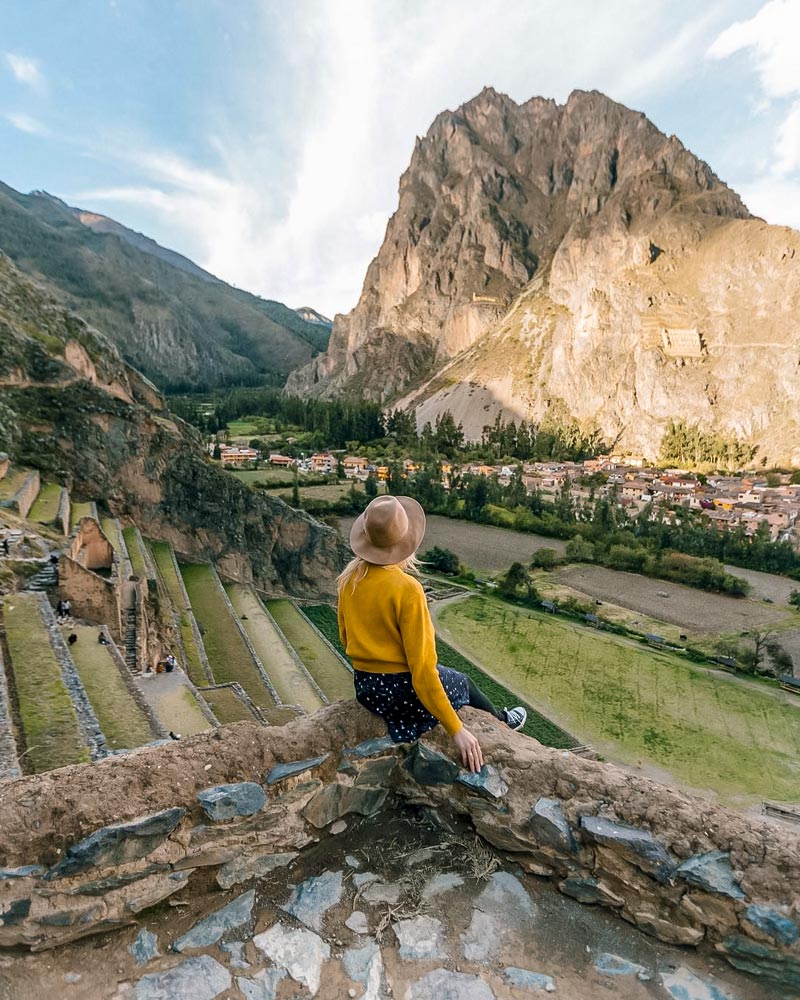
The Sacred Valley, one of Cusco’s most iconic regions, is another must-visit destination for those heading to the Peruvian highlands. The best time to explore the Sacred Valley is between May and September, when the weather is dry and pleasant. This makes it easier to visit its numerous archaeological sites, such as Ollantaytambo, Pisac, and Moray. During these months, outdoor activities, such as hiking and visiting local communities, are also easier.
Best Time to Visit Rainbow Mountain (Vinicunca)
Rainbow Mountain, or Vinicunca, has become one of the most popular destinations in the Peruvian highlands due to its unique natural display of vibrant colors. The best time to visit is from March to October when rainfall is less frequent and conditions for trekking to the mountain are safer.
It’s important to note that Vinicunca sits at 5,100 meters (16,732 feet), so acclimatizing in Cusco before the hike is a must to avoid altitude sickness.
Best Time to Visit Arequipa
The White City of Arequipa, famous for its colonial architecture and impressive view of Misti volcano, has a pleasant climate year-round. However, the best time to visit and explore its surroundings, such as the Colca Canyon, is from April to November. During these months, temperatures are mild during the day and cool at night, making it more comfortable to explore the city and enjoy outdoor activities.
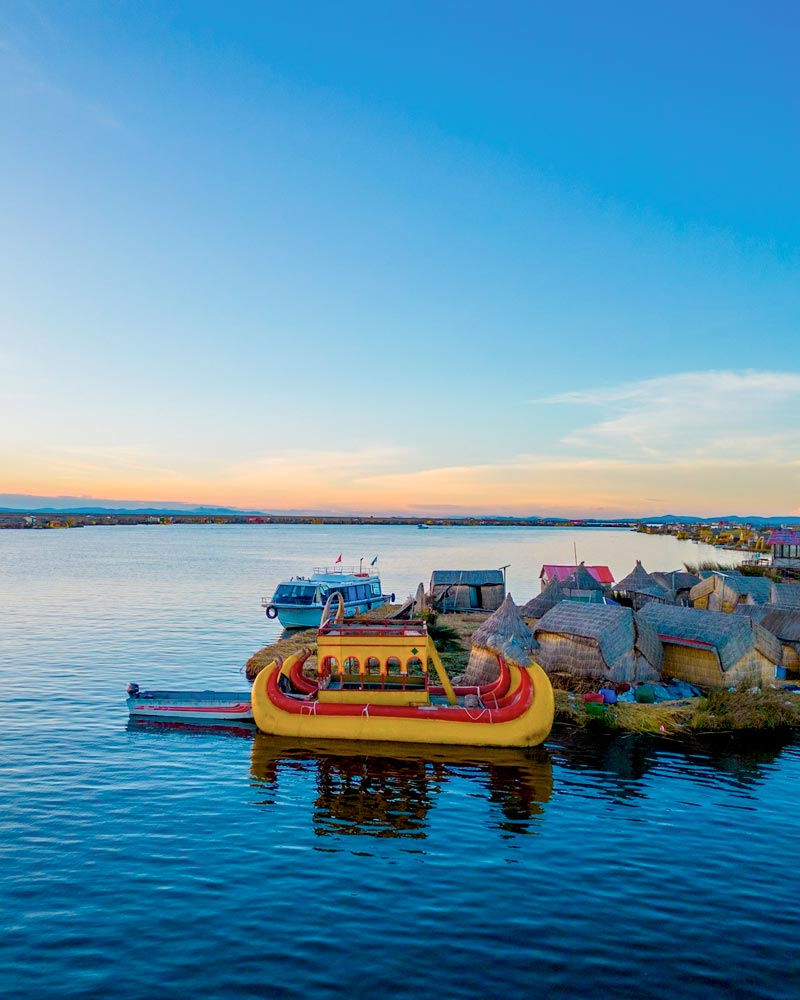
Best Time to Visit Lake Titicaca in Puno
Lake Titicaca, the highest navigable lake in the world, is another major attraction in the Peruvian highlands. The best time to visit is from May to September, during the dry season. In these months, the climate is more stable, with clear skies and daytime temperatures between 15°C and 20°C. This is perfect for exploring the floating islands of the Uros, Taquile, and Amantani. However, nights can be cold, so don’t forget your warm clothes.
Best Time to Visit Huaraz
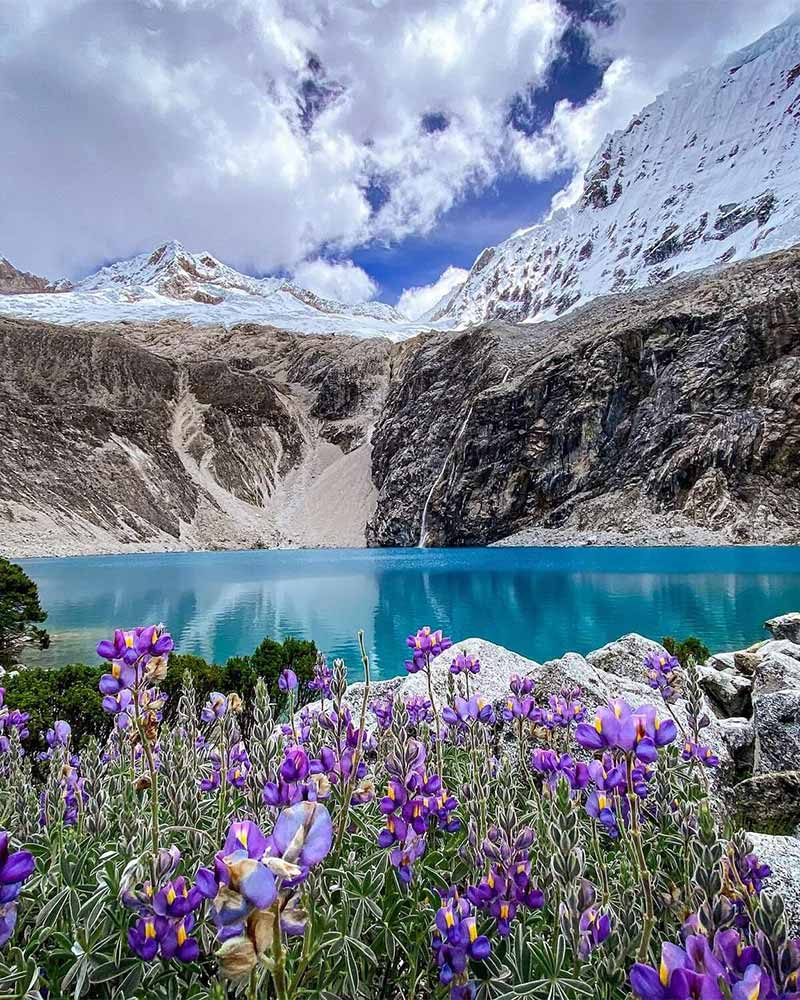
If you love trekking and mountaineering, Huaraz and the Cordillera Blanca are must-visit destinations in the Peruvian highlands. The best time to visit is between May and September when the skies are clear, and temperatures are pleasant. You can hike, climb, and explore stunning landscapes like the Pastoruri glacier and Laguna 69.
The Peruvian highlands are a diverse and fascinating destination, with options for all types of travelers, from those interested in history and culture to nature and adventure lovers. While the dry season from May to September is the best time for most places in the highlands, each region has its unique appeal throughout the year.

The Best of the Peruvian Rainforest
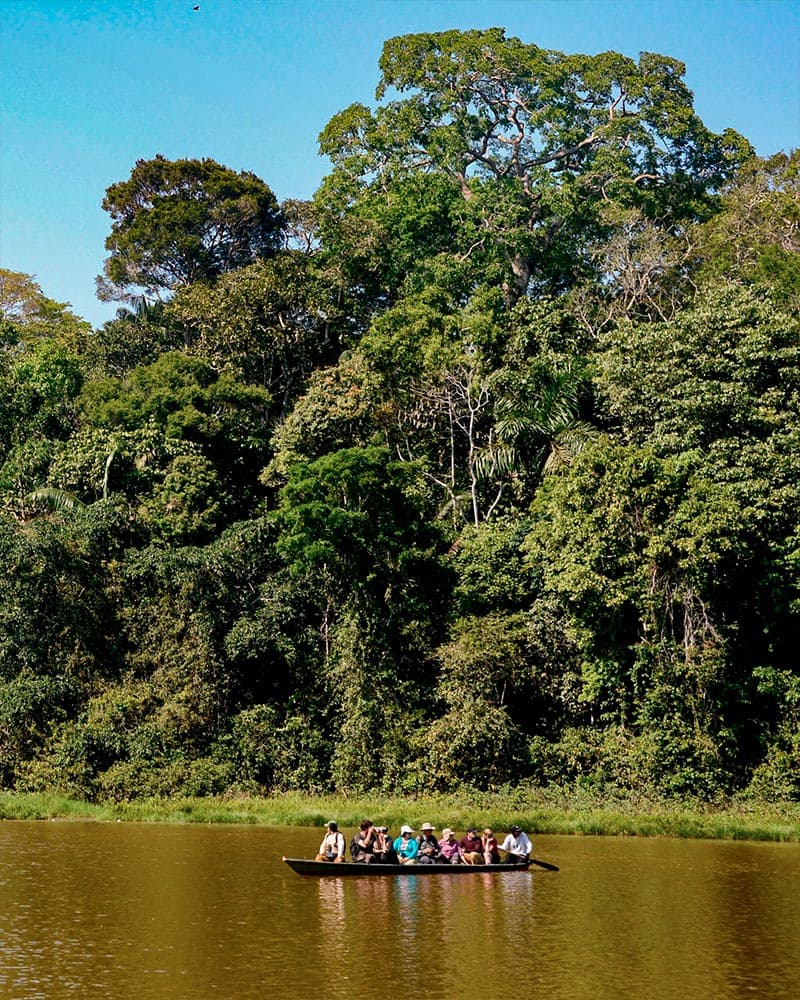
The Peruvian Amazon is an exotic destination bursting with biodiversity and culture. In this region, a tropical rainy climate is the norm, directly influencing the best times to travel.
If you’re planning a visit to the Peruvian rainforest, take a look at the must-see destinations below to see when the best time to visit is.
Best Time to Visit Iquitos
Iquitos, the capital of Peru’s Amazon region, is one of the most popular rainforest exploration destinations. Visit in the dry season, so between June and September. During these months, rainfall is less frequent, making exploring the jungle and rivers easier. This allows you to enjoy activities like boat trips, jungle hikes, and spotting wildlife, especially the famous pink dolphins.
The dry season is also more favorable for trips to the Pacaya Samiria National Reserve, one of the most biodiverse areas of the Peruvian Amazon.
Best Time to Visit Pucallpa
Pucallpa, located in the Ucayali region, is another top destination in the Peruvian Amazon. The best time to visit is from May to October in the dry season. During these months, rainfall is less frequent, allowing for jungle trips, visits to native communities, and easier navigation of the Ucayali River.
The more stable climate during these months is perfect for wildlife observation and enjoying nature. The sunny days also offer an excellent opportunity to explore the local flora and fauna without the inconvenience of rain.
Best Time to Visit Madre de Dios
The Madre de Dios region, famous for its biodiversity and nature reserves like the Tambopata National Reserve, is another major destination in the Peruvian Amazon. During the dry season, the best time to visit Madre de Dios is from May to October. In this period, rainfall is less intense, and trails are in better condition, making trips more pleasant and safe.
The dry season is ideal for wildlife observation, as animals are more visible due to the less dense vegetation. These months are great for boat trips on the Tambopata River and jungle hikes.
Best Time to Visit Chachapoyas
Although not in the lowland Amazon, Chachapoyas is part of the Peruvian high jungle. Its climate is more temperate and varied, making it an attractive destination for those looking to explore the Amazon but who want to enjoy a cooler climate. The best time to visit Chachapoyas is from April to October, in the dry season.
During these months, you can comfortably explore the ruins of Kuelap, the famous fortress of the Chachapoyas, the impressive Gocta waterfalls, and other archaeological sites without rain. The dry season also makes it easier for hiking on trails and birdwatching, especially in the higher areas of the region.
If you want to explore the jungle and rivers of the Peruvian Amazon, the dry season from May to October is best, as rainfall is less frequent, trails are more accessible, and wildlife is more visible. However, each area has its appeal, so it’s essential to plan your trip according to the climatic conditions of each location.

When Not to Visit Peru
There’s no single “bad” time to visit Peru, but there are definitely times that are less ideal depending on your plans.
February (for trekking)
This is the one month to actively avoid if hiking is a priority. The Inca Trail is closed, and heavy rainfall can disrupt other routes like the Salkantay Trek. Conditions are wet, muddy, and less predictable.
January to March (for the Andes)
This is peak rainy season in regions like Cusco, the Sacred Valley, and much of the highlands. You can still visit, but expect:
- Frequent rain showers
- Limited mountain views
- Slippery trekking conditions
On the plus side, everything is greener, and there are far fewer tourists.
June to August (if you hate crowds)
This is the best time weather-wise, which means everyone else has the same idea. Expect:
- Busy trails and packed viewpoints
- Higher prices
- Limited availability if you don’t book early
June to September (for Lima and the central coast)
While the Andes are enjoying perfect weather, Lima sits under a blanket of grey cloud known as garúa. It’s not cold or rainy as such, just persistently overcast.
Amazon peak rains (January to March)
Travel is still possible, but heavy rains can affect accessibility in some areas, and the humidity is intense. That said, river levels are high, which can actually improve access to remote areas.
Tips for Traveling to Peru
Peru is a country full of climatic contrasts and natural wonders, from the heights of the Andes to the lush Amazon rainforest. Each region has its charm and offers a unique experience. To make the most of your trip, check out our essential travel tips to enjoy every corner of the country.
Prepare for the Changing Climate: Pack Appropriate Clothing
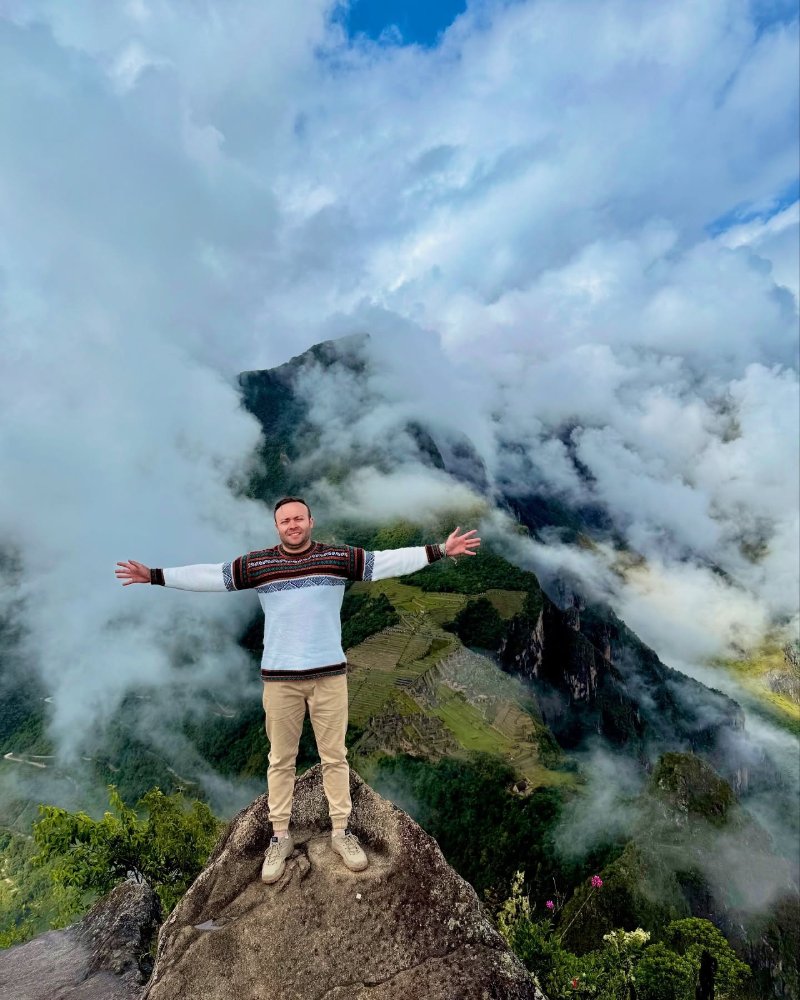
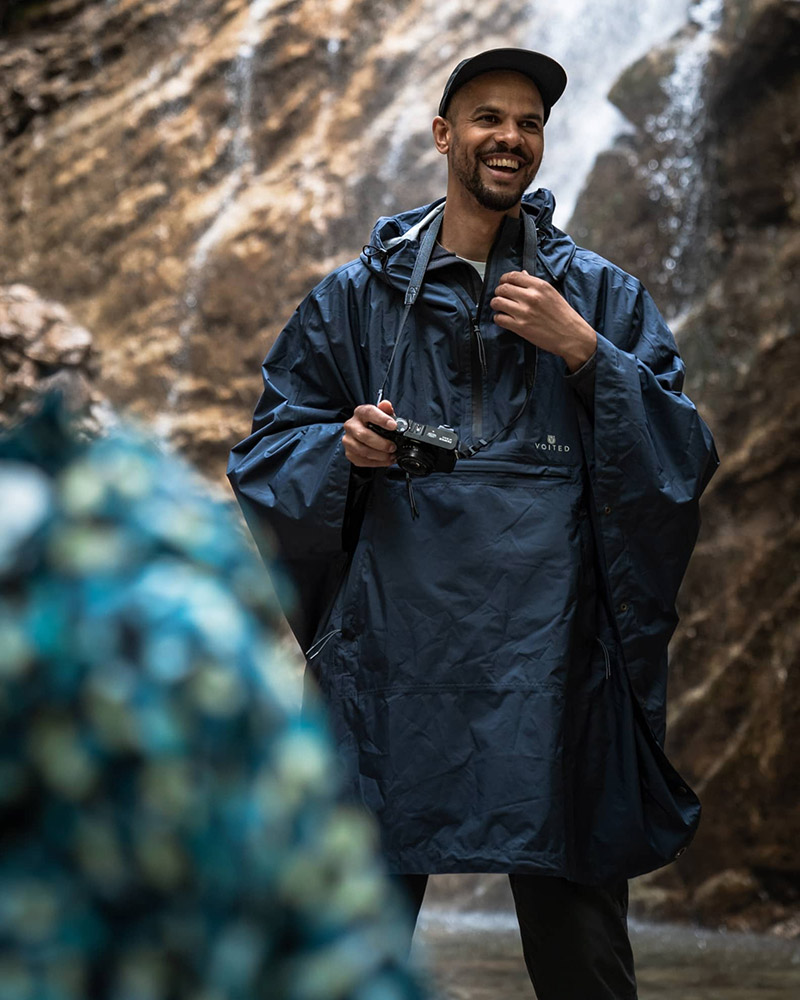
We can’t go on enough about how variable the Peru climate is. From the warm beaches of the coast to the cold peaks of the Andes and the tropical climate of the Amazon, remember to pack clothes for every type of weather. Bring lightweight clothing for the jungle and a coat or jacket for higher-altitude regions like Cusco or Arequipa. If you plan on hiking in the mountains, it’s essential to have comfortable, worn-in hiking boots.
Adjust to the Altitude: Acclimatization Is Key
If you plan to visit high-altitude places like Cusco, Arequipa, or the Sacred Valley, you must acclimatize to avoid altitude sickness. Arriving two or three days before your trips, resting, and drinking plenty of water will help you adapt better. You can also try coca tea and keep eating light, as altitude can affect your digestion.
Choose the Best Time Based on Your Destination
To enjoy Peru to the fullest, choose the right time of year to visit each region. If you want to explore the Peruvian coast, the summer months, from December to March, are ideal for enjoying the beaches. If your goal is to explore the highlands, the dry season from May to September is the best option, as rainfall is less frequent and conditions for hiking are perfect. And if you plan to explore the Amazon, the dry season from May to October is the most convenient, when rainfall is lower, and jungle trips are more comfortable.
Don’t Forget Repellent and Sunscreen
If you visit a jungle like Iquitos or Pucallpa, insects pose a big challenge, especially during the rainy season. Bring insect repellent to avoid mosquito bites. Don’t forget your sunscreen to protect yourself from UV rays, especially when visiting high-altitude regions. The sun is more intense the higher you go.
Enjoy Peruvian Cuisine But with Caution
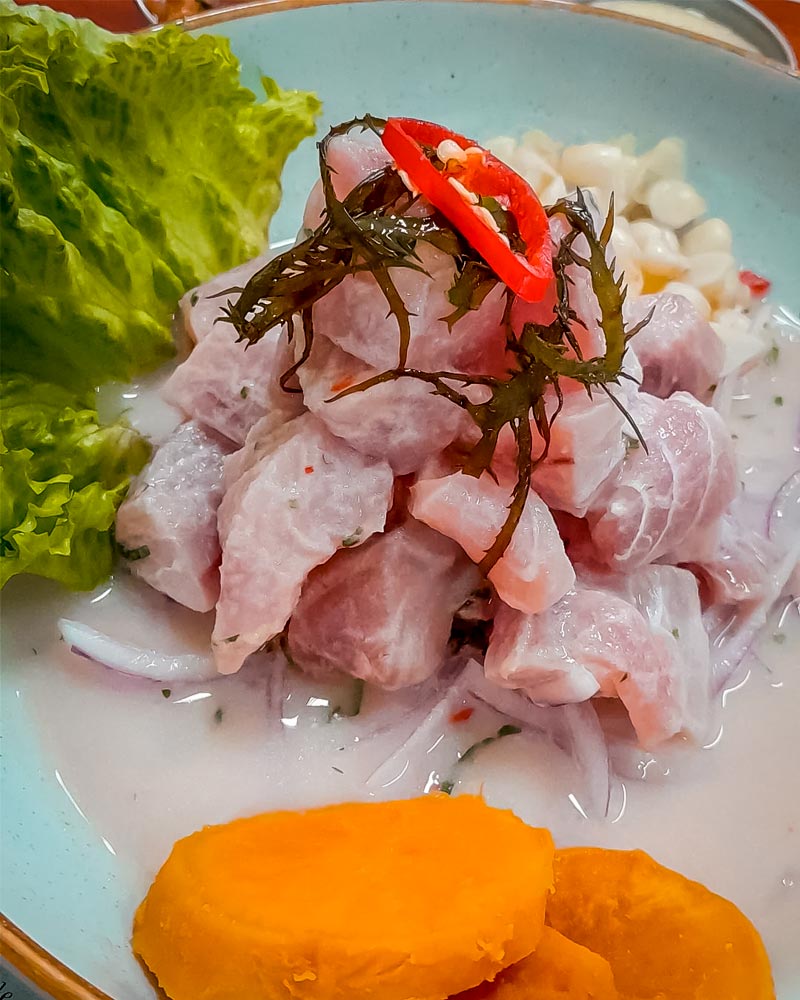
Peruvian food is one of the most delicious and varied in the world, but you have to be cautious, especially in less touristy places. To avoid stomach upsets, drink bottled water and choose well-cooked foods. And if you want to try dishes like ceviche, make sure they’re fresh and prepared in reputable places.
Plan Your Visits to Iconic Places
Popular destinations include Machu Picchu, the Sacred Valley, Lake Titicaca, and Rainbow Mountain. We recommend you plan and book your tickets well in advance, especially for the Inca Trail, which has a limited number of permits per day.
Stay Hydrated and Get Enough Rest
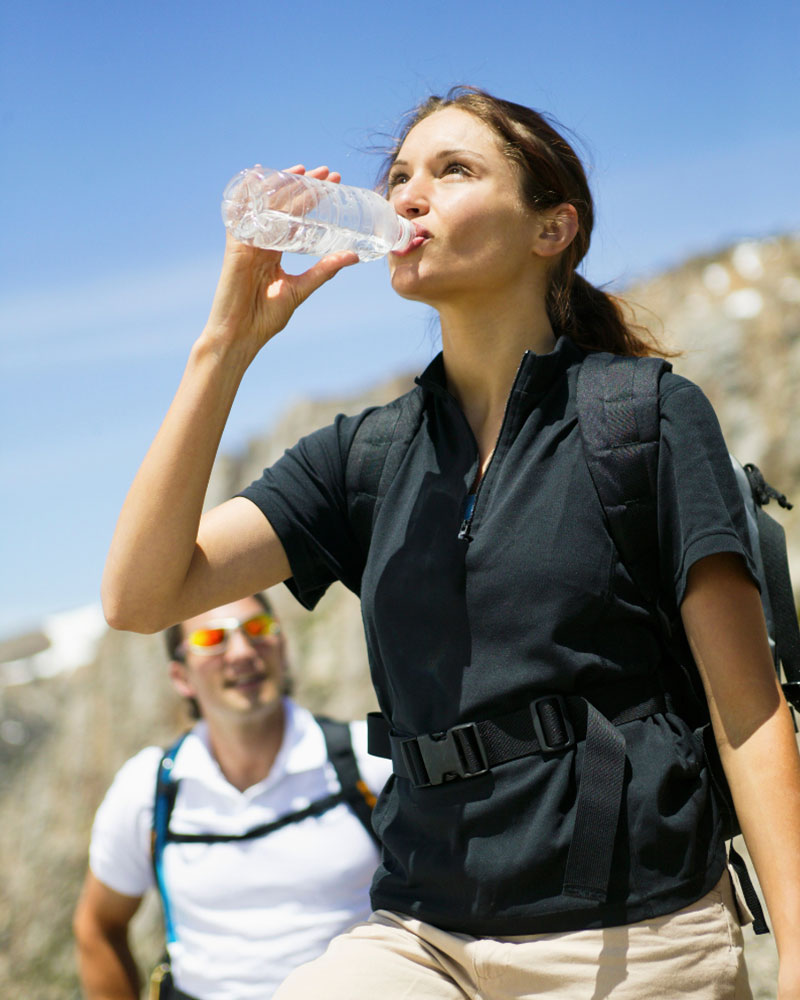
The climate is variable, and you’ll likely be enjoying a lot of activities, so staying hydrated is essential to enjoy your trip. Drink plenty of water, particularly if you’re hiking or exploring the jungle. Make sure you also get enough rest, especially at high altitudes, to prevent excessive fatigue and the effects of altitude.
Immerse Yourself in the Local Culture
Peru has a rich cultural heritage, from the ancestral traditions of indigenous communities to the influence of Spanish colonization. Take advantage of your trip to learn about the history of places like Cusco, with its impressive archaeological sites, or the vibrant culture of Lima, with its gastronomy and architecture. Don’t hesitate to interact with locals and learn more about their customs and ways of life.
Carry Cash and Cards
Although major tourist cities like Lima, Cusco, or Arequipa have ATMs, banking services may be limited in more remote areas of the Amazon or highlands. Carry some cash and make sure to bring credit cards that are accepted in larger establishments.
Use Local Agencies for Authentic Experiences
If you want a deeper and more authentic trip experience, consider hiring a tour with local agencies. Tour operators offer personalized and safe trips to lesser-known places, such as the Ballestas Islands in Paracas or the less-traveled paths of the Inca Trail. They’re also experts on local customs and traditions and are willing to share all they know with you.
Frequently Asked Questions
While we’ve already answered many of your questions about the best time to travel to Peru, we know there are always additional queries. Here are some of the most frequently asked questions and their answers to help you plan your trip.
The best time to visit Machu Picchu is between May and September, when dry weather offers clearer views and better hiking conditions.
For fewer crowds, consider April, May, or October, which still offer good weather but with less congestion than peak season.
The rainy season in Peru typically runs from November to March, with the heaviest rainfall in January and February.
Rain mainly affects the Andes and Amazon regions, while the coast remains mostly dry year-round.
The best time to visit Peru is from May to October, during the dry season. This is when you’ll get clear skies, ideal trekking conditions, and the best chance of visiting places like Machu Picchu without weather disruptions.
That said, the best time depends on your plans:
– Coast (beaches): December to March
– Amazon: May to October for wildlife, November to April for river access
– Fewer crowds: April, May, September, and October
The cheapest time to visit Peru is during the rainy season (November to March), when fewer tourists travel to the Andes.
During this period, you’ll often find lower prices on:
– Flights
– Accommodation
– Tours
However, weather conditions can be less predictable, especially for trekking.
Peru offers a wide range of activities, including:
– Trekking: Inca Trail, Salkantay Trek, Choquequirao
– Cultural visits: Machu Picchu, Cusco, Sacred Valley
– Amazon exploration: Wildlife spotting, river tours
– Food experiences: Lima’s world-famous cuisine
– Beaches: Surfing and relaxing on the northern coast
Peru is generally safe for travellers, especially in popular destinations like Lima, Cusco, and the Sacred Valley.
But, just as with any destination:
– Avoid poorly lit or unfamiliar areas at night
– Use registered taxis or transport apps
– Keep valuables secure in crowded places
For trekking or remote areas, it’s best to travel with a reputable guide or tour opera
So, What Is the Best Time to Visit Peru?
If you’re looking for a simple answer, May to October is the best time to visit Peru. This is when the Andes are dry, skies are clear, and conditions are ideal for visiting Machu Picchu and tackling the country’s most iconic treks.
But Peru isn’t a one-season destination. Nope. It’s a country of contrasts.
- Want mountain views and trekking conditions at their best? Aim for the dry season.
- Prefer fewer crowds, greener landscapes, and lower prices? The rainy season might suit you better.
- Planning time on the coast? Summer (December to March) is when it really shines.
- Heading into the Amazon? Your experience will depend more on river levels than on rainfall alone.
The key is matching your timing to what you actually want from the trip and not just defaulting to peak season.
Get that right, and Peru delivers. Every time.
You might also be interested in:




Leave A Reply