
Sometimes all it takes is a moment. One day, you wake up with that feeling in your chest—an urge to discover the heart of the ancient Inca Empire: the Sacred Valley.
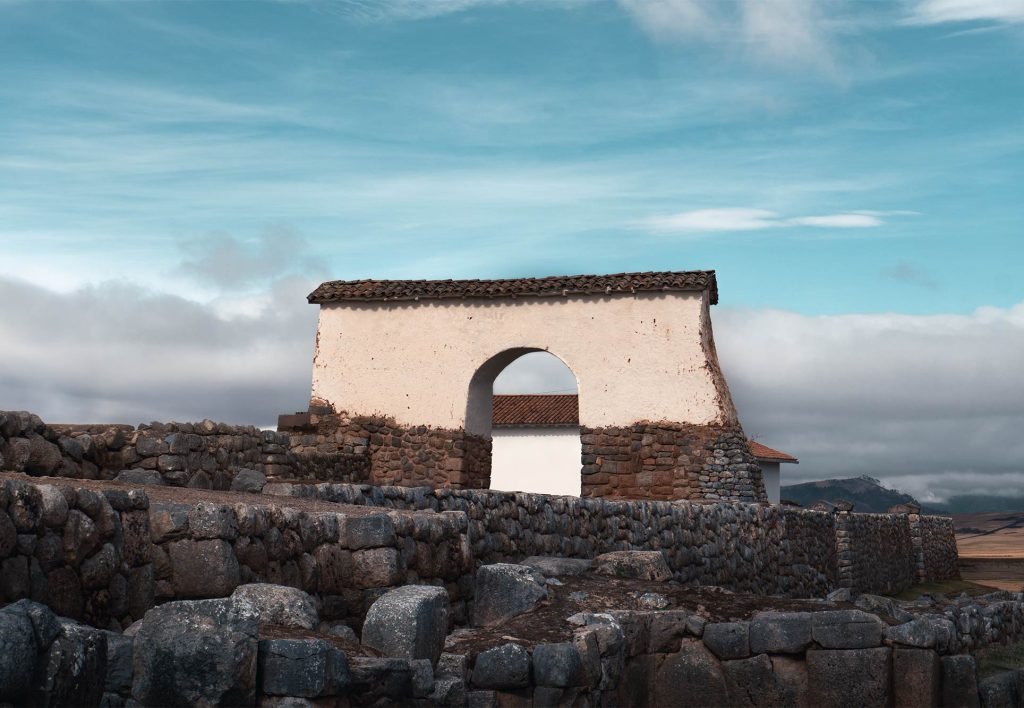
From the very first stop at the archaeological site of Chinchero, I knew this trip would be different. The Incas weren’t just masters of terraces and stone constructions—they were also brilliant at choosing where to build.
Throughout this blog, I will tell you about my route through the Sacred Valley, the places I visited, and everything I learned with my guide so that you can get an idea of what you will see and fall even more in love with Inca culture. I will also tell you how you can combine this wonderful place with the jewel of Peru: Machu Picchu.
Let’s begin.
Table of contents
Why I Decided to Travel to the Sacred Valley
I’m always drawn to destinations that enrich the way I think and feel—places that mix culture, adventure, and something new. That’s how the Sacred Valley of the Incas in Peru appeared in my search: a place many would call the promised land. It has the perfect weather, historic centers, breathtaking landscapes, living traditions, warm and welcoming people, and above all, a unique energy—a peaceful space where you can simply be.
I had a feeling this destination held something special for me, as if it had been waiting for me for a long time. So I followed that instinct and set out for Peru.
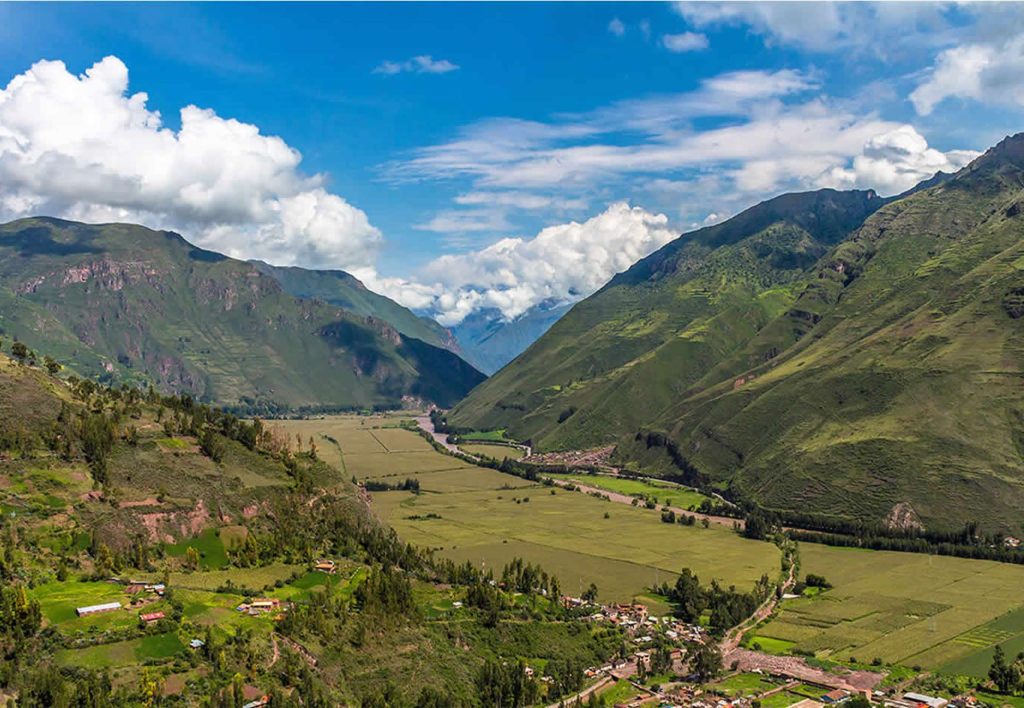
My first impression on my journey through the Sacred Valley
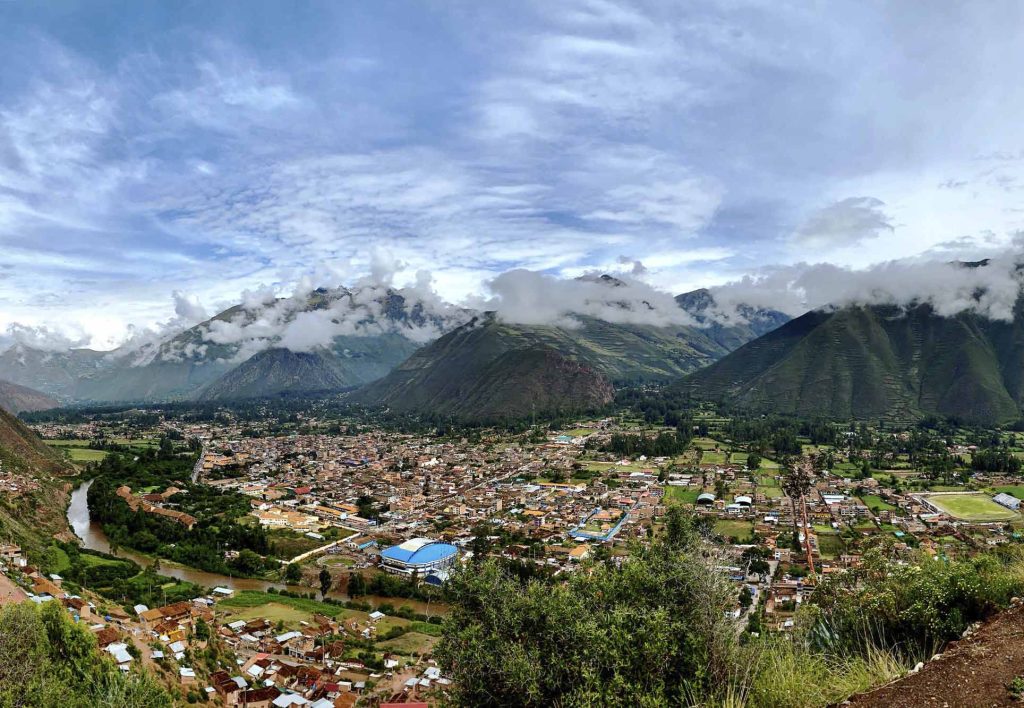
The Sacred Valley exceeded my expectations in every way. From the window of the van, massive mountains appeared one after another, like protective guardians watching over everything within them. And then the valley itself opened up—colorful small towns that preserve the calm of an ancient world, narrow streets, rustic houses, women dressed in traditional clothing, kids playing on the sidewalks, tiny shops, and everyday life moving at its own gentle pace.
The Incas chose this place wisely to build many of their most important archaeological sites. The mild air, which contrasts with the cold of Cusco, lets you know when you have entered this territory. And the Urubamba River (also known as the Vilcanota River), which you’ll often spot running alongside the road, is another guide—it flows through the entire valley.To help you picture this landscape that welcomed me with such strength, here are a few details that will help you situate yourself within this vast and magical place.
Where Does the Sacred Valley Actually Begin?
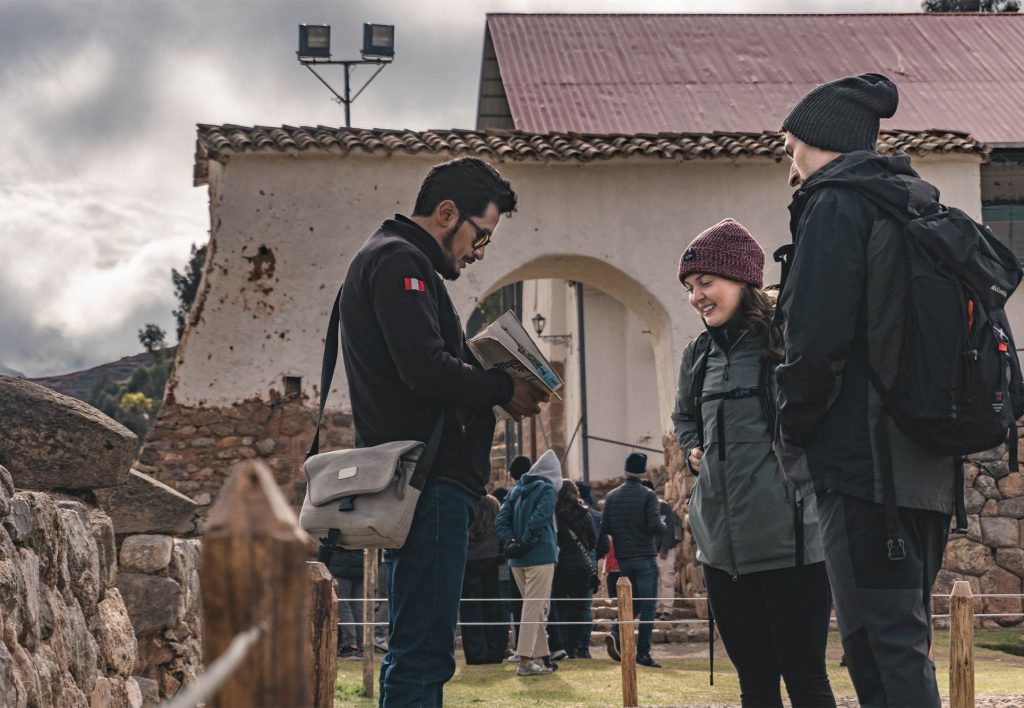
This place has several entrances: the most common being Chinchero and Pisac. From there, the route continues through a chain of towns all the way to Ollantaytambo, passing agricultural terraces, scenic viewpoints, and Inca remains that preserve the essence of this ancestral land.
The Altitude of the Sacred Valley and How It Affects Your Trip
This place is wonderful for your lungs because it is at an altitude between 2,700 and 2,900 meters above sea level (8,859 and 9,514 feet). It is approximately 700 m (2,297 ft) lower than Cusco. I noticed it as soon as I descended: I could breathe better, my body adapted more easily, and I was able to start the tour without the fatigue I felt on my first day in Cusco.
If you plan to go trekking in Cusco, the Sacred Valley is key to your acclimatization.
The Climate of the Sacred Valley and the Landscape Around It
During my trip, I noticed that the climate in the Sacred Valley is mild and very pleasant, ideal for walking and exploring new places. I traveled during the rainy season, so it felt more humid and somewhat windy in the afternoons; however, the mornings were mostly sunny, with temperatures ranging between 64.4°F (18°C) and 77°F (25°C).
We were lucky enough to enjoy intensely green landscapes full of life. The months of October and November are usually especially recommended for visiting the area, as the rains are light because they are the transition months to the rainy season and allow you to visit the archaeological sites with natural scenery at its best.
Safety in the Sacred Valley and in Peru
In my experience, this trip was completely safe. These towns depend heavily on tourism, from shops to transportation, restaurants, and others; they take great care of those who travel through this part of the country. I walked through small streets, browsed local markets, and used local transportation without any issues.
Still, I always follow the same basic precautions I use anywhere: I keep an eye on my belongings, avoid walking alone at night in remote areas, and stick to familiar routes.
Overall, Peru is very welcoming to travelers, and the Sacred Valley feels especially peaceful thanks to its rural environment and slower pace of life. With common sense and a few simple precautions, you can enjoy this route without worries.
My summary of the Sacred Valley of the Incas
Here’s the only summary you need for this corner of the world:
- Location: Cusco region, Peru
- Altitude: 2,700–2,900 m (8,858 ft-9514 ft) (lower than Cusco)
- Average climate: 18°C–25°C (64°F–77°F) during the day; 2°C–5°C (35°F–41°F) at night
- Best time to visit: May–October (dry season)
- Main river: Urubamba River, the natural axis of the valley
- Main towns and cities: Pisac, Chinchero, Calca, Lamay, Urubamba, Yucay, Ollantaytambo, and Maras
- Key archaeological sites: Pisac Archaeological Park, Moray Archaeological Complex, Maras Salt Mines, Ollantaytambo Archaeological Site, and Chinchero Archaeological Park.
- Distance from Cusco: 45–60 minutes, depending on the destination
Towns and Highlights of the Sacred Valley of the Incas
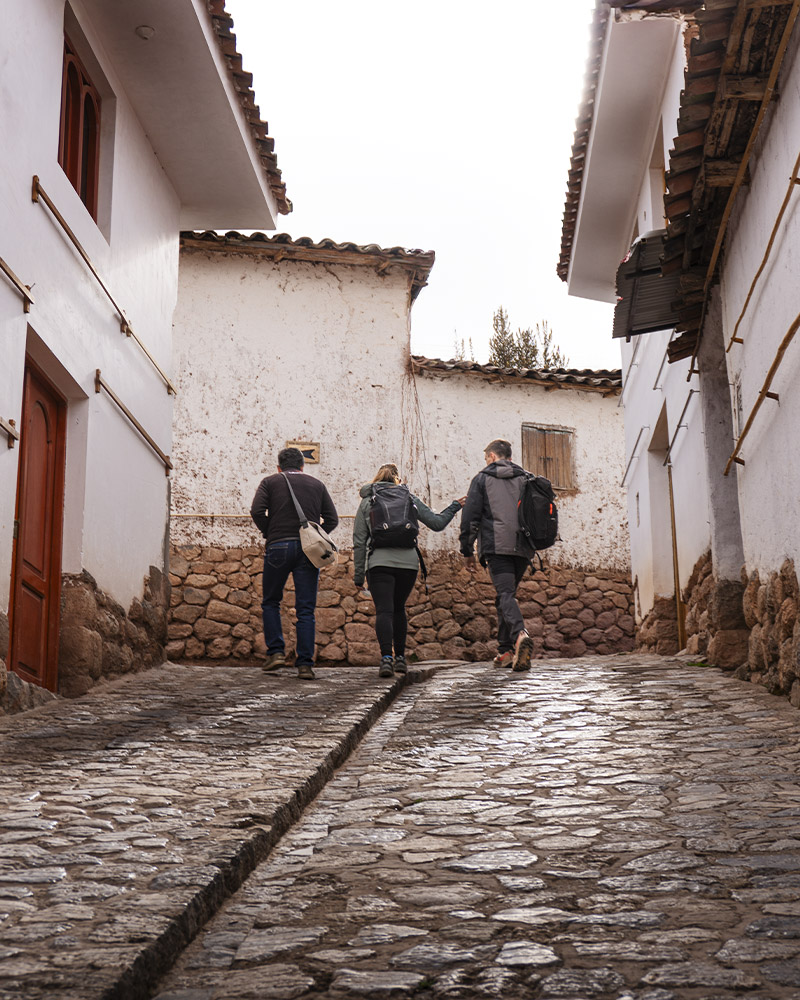
On my journey through the Sacred Valley, I could see that it is full of traditional towns, each with its own charm—from its people to its archaeological sites and stunning landscapes. In this section, I’ll take you through the cities and destinations I visited.
Chinchero: A Woven Heart
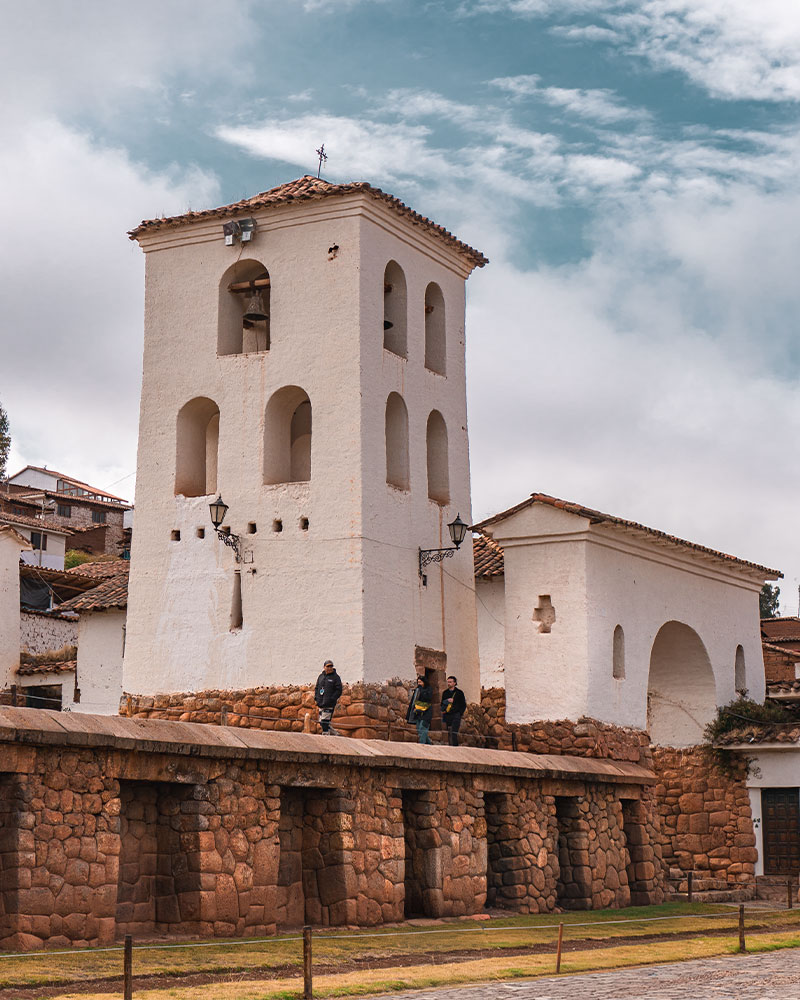
Chinchero was my first stop of the day in the Sacred Valley, and I couldn’t have started better. This small Andean town—known as “the land of the rainbow”—combines beautiful landscapes with living tradition.
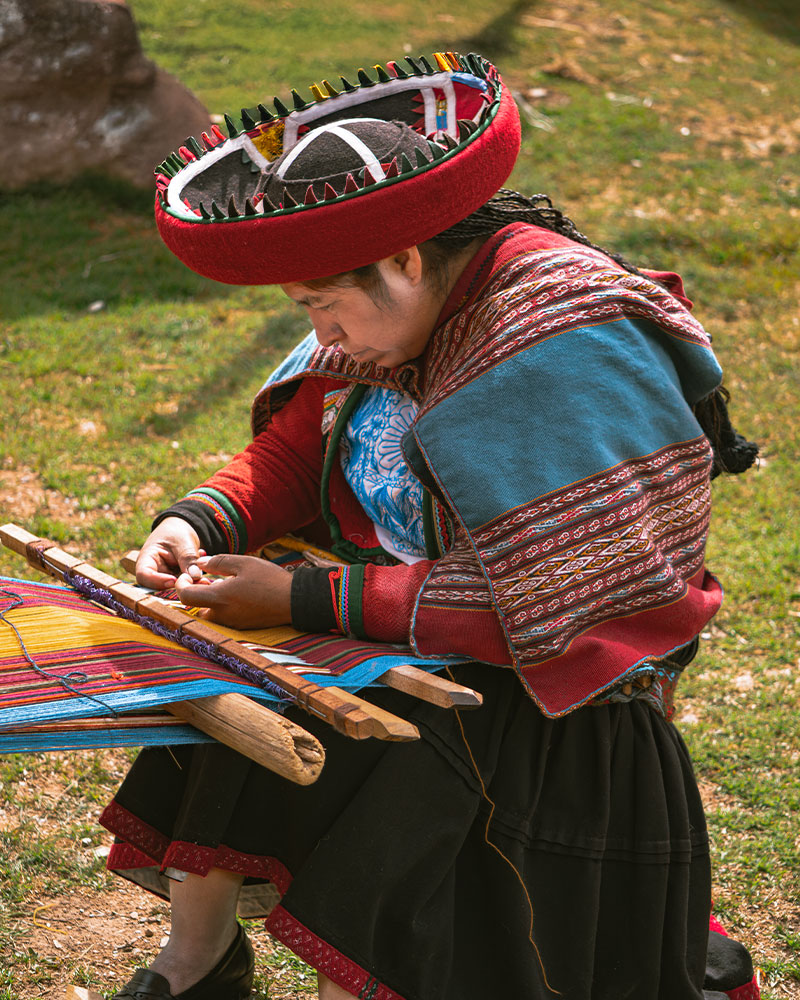
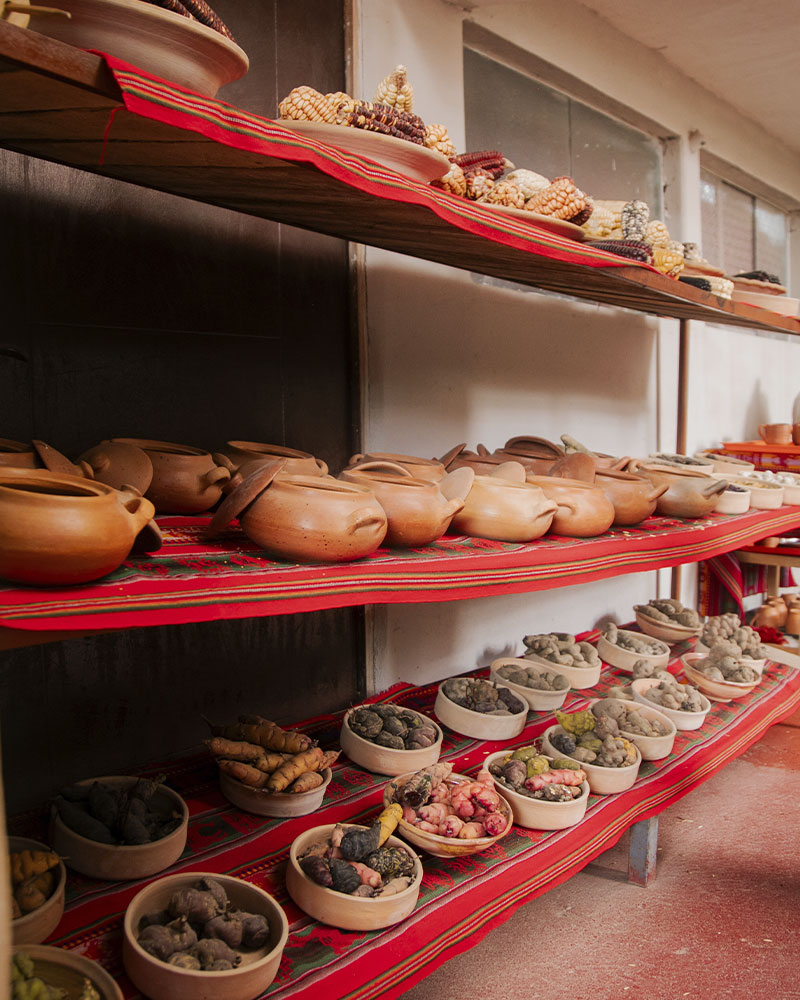
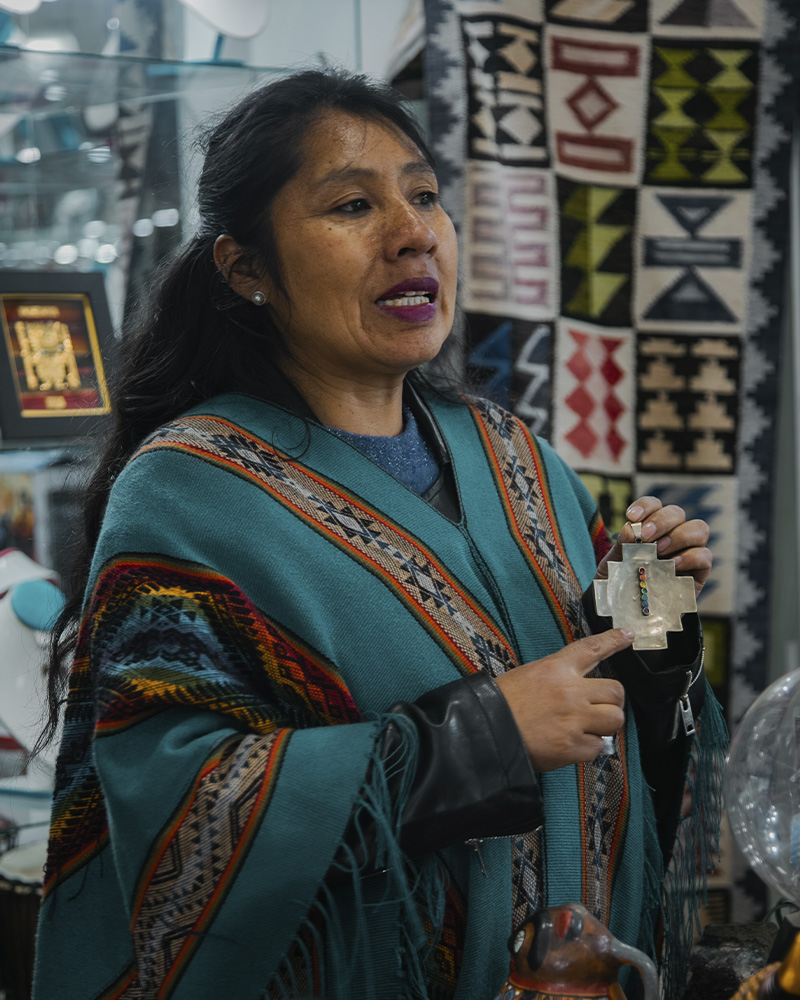
But what truly defines Chinchero is its weaving tradition: expert women who spin, dye, and weave by hand just as their ancestors did. Watching them work with local plants, alpaca wool, and ancestral techniques felt like stepping into a place where time moves differently.
Cultural Fun Facts
- It’s called the land of the rainbow because during the rainy season, its location and natural water sources make rainbow formations especially frequent.
- In Chinchero, women traditionally braid their hair into fine strands, sometimes decorated with the kantu flower—an elegant detail of their traditional clothing, alongside their skirts, shawls, and monteras (hats).
Moray: An Inca Laboratory
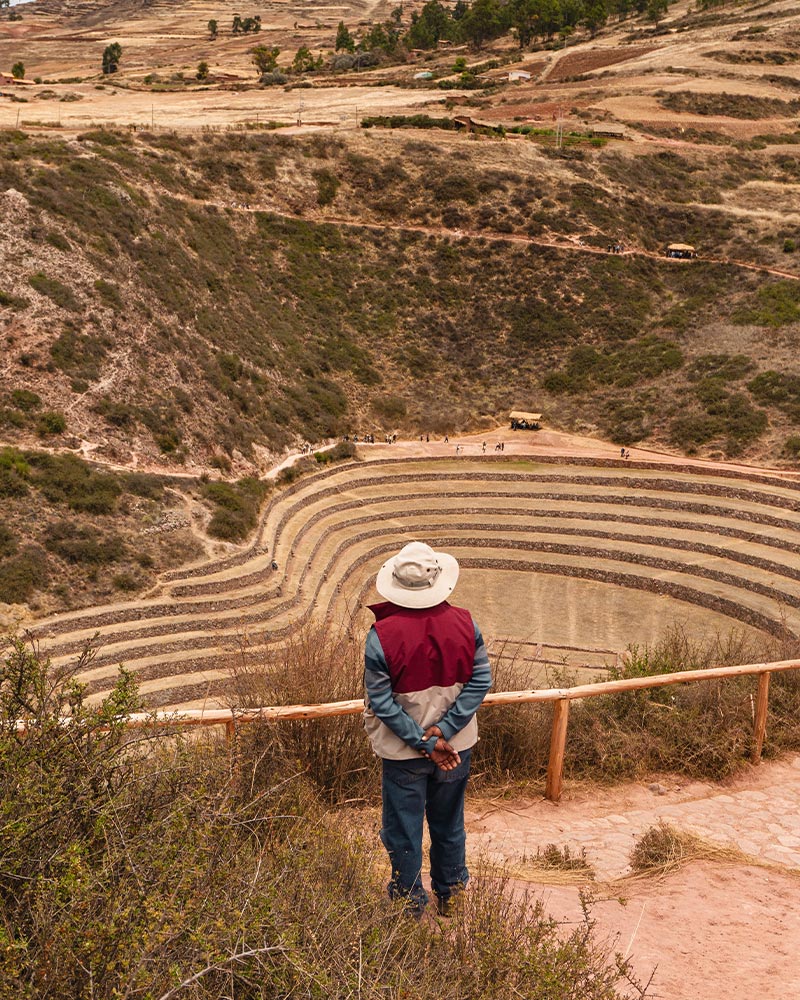
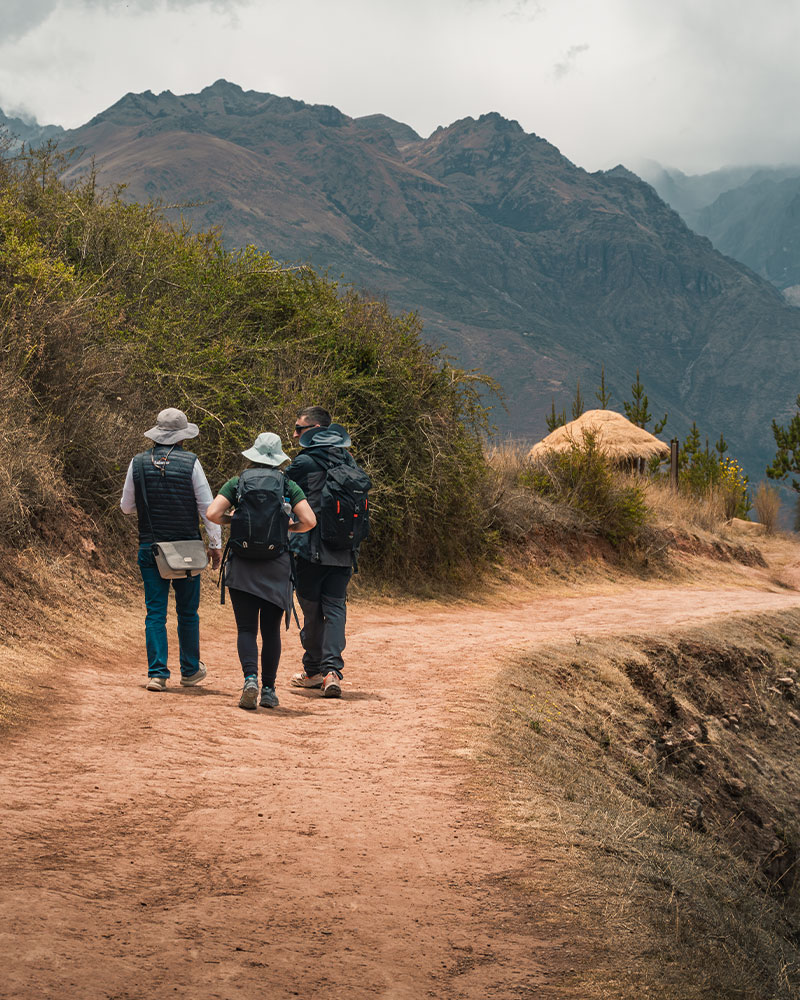
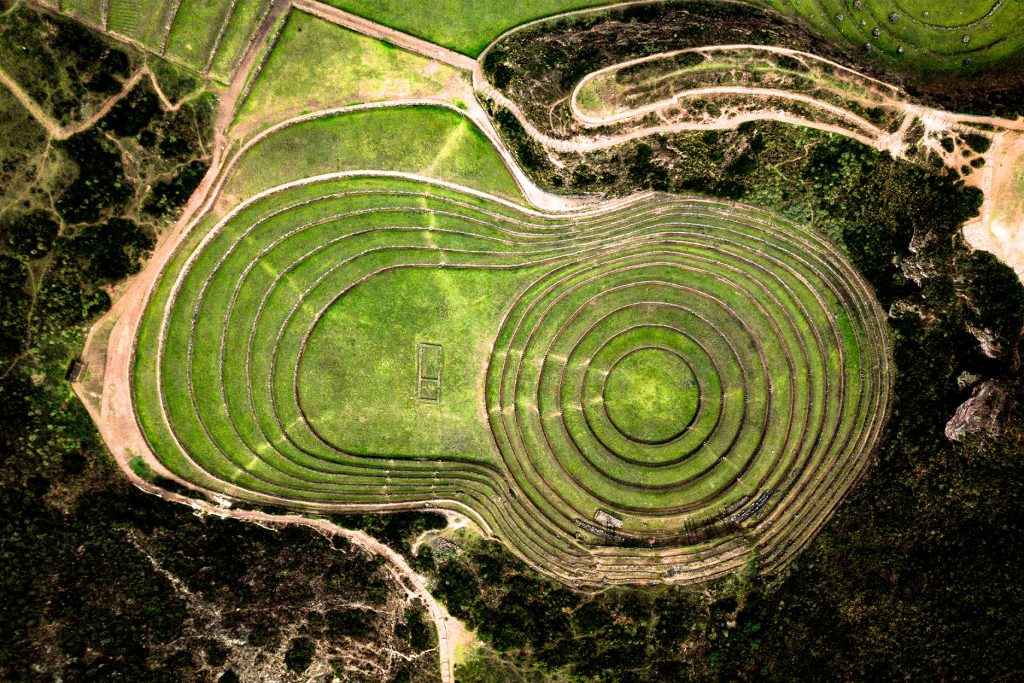
Moray surprised me with an unimaginable archaeological site—circular terraces shaped like an amphitheater descending toward the center of the earth. The terraces drop in concentric circles, each with its own microclimate, which allowed the Incas to study how their crops grew depending on temperature, humidity, and sunlight. Walking along the edges, with the wind gently hitting my face and the valley’s silence surrounding me, It made me feel like I was in a time loop. It’s a place where science, intuition, and the unique beauty of the Andes come together.
Curious cultural fact:
- Researchers discovered that between the upper level and the deepest point of Moray there is a temperature difference of up to 15°C (59°F)—surprising for an open-air site. This confirms that Moray served as a sophisticated agricultural center where the Incas experimented with more than 250 varieties of crops.
Maras Salt Mines: A White Paradise
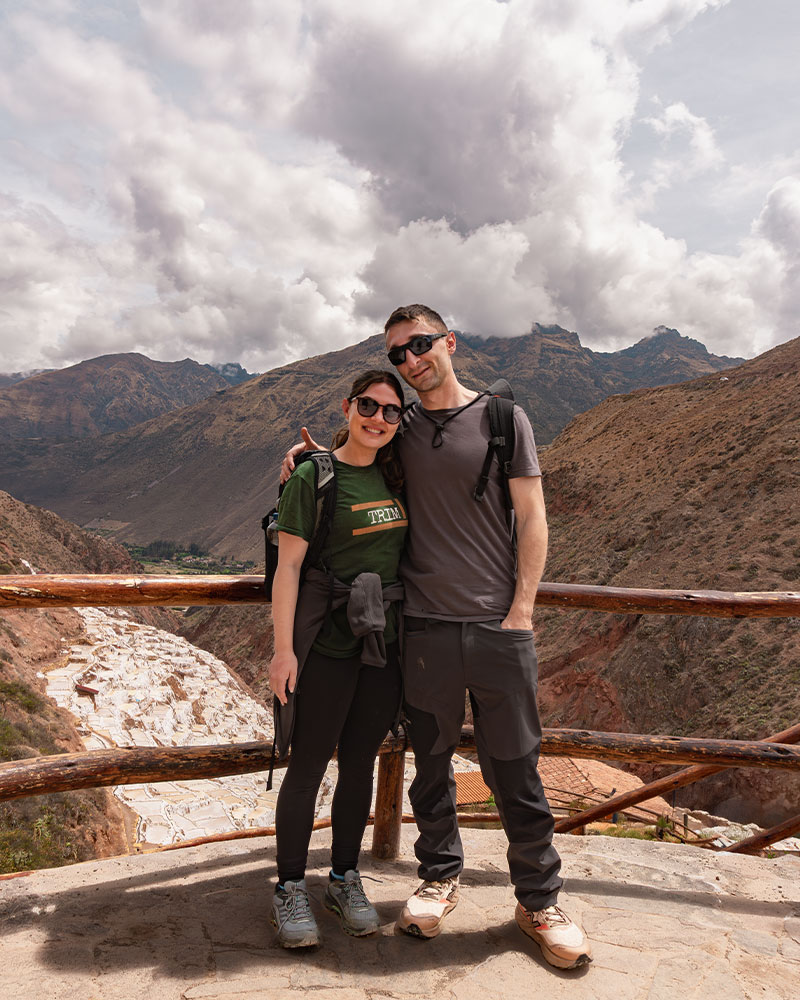
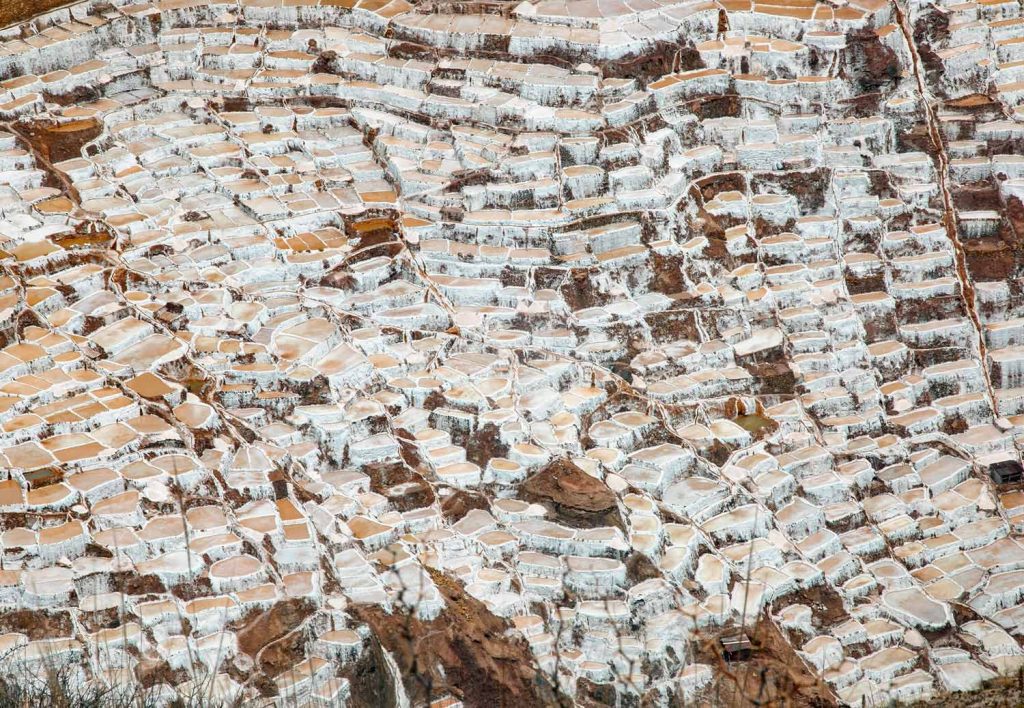
The Maras Salt Mines are one of those places that amaze you even before you step out of the vehicle. Suddenly, amid the green landscape of the Sacred Valley, a bright white hillside appears, covered with more than 3,000 salt pits, lined up like small windows. The contrast is mesmerizing: salty water emerging from a natural spring in the mountain, flowing through pre-Inca channels to fill each pool. As the water evaporates, the crystallized salt remains, creating a surreal landscape that looks like a painting. Walking along the viewpoints and watching families who still work the salt just as their ancestors did is a fascinating experience.
Curious cultural fact:
- The salt from Maras comes from a mineral-rich spring whose origin is still a mystery. It has a slightly sweet taste and contains no added iodine. It’s said that the Incas considered it sacred because of its purity and because it flowed directly from the mountain.
Ollantaytambo: An Inca Fortress
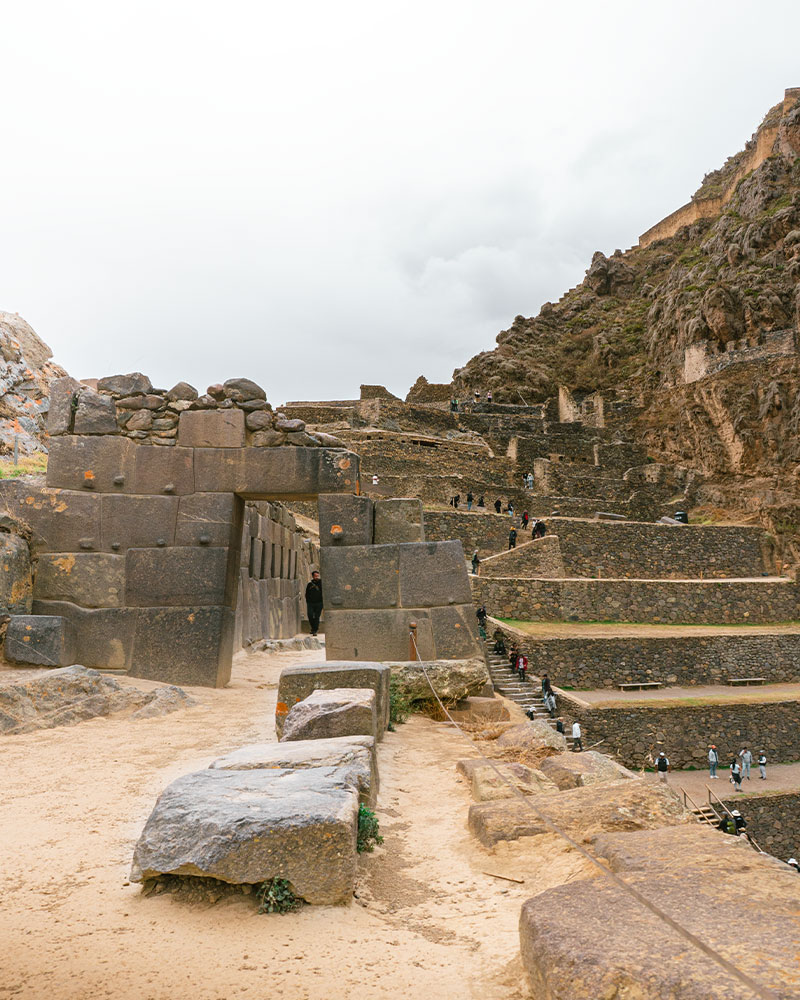
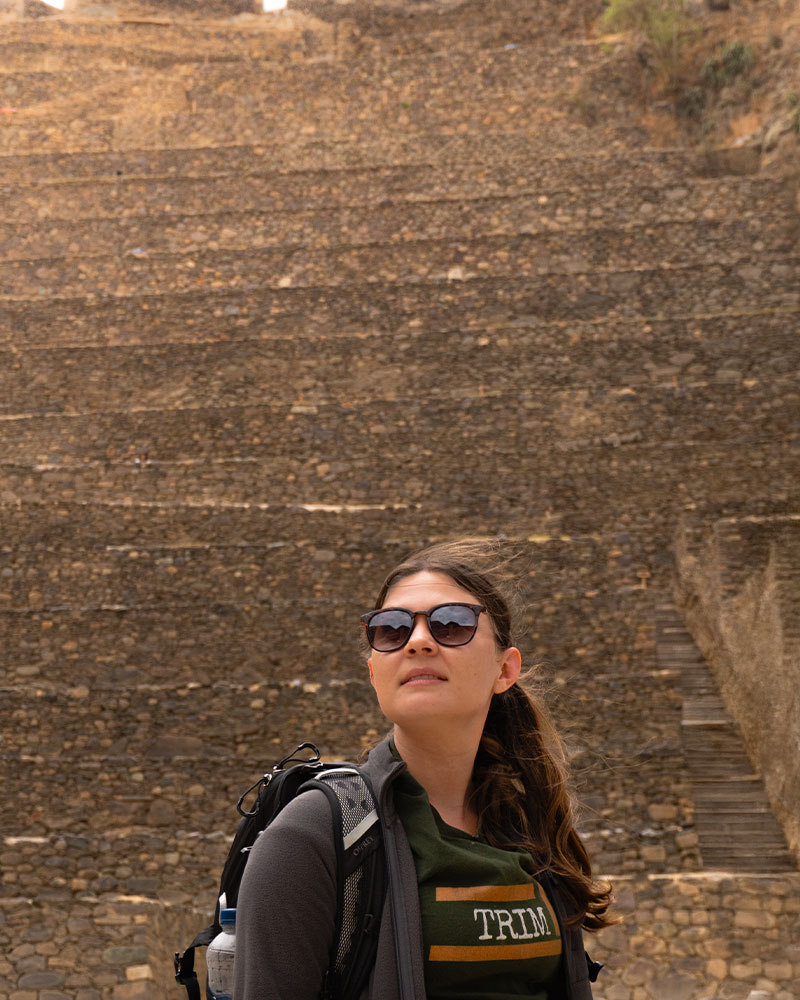
Arriving in Ollantaytambo feels like stepping into a portal to the past. The town still preserves its original Inca layout, with stone streets, water channels that continue to flow, and homes built on Inca’s foundations. The fortress rises imposingly over the city like an eternal guardian watching the mountains. From its terraces, the landscape opens into a display of light, history, and energy that reminds you why this place was so important for the Sacred Valley and for the Inca Empire itself.
Curious cultural facts:
- Ollantaytambo is the only Inca town that has been continuously inhabited from pre-Hispanic times to today.
- Its streets still use the original Inca water system, which flows through ancient channels.
- It was the site of one of the few Inca victories against the Spanish conquistadors.
Urubamba: A Living Valley
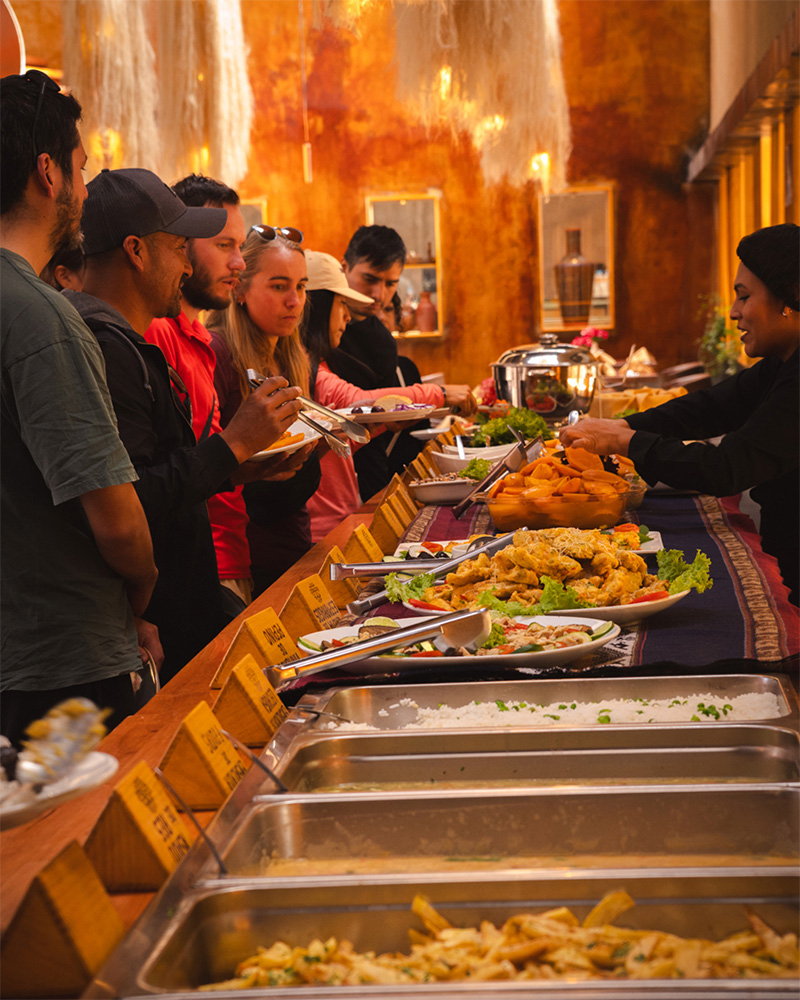
Urubamba is the heart of the Sacred Valley—a place where nature and Andean life coexist in perfect harmony. Although many agencies skip the town due to time constraints, almost all tours stop here for lunch, whether at buffet restaurants or more exclusive spots that highlight the valley’s fresh produce. I passed through on my way to Pisac and, even during a brief stop, I could feel the calm of this place surrounded by giant mountains and farmlands that change color with the seasons.
Curious cultural facts:
- Urubamba was one of the main agricultural centers of the Inca Empire, known for producing the largest corn in Peru: Cusco’s giant white corn.
- During colonial times it became an area of large estates, and today it is an important hub for fruit, ceramics, and artisan production.
- Its name comes from the Quechua Urupampa, meaning “plain of spiders,” due to the way crops were once distributed.
Pisac: An Ancestral Overlook
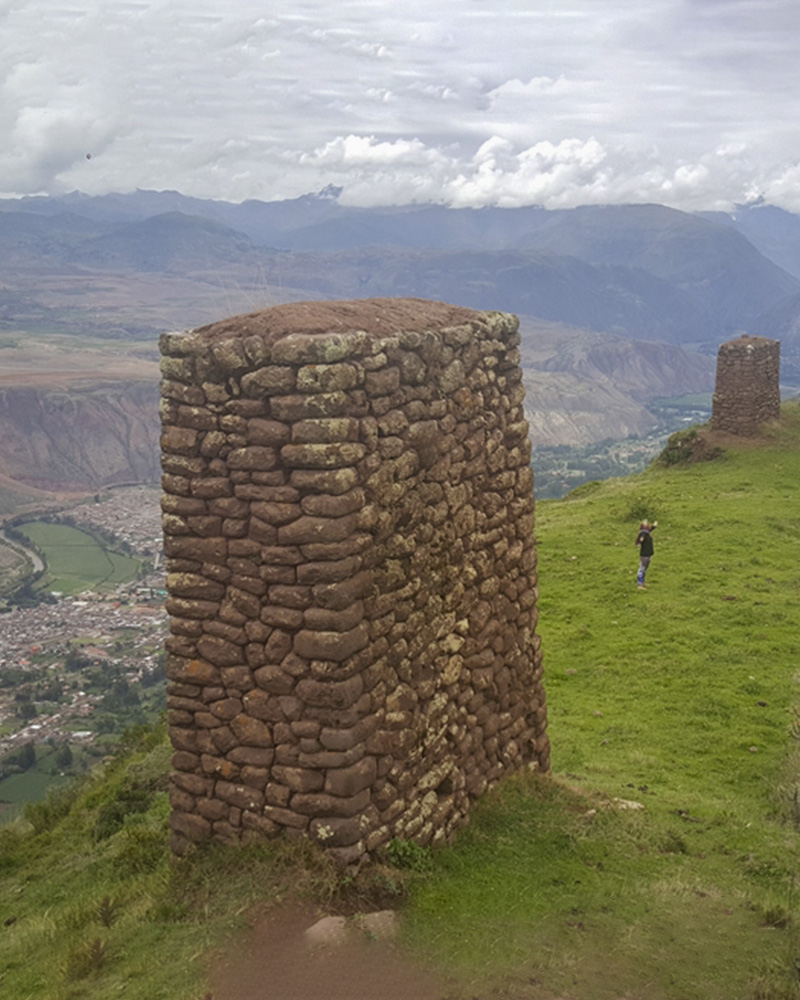
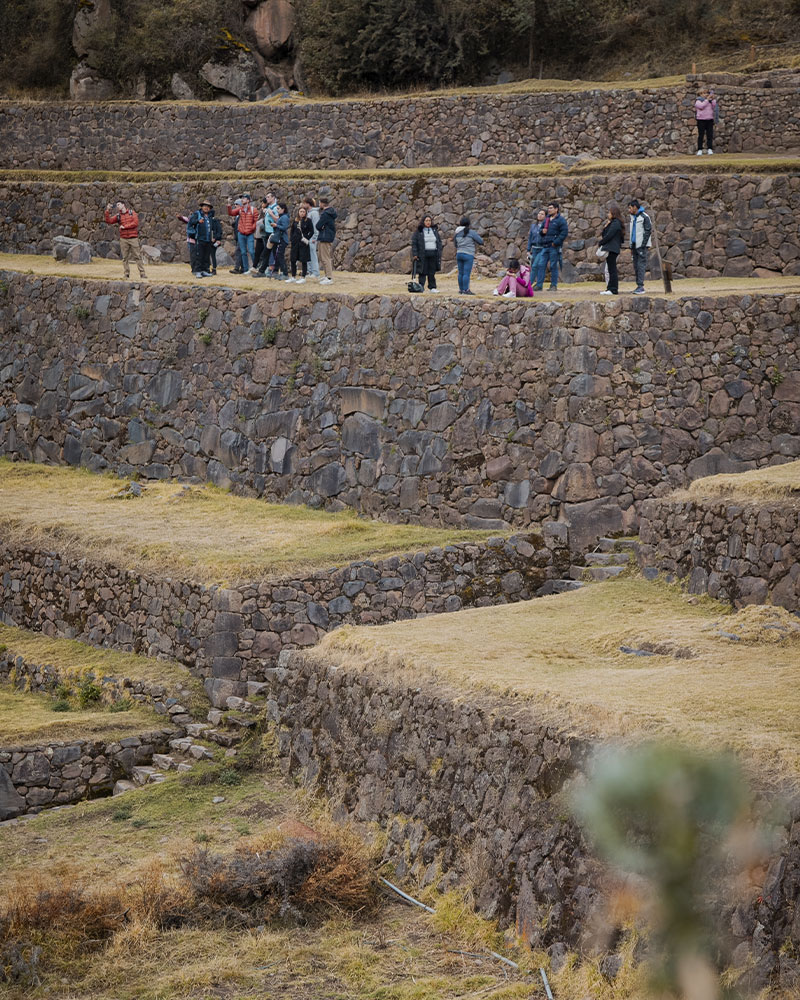
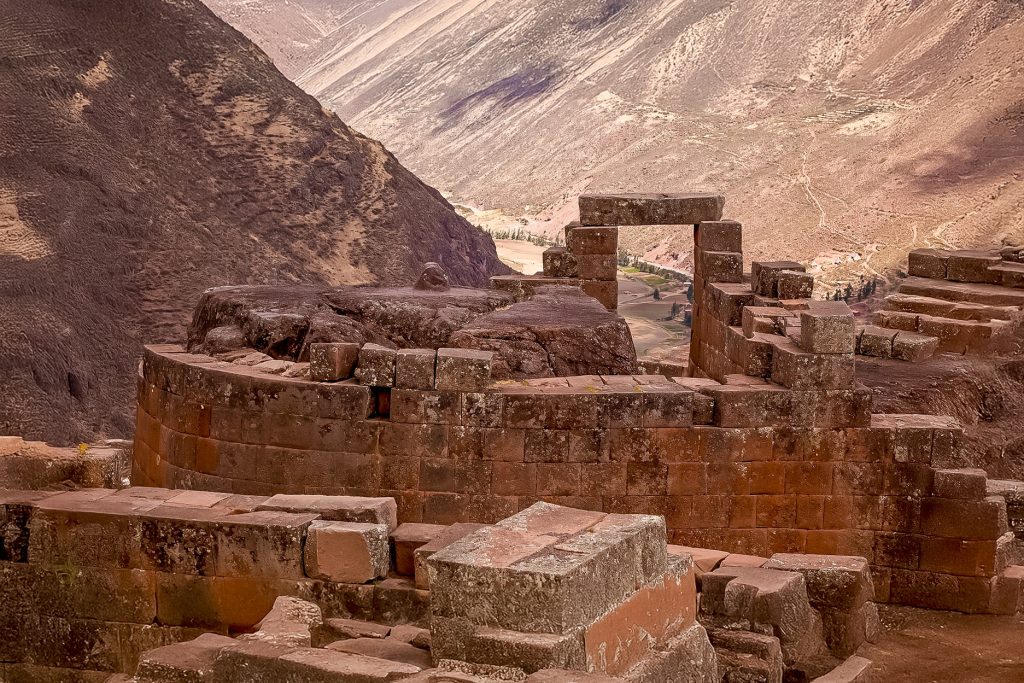
Pisac was, without a doubt, one of the places that surprised me most in the Sacred Valley. As soon as you arrive, the archaeological complex unfolds across the mountain like a giant natural balcony, with endless terraces that seem to outline the shape of the hills. And although many travelers compare Pisac to Machu Picchu, its scale and energy make it a unique destination worth exploring slowly.
Curious cultural facts:
- Pisac was a multifunctional Inca city with agricultural, military, residential, and ceremonial sectors.
- Its terraces are among the best preserved in the Sacred Valley and showcase impressive agricultural mastery.
- It has one of the biggest pre-Hispanic cemeteries in the Andes, located on the slope of a mountain.
- Its name comes from the Quechua pisaca, meaning “partridge,” and it’s said the shape of the complex resembles this bird.
Recommended Sacred Valley Itinerary
If you only have one day to explore the Sacred Valley and want to make sure you see its most important highlights, this is the route I recommend. It’s based on my own experience and designed so you can enjoy each stop without stress while making the most of everything this valley has to offer.
One-Day Itinerary (Suggested Schedule)
- 07:00 – 08:00 | Chinchero
Visit the archaeological site and a traditional textile center.
(Perfect way to start the day and avoid large groups.) - 08:00 – 08:30 | Drive to Moray
(Scenic road through mountains and farmland.) - 08:30 – 09:15 | Moray
Explore the circular terraces and enjoy the viewpoints. - 09:15 – 09:45 | Drive to Maras Salt Mines
- 09:45 – 10:30 | Maras Salt Mines
Walk through the viewpoints and learn about the ancestral salt-harvesting process.
(Remember: entrance is not included in the Tourist Ticket.) - 10:30 – 11:30 | Drive to Ollantaytambo
- 11:30 – 12:45 | Ollantaytambo
Climb the fortress and visit the Temple of the Sun.
(Best to visit before lunch to avoid tour-group crowds.) - 12:45 – 13:15 | Drive to Urubamba
- 13:15 – 14:00 | Lunch in Urubamba
Buffet or local restaurant, depending on your travel style. - 14:00 – 15:00 | Drive to Pisac archaeological site
- 15:00 – 17:00 | Pisac
Tour the main sectors and enjoy the views from the watchtowers.
(Remember the site closes around 5 p.m.—plan carefully.)
Travel Tip: End your day at the Pisac artisan market to take home an authentic souvenir from this unforgettable trip.
Things I Wish I Had Known Before Traveling to the Sacred Valley
- The valley is bigger than it looks on the map. Distances between towns can take longer than expected, so planning transportation well is key if you don’t want to rush.
- You can feel the altitude. Even though it’s lower than Cusco, the constant movement and uphill sections at archaeological sites can be tiring. Take it slow and stay hydrated.
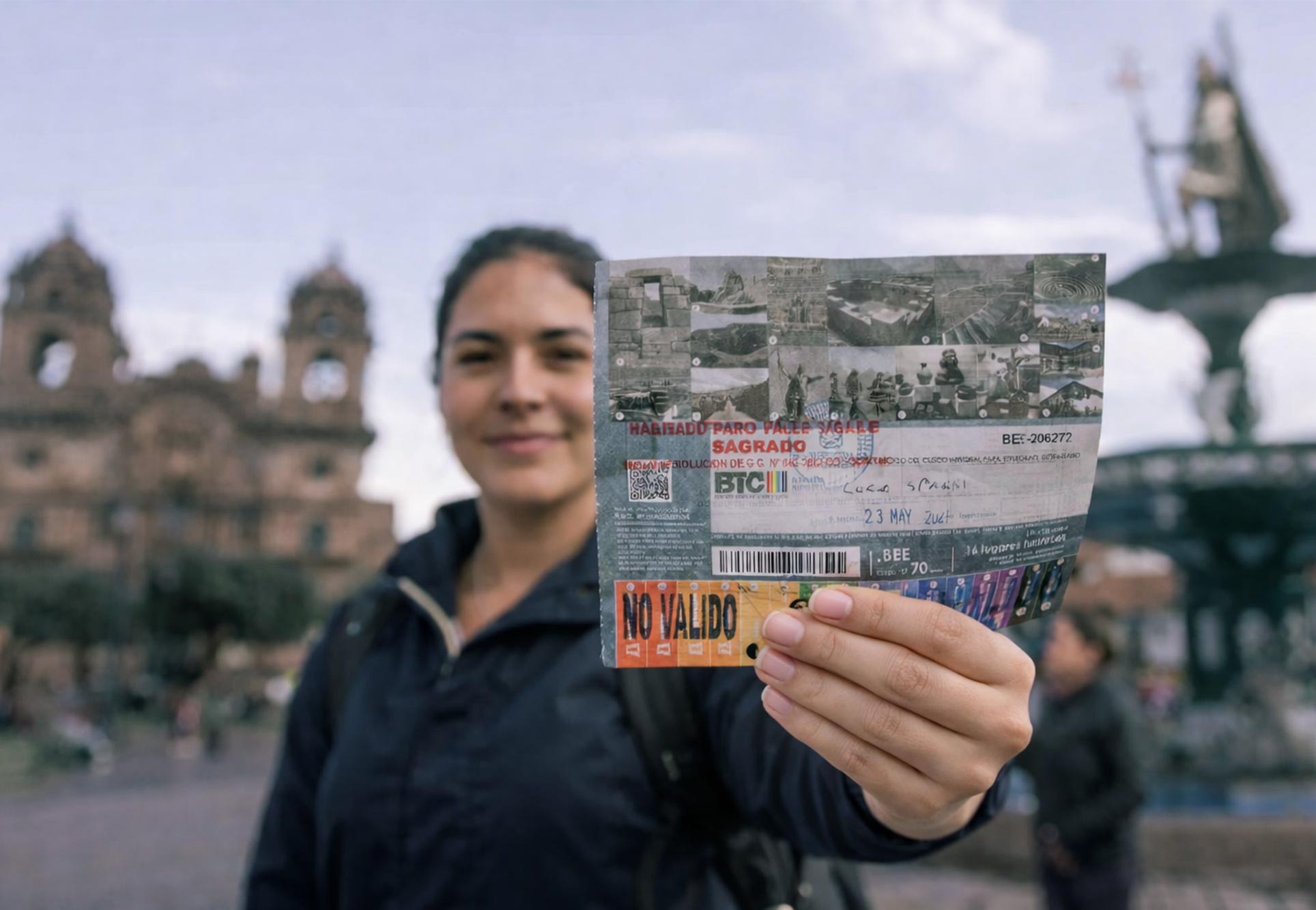
- The Tourist Ticket is essential. If you plan to visit several archaeological sites, this ticket saves you both money and time. There are different versions depending on your itinerary.
- Always start early. The first hours of the day have better light, fewer crowds, and more pleasant temperatures. Everything flows better.
- The weather changes quickly. Even if it’s sunny, always bring a light jacket and a compact rain layer. You never know when rain—or a rainbow—might appear.
- Markets have beautiful crafts, but not everything is authentic. If you want truly handmade textiles, check online reviews and ask about natural dyes.
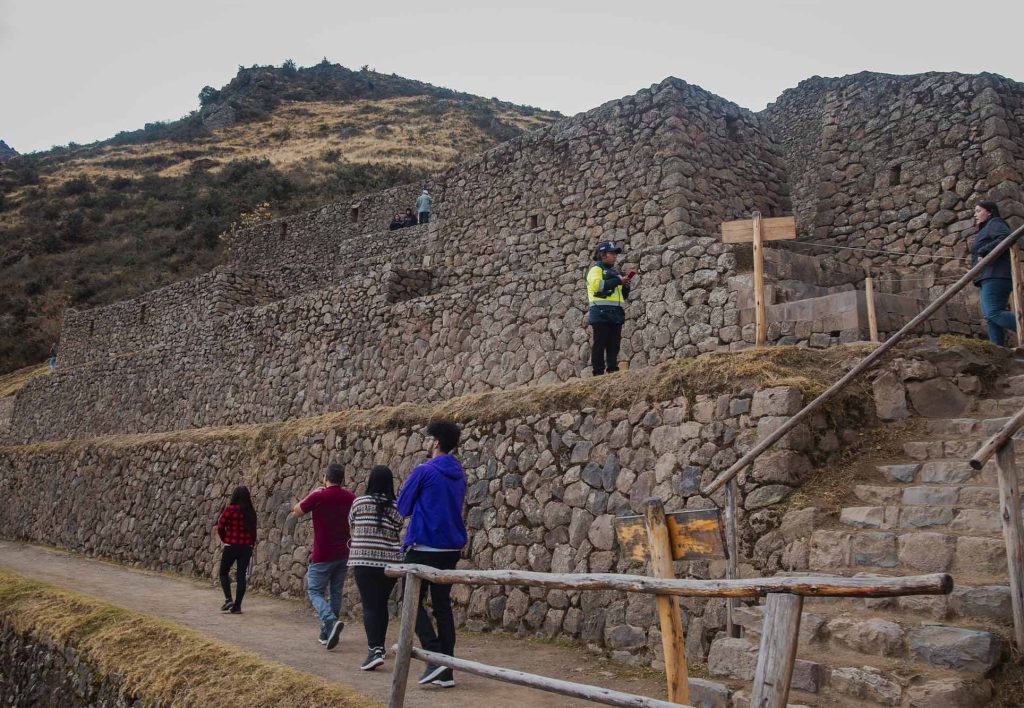
- Some places require walking. Moray, Pisac, and Ollantaytambo have steep or stepped sections, so wear comfortable, trail-friendly shoes.
- Visits often take longer than expected. Pisac, for example, is huge, and exploring it properly can take several hours.
- Eating in Urubamba is part of the experience. Buffet restaurants and local cuisine spots are a delicious break between visits.
- The Sacred Valley deserves more than one day. While you can see it in a single day, two days is ideal if you want to enjoy it without rushing and explore lesser-known spots.
- Water, snacks, and cash—always with you. Not every stop has stores or card payment options.
- Photography is best at certain times. In Moray and Pisac, morning light is spectacular; for Ollantaytambo, afternoon is ideal.
- Traffic toward Ollantaytambo can work against you if you’re catching the train. Arrive with plenty of time if you’re heading toward Machu Picchu.
Conclusion
The Sacred Valley is one of those places that you experience, not just visit. One day is enough to fall in love with it… and perhaps to make you want to move there forever. If you want to enjoy it without any complications, my personal recommendation is to go with an agency that takes care of all the logistics. I traveled with Salkantay Trekking on their Super Sacred Valley tour and, honestly, I couldn’t have made a better choice: everything went smoothly, and I was able to focus on enjoying the trip.

Leave A Reply