
Planning your trip to Peru? Packing properly makes a huge difference, especially when travelling between the coast, the Andes, and the Amazon jungle. Below, you’ll find a fully comprehensive Peru packing list so you don’t leave anything behind. This way, you can focus on enjoying your trip to the fullest.
Table of contents
Essential Items For Any Peru Packing List
Here’s a basic list of things you shouldn’t leave home without, whichever part of Peru you are visiting:
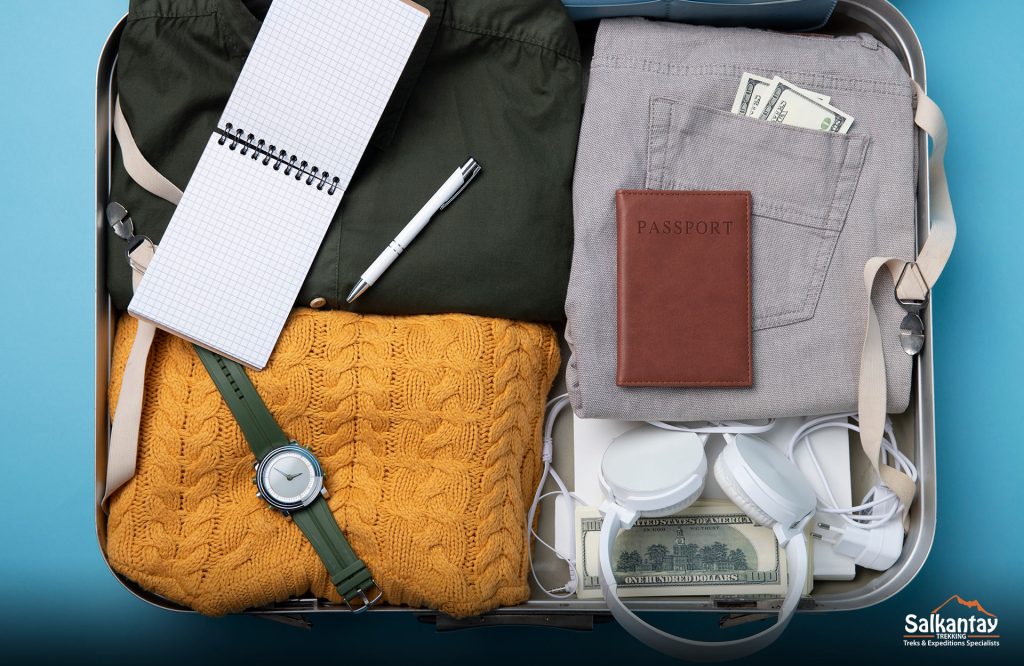
- Travel Documents. Passport with at least six months’ validity, visa if required, depending on your country of origin, identification cards, travel insurance, and copies of all important documents.
- Appropriate and Comfortable Clothing. Consider the climate of the regions you plan to visit. Include lightweight, breathable clothes for warmer areas, and extra layers for higher altitude regions where it can get cold at night.
- Comfortable Footwear. Sturdy walking shoes, preferably hiking boots if you plan on outdoor activities. Must be broken in.
- Personal Hygiene Items. Toothbrush, toothpaste, shampoo, soap, deodorant, etc.
- Medications and Basic First Aid Kit. Bring any prescribed medications you need, as well as pain relievers, stomach upset medications, bandages, antiseptics, etc.
- Sunscreen and Insect Repellent. Essential, especially if you’ll spend time outdoors.
- Electronics and Accessories. Chargers, power adapters, cameras, mobile phones, etc.
- Small Backpack. For carrying personal items during excursions and activities.
- Cash and Credit Cards. Make sure to have enough local currency for small purchases and credit cards for emergencies.
- Reusable Water Bottle. Stay hydrated during your activities.
- Travel Guide or App. For information on destinations, activities, and local recommendations.
- Physical or Digital Maps. Especially useful if you plan to explore remote areas.
- Copies of Important Documents. Make copies of your travel documents, such as your passport, visa, and identification cards, and keep a copy separate from the originals in case of loss or theft.
What To Pack For Each Region In Peru
Already know which parts of Peru you’ll visit? Great, then you can pack accordingly. The three main regions below all differ when it comes to their climate, flora, and fauna, meaning you’ll need to pack different clothes and items for each one.
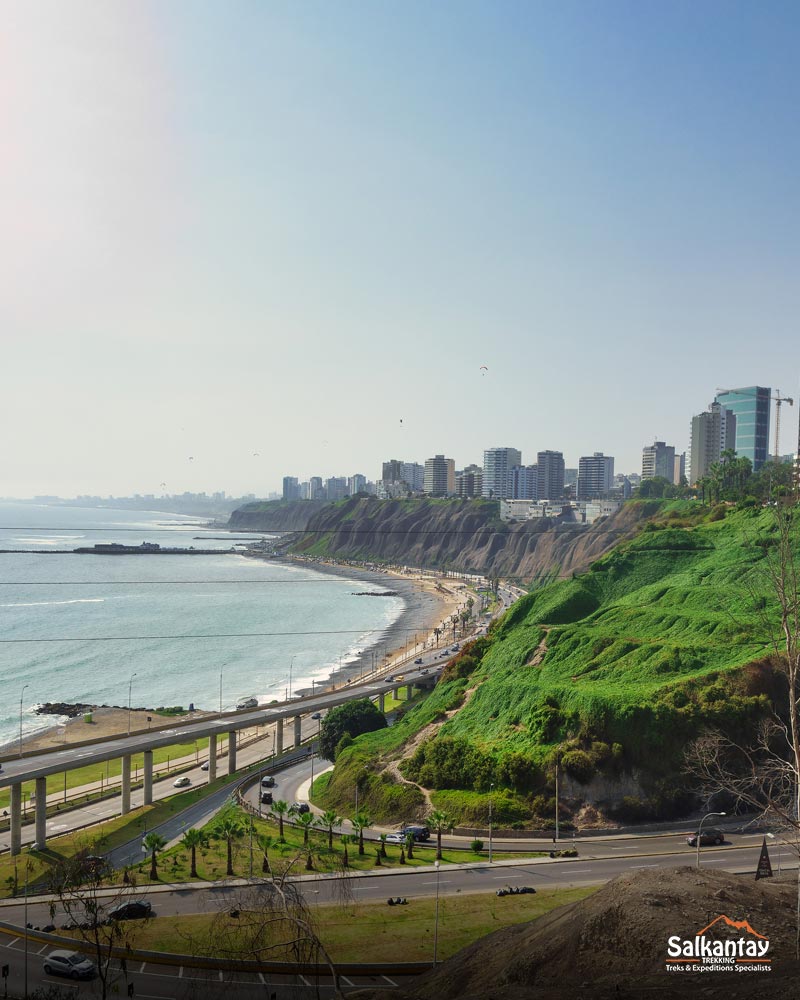
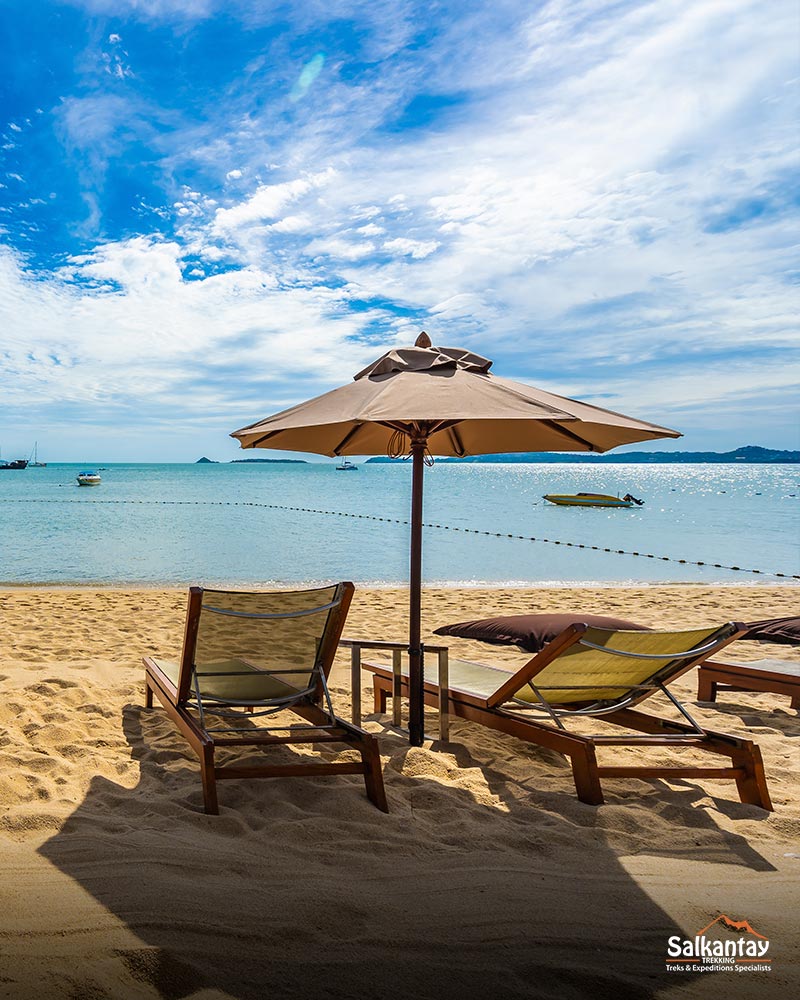
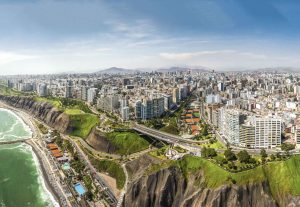
What To Pack For The Peruvian Coast
- Lightweight and breathable clothing. Suitable for Peru’s warm and humid coastal climate. Include t-shirts, shorts, dresses, skirts, and swimwear.
- Sun protection. Broad-spectrum sunscreen to protect you from intense sun rays.
- Hat or cap and sunglasses. To protect your head and eyes from the sun.
- Sandals or comfortable shoes. For walking on the beach and exploring the coast.
- Insect repellent. Especially important if you plan to visit areas near mangroves or high-humidity zones.
- Beach towel or sarong. For relaxing on the beach.
- Waterproof bag. To protect your belongings from sand and water.
- Reusable water bottle. Stay hydrated on your walks.
What To Pack For The Peruvian Mountains
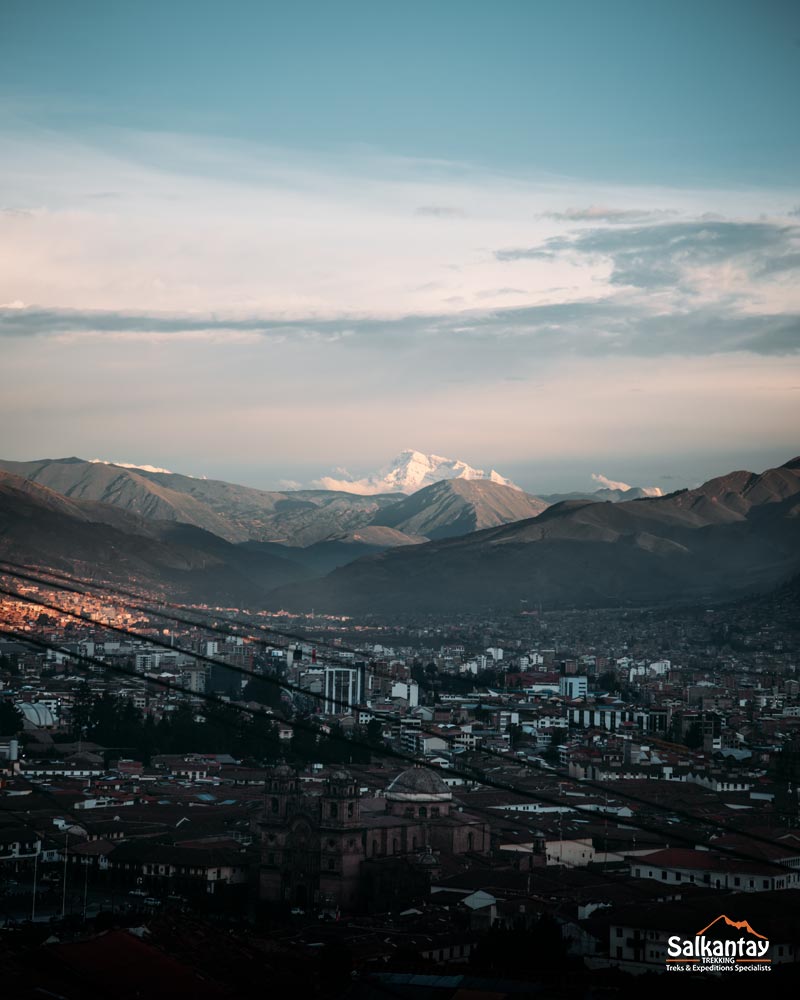
- Warm clothing and layers. Including sweaters, jackets, scarves, and gloves for cold nights and temperature changes.
- Thermal clothing. To wear under your outerwear and keep warm in colder climates.
- Hiking boots or sturdy footwear. Especially important if you’re using a Machu Picchu packing list to do a trek in the mountains, like the Inca Trail.
- Long pants. To protect your legs from the cold and the elements.
- Warm hat or cap. To protect your head from the wind and cold.
- Sturdy backpack. To carry your belongings during hikes and walks.
- First aid kit. Includes medications for altitude sickness, pain relievers, bandages, etc.
- Map and compass or navigation device. To orient yourself in the mountains.
- Water bottle and/or thermos. Stay hydrated and carry hot drinks to combat the cold.
- Energy snacks. Such as nuts, granola bars, or chocolate, to recharge during hikes.
Many tour operators provide you with a duffel bag to pack your trekking gear inside, which gets transported by porters and horses. You’ll only need to carry a daypack of about 20–25L to hold your water, snacks, raincoat, and any other essentials you’ll need quick access to.
What To Pack For The Peruvian Jungle/Rainforest
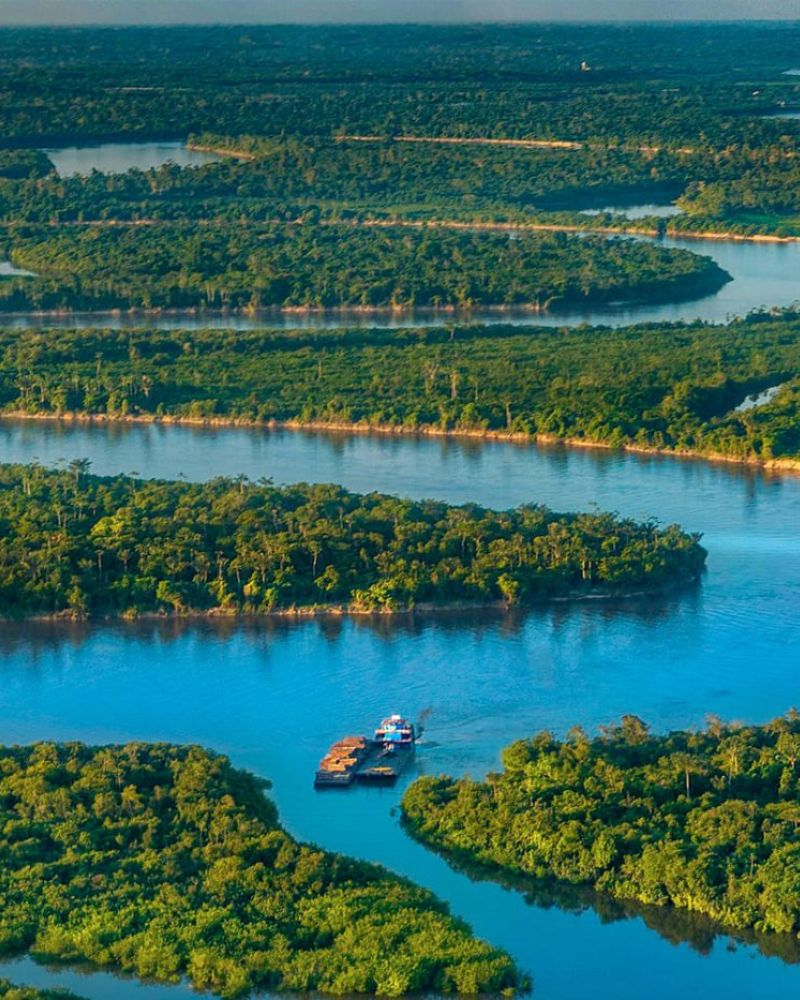
- Lightweight and breathable clothing. Including t-shirts, shorts, dresses, and swimwear. Opt for cool fabrics to keep you comfortable in the tropical climate.
- Comfortable and sturdy footwear. Sandals for walking and, if hiking in the jungle, closed-toe shoes or boots that are resistant and can protect you from moisture and insects.
- Insect repellent. Essential to protect against mosquitoes and other insects common in the jungle.
- Waterproof clothing or poncho. Due to frequent rains in the jungle, it’s useful to carry waterproof clothing to keep dry during storms.
- Hat or cap and sunglasses. To protect yourself from the intense sun while exploring the jungle.
- Reusable water bottle. Stay hydrated in the warm and humid jungle climate.
- Biodegradable sunscreen. To protect yourself from the sun while venturing into the jungle.
Packing List For Peru By Season
One of the trickiest parts of deciding what to pack for Peru is the country’s varied climate. Peru has two main seasons: the dry season and the rainy season.
Dry Season (May To October)
The dry season is the most popular time to visit Cusco and Machu Picchu. Days are often sunny, but temperatures drop significantly at night, especially in the mountains.
Recommended items include:
- Warm layers such as fleece jackets
- Thermal base layers for cold mornings
- Sunglasses and strong sunscreen
- A windproof jacket for high-altitude treks
This season is ideal for trekking routes where clear skies often make way for spectacular mountain views.
Wet Season (November To April)
During the rainy season, afternoon showers are common in the Andes, and heavy rainfall is always a possibility in the Amazon.
Pack these additional items:
- Waterproof jacket or poncho
- Rain cover for your backpack
- Quick-dry clothing
- Waterproof hiking boots
Although rain is more frequent, landscapes are lush and green during this period. If you would like to understand better how conditions vary throughout the country, it’s worth reading a detailed Peru weather guide before finalizing your packing list.
What To Pack For Trekking In Peru
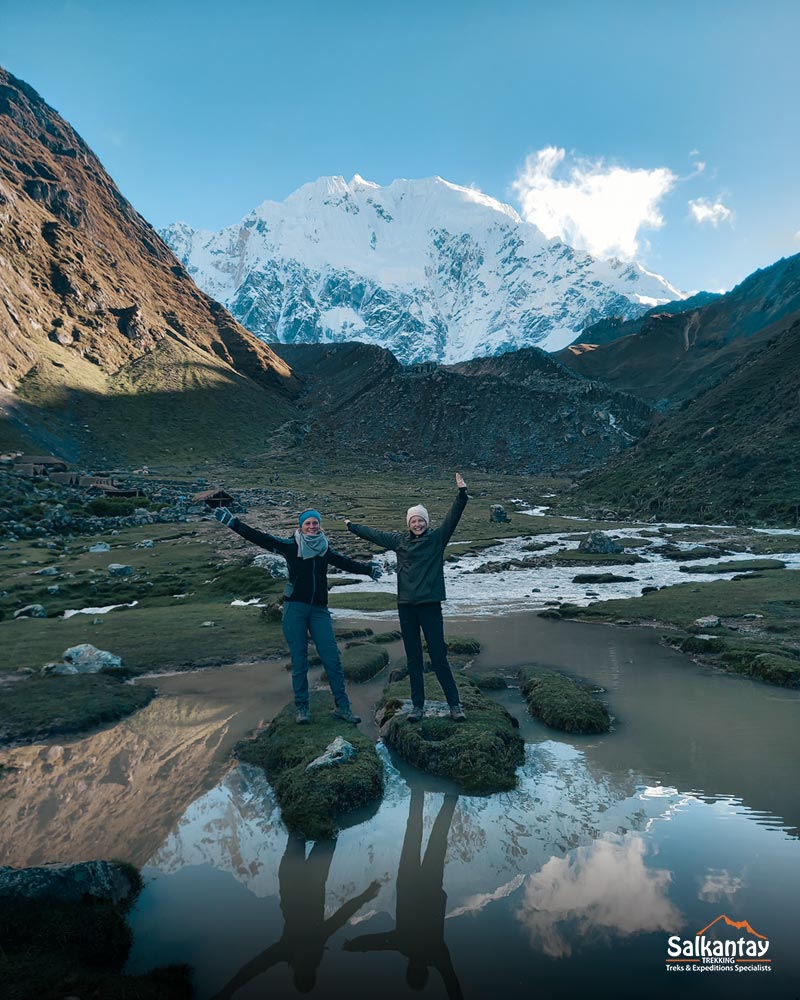
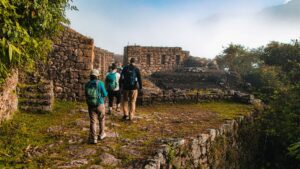
Whether you’re braving the mountains on the Salkantay Trek or going on a multi-activity route like the Inca Jungle Trek, you’ll need the right gear.
- Hiking backpack. A sturdy and comfortable backpack is essential for carrying your belongings during your hikes. Look for one with enough capacity to carry everything you need.
- Proper footwear. A pair of durable and comfortable hiking boots are essential for walking on varied and challenging terrain. Make sure they are well-fitted and waterproof if walking in wet areas.
- Appropriate clothing. Opt for comfortable, breathable clothing that keeps you cool and dry during your hikes. Include long and short-sleeved shirts, lightweight and quick-drying pants, waterproof jacket, and extra layers for cold weather.
- Camping gear. If you plan on multi-day trekking and camping by yourself, make sure to bring a tent, sleeping bag, sleeping mat, flashlight or lantern, and other essential camping items. If you travel with a tour operator, items like mats and tents are provided for you. Sleeping bags are usually available to rent, too.
- Basic first aid kit. Includes basic supplies such as bandages, antiseptics, pain relievers, altitude sickness medications, among others.
- Hydration and nutrition. Bring a reusable water bottle and energy snacks like nuts, granola bars, or chocolate to stay hydrated and energized during your hikes.
- Sun protection and insect repellent. Don’t forget to apply broad-spectrum sunscreen (50+ SPF) and bring insect repellent to protect yourself from the sun and insects while outdoors.
- Maps and navigation devices. Offline maps on your phone (such as Maps.me or Google Maps offline) are usually sufficient.
- Specific accessories. May not be necessary as the company you decide to travel with might provide them: Hiking poles, water purification system, compact and lightweight sleeping bag, ice axe, and crampons (needed on certain routes, like climbing the ice-capped Ausangate), and a multifunctional buff or scarf.
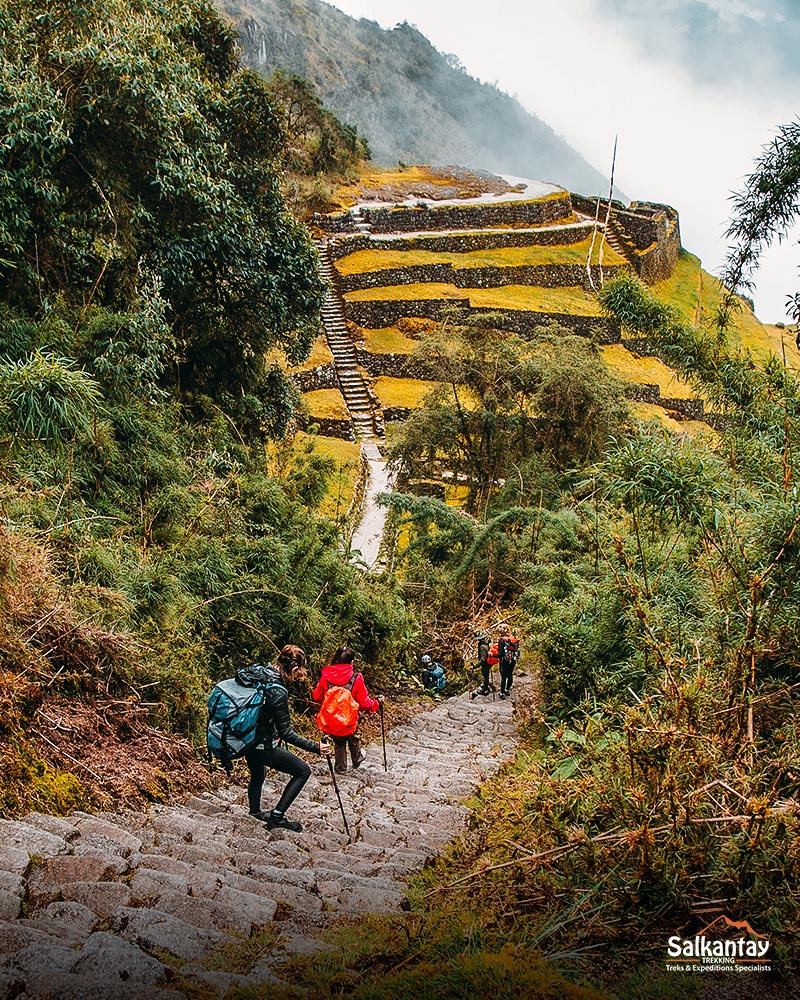
What To Bring To Peru In Your Trekking Daypack
On most Peruvian treks with tour operators, you’ll only need to carry a daypack. We recommend a 20L–30L bag to keep the following inside:
- Water
- Energy snacks
- Sunscreen and insect repellent
- Waterproof jacket or windbreaker
- Headlamp or handheld flashlight
- Mobile phone and portable charger
Clothing To Pack For Trekking In Peru
For trekking in Peru, it’s important to dress appropriately to adapt to a variety of weather conditions and terrains.
- Breathable base layer. Use shirts and long pants made of breathable materials that absorb moisture and keep your skin dry during the hike.
- Mid-layers. Depending on altitude and weather, you may need mid-layers to keep warm. Opt for lightweight but warm sweaters or jackets that you can easily put on and take off according to changing conditions.
- Waterproof jacket or windbreaker. Carry a waterproof jacket or windbreaker to protect yourself from wind and rain.
- Thermal clothing. Optional. If you plan to trek in high mountain areas or during colder times of the year, consider wearing thermal clothing under your outerwear to keep warm.
- Convertible pants. Opt for pants that can convert into shorts to adapt to temperature and terrain changes during the hike.
- Trekking socks. Wear thick, breathable socks that absorb moisture and protect your feet against blisters and chafing. Avoid cotton, as it retains moisture.
- Proper footwear. Use hiking boots or sturdy shoes with a gripping sole to provide stability and traction on varied terrain. Make sure your shoes are well-fitted and comfortable for long walks.
- Hat or cap and sunglasses. Protect your head and eyes from intense sun using a wide-brimmed hat or cap and UV-protected sunglasses.
- Lightweight gloves. In high mountain areas or during cold seasons, consider bringing lightweight gloves to keep your hands warm.
- Swimwear. If your route includes the possibility of swimming in lakes or rivers, bring swimwear and a lightweight towel to enjoy a refreshing swim during the hike.
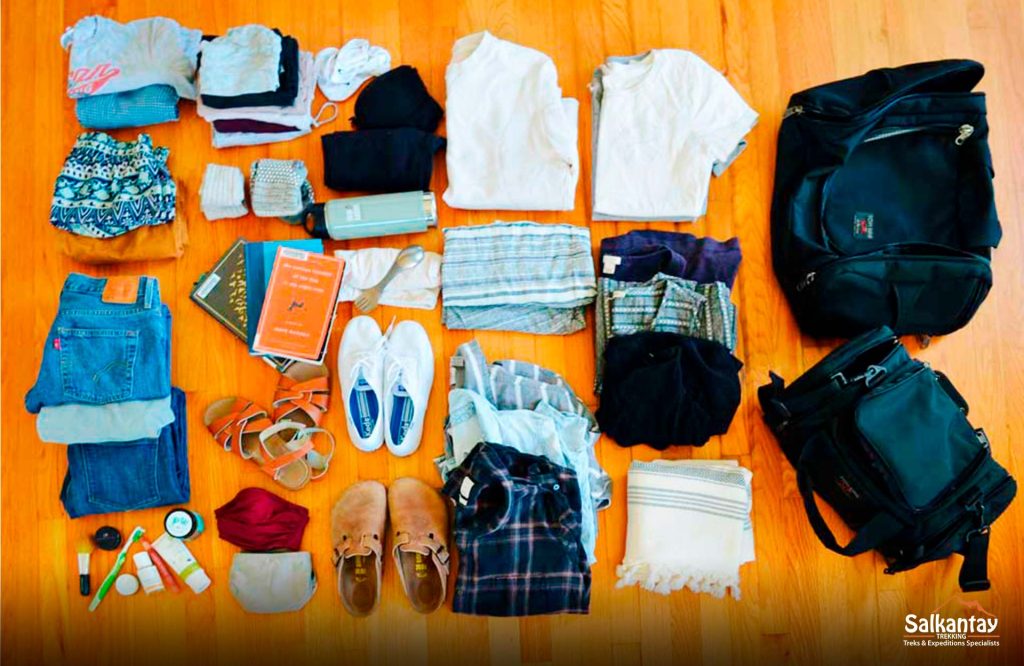
Electronics And Travel Gadgets
These are the electronic items most travelers find useful during their trip.
- Flashlight or lantern and spare batteries. Essential for illuminating the way at night or in areas with low light.
- Camera. To capture the incredible landscapes and moments of your trekking adventures in Peru.
- Mobile phone and portable charger/power pack. To contact those back home about your adventures and keep your items fully charged for remote trips.
- Power adaptors. Electrical outlets in Peru may be different from those in your home country.
Toiletries And Health Items
You might not always have access to full on bathrooms, especially on a remote trek, but we recommend bringing at least the following:
- Toothpaste & toothbrush. Always a necessity.
- Personal hygiene items. Depending on your personal needs.
- Small bar of soap and shampoo. To freshen up when needed.
- Small microfiber towel. For quick washes.
- Toilet roll. Might be needed in public bathrooms.
- Wet wipes. For quick wipe downs in the middle of nowhere.
- Lip balm. High altitude is harsher on your lips.
- Skincare products. Don’t let a vacation get in the way of your regular routine.
- Personal medication. Bring anything you need to take on a regular basis.
- Hair care. Hairbrush, hair ties, hair spray/gel, etc.
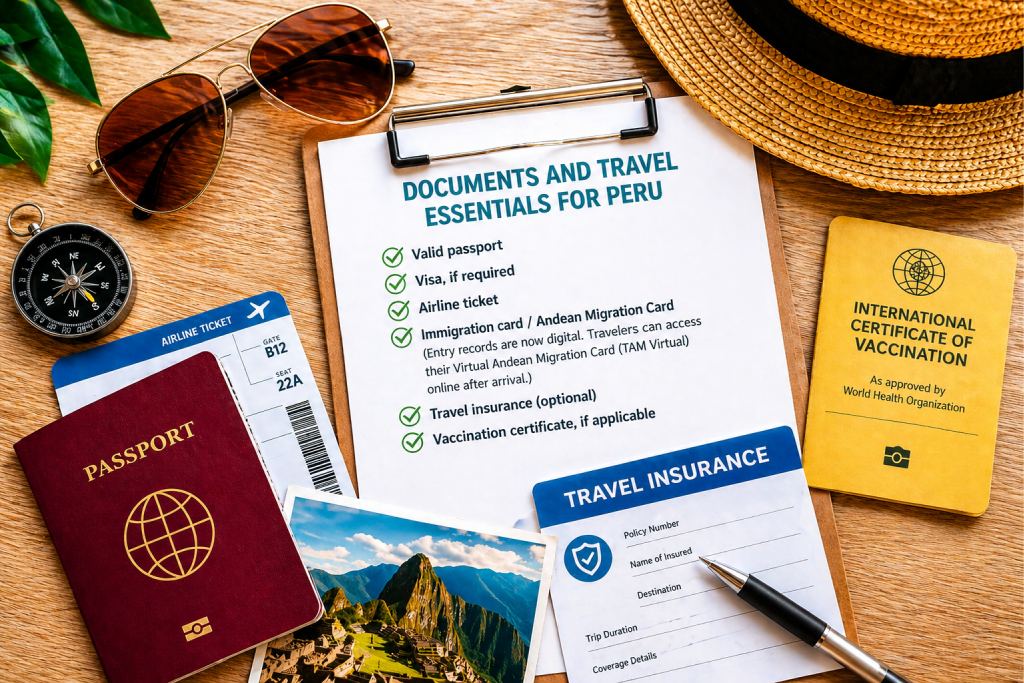
Documents And Travel Essentials For Peru
You’ll need to make sure you have the right documents to pass all checks. Please check the specific entry requirements for Peru according to your nationality before traveling. You’ll usually need:
- Valid passport
- Visa, if required
- Airline ticket
- Immigration card / Andean Migration Card (Entry records are now digital. Travelers can access their Virtual Andean Migration Card (TAM Virtual) online after arrival.)
- Travel insurance (optional)
- Vaccination certificate, if applicable
What NOT To Bring To Peru
Overpacking makes it much harder to move around Peru. Here are a few items that are better left at home.
- Heavy suitcases. Many streets in historic areas such as Cusco are cobbled and uneven, making large suitcases inconvenient.
- Too many clothes. Laundry services are inexpensive and widely available, so packing fewer versatile items is usually easier.
- High heels or delicate shoes. Comfortable walking shoes are far more practical for Peru’s terrain.
- Large trekking backpacks for day visits. Sites like Machu Picchu restrict the size of backpacks allowed inside.
- Drones. Drones are generally prohibited at Machu Picchu and many archaeological sites.
- Expensive jewellery. Try to keep valuables to a minimum when you’re traveling.
Peru Packing Tips Most Travelers Forget
Effective packing can make a difference between a comfortable, organized trip and one full of inconveniences.
- Less is more. Packing according to the principle of “less is more” has several benefits that can make your trip more comfortable and practical.
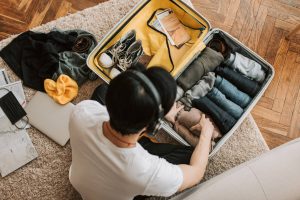
- Optimize space. Roll clothes instead of folding them to maximize suitcase space. Use compression bags for bulky items like coats or sweaters.
- Prioritize essentials. Place items you may need during the trip, such as documents, medications, and personal hygiene items, in an easily accessible place in your carry-on luggage.
- Consider weight and restrictions. Check your airline’s luggage weight and size restrictions to avoid additional costs. Distribute weight evenly in your luggage to facilitate transportation.
- Pack versatile items. Take clothes that you can easily mix and match to create different outfits. This will allow you to pack less clothing without sacrificing wardrobe options.
Remember to check the weather forecast before packing to ensure you include everything you need, taking into account current conditions and temperature changes during the day and night.
With the right Peru packing list, you’ll be ready for everything from coastal cities to high-altitude treks in the Andes. If you’re planning to visit Machu Picchu, check out our guided routes for an unforgettable adventure.
FAQs About Peru Packing Lists
What Is The 3-3-3 Rule For Packing Clothes?
The 3-3-3 packing rule is where you bring three tops, three bottoms, and three pairs of shoes that can all be mixed and matched. Many travellers use this approach when preparing a Peru packing list because it keeps luggage light and gives multiple outfit combinations.
Can I Brush My Teeth With Tap Water In Peru?
In most cities and tourist areas in Peru, tap water isn’t considered safe to drink. Travelers usually brush their teeth with bottled or filtered water, especially when on remote treks.
How Much Cash Should I Bring To Peru?
Credit cards are widely accepted in major cities, but it’s helpful to carry some Peruvian soles for taxis, markets, and small shops. It’s a good idea to bring the equivalent of $100–$200 and withdraw more from ATMs if needed.
What Size Backpack Is Allowed At Machu Picchu?
Small backpacks are allowed that fit within the restrictions of 40 × 35 × 20 cm (generally around 20–25L). Larger backpacks will need to be stored outside the site.
What Should I Pack For A Machu Picchu Trek?
If you plan to hike routes such as the Salkantay Trek or the Inca Trail, bring lightweight hiking clothing, good boots, sun protection, a rain jacket, and a small daypack for essentials.
It’s Time To Start Packing For Peru
Preparing the right Peru packing list makes a big difference to how comfortable and enjoyable your trip is. Climates across the country change dramatically, so versatile packing is a must.
The key is to keep things simple by bringing lightweight layers, reliable footwear, your healthcare essentials, and a few travel gadgets that make finding your way around unfamiliar places easier. Packing smartly also means leaving extra space in your bag for souvenirs and local crafts you’ll likely pick up along the way.
With the right packing strategy and a spirit of adventure, you’ll be ready to explore everything Peru has to offer, whether it be a coastal stroll, a rainforest adventure, or a tour of the Sacred Valley of the Incas. So, book a tour, get packing, and we’ll see you in Peru.
You may also be interested in:


Leave A Reply