
If you’ve ever stood over your backpack wondering what on earth actually needs to go in there, you’re not alone. This hiking essentials list is here to cut through the noise and give you exactly what to bring. No fluff, no overpacking, no “why did I carry this for five days?” regrets.
Whether you’re planning your first multi-day trek or heading back out on something epic like the Salkantay Trek, knowing what to bring hiking can make or break the experience. Too much gear? You’ll feel it in your knees. Too little? You’ll feel it everywhere else.
Let’s get started.
Table of contents
- Why Packing Smart Matters for a Multi-Day Trek
- The Complete Trekking Packing List (Quick Checklist)
- How to Choose the Right Backpack for a Trek
- What to Wear Trekking: The Layering System Explained
- Choosing the Right Footwear for Trekking
- Essential Gear for a Multi-Day Trek
- Toiletries and Personal Items for Trekking
- Health and First Aid Essentials
- Food and Snacks for a Multi-Day Trek
- Packing List for Different Trek Conditions (Weather and Altitude)
- How to Pack Your Backpack Efficiently
- What to Carry in Your Daypack
- What Not to Pack for a Trek
- Pro Packing Tips for Multi-Day Hiking
- Hiking Essentials FAQs
- Pack Smart, Trek Better
Why Packing Smart Matters for a Multi-Day Trek
Packing isn’t just about throwing gear into a bag and hoping for the best. A solid hiking checklist means you stay comfortable, safe, and, crucially, still enjoying the trek by day three.
When you get it right:
- Your pack feels manageable, not like punishment
- You’re prepared for wild weather swings
- You’re not digging for essentials at the bottom of your bag
- You actually use everything you bring
When you get it wrong? Think soggy socks, freezing nights, and questioning your life choices halfway up a mountain.
The Complete Trekking Packing List (Quick Checklist)
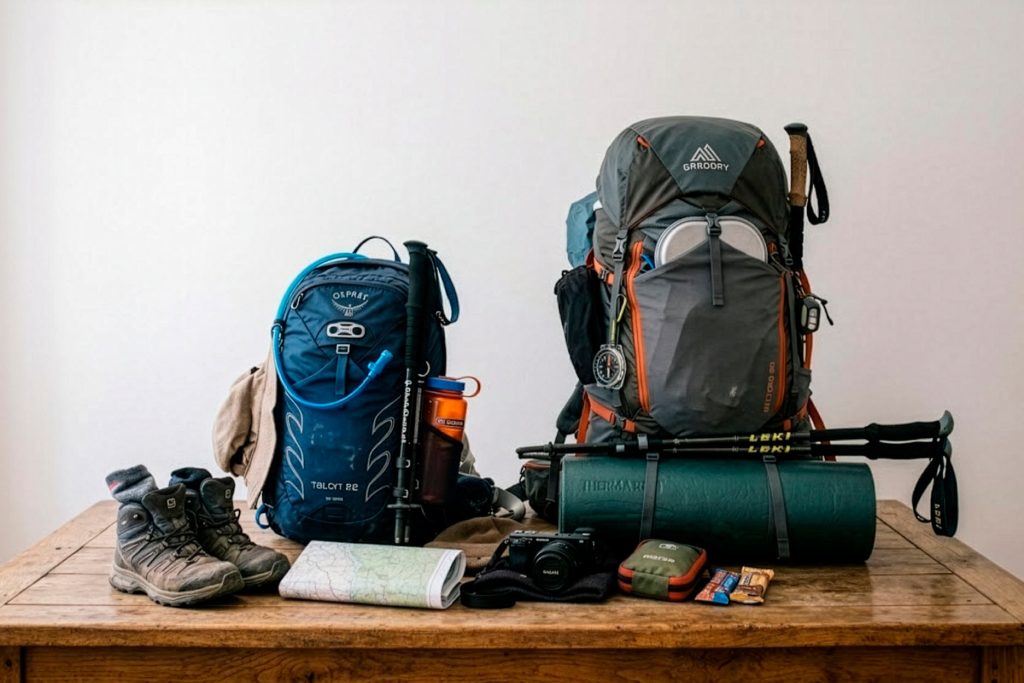
Before we dive deeper, here’s your quick-fire hiking gear checklist. Screenshot it, save it, or print it, whatever works.
Clothing
- Base layers (tops and bottoms)
- Mid layer (fleece or insulated jacket)
- Waterproof outer layer
- Trekking pants/shorts
- Underwear and socks
- Sleepwear
- Gloves
- Neck gaiter/balaclava
Footwear
- Hiking boots or trail runners
- Camp shoes
- Hiking socks
Gear
- Backpack
- Dry bags
- Sleeping bag
- Trekking poles
- Headlamp or flashlight
- Water bottles or hydration system
- Navigation tools
- Camera
Personal Items
- Toiletries
- Sunscreen
- Sunglasses
- Hat
Health
- First aid kit
- Personal medication
Food
- Snacks
- Electrolytes
This is your no-nonsense hiking pack list. We’ll break it all down properly next.
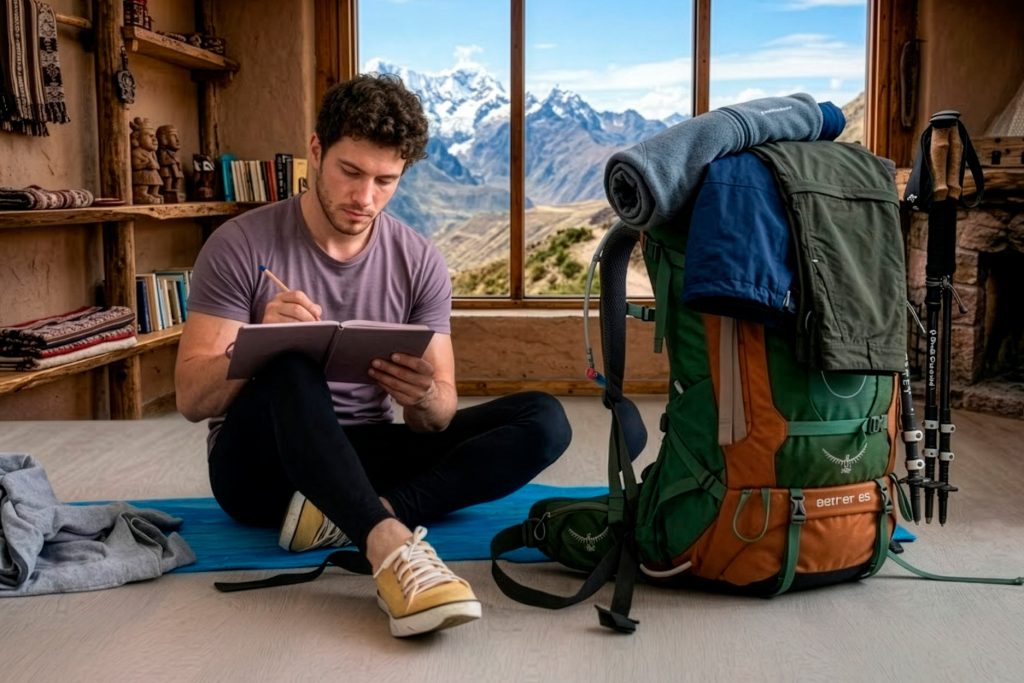
How to Choose the Right Backpack for a Trek
Your backpack is basically your home for the duration of your trek, so don’t wing this part.
For most multi-day treks, you’ll want:
- 20–30L if you have support (like porters or horses)
- 50–70L if you’re carrying everything yourself
Look for:
- A solid hip belt (your shoulders will thank you)
- Adjustable back length
- Good ventilation, like a back mesh
- Easy access compartments
If you’re planning something like the Salkantay Trek or Inca Trail, comfort beats fancy features every time.
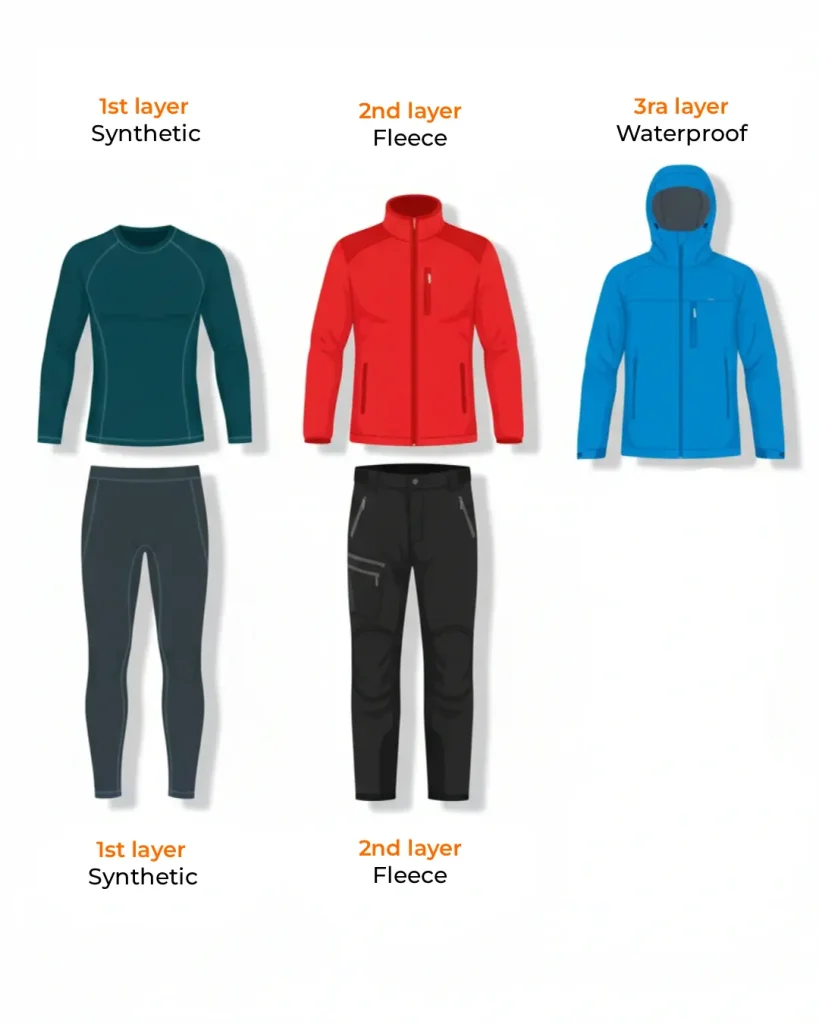
What to Wear Trekking: The Layering System Explained
This is where a lot of people go wrong. You don’t need ten outfits. You just need the right system.
Base Layers
Your base layer sits closest to your skin. It should:
- Wick sweat
- Dry quickly
- Keep you warm when needed
Think lightweight merino wool or synthetic fabrics.
Mid Layers
This is your insulation. A fleece or lightweight down jacket works perfectly.
It’s what you throw on when the temperature drops (which it will, usually without warning).
Outer Layers
Your outer layer is your shield. Think:
- Waterproof jacket
- Windproof protection
If it’s not waterproof, is there really any point in it coming for the ride?
Trekking Trousers and Shorts
Go for:
- Lightweight
- Quick-drying
- Stretchy
Zip-offs? Not fashionable, but surprisingly useful.
Underwear and Socks
Bring:
- Moisture-wicking underwear
- 2–3 pairs of good hiking socks
Blisters love bad sock choices. Don’t give them the opportunity. Avoid cotton at all costs. Seriously. It absorbs sweat, creating the perfect environment for chafing.
Sleepwear
Keep a clean, dry set just for sleeping. It’s a small luxury that feels huge after a long day.
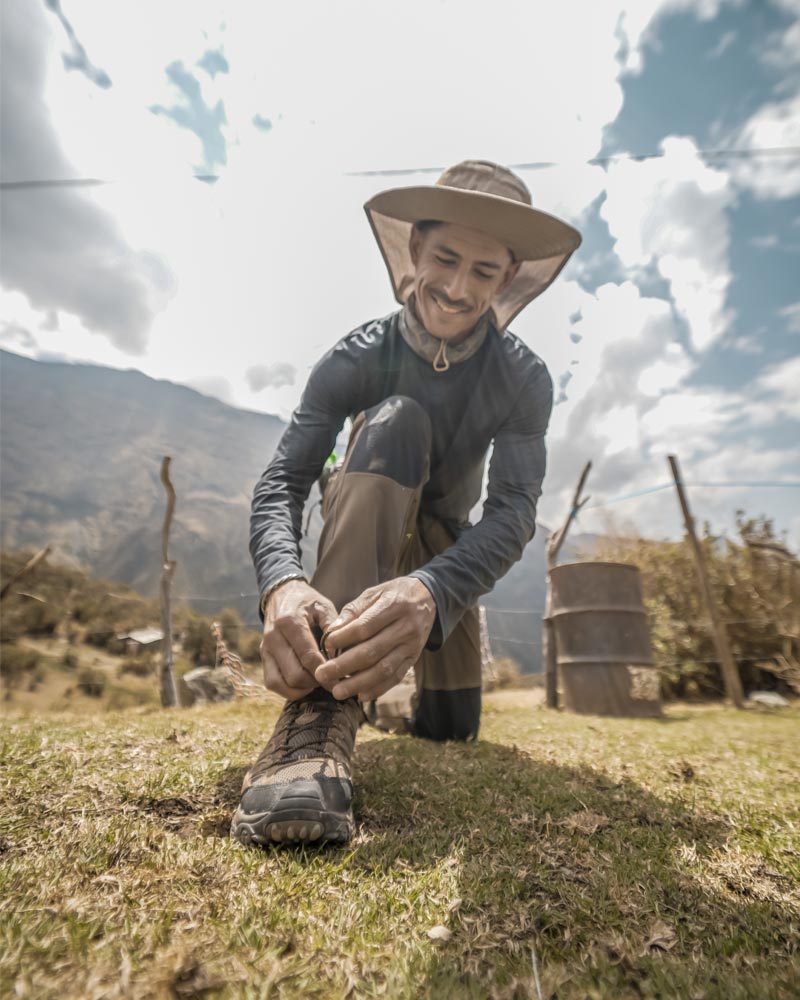
Choosing the Right Footwear for Trekking
When you go on a trek, your feet are doing pretty much all the work, so don’t sabotage them.
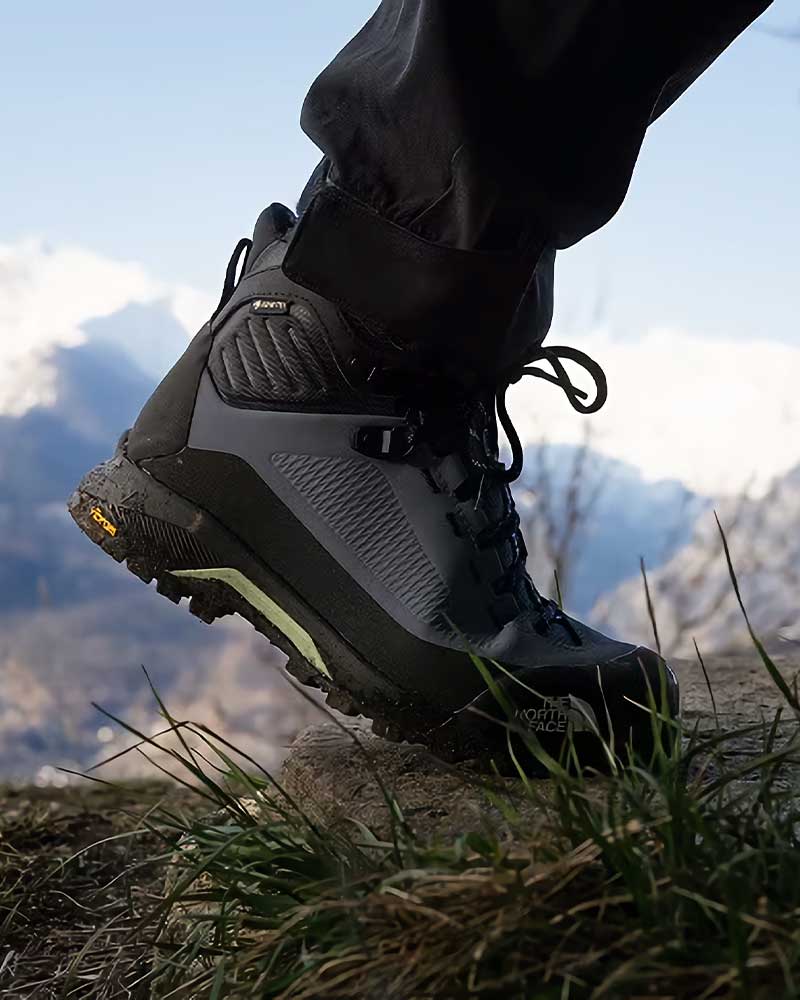
Hiking Boots vs Trail Runners
| Hiking Boots | Trail Runners |
|---|---|
| More support, especially for beginners | Lightweight, reducing fatigue |
| Better for rough terrain | Breathable and quick-drying |
| Good for cold and wet conditions | Don’t need as much breaking in |
There’s no universal winner. Just pick what suits your terrain and comfort.
Camp Shoes
After a full day of hiking, slipping into something light feels incredible.
Think:
- Sandals
- Lightweight slip-ons
Socks and Blister Prevention
Pro tips to avoid any nasty surprises:
- Keep feet dry
- Change socks if needed
- Use blister tape early, not after it’s too late
Essential Gear for a Multi-Day Trek
Now we’re into the core hiking equipment list. This is the gear that keeps everything running smoothly.
Backpack and Dry Bags
Dry bags are non-negotiable. Rain happens. River crossings happen. Water activities might happen, too.
Keep your gear dry or regret it.
Sleeping Bag
Match it to your environment:
- Cold treks = proper insulated bag
- Mild climates = lighter option
If you’re heading to Peru, nights can get seriously cold, even if the days don’t. In the dry season, particularly from June to August, the nights can drop to -5°C (23°F) to -10°C (14°F) at high altitudes.
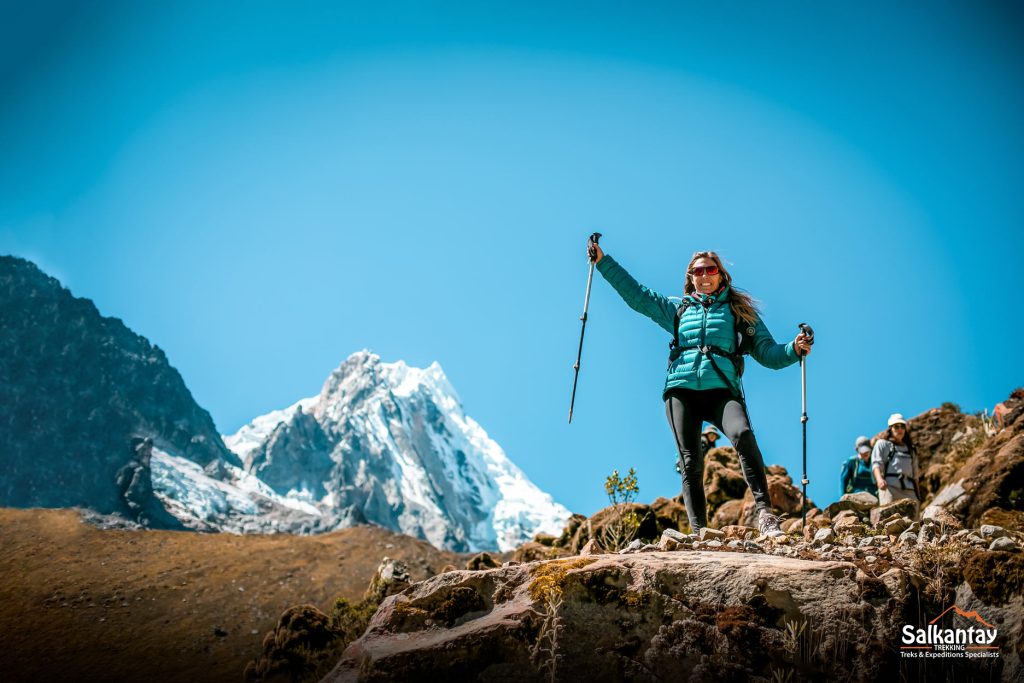
Trekking Poles
These guys are underrated until you try them.
They:
- Reduce knee strain
- Help with balance
- Make descents much easier
Headlamp or Torch
Hands-free lighting is essential, especially when you inevitably wake up at 3 am, needing the toilet or wondering where your water bottle is.
Water Bottles or Hydration System
Hydration is everything. On a long hike, you need to sip little and often, even if you don’t feel overly thirsty.
Options include:
- Reusable bottles
- Hydration bladder
Aim for at least 2–3 liters of capacity.
Navigation Tools (Maps, GPS)
Even on guided treks, it’s smart (and fun) to have:
- Offline maps
- GPS app
- Physical map as backup
Toiletries and Personal Items for Trekking
Keep it simple:
- Toothbrush and toothpaste
- Biodegradable soap
- Sunscreen (SPF 50+ at high altitudes)
- Lip balm
- Hand sanitizer
- Wet wipes (your MVP item)
Minimal weight, maximum usefulness.
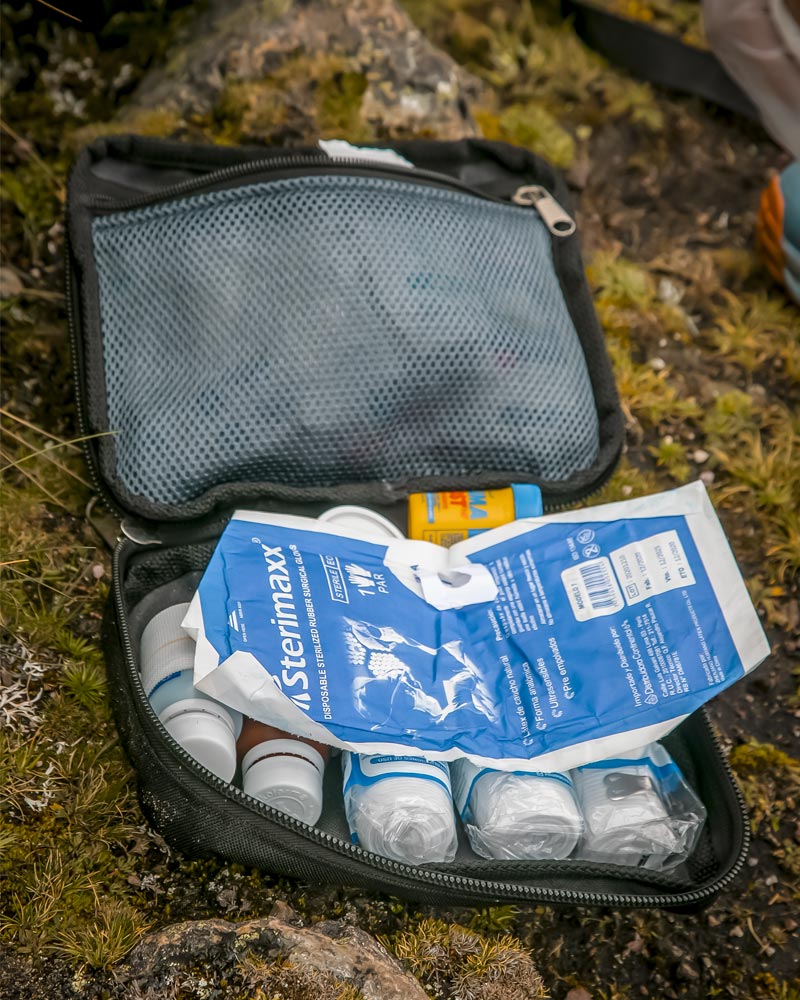
Health and First Aid Essentials
This is your safety net if things don’t go quite to plan.
Include:
- Blister treatment
- Pain relief
- Bandages
- Personal medication
- Electrolyte tablets
You don’t need a full medical kit. Just the basics done right.
Food and Snacks for a Multi-Day Trek
Food is fuel when you’re burning more calories consistently over many hours.
To keep you going between meals, bring:
- Energy bars
- Nuts
- Dried fruit (dates, raisins, apricots, and bananas are great options)
- Chocolate (morale booster, let’s be honest)
Even if meals are provided, snacks keep your energy steady. On some guided treks, the tour operator might provide snacks for you. Still, it’s a good idea to bring some of your favorites for some comfort halfway up a mountain pass.
Packing List for Different Trek Conditions (Weather and Altitude)
Not all treks are created equal. Your what to pack for a hiking trip strategy should change with conditions.
Hot Weather Hiking Essentials
- Lightweight clothing
- Sun hat
- Sunglasses
- Extra water
- Electrolytes
Heat exhaustion is real, so don’t underestimate it.
Cold Weather Hiking Essentials
- Insulated jacket
- Thermal layers
- Gloves
- Warm hat
Cold sneaks up fast, especially at altitude.
Rainy Conditions and Waterproof Gear
- Waterproof jacket
- Rain cover for backpack
- Dry bags
Once you’re wet, staying warm becomes much harder.
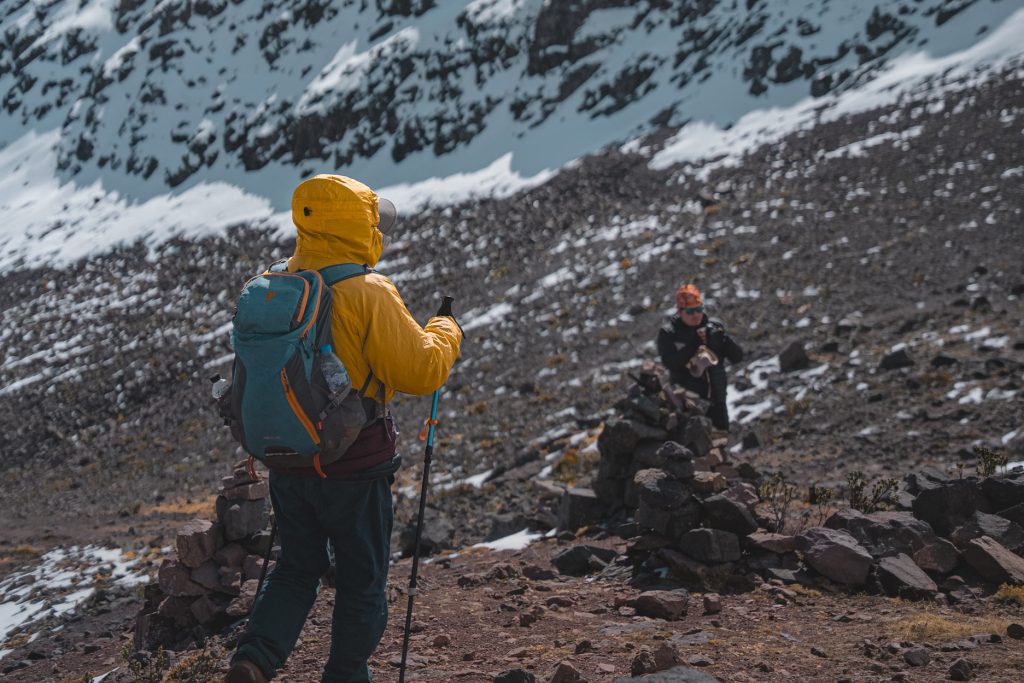
High-Altitude Hiking Essentials
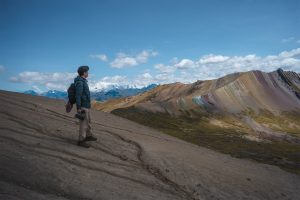
For treks like the Salkantay Trek or a day hike like Rainbow Mountain, bring:
- Warm layers
- Sunscreen (stronger UV)
- Hydration
- Snacks
Altitude hits differently, so prepare accordingly.
If you’re worried about trekking at such dizzy heights, take a look at our article on how to train for an adventure at altitude.
How to Pack Your Backpack Efficiently
Packing well is just as important as what you pack. You can have the perfect hiking equipment list, but if everything’s shoved in randomly, it’s going to feel twice as heavy by lunchtime.
A good packing system keeps your weight balanced, your gear easy to find, and your sanity intact.
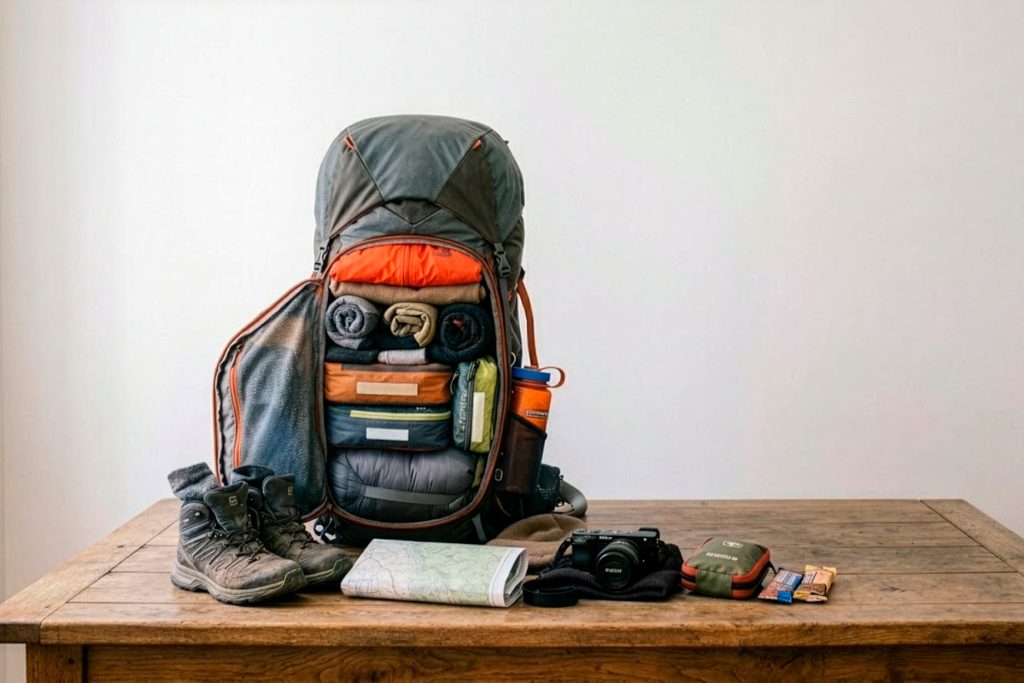
Here’s the basic structure to follow:
- Bottom of the pack: Sleeping bag and anything you only need at night
- Middle (close to your back): Heavier items like food, water, or cooking gear
- Top layer: Things you’ll grab quickly, like your rain jacket or warm layer
- Outer pockets: Snacks, sunscreen, maps, and anything you’ll use on the go
A couple of simple upgrades make a big difference:
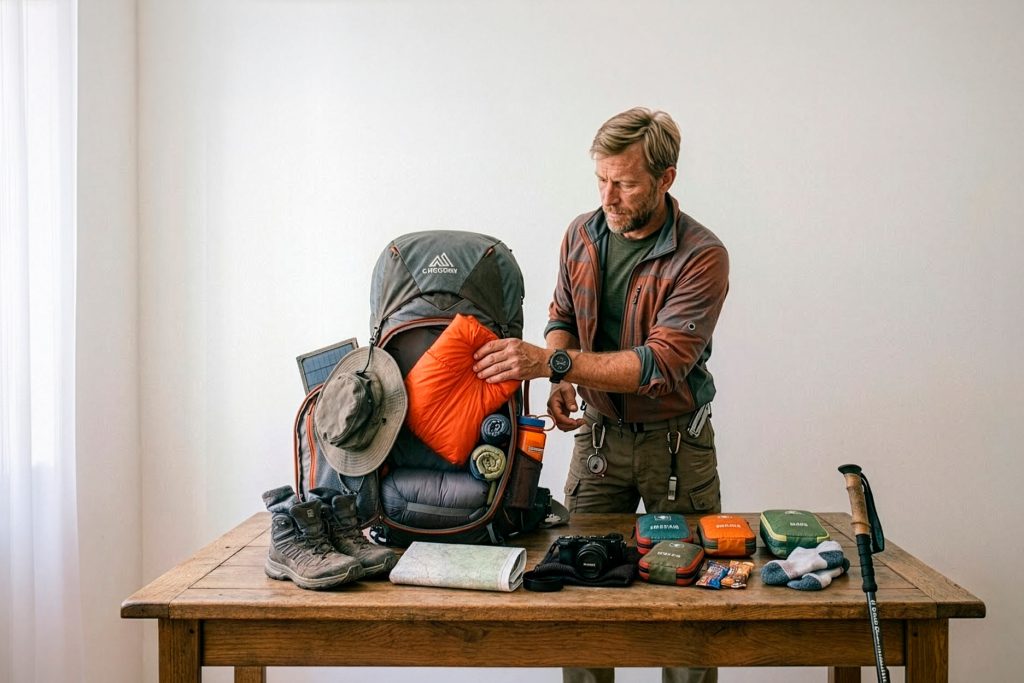
- Use dry bags or packing cubes to keep things organized (and dry)
- Keep similar items together, as no one wants to unpack their entire bag just to find socks
- Make sure the weight is evenly distributed; if it’s pulling you sideways, something’s off
What to Carry in Your Daypack
If you’re using a main bag plus a smaller daypack (common on supported treks), this is your daily survival kit. It’s everything you’ll want within arm’s reach while hiking.
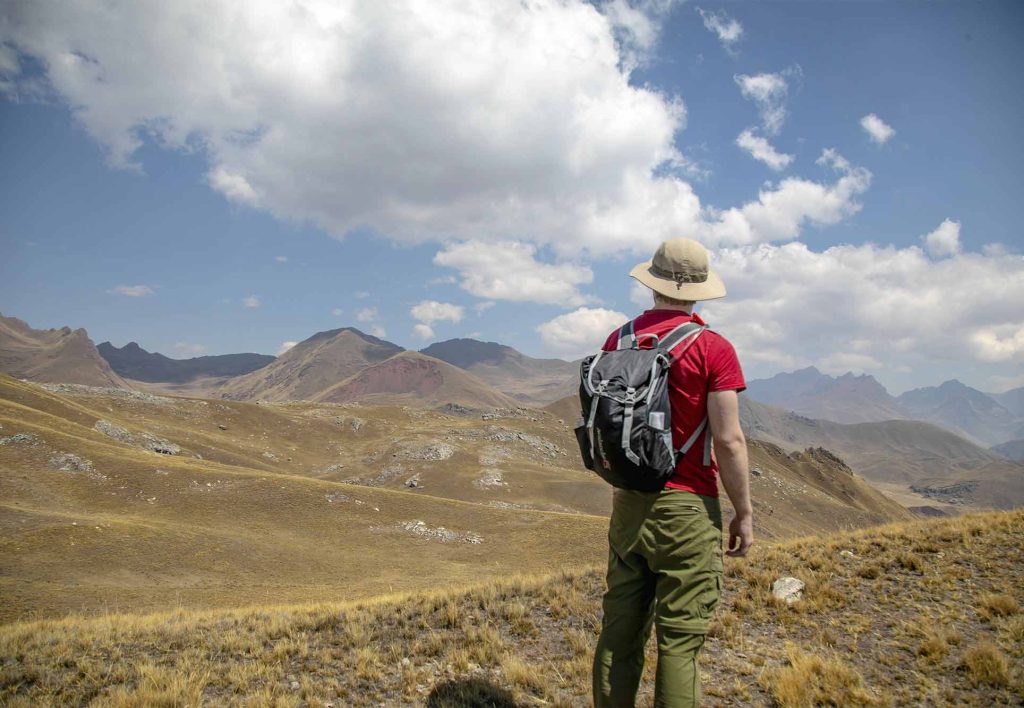
Your daypack should include:
- Water (at least 1.5–2L)
- Snacks for steady energy
- Rain jacket or windbreaker
- Sunscreen and sunglasses
- Hat or buff
- Camera or phone
- Personal items (lip balm, tissues, hand sanitizer)
Depending on the trek, you might also add:
- A light fleece or extra layer
- Basic first aid (especially blister care)
- Electrolytes
The goal is simple. If you’d be annoyed having to stop and dig through your main pack for it, it goes in your daypack. In fact, your main backpack might be a few kilometers ahead on a mule, so it’s better to be safe than sorry.
What Not to Pack for a Trek
Now for the tough love, because this is where most backpacks go wrong.
Overpacking is the fastest way to turn a great trek into a slow, uncomfortable slog. If it’s not pulling its weight (literally), it doesn’t come.
Leave behind:
- Too many clothes (you really don’t need five t-shirts or your jeans)
- Heavy books or bulky extras
- “Just in case” items you haven’t thought through
- Full-size toiletries
- Gadgets you won’t realistically use
A good rule is if you’re debating it, you probably don’t need it.
And remember, laundry isn’t really a thing on most treks, but re-wearing gear absolutely is. Everyone’s in the same boat, and no one cares.
Pro Packing Tips for Multi-Day Hiking
This is where experience starts to show. A few small tweaks can make your whole hiking gear checklist feel lighter, smarter, and way more manageable.
Tried-and-tested tips:
- Roll your clothes instead of folding to save space
- Use packing cubes or dry bags to stay organized
- Test your setup before you go, by which we mean pack it, wear it, walk with it
- Break in your shoes properly (blisters are not a personality trait)
- Keep essentials accessible, so don’t bury your rain jacket
One underrated tip? Pack once, then remove 10–15%. You almost never miss it.
If you’re heading to Peru, this “Trekking in Peru Packing List” is worth checking out.
Pack smart, and your future self, who’s halfway up a mountain, will be very grateful.
Hiking Essentials FAQs
The last thing you want on your trip is to be standing at the top of a mountain and realizing you forgot something you can’t go without. So, it’s natural still to have questions. We’ve answered some of the most frequently asked questions below to help.
Stick to the basics to save yourself from having to carry too much, so:
.- Water
.- Food
.- Layers
.- Navigation
.- First aid
Your pack should weigh between 10–20% of your body weight (depending on your fitness level), so make sure you weigh it before you leave home.
Less is better. Always.
The classic list includes:
.- Navigation
.- Sun protection
.- Insulation
.- Illumination
.- First aid
.- Fire-starting equipment
.- Repair kit
.- Nutrition
.- Hydration
.- Emergency shelter
It’s more useful when traveling alone, as some, like the fire-starting equipment, are usually provided by your tour operator. Many organizations recommend these items to prevent minor issues from turning into an emergency.
It’s the layering system for your clothes, so you need:
.- Base layer
.- Mid layer
.- Outer layer
It’s simple, effective, and essential for changing conditions.
Pack Smart, Trek Better
Packing doesn’t need to be complicated, but it does need to be intentional.
A solid hiking essentials list means:
- Less stress before you go
- More comfort on the trail
- And way more enjoyment overall
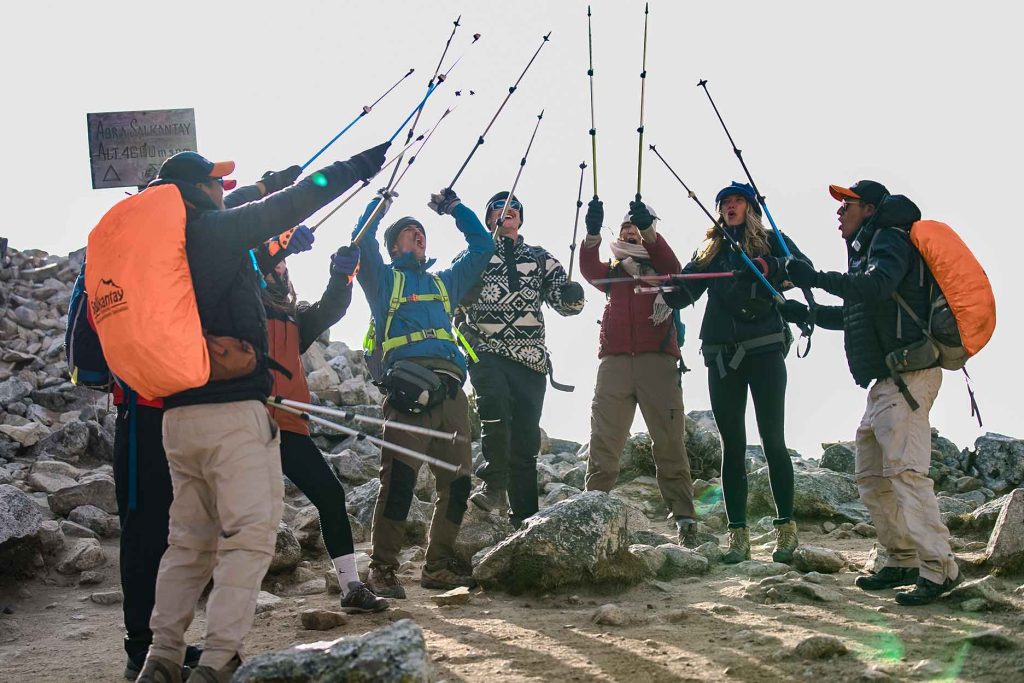
Whether you’re heading out on the Inca Trail, tackling the Salkantay Trek, or just planning your next adventure, knowing what to pack for backpacking is half the battle.
Get it right, and everything else gets easier.

Leave A Reply