
When people start planning outdoor adventures, the whole day hike vs multi-day trek thing gets confusing fast. One person says they “hiked” for six days through the Andes. Another says they “trekked” up a hill for three hours and ate a granola bar in a parking lot afterward. Helpful? Not really.
The truth is, hiking and trekking are closely related, but they’re not exactly the same thing. A day hike is usually shorter, simpler, and less physically demanding, while a multi-day trek is more immersive, more challenging, and usually comes with a backpack that suddenly makes every hill feel like it’s got it in for you.
If you’ve ever wondered about the trekking meaning, the definition of hiking, or whether you’re actually ready for a multi-day adventure like the Salkantay Trek in Peru, this guide breaks it all down.
Table of contents
- Day Hike vs Multi-Day Trek at a Glance
- What Is a Day Hike?
- What Is a Multi-Day Trek?
- The Biggest Differences Between a Day Hike and a Multi-Day Trek
- Is a Multi-Day Trek Harder Than a Day Hike?
- Day Hiking Benefits
- Multi-Day Trekking Benefits
- Gear Differences: What You Need for a Day Hike vs a Multi-Day Trek
- How to Progress From Day Hiking to Multi-Day Trekking
- Common Mistakes First-Time Trekkers Make
- Best Beginner-Friendly Multi-Day Treks Around the World
- Why the Salkantay Trek Is the Perfect Step Up From Day Hiking
- Frequently Asked Questions About Day Hiking and Multi-Day Trekking
- From Day Hikes to Bigger Adventures
Day Hike vs Multi-Day Trek at a Glance
At their core, both hiking and trekking involve walking outdoors through nature. That’s the simple version. But once you look at distance, terrain, gear, recovery, altitude, and how many pairs of socks you suddenly care about, the differences become pretty obvious.
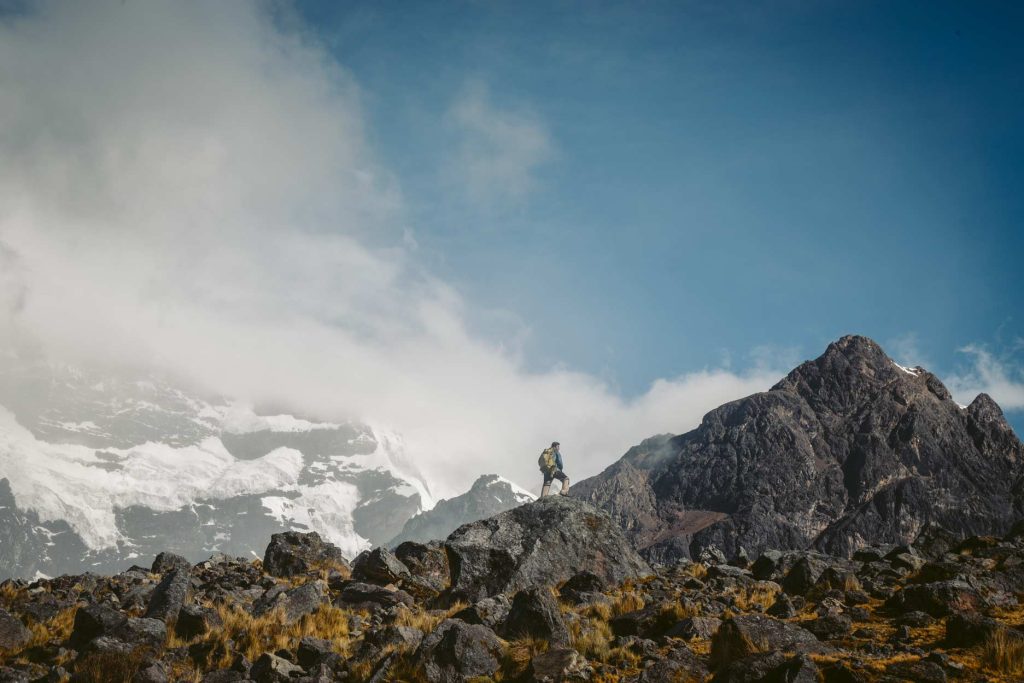
The Simplest Way to Understand the Difference
A day hike starts and ends on the same day. You carry what you need for a few hours, maybe a full day, and then head back to civilization for a shower and snacks.
A multi-day trek lasts several days and often takes you through remote areas where you sleep overnight in camps, lodges, or mountain huts. It’s less “nice walk in nature” and more “temporary mountain person.”
Why the Terms Are Often Confused
Part of the confusion comes from how casually people use the words online. In some countries, “trekking” is used for almost any outdoor walk. In others, trekking specifically means longer, more demanding journeys.
Social media sometimes makes short hikes sound more extreme than they really are.
Which One Is Right for Your Experience Level?
If you’re brand new to outdoor adventures, day hiking is usually the best place to start. It’s accessible, cheaper, easier to prepare for, and far less intimidating.
But if you already enjoy hiking and want something more immersive, a multi-day trek might be your next step. Especially if the idea of waking up in the mountains instead of hearing hotel hallway doors slam at 2 am sounds appealing.
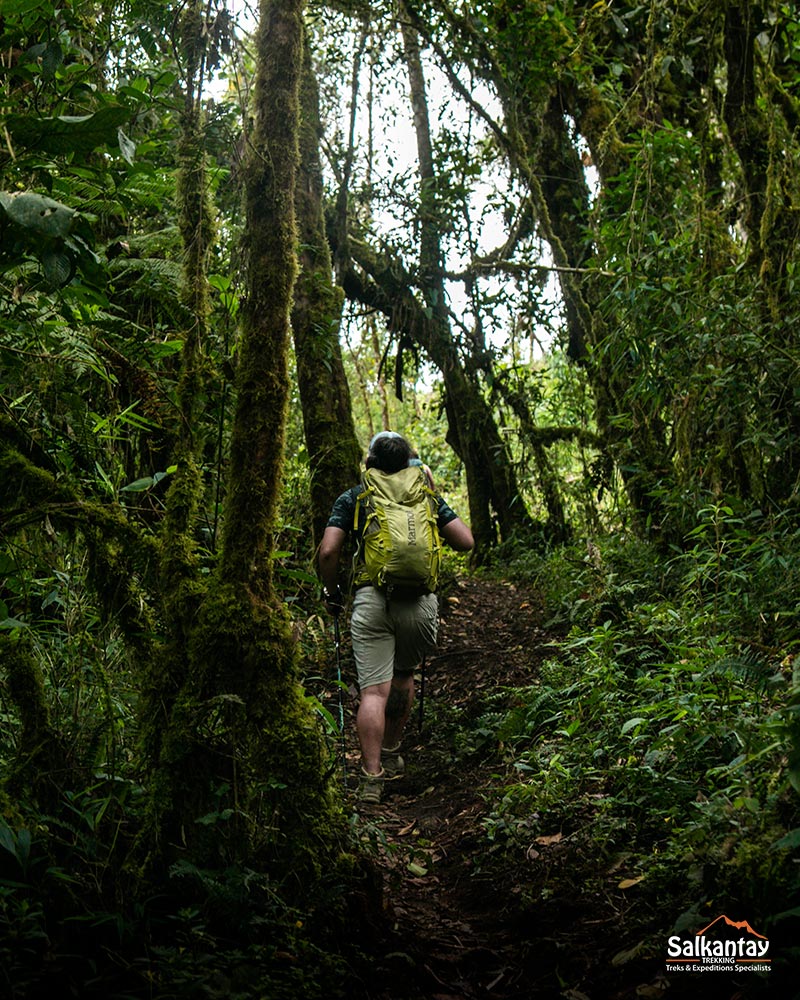
What Is a Day Hike?
Before comparing hiking and trekking properly, it helps to answer the basic question: What is hiking?
The hiking definition is pretty straightforward. Hiking is a long walk outdoors, usually on trails or natural terrain, that you do within a single day.
Hiking Definition Explained
The definition of hiking generally involves walking for fun, exercise, or to explore in nature. Trails can range from flat forest paths to steep mountain climbs that leave your calves filing complaints the next morning.
Hiking can last one hour or twelve. The key thing is that you return the same day without overnight camping.
What Counts as a Day Hike?
A day hike can be anything from a short coastal trail to a full-day mountain adventure. If you carry only what you need for the day and sleep somewhere with actual walls afterward, you’re hiking.
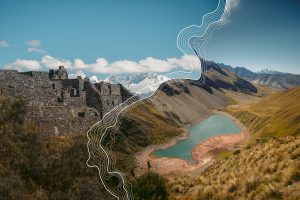
The Rainbow Mountain hike in Peru is a great example. It’s challenging because of the altitude, but it’s still considered a day hike because you return to your accommodation afterward.
Typical Features of a Day Hike
Here’s what a day hike usually involves.
Distance and Duration
Most day hikes last between a few hours and a full day. Distances vary depending on terrain and fitness levels, but tend to be between 5 and 15 miles.
Terrain and Elevation
Some hikes are gentle nature walks. Others involve steep climbs, rocky paths, and enough switchbacks to make you feel like you’ve been going for days.
Gear Requirements
The good news? Day hiking gear is pretty simple. Water, snacks, layers, decent shoes, sunscreen, and a backpack that doesn’t feel like medieval punishment.
Fitness Expectations
You don’t need to be an elite athlete to hike. A decent level of fitness and a willingness to walk uphill while slightly out of breath usually does the trick.
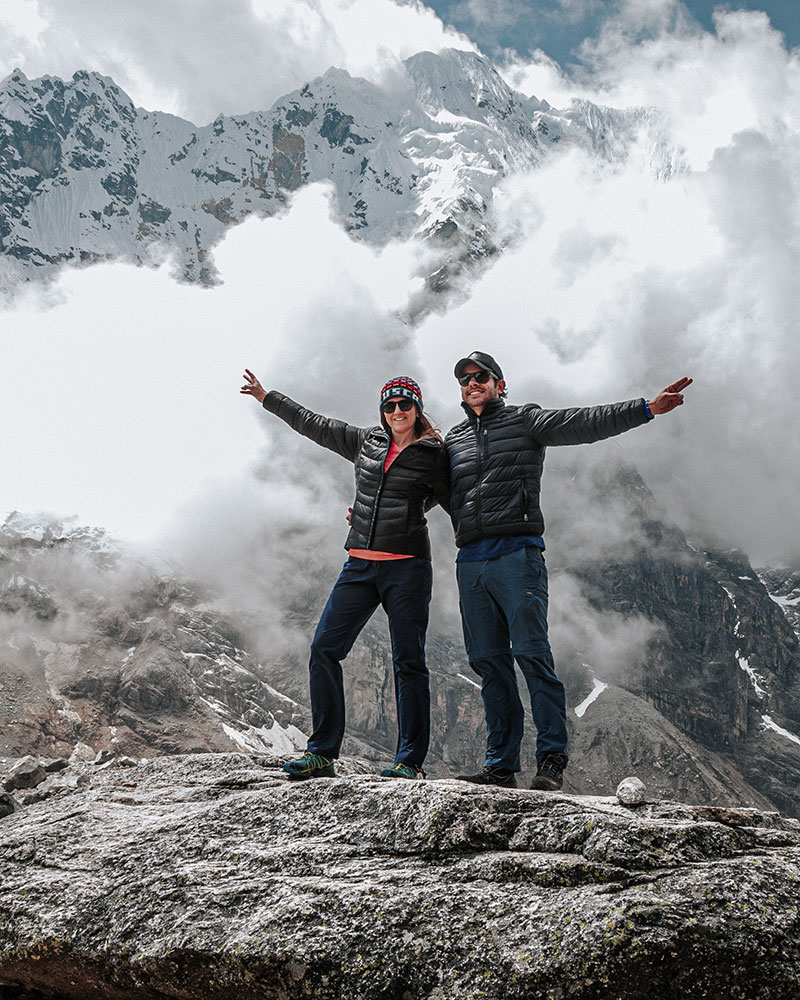
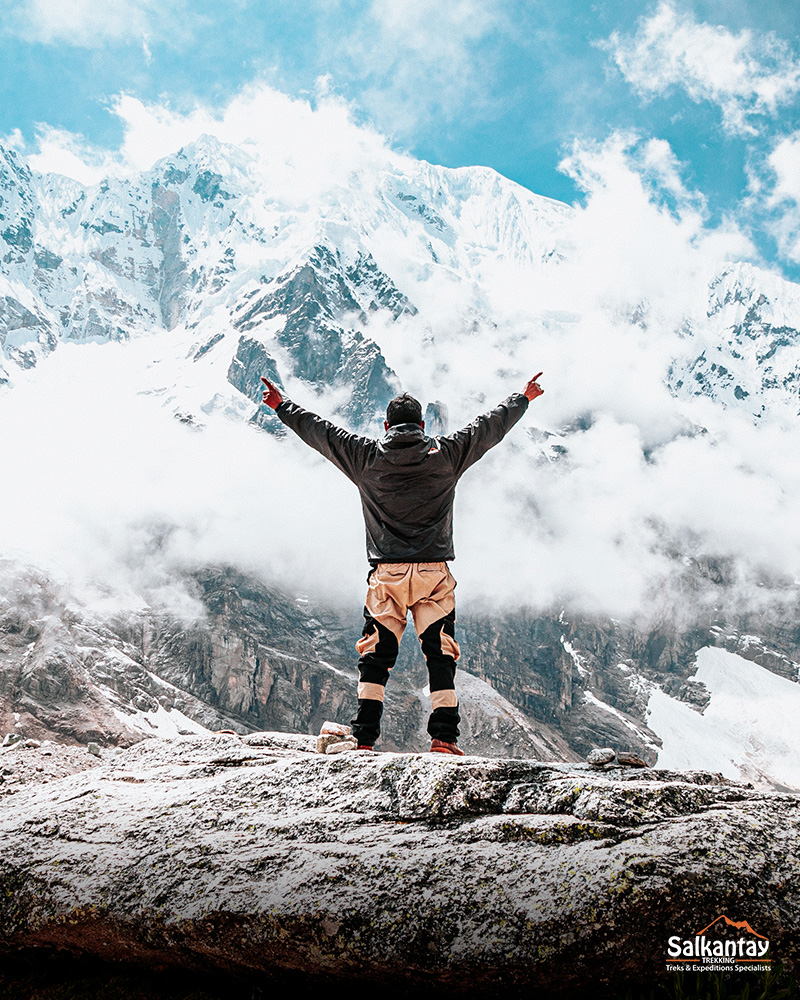
What Is a Multi-Day Trek?
Now for the bigger adventure category.
Trekking takes hiking and stretches it across multiple days, often in remote or high-altitude regions where being prepared suddenly matters a lot more.
Trekking Meaning Explained
The trekking meaning usually refers to long-distance walking journeys completed over several days. Treks often include mountain routes, remote landscapes, and overnight stays.
Think of it less as an afternoon stroll and more like “living out of a backpack while crossing valleys and mountain passes.”
What Makes a Trek Different From a Hike?
A trek isn’t just a longer hike. It usually requires more endurance, more planning, more gear, and more mental resilience.
You’re not simply walking for the day. You’re adapting to changing weather, recovering overnight, carrying equipment, and sometimes dealing with altitude. Your body definitely notices.
Typical Features of a Multi-Day Trek
This is what you should expect when you set out on a multi-day adventure.
Overnight Accommodation
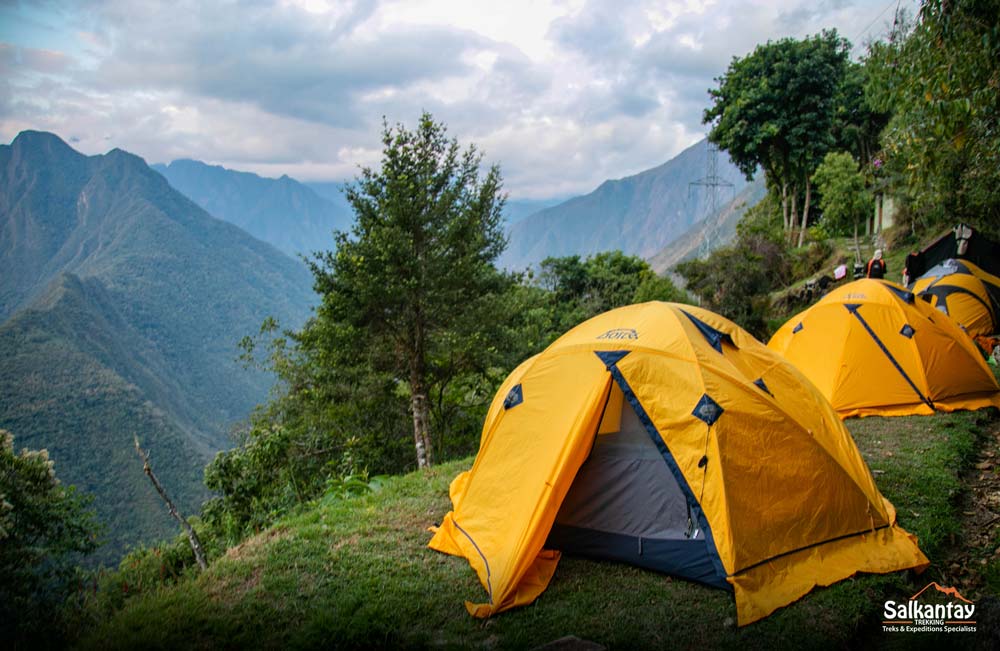
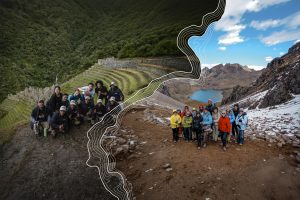
Trekkers may camp, stay in mountain lodges, or sleep in remote huts. On routes like the Salkantay Trek, you’ll spend nights deep in the Andes surrounded by glaciers, valleys, and skies so full of stars they honestly look fake.
Carrying More Equipment
Suddenly, you need layers, extra clothing, toiletries, snacks, chargers, rain gear, and enough organization skills to locate your headlamp before stepping on it at 3 am.
Remote and Challenging Terrain
Treks often pass through isolated regions where there’s no easy exit route. But don’t worry. That’s part of the adventure. That’s why planning, pacing, and choosing a reliable operator are so important.
Physical and Mental Endurance
Walking for multiple consecutive days changes the game. Your legs recover overnight just enough for the mountains to humble you again in the morning.
The Biggest Differences Between a Day Hike and a Multi-Day Trek
The differences go far beyond just duration.
Duration and Distance
A day hike ends the same day. A multi-day trek can last anywhere from two days to several weeks.
And yes, after day three, you will start caring deeply about dry socks.
Difficulty and Endurance
Treks demand more stamina because you’re active for multiple days in a row. Recovery becomes part of the challenge.
Altitude and Terrain
Many famous trekking routes involve high elevations. Knowing how to prepare for altitude becomes very relevant very quickly if you’re trekking in Peru, Patagonia, and many other high-elevation zones.
Altitude has a sneaky way of making simple things feel weirdly difficult, like breathing.
Acclimatization is a must, and you can give yourself the best chance by staying hydrated, avoiding alcohol, eating lighter foods, and taking things easy for the first few days before your trek.
Gear and Packing Needs
Day hikes require lighter gear. Multi-day treks require smarter packing and more preparation.
If you’re heading into the Andes, for example, a proper packing list for Peru can save you from learning hard lessons at over 15,000 feet (4,500 meters).
Food and Water Planning
On a day hike, you pack lunch. On a trek, food planning becomes strategic. Nobody wants to carry six days of canned soup uphill.
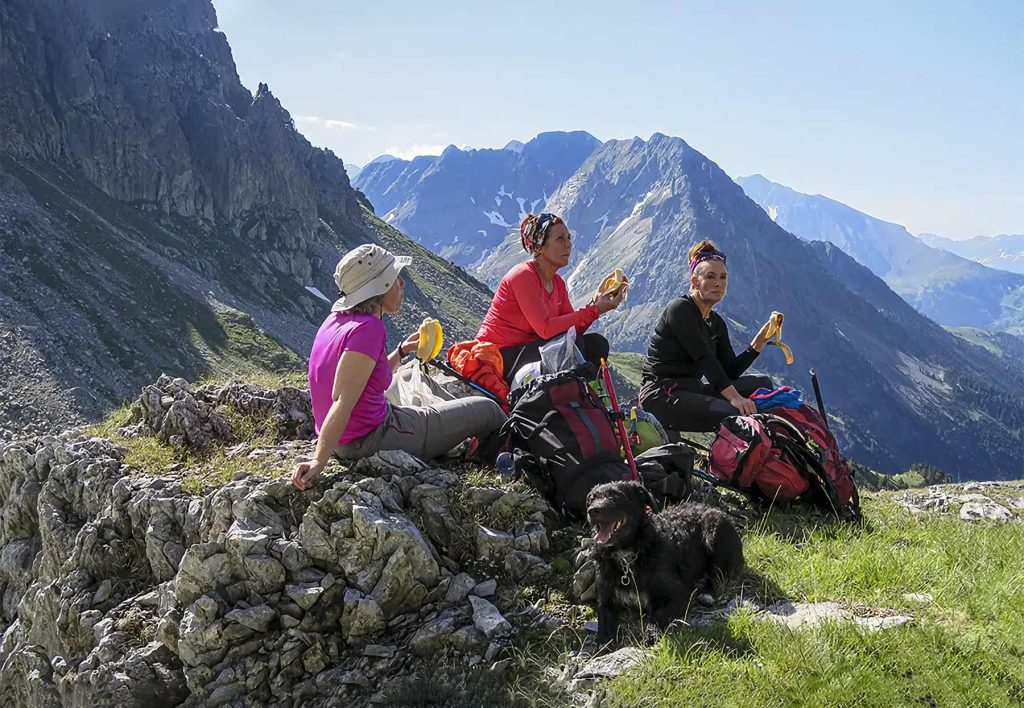
Remember, if you go with a tour operator and have a guided trek, your food will usually be sorted for you, so all you need to do is bring some of your favorite snacks for some comfort halfway up a steep climb.
Navigation and Logistics
Treks often need permits and guides (depending on the destination and local regulations), transportation planning, campsites, and route preparation. You can usually sort everything you need for a hike by yourself and just head out with a map, your phone for GPS, or even follow marked trails.
Recovery and Pacing
You can push hard on a day hike because recovery comes later. Trekking is more about pacing yourself so you can do it all again tomorrow.
Mental Challenge and Resilience
Treks test patience and adaptability. Sometimes it rains for hours. Sometimes your legs hate you. Sometimes both happen together. On a hike, you know you’ll be back in your home comforts come evening.
Is a Multi-Day Trek Harder Than a Day Hike?
Usually, yes. But not always in the way people expect.
The Physical Differences Explained
The challenge isn’t just distance. It’s the repeated effort over consecutive days while carrying weight and dealing with changing conditions.
Why Carrying Weight Changes Everything
A backpack transforms innocent hills into dramatic emotional experiences.
Even adding 20 pounds (9 kg) changes your posture, stamina, balance, and energy use.
How Altitude Affects Trekking
High-altitude trekking introduces thinner air and slower recovery. This is why training matters before adventures like the Inca Trail or Ausangate Trek in Peru.
The Role of Recovery Over Multiple Days
On a day hike, soreness is tomorrow’s problem. On a trek, soreness becomes tomorrow’s travel companion.
Day Hiking Benefits
Day hiking is often where people first fall in love with the outdoors. It’s accessible, flexible, and a lot easier to fit into everyday life than disappearing into the mountains for five days while surviving entirely on trail mix and determination.
For beginners, day hikes are the perfect way to build confidence before moving on to bigger adventures.
Easier for Beginners
One of the biggest benefits of day hiking is its accessibility. You don’t need expensive gear, advanced skills, or weeks of planning to get started. A decent pair of shoes, water, snacks, and a trail are usually enough.
It also feels far less intimidating than committing to a multi-day trek. If you get tired, the weather changes, or your legs suddenly decide they’re done for the day, you can just head back. Simple.
Lower Cost and Less Preparation
Compared to trekking, day hiking is much cheaper and easier to organize. There’s no need to book campsites, carry overnight gear, or spend hours figuring out how many pairs of socks qualify as “responsible packing.”
In fact, you could easily decide you want to go hiking the night before, which makes it an easy option for all kinds of travelers, especially those who like to do things on a whim.
Great for Physical and Mental Health
Hiking is brilliant for both body and mind. It improves your cardiovascular fitness, strengthens muscles, and gets you moving without feeling like you’re doing a workout.
Mentally, being outdoors can lower stress levels, improve mood, and give your brain a break from screens, emails, and whatever chaos the group chat is creating that day. Your brain genuinely loves this stuff.
Easier to Fit Into a Travel Itinerary
A day hike works well even on shorter trips because it doesn’t require you to give a huge amount of your time. You can explore incredible landscapes and still be back in town for dinner afterward.
Multi-Day Trekking Benefits
Multi-day trekking feels completely different from regular travel. Instead of quickly passing through a destination, you become part of the landscape for a while. It’s challenging at times, but that’s also what makes it unforgettable.
Deeper Connection With Nature
Spending several days outdoors changes the way you experience nature. You stop rushing through viewpoints and start noticing the smaller things.
Being disconnected from constant notifications and busy schedules also gives your brain a chance to properly switch off for once, making it ideal for a digital detox.
Greater Sense of Achievement
Finishing a multi-day trek feels genuinely rewarding because you’ve worked hard for it. You’ve carried your gear, pushed through difficult sections, adapted to changing conditions, and kept going even when your legs started negotiating against you.
Immersive Travel Experiences
Trekking lets you experience a destination slowly instead of rushing between attractions. You move through landscapes gradually, see remote areas most travelers never reach, and often connect more deeply with local culture along the way.
Building Endurance and Confidence
One of the best parts of trekking is realizing you’re capable of more than you thought. Multi-day adventures build physical endurance, but they also build resilience and confidence.
After finishing your first major trek, other challenges start feeling a lot more manageable. Also, regular stairs somehow never seem quite as dramatic afterward.
Gear Differences: What You Need for a Day Hike vs a Multi-Day Trek
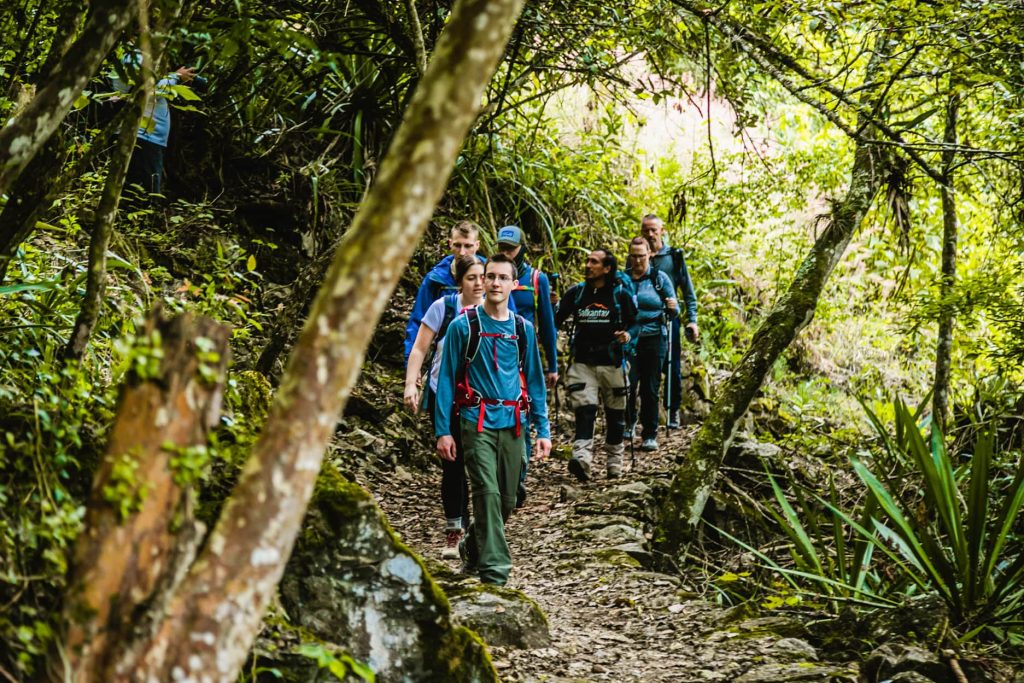
One of the biggest differences between a day hike and a multi-day trek comes down to gear. The longer you’re out on the trail, the more important preparation becomes. On a short hike, forgetting something might be a little annoying. On a multi-day trek, it can make the entire experience much harder than it needs to be.
Essential Day Hiking Gear
Day hiking gear is usually pretty simple and lightweight. Since you’re only out for a few hours or a full day, you can focus on carrying the basics without needing loads of extra equipment.
Daypack Basics
- Water
- Snacks
- Layers
- Sunscreen
- Phone
- A basic first aid kit
Clothing and Footwear
Comfortable hiking shoes matter more than people think. Blisters can ruin optimism surprisingly fast. Try breaking in your shoes or boots on short walks before taking them on a longer hike.
Food and Hydration
Bring more water than you think you need. Future you will appreciate it.
When it comes to food, a packed lunch and a few snacks are usually enough to keep you going until you get home.
Essential Multi-Day Trekking Gear
Multi-day trekking requires a lot more thought because you’re carrying everything you need for several days outdoors. Comfort, weight, weather protection, and practicality all become much more important.
Trekking Backpacks
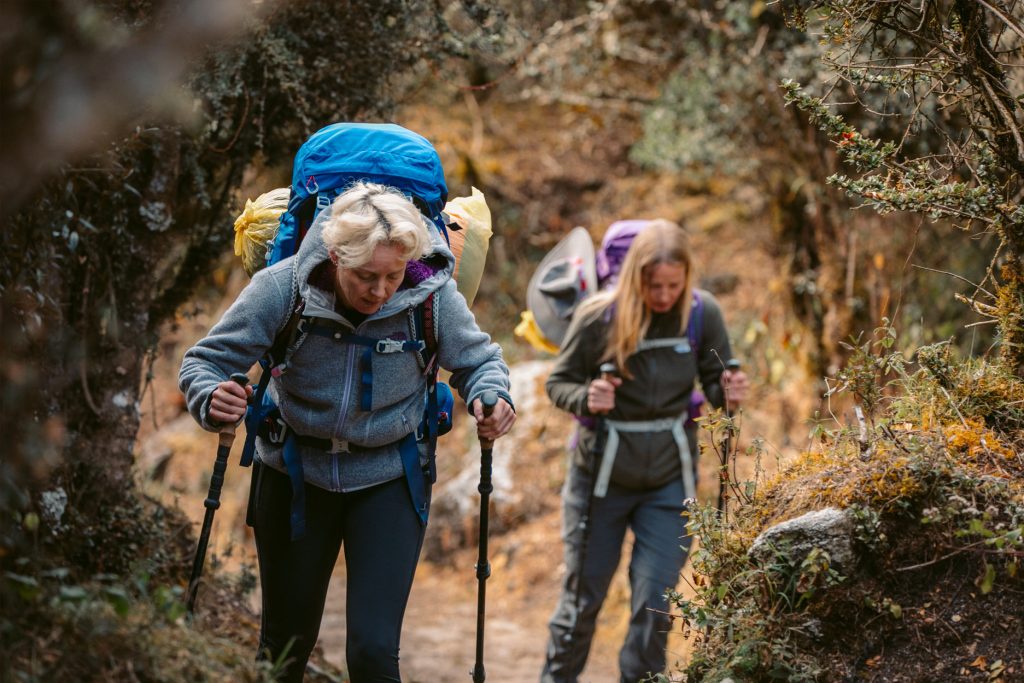
Unlike a smaller hiking daypack, trekking backpacks are designed to carry heavier loads more comfortably over long distances. Features like hip belts, chest straps, and proper weight distribution make a huge difference once you’re hiking for multiple days in a row.
A badly fitted backpack can turn an amazing trek into several days of shoulder pain and regret surprisingly quickly.
Layering Systems
Mountain weather changes constantly. One minute sunshine, next minute dramatic weather movie scene.
That’s why layering systems is so important. Think moisture-wicking base layers, insulating mid-layers, and waterproof outer layers to help you stay comfortable without carrying too much stuff.
Sleeping Gear and Overnight Essentials
Depending on the trek, you may need sleeping bags, sleeping liners, toiletries, headlamps, power banks, and overnight clothing.
This is where packing smart becomes an art form. Experienced trekkers know that every item should earn its place in the backpack because you’ll definitely notice extra weight halfway through a steep climb.
Trekking Poles and Support Equipment
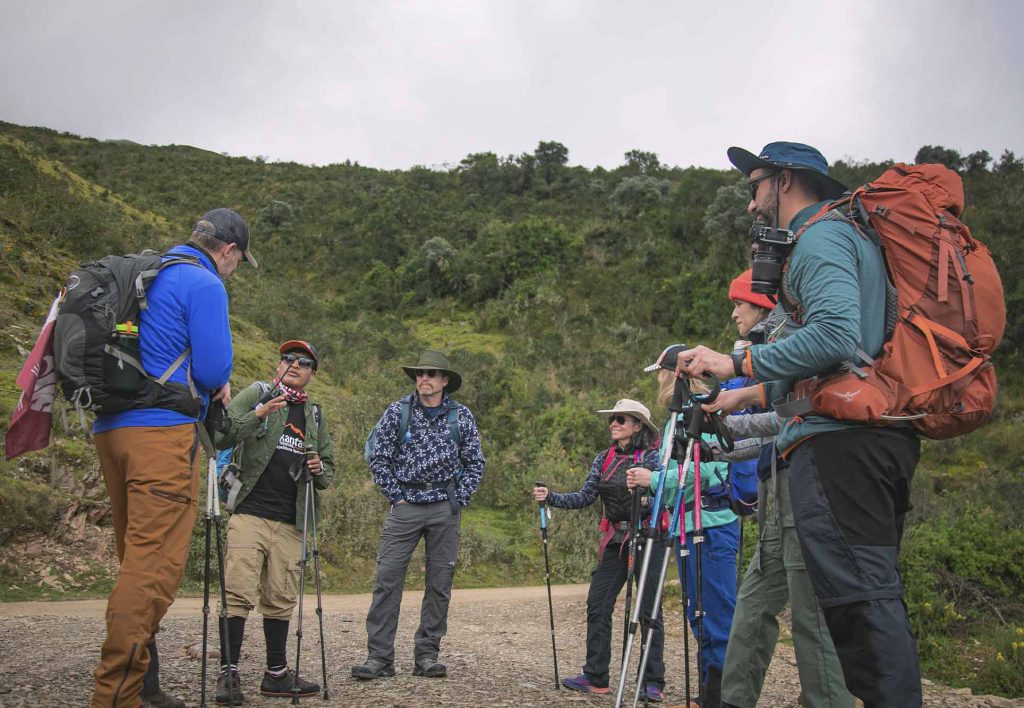
Trekking poles save knees on descents and provide stability on rough terrain. Plus, they make everyone look slightly more adventurous. Other useful gear can include water filtration systems, rain covers, gaiters, or altitude medication, depending on the route.
How to Progress From Day Hiking to Multi-Day Trekking
Making the jump from day hiking to multi-day trekking can feel intimidating at first, especially when you see people online casually trekking through the Himalayas with calves carved from granite. But most experienced trekkers started exactly the same way, with shorter hikes, questionable packing choices, and at least one moment of thinking, “Why did I agree to this?”
The good news is that trekking is something you build toward gradually. You don’t need to become an ultra-endurance athlete overnight. You just need to prepare smartly and give your body time to adapt.
Start Increasing Your Hiking Distance
One of the easiest ways to prepare for a multi-day trek is simply spending more time on your feet. If your usual hike is a couple of hours, start stretching that to half-day adventures or longer weekend hikes.
Your body adapts surprisingly quickly to longer distances when you increase things steadily. Plus, longer hikes help you figure out the practical side too, like whether your backpack fits properly or if your “super comfortable” hiking socks are actually a breeding ground for blisters.
Train With Elevation Gain
Flat trails are great for building stamina, but trekking often involves climbing. A lot.
Routes like the Salkantay Trek in Peru or Kilimanjaro in Tanzania include steep mountain sections where elevation gain becomes part of the challenge. Training on hills, stairs, or incline hikes helps prepare your legs and lungs before you hit the real thing.
And yes, your legs will complain at first. That’s normal. Legs are dramatic. But they’ll get more used to it.
Practice Hiking With a Loaded Backpack
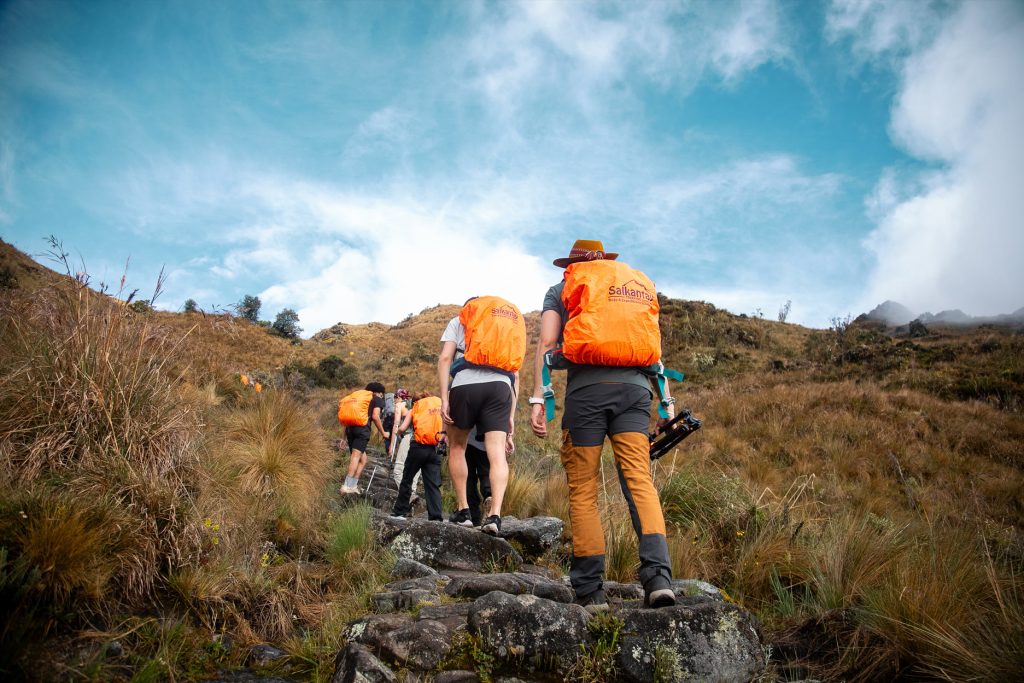
Walking with extra weight changes everything. Your posture switches position, your balance changes, and climbs suddenly feel much steeper than they did five minutes ago.
Before your first trek, practice carrying the same kind of weight you’ll bring on the trail. Even a lighter practice pack helps your body adjust gradually instead of being shocked on day one of your trip.
Learn Pacing and Recovery
A lot of beginner hikers make the same mistake on multi-day treks, by which we mean starting way too fast.
Trekking is less about speed and more about being consistent. You want to find a pace you can keep up for hours without burning yourself out before lunch.
The recovery process matters too. Hydration, stretching, eating properly, and resting each evening all make a huge difference over several days in a row.
Try Beginner-Friendly Overnight Treks First
You don’t need your first trek to involve glaciers, ice axes, and a near-spiritual battle with altitude.
Starting with beginner-friendly overnight adventures helps you build up your confidence without feeling overwhelmed. Once you get comfortable carrying gear, sleeping outdoors, and hiking for days in a row, bigger adventures start feeling much more achievable.
Common Mistakes First-Time Trekkers Make
Every trekker makes mistakes in the beginning. Quite a few actually. The goal is simply to avoid the kind that leave you miserable halfway up a mountain, wondering if civilization was overrated after all.
A little preparation goes a long way. Here’s what to avoid.
Packing Too Much
Almost every first-time trekker overpacks. There’s something about preparing for the mountains that makes people think they suddenly need five shirts, backup jeans, and enough snacks to survive a small apocalypse.
The problem is that every extra pound feels heavier after a few hours uphill.
Following a proper packing list helps you focus on essentials without turning your backpack into a punishment device.
Ignoring Altitude Preparation
Altitude is sneaky. You can be extremely fit and still feel the effects once you start trekking high in the mountains.
That’s why preparation matters so much before trekking at altitude. Understanding hydration, pacing, acclimatization, and recovery can make a massive difference during your trip.
Wearing The Wrong Footwear
Bad footwear can ruin an otherwise incredible trek surprisingly fast.
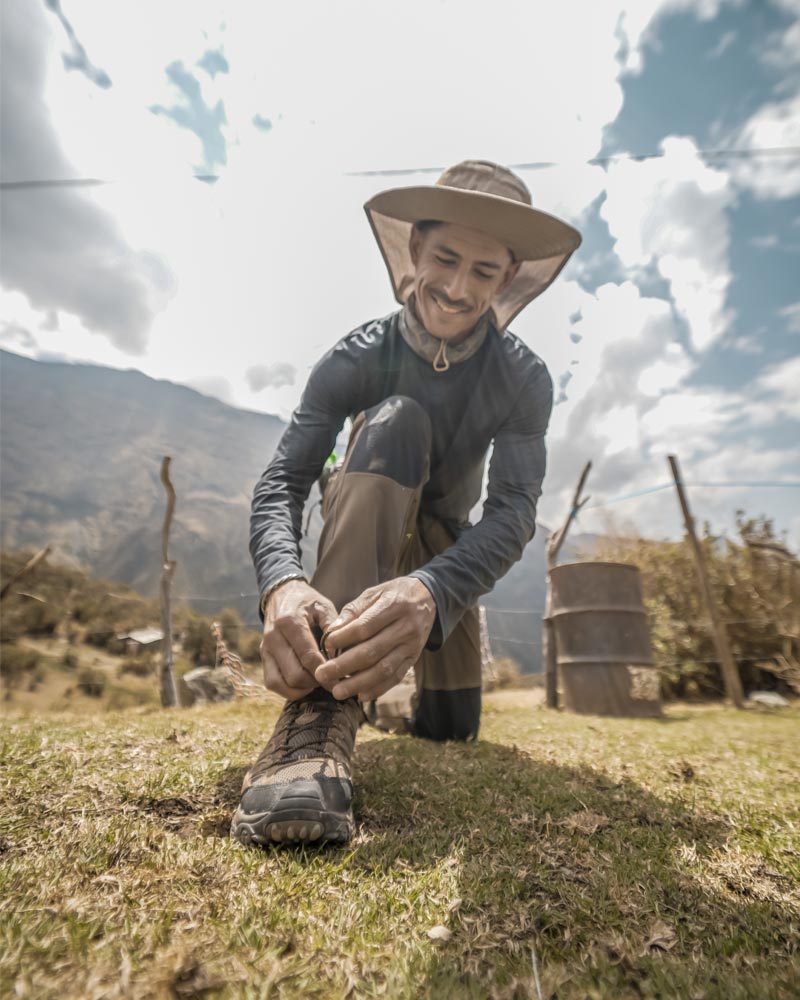
Blisters, poor ankle support, wet feet, and uncomfortable shoes become much bigger problems when you’ve still got a few days left on the trail. Breaking in your hiking boots properly before your trip is one of those boring pieces of advice that turns out to be painfully important.
Underestimating Recovery and Stamina
On a day hike, you can push yourself knowing you’ll rest afterward. Multi-day trekking works differently.
You wake up sore and do it all again the next morning. That’s why pacing, hydration, food, and recovery matter so much more on longer treks.
Choosing a Trek That’s Too Ambitious
There’s a difference between challenging yourself and accidentally booking a trek that emotionally destroys you on day two.
Choosing a route that matches your fitness and experience level leads to a much better experience overall. You want your first trek to feel exciting and rewarding, not like an outdoor survival documentary gone wrong.
Best Beginner-Friendly Multi-Day Treks Around the World
Not every multi-day trek is designed for elite mountaineers who casually jog up volcanoes before breakfast. Some routes are challenging but still very realistic for active beginners with decent preparation.
And honestly, these kinds of treks are often the most fun because you still get the adventure without needing technical climbing skills.
The Salkantay Trek
The Salkantay Trek is one of the best beginner-friendly treks in the world for hikers ready to level up.
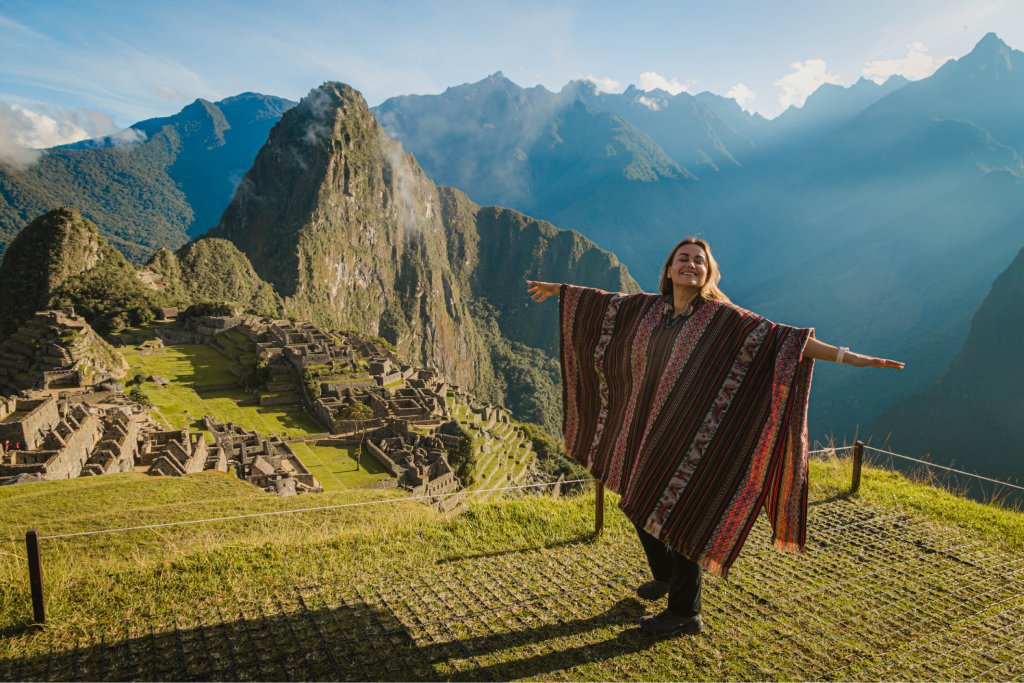
You get massive mountain scenery, high-altitude passes, cloud forests, remote valleys, and the reward of reaching Machu Picchu at the end. It feels adventurous without requiring technical experience, which is exactly why so many people fall in love with trekking in Peru.
The Inca Trail
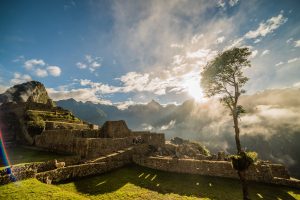
The Inca Trail is iconic for a reason. It combines incredible scenery with ancient ruins, mountain landscapes, and one of the most famous finishes in the world. We’re talking about entering Machu Picchu through the Sun Gate.
It’s physically demanding in parts, especially at altitude, but very achievable for hikers who prepare properly beforehand.
Tour du Mont Blanc
If alpine villages, dramatic mountain views, and excellent pastries sound appealing, the Tour du Mont Blanc is hard to beat.
The route passes through France, Italy, and Switzerland, making it one of the most scenic long-distance treks in Europe.
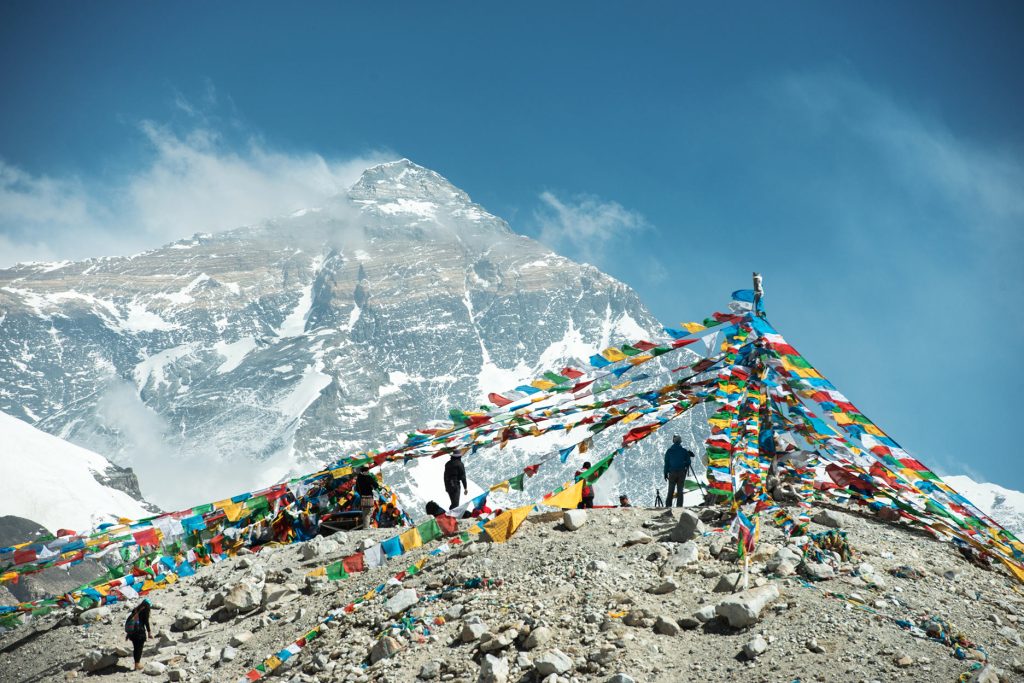
Everest Base Camp for Aspiring Trekkers
Everest Base Camp sits firmly on many bucket lists, and while it’s definitely more demanding, it’s still achievable for non-technical trekkers with good preparation.
The altitude is the biggest challenge here, not climbing ability. Also, tea houses in the Himalayas somehow make instant noodles taste weirdly life-changing after a long hiking day.
Why the Salkantay Trek Is the Perfect Step Up From Day Hiking
As we mentioned, for hikers looking to transition into multi-day trekking, Salkantay hits a pretty perfect balance. It’s challenging enough to feel like a real adventure, but accessible enough for fit beginners willing to prepare properly.
It’s also the kind of trek that completely changes how people think about hiking.
A Realistic Challenge for Active Hikers
You don’t need technical mountaineering skills for Salkantay, which makes it ideal for hikers taking on their first major trek.
If you already enjoy long walks, moderate hikes, or outdoor travel, the physical side is absolutely manageable with preparation. You’ll definitely feel challenged, but in a rewarding “I can’t believe I just did that” kind of way.
The Role of Altitude on the Salkantay Trek
Altitude is usually the biggest adjustment for first-time trekkers in Peru.
Even strong hikers notice the thinner air once you climb higher into the Andes. Seriously. It affects everyone differently, no matter your age or fitness level. That’s why most tour operators recommend spending 2–3 days in the city of Cusco or the nearby Sacred Valley to acclimatize and take it easy before you make it to the trailhead.
What Makes Salkantay Feel Like a True Adventure
Some treks feel like extended walks. Salkantay feels like a journey.
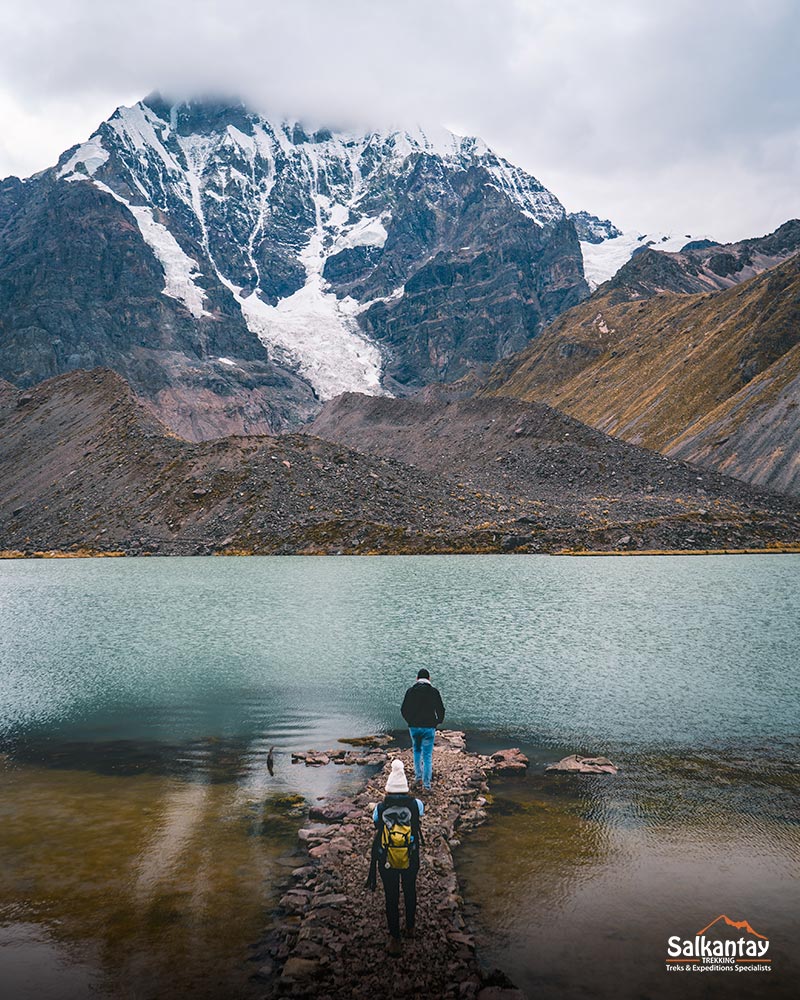
One day, you’re surrounded by snowy mountain peaks, the next, you’re walking through a cloud forest filled with hummingbirds and orchids. The scenery changes constantly, which keeps the whole experience exciting from start to finish.
And unlike some of the more crowded trekking routes, parts of Salkantay still feel genuinely remote and wild.
How to Prepare for Your First Multi-Day Trek in Peru
Preparation makes a huge difference to how enjoyable your trek feels.
Training beforehand, breaking in your boots, and following a proper packing list all help you arrive feeling confident instead of mildly panicked in a sporting goods store the night before departure.
It’s also worth planning around the weather seasons. Knowing the best time to visit Machu Picchu helps you choose better trekking conditions and avoid some of the heavier rainy periods.
Quick tip: May to October is the best time of year, with June, July and August being the driest months.
Frequently Asked Questions About Day Hiking and Multi-Day Trekking
Many people interested in trekking are actually much more prepared than they think. They usually just need a few questions answered before making the leap from day hikes to something bigger.
Yes, although the terms are often used interchangeably online.
Hiking usually refers to walks completed within a single day, while trekking involves multi-day journeys with overnight stays, more endurance demands, and more preparation overall.
A multi-day trek is any hiking journey that takes more than one day to complete and includes overnight accommodation along the route.
That accommodation might be camping, mountain lodges, eco camps, or remote huts, depending on the destination.
Absolutely.
Many people’s first trekking experience happens in places like Peru, Nepal, or the Alps. Choosing the right route and preparing properly matters much more than having years of experience.
You don’t need to be an elite athlete, but basic endurance and decent cardiovascular fitness definitely help.
If you can comfortably complete longer day hikes and handle a moderate level of elevation gain, you’re already building a strong foundation for trekking.
The best training is usually a combination of hiking, endurance exercise, hill training, and practicing with a loaded backpack.
Consistency matters far more than doing one dramatic workout and then lying on the floor questioning your choices afterward.
The 20% rule suggests your backpack should weigh no more than roughly 20% of your body weight.
Keeping your pack lighter helps reduce fatigue, strain, and your risk of injury, especially on longer treks where you’ll be carrying it for days in a row.
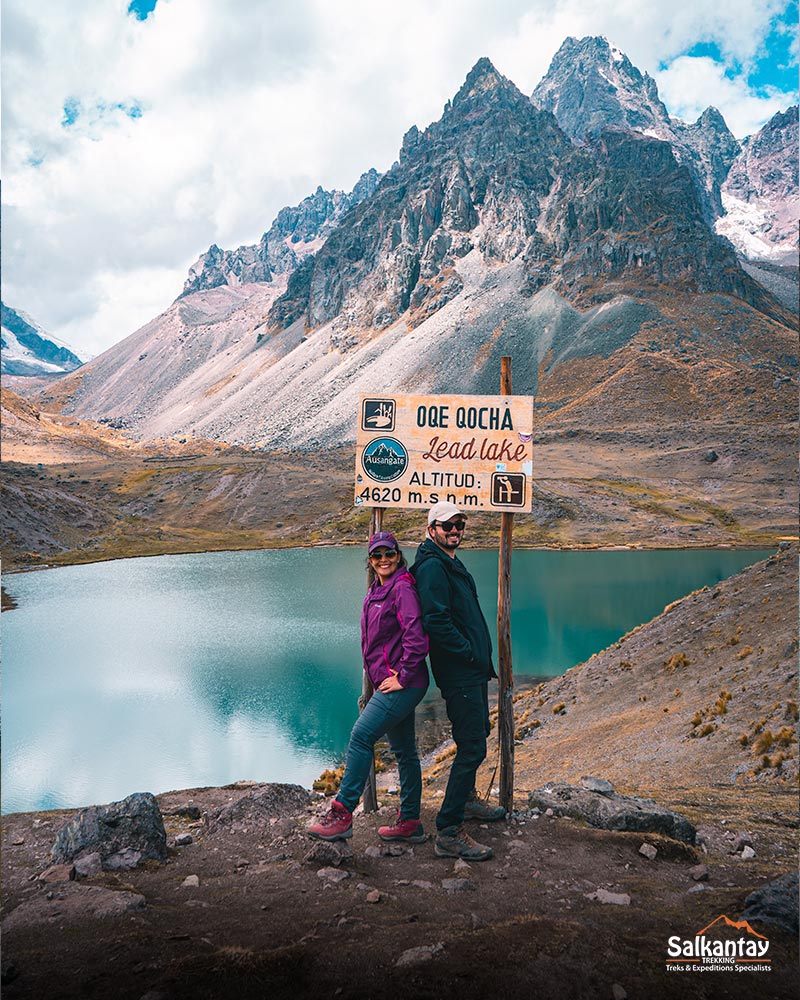
From Day Hikes to Bigger Adventures
Every experienced trekker started somewhere. That somewhere was probably with a simple day hike, a backpack full of unnecessary snacks, and a completely inaccurate guess about how long the trail would take.
The difference between a day hike and a multi-day trek isn’t about one being “better” than the other. They simply offer different experiences. Day hikes are flexible, beginner-friendly, and perfect for getting outdoors without a huge commitment. Multi-day trekking adds endurance, immersion, challenge, and a much stronger sense of adventure.
And honestly, once you wake up in the mountains, watch sunrise hit snow-covered peaks, and spend several days disconnected from normal life, it’s pretty easy to understand why people become obsessed with trekking.
For many hikers, it’s only a matter of time before one good trail turns into a much bigger adventure.

Leave A Reply