You’ve booked your trek. You’ve started breaking in your boots. You’re picturing glacier peaks, remote trails, and that first jaw-dropping view of Machu Picchu. And then you have a sudden thought. How will I feel at such a high altitude?
Suddenly, you’re wondering what is the altitude of Machu Picchu and questioning whether your lungs are up for the job. Don’t worry. That’s totally normal. To save you from frantically searching for Machu Picchu elevation and just about everywhere else on your itinerary, we’re here to help.
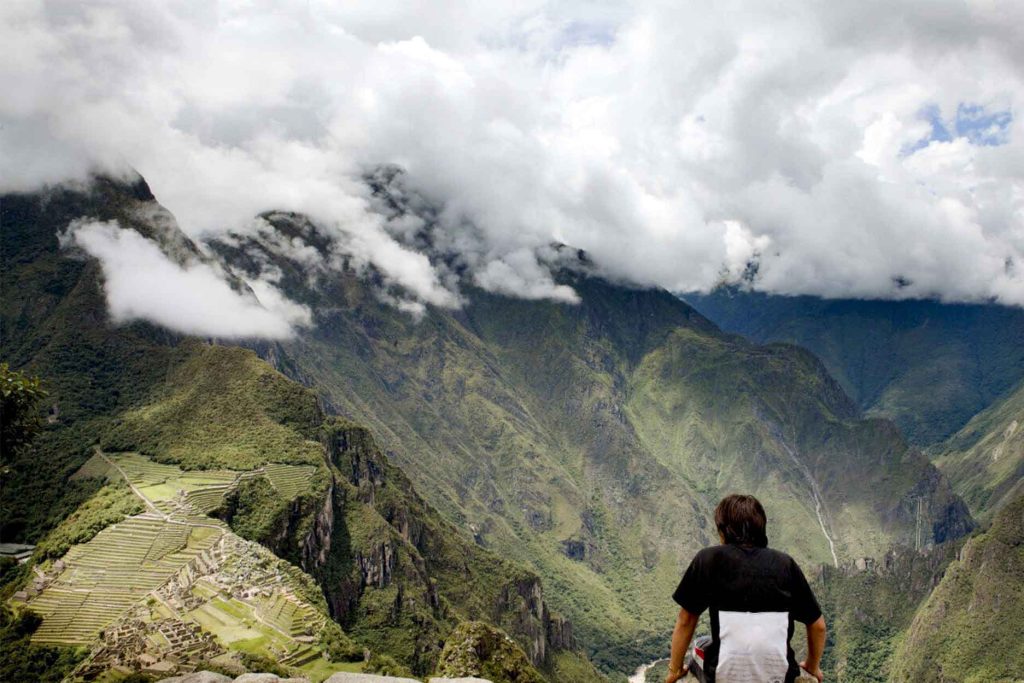
Machu Picchu stands at 7,972 ft (2,430 m), and Cusco sits at around 11,155 ft (3,400 m) above sea level. That’s high enough to make even confident hikers feel a little breathless. The good news? With the right Cusco tour plan before your trek, acclimatization doesn’t have to be scary. It can actually be one of the best parts of your trip. There’s lots of fun to be had.
Let’s break down how to acclimate properly, which tours actually help, and how to set yourself up for a strong, headache-free start to your trek.
Table of contents
- Why Acclimatization In Cusco Is Essential Before A Trek
- How Many Days Should You Acclimatize In Cusco?
- Best Acclimatization Tours In Cusco Before A Trek
- Which Acclimatization Tour Is Best For Your Trek?
- Acclimatization Tips To Avoid Altitude Sickness
- Can You Acclimatize Without Tours?
- Frequently Asked Questions About Acclimatization In Cusco
- Set Yourself Up For A Strong Start
Why Acclimatization In Cusco Is Essential Before A Trek
First things first. What’s actually happening to your body up here?
At high altitude, there’s less oxygen in the air. Your body needs time to adjust by producing more red blood cells and improving oxygen delivery. The thing is, this process doesn’t happen instantly.
If you rush it, you risk suffering from soroche, aka altitude sickness. Symptoms can include:
- Headache
- Nausea
- Dizziness
- Fatigue
- Shortness of breath
Now that’s not exactly the dream start to your Salkantay or Inca Trail adventure, right?
And here’s the mistake many travelers make. They think acclimatization means doing nothing and letting your body simply adjust.
Rest is important, yes. But active acclimatization is even better. Gentle movement, progressive altitude exposure, and controlled activity help your body adapt more efficiently than staying in bed scrolling through your phone or reading a book.
That’s where finding the right Cusco tour comes in, and we’ll walk you through the best options below.
How Many Days Should You Acclimatize In Cusco?
The golden question on everyone’s lips is how long does it take to acclimate to high altitude?
For most people, it takes 1-3 days. Here’s a simple breakdown to help you plan smart:
| Recommended Tour Plan | Ideal For |
|---|---|
| 1 Day Available | |
| Cusco City Tour (Sacsayhuaman & nearby ruins) | Travelers heading to Machu Picchu by train or short stays with no major high-altitude trek |
| 2 Days Available | |
| Day 1: Cusco City TourDay 2: Sacred Valley or Maras & Moray | Most trekkers preparing for the Inca Trail or Salkantay Trek |
| 3 Days Available | |
| Day 1: Cusco City TourDay 2: Sacred ValleyDay 3: Maras & Moray or a light acclimatization hike | First-time high-altitude travelers or those trekking Salkantay, Lares, or Ancascocha |
If you’re trekking to Machu Picchu, remember that the Machu Picchu elevation is actually lower than Cusco. That means most people feel better once they descend there. The real challenge is adjusting before you head over high passes on routes like Salkantay.
If you’ve ever had altitude issues before, lean toward the three-day plan. A strong start on your trek is worth far more than squeezing in one extra rushed activity.
Best Acclimatization Tours In Cusco Before A Trek
Not every Cusco tour is created equal. Some are great for taking photos and seeing the sights, but don’t help much with gradual altitude exposure. The best acclimatization tours combine manageable walking, steady elevation, and smart pacing.
Here’s what actually works.
Sacred Valley Tour (Pisac, Ollantaytambo & Chinchero)
Altitude range: 9,000–12,500 ft (2,743–3,810 meters)
Effort level: Moderate walking, manageable pace
The Sacred Valley tour is ideal because it sits slightly lower than Cusco. That gradual drop in altitude gives your body a bit of relief while still keeping you active.
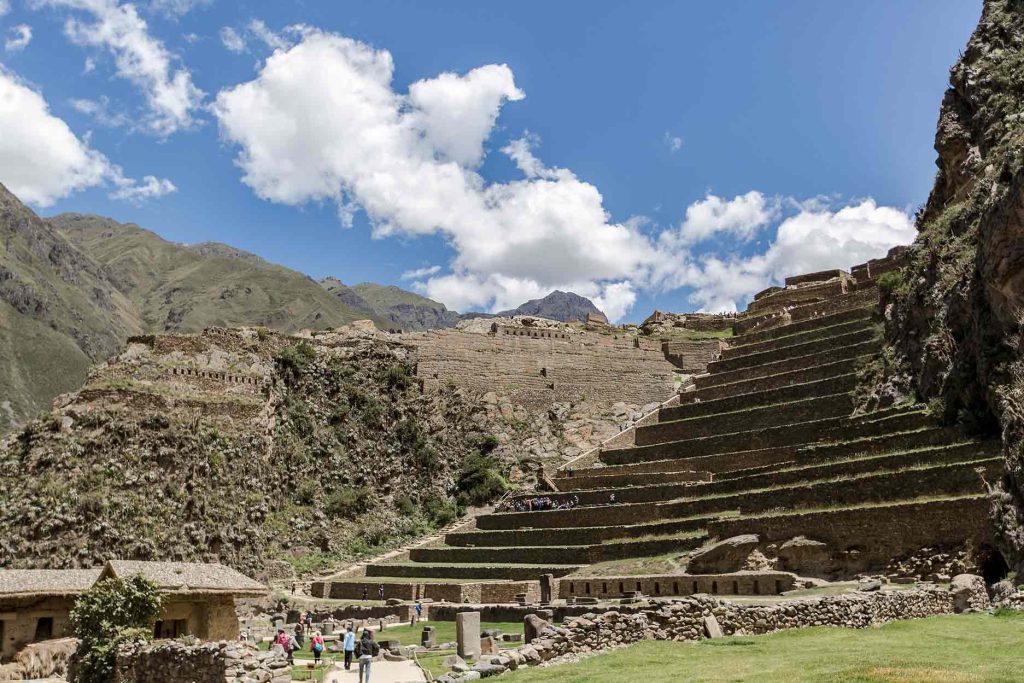
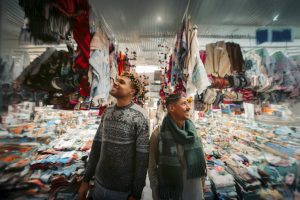
You’ll explore ancient terraces, busy and colorful markets, and Inca towns like Ollantaytambo, all while walking at a steady, natural rhythm. It’s physical enough to stimulate adaptation, but won’t exhaust you.
This is especially great before the Inca Trail, as Ollantaytambo is the starting point for many departures, which means you could stay the night here before your hike begins. Logistically smart and physically helpful.
It’s also one of the top things to do in Cusco, Peru, even if you weren’t trekking.
Maras & Moray Tour
Altitude: Around 11,500–12,000 ft (3,595–3,657 m)
Effort level: Light to moderate
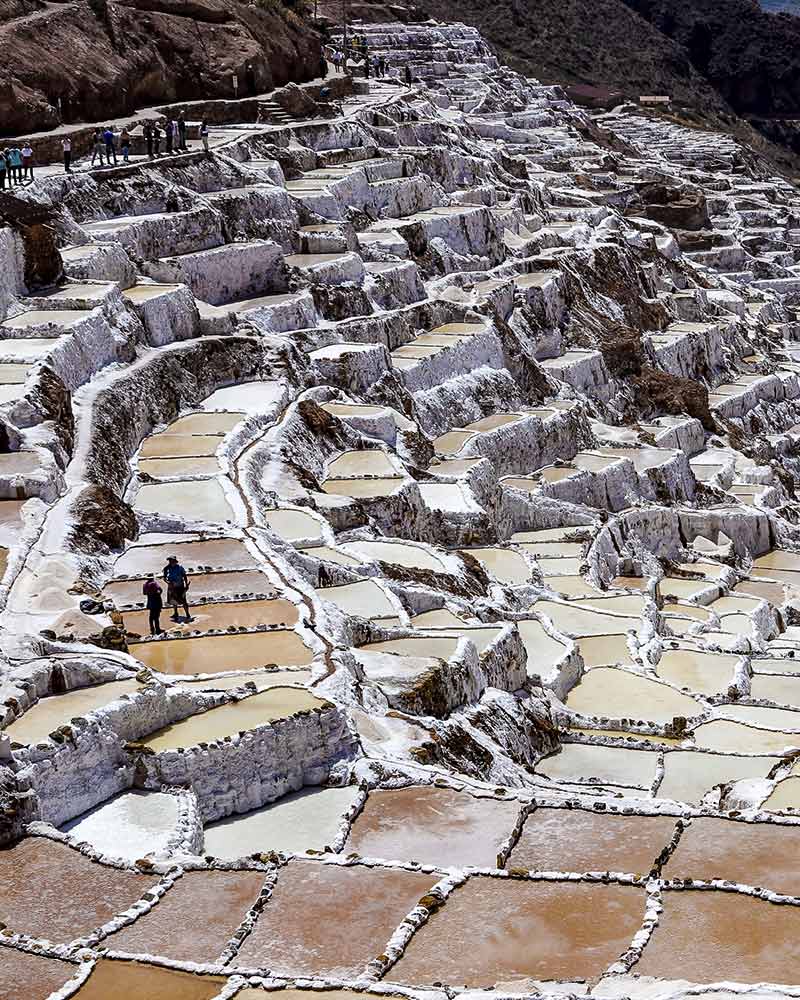
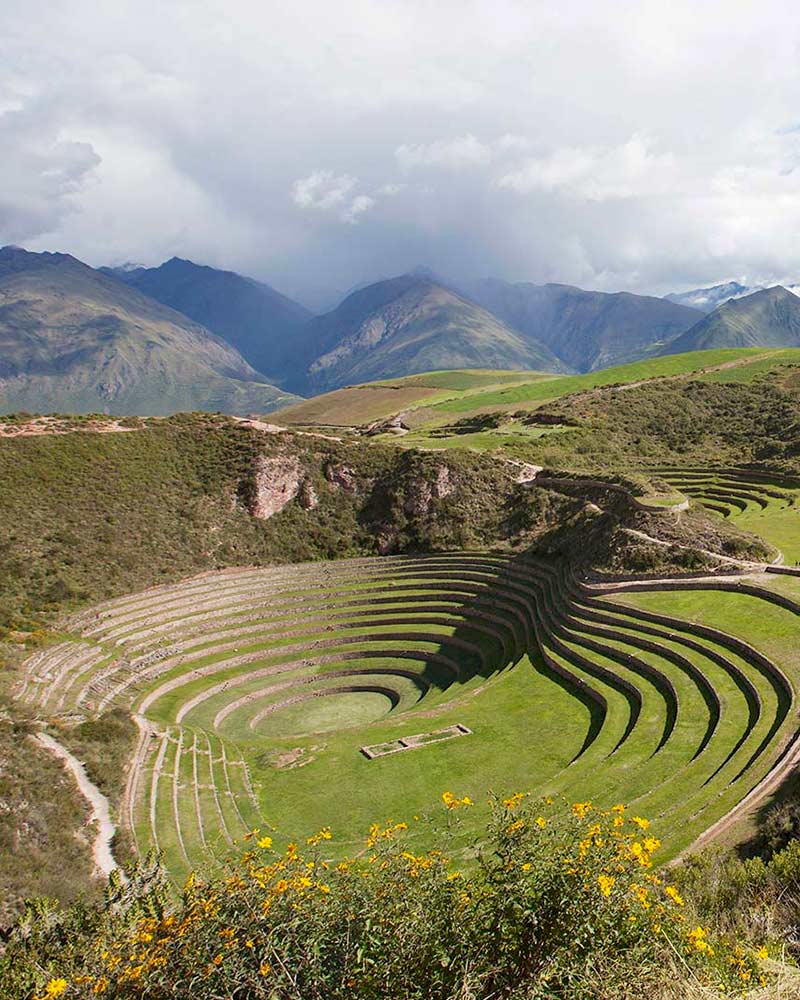
Moray’s circular terraces and the surreal salt mines of Maras make this one of the top acclimatization options.
The walking is gentle, the exposure is gradual, and it’s perfect for your second day in Cusco. If your first day was a light city tour, the Maras and Moray day out builds on it nicely without pushing you too hard.
It doubles as one of the most interesting things to do near Cusco, blending culture and landscape in one smooth outing.
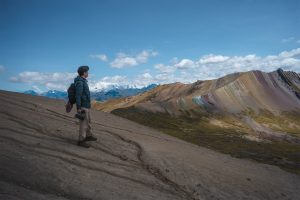
Rainbow Mountain (Short Version)
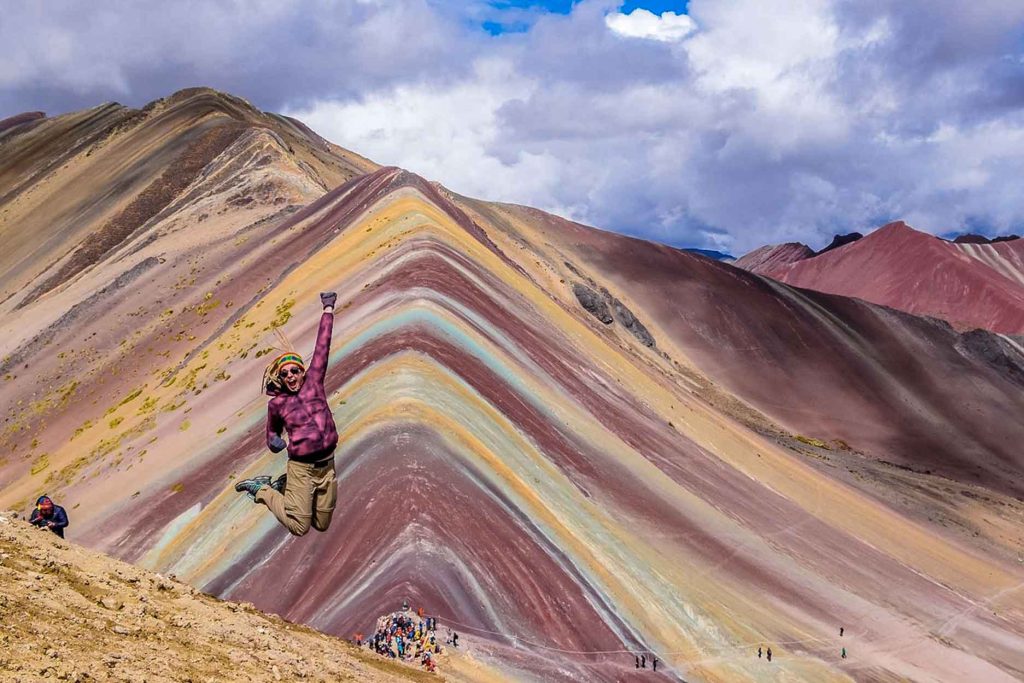
Altitude: Up to 16,732 ft (5,100 m)
Effort level: High
Let’s be honest: this isn’t ideal as a first-day acclimatization hike.
Rainbow Mountain is stunning, but it’s very high. Attempting it without at least two days beforehand in Cusco is risky. However, if you’ve already acclimatized well, it can serve as a strong altitude test before a multi-day trek.
Think of it as an advanced option on day 2 or 3, not as a warm-up.
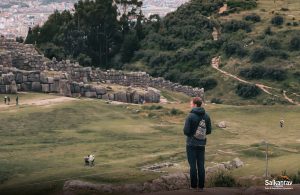
Cusco City Tour (Sacsayhuamán & Nearby Ruins)
Altitude: Similar to Cusco
Effort level: Light
Perfect for your first day.
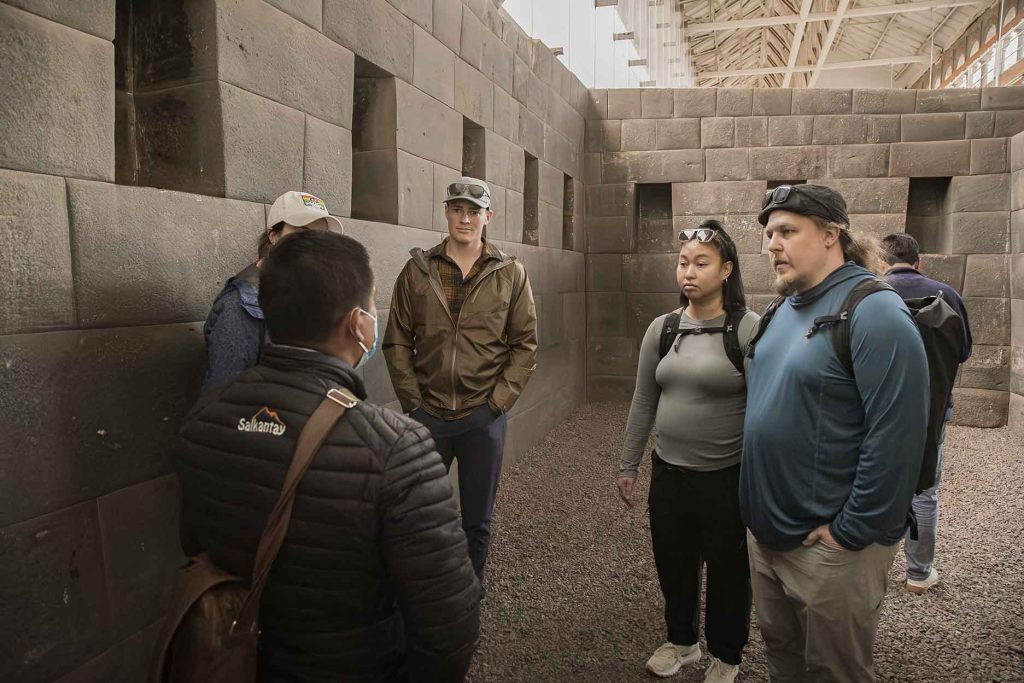
A guided walk through Sacsayhuamán and the surrounding ruins gives you controlled exposure with plenty of breaks. It keeps you moving without pushing your heart rate too high.
The city tour is the ideal introduction to altitude and one of the smartest “easy” Cusco tour options before you take on bigger plans.
Other One‑Day Hikes For Acclimatization
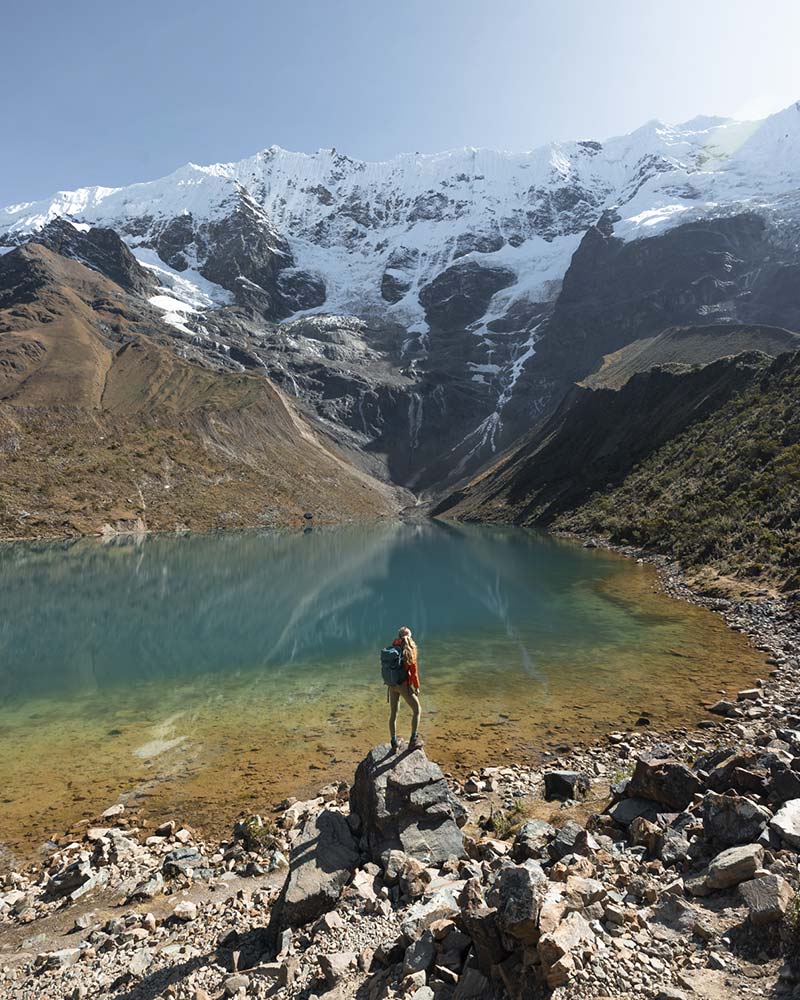
If you’ve got extra days in Cusco and want to mix in some more altitude‑friendly walking (plus amazing scenery), there are a handful of other one‑day hikes worth considering. They’re perfect for building strength while still soaking up Andean landscapes and culture. Top options include:
- Humantay Lake Hike
- Inca Trail Challenge
- Huchuy Qosqo Trek
- Waqrapukara Trek
- Pallay Punchu Trek
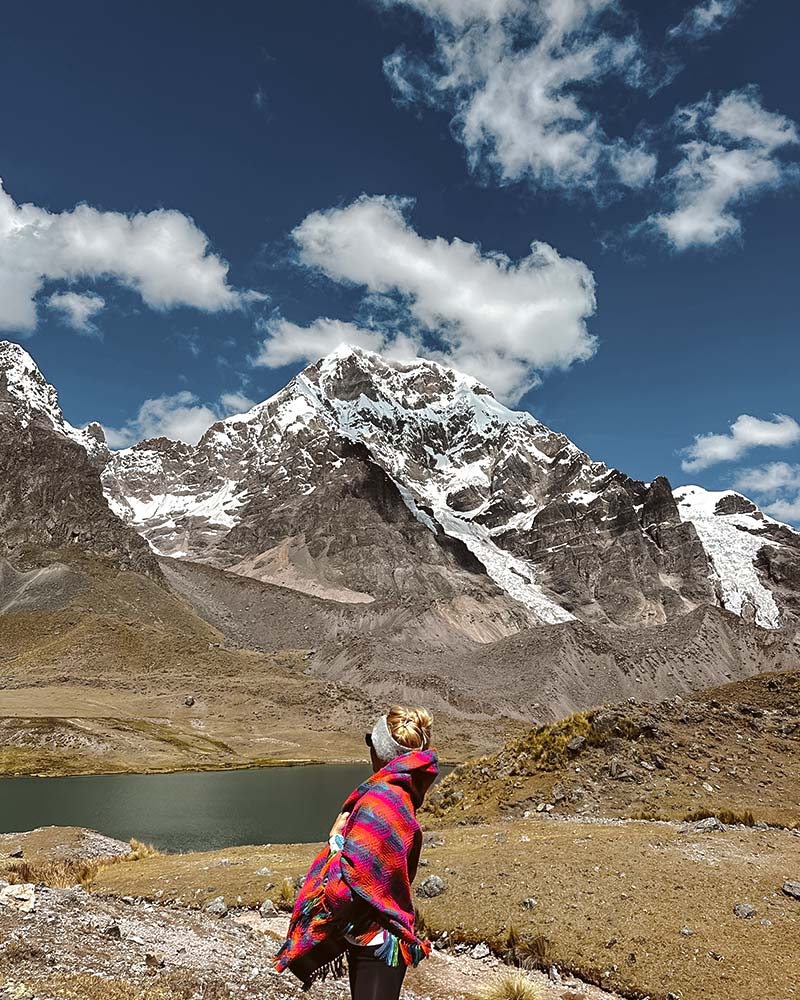
- Ausangate 7 Lakes Hike
Which Acclimatization Tour Is Best For Your Trek?
Different treks demand different prep. Here are our recommendations depending on your trip of choice.
Before The Inca Trail
Sacred Valley + Cusco City Tour is a winning combo. Progressive altitude, manageable effort, and logistical convenience.
Before The Salkantay Trek
Two to three days. Start with a city tour, then Sacred Valley or Maras & Moray. Skip Rainbow Mountain unless you’re very confident you have enough in your energy bank. Salkantay itself climbs to 15,190 ft (4,630 m).
Before Lares Or Ancascocha
These are less crowded but still high-altitude routes. Prioritize at least two structured acclimatization days.
First-Time Trekkers In Peru
Don’t gamble. Choose structured tours that build gradually. The goal is to start your trek feeling strong, not already depleted. Opt for 3 days of lower-intensity exercise with plenty of breaks
Acclimatization Tips To Avoid Altitude Sickness
Tours help, but your daily habits matter just as much. Even the healthiest trekkers out there can fall ill if they don’t acclimate properly in Cusco.
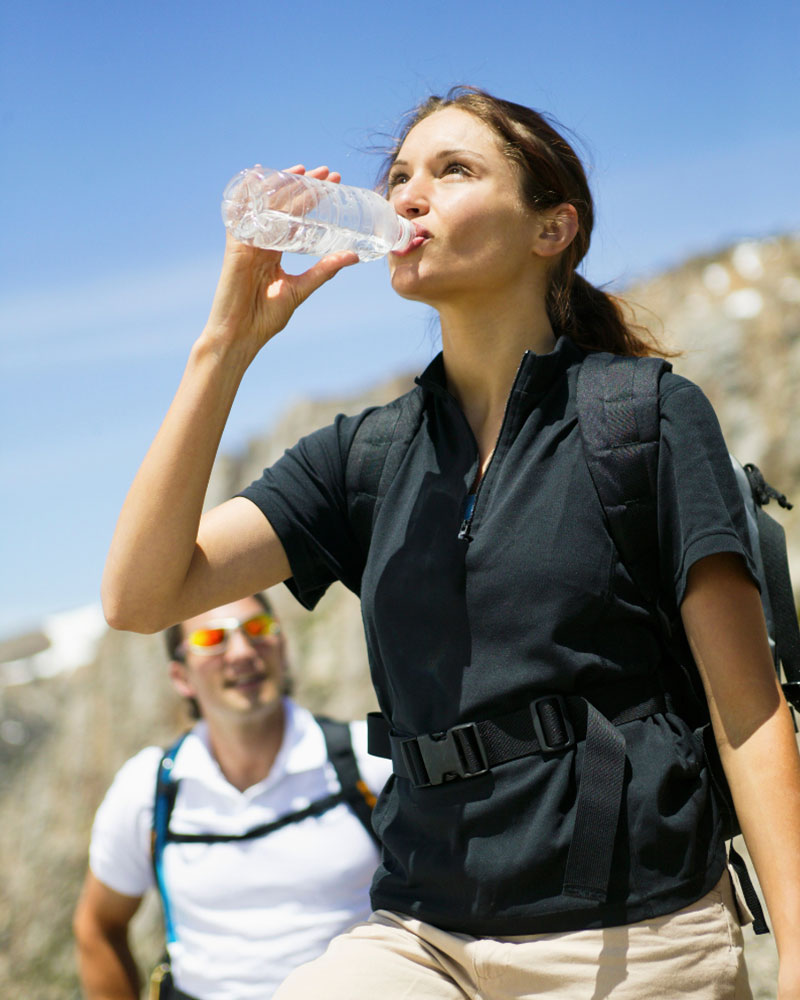
Stay Hydrated
Drink more water than you think you need. High altitude dehydrates you faster.
Eat Light Meals
Heavy, greasy food is not your friend at these heights. Keep meals simple and balanced.
Walk At Your Own Pace
Getting to the top of a hill first doesn’t improve oxygen intake. Slow and steady wins here.
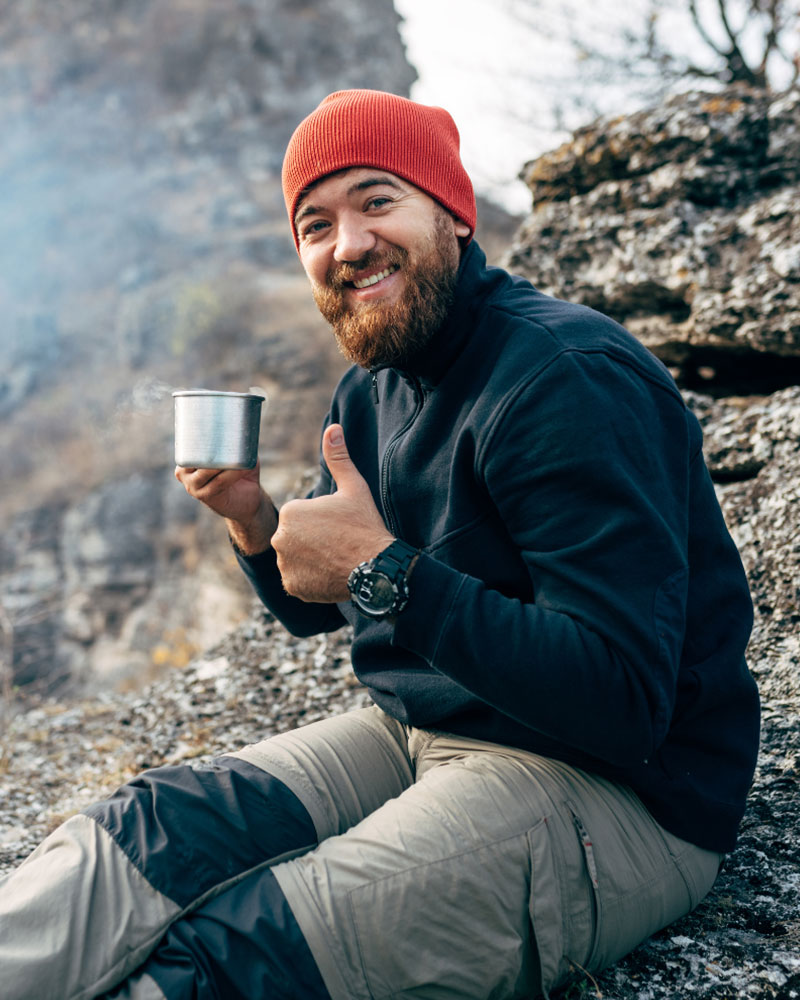
Coca Tea & Natural Remedies
Coca tea is a traditional remedy widely used in the Andes. It’s mild and many travelers find it helpful.
Avoid Alcohol In The First Days
Yes, even if you’re excited. Alcohol can worsen dehydration and symptoms.
Can You Acclimatize Without Tours?
Technically, yes.
You could wander the city slowly, rest, and manage your pace. That’s better than doing nothing at all.
But here’s the catch:
- You might overdo it accidentally.
- You may not structure your altitude exposure properly.
- You risk wasting valuable days and feeling less sure that you’re adapting well.
Well-designed tours balance movement, rest stops, elevation, and timing. They remove guesswork and make your acclimatization purposeful.
And when you’ve flown across the world for a trek, just “winging it” probably isn’t the strategy you want.
Frequently Asked Questions About Acclimatization In Cusco
If visiting Machu Picchu by train, one to two days is usually enough. Remember, what is the altitude of Machu Picchu? It’s lower than Cusco, so most people feel better once they arrive there.
If trekking to Machu Picchu, aim for two to three days.
They’re not mandatory but strongly recommended. Especially for routes like Salkantay, which reach extreme altitudes early in the trek.
Yes. Its slightly lower altitude than Cusco and moderate activity level make it ideal.
You increase your chances of altitude sickness, fatigue, and potentially needing to cut your trek short. Not the story you want to tell back home.
Set Yourself Up For A Strong Start
The Andes aren’t a place to rush. They reward preparation.
Choosing the right Cusco tour before your trek isn’t just about filling time. It’s about building confidence, letting your body adapt, and stepping onto the trail feeling ready instead of nervous.
A smart acclimatization plan means:
- Better sleep
- More energy
- Fewer headaches
- Stronger performance on high passes
And honestly? It also means you enjoy those first views instead of focusing on your breathing.
So give yourself the time. Pick Cusco day tours that are designed with altitude in mind. Ease in, build up, and let your body catch up with your excitement. Your trek-self will thank you for it.



Leave A Reply