
You’ve decided to visit one of the world’s great wonders—Machu Picchu—but you’re a bit confused about what documents you need, what procedures to follow, or how visas work. Trust me… you’re not the only one. With requirements that vary by country, special permits for trekking routes like the Inca Trail, and processes that sound more complicated than they really are, it’s completely normal to feel overwhelmed.
This guide will give you simple, clear explanations of all the steps required to enter Peru. We’ve also included the permits you’ll need if you’re planning to explore Cusco and tackle any of its famous trekking routes.
Ready? Let’s go step by step. Here begins your complete guide to traveling to Peru.
Table of contents
- General Requirements for Entering Peru
- Traveling to Peru by Air or Land
- Customs in Peru: What You Can Bring and What Is Restricted
- Types of Visas for Traveling to Peru
- Requirements and Procedures Inside Peru
- Requirements for Trekking in Cusco
- Safety in Peru for Tourists
- Final Checklist Before Traveling to Peru
- Frequently Asked Questions
General Requirements for Entering Peru
Traveling to Peru is much easier when you know from the start which documents you need and which immigration procedures apply to your nationality. In this section, you’ll find the basic entry requirements so you can enter the country without complications and with everything clear before your trip.
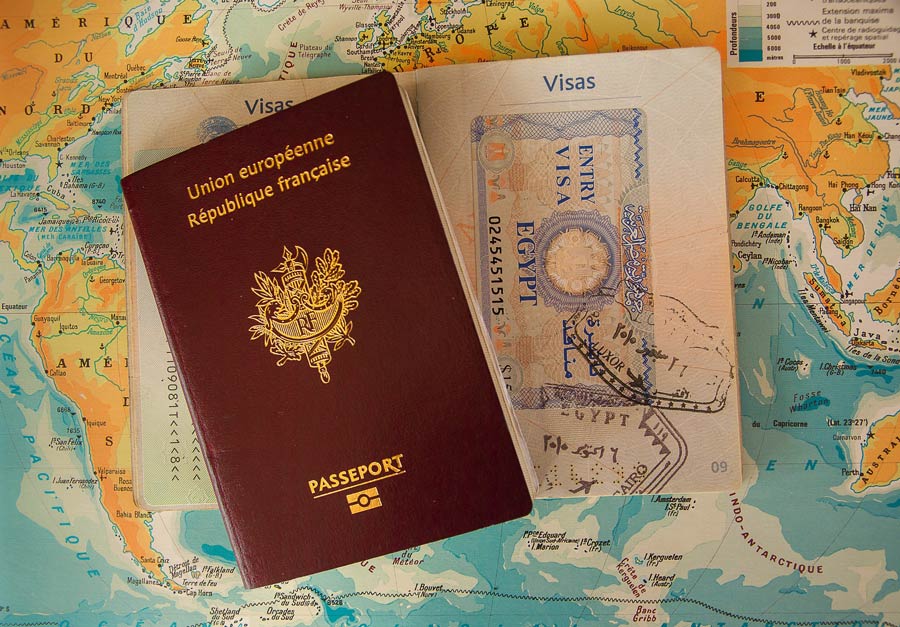
Passport and Minimum Validity to Travel to Peru
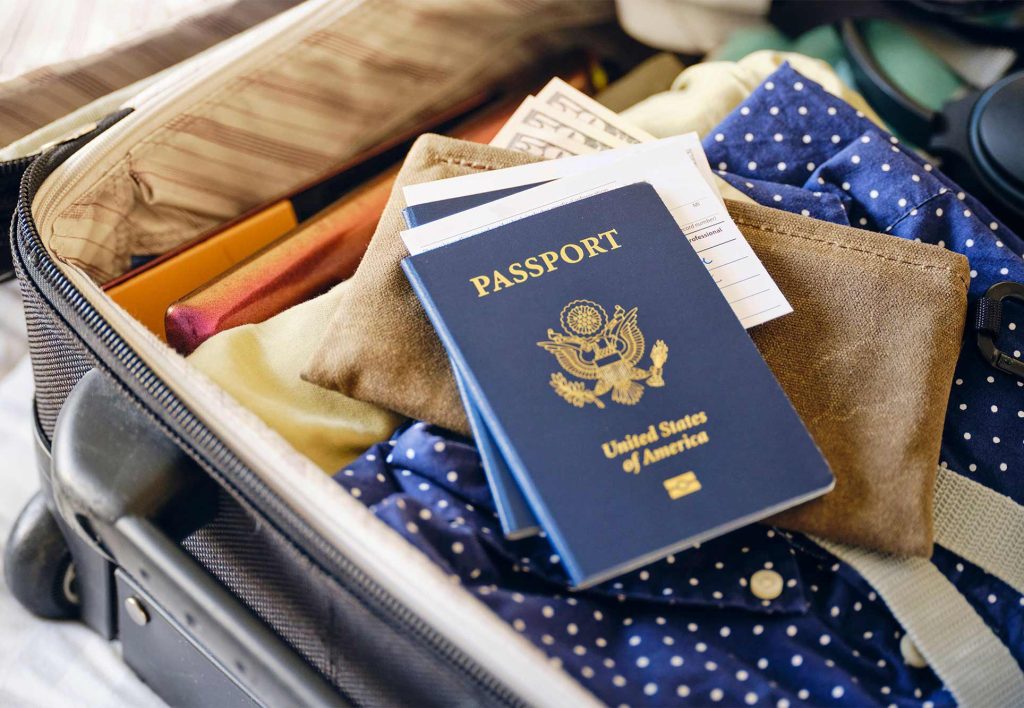
Let’s start with the most important requirement for traveling to Peru: a valid passport. Peru does not officially require a six-month minimum validity, but many airlines do before allowing you to board. For that reason, it’s best to travel with a passport that won’t expire soon. This helps you avoid problems and makes your immigration process smoother. If your passport is close to expiring, renew it before your trip.
Remember that your passport will be your main form of identification throughout your entire stay. You’ll need it to enter the country, book tours, apply for permits such as the Inca Trail, and check any visa requirements if your nationality requires one. Keep your passport in good condition, carry a digital copy, and store a printed copy separately for safety. That way, you can travel confidently and fully enjoy your adventure in Peru.
Tourist Visa (Depending on Nationality)
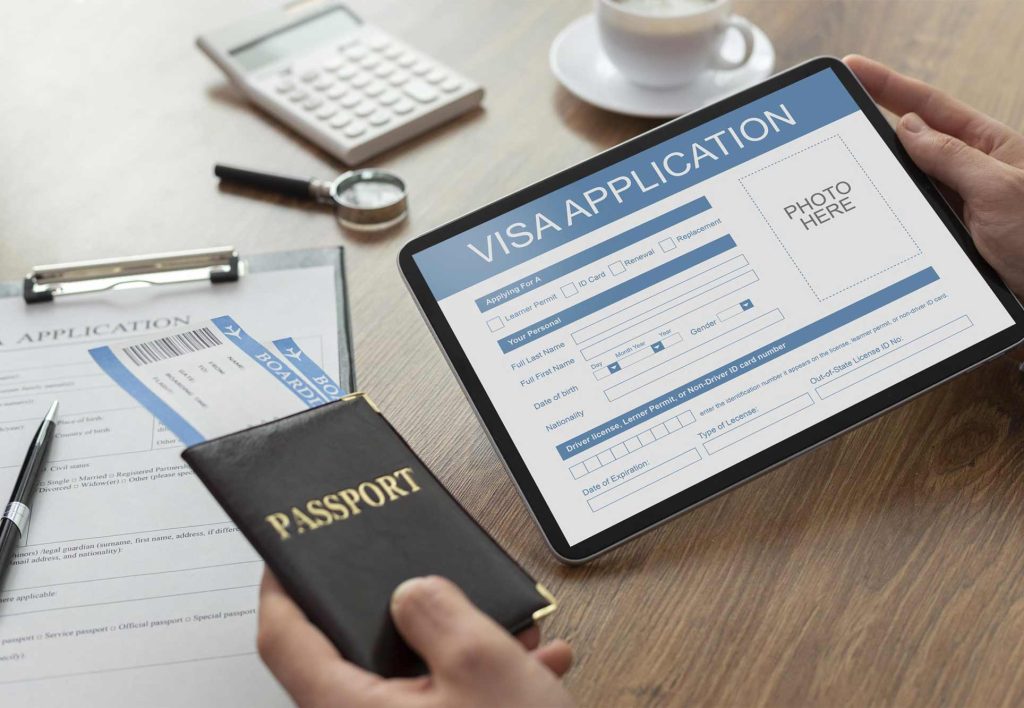
Great news: not all travelers need a visa to enter Peru. In fact, immigration requirements vary significantly depending on your country of origin. Thanks to bilateral agreements, citizens of several South American countries can travel to Peru using only their National Identity Document (DNI), without needing a passport.
Below, you’ll find a detailed summary of the immigration requirements for the countries that visit Peru most frequently.
| Nationality | DNI Accepted | Passport Required | Tourist Visa Needed |
| Argentina | Yes | No | No |
| Brazil | Yes | No | No |
| Chile | Yes | No | No |
| Colombia | Yes | No | No |
| Bolivia | Yes | No | No |
| Ecuador | Yes | No | No |
| Spain | No | Yes | No |
| United States | No | Yes | No |
| Mexico | No | Yes | No |
| Canada | No | Yes | No |
| France | No | Yes | No |
| Germany | No | Yes | No |
| Australia | No | Yes | No |
| India | No | Yes | Yes |
If your country does not appear in the table, you can check whether you need a passport, a visa, or if you can enter with another type of document by reviewing Peru’s official sources. The most reliable information is found on the Peruvian Immigration website and the Ministry of Foreign Affairs, where the full list of countries that require a visa is regularly updated.
Andean Migration Card (TAM)
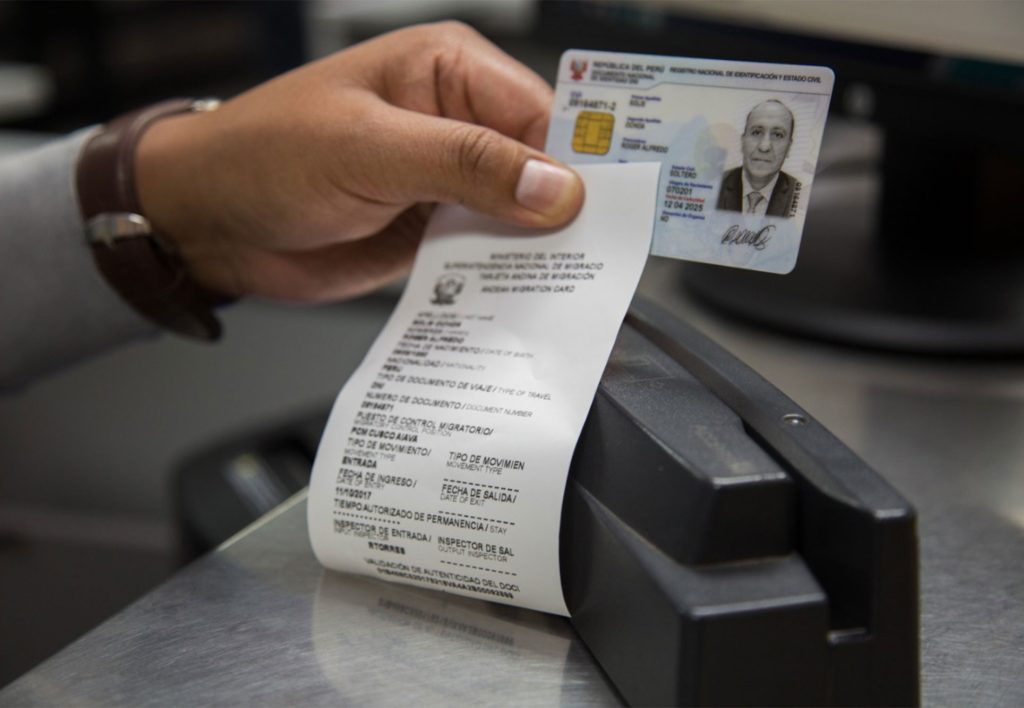
The Andean Migration Card (TAM) is a mandatory immigration control document for travelers entering countries that are part of the Andean Community of Nations (CAN). In some countries, such as Peru, this document has been fully digitized, eliminating paper forms and the risk of losing them.
The Virtual TAM stores your personal information, entry date, nationality, and authorized length of stay. It can be checked online on the Migraciones website to monitor your status or verify your allowed number of days. It’s especially useful if you plan to extend your stay, change your visa, or confirm whether you’re authorized to perform activities such as tourism, volunteering, or trekking, making your trip safer and more organized.
Maximum Stay Allowed for Tourists in Peru
When planning your immigration procedures for Peru, it’s also important to know how long you can stay as a tourist. Officially, travelers can stay up to 183 days within a 365-day period, which is about six months per year. However, for most travelers who can enter Peru without a visa, immigration officers typically grant up to 90 days within 180 days, although this may vary depending on the officer’s discretion.
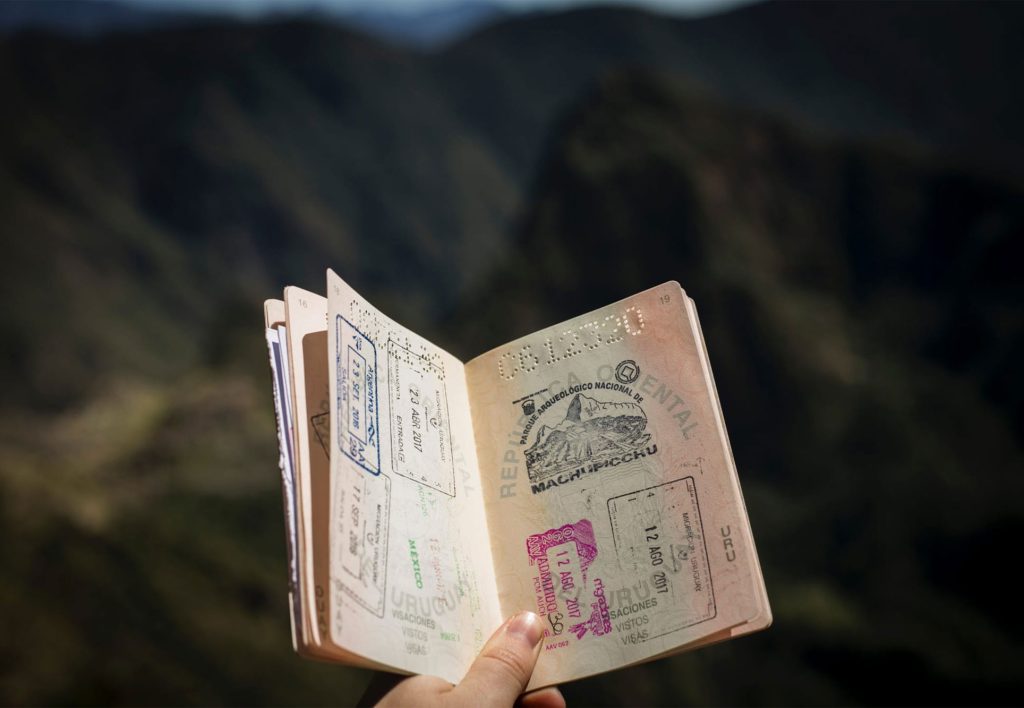
Also keep in mind that Peru no longer issues a physical stamp or paper document showing your authorized stay. All the information is recorded in the Virtual Andean Migration Card (TAM Virtual). For that reason, after entering Peru, it’s recommended to check your TAM to confirm exactly how many days you were granted and avoid overstaying. This will help you plan your trip and any necessary permits more effectively.
Fun fact: Although Peruvian law allows up to 183 days per year, in practice the “90 days within 180 days” rule is applied. This means you can stay up to 90 consecutive days, or enter and exit multiple times within a six-month window, as long as the total does not exceed 90 days.
Vaccines and Health Requirements for Entering Peru
Peru does not have a strict list of mandatory vaccines for most travelers. In general, you can enter the country without presenting vaccination certificates, which makes the immigration process quite simple in this regard. Still, reviewing your basic immunization schedule—tetanus, hepatitis A and B, measles, and chickenpox—is recommended, especially if you plan outdoor activities or visits to rural areas.
The only vaccine often recommended is the yellow fever vaccine, especially if you plan to visit jungle regions. While it is not required to enter Peru through Lima or for standard tourism, it is highly recommended for travelers visiting areas like Madre de Dios, Manu, the Amazon region, or jungle areas of Cusco. Additionally, some countries may require proof of yellow fever vaccination upon your return, depending on where you traveled within Peru.
Travel tip: For low-altitude, warm areas of Cusco—such as Hidroeléctrica or jungle trails to Machu Picchu—it’s recommended to get the yellow fever vaccine 10 days before traveling. It’s not required to enter Peru, but it is important for your safety.
Is the dengue vaccine required to travel to Peru?
Currently, Peru does not require the dengue vaccine for tourists or for those entering for work or study. In addition, most internationally available dengue vaccines are intended for people who have previously had dengue, so they are not used as a general preventive measure for travelers.

Requirements for Minors
Travelers under 18 can enter Peru without major difficulties, but they must follow a few additional rules to avoid problems at the border. The main requirement is that the minor presents a valid passport (or DNI if they are from CAN or Mercosur countries in South America). They must be accompanied by at least one parent or their legal guardian.
If the child is traveling alone or with only one parent, a special authorization is required. In this case, Peru requires a travel permit signed by the non-traveling parent, or by both parents if the minor is traveling without either of them. This document must be notarized and legalized (or apostilled) according to the country of origin. Bringing a copy of the birth certificate is also recommended to verify the relationship if necessary.
Scenarios depending on how the minor travels
- Traveling with both parents:
Only a passport (or DNI if applicable) is needed. No extra permission required.
- Traveling with one parent:
Requires notarized permission from the other parent, legalized/apostilled.
- Traveling with a family member or guardian:
Requires notarized permission from both parents, legalized/apostilled.
- Traveling alone:
Must present authorization from both parents and go through a special review at immigration.

Traveling to Peru by Air or Land
Peru offers multiple ways to enter the country: by air, which is the most common if you’re coming from outside South America, or by land from neighboring countries. Below are the main ways you can enter depending on your mode of transportation.
Arriving by Air
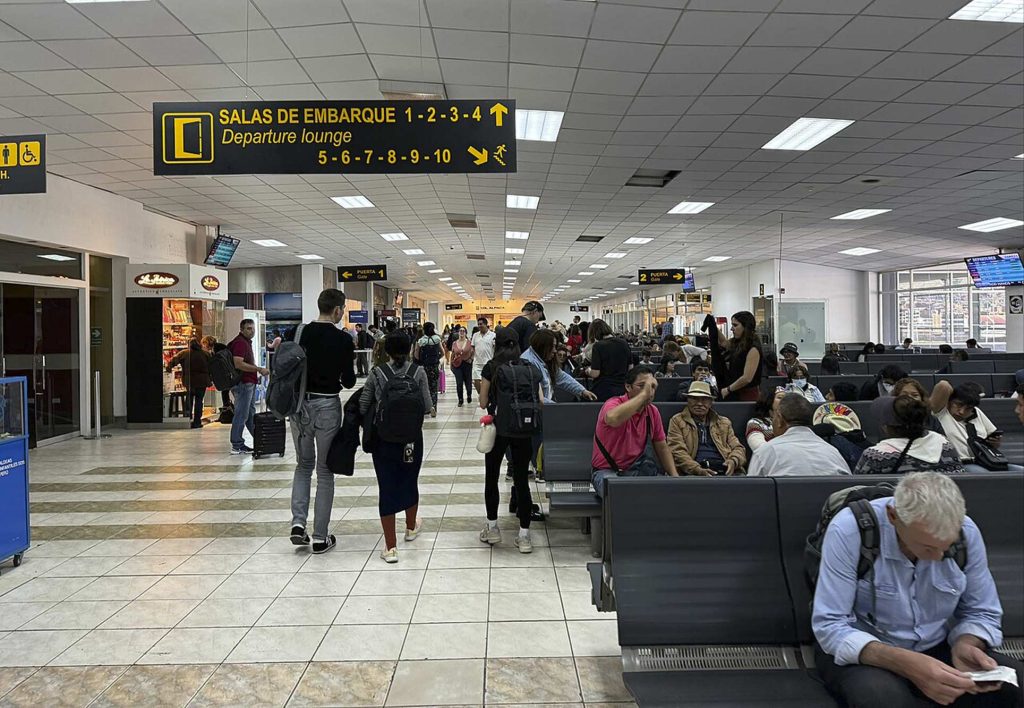
Most international travelers arrive by plane and land at Jorge Chávez International Airport in Lima, the country’s main entry point. While Peru has other airports (Arequipa, Cusco, Iquitos, Chiclayo, Piura), Lima receives most international flights.
Fun fact: Cusco’s “Alejandro Velasco Astete” airport receives direct flights from countries like Bolivia (La Paz, Santa Cruz), Chile (Santiago), and Colombia (Bogotá). Learn more in our blog post “Airports in Peru.”
Traveling by Land
To enter Peru by land—common for travelers exploring South America—you must register your entry at active border control points: Chile (Tacna–Arica), Ecuador (Tumbes–Huaquillas), and Bolivia (Desaguadero or Kasani). You’ll need a valid passport (or DNI if you’re from CAN or Mercosur) and must meet the travel requirements according to your nationality.
Before traveling, make sure the border you plan to use is open for international transit. Openings may vary due to security issues, weather, or bilateral agreements, so it’s best to check the official websites of Migraciones or the Ministry of Foreign Affairs.
Travel tip: Carry a digital or printed copy of your itinerary, proof of onward travel, and your accommodation reservation. Having these documents ready speeds up the border crossing and helps prevent issues.

Customs in Peru: What You Can Bring and What Is Restricted
When arriving in Peru, it’s important to know the customs rules to avoid problems or penalties. If you are bringing personal items (clothing, books, medicine, small electronics, etc.), many of these are tax-free as part of your personal luggage. For example, you can bring up to 3 liters of liquor for personal use without declaring it.
However, some items must be declared using the Customs Declaration Form, especially if they have high value, are considered “merchandise,” or include restricted goods. Examples include vehicle parts, archaeological items, certain medical equipment, wildlife products, or weapons, which require special permits.
Cash and Funds
If you’re traveling with more than US$10,000 (or equivalent) in cash or negotiable financial instruments (such as bearer checks with no specified beneficiary), you must declare it upon entering or leaving the country. You are also not allowed to physically carry more than US$30,000 (or its equivalent), unless you are using an authorized financial institution for international transfers.
Restricted or Prohibited Items
- Some goods are completely prohibited—for example, used clothing that does not belong to you, used car parts, and certain beverages with protected names (such as foreign-made “pisco”).
- Other goods require special authorization from the appropriate authorities: plants, animals, archaeological pieces, weapons, etc.
- If you bring equipment (not considered personal-use items) for professional or technical purposes—such as specialized trekking gear, adventure sports equipment, or artistic tools—you can request temporary admission. With the proper paperwork, this equipment may be exempt from taxes.
Useful info: Before traveling, check the government’s official import guidelines to see which items can enter Peru duty-free. This helps you plan your luggage and avoid issues at customs.
Exporting Goods from Peru
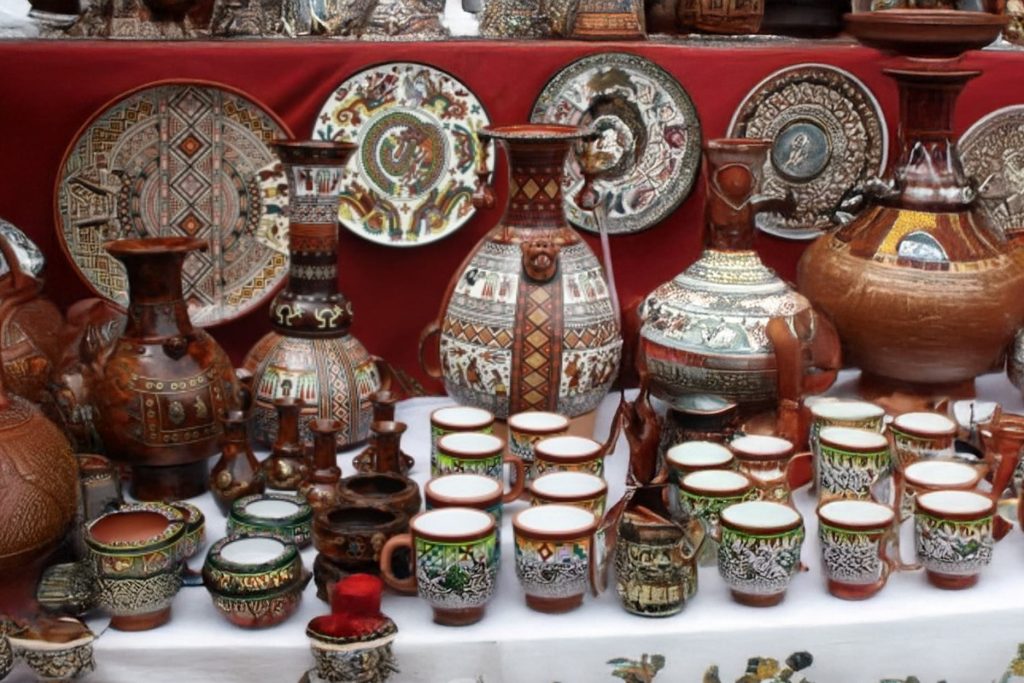
Be careful with souvenirs: you cannot freely take out archaeological objects, antiques, or handicrafts made with parts of protected wildlife (such as certain feathers or shells).
These items may be seized by customs if you don’t have the proper documentation.
Practical Tips for Travelers
- Use the “Bienvenido al Perú” app (available in the App Store and Google Play) to digitally declare items and cash before reaching customs.
- Keep receipts for your purchases, especially electronics or valuable items, to justify their value if inspected.
- If your luggage or belongings are held by customs, you have 30 business days to complete the retrieval process. Once you pay the required amounts and finish the formalities, your items are returned automatically.
Types of Visas for Traveling to Peru
Before beginning any immigration process for traveling to Peru, it’s important to know which type of visa fits your purpose. This table provides a simple overview of the main visa categories, what they allow you to do, and what limitations they have, helping you choose the right option when planning your trip.
| Type of Visa | Who Is It For? | Allows… | Does NOT Allow… |
| Tourist | Travelers visiting Peru for leisure, family trips, or vacations. | Staying for the time granted (up to 183 days). | Working or receiving payment in Peru. |
| Business | People attending meetings, contracts, conferences, or events. | Commercial activities without a Peruvian labor relationship. | Being employed in Peru or receiving local salary. |
| Student / Training | Students in universities, exchange programs, or courses. | Studying and extending stay according to the program. | Working without special authorization. |
| Research | Researchers and academics in scientific projects. | Conducting research and, in some cases, receiving honorariums. | Working outside the research field. |
| Temporary Work | People hired by Peruvian companies or assigned by their foreign employer. | Performing paid work according to the contract. | Staying beyond the authorized period without renewal. |
| Investor | Individuals investing capital into businesses in Peru. | Applying for residency as an investor. | Working outside the business in which the investment was registered. |
| Religious | Members of churches or religious orders. | Carrying out religious or missionary activities. | Profitable activities outside the religious scope. |
| Artist | Musicians, actors, dancers, and artistic personnel. | Performing in events, shows, or cultural activities. | Engaging in non-artistic activities. |
| Rentista / Independent | People with their own income or self-employed professionals. | Applying for temporary or permanent residency. | Working as an employee without changing immigration status. |
| Family of Peruvian / Resident | Foreigners with family ties in Peru. | Obtaining residency through the family link. | Activities not permitted without special authorization. |
| Transit | Travelers who are only making a short stop in Peru. | Staying briefly while connecting to another flight. | Tourism or extended stays. |
Remember:
Any type of visa to enter Peru must be processed at the Peruvian consulate in your country. Depending on the procedure, the visa may be issued traditionally (affixed to your passport) or in an electronic format, which you only need to carry printed or saved on your device. Both are equally valid when entering the country.
Requirements and Procedures Inside Peru
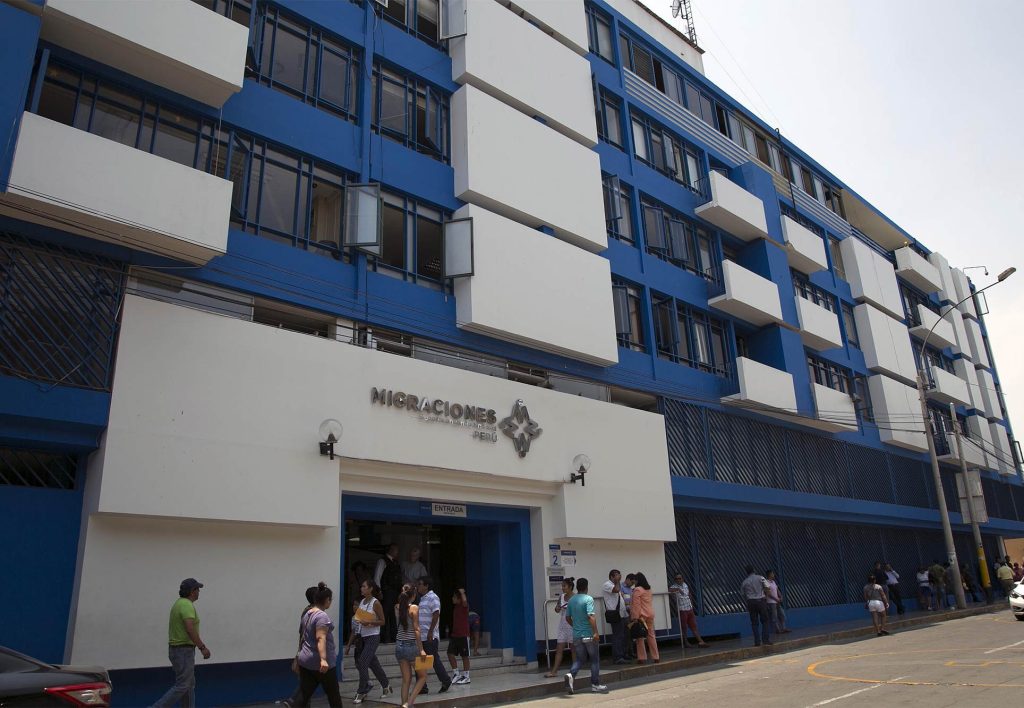
Once you’re already in Peru and decide to extend your stay or engage in activities beyond tourism, it’s important to understand the available immigration procedures. These processes help you keep your legal status up to date and avoid unnecessary fines. Here’s a simple explanation of the main options and when you may need each process.
Tourist Stay Extension
If you need to stay longer than the time granted, you can request an extension before your authorized period expires. This process is done online through the Migraciones Digital Agency. You only need your passport, your entry code, and a payment of approximately S/ 21.00 soles. Once your extension is approved, you receive a new authorized period to continue traveling in Peru without issues.
Change of Immigration Status (from Tourist to Resident)
If you decide to study, work, or live in Peru for an extended period, you must apply for a change of immigration status, which costs up to S/ 163.00 soles. This changes your status from tourist to a resident category (worker, family, student, investor, and others). The process is also done online and requires specific documents depending on the type of residence you are applying for, such as employment contracts, study certificates, or marriage certificates.
Overstay Fines
If you stay longer than allowed without an extension or a change of status, you must pay an overstay fine. This fine is calculated per day and must be paid before leaving the country. Although it does not prevent you from exiting, it can cause delays or complications for future entries, so it’s always best to stay within your authorized timeframe.
The overstay fine in Peru is approximately 0.1% of the Tax Unit (UIT)—S/ 5,350.00 soles in 2025—per day. For those whose Foreigner ID or extension has expired, Migraciones states that the calculation may differ, reaching up to 1% of the UIT per day if the change of immigration status is not submitted.
Migraciones Registration for Long Stays
Anyone who obtains temporary or permanent residency must complete the Foreigner Registration and apply for their Foreigner ID (Carné de Extranjería). This document functions as your official ID in Peru and allows you to use public services, open bank accounts, and complete local procedures. Keeping it up to date is mandatory for any resident. Currently, this process is the same as applying for the change of immigration status to resident.
Procedures for Getting Married or Working Legally
If you plan to get married in Peru, you must request the International Interpol Clearance Certificate and present documents such as your passport, birth certificate, and apostilled single-status certificates.
To work legally, you need a worker visa or a change of immigration status based on a work contract. This allows you to issue receipts, register on payroll, and access Peruvian labor rights.
Requirements for Trekking in Cusco
If you’re an adventurous traveler dreaming of tackling some of the most famous trekking routes in Latin America, it’s important to know the official permits and documents required before setting off. Not all trails in Cusco are open-access; some, such as the Inca Trail, have strict controls and limited spaces. To ensure a safe, smooth experience, here’s exactly what you need to prepare.
Inca Trail Permit
The Inca Trail is the only route to Machu Picchu that requires an official permit managed by agencies authorized by the Ministry of Culture.
- Approximately 200 tourist permits are available per day, and they sell out months in advance.
- You cannot purchase the permit on your own; only an authorized agency can obtain it for you.
- Your name and passport number must match exactly the document you present at the entrance and at every checkpoint.
Adventure tip: For a complete and updated guide to the most famous trek in Latin America, check out our article “Inca Trail: Complete Trekking Guide.”
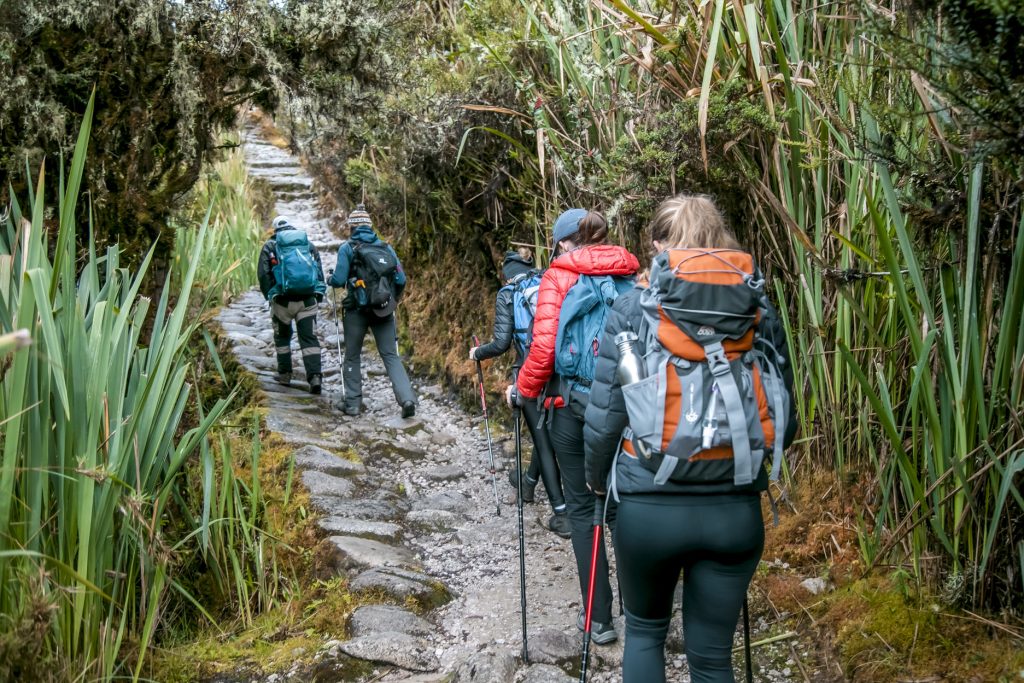
Mandatory Documentation for Trekkers
For any trek in Cusco, always bring:
- A valid passport (or ID if your nationality allows it)
- A valid visa, if required
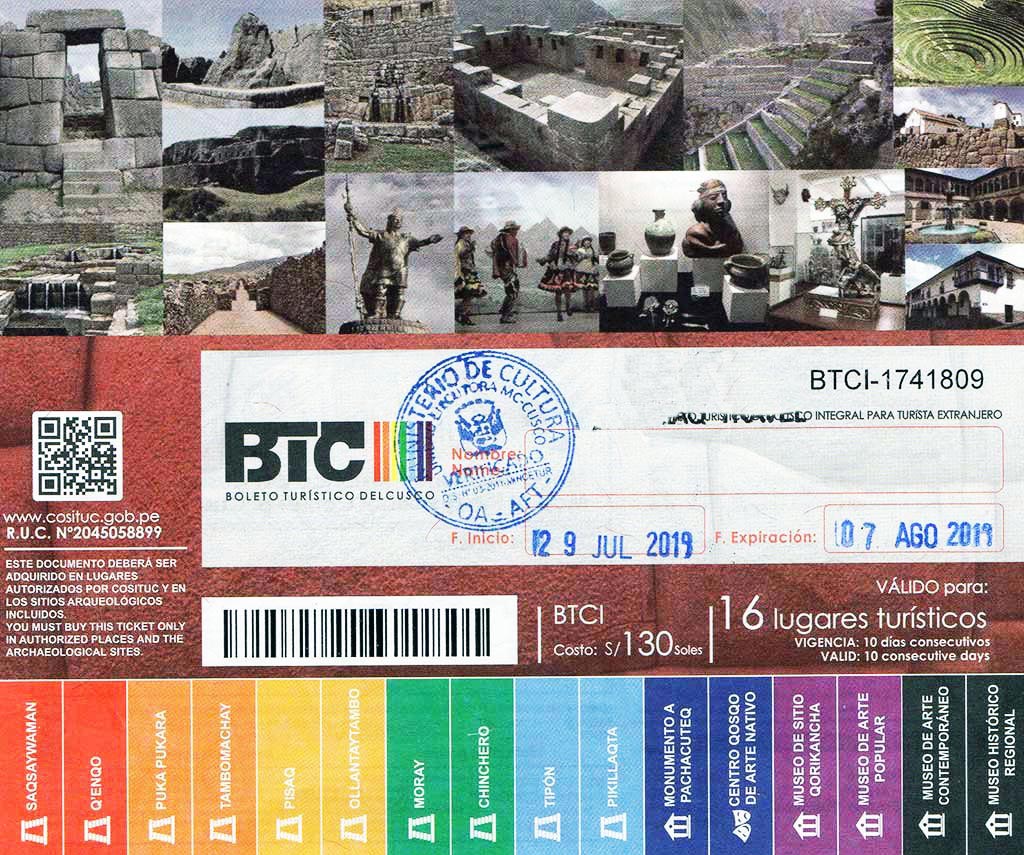
- Your tourist ticket if visiting archaeological sites near Cusco, and your official Inca Trail permit if doing that route
Other treks don’t have such strict controls, but you will still need your ID for registration, especially on long routes.
Helpful tip: If you want to visit multiple archaeological sites and museums without overspending, check out our guide “Cusco Tourist Ticket: What It Is and How It Works.”
If You Change Your Passport Before the Trip
The identification policy for the Inca Trail is strict. If you renew your passport after obtaining your permit, you must:
- Notify your agency immediately: Inform your tour operator as soon as you receive your new passport.
- Request an update: The reservation and permit are linked to your original passport number. The agency must update your new number in the official Ministry of Culture system.
- Warning: Any mismatch between the physical passport and the number on the permit will result in denied entry by park rangers—without refunds. Always request written confirmation that the update was completed.

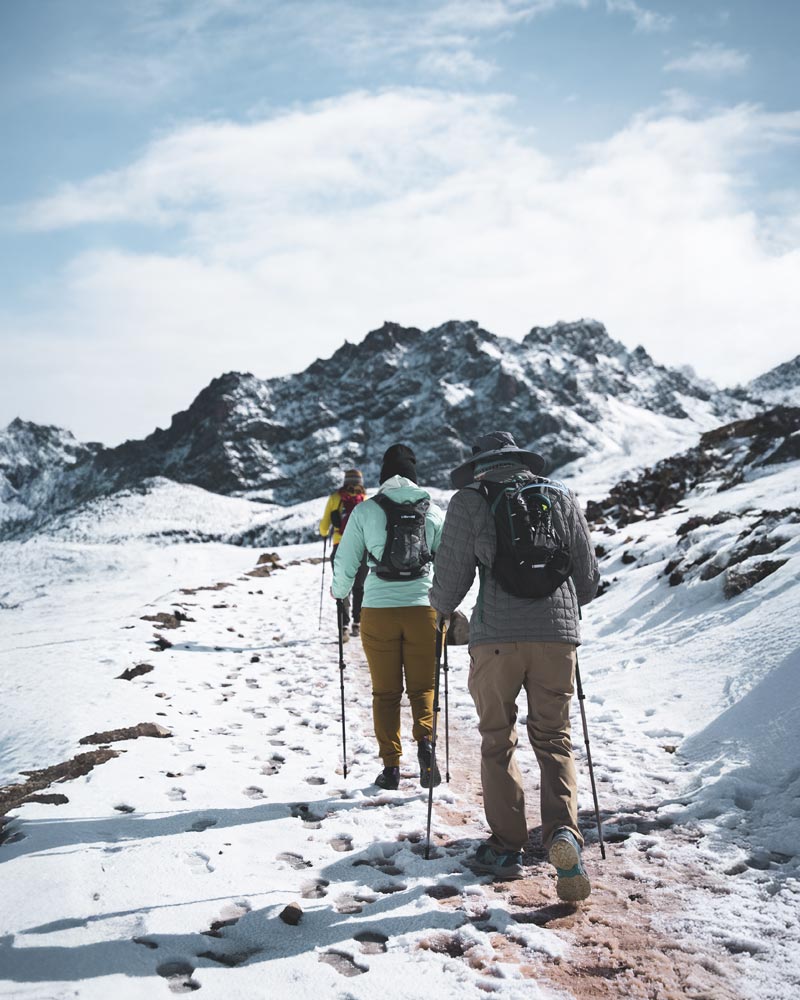
Alternative Routes With No Permits Required
If you couldn’t secure spots or prefer a more flexible route, Cusco offers amazing alternatives with no special permits:
- Salkantay Trek
- Lares Trek
- Inca Jungle
- Huchuy Qosqo
- Short routes in the Sacred Valley
For these routes, you only need your ID and to book with a reliable agency (or go independently if you have experience).
Traveler tip: For incredible routes beyond the famous Inca Trail, check out our guide “Alternative Routes to Machu Picchu.”

Advance Tickets for Machu Picchu
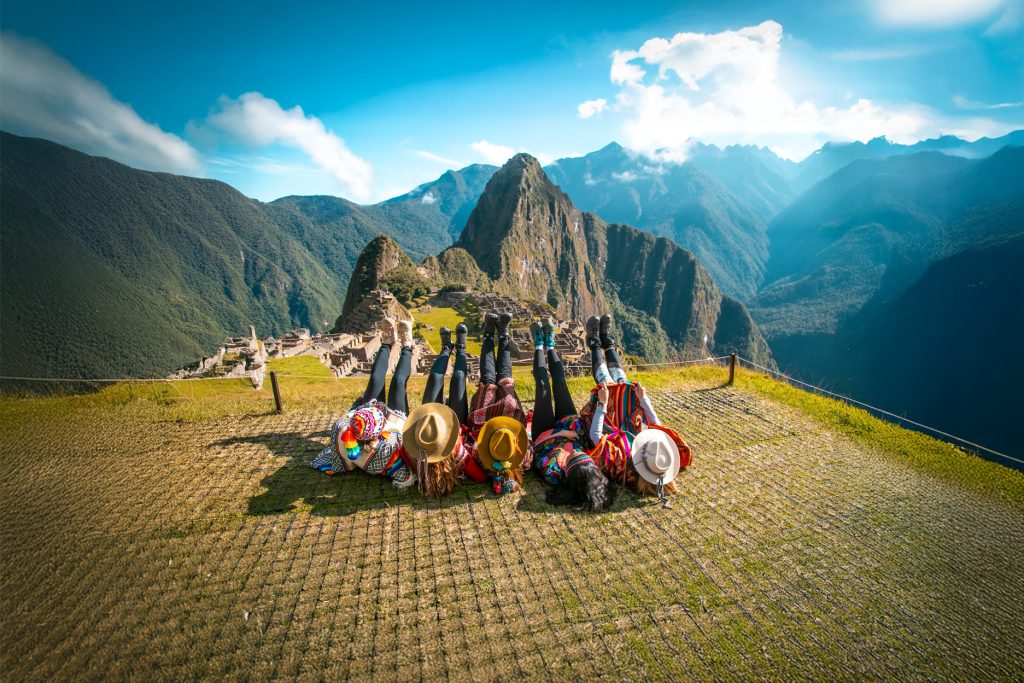
Even if you’re not doing the Inca Trail, you must buy your Machu Picchu tickets in advance—especially during high season (May–October). You can buy them directly through tuboleto.cultura.pe
or through a tour operator who will handle the logistics.
How to Avoid Scams When Booking Tours or Permits
Cusco is a massive tourist destination, which also attracts informal operators. To avoid scams:
- Buy Inca Trail permits through a certified operator.
- Avoid extremely cheap offers (there are no “last-minute permits,” neither for the Inca Trail nor for Machu Picchu).
- Check reviews, websites, and social media of the agency.
- Request payment receipts and permit confirmations.
Safety in Peru for Tourists
Traveling in Peru is an amazing experience, but like any destination, it’s important to take precautions to enjoy your trip without issues. In general, tourist areas such as Lima, Cusco, Arequipa, Ica, and the Sacred Valley are safe if you follow basic recommendations and stay in well-known places. The key is to stay informed, avoid unnecessary risks, and always use formal services.
Protect Your Belongings
In markets, bus stations, and crowded squares, keep your backpack zipped and valuables stored. Avoid displaying your phone for long periods, and use cross-body bags or fanny packs in busy areas.
Safe Transportation
Choose taxis through apps (Beat, Didi, InDriver) or authorized airport taxis. For intercity travel, use formal, well-known bus companies. Avoid informal vehicles, especially at night.
Reliable Accommodation
Always book hotels, hostels, or guesthouses with good reviews. Check comments, real photos, and safety policies. Many tourist hotels offer lockers or safes—use them when possible.
ATMs and Money
Withdraw money from ATMs located inside malls, banks, or monitored places. Avoid street ATMs. Carry only the necessary cash and distribute it across separate pockets or bags.
Nighttime Precautions
Walk only in well-lit, central areas. In large cities, avoid unknown or isolated streets. If you need to move around, take a taxi through an app instead of walking long distances.
Emergencies and Important Numbers
Keep the following numbers handy:
- 105 – National Police
- 106 – Ambulance
- 116 – Fire Department
- Migraciones Hotline: for document or immigration issues
- Your hotel or tour operator’s number
Also consider sharing your itinerary and location with family or friends, especially if doing long treks.
For more detailed information on safe areas, practical tips, and how to avoid risks, check out our guide “Is It Safe to Visit Peru? A Risk-Free Travel Guide.”


Final Checklist Before Traveling to Peru
Essential Documents
- Valid passport (a minimum of 6 months validity is recommended).
- National ID (DNI) if you’re from a country in the Andean Community (Bolivia, Colombia, Ecuador, Argentina, Brazil, Chile, Paraguay, and Uruguay).
- Digital copies of your important documents.
Visa Based on Your Nationality
- Check whether you need a visa for Peru based on your country of origin.
- Bring screenshots or a PDF of your approval if you obtained an electronic visa.
- Keep proof of your departure from Peru (air, land, or sea).
Trekking and Machu Picchu
- Confirmed reservation for the Inca Trail (you can only enter with an authorized agency).
- Tickets for the Machu Picchu circuits.
- Physical passport to verify your identity at checkpoints.
Travel Insurance (Recommended)
- A policy that includes accidents, medical emergencies, and altitude coverage.
- Make sure it covers trekking, multi-day hikes, or adventure sports.
Money, SIM Card, and Transportation
- Cash in soles or a card with low international fees.
- Local SIM card (Claro, Movistar, Entel, or Bitel) for calls and internet.
- Arrange your transportation from the airport or bus terminal if your agency does not include it.
Weather and Proper Clothing
- Layered clothing (Peru has very diverse climates).
- Rain gear if you’re visiting Cusco or the jungle.
- Sunscreen and insect repellent.
Now that you know how to enter Peru without complications, continue planning your trip with confidence. Visit Salkantay Trekking and discover our tourism options, travel assistance, and excursions designed to help you enjoy an unforgettable journey.
Frequently Asked Questions
What are the requirements to travel to Peru as a tourist?
The typical requirements include a valid passport, an outbound ticket, and proof of sufficient funds. Depending on your nationality, you may need a visa for Peru or additional permits. It’s always best to check Peru’s official Migraciones website before traveling.
Which countries need a visa to enter Peru?
Most countries do not need a visa to enter Peru as tourists, but some nationalities must apply before traveling. This mainly applies to citizens of certain countries in Asia, the Caribbean, and Africa. You can find the full list on the Migraciones website or your local Peruvian consulate’s site.
How long can I stay in Peru as a tourist?
The maximum stay is usually up to 183 days per year, but Migraciones decides the exact number of days when you enter Peru. If you need more time, you can request an extension within the country.
Can I travel to Peru with only my national ID?
Yes, but only if you are from authorized countries such as Bolivia, Argentina, Brazil, Chile, Colombia, or Ecuador. Other travelers must enter with a passport or visa, depending on the immigration requirements for their nationality.
How do I apply for a tourist visa for Peru?
You must begin the process at the Peruvian consulate in your country. They typically require a form, photo, valid passport, proof of funds, and travel reservations. Once approved, you can travel to Peru without problems.
What happens if I need to extend my stay in Peru?
You can request an extension through the Migraciones Digital platform. This allows you to remain in the country legally without accumulating overstay penalties.
Do I need special permits to go trekking in Cusco?
Only some routes require official permits, such as the Inca Trail, which needs an authorized agency to process the permit. Other treks like Salkantay or Lares don’t require permits, but you must carry proper identification.
Is travel insurance mandatory to enter Peru?
It’s not mandatory, but highly recommended—especially if you plan to do trekking or high-altitude activities. Insurance protects you against accidents, illness, or medical emergencies during your trip.
What items are not allowed through Peruvian customs?
You cannot enter Peru with undeclared plant or animal products, weapons without authorization, or large amounts of money without reporting it. Always check customs regulations to avoid issues upon arrival.
Do minors need special requirements to travel to Peru?
Yes. In addition to their ID, minors traveling alone or with only one parent must present a notarized, legalized travel authorization. This requirement helps protect minors and avoid complications at immigration control.
You might be interested in:





Leave A Reply