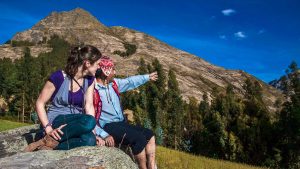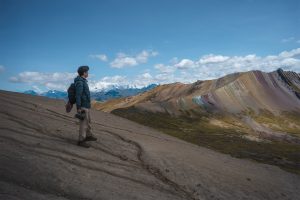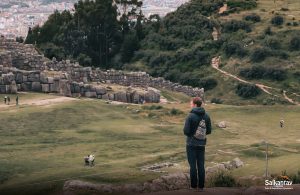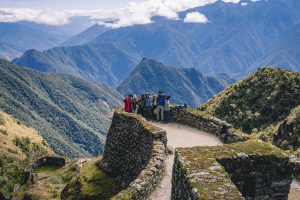
The Salkantay Trek in December is a fantastic option if you dream of hiking through the Andes to reach Machu Picchu. During this time of year, the mountains are blanketed in lush green, the valleys fill with moisture, and the cloud forests look more vibrant than ever thanks to the seasonal rains. Keep in mind that while December is peak summer in the Southern Hemisphere, it is also the rainy season in Cusco, meaning you’ll need to prepare for wet trails and weather that can change in minutes. That very weather, however, gives the route a unique, mysterious charm. Plus, it’s Christmas season: in Andean villages and across Cusco, you’ll see processions, traditional markets, and local festivities you won’t see at any other time of year.
If you’re thinking about hiking the Salkantay in December, this guide breaks down what to expect from the weather, the landscapes, flora, and fauna you’ll spot, key tips for trekking safely during the rainy season, and why booking your adventure with a professional team that knows the route inside and out makes all the difference.
Table of contents
- Why Hike the Salkantay Trek in December?
- Landscapes, Flora, and Fauna You’ll Discover on the Salkantay Trek in December
- What Is the Salkantay Trek Like in December? Weather and Trail Conditions
- What Are the Salkantay Trek Trails Like in December?
- Essential Tips for Hiking the Salkantay Trek in December
- When Do 2027 Machu Picchu Tickets Go on Sale?
- Why Choose Salkantay Trekking for Your December Trip?
- Frequently Asked Questions About the Salkantay Trek in December
Why Hike the Salkantay Trek in December?
December lets you experience a completely different side of the Salkantay Trek. The rains transform the environment: vegetation thrives, and the valleys, hillsides, and forests burst with deep greens, especially at lower elevations, creating a much more humid, untamed atmosphere than during the dry months. Of course, hiking this season demands a bit more: trails can be wet, temperatures fluctuate throughout the day, and clouds occasionally roll in over the peaks. If you love nature and come well-prepared, those challenges are simply part of the adventure.
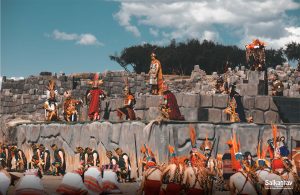
Additionally, December lets you experience Christmas in Cusco. A beloved local tradition is Santurantikuy, an annual artisan fair held every December 24 in the Plaza de Armas, where local craftspeople display nativity scenes, religious figurines, and handmade pieces. It’s also an ideal time for an end-of-year getaway, as you can easily combine your trek with Machu Picchu, the Sacred Valley of the Incas, and other must-see sights around Cusco. Remember, December doesn’t guarantee clear skies or crowd-free trails; your experience will depend on the weather, your exact travel dates, and solid planning.
Landscapes, Flora, and Fauna You’ll Discover on the Salkantay Trek in December
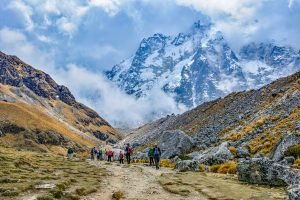
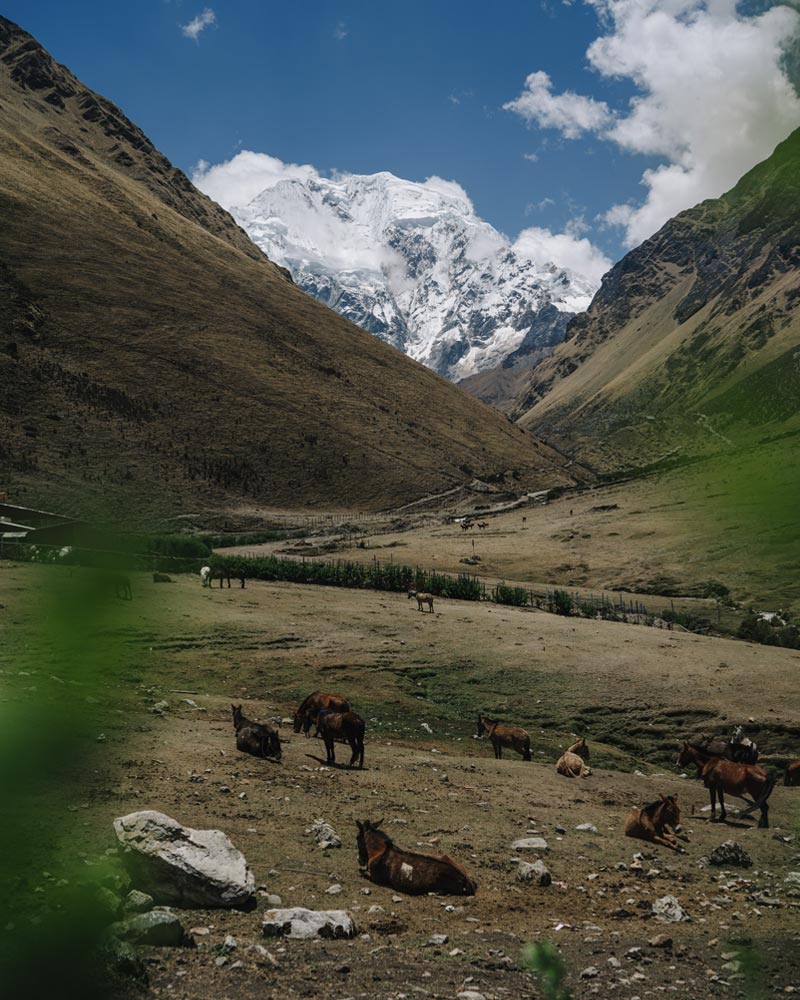
One of the biggest draws of the Salkantay Trek is how dramatically the scenery shifts in just a few days: you go from rugged high mountains down into lush green valleys and cloud forests. In December, the rains make those lower elevations feel even denser and more tropical. The route kicks off beside the snow-capped Salkantay Mountain, towering at around 6,271 meters (20,574 feet), and Humantay Lake, famous for its striking turquoise waters. While clouds can sometimes obscure the snowy peaks and limit visibility this time of year, the views are breathtaking whenever the skies clear.
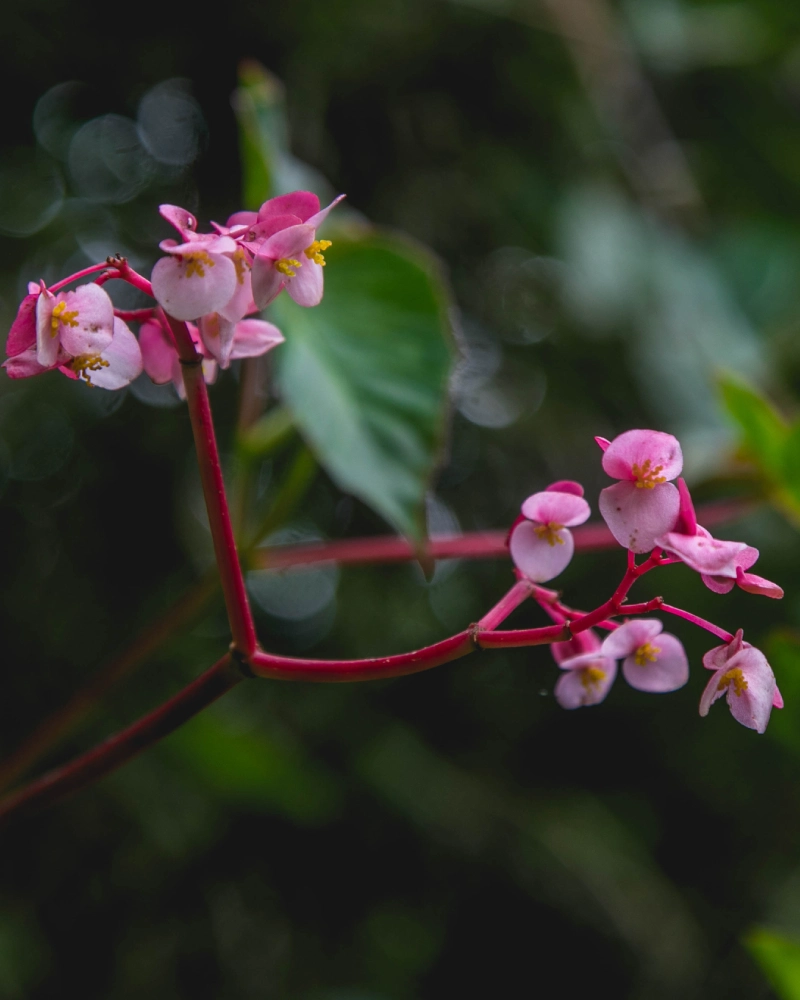
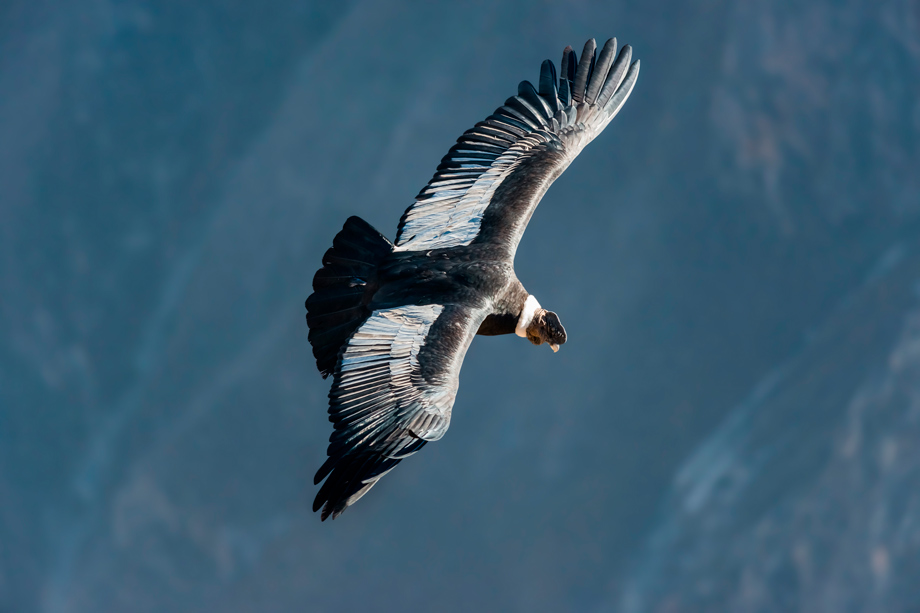
As you descend, the trail becomes carpeted with mosses, ferns, climbing vines, and, in the damper sections, wild orchids (though these bloom only during specific periods). You may also spot iconic wildlife like the Andean condor, the Andean cock-of-the-rock, or even the elusive spectacled bear, though seeing all of them on a single hike is rare. You’re much more likely to see hummingbirds and butterflies. The best approach is to hike at a steady pace, keep noise to a minimum, and always respect the local wildlife.


What Is the Salkantay Trek Like in December? Weather and Trail Conditions
December falls right in the middle of the rainy season in Cusco and across much of the Peruvian Andes, so the weather on the Salkantay Trek is quite changeable. Mornings typically start out partly clear, while the chances of rain climb steadily by the afternoon.
Weather conditions also vary significantly by altitude and by which section of the trail you’re on. Near the snow-capped Salkantay peak, temperatures stay low, whereas down in the valleys and cloud forests, the air feels much milder and more humid. Because of this, dressing in layers and staying ready for sudden weather shifts within the same day is essential.
December Temperatures and Rainfall
Temperatures fluctuate widely from the start of the trail to the finish. At higher altitudes, especially during the first couple of days, nights, and early mornings, it can get freezing cold, while lower down the climate warms up considerably. As a general benchmark:
| Trail Section | Approximate Temperature |
| Soraypampa (12,795 ft / 3,900 m) | 32 to 59 °F (0 to 15°C) |
| Salkantay Pass (15,190 ft / 4,630 m) | 23 to 50 °F (-5 to 10°C) |
| Chaullay and the Cloud Forest | 50 to 72 °F (10 to 22°C) |
| Lucmabamba and Santa Teresa | 59 to 81 °F (15 to 27°C) |
Keep in mind that these numbers are rough guidelines rather than a daily forecast, as actual conditions depend on elevation, cloud cover, and wind. Since rain can roll in at any moment and last for several hours, pack reliable waterproof gear and be prepared to hike on wet terrain.
What Are the Salkantay Trek Trails Like in December?
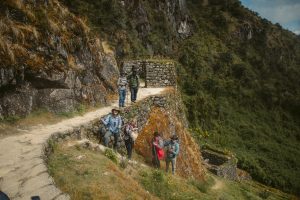
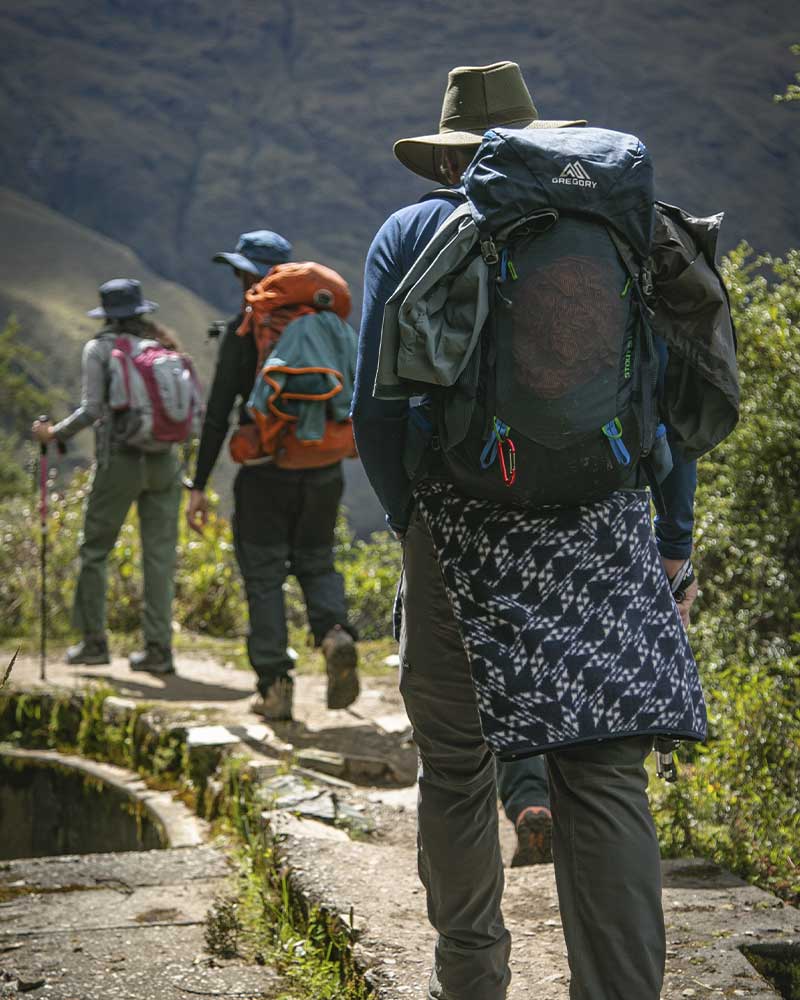
In December, expect muddy stretches, slick rocks, and puddles along the trail, particularly on downhill sections and through the cloud forest. Crossing the Salkantay Pass requires extra caution because of the high altitude, cold temperatures, and the possibility of snow, hail, or strong winds, while lower elevations are mostly defined by humidity and mud.
Heavy downpours can also impact certain sections of the route, so staying in close communication with your guides and following their instructions is crucial. Keep in mind that mountain conditions change fast: if local authorities or your tour operator determine there’s any safety risk, they may need to adjust the itinerary, delay a departure, or temporarily close a stretch of trail.
Essential Tips for Hiking the Salkantay Trek in December
Taking on the Salkantay Trek during the rainy season requires thorough preparation. Good physical shape isn’t enough; you also need the right gear to protect yourself from rain, cold temperatures, and rapid shifts in mountain weather.
If you’re planning this adventure, these practical tips will help you pack smart and stay comfortable on the trail:
When Do 2027 Machu Picchu Tickets Go on Sale?
Ticket sales are expected to open between the end of this year and December on the official government platform, tuboleto.cultura.pe, though Peru’s Ministry of Culture has not yet confirmed the exact release date. Once sales go live, you’ll select your visit date, circuit, and entry time slot, and your ticket will be issued directly to your passport number. If you’re traveling from the United States, book as early as possible, as popular time slots sell out fast.
1. Pack waterproof, quick-drying clothing:
A breathable waterproof rain jacket is a must, paired with quick-dry hiking pants. Skip cotton altogether, as it traps moisture and keeps you cold. Dress in layers:
- Base layer: A moisture-wicking thermal shirt.
- Mid-layer: A fleece pullover or insulated jacket.
- Outer layer: A waterproof, windproof shell jacket.
2. Wear hiking boots with solid traction:
Wet trails and mud significantly increase your risk of slipping. Choose broken-in, waterproof hiking boots with grippy outsoles and good ankle support to prevent blisters and twists. Pack extra pairs of hiking socks in case your feet get wet.
3. Waterproof your backpack and electronics:
Rain can easily soak your gear and ruin electronics. Make sure to bring:
- A waterproof rain cover for your backpack.
- Dry bags for spare clothes and important documents.
- Protective waterproof cases for your phone and camera.
- A portable power bank.
4. Bring trekking poles:
They provide crucial stability on steep descents and muddy sections while taking pressure off your knees.
5. Acclimate before hitting the trail:
The route climbs above 15,091 feet (4,600 meters ), so plan to spend at least two full days in Cusco before your trek begins. Avoid strenuous activity at first, drink plenty of water, and get good rest. If you have a severe headache, nausea, dizziness, or shortness of breath, tell your guide immediately and seek medical attention if needed. Acclimating lowers your risk of altitude sickness, though it doesn’t eliminate it entirely.
6. Stay hydrated and fueled up:
Even when it’s cold or raining, drink water consistently throughout the hike; physical exertion and high altitude increase your body’s fluid needs. Pack high-energy trail snacks like nuts, trail mix, granola bars, or chocolate.
7. Keep your itinerary flexible:
December weather can occasionally cause schedule delays or route adjustments. Avoid booking tight travel connections right after your trek, and if you’re flying back to the United States, build in a buffer day or two before your flight home.
Why Choose Salkantay Trekking for Your December Trip?
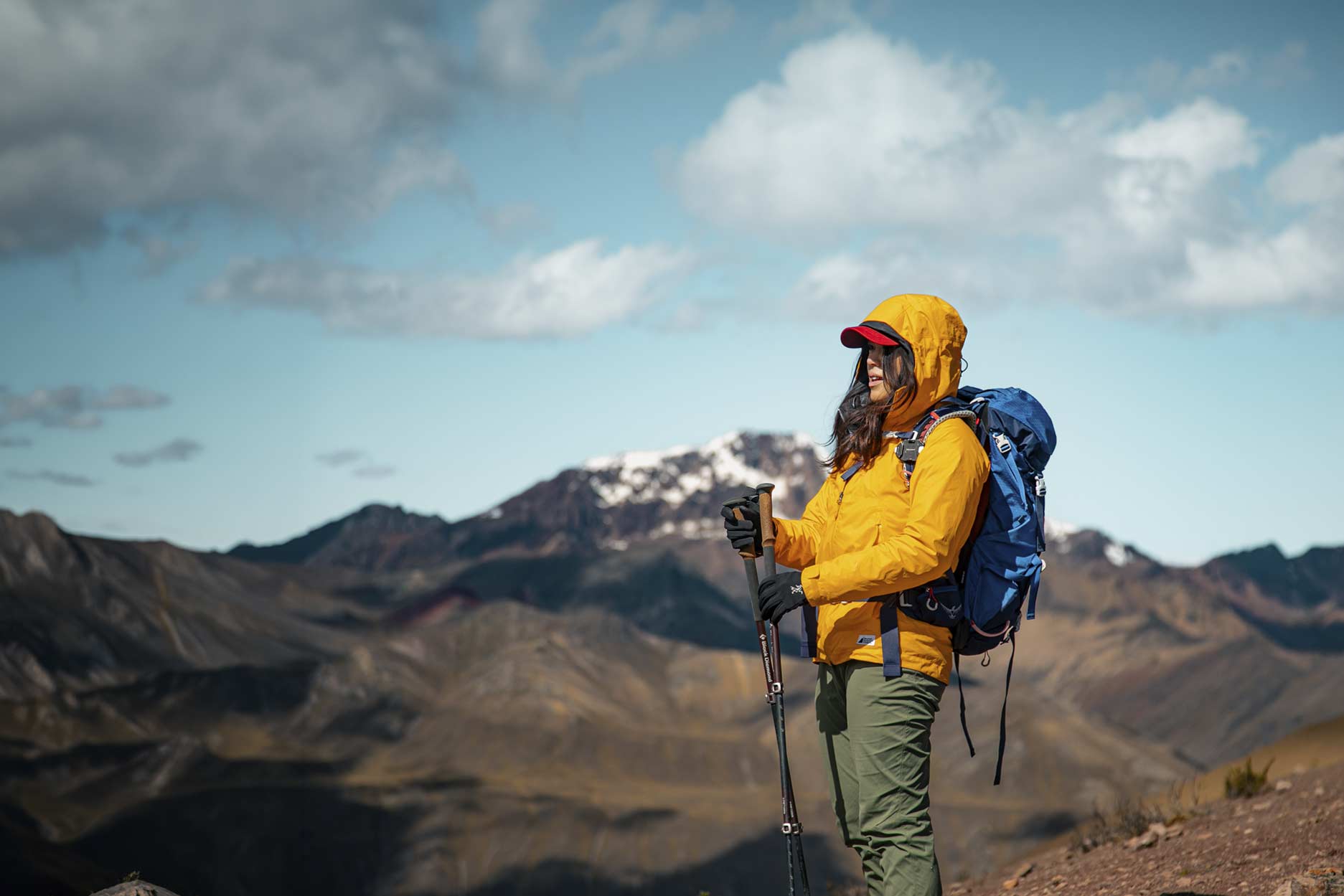
Hiking the Salkantay Trek during the rainy season demands seamless logistics, dependable gear, and a crew that knows the terrain inside and out. That’s why choosing a specialized tour operator is one of the most important decisions you’ll make when planning your trip.
At Salkantay Trekking, we understand the unique conditions hikers face in December. Our goal is to deliver a well-organized, stress-free experience backed by top-notch equipment and a seasoned team ready to support you every step of the way.

Weather-ready gear for the rainy season:
Having reliable equipment is essential for staying comfortable. We provide mountain-grade trekking and camping gear, including sturdy tents, sheltered dining spaces, and all necessary trail equipment, while ensuring your personal belongings stay dry and protected from rain and humidity.
Trained guides who know the route:
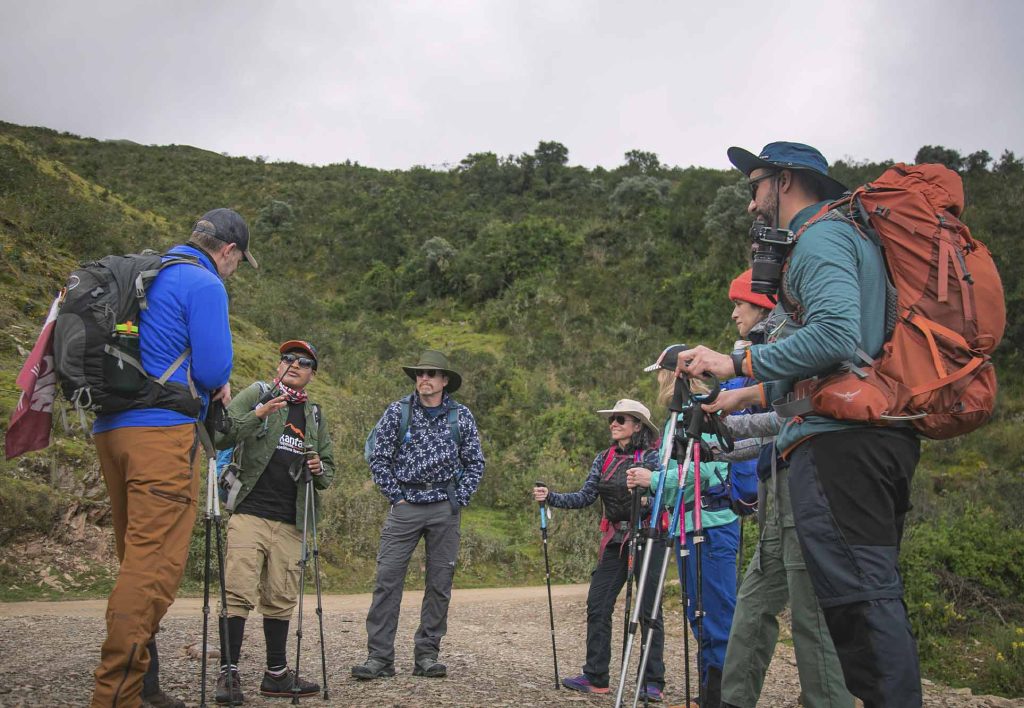
Our expert guides stay with you throughout the entire journey, sharing insights into the landscapes, history, local culture, and ecosystems of the Salkantay region. Thanks to their deep familiarity with the trail, they lead the group safely, brief you on each day’s route, and adapt safety protocols to real-time trail conditions.
Seamless organization and full support:
A multi-day trek requires tightly coordinated logistics: transportation, meals, campsites, and schedules from trailhead to Machu Picchu. We handle every detail behind the scenes so you can focus entirely on soaking in the experience.
Safety first and weather adaptability:
During the rainy season, safety always comes first. Heavy rain can quickly change trail conditions and call for smart, timely decisions, so we continuously adapt our hikes based on weather, guide assessments, and local authority guidelines. Whenever necessary, we modify the itinerary to keep our group safe.
Partnering with an experienced Andean trekking company helps you plan with confidence and tackle December’s challenges fully prepared.
Frequently Asked Questions About the Salkantay Trek in December
Before booking a multi-day trek to Machu Picchu, it’s completely natural to have questions about the weather, difficulty level, and trail conditions. Here are answers to the most common questions about hiking the Salkantay Trek in December.
Is December a good month to hike the Salkantay Trek?
Yes, as long as you come prepared for the rainy season. You’ll experience vibrant green landscapes and lush, mist-covered cloud forests, though rain can occasionally limit visibility and make trails muddy. Pack proper waterproof gear and trek with an experienced operator.
Does it rain every single day?
Not necessarily. Rainfall isn’t constant all day or identical across every section of the trail. You might get clear mornings followed by afternoon showers, full days with prolonged rain, or just a light drizzle in the morning or afternoon. That’s why it’s always recommended to keep your rain gear easily accessible throughout the trek.
What are temperatures like in December?
It depends heavily on elevation. Near the Salkantay Pass, temperatures can drop below 32°F (0°C), especially overnight and in the early morning. At lower elevations, such as Santa Teresa, it feels much warmer, and daytime highs can climb past 68°F (20°C).
Is it dangerous to hike during the rainy season?
Not inherently, though rain increases risks like slippery trails, minor rockslides, and muddy, hard-to-navigate sections. That’s why trekking with certified guides, wearing proper footwear, and following safety instructions is essential. If weather conditions ever pose a genuine hazard, the route will be modified or paused for safety.
How does El Niño affect the Salkantay Trek in December?
This year features a strong El Niño event, which typically brings sparser, more irregular rainfall to Peru’s southern highlands. That can translate into more dry days and clearer views of Salkantay Mountain and Humantay Lake. However, high-altitude mountain weather remains unpredictable, with sudden storms and freezing nights still possible. Bring waterproof gear and dress in layers, and rest assured, our team monitors the forecast closely before every departure.