
You’ve decided you’re hiking the Salkantay trail to Machu Picchu.
You’re in.
Flights? Probably bookmarked. Hiking boots? Under consideration. Excitement level? High.
But first, a decision.
Do you go full adventure mode with the Classic route? Or upgrade your experience with the Premium trek to enjoy warmer beds, better comfort, and fewer “why did I sign up for this?” moments?
If you’ve been Googling Salkantay Classic vs Premium and still feel unsure, you’re not alone. Most travelers don’t actually know what the real difference is. Is the Premium just the same hike with a higher price tag? Is the Classic too rustic? Will you freeze at night? Is it worth paying more?
Let’s break it all down properly, so you can choose the version of the Salkantay trek to Machu Picchu that actually fits you.
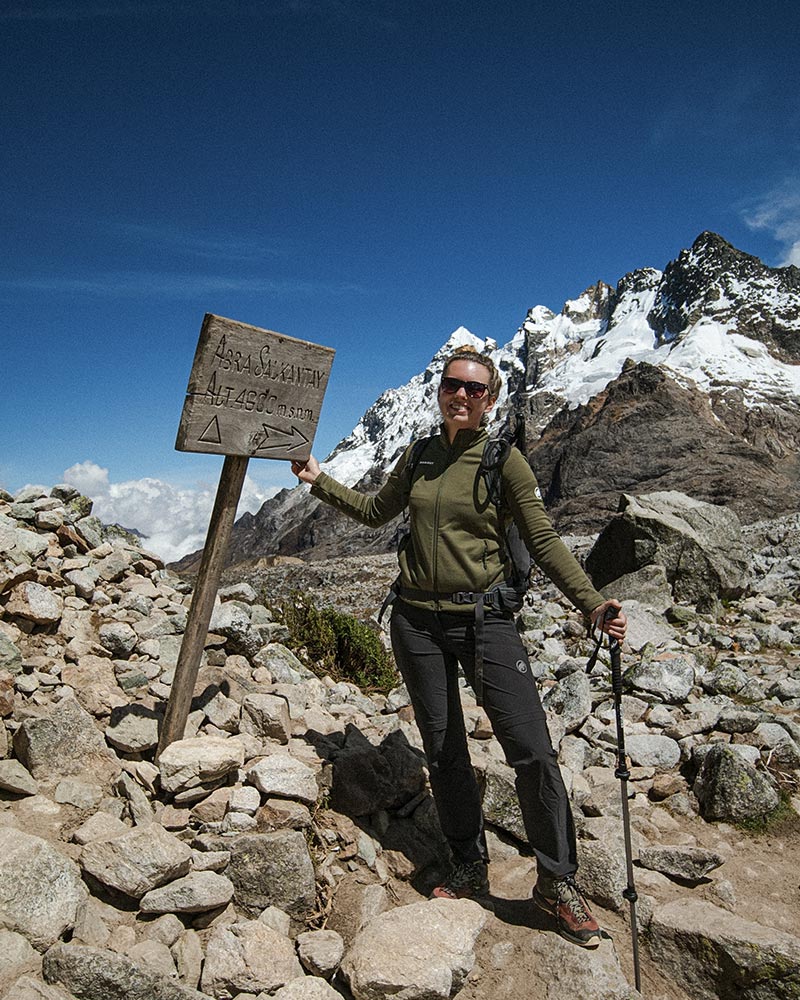
Table of contents
- What Is The Salkantay Trek To Machu Picchu?
- Quick Difference Between Salkantay Classic Vs Premium
- Complete Comparison Table: Salkantay Classic Vs Premium
- How The Experience Feels On Each Trek
- Which Is Actually More Difficult?
- Price: Is The Salkantay Premium Trek Worth It?
- What To Choose Based On Your Traveler Type
- What About Traditional Camping On The Salkantay Trail?
- Practical Tips Before Booking The Salkantay Trek
- Frequently Asked Questions About Salkantay Classic Vs Premium
- So… Salkantay Classic Or Premium?
What Is The Salkantay Trek To Machu Picchu?
The Salkantay Trek is a multi-day adventure through the Andes, leading to Machu Picchu across varying terrain. It’s widely considered the most scenic alternative to the Inca Trail, and for good reason.
Why It’s The Most Scenic Alternative To The Inca Trail
Unlike the Inca Trail, the Salkantay route doesn’t require you to buy permits months in advance. But what really makes it special is the diversity.
You’ll see:
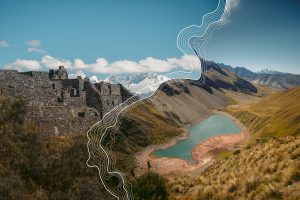
- The glowing turquoise waters of Humantay Lake
- The dramatic snow-covered slopes of Salkantay Mountain
- The high-altitude Abra Salkantay pass (15,190 ft / 4,630 m)
- Lush cloud forest and coffee-growing valleys
- Exclusive, luxury camps you won’t get on any other route in the Cusco region.
- And finally, Machu Picchu itself
Few treks in the world pack that much contrast into five days.
Real Difficulty Level Of The Salkantay Trail
Let’s be honest: the Salkantay trail is challenging. The second day, when you cross the Salkantay Pass, is the toughest. You’re hiking at high altitude, and your legs will feel it.
But this isn’t a technical climb. If you’re reasonably fit and prepared for long hiking days, you can do it.
The real question isn’t whether it’s hard.
It’s how you want to experience that difficulty. Now let’s talk about Classic vs Premium.
Quick Difference Between Salkantay Classic Vs Premium
Both versions take you along the same spectacular Salkantay Trail toward Machu Picchu, but the structure of the experience feels different.
The Classic Trek leans into traditional trekking. It’s more hands-on with simpler logistics and a more budget-conscious hotel stay in Aguas Calientes. It’s designed for travelers who care more about the journey than the extras around it.
The Salkantay Premium Trek adds upgraded stays, more included transport, and smoother transitions between hiking days. Accommodation is more elevated, transitions are smoother, and certain stretches of the route are adjusted with transportation to reduce overall strain.
You’re still earning every view.
But how you recover each night and how supported you feel along the way changes how you experience the adventure entirely.


Complete Comparison Table: Salkantay Classic Vs Premium
Here’s a clear breakdown.
| Salkantay Classic | Salkantay Premium Trek |
|---|---|
| Accommodation:Sky Camp, Mountain Sky View, Super Jungle Domes, hotel in Aguas Calientes | Accommodation: Sky Camp, Mountain Sky View, Sacred Jungle Lodge, superior hotel in Aguas Calientes |
| Bathrooms: Shared facilities on nights 1 and 3, then a private bathroom with a hot shower on nights 2 & 4. | Bathrooms: Improved facilities (only shared on night 1), more comfort |
| Showers: Limited or cold | Showers: Better access depending on location |
| Dining: Freshly prepared camping meals | Dining: Elevated presentation and setting |
| Physical effort: The route is the same, but on this route you will walk 68.8 km | Physical effort: The route is the same, but we’ll be using more transportation, so you’ll only walk 57.8 km |
| Price: More budget-friendly | Price: Higher investment |
| Transport: One-way bus to Machu Picchu, Expedition Train from Aguas Calientes to Ollantaytambo | Transport: Round-trip bus to and from Machu Picchu, train from Hidroelectrica to Aguas Calientes, Vistadome train from Aguas Calientes to Ollantaytambo |
| Day 4 logistics: Hike from Llactapata area toward Hidroelectrica and continue to Aguas Calientes | Day 4 logistics: Hike to Llactapata, then take the train from Hidroelectrica to Aguas Calientes |
| Machu Picchu bus: One-way bus included | Machu Picchu bus:Round-trip bus included |
| Return train: Expedition or Voyager service | Return train:PeruRail Vistadome Observatory Service |
| Best for: Travelers who want a more adventurous, budget-friendly trek with exclusive camps | Best for: Travelers who want the same major highlights with better recovery and smoother comfort |
Now let’s unpack what that actually feels like.
How The Experience Feels On Each Trek
Both routes follow the same core journey along the Salkantay trail toward Machu Picchu. You’ll hike past glaciers, cross high mountain passes, descend into cloud forest, and move through coffee-growing valleys.
But the way each day unfolds, especially where you sleep and how you recover, creates two distinct experiences, so let’s take a closer look.
Experience On The Salkantay Classic
The Classic trek blends adventure with thoughtfully designed comfort. It’s not traditional backpacker camping. It’s structured, supported, and carefully planned.
Day 1: Humantay And High Andes Energy
You begin at Soraypampa and hike toward the glistening blue waters of Humantay Lake. Snowy peaks reflect off the lake and you start to feel like you’re somewhere really special.
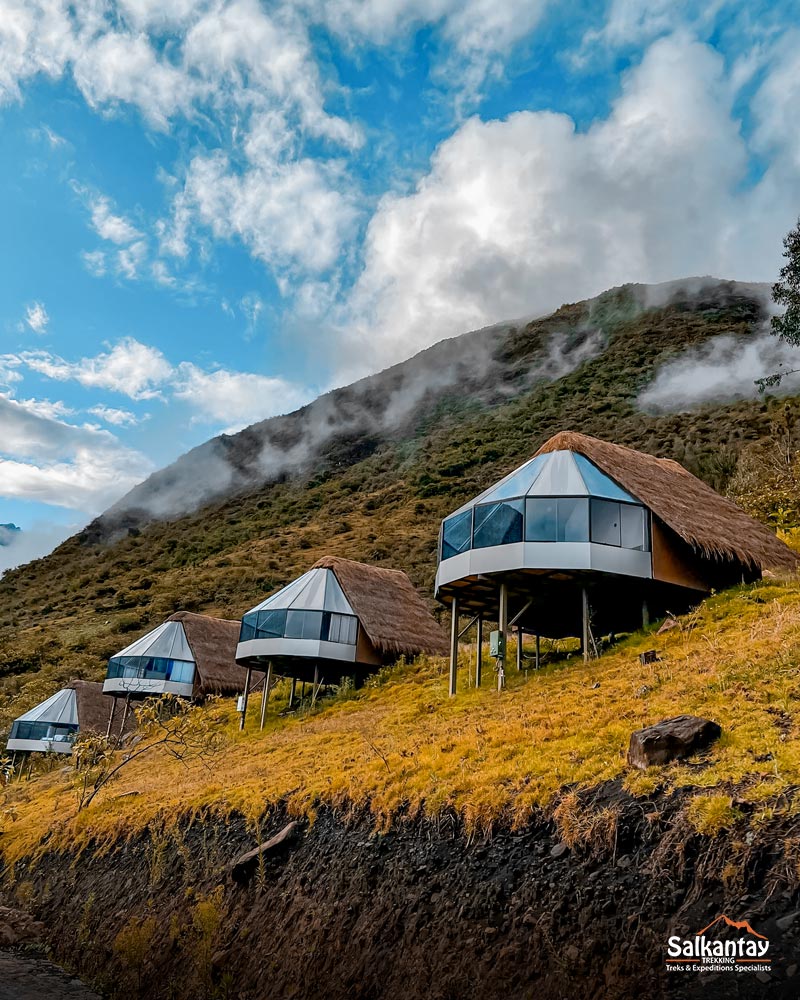
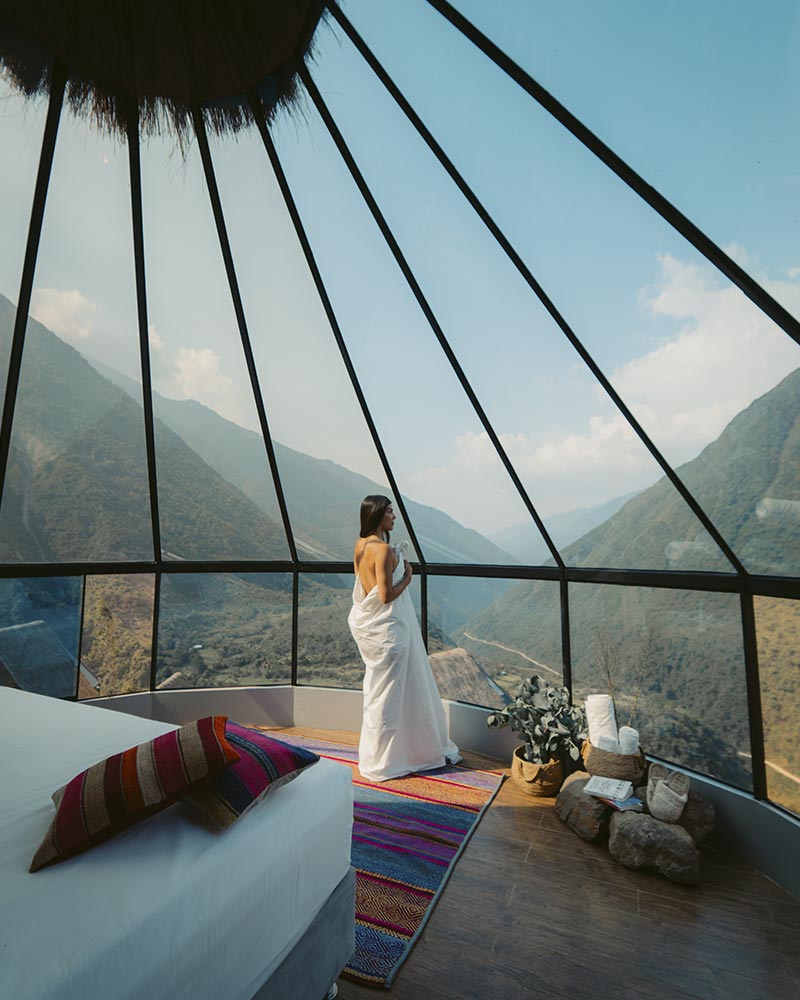
That night you stay in the unique Sky Camp with proper bedding and a glass roof to observe the mountains and starry sky. You’re immersed in the Andes but not roughing it.
Day 2: Crossing Salkantay Pass
Today, you hike up to Salkantay Pass, which feels like a true accomplishment. As you begin your descent, you’ll notice the scenery change dramatically. You enter the cloud forest and will see less glaciers and more green valleys. You’ll enjoy another night of comfort in the Mountain Sky View Campsite.
Days 3–4: Jungle, Coffee, And Archaeology
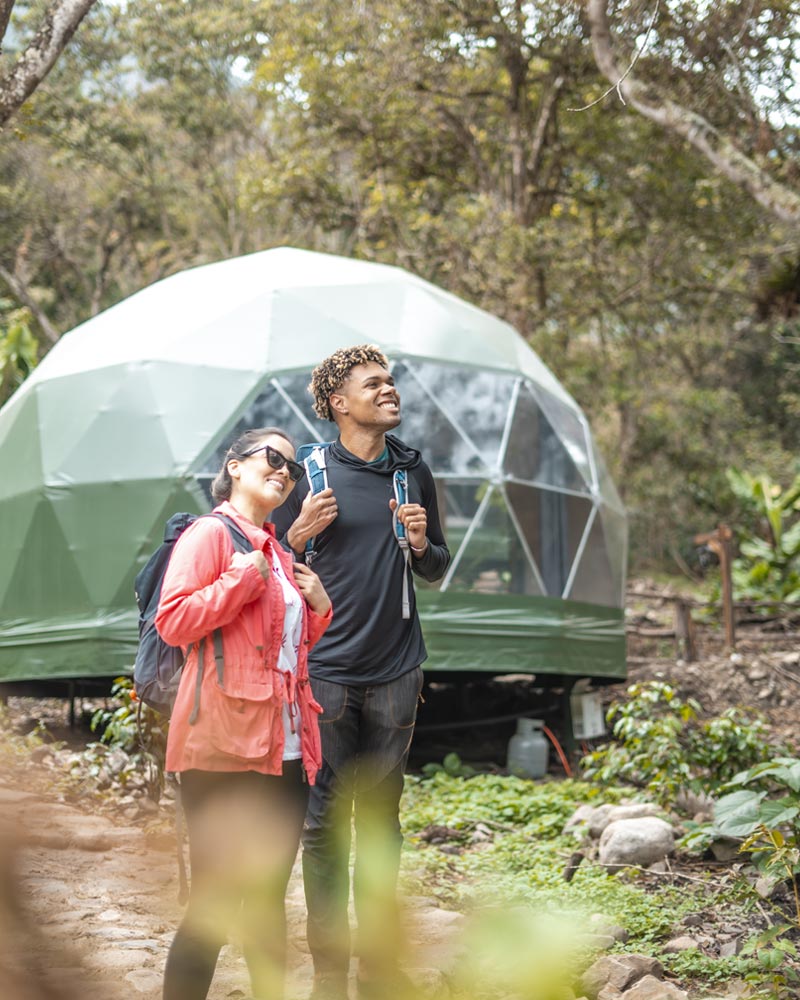
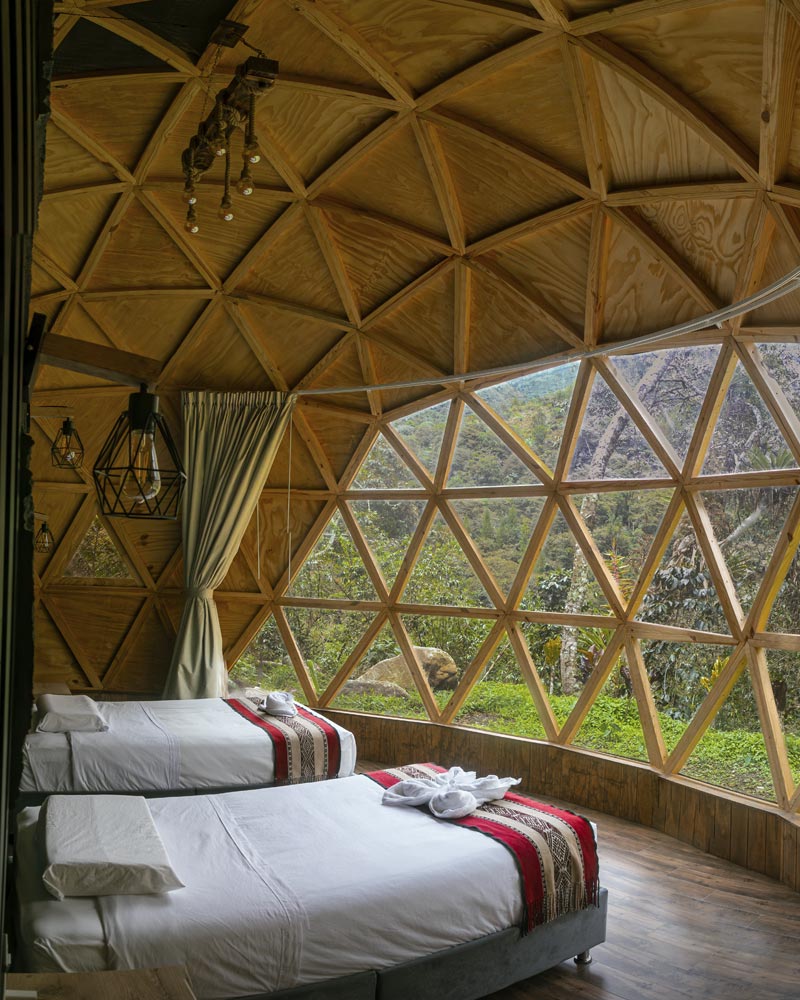
The air becomes warmer as you enter the jungle zone. You’ll walk through coffee plantations and then get to rest your tired muscles in the Santa Teresa hot springs. Enter the Sacred Jungle Lodge for a night’s rest among the sounds of nature around you.
On day 4, you’ll stop off at the Llactapata archaeological site, where you get your first view of Machu Picchu in the distance. You then walk along the train tracks from Hidroelectrica to Aguas Calientes, where you spend your final night before Machu Picchu in a comfortable hotel.
Day 5: World Wonder & Return To Cusco
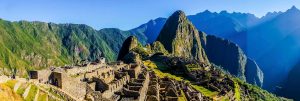
The last morning is spent wandering through the Inca citadel of Machu Picchu before returning to Cusco by train and private transport.
The Classic experience feels adventurous. You’re fully in the mountains, fully engaged with the route, but still very much supported throughout.
Experience On The Salkantay Premium Trek
The Premium trek follows the same route, hits the same major highlights, and includes the same archaeological stops, but where it differs is in the quality and design of your overnight stays and the transport included.
At the Sky Camp, you’ll stay in elevated accommodation, while the Jungle Domes offer your own private bathroom as well as the superior dome. And once you reach Aguas Calientes? You’ll stay in an upgraded hotel to get a good night’s rest before visiting Machu Picchu the next morning.
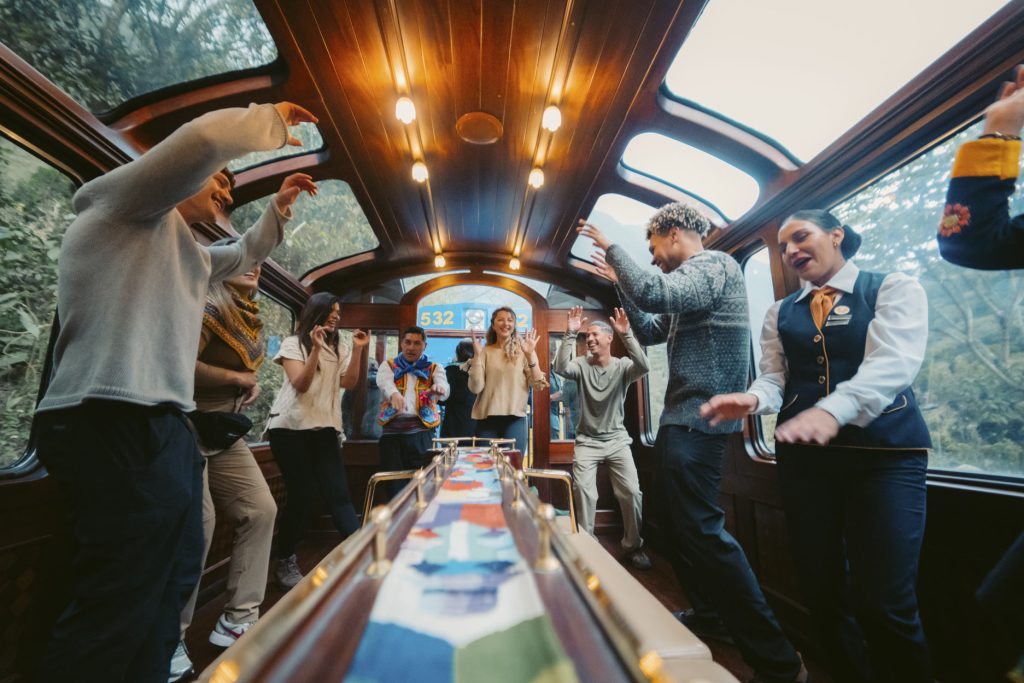
What about the transport? Well, instead of hiking along the railroad, you get to enjoy a train ride into Aguas Calientes, allowing you even more chance to rest tired legs. You also get a two-way bus to Machu Picchu instead of one-way.
And while the Classic Salkantay Trek includes the standard train service back to Ollantaytambo, the Premium Trek includes the elevated Vistadome Observatory Service.
The overall rhythm of this option is less rugged. You still visit Llactapata. You still hike strong days. You still earn Machu Picchu.
But the Premium trek softens the edges. It’s built for travelers who want the full Salkantay adventure without compromising on recovery or proper comfort.
Which Is Actually More Difficult?
Technically? They’re pretty much the same, with the Classic Salkantay Trek demanding a little more physical effort.
Altitude And Fatigue
Both treks reach high altitude at Salkantay Pass. The air is thin. Your body works harder.
Fatigue builds up over consecutive days. The main difference here? On the Premium trek, you get to ride the train to Aguas Calientes and enjoy a bus up and down from Machu Picchu. On the Classic trail? You walk these parts.
How Sleeping Better Increases Your Performance
On a multi-day trek like this, recovery matters.
A warmer night’s sleep and a real mattress can significantly improve how you feel the next morning. Less stiffness. Better energy. Stronger mental game.
Overall, your physical experience may feel easier on the Premium trek due to better sleep and fewer hours walking.
Price: Is The Salkantay Premium Trek Worth It?
This is the big one and one most people um and ahh about.
What You’re Actually Paying For
You’re not paying for a different route.
You’re paying for:
- Better accommodation
- Improved facilities
- Greater comfort at high altitude
- A smoother overall experience
- More transportation options
You’re basically reducing the “roughing it” factor.
When It’s Worth It
The Premium trek makes sense if:
- You don’t love camping
- You’re worried about cold nights
- You value recovery
- This is a once-in-a-lifetime trip
- You want adventure without unnecessary suffering
When You Don’t Need It
The Classic is perfect if:
- You’re comfortable with more basic accommodation
- You’re traveling on a tighter budget
- You love authentic camping vibes
- You want a more rugged mountain experience
Neither is wrong. It’s about which experience you want to have.
What To Choose Based On Your Traveler Type
If you’re still undecided, this breakdown makes it simple.
| Salkantay Classic Is Ideal For… | Salkantay Premium Is Ideal For… |
|---|---|
| Backpackers who enjoy traditional camping | Travelers who prefer real beds over sleeping bags |
| Adventure seekers who don’t mind rustic conditions | Couples looking for a more comfortable shared experience |
| Budget-conscious hikers | Travelers celebrating a special trip |
| Younger trekkers comfortable with more basic facilities | Travelers who prioritize recovery and comfort. |
| Those who see discomfort as part of the adventure | Those who want adventure without unnecessary strain |
This isn’t about toughness. It’s about preference.
Both options take you along the same Salkantay trail to Machu Picchu. The question is whether you want a more stripped-back mountain experience or one that balances challenge with added comfort.
Choosing the right fit now means you’ll spend five days focused on the views, not second-guessing your decision.
What About Traditional Camping On The Salkantay Trail?
When people hear “Salkantay trek,” many imagine basic high-altitude camping.
And to be fair, on some versions of the Salkantay trail, that’s exactly what it is.
Traditional camping typically includes:
- Standard dome tents set up in public campsites
- Sleeping pads instead of proper beds
- Shared basic bathroom facilities
- Cold nights with minimal insulation
- Simple dining tents with functional setups
- Limited privacy
There’s nothing wrong with that style of trekking. For some travelers, that stripped-back mountain experience is part of the appeal.
But it’s important to understand something. Some operators offer basic tent camping, but Salkantay Trekking’s Classic and Premium versions are far superior to that level.
So, the real comparison isn’t basic camping vs luxury. Instead, it’s a well-designed mountain comfort vs an elevated version.
If you’re worried about freezing in a thin tent or having no access to decent facilities, that’s not the experience being offered here.
The difference between Classic and Premium is refinement, not survival.
Practical Tips Before Booking The Salkantay Trek
Best Season
The dry season (May to September) offers clearer skies and better views but colder nights.
The shoulder months (April and October) give you fewer crowds and still decent weather.
The rainy season (November to March) is greener but muddier, making it riskier underfoot.
How To Avoid Altitude Sickness
- Arrive in Cusco at least 2 days early
- Hydrate constantly
- Avoid heavy meals on your first days
- Take it slow
- Limit alcohol intake
Altitude affects everyone differently. Preparation and acclimatization in Cusco help.
What To Pack
- Layers (temperatures change fast)
- Gloves and a warm hat
- Good hiking boots
- Sunscreen (the Andean sun is strong)
- A solid daypack
- Rain jacket
- Headlamp
- Reusable water bottle
- Trekking poles
- Passport.
Even on the Premium trek, you’re still hiking in the mountains. Comfort doesn’t mean a luxury resort, so packing right is essential.
Frequently Asked Questions About Salkantay Classic Vs Premium
Yes. Both include a guided visit to Machu Picchu. The difference is logistics: Premium includes round-trip bus tickets, while Classic includes the bus up and returns to Aguas Calientes on foot.
Booking a few months ahead is recommended, especially during peak dry season (May to September). While the Salkantay Trek doesn’t have the same permit limits as the Inca Trail, the top tour operators and preferred departure dates fill up quickly.
Yes, many travelers in their 40s, 50s, and beyond successfully complete the Salkantay Trail. Choosing the right comfort level, especially at this high altitude, can make a noticeable difference in overall enjoyment.
In terms of altitude and overall physical demand, many hikers find the Salkantay Trail slightly more challenging than the Inca Trail because it reaches higher elevations. However, it’s less crowded and offers more diverse scenery along the way to Machu Picchu. With proper preparation and pacing, most reasonably fit travelers can complete it successfully.
So… Salkantay Classic Or Premium?
Here’s the direct answer. If you want a more adventurous and budget-friendly version with exclusive camps, choose Classic.
If you want the same epic Salkantay trail adventure but with better rest, improved comfort, and a smoother overall journey to Machu Picchu, choose Premium.
You’ll still earn your arrival at Machu Picchu either way.
The difference is whether you want to high-five the mountain or high-five it after a solid night’s sleep.
Whichever you choose, the key is booking the Salkantay Trek with an experienced operator that prioritizes safety, logistics, and thoughtful details. The right team makes all the difference between surviving the trek and genuinely enjoying it.
And honestly?
When you’re standing at Machu Picchu at sunrise after days of hiking through glaciers, valleys, and cloud forest, you won’t regret choosing the version that fits you best.
The mountains don’t change. Your experience of them does.

Leave A Reply