
Discover why everyone falls in love with this corner of Peru.
For many travelers, the Sacred Valley feels like a promised land. A single place where dramatic landscapes, living culture, pleasant weather, and a deep sense of calm come together—something that’s hard to find elsewhere.
In this complete guide to the Sacred Valley, you’ll find everything you need to understand why this region leaves such a lasting impression: the towns that make it up, its main archaeological sites, altitude, climate, and the places you shouldn’t miss on your first visit.
Table of contents
- What is the Sacred Valley and where is it located?
- Climate and seasons in the Sacred Valley
- Archaeological sites worth visiting in the Sacred Valley
- The magic beyond archaeological sites
- Sacred Valley altitude: the perfect place to acclimatize
- Hotels and restaurants in the Sacred Valley
- How to connect the Sacred Valley with Machu Picchu
- Essential tips for connecting the Sacred Valley with Machu Picchu
- Frequently asked questions
- Conclusion: Why does everyone fall in love with the Sacred Valley?
What is the Sacred Valley and where is it located?
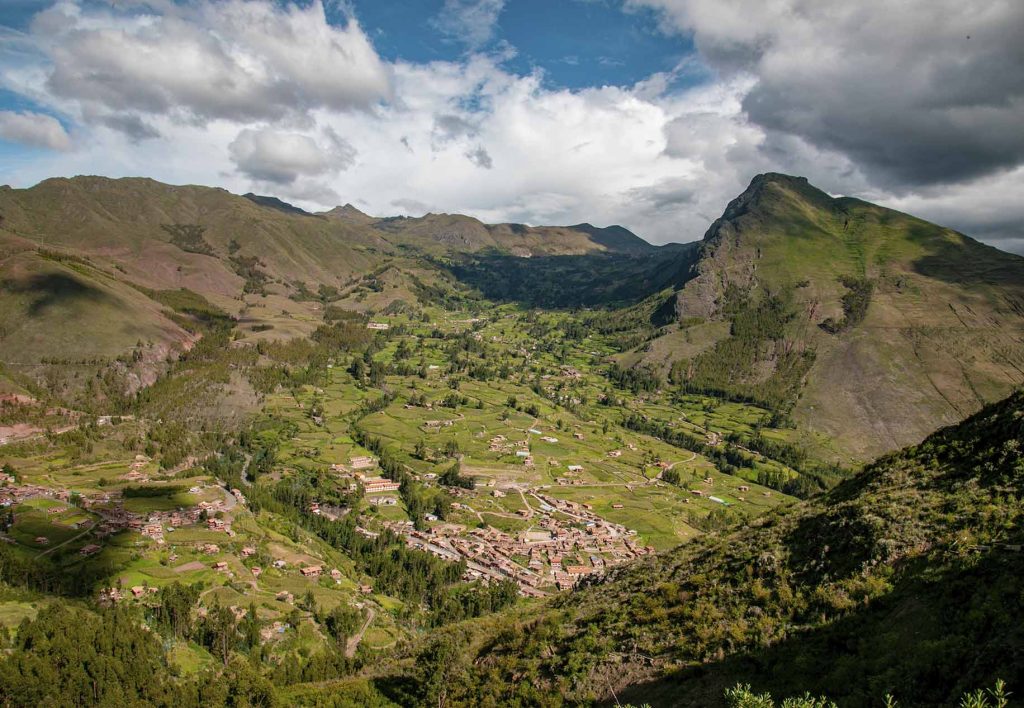
The Sacred Valley is located in the Cusco region of southern Peru and is made up of a series of towns and valleys stretching along the Urubamba River. Its main gateways are Pisac and Chinchero, both located about one hour from the city of Cusco.
Main towns of the Sacred Valley:
- Pisac
- Chinchero
- Calca
- Urubamba
- Ollantaytambo
- Maras
- Moray
A brief history of the Sacred Valley
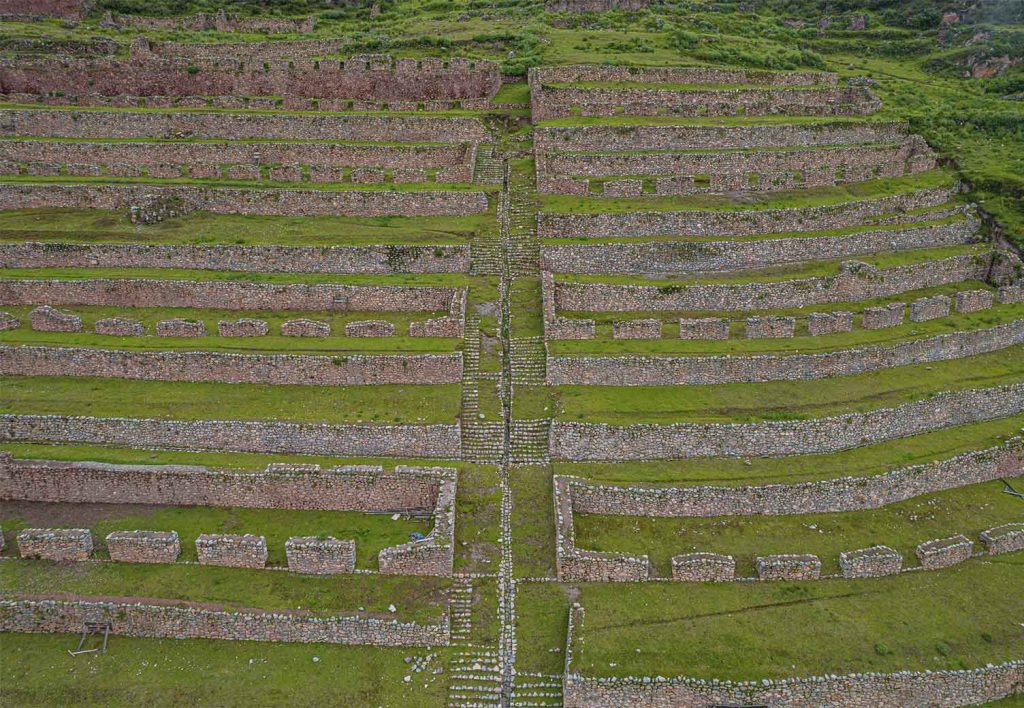
This region was essential to the Inca Empire due to its unique microclimate and fertile soils, making it one of the empire’s main agricultural production centers. Key crops such as corn and potatoes—fundamental to the Inca diet and economy—were cultivated here.
The valley was also home to urban centers, agricultural terraces, and ceremonial complexes that served administrative, religious, and strategic purposes within the empire.
Today, this legacy remains visible in the archaeological sites scattered throughout the valley.
Climate and seasons in the Sacred Valley
The Sacred Valley is known for its pleasant weather year-round. In towns such as Pisac, Urubamba, and Ollantaytambo, daytime temperatures typically range between 68°F and 71.6°F (20–22°C), making it comfortable to explore the region. Nights are cooler, especially during the dry season, when temperatures can drop to 35.6–39.2°F (2–4°C), so light warm layers are recommended.
Dry season (May to October)
The dry season is the most popular time to visit the Sacred Valley. These months bring mostly sunny days and very little rainfall, ideal for visiting archaeological sites and enjoying outdoor activities. Nighttime temperatures, however, can drop significantly, so warm clothing is essential.
- Average daytime temperature: 68–71.6°F (20–22°C)
- Average nighttime temperature: 35.6–39.2°F (2–4°C)
Travel tip: June, July, and August are the busiest months, so it’s best to plan ahead—especially if you’re also visiting Machu Picchu.
Rainy season (November to April)
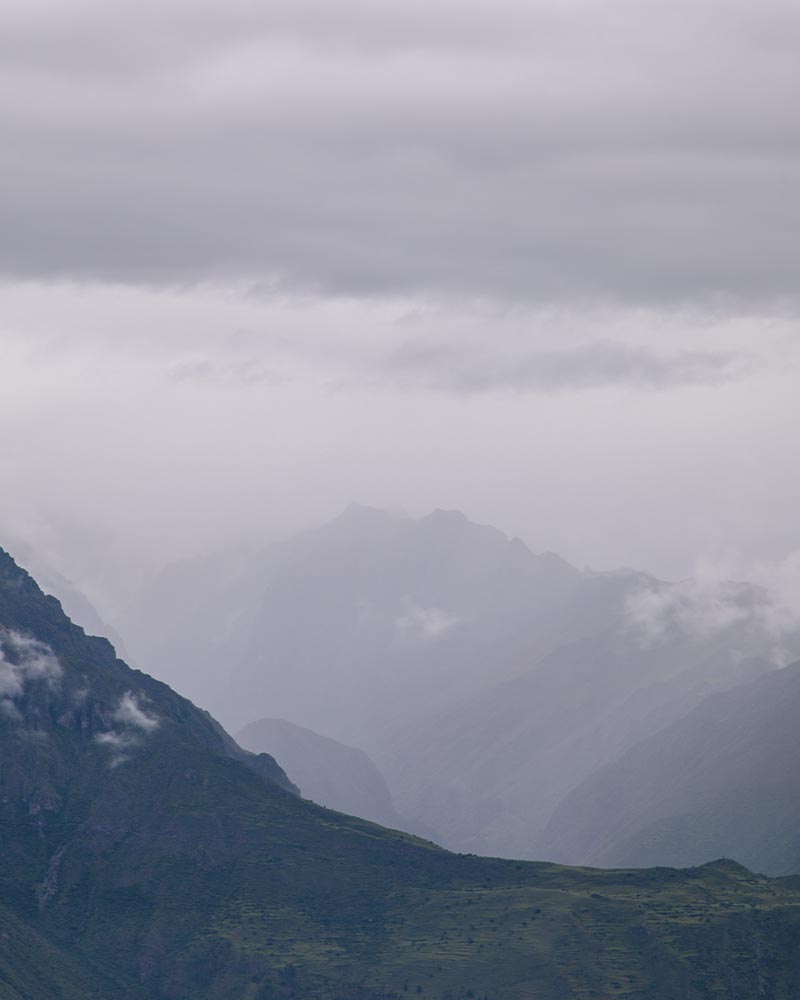
During the rainy season, mornings in the Sacred Valley are often cloudy, with more frequent rainfall in the afternoons and evenings. January and February usually see the heaviest rains. In return, the landscape transforms: mountains and farmland turn vibrant shades of green, enhancing the valley’s natural beauty.
- Average daytime temperature: 68–71.6°F (20–22°C)
- Average nighttime temperature: around 44.6°F (7°C)
While rain can occasionally affect transportation, this season offers a quieter experience, fewer visitors, and a more intimate connection with the surroundings.
Archaeological sites worth visiting in the Sacred Valley
Although the Sacred Valley is home to hundreds of archaeological sites, not all are equally accessible or fully restored. If you’re short on time, it’s helpful to know which ones are truly worth prioritizing. That said, the Sacred Valley is a destination that invites you to stay longer and keep exploring.
As you’ll notice in the descriptions below, the Incas preferred building on hillsides, as these terrains were ideal for constructing agricultural terraces and improving crop production—integrating architecture harmoniously with the natural landscape.
Pisac
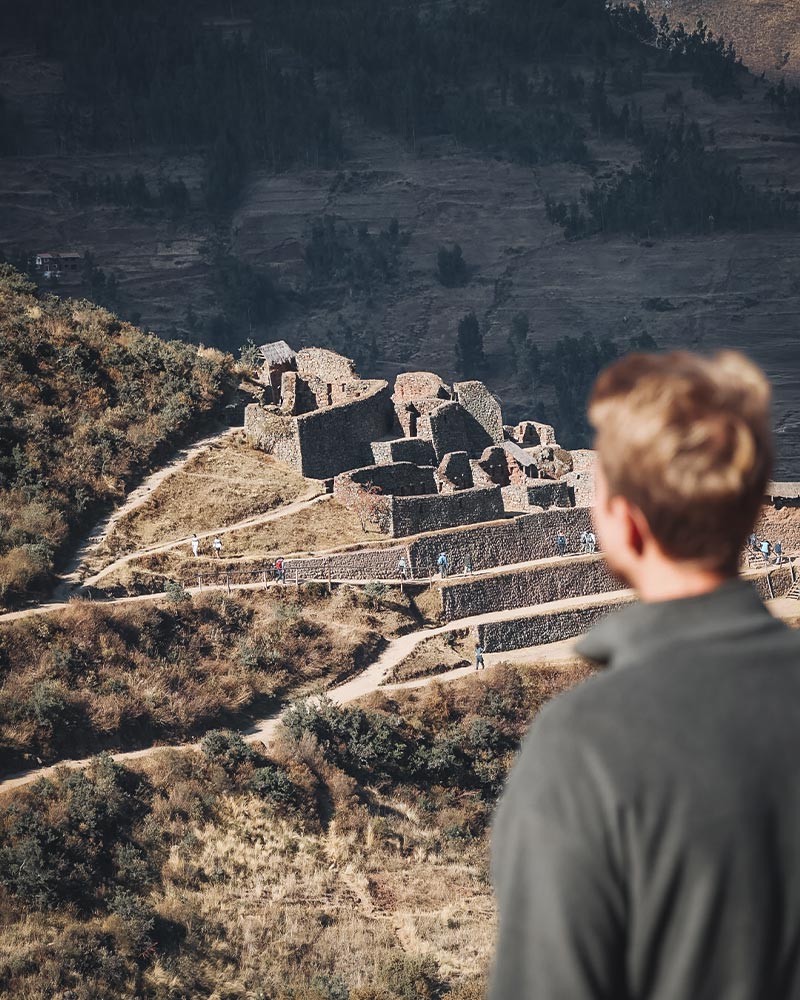
The archaeological site of Pisac rises along a hillside of the Sacred Valley, featuring agricultural terraces, defensive structures, and paths that connect its different sectors. Built high on the mountain, it allowed the Incas to control the valley while combining agricultural production with strategic surveillance.
What to see and do in Pisac
- Tower sector: One of the most impressive areas, featuring circular structures used for valley surveillance and control.
- Intihuatana: An astronomical observatory that overlooks the entire mountain.
- Massive agricultural terraces: Masterpieces of Inca engineering that demonstrate their mastery of the land.
- Inca tunnel: A narrow passage carved into the rock that connects different sections of the complex.
- Funerary sector: Dozens of burial niches carved into the mountainside, visible from the trails.
- Pisac Market (in town): Famous for its handicrafts, ceramics, textiles, and silverwork.
Traveler tips
- Recommended time: At least 2–3 hours to explore at a relaxed pace; add an extra hour if you enjoy photography.
- Hours: The complex closes around 5:00 PM. Plan to arrive early—entry is strictly enforced even if you already have a ticket.
- Physical demand: The route includes uphill and downhill sections; bring water, wear proper footwear, and take breaks to enjoy the views.
- Compared to Machu Picchu: While smaller in overall area, Pisac has greater vertical elevation, with steeper paths and expansive terraces.
- Don’t miss: The towers and the panoramic view from the Intihuatana—two of the most impressive highlights.
- Entrance: Included in the Cusco Tourist Ticket (Boleto Turístico).
- Best time to visit: Morning light illuminates the terraces; in the afternoon, the sun sets behind the mountains, creating a warm, golden glow.
- If you’re short on time: Visit only the main sector; if you’re physically fit, take the longer route.
- Artisan market: Buy directly from local artisans and ask for handmade pieces rather than mass-produced items.
- Walking descent: You can walk down from the archaeological site to Pisac town via the pedestrian path; the route takes about 40 minutes to 1 hour.
Ollantaytambo
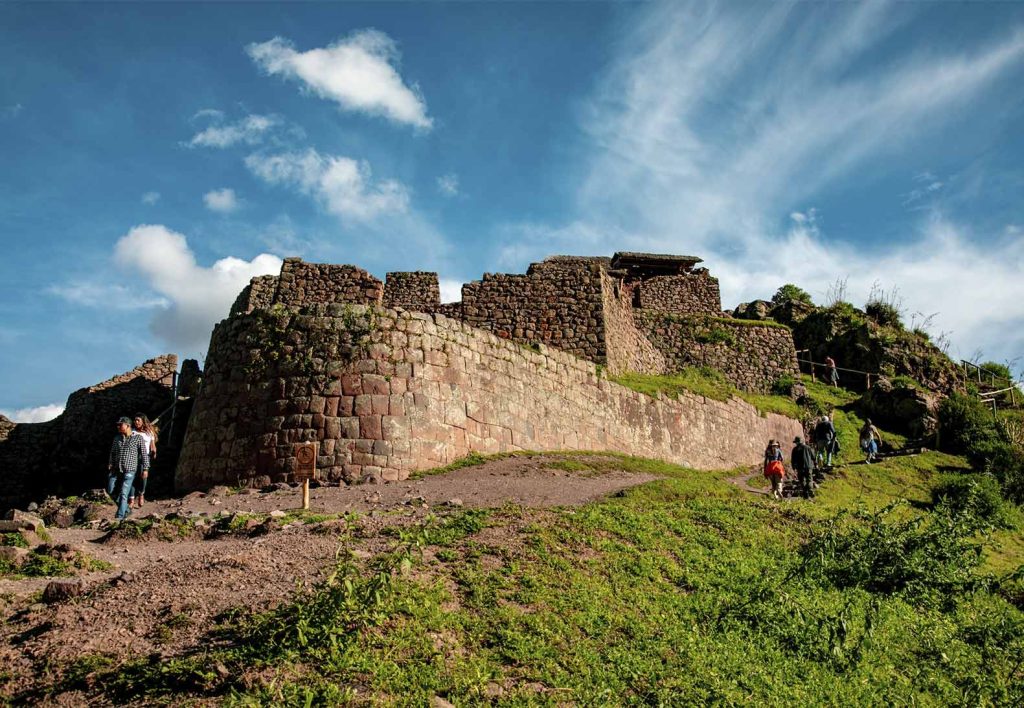
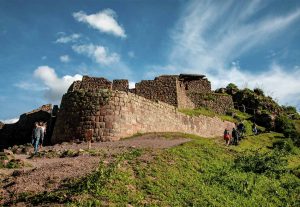
Ollantaytambo was a crucial urban and ceremonial center of Inca civilization. Built into a hillside with wide agricultural terraces, it stands out for its advanced urban planning, massive stone temples, and strategic importance. This archaeological site preserves its original layout, offering a clear glimpse into how an Inca city functioned in harmony with its natural surroundings.
What to see and do in Ollantaytambo
- Fortress and agricultural terraces: The most iconic area of the site. Climb to the top to see how the valley forms a natural corridor between the surrounding mountains.
- Temple of the Sun: An Inca masterpiece built with enormous reddish stone blocks.
- Pinkuylluna Storehouses: Hillside slopes lined with ancient Inca granaries. The climb is free and rewards you with spectacular views of the town.
- Historic town: Narrow streets, colonial-era gateways, and houses built on original Inca foundations.
- Local artisan market: A great place to shop for ceramics, textiles, and hand-carved pieces.
- Train station to Machu Picchu: The departure point for trains to Aguas Calientes, the gateway town to the world wonder.
Traveler tips
- Recommended time: 1.5 to 2 hours for the fortress; add about 45 more minutes if you hike up to Pinkuylluna.
- Best time to visit: Early morning to avoid heat and crowds
- Entrance: Included in the Partial or General Cusco Tourist Ticket.
- Hydration and pacing: The stairways are steep—climb slowly and bring water.
- Footwear: Wear shoes with good traction, especially if hiking up to the Pinkuylluna storehouses.
- Photography: Morning light beautifully illuminates both the fortress and the town.
- Train travelers: Arrive at the station at least 30 minutes before departure.
Chinchero
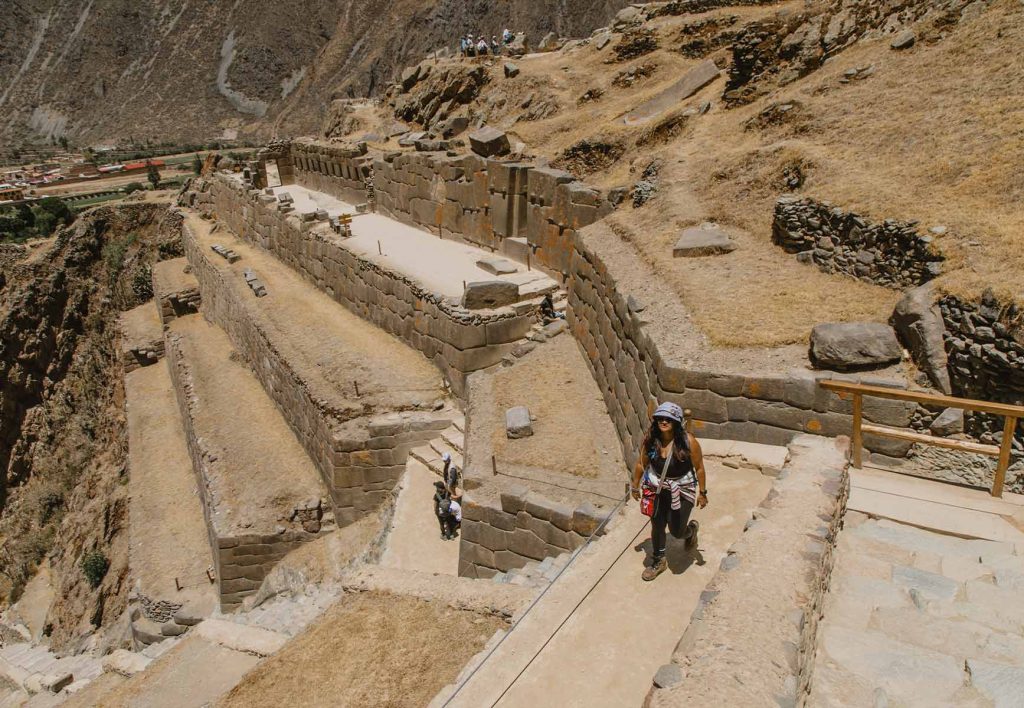
The archaeological site of Chinchero is located on a high plateau of the Sacred Valley and was an important center during the late Inca period (1438–1532 AD). It is known for its expansive agricultural terraces, stone walls, and the remains of the royal residence of Inca Túpac Yupanqui. The site offers panoramic views of the valley and the surrounding mountain range, seamlessly blending architecture with the landscape.
What to see and do in Chinchero
- Chinchero Archaeological Complex, featuring impressive agricultural terraces and Inca stone walls
- 17th-century colonial church, built atop ancient Inca foundations
- Traditional textile market
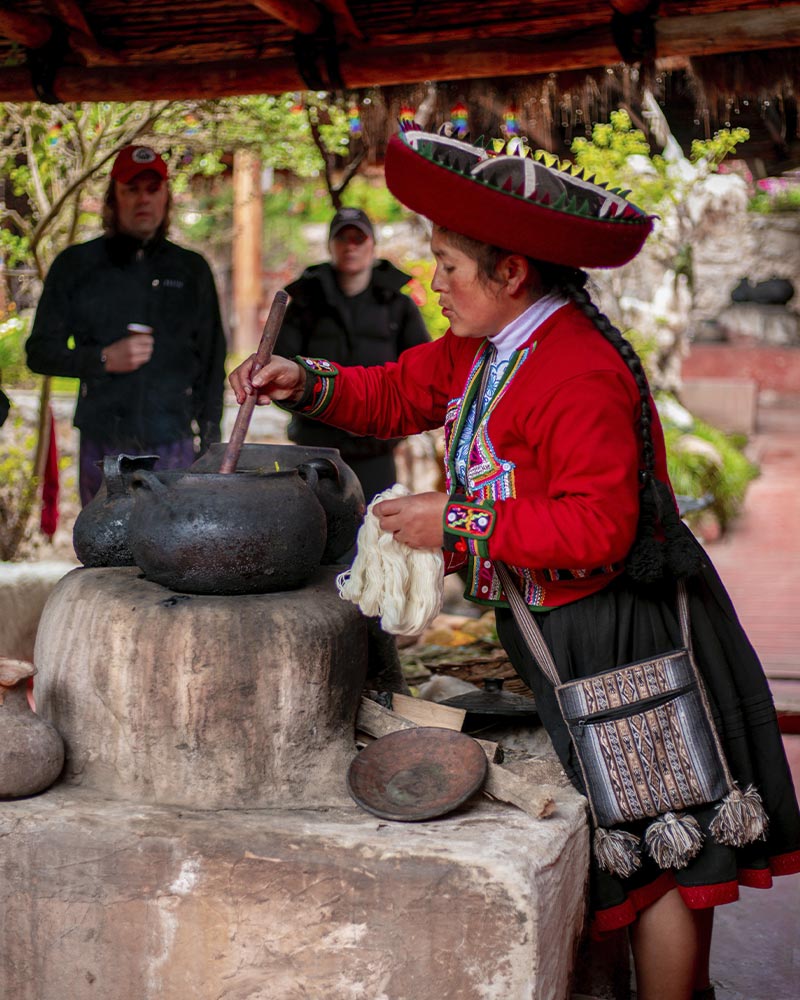
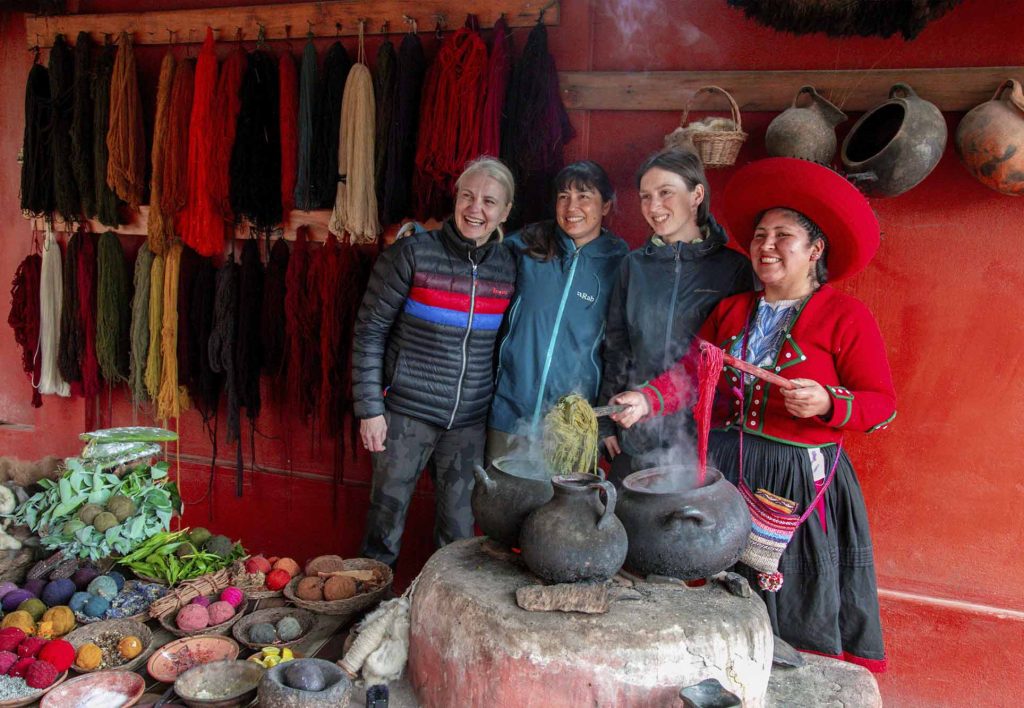
- Natural dye and weaving demonstrations.
- Viewpoints overlooking the snow-capped peaks of Salkantay, Veronika, and Soray, as well as the Sacred Valley landscapes
- Poc Poc Waterfall
Traveler tips
- Start with the archaeological site. Walk through the terraces, Inca walls, and the colonial chapel built over ancient foundations.
- If you have time, hike to Poc Poc Waterfall. The round-trip walk takes about two hours and offers a natural setting very different from the archaeological complex.
- Visit an awana wasi. Step into a weaver’s home to see natural dye demonstrations and support local artisan families directly.
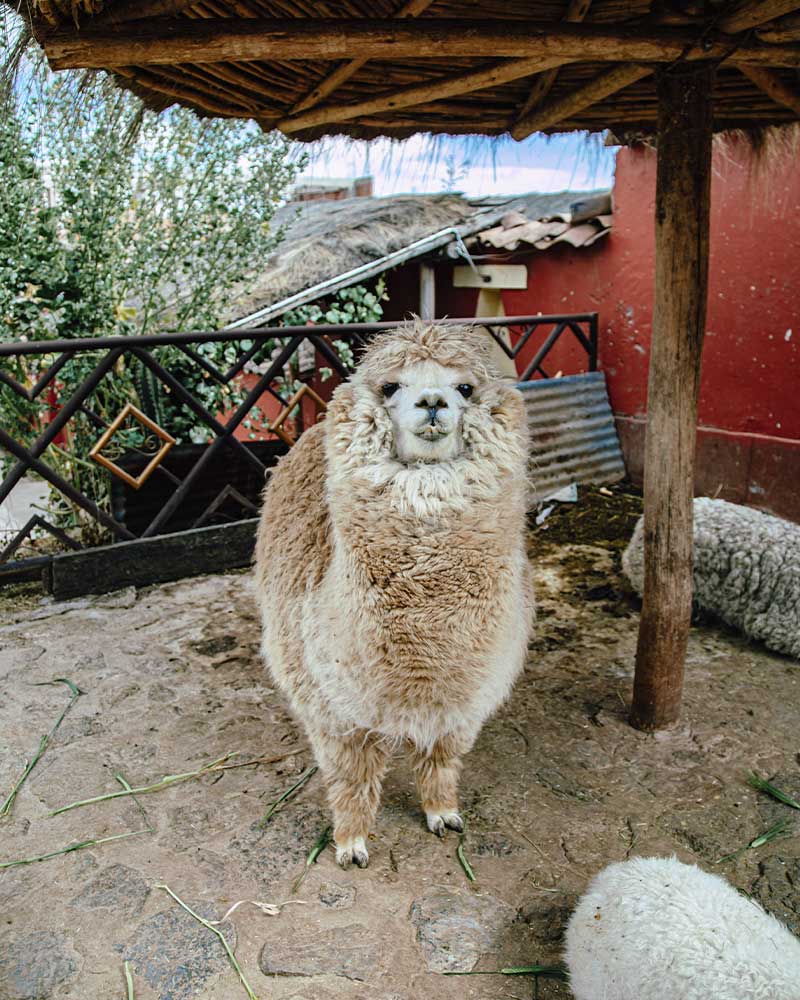
- Buy authentic textiles. Look for pieces made from alpaca wool and dyed with local plants; avoid overly cheap or printed products.
- Support local businesses. Purchase souvenirs directly from workshops or the town’s artisan market.
- Allow at least 40 minutes if you’re not hiking to the waterfall—enough time to explore the site and visit the chapel entrance.
- Visit early in the morning. It’s the best time to avoid large tour groups and start your Sacred Valley journey calmly, with great light for photos.
Urubamba
Unlike other destinations in the Sacred Valley, Urubamba does not have a single standout archaeological site. Instead, it is known for several smaller sites, a well-regarded culinary scene, trekking routes, and wide-open landscapes that reflect the true essence of the valley. Thanks to its central location, Urubamba is often considered the heart of the Sacred Valley.
What to see and do in Urubamba
- Plaza de Armas and traditional town: Ideal for a short walk if your itinerary allows.
- Local market: A great place to see fresh produce, oversized breads, and Andean fruits.
- Pablo Seminario Ceramics: A highly renowned workshop featuring art inspired by pre-Hispanic cultures.
- Natural viewpoints: Several nearby hills offer open views of the valley.
- Wellness centers: Urubamba is known for retreats, spas, and lodges focused on relaxation and Andean energy.
- Sacred Apus: You can organize acclimatization hikes to archaeological sites such as Saywa or to Pachac Waterfall.
- Chicón Glacier: If you are well acclimatized and in good physical condition, you can hike toward this snow-capped peak up to its base camp at 4,900 meters (16,076 feet). The route can be done in one day or with an overnight camp. Proper preparation is strongly recommended due to altitude and cold conditions.
Traveler tips
- Recommended time: 1–2 hours to explore the town; if stopping only for lunch, 45 minutes to 1 hour is usually enough.
- Lunch stop: Many tours pause here. If traveling independently, make reservations, as demand is high around midday.
- Shopping: The Seminario ceramic workshop is ideal for unique pieces—look for signed and certified items.
- Weather: Urubamba is warmer than Cusco; bring light clothing for the day and a jacket for the afternoon.
- For a slower pace: Consider exploring the Sacred Valley over two days to enjoy workshops, viewpoints, and trails without rushing.
- Photography: The mountains surrounding the town are beautifully lit at sunset.
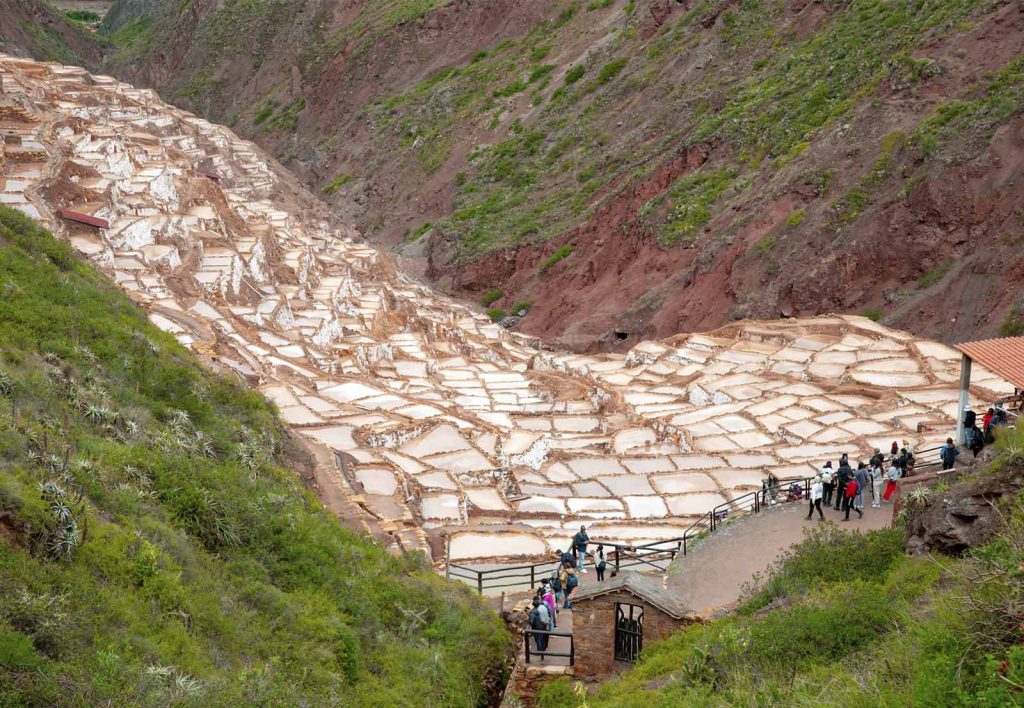
Maras Salt Mines
The Maras Salt Mines are one of the most unique landscapes in the Sacred Valley. This complex of thousands of salt ponds, arranged in terraces along a mountainside, has been used since pre-Inca times and remains active today—showcasing a remarkable balance between Andean culture and nature.
What to see and do in Maras
- Upper viewpoints offering panoramic views of the white terraces cascading down the hillside.
- Salt ponds, where you can observe the evaporation and harvesting process.
- Local shops selling pink, black, seasoned, or crystal salt for cooking, cosmetic, and wellness use.
- Ancient channels, still in operation, that precisely distribute water to each pond.
Traveler tips
- Entrance fee: Tickets are purchased at the entrance, as the site is not included in the Cusco Tourist Ticket. The cost is S/15 (approx. $4.46 USD) for Peruvian citizens and S/20 (approx. $5.95 USD) for international visitors (prices subject to change).
- Do not walk between the ponds: Follow designated paths for safety and to respect local work.
- Best time to visit: Between 9:00 a.m. and noon, when sunlight enhances the bright white color and creates strong photo contrast.
- Bring sunglasses: The reflection off the salt can be intense.
- Buy local products: Maras salt is excellent for cooking and as a natural exfoliant, and purchases support the families who keep this tradition alive.
- Combine with Moray: The two sites are very close, making them ideal to visit together.
Moray
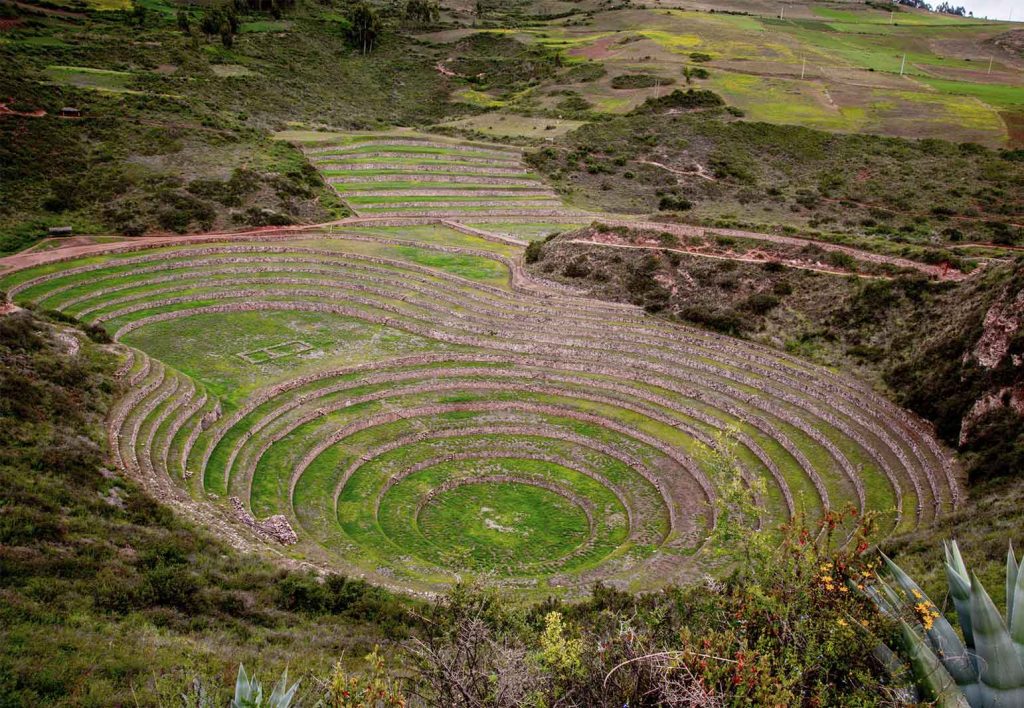
Moray stands out for its concentric circular terraces, making it one of the most unique archaeological sites in the Sacred Valley. The Incas used these terraces as an agricultural experimentation center, taking advantage of temperature differences between levels to adapt and improve crops. Its design, seamlessly integrated into the natural landscape, reflects advanced Andean knowledge of agriculture and environmental management.
What to see and do in Moray
- Main circular terraces, the deepest and most photogenic sections.
- Secondary terraces, less known but equally fascinating for understanding Inca agricultural engineering.
- Natural viewpoints, perfect for appreciating the scale of the site.
- Surrounding rural landscape, ideal for wide-angle valley photography.
- ATV rides around the entire Inca complex.
Traveler tips
- Take it slow: Moray sits above 3,400 meters (11,154 feet)—walk slowly and breathe deeply.
- Avoid descending to the lowest level during the rainy season: Paths can become slippery.
- Best time to visit: Morning hours offer better light and fewer visitors.
- Bring light layers and a poncho during the rainy season (November–April): Weather can change quickly due to altitude.
- Combine with Maras: Their proximity makes them ideal to visit on the same route.
Travel tip: We recommend reading our blog Maras and Moray: The Jewels of the Sacred Valley to learn more about these two destinations, which are among the most popular and visited in the region.
The magic beyond archaeological sites
The Sacred Valley offers far more than Inca ruins. Beyond its history, you’ll find living towns, traditions that are still practiced today, and landscapes that are part of everyday life for local communities. The past was never frozen in time—it evolved, and today it lives on in the markets, the trails, and the people.
Living towns, not open-air museums
In the Sacred Valley, history blends seamlessly with daily life.
- Pisac comes alive in its market: local food, authentic handicrafts, and an atmosphere that instantly connects you with Andean culture.
- Ollantaytambo is more than a fortress: it is a living Inca town, with original alleyways, water channels, and families who still live there every day.
- Chinchero is living tradition: here you can see firsthand how local weavers transform wool, plants, and ancestral symbols into unique textiles.
Nature and experiences that enrich your journey
The Sacred Valley is also experienced through the senses and offers much more than scenery.
- Mountains surrounding every town, creating the perfect setting for trekking routes such as Lares, Huchuy Qosqo, and the Inca Quarry Trail—combining nature, history, and local communities.
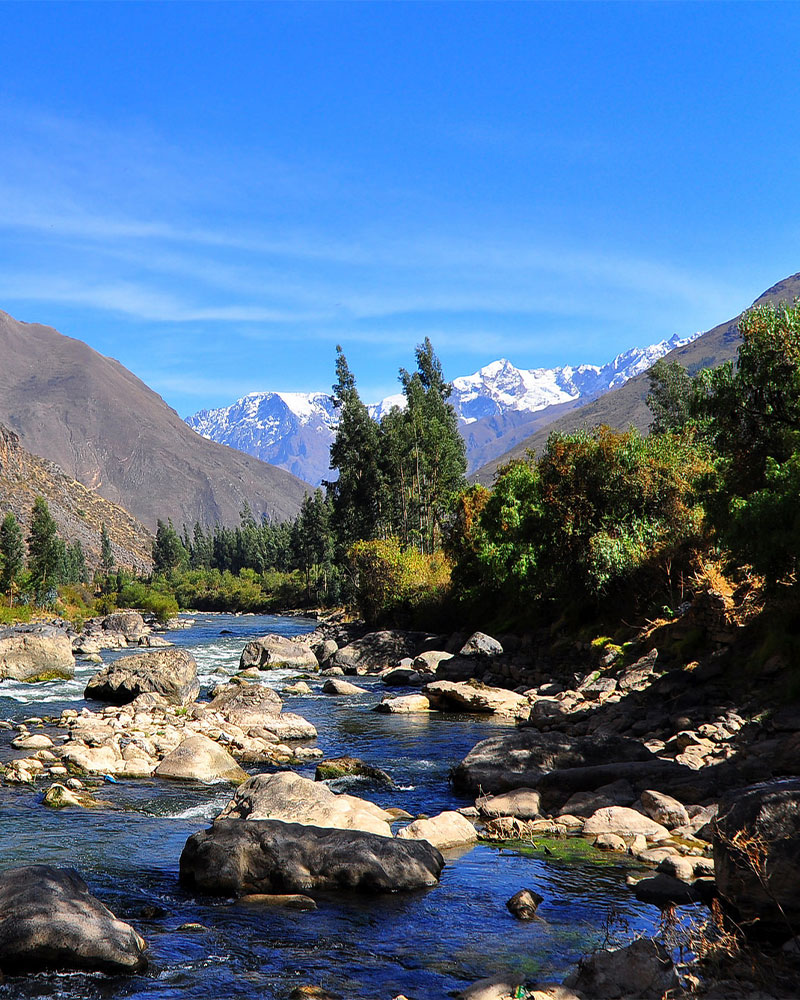
- The Urubamba River, the valley’s natural backbone and ideal for adventure sports like kayaking and rafting in a truly unique setting.
- Living agricultural terraces, where Inca heritage is still in use and continues to sustain local communities.
- Community-based tourism, with visits to coffee and cacao farms where you can learn about traditional processes and connect with local producers.
- Andean gastronomy, from traditional markets to local restaurants that work with ingredients grown in the valley.
- Outdoor experiences, such as cycling, gentle hikes, and artisan workshops in Sacred Valley towns.
- Spiritual retreats and yoga practices, taking advantage of the valley’s energy, mountain silence, and spaces designed for connection and well-being.

Sacred Valley altitude: the perfect place to acclimatize
The altitude of the Sacred Valley of the Incas makes it one of the best places to acclimatize before visiting higher-altitude destinations in the Cusco region. Located between 2,700 and 3,000 meters above sea level (8,858–9,843 feet), the valley offers an intermediate elevation that allows the body to adapt gradually—reducing the risk of altitude sickness (soroche) without putting excessive strain on the body.
| City / Site | Altiude and anclimatization level |
| Pisac | 2,972 m / 9,747 ft. Moderate altitude, ideal for beginning acclimatization and enjoying light walks. |
| Chinchero | 3,772 m / 12,371 ft. One of the highest areas of the Sacred Valley; altitude sickness may be felt if you are not acclimatized. |
| Calca | 2,929 m / 9,613 ft. Comfortable altitude for spending the first nights and adapting gradually. |
| Urubamba | 2,870 m / 9,416 ft. One of the lowest towns in the valley; highly recommended for acclimatization. |
| Ollantaytambo | 2,792–2,850 m / 9,160–9,350 ft. Low and stable altitude, ideal as a base before visiting Machu Picchu. |
| Maras | 3,300–3,385 m / 10,827–11,103 ft. Higher elevation; best visited after a few days of acclimatization. |
| Moray | 3,385 m / 11,103 ft. High and exposed area; best visited once your body has already adapted. |
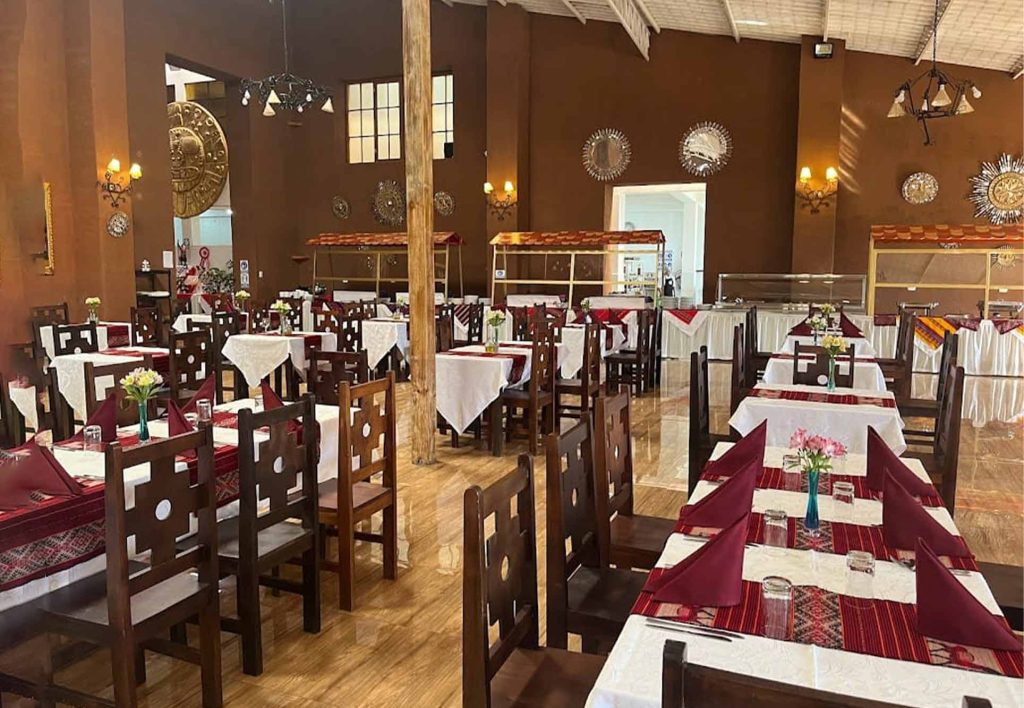
Hotels and restaurants in the Sacred Valley
Best hotels in the Sacred Valley
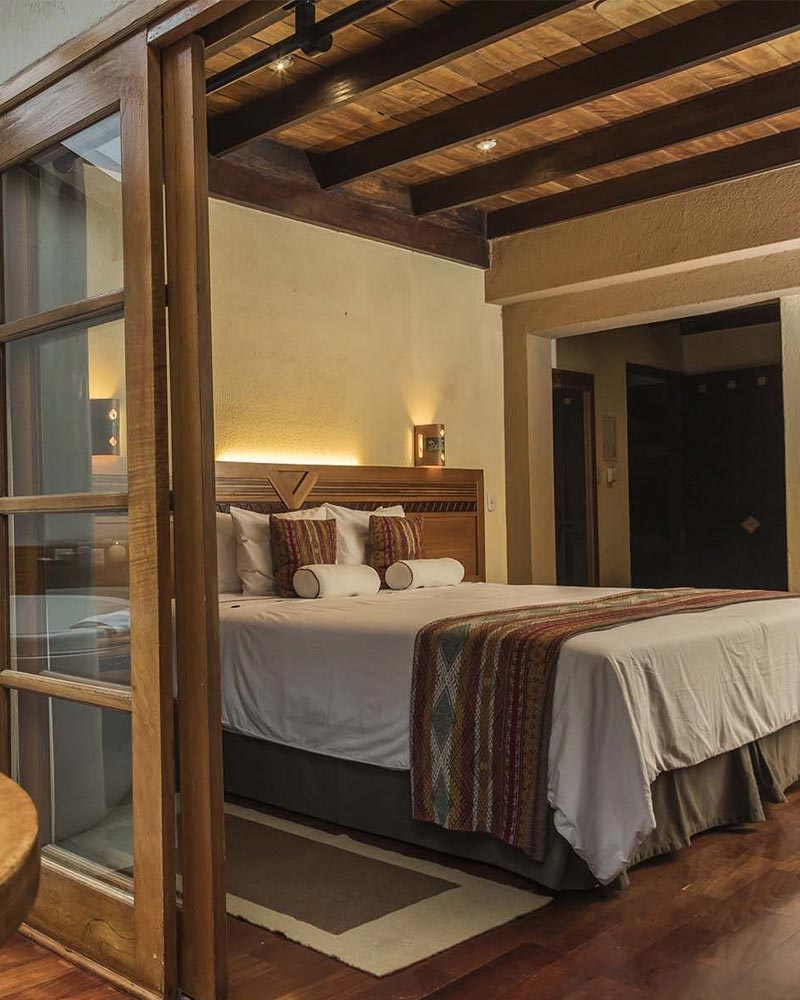
1. Tambo del Inka, a Luxury Collection Resort & Spa, Sacred Valley
A five-star hotel with outstanding reviews for its service, spa, restaurant, and privileged riverside location. Ideal if you’re looking for comfort and luxury.
2. Rio Sagrado, A Belmond Hotel, Sacred Valley
Luxury and thoughtful design in the heart of the valley, featuring gardens and spaces inspired by Inca engineering. Highly praised for its attentive service and unique experiences.
3. Aranwa Sacred Valley Hotel & Wellness
A colonial hacienda transformed into a hotel, offering a spa, restaurants, and a peaceful atmosphere. One of the highest-rated hotels among travelers for its blend of comfort and natural surroundings.
Other highly rated options include Inkaterra Hacienda Urubamba and Casa Andina Premium Valle Sagrado Hotel & Villas—great choices if you’re looking for luxury with a local focus or a cozier, family-friendly option.
Best restaurants in the Sacred Valley
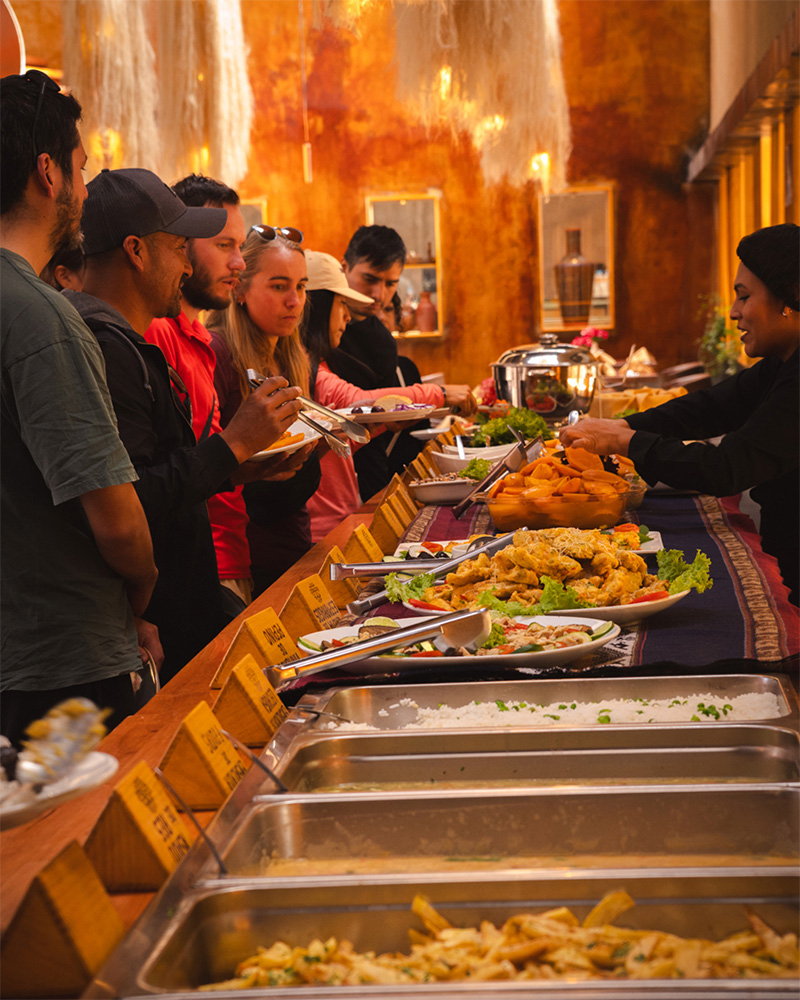
1. Kampu
High-end Peruvian fusion cuisine with exceptional ratings, praised for the quality and creativity of its dishes.
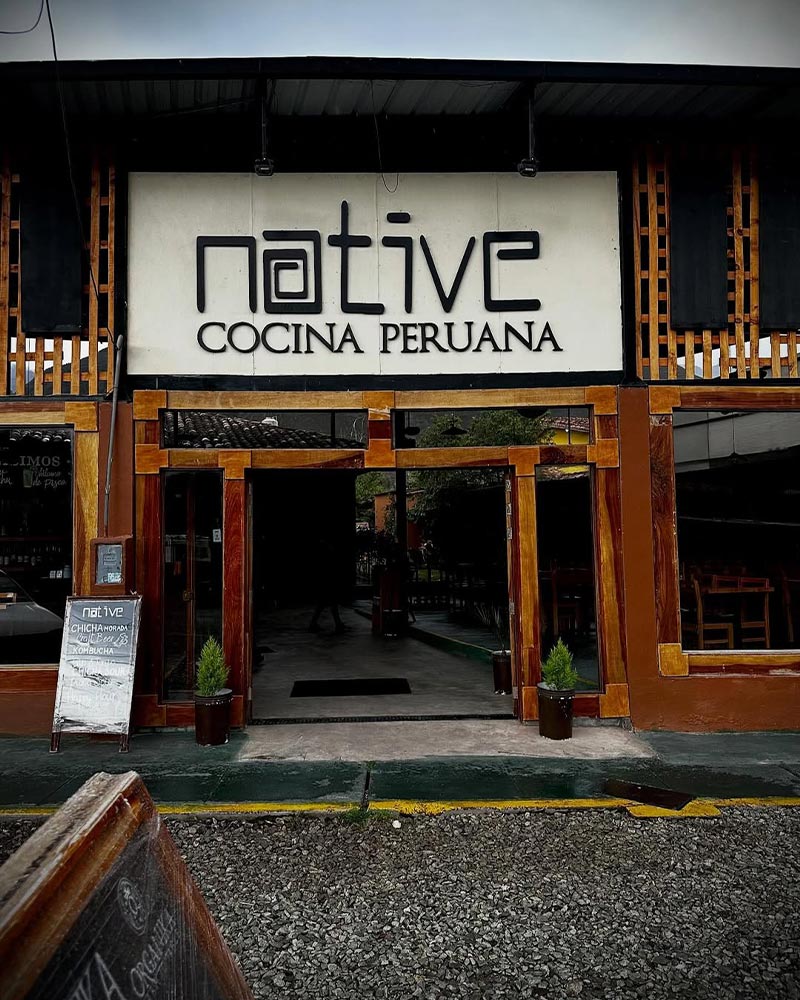
2. Native Peruvian Restaurant
Highly rated by travelers for its contemporary Andean cuisine, use of local ingredients, and warm, welcoming atmosphere.
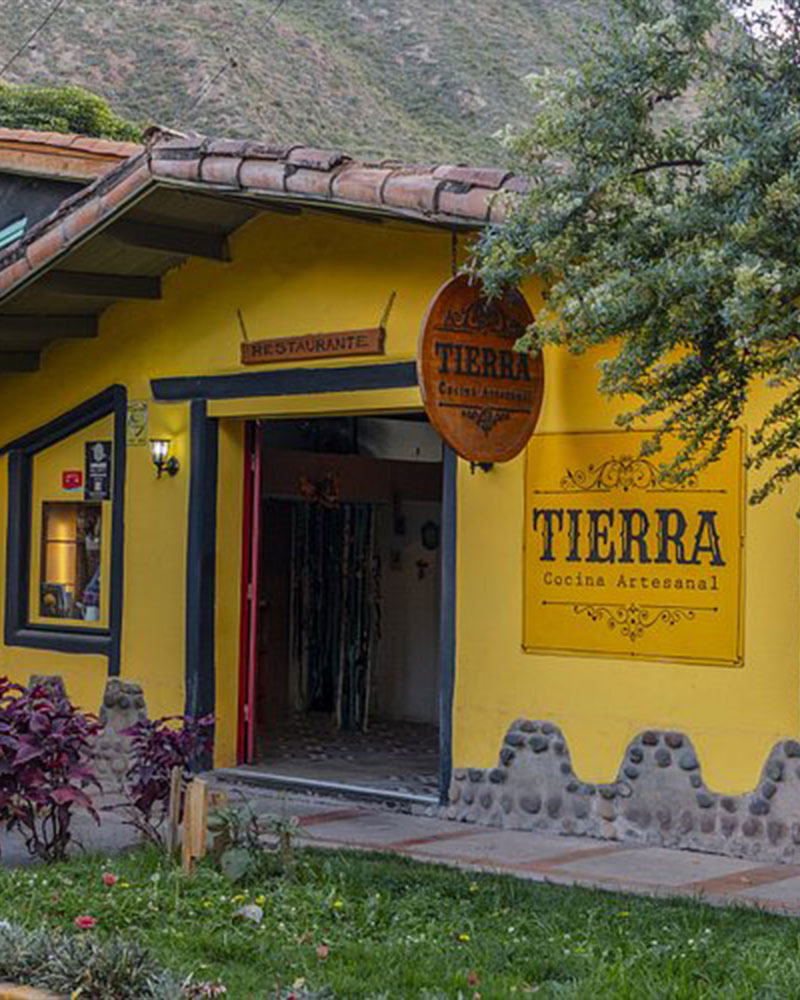
3. Tierra Cocina Artesanal / Urubamba
A popular choice for its focus on artisanal cooking and flavors of the valley, recommended for those seeking an authentic gourmet experience.
Other notable spots include Las Manos and Pakakuna Restaurant, both highly rated for their local dishes and attentive service.
How to connect the Sacred Valley with Machu Picchu
When talking about Peru, it’s impossible not to mention Machu Picchu—the wonder that tops many travelers’ bucket lists. Its breathtaking location between mountains, the harmony between its structures and the surrounding landscape, and the architectural precision achieved by the Incas make it a truly unforgettable experience. Best of all, after exploring the Sacred Valley of the Incas, you’re already much closer to reaching the citadel.
Below are the most practical ways to connect the Sacred Valley with Machu Picchu, depending on your travel style and itinerary.
1. From Ollantaytambo: the easiest and most popular option
Most travelers—and tour operators—end their Sacred Valley journey in Ollantaytambo, as it is one of the main train stations for Aguas Calientes, the base town for visiting Machu Picchu.
How to do it:
- Finish your Sacred Valley tour in Ollantaytambo.
- Walk about 10 minutes or take a mototaxi to the train station.
- Take the train to Aguas Calientes at 7:00 p.m. or 9:00 p.m. (approx. 1 hour 40 minutes).
- Stay overnight and visit Machu Picchu the following day.
Another option:
- Finish your tour in Ollantaytambo and stay overnight there.
- The next day, go to the train station at the time indicated on your ticket. Trains begin operating from 5:00 a.m. (approx. 1 hour 40 minutes).
- Head up to Machu Picchu and enjoy the experience.
This method is ideal if you:
- Want to avoid returning to Cusco.
- Want to save time.
- Prefer a smooth connection: Sacred Valley → Aguas Calientes → Machu Picchu.
2. From Urubamba: a convenient option if you’re staying at Tambo del Inka
This is a private train station located inside Tambo del Inka Hotel in Urubamba. It is the only hotel in the region with its own private train station.
This option is ideal if you:
- Are looking for private or direct connections.
3. Return to Cusco and depart the next day (less practical option)
Although it is possible to return to Cusco after finishing your Sacred Valley tour, this route involves more time on the road.
Options:
- Transfer from Cusco to Ollantaytambo (approx. 1 hour 30 minutes).
- Train to Aguas Calientes from Poroy or San Pedro stations (available only from April to December).
Recommended only if:
- Your hotel is in Cusco.
- You plan to take trekking routes to Machu Picchu.
4. Which route do we recommend?
Without a doubt: Sacred Valley → Ollantaytambo → Train → Aguas Calientes
It’s the fastest option and allows you to fully enjoy the valley’s energy before reaching the highlight of the journey: Machu Picchu.
Essential tips for connecting the Sacred Valley with Machu Picchu
- Book your train tickets in advance, especially during high season (May–October).
- Stay overnight in Aguas Calientes if you want to enter Machu Picchu early.
- Manage your timing carefully: if you visit Pisac late in the day, keep site closing times in mind to avoid delays when heading to Ollantaytambo.
- Bring your passport—you’ll need it to enter Machu Picchu.
- Avoid booking trains too late in the day; traffic in the valley can be unpredictable.
- If traveling with a tour operator, confirm all logistics in advance: post-Pisac transportation, train station, and departure time.
- Don’t forget to reserve your Machu Picchu entrance ticket ahead of time.
Important: To continue your journey to Machu Picchu, you must already have both your train ticket and your entrance ticket to the citadel. For detailed information, we recommend checking the following guides: Complete Guide to Trains to Machu Picchu and Machu Picchu Tickets 2026.

Frequently asked questions
Because it combines Andean landscapes, towns with living culture, and Inca archaeological sites in a region with a pleasant climate. It’s not just a place to visit—it’s a place to explore slowly, understand Andean culture, and enjoy a deeper connection with the surroundings.
Yes—especially if you’re looking for more than just a photo. The Sacred Valley offers insight into Andean life, key archaeological sites, and unhurried landscapes, making it one of the most complete experiences in the Cusco region.
Ideally, visit the Sacred Valley first, as it lies along the route to Machu Picchu and allows for a more organized and efficient journey. Exploring its towns and archaeological sites also provides valuable cultural context, making the visit to the wonder even more meaningful.
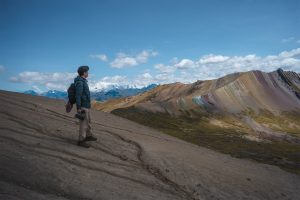
It depends on the traveler. Rainbow Mountain is a short but physically demanding experience, while the Sacred Valley offers several days of exploration, culture, towns, and archaeological sites—with less physical effort and greater diversity of experiences.
Conclusion: Why does everyone fall in love with the Sacred Valley?
By the end of the journey, it’s hard not to wonder why this valley carries the word sacred in its name. Why such an advanced culture as the Incas chose this place to build, cultivate, and organize their lives—and why, more than five hundred years later, the Sacred Valley continues to exert such a deep pull on those who visit?
Perhaps it’s the landscape, the energy, or the way it invites you to slow down and see things differently. The answers may be many, but one thing is clear: the Sacred Valley can’t be understood through a photo—it must be experienced. Discover it for yourself and start planning your next journey with us.



Leave A Reply