
You want to hike to Machu Picchu. You just don’t want to do it elbow-to-elbow with a bunch of other trekkers. And that’s perfectly understandable.
You’ve heard about permits selling out. About crowded campsites. About that one trail, everyone’s posting on their socials.
And now you’re wondering: Is there another way?
Enter the Quarry Trail in Peru. It’s a quiet, culturally rich, high-altitude route that delivers you straight to Machu Picchu. No mass shuffle. Just you, the Andes, and one seriously underrated trek.
This is your complete guide to the Inca Quarry Trek. You’ll learn where it is, how hard it really is, how it compares to the Inca Trail, and whether it’s actually worth your time.
Let’s get into it.
Table of contents
- What Is The Inca Quarry Trail To Machu Picchu?
- Where Is The Quarry Trail In Peru Located?
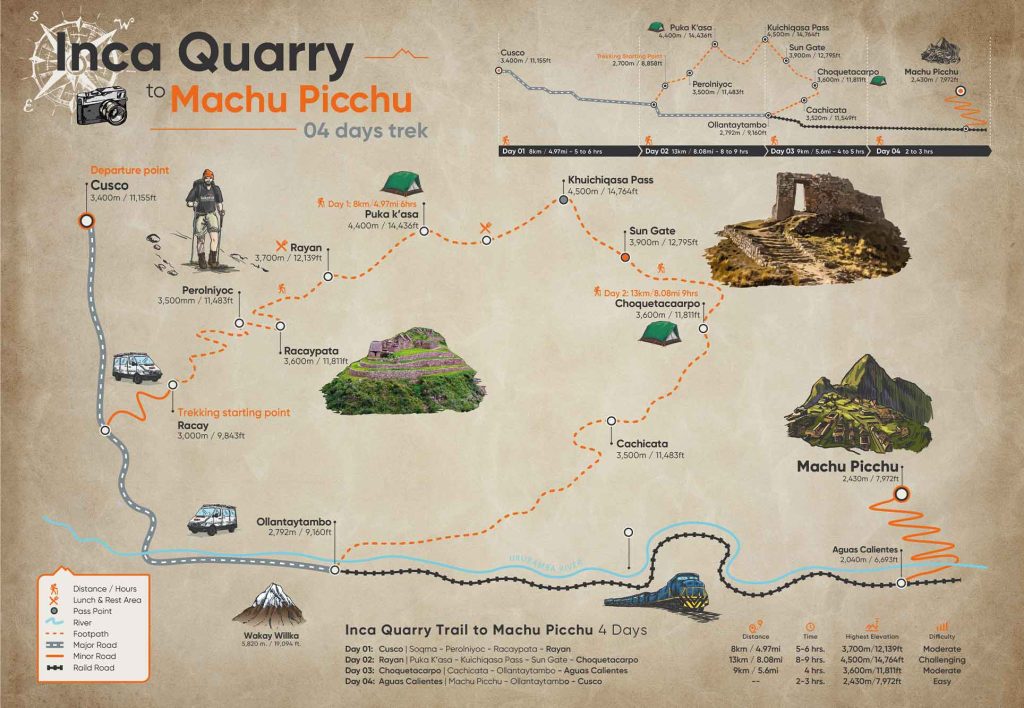
- Quarry Trail In Peru Map And Route Breakdown
- How Difficult Is The Quarry Trail Peru?
- Quarry Trail Vs Inca Trail: Key Differences Explained
- Best Time Of Year To Hike The Quarry Trail In Peru
- Who Is The Inca Quarry Trek Ideal For?
- Responsible Trekking And Sustainable Tourism On The Quarry Trail In Peru
- Cultural And Archaeological Highlights Along The Route
- How To Prepare For The Inca Quarry Trek
- Logistics: Permits, Accommodation, And Transportation
- Frequently Asked Questions About The Quarry Trail Peru
- So, Is The Quarry Trail Worth It?
What Is The Inca Quarry Trail To Machu Picchu?
The Inca Quarry Trail, sometimes called the Cachicata Trek, is a 4-day trek through the Sacred Valley that winds past ancient stone quarries, remote Andean villages, high mountain passes, an Inti Punku sun gate, and eventually leads hikers to Machu Picchu.
It’s an alternative route to the famous Inca Trail, but it’s not a backup plan for when the other is fully booked. It’s its very own experience.
The route centers around the historic Cachicata stone quarries, where the Incas carved and transported massive stones intended for temples and fortresses.
This isn’t a “ruins every five minutes” type of trek, but a quieter, more spacious, and more raw experience.
And for a lot of hikers, that’s the whole point.
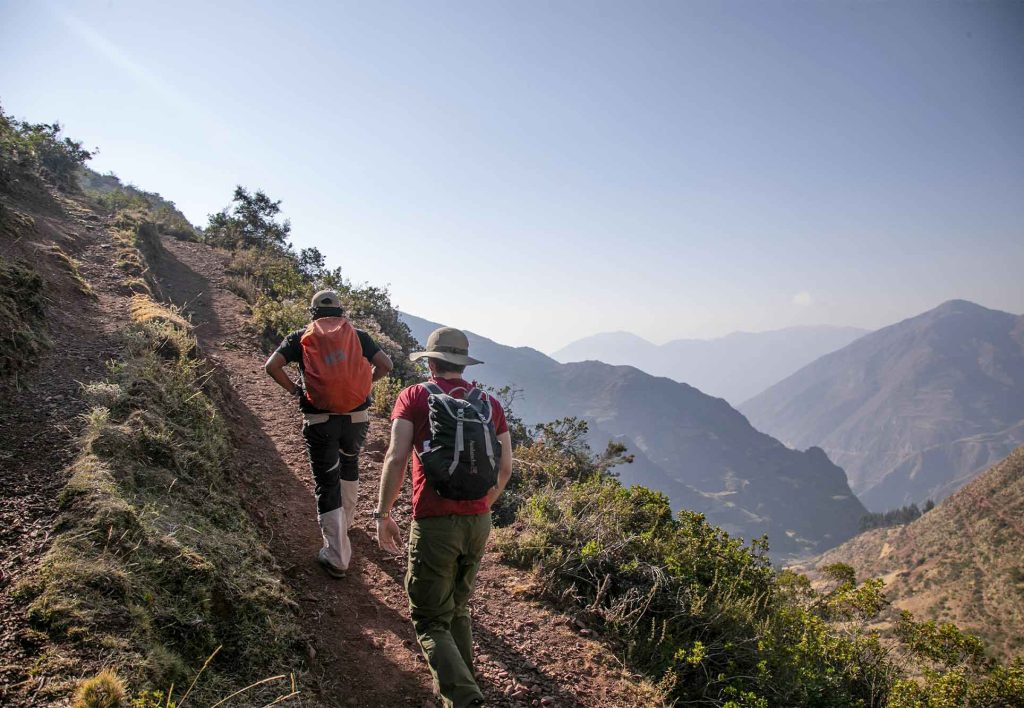
The Historical Significance Of The Inca Quarry
Cachicata was one of the main quarry sites used during the construction of nearby Ollantaytambo.
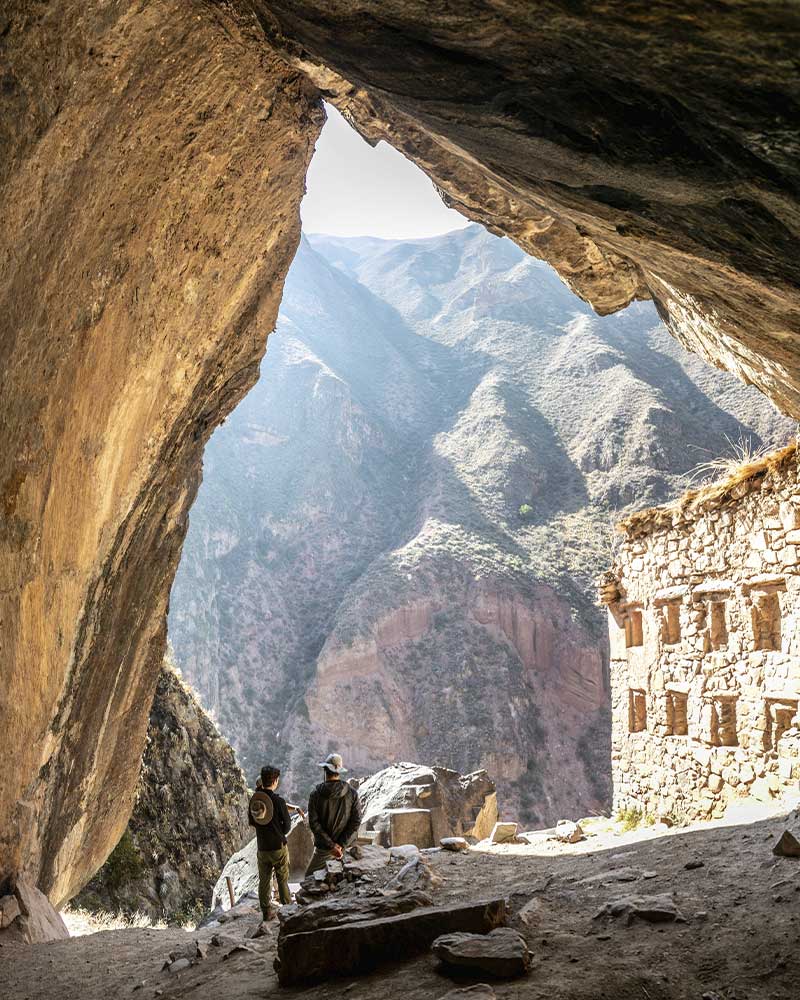
When you hike here, you don’t just see the stones. You see them mid-process. Half-carved. Abandoned. Frozen in time.
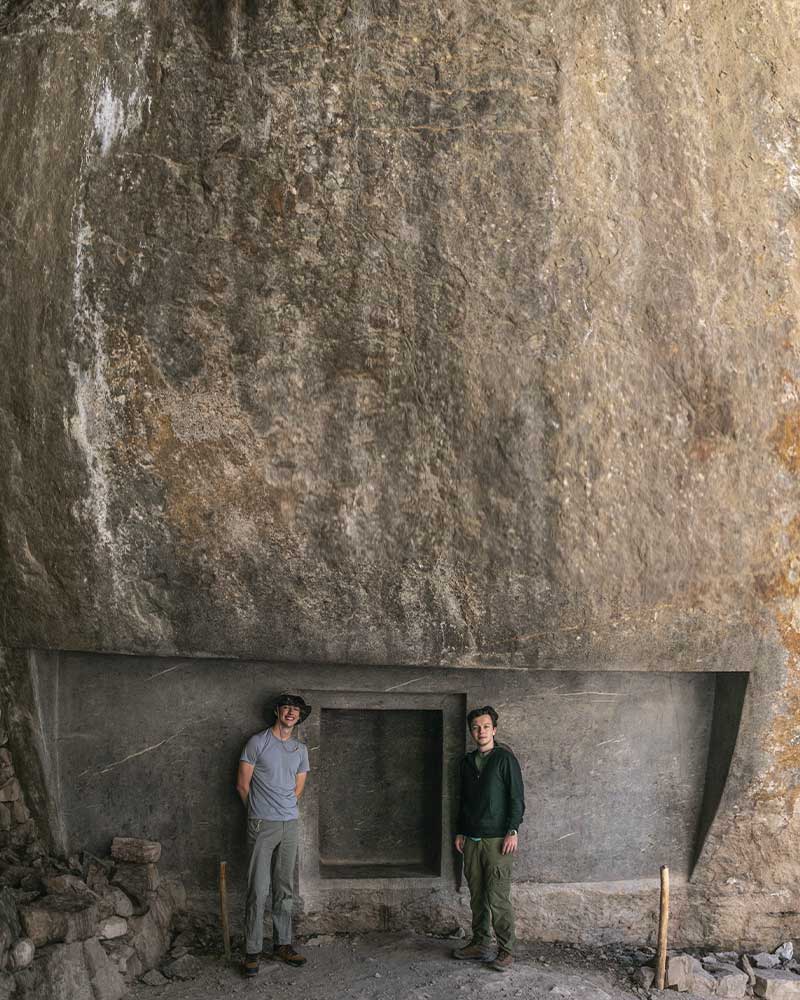
You’ll walk among unfinished blocks weighing several tons. You’ll see chisel marks and the ramps they used to move stone without wheels, perhaps answering some of those questions you have on how they built structures with such heavy stone in the mountains.
It’s like stumbling onto an Incan construction site that never clocked out.
How This Trek Differs From The Classic Inca Trail
The Classic Inca Trail is archaeology-heavy and tightly regulated. It’s iconic, no doubt.
But the Quarry Trail feels more open. There are no large permit quotas. Campsites are less crowded. The experience feels more personal.
Instead of following a single-file line of hikers, you’re crossing high passes with wide views and only your group for company.
Different vibe. Same dramatic finale.
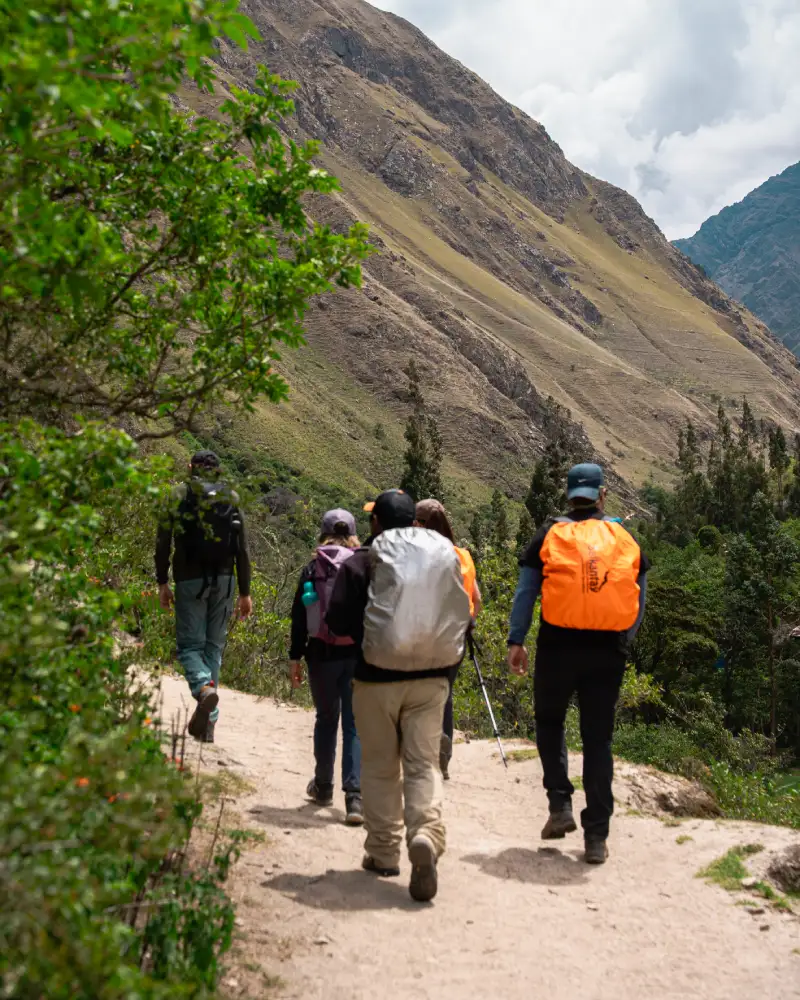
Why The Quarry Trail Remains One Of Peru’s Least Crowded Routes
Three main reasons:
- It’s far less marketed than the Inca Trail.
- It requires real hiking effort.
- Many travelers don’t know it exists as an option.
If your pain point is “I don’t want the Inca Trail packed with people,” this route solves that.
Where Is The Quarry Trail In Peru Located?
The trail starts in the Sacred Valley, near Ollantaytambo, about 1.5 to 2 hours from Cusco.
Ollantaytambo isn’t just a starting point. It’s an important Inca town and one of the best still existing examples of Incan urban planning in Peru.
From here, the trail climbs into the Andes, loops past Cachicata, crosses high mountain passes up to 14,764 feet (4,500 meters), and eventually descends back to Ollantaytambo, where you’ll catch the train to Machu Picchu.
Understanding The Quarry Trail, Peru, Map
If you look at a Quarry Trail map, you’ll notice something. It doesn’t mirror the Inca Trail at all. You begin in the Sacred Valley, head north into remote terrain, and then arc back toward Ollantaytambo.
It feels like stitching together landscapes most travelers never see.
The Role Of Ollantaytambo In Inca History And Logistics
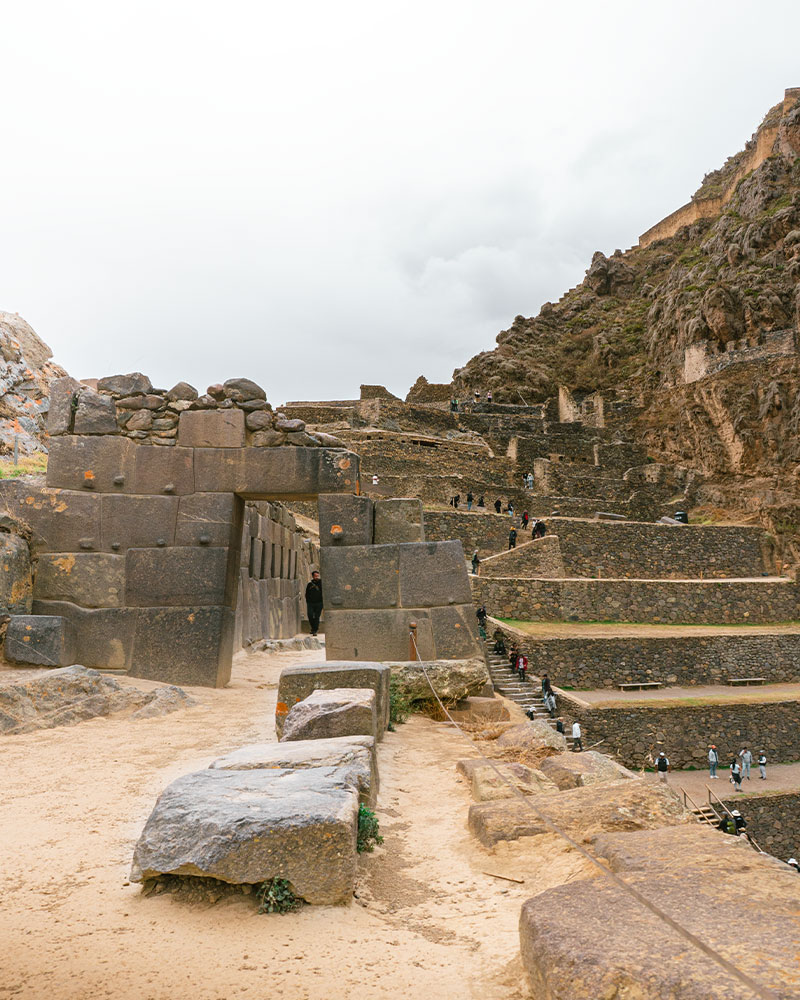
Ollantaytambo was a strategic Incan stronghold. Built as a ceremonial center and military fortress, it controlled access between the Sacred Valley and the high jungle routes leading toward Machu Picchu. Massive terraces climb the hillside, and precisely cut stone walls still stand as proof of the advanced Incan engineering.
But here’s where it gets interesting.
The stone used in Ollantaytambo’s temples came from the Cachicata quarries, which is the same site you hike through on the Inca Quarry Trek.
That means when you walk past those abandoned stone blocks, you’re literally tracing the supply chain of an empire.
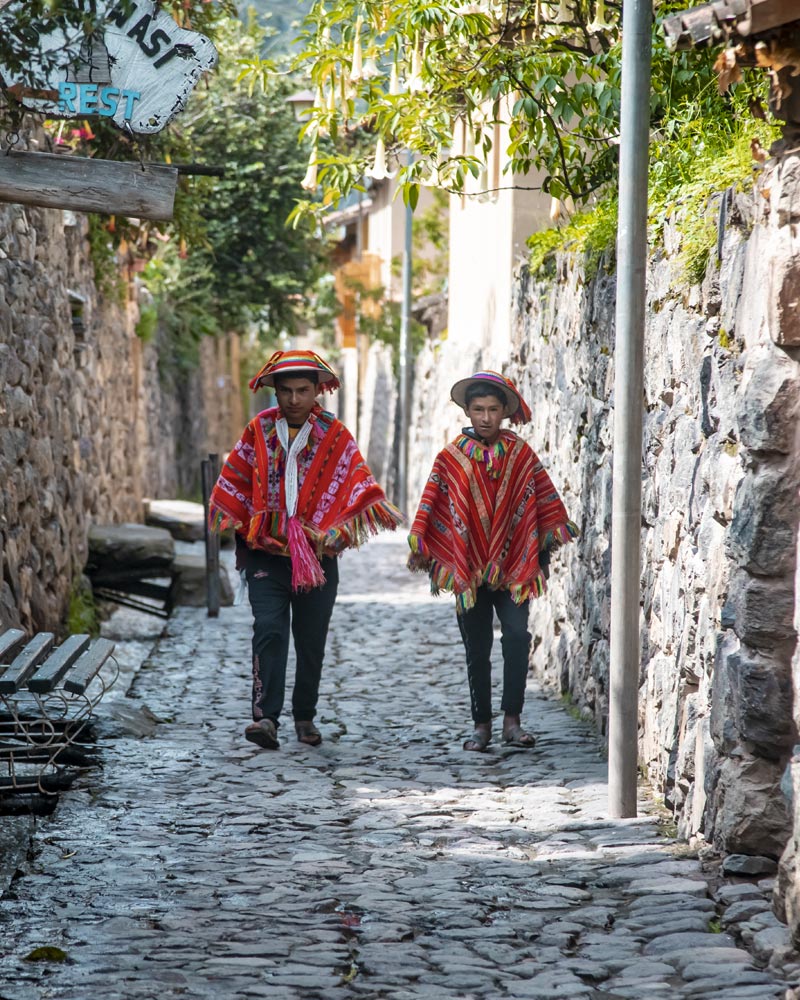
Ollantaytambo was a hub. A fortress. An agricultural center. Today, it remains one of the last living Inca towns, with original street layouts still in use.
How The Route Connects The Sacred Valley To Machu Picchu
The Quarry Trail in Peru follows an ancient Andean logic rather than a modern tourism one.
Instead of tracing the exact path of the Classic Inca Trail, this route explores the highlands above the Sacred Valley, linking important agricultural, quarrying, and ceremonial areas that once supported the Inca Empire.
Historically, the Incas built an extensive road system known as the Qhapaq Ñan, connecting administrative hubs, farming zones, and construction sites across the Andes.
The Quarry Trail intersects with parts of this broader network.
It begins in the agricultural center of the Sacred Valley, climbs into high-altitude stone extraction zones at Cachicata, and crosses remote mountain passes that reveal how interconnected the empire truly was.
Along the way, hikers visit an Inti Punku, a “Sun Gate” structure overlooking the valley, but this isn’t the same entrance used by the Inca Trail into Machu Picchu. Instead, it offers panoramic views of the surrounding Andes.
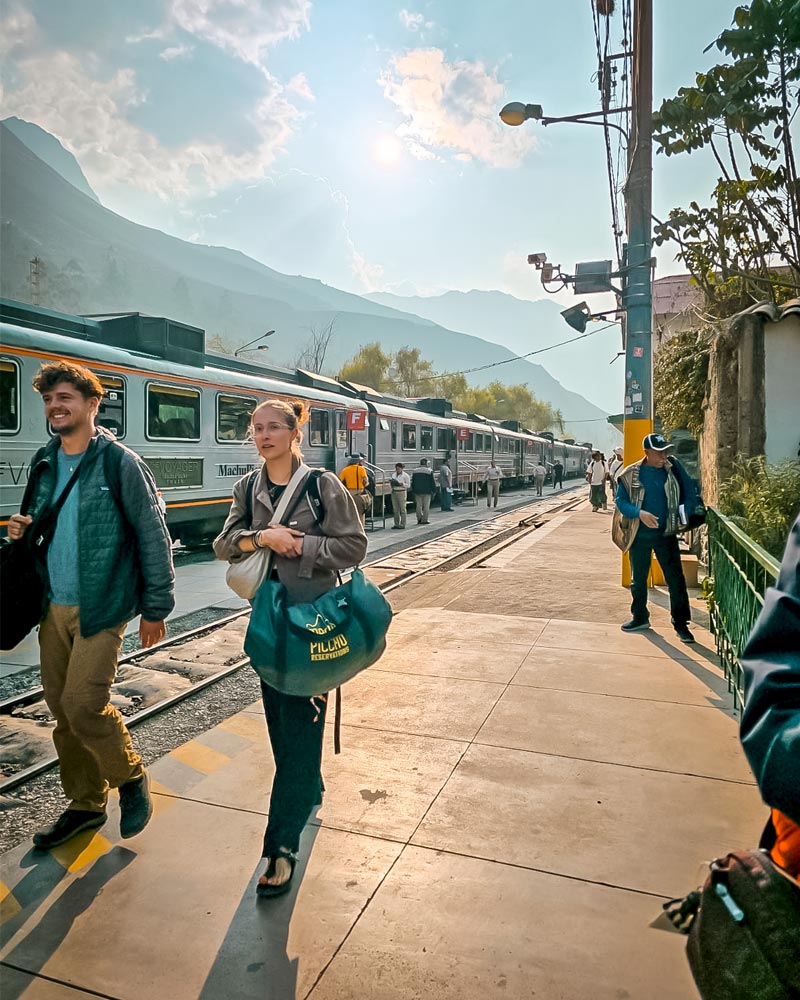
After completing the highland portion of the trek, travelers descend and take the train from Ollantaytambo to Aguas Calientes.
This creates a different rhythm compared to the Inca Trail.
Rather than arriving directly on foot into Machu Picchu, the Quarry Trail separates the high-altitude cultural journey from the citadel visit itself. The trek focuses on understanding how the empire functioned, its quarries, farming systems, and mountain infrastructure, before finishing with a guided tour of Machu Picchu on the last day.
It’s less about a dramatic single entrance moment and more about seeing the bigger picture of how the Sacred Valley supported one of the greatest architectural achievements in history.
Quarry Trail In Peru Map And Route Breakdown
A Quarry Trail map doesn’t just show distance. It shows elevation changes, shifting ecosystems, and how this route loops through terrain most Machu Picchu visitors never see.
This isn’t a straight line to the finish. Instead, it’s a beautifully structured four-day route through rural valleys, high passes, archaeological sites, and the famous Cachicata stone quarries before finishing in Aguas Calientes for Machu Picchu.
Here’s a more detailed look at what each day really involves.
Day 1: Cusco To Soqma And Rayan
Your journey starts with a comfortable transfer from Cusco to the trailhead near Soqma, which takes about 1.5 hours by private transport.
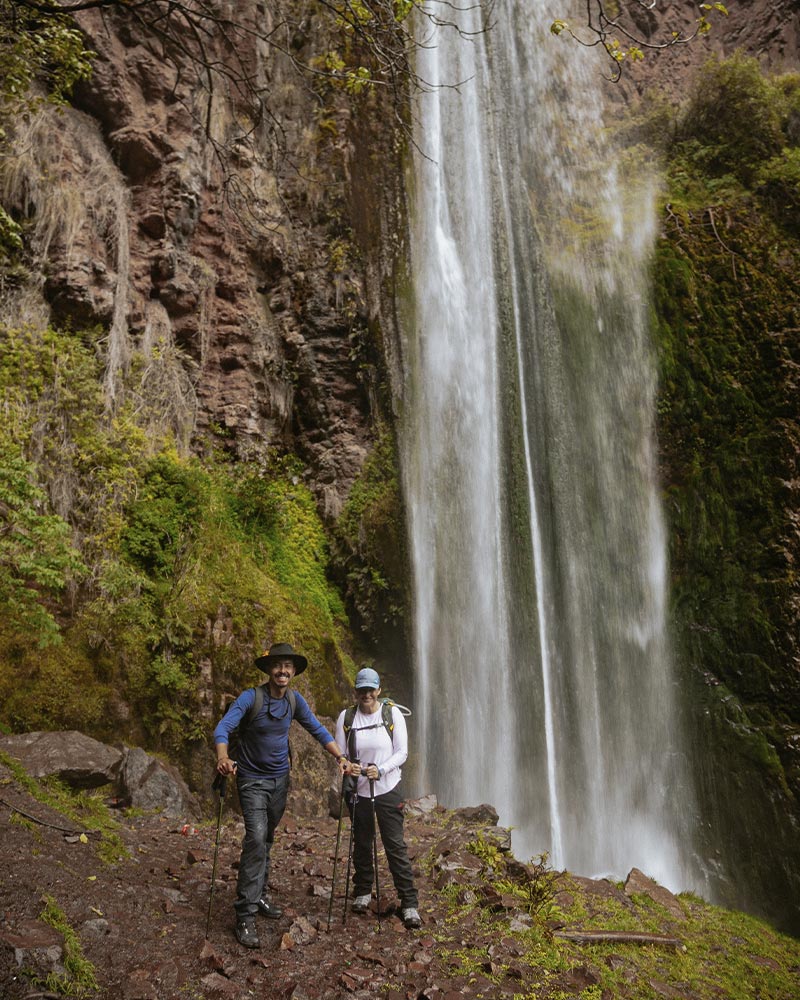
The first 3-4 hour hike from this point is beautiful, with rolling farmland, sweeping valley views, and a gentle warm-up for the days ahead. Along the way, you’ll pass the Perolniyoc waterfall for a quick soak, which is a perfect early pit stop and cool-down after your first few hours of walking.
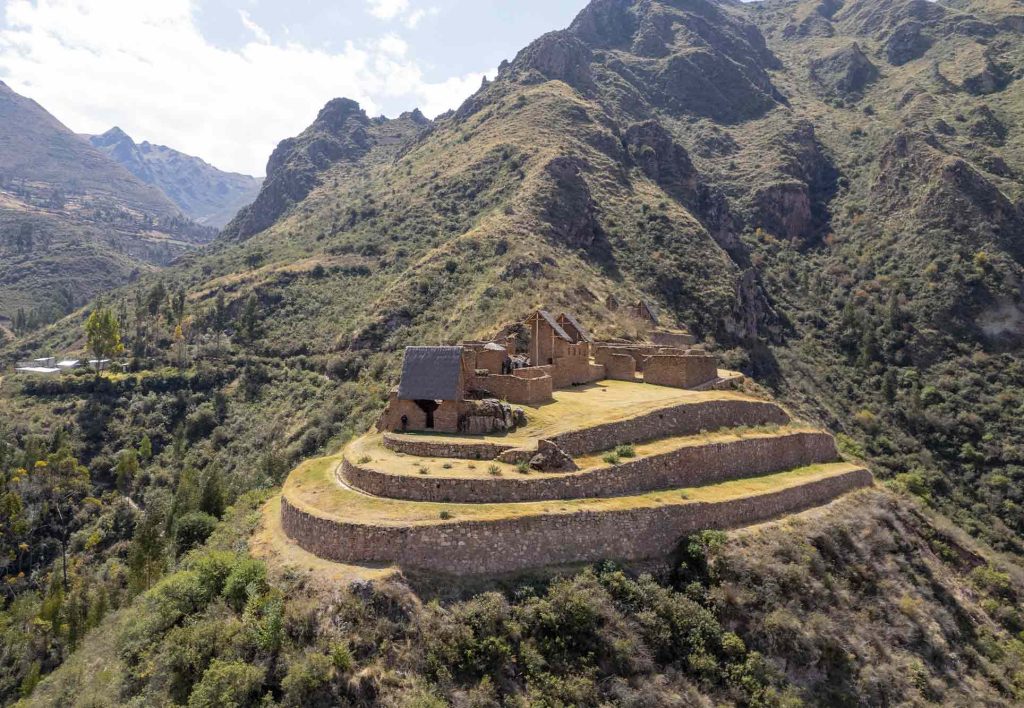
You then continue toward Racaypata, an archaeological site perched dramatically on a cliff. Here, your guide explains the local history and context of the region, bringing the landscape to life.
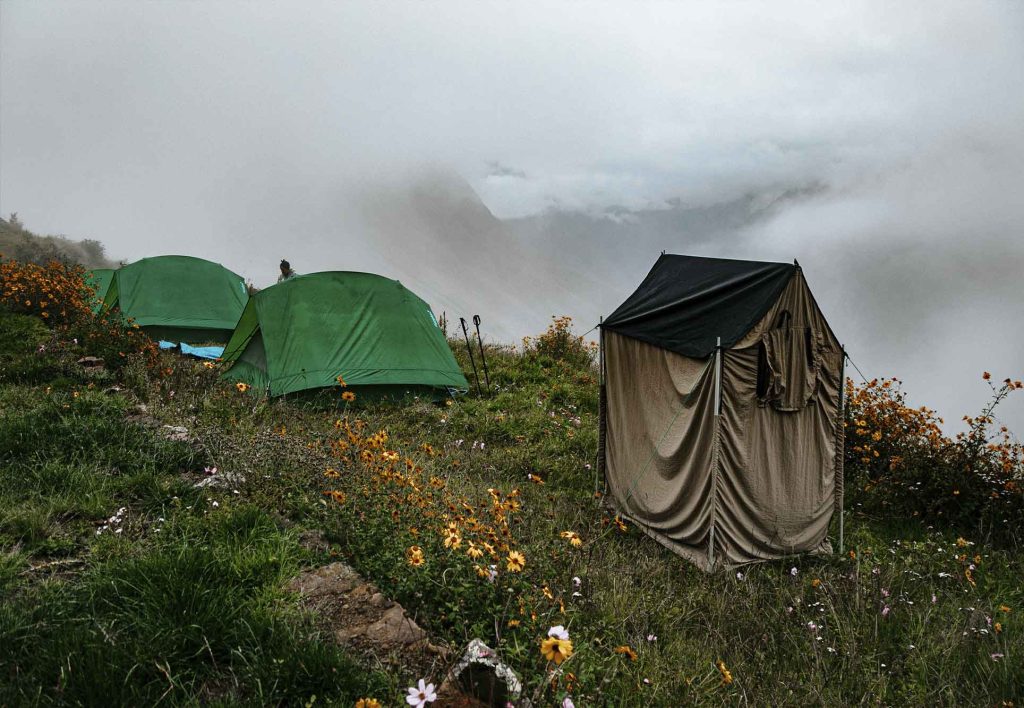
By afternoon, you reach your campsite at Rayan, set in open highland terrain. You’ll enjoy dinner together under clear Andean skies and have your first exposure to real high-altitude nights. Be warned. It can get cold. Very cold.
Day 2: Rayan To Choquetacarpo Via Passes And Sun Gate Views
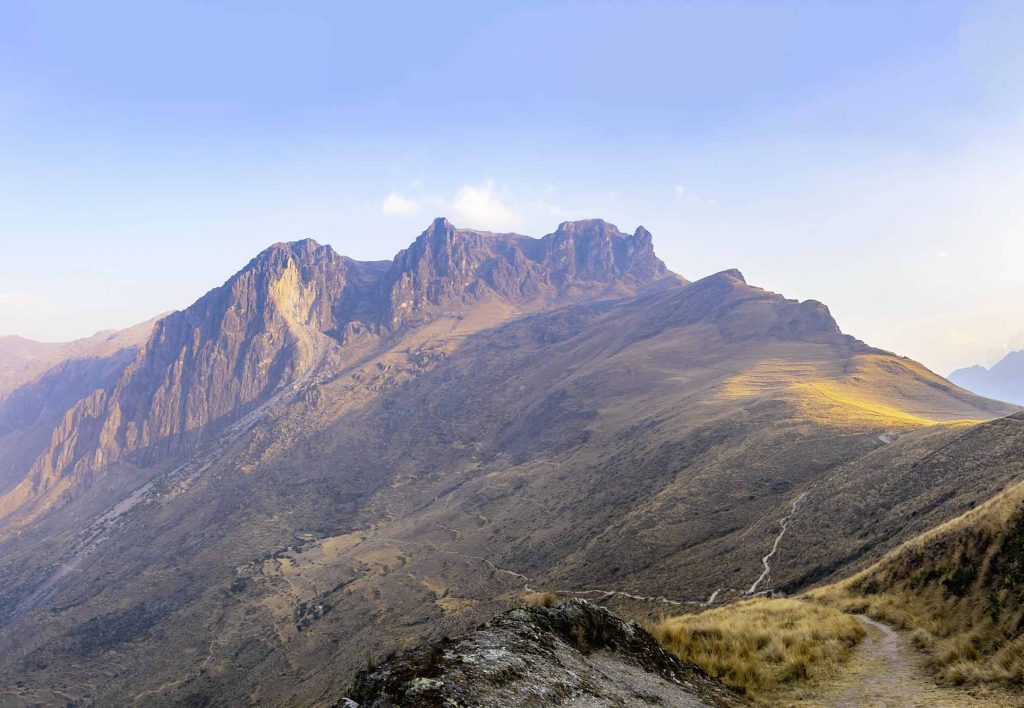
Day 2 is the most physically demanding part of the trek. After breakfast, you make your way up to your first summit at Puccaqasa, which offers dramatic vistas of the Sacred Valley and surrounding mountains.
Once over the first section, you continue toward the Kuichiqasa Pass, which is the highest point of the entire trek at around 4,500 m / 14,764 ft.
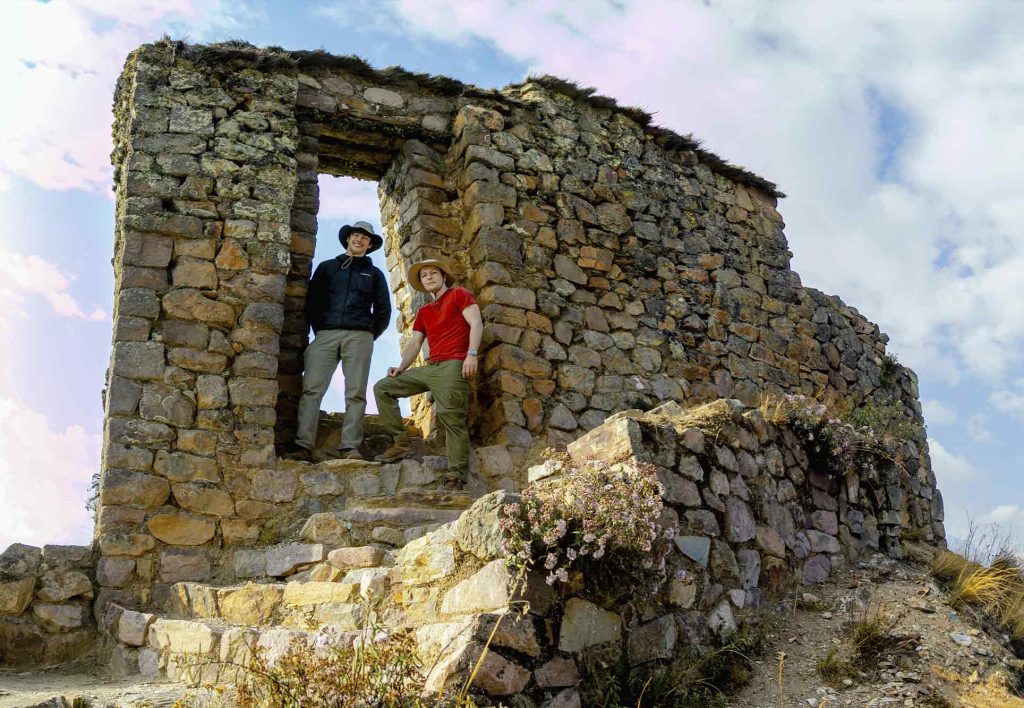
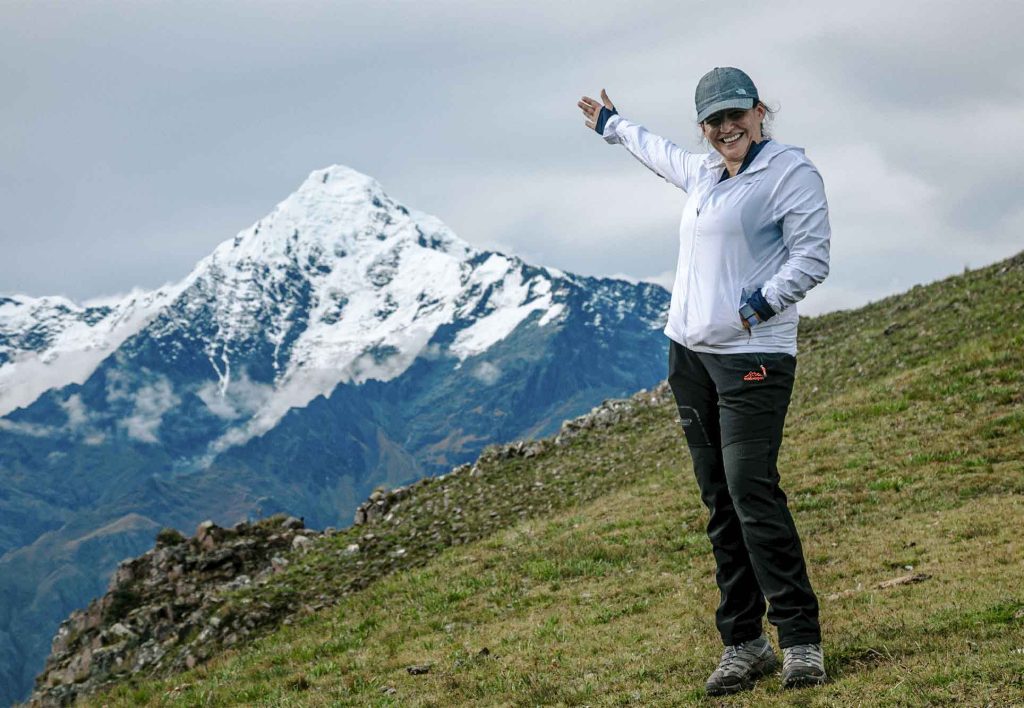
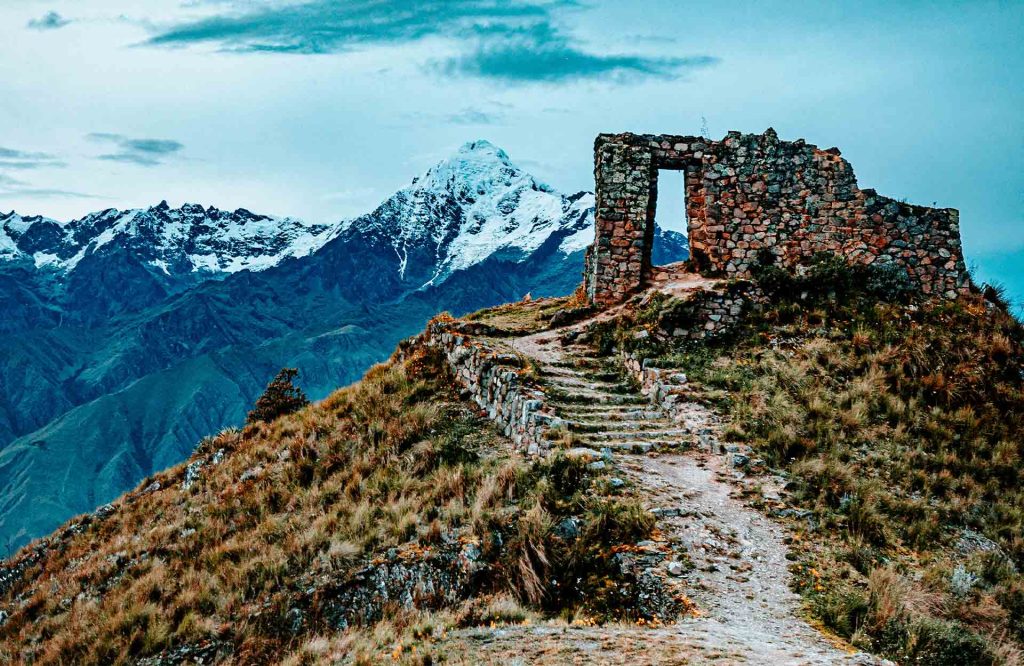
From here, you’ll head to an archaeological site known locally as Inti Punku (Sun Gate). This isn’t the Inca Trail’s Machu Picchu Sun Gate, but an impressive viewpoint that looks over distant glaciers like Veronica and expansive Andean valleys.
Once you’ve soaked in those high-altitude panoramas, the trail descends toward the Choquetacarpo campsite, where you’ll rest and enjoy dinner.
Day 3: Choquetacarpo To Ollantaytambo And Aguas Calientes
Today starts with a breakfast and a short hike toward the Cachicata stone quarries. It’s the cultural highlight of this trek.
At Cachicata you explore the ancient quarry where Incas cut huge stones for construction in places like Ollantaytambo. Seeing these unfinished stones, some of which weigh many tons, gives you a rare insight into Inca construction techniques and supply chains.
From the quarry, you descend to the town of Ollantaytambo for lunch, all the while enjoying more Sacred Valley scenery. After eating, you catch the train to Aguas Calientes at the base of Machu Picchu.
Once in Aguas Calientes, you check into your hotel. Some people like to explore the town, visit the hot springs, or grab dinner at one of the many local restaurants in preparation for Machu Picchu the next morning.
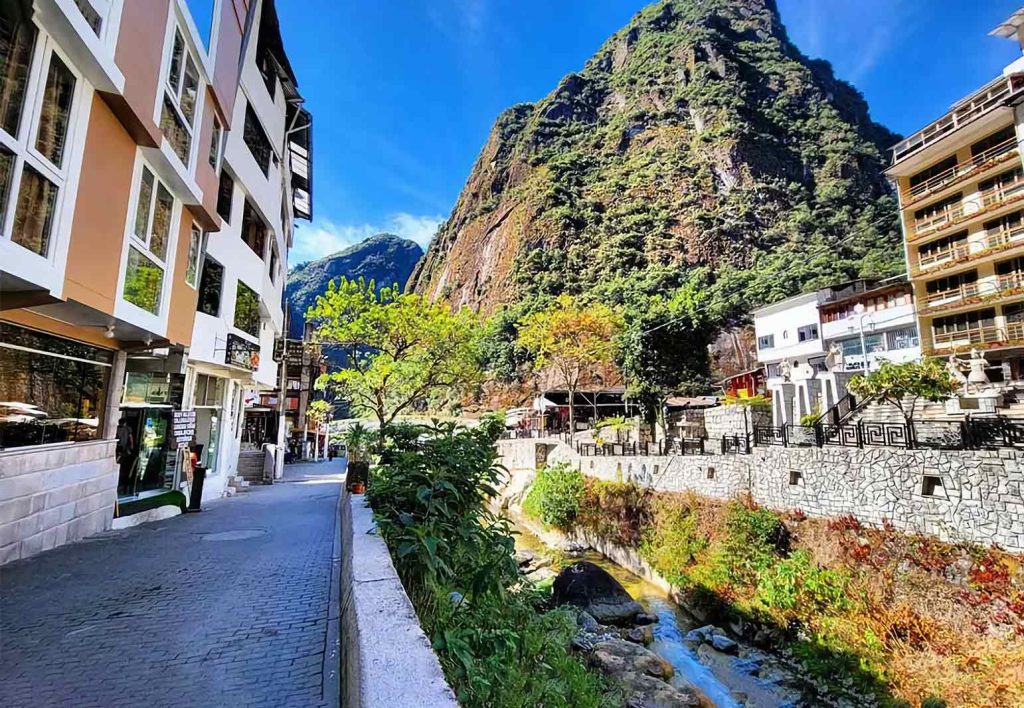
Day 4: Guided Exploration Of Machu Picchu
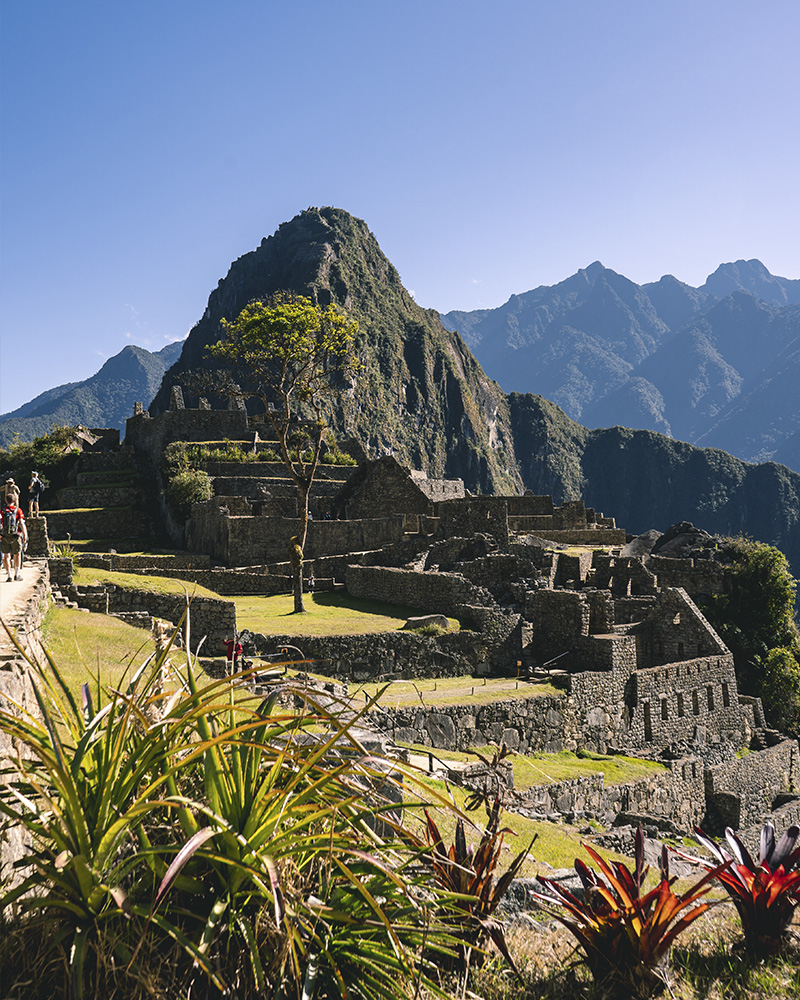
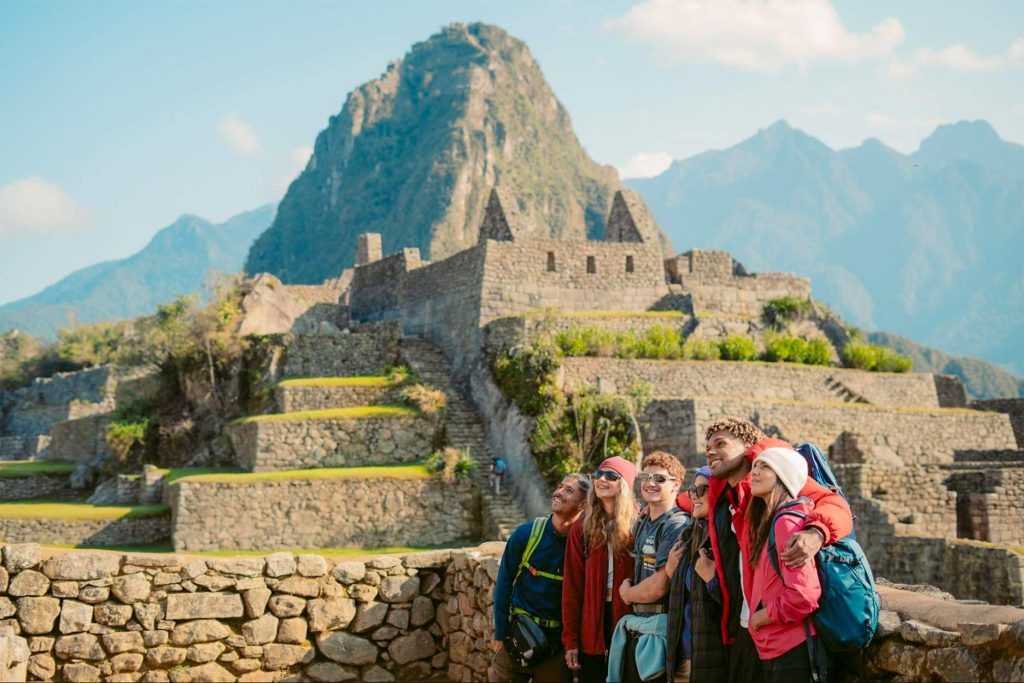
This morning, you’ll catch an early bus to take you from Aguas Calientes to Machu Picchu, where you’ll watch the sunrise over the ancient citadel and begin a guided exploration of the site.
Your guide will help you navigate the terraces, temples, observatories, and sacred precincts, giving context to the engineering brilliance you learned about earlier in the trek when you visited the quarry.
After the guided tour (usually around two hours), you return to Aguas Calientes for lunch. Later, you take the train back to Ollantaytambo, and a private transfer awaits to bring you back to Cusco, where your feet will finally rest after four unforgettable days.
How Difficult Is The Quarry Trail Peru?
Let’s answer this honestly.
The Quarry Trail in Peru is considered moderate to challenging.
It’s not technical climbing. You don’t need ropes. But it demands stamina.
Distance And Elevation
- Approximate distance: 20.5 miles (33 km)
- Highest point: around 14,764 feet (4,500 meters)
- Multiple long ascents and steep descents
The altitude is the biggest factor. Even experienced hikers feel the reduced oxygen around 13,000 feet (4,000 meters).
What Makes It Challenging
- Sustained uphill climbs
- High mountain pass crossing
- Cold nighttime temperatures
- Thin air
Think of this trek as a steady effort rather than short bursts.
How It Compares To Other Treks
- Inca Trail: Similar overall difficulty, but the Quarry Trail can feel tougher due to more exposed high-altitude hiking and fewer built stone steps.
- Salkantay Trek: The Quarry Trail is shorter and slightly less extreme than Salkantay, but still high-altitude.
- Inca Jungle Trek: The Inca Jungle route combines biking, rafting, and hiking at lower altitudes. It’s more adventure-sport oriented and physically varied, but generally less altitude-heavy.
Why Acclimatization In Cusco Matters Before Any Trek In Peru
Before starting the Quarry Trail in Peru, there’s one unglamorous but essential step: acclimatization.
Cusco sits at around 11,150 feet (3,400 meters). The Quarry Trail climbs even higher. That means your body needs time to adjust to thinner air.
Skipping this step is the fastest way to turn an exciting trek into a headache-filled struggle, and that’s the last thing you want to happen.
What Happens At Altitude?
At higher elevations, oxygen levels drop. Your body compensates by breathing faster and working harder. Common symptoms include:
- Headaches
- Fatigue
- Shortness of breath
- Nausea
It’s normal and completely manageable with preparation.
How To Acclimatize Properly
Spend at least 2–3 days in Cusco or the Sacred Valley before starting your trek.
Use those days wisely:
- Take short hikes
- Explore nearby ruins
- Drink plenty of water
- Avoid overexertion
- Go easy on alcohol
This isn’t wasted time. It’s what allows you to actually enjoy the high mountain pass instead of just surviving it.
Why This Matters For The Quarry Trail
The highest point of the trek reaches around 14,200 feet (4,300 meters). That’s serious altitude.
Unlike the Inca Trail, which has gradual stone staircases, the Quarry Trail involves more open climbs. You feel the elevation more directly.
Give your body time. The difference in experience is dramatic.
Quarry Trail Vs Inca Trail: Key Differences Explained
Finding it hard to decide? Maybe this will help.
Permits And Crowds
Inca Trail: Strict permits, high demand, busy camps.
Quarry Trail: No major permit race, fewer hikers, quieter campsites.
Archaeological Sites
Inca Trail: Frequent ruins.
Quarry Trail: Fewer ruins, but deeper focus on the quarry site itself.
Landscape Diversity
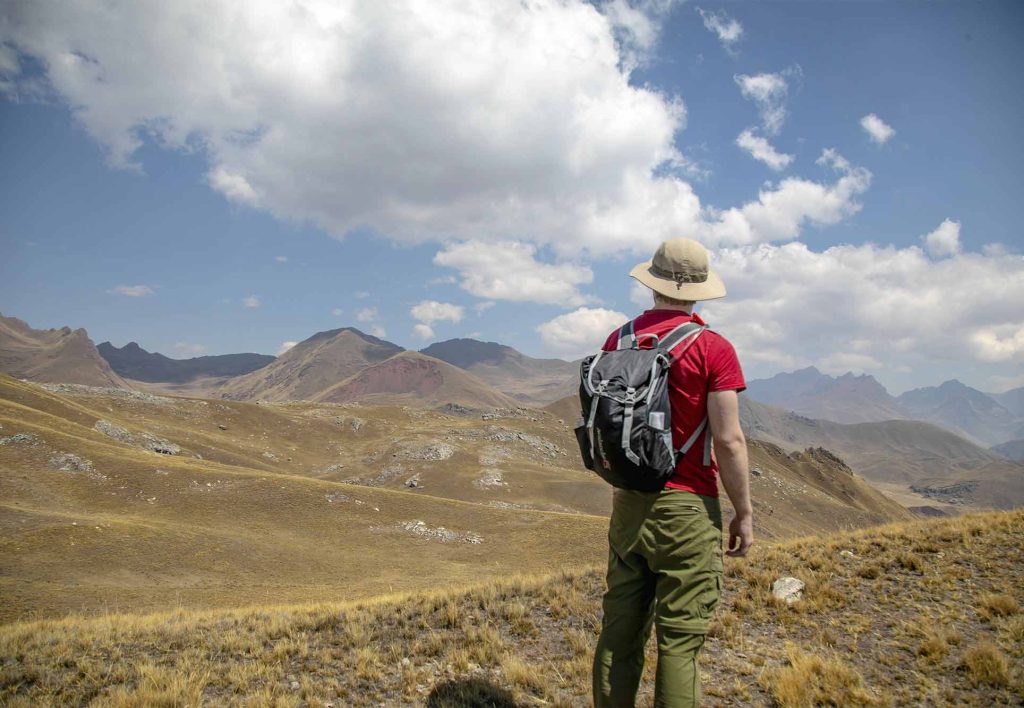
The Quarry Trail offers high passes, wide valleys, glacier views, and rural communities.
The Inca Trail leans more into cloud forest and dense archaeological routes.
Who Should Choose Which?
Choose the Inca Trail if you want the classic name and structured route.
Choose the Quarry Trail if you want space, silence, and a sense of discovery.
Best Time Of Year To Hike The Quarry Trail In Peru
Timing absolutely shapes your experience.
Peru has two primary trekking seasons: dry and rainy. But the shoulder months are often the hidden sweet spot.
Dry Season (May–September)
Clear skies. Crisp mountain views. Cold nights.
This is peak trekking season across Peru. However, the Quarry Trail remains far less crowded than the Inca Trail even during these months.
June through August sees the most stable weather, but expect nights to get pretty chilly.
Rainy Season (November–March)
Greener hills. Afternoon showers. Fewer hikers.
Rain tends to fall in bursts rather than all day, but trails can become muddy and slippery at higher elevations. Many tour operators won’t operate treks in February due to bad trail conditions.
Shoulder Months (April And October)
These months are often ideal.
You get fewer crowds, decent weather, and landscapes that are still green from the rains.
For travelers trying to balance good conditions with quieter trails, April and October are seriously worth considering.
Who Is The Inca Quarry Trek Ideal For?
This trek is perfect for:
- Travelers who don’t want a packed trail
- Hikers who value cultural context
- Couples or small groups wanting a more private-feeling experience
- Repeat Peru visitors looking for something different
If your pain point is “I can’t find clear information about this route,” that’s because it flies under the radar.
Which, frankly, is part of the magic.
Responsible Trekking And Sustainable Tourism On The Quarry Trail In Peru
Not all treks impact the Andes equally.
The Inca Quarry Trek offers something rare: access to Machu Picchu without contributing to the heavy foot traffic of the Inca Trail, and that’s super important.
Reducing Pressure On Overcrowded Routes
The Inca Trail has very strict permit limits for the fact that it sees thousands of hikers every year.
Choosing an alternative route like the Quarry Trail helps distribute tourism more evenly across the Sacred Valley.
Smaller crowds mean less strain on a single historic corridor.
Supporting Remote Andean Communities
The Quarry Trail passes through small villages that don’t see the same tourism flow as more famous routes.
Trekking here supports:
- Local farmers
- Muleteers and porters
- Community-based suppliers
- Rural economies
When organized responsibly, this route creates income in places that genuinely benefit from it.
Smaller Groups, Lower Impact
Most Quarry Trail departures operate with smaller groups than the Inca Trail.
Smaller groups mean:
- Quieter campsites
- Less trail erosion
- More meaningful cultural exchanges
It also means your experience feels personal rather than processed.
Choosing this trek isn’t just about avoiding crowds. It’s about traveling with intention.
Cultural And Archaeological Highlights Along The Route
The Inca Quarry trek isn’t stacked with famous ruins every hour. Instead, it offers something quieter: context.
Cachicata Quarries
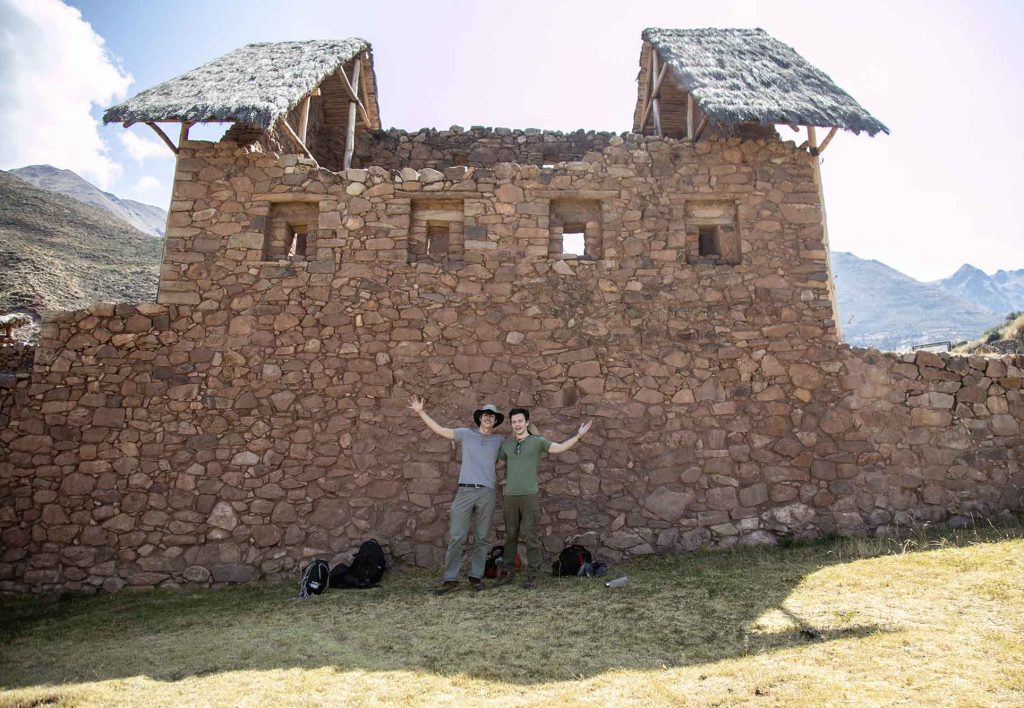
The highlight is undoubtedly the Cachicata quarry site. Massive stones lie scattered across the mountainside, many abandoned mid-transport. You can still see chisel marks and partially shaped blocks.
It’s essentially an outdoor lesson in Incan engineering.
Unlike restored fully-structured ruins, this site shows the work behind the glory.
Living Andean Communities
The trail passes through villages that are rarely included in mainstream Peru itineraries. Traditional farming, hand-woven textiles, and Quechua culture remain strong here.
For travelers looking for cultural depth rather than just photo stops, this is where the trail stands out.
Agricultural Terraces And Engineering
You’ll also pass agricultural terraces carved into steep hillsides, which serve as a reminder that the Incas weren’t just master builders, but master agricultural planners.
Water channels, stone walls, and pathways all showcase sophisticated engineering without modern tools.
This route tells the story of how the empire functioned, not just where it built monuments.
How To Prepare For The Inca Quarry Trek
Preparation makes all the difference between surviving and actually enjoying this trek.
Acclimatize Properly
Spend at least 2–3 days in Cusco or the Sacred Valley before beginning the trek.
Hydrate well. Avoid heavy drinking. Take it slow in your first few days at altitude.
Train Before You Go
You don’t need to be an ultra-athlete. But regular cardio helps.
- Long walks or hikes, especially uphill
- Stair climbing
- Leg strength exercises
If you can comfortably hike uphill for several hours at home, you’ll be in good shape.
Pack Smart
Key essentials include:
- Broken-in hiking boots
- Warm layers (nights are cold)
- Rain jacket
- Sun protection (the sun at altitude is intense, even behind clouds)
- Reusable water bottle
- Headlamp
- Trekking poles (especially helpful on descents)
Avoid overpacking. Every extra pound feels heavier above 14,000 feet (4,250 meters).
Logistics: Permits, Accommodation, And Transportation
Do You Need Permits?
Unlike the Inca Trail, the Quarry Trail doesn’t have strict daily permit limits put in place by the government.
However, organized trekking with licensed guides is strongly recommended.
Camping Experience
Most groups camp along the route with full support, meaning tents, meals, and logistics are handled.
This way, you focus on hiking, not logistics, and that alone removes a lot of stress.
Transport Along The Route
Most itineraries include a train from Ollantaytambo to Aguas Calientes and then one for the same trip back the following day. Private transport will take you back to Cusco.
Frequently Asked Questions About The Quarry Trail Peru
If you value solitude and cultural depth, many hikers would argue yes.
If you prepare and acclimatize, it’s manageable. It’s a challenge, but not an extreme one.
No. The Quarry Trail includes a visit to an Inti Punku (Sun Gate) overlooking the Sacred Valley during the trek, but doesn’t enter through the Machu Picchu Sun Gate.
So, Is The Quarry Trail Worth It?
If your main concern is crowds on the Inca Trail, this solves that.
If you want a trek in Peru that blends real history, high mountain drama, remote Andean communities, and a deeper understanding of how the Inca Empire actually functioned, this delivers.
It’s not the loudest route. It’s not the most advertised. And that’s precisely where the magic lies.
For hikers who want space to think, breathe, and actually hear the Andes, the Quarry Trail in Peru outperforms expectations.
This might be exactly the route you didn’t know you were looking for, so chat to us at Salkantay Trekking to organize your adventure on the Inca Quarry Trek.





Leave A Reply