Ever looked at a trail description, seen the word “moderate,” and thought, “Cool, a relaxing walk,” only to find yourself gasping for air halfway up a mountain, wondering who exactly defined moderate? Yeah. You’re not alone.
The world of trekking can be confusing because every country, guide company, and hiking app seems to use a slightly different hiking difficulty scale. One person’s “easy hike” is another person’s “why are my legs filing complaints?” situation.
Whether you’re planning a weekend hike, researching a multi-day adventure, or trying to figure out the real Salkantay Trek difficulty, understanding hiking difficulty levels makes a huge difference. It helps you pick the right trail, estimate hiking time more accurately, avoid unpleasant surprises, and actually enjoy the experience instead of dramatically questioning your life choices on a steep incline.
So let’s break down the hiking trail difficulty scale from beginner-friendly strolls to serious mountain adventures.
Table of contents
- What Is a Hiking Difficulty Scale?
- How Hiking Trails Are Rated Around the World
- The Main Factors That Determine Hiking Difficulty
- Hiking Difficulty Levels Comparison Table
- Easy Hikes Explained (Beginner Level)
- Moderate Hiking Difficulty Explained
- Difficult Hiking Trails Explained
- Mountain Hiking vs Regular Hiking
- How Difficult Is the Salkantay Trek?
- How to Choose the Right Hiking Difficulty Level
- Tips to Prepare for Difficult Treks
- Common Mistakes People Make When Judging Trail Difficulty
- Frequently Asked Questions About Hiking Difficulty Scales
- Choosing the Right Trek for Your Ability and Goals
What Is a Hiking Difficulty Scale?
A hiking difficulty scale is a way to rate how challenging a trail or trek will be. Sounds simple enough, but there are a lot of things that affect difficulty besides just distance.
A short hike can still feel brutal if it’s steep, high altitude, rocky, or muddy enough to make you rethink your footwear decisions.
Most hiking difficulty levels take into account things like:
- Distance
- Elevation gain
- Terrain
- Altitude
- Trail conditions
- Technical skills needed
- Weather exposure and climate
- Duration
Some trails use a simple 1 to 5 system. Others use detailed systems like the SAC hike grading scale used in the Alps. That’s why travelers often get confused when comparing hikes around the world.
And honestly? Fair enough. We totally get it. Hiking scales can feel weirdly vague sometimes. “Moderate” in Switzerland can feel very different from “moderate” in Peru.
How Hiking Trails Are Rated Around the World
There isn’t one universal hiking trail difficulty rating scale, which is part of the problem. Different countries and organizations use different systems.
In Europe, you’ll often see the SAC hike grading system, also called SAC hiking or SAC hike ratings. The Swiss Alpine Club created this scale to classify mountain hiking routes from easy walking trails to demanding alpine terrain. This scale ranges from T1, easy hiking, to T6, difficult alpine hiking.
In the United States, many hikers use simpler trail descriptions like easy, moderate, or hard, while technical mountain routes may use the Yosemite Decimal System.
And it doesn’t stop there. Trekking companies usually create their own internal hiking scale difficulty ratings based on customer experience and safety.
That’s why it’s important to look beyond the label and actually read the trail details. “Moderate” doesn’t mean much without context.
The Main Factors That Determine Hiking Difficulty
A trail’s rating doesn’t come from one thing alone. Several factors work together to decide how tough a trek really feels.
Distance and Trail Length
Longer hikes naturally require more stamina. A short uphill climb might leave you breathless, but a 12-mile hike tests endurance in a completely different way.
Distance also affects your hiking time estimate. Many hikers use a hiking calculator or pace calculator to estimate hiking time before they head out. These tools help you figure out how long a route may take based on elevation gain and terrain.
Spoiler alert: mountain trails almost always take longer than expected.
Elevation Gain and Steepness
If distance is the slow burn, elevation gain is the punch in the face.
A trail with steep climbs will feel much harder than a flat trail of the same length. Your legs work harder, your heart rate goes up faster, and suddenly you become very aware of every stair you’ve skipped in your life.
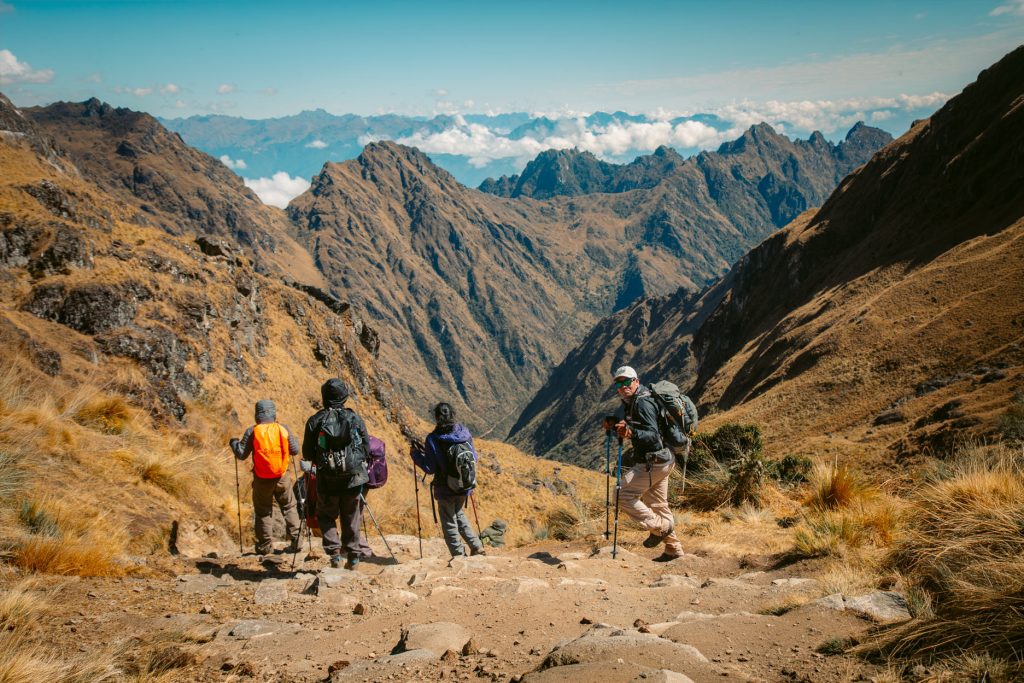
Steep descents can also be surprisingly difficult, especially on your knees. Don’t shy away from using walking poles if you need to.
Altitude and Oxygen Levels
Altitude changes everything.
At sea level, your body gets plenty of oxygen. At high elevations, every step can feel heavier because there’s less oxygen available. That’s why the Salkantay Trek in Peru catches some people off guard.
You may be physically fit and still struggle at altitude. It’s not weakness. It’s science.
Terrain and Trail Conditions
Smooth forest paths are very different from rocky mountain trails, muddy slopes, loose gravel, or icy passes.
Difficult terrain slows you down and needs you to concentrate more. Bad footing can turn an otherwise moderate hike into a much tougher experience.
Weather and Climate
Rain, snow, heat, and wind all increase difficulty.
A trail that feels easy on a sunny morning can suddenly become challenging during bad weather. Mountain weather also changes fast. Like “sunshine to dramatic movie scene” fast. And without warning.
Technical Skills Required
Some hikes require you to do a little bit more than walking.
Scrambling, glacier crossings, ropes, or exposed ridgelines all raise the difficulty level by a lot. That’s where mountain hiking difficulty scale systems become very important.
Trail Exposure and Safety Risks
Exposure refers to the amount of steep drop-offs where a dangerous fall could happen, raising the safety risk a great deal.
Wide forest trails feel very different from narrow mountain paths with steep drop-offs beside them. Even experienced hikers can feel nervous on exposed sections.
Duration and Multi-Day Challenges
Multi-day treks bring a whole new layer of difficulty.
Your body doesn’t fully recover overnight, especially if you’re at altitude. Consecutive hiking days slowly wear you down, even if each individual day feels manageable.
Hiking Difficulty Levels Comparison Table
Not all hikes are made the same. Some are peaceful nature walks where you stop for photos every five minutes. Others feel like your backpack has secretly filled itself with bricks halfway up a mountain.
This hiking difficulty scale comparison table gives a quick overview of the most common hiking difficulty levels, what to expect on the trail, and who each level is best suited for. It’s a useful way to compare trail ratings before booking a trek or estimating hiking time for your next adventure.
| Difficulty Level | Easy | Moderate | Difficult |
|---|---|---|---|
| Typical Distance | 1–5 miles | 5–10 miles | 8–15+ miles |
| Elevation Gain | Minimal | Moderate climbs | Significant elevation gain |
| Terrain | Smooth paths, clear trails | Uneven trails, some steep sections | Rocky, steep, challenging terrain |
| Fitness Level Needed | Beginner | Average fitness | Strong fitness |
| Typical Hiking Time Estimate | 1–3 hours | 3–6 hours | 6–10 hours |
| Best For | Families, casual hikers, beginners | Active travelers, regular walkers | Experienced hikers and trekkers |
Remember that weather, altitude, trail conditions, and pace can all affect your hiking time estimate, so difficulty ratings should always be used as a general guide rather than a guarantee.
Easy Hikes Explained (Beginner Level)
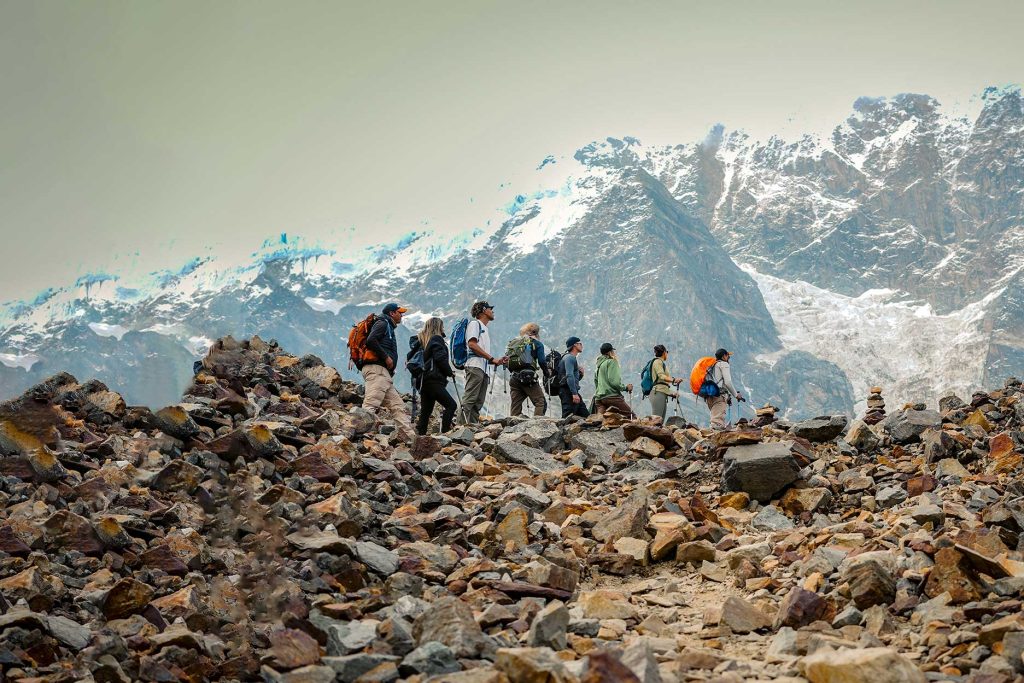
Easy hikes are perfect for beginners, families, or travelers who just want to enjoy nature without feeling like contestants on a survival show.
Typical Distance and Elevation
Easy hikes are usually short with very little elevation gain. Think gentle inclines, clear paths, and manageable hiking times.
Who Easy Hikes Are Best For
These hikes are perfect for:
- Beginners
- Casual travelers
- Families with children
- Older hikers
- Anyone just getting into hiking
What to Expect on Easy Trails
Easy trails usually have:
- Good trail markings
- Stable terrain
- Low altitude
- Shorter distances
- Lower physical demands
You’ll still get beautiful scenery without needing to negotiate with every hill.
Moderate Hiking Difficulty Explained
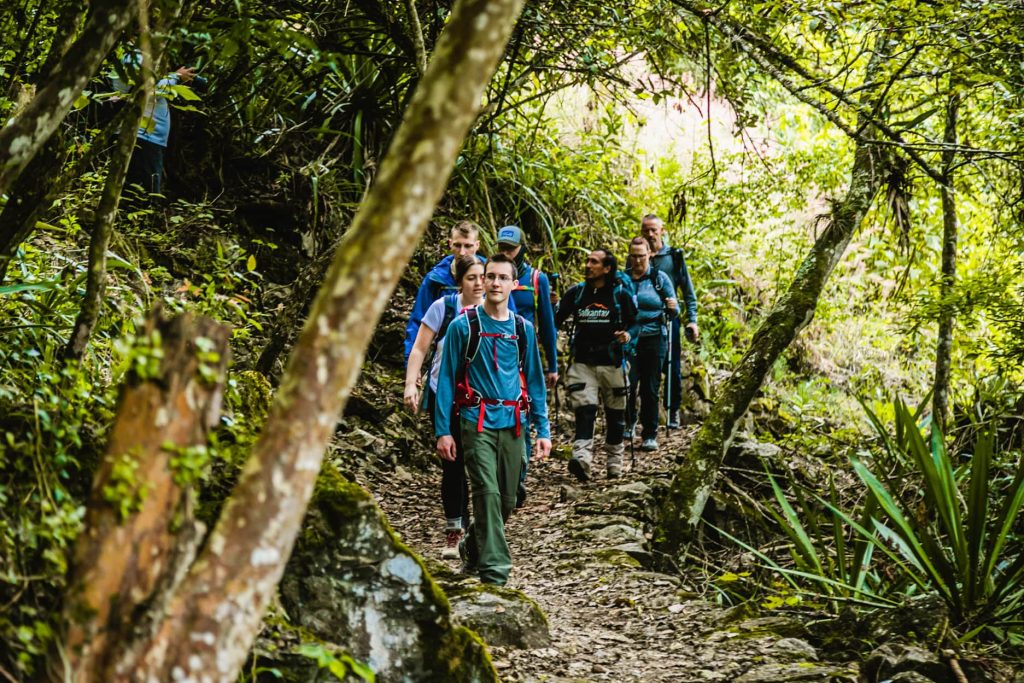
Moderate hikes sit right in the middle. They’re challenging enough to feel rewarding, but usually manageable with a decent fitness level.
Common Features of Moderate Hikes
Moderate trails tend to involve:
- Longer distances
- Moderate elevation gain
- Uneven terrain
- Several hours of hiking
- Some steeper sections
This is where many popular trekking routes around the world fall.
Fitness Requirements for Moderate Trails
You don’t need to be an athlete, but basic fitness helps a lot.
If you can comfortably handle long walks, stairs, and regular exercise, moderate hikes are usually achievable with a bit of preparation.
Example of Moderate Treks
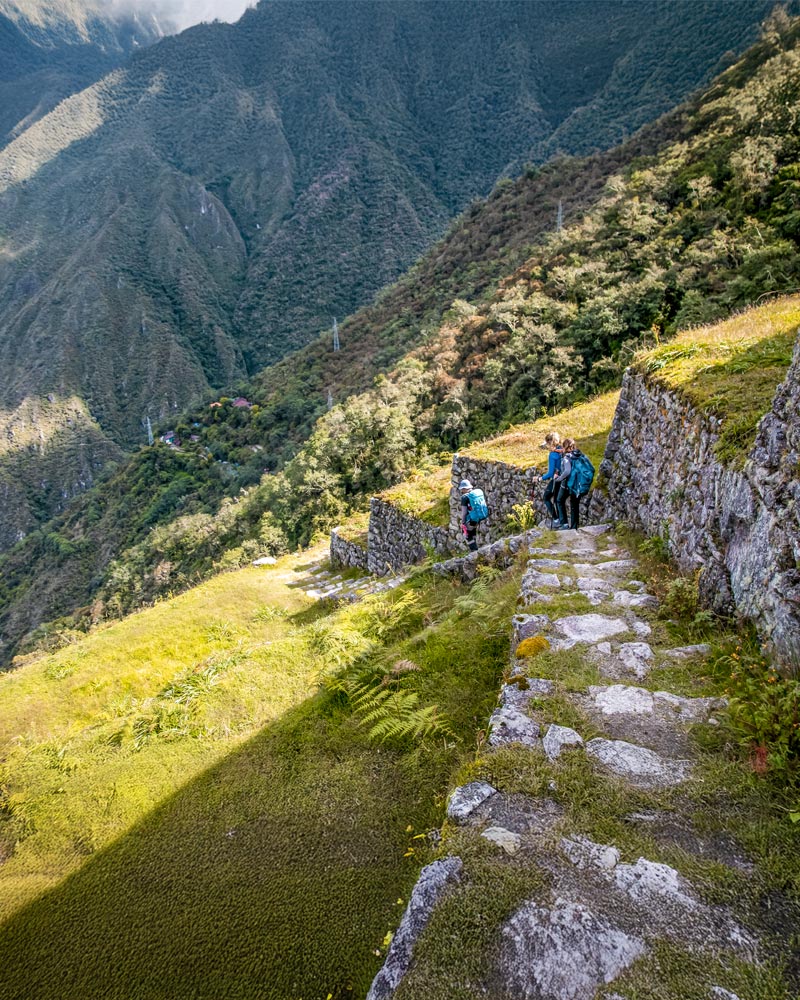
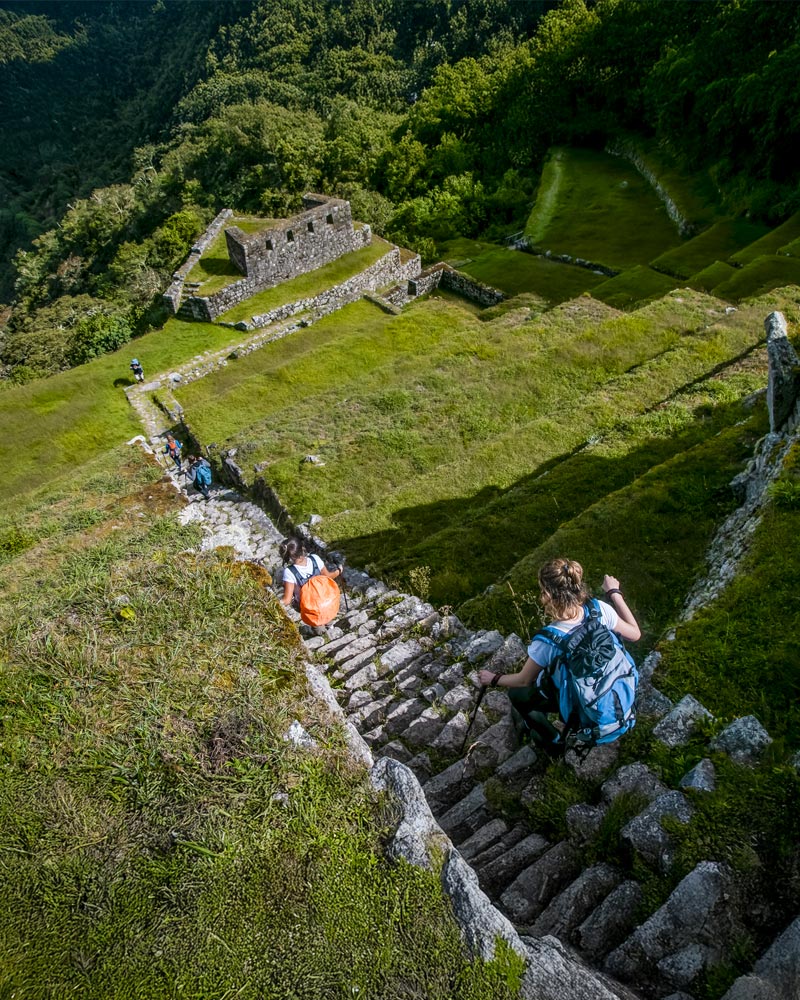
Many travelers consider sections of the Inca Trail in Peru moderate to difficult depending on pace and altitude.
Moderate treks often feel harder than expected because people underestimate elevation and trail conditions.
Difficult Hiking Trails Explained
Difficult hikes require strong fitness, endurance, and mental resilience.
These are the hikes where your snacks become important for your emotional well-being.
What Makes a Hike Difficult?
A difficult hike may include:
- A lot of elevation gain
- Long distances
- High altitude
- Technical terrain
- Harsh weather
- Long hiking days
Endurance and Physical Demands
Difficult treks require you to maintain effort over multiple hours or days.
Recovery matters too. Your legs may forgive you eventually, but not immediately.
Common Challenges on Difficult Treks
Frequent struggles include:
- Altitude sickness
- Muscle fatigue
- Blisters
- Weather exposure
- Mental exhaustion
This is why preparation matters so much.
Mountain Hiking vs Regular Hiking
Mountain trekking deserves its own category because mountains play by different rules.
Regular hikes can still be challenging, but mountain treks add altitude, weather exposure, and rougher terrain into the mix, which are all factored into the mountain hiking difficulty scale.
How Altitude Changes Trek Difficulty
Altitude lowers your oxygen levels and increases fatigue.
Even experienced hikers usually feel slower, weaker, or short of breath above 10,000 feet / 3,000 meters. That’s why proper acclimatization is critical for trekking in Peru, Patagonia, and many other spots worldwide.
If you’re planning a high-altitude adventure, check out this guide on how to train for altitude trekking.
The Difference Between Day Hikes and High-Altitude Treks
A difficult day hike is one thing. A multi-day high-altitude trek is another beast entirely.
With trekking, you’re dealing with:
- Consecutive hiking days
- Changing weather
- Recovery challenges
- Sleeping at altitude
- Carrying gear for long periods
It’s less like a “Sunday stroll” and more “adventure documentary.”
Why Salkantay Feels Harder Than Its Distance Suggests
There’s a reason we keep mentioning this trek. The Salkantay route isn’t impossibly technical, but the altitude makes it feel much harder.
Many hikers are surprised that what seems like a relatively reasonable daily distance still feels demanding. The combination of elevation, steep climbs, and thinner air changes the experience completely.
How Difficult Is the Salkantay Trek?
The Salkantay Trek is generally considered moderate to difficult.
You don’t need mountaineering skills, but you do need decent fitness and preparation for a few weeks beforehand.
Salkantay Trek Difficulty Rating
Most trekking companies rate the trek as moderate to challenging because of the altitude and long hiking days.
Highest Altitude on the Trek
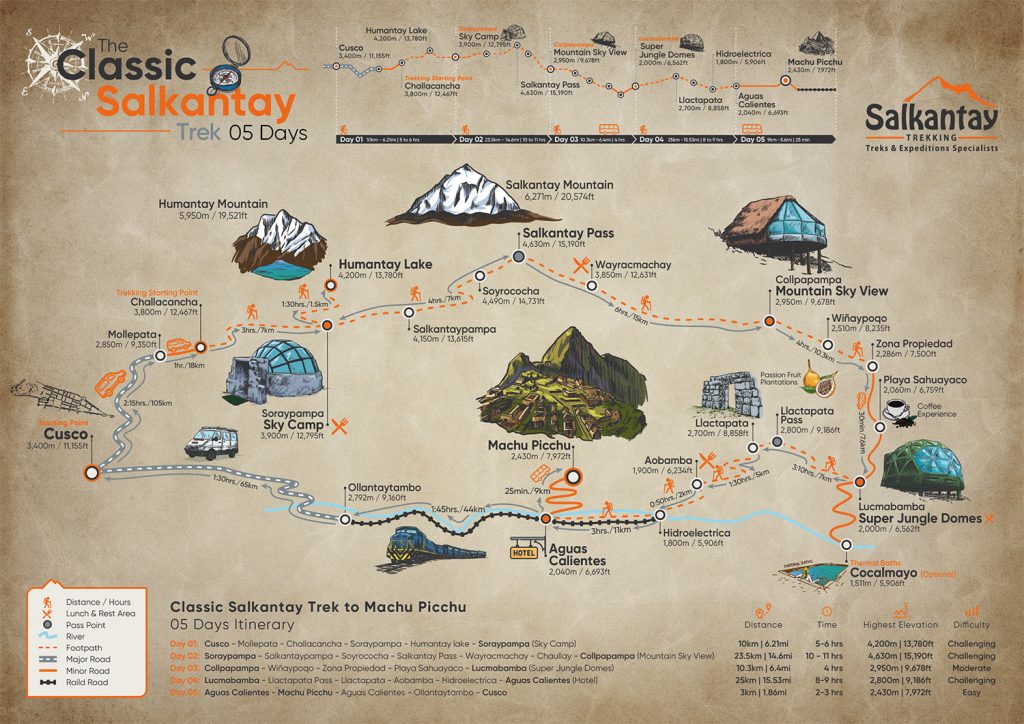
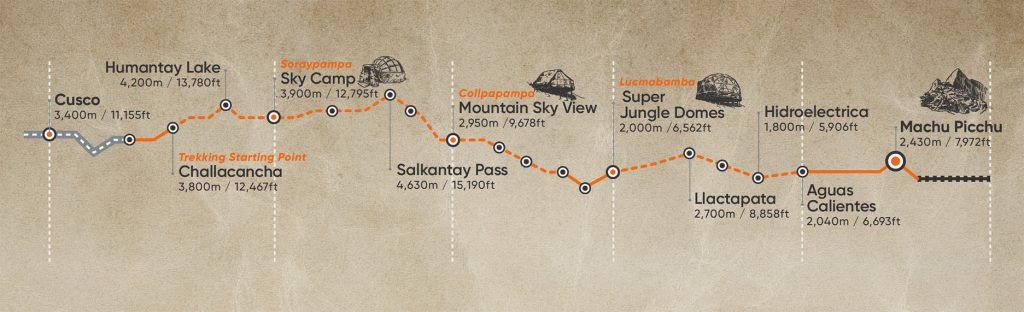
The highest point is the Salkantay Pass at roughly 15,190 feet (4,630 meters).
That’s high enough for altitude to become a serious factor, which is why tour operators in the region recommend 2–3 days in Cusco to acclimatize before the trek.
Daily Hiking Distances
Daily distances change throughout the trek, but expect several long hiking days in a row. A hiking calculator can help estimate hiking time, though altitude often slows people down more than expected.
Here’s how the distance varies along the trail of the Classic 5-Day Salkantay Trek:
- Day 1: 10 km / 6.21 miles (5–6 hours)
- Day 2: 23.5 km / 14.6 miles (10–11 hours)
- Day 3: 10.3 km / 6.4 miles (4 hours)
- Day 4: 25 km / 15.53 miles (8–9 hours)
- Day 5: Exploring Machu Picchu for 2–3 hours
Terrain and Trail Conditions
The terrain includes:
- Rocky mountain paths
- Dirt trails
- Steep ascents
- Uneven ground
- Changing weather conditions
Is the Salkantay Trek Harder Than the Inca Trail?
Physically, many hikers find Salkantay harder because it reaches higher elevations and involves longer hiking days.
The Inca Trail has more stairs. Salkantay has more altitude. Pick your challenge carefully.
Who Can Successfully Complete the Trek?
Most reasonably fit travelers can complete the trek with preparation, pacing, and acclimatization.
You definitely don’t need to be an ultra-marathon runner who casually eats chia seeds at sunrise.
How to Choose the Right Hiking Difficulty Level
Choosing the right hike matters. The goal is to give yourself a challenge without suffering for scenic views.
Be Honest About Your Fitness Level
It’s okay to start smaller. A realistic assessment leads to a much better experience than aggressively overestimating your abilities because you watched one motivational hiking reel. Trust us.
Consider Your Hiking Experience
Trail experience matters almost as much as fitness.
If you regularly hike rough terrain, you’ll usually adapt better than someone who only exercises indoors.
Understand Altitude Before Booking
Altitude can dramatically change a trek’s difficulty.
If you’re planning to visit Peru, for example, it’s a good idea to spend time acclimatizing in Cusco first.
Choose the Right Trekking Season
Weather affects difficulty more than many people realize.
Want to hike the Inca Trail or Salkantay Trek? Consider the best time to visit Peru for the best trail conditions. The wet season (November to April) means trails are wet, muddy, and pose a greater risk to travelers.
In fact, many tour operators won’t operate in February due to weather conditions. The Classic Inca Trail closes every February for maintenance, while other treks may still operate depending on weather and safety conditions.
So, wherever you’re headed across the globe, check the weather. Rainy season mud has humbled plenty of confident hikers. Seriously.
Tips to Prepare for Difficult Treks
Preparation makes hard hikes feel manageable instead of miserable.


Physical Training Before Your Trek
Regarding your body, you should focus on:
- Cardio
- Leg strength
- Endurance walks
- Stair climbing
- Weighted hikes
Consistency matters more than extreme workouts.
Acclimatization Tips
Spend several days at altitude before starting your trek.
Hydrate well, avoid overexertion early on, eat light foods, stay away from alcohol, and give your body time to adjust. If you’re really worried, speak to your doctor about altitude medication.
Trekking Gear That Makes Hiking Easier
Good gear changes everything.
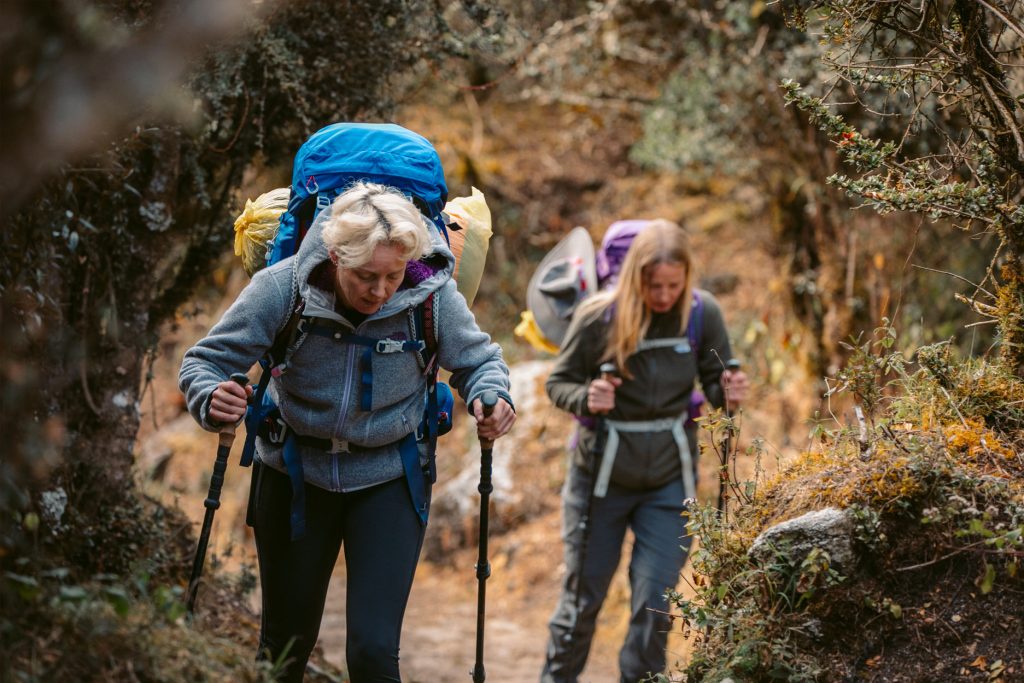
A proper backpack, trekking poles, quality boots, and layered clothing can massively improve comfort on the trail.
This trekking in Peru packing list is a great place to start.
Nutrition and Hydration on the Trail
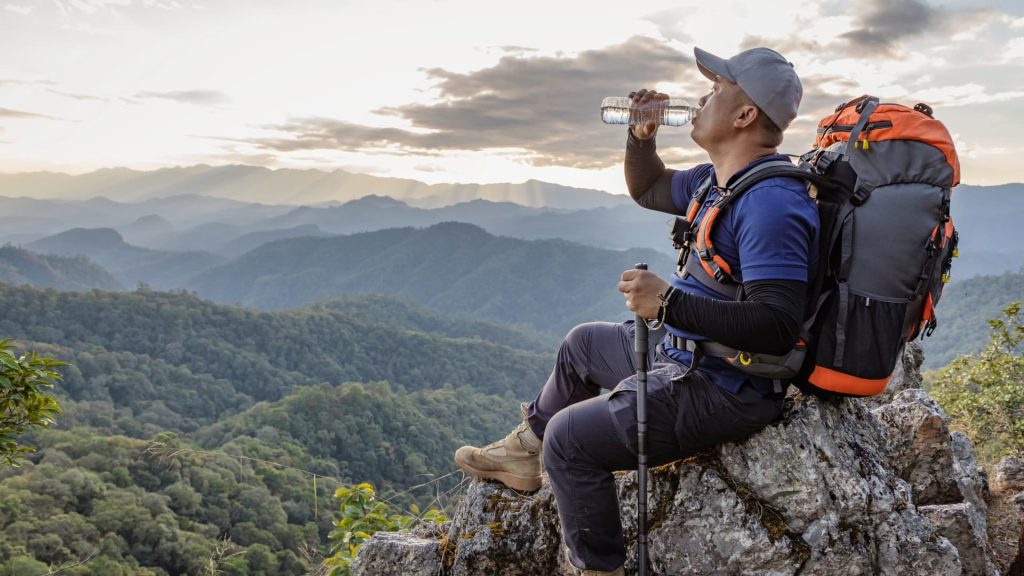
Eat regularly and drink more water than you think you need.
Altitude and dehydration are a nasty combo.
Common Mistakes People Make When Judging Trail Difficulty
A lot of hikers accidentally underestimate trails. Usually right before regretting it.
Underestimating Altitude
Altitude is the biggest surprise factor on mountain treks and is the quickest way to ruin your trip completely.
Ignoring Weather Conditions
Cold, rain, and wind can dramatically increase difficulty. Make sure you’re well prepared for whatever comes your way by packing correctly. Layers are usually a hiker’s best friend here.
Focusing Only on Distance
Distance alone doesn’t tell the full story. A short, steep trail can feel harder than a longer, flatter one.
Carrying Too Much Weight
Overpacking makes every uphill section feel personal. If you’re not sure whether you need to bring an item or not, leave it at home.
Frequently Asked Questions About Hiking Difficulty Scales
Still got questions? We’ve got you covered. Below are some of the most frequently asked questions by travelers about hiking difficulty scales and their answers.
A difficult hike usually includes steep climbs, long distances, rough terrain, high altitude, or technical sections.
Look at elevation gain, hiking time estimate, altitude, terrain, and weather conditions, not just mileage. Compare this against your personal preferences and abilities to see if it’s doable for you.
No. Different countries and organizations use different systems, including SAC hiking scales and local rating methods.
Yes, but only for active beginners who train beforehand, acclimatize properly, and travel with a reliable operator.
Honestly? Most hikers struggle more with steep elevation gain than pure distance.
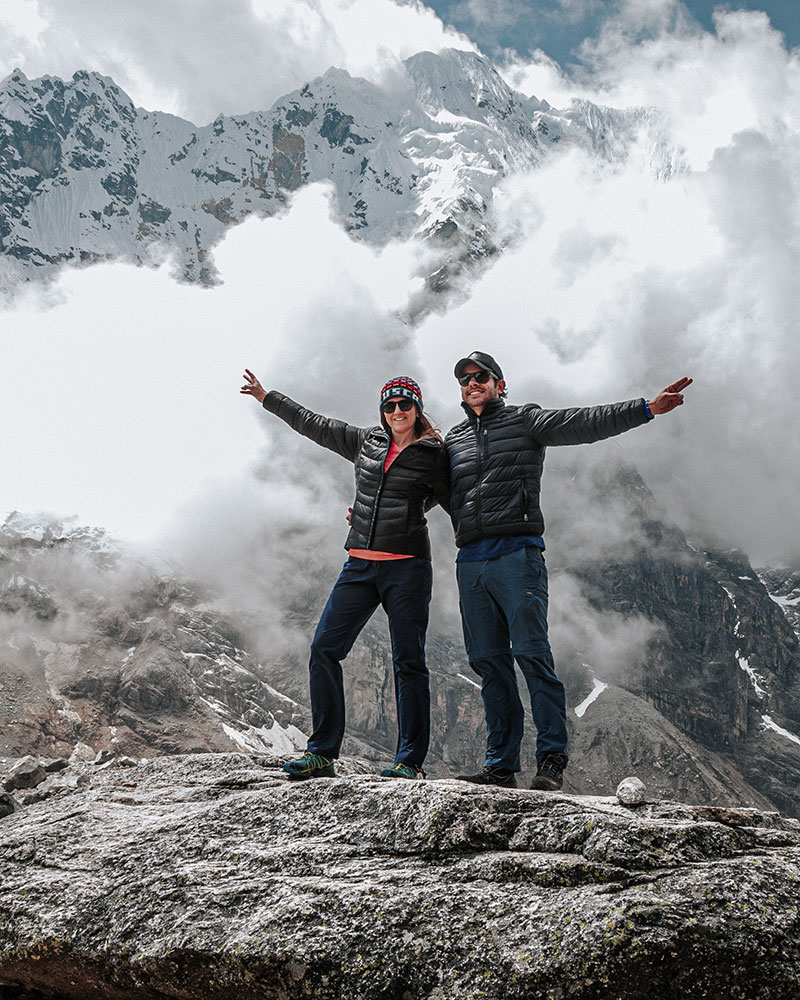
Choosing the Right Trek for Your Ability and Goals
The best trek isn’t necessarily the hardest one. It’s the one you can actually enjoy.
Understanding the hiking difficulty scale helps you choose adventures that match your experience, fitness, and travel goals instead of blindly trusting vague trail labels. Whether you’re tackling a short scenic hike or planning the adventure of a lifetime on the Salkantay Trek, preparation and realistic expectations make all the difference.
And before you go, just remember that every experienced trekker started somewhere. Usually slightly overdressed, carrying too many snacks, and wondering why the uphill section looked so much smaller on Google Maps.