
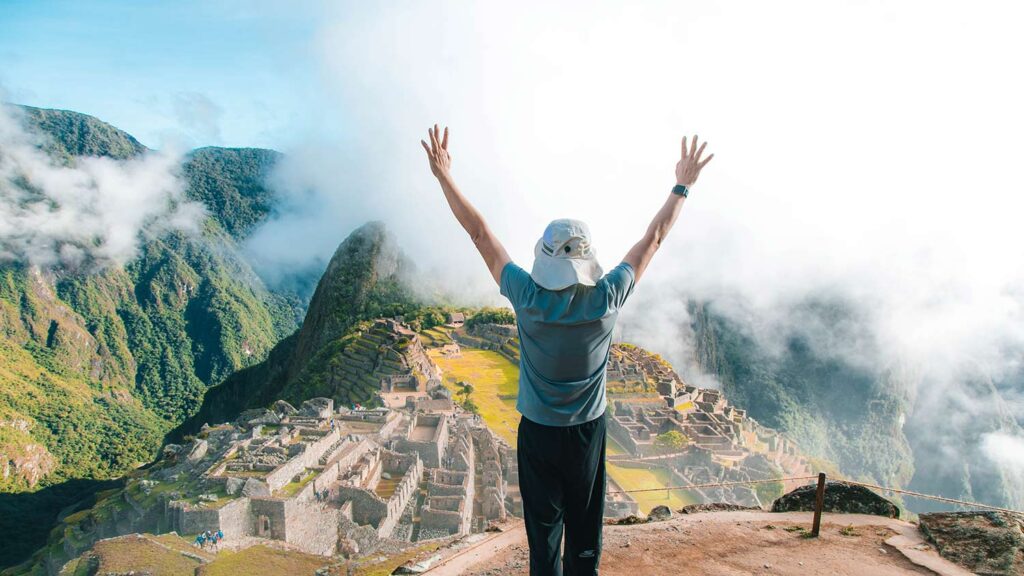
The altitude of Machu Picchu is 2,430 meters above sea level (7,972 feet). This elevation is significantly lower than that of Cusco (3,400 m / 11,155 ft), but still high enough to cause altitude sickness (known locally as soroche) in some travelers—especially those arriving directly from sea level.
The good news? Most visitors adapt well with proper preparation. This comprehensive guide gives you everything you need: exact elevations of key sites, proven acclimatization tips, symptoms to watch for, and how to prevent and treat altitude sickness so you can enjoy a worry-free visit to the Inca citadel.
Table of contents
- Altitude of Machu Picchu: Key Facts at a Glance
- Does the Altitude of Machu Picchu Cause Altitude Sickness? What Every Traveler Should Know
- Guide to Acclimatizing to the Altitude of Machu Picchu
- Health Centers Near Machu Picchu
- The Winning Itinerary: The Best Route to Acclimatize Before Machu Picchu
- Conclusion
- Frequently Asked Questions
- You may also be interested in:
Altitude of Machu Picchu: Key Facts at a Glance
The Machu Picchu citadel sits at a lower altitude than Cusco, but higher than the Sacred Valley and Aguas Calientes. This strategic location allows travelers to acclimatize gradually, significantly reducing the likelihood of a strong or dangerous impact for most visitors. To help with planning, the table below compares its altitude with other key points of interest.
Sacred Valley Circuit: Altitude Comparison
| Location | Meters | Feet | Relevance |
| Cusco City | 3,400 m | 11,155 ft | Higher risk, acclimatization recommended |
| Sacred Valley (Pisac / Ollantaytambo) | 2,870 m – 2,792 m | 9,416 – 9,160 ft | Ideal for gradual adaptation |
| MACHU PICCHU (Citadel) | 2,430 m | 7,972 ft | Your destination |
| Aguas Calientes (Machu Picchu Town) | 2,040 m | 6,693 ft | Base town, lower altitude |
| Huayna Picchu Mountain | 2,720 m | 8,924 ft | Strenuous hike at higher elevation |
| Inti Punku (Sun Gate) | 2,745 m | 9,005 ft | First viewpoint on the Inca Trail |
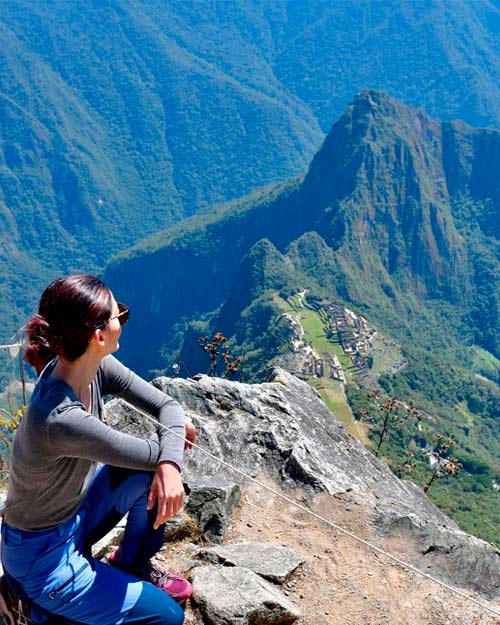

Does the Altitude of Machu Picchu Cause Altitude Sickness? What Every Traveler Should Know
Although altitude sickness is a common concern, the altitude of Machu Picchu is moderate and rarely poses a significant risk. Still, it’s essential to understand its symptoms, what causes it, and how to prevent it before your visit.
What Is Altitude Sickness?
Altitude sickness (or soroche) is a physical reaction that occurs when the body doesn’t receive enough oxygen due to lower atmospheric pressure at high elevations. It’s not a disease, but a normal response of the body to an environment with less oxygen than usual.
Symptoms of Altitude Sickness (Soroche)
Symptoms typically appear 6 to 24 hours after arriving at high altitude. Below, they’re classified by severity so you know how to recognize them:
Mild Symptoms (Most Common – 80% of Cases)
These symptoms are normal during the acclimatization process and usually disappear within 1–2 days:
- Headache
- Fatigue and unusual weakness
- Lightheadedness or mild dizziness
- Mild nausea or loss of appetite
- Difficulty sleeping (high-altitude insomnia)
Moderate Symptoms (Require Attention and Rest)
- Severe headache that does not improve
- Nausea with vomiting (main risk: leads to dehydration, which worsens altitude sickness)
- Persistent shortness of breath
- Rapid heart rate at rest (tachycardia — more than 100–120 beats per minute while resting)
Severe Symptoms (Require IMMEDIATE DESCENT – Medical Emergency)
These symptoms indicate high-altitude cerebral or pulmonary edema, which are potentially life-threatening conditions:
- Ataxia (loss of coordination)
- Mental confusion or disorientation
- Extreme difficulty breathing
- Persistent, dry cough
- Cyanosis (bluish discoloration of the skin)
Quick Reference Table
| Mild | Moderate | Severe (EMERGENCY) |
| Mild headache | Severe headache | Ataxia (lack of coordination) |
| Fatigue | Persistent vomiting | Confusion / disorientation |
| Occasional dizziness | Shortness of breath at rest | Extreme breathing difficulty |
| Loss of appetite | Resting heart rate >100 bpm | Cough with pink, frothy sputum |
| Insomnia | Cyanosis (bluish skin) |
Travel Tip: Machu Picchu has a moderate altitude and rarely causes serious problems. However, if you experience disorientation or difficulty walking, it is crucial to descend immediately. We strongly recommend traveling with a professional agency that ensures a safe and stress-free experience.
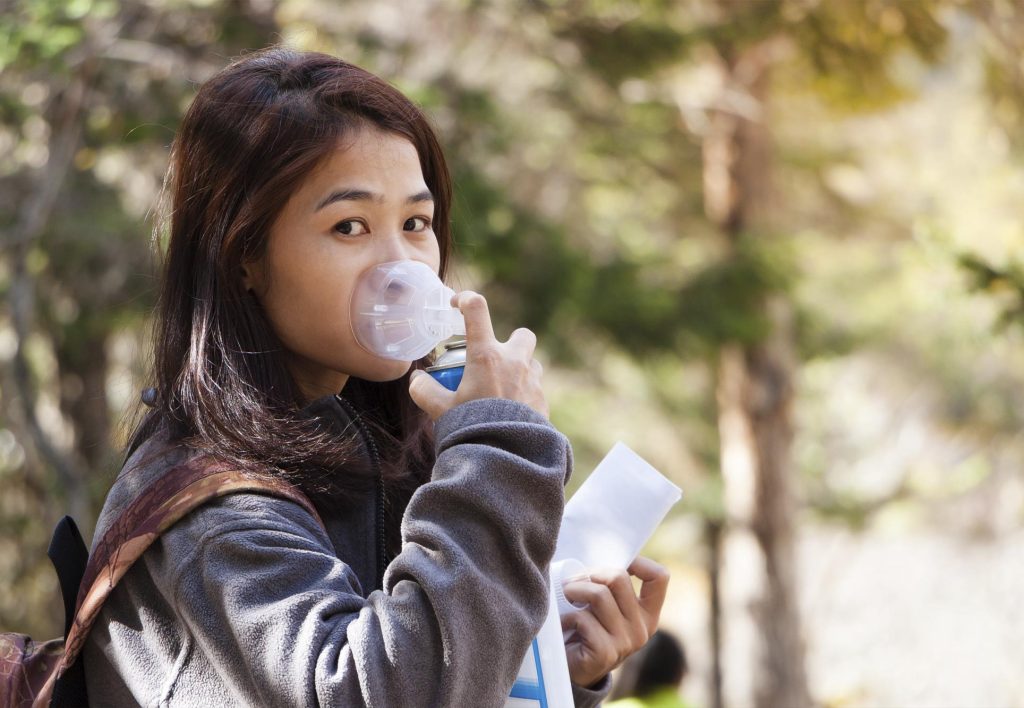
Who Is at Higher Risk at the Altitude of Machu Picchu?
This is the question that concerns travelers the most. The answer isn’t simple, but understanding these factors will help you assess your real level of risk.
1. Rate of Ascent
- Travelers who ascend too quickly (e.g., Lima (sea level) → Cusco (3,400 m / 11,154 ft) → Machu Picchu within 24 hours)
- Those who don’t allow time for acclimatization (fewer than 2 nights at a mid-altitude location)
2. Place of Origin
- Residents of sea-level cities (Miami, NYC, coastal Lima, etc.)
- People who live below 1,000 meters / 3,280 feet
3. Personal History
- Travelers who have experienced altitude sickness before (it tends to recur)
- Those who ignore early symptoms and continue ascending
4. Behavior
- Arriving already dehydrated
- Drinking alcohol during the first days
- Performing intense physical activity without prior acclimatization
- Traveling with poor sleep before or during the ascent
5. An Important Myth to Debunk
Athletes are NOT protected — they are often at higher risk because they:
- Ascend more quickly
- Exert themselves more from the start
- Underestimate symptoms
6. Special Conditions (Medical Consultation Recommended)
- Pregnant travelers (especially during the first trimester)
- People with uncontrolled heart or respiratory conditions
- Older adults (their acclimatization process is slower)
- Young children (they may not express symptoms clearly)
Key takeaway: The biggest risk factor is not who you are, but how you ascend. It’s not about getting there first—prioritizing proper acclimatization is essential for having the best possible experience at Machu Picchu.
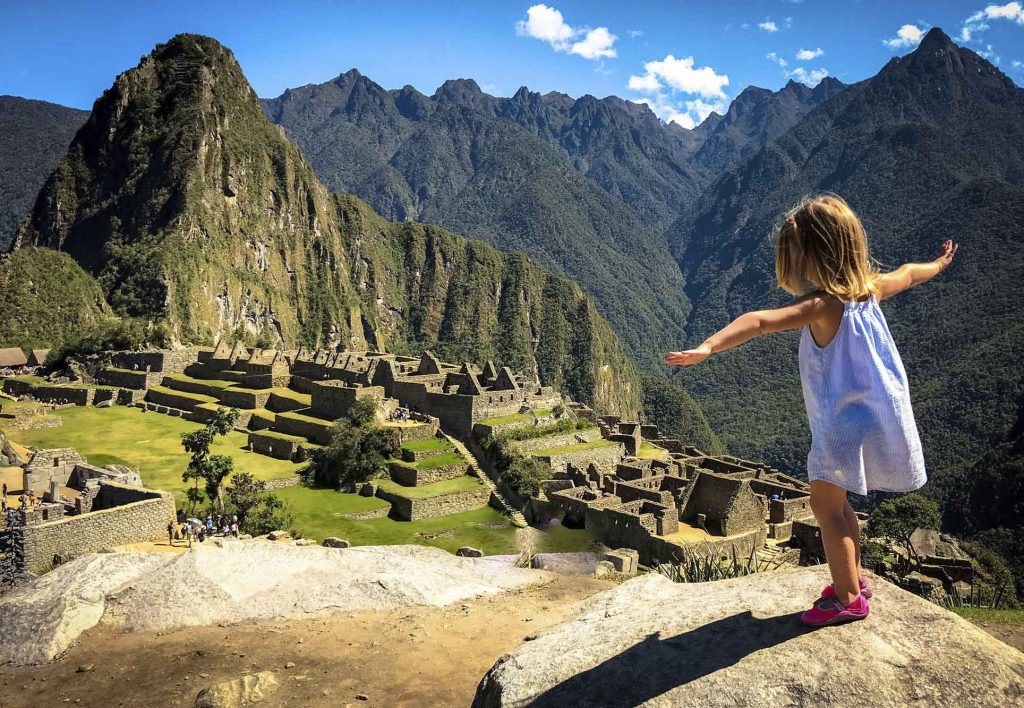
Guide to Acclimatizing to the Altitude of Machu Picchu
Discovering Machu Picchu is a transformative experience, but to truly enjoy it, your body needs time to adapt to its altitude. Acclimatization is not optional—it’s the smart strategy that separates a memorable journey from one marked by discomfort. This guide will take you step by step, from planning at home to reaching the heights of the citadel.
BEFORE Your Trip: Preparation Is Key
Successful acclimatization begins weeks before you board the plane. These at-home preparations are your first line of defense.
- Altitude-specific medical consultation: Ask your doctor which medications can help speed up acclimatization and manage symptoms. In most cases, acetazolamide is commonly recommended.
- The “climb high, sleep low” tactic: After arriving in Cusco, consider a Sacred Valley tour, which offers an ideal mid-altitude environment to begin acclimatizing.
- Hydration protocol: Starting three days before your trip, increase your water intake to 3–4 liters per day.
- Diet and supplements: Prioritize iron-rich foods and complex carbohydrates such as oats, quinoa, and sweet potatoes, and avoid alcohol.
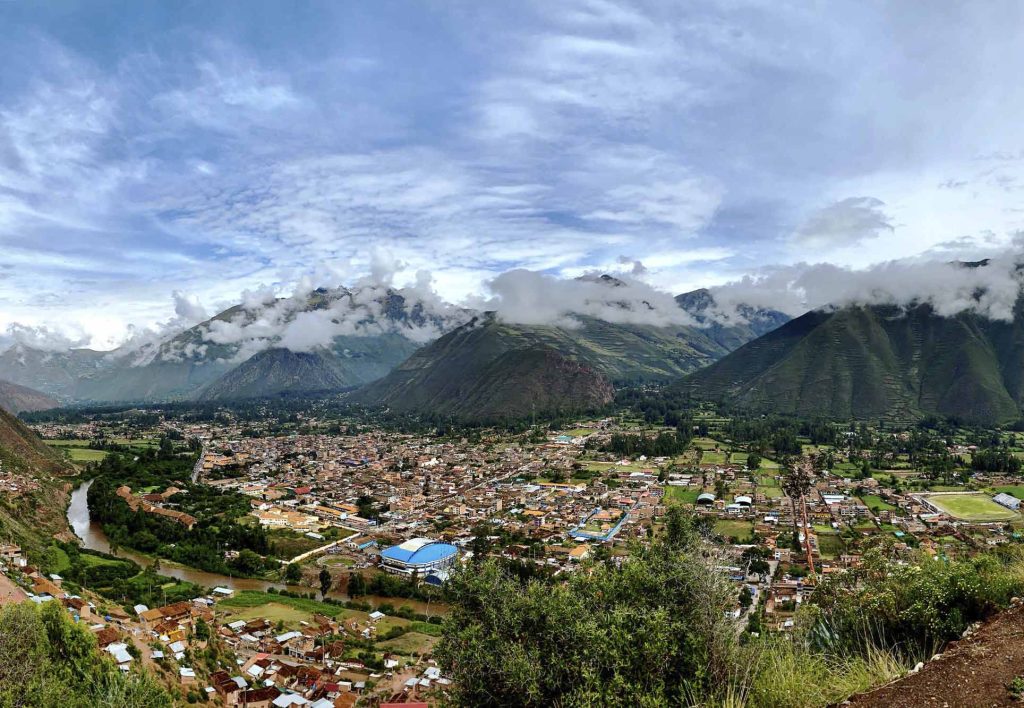
DURING Your Trip: On-the-Ground Tips
You’re already in Peru—this is where theory ends and practice begins. These on-the-ground tips are what experienced guides repeat daily and make the difference between struggling with altitude and adapting smoothly.
- The 2-day rule: Arrive at least two days before your Machu Picchu visit to give your body enough time to adjust.
- “Slow but steady”: If you’re coming from sea level, forget your normal pace. Conserve energy and synchronize your steps with your breathing.
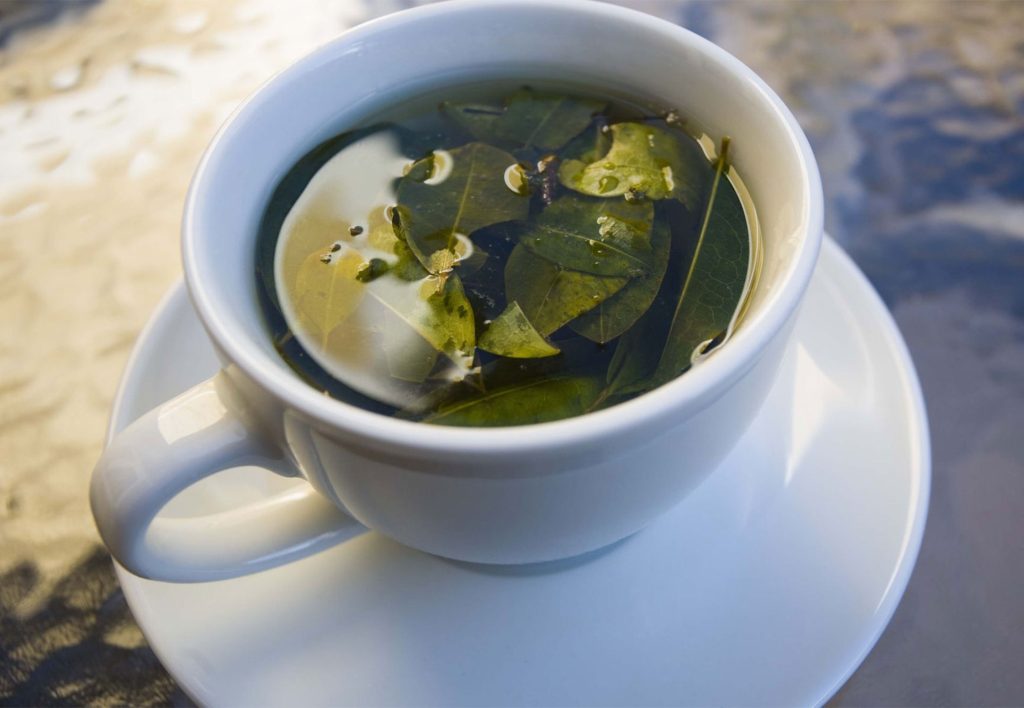
- Try coca tea: This traditional drink is an ancestral ally.
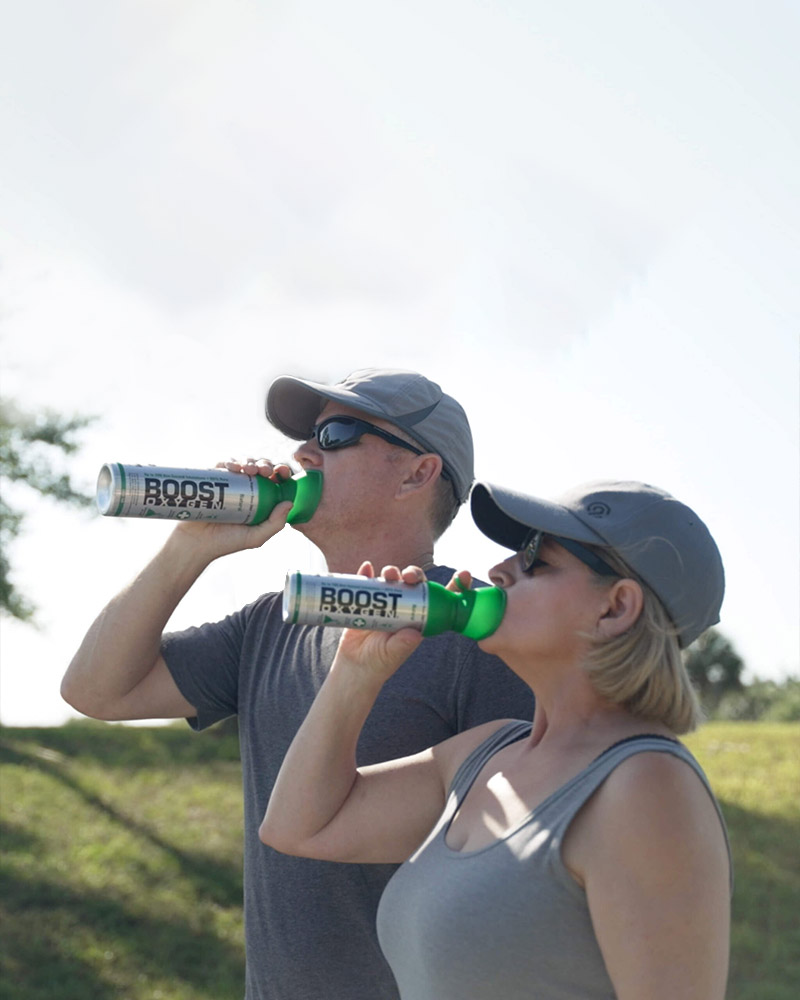
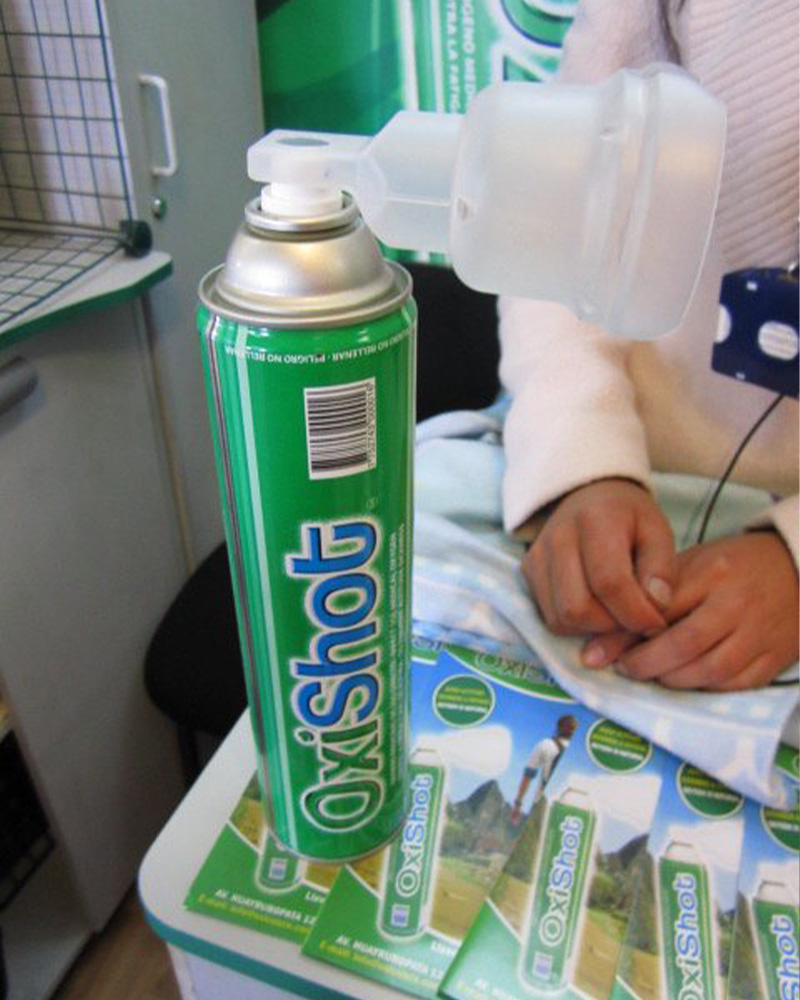
- Oxygen and medication: Know where to find oxygen tanks, medical posts, and basic pain relievers in case you need them.
Interesting fact: Coca leaves contain mild pain-relieving compounds that improve blood circulation and slightly ease symptoms such as headaches and nausea, but they do not speed up the body’s physiological acclimatization process.
Specific Tips for Your Day at Machu Picchu
This is the day you’ve been waiting for. These tips are designed to maximize your energy and minimize discomfort during the most important hours.
- Morning routine to prevent symptoms: Drink half a liter of water upon waking, enjoy a light but energy-rich breakfast, and do gentle stretching to increase blood flow.
- What to pack in your backpack (altitude survival kit):
- 2 liters of water
- Oral rehydration sachets
- Nuts and trail mix
- Granola bars
- Hard candies (avoid very salty snacks, as they increase thirst)
- Medications and basic first-aid supplies
- Hat, rain poncho, and windbreaker
- Listen to your body: If you experience severe headache, nausea, disorientation, or shortness of breath, inform your companions and go to a medical post immediately.
Traveler tip: Taking acclimatization seriously will help you enjoy this wonder the way it deserves. Remember, the citadel has waited 500 years for you—take your time and experience it fully.
Health Centers Near Machu Picchu
Although the altitude of Machu Picchu does not pose a major risk and can usually be managed with proper acclimatization, it is essential to know where to receive professional medical care in case of an emergency. Healthcare infrastructure in the area has improved significantly, and travelers now have several nearby options—both in Aguas Calientes and at key locations throughout the Sacred Valley.
1. In Aguas Calientes (Machu Picchu Town)
This is your most immediate safety net if you feel unwell during or after your visit to the citadel.
Peruano Suiza Clinic – Machu Picchu Branch
- Location: Ca. Mayta Capac, Aguas Calientes 08681
- Services: Private clinic specialized in tourist care. It is one of the best options for cases requiring more complex treatment. Services include medical consultations, oxygen therapy, IV medication for severe dehydration, and specific treatments for acute altitude sickness.
- Advantage: Faster and more specialized care than public facilities. Highly recommended by many guides and travel agencies.
Other Options: Perú Salud Clinic / Machu Picchu Medical Complexity Clinic
- Services: Additional private clinics offering services similar to Peruano Suiza, including consultations, oxygen, and patient stabilization for altitude-related issues. They often have doctors who speak basic English.
- Recommendation: If you need private care, ask your hotel which clinic currently has the best reputation and availability.
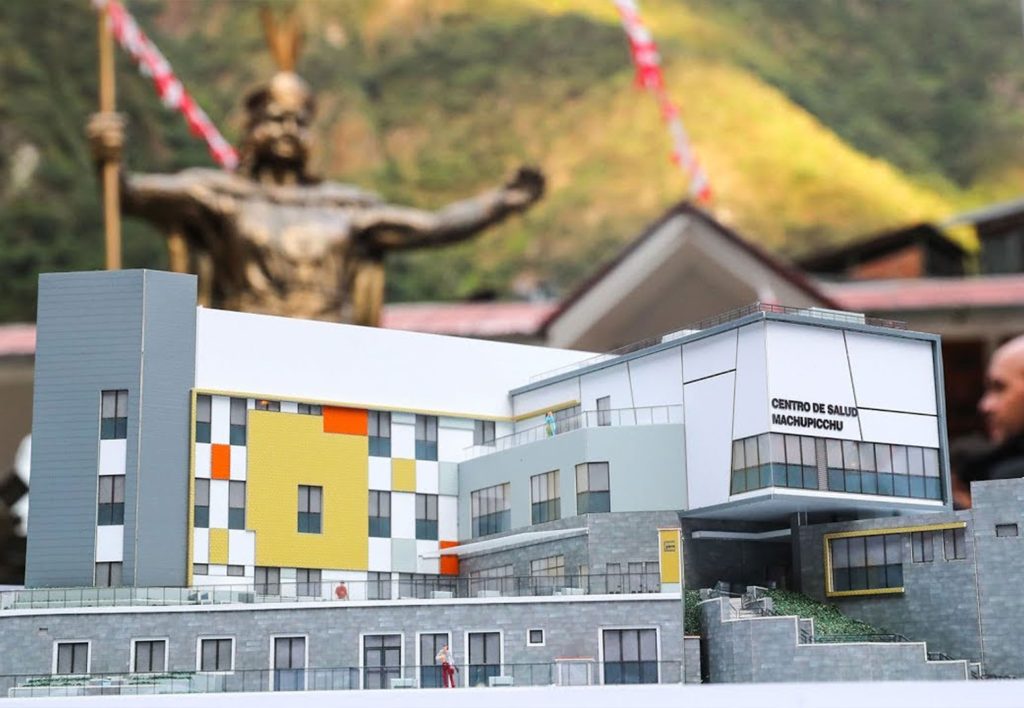
Machu Picchu Health Center (Ministry of Health – MINSA)
- Location: Calle Chinchaysuyo, Aguas Calientes 08681.
- Services: 24-hour primary and emergency care. This is the main public health center in town. They provide oxygen, treatment for altitude sickness (soroche), and care for common injuries. Ideal for moderate symptoms that require medical evaluation.
- Advantage: Always available and more affordable than private clinics.
EsSalud Health Center
- Location: Av. Imperio de los Incas, Aguas Calientes 08681.
- Services: Medical care for EsSalud system members (primarily Peruvian citizens). Foreign tourists are usually treated at the facilities listed above.
2. In the Sacred Valley – Your Safety Net During Acclimatization
If you feel unwell during your acclimatization days in the Sacred Valley, these facilities offer high-quality care—sometimes with better equipment than those in Aguas Calientes.
Ollantaytambo Health Center
- Location: Av. Ferrocarril 286, Ollantaytambo 08676
- Services: Primary and emergency care. A viable option if you experience strong symptoms while staying here before taking the train to Machu Picchu. They have oxygen and can stabilize patients.
- Strategic importance: Many travelers stay overnight here before visiting Machu Picchu, making it a crucial support point.
Urubamba Hospital (The Largest and Most Reliable in the Sacred Valley)
- Location: Urubamba 08661.
- Services: The largest and best-equipped medical facility in the entire region outside the city of Cusco. It offers emergency services, laboratory testing, X-rays, oxygen therapy, and basic hospitalization capacity.
- Key advantage: If you experience severe altitude sickness symptoms (cerebral or pulmonary edema) while staying in the Sacred Valley, this is the facility you should go to—or be transferred to. It has far greater response capacity than any center in Aguas Calientes or Ollantaytambo.
The Winning Itinerary: The Best Route to Acclimatize Before Machu Picchu
This itinerary is built on a simple principle: gradual ascent. Follow these three days exactly, and you’ll arrive at this world wonder energized and free from the annoying symptoms of altitude sickness (soroche).
DAY 1: Arrival in Cusco (3,400 m / 11,155 ft)
Goal: Learn how your body reacts to high altitude.
Morning:
Fly into Cusco, collect your luggage without rushing, and head to your hotel. Drink 1 liter of water and rest lying down for 45 minutes.
Afternoon (Choose ONE option):
- Walking tour of the historic center (flat terrain, with benches to rest).
- Half-day Cusco tour visiting Sacsayhuamán and nearby archaeological sites.
Evening:
Have a light dinner at 6:30 PM, avoiding alcohol. Go to bed early.
(Note: Dinner is usually not included in tours, so we recommend checking our guide on “Where to Eat in Cusco.”)
DAY 2: Acclimatization in the Sacred Valley (~2,792 m / 9,160 ft)
Goal: Descend in altitude so your body can strengthen.
We recommend taking a Sacred Valley tour that allows you to visit most of the main attractions in this beautiful part of the Cusco region.
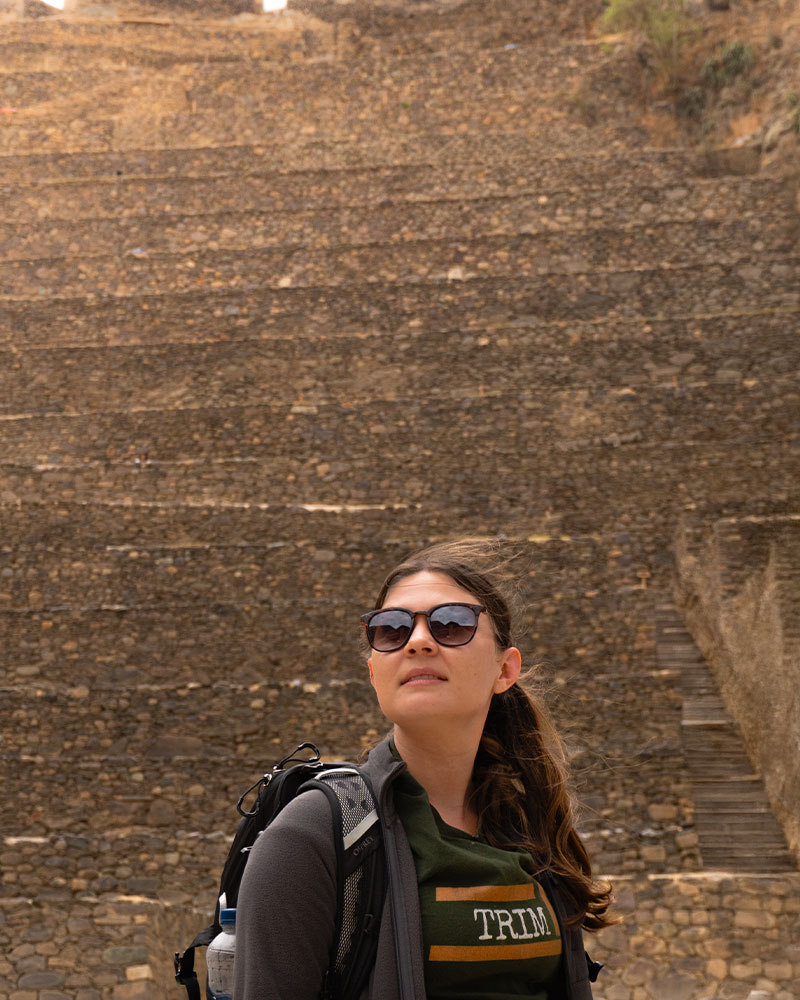
In the evening, stay overnight in Ollantaytambo (do not return to Cusco). Enjoy a light dinner and get plenty of rest for the big day.
DAY 3: Machu Picchu! (2,430 m / 7,972 ft)
Goal: Enjoy the experience—not suffer.
Morning:
Early train from Ollantaytambo to Aguas Calientes (1 hour 30 minutes), followed by a bus ride to the Machu Picchu entrance (30 minutes).
At the citadel:
Your 2–3 hour guided visit will feel natural and energetic thanks to the two days of preparation.
Afternoon:
Return by train. Now you can celebrate—your body is fully acclimatized!
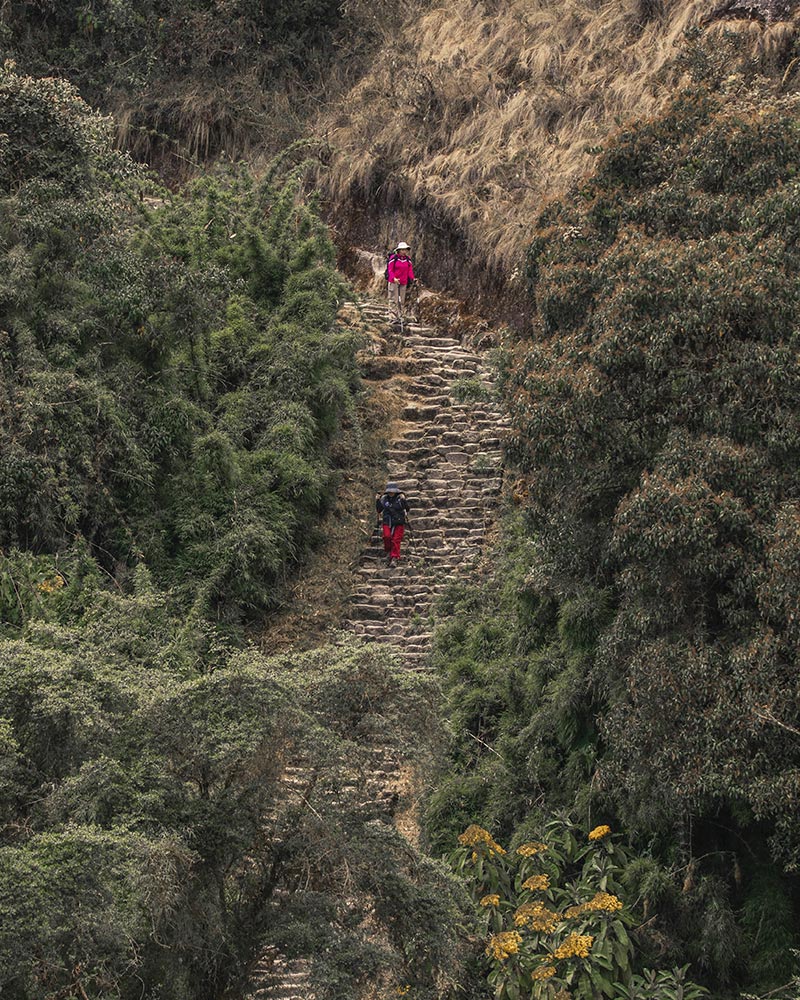
Looking for More Adventure? High-Difficulty Treks
If your dream is to complete a challenging trek to Machu Picchu, preparation must be rigorous. Below are some of the main trekking routes to this world wonder:
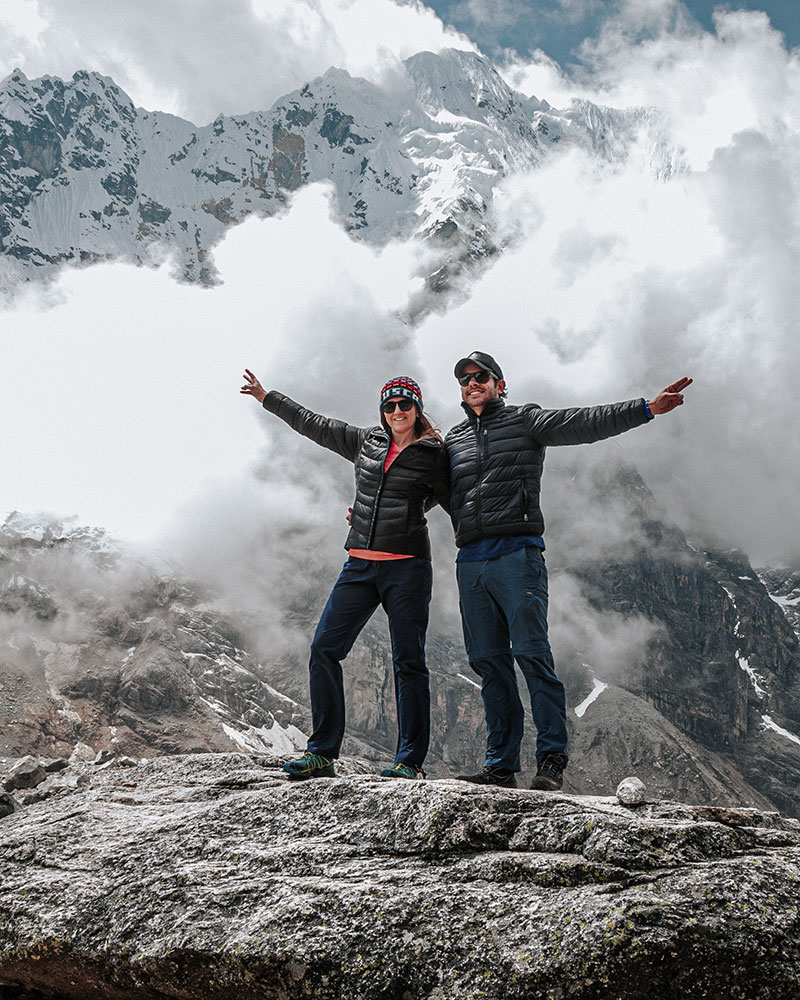
A 4–5 day route (an alternative to the Inca Trail) that travels from the Andes to the cloud forest. The highest point is Salkantay Pass (4,630 m / 15,190 ft), offering spectacular views of the snow-capped peak. It combines glaciers and tropical valleys and ends in Aguas Calientes (Machu Picchu). A diverse and demanding experience.
A historic 4-day route to Machu Picchu that requires a permit. Its highest point is Dead Woman’s Pass (4,215 m / 13,828 ft). It includes exclusive archaeological sites such as Wiñay Wayna and finishes at Inti Punku (Sun Gate). Its main appeal is walking on original Inca paths.
A 4–6 day circuit—the most challenging trek in the region—circling Mount Ausangate (6,384 m / 20,944 ft). Known for its extreme altitude (exceeding 5,000 m / 16,404 ft at Palomani Pass) and stunning alpine scenery: turquoise lakes, vicuñas, and glaciers. It offers a remote and powerful connection with the Andean landscape.
These three iconic routes represent only a portion of the vast network of adventure treks available in the Cusco region. There are many alternative routes for reaching Machu Picchu as well.
Conclusion
The key to enjoying Machu Picchu is not just knowing its altitude, but respecting it. With two or three days of acclimatization along our Sacred Valley route, the vast majority of travelers experience little to no symptoms. The altitude is manageable with smart planning.
Ready to plan your itinerary? Check out our routes to Machu Picchu and enjoy the safest and most exciting trip of your life.
Frequently Asked Questions
How many feet above sea level is Machu Picchu exactly?
Machu Picchu sits at 2,430 meters above sea level, which equals exactly 7,972 feet.
It’s important to clear up a common myth: many people believe Machu Picchu is at a very high altitude, but in reality, it is lower than both Cusco and the Sacred Valley. Its elevation is moderate and rarely causes severe altitude sickness in visitors.
Is the altitude of Machu Picchu higher than Cusco?
Machu Picchu is MUCH lower than Cusco.
- Cusco: 3,400 m (11,155 ft)
- Machu Picchu: 2,430 m (7,972 ft)
Difference: Machu Picchu is almost 1,000 meters (3,280 feet) lower than Cusco. That’s why many people who suffer from altitude sickness in Cusco feel significantly better once they descend to the archaeological site.
Why is Machu Picchu located at that altitude?
Key reasons for the Inca’s strategic location choice:
- Defense: Positioned between mountains and the Urubamba Canyon, making it difficult to attack.
- Spirituality: Proximity to the Apus (sacred mountains).
- Agriculture: Ideal microclimate for farming on Inca terraces.
- Connectivity: A key point within the Inca Trail network (Qhapaq Ñan).
- Astronomy: Perfect alignment for solar observations.
What are the first symptoms of altitude sickness?
Identify these mild symptoms within the first 24 hours:
- Headache (the most common symptom)
- Fatigue or extreme weakness
- Dizziness and nausea
- Loss of appetite
- Insomnia or interrupted sleep
Emergency warning signs (seek medical help IMMEDIATELY):
Confusion, shortness of breath at rest, coughing up frothy fluid, loss of coordination. Descend immediately!
Should I spend my first nights in the Sacred Valley or in Cusco?
Best option: the Sacred Valley for acclimatization.
- Cusco: 3,400 m (11,155 ft) — high risk of altitude sickness
- Sacred Valley (Pisac): ~2,870 m (9,416 ft) — intermediate altitude
Practical benefit: Arriving in the Sacred Valley first reduces symptoms and allows gradual acclimatization before ascending to Cusco.
Does coca tea help with the altitude at Machu Picchu?
Yes—but with important nuances:
- Helps relieve mild symptoms (nausea, headache, fatigue)
- Does not speed up true physiological acclimatization
Recommendation: Use it as a complement to hydration and rest, not as a magic solution.
Can I visit Machu Picchu the same day I arrive in Cusco?
NOT recommended and nearly impossible.
- High risk: Without acclimatization, acute altitude sickness can be severe.
- Logistics: The journey Cusco → Aguas Calientes → Machu Picchu takes a minimum of 3 hours and 30 minutes.
Advice: Plan for at least one night of acclimatization beforehand.
Does the weather affect how altitude feels at Machu Picchu?
Not directly—but yes, indirectly.
- Oxygen levels are the same in dry and rainy seasons.
- Factors that worsen symptoms:
- Dehydration from heat or physical activity
- High humidity (rainy season), which can make breathing feel harder
- Intense cold, which increases the body’s energy demands
- Dehydration from heat or physical activity
Key takeaway: Aggressive hydration is crucial in any weather.
High blood pressure and altitude?
Requires EXTREME caution and prior medical consultation.
- Altitude can temporarily increase blood pressure and heart rate.
Requirements:
- Mandatory medical clearance
- Travel with prescribed medication and a blood pressure monitor
- Gradual acclimatization (Sacred Valley first)
Machu Picchu (2,430 m / 7,972 ft) is lower risk; the main concern is Cusco (3,400 m / 11,155 ft).
Does the altitude of Machu Picchu affect pregnancy?
There is no absolute rule, but risk does increase. Consultation with your obstetrician is mandatory.
Potential risks: fetal growth restriction, preterm labor.
Only consider travel if:
- The pregnancy is low-risk
- You are in the second trimester
Recommendation: The safest option is to postpone the trip. Machu Picchu will still be there later.
You may also be interested in:


Leave A Reply