
You wake up. You check your phone.
You’re on vacation. You check your phone.
You’re supposed to be resting… and somehow you’re still replying to emails.
If that sounds familiar, you’re not alone. The idea of a digital detox has gone from a trendy buzzword to a bit of a necessity. We’re more connected than ever, yet somehow more distracted, more tired, and less present.
So what if the real escape isn’t another beach resort with good Wi-Fi, but somewhere the signal simply disappears?
Welcome to the Peruvian Andes. The perfect place to disconnect.
Table of contents
- What Is A Digital Detox?
- Digital Detox Benefits That Actually Matter
- Why Nature Is The Best Way To Disconnect ?
- Peru As One Of The Best Digital Detox Destinations
- How To Do A Digital Detox And Enjoy It?
- How Do You Know You Need A Digital Detox?
- Trekking For Digital Detox: Why The Andes Work So Well
- Practical Tips To Prepare For A Digital Detox Trek
- The Kind Of Escape That Actually Works
What Is A Digital Detox?
Let’s start simple.
A digital detox means taking a deliberate break from digital devices, so phones, laptops, tablets, smartwatches, etc. Basically, it’s anything that keeps you plugged into the constant stream of notifications, news, and noise.
Now, detoxing from your electronics doesn’t have to be extreme. You don’t need to throw your phone into a lake or move to a cabin forever. At its core, a digital detox is about creating space between you and the digital world so your mind can reset.
The goal? Mental rest. Real presence. A chance to focus on what’s right in front of you instead of what’s glowing in your hand.
And here’s the thing: doing a digital detox at home is hard. Your routine is still there. Your Wi-Fi is still there. Your habits are still there.
Sometimes, you need distance. Something new that takes your focus and attention. And there’s plenty to keep you occupied in the Peruvian Andes that makes it ideal for a digital detox. More on that in a moment.

What Technology Is Doing To Your Brain (And Why It Needs A Break)
Let’s get real for a second. Your brain wasn’t built for constant digital input.
The biggest issue is the pattern of unpredictable rewards. When you check your phone and might see something interesting, your brain anticipates a possible reward. That anticipation can trigger dopamine.
Because the outcome is unpredictable, your brain stays engaged. Sometimes there’s something exciting. Sometimes there’s nothing. Sometimes there’s something stressful.
Over time, this intermittent cycle, anticipation, small reward, repeat, trains your brain to crave quick hits of stimulation.
At the same time, certain interactions, like work emails, urgent messages, and bad news, can activate cortisol, your body’s stress hormone. Even small, repeated spikes throughout the day can keep your nervous system slightly switched on.
The result?
- You crave quick hits of information
- Your attention span gets shorter
- Deep focus becomes harder
- Silence starts to feel uncomfortable
- You feel the urge to “check” without thinking
At the same time, your nervous system stays slightly switched on. The result?
- Mental fatigue
- Trouble concentrating
- Restless sleep
- Feeling wired but tired
And because it’s normal now, you might not even notice how drained you feel.
A digital detox interrupts that cycle. It might feel weird at first, but it soon turns into relief.


Digital Detox Benefits That Actually Matter
We all know screens can be “bad,” but what does stepping away from them really do?
The digital detox benefits go deeper than just reducing screen time.
Better Focus
When you’re not constantly switching between apps, messages, and emails, your brain finally gets a chance for some downtime. Your attention span improves. Conversations feel deeper. Even simple things, like watching the sunset, become interesting again.
Lower Stress
Notifications keep your nervous system on high alert. Even when you’re not working, your body doesn’t always realize it. Removing the constant digital distraction lowers stress levels and gives your mind room to breathe.
Real Rest
You might think that relaxing on the couch and scrolling through your phone is pretty restful. Think again. It’s stimulation disguised as downtime. A digital detox allows for true mental recovery. It’s the kind that leaves you feeling clear instead of foggy.
Reconnection
This one really matters. When you unplug, you reconnect with yourself, other people, and the natural world. And that’s often what people are really craving.
If you’re starting to think, “Okay, I need this,” you’re probably overdue for a break from your devices.
Why Nature Is The Best Way To Disconnect ?
You can try locking your phone in a drawer. You can delete social apps. You can set screen limits.
But if you’re still surrounded by traffic, deadlines, and familiar distractions, your brain doesn’t fully switch off.
Nature changes that.
Out in the mountains, nothing is demanding your attention except the path ahead. There are no breaking news alerts. No instant messages. No temptation to “just check one thing.”
The rhythm of walking replaces the rhythm of scrolling. The sound of wind replaces the buzz of notifications. The sky replaces your screen.
This is why trekking for digital detox is so powerful. You’re not just avoiding technology but filling that space with something better. Much more meaningful.
And few places do this better than the Peruvian Andes.
Peru As One Of The Best Digital Detox Destinations
When searching for digital detox destinations, you’ll find wellness retreats, spas, remote islands, and maybe a silent meditation center or two.
But the Andes offer something different.
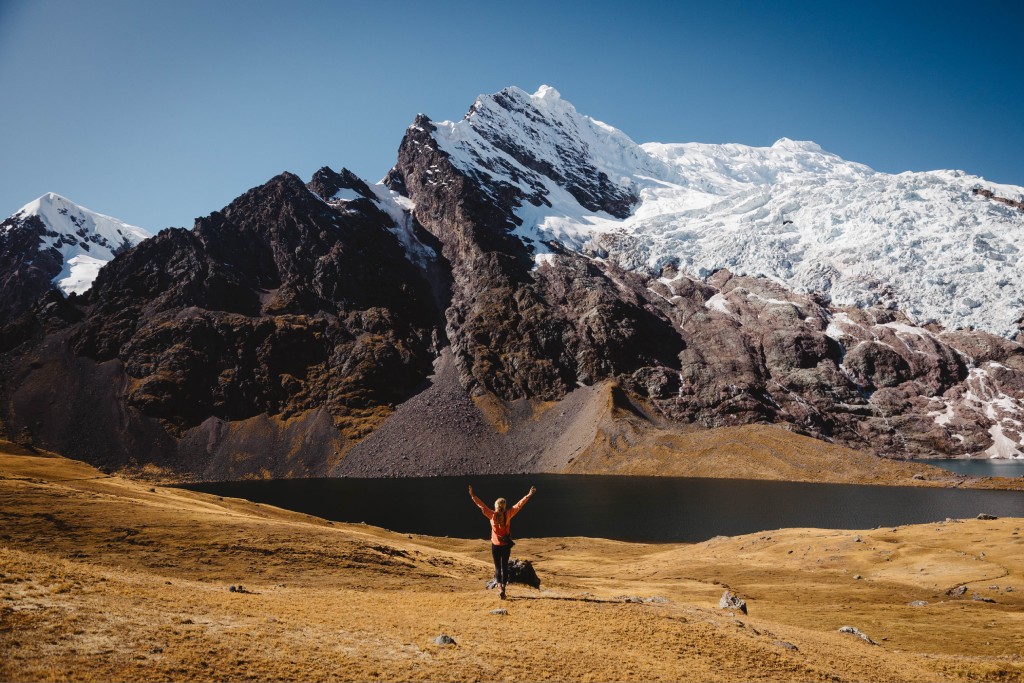
Here, the landscape is big. Dramatic. Ancient. You walk beneath snow-capped peaks, cross high mountain passes, and descend into the cloud forest that’s full of life with birds and rushing rivers.
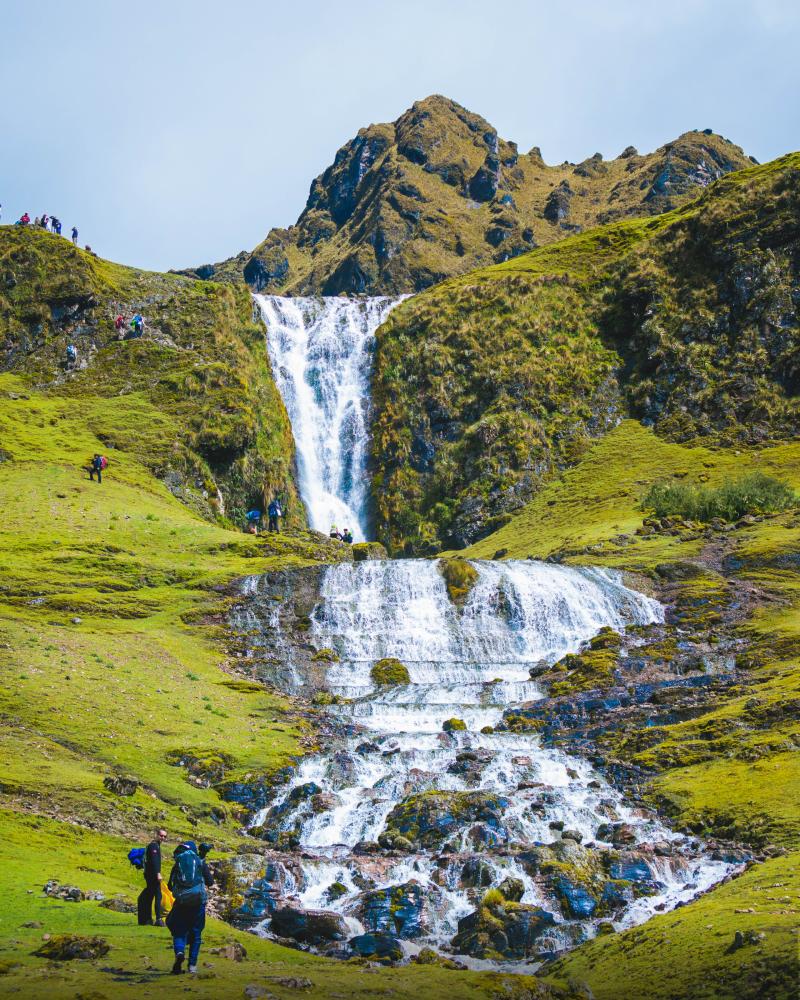
Routes like the Lares Trek or Inca Trail to Machu Picchu offer powerful opportunities to unplug in a remote mountain landscape.
There are stretches where there’s simply no signal. And we’re not talking about a bad signal here. There’s no signal. At all.
At first, that can feel uncomfortable. You might reach for your phone out of habit. You might wonder what you’re missing. We get it.
Then something within you changes.
You stop reaching into your pocket and start noticing what’s going on around you.
The air feels thinner but cleaner. The stars are sharper than at home. Conversations with fellow trekkers go deeper because no one is half-looking at a screen. You begin to realize how loud your daily life actually is.
And how quiet it can be when you take a break from your electronics.

How To Do A Digital Detox And Enjoy It?
Let’s address the fear: “I don’t know how to do a digital detox without getting bored.”
Fair. If you just sit in a room staring at a wall, you probably will find it rather dull.
The trick is replacing digital stimulation with meaningful experience. Here’s how to do it in a way that feels energizing instead of extreme.
1. Set Your Intention
Before you go, decide why you’re doing this. Is it to reduce stress? Improve focus? Reconnect with yourself? Get some mental rest as well as physical? Having a clear reason makes it easier when the urge to scroll hits.
2. Tell People You’ll Be Offline
Let colleagues and family know you’ll have limited to no connectivity. Set an out-of-office reply. Remove the expectation that you’ll respond instantly. Boundaries make the detox possible.
3. Start Small
You don’t have to power down forever. On a trek, you might choose to check your phone once in the evening or not at all. The key is conscious use. Not automatic use.
4. Replace The Habit
Instead of scrolling in downtime, look around. Journal. Talk. Stretch. Watch the mountains change color at sunset. On a multi-day trek in the Andes, there’s no shortage of things to fill the space.
5. Embrace The Discomfort
The first day can feel strange. That’s normal. You’re breaking a habit. Give it time. Most people find that by day two or three, the anxiety fades and the calm sets in.
A structured trekking experience helps enormously here. When your day is guided by walking, meals, and shared moments, you don’t feel lost. You feel grounded.
How Do You Know You Need A Digital Detox?
You might need a break from screens if:
- You reach for your phone first thing in the morning and last thing at night.
- You feel anxious if you can’t find your phone.
- You struggle to focus on one task without checking something else.
- You’re still answering emails on vacation.
- You feel mentally tired even after the weekend.
- Silence is uncomfortable.
- You scroll without a purpose.
And the biggest one of all? You can’t remember the last time you were fully present in a moment. If this sounds familiar, it’s not failure. It’s simply modern life.
A digital detox isn’t about rejecting technology forever. It’s about resetting your relationship with it.
And sometimes, the clearest reset happens far from cell towers and city noise.

Trekking For Digital Detox: Why The Andes Work So Well
Let’s talk specifically about trekking for digital detox.
A multi-day trek in the Peruvian Andes naturally creates the conditions you need:
- Limited or no signal in high mountain areas
- Physically engaging days that keep you present
- Early nights and early mornings
- Immersive landscapes that demand attention
- Small groups that encourage real connection
Take the Salkantay route to Machu Picchu, for example. Over several days, you move through different ecosystems. From alpine passes to lush jungle valleys. The environment changes constantly. You’re never bored, but you’re also never overstimulated.
Each step becomes a form of meditation. Each breath at high altitude demands awareness. You can’t multitask and check your inbox at 15,000 feet.
By the time you arrive at Machu Picchu, you’re not just physically accomplished. You’re mentally clearer. The experience feels earned.
And that kind of reset sticks with you long after you return home.



Practical Tips To Prepare For A Digital Detox Trek
If you’re considering this kind of experience, preparation makes all the difference.
Manage Expectations
Understand that connectivity will be limited. Download essential documents or maps in advance. Let go of the idea of constant updates.
Bring A Journal
You’ll have thoughts. Insights. Random reflections that pop up when your mind finally slows down. Writing them down helps you process it all.
Pack Smart
Focus on practical trekking gear rather than entertainment. Layers, good boots, a reusable water bottle. You won’t need much.
Be Intentional With Photos
You can absolutely bring a camera, or even your phone, to capture your adventure. The key here is intention. Get it out, take a photo, and put it away again. If you immediately start editing photos for social media, checking likes, or posting stories from camp, you’re no longer doing a digital detox. Capture the moment and then return to it fully.
Shift Your Mindset
This isn’t about punishing yourself or restrictions. It’s about giving your brain a break, so try to approach it with curiosity instead of dread.
And if you’re worried it might feel too extreme? Remember, you’re not alone. Guided treks in the Andes are designed to be supportive, safe, and well-paced. You’re challenged but also cared for.
The Kind Of Escape That Actually Works
A spa weekend might relax your muscles. A beach vacation might give you a tan.
But if you still spend half the trip answering emails, have you really disconnected?
The Peruvian Andes offer something unique. When you’re hiking beneath towering peaks with no signal and no schedule beyond reaching the next campsite, the digital noise fades naturally.
You don’t need to force yourself to unplug. The mountains do it for you.
And in that quiet, something important happens. You remember how to focus and sit with your own thoughts.
You remember that rest isn’t just about stopping work but about stepping away from the constant pull of a screen.
A digital detox doesn’t have to be dramatic. It just has to be intentional. And sometimes, the most effective way to do that is to go somewhere big enough to make your notifications feel small.
The Andes have been standing for millions of years. They’re not going anywhere. Spending a few days walking through them might be the reset you didn’t realize you needed.
If the idea of truly switching off (not just pretending to) sounds appealing, there’s a trek through the Peruvian Andes waiting. And it doesn’t come with Wi-Fi.
Start planning your journey today with Salkantay Trekking and see how far a few days in the mountains can take your mind, body, and spirit.












Leave A Reply