
Hiking the Inca Trail is a once-in-a-lifetime experience that connects travelers with the history and natural beauty of the Andes. Choosing the best time to visit the Inca Trail can make the difference between an unforgettable adventure and a challenging hike. Understanding the climate and conditions of each Inca Trail season is key to thoroughly enjoying this ancient route.
In this blog, you’ll discover everything you need to know to decide the ideal moment for your adventure: what the weather is like month by month, what to expect during the Inca Trail dry season and rainy months, the different versions of the Inca Trail you can hike, and the best alternative routes to Machu Picchu. Let’s begin this journey of discovery through the Inca Trail and its ever-changing climates.
Table of contents
- Which Is the Best Month to Hike the Inca Trail?
- Rainy Season on the Inca Trail: What to Expect
- Dry Season on the Inca Trail: What to Expect
- Main Variations of the Inca Trail You Can Choose
- Alternative Routes to the Inca Trail to Machu Picchu
- Conclusion
- Frequently Asked Questions About the Inca Trail
- You may be interested in:
Which Is the Best Month to Hike the Inca Trail?
Deciding the right moment to trek the Inca Trail is crucial for thoroughly enjoying this ancient wonder. Many travelers agree that the best time to visit the Inca Trail is between April and May, and September and October. During these months, the weather is pleasant, the rainfall is minimal, and the trails reveal stunning natural beauty.
In this period, the vegetation flourishes, and the clear skies let you admire the Andean landscapes in all their splendor. There are also fewer tourists, offering a more peaceful and intimate hiking experience. Walking along the Inca Trail at this time offers the perfect combination of climate, nature, and culture—truly the best season for exploring the Inca Trail.
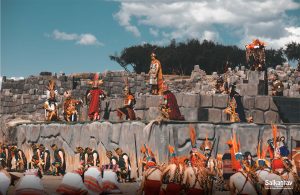
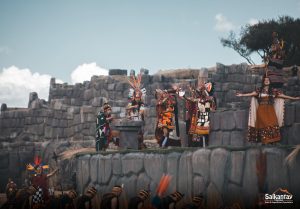
On the other hand, many visitors prefer June, a month full of energy and celebration in the city of Cusco. During this time, the cultural spirit reaches its peak with the Inti Raymi, the famous Festival of the Sun. However, it’s essential to book accommodation, tickets, and tours well in advance due to high demand.
Remember, every Inca Trail season offers a unique perspective of this magnificent route and its majestic landscapes. Analyzing the weather conditions and the flow of tourists will help you decide on the best season to do the Inca Trail according to your travel style. That way, you’ll live the magic of Machu Picchu at the most special moment of the year.
Rainy Season on the Inca Trail: What to Expect
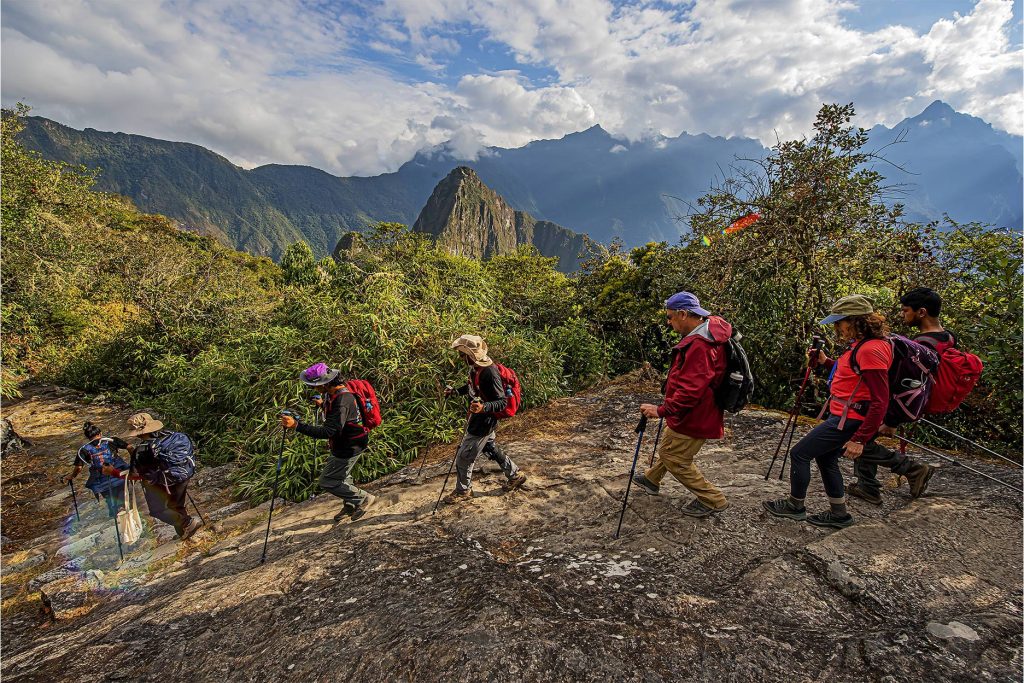
During the rainy season, the Inca Trail offers a different kind of adventure filled with natural contrasts. The weather can change rapidly, so it’s essential always to be prepared. Despite the frequent showers, the vegetation looks more vibrant, and the landscapes turn a lush, intense green.
Traveling during this Inca Trail season requires caution and good planning to ensure a safe and enjoyable hike. Bringing waterproof clothing and proper footwear is essential to staying comfortable throughout the journey.
The rain adds freshness to the atmosphere and reduces the number of visitors on the trail, creating a peaceful and intimate experience. However, the humidity can make certain sections more challenging to navigate. With the proper preparation, you can still make the most of this special time of year. For some travelers, this period is considered the ideal time to visit the Inca Trail, offering solitude and natural beauty.
Month by Month During the Rainy Season
November
This month marks the end of the Inca Trail dry season and the beginning of the first rains. The fields regain their vivid green color, and the weather remains pleasant. Daytime temperatures average around 19 °C (66 °F), while nighttime temperatures drop to about 5 °C (41 °F).
December
Summer begins in Peru, and the rains become more frequent. The Inca Trail remains warm, with occasional sunny breaks and cool nights. It’s an excellent month for those who prefer fewer crowds and a more relaxed experience. While it’s not the best season for Inca Trail trekking for everyone, it does offer a quiet and personal connection with the Andes.
January
One of the wettest months of the year on the Inca Trail, January brings daily rainfall, though the sun occasionally breaks through. Daytime temperatures hover around 18 °C (64 °F), and nights around 7 °C (45 °F), creating a humid yet mild environment. Despite the challenges, many find this to be the best season to do Inca Trail if you seek solitude and lush landscapes.
February
In February, the Inca Trail closes temporarily for maintenance and safety reasons. Rainfall is heavy, and the trails become slippery, increasing the risk of accidents. Even so, the climate remains mild, with temperatures similar to those in January. This short break helps preserve the integrity of this ancient path, ensuring that when it reopens, travelers can experience the best time to visit the Inca Trail in optimal conditions.
March
The rains gradually decrease, and the first hikers return to the route. Days become sunnier, and the landscape glows with vivid green hues. Daytime temperatures reach around 19 °C (66 °F), while nights stay close to 8 °C (46 °F). It’s a transitional period full of color and energy.
April
April marks the shift toward the Inca Trail dry season and more stable weather. Drizzles may still occur, but sunny days dominate. For many, this is truly the best time to visit the Inca Trail, as it offers a perfect balance between good weather and tranquility.
Hiking the Inca Trail during the rainy months allows you to discover a more natural, less crowded version of this sacred route. With proper preparation, it can be just as unforgettable as walking during the Inca Trail dry season.
Check out our blog, “The Best Time to Visit Machu Picchu in 2025”—a valuable and trustworthy guide that will help you choose the ideal time for your adventure, filled with excitement and safety.
Dry Season on the Inca Trail: What to Expect
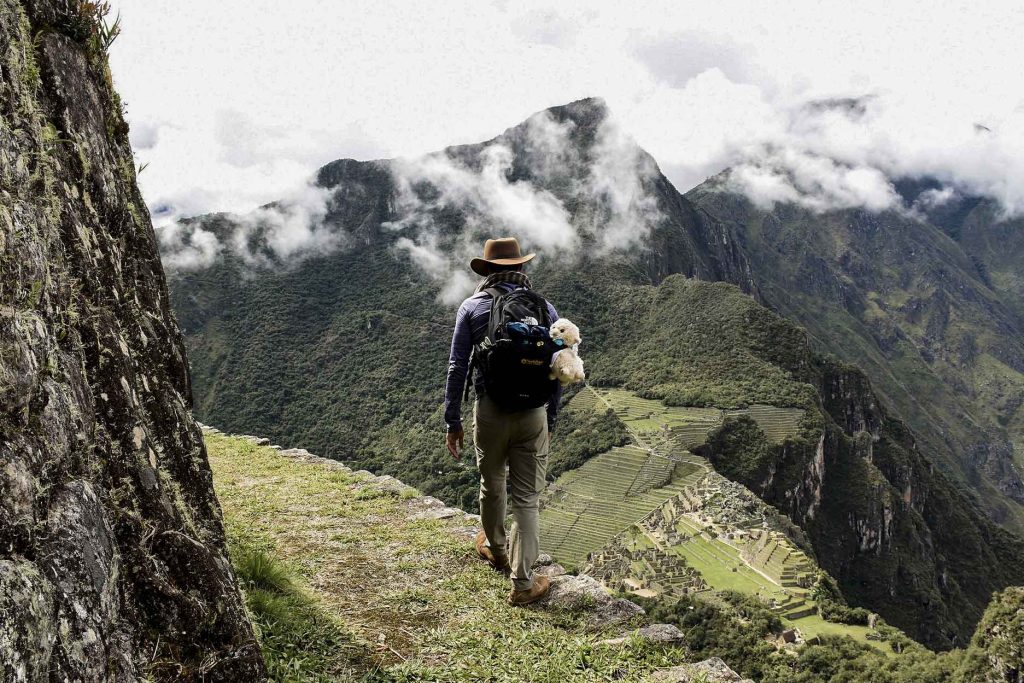
The Inca Trail dry season is one of the most anticipated times of the year for travelers dreaming of hiking this legendary route. During these months, clear skies allow you to enjoy the majestic Andean landscapes at their best. This period, often considered the best time to visit the Inca Trail, offers sunny days and ideal weather conditions for trekking.
Because it’s the most popular Inca Trail season, permits and tickets tend to sell out months in advance. Booking at least six months ahead ensures availability and the best travel options. That way, you’ll be ready to live a smooth and unforgettable adventure along Peru’s most iconic route—truly the best season for Inca Trail trekking.
Month by Month During the Dry Season
May
May marks the beginning of the Inca Trail dry season and the end of the continuous rains. The paths are firm, and the scenery looks especially lush and green. Daytime temperatures reach around 19 °C (66 °F), dropping to 4 °C (39 °F) at night—a very comfortable climate for hikers. Many travelers consider May one of the best times to visit the Inca Trail, thanks to its balance and beauty.
June
June is one of the driest months of the year, offering nearly perfect weather conditions. The days are sunny and ideal for capturing breathtaking photos along every section of the trek. It’s also a festive month in Cusco, coinciding with the colorful Inti Raymi celebration. For many, June is the best season to do Inca Trail hikes.
July
In July, the skies remain completely clear, but the nights turn colder with the arrival of the Andean winter. Temperatures can drop to 0 °C (32 °F), so it is essential to bring warm clothing. During the day, the dry and mild weather makes trekking pleasant and photogenic. Many adventurers consider this the best time to visit the Inca Trail for stunning views and great hiking conditions.
August
The dry weather continues, and days become even brighter. Daytime temperatures typically range from 19 °C (66 °F) to 24 °C (75 °F), while nighttime temperatures drop to around 3 °C (37 °F). This month is popular for its stable climate and incredible visibility across the Andes. August is undoubtedly one of the best seasons for Inca Trail trekking, offering comfort and stunning panoramic landscapes.
September
September brings slightly warmer temperatures and a slight decrease in tourist flow. Days are pleasant, with blue skies and minimal rain. It’s an ideal month for those seeking a quieter experience on the Inca Trail. For many hikers, September is considered the best time to visit the Inca Trail, offering a peaceful and mild climate.
October
October marks the transition to the rainy period, but the climate remains predominantly dry. Daytime temperatures hover around 19 °C (66 °F), while nights stay close to 6 °C (43 °F). This month combines the charm of the Inca Trail dry season with fewer visitors, making it an excellent choice for your adventure. Many travelers consider October the best time to undertake Inca Trail hikes before the rains return.
During the Inca Trail dry season, this legendary route reveals its most photogenic and comfortable side. Every month offers its charm and advantages, depending on the type of experience you’re looking for. Whether it’s crisp mornings, golden sunsets, or clear nights under the stars, this is undoubtedly the best time to visit the Inca Trail for unforgettable memories.
We invite you to explore our guide, “Inca Trail 2026: Complete Trekking Guide”. It’s a complete and reliable resource that will answer your questions, give you confidence, and help you choose the perfect month to enjoy this once-in-a-lifetime experience.
Main Variations of the Inca Trail You Can Choose
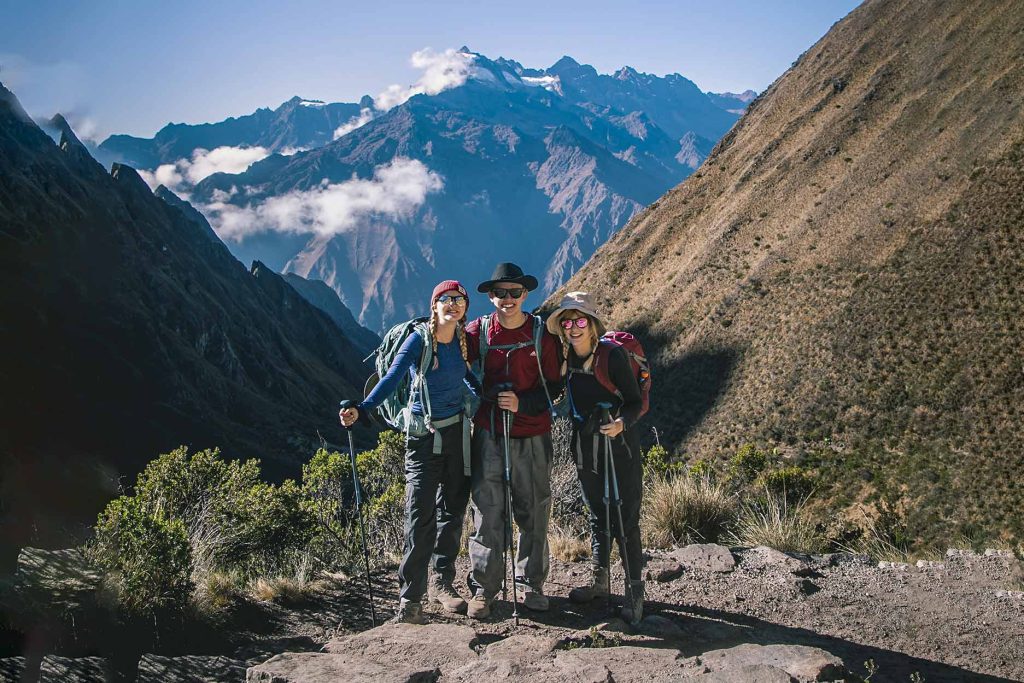
The Inca Trail is one of the world’s most iconic routes and offers several alternatives to reach Machu Picchu. Each option has its level of difficulty, duration, and unique landscapes. Choosing the correct route depends on your fitness level, available time, and personal preferences.
Below, we’ll show you the main types of Inca Trail routes you can decide from—each offering a unique experience. With proper planning, you’ll be able to pick the one that best fits your expectations and enjoy the best season for Inca Trail trekking during your visit.
Classic Inca Trail (4 Days)
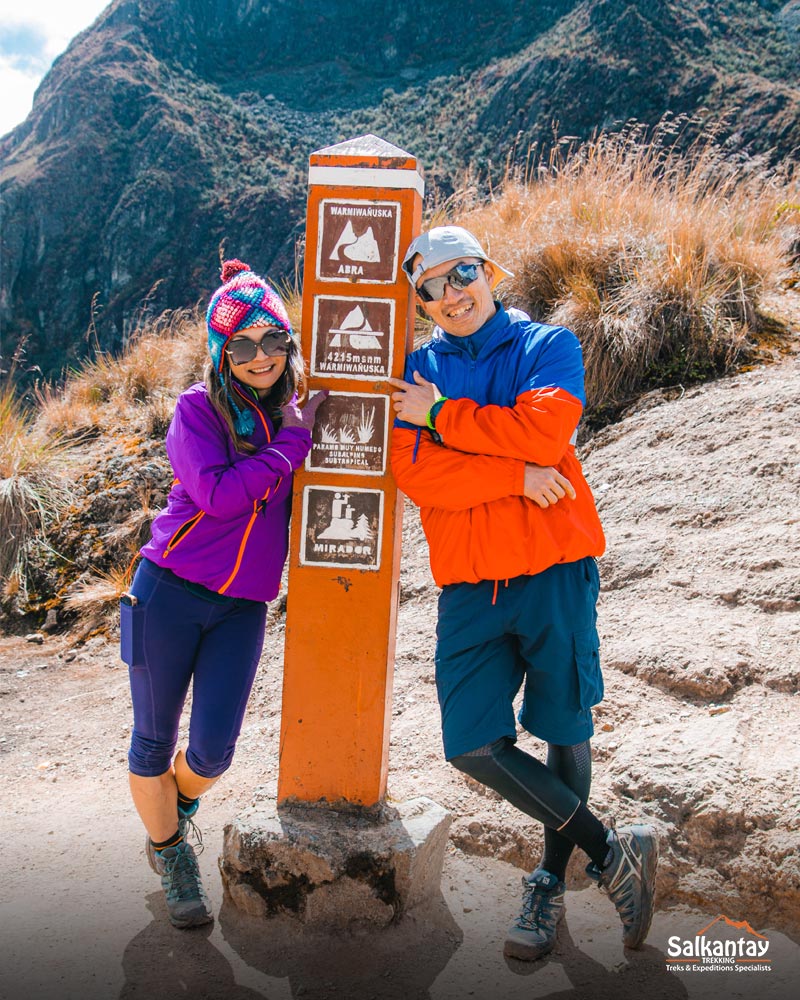
The classic route is the most famous and preferred by travelers seeking a complete experience. This 44-kilometer trek connects Andean landscapes, archaeological sites, and cloud forests, culminating in the Inti Punku, also known as the Sun Gate. Its highest point rises to 4,215 meters (13,828 ft) at Warmiwañusca Pass, making it a moderate but demanding hike.
Over four days, trekkers enjoy a perfect blend of Inca history, nature, and culture. The itinerary includes visits to archaeological sites such as Runkurakay (an ancient urban and religious center), Sayacmarca (an Inca citadel and religious hub), Phuyupatamarca (a small Inca city once used for maize cultivation), and Wiñay Wayna (an Inca religious and agricultural site).
For many adventurers, hiking the classic route during the Inca Trail dry season is the best time to visit the Inca Trail, as the weather conditions allow for breathtaking views and comfortable trekking days.
Short Inca Trail (2 Days)
The Short Inca Trail is perfect for those who wish to experience the essence of the trail without committing several days. Starting at kilometer 104 of the railway, this version combines archaeology, nature, and scenic views. On the first day, you’ll visit Wiñay Wayna and reach Inti Punku, the ancient entrance to Machu Picchu, where an unforgettable view of the citadel awaits.
The second day is reserved for exploring Machu Picchu at your own pace. This route offers less physical demand but equally rich cultural and natural immersion. Whether you visit during the Inca Trail dry season or the lush green months, this trek can easily be one of the best seasons to do Inca Trail hikes for those short on time.
1-Day Inca Trail Excursion
This option is designed for travelers with limited time who don’t want to miss the magic of the Inca Trail. Starting at kilometer 104, it follows the same route as the short version, passing through the main archaeological sites before ending at the Sun Gate, where you’ll enjoy your first panoramic view of Machu Picchu.
Even in a single day, this experience feels intense and enriching. It’s ideal for those who want to combine culture, exercise, and stunning views. Visiting during the best time to visit the Inca Trail—usually within the Inca Trail dry season—ensures clear skies and excellent visibility.
Salkantay and Classic Inca Trail (7 Days)
This version combines the famous Salkantay Trek with the classic section of the Inca Trail. It’s a challenging route that crosses glaciers, turquoise lagoons, cloud forests, and high-mountain landscapes. In its final stretch, it joins the traditional Inca Trail before reaching Machu Picchu.
This hike offers a complete adventure that blends nature, history, and culture—ideal for travelers seeking both physical and visual challenges. Those who undertake this journey during the optimal season for Inca Trail hikes can enjoy ideal weather conditions and breathtaking scenery.
Lares Trek + Short Inca Trail (5 Days)
The Lares route combines cultural immersion with breathtaking mountain scenery before connecting with the Short Inca Trail. Along the way, you’ll encounter Andean communities, crystal-clear lagoons, and natural hot springs. On the fourth day, the route merges with the Inca section that leads to Machu Picchu.
This option is ideal for travelers seeking to experience the rural Andean lifestyle and the region’s rich archaeological heritage. It offers an authentic connection with local culture and less-traveled paths. Depending on your timing, either the Inca Trail dry season or the green months of November and April can be the best time to visit the Inca Trail through this route.
Ancascocha Trek + Short Inca Trail (5 Days)
This route is considered one of the most exclusive due to its low number of visitors. It passes through towering mountains, turquoise lakes, and small traditional villages before connecting with the Inca Trail. It’s the perfect option for those seeking solitude and pure nature.
The trek blends adventure, tranquility, and cultural immersion. Its final connection with the Short Inca Trail allows travelers to enjoy the most iconic archaeological sites before reaching Machu Picchu. Hiking during the best season to do Inca Trail hikes—typically the Inca Trail dry season—enhances the beauty of this spectacular route.
Discover all the routes you can take to hike the Inca Trail simply and reliably—so you can confidently choose the best one for your next adventure.
Alternative Routes to the Inca Trail to Machu Picchu
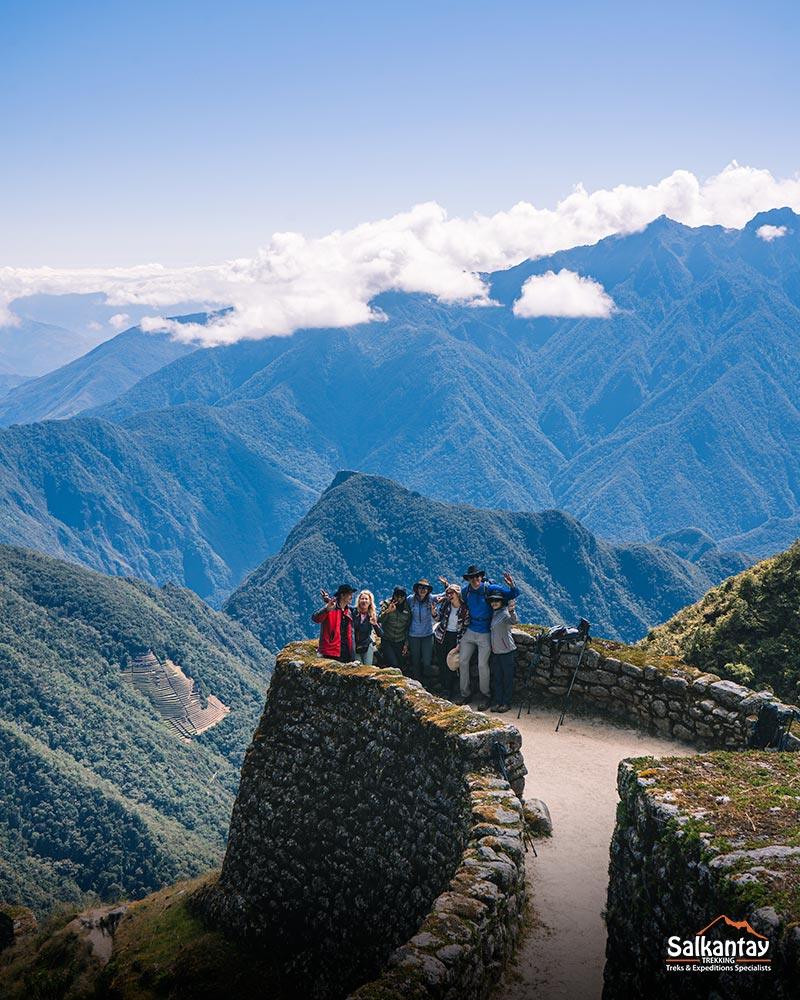
Not getting a permit for the Inca Trail doesn’t mean missing out on a great adventure. Cusco offers various trekking routes that capture the essence of the Andes from different perspectives. Each one combines unique landscapes, ancient history, and a deep connection with nature.
The choice of route depends on the kind of experience you want and your physical condition. Some are more challenging and adventurous, while others focus on cultural exchange. No matter which you choose, every path will lead you to Machu Picchu through a different—yet equally fascinating — journey.
Salkantay Trek
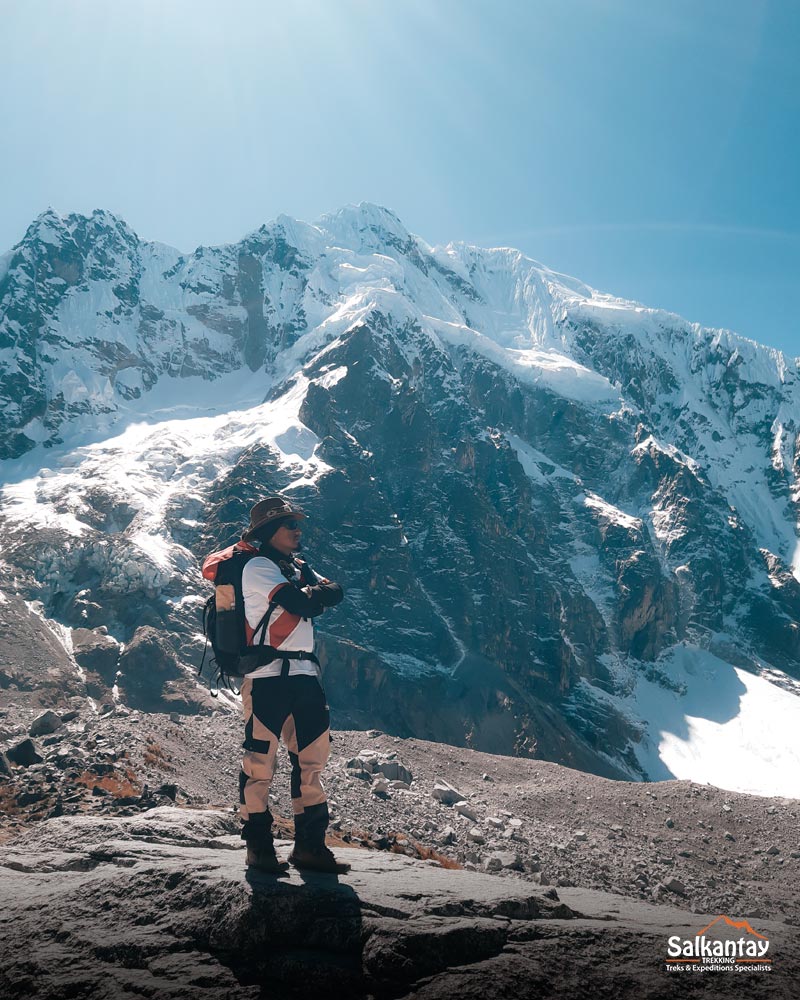
The Salkantay Trek is one of the most popular alternatives to the Inca Trail. This route traverses majestic glaciers, tropical valleys, and turquoise lagoons, including Humantay Lake. Lasting five days, it offers a challenging experience that perfectly balances adventure, culture, and nature.
The highest point of the trek reaches 4,650 meters (15,200 ft) at the Salkantay Pass, surrounded by breathtaking scenery. Along the way, travelers encounter diverse microclimates and ecosystems, ranging from snow-capped peaks to cloud forests.
For those who love adventure and variety, the best time to visit the Inca Trail and alternative routes, such as Salkantay, is during the dry season, when visibility and trail conditions are at their best.
Lares Trek
The Lares Trek is ideal for travelers seeking to connect with the vibrant traditions of the Andes. Along the route, you’ll visit local communities where residents preserve their ancestral customs. You can also relax in the natural hot springs of Lares before continuing your journey toward Machu Picchu and exploring the archaeological park of Ollantaytambo.
The scenery is characterized by mountains, lagoons, and farmland, which reflect the rural Andean lifestyle. This trek offers a unique mix of human connection and natural beauty. Many hikers find that the best season for Inca Trail alternatives, such as Lares, is during the Inca Trail’s dry season, when the weather is mild and the paths are stable.
Choquequirao Trek
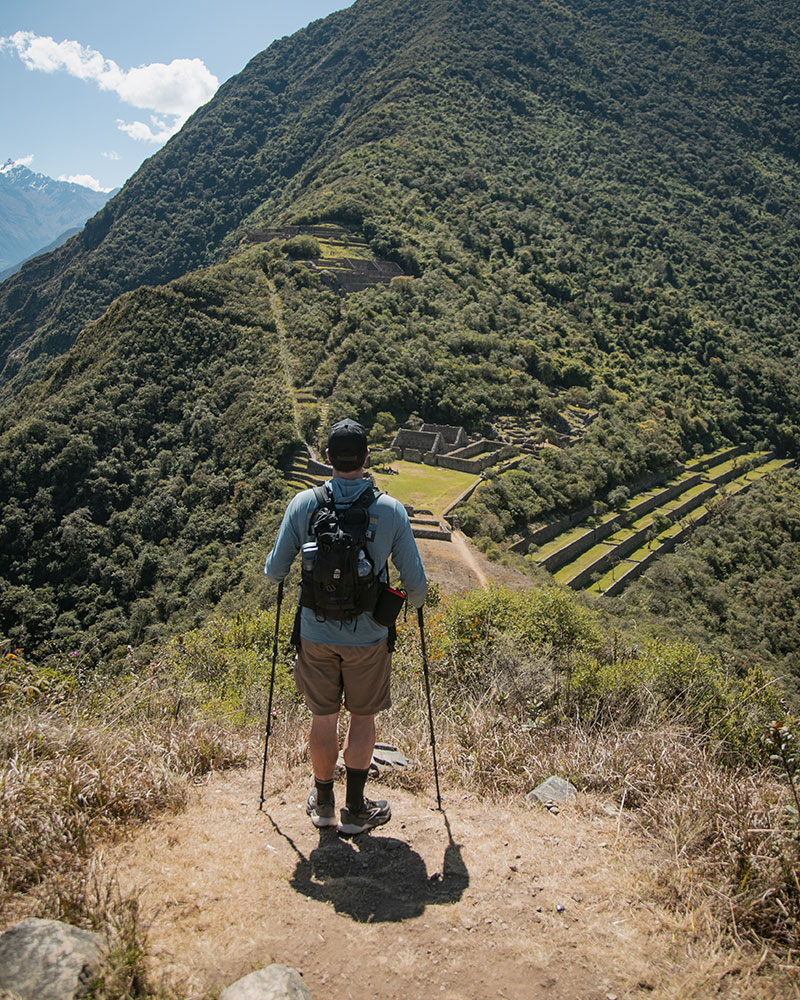
The Choquequirao Trek is considered one of Cusco’s most demanding yet rewarding routes. It leads to the enigmatic Inca citadel known as the “sacred sister” of Machu Picchu. The journey lasts four to five days and involves steep ascents and deep descents, making it perfect for adventurous hikers.
This expedition is ideal for travelers seeking tranquility and a spiritual connection with nature. The views of the Apurímac Canyon and surrounding mountains are simply spectacular. For physically prepared trekkers, the best season to undertake the Inca Trail and Choquequirao is during the dry season, when the paths are dry and the landscapes shine brightest.
Inca Jungle Trek
The Inca Jungle Trek combines adventure, culture, and nature in one unforgettable experience. This route combines hiking, biking, ziplining, and rafting, making it perfect for thrill seekers. Along the way, you’ll pass coffee and cacao plantations before reaching Machu Picchu.
Travelers enjoy various ecosystems, from towering mountains to lush high jungle. Each day brings new landscapes and emotions. The best time to visit the Inca Trail or take the Inca Jungle route is between May and September, during the Inca Trail dry season, when outdoor activities can be enjoyed safely and comfortably.
Inca Quarry Trek (Cachicata Route)
The Inca Quarry Trek is a lesser-known route that stands out for its historical and natural charm. Along the journey, hikers discover ancient stone quarries once used by the Incas to build temples and fortresses. You’ll also pass through authentic Andean villages and archaeological remains that preserve their original essence.
Cusco offers multiple routes that lead to the magical city of Machu Picchu, each with its own unique appeal. From cultural treks to high-mountain adventures, there’s a perfect option for every traveler. Whichever you choose, you’re guaranteed an unforgettable experience.
Traveler’s Tip: The Inca Trail closes in February for maintenance, but permits for the following months—such as March, April, and the high season of June and July—are released as early as October or November of the previous year. Book early to secure your spot and experience the best time to visit the Inca Trail!
Conclusion
Deciding the best time to visit the Inca Trail is the first step toward living a truly unforgettable experience. Whether you prefer the clear skies of the Inca Trail dry season or the lush, green scenery of the rainy months, each Inca Trail season has something unique to offer.
Now that you know the advantages of each period, it’s time to plan your adventure and book your trek in advance. Machu Picchu awaits—ready to show you the magic of the Andes. Currently, that’s perfect for you.
Frequently Asked Questions About the Inca Trail
Planning your trek on the Inca Trail requires precise and updated information. Below, you’ll find answers to the most common traveler questions. Each one will help you prepare for your hike during the best time to visit the Inca Trail.
1. What Is the Best Time of Year to Hike the Inca Trail?
The best time to visit the Inca Trail is between May and October, during the Inca Trail dry season. These months offer sunny days, firm trails, and crisp mountain views. Many trekkers agree that this is the best season for Inca Trail adventures thanks to ideal weather conditions and clear skies.
2. How Far in Advance Should I Book My Tour?
You should book several months ahead, especially for June and July, when demand is highest. Permits and tickets often sell out quickly. To guarantee your spot, book at least six months in advance—particularly if you plan to travel during the best season to do Inca Trail hikes.
3. Is the Inca Trail Open All Year Round?
No. The Inca Trail closes in February for maintenance and preservation work. This temporary closure protects the trail and ensures safe conditions for hikers. You can visit the rest of the year, especially during the best time to visit the Inca Trail, from May to October.
4. What Is the Difficulty Level of the Inca Trail?
The Inca Trail is considered moderately complex—graded level 3 by experienced guides. It requires good physical condition and endurance. With proper preparation and a positive attitude, anyone can complete the Inca Trail at any time of year.
5. What Should I Bring to the Inca Trail?
Pack a light backpack with essentials like your passport, sunscreen, and insect repellent. Please keep in mind suitable clothing for both cold and rainy conditions. During the Inca Trail dry season, you’ll need less rain gear but should still pack layers for chilly nights.
6. What Kind of Footwear Is Recommended?
Wear comfortable, well-worn hiking boots to prevent blisters. It’s advisable to choose one size larger than usual to account for natural foot swelling. The proper footwear is key to enjoying every section of the trail, especially if you’re hiking during the best season for Inca Trail treks.
7. Can I Do the Inca Trail on My Own?
No. Entry is only permitted through an authorized tour agency. This regulation ensures safety and control along the route. Professional guides provide informative and secure experiences throughout your journey—helping you make the most of the best time to visit the Inca Trail.
8. What Is the Highest Point on the Inca Trail?
The highest point is Warmiwañusca Pass, at 4,215 meters (13,828 ft) above sea level. From here, hikers enjoy breathtaking views of the Andes—a reward that makes the effort worthwhile. Clear days during the Inca Trail dry season make this viewpoint especially spectacular.
9. Is It Dangerous to Hike the Inca Trail?
The Inca Trail is safe if you follow your guide’s instructions. The paths are well-marked and maintained, though caution and proper acclimatization are always important. Traveling during the best season to do Inca Trail hikes reduces weather-related risks and improves visibility.
10. What Is the Average Temperature on the Inca Trail?
Daytime temperatures hover around 19 °C (66 °F), dropping to 5 °C (41 °F) at night. July is the coldest month, with temperatures near 0 °C (32 °F) after sunset. The best time to visit the Inca Trail is when the weather is pleasant and the skies are clear—generally from May to September.
You may be interested in:
- Essential Information for the Inca Trail
- Inca Trail Tickets: Everything You Need to Know
- What to Wear for The Inca Trail 2025?
- Inca Trail: Essential Gear for an Unforgettable Adventure
- Inca Trail vs. Choquequirao Trail: Which Is the Best Option for Your Andes Adventure?
- Inca Trail 2026: Complete Trekking Guide
- What to expect and how to prepare for the Rainy Season in Cusco, Peru?
- The Best Time to Visit Machu Picchu in 2025
- What is the best time to visit Peru?






Leave A Reply