
In the heart of the Peruvian Andes, the majestic Salkantay Glacier rises not only as a sacred mountain in the Inca worldview, but also as the most iconic trekking destination after the Inca Trail. Every year, thousands of adventurers from around the world make their way to its slopes and the dazzling Humantay Lake, seeking to connect with the purity of the Andean nature that defines us.
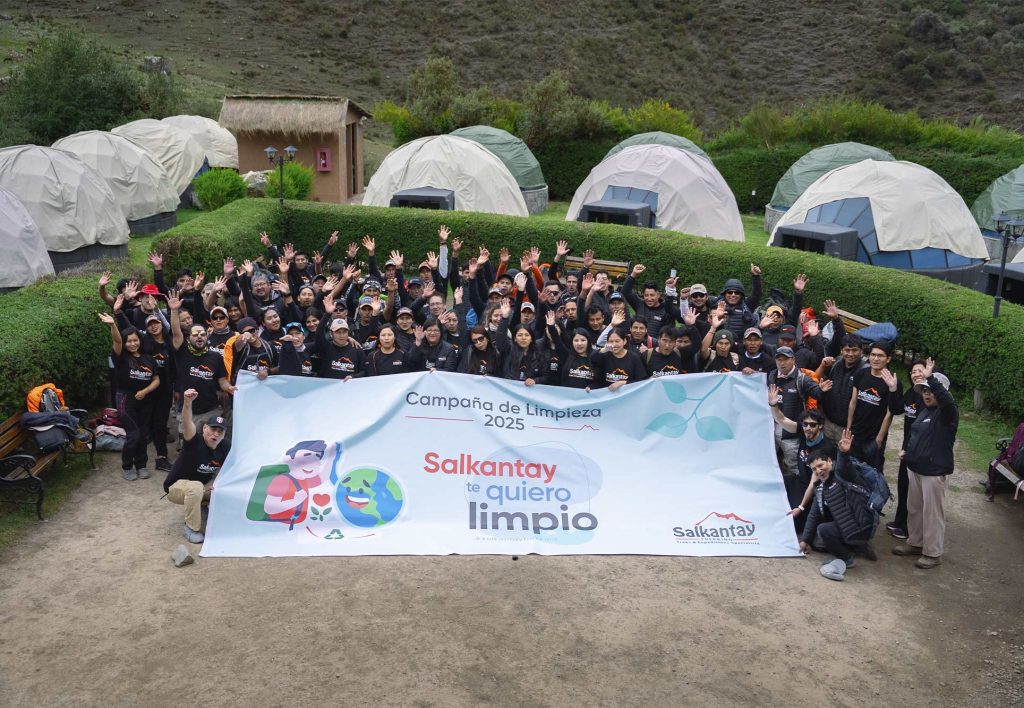
However, this beauty faces a silent threat: pollution along the trekking routes. Plastic bottles and discarded waste not only spoil the landscape, but also damage this fragile ecosystem. That’s why, for more than a decade, we’ve led the institutional campaign “Salkantay, I Want You Clean,” where our entire team transforms their passion for the mountain into concrete action. In 2025, over 100 of us joined forces to clean up the route, proving that sustainable tourism in Peru is possible.
In the following lines, we’ll take you behind the scenes of this important effort. You’ll discover how we organized the cleanup, the powerful results we achieved, and—most importantly—how you, too, can be part of the solution to preserve Salkantay for future generations.
Table of contents
Why does Salkantay need urgent protection?
The majesty of the Salkantay Glacier hides a critical vulnerability. Beyond the visible trash along the trails, the ecosystem of the Urubamba mountain range faces deep and accelerating threats, where unregulated tourism adds pressure to an already deteriorating system. Data from specialized institutions reveal a reality that demands immediate action.
Alarming facts
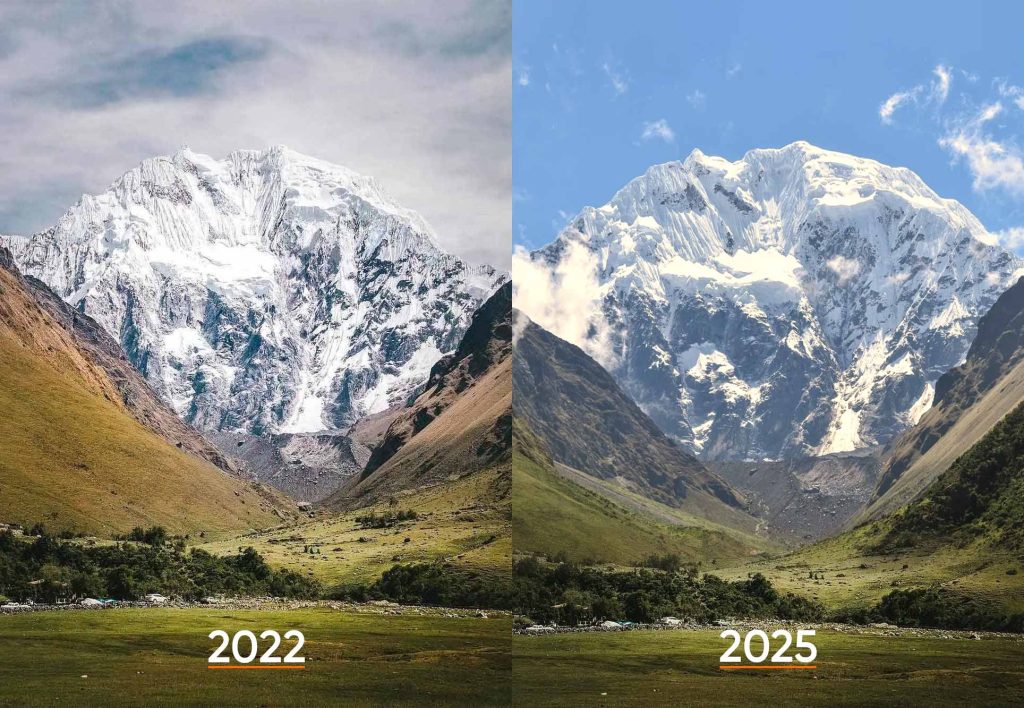
According to estimates from CEPLAN (the National Center for Strategic Planning), cited in the study “Glaciers of Peru,” the Urubamba mountain range—home to Salkantay—is projected to disappear around the year 2034. This is not a distant possibility, but a science-based projection that gives us barely a decade.
Within this process, the Salkantay Glacier has been drastically affected: it has lost 63.7% of its glacier mass (iAgua, 2022). This accelerated deglaciation is already producing direct and devastating consequences, such as the detachment of ice blocks that have triggered mudflows, impacting entire communities in Santa Teresa, a town at the foot of the mountain.
Protecting Salkantay is no longer just a conservation effort—it is a matter of survival for the ecosystem, the surrounding communities, and the very essence of sustainable trekking in Cusco. The next decade is critical.
Our “Salkantay, I Want You Clean” Campaign
Faced with the harsh reality of glacier loss and pollution, our response is concrete, organized, and driven by heart: the institutional campaign “Salkantay, I Want You Clean.” More than an event, it is the annual commitment that defines our DNA as a responsible tourism company—turning our daily operations into an active force for conservation.
Origin and history of a deeply rooted initiative
This campaign was born more than 10 years ago when we understood that our relationship with Salkantay needed to be reciprocal, not extractive. We had a responsibility to give back and show gratitude to the landscape that sustains our community and inspires thousands of travelers. What began as a heartfelt gesture from our team has become a solid tradition that grows each year, symbolizing our promise to protect what we love.
2025 Specific Objectives: Cleaning with awareness and vision
For the 2025 edition, we set goals aimed at creating long-lasting impact beyond waste collection:
- Targeted and exemplary intervention: Work at Humantay Lake, one of the most visited points, to demonstrate that restoration is truly possible.
- Source segregation and responsible management: Implement a waste classification system (recyclable, non-recyclable, and hazardous) to ensure proper disposal in collaboration with local authorities.
- The true goal: prevention. We know success isn’t measured only in kilos collected, but in the future reduction of abandoned waste. That’s why our entire staff is trained to educate and inspire travelers, turning every trekking experience into a practical lesson in sustainable tourism.
A day built on logistics and cooperation
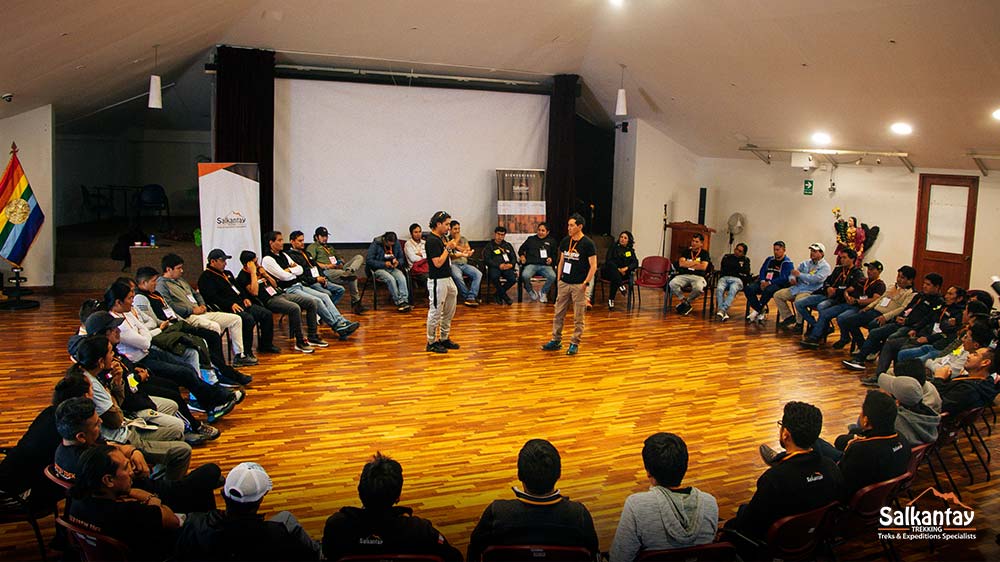
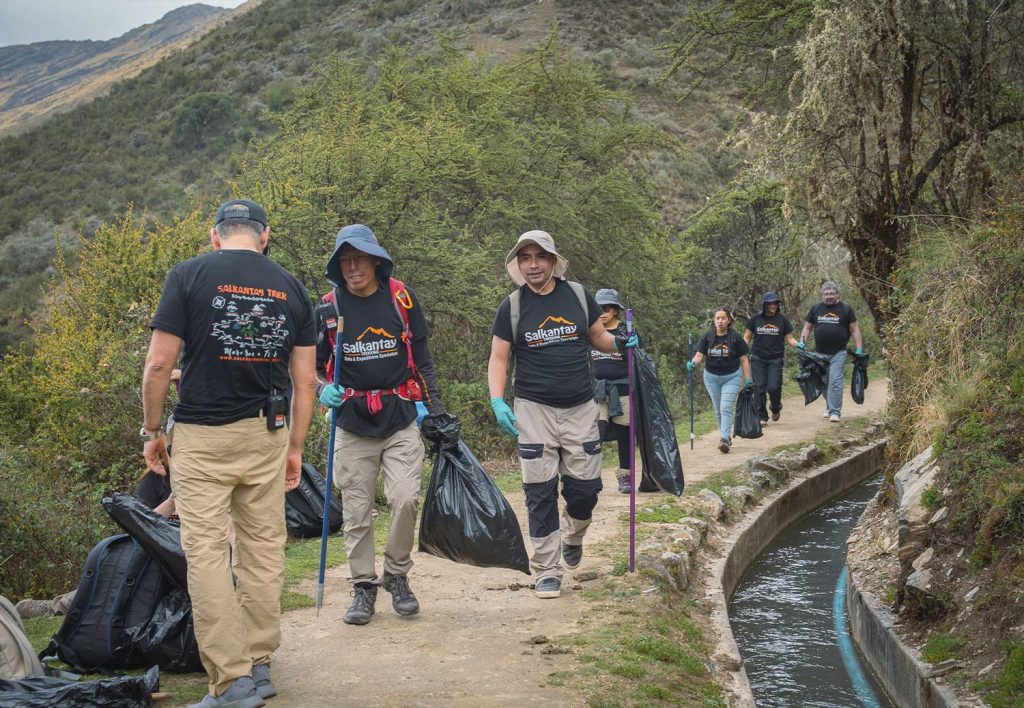
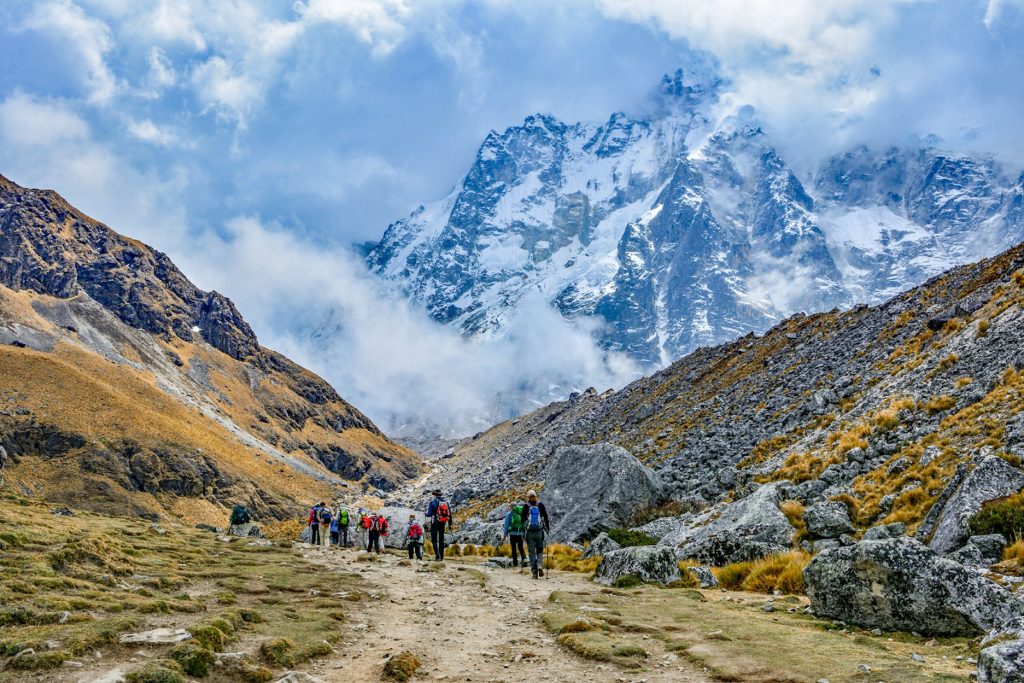
The campaign was carried out in coordination with the Municipality of Mollepata and the local Muleteers’ Association. The day began before sunrise, bringing together more than 100 volunteers from our team. They were strategically organized into five brigades to cover different areas: two groups handled the trails from Challacancha, one worked in Soraypampa, and the remaining two focused on the ascent and descent to Humantay Lake.
Before starting, we gathered for an essential briefing. Beyond safety protocols, the goal was to align the team with the heart of our mission: protecting the landscapes that make trekking to Salkantay such a unique experience. With high motivation and the necessary equipment, we began safe and efficient waste collection and classification.
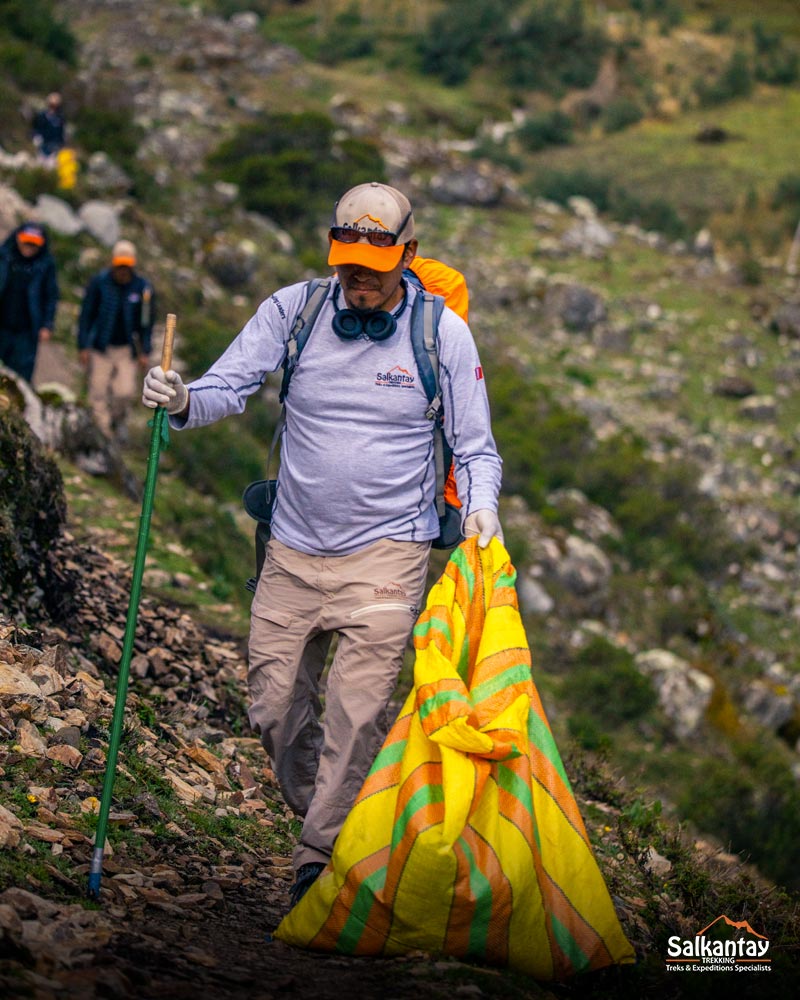
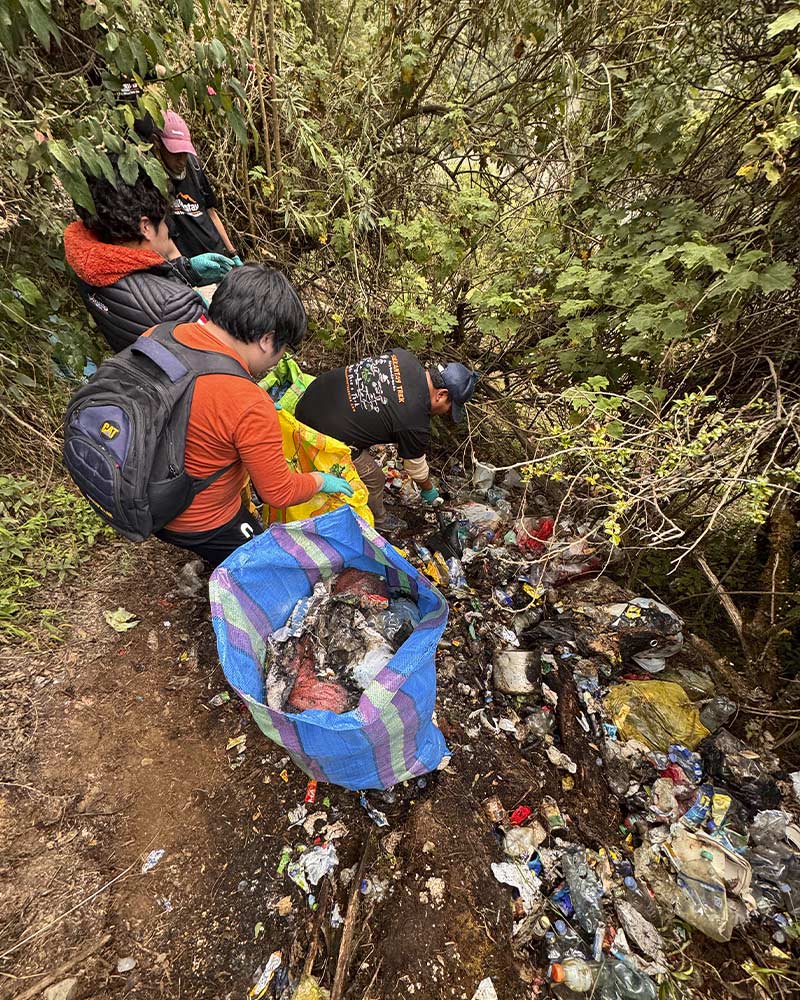
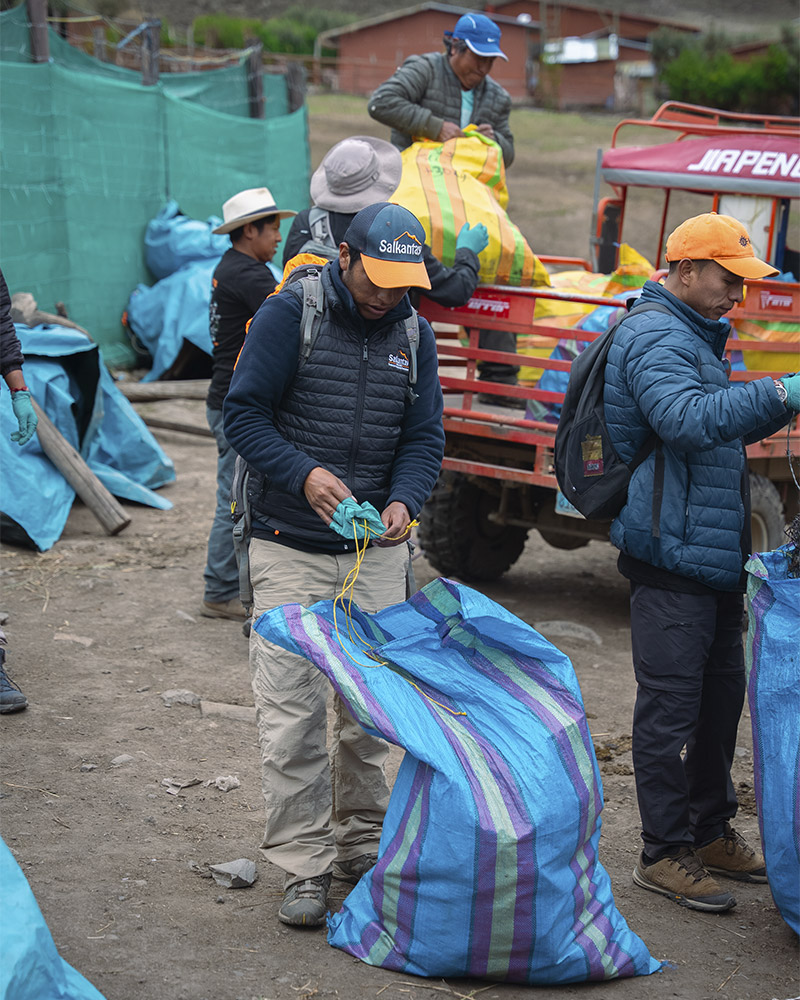
The result was a practical demonstration of our commitment to sustainable tourism. A large amount of solid waste was recovered and properly sorted, resulting in a significant volume of recyclable material rescued. To responsibly close the cycle, this recyclable material was delivered to the Municipality of Mollepata. This collaboration among the company, the community, and local authorities represents the model we aim to strengthen to achieve meaningful preservation of the Salkantay Glacier.
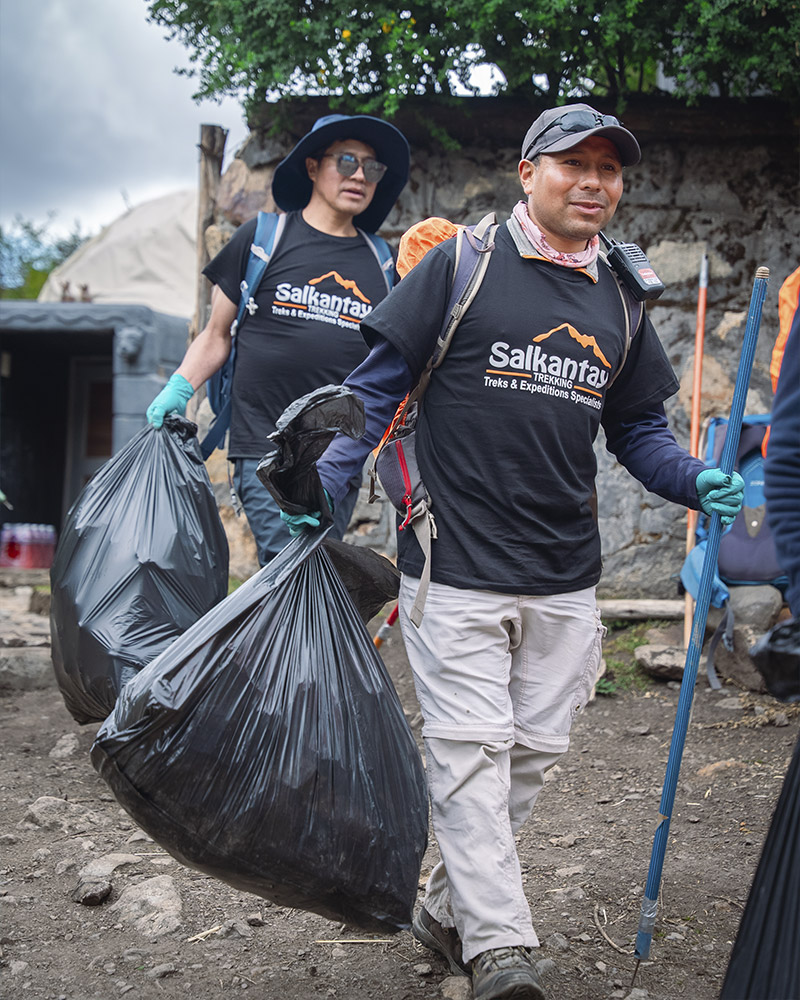
The People Who Make This Cleanup Day Possible
The “Salkantay, I Want You Clean” campaign would not be possible without the dedication of an extraordinary team. It brings together guides who know every bend in the trail, muleteers from the local association whose bond with the land is ancestral, drivers, office staff, and our camp teams. Each one, through their own experience, contributes to a perfectly coordinated effort.
As the cleanup brigades move along the routes, our chefs showcase their talent at the Soraypampa Sky Camp—one of our signature camps—ensuring everyone receives the energy they need with a warm, nutritious lunch. It is a demanding day of teamwork in service of the environment.
The Mountain: A Home That Deserves Respect
For many of our team members, the Salkantay route is far more than a workplace. As one of our veteran guides puts it: “We spend more time here, in the mountains, than in the city. These landscapes are our second home. And your home—don’t you care for it, respect it?” This is not just about collecting waste; it is about preserving the integrity of a place that gives them identity, livelihood, and peace.
The muleteers, with their expert hands, sort the waste with the same dedication they give to caring for their animals, because they understand that the health of the ecosystem is the foundation of their own well-being and that of their community.
This is the spirit that drives “Salkantay, I Want You Clean.” It is not an isolated action by a company, but the collective expression of a community that has chosen to be an active part of the solution—protecting, with devotion and effort, the home we all share in the heights of Cusco.
How Visitors Can Help: Be Part of the Solution
Protecting Salkantay is a shared responsibility. Our cleanup campaign is an act of correction, but real change begins with prevention. Every hiker who steps onto this sacred route has the power to become an active guardian and minimize their environmental footprint. Becoming an eco-friendly traveler in Peru doesn’t require grand gestures—just conscious, responsible decisions at every step.
Below you’ll find an essential protocol and practical tips to ensure your adventure on the Salkantay route becomes an example of responsible trekking:
1. The Golden Rule: What You Bring In, You Take Out
Think of your backpack as a closed system: everything you pack (snack wrappers, bottles, batteries) must return with you to Cusco. This includes—crucially—organic waste. There is no such thing as “harmless trash” in the mountains.
Why not even a fruit peel?
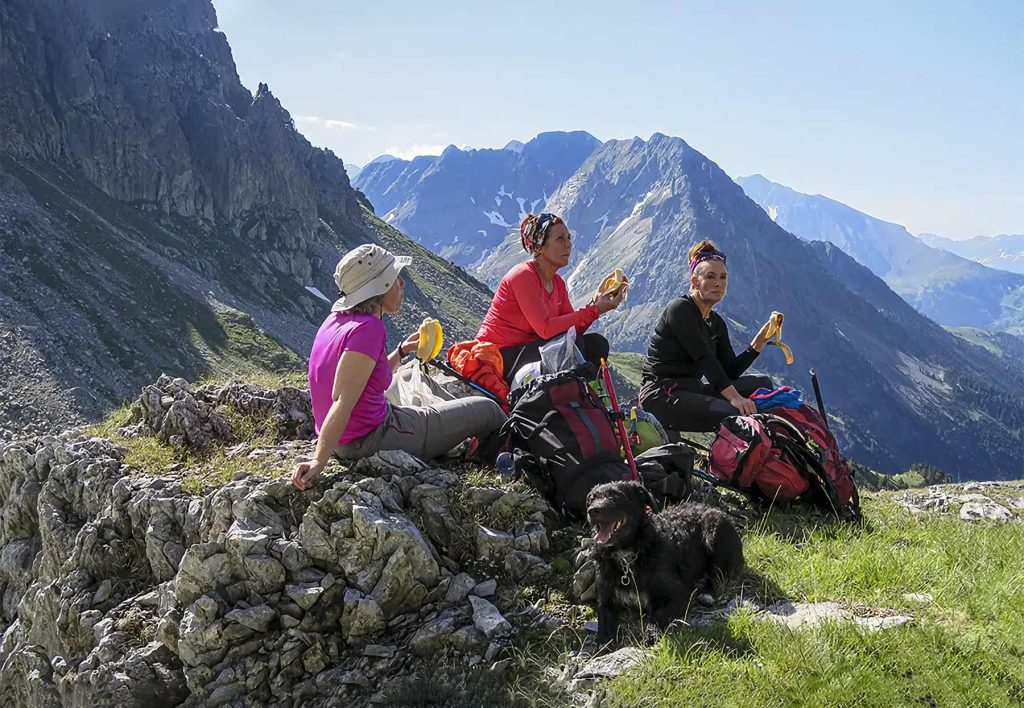
- Examples of what should NEVER be left behind: banana or orange peels, fruit pits, bread crumbs, corn kernels, or leftover food.
- The real impact: These items drastically disrupt the diet of local wildlife (such as vizcachas and birds), making them dependent on human food and more vulnerable. Additionally, at high altitude and low temperatures, decomposition is extremely slow (a peel can take years), visually polluting the landscape and attracting animals to high-traffic areas.
True conservation begins with this unwavering commitment: leave only footprints—never waste.
How to handle food scraps hygienically during multi-day treks
A field solution (ONLY if absolutely necessary and you cannot carry them out):
If you find yourself unable to carry wet, smelly organic waste, there is a last-resort method that—when done correctly—minimizes impact. This should NOT be used at established camps, rocky areas, or near bodies of water.
- Find a suitable spot: At least 60 meters (70 long steps) away from any trail, campsite, water source, or lake.
- Dig a hole: Use a small trowel or a rock to dig a 15–20 cm (hand-length) hole in organic soil where microbial activity exists.
- Deposit and mix: Place the organic waste inside, mix lightly with soil at the bottom to speed decomposition, and cover completely with the excavated soil.
- Camouflage the site: Place a flat rock on top to prevent animals from digging it up, and scatter leaves or branches so the spot blends naturally into the landscape.
2. Basic Waste Segregation in Your Backpack
Carry two reusable bags or zip-seal bags inside your pack:
- Bag 1 – Non-Recyclables (and hazardous items): Tissues, wet wipes, snack wrappers, energy bar packaging, and any plastic that cannot be recycled locally.
- Bag 2 – Recyclables (if you produce any): Crushed bottles and clean aluminum cans. Ask your guide if there is a nearby collection point or take them with you back to the city.
3. Smart Hydration, Zero Plastic Bottles
Forget about buying single-use water bottles! The most sustainable and cost-effective solution is:
- A 1-liter reusable bottle
- Purification tablets (chlorine or iodine) or a portable filter
Take advantage of the moments when the camp cooks provide boiled and filtered water so you can refill your bottle.
4. Responsible Bathroom Practices: Respect the Natural Cycle
- Always use the toilets installed at the campsites. If you are on the trail and urgently need to go, move at least 50 meters away from any water source, trail, or campsite.
- Dig a small hole 15–20 cm deep (where microorganisms can break waste down) and cover it completely after use. Pack out your used toilet paper in a sealed zip-lock bag—this is the most important part.
5. Stay on the Trail and Respect Wildlife
- Stay on marked paths. This prevents soil erosion and protects the fragile high-Andean flora.
- Observe, don’t interact. Wildlife does not need our food. Feeding animals creates dependency and disrupts their natural behavior. Admire them from a distance.
- Your memory is the photo—not the stone or the flower. Leave everything exactly as you found it. This ecosystem is a delicate balance where every element plays a role.
6. Choose Responsible Operators
Your travel choices have power. Choose companies that demonstrate a verifiable commitment to sustainability: those with active cleanup programs, proper waste management, ecological training for their staff, and partnerships with local communities. Ask about their environmental policies before booking.
Our philosophy and the ideal practice
At Salkantay Trekking, following Leave No Trace principles, our first and best option is always to pack out everything—no exceptions. We encourage using a sturdy, airtight zip-lock bag dedicated exclusively to organic waste inside your backpack.
This practice, while requiring a bit more effort, is the only one that guarantees zero impact and fully protects the diet and natural behavior of Andean wildlife such as vizcachas and condors.
The final decision is in your hands, but with clear information, you can choose the most responsible action for every situation in the mountains.
The Future of Our Campaign: Next Steps
“Salkantay, I Want You Clean” aims to guide tourism in Cusco toward a truly sustainable model. Our goal is ambitious: to involve more stakeholders and more areas along the Salkantay route in order to expand our conservation impact. We will also continue training our staff so that our guides become environmental educators, spreading the message of sustainability on every journey through the mountains.
Your choice is the cornerstone of this future. When you book your Salkantay trek with a responsible company, you are not only planning an unforgettable adventure—you are directly supporting the continuation of these concrete conservation efforts. With your purchase, you help fund the logistics, expansion, and educational initiatives that allow this annual commitment to grow and protect the environment we all come to admire.
Join a responsible, purpose-driven journey.
With Salkantay Trekking, every step you take is grounded in sustainable tourism ethics. Book your trek now and turn your adventure into a positive legacy for the wild Salkantay Glacier.
Frequently Asked Questions:
1. What is the “Salkantay, I Want You Clean” campaign?
It is our annual initiative in which the Salkantay Trekking team pauses operations for a massive cleanup day along the route. In the latest edition, five brigades covered critical areas: two cleaned the trails from Challacancha, one worked in Soraypampa, and two focused on Humantay Lake (ascent, shoreline, and descent). The goal is to collect and properly sort waste to protect these iconic landscapes.
2. Why is it important to clean Humantay Lake and the Salkantay trail?
Because it is a fragile and sacred ecosystem affected by solid waste pollution and accelerated glacier loss. Cleaning these areas is essential to protect biodiversity, keep the water pure, preserve the visitor experience, and prevent further environmental damage.
3. How often is the cleanup campaign carried out?
Once a year, as part of our ongoing commitment. It is a fixed date on our operational calendar, and we dedicate all necessary logistical and human resources to it.
4. Who participates in this activity?
All Salkantay Trekking staff participate voluntarily: guides, muleteers, chefs, camp crews, drivers, and administrative personnel, working in coordination with the Municipality of Mollepata and the local Muleteers’ Association.
5. What kind of waste is collected during the campaign?
All types of abandoned solid waste: plastic bottles, cans, cardboard, paper, snack wrappers, as well as non-recyclable and hazardous materials. Proper sorting is a priority to ensure recycling or safe final disposal.
6. How does this campaign contribute to sustainable tourism in Salkantay?
It forms the foundation of our model. We demonstrate that tourism can be a conservation force—leading by example, mitigating negative environmental impact, and promoting responsible practices among travelers, staff, and other operators.
7. Can tourists join the campaign in future editions?
At the moment, it is an internal activity carried out with local partners to ensure safety and logistics. However, every traveler who books with us contributes indirectly, as part of their trip helps fund the campaign.
8. What actions does the company take to keep the Salkantay route clean throughout the year?
We train all staff as environmental educators, implement waste-management systems in camps, promote the use of reusable bottles and purified water, and actively guide our travelers in Leave No Trace practices throughout the trek.
9. What recommendations should visitors follow to avoid contaminating the area?
- Bring a reusable bottle and purification tablets.
- Pack out all trash to Cusco (including used toilet paper in a zip-lock bag).
- Stick to marked trails only.
- Respect all flora and fauna—never feed wildlife.
- Choose tour operators with verified environmental commitments.
10. What environmental impact has been reduced thanks to this campaign?
In addition to removing hundreds of kilos of waste each year—preventing contamination of soil and water sources—the greatest impact is prevention: we educate, raise awareness, and create a replicable model that reduces waste generation at its source, protecting the ecosystem in the long term.
You may also be interested in:



Leave A Reply