
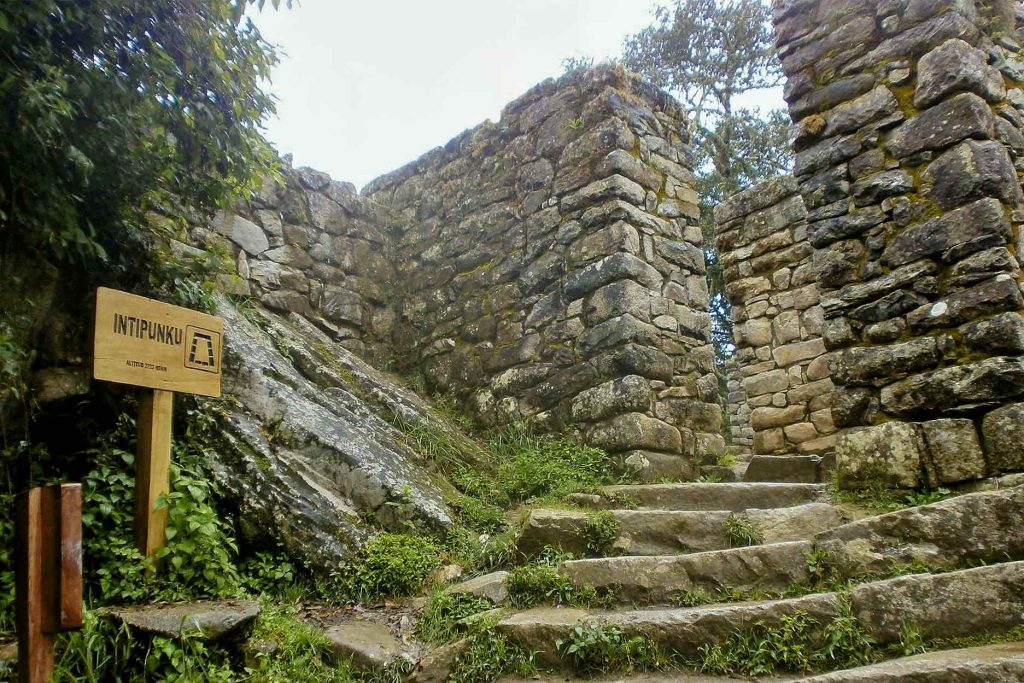
Inti Punku offers a view that makes your visit to Machu Picchu unforgettable. This ancient Inca gateway revealed the sacred city during key moments of the solar year. Today, its trail captivates travelers seeking a deeper connection with the Andean legacy.
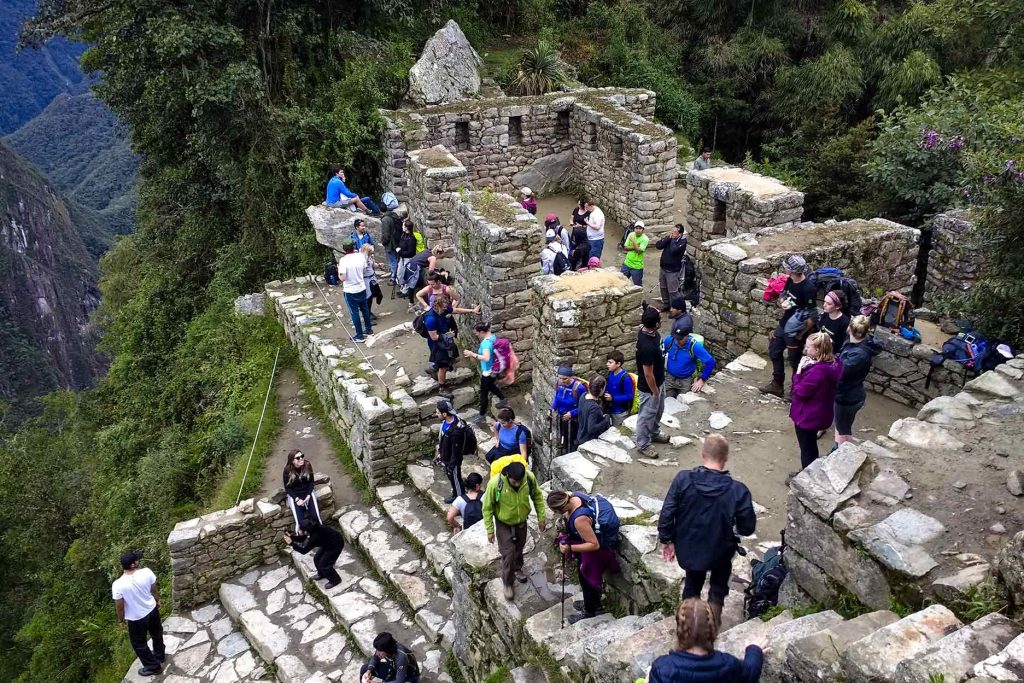
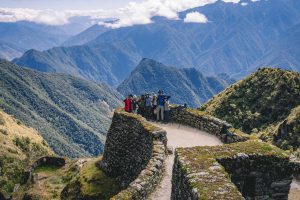
The Sun Gate, or Inti Punku, was the main entrance to Machu Picchu used by the Incas and still preserves walls and terraces built with astonishing mastery. The path follows a stretch of the ancient Qhapaq Ñan, climbing between mountains. Each step brings you closer to a panoramic perspective that many consider one of the most memorable in the entire sanctuary.
In this blog, you will find comprehensive information about the Sun Gate, including its importance, updated access details, climate, key recommendations, and essential tips. You will also learn the exact hiking time, the true difficulty, and why it is absolutely worth it. Everything is designed to help you plan a perfect adventure.
Table of contents
What Is the Sun Gate?
The Sun Gate, or Inti Punku, is a spectacular viewpoint located within the archaeological site of Machu Picchu. The trail is not as steep as the hike up to Machu Picchu Mountain, although both paths run parallel. You should estimate between forty and sixty minutes for the ascent, depending on your pace.
During Inca times, Inti Punku served as a control gate for anyone wishing to enter or leave the fortress. Its distance from the main ruins leads many to believe that members of the Imperial elite also used it for ceremonial purposes.
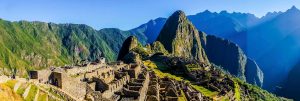
For centuries, Inti Punku, or the Sun Gate, functioned as the ceremonial access point to Machu Picchu for those completing the Inca Trail. Beyond being a physical entrance, it carries deep symbolism. The Incas designed it in harmony with the sun’s movement, considering it a space connected to time and spirituality. Crossing the Sun Gate holds great meaning, as it marks the precise moment when the majestic citadel of Machu Picchu first appears on the horizon.
Key Facts About Inti Punku (Sun Gate)
- Location: Situated on the southeastern side of Machu Picchu Mountain.
- Altitude: 2,720 meters above sea level (8,924 feet).
- Distance from Machu Picchu: Approximately 2 kilometers (1.243 miles).
- Hiking Duration: About 2 hours (round trip).
- Difficulty Level: Moderate.
How to Reach the Sun Gate
You can reach Inti Punku through two different routes. Both options offer an authentic experience within the Historic Sanctuary. Your choice will depend on the type of journey you want to embark on.
Option 1: Circuit 1 – Route 1-C to the Inti Punku Gateway
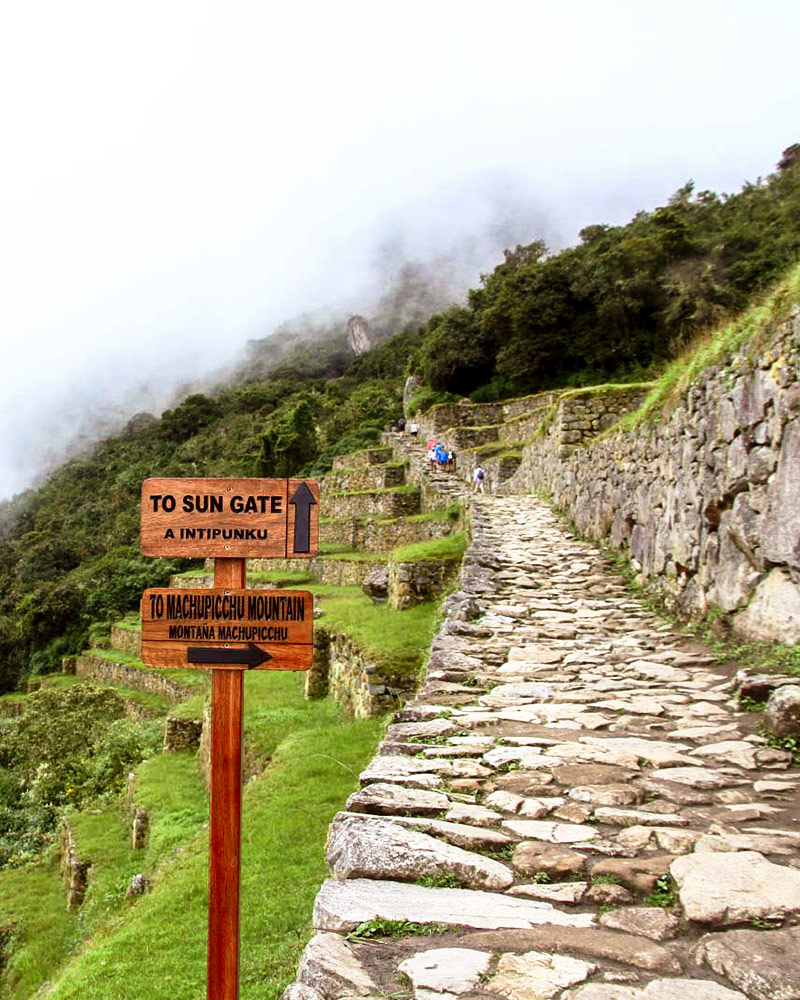
The hike begins at the entrance to Machu Picchu, after taking the bus from Aguas Calientes. You continue along a steep trail that climbs between terraces and Inca walls. The path is solid, clear, and visited by travelers from all around the world.
You need the Machu Picchu + Inti Punku (Route 1-C) ticket from Circuit 1 to access this hike. This ticket takes you through the upper section of Machu Picchu. After enjoying the views from a higher viewpoint, you follow the signs pointing toward Inti Punku.
The ascent takes between forty and sixty minutes, depending on your pace. The return time is similar and follows the same moderate incline. If you want to visit the main area afterward, you must purchase an additional ticket for Circuit 2.
Important Note: Remember that the Machu Picchu + Inti Punku (Route 1-C) ticket from Circuit 1 is available only during the high season (from June 19 to November 2), so plan your trip months to enjoy your adventure to the fullest.
Option 2: Access via the Inca Trail
The Inca Trail also leads to Inti Punku and offers an unforgettable experience. Both the classic four-day version and its variations end at the Sun Gate. The difference lies in the duration, effort required, and the time of day you reach the viewpoint.
The classic route provides a complete experience along ancient imperial pathways. Travelers arrive at Inti Punku at dawn, when the first sunlight illuminates the walls of Machu Picchu. Many consider this moment the highlight of the entire trek.
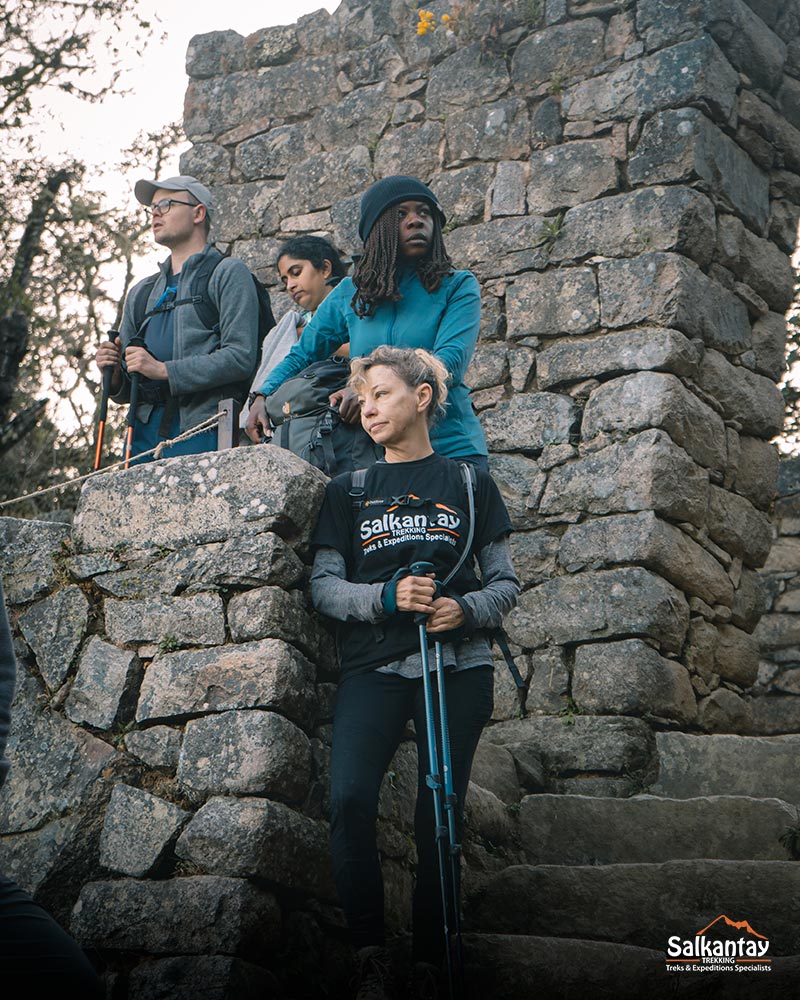
Experience the magic of sunrise at Inti Punku — the Sun Gate of Machu Picchu — by hiking the legendary Inca Trail with Salkantay Trekking; a unique journey that blends history, nature, and emotion.
Both routes guarantee a unique visual reward. Inti Punku showcases the citadel from a wide and deeply symbolic perspective. Either path will enrich your visit to Machu Picchu.
Comparison Chart of the Options to Reach the Inti Punku
| Detail | Short Route to Inti Punku (Panoramic Circuit 1 – Route 1C) | Classic Inca Trail |
| Purpose of the Comparison | Compares the hike to Inti Punku in Machu Picchu with the full Inca Trail trek. | Compares the hike to Inti Punku in Machu Picchu with the full Inca Trail trek. |
| Estimated Duration | 3 to 4 hours in total. | 4 days and 3 nights. |
| Access to Inti Punku | The hike to Inti Punku begins after entering the Upper Platform within Machu Picchu. | Inti Punku is the final point of the trek, starting from Piscacucho (early morning). |
| Difficulty Level | Easy to moderate; involves a light ascent on well-established and safe paths. | High; requires 4 days of demanding hikes, ascents and descents on stone steps, and camping overnight. |
| Nature Immersion | Limited to the surroundings of the citadel and the panoramic views offered during the hike. | Complete; crosses diverse ecosystems such as mountains, valleys, rivers, cloud forest, and multiple archaeological sites. |
| Main Highlights | Exclusive access to the Panoramic Circuit, which includes the Upper Platform and the hike to Inti Punku. It does not include a visit to the interior of the Inca citadel. | Visits important Inca sites along the route, such as Wiñayhuayna and Inti Punku. Allows you to explore the central area of Machu Picchu. |
| Approximate Cost | Moderate; includes transportation and entrance fees, with optional additions such as a guide and meals. | Higher; includes guides, full meals, camping equipment, porters, and return transportation. |
| Inca Cultural Connection | Limited to the hike up to Inti Punku. It is recommended to purchase an additional ticket for a more complete experience within the citadel. | Greater connection by walking the ancient Inca Trail (Qhapaq Ñan) and visiting multiple Inca structures along the way. |
| Weather Conditions | Semi-tropical climate with risk of rain; it is recommended to bring comfortable and waterproof clothing. | Varies significantly from the high Andean region to the cloud forest, with abrupt temperature changes. |
| Main Advantages | Quick access, less physically demanding, and an excellent option for travelers with limited time. | An immersive, unparalleled experience lets you explore diverse landscapes and cultures, fostering a deep historical connection. It is one of the most sought-after routes. |
| Main Disadvantages | Offers a less profound connection with nature and Inca history compared to the classic route. | Very physically demanding and requires more time, detailed planning, and a higher budget. |
Best Time to Visit Inti Punku
Choosing the ideal season completely enhances the experience at Inti Punku. The weather affects visibility, trail conditions, and overall safety during the hike. For this reason, many travelers plan their visit according to the seasonal changes in the region.
The most recommended months correspond to the Andean dry season (May to October). During this period, the sky remains consistently clear, highlighting every detail of the landscape. The hike becomes more stable thanks to reduced heavy rainfall.
The dry season mainly runs from May to October. These months offer crisp, clear conditions that let you see Machu Picchu clearly from Inti Punku. Although tourist traffic increases, the scenery more than compensates for any waiting time along the trail.
Dry and Shoulder Seasons
June, July, and August typically offer the best conditions for long hikes. Rainfall decreases significantly, allowing you to move forward without interruptions or slippery terrain. Inti Punku looks especially impressive under the bright light of the Andean winter.
Between April and November, a transitional “shoulder season” unfolds, which many travelers find appealing. This period combines fewer rain showers with a moderate number of visitors in Machu Picchu. The hike to Inti Punku remains in good condition and retains a sense of tranquility.
Those who visit during these months enjoy variable but manageable weather. Clouds appear more frequently but still allow for broad views of the valley. The experience becomes more relaxed due to fewer tourists.
Least Recommended Months for the Hike
The rainy season peaks between December and March. During this period, heavy rainfall affects the stability of the trail to Inti Punku. The path may become uneven and more demanding for visitors.
February is the rainiest month of the year. Weather conditions make outdoor activities difficult and reduce visibility at Machu Picchu. For safety reasons, many travelers prefer to avoid hikes during these weeks.
Throughout the year, Machu Picchu remains open for those who wish to explore it. However, access to Inti Punku is only allowed during the high season (from June 19 to November 2). Planning your trip within these months ensures a safe hike and an unforgettable view of the sanctuary.
We invite you to read the blog: “The Best Time to Visit Machu Picchu.” This article complements this guide to Inti Punku with key information about climate, seasons, and when it’s ideal to explore the citadel.
Recommendations
It’s always worth considering the following suggestions to make the most of your trip and fully enjoy your day.
- Protect yourself from the sun
When visiting Machu Picchu, you will spend many hours outdoors under direct sunlight. At high altitude, you are exposed to intense solar radiation. Hiking to Inti Punku means even greater exposure, so make sure you are well prepared with sunscreen (SPF 50 or higher), sunglasses, and a hat. We also recommend wearing long sleeves and lightweight pants to protect yourself from the sun and from mosquitoes, which are very common in the area.
- Altitude
Keep in mind that Machu Picchu sits at a relatively high altitude (2,430 meters / 7,972 feet), and the Sun Gate is even higher (2,720 meters / 8,924 feet), so proper preparation is essential. You should be in good physical condition and ideally have completed previous hikes to train your body. It is necessary to spend 2 to 3 days in Cusco beforehand to acclimatize properly.
- Go at your own pace
It may seem like you can climb quickly, but it’s better to go slowly and at your own rhythm. The altitude can tire you out much faster than expected, and you don’t want to feel unwell from pushing too hard. It’s not a competition; take your time. Make sure to rest well at the top so you can recover and enjoy the spectacular view.
- Practice beforehand
To ensure you can complete the hike without it becoming too challenging, it’s a good idea to do plenty of day hikes at home that include uphill sections. This will help strengthen your leg muscles and improve your endurance.
- Plan your day
Another important tip is to plan ahead. Decide whether you want to hike to the Sun Gate so you can allot enough time. Also consider whether you want to do it before or after your main tour. Inform your guide that you want to go to Inti Punku so they can properly direct you.
- Stay hydrated
The most important recommendation is to drink plenty of water. Many factors can dehydrate you quickly, such as high altitude, intense sunlight, and the physical effort of hiking. You must carry water in a reusable bottle, as required by the regulations at Machu Picchu.
Essential Items for the Hike to the Sun Gate
Below is a list of items you should bring for the hike. Make sure to carry a small backpack to store everything.
- Thin, long-sleeved shirt and pants.
- Sunscreen (at least factor 50), a hat, and sunglasses.
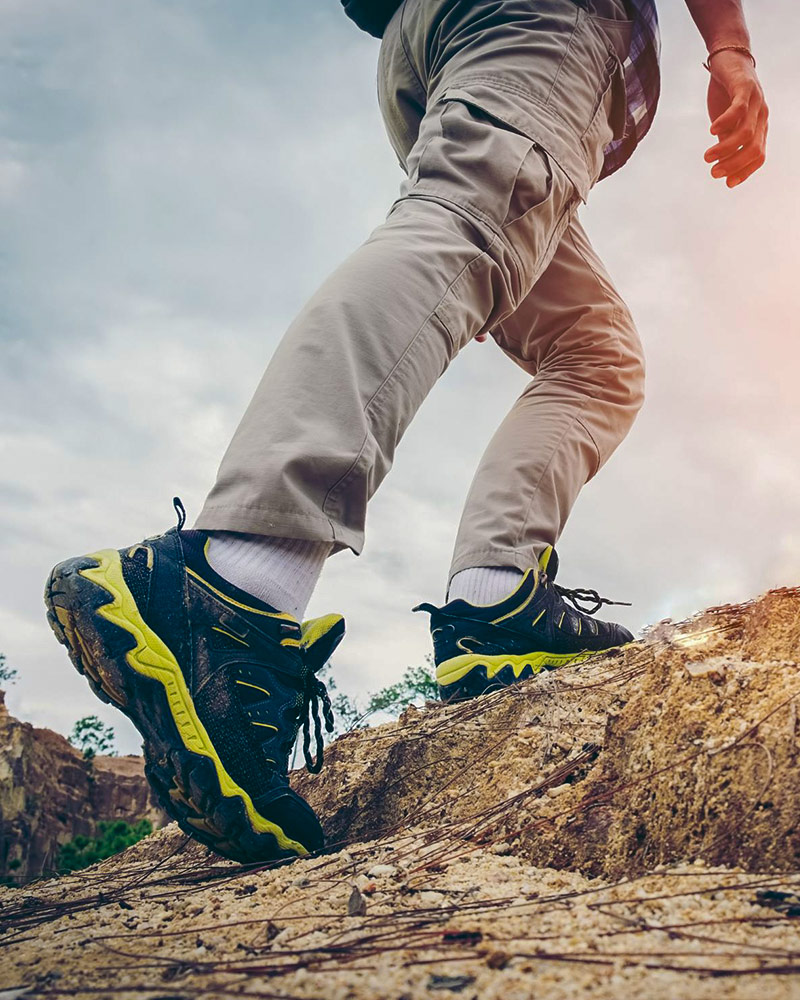
- Hiking boots or shoes.
- Insect repellent.
- Water.
- A good camera or a smartphone to capture the perfect view.
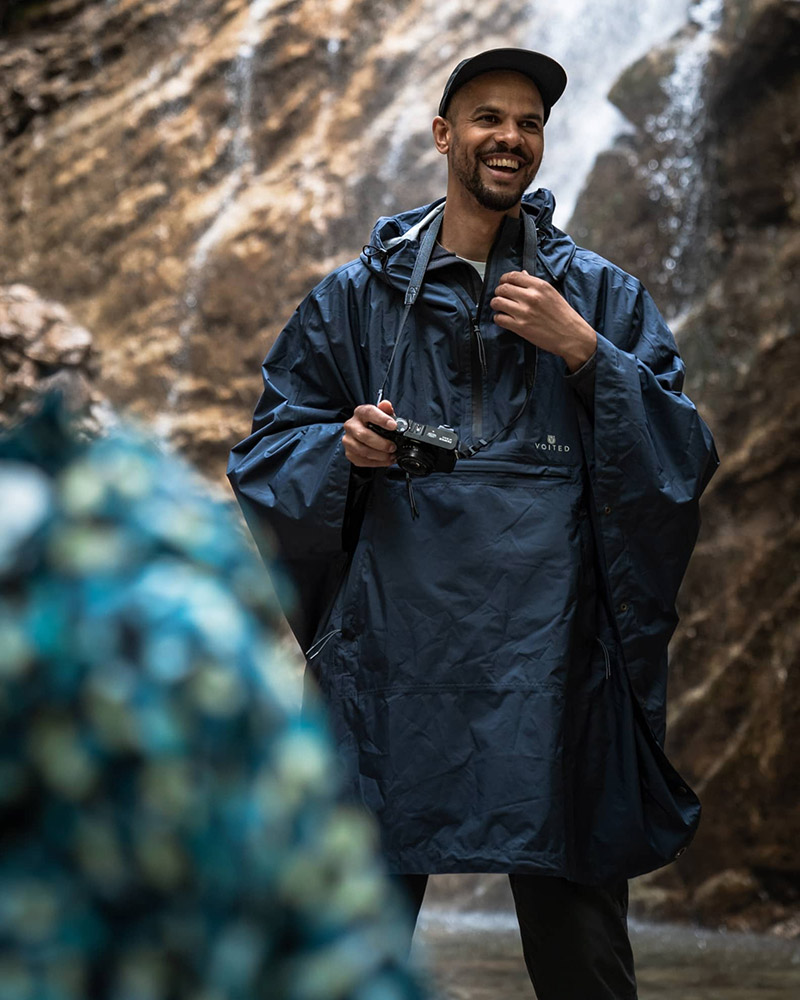
- Rain poncho (just in case).
The ancient entrance to Inti Punku at Machu Picchu will elevate your journey and reward you with a view that will mark a turning point in your adventure. Every step toward the Sun Gate awakens an emotion that only Machu Picchu can provoke.
Each step toward Inti Punku awakens a deep connection with history, nature, and the Andean spirit. Live this unique experience by hiking the Inca Trail with Salkantay Trekking and turn your visit to Machu Picchu into an authentic, intense, and truly unforgettable adventure.
Frequently Asked Questions
1) Can I see the sunrise at Inti Punku?
The official entrance to Machu Picchu begins at six in the morning. The ascent to Inti Punku takes more than thirty minutes, depending on your pace. Therefore, it is unlikely to see the sunrise from the top — except for those arriving via the Inca Trail.
2) Is there an age limit to hike up?
There is no age restriction for visiting Inti Punku. People of all ages walk the trail without difficulty. Every traveler can move at their own pace with complete peace of mind.
3) Is the trail to the Sun Gate safe?
The trail maintains a solid and wide structure throughout the entire route. Sanctuary caretakers constantly monitor the condition of the path. To date, no accidents have been reported on this route.
4) What are the entry times to Inti Punku?
Access begins inside Machu Picchu and requires a brief check-in at the control booth. Available entry times start at 8:00 a.m. and continue every hour until 11:00 a.m. Each group has a maximum waiting time of 45 minutes.
5) When is the best time to visit Inti Punku?
Access operates only during the high season, from June 19 to November 2. You can reserve your ticket several months in advance to ensure availability. The ticketing system works exclusively through online reservations.
6) Can I continue hiking beyond Inti Punku?
Farther ahead, the trail connects to Wiñay Wayna, an important Inca site. It is important to note that access to this stretch and to the Wiñay Wayna archaeological area is restricted: only travelers with an Inca Trail permit may continue on this route; it is not accessible to those entering with a regular Machu Picchu ticket.
7) What should I bring for the hike?
You need sunscreen, a rain poncho, water, and a light snack. It is also advisable to bring an extra layer and a small backpack. Umbrellas are prohibited inside the sanctuary.
8) Can I hike up if I am not in good physical condition?
Yes, the hike to Inti Punku is moderate and accessible. You can move slowly while enjoying the mountain scenery. The key is to maintain a steady pace and listen to your body.
9) What ticket do I need to enter?
The only valid ticket is the Machu Picchu + Inti Punku (Route 1C) ticket. This access is available only during the high season and must be reserved online. The route allows you to walk the panoramic circuit and climb to the Sun Gate.
10) What can I do once at the top?
You can enjoy unique panoramic views of Machu Picchu and the Urubamba Valley. You can also observe Andean birds and take exceptional photographs from several viewpoints. Inti Punku offers a broad perspective that highlights the landscape’s grandeur.
11) At what altitude is Inti Punku located?
Inti Punku rises to 2,720 meters (8,924 feet) above sea level. The trail climbs approximately three hundred meters (984 feet) from the upper platform. This elevation gain reveals the contrast between the high jungle and the central Andes.
Te puede interesar:

Leave A Reply