
The Inca Trail to Machu Picchu is one of the most famous trekking routes in the world and the only one that allows you to enter the wonder through its original access point, Inti Punku (the Sun Gate). However, despite its popularity, it continues to raise many questions among travelers who are just beginning to research the route.
How many days does the Inca Trail take? Where does the hike start? How challenging is it? Why can you only enter with an authorized agency?
In this complete guide, you’ll find a clear and well-structured explanation of everything you need to know to understand this trekking route—what to expect from the experience and how to overcome concerns about altitude and physical effort, even if you’ve never done a multi-day trek before.
Table of contents
- What is the Inca Trail to Machu Picchu?
- Classic Inca Trail: 4 days and 3 nights itinerary
- Different Inca Trail routes: classic vs. alternative options
- The Inca Trail and its archaeological sites
- The natural charm of the Inca Trails
- Weather on the Inca Trail
- Everything you need to know about altitude on the Inca Trail
- Physical preparation for the Inca Trail
- Essential gear for the Inca Trail
- Availability and permits for the Inca Trail
- How to choose an Inca Trail tour operator: What to consider
- Regulations and safety measures on the Inca Trail
- Alternative Trekking Routes in Cusco
- Frequently asked questions about the Inca Trail
- Conquer the Inca Trail — your adventure awaits!
- También te puede interesar:
| CLASSIC INCA TRAIL Quick Facts | |
|---|---|
| Distance | 44 km / 27.3 miles |
| Duration | 4 days |
| Technical difficulty | Moderate |
| Maximum altitude | 4,215 m /13,829 ft |
| Minimum altitude | 2,453 m / 8,047 ft |
| Positive elevation gain | 2,860 m / 9,383 ft |
| Negative elevation gain | 3057 m / 10,029 ft |
What is the Inca Trail to Machu Picchu?
The Inca Trail is a historic trekking route that forms part of the Qhapaq Ñan, the vast network of roads built by the Inca civilization more than 500 years ago. This system once extended over 60,000 kilometres, connecting territories that today belong to countries such as Peru, Ecuador, Bolivia, Chile, Argentina, and Colombia.
The section known as the Inca Trail to Machu Picchu is one of the best-preserved and most iconic segments of this network. Unlike other Andean routes, this trail combines ancient stone paths, Inca archaeological sites, and high-mountain landscapes, culminating with entry to Machu Picchu through its original access point, Inti Punku (the Sun Gate).
Thanks to this unique blend of history, ancestral culture, adventure, and the dramatic scenery of the Peruvian Andes, the Inca Trail is consistently recognized as one of the most important and renowned trekking routes in the world.
Classic Inca Trail: 4 days and 3 nights itinerary
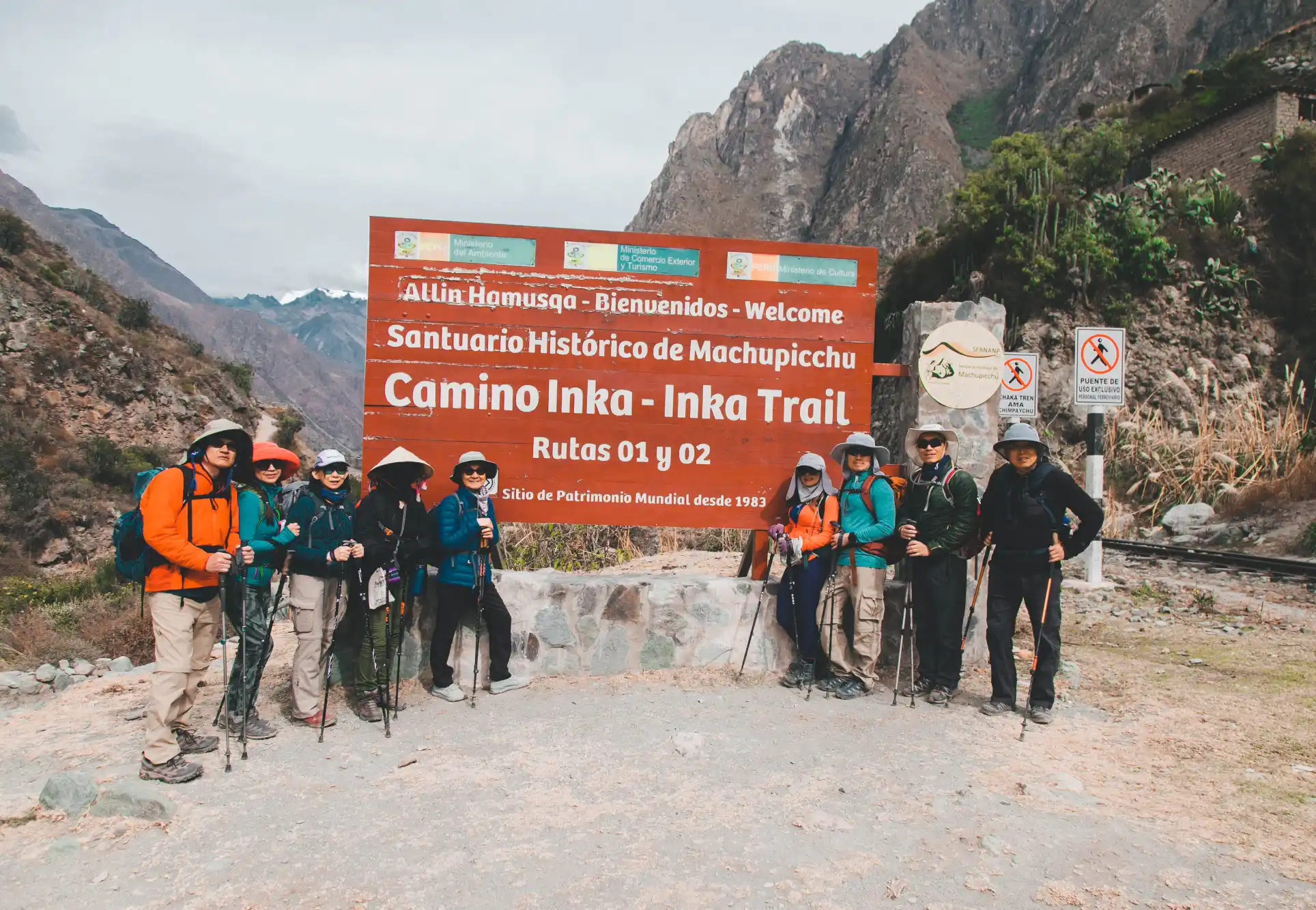
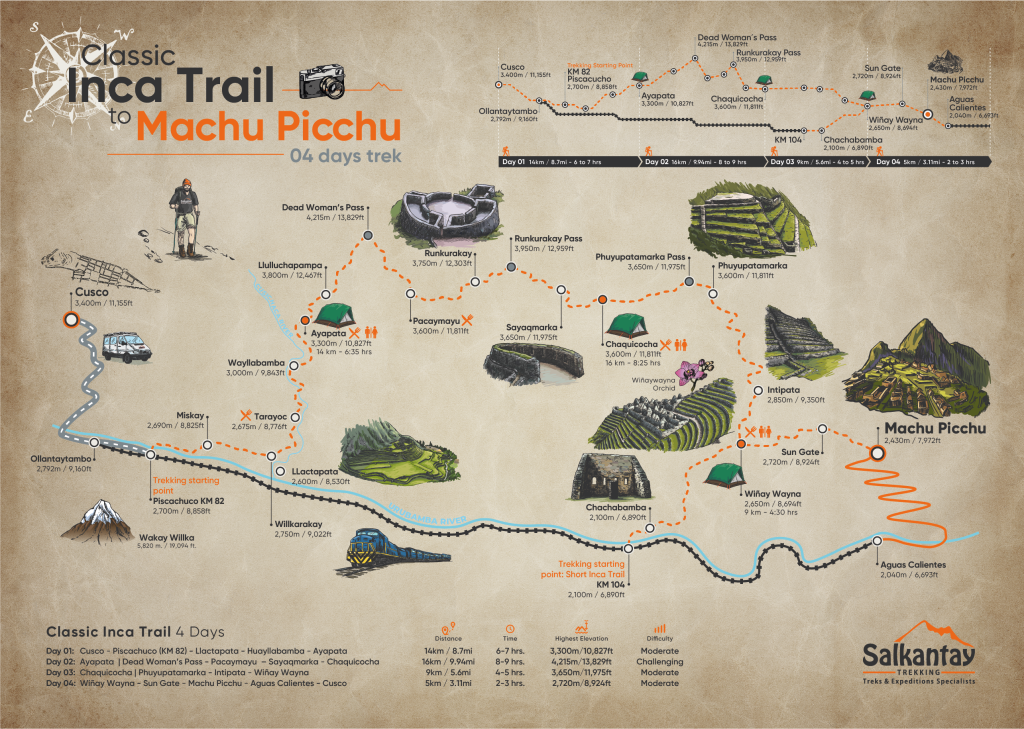
The Classic Inca Trail is the most traditional version of this trek, covering approximately 44 kilometres (27.3 miles) over 4 days and 3 nights. The route begins at Piscacucho (KM 82), about two and a half hours from Cusco, and ends at Machu Picchu.
This is a moderately difficult hike, with its highest point at Warmiwañusca Pass, also known as Dead Woman’s Pass (4,224 m / 13,858 ft), reached on the second day. Along the way, the Inca Trail combines ancient stone pathways, Andean landscapes, and several Inca archaeological complexes, offering a gradual challenge both physically and culturally.
Day-by-day itinerary overview:
- Day 1 | Cusco – KM 82 – Ayapata: The day begins at KM 82 (2,700 m / 8,858 ft) with a 14 km (8.7 miles) hike over relatively gentle terrain to Ayapata (3,300 m / 10,827 ft). Along the way, you’ll visit the archaeological sites of Cajabamba and Llactapata.
- Day 2 | Ayapata – Dead Woman’s Pass – Chaquiqocha: This is the most demanding day of the trek, with a steep ascent of nearly 1,000 m (3,281 ft) to Warmiwañusca Pass. You’ll then descend and climb again to Runkurakay Pass (3,950 m / 12,959 ft) at a steadier, more gradual pace. Archaeological sites visited include Runkurakay and Sayacmarca.
- Day 3 | Chaquiqocha – Phuyupatamarca – Wiñay Wayna: This day features a descent through lush landscapes with sweeping views of the Sacred Valley. You’ll visit the archaeological sites of Phuyupatamarca, Intipata, and Wiñay Wayna, as excitement and anticipation build for your arrival at Machu Picchu.
- Day 4 | Wiñay Wayna – Inti Punku – Machu Picchu – Cusco: This is the highlight of the journey. The hike is relatively easy to ensure you arrive at Machu Picchu in optimal condition and can fully enjoy the experience. You’ll wake up very early to reach the Sun Gate (Inti Punku) just in time for sunrise. After a guided tour of the Machu Picchu citadel, the journey concludes with the return to Cusco.
Different Inca Trail routes: classic vs. alternative options
Thanks to the Qhapaq Ñan—the ancient Inca road network—there are several interconnected routes that lead to Machu Picchu. Below are the main Inca Trail variations, each designed for different time frames, physical demands, and travel interests.
Inca Trail Day Hike (1 Day)
This is the shortest Inca Trail option and is ideal for travelers with limited time. The hike begins at Kilometer 104 (Chachabamba), continues to the Wiñay Wayna archaeological complex, and ends at the Sun Gate (Inti Punku), where you’ll enjoy your first panoramic view of Machu Picchu. The experience concludes with a guided tour of the citadel, offering an intense and rewarding one-day adventure.
Short Inca Trail (2 Days)
The Short Inca Trail follows the same main section as the one-day hike but offers more comfort and a more relaxed pace. On the first day, the trek runs from Kilometer 104 to Inti Punku, with an overnight stay in Aguas Calientes. The second day is dedicated to a more unhurried and in-depth visit to Machu Picchu, making it ideal for travelers who prefer a less rushed experience.
Salkantay + Classic Inca Trail (7 Days)
This route combines the Salkantay Trek with the Classic Inca Trail, offering one of the most complete experiences for hikers with a good level of fitness. The journey crosses high-altitude landscapes, glaciers, turquoise lakes such as Humantay, and cloud forests before joining the traditional Inca Trail. It is a demanding option, but one that rewards travelers with both dramatic natural scenery and the most important Inca archaeological sites.
Lares Trek + Short Inca Trail (5 Days)
The Lares + Short Inca Trail combination stands out for its scenic and cultural diversity. The Lares route features glaciers, alpine lakes, natural hot springs, and traditional Andean communities, and connects with the Short Inca Trail on the fourth day. From there, key sites such as Chachabamba, Wiñay Wayna, and Inti Punku are visited, before spending the final day exploring Machu Picchu in depth.
Ancascocha Trek + Short Inca Trail (5 Days)
Ancascocha is one of the least-traveled routes to Machu Picchu, making it ideal for those seeking a more remote and authentic experience. The trek passes turquoise lakes, native forests, and rural communities, then links with the Short Inca Trail in its final section. This combination allows travelers to experience the spirit of Andean trekking while finishing the journey along historic Inca paths.
Comparative summary of Inca Trail routes
| Route | Key technical details |
| Classic Inca Trail (4 days / 3 nights) | • Duration: 4 days • Distance: 44 km (27.3 miles) • Starting point: Piscacucho (KM 82) • Highest point: Dead Woman’s Pass (4,215 m / 13,829 ft) • Difficulty: Moderate • Ending point: Machu Picchu |
| Inca Trail day hike (1 day) | • Duration: 1 day • Starting point: KM 104 (Chachabamba) • Sites: Wiñay Wayna, Inti Punku • Ending point: Machu Picchu • Overnight stay: Not included |
| Short Inca Trail (2 days) | • Duration: 2 days • Starting point: KM 104 (Chachabamba) • Sites: Wiñay Wayna, Inti Punku • Overnight stay: Aguas Calientes • Day 2: Visit to Machu Picchu |
| Salkantay + Classic Inca Trail (7 days) | • Duration: 7 days • Type: Combined route • Landscapes: Glaciers, alpine lakes, high mountains • Connection: Classic Inca Trail (Day 4) • Difficulty: Moderate to challenging • Ending point: Machu Picchu |
| Lares + Camino Inca corto (5 días) | • Duration: 5 days • Landscapes: Lakes, hot springs, Andean communities • Connection: Short Inca Trail (Day 4) • Sites: Chachabamba, Wiñay Wayna, Inti Punku • Ending point: Machu Picchu |
| Lares + Short Inca Trail (5 days) | • Duration: 5 days • Traffic: Low (less-traveled route) • Landscapes: Turquoise lakes, native forests • Connection: Short Inca Trail (Day 4) • Focus: Remote trekking + Inca sites |
The Inca Trail and its archaeological sites
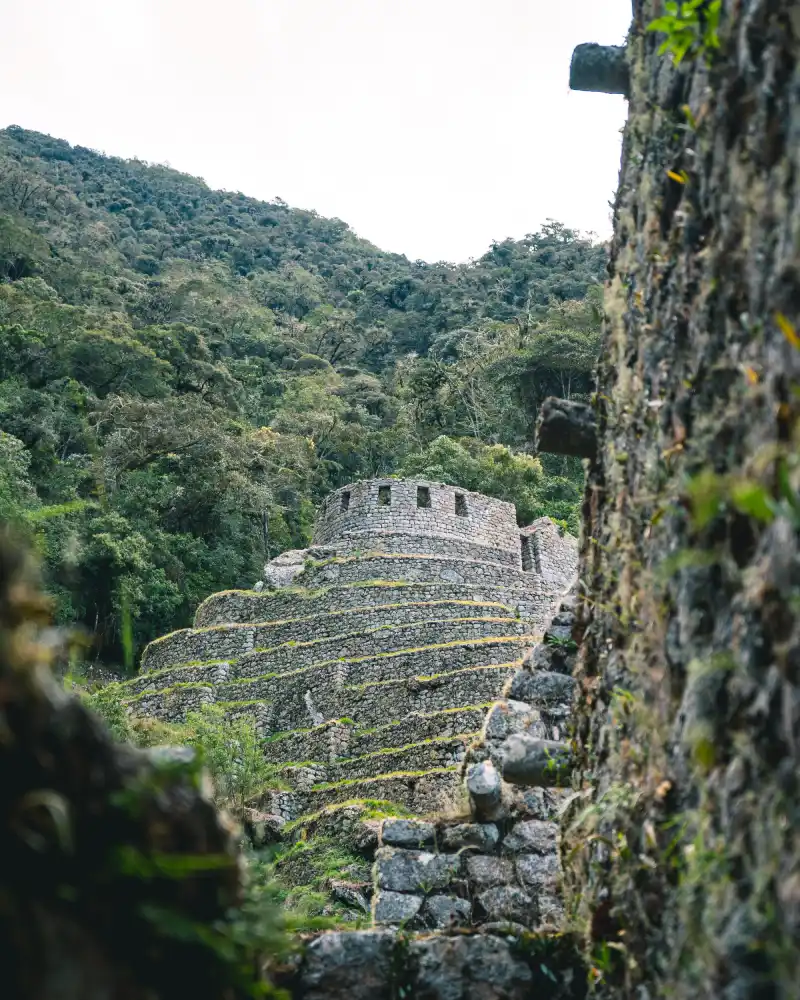
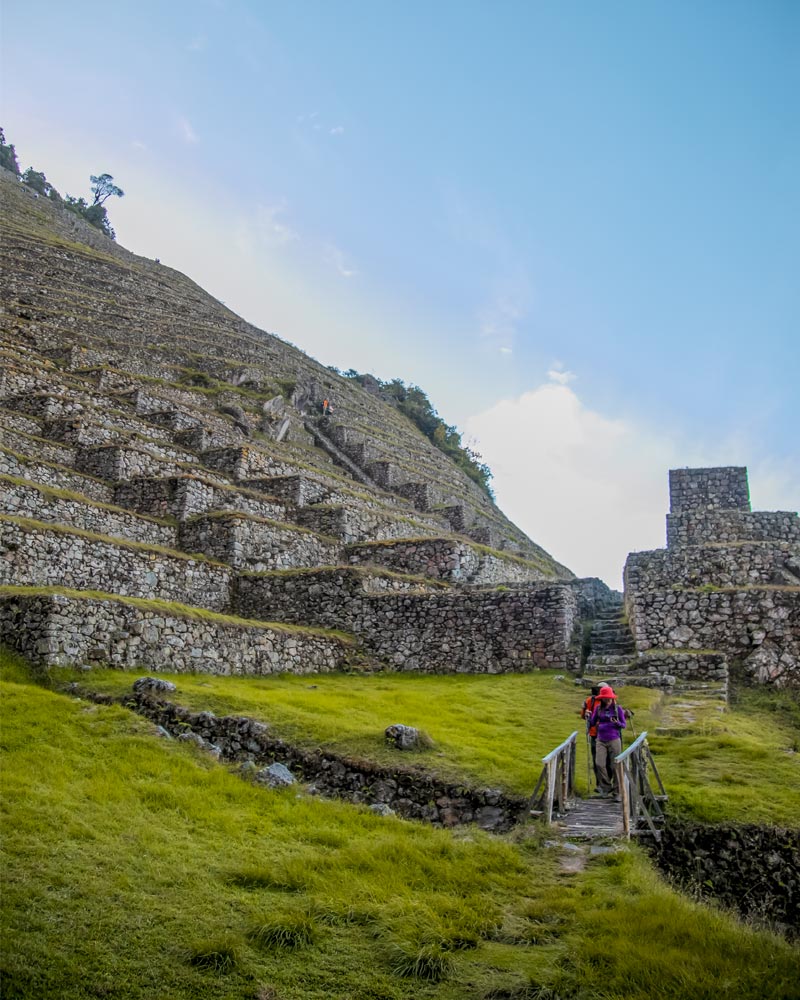
Along the Inca Trail, the route not only connects landscapes but also some of the most important archaeological complexes of the Inca legacy. These sites showcase the civilization’s advanced knowledge of architecture, engineering, and territorial planning, with finely crafted stone walls, sophisticated water systems, stairways, agricultural terraces, and ceremonial spaces that still retain their original purpose and significance.
- Llactapata
Located about 10 km (6 miles) from the starting point at Piscacucho, this is the first archaeological site on the route. It can be seen from the trail and marks your first encounter with Inca architecture during the hike.
- Runkurakay
A small circular structure located at high altitude, believed to have served as a control point or resting place along the Inca Trail.
- Sayacmarca
A well-preserved citadel built in a strategic location, offering sweeping views of the valley and the ancient Inca road.
- Phuyupatamarca
Known as the “Town in the Clouds,” this archaeological complex sits in an elevated area and stands out for its urban planning and dramatic setting.
- Wiñay Wayna
One of the most impressive sites on the Inca Trail, featuring agricultural terraces and ceremonial buildings. Its name in Quechua means “Forever Young.”
- Inti Punku
The Sun Gate is the traditional entrance to Machu Picchu via the Inca Trail and offers the first panoramic view of the citadel from above.
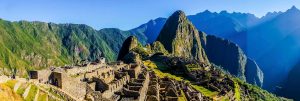
- Machu Picchu
The final destination of the Inca Trail and one of the most important archaeological sites in the world, renowned for its exceptional state of preservation and its historical and cultural value.
Learning about the archaeological sites along the Inca Trail allows you to better understand its historical and cultural significance.
The natural charm of the Inca Trails
Beyond its historical value, the Inca Trail passes through a wide variety of breathtaking Andean landscapes. The scenery changes constantly, offering a unique combination of mountains, valleys, and ecosystems that enrich the trekking experience. Below, we explore the key natural elements that make this route so special.
Landscapes along the Inca Trail to Machu Picchu
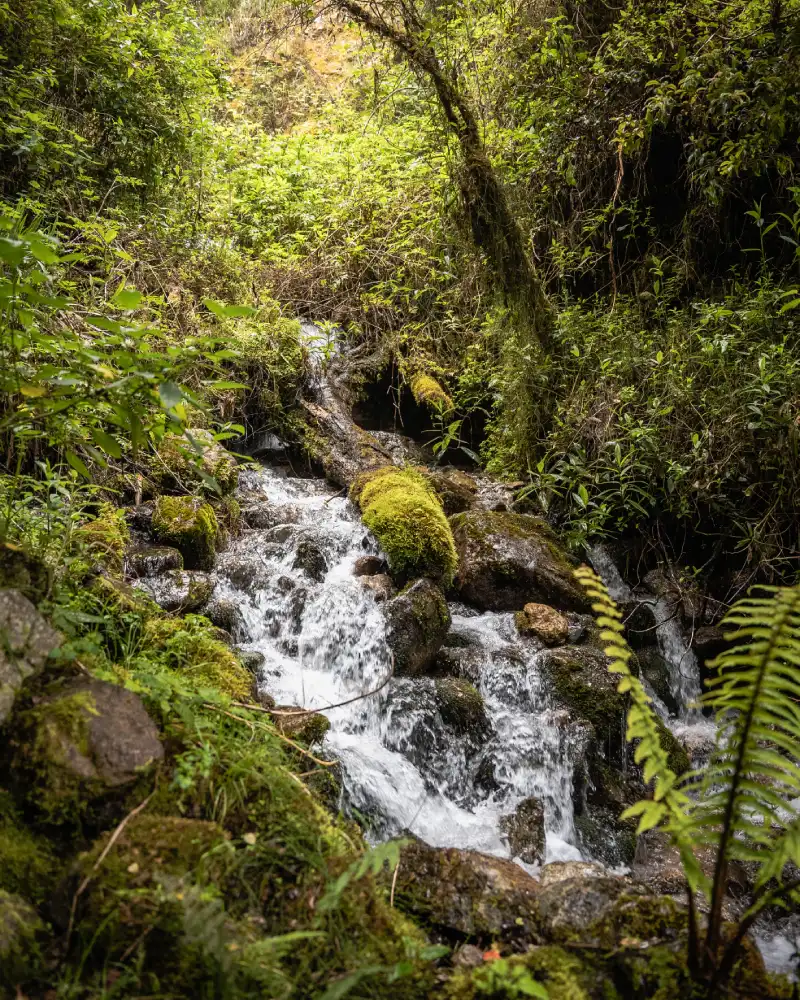
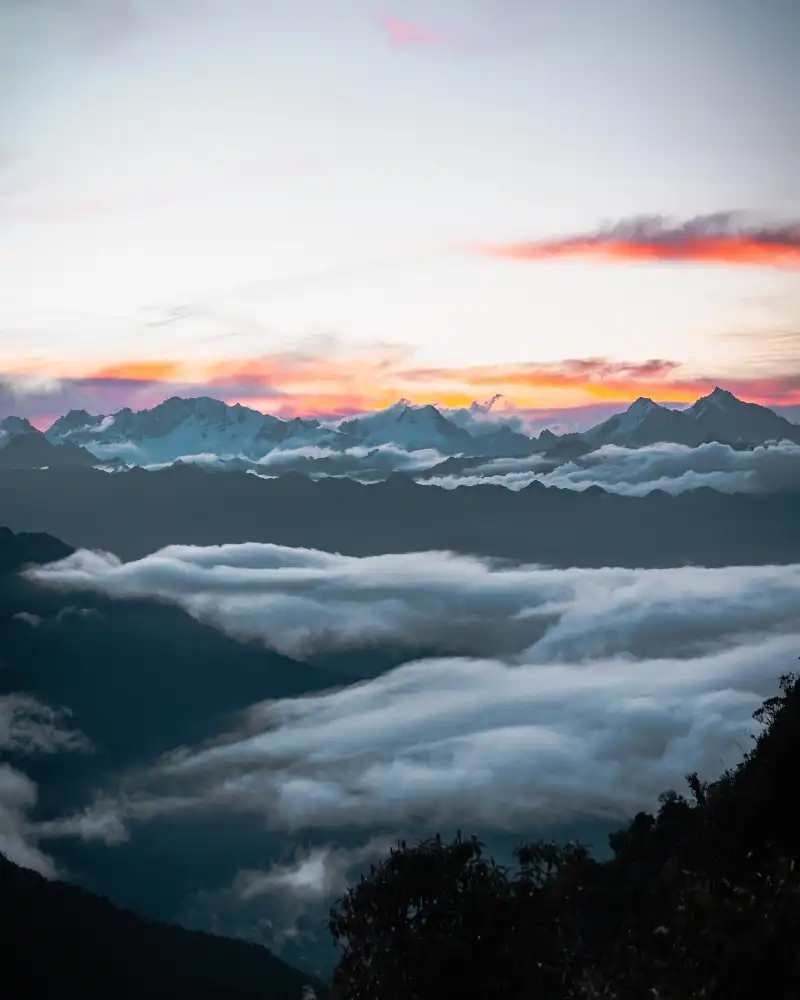
Throughout this journey across the majestic Andes, you’ll be amazed by the beauty of the mountains of the Urubamba Range, whose peaks easily rise above 5,000 meters above sea level (16,400 ft). Along the way, you’ll transition from highland Andean terrain into lush cloud forests of the Peruvian jungle.
Wildlife on the Inca Trail
While trekking the Inca Trail, it’s possible to observe a remarkable variety of Andean wildlife, especially in sections that pass through cloud forests and protected areas surrounding Machu Picchu. This region is part of the Historic Sanctuary of Machu Picchu, which preserves mountain ecosystems, high jungle, and Andean valleys.
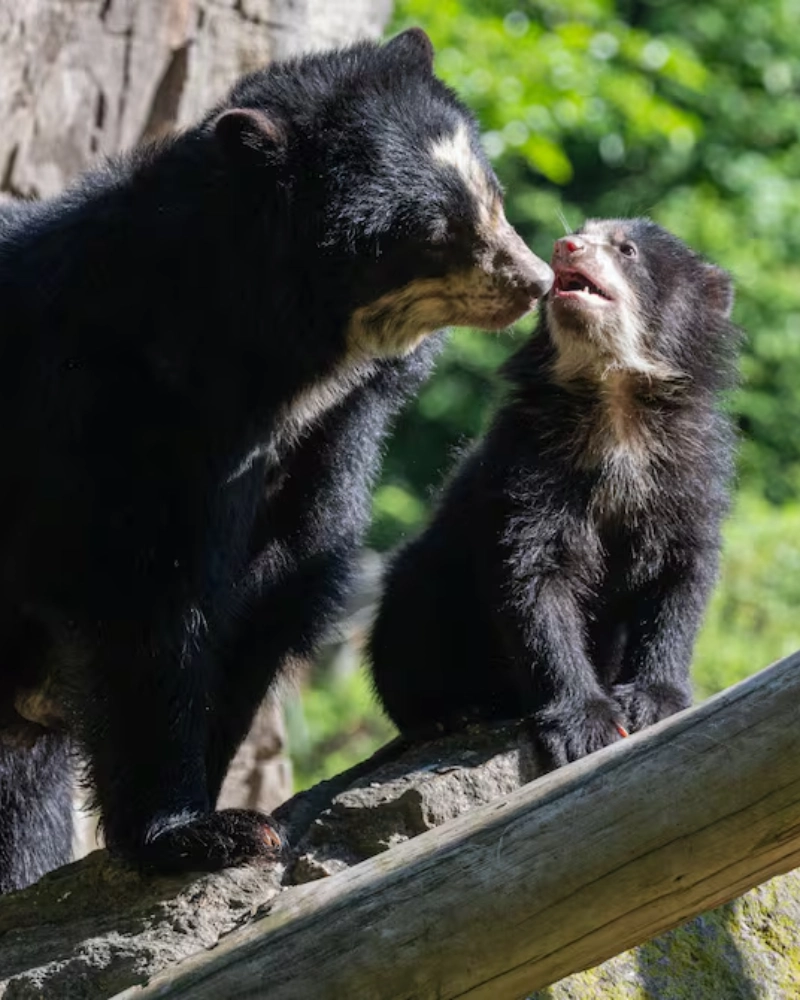
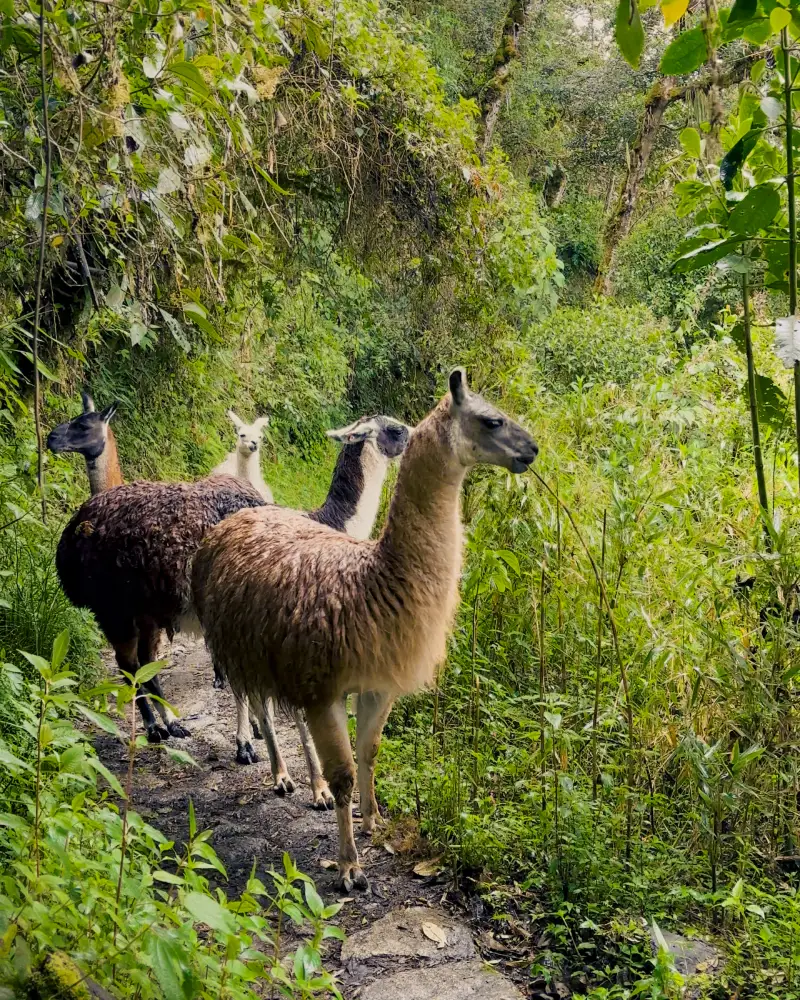
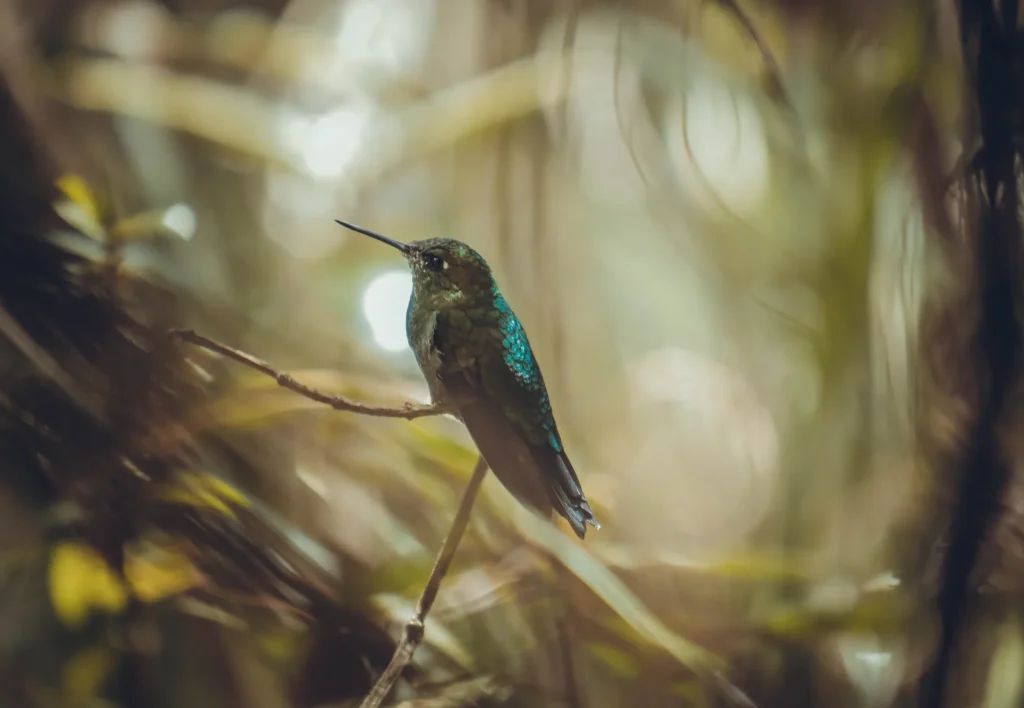
The Inca Trail is home to Andean mammals such as spectacled bears, foxes, and deer, as well as a wide variety of birds (hummingbirds, parrots, wild ducks). You can also see llamas and alpacas in their natural habitat along the trail.
Flora along the Inca Trail
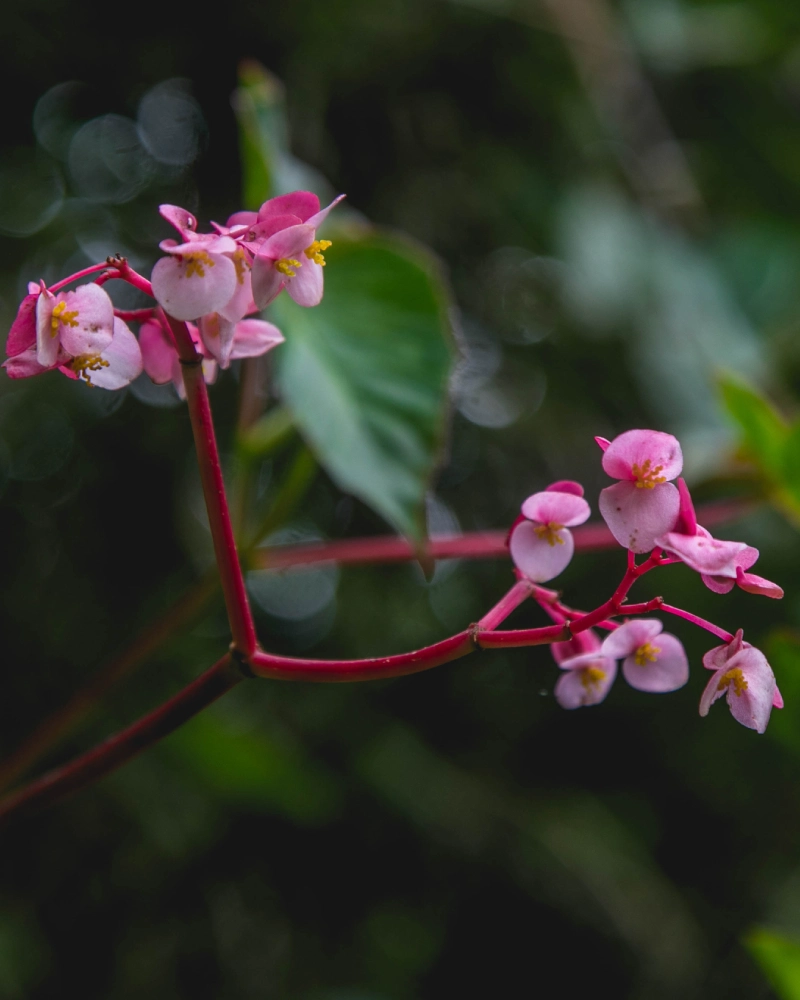
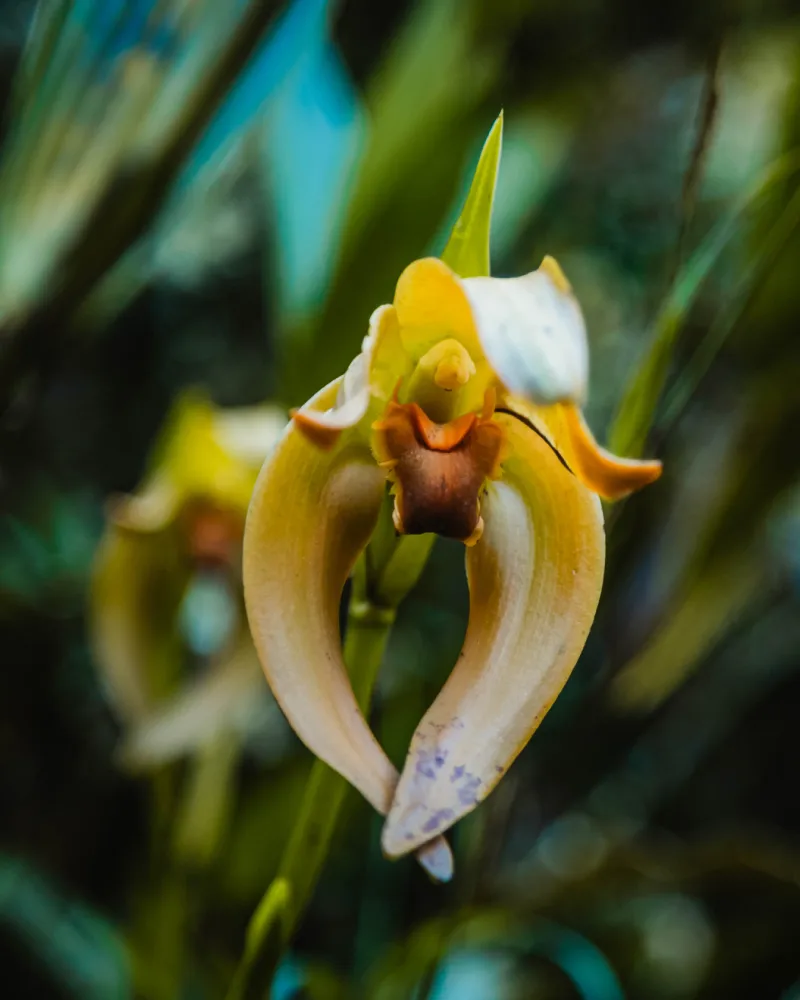
According to Peru’s National Service of Natural Protected Areas (SERNANP), the Inca Trail crosses several ecological zones, resulting in extraordinary plant diversity. One of the route’s greatest botanical highlights is its orchids, with more than 400 species blooming at different times of the year and becoming a natural symbol of the trail. You’ll also encounter native trees, medicinal plants, wildflowers, and lush Andean jungle vegetation.
Weather on the Inca Trail
Weather conditions on the Inca Trail vary throughout the year due to altitude and seasonal changes in the Cusco region. In general, average daytime temperatures are around 19 °C (66 °F), while nighttime temperatures can drop to about 5 °C (41 °F). Sudden temperature changes during a single day of hiking are common along the route.
Dry season on the Inca Trail (May to October)
The dry season is considered the best time to hike the Inca Trail. During these months, sunny days, clear skies, and minimal rainfall prevail. Daytime temperatures are usually pleasant, but nights and early mornings can be very cold, especially between June and August, when temperatures may drop below 0 °C (32 °F).
This season offers better trail conditions and clearer views, but it also coincides with the highest demand for Inca Trail permits.
Rainy season on the Inca Trail (November to April)
The rainy season is characterized by more frequent rainfall, higher humidity, and slippery trails. During this period, the landscape becomes intensely green, although rain can affect visibility and trail conditions.
Travelers hiking during these months should be well prepared with waterproof clothing and non-slip footwear, and should also consider possible delays in air or rail transportation due to weather conditions.
Transition months between seasons
October and April are considered transition months on the Inca Trail. During this time, the landscapes remain green and lush thanks to recent rains, while visitor numbers are lower compared to peak season, allowing for a quieter and more relaxed trekking experience.
The Inca Trail to Machu Picchu is closed in February due to the rainy season in Cusco, both to protect visitors from landslides and to carry out maintenance work.
Everything you need to know about altitude on the Inca Trail
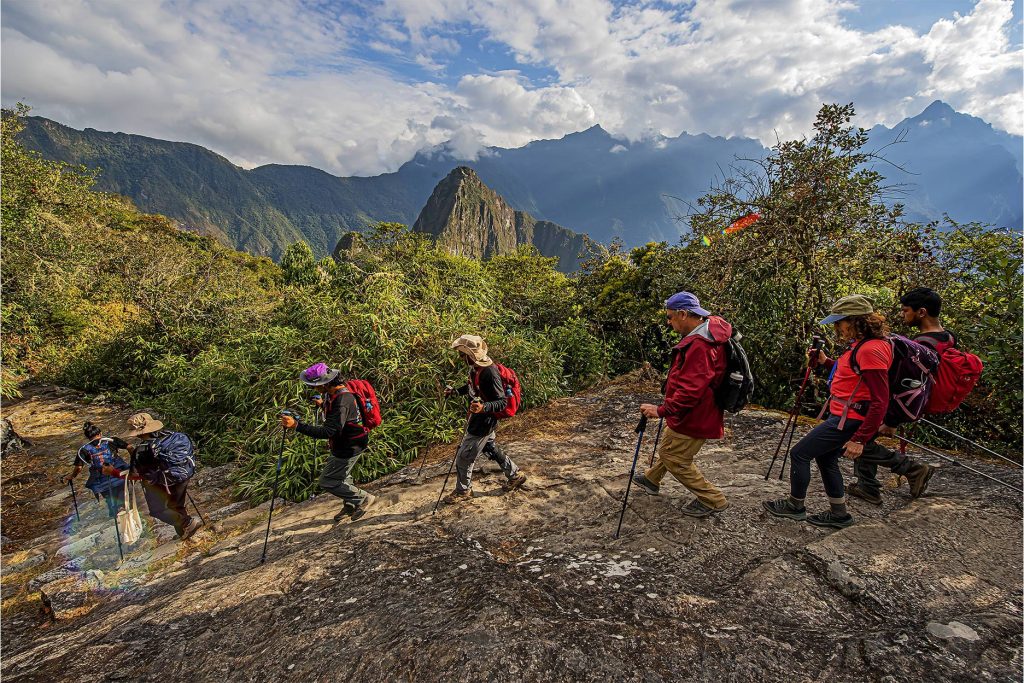
Altitude is a common concern when planning the Inca Trail. The route features gradual ascents and descents that help the body adapt progressively, which is why most travelers complete the trek without issues when properly prepared and acclimatized. The highest and most physically demanding point is Warmiwañusca Pass (Dead Woman’s Pass) at 4,215 m above sea level (13,828 ft), reached on the second day. This is followed by Runkurakay Pass (3,950 m / 12,959 ft), with a more moderate climb, and then long descents that help ease fatigue.
Altitude sickness on the Inca Trail: What to expect
With proper acclimatization in Cusco or the Sacred Valley, most travelers experience only mild symptoms—or none at all. It’s recommended to allow at least two days for acclimatization, including light walks to help your body adjust gradually to the altitude.
In some cases, travelers may experience headaches, dizziness, fatigue, or a slight loss of appetite, especially on the second day when ascending to Warmiwañusca Pass. It’s important to listen to your body and inform your guide of any discomfort, as they can adjust the group’s pace or assess whether it’s safe to continue. To support recovery, focus on steady breathing and staying well hydrated throughout the trek.
To help your body adapt to the altitude, we recommend taking day tours or short hikes in Cuscobefore starting the Inca Trail.
Is fear of heights a problem on the Inca Trail?
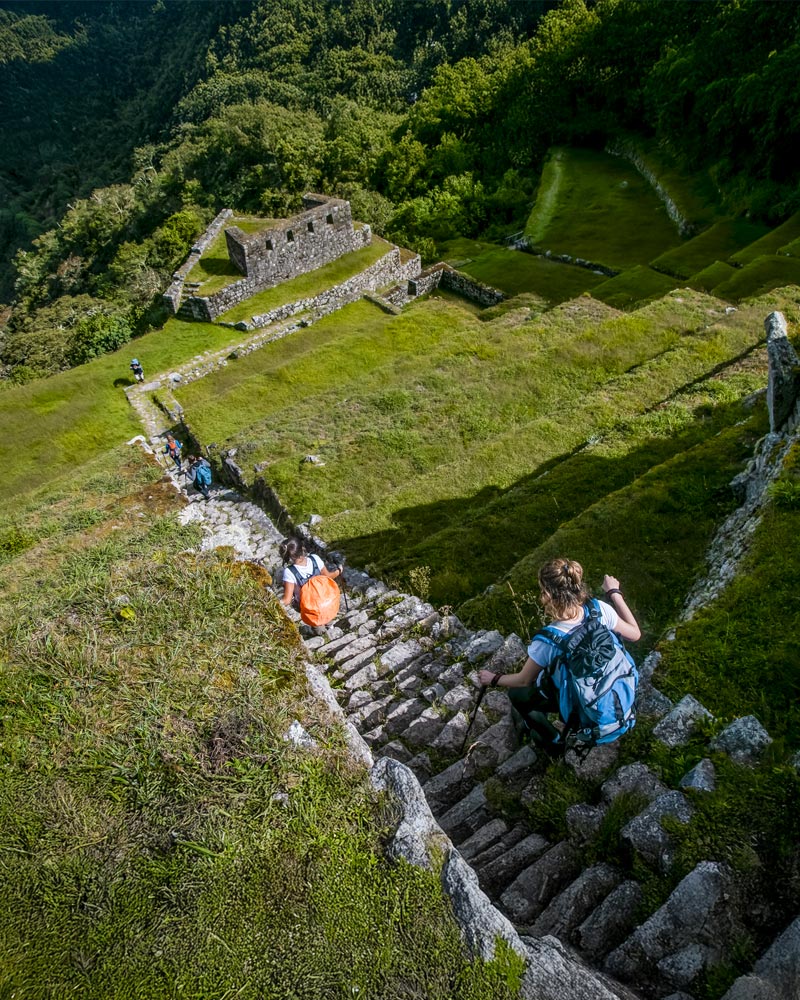
No. The Inca Trail does not include exposed sections or sheer drop-offs. While there are some steep staircases, these are short, well maintained, and always navigated as part of a group. For most people, vertigo is not an issue, except in cases of severe fear of heights.
Physical preparation for the Inca Trail
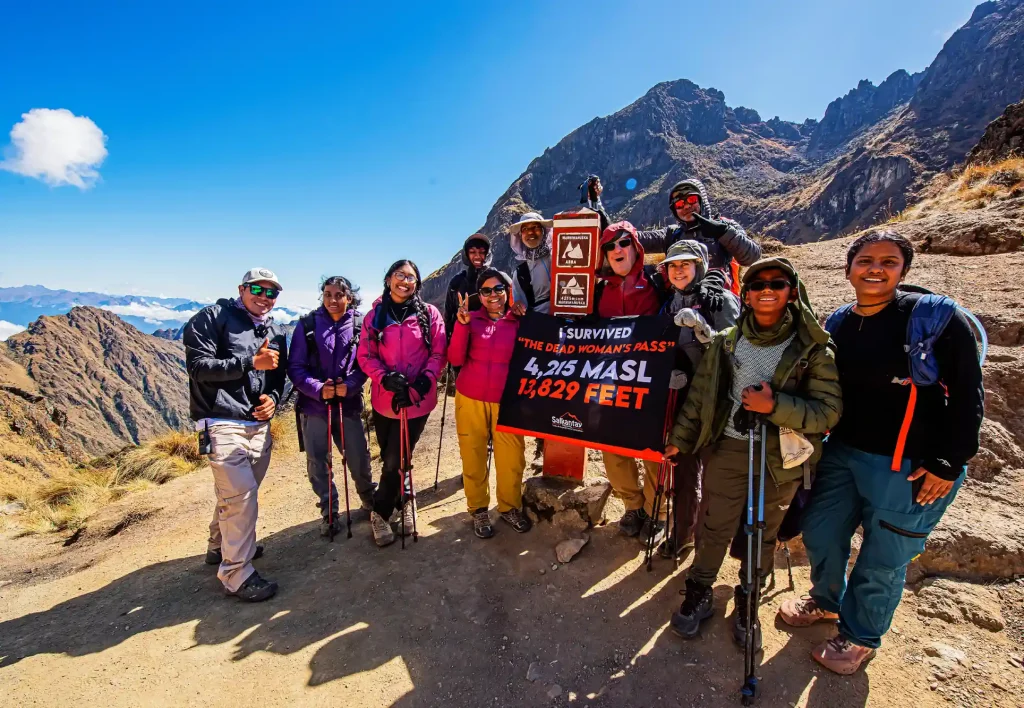
Although the Classic Inca Trail does not require technical skills, it does demand good overall physical fitness—especially cardiovascular endurance and leg strength—since the second day includes the two highest mountain passes of the route.
During the trek, you won’t carry excessive weight. Porters transport the camping equipment and up to 5 kg (11 lb) of your personal gear, but you will still carry a light daypack with water and personal items. For this reason, it’s recommended to prepare with progressive hikes, lower-body strength training, and cardio sessions, ideally incorporating elevation gain and stairs to simulate real trail conditions.
For a complete and adaptable training plan for the Inca Trail—considering distances, altitude, and physical demands—check out our trekking training guide for Cusco and prepare in a gradual and safe way.

Essential gear for the Inca Trail
Having the right equipment is essential for completing the Inca Trail comfortably and safely. Regardless of your previous experience, choosing appropriate clothing and accessories will help you adapt to changing weather conditions, varied terrain, and the demands of a multi-day trek.
Below are the basic items that should not be missing during the journey:
- Trekking shoes or boots, preferably well broken-in and with waterproof features to handle uneven and wet terrain.
- Sunglasses, caps, or hats to protect you from the sun.
- Warm and windproof clothing to cope with changing weather conditions.
- A hiking backpack, your essential companion for carrying personal belongings comfortably.
- Sunscreen and insect repellent, as you’ll be exposed to strong sunlight and mosquitoes for several hours each day.
The Inca Trail will surprise you with everything it has to offer, but whether you choose the Classic Trail or one of its variations, be sure to review the complete packing list to stay well prepared and fully enjoy your trip.
Availability and permits for the Inca Trail
Because the Inca Trail to Machu Picchu is one of the most famous treks in the world, access is regulated by the Peruvian government through strict permits and daily quotas in order to preserve this cultural heritage.
Currently, only 500 people are allowed to enter the Inca Trail per day. Of these, 200 spots are allocated to trekkers and 300 to guides, porters, and cooks. As a result, permits must be reserved months in advance depending on the season:
- High season (May–October): book 6 months or more in advance.
- Low season (November–April): book at least 3 months in advance.
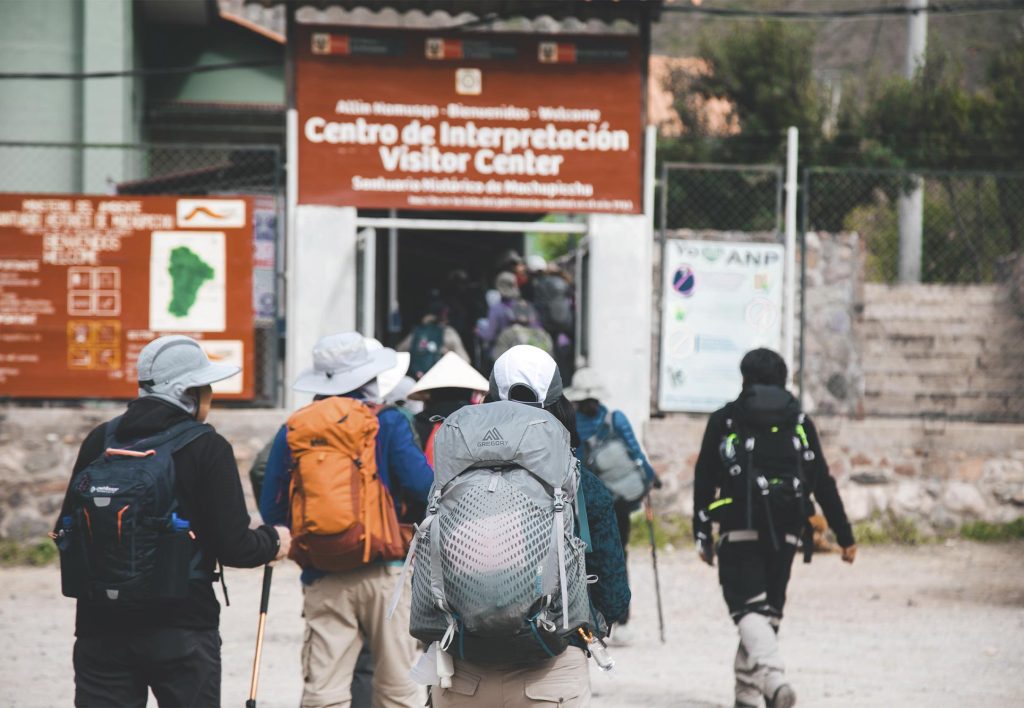
Access to the Inca Trail is strictly regulated, and permits can only be obtained through authorized tour operators. To secure your spot, the usual process involves choosing an agency, selecting tentative dates, checking permit availability, and finally confirming the reservation by providing your personal information and completing the payment.
Check Inca Trail permit availability with us and secure your spot well in advance.
How to choose an Inca Trail tour operator: What to consider
Choosing the right tour operator is key to enjoying a safe, authentic, and well-organized Inca Trail experience. At Salkantay Trekking, we know this decision can make all the difference in your journey, which is why we recommend carefully evaluating the following aspects before deciding who to travel with.
Professional and certified guides
Make sure the operator works with certified guides trained in history, Andean culture, and high-mountain safety. A good guide doesn’t just lead the hike—they support the group, adjust the pace, and enrich the experience with cultural context. Being bilingual is especially important for international travelers.
Porters and responsible practices
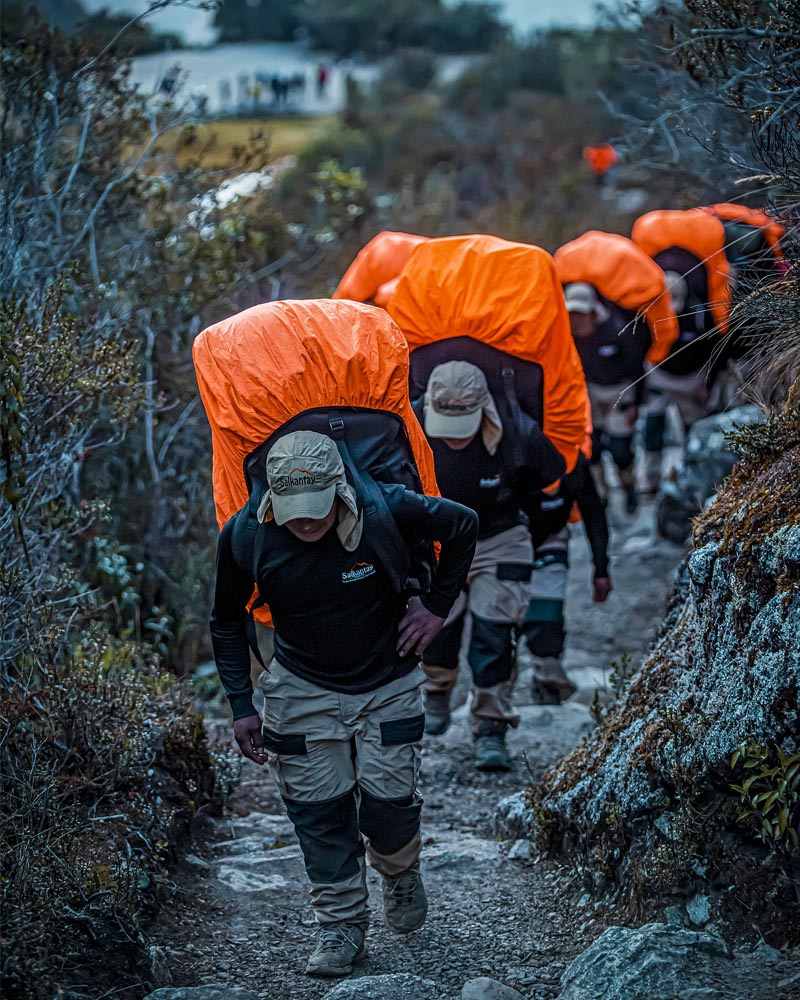
Animals are not allowed on the Inca Trail, so operators must work with authorized porters who carry equipment and supplies. It’s important that the company follows regulations regarding porter welfare, maximum load limits, and fair working conditions, contributing to trail preservation and respect for local communities.
Authorized campsites and proper equipment
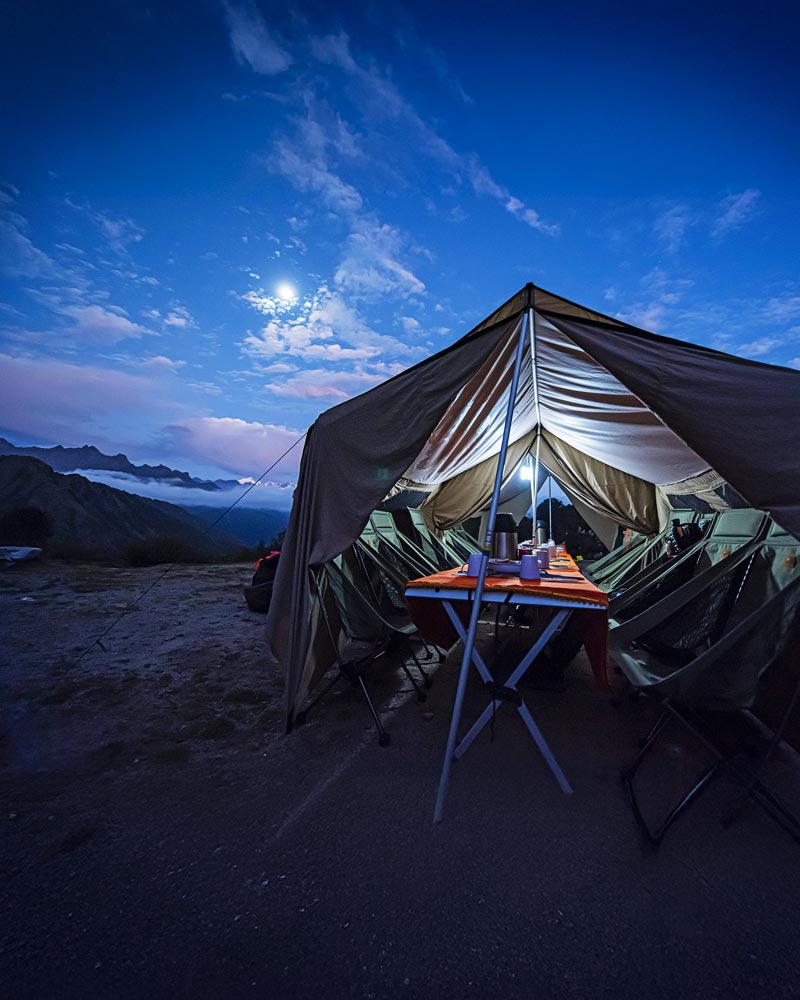
A reliable operator uses official campsites along the route and provides sturdy, spacious tents. Proper campsite logistics ensure rest, safety, and protection from the mountain’s changing weather conditions.
Meals during the trek
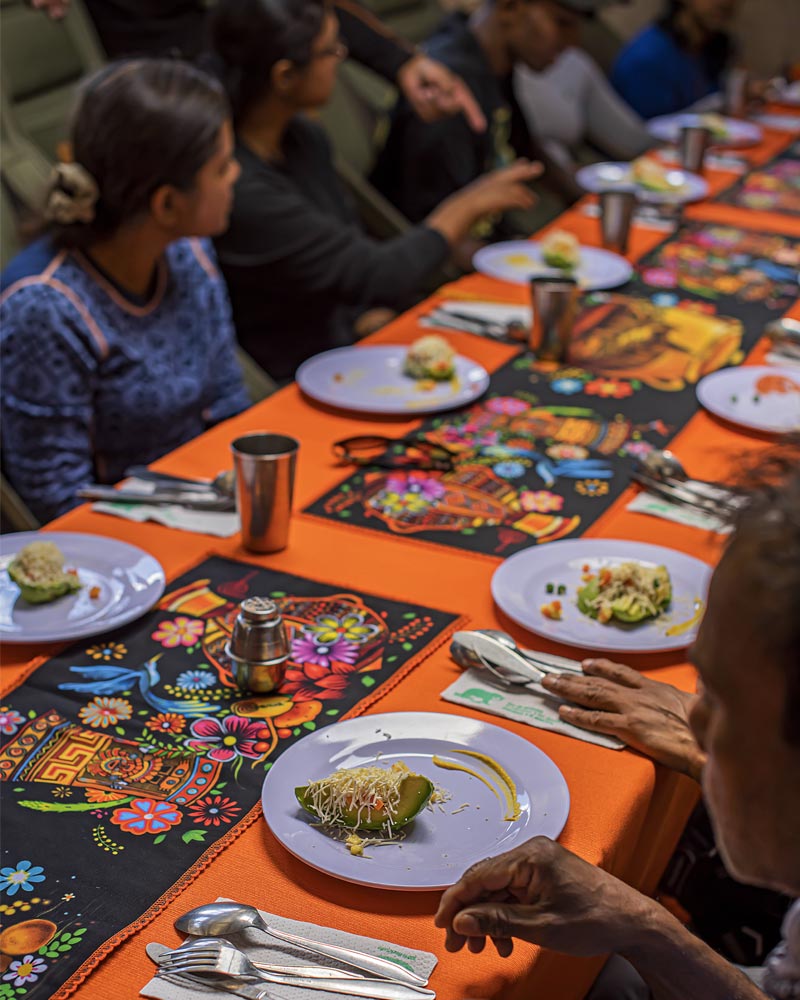
Food on the Inca Trail should be nutritious, well balanced, and suited to physical exertion, using local ingredients and designed to support acclimatization. Be sure the operator can accommodate special dietary needs, such as vegetarian options or food restrictions.
Regulations and safety measures on the Inca Trail
The Inca Trail is governed by strict safety and control measures designed to protect both hikers and the cultural and natural heritage of Machu Picchu. Thanks to these regulations, the trail is considered a safe and well-protected destination.
Some of the main rules you should keep in mind include:
- Access is only allowed via authorized routes and with a licensed tour operator.
- Entry is permitted only between 5:30 a.m. and 2:00 p.m.
- You must carry a valid ID document.
- Registration at official control checkpoints is mandatory.
- Hiking is strictly prohibited between 6:00 p.m. and 5:30 a.m.
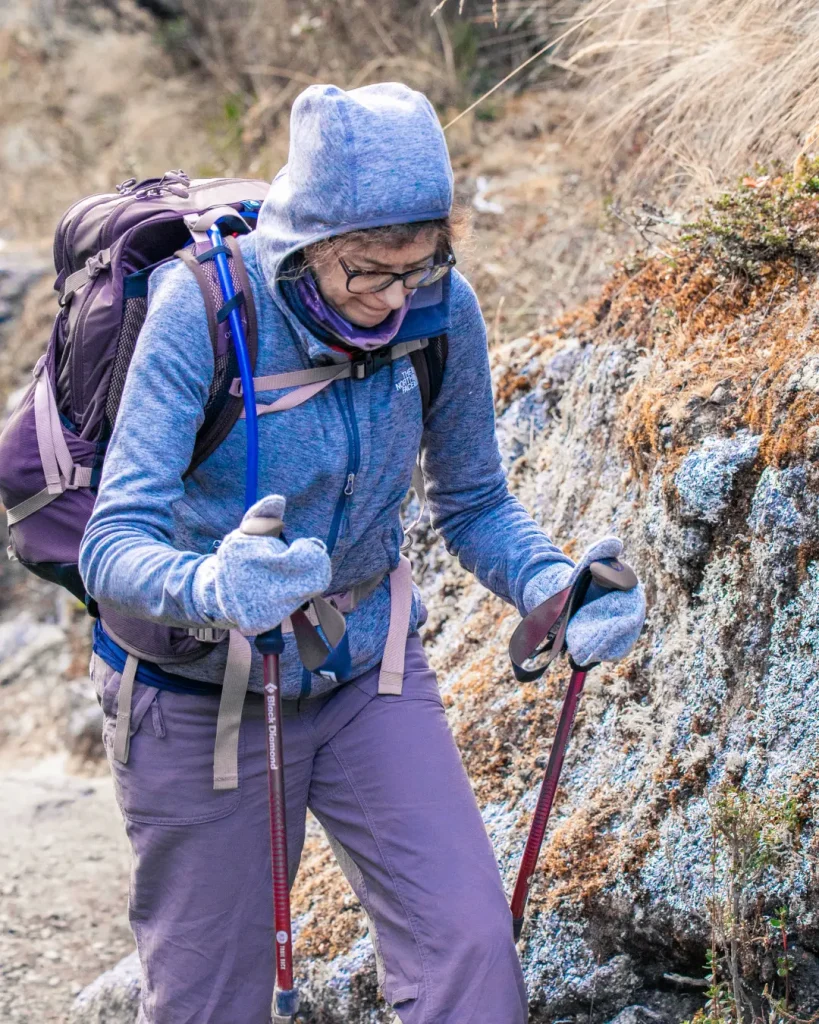
- You may only use walking sticks with rubber tips.
IMPORTANT: Throughout your trek, park rangers and control staff will be actively monitoring compliance with the Inca Trail’s tourism regulations. Being familiar with these rules will help you avoid any violations.
Alternative Trekking Routes in Cusco
Didn’t manage to secure a spot on the famous Inca Trail? No worries. Cusco offers several equally stunning trekking routes, thanks to its extraordinary geographic and cultural diversity.
Below are some of the best alternatives to the Inca Trail, which can be completed in one or multiple days—perfect for adventure lovers seeking majestic landscapes, Andean communities, and unique experiences:
- Salkantay Trek: One of the most popular routes after the Inca Trail. It crosses dramatic landscapes featuring towering glaciers, turquoise lakes, and lush cloud forest, offering a demanding yet incredibly rewarding experience.
- Lares Trek: Ideal for travelers seeking cultural connection. This route takes you through traditional Andean communities, where you can learn about local lifestyles and relax in natural hot springs.
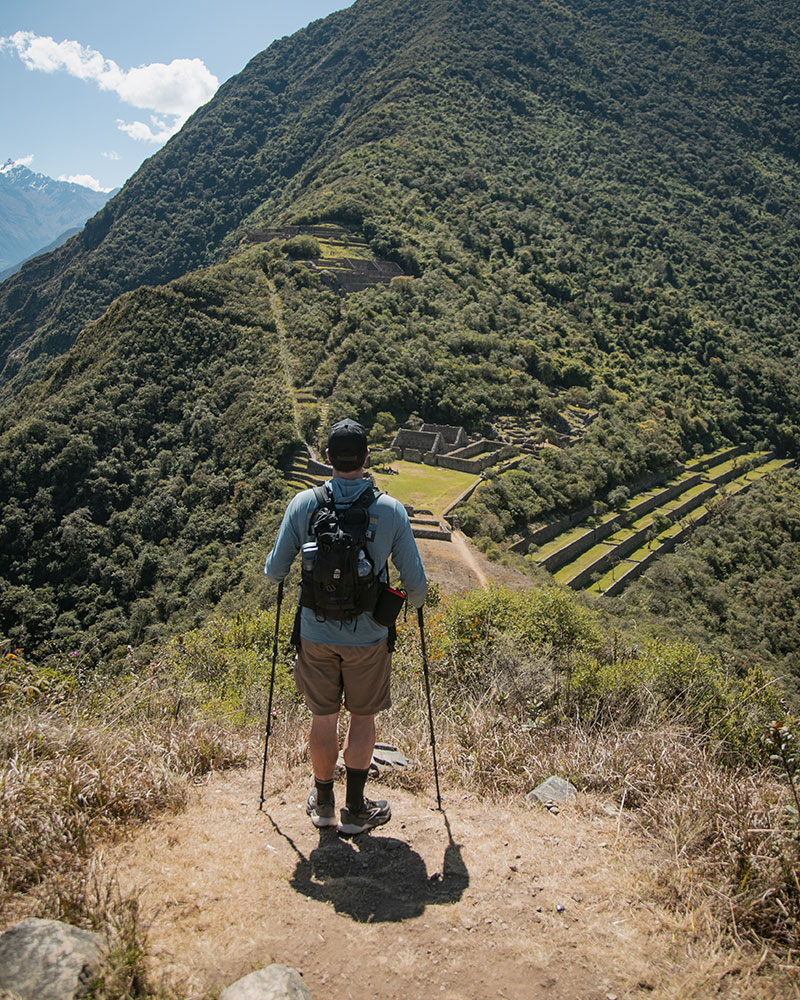
- Choquequirao Trek: A true challenge for experienced adventurers. It leads to the Inca citadel of Choquequirao, often called the sacred sister of Machu Picchu, still relatively untouched and surrounded by spectacular mountains.
- Inca Jungle Trek: A dynamic alternative combining hiking with adventure activities such as mountain biking and rafting—perfect for travelers looking for a more varied journey before reaching Machu Picchu.
- Inca Quarry Trek: A lesser-known route that stands out for its Andean scenery, archaeological remains, and ancient quarries where stones were extracted to build Inca monuments.
Discover all the alternative trekking routes in Cusco.
Frequently asked questions about the Inca Trail
What is the best time of year to hike the Inca Trail?
That depends on your preferences. If you don’t enjoy crowds or hiking in intense heat, we recommend traveling in early April or early September. During these months, you’ll avoid heavy rains, hot days, and peak tourist crowds.
Is it difficult to get permits during high season?
Yes. To hike the Inca Trail during high season (May–October), you need to plan well in advance. Booking at least 6 months ahead is strongly recommended. While entrance fees remain the same year-round, train and bus tickets tend to increase during high season.
How do we get to the trailhead at Kilometer 82?
You can reach Km 82 by car from Cusco or from Ollantaytambo.
How do we return from Aguas Calientes?
The return to Cusco is done in two stages: first, you’ll take a train from Aguas Calientes to Ollantaytambo; then, we’ll transfer you by private vehicle directly to your hotel in Cusco.
How do we get from Aguas Calientes to Machu Picchu?
A fleet of minibuses runs daily between Aguas Calientes and the Historic Sanctuary of Machu Picchu. The ride takes about 20 minutes each way.
If you prefer, you can also hike up via a challenging trail, which takes approximately 2 hours.
Is the Inca Trail well signposted?
Yes. There are several signposted points along the Inca Trail, especially at archaeological sites, where you’ll find information about distances and elevations.
Why should I choose the Inca Trail?
Many specialized travel magazines rank the Inca Trail as one of the top five hikes in the world. It’s an ideal experience for nature lovers, offering snow-capped mountains, cloud forests, waterfalls, diverse vegetation, native wildlife, archaeological sites, and unforgettable scenery.
Conquer the Inca Trail — your adventure awaits!
The Inca Trail to Machu Picchu is far more than a hike: it’s a historical, cultural, and natural journey that requires planning and clear expectations. Understanding how the trail works—its routes, difficulty, climate, archaeological sites, and logistics—is the first step toward an unforgettable experience.
Now that you have all the information, it’s time to take the next step. Reserve your Inca Trail permit and experience this once-in-a-lifetime journey with an authorized and experienced tour operator.
También te puede interesar:

Leave A Reply