
Visiting Machu Picchu is a once-in-a-lifetime adventure. To walk among its mysterious stone structures, the first step is securing your entrance ticket. While the process may seem overwhelming at first, with the right information, there’s nothing to worry about.
In this complete guide, we explain everything clearly and step by step: the different ticket types (from classic Citadel tickets to routes that include the surrounding mountains), the official purchasing process, and—most importantly—practical tips to secure your ideal date and enjoy this experience without setbacks.
Table of contents
- Why are there different types of tickets to enter Machu Picchu?
- Types of Machu Picchu tickets: Which one is right for you?
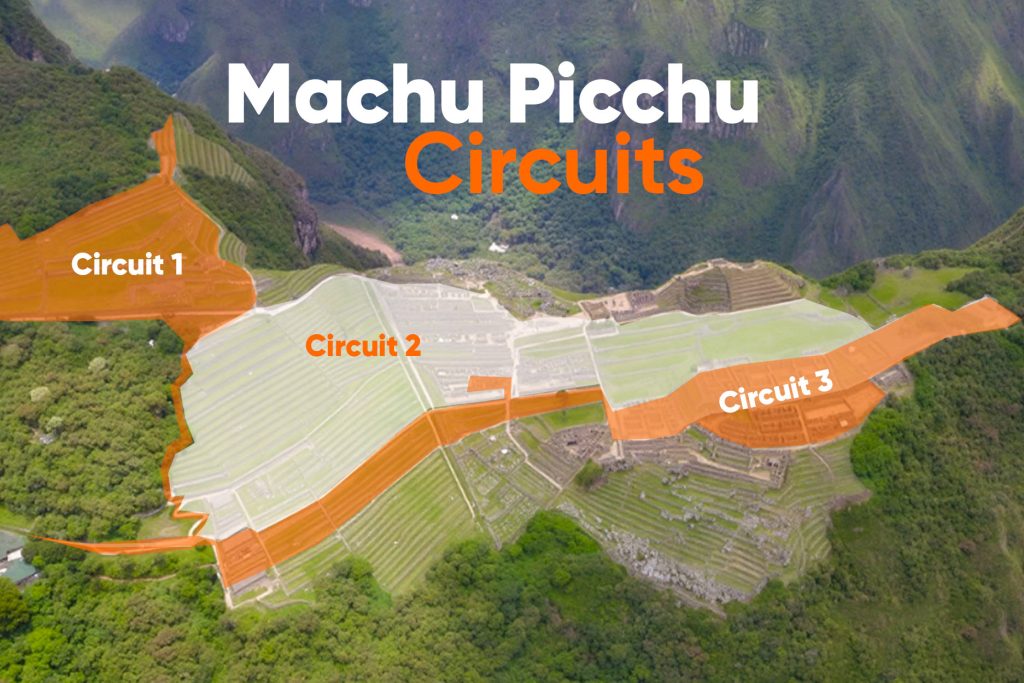
- Comparison of the three Machu Picchu circuits
- Where can I get my Machu Picchu 2026 tickets?
- Which mountains are included in Machu Picchu tickets?
- Rules and prohibitions at Machu Picchu
- Additional tips for visiting Machu Picchu
- Machu Picchu hiking routes and tickets required
- Frequently asked questions
- Ready to live the ultimate Machu Picchu experience?
- You may also be interested in:
Why are there different types of tickets to enter Machu Picchu?
Machu Picchu is not a theme park; it is a fragile archaeological sanctuary built over 500 years ago at an altitude of more than 2,400 meters (7,874 feet). Its designation as a New Wonder of the World in 2007 was a double-edged sword: it amplified the dream of visiting but also increased the pressure on its structures and trails.
To ensure future generations can experience it as well, the Peruvian government, together with UNESCO, implemented a smart, regulated ticketing system. This system has two main goals:
- Limit daily capacity to a maximum of 4,500 visitors in the regular season and 5,600 in peak season, distributing them across time slots to prevent overcrowding.
- Distribute visitor flow by creating specific routes (such as those that include the mountains), so not everyone follows the same path, reducing erosion in the core of the Citadel.
For this reason, the different ticket types are not a commercial strategy, but the most important conservation tool for protecting Machu Picchu.
What are the seasons for visiting Machu Picchu?
At Machu Picchu, “seasons” are mainly defined by two factors: weather and visitor volume. These are fixed periods on the calendar that shape your experience:
- High season: From June 19 to November 2, plus holidays such as Easter Week (April 17–20), January 1, and December 30–31. Ideal weather, but the highest number of visitors.
- Low season: From November 3 to June 18 (excluding year-end holidays). Fewer crowds and potentially better prices, though with a higher chance of rain.
With these dates in mind, you can choose the best time for your trip: do you prioritize reliable weather or a quieter experience?
Types of Machu Picchu tickets: Which one is right for you?
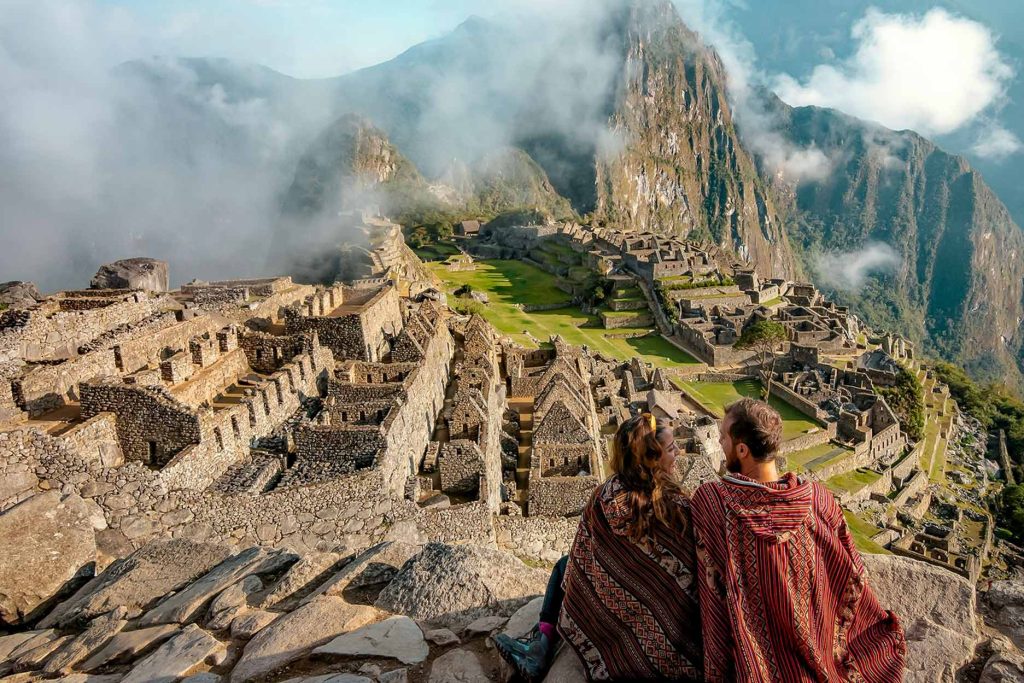
Before purchasing, it’s essential to know that there is no single Machu Picchu ticket. The sanctuary offers three circuits with different routes, each with its own access points, price, and difficulty level. Choosing the right one depends on your physical condition, available time, and what you’re most interested in exploring.
Below, we break down each option so you can make the best decision for your trip.
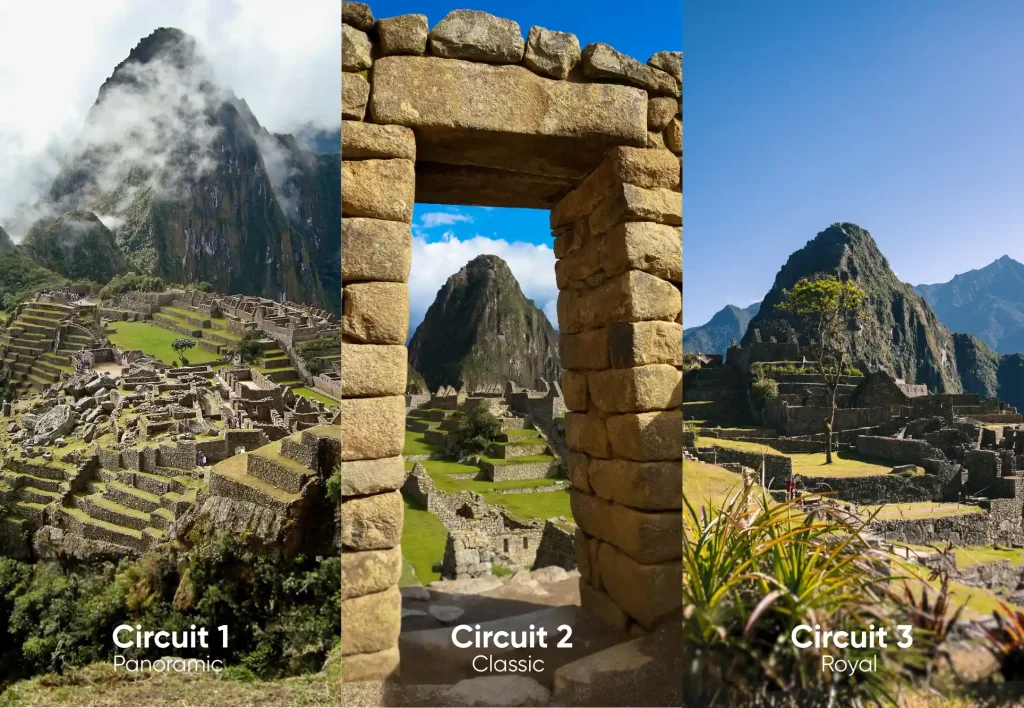
Circuit 1 – Panoramic: Spectacular views and varied routes
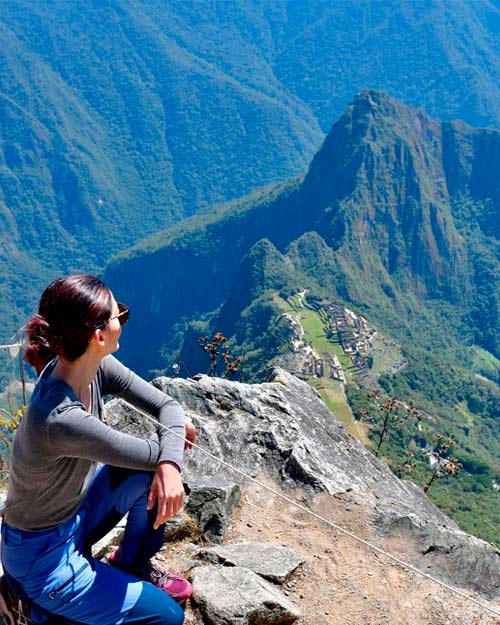
This circuit is designed for visitors seeking the most iconic photographic views of the Citadel and an experience that combines accessible hiking with high-altitude challenges. It includes four routes, ranging from the classic postcard viewpoint to more demanding hikes.
Route summary:
| Route | Ideal for | Difficulty | Key highlight | Duration | Availability |
| 1-A: Machu Picchu Mountain | Adventurers and photographers seeking the highest viewpoint (3,083 m / 10,115 ft). | High (demanding trek) | Panoramic summit views, includes the classic photo. | ~6 hours | Year-round |
| 1-B: Upper Terrace | All visitors who want the iconic postcard photo with minimal effort. | Low (accessible) | Guardian’s House viewpoint and a short walk. | ~2.5 hours | Year-round |
| 1-C: Intipunku Gateway | Hikers interested in walking the original Inca entrance (high season only). | Moderate | Intipunku (Sun Gate) and connection to the Inca Trail. | ~2.5 hours | High season only |
| 1-D: Inca Bridge | Visitors curious about Inca engineering and unique defensive structures (high season only). | Moderate | Inca bridge leading into the jungle with panoramic views.. | ~3 hours | High season only |
How do I know which route to choose?
- If you want the iconic photo without much effort: choose Route 1-B (Upper Terrace).
- If you’re looking for a physical challenge with the best views: choose Route 1-A (Machu Picchu Mountain).
- If you’re interested inhistory and moderate hiking during the dry season: choose Route 1-C (Intipunku Gateway) or Route 1-D (Inca Bridge).
Need full details on prices, exact schedules, maps, and tips? In our ultimate guide to Machu Picchu Circuit 1, we answer every question so you can plan your visit without surprises.
Circuit 2 – Classic: The heart of the citadel
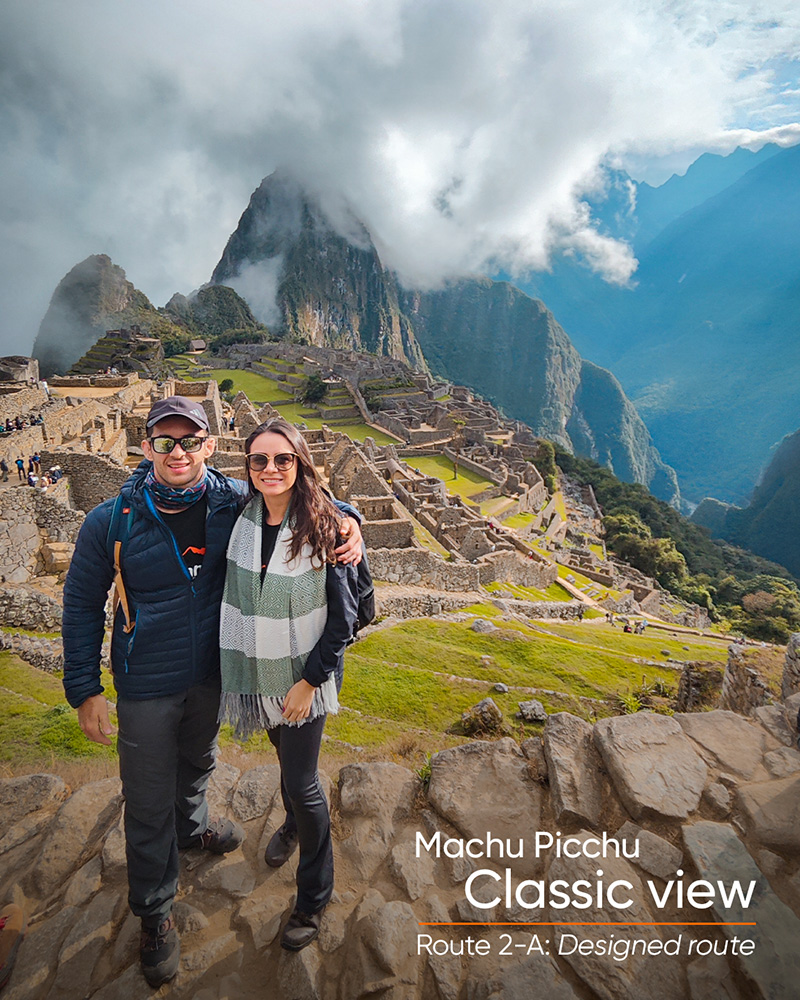
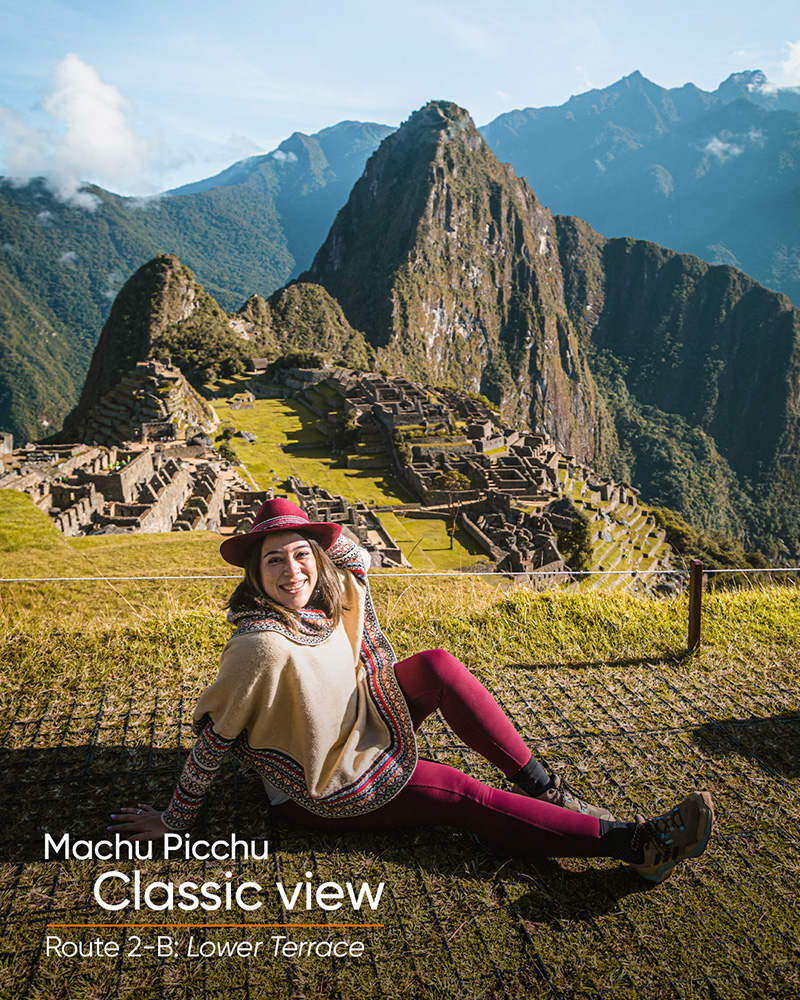
This circuit captures the essence of Machu Picchu. It is designed for visitors who want to walk among its original temples, plazas, and residential areas, connecting directly with Inca history and spirituality. It is the ideal route for first-time visitors and offers a complete tour of the most important sectors through two accessible routes.
Route summary:
| Route | Ideal for | Difficulty | Key Highlight | Duration |
| 2-A: Designed Classic Route | First-time visitors and families. The most complete experience, including the classic postcard photo from a slightly different angle and all major temples. | Low–Moderate | Lower platform viewpoint + Temple of the Sun, Three Windows, Sacred Rock, and more. | ~2.5 hours |
| 2-B: Lower Terrace Route | First-time visitors and families looking for a more direct experience with the classic photo. | Low | A streamlined version of the classic route, focused on urban and religious sectors. | ~2.5 hours |
How to decide between these two routes?
- In practice, the choice often depends on availability, as both routes are highly popular and sell out months in advance—especially during high season. The key difference lies in the exact spot for the classic postcard photo, which is slightly higher on Route 2-B.
Ideally, you should book two to three months in advance, but if tickets are no longer available, Route 3-B is an excellent alternative. It allows you to explore the citadel from the inside, although it does not include the iconic panoramic photo or access to the upper Temple Plaza.
Looking for detailed information on ticket prices, precise schedules, maps, and practical tips? Our complete guide to Machu Picchu Circuit 2 has everything you need to plan your visit smoothly.
Circuit 3 – Royalty: Temples, caverns, and sacred mountains
This circuit offers a fascinating mix, ranging from the most accessible interior walk through royal temples to some of the most demanding adventures leading to sacred caves and mountains. You’ll find everything from a family-friendly route to high-intensity physical challenges, all focused on the most spiritual and architecturally significant areas of the citadel.
This circuit stands out for offering the best chance of seeing llamas within Machu Picchu, an attraction that is highly appreciated by visitors. It is also the only route where you can find a tree that is emblematic of the citadel: the pisonay, a sacred species deeply linked to the Andean worldview.
Route summary:
| Route | Ideal for | Difficulty | Key Highlight | Duration | Availability |
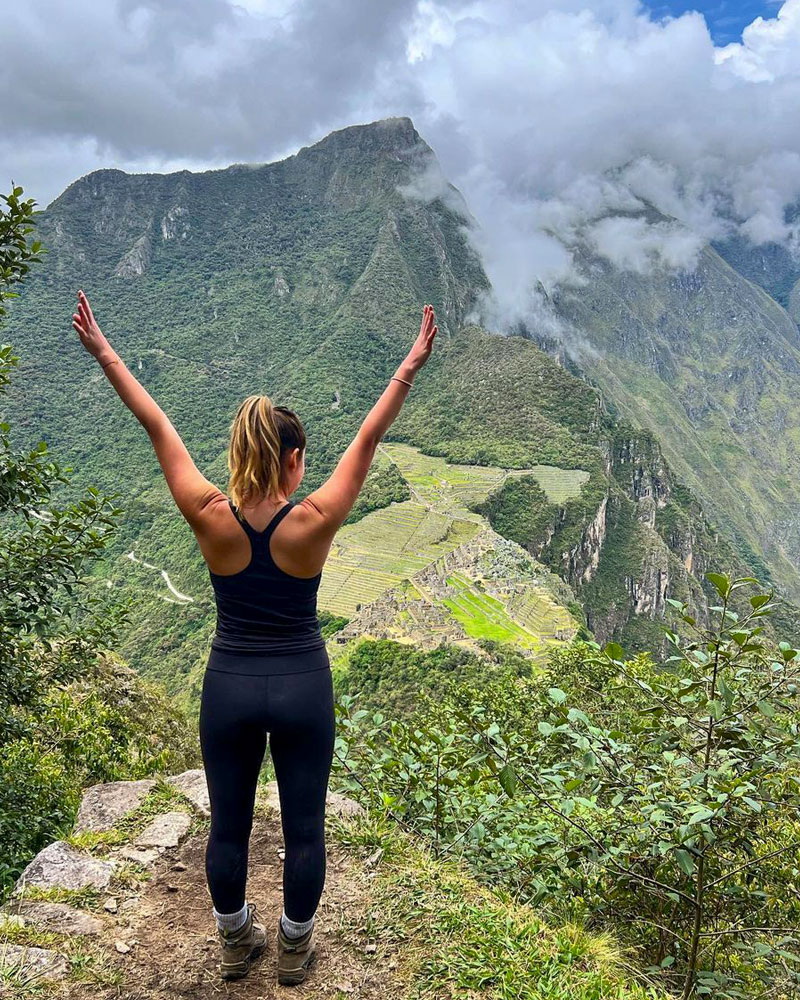
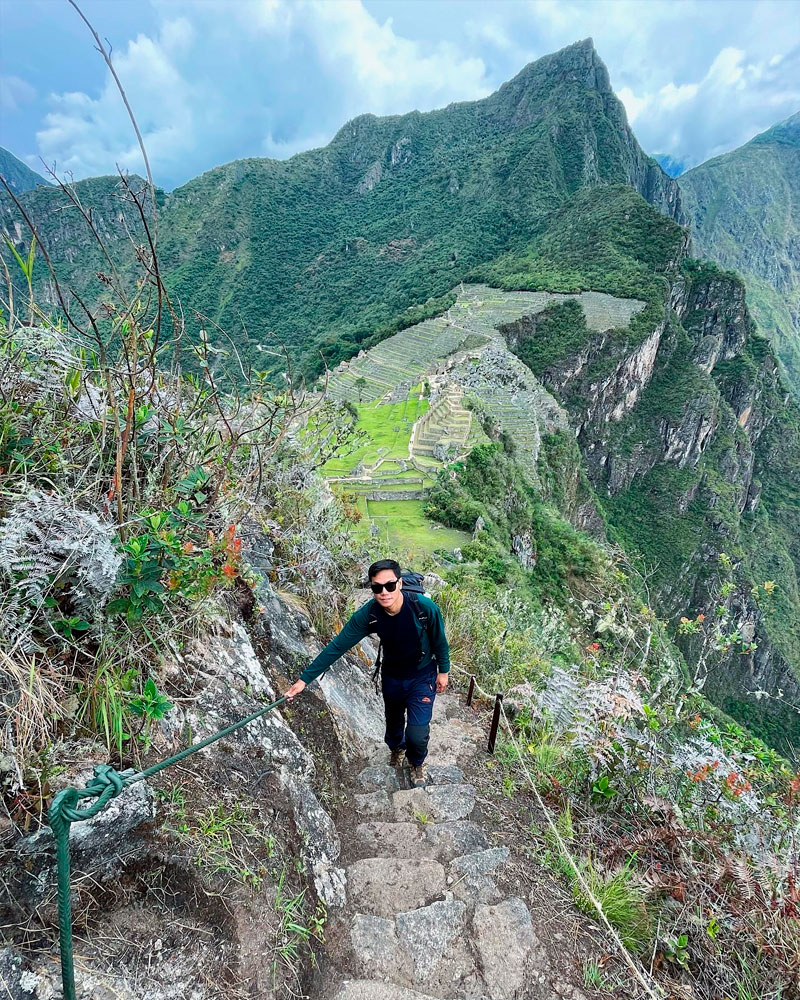
| 3-A: Huayna Picchu Mountain | Experienced adventurers (18+) seeking the iconic challenge and breathtaking views. | High (demanding trek) | Ascent to the peak behind the classic postcard view + royal temples. | ~6 hours | Year-round |
| 3-B: Designed Royal Route | Families and first-time visitors. Essential interior tour of royal temples without mountain climbs. | Low (accessible) | Temple of the Sun, House of the Inca, Temple of the Condor, and the best interior panoramic view. | ~2.5 hours | Year-round |
| 3-C: Great Cavern | Explorers (18+) looking for a mystical, off-the-beaten-path experience (Temple of the Moon). | High (long and demanding) | Exploration of the sacred cave (Temple of the Moon) + agricultural terraces. | ~7 hours | High season only* |
| 3-D: Huchuy Picchu | Hikers (18+) seeking a more intimate experience with unique views and fewer crowds. | Moderate–High | Ascent to Huayna Picchu’s “little sister” + religious sector. | ~3.5 hours | High season only* |
How do I know which route to choose?
- If you want to see the main temples without physical effort: Route 3-B (Designed Royal Route) is the best—and only—option in this circuit.
- If you’re looking for the most famous and demanding mountain challenge: book Route 3-A (Huayna Picchu) two to three months in advance.
- If you’re an adventurer seeking something unique and mystical during the dry season: choose Route 3-C (Great Cavern).
- If you prefer a moderate hike with fewer crowds during the dry season: Route 3-D (Huchuy Picchu) is a hidden gem.
Need complete details on prices, exact schedules, maps, and tips? In our definitive guide to Machu Picchu Circuit 3, we answer every question to help you plan your visit without surprises.
Comparison of the three Machu Picchu circuits
The Machu Picchu circuits offer different experiences designed for varied interests and physical abilities. Each route has its own layout, duration, and viewpoints, and understanding these differences helps you choose the right option before buying your Machu Picchu tickets.
Circuit 1 – Panoramic focuses on the upper section of the citadel and is ideal for travelers seeking the iconic panoramic photo of Machu Picchu. It offers wide, uninterrupted views—especially from the Guardian’s House—but does not allow access to the lower citadel, making it perfect for landscape photography lovers.
Circuit 2 – Classic provides the most complete route through the central area, including key temples, plazas, and the agricultural sector. It allows visitors to capture the classic Machu Picchu photo and explore important ceremonial spaces, making it the best choice for first-time visitors who want a balance of history and views.
Circuit 3 – Royalty runs through the lower part of the site and emphasizes cultural and historical aspects linked to Inca elite life. With access to temples, residential areas, and optional hikes to Huayna Picchu and Huchuy Picchu, it is well-suited for seniors, children, and travelers seeking a more accessible and interpretive experience.
Practical summary about Machu Picchu circuits:
| Feature | Circuit 1 – Panoramic | Circuit 2 – Classic | Circuit 3 – Royalty |
| Area covered | Upper section and high terraces | Central area of the citadel | Lower section: agricultural and residential areas |
| Main sites visited | Upper terrace, Guardian’s House | Main Square, Temple of the Sun, Temple of the Three Windows, Sacred Rock, Set of water mirrors, Eastern Qolqas (Inca warehouses) | Temple of the Sun, Temple of the Condor, House of the Inca, Royal Tomb, Sacred Rock, Set of water mirrors, Eastern Qolqas (Inca warehouses) |
| Scenic views | Panoramic photo of Machu Picchu | Classic photo of Machu Picchu with closer views | Photos from lower areas with iconic buildings |
| Difficulty | Easy | Moderate | Easy – suitable for limited mobility |
| Approximate duration | 2 hours | 2 hours | 2 hours 30 minutes |
| Additional access | Machu Picchu Mountain, Inca Bridge, Intipunku | None | Huayna Picchu, Huchuy Picchu, Great Cavern |
| Ideal visitor | Photography lovers | First-time visitors and culture seekers | Children, seniors, or visitors with limited mobility |
| Availability | Medium – book 1 month in advance | High – book 2 months in advance | Medium – book 1 month in advance |
Where can I get my Machu Picchu 2026 tickets?
You can purchase your tickets in the following ways:
1. Advance online booking (most recommended option)
The fastest and safest way to secure your tickets is through the official online platform. This method allows you to book from the comfort of your home and secure your entry months in advance—especially important during high season.
How does it work?
- Visit the official Machu Picchu website or the platform tuboleto.cultura.pe.
- Enter your personal details and select your preferred date, time slot, and ticket type (Machu Picchu, Huayna Picchu, Machu Picchu Mountain, etc.).
- You will receive a reservation number and an email with a link to complete the payment.
Payment options
- Online credit card: The fastest and most convenient option. The official website of Peru’s Ministry of Culture only accepts cards with Verified by Visa.
- Cash at Banco de la Nación: If you prefer to pay in person, you can do so at any Banco de la Nación branch in Peru.
- Cash or card in Cusco: Payment is also available at the Ministry of Culture offices in Cusco (Garcilaso Street, no number).
Advantages
- You save time and avoid long lines.
- You can plan your visit months in advance.
- You receive your electronic ticket immediately.
2. In-person purchase in Cusco (not recommended)
If you prefer to buy your tickets in person, you can do so at the Ministry of Culture offices in Cusco. However, this option is not recommended due to high demand and the risk of not finding availability for your desired date.
Locations in Cusco
- Casa Garcilaso Museum: Garcilaso Street (s/n), near Plaza Regocijo.
Office hours
- Monday to Saturday, from 7:00 a.m. to 7:00 p.m.
Drawbacks
- Risk of tickets being sold out.
- Requires time and travel.
- Not ideal for travelers with tight itineraries.
3. Through a tour operator (highly recommended)
If you’re looking for convenience and peace of mind, booking through an authorized tour operator is one of the best options. Agencies can help manage not only your tickets, but also transportation, accommodations, and professional guides.
Why choose this option?
- Convenience: The operator handles the entire booking and payment process.
- Personalized experience: Choose packages that fit your needs, whether it’s a classic visit, the Inca Trail, or mountain routes.
- Security: You avoid common booking mistakes.
Recommendations
- Book several months in advance, especially if traveling during high season.
- Make sure the agency is authorized and has good reviews, reliable support, accommodations, and certified guides.
4. In-person purchase in Aguas Calientes (not recommended)
- Location: Ministry of Culture office in Aguas Calientes, located on Pachacútec Avenue (s/n), near the Main Square.
- Availability: While this option exists, it is very unlikely to find tickets available—especially during high season. Only 1,000 tickets are sold daily in person in Aguas Calientes, so purchasing in advance is strongly advised.
- Tip: While waiting in line, check ticket availability on the “TuBoleto” page for the circuit you are looking for. This way, you can anticipate a second option before arriving at the ticket window, in case your first choice is not available.
Which mountains are included in Machu Picchu tickets?
Visiting Machu Picchu is also an opportunity to explore its sacred mountains, ideal for travelers seeking adventure and unique panoramic views. There are three main options, each included with a specific type of ticket:
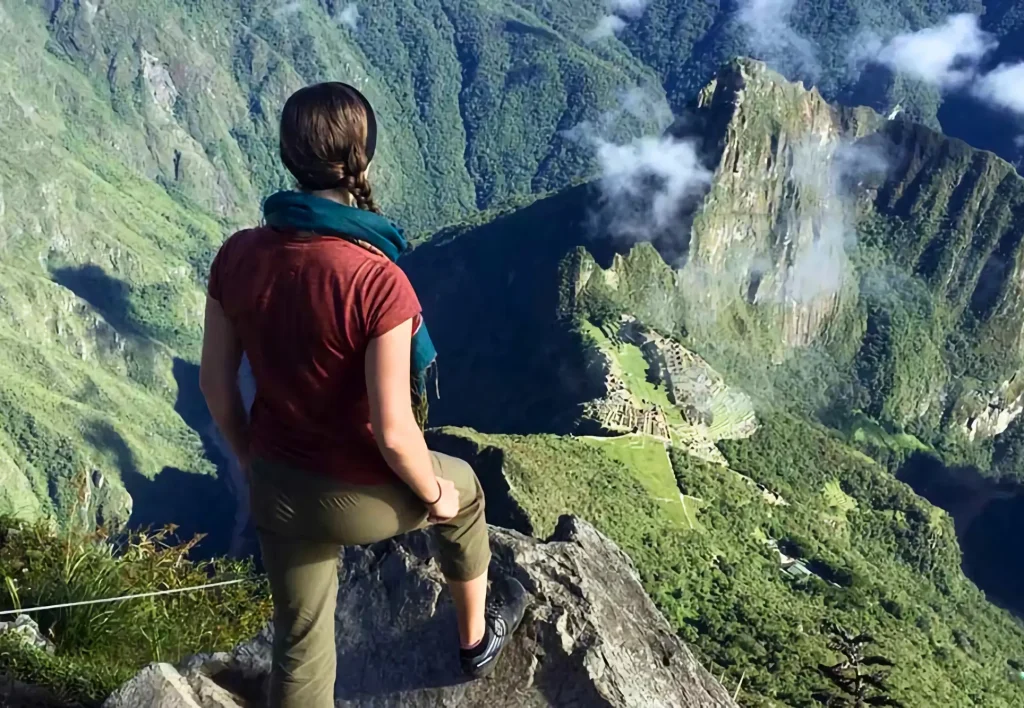
Machu Picchu Mountain
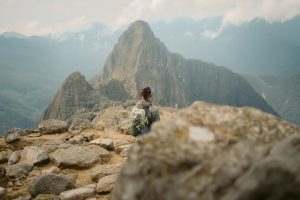
Located southwest of the citadel, Machu Picchu Mountain rises to 3,082 meters above sea level (10,111 feet). It is the highest of the three and offers spectacular panoramic views of the entire sanctuary, the Urubamba River, and the surrounding mountains. This mountain is what gives the citadel its name.
How do you get there?
- From Aguas Calientes: If you’re visiting independently, arrive early in the base town. From the main entrance to Machu Picchu, follow the path toward the Guardian’s House and continue along the clearly marked trail to the mountain.
- With an organized tour: A convenient option that includes tickets, transportation, and expert guides, allowing you to enjoy the experience worry-free.
Which ticket allows access to Machu Picchu Mountain?
- Route 1-A: Machu Picchu Mountain Route
Recommendations
- Wear hiking shoes, comfortable clothing, sunscreen, and bring water and snacks.
- Book in advance, as access is limited.
Huchuy Picchu Mountain
At 2,497 meters (8,192 feet), Huchuy Picchu is the smallest of the three mountains, but no less impressive. Its name means “Little Mountain” in Quechua, and it offers a more intimate and less crowded experience.
What makes it special?
- A short 1-kilometer (0.6-mile) hike that takes about one hour.
- Stunning views of the citadel, Huayna Picchu, and the Intihuatana.
Access and details
- Only 50 tickets per day are available.
- Access is limited to the high season only.
Recommendations
- Bring insect repellent, water, and a camera to capture the views.
- Plan your visit in advance to secure your entry.
Huayna Picchu Mountain
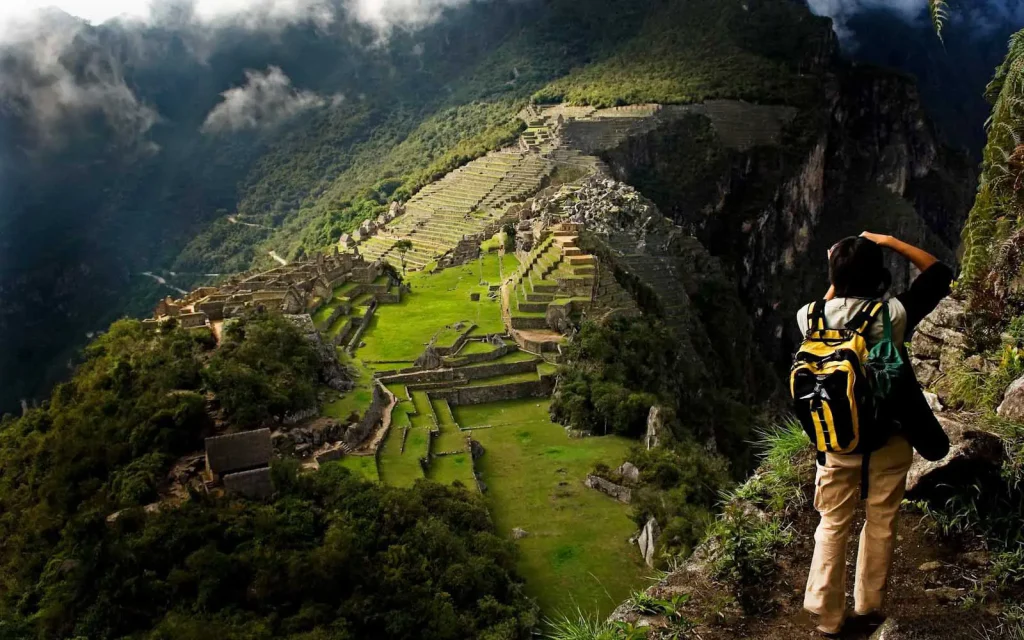
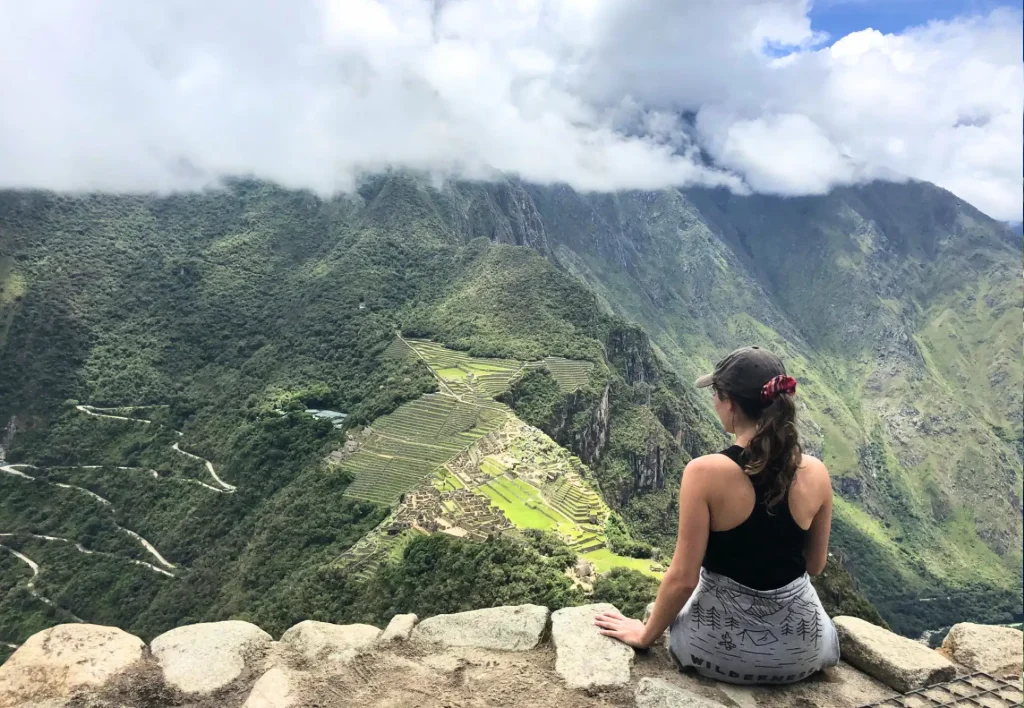
Rising to 2,693 meters (8,835 feet), Huayna Picchu is the most iconic mountain at Machu Picchu. Its distinctive silhouette dominates the sanctuary’s postcard views and was considered a sacred site by the Incas, where religious ceremonies once took place.
What to expect?
- A challenging but rewarding hike with steep stone steps and narrow trails.
- Unique views of the citadel, the Urubamba Valley, and surrounding mountains.
Regulations
- Only 350 visitors per day are allowed.
- Access is restricted to visitors 12 years and older.
- The maximum exploration time is 6 hours.
Tips
- Wear non-slip footwear, bring water, and carry a light jacket.
- Reserve your ticket several months in advance.
For a complete guide with maps, difficulty levels, and preparation tips, visit our article: Machu Picchu Mountains.
Rules and prohibitions at Machu Picchu
To preserve this World Heritage Site, it is essential to follow the established regulations:
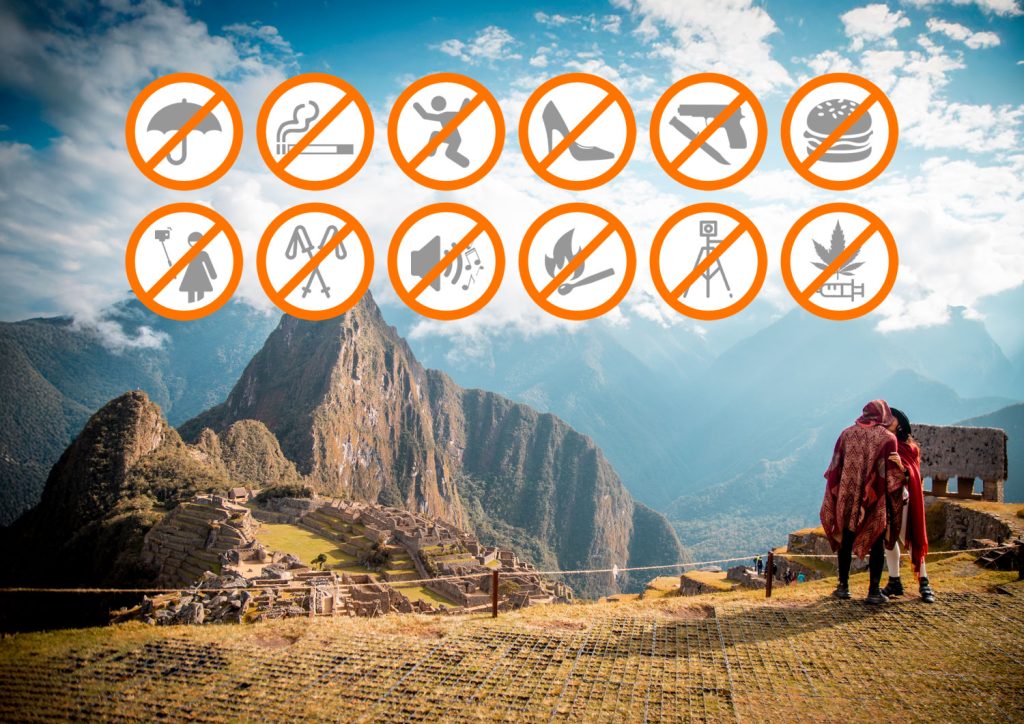
Items Not Allowed at Machu Picchu
- Food and eating utensils (household items).
- Animals (except certified guide or service dogs).
- Aerosols.
- Portable seats or folding chairs.
- Banners, signs, or posters.
- Alcoholic beverages, drugs, or illegal substances.
- Baby strollers (only soft baby carriers without metal frames are allowed).
- Musical instruments, megaphones, or speakers.
- Umbrellas and parasols.
- Sharp objects and/or weapons of any kind.
- High heels or hard-soled shoes (only athletic shoes with soft or rubber soles are allowed).
Prohibited Behavior at Machu Picchu
- Feeding domestic or wild animals.
- Littering.
- Causing disturbances, disorder, or running.
- Walking on unauthorized paths.
- Partial or full nudity.
- Wearing inappropriate or offensive clothing.
- Smoking or vaping.
- Bringing walking sticks with metal or hard tips (rubber tips are allowed only for seniors or visitors with disabilities).
- Disturbing, collecting, or removing flora, fauna, or cultural elements.
- Carrying backpacks or bags larger than 40 × 35 × 20 cm.
- Using tripods or heavy camera supports without authorization.
- Lighting or spreading fires.
- Climbing, leaning on, or damaging walls and structures.
- Obscene acts, graffiti, or any activity that damages the monument.
- Street vending.
- Filming or photography for commercial purposes without authorization.
- Making loud or disruptive noises.
- Flying paragliders, drones, or any unmanned aerial devices.
Additional tips for visiting Machu Picchu
1. Bring cash in Peruvian soles
Although there are ATMs for BCP, Caja Cusco, and Banco de la Nación in Aguas Calientes, it is advisable to carry cash in soles. Many services, such as buying souvenirs, food, or hiring local guides, do not accept cards. In addition, ATMs can malfunction, so it is better to be prepared.
2. Consider visiting Machu Picchu over two days
If your itinerary allows, purchase tickets for two days. This gives you time to explore at a relaxed pace, enjoy sunrise or sunset, and take on additional activities such as hiking Huayna Picchu or Machu Picchu Mountain. These hikes offer incredible views but require physical effort.
3. Bring a light poncho or rain jacket
Weather in Machu Picchu is unpredictable, and rain can occur at any time. A lightweight poncho or packable rain jacket is more practical than an umbrella, as it takes up less space and allows you to move comfortably.
4. Don’t forget your passport or ID
You must present your original passport to enter Machu Picchu. You can also request a Machu Picchu stamp as a souvenir (optional). It’s a good idea to carry a copy of your document as well.
5. Travel light
Space on buses and trains is limited, and only small backpacks (up to 20 liters) are allowed inside Machu Picchu. Bring only the essentials: water, snacks, a camera, sunscreen, and your documents. This will make moving around much easier.
6. Respect entry restrictions
Plan your visit according to your entry time and respect the allowed duration of stay (generally up to 4 hours, though this may vary depending on your ticket type).
7. Show respect in sacred areas
Machu Picchu is not only a tourist attraction but also a sacred place for local communities. Speak softly and avoid loud noises, especially in areas such as the Temple of the Sun or the Sacred Rock.
8. Enjoy the moment
While it’s tempting to photograph every corner, don’t forget to fully experience the moment. Take time to absorb the energy of the site, sit quietly, and admire the majesty of the landscape.
9. Explore Aguas Calientes
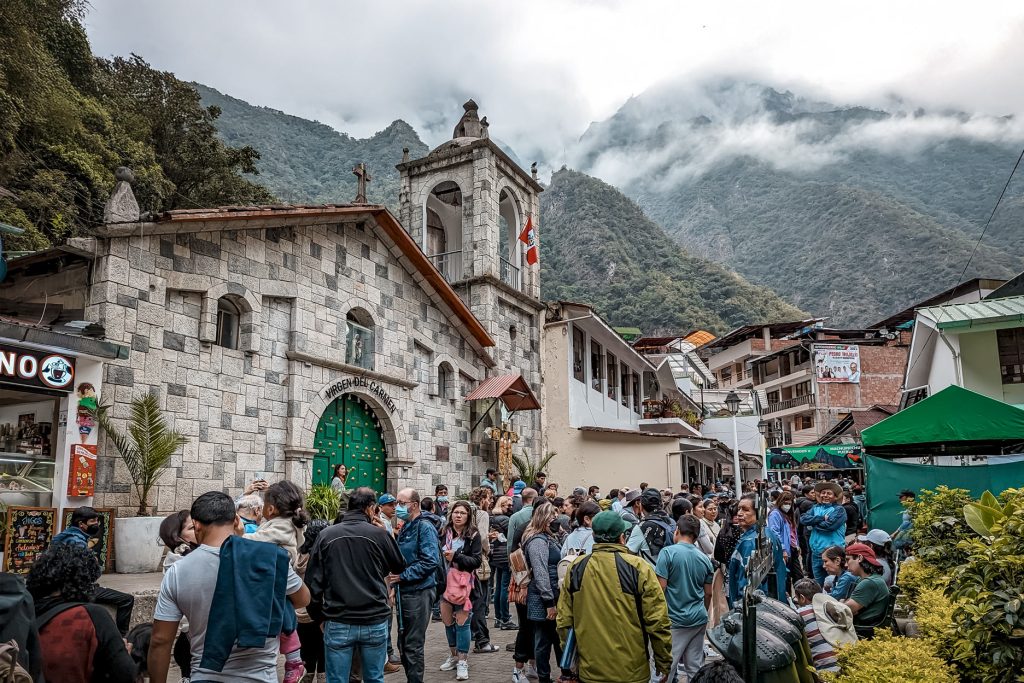
This small town, also known as Machu Picchu Pueblo, is the gateway to the wonder. It offers a unique mix of nature, culture, and relaxation—perfect for resting before or after your visit to the citadel.
10. In case of delays upon arrival at Machu Picchu
Admission has a maximum tolerance of 30 minutes and, during high season, 45 minutes. If, due to unforeseen circumstances, you are delayed for longer than this, you must present a document at the entrance gate that justifies your delay—such as a medical certificate—so that staff can assess whether to authorize your admission.
Machu Picchu hiking routes and tickets required
If you love hiking and mountains, this section is for you. Here, we not only introduce the classic and alternative routes, but also explain which Machu Picchu entrance ticket is included with each one, how far in advance you should book your tour, and how this multi-day adventure becomes the perfect lead-in to the Inca citadel.
Classic routes
Classic Inca Trail (4 days / 3 nights)
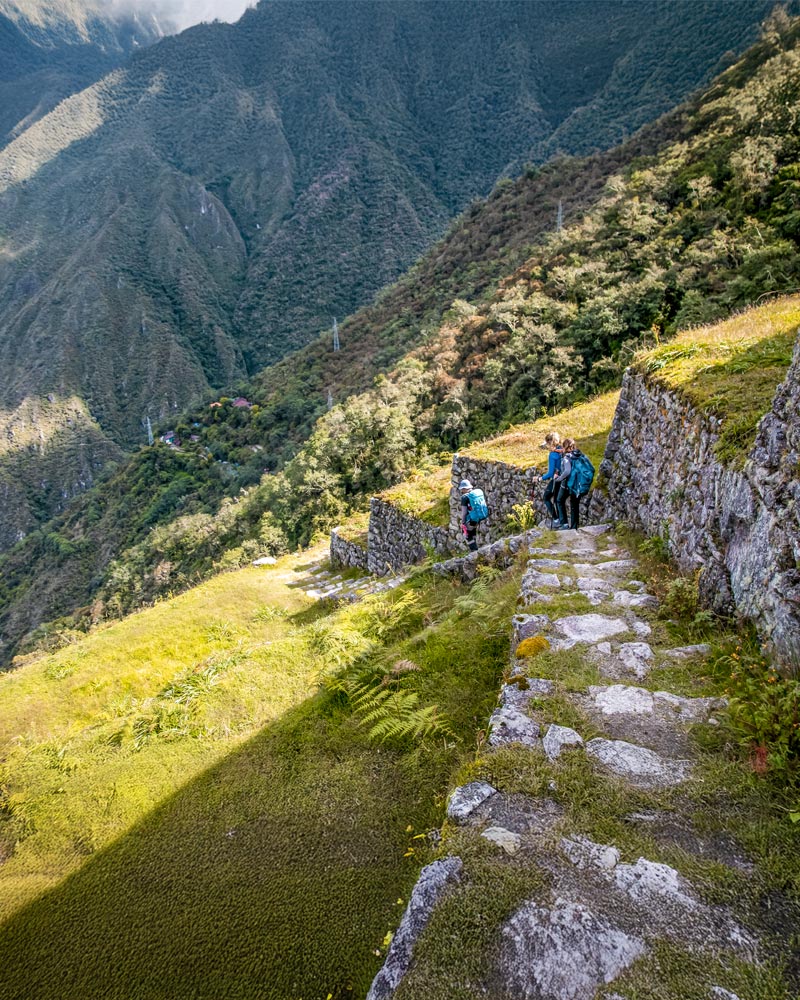
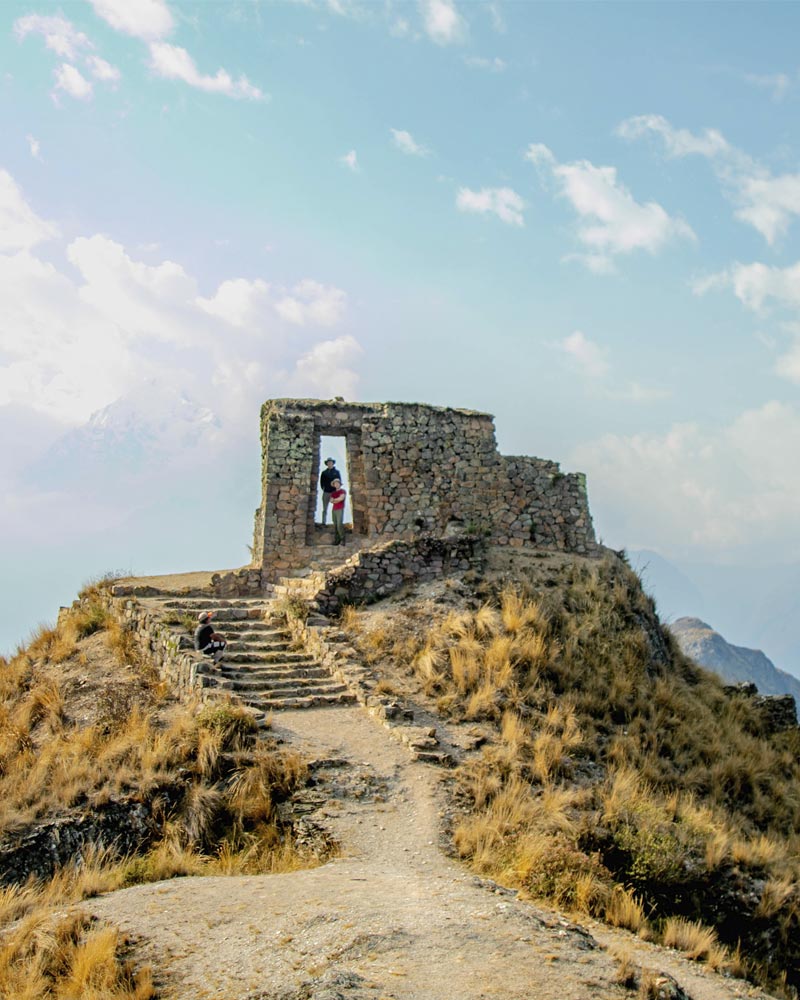
The most famous and ancestral trail in Peru. This 44 km (27-mile) trek follows original Inca paths through mountains, cloud forests, and smaller archaeological sites, culminating in the iconic entrance to Machu Picchu through the Sun Gate (Inti Punku).
- Included entrance ticket: Normally, this tour includes the ticket for Route 1-B (Upper Terrace), and some agencies such as Salkantay Trekking include Route 3-B (Designed Royal) for a more complete experience, which gives you access to the panoramic photo and an in-depth tour of the citadel. Talk to your operator if you want to extend it to other routes.
- Critical planning: Permits and spaces are extremely limited and must be booked 6 to 8 months in advance, especially during the high season.
Classic Salkantay Trek (5 days / 4 nights)
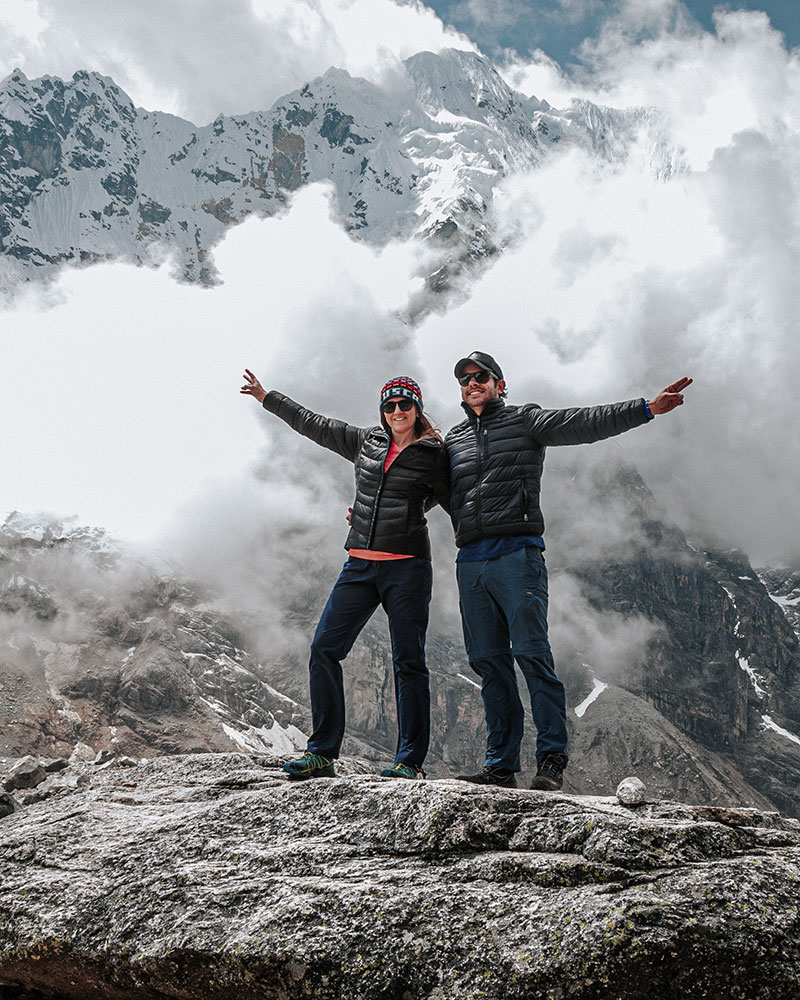
Considered one of the best hikes in the world, this route offers breathtaking scenery across more than 78 km (48 miles). It crosses the impressive Salkantay Pass (4,600 m / 15,190 ft) and descends into the high jungle, showcasing a dramatic transition from glaciers to tropical forest.
- Included entrance ticket: This package typically includes a ticket for one of the Circuit 2 (Classic) routes—either 2-A or 2-B—which allow you to explore the heart of the citadel. Check with your agency if you’d like to upgrade to mountain routes (Circuit 1 or 3), subject to availability.
- Planning required: While less restrictive than the Inca Trail, booking 3 to 4 months in advance is recommended to secure the best dates and guides.
Alternative routes:
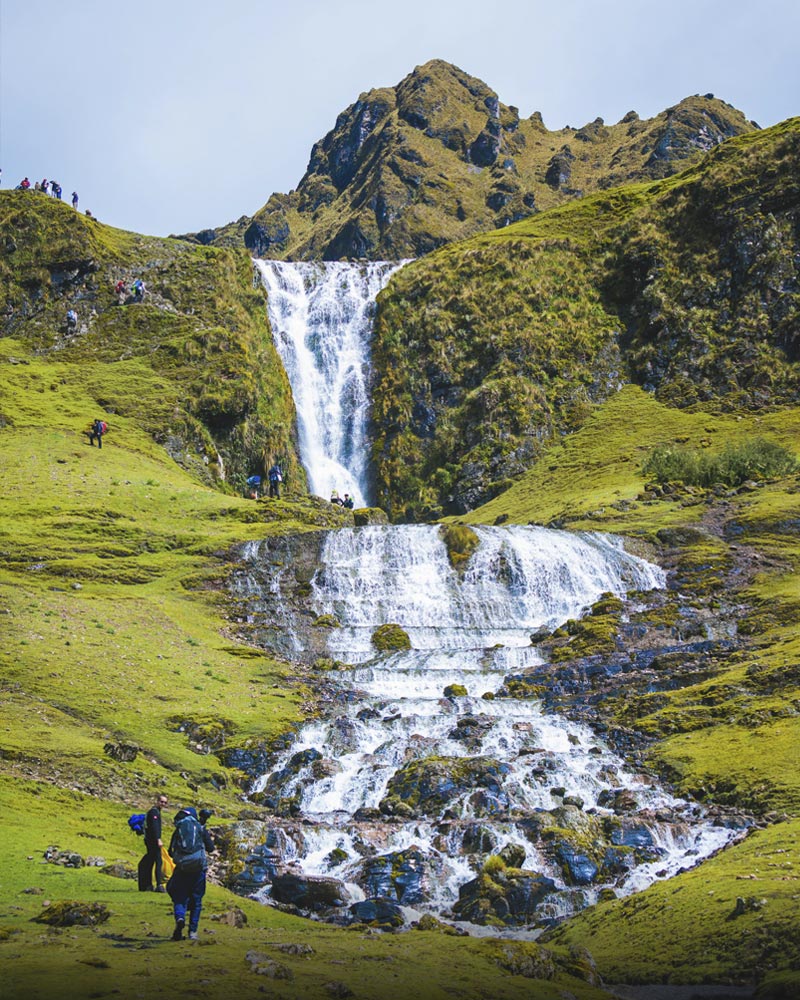
Like the Salkantay Trek, most alternative routes include a Circuit 2 (Classic) entrance ticket as part of the standard package, making them ideal for a first visit. The key advantage is that, when booking your tour, you can request your agency to upgrade this ticket to another circuit of your choice (such as Circuit 1 or Circuit 3), subject to availability and an additional cost.
- Inca Jungle (4 days): A mix of adventure activities (biking, rafting) and hiking, ideal for travelers seeking adrenaline and diverse landscapes.
- Lares route (4 days): A cultural trek through authentic Andean communities, focused on human connection and traditional weaving.
- Inca Quarry trek (4 days): A short but intense route exploring the ancient quarries where stone for Machu Picchu was sourced.
- Ancascocha (5 days): Known as the “Alternative Inca Trail,” this is a remote and challenging trek with glacial scenery and fewer crowds.
- Huchuy Qosqo trek (3 days): Connects Cusco with the archaeological site of Huchuy Qosqo, ideal for a historical immersion before reaching Machu Picchu.
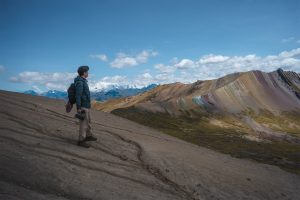
- Rainbow Mountain trek (5 days): Combines the challenge of Vinicunca (Rainbow Mountain) with the classic route to the Inca citadel.
Important note: For all these routes, it is recommended to book 3 to 4 months in advance, especially if you plan to upgrade the included entrance ticket to one of the more in-demand circuits.
Frequently asked questions
It is recommended to purchase Machu Picchu tickets at least 2 to 3 months in advance, especially during the high season (June 19 to November 2). Some circuits and time slots sell out quickly, so planning ahead helps secure availability and the best option for your itinerary.
For 2026, Machu Picchu will continue operating Circuits 1, 2, and 3, designed to manage visitor flow and protect the site. Each circuit offers different routes and viewpoints, so it’s best to choose based on your interests before purchasing. During the low season (November 3 to June 18), Routes 1-C, 1-D, 3-C, and 3-D do not operate.
Machu Picchu tickets can sell out in just days or weeks, especially Circuit 2, which is the most popular. During holidays, vacation periods, and peak-demand months, availability is even more limited, making early booking essential.
The only official website for purchasing Machu Picchu tickets is the Peruvian Ministry of Culture’s platform: tuboleto.cultura.pe. Buying through this site guarantees official prices, valid tickets, and helps you avoid fraud or overcharging by unauthorized intermediaries.
Ready to live the ultimate Machu Picchu experience?
Traveling to Machu Picchu is more than reaching a destination—it’s an experience built through careful planning. With this complete guide, you now have the key information needed to choose the right ticket and the best way to reach the Sanctuary. The next step is executing your plan with precision and turning that dream into unforgettable memories.
At Salkantay Trekking, we ensure that every Machu Picchu tour includes all logistics, entrance tickets, and permits, so all you have to do is enjoy the journey. Don’t let complexity overshadow the magic of this once-in-a-lifetime experience.
You may also be interested in:



Leave A Reply