
Peru isn’t just about stunning landscapes and ancient archeological sites. It’s also a food lover’s paradise. Peruvian food has earned a global reputation for good reason. It’s vibrant, diverse, and full of surprises.
From the zesty flavors of ceviche on the coast to hearty, soul-warming dishes in the highlands, every meal has a story behind it. If you’re planning a trek, a tour, or just a culinary adventure, understanding Peruvian cuisine is essential, because a Peru trip without eating like a local is almost not worth it at all.
Table of contents
- What Is Peruvian Food And Why It’s Famous?
- Regional Flavors: Coast, Highlands, And Jungle
- Famous Peruvian Dishes You Can’t Miss
- Ingredients You Will Only Find In Peru
- Is Peruvian Food Spicy? What You Should Know
- Tips For Trying Peru Food Safely
- Where To Enjoy These Dishes?
- More Than Just Food: The Culture On Your Plate
What Is Peruvian Food And Why It’s Famous?
So, what exactly is Peruvian food? At its heart, it’s a fusion of traditions. Indigenous Andean ingredients meet Spanish colonial influences, Chinese and Japanese techniques, and even African and Italian touches. The result is a cuisine that’s as diverse as Peru’s landscapes.
Peruvian food has something for everyone. Seafood lovers can head to the coast for fresh ceviche. Meat eaters savor roasted cuy (guinea pig) or tender alpaca in the mountains. Vegetarians and vegans aren’t left out either, as Peru’s incredible variety of potatoes, corn, quinoa, and beans means plant-based options are everywhere. It’s no wonder Peru has been called the gastronomical capital of South America.
In this guide, we’ll help you navigate the typical food in Peru, from what to try, where to find it, how spicy it is, and how to dive in without fear, even if your culinary courage usually ends at fries.
Regional Flavors: Coast, Highlands, And Jungle
Each region of Peru has its own flavor, ingredients, and must-try dishes. Think of it as a mini world tour in one country. Let’s explore each region.
Costa (The Coast)
The coastal region is where seafood reigns supreme. Lima, the capital, is packed with restaurants serving ceviche, tiraditos, and causas.
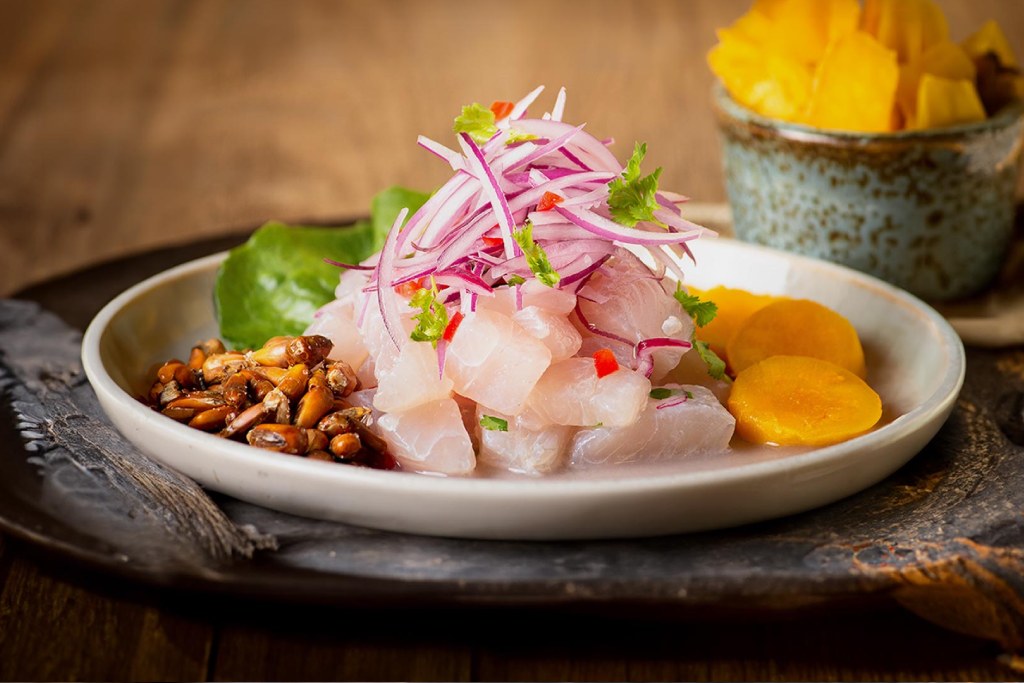
Ceviche is the undisputed star, made from raw fish marinated in lime juice, mixed with onions, cilantro, and ají peppers. It’s refreshing, tangy, and perfect after a day of hiking or a city tour.
Other coastal delights include tacu tacu, a dish made with rice and beans, and jalea, a crispy seafood platter.
Sierra (The Highlands)
The highlands, including Cusco and the Sacred Valley, are all about hearty, warming dishes. It gets cold up here. Think soups, roasted meats, and plenty of potatoes. The Andes are home to thousands of potato varieties, each one subtly different, and you’ll see them in every meal.
Pachamanca is a must-try of meats, potatoes, corn, and herbs slow-cooked underground with hot stones. High-altitude trekking works up an appetite, so dishes like this are ideal fuel.
Selva (The Jungle)
The Amazon region brings an entirely different set of ingredients once again. Think exotic fruits, freshwater fish, and bold, earthy flavours.
Juane is a mix of rice, chicken, olives, and spices wrapped in banana leaves. It’s a jungle classic. You’ll also find dishes featuring paiche, a large freshwater fish, and colorful fruits like camu camu, a tangy superfruit packed with vitamin C.
Famous Peruvian Dishes You Can’t Miss
Peru has hundreds of traditional plates, but if you want a solid hit list of famous Peruvian dishes to guide your trip (and avoid standing in front of a menu in mild panic), start here.
Ceviche
The crown jewel of Peruvian food. Fresh fish is marinated in lime juice, tossed with red onion, cilantro, and ají, and served with sweet potato and giant Peruvian corn. It’s bright, sharp, and wildly refreshing.
Traditionally eaten at lunchtime on the coast, ceviche is non-negotiable. If you try just one Peruvian dish, make it this.
Lomo Saltado
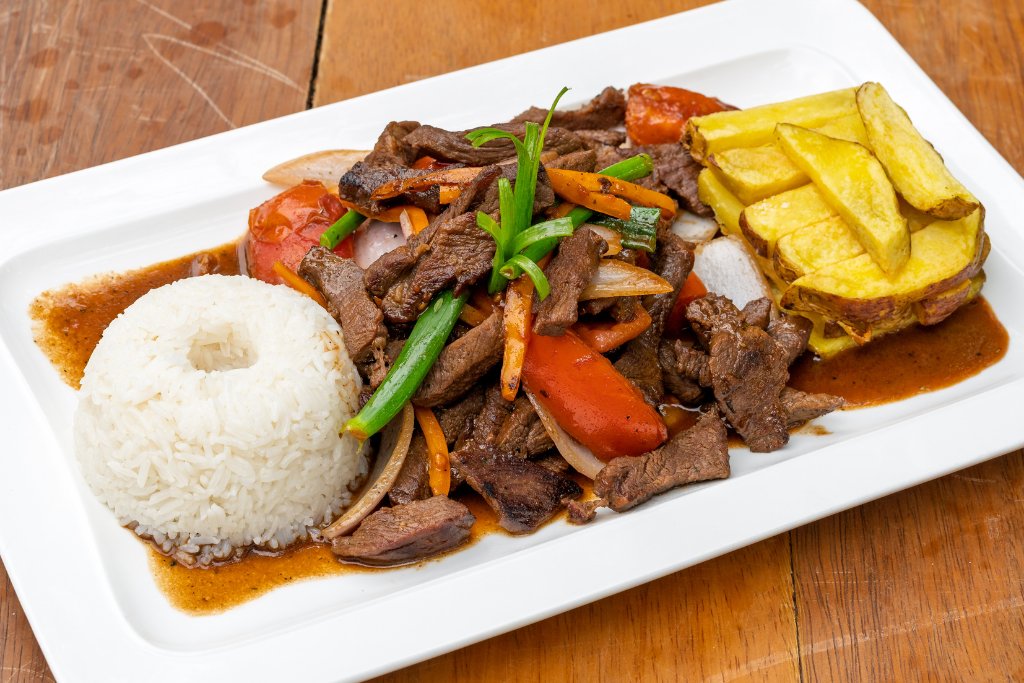
This is Peru’s ultimate comfort food. Stir-fried beef, onions, tomatoes, soy sauce, and vinegar, all served with rice and fries. Yes, fries.
Lomo saltado shows the Chinese influence on Peruvian cuisine, and it’s proof that fusion food existed here long before it was trendy. It’s hearty, flavorful, and usually a safe bet if you’re easing into Peru dishes for the first time.
Aji de Gallina
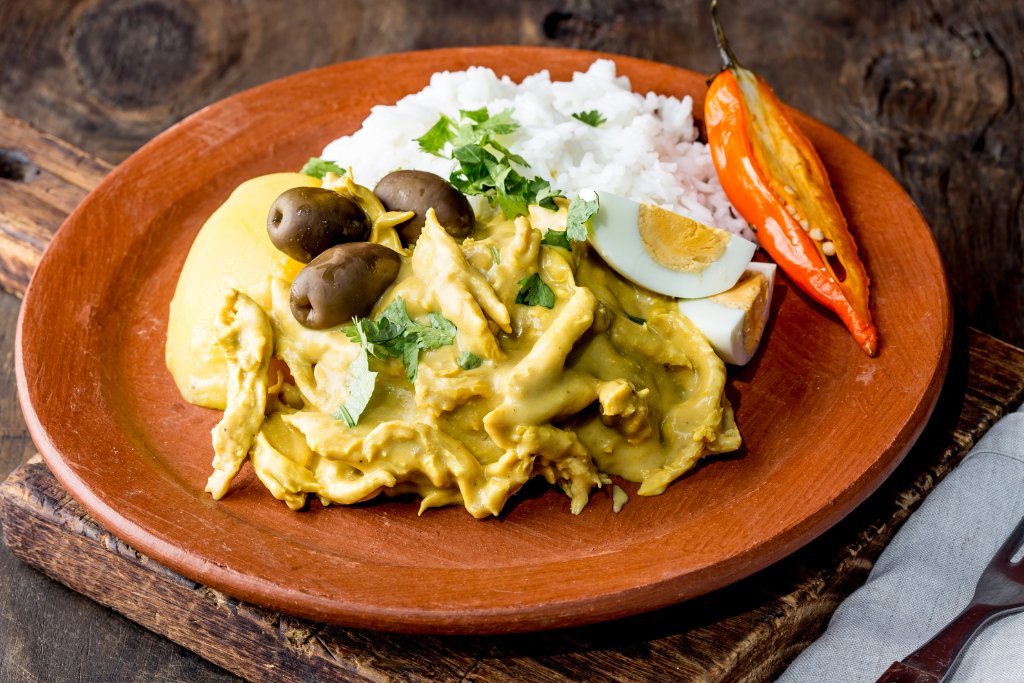
Creamy, slightly spicy shredded chicken in a rich yellow ají sauce, served over potatoes and rice. It’s comforting without being heavy and has just enough kick to keep things interesting.
If you’re wondering, “Is Peruvian food spicy?” this is a good example. It’s more warmth than fire.
Anticuchos
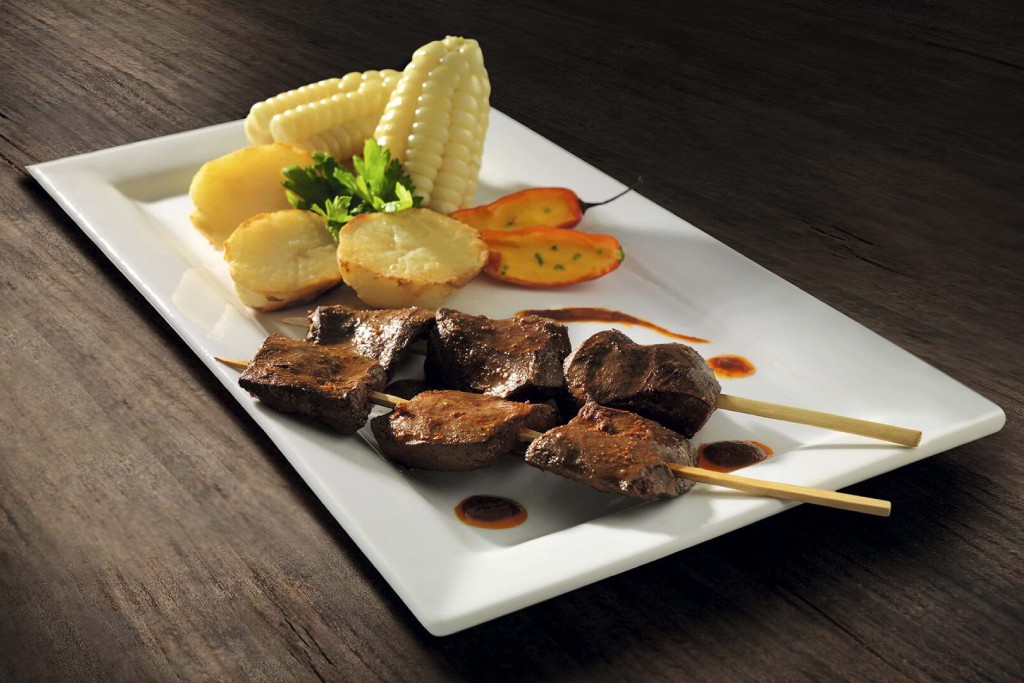
Street food at its finest. These skewers, traditionally made with beef heart, are marinated in spices and grilled over open flames.
Before you panic at the word “heart,” know they’re tender, smoky, and surprisingly approachable. You’ll find anticuchos at markets and street stalls, especially in the evenings.
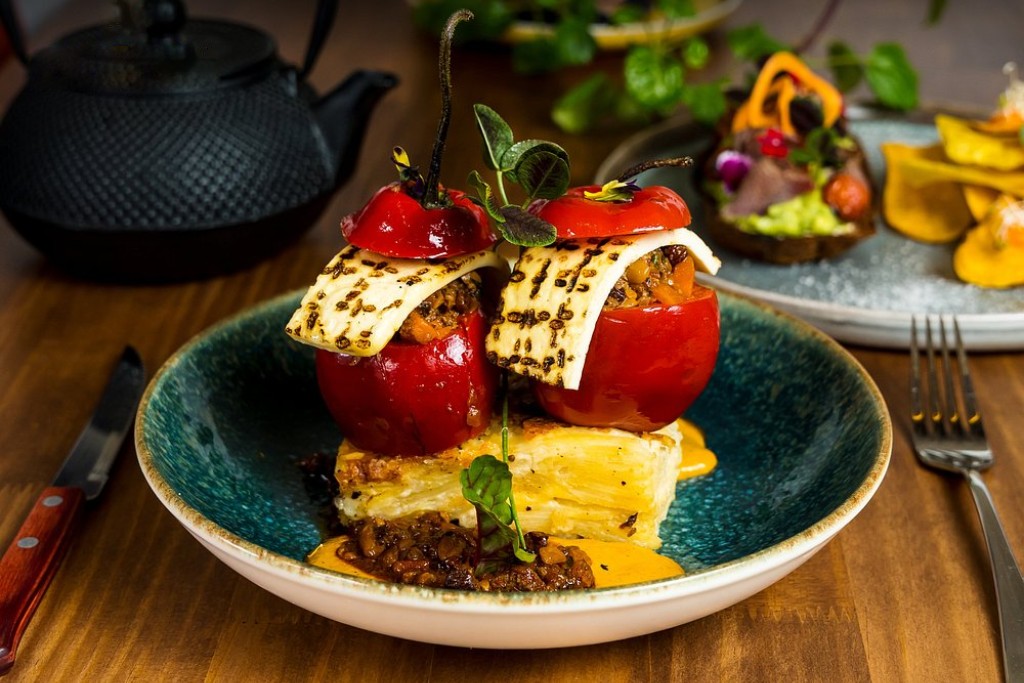
Rocoto Relleno
From the southern city of Arequipa, rocoto relleno is a spicy red pepper stuffed with seasoned meat, vegetables, and cheese, then baked.
This is one of the spicier traditional Peruvian food options. If you enjoy bold flavors and aren’t afraid of a little sweat on your forehead, this one’s for you.
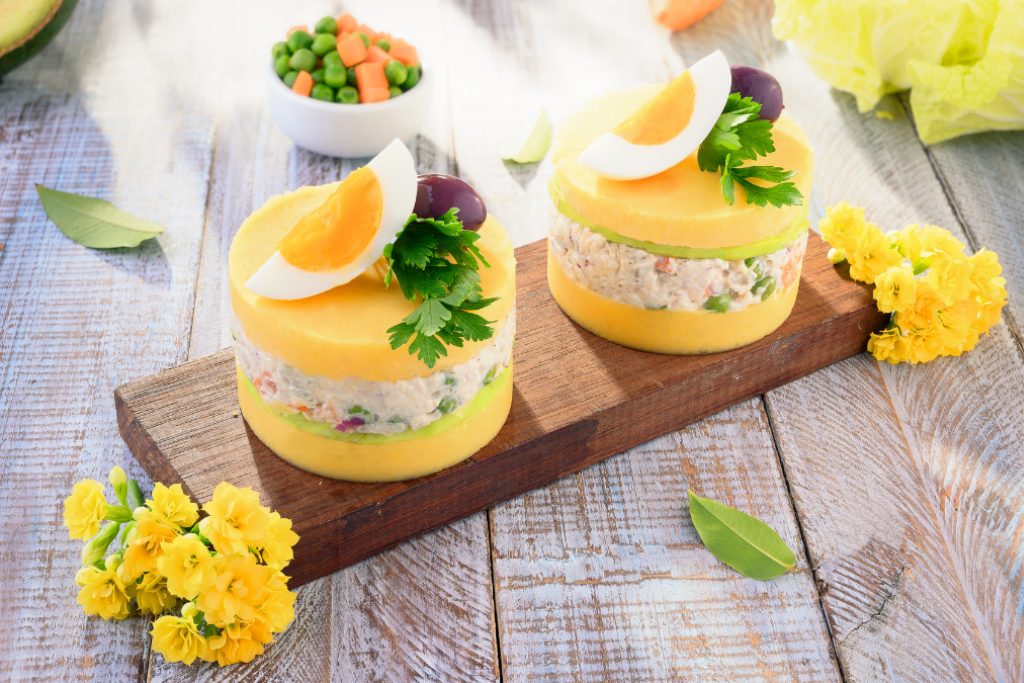
Causa Limeña
This dish is made up of layers of mashed yellow potato seasoned with lime and ají, filled with tuna, chicken, or avocado. Served cold and beautifully presented, causa limeña feels elegant but still very Peruvian.
It’s lighter than many highland dishes and often served as a starter.
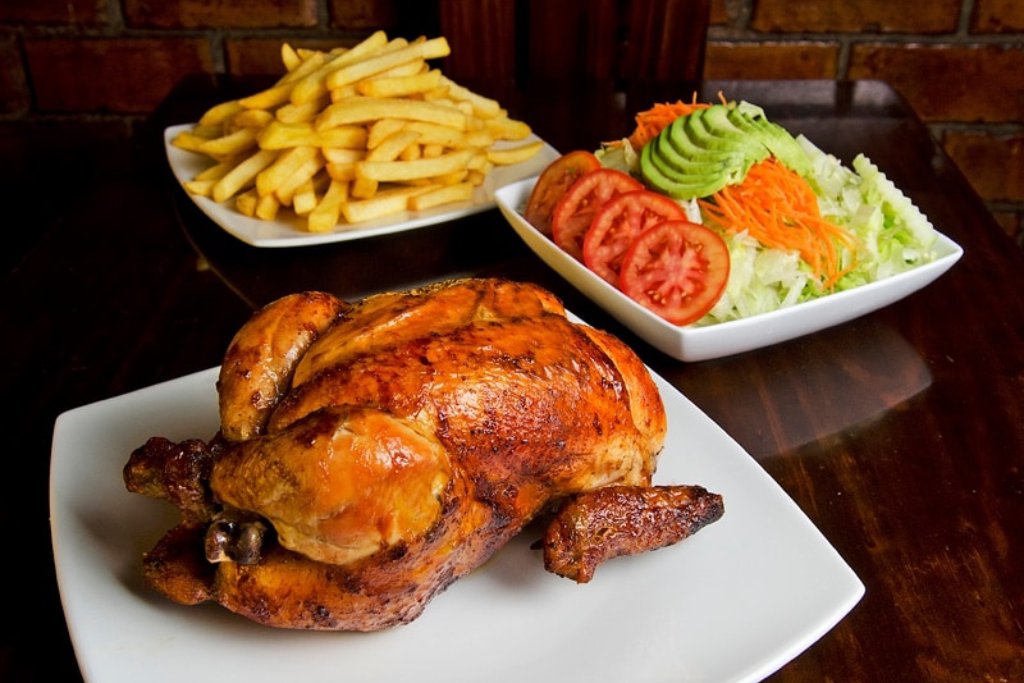
Pollo a la Brasa
Peru’s obsession and version of ‘fast food’. Once you try it, you’ll understand why. Rotisserie chicken is marinated in spices, then roasted until perfectly crisp on the outside and juicy inside, and finally served with fries and salad.
You’ll see pollo a la brasa everywhere. It may seem simple, but it’s one of the most loved Peru famous food staples.
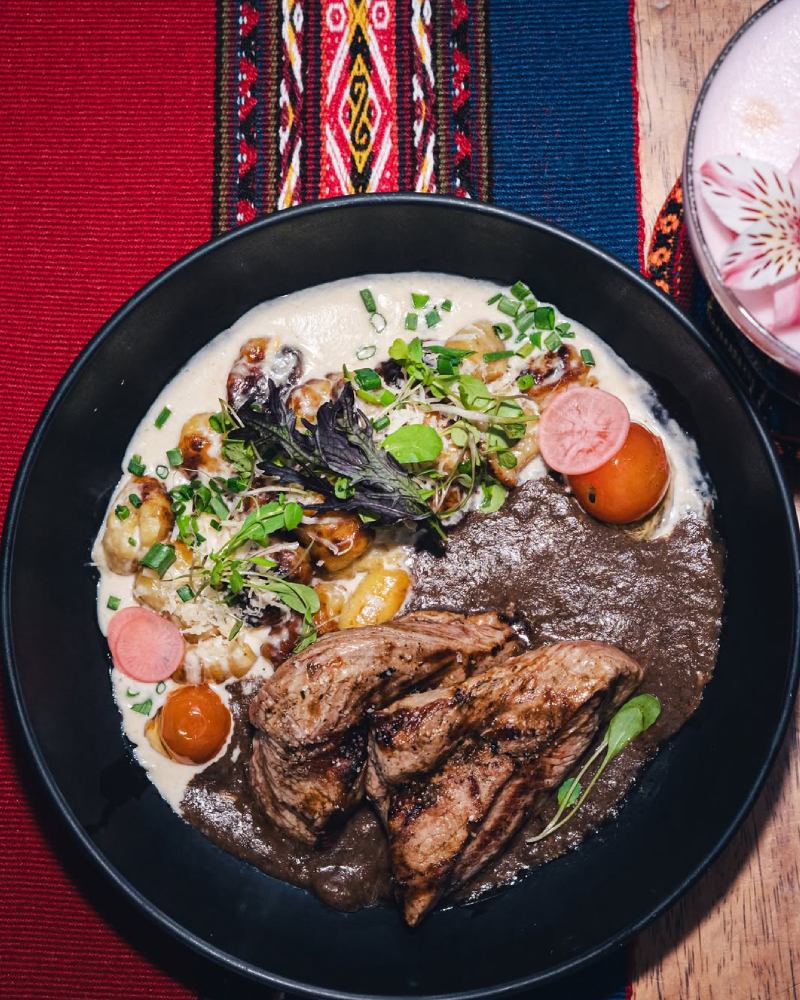
Alpaca And Andean Specialties
In the highlands, you’ll find alpaca meat served grilled or in stews. It’s lean, tender, and milder than you might expect.
Other Andean specialties include guinea pig, often roasted whole for festivals and celebrations. These dishes are deeply tied to Peru traditional food culture and offer a real connection to life in the Andes.
Pachamanca
This is more than a meal. It’s an experience. Meats, potatoes, corn, and herbs are cooked underground using hot stones, a method dating back to pre-Inca times.
Pachamanca is communal, earthy, and rooted in tradition. If you get the chance to try it in the Sacred Valley or rural Andes before or after a trek, take it. It’s traditional Peruvian food in its most authentic form.
Ingredients You Will Only Find In Peru
One of the reasons Peruvian food stands out across the world is its ingredients. Peru isn’t just cooking well, it’s cooking with things you genuinely won’t find anywhere else in the world. Geography helps. So does 5,000 years of agricultural history.
Here’s what makes Peruvian cuisine truly unique.
Native Potatoes And Corn Varieties
Peru is home to over 3,000 types of potatoes. Purple, red, tiny, knobbly, floury, waxy. There’s a potato for every Peru dish imaginable.
Corn is just as impressive. Giant white kernels, deep purple corn used for the drink chicha morada, and sweet Andean varieties are all part of traditional Peruvian food. It’s not corn how you know it, though. It’s bigger, bolder, and often sweeter.
Quinoa And Ancient Grains
Long before quinoa became a global health trend, it was part of daily life in Andean communities at high altitude. Today, it’s still a staple in soups, stews, salads, and even breakfast dishes.
Other ancient grains like kiwicha (amaranth) and cañihua are packed with nutrients. These grains are part of what makes Peru food both hearty and naturally nutritious.
Unique Herbs And Sauces
Ají chilli peppers are the backbone of Peruvian cuisine. From ají amarillo (mild and fruity) to rocoto (seriously spicy), these peppers add depth rather than just heat.
Then there’s the huacatay herb, which gives sauces a fresh, slightly smoky flavor you won’t taste elsewhere. Many traditional Peruvian food sauces blend herbs, peppers, and oil into bright, tatsy additions that make even the simplest dish much more exciting,
Is Peruvian Food Spicy? What You Should Know
One common worry for visitors: “Is Peruvian food spicy?” Well, it depends. Most traditional dishes aren’t overwhelmingly hot. Many use ají to add flavour rather than just heat.
If you’re sensitive to spice, you can ask for dishes to be “poco picante” (mild) or avoid sauces on the side. Most places in popular tourist zones will be happy to prepare your dish without any spice if you ask.
For those who love a bit of a kick, ceviche and ají de gallina offer a gentle kick. In other words, Peruvian cuisine balances flavour and spice beautifully.
Tips For Trying Peru Food Safely
Trying Peru dishes for the first time can feel overwhelming. The menus are new, the ingredients might be unfamiliar, and you may be wondering what your stomach is about to sign up for. The good news? With a little common sense and a few smart choices, exploring Peruvian cuisine can be both safe and seriously rewarding.
Street Food Vs Restaurant Food
Street food is a huge part of Peruvian food culture. Anticuchos sizzling over charcoal, fresh juices blended on the spot, late-night pollo a la brasa spots packed with locals. It’s all part of the experience.
Look for busy stalls with high turnover. If locals are lining up, that’s usually a good sign. Food should be freshly cooked and served hot. Avoid anything that’s been sitting out for hours.
Restaurants offer more control, especially if you’re easing into Peru dishes. Established restaurants in Lima, Cusco, and the Sacred Valley follow strong hygiene standards and are a safe bet for first-time visitors.
Food Safety Recommendations For Travelers
A few simple habits go a long way when diving into traditional Peruvian food:
- Stick to bottled or filtered water, even when brushing your teeth.
- Be cautious with raw foods for the first couple of days while your body adjusts.
- Eat freshly cooked meals whenever possible.
- Wash or sanitize your hands before eating.
Ceviche, for example, is safe and delicious when prepared properly. Just avoid raw seafood from questionable sources.
If you’re trekking in Peru, your guides and cooks are trained to prepare meals safely at altitude. It’s wise not to experiment too wildly the night before a big hike. Save the bold culinary risks for when you’re not climbing a mountain the next morning.
What To Do If You Have Dietary Restrictions
If you’re vegetarian, vegan, gluten-free, or have other allergies, you can still enjoy Peruvian cuisine without stress. Corn, quinoa, and potatoes are naturally vegan ingredients and generally suitable for most diets, meaning those with restrictions can still enjoy plenty of choice.
Many Peru meals are adaptable to your diet. Quinoa soups, vegetable stews, causa without meat, grilled vegetables, and rice and bean dishes. Plant-based options are widely available. “Sin carne” means without meat and “sin lácteos” means without dairy.
For allergies, it’s helpful to learn a few key phrases in Spanish or carry a translation card explaining what you can and can’t eat. Larger restaurants in tourist areas are used to dietary requests and can usually adjust dishes accordingly.
Adjusting What You Eat At High Altitude
If you’re heading straight to high altitude destinations like Cusco or the Sacred Valley, keep altitude sickness in mind when choosing what to eat. Heavy, greasy, or overly rich meals can feel harder to digest while your body is adjusting.
During your first day or two at altitude, stick to lighter options like soups, simple rice dishes, quinoa-based meals, or grilled proteins. Give your body time to adapt before diving into the heaviest traditional Peruvian food feasts.
Where To Enjoy These Dishes?
Here’s what to look out for on the different parts of our trip, whether you fit it in before or after your trip to Machu Picchu:
- Cusco And Sacred Valley: High-altitude comfort foods like pachamanca, soups, and roasted meats.
- Lima: The capital is all about seafood and modern versions of traditional dishes. It’s perfect for foodies with adventurous taste buds.
- Amazon: Fresh fruits, fish, and exotic preparations make these zones a culinary highlight.
Matching the dish to the place improves the experience. Eating ceviche at the source or pachamanca in a small Andean village is vastly different from a city restaurant and way more memorable.
More Than Just Food: The Culture On Your Plate
Peruvian foods aren’t just about flavors. They’re a gateway to culture, history, and people. Each dish reflects a region, a community, and a story. Eating like a local connects you to Peru in a way that sightseeing can’t.
If you’re going on a trek, every meal becomes part of the journey. Picture warming soups after a cold morning hike, sharing pachamanca with fellow trekkers, or enjoying fresh ceviche after a day exploring the Sacred Valley. Food enhances the adventure, making memories stick as vividly as the mountains themselves.
Peruvian cuisine is bold, diverse, and deeply tied to the land. Whether you’re wandering the coast, trekking through the mountains, or exploring the Amazon, there’s a dish you simply must try. So don’t overthink it, book your trip, embrace the flavors, ask for recommendations, and let your palate lead the way. Every bite is an adventure, and in Peru, the adventure never ends.








Leave A Reply