
The Salkantay Trek is a five-day journey through high Andean passes, cloud forest, glacial valleys, and changing microclimates. One day you’re freezing at 15,000 feet (4,500 meters). The next, you’re sweating in humid jungle air. If you pack wrong, you feel it. Every. Single. Step.
Now here’s the thing: most articles and guides tell you what to bring. Very few explain what gear to choose and how to organize the best trekking pack so you actually enjoy the trip.
That’s what we’re doing here.
This guide goes deeper. We’re talking the best hiking backpacks, the difference between hiking boots for men and women, weight distribution, and how to pack a trekking backpack like someone who knows what they’re doing. We’ll also give you some tips on what not to bring.
Why? Because you didn’t fly to Peru to suffer over bad gear choices.
Table of contents
- What Is The Salkantay Trek?
- How To Pack Smart On The Salkantay Trek In Peru
- What Size Backpack Do You Actually Need?
- Technical Features Your Backpack Must Have
- The Best Trekking Packs: How To Pack The Right Way
- Best Hiking Backpacks For The Salkantay Trek In Peru
- Choosing The Best Hiking Boots For The Andes
- Water Storage: Bottles Vs Hydration Bladders
- Essential Clothing Items
- Preparing For All Kinds Of Weather
- Toiletries You’ll Actually Need
- Technology To Bring (And What To Skip)
- Gear Rental If You Need It
- Other Essentials You Can’t Forget For The Salkantay Trek
- What Not To Bring On The Salkantay Trek
- Common Mistakes When Packing For The Salkantay Trek
- Packing For The Salkantay Trek: Fear Vs Reality
- Frequently Asked Questions
- Pack Smart, Hike Happy, And Enjoy Every Step
What Is The Salkantay Trek?
The Salkantay Trek is one of the most spectacular multi-day hikes in all of Peru, and arguably the most scenic alternative route to Machu Picchu.
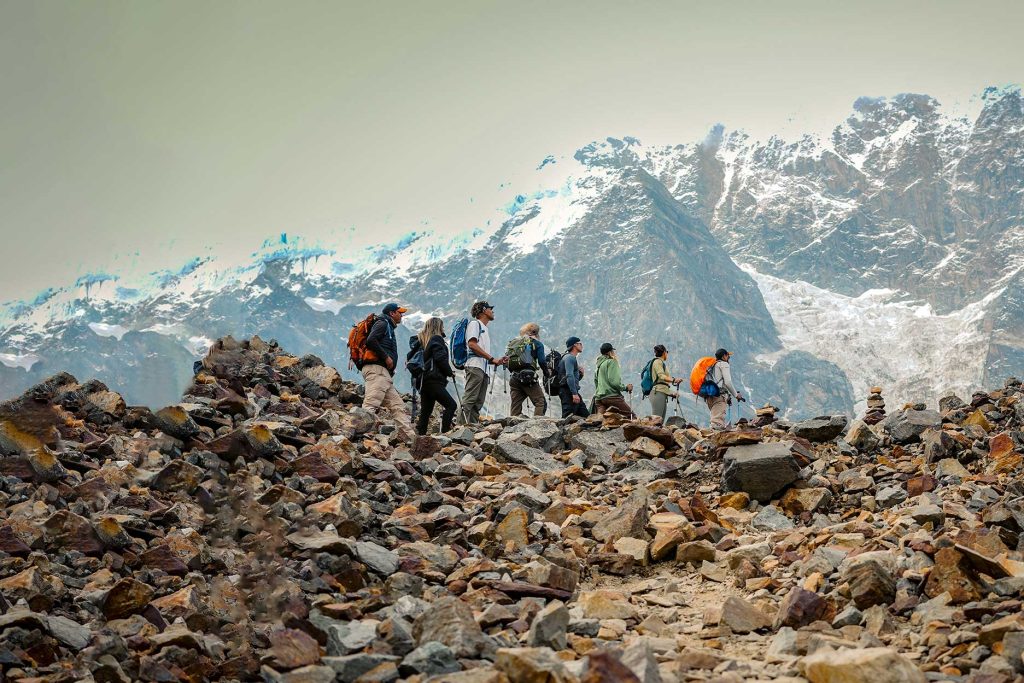
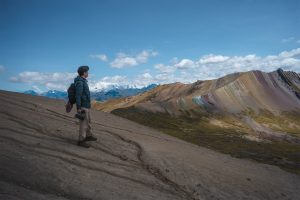
Instead of following the classic Inca Trail, this route takes you deep into the Andes, past snow-capped peaks, turquoise glacial lakes, remote mountain passes, and down into lush cloud forest. It’s wild, dramatic, and less crowded.
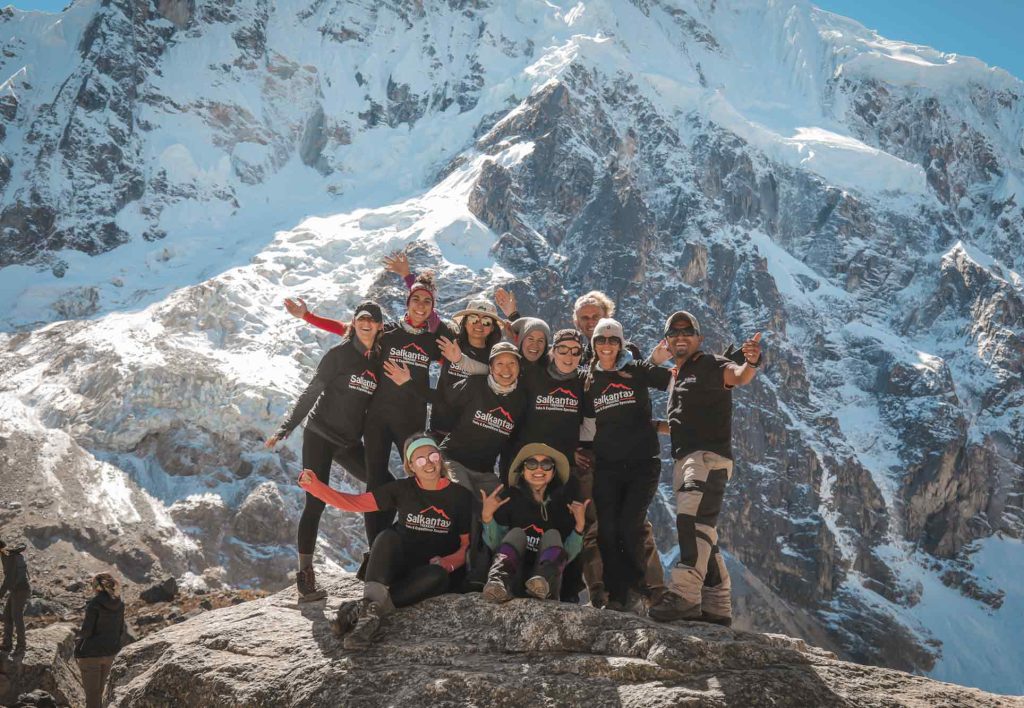
The highest point, the Salkantay Pass, sits at 15,190 feet (4,630 meters). That means real altitude, real weather changes, and real trekking days. You’ll hike through freezing alpine conditions one morning and humid jungle trails a day later.
Most itineraries run 4 to 5 days and finish in Machu Picchu town (Aguas Calientes), making it both a physical challenge and a bucket-list experience rolled into one.
It’s not technical climbing. You don’t need mountaineering skills. But you do need decent fitness, smart packing, and the right gear to handle changing terrain and temperatures.
And that’s exactly why choosing the right equipment matters so much.
How To Pack Smart On The Salkantay Trek In Peru
So what does packing smart for the Salkantay Trek in Peru actually entail?
It’s not about bringing more, but about bringing the right stuff.
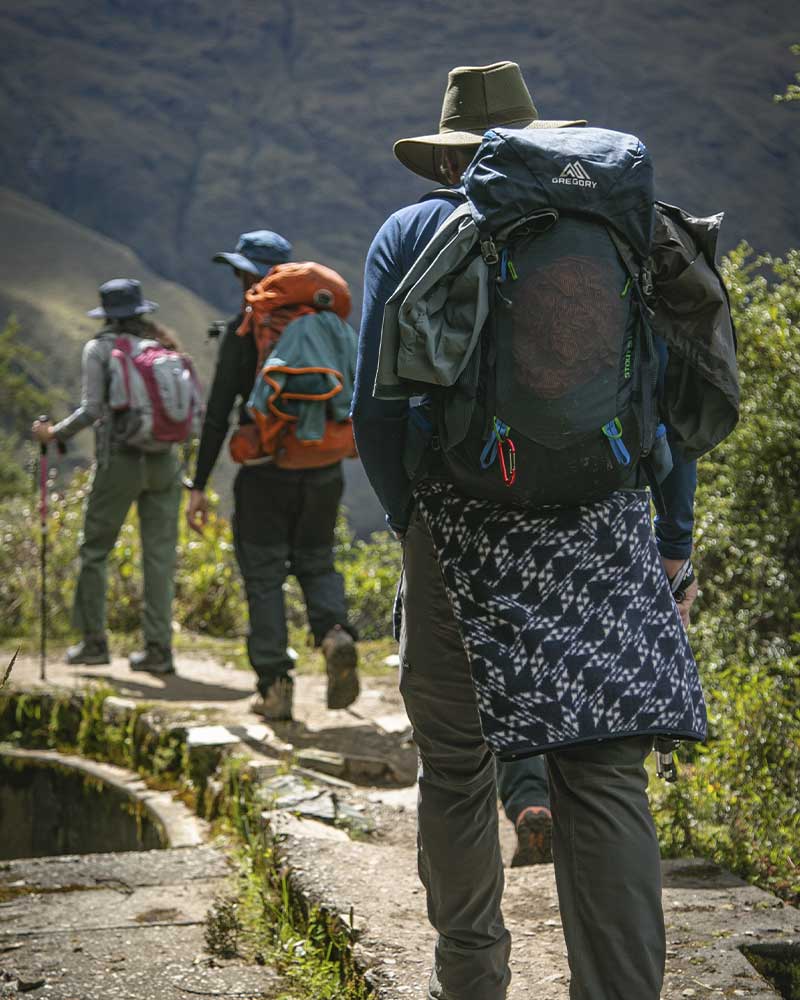
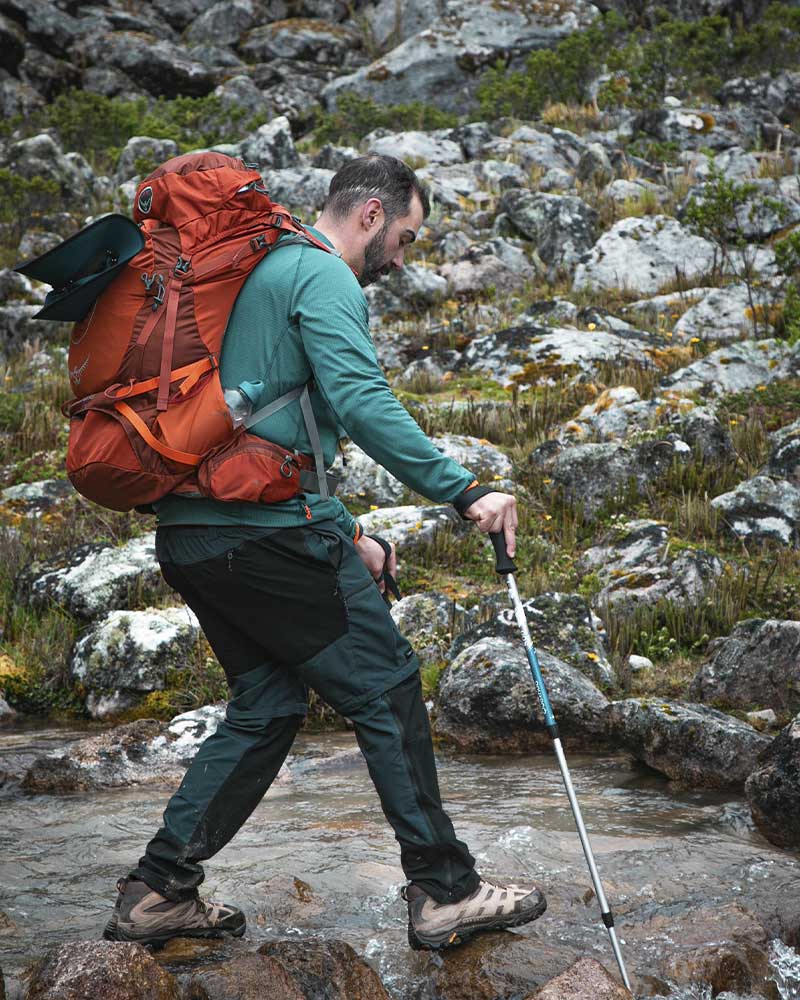
Packing smart means choosing the right backpack size for your setup. It means selecting hiking boots that can handle rocky Andean terrain without destroying your feet. It means understanding how to pack a trekking backpack so the weight sits correctly on your hips, not dragging your shoulders backward.
On the Salkantay Trek, you’ll cross high mountain passes, face some pretty chilly nights, strong sun, possible rain, and long hiking days. Smart packing prepares you for all of this without overloading you.
In practical terms, packing smart means:
- Choosing one of the best trekking packs for multi-day comfort
- Distributing weight properly inside your backpack
- Choosing layers that can adapt to changing temperatures
- Avoiding items you don’t need that add weight but no value
- Prioritizing comfort and function over “just in case” extras
The difference between a trek that feels challenging in a good way and one that feels exhausting for the wrong reasons usually comes down to gear choices and organization.
What Size Backpack Do You Actually Need?
This is the big question.
40L? 50L? 65L?
The answer depends on how you’re trekking.
If You’re Trekking With A Tour Operator
Most organized Salkantay treks include a duffel bag carried by mules. You’ll usually get a weight allowance of up to 5 kg/11 lbs. That means you only need to hike with a daypack.
Here’s what we think works:
- 20L to 30L daypack is ideal
- Enough room for water, layers, snacks, rain jacket, sunscreen, and camera
- Comfortable shoulder straps and a hip belt are still essential
You do not need a 65L monster on your back if your main luggage is being carried.
And honestly? You’ll be happier without it.
If You’re Carrying All Your Own Gear
If you’re doing the trek independently and carrying everything:
- 40L to 50L is the sweet spot
- 65L is usually too big unless you overpack (which many people do)
A 40L pack forces you to be intentional with your decisions and is perfect if you’re going to be staying in ready-made accommodation along the way. A 50L pack is necessary if you’re going to be carrying your tent, sleeping bag, and other essentials you need for the trek. A 65L pack invites you to bring three “just in case” sweaters you’ll never wear.
Choose wisely.
Technical Features Your Backpack Must Have
Not all hiking backpacks are created equal. For multi-day trekking, you want:
Adjustable Suspension System
Your torso length matters more than your height. A pack that doesn’t fit your torso will ruin your shoulders by day two.
Padded Hip Belt
About 70–80% of your pack weight should sit on your hips, not your shoulders. If the hip belt feels flimsy in the store, it’ll feel worse at 15,000 feet.
Ventilated Back Panel
The Andes get hot when you’re climbing and even hotter once you hit the high jungle. A mesh back panel reduces that sweaty-back situation.
Rain Cover
Afternoon rain in the Andes is common. Some of the best trekking packs include one. If not, buy one.
Multiple Compartments (But Not Too Many)
You want:
- Bottom section for sleeping gear (if carrying it)
- Main compartment
- Easy-access top pocket
- Side pockets for water
- Pockets in waist strap for snacks and frequently used items
You don’t need 17 tiny secret pockets or you’ll never find what you’re looking for.
The Best Trekking Packs: How To Pack The Right Way
This is where people get it wrong.
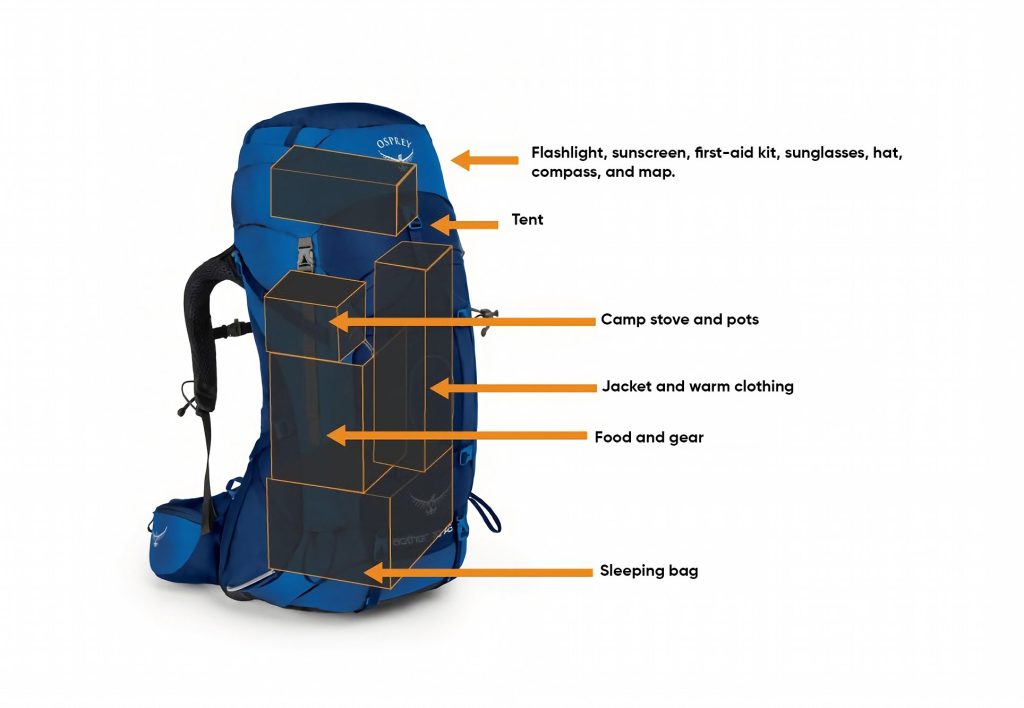
Packing isn’t just about fitting everything inside. It’s about weight distribution. Here’s how to pack a trekking backpack, and well.
Bottom Of The Pack: Light And Bulky
- Sleeping bag
- Down jacket (if not wearing it)
- Extra layers
These items cushion your lower back.
Middle Of The Pack: Heavy And Close To Your Spine
- Water
- Food
- Cooking gear (if doing the hike independently)
- Dense items
Keep heavy items centered and close to your back. If they sit too far out, you’ll feel pulled backward.
Top Of The Pack: Frequently Used Items
- Rain jacket
- Gloves
- Hat
- Snacks
- Small first aid kit
Outer Pockets: Quick Access
- Sunscreen
- Sunglasses
- Lip balm
- Toilet paper
Keep balance in mind. Uneven weight equals uneven walking and some sore body parts by lunchtime.
Best Hiking Backpacks For The Salkantay Trek In Peru
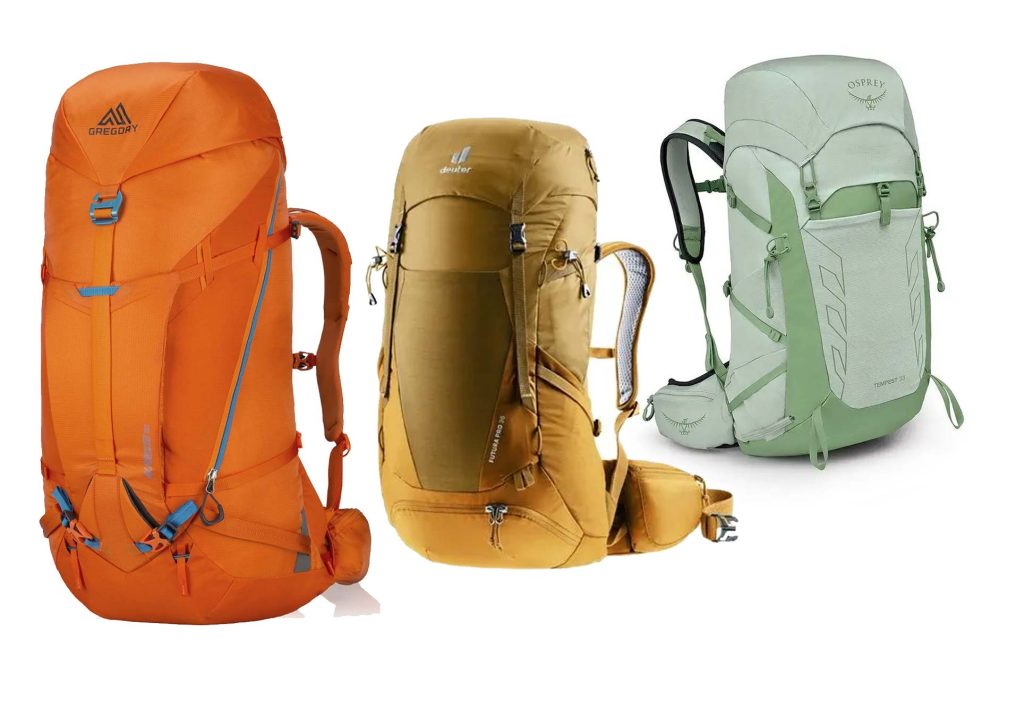
When looking at the best hiking backpacks, prioritize:
- Comfort over style
- Proper fit over brand name
- Lightweight when it’s empty
Well-known brands, like Osprey, consistently offer strong suspension systems and durability for Andean conditions.
Try packs on with weight inside them before buying. Don’t test an empty pack and assume it’ll feel the same loaded.
It won’t.
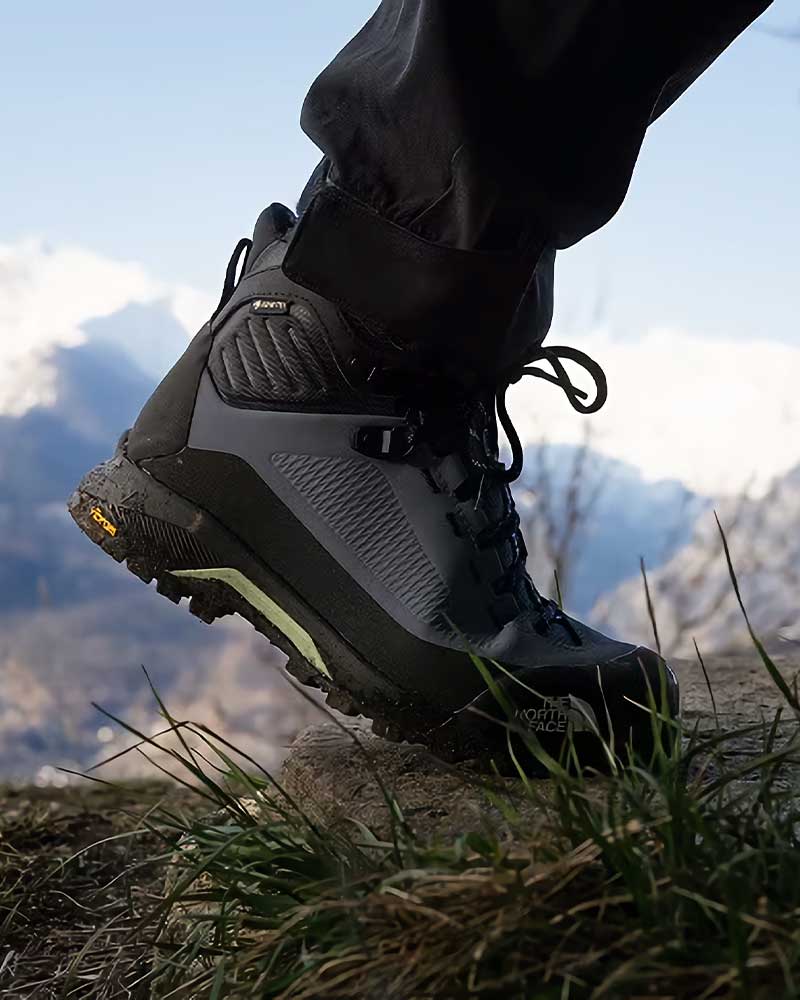
Choosing The Best Hiking Boots For The Andes
If you think of your backpack as your engine, think of your boots as your tires.
Oh, and it;s important to remember that the Andes are not forgiving. Choosing the best hiking boots is essential to your comfort along the trail.
What To Look For In Hiking Boots
- Waterproof (Gore-Tex or equivalent)
- Ankle support
- Strong grip outsole
- Broken-in before arrival
Blisters at altitude feel personal and there’s no time to heal when you’ve got to keep moving.
Hiking Boots For Women
Male and female footwear are slightly different in their form. The best hiking boots for women are built with:
- Narrower heels
- Different arch support
- Slightly lower ankle height in general
Look for models specifically designed for women rather than just smaller men’s sizes.
Hiking Boots For Men
Men’s boots generally have:
- Wider heel base
- Higher volume fit
- Slightly firmer midsoles
Fit is everything. Your toes shouldn’t slam into the front on descents.
Pro tip: Go half a size up if you’re between sizes. Your feet swell on long hikes.
Water Storage: Bottles Vs Hydration Bladders
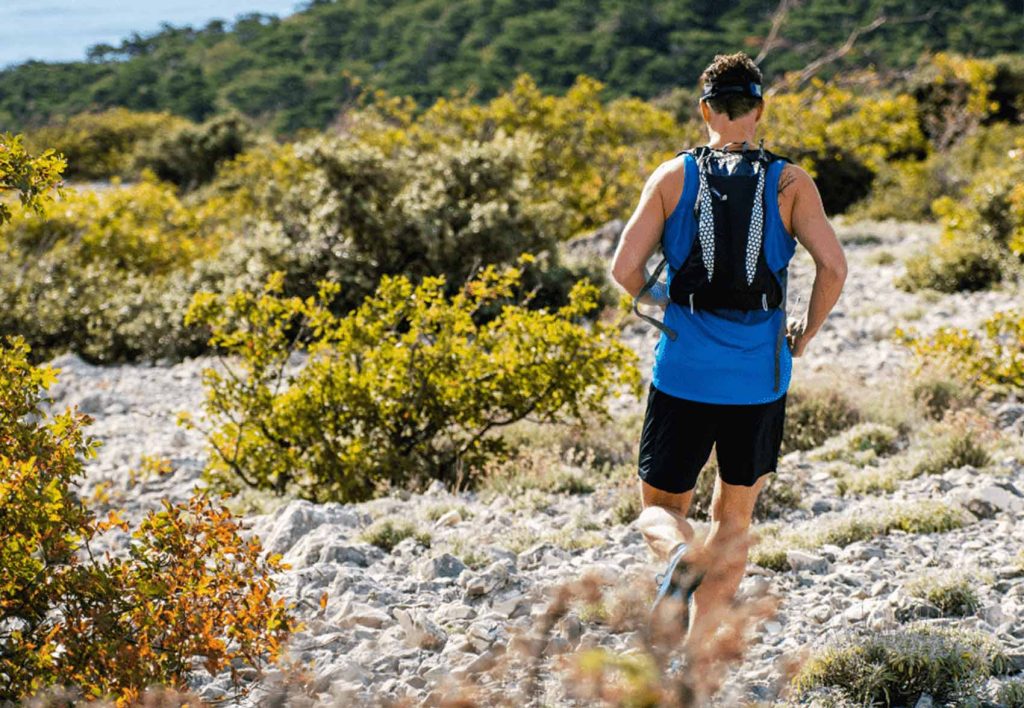
Hydration at altitude is non-negotiable. You’ll need to keep your water close by and sip little and often.
You’ll want capacity for at least 2–3 liters per day.
Two good options are:
Hydration Bladder
- Easy to sip while walking
- Encourages consistent drinking
- Fits well in most daypacks
Reusable Water Bottles
- More durable
- Easier to refill and clean
- No surprise leaks in your pack
Either works. Just don’t rely on a single small bottle.
Pro tip: Staying hydrated helps prevent altitude headaches and fatigue. Drink more than you think you need.
Essential Clothing Items
This isn’t a fashion show. It’s a mountain trek. Nothing looks as good as being comfy feels.
The best trekking packs should include the following clothing essentials:
- 2–3 moisture-wicking shirts
- 1–2 hiking pants (quick-dry)
- Thermal base layers (top and bottom)
- Insulated jacket
- Waterproof rain jacket
- Warm hat and gloves
- Sun hat
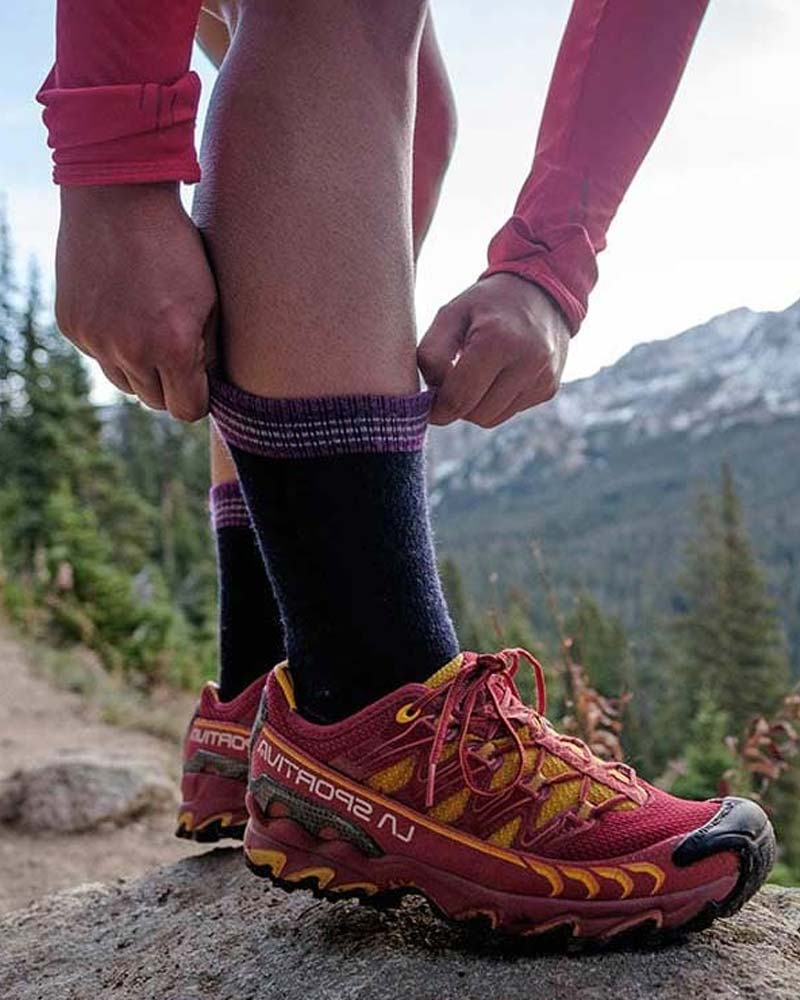
- 3–4 pairs of good hiking socks
Bring fewer pieces than you think. Rewear strategically. No one cares. You’re all in the same boat.
Preparing For All Kinds Of Weather
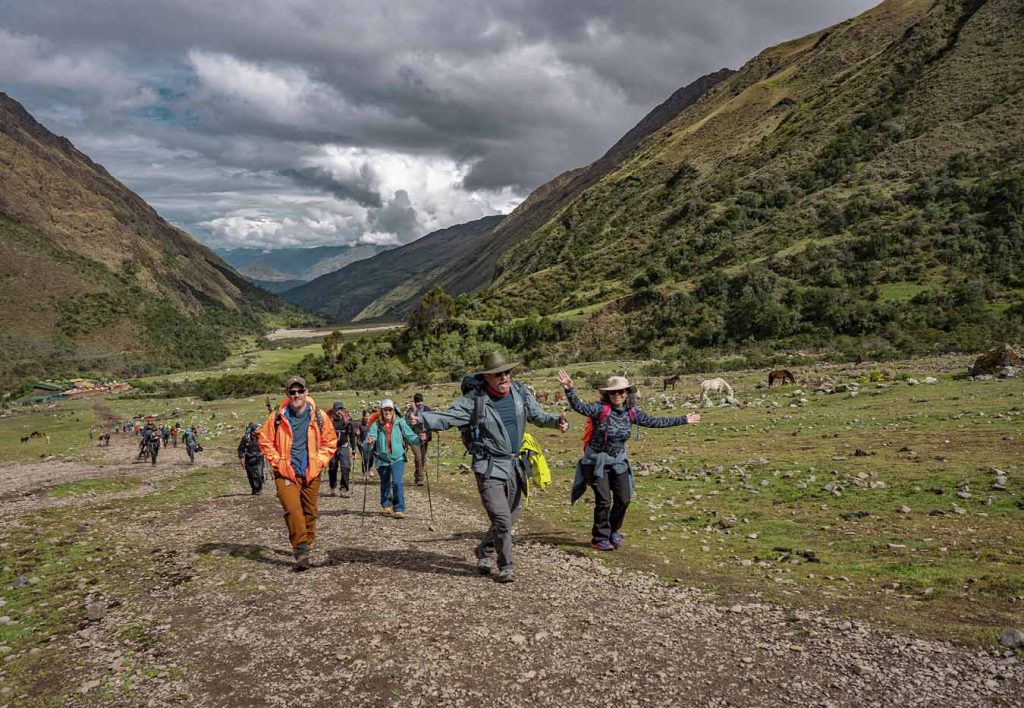
The Andes don’t care what your weather app may say.
On the Salkantay Trek in Peru, you can experience:
- Freezing mornings
- Intense midday sun
- Afternoon rain
- Humid jungle heat
- Cold nights at altitude
In one trip.
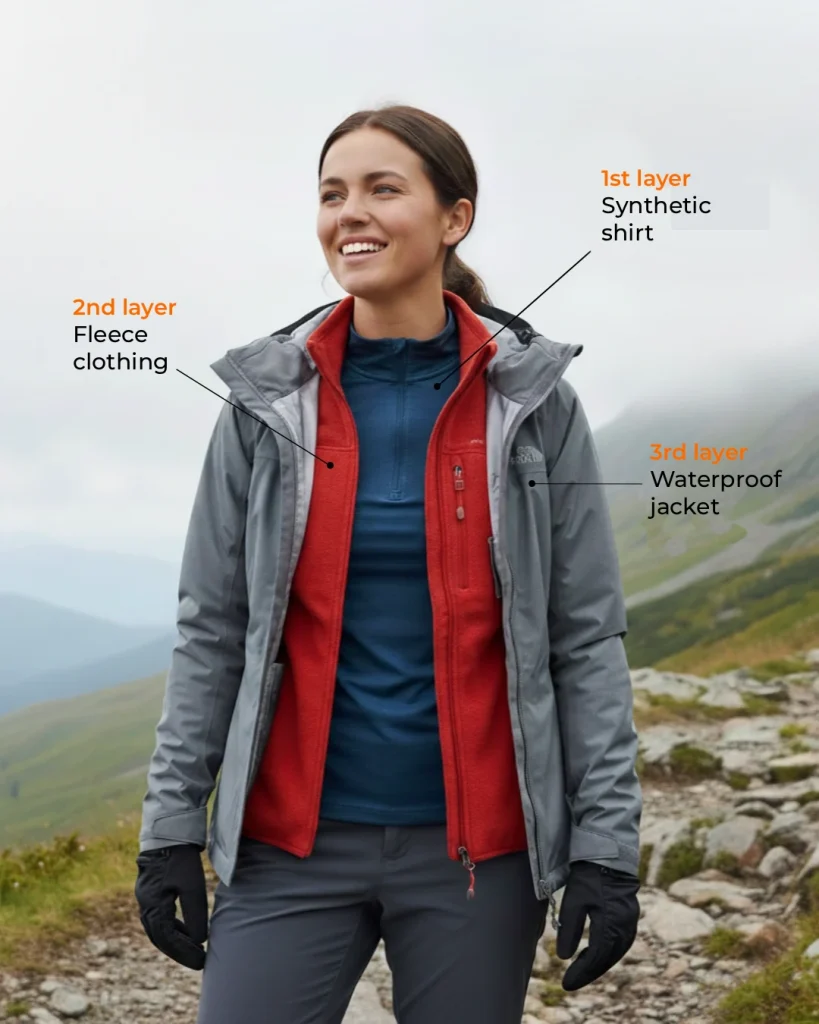
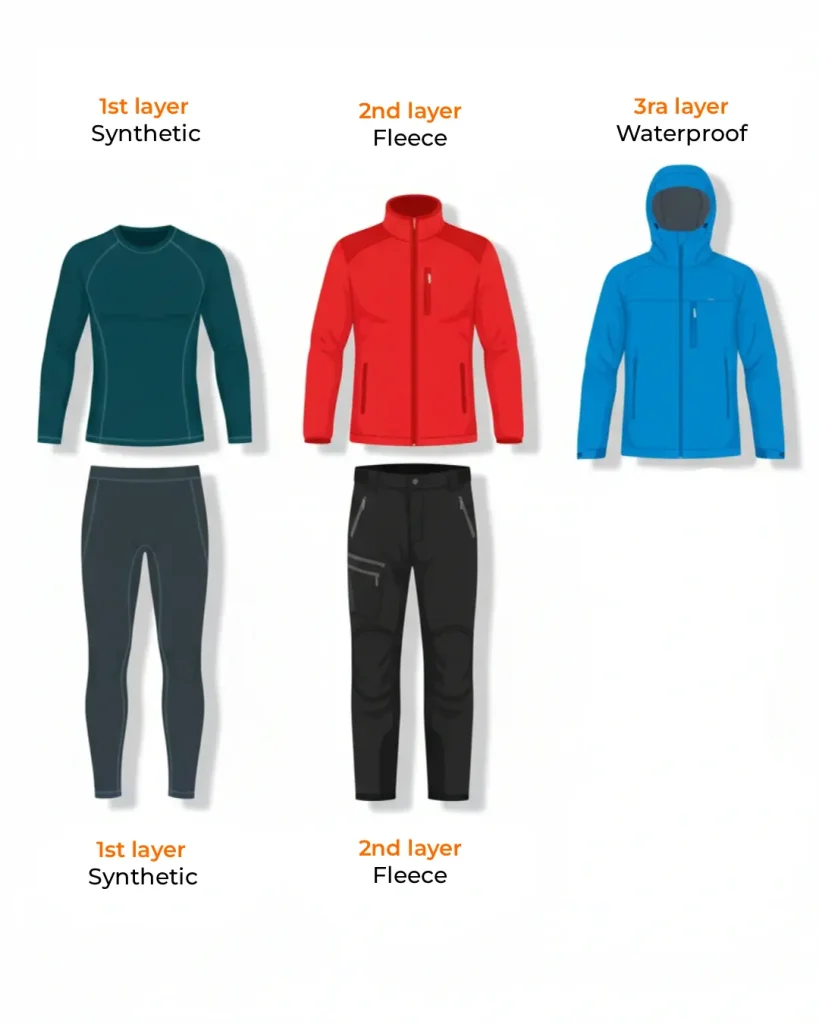
The key? Layers. Always layers.
Think:
- Moisture-wicking base layer
- Warm mid-layer (fleece or lightweight insulated jacket)
- Down jacket for cold evenings
- Waterproof outer shell
Avoid cotton. It traps moisture and stays wet. Wet equals cold. Cold equals miserable. And being miserable means your trip just isn’t as good.
If you pack smart, you’ll adjust throughout the day instead of suffering through it.
Toiletries You’ll Actually Need
Yes, you’ll want to take care of your personal hygiene. But let’s be realistic. You might not actually want to take off 5 layers just to have a quick wash on a freezing cold night.
Keep it simple. Small. Lightweight.
- Toothbrush and toothpaste
- Wet wipes (your best friend on trek)
- Sunscreen (high SPF)
- Lip balm with SPF
- Hand sanitizer
- Basic first aid (blister care especially)
- Small quick-dry towel
Skip the full skincare routine. Your pores will survive.
It’s worth noting that if you’re staying at camps organized by a trekking agency, you may have the opportunity to take a hot shower. In that case, you’ll also need shower gel or a small bar of soap.
Technology To Bring (And What To Skip)
You don’t need a mobile office at 15,000 feet.
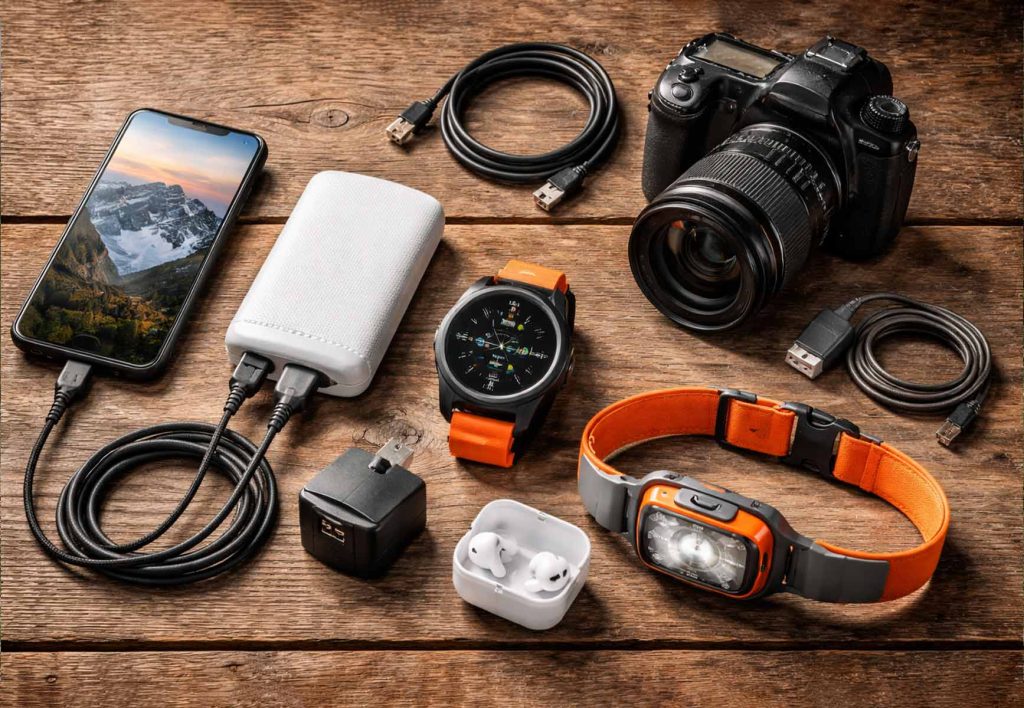
Bring:
- Phone (for photos and emergency contact)
- Portable power bank
- Charging cables
- Headlamp or torch (essential, not optional)
- Camera if you’re serious about photography
Optional but useful:
- Plug adapter for Peru
- Lightweight smartwatch for tracking stats
Leave behind:
- Laptop
- Large speakers
- Anything fragile and unnecessary
You’re there to look at glaciers, not emails.
Gear Rental If You Need It
Not everyone wants to buy high-end trekking gear for one trip. And that’s fair.
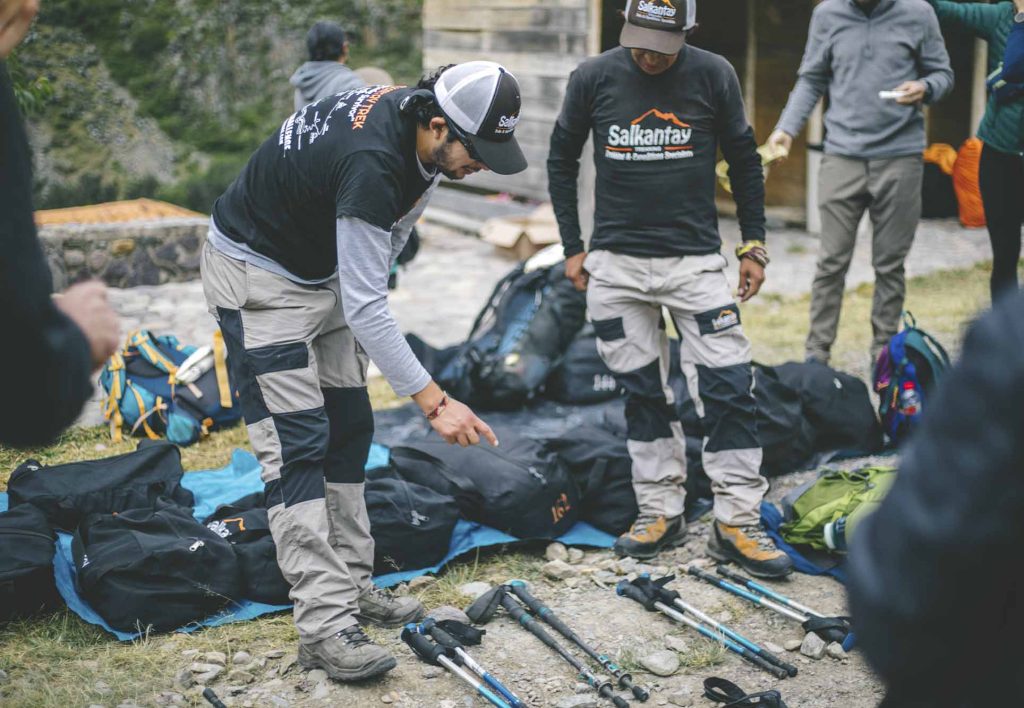
If you’re missing something like:
- Sleeping bags rated for cold temps
- Trekking poles
- Inflatable sleeping pads
- Duffle bags
You can usually rent quality equipment locally or with your tour operator before your trek.
This is especially helpful if you’re traveling light on purpose. Just make sure you reserve in advance during the high season.
And yes, renting can be a smarter move than panic-buying the wrong gear at the last minute.
Other Essentials You Can’t Forget For The Salkantay Trek
These are small but critical.
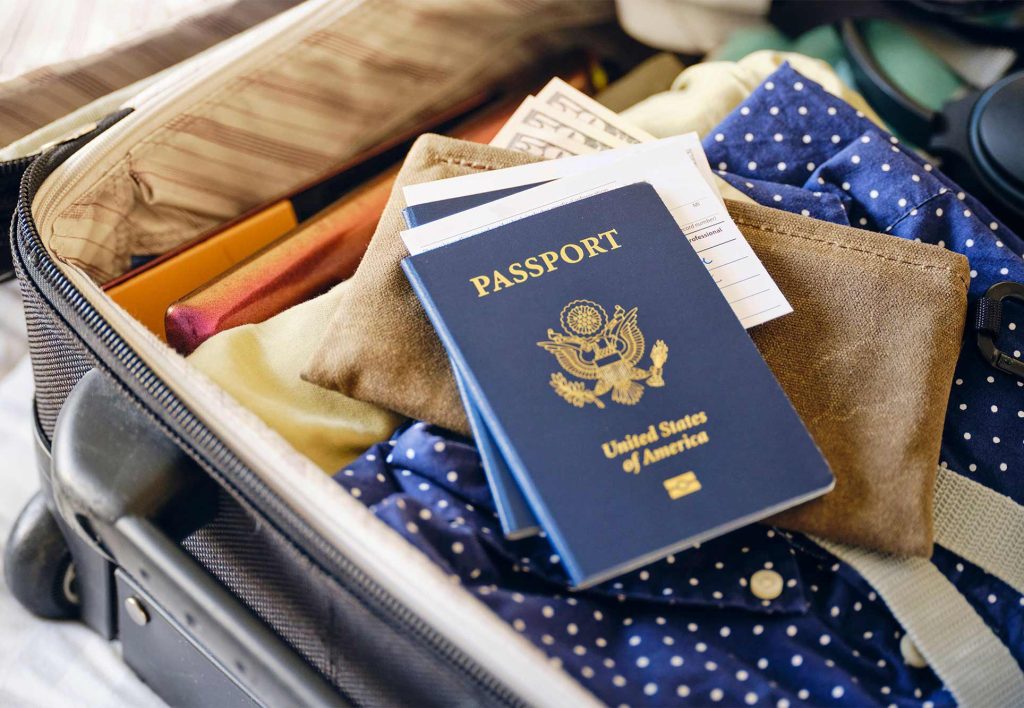
- Passport (required for permits)
- Machu Picchu entrance ticket (if not included)
- Travel insurance details
- Some cash in Peruvian soles
- Printed confirmation documents (just in case)
There are no ATMs at 15,000 feet waiting for you.
A little preparation here avoids lots of stress later.
What Not To Bring On The Salkantay Trek
Overpacking is the number one mistake and it’s more common than you might think.
Leave these at home:
- Jeans (heavy, slow to dry)
- Multiple “nice” outfits
- Hair dryers
- Massive toiletry bags
- Heavy books
You’re trekking for a few days. Not relocating.
Common Mistakes When Packing For The Salkantay Trek
Let’s save you some regret further down the line.
Bringing Brand New Boots
Break them in before Peru. Walk stairs. Walk hills. Walk everywhere. The best hiking boots are ones you’ve used many times before.
Choosing A Backpack That’s Too Big
Extra space equals extra weight. The best trekking packs are small and lightweight.
Ignoring The Cold
Even if you’re hiking in the dry season, nights are cold. A proper down or insulated jacket is non-negotiable.
Poor Weight Distribution
If your pack feels like it’s dragging you backward, repack before day one.
Packing For The Salkantay Trek: Fear Vs Reality
A lot of anxiety comes from this one thought: “What if I’m not prepared?”
Here’s the truth. With the right backpack size, proper hiking boots, and smart organization, you’ll be more than prepared.
The Salkantay Trek in Peru is challenging, yes. But it’s also very manageable when done with an experienced team. Knowing that logistics, camps, and route planning are handled before you go allows you to focus on enjoying the mountains instead of stressing about survival.
And that’s kind of the point.
Frequently Asked Questions
Still feeling unsure? Check out these FAQs about the best trekking packs for the Salkantay Trek in Peru.
If your main gear is carried, a 20L–30L daypack is suffice. If you’re carrying everything, then 40L–50L is ideal.
Some experienced hikers use them, but ankle-support hiking boots are safer for rocky Andean terrain.
Your daypack should be 10–15 lbs (4.5–6.5 kg) max. If you’re carrying evertyhing, aim for under 20% of your body weight.
Yes. Mountain weather changes quickly. Always bring a rain layer.
Pack Smart, Hike Happy, And Enjoy Every Step
The Salkantay Trek isn’t just another hike. It’s glaciers, turquoise lakes, jungle valleys, and one of the most scenic routes to Machu Picchu.
Packing smart means:
- Choosing the right backpack size
- Wearing proper hiking boots
- Distributing weight correctly
- Leaving unnecessary gear behind
Do that, and the trek becomes what it’s supposed to be, by which we mean challenging, beautiful, and deeply rewarding.
And when your gear works with you instead of against you, those few days in the Andes feel a whole lot lighter.
If you’re ready to stop overthinking and start planning properly, the mountains are waiting. Get in touch with Salkantay Trekking to discuss the different versions of the Salkantay Trek, from the 3-day challenge to the classic 5 day hike, to find out what suits you best.



Leave A Reply