
After visiting Machu Picchu six times, I learned something that no one tells you when you buy your tour:
The experience changes completely depending on what you carry in your backpack. And I’m not just talking about comfort. I’m talking about the unpredictable weather, train restrictions, Sanctuary rules, and what you’ll actually use in the citadel.
That’s why I’ve put together this Machu Picchu packing list specifically for those arriving by train, with accurate information on luggage allowances and practical tips to avoid extra costs, stress, and setbacks.
Table of contents
- Essential information before packing
- Ways to get to Machu Picchu
- Luggage allowed on trains to Machu Picchu
- Seasons of the year
- The Ultimate Machu Picchu Packing List
- What to bring if you visit Machu Picchu with children?
- What not to pack for Machu Picchu?
- Tips for your visit to Machu Picchu
- Frequently Asked Questions
- You may also be interested in:
Essential information before packing
Before choosing what to take to Machu Picchu, you need to be clear about two things: how you will get there and what season you will be traveling in. Both factors completely change your Machu Picchu packing list. It is not the same to climb a multi-day trek as it is to arrive comfortably by train, nor is it the same to visit during the dry season as it is during the rainy season.
Below, we explain the main routes and the climate by season so that you can pack the perfect backpack for your experience.
Ways to get to Machu Picchu
There are different ways to get to Machu Picchu, two main ones that I will show you below:
Tourist Train
Traveling by train is the most popular and comfortable experience, as it is visually impressive thanks to its panoramic carriages. If you have chosen to arrive by train, this blog is designed especially for you: here you will find what to bring and what type of backpack is allowed to enter the citadel.

Trekking to Machu Picchu
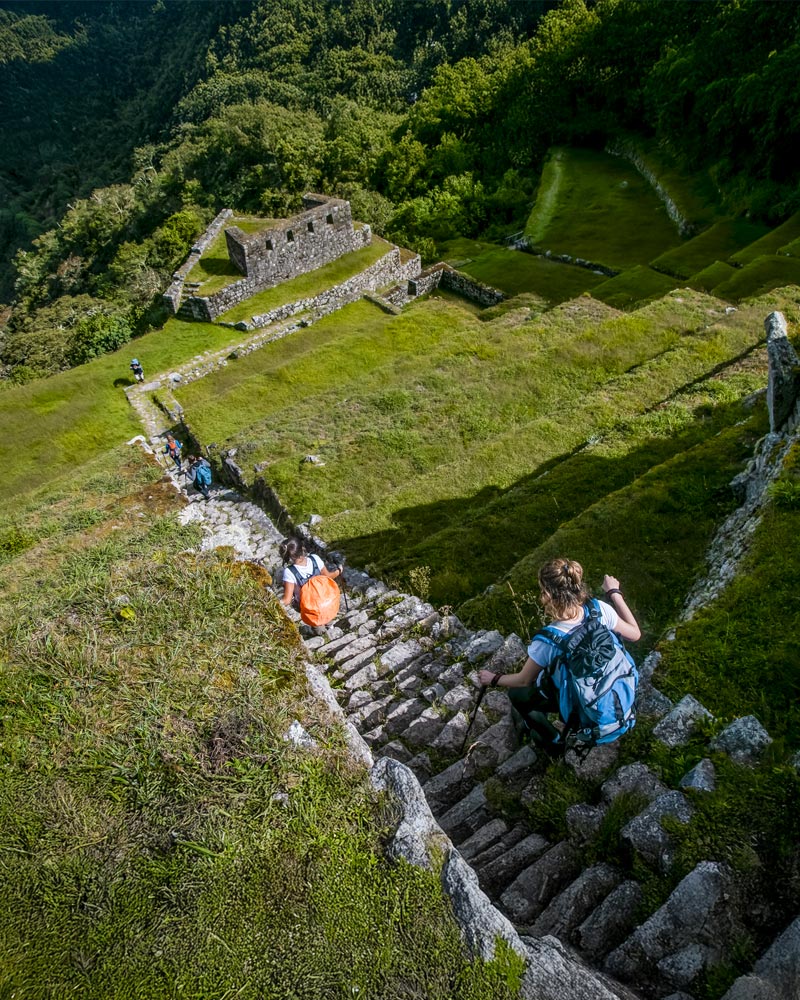
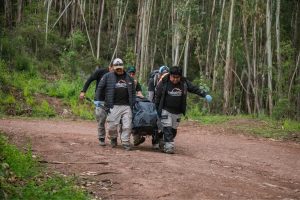
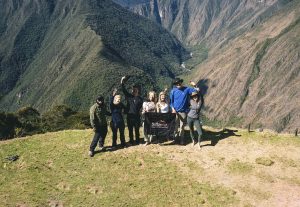
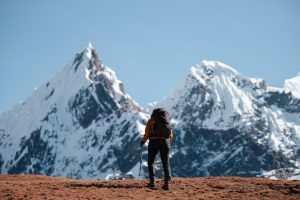
The other epic way to get there is on foot. In this category, there are several treks, including the legendary Inca Trail, a section of the Qhapaq Ñan built more than 500 years ago. This route combines history, nature, and adventure at its finest. If you have already decided to take this route, we have a complete article on the Inca Trail Packing List so that you can travel prepared.
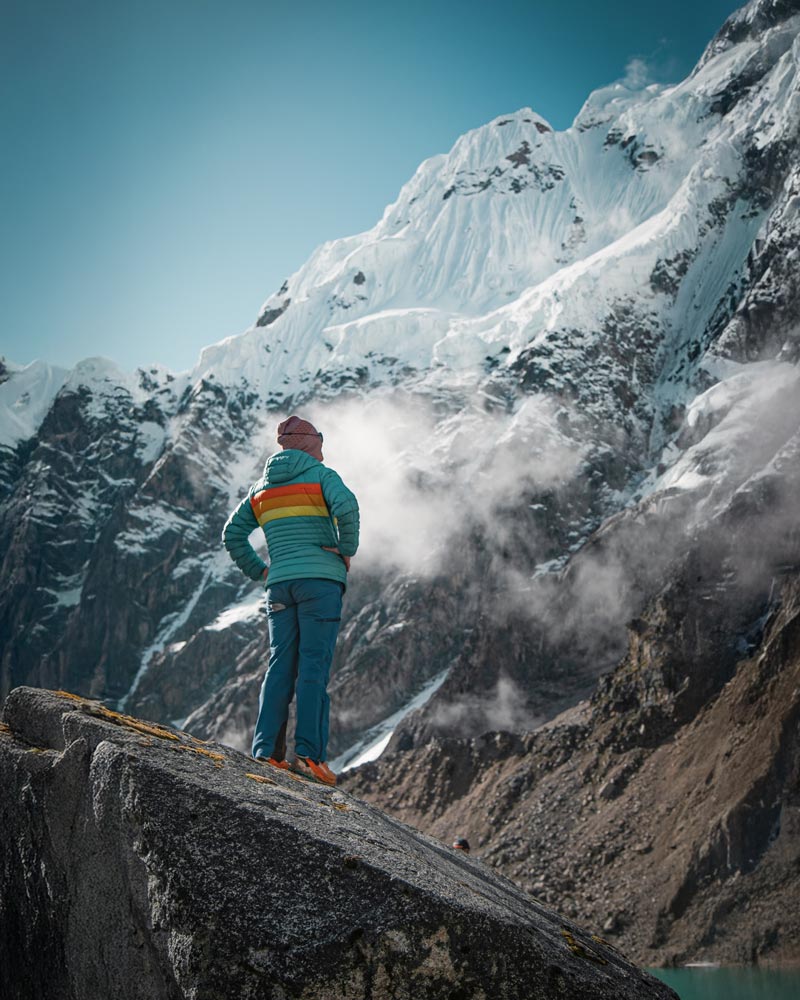
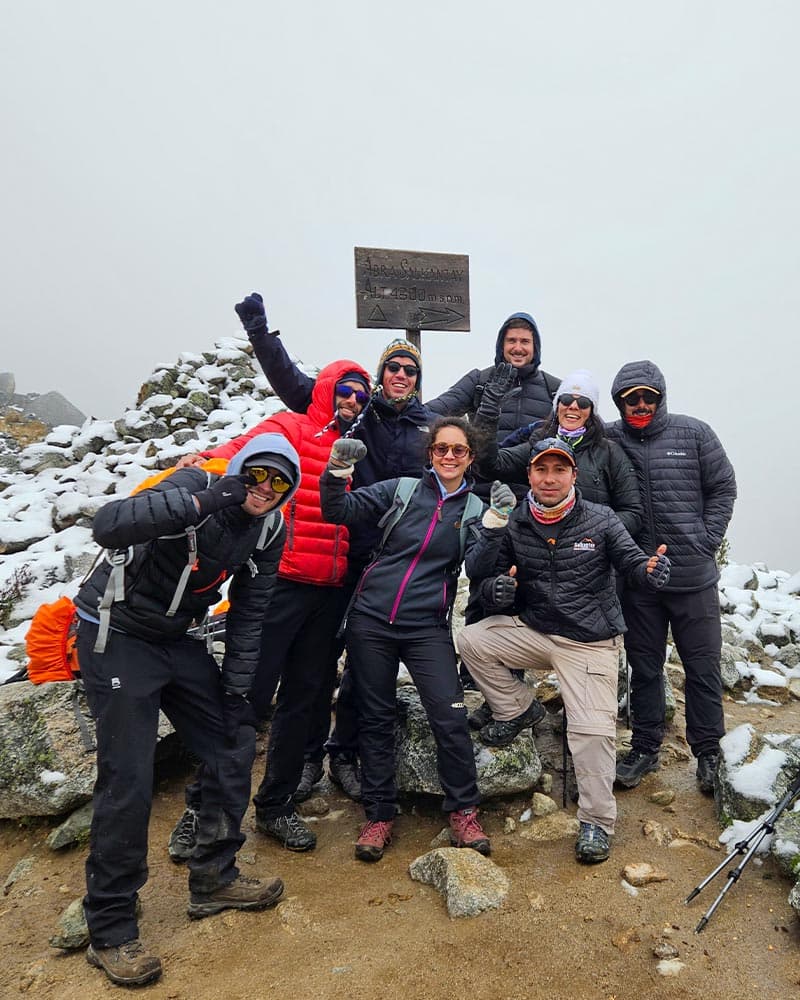
Other travelers seek a deeper connection with nature and the Andean landscapes, so they choose the less congested but equally popular Salkantay Trek, a trail that crosses different climates and allows you to connect with local residents. If you are taking this route, you can also read our Salkantay Trek Packing List.
In addition, there are other equally fascinating routes, such as the Lares Trek, ideal for those who want a cultural experience as they pass through traditional Andean communities, or the Inca Jungle, designed for the mmayore adventurous who enjoy combining trekking, cycling, and other sports activities before reaching the citadel.
Luggage allowed on trains to Machu Picchu
Luggage allowed with Inca Rail
If you are traveling with Inca Rail, your ticket includes only one piece of carry-on luggage (backpack, bag, or briefcase). This must not exceed:
- Maximum weight: 8 kg / 17 lb
- Maximum size: 46 linear inches / 118 linear cm (height + length + width)
Luggage allowed with PeruRail
PeruRail applies similar limits. Your allowed luggage consists of one backpack or carry-on bag, with:
- Maximum weight: 8 kg / 17.64 lb
- Maximum dimensions: 115 cm / 45 linear inches (height + length + width)
If your luggage exceeds these measurements, you can pay an additional fee to take it on board:
- USD 15: carry-on luggage or backpack (up to 8 kg)
- USD 25: checked luggage (up to 23 kg)
This payment is made at official points of sale and ticket offices.
Important information: The Hiram Bingham train does not allow extra luggage on board under any circumstances.
Seasons of the year
The climate in Machu Picchu is warm and very humid all year round, but rainfall and sunshine vary depending on the season. This directly influences what you should pack.
Dry season (May to October)
Days are usually sunny with clear skies, which increases solar radiation. Although the atmosphere is humid, the sun can be strong, so it is important to bring sunscreen, a hat, and water to stay hydrated. Temperatures usually range from 54°F to 68°F (12°C to 20°C), ideal for enjoying the clearest views of the citadel.
Rainy season (November to April)
Rainfall is frequent, but the weather feels warm and pleasant. The sky can be cloudy or foggy, which completely changes the light in photos.
During this season, temperatures range from 13°C to 22°C (55°F to 72°F), and you’ll also find more promotions on hotels and tours. A poncho or waterproof jacket is essential.
Transition season (March–April and October–November)
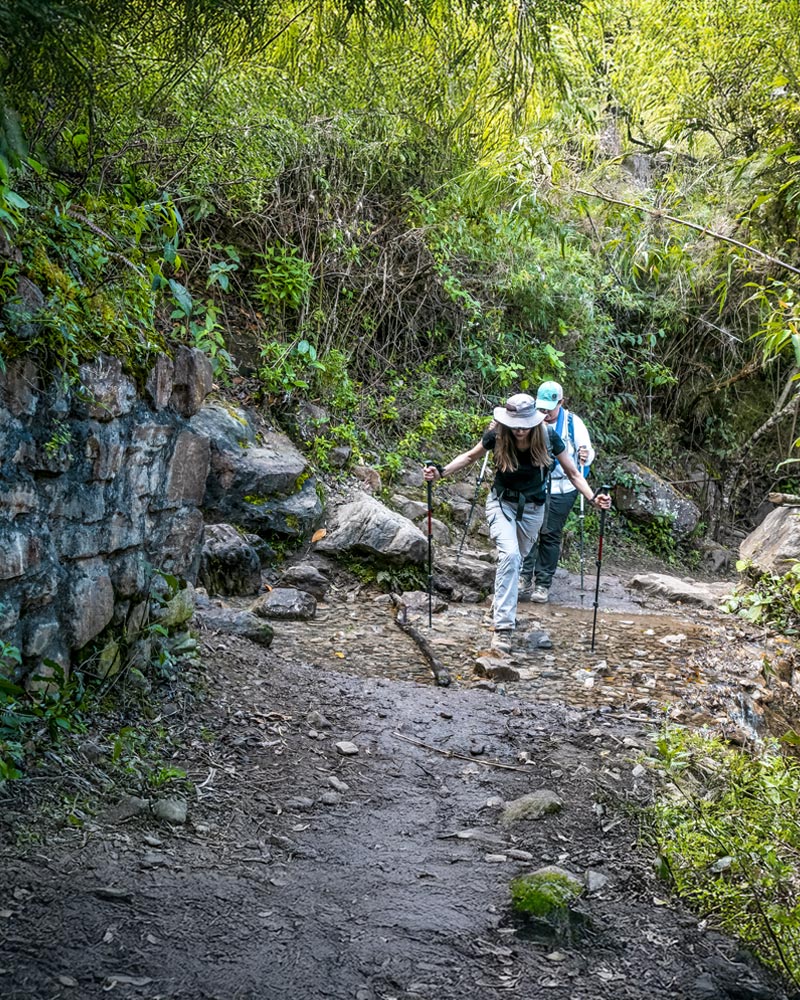
It rains intermittently, but lightly and quickly. The combination of humidity and sunshine makes the vegetation greener, more intense, and more photogenic. Many travelers prefer this time of year because the photos come out vibrant and the landscape looks full of life. In addition, there are fewer people than in the dry season.
The Ultimate Machu Picchu Packing List
Layered Clothing
At Machu Picchu, the sun can be intense, and temperatures can change quickly. The key is to dress in layers:
- Lightweight T-shirts (short or long sleeves).
- Comfortable pants.
- Windbreaker or light jacket (don’t bring a heavy coat, you won’t need it).
- Hat or cap to protect you from the sun.
- Rain poncho if you visit between November and March.
- Gaiters or mud guards if you go during the rainy season.
- Swimsuit optional if you plan to visit the hot springs in Aguas Calientes.
- Pajamas for spending the night in Aguas Calientes.
Avoid leather clothing, tight jeans, or clothing that restricts your movement. There are many stairs, and the humidity will make you sweat more than expected.
Proper footwear
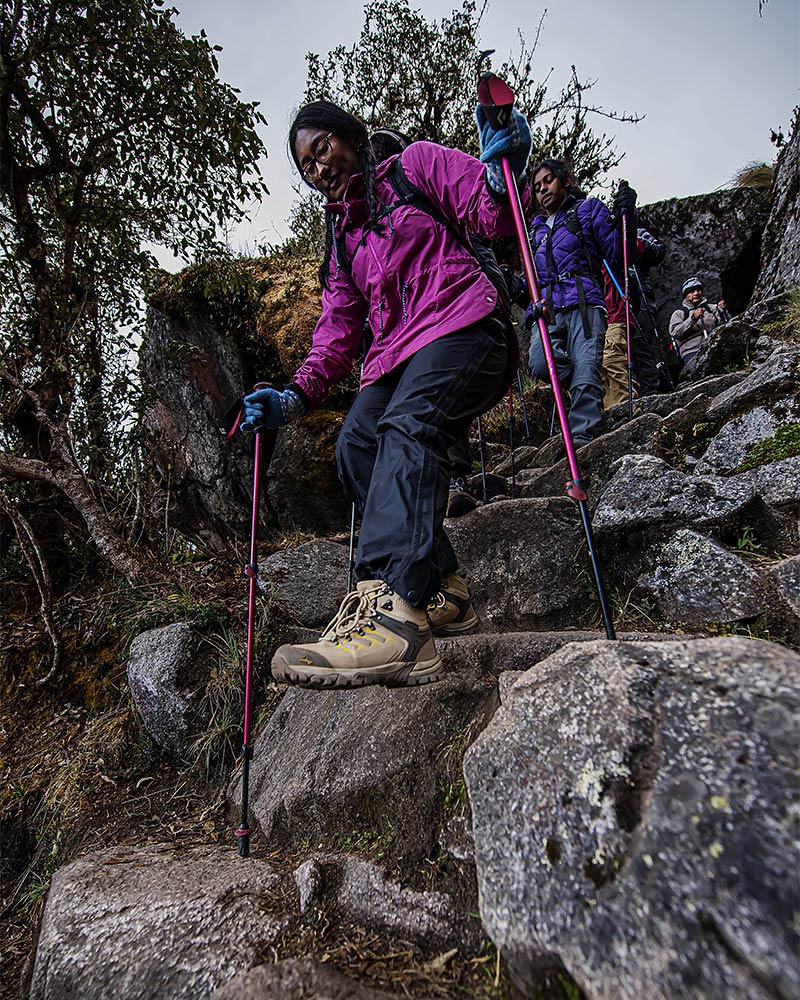
Your shoes can define your experience. The stone paths at Machu Picchu are uneven and, in some areas, slippery:
- Sneakers or hiking boots with non-slip soles.
- Sandals are only for relaxing in town or visiting the hot springs.
⚠️Warning: If you want to bring heels or boots, only wear them in town. They are prohibited on the Machu Picchu trails to prevent erosion, and they will tire you out, cause you to slip, and ruin your experience.
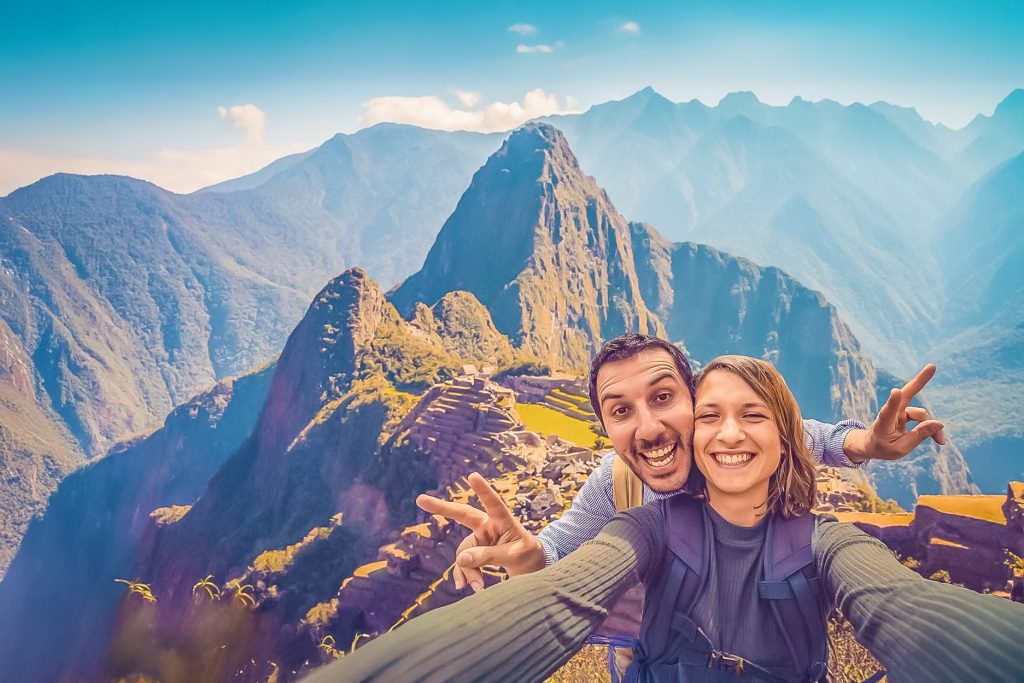
Essential documents and accessories
Sometimes the little details make your visit much easier and safer. Don’t forget:
- Passport, ID card, or foreigner’s card (mandatory).
- University card if you are a student.
- Entrance ticket to Machu Picchu and bus ticket, if applicable.
- Sunscreen with SPF 50 or higher.
- Insect repellent with DEET or picardina.
- UV protection sunglasses.
- Light snacks such as nuts or energy bars.
- Reusable water bottle (plastic bottles are not allowed in the citadel).
- Camera or phone for photos.
- Portable charger.
- Small first aid kit (personal medications).
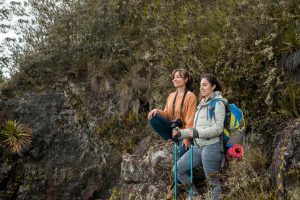
- Walking sticks with rubber tips (optional).
- Personal hygiene products such as soap.
- Waterproof poncho.
- Cash and credit or debit cards.
The perfect backpack for your visit to Machu Picchu
The backpack you bring on the day of your visit should be small and light, because Machu Picchu has strict rules about its size. Only backpacks that do not exceed approximately 40 × 35 × 20 cm are allowed.
What can you carry inside?
- Light snacks (in small quantities).
- A bottle of water.
- Waterproof poncho.
- Camera or cell phone.
- Personal documents and tickets.
- A bag for your trash, as you cannot leave trash in the citadel.
A very full or large backpack will not be accepted at the entrance. Pack only the essentials; this will make your tour more comfortable.

What to bring if you visit Machu Picchu with children?
Traveling to Machu Picchu with children can be a magical experience if you plan ahead. The terrain is safe but steep, and facilities within the site are limited.
- Bring reusable bottles and small snacks (to eat before entering).
- Dress children in light layers, hats, and comfortable clothing.
- Don’t forget wet wipes and sunscreen.
- If you are traveling with babies, use a baby carrier; strollers are not allowed.
- Don’t forget their identity documents.
Plan bathroom visits before entering, as the only restrooms are outside the site, next to the main entrance.
What not to pack for Machu Picchu?
To protect this World Heritage Site, certain items are strictly prohibited. Avoid bringing:
- Large backpacks and heavy suitcases
- Plastic bottles and disposable containers
- Drones, tripods, and selfie sticks
- Musical instruments, megaphones, or speakers
- Food, alcohol, cigarettes, and illegal substances
- Umbrellas
- Walking sticks without rubber tips and folding chairs
- Aerosols
- Sharp objects or weapons
- High heels or hard-soled shoes
- Baby strollers
- Banners, posters, and signs
- Costumes
- Books or devices such as laptops
Guards may check your backpack upon entry. If you have any doubts about an item, it is best to leave it at the hotel. In addition, filming or photography for advertising purposes is not permitted.

Tips for your visit to Machu Picchu
- Protect your devices with waterproof bags during the rainy season.
- Stay hydrated and carry at least one liter of water.
- Avoid alcohol the night before.
- Eat light and choose snacks that are easy to digest.
- Book trains, buses, and hotels in advance, especially during high season.
- Bring only the essentials; don’t overpack.
- Although Machu Picchu is at a lower altitude than Cusco, make sure you are acclimatized. A day of adaptation prevents discomfort and ensures you enjoy your visit.
- Check the validity of your passport; it must be valid for at least 6 months at the time of entry.
- If you are Peruvian and your ID card has expired or is in the process of being renewed, you can use the Single Transaction Form (FUT) issued by RENIEC.
- Choose early hours because there are fewer visitors, better light for photos, and fewer mosquitoes.
- Remember that there is only one bathroom inside Machu Picchu, located at the entrance, so use it before starting your tour.
- Always keep your ticket handy; park rangers will ask to see it at various points.
- Follow the route assigned on your ticket. Deviating from the route is prohibited and could result in your removal from the site without a refund.
Ready to experience Machu Picchu in the best way possible?
Now that you have your Machu Picchu packing list, it’s time to take the next step.
Discover all the tours to Machu Picchu by train that Salkantay Trekking offers and choose the adventure that best suits your style.
Let yourself be carried away by the excitement of the journey, enjoy every landscape, and get ready to create memories that will last forever.
Frequently Asked Questions
How many days should I stay in Machu Picchu?
Ideally, you should spend at least one night in Aguas Calientes. This will allow you to visit Machu Picchu at your own pace and enjoy the experience more fully.
Making the round trip from Cusco in a single day is exhausting: you get up early, walk a lot, and return very late. You enjoy the scenery, yes, but you end up exhausted.
What can you do in Aguas Calientes before or after visiting Machu Picchu?
There are many activities to complement your visit. In our blog Aguas Calientes: A guide to Machu Picchu Town, you will find everything you can do, such as visiting the hot springs, the site museum, and the butterfly farm.
What is considered a costume at Machu Picchu and why is it prohibited?
Any flashy clothing, with layers, characters, or accessories that alter the experience of other visitors. It is prohibited to avoid obstructions, distractions, and inappropriate behavior within the archaeological site.
Are there ATMs in Aguas Calientes?
There are very few and they tend to run out of cash quickly. We recommend bringing money in soles and dollars. Some shops allow you to withdraw cash by making a transfer and charging a small commission.
What do I do if it rains during my entry time to Machu Picchu?
The visit is not rescheduled due to weather, but the rains are usually brief. A light poncho will allow you to continue the tour without any problems.
Is there luggage storage at the Machu Picchu citadel?
Yes. At the entrance to Machu Picchu, you will find a small authorized cloakroom where you can leave large backpacks or prohibited items. Keep in mind that this is a basic service with limited space and a fee, so it is best to arrive early.
Can I rest or sit down inside Machu Picchu?
You can only sit in permitted areas, such as some stones designated for photos or short breaks, but not on walls, platforms, or archaeological structures. Keep in mind that the circuits have limited times, so it is not possible to stay in one place for long. Once you have completed your tour, you can leave whenever you need to.
Is Aguas Calientes (Machu Picchu Pueblo) safe?
Yes, Aguas Calientes is a very safe town for visitors. It has security guards and local police who patrol constantly and respond quickly to any incident. You can walk around safely, even at night, as long as you take the basic precautions you would at any tourist destination.
What’s the most common mistake on a Machu Picchu packing list?
The most common mistake is packing too much. Many travelers bring heavy clothes or items they won’t use, like musical instruments, which aren’t allowed in Machu Picchu.
The best way to avoid extra weight and entry problems is to check your Machu Picchu packing list carefully according to the season.
You may also be interested in:
- Salkantay Trek vs Inca Trail: Which is the Best Trek to Machu Picchu?
- Lares Trek
- The Inca Jungle Trek
- Salkantay Trek Packing List
- Inca Trail Packing List
- Aguas Calientes: A Guide to Machu Picchu Town
Written by: Hillary Quispe


Leave A Reply