
If you dream of visiting the iconic Inca citadel of Machu Picchu, get ready to witness one of its most fascinating mountains: the imposing Huayna Picchu. This majestic peak invites you to a unique adventure, reserved for the bravest spirits. Huayna Picchu will be a key highlight of your journey.
In this blog, you’ll find information on its history, location, routes, schedules, tickets, and practical tips for planning your visit. You’ll learn what to expect from the ascent and how to prepare properly. Keep reading and discover whether Huayna Picchu is the perfect adventure for your trip.
Table of contents
What Is Huayna Picchu Mountain?
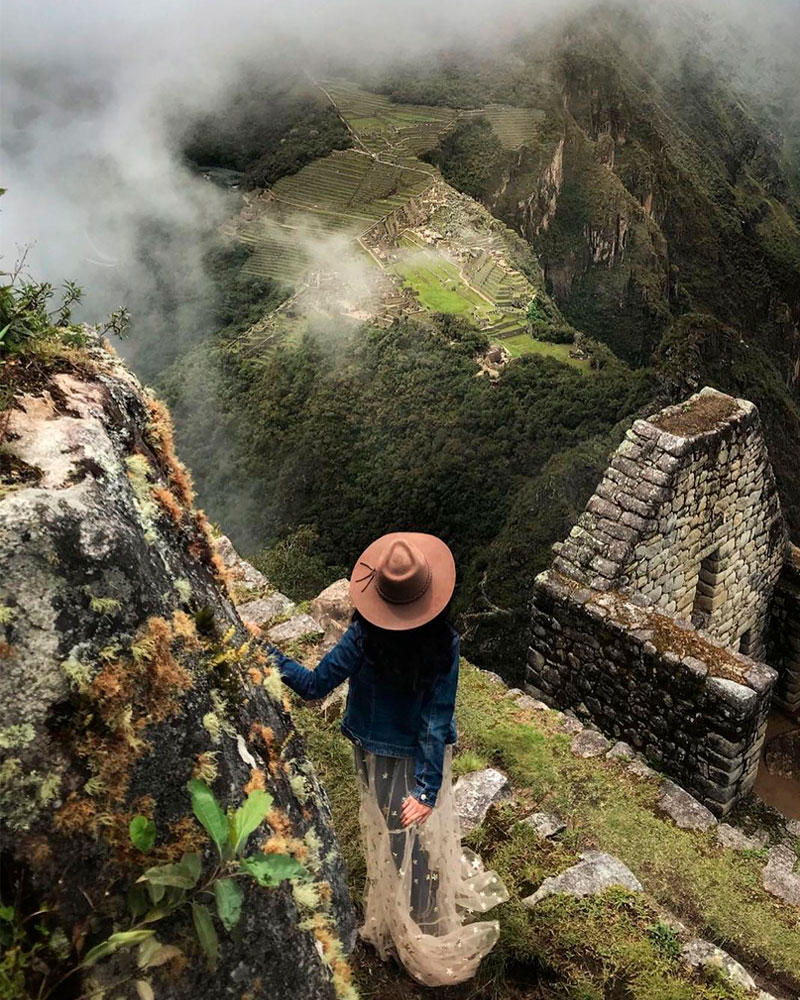
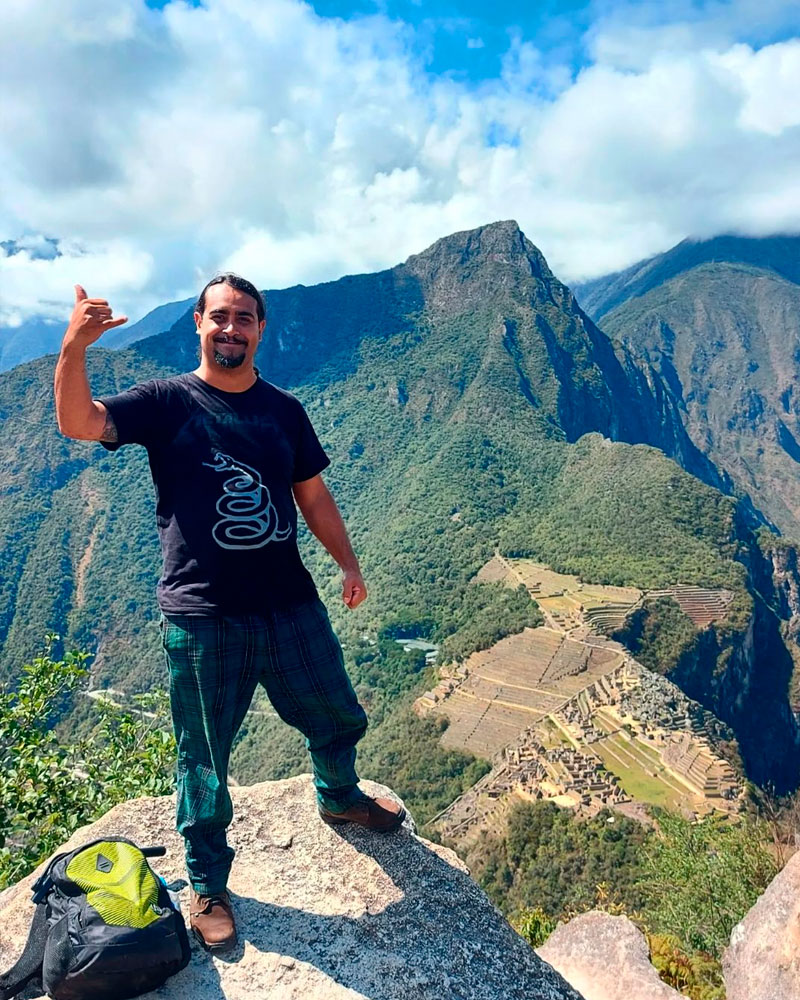
Huayna Picchu, or Wayna Picchu, is one of the mountains of Machu Picchu, located directly opposite the Inca citadel in Peru. This beautiful peak is part of the iconic Machu Picchu landscape and one of its most recognizable natural symbols.
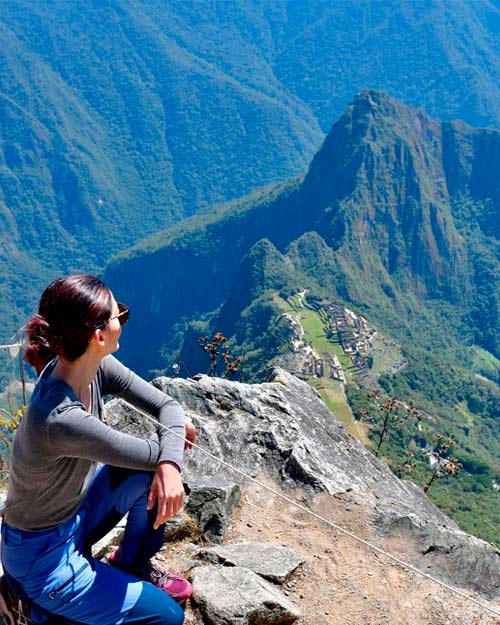
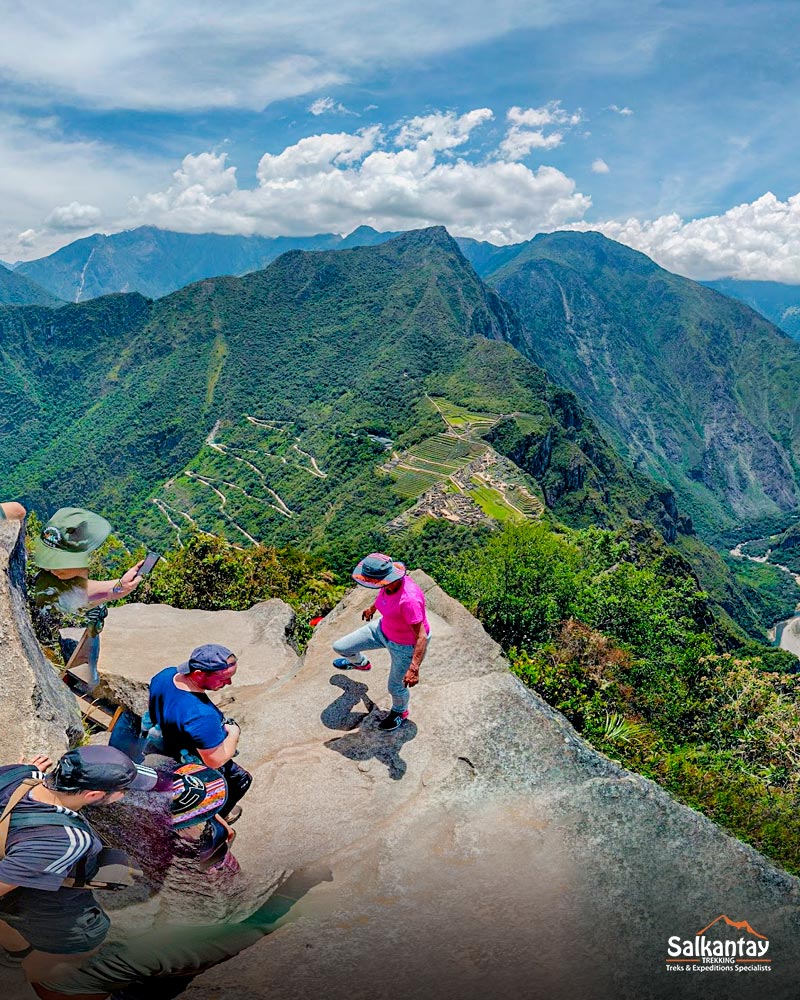
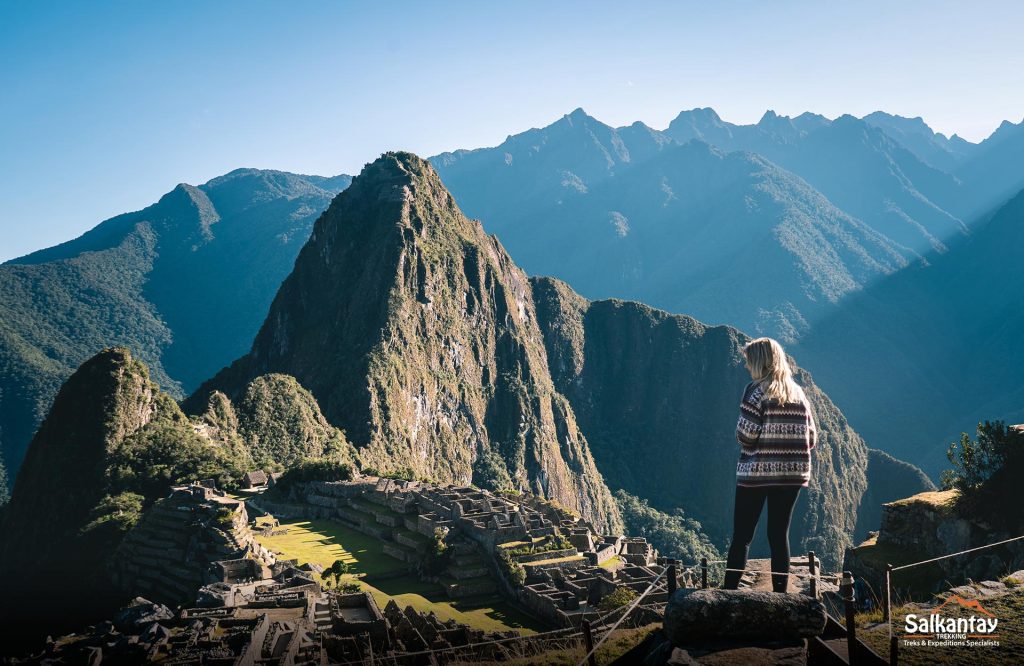
Huayna Picchu rises to more than 2,667 meters (8,750 feet) above sea level—about 300 meters (984 feet) above the Inca city of Machu Picchu—and features astonishing trails that have earned it a place among the most incredible short hikes in the world. Along the route, you’ll enjoy spectacular panoramic views that, while not offering the classic postcard photo, provide a unique, distant perspective on the entire archaeological site.
Huayna Picchu, meaning “Young Mountain,” is much more than a beautiful landscape. It is a destination offering an unforgettable blend of history, adventure, and nature.
History of Huayna Picchu Mountain
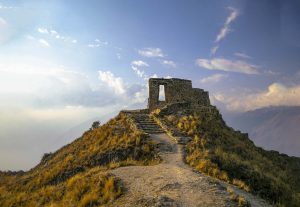
The history of Huayna Picchu is closely linked to that of Machu Picchu. Both sites were initially inhabited by small groups until the Incas, led by Emperor Pachacútec, conquered the area and built Machu Picchu around 1450 AD. The construction of impressive stone stairways at the summit of Huayna Picchu, along with agricultural terraces and other structures, demonstrates the Incas’ remarkable architectural skill despite the challenging terrain.
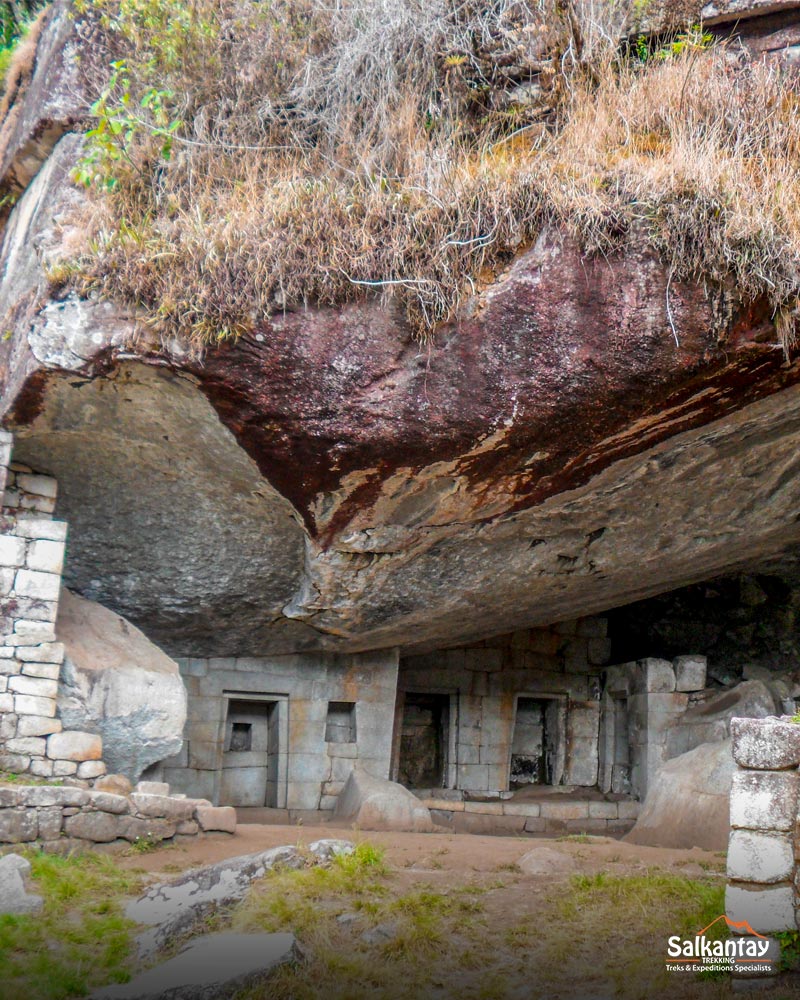
During the height of the Inca Empire, Huayna Picchu played a dual role. It served as a strategic defensive lookout point with panoramic views of the citadel and its surroundings, and it was also a sacred place where important ceremonies and rituals were held. Evidence of this is evident in temples on its slopes, such as the Great Cavern, also known as the Temple of the Moon. Archaeological findings suggest these temples were still under construction when the Inca city was abandoned around 1535.
After Machu Picchu was rediscovered in 1911, Huayna Picchu received little immediate attention. Today, however, it has been restored and has become a must-visit destination. It is currently considered the best adventure experience within Machu Picchu.
Where Is Huayna Picchu Mountain Located?
Huayna Picchu Mountain is located north of the Inca citadel of Machu Picchu, within the Historic Sanctuary of Machu Picchu, in the Cusco region, Urubamba province, Machu Picchu district, Peru.
Geographically, its base is surrounded by the Urubamba River, which forms a distinctive curve around the archaeological complex and the surrounding mountains.

Huayna Picchu Mountain: Entry Schedules
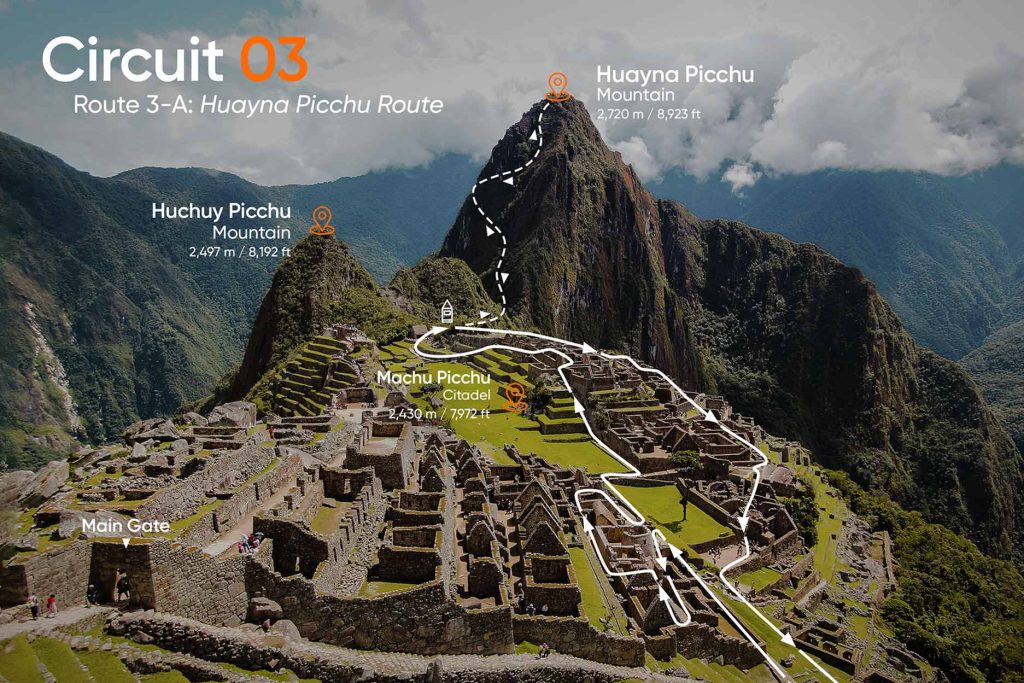
Carefully review the entry schedules for Machu Picchu Circuit 3 and the Huayna Picchu mountain route. Both entrances are linked and must be strictly respected. Proper time coordination ensures a smooth and hassle-free visit.
First Group (7:00 a.m. – 8:00 a.m.)
This group allows entry to Circuit 3 between 7:00 and 8:00 a.m. and access to the mountain route between 8:00 and 9:00 a.m. The maximum stay is until 1:00 p.m., and 175 tickets are available daily. It is ideal for travelers staying overnight in Aguas Calientes who prefer an earlier and quieter experience.
Second Group (9:00 a.m. – 10:00 a.m.)
The second group enters Circuit 3 between 9:00 and 10:00 a.m. and accesses Huayna Picchu between 10:00 and 11:00 a.m. Exit is allowed until 3:00 p.m., with 175 tickets available daily. This time slot is convenient for travelers arriving by train in the morning or those completing treks such as the Short Inca Trail, Salkantay, or Lares.
Key tip: The ascent and descent of Huayna Picchu take an average of 3 hours. Managing your time well is essential. Bring water, a hat, and proper footwear, and maintain a steady pace to fully enjoy the experience.
Huayna Picchu Mountain Ticket
To climb Huayna Picchu Mountain, it is mandatory to purchase the Machu Picchu + Huayna Picchu ticket (Route 3A) at least 3 to 4 months in advance. Daily availability is limited and tickets often sell out quickly, especially during high season (May to October). Planning ahead allows you to choose the group that best fits your itinerary.
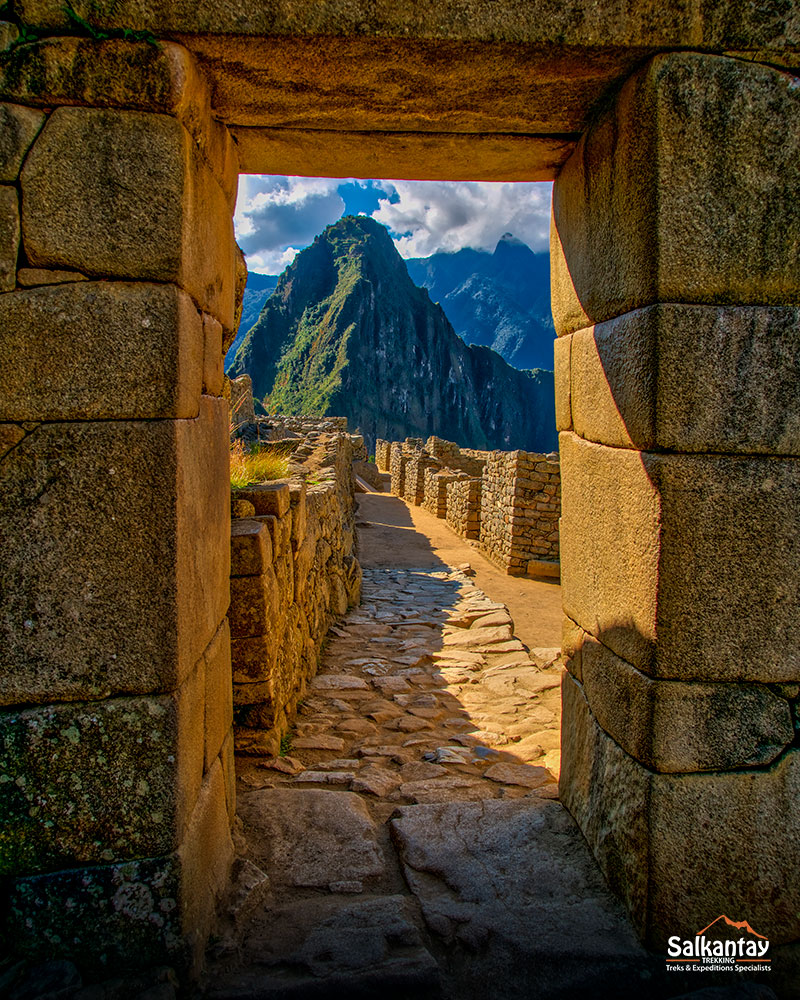
This is the only ticket that allows access to this hike and it is part of Circuit 3, known as the Royalty Route. The route combines a visit to the lower area of the Inca citadel with the ascent of one of Machu Picchu’s most iconic mountains.
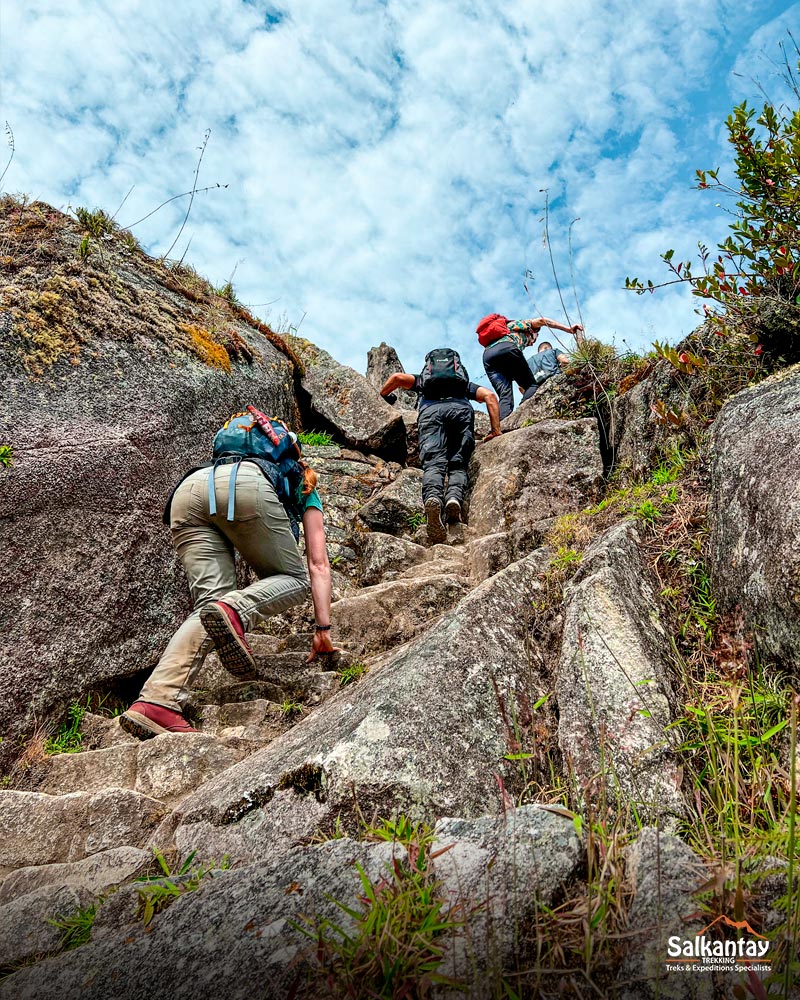
The hike to the summit of Huayna Picchu is approximately 2.4 kilometers (1.5 miles) long and is considered challenging. The ticket allows a maximum visit time of 6 hours, which is sufficient to explore the authorized circuit, complete the ascent, enjoy panoramic views, and take photos at a relaxed pace.
What Does the Machu Picchu + Huayna Picchu Ticket (Route 3A) Include?
In Machu Picchu (Circuit 3 – Royalty Route):
- Agricultural sector and Inca terraces
- The House of the Inca
- Temple of the Sun
- Temple of the Three Windows
- Sacred Rock
- Temple of the Condor
- Storehouses and Water Mirrors
In Huayna Picchu:
- Ascent via ancient Inca paths and stairways
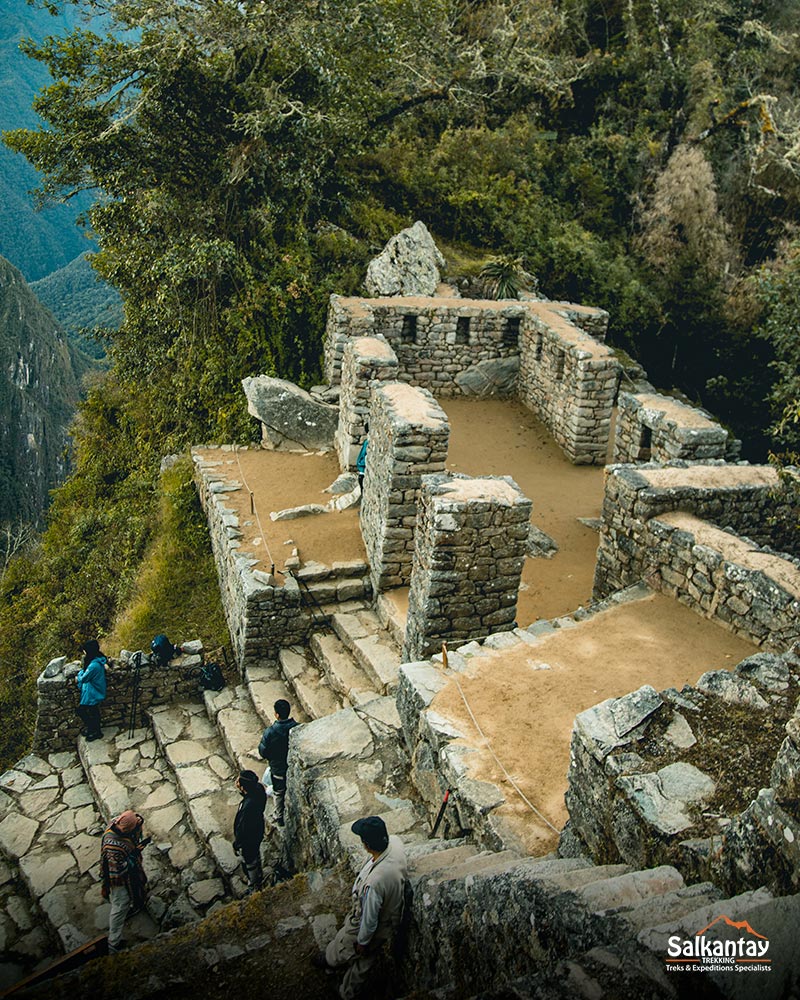
- Passage through the famous “Stairs of Death”
- Panoramic views from the summit of Huayna Picchu
Important note: Access to the Temple of the Moon or Great Cavern is no longer included in this route. It now requires a separate ticket (Route 3C) and is only available during high season.
What Is Not Included in the Ticket?
- Other hiking routes such as Huchuy Picchu or Machu Picchu Mountain
- Additional attractions enabled during high season, such as Inti Punku or the Inca Bridge
- Train tickets to Aguas Calientes
- Bus transportation between Aguas Calientes and Machu Picchu
- Meals, drinks, or accommodation
- Tour guide service on Huayna Picchu
- Mountaineering equipment or souvenirs
- The classic photo from the Guardian’s House
- Areas such as the Intihuatana, Main Temple, or Sacred Plaza
Huayna Picchu Entry in 2026: Recommendations
- Entry is allowed only for visitors aged 12 and older.
- A tour guide is mandatory for visiting Machu Picchu.
- The ascent of Huayna Picchu can be done without a guide.
- It is recommended to reserve your ticket at least 3 to 4 months in advance.
- In 2026, Huayna Picchu is open year-round.
- Only 350 tickets per day are available for Huayna Picchu.
- Guards monitor the route to protect Inca structures; climbing or stepping on walls or windows is prohibited.
- The ascent route includes more than 1,600 steps, with narrow and exposed sections. Visitors must be well prepared and proceed with great caution.
Proper physical preparation, sufficient water, sunscreen, and appropriate footwear are essential to fully enjoy this demanding yet highly rewarding experience.
Get ready for the adventure! Still not sure which Machu Picchu ticket suits you best? Read our blog “Machu Picchu Tickets: Everything You Need to Know” for clear, updated information and practical advice. Start planning your visit today!
What Are the Alternatives If You Can’t Get a Huayna Picchu Ticket?
If you were unable to reserve a ticket for Huayna Picchu, there are reliable alternatives within the Historic Sanctuary of Machu Picchu. These options also offer excellent hikes and spectacular views, with availability varying by season.
The most recommended alternative is the Machu Picchu + Machu Picchu Mountain ticket (Route 1A). This ticket allows you to ascend Machu Picchu Mountain, located south of the citadel, where you can enjoy wide panoramic views of the archaeological complex and the surrounding valley.
This route has 300 tickets available per day and, during the regular season, can often be reserved up to three weeks in advance, making it an accessible and safe alternative for travelers who plan their visit with less anticipation.
Machu Picchu Ticket Seasons
When purchasing your ticket, you will notice that Machu Picchu operates with two official ticket seasons, each offering a different number of available routes.
During the regular season, six types of tickets are usually available. In the high season, from June 19 to November 2, four additional routes are opened to expand visitor options and manage demand more effectively.
Additional Routes Available During High Season
- Machu Picchu + Inti Punku (Route 1C): Allows access to the Sun Gate.
- Machu Picchu + Inca Bridge (Route 1D): A short hike with historical significance.
- Machu Picchu + Great Cavern or Temple of the Moon (Route 3C): A demanding route with high archaeological value.
- Machu Picchu + Huchuy Picchu (Route 3D): A shorter and more accessible hike.
If Huayna Picchu tickets are no longer available, these official alternatives guarantee regulated entry, clearly marked routes, and authentic experiences supported by the Sanctuary’s administration. Choosing the right route based on your schedule, physical condition, and travel season will help ensure your visit to Machu Picchu is unforgettable.
We also recommend reading our blogs about the Machu Picchu Circuits to complement this guide. Discover everything about Circuit 1 and its complete route, explore Circuit 2 with its attractions, and learn in depth about Circuit 3 of Machu Picchu to better understand how visits are organized within the sanctuary. These resources will give you greater clarity and confidence when planning your trip.
Frequently Asked Questions
What Should I Bring for the Huayna Picchu Hike?
What should you bring to Machu Picchu? To safely ascend Huayna Picchu, wear proper hiking shoes, especially during the rainy season, as the stone paths can be slippery. Please keep in mind rain protection, a camera with extra batteries, plenty of water, sunscreen, and insect repellent.
All gear must fit into a small backpack. This is essential to keep your hands free, allowing you to maintain balance and move safely along the trail.
Is Huayna Picchu Dangerous?
It is not dangerous, but it is a challenging hike. The famous “Stairs of Death” may seem intimidating, but they are equipped with safety cables to assist hikers. During the rainy season, extra caution is required due to slippery stones.
The panoramic views of Machu Picchu make the effort absolutely worthwhile.
What Is the Best Time Slot to Climb Huayna Picchu?
The best time depends on your preferences and the type of experience you are looking for:
- First group: Ideal for travelers who want to return early or have guided visits scheduled later in the day.
- Second group: Recommended for those staying in Aguas Calientes who want to combine their Machu Picchu visit with Huayna Picchu.
When Is the Best Time of Year to Visit Huayna Picchu?
The best time is during the dry season, from May to October, when weather conditions are more favorable.
Are Trekking Poles Allowed on the Trail?
In general, trekking poles are not allowed in order to protect the paths and the historical structures.
Which Mountain Is Higher: Machu Picchu Mountain or Huayna Picchu?
Machu Picchu Mountain is higher, with an altitude of approximately 3,082 meters (10,111 feet), while Huayna Picchu reaches 2,667 meters (8,750 feet).
Which Ticket Do I Need to Visit the Temple of the Moon?
To access the Temple of the Moon, you must purchase the “Machu Picchu + Great Cavern (Route 3C)” ticket. This hiking route leads to a mystical construction located inside a cave.
What Is the Difference Between Huayna Picchu and Machu Picchu Mountain?
- Huayna Picchu:
- Located north of the citadel
- Steep and narrow trail, ideal for travelers seeking an intense hike
- Close-up, spectacular views of Machu Picchu
- Located north of the citadel
- Machu Picchu Mountain:
- Located south of the citadel
- Less steep but longer trail, with wide panoramic views
- Perfect for those who prefer expansive landscapes and more relaxed hikes
- Located south of the citadel
Conclusion
Imagine standing at the summit, enjoying panoramic views of Machu Picchu that only a few travelers ever experience. That opportunity is within your reach if you act now. Don’t let a lack of information or limited ticket availability restrict your adventure. Book in advance and secure your entry, and choose a complete tour to enhance your overall experience.Discover the best itineraries, professional guides, and comprehensive services, with options designed especially for you. Make your dream trip to Machu Picchu a reality with Salkantay Trekking and enjoy an unforgettable experience at one of the world’s wonders.
You might be Interested:



Leave A Reply