
If you’re planning your trip to Peru, this question has surely crossed your mind: How do you get to Machu Picchu, the fascinating Inca citadel?
This wonder of the world, hidden among the mountains and forests of the Andes, is a magical place that every history and nature lover should explore at least once in their life.
There are several ways to get there, depending on where you’re coming from or the type of experience you want. Don’t miss this article, where we tell you about the different routes to reach Machu Picchu from various places in Peru and around the world.
Table of contents
What Is Machu Picchu?
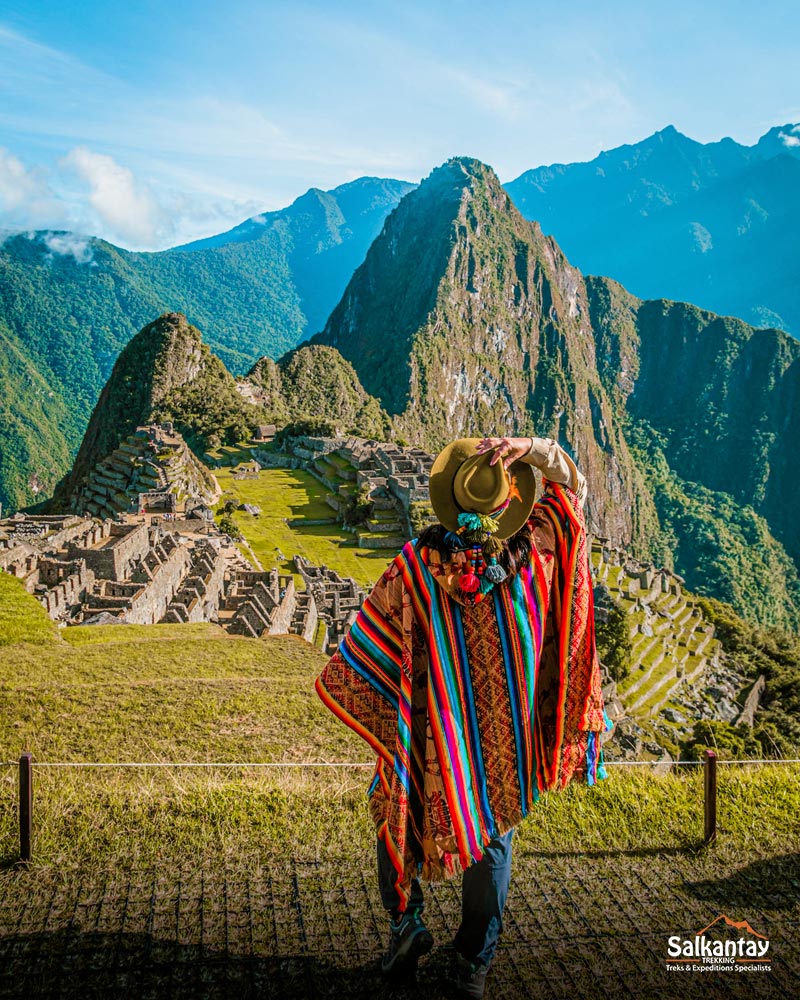
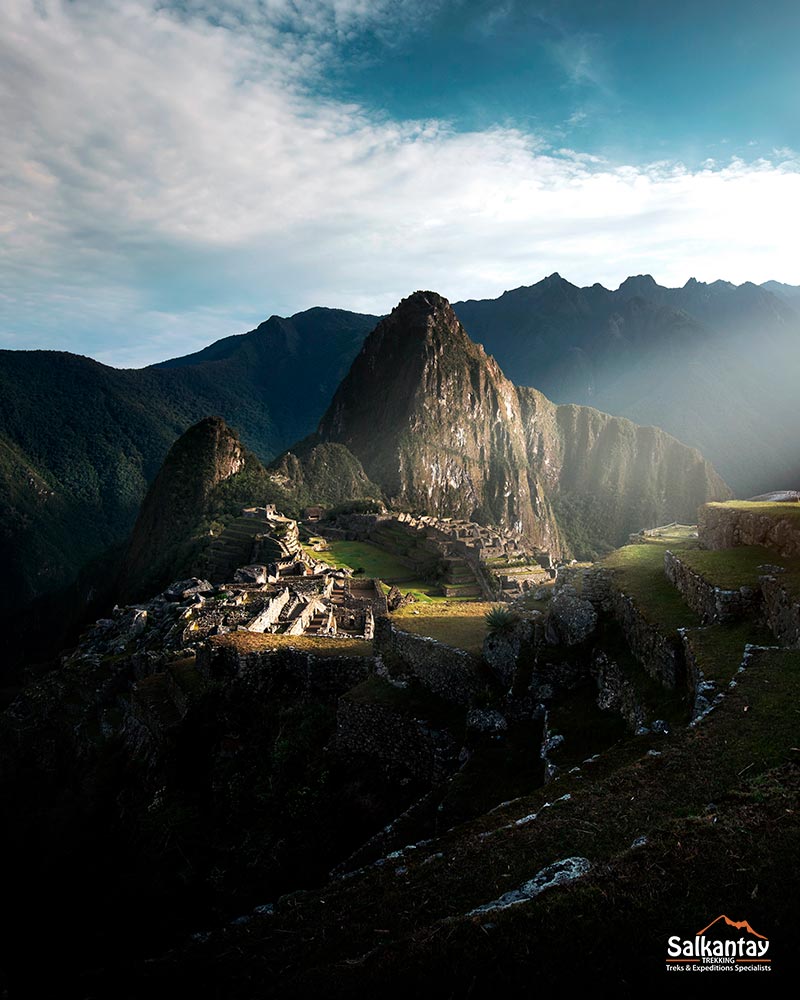
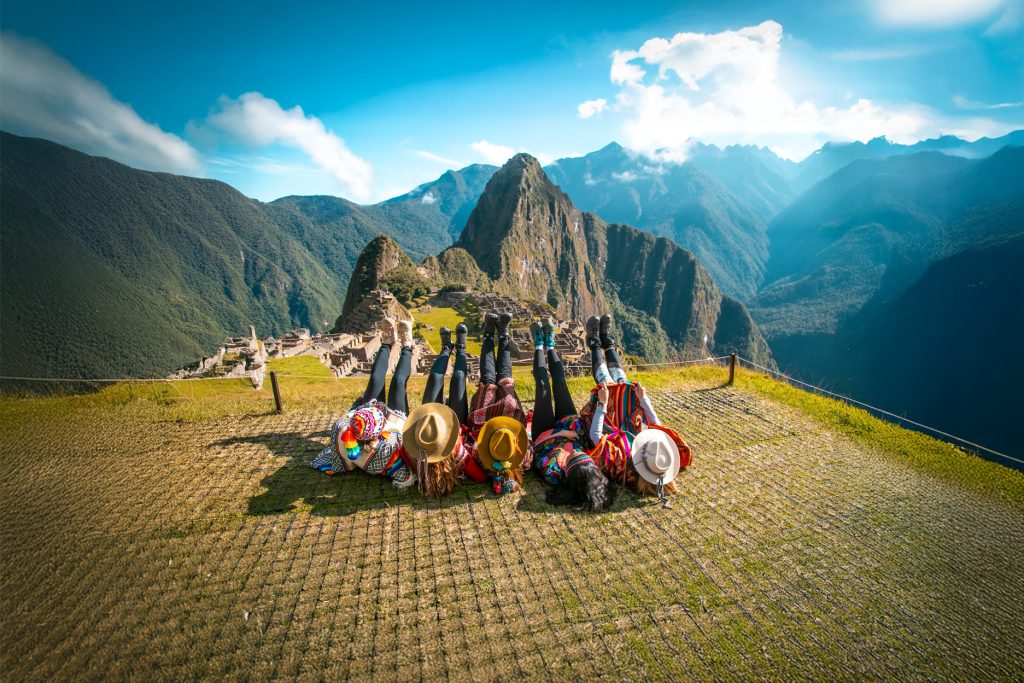
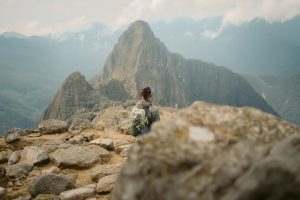
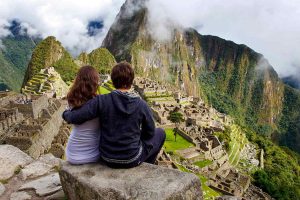
Machu Picchu is an archaeological gem of the ancient Inca Empire, a city built with astonishing precision high on a cloud-covered mountain ridge, surrounded by sacred peaks and deep canyons.
It is believed to have been a space reserved for the elite of the Tahuantinsuyo, possibly serving as a religious, agricultural, and astronomical center. Sages and rulers studied the cosmos, honored the Apus, and maintained harmony between their people and the natural world. Its temples, terraces, and enclosures were constructed using hand-carved stone blocks.
Today, Machu Picchu is a World Heritage Site and one of the most admired wonders on the planet. Yet beyond its fame, it remains a sacred place—a space where mystery and beauty converge to offer an experience that stays with every traveler.
Where is Machu Picchu?
Machu Picchu is located in the heart of the Peruvian Andes, in the Cusco region of southern Peru. More specifically, this ancient Inca city is located in the Machu Picchu district (also known as Aguas Calientes) and is part of the Urubamba province.
The citadel was built atop a mountain at approximately 2,430 meters (7,972 feet) above sea level, nestled between the mountains of Machu Picchu, Huayna Picchu, and Huchuy Picchu, overlooking the Urubamba River as it flows through a deep canyon.
The entire archaeological site lies within the Historic Sanctuary of Machu Picchu, a protected area covering more than 32,000 hectares of mountains, valleys, and Andean forests.Although many people associate Machu Picchu directly with the city of Cusco, the actual geographic distance (in a straight line) is 80 km (50 miles) northwest of the former Inca capital, and the two are connected by train routes and ancient trails that cross the stunning Sacred Valley of the Incas.
How to Get to Cusco
The fastest way to reach Cusco is by plane. The city is served by Alejandro Velasco Astete International Airport, which connects Cusco with several cities throughout Peru. If you are traveling from abroad, the best option is to fly first to Lima, landing at Jorge Chávez International Airport, as it is larger and receives most international flights.
Don’t worry! Below, we explain everything step by step so you can travel with complete peace of mind..
If you want all the information, you can read our full article on How to Get to Cusco.
Arriving from Abroad
When you think about how to travel to Peru from your home country, most likely it will be by plane. Lima, the capital of the country, has a large international airport that receives flights from all over the world. You will find different prices throughout the year, although it is most common for prices to be higher between May and October, as it is high season in Peru.
Search carefully! Some flights with layovers in Colombia, Chile, or Bolivia can land directly in Cusco.
If you prefer to travel through other South American countries during your trip, you can arrive in Peru by bus. If you choose this option, be prepared for long journeys lasting many hours or even days. Once in Lima, you can choose to take a flight to Cusco or travel by bus to the ancient Inca capital.
Traveling from Lima
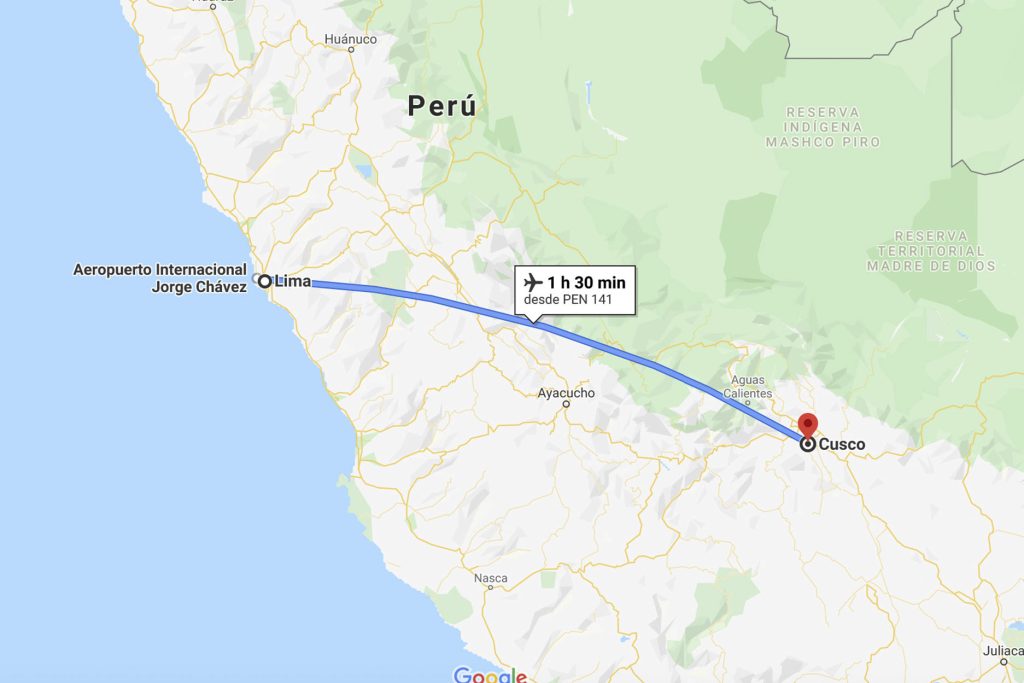
Most visitors arriving in Peru make their first stop in Lima. Sometimes it’s just for a few hours, and other times they stay a few days to explore the charms of the capital. Since Lima is located on the coast, it is not possible to travel directly from Lima to Machu Picchu—you must first stop in Cusco.
There are 2 main options to get from Lima to Cusco:
Plane
The easiest and fastest option by far is to travel by plane. The flight lasts just over an hour and is a very pleasant journey over the mountains. If you can, select a window seat to enjoy a spectacular view of the Andes as you approach Cusco.
It is certainly an exciting arrival! However, ticket prices can vary significantly, so we recommend researching and comparing airlines before booking.
Traveler’s Tip: If you plan to travel between May and October (high season), book your flights in advance, as many people want to visit Cusco during those dates.
Bus
The other option that visitors go for is to travel by bus. This, however, takes a lot longer. Up to 24 hours! It is a lot more economical, though. There are different options ranging from affordable to luxury buses with food, tv, and wifi included.
Although the journey is long, you’ll enjoy spectacular scenery from the window as you climb through the Andes. Be sure to bring enough snacks and water for the trip.
If traveling by land, it’s helpful to know where the main bus terminals are located:
- In Lima, many long-distance routes depart from the Gran Terminal Terrestre Plaza Norte, located on Av. Túpac Amaru, Independencia District, one of the main hubs for routes heading south and to other regions of Peru. You can also find departures from terminals or company offices in areas such as Javier Prado Este or Terminal Atocongo in San Juan de Miraflores, which connect with destinations like Arequipa, Cusco, and Puno.
- In Arequipa, interprovincial buses mainly operate from the Arequipa Norte Bus Terminal, located near the Arequipa Norte shopping area, with connections to Puno, Cusco, and Lima.
- In Puno, buses depart from and arrive at the Puno Bus Terminal, located at Jirón Primero de Mayo #703–705, César Vallejo neighborhood, offering routes to Cusco, Arequipa, and other southern regions of Peru.
Traveling from Arequipa
Arequipa is another city that many travelers visit before heading to Cusco. It is a beautiful city surrounded by volcanoes and canyons, offering plenty to tourists. From here, you have 3 options for reaching Cusco.
Plane
You can fly from Arequipa to Cusco in just over one hour. As with flights from Lima, prices can be relatively high, so checking different dates may help you find better deals. During descent, you’ll enjoy stunning views as Cusco gradually comes into sight.
Train
For a more exclusive experience, you can travel aboard the luxury Belmond Andean Explorer, operated by PeruRail. This service departs from the Arequipa Railway Station, located at Av. Tacna s/n, Cercado de Arequipa, a historic station of the Southern Railway and the official boarding point for this luxury train.
From there, the journey continues panoramically toward Cusco, stopping in Puno to allow passengers to enjoy the Altiplano landscapes and Lake Titicaca. The full Arequipa – Puno – Cusco itinerary lasts approximately 3 days / 2 nights, with all-inclusive service on board.
Prices start at around USD 4,500 per double cabin, depending on cabin type, itinerary, and season (2025 reference rates). More than just transportation, this journey is a luxury rail experience that combines comfort, dining, and breathtaking scenery.
Bus
Buses from Arequipa tend to be more popular than the planes. This is due to the lower cost as well as the fact that it can be done overnight, so you don’t miss any days of your vacation traveling. It takes around 11-12 hours and you get some lovely views when you awake in the morning.
You’ll find varying types of bus again from cheaper to more expensive that include all the extras you could want.
Traveling from Puno
Puno is a popular destination in southern Peru, known for Lake Titicaca and its floating islands. Its proximity to Bolivia makes it a common route for travelers entering Peru from the south on their way to Cusco and Machu Picchu.
There are two options for making this journey:
Train
One of the most comfortable and spectacular ways to reach Cusco is aboard the luxury Belmond Andean Explorer, operated by PeruRail, which travels along one of the highest railway routes in the world through the Andes.
The train departs from the Puno Railway Station (Puno Muelle), located at Jr. El Puerto s/n, Km 351.70 of the Arequipa–Puno railway line, and reaches Cusco through itineraries lasting 1 to 2 nights, depending on the program.
This all-inclusive service offers private cabins, gourmet dining, and exclusive experiences. Prices start at approximately USD 4,000 per double cabin for the Puno – Cusco (2 days / 1 night) route, depending on cabin type and season (2025 reference rates).More than a transfer, the Andean Explorer is a premium travel experience, ideal for those seeking comfort, scenery, and a unique way to explore the Andes.
Bus
The most common and affordable way to travel from Puno to Cusco is by direct bus. The journey takes around 8 hours, with both daytime and overnight departures available. Night buses are especially popular, as they help travelers save on accommodation and maximize their time.


How to Get to Machu Picchu from Cusco
Cusco is the closest city to Machu Picchu and the starting point for most visitors. Although many believe Machu Picchu is very close, reaching it takes some time. The road distance between Cusco and Machu Picchu is approximately 210 km (130 miles).
There are several ways to reach the archaeological site, some faster than others, so let’s take a look so you can choose the one that suits you best.
Trekking to Machu Picchu
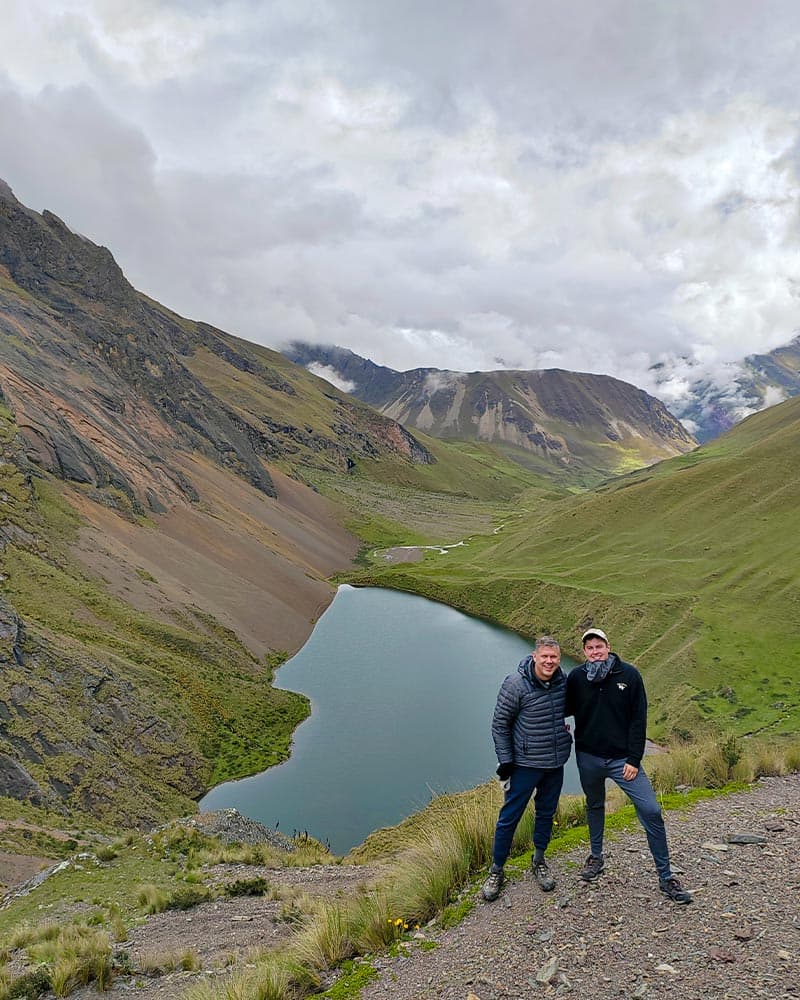
Embark on a great adventure! Reaching Machu Picchu by trekking is one of the most popular and special ways to arrive at the citadel. Cusco offers a wide variety of routes with different levels of difficulty, terrain, and landscapes.
You can do it on your own or through a travel agency to make sure everything is organized and you don’t have to worry about anything. Options range from just 2 days to 8 days in length, meaning there is something suitable for every type of hiker. Some of the most popular treks include the Salkantay Trek and the Inca Trail, although there are other lesser-known trails that are just as impressive but much less crowded.
Here are the best treks to Machu Picchu:
- Inca Trail: The most famous trekking route in Cusco and the only one that enters Machu Picchu directly through the Sun Gate (Inti Punku). Along the way, you’ll explore Andean landscapes, cloud forests, and impressive archaeological sites such as Llactapata, Runkurakay, Sayacmarca, Phuyupatamarca, and Wiñay Wayna. Due to high demand and conservation regulations, permits are limited and must be booked around 6 months in advance.
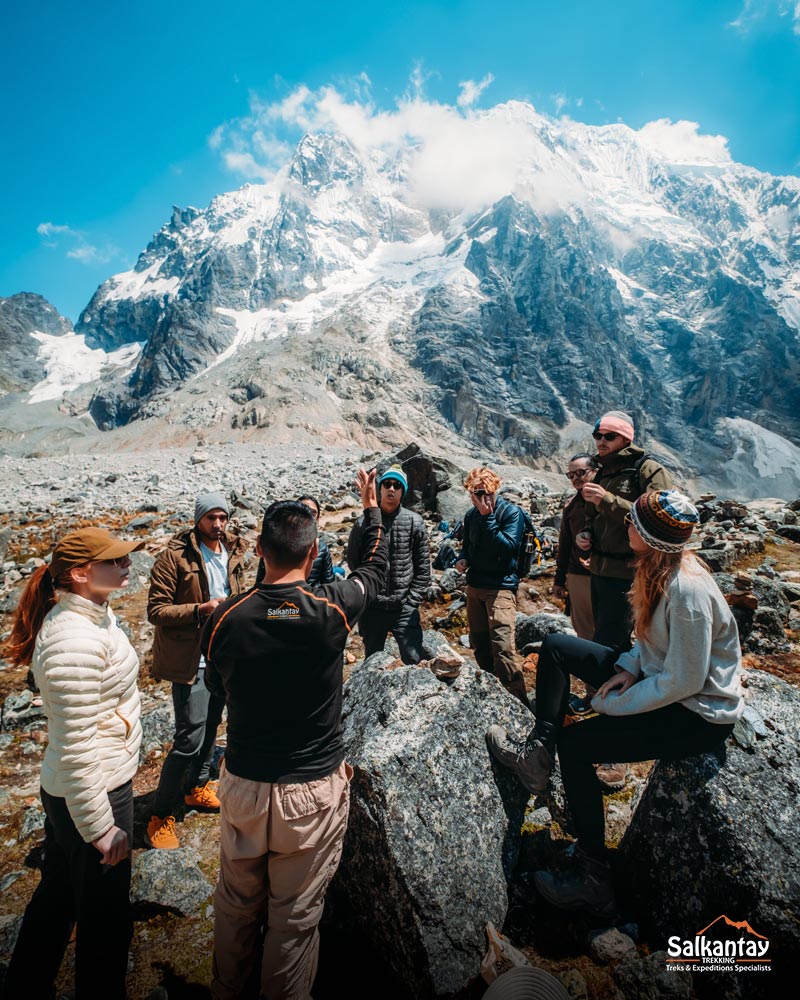
- Salkantay Trek: A spectacular alternative with greater availability and equally stunning scenery. You’ll walk from snow-capped mountains to the edge of the jungle, witnessing dramatic landscape changes. Highlights include the mesmerizing Humantay Lake and the imposing Apu Salkantay, one of the most sacred mountains in the Andes. Traveling with Salkantay Trekking also gives you exclusive access to our private camps along the route.
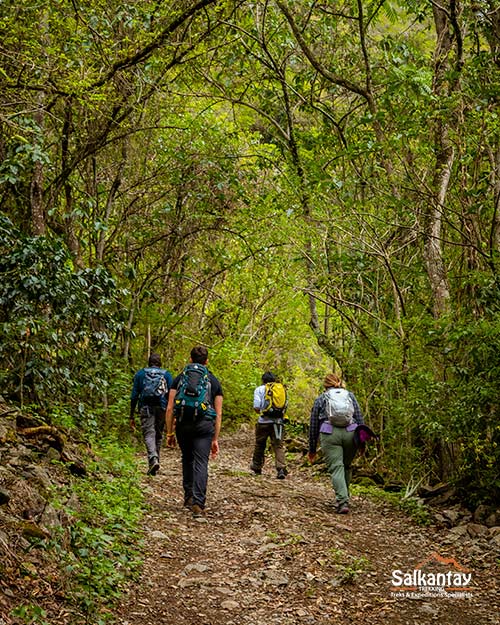
- Inca Jungle: This is an adrenaline-filled adventure that takes you to Machu Picchu not only by hiking but also by biking, rafting, and zip-lining through the Andes and the Cusco Jungle. If that’s not enough, you’ll have the opportunity to relax in the best hot springs of Cocalmayo in Santa Teresa. This trek will provide you with incredible thrills and an intimate connection with nature.
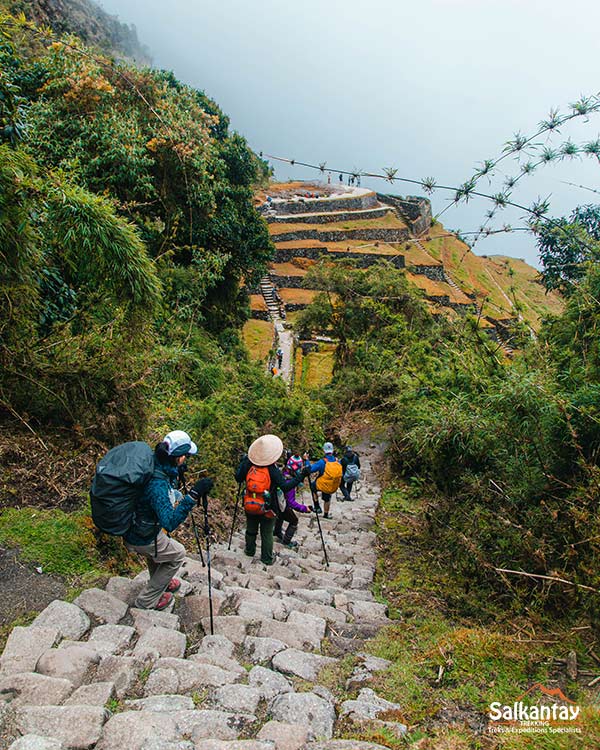
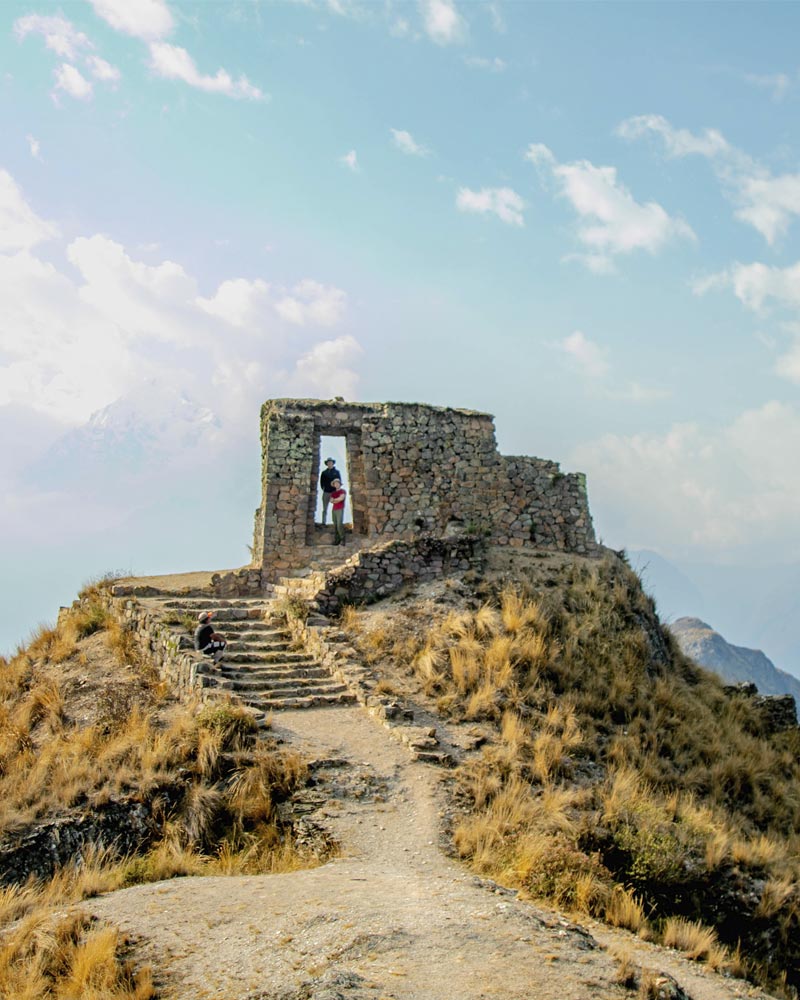
- Inca Quarry: Walk through the quarries where the Incas extracted massive stones for their monuments. The route begins with a visit to a tall waterfall and the archaeological site of Racaypata, then continues through mountains and valleys near Ollantaytambo. The highlight is reaching Inti Punku, a mountain-top gateway framing stunning views of Nevado Veronica.
- Lares Trek: Passing through Andean communities and natural hot springs, this is a less crowded route offering an authentic experience. Ideal for those seeking cultural connection and stunning landscapes without the crowds. The highlight of this trail is that it offers the chance to observe genuine rural life in the Andes.
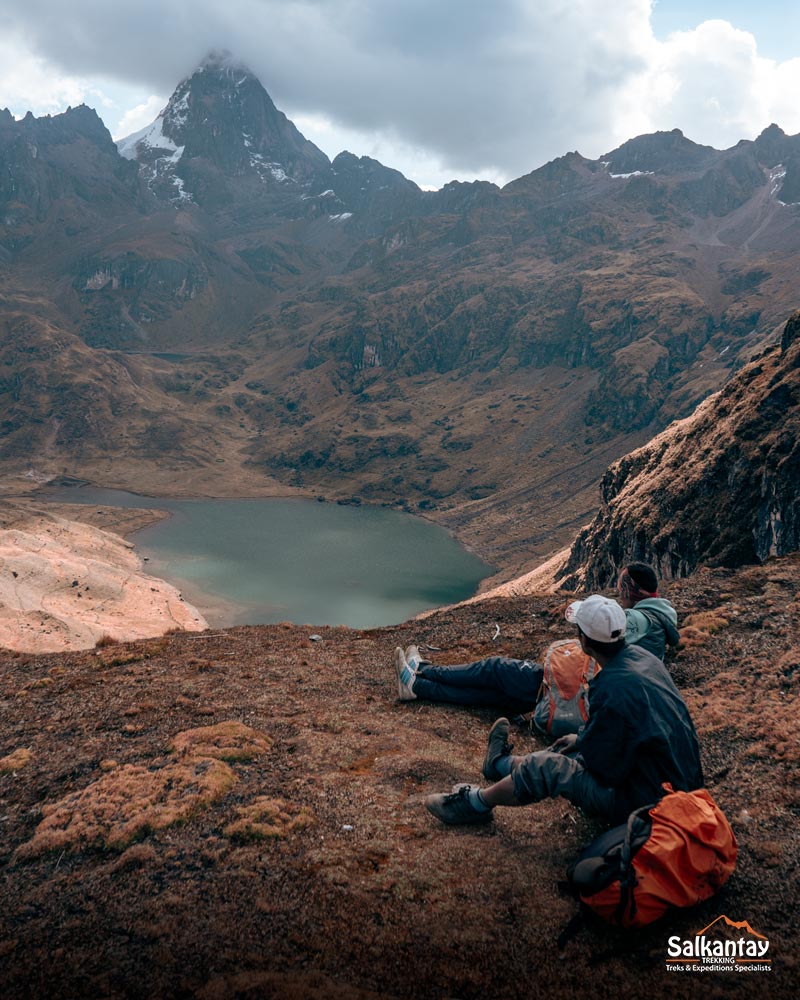
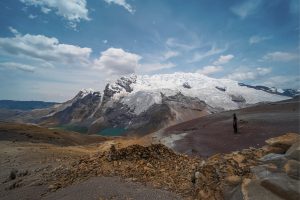
- Ancascocha Trek: A challenging and remote hike that crosses spectacular mountains and hidden valleys. This trail will take you to beautiful lagoons and across high mountain passes with breathtaking scenery. It offers stunning views of the snow-capped peaks and a sense of uncommon exploration.
Train to Machu Picchu
If you decide to arrive more comfortably, you can take the train to Machu Picchu. This train ends its route in Aguas Calientes, the town at the base of Machu Picchu. It is the fastest option and is often chosen by those with limited time or who prefer to avoid long hikes. It allows you to arrive energized and enthusiastic to explore every corner of the site. You can choose between more economical options and luxurious ones, depending on your budget and the type of experience you want to have.
Two companies operate train routes to Machu Picchu: IncaRail and PeruRail. Trains depart from Cusco stations such as San Pedro and Poroy, but a very popular and flexible option is boarding in Ollantaytambo, a town in the Sacred Valley offering more frequent departures. Another option is the Urubamba station.
At Salkantay Trekking, we offer two train tours to Machu Picchu:
- One-day tour: You will leave by car from Cusco to Ollantaytambo, where you will board the train to Aguas Calientes. Then, a bus will take you to Machu Picchu, where you will enjoy a guided tour of the citadel before returning to Cusco to rest. A perfect way to enjoy the Inca fortress at a relaxed pace.
- Two-day tour: This itinerary is even more relaxed. You will leave directly from Cusco by train to Aguas Calientes, where you will spend the night. This allows you to stroll through the small town and rest for the big day. The next morning, you will take a bus up to Machu Picchu and explore the citadel with a guide.


Bus to Machu Picchu
Another option that does not require hiking—but takes more time—is traveling by road to Hidroeléctrica, a small town with a train station that serves as a gateway to Machu Picchu.
You can take a shared bus from the Santiago Bus Terminal in Cusco, heading toward the La Convención Valley (Santa María and Santa Teresa).
The journey includes approximately 4 hours from Cusco to Santa María, followed by 30 minutes to Santa Teresa and another 30 minutes to Hidroeléctrica. From there, if you prefer a more relaxed option, you can take the train from Hidroeléctrica to Aguas Calientes, which takes 30–45 minutes. Tickets cost USD 45 (one way).
Train schedules from Hidroeléctrica to Aguas Calientes:
- Departure 07:24 → Arrival 08:40
- Departure 14:20 → Arrival 15:35
Return schedules from Aguas Calientes to Hidroeléctrica:
- Departure 06:45 → Arrival 07:30
- Departure 12:45 → Arrival 14:15
Walk along the train tracks from Hidroeléctrica
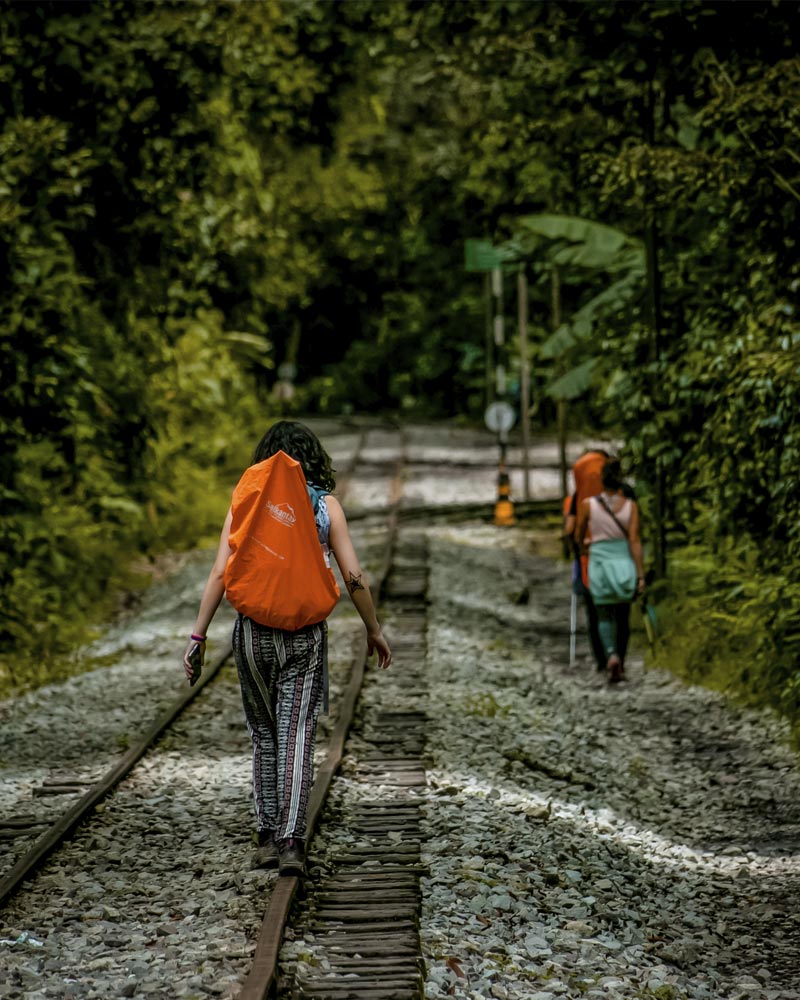
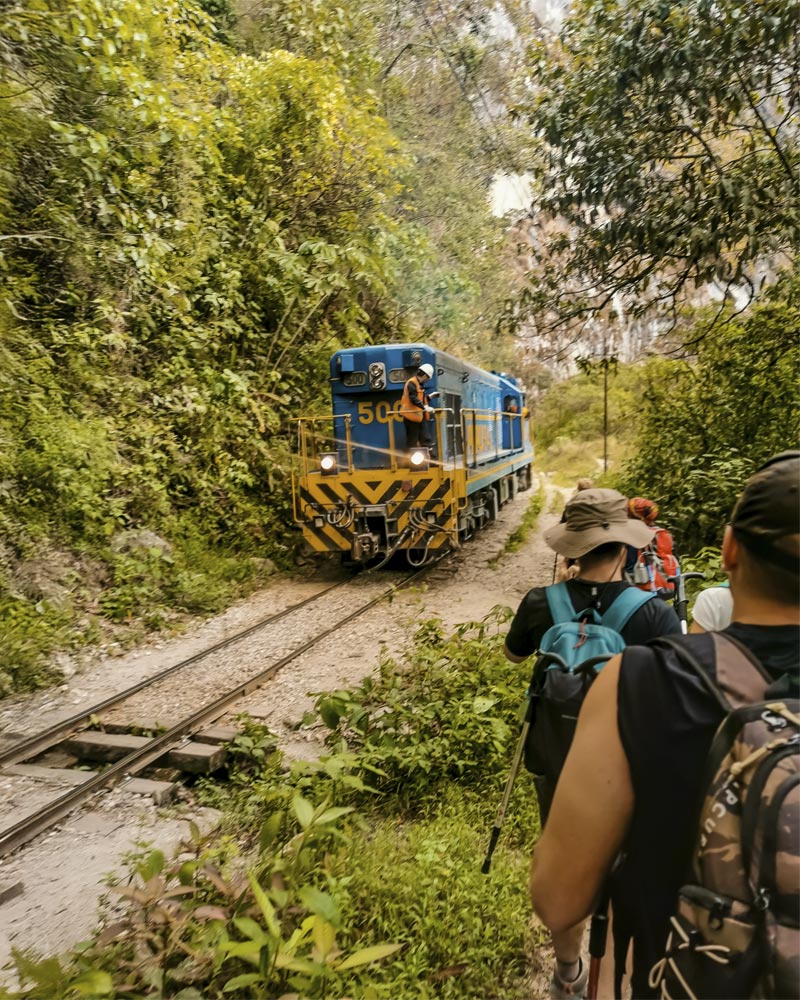
From this point, many travelers decide to walk alongside the train tracks until they reach Aguas Calientes, since it is a very economical option. This is a very picturesque walk, as you will be surrounded by lush jungle and high mountains. It takes around 2 to 3 hours and is flat, so it is not very difficult. Make sure to bring water and maybe some snacks to keep your energy up until you get to Aguas Calientes to eat.
Although traveling by car from Cusco to Machu Picchu is a low-cost alternative, it also involves several hours of travel. Compare all the options well to choose the best one for you.
Getting to Machu Picchu from Aguas Calientes
Aguas Calientes is the small town located at the foot of Machu Picchu. Once you arrive here, you’ll be at the base of the great Inca city. There are two ways to reach the site, both requiring an early start—but we promise the effort is worth it!
Getting to Machu Picchu on foot
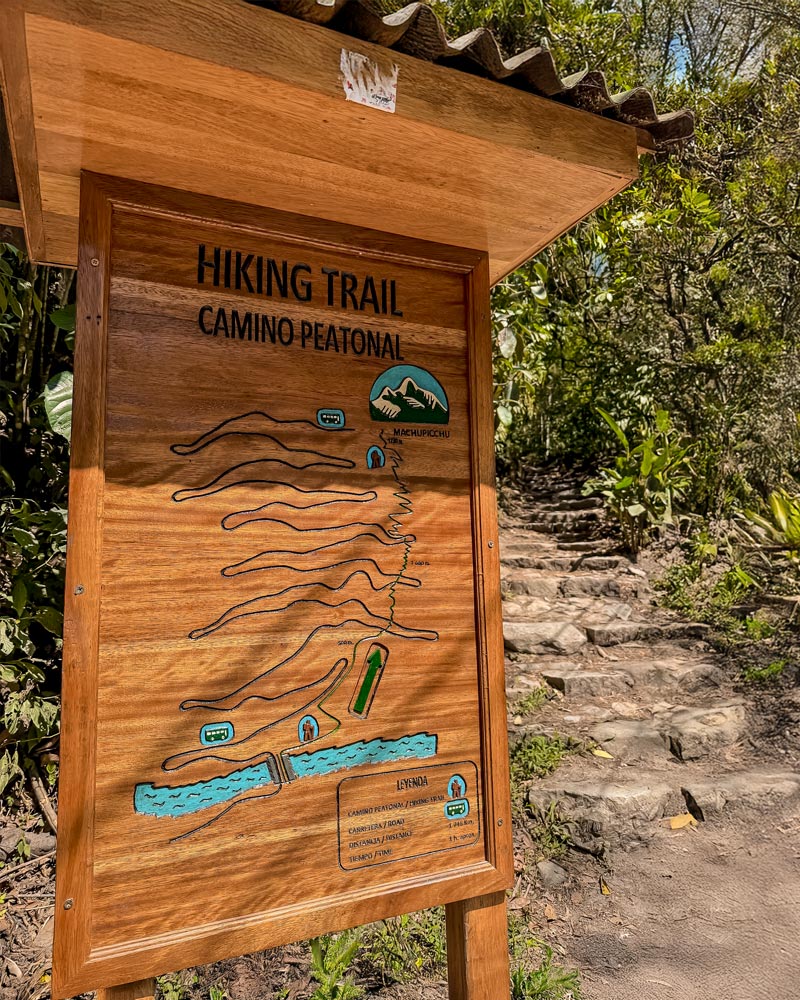
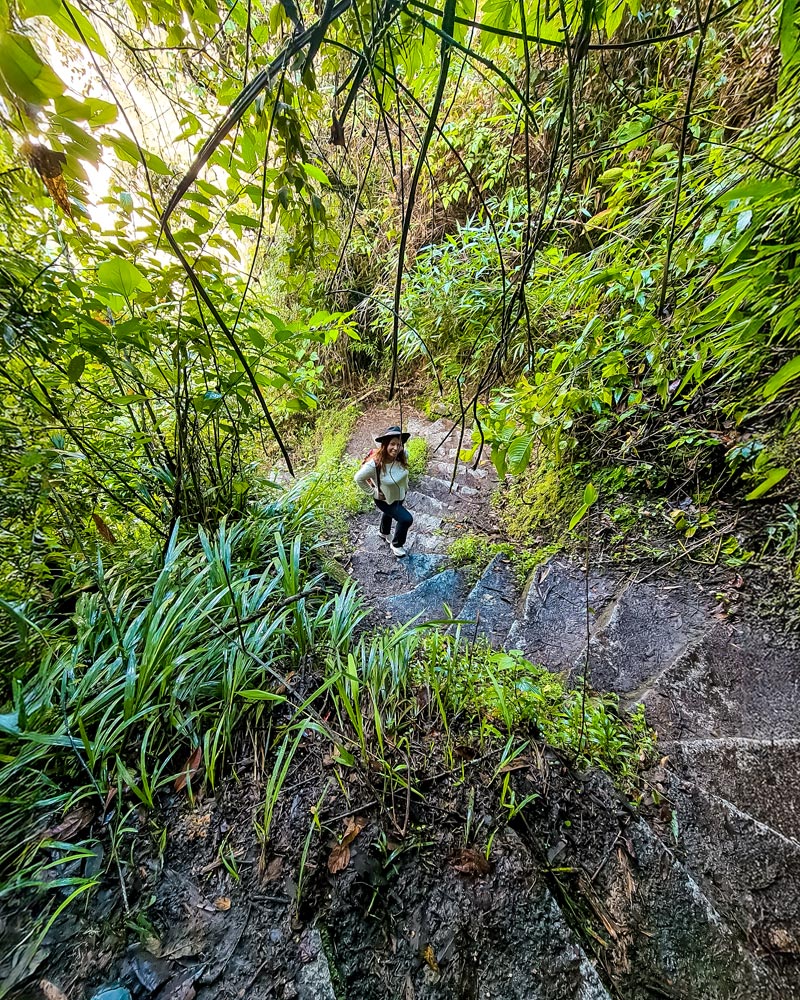
If you enjoy hiking, you can walk from Aguas Calientes to Machu Picchu along a trail that climbs ancient Inca stone steps. The ascent takes 1.5 to 2 hours, depending on your pace. Please arrive at the time indicated on your entrance ticket to Machu Picchu.
The route begins along the road leading to the citadel and crosses a bridge over the Urubamba River. From there, you’ll climb a steep trail of approximately 2,000 steps. While the ascent can be challenging, there are resting spots along the way, and there’s no need to rush.
Hiking from Aguas Calientes to Machu Picchu is a complete and unique experience. It will allow you to connect with nature, feel the energy of the mountains, and live the path as the ancient Incas did. The dedication and effort turn into excitement when, upon reaching the top, you see the first stones of the citadel appear through the mist. That moment is never forgotten.
Bus up to Machu Picchu
An easier way to reach Machu Picchu without too much physical effort is by taking one of the official shuttle buses departing from Aguas Calientes.
The ride takes 25 to 30 minutes along a winding road to the entrance of the citadel. Tickets cost approximately USD 12 per ride for foreign tourists, with very frequent departures (every 5 to 10 minutes) starting at 5:30 a.m.
To secure your seat, we recommend purchasing your bus ticket in advance. Ticket sales are traditionally managed by CONSETTUR (or the current operating consortium following the end of the exclusive concession, such as Inversiones San Antonio de Torontoy).
Ticket Offices:
- In Aguas Calientes: Main office on Avenida Hermanos Ayar s/n
- In Cusco: Av. Pardo Paseo de los Héroes 827
- Website: https://comprar.caminoalamaravilla.com/
If purchasing in person, arrive as early as possible to be among the first in line. Return tickets are available at a similar cost.
Frequently Asked Questions about Machu Picchu
Do you have questions about your trip to Machu Picchu? Here we answer some of the most frequently asked questions travelers have when visiting Cusco and planning their adventure to the Inca citadel.
The cheapest way to reach Machu Picchu is to take a shared bus (colectivo) to Hidroeléctrica, walk to Aguas Calientes, and then hike up to the fortress. This option allows you to save money on transportation, although it is a longer and more physically demanding alternative.
The total cost of shared transportation (colectivos) is approximately USD 15–20 (one way).
You can choose between budget trains and more luxurious options, depending on your budget and the type of experience you want to enjoy on your trip to Machu Picchu.
The cheapest tickets cost around USD 60 per trip, while the most exclusive options, such as luxury trains, can cost up to USD 500, including gourmet services, live music, and personalized attention.
Ollantaytambo: A town in the Sacred Valley. It has the highest frequency of train departures.
San Pedro: Located in the center of Cusco. It has direct trains to Aguas Calientes, but with limited schedules and operates only during high season, from May to October.
Poroy: A station located about 20 minutes by car from Cusco. It offers luxury train services.
Wanchaq: Located within the city of Cusco. It offers a bus journey to Ollantaytambo, followed by a train ride to Machu Picchu.
You can visit Machu Picchu in one day, although for a relaxed and stress-free experience, the ideal option is to dedicate 2 days to the visit.
If you travel by train, it is possible to visit Machu Picchu in a single day. The journey from Cusco (or from Ollantaytambo) is relatively fast, allowing you to reach the citadel, explore it, and return on the same day.
If you travel by car, you will need at least 2 days. The road journey is longer and usually includes a walk from Hidroeléctrica to Aguas Calientes. For this reason, the most common option is to spend one night in the town and visit Machu Picchu the following day.
The best time to visit Machu Picchu is during the dry season, from May to October. During this period, you can expect stable weather with clear skies and better visibility, making it ideal for hiking and exploring the site.
To learn more, visit our full blog post about The Best Time to Visit Machu Picchu.
Inside Machu Picchu, there are several circuits that allow visitors to explore different areas of the citadel. The entrance price varies depending on the type of ticket and the visitor’s nationality.For example, the general ticket for Circuit 2: Classic Machu Picchu costs USD 40 for foreign visitors and USD 17 for national tourists, with reduced rates available for students, children, and Peruvian citizens or citizens of the Andean Community (CAN).
Conclusion
Now that you know how to get to Machu Picchu, it’s time to prepare yourself for one of the most memorable experiences of your life. This is not just any destination; it is a connection with history, nature, and yourself. Make it happen with Salkantay Trekking.
Machu Picchu awaits you with open arms!






Leave A Reply