
Usually, we enjoy the destination more than the journey itself—but did you know two historic routes lead to the legendary citadel of Machu Picchu? The famous Inca Trail is one of the most sought-after trekking routes in the world. However, among Peru’s dramatic mountain landscapes, an equally magical and special alternative emerges: the Salkantay Trek.
In this article, we compare the Inca Trail and the Salkantay Trek from different perspectives—landscapes, difficulty, altitude, experience, campsites, and type of adventure—to help you choose the route that best suits your travel style. Both lead to Machu Picchu, but they do so in very different ways: one through history and archaeology, the other through the most impressive nature of the Andes. Whichever you decide, the journey will be as memorable as the destination. Let’s get started!
Table of contents
What is the Salkantay Trek?
The Salkantay Trek is one of the most fascinating trekking routes in Cusco and a perfect alternative to the Inca Trail. This trek from Salkantay to Machu Picchu leads travelers through diverse landscapes, ranging from snow-capped peaks to lush tropical valleys. Every step reveals the majesty of the Andes and the living essence of Peruvian culture.
What is the Inca Trail?
The Inca Trail is the most famous hiking route in South America and the most renowned section of the Qhapaq Ñan, the impressive network of roads built by the Inca civilization more than 500 years ago. This system stretched over more than 60,000 kilometers (37,282 miles), connecting territories that today belong to Peru, Ecuador, Colombia, Bolivia, Chile, and Argentina.
Today, the Inca Trail to Machu Picchu is considered one of the top five hikes in the world and the best way to reach this world wonder. Every year, thousands of travelers book their permits months in advance to experience this unforgettable journey. This route perfectly blends history, ancient culture, and adventure with the majestic landscapes of the Peruvian Andes.
Landscapes of the Salkantay Trek vs the Inca Trail
Landscapes Along the Salkantay Trek
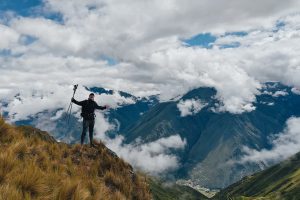
The Salkantay Trek route is a journey through some of the most breathtaking landscapes in the Peruvian Andes. From the very first day, the trail winds through deep green valleys, sacred mountains, and towering glaciers, creating a truly unique visual experience.
Humantay Lake
A jewel of turquoise waters located at the base of the Humantay Glacier. Its intense color, spiritual energy, and mountainous surroundings make it one of the most photographed spots along the trek. Many travelers perform small symbolic offerings here to Apu Humantay, honoring Andean traditions.
Apu Salkantay
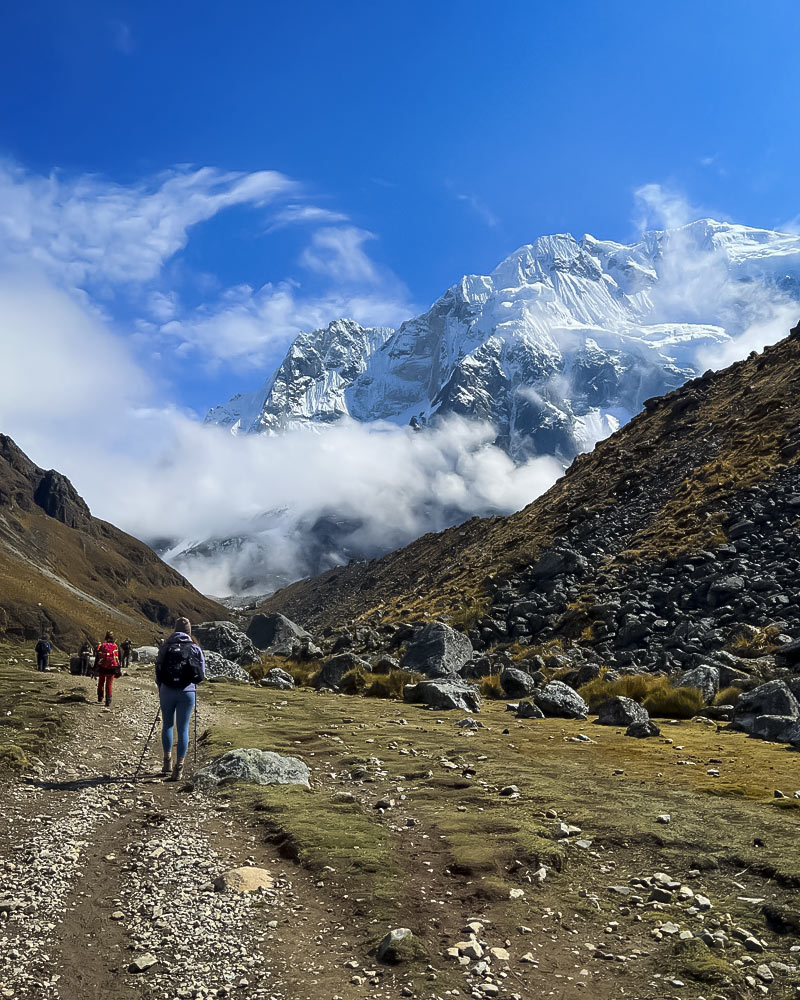
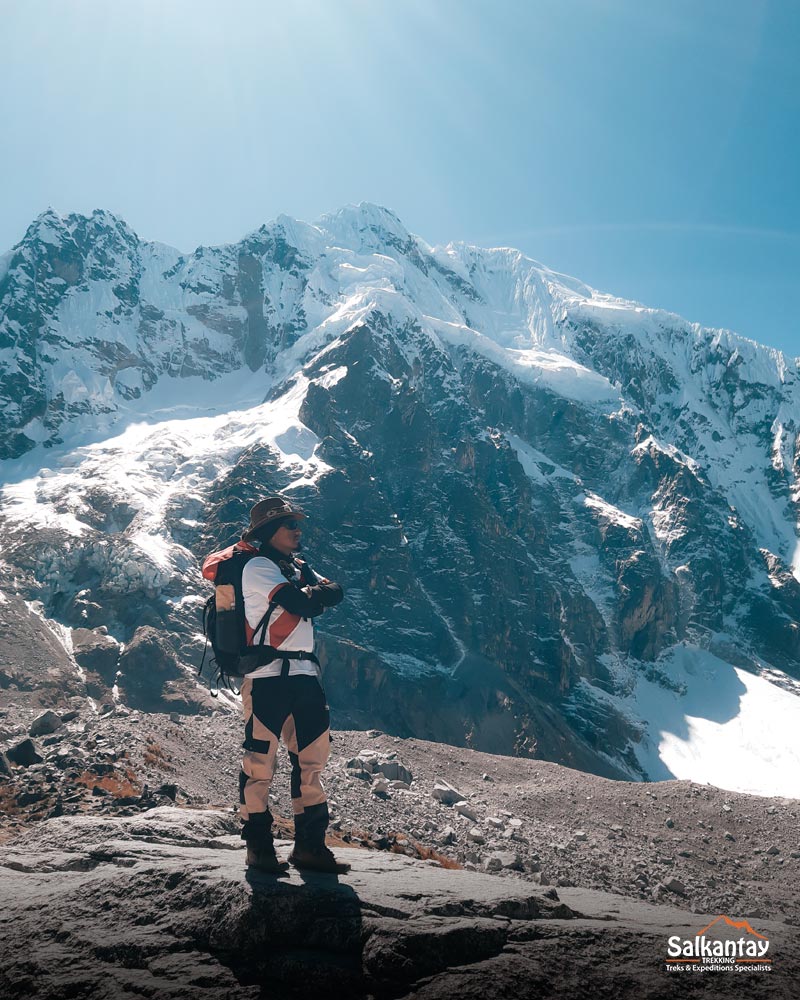
One of the sacred Apus (mountain spirits) of southern Peru rises to 6,271 meters (20,574 feet) above sea level, standing as the guardian of the route. Its snow-covered silhouette dominates the horizon and symbolizes the connection between the earthly and spiritual worlds in Andean cosmology.

Salkantay Pass
At 4,650 meters above sea level (15,255 feet), the Salkantay Pass is the highest point of the trek. From this mountain pass, the landscape transforms dramatically: the icy Andean world gives way to the lush green valleys of the cloud forest. Reaching this point represents both a physical and emotional triumph.
Llactapata
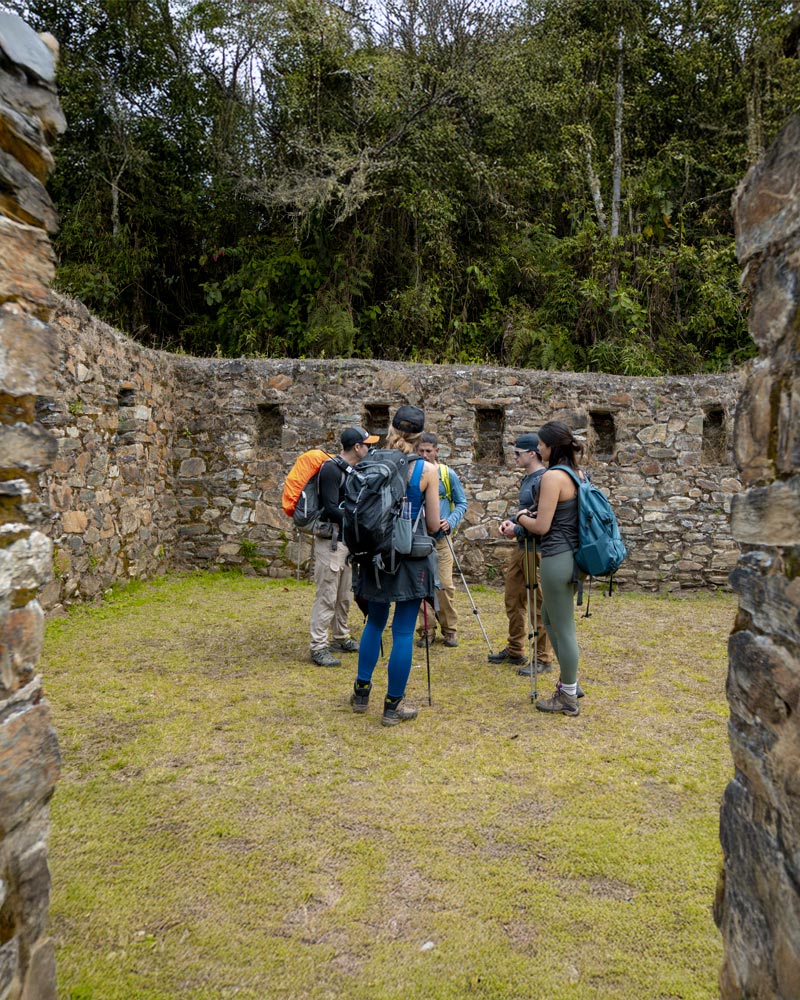
The Llactapata archaeological site is a 15th-century Inca complex that offers a privileged and direct view of Machu Picchu. Once a resting place for pilgrims traveling to Vilcabamba, it is now a sacred, quiet viewpoint free of crowds, where history and nature coexist in perfect harmony.
Salkantay to Machu Picchu
Upon arriving in Machu Picchu, you will witness how temples, terraces, and viewpoints blend seamlessly with nature in one of the most sacred and magical settings on the planet. It is the perfect reward after crossing glaciers, mountains, valleys, and jungle.
Ready to plan your adventure to Machu Picchu with everything you need to know? Discover a complete Salkantay Trek guide that inspires, informs, and prepares you step by step to turn this dream into reality and transform your journey into an unforgettable experience.
Landscapes of the Inca Trail
The landscapes along the Inca Trail are deeply connected to history, spirituality, and ancient engineering. Unlike the vast open scenery of the Salkantay Trek, the Inca Trail offers a more intimate journey through stone paths, cloud forests, mountain passes, and archaeological complexes hidden within the Andes.
Llactapata or Patallacta
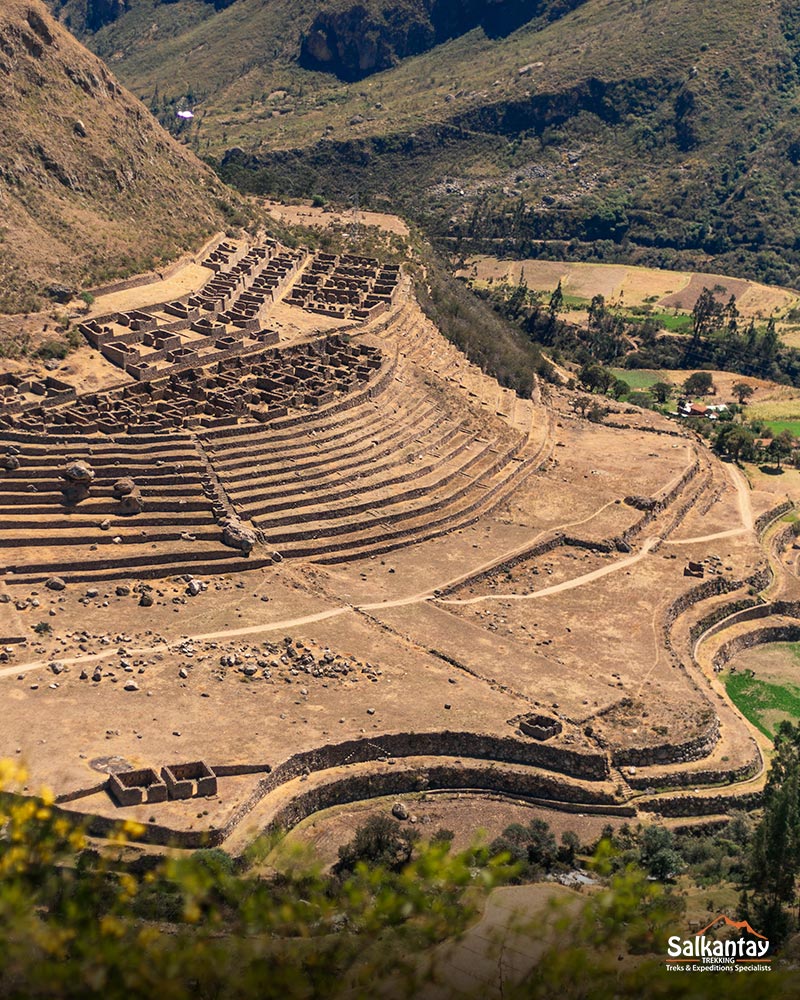
This is the first archaeological complex you will visit along the Inca Trail. Strategically located, it is known for its extensive agricultural terraces. The name “Llactapata” means “High Town” or “Town of the Terraces” in Quechua. This Inca site served as an agricultural and ceremonial center and controlled important trade routes.
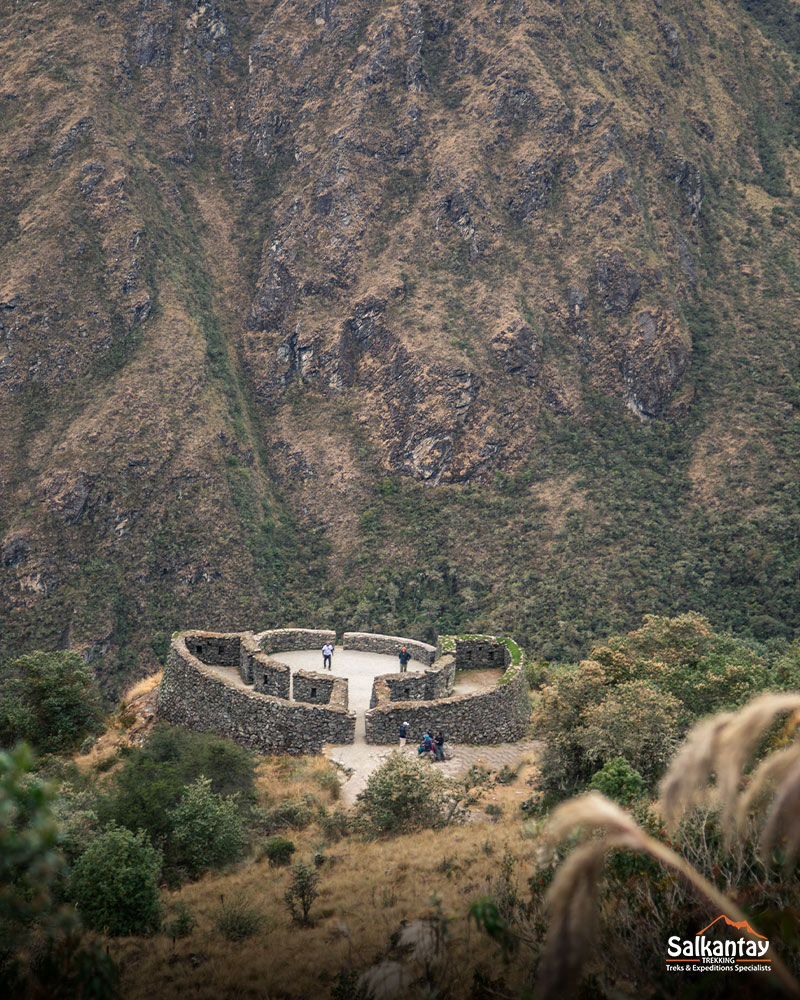
Runkurakay
In Quechua, its name means “Pile of Ruins.” Runkurakay is an Inca archaeological site known for its distinctive circular architecture, which is believed to have functioned as a control point, observation post, or religious site.
Sayaqmarca
Its name in Quechua means “Inaccessible Town.” This Inca archaeological site is located on a mountain ridge and is known for its urban layout, divided into the Temple of the Sun and a residential area with narrow corridors, complemented by terraces, staircases, and water channels.
Phuyupatamarca
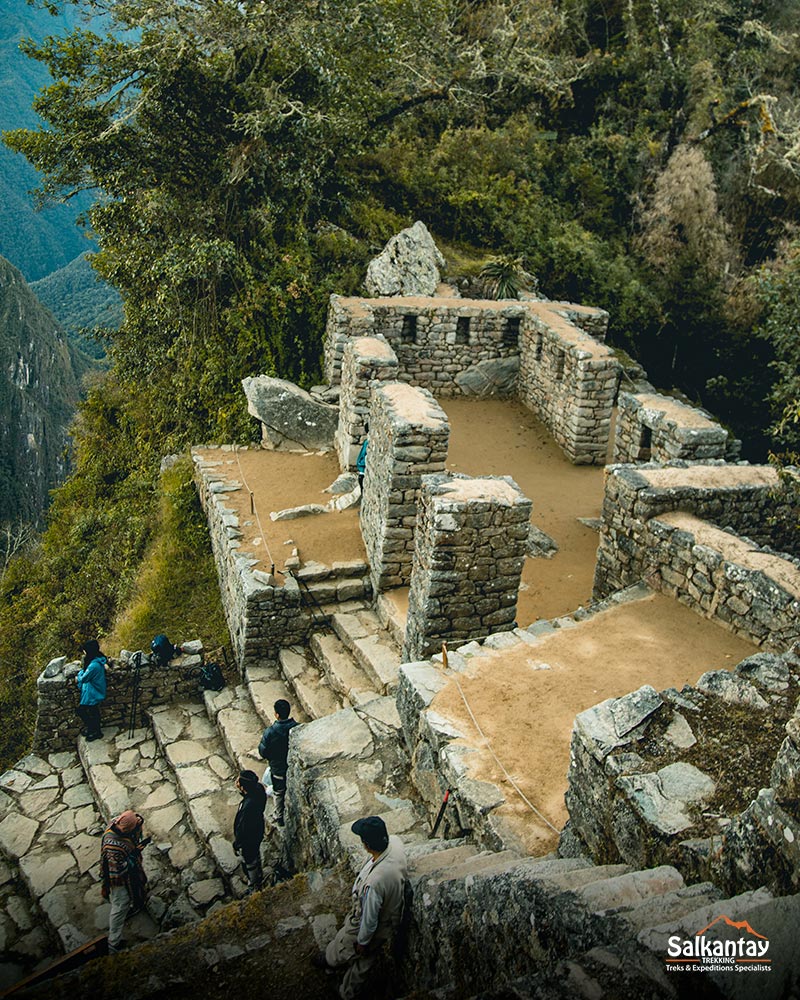
This archaeological site is a clear example of the Inca philosophy of harmony with nature. It consists of carved terraces, enclosures, and ritual baths, and stands out for its advanced—and still functional—water system used for irrigation.
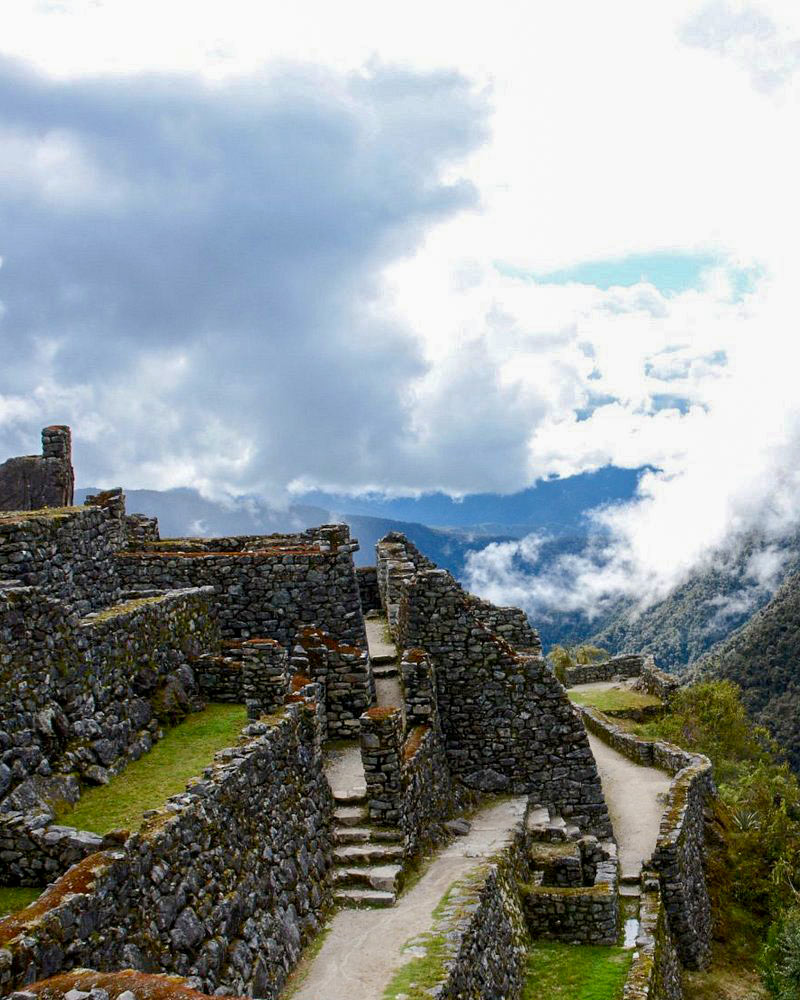

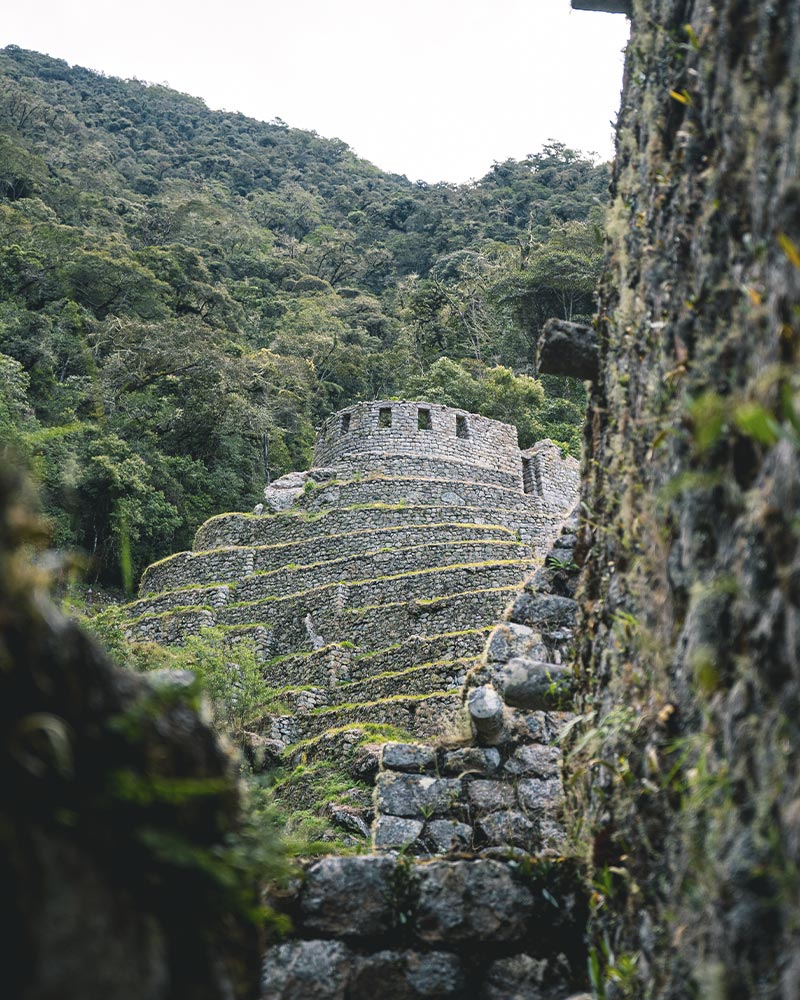
Wiñay Wayna
Its name means “Forever Young” in Quechua. This archaeological site functioned as a ceremonial and agricultural center used for religious activities and for growing food to supply travelers along the trail. It is notable for its well-preserved stone structures, including agricultural terraces, residential buildings, fountains, and a temple.
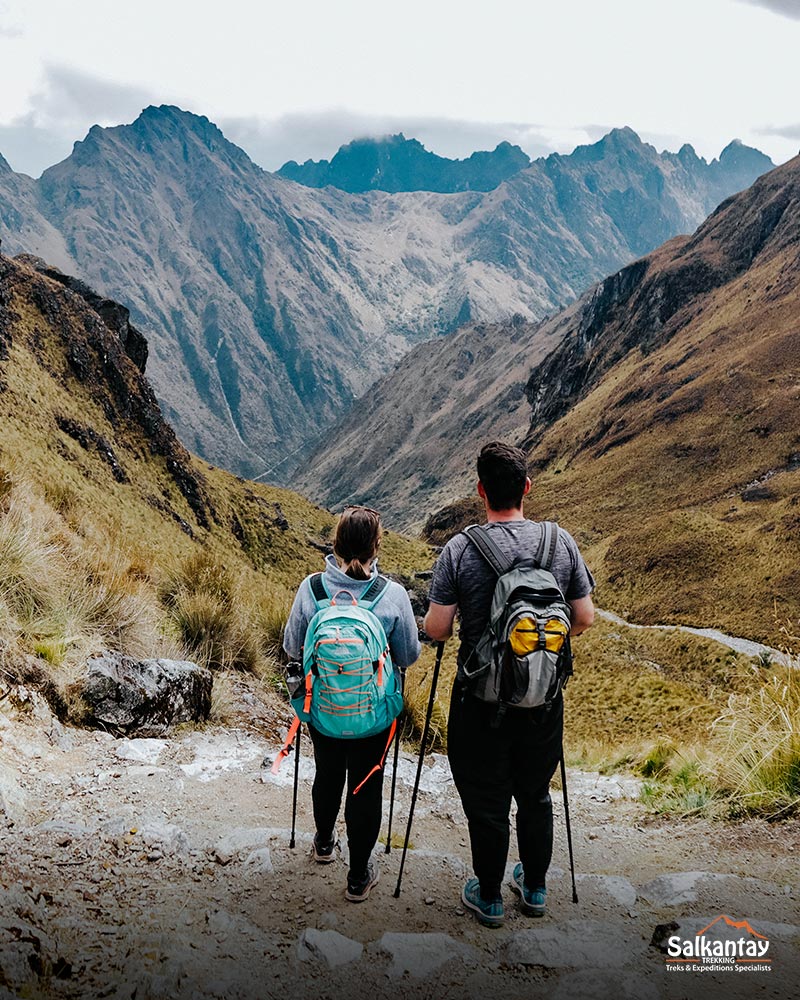
The Warmiwañusca Pass
The most challenging point of the route is the Warmiwañusca Pass (4,215 m / 13,828 ft), known as the Dead Woman’s Pass. It is one of the most demanding and symbolic sections of the Inca Trail. Reaching its summit represents a personal achievement and marks the beginning of the descent toward Machu Picchu.
Inti Punku (Sun Gate)
Inti Punku is not only a viewpoint with panoramic views of Machu Picchu, but also holds great historical value as the main entrance to the citadel.
Machu Picchu
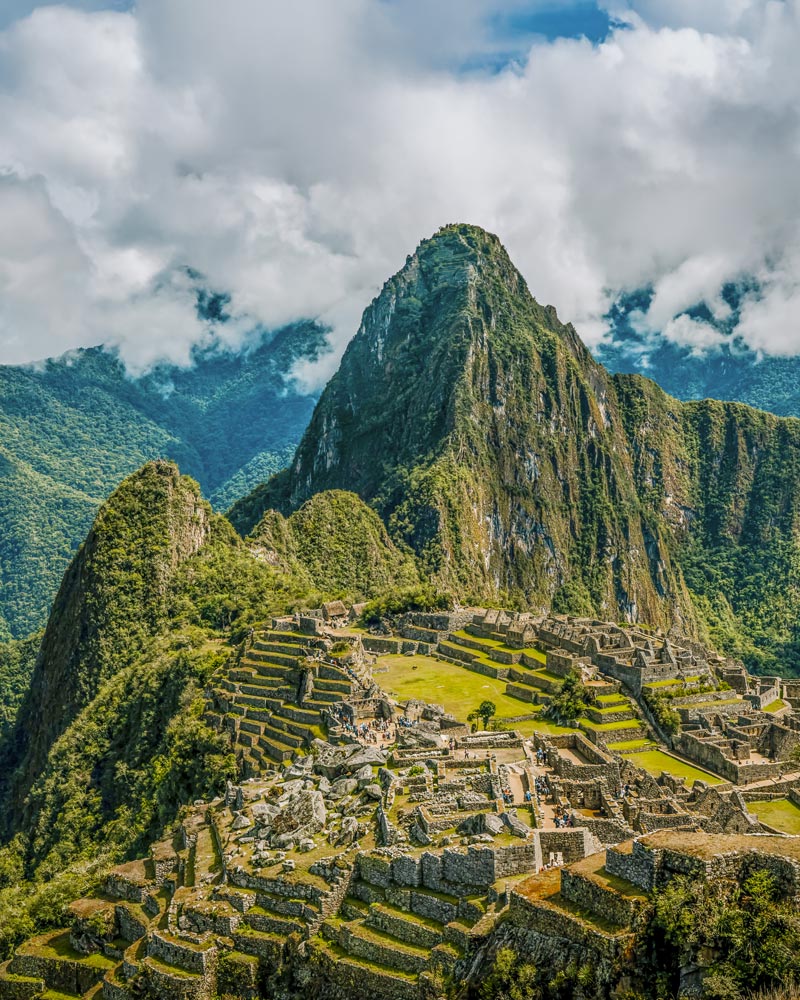
The final and most iconic destination of the Inca Trail. Machu Picchu is an astonishingly well-preserved Inca citadel and is recognized worldwide as one of the Wonders of the World.
Do you want to prepare your trip like an expert and avoid surprises? This complete Inca Trail trekking guide gives you everything you need to know to hike with confidence, understand each stage, and enjoy the experience to the fullest. Become the protagonist of your own historical adventure.
Weather on the Salkantay Trek vs the Inca Trail
Weather on the Salkantay Trek to Machu Picchu
Both the Salkantay Trek and the Inca Trail experience significant weather variations due to the wide range of altitudes and ecosystems found in the Cusco region of Peru.
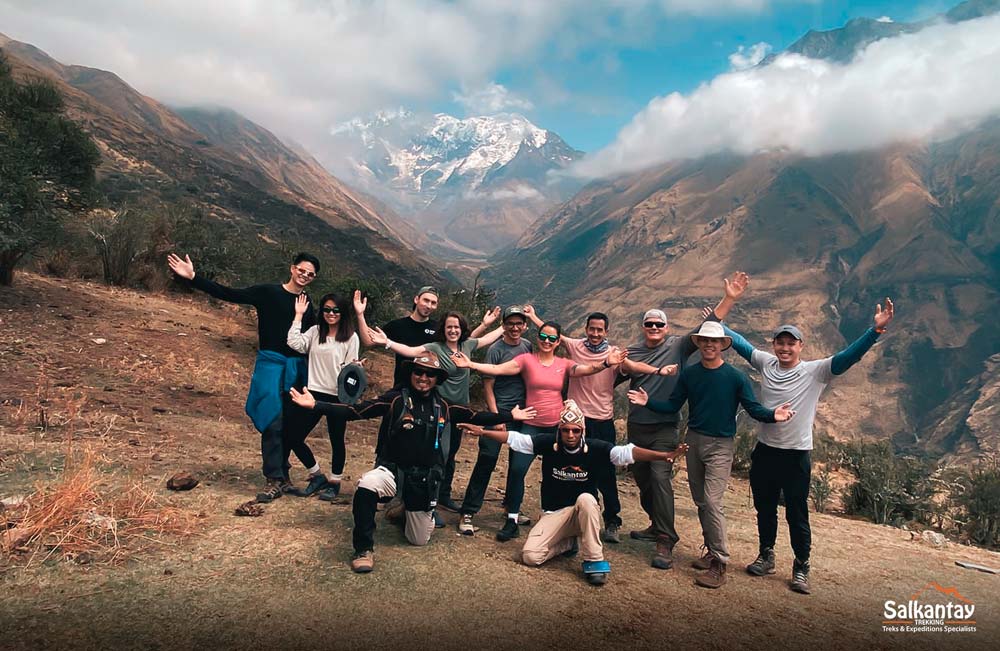
- On the first day, in the Challacancha area, the weather along the Salkantay trek is generally warm during the day, while nighttime temperatures can drop to around 2°C (41°F).
- As you ascend to higher areas, such as the Salkantay Pass, temperatures decrease considerably, often hovering around 0°C (32°F).
- In the lower areas closer to Machu Picchu, such as Santa Teresa and Aguas Calientes, the climate is usually warmer and more humid, with daytime temperatures ranging between 20 and 25°C (68–77°F) and nighttime temperatures around 10°C (50°F).
- The best season to hike the Salkantay Trek is during the dry season, from May to October. During these months, you will enjoy sunny days, cold nights, and well-maintained trails, allowing you to fully appreciate the Andean landscapes and their impressive natural beauty.
Weather in Inca Trail to Machu Picchu
- During the day, in lower areas such as the starting point of the trek in Piscacucho (Km 82), you can experience warm temperatures ranging between 20 and 25°C (68–77°F).
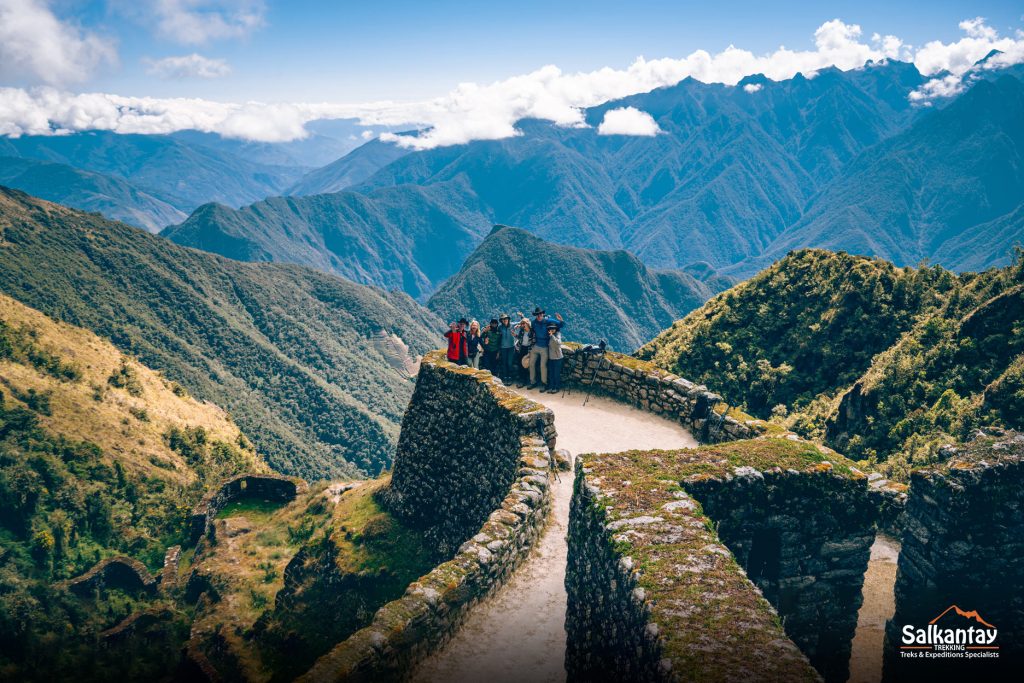
- As you reach higher elevations, such as the Warmiwañusca Pass, temperatures can drop to around 0°C (32°F) or even lower.
- When you are closer to Machu Picchu, in places such as Wiñay Wayna and Inti Punku (Sun Gate), the climate tends to be warmer and more humid, with temperatures between 20 and 25°C (68–77°F).
- The best time to hike the Inca Trail is also from May to October, when weather conditions are more stable. Please note that the Inca Trail remains closed in February for maintenance.
IMPORTANT: In the Andes, weather conditions can be unpredictable, so it is essential to be well prepared and properly equipped in case of sudden drizzles. Having the right gear will help you avoid uncomfortable situations… and keep you from ending up completely soaked!
Where to Sleep on the Way to Machu Picchu?
Sleeping along the route to Machu Picchu is not just a logistical necessity—it is an essential part of the experience. On both the Salkantay Trek and the Inca Trail, each night becomes a moment of rest, connection with nature, and physical recovery, preparing both body and mind for the next day of adventure.
Salkantay Trek Campsites
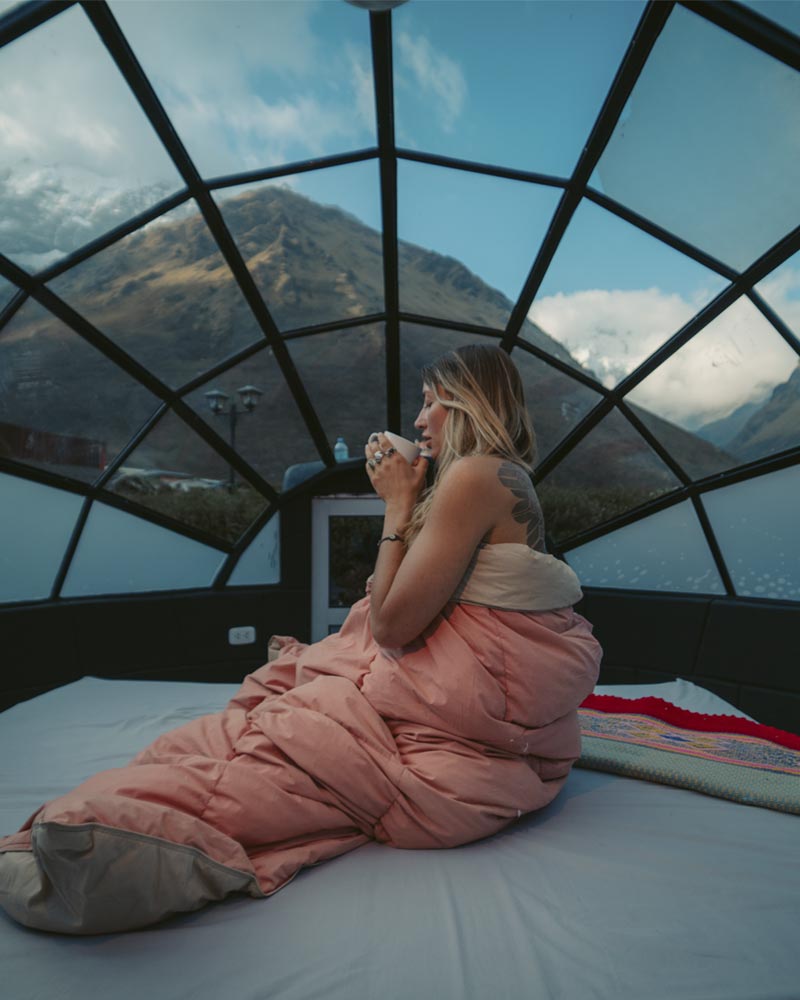
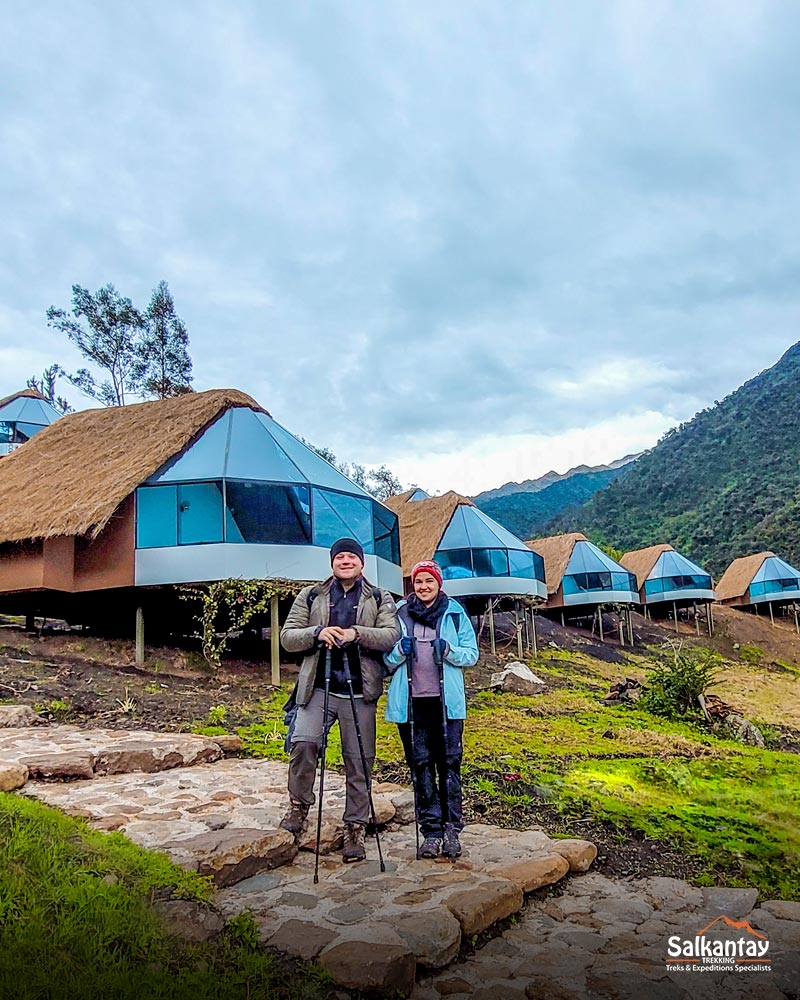
Along the Salkantay route to Machu Picchu, the experience goes far beyond trekking: the camps have been designed to turn each night’s rest into a memorable moment. Throughout the journey, travelers enjoy exclusive accommodations that combine comfort, eco-friendly design, and sustainability, set in unique natural environments ranging from high mountain landscapes to the jungle. These camps not only support acclimatization and physical recovery, but also offer spectacular views, star-filled skies, and a deep connection with the Andean landscape.
From the domes of Soraypampa, ideal for starting the adventure and visiting Humantay Lake, to the Andean glamping experience at Mountain Sky View in Collpapampa, and the Jungle Domes, eco-friendly domes located in the cloud forest of Lucmabamba, each stage offers a different experience. The route concludes with a night of rest in Aguas Calientes, just before entering Machu Picchu, marking the perfect transition between the adventure in nature and the encounter with the Inca citadel, allowing travelers to arrive refreshed for the most anticipated moment of the journey
Inca Trail Campsites
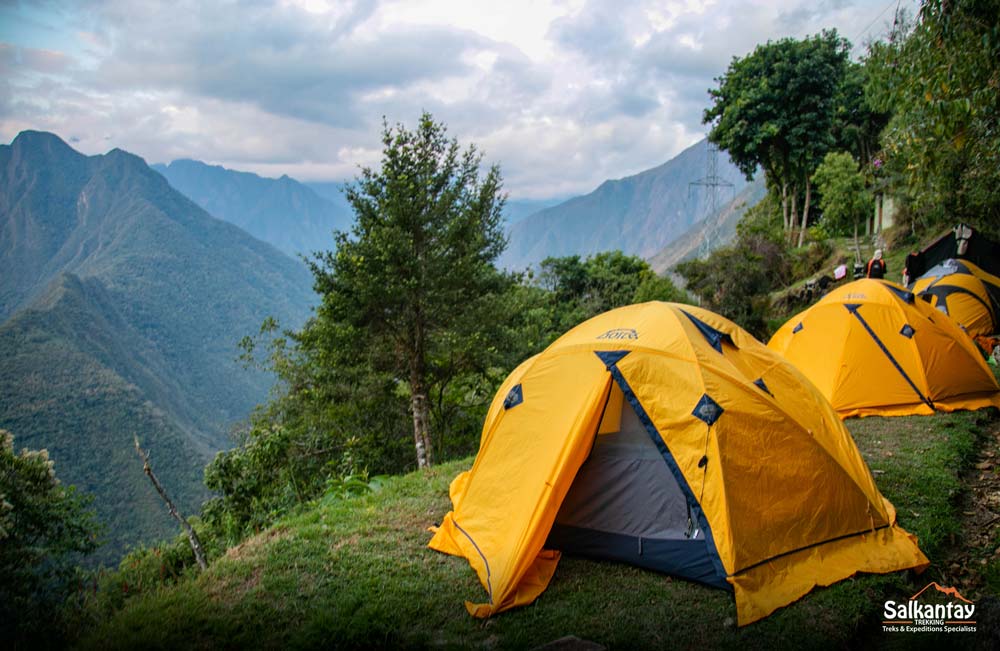
On the Inca Trail, everything is carefully organized to ensure a safe and comfortable experience. There are three officially authorized camping sites where travelers spend each night along the route:
First night: Ayapata Camp
Altitude: 3,300 m / 10,826 ft
Second night: Chaquicocha Camp
Altitude: 3,600 m / 11,811 ft
Third night: Wiñay Wayna Camp
Altitude: 2,650 m / 8,694 ft
Each campsite is equipped with spacious tents that are resistant to wind and rain, designed to provide safe rest in high-mountain conditions. In addition, they include common areas and basic facilities that allow hikers to recover both physically and mentally after each day on the trail.
Here, rest is not a luxury—it is preparation and part of the adventure. Sleeping well on the Inca Trail is essential to face the elevation changes, Inca stone staircases, and physical challenges of the route to Machu Picchu.
Learn everything you need to know about our exclusive camps.
Permits for the Salkantay Route vs the Inca Trail
Salkantay Trail permits
- Machu Picchu entrance ticket: You will need an entrance ticket to Machu Picchu to visit the citadel after completing the trek. You can obtain this ticket through the official website tuboleto.cultura.pe or in person in Aguas Calientes, although this option is not recommended due to the limited availability of tickets.
- Tour guide: Although having a tour guide is not mandatory for the Salkantay Trek, we highly recommend hiring one. Guides are very familiar with the route, provide valuable information about points of interest along the trail, and can assist you with any issues or difficulties you may encounter.
- Travel agency services: Many hikers choose to join an organized tour through a travel agency that offers full services for the Salkantay Trek. At Salkantay Trekking, we offer packages that include transportation, accommodation, guides, meals, and all the necessary services during the trek, so you can focus solely on enjoying the experience.
Inca Trail permits
- Inca Trail entry permit: This is the main permit required to hike the Inca Trail and can only be managed by authorized agencies. Please note that the number of permits is limited, with a maximum of 200 visitor tickets per day, so we strongly recommend booking well in advance.
- Authorized tour guide: It is mandatory to hike the Inca Trail accompanied by a professional authorized guide. He or she will be responsible for leading the group and providing valuable information about the route, its history, and the archaeological sites you will visit along the way.
- Machu Picchu entrance ticket: As with the Salkantay Trek, this ticket is essential, as it allows you to enter the Inca citadel after completing the Inca Trail.
- Travel agency services: Visit the Inca Trail with a certified and reliable agency that takes care of all logistics to make your ideal trip a reality. At Salkantay Trekking, we offer a variety of Inca Trail tours specially designed for you.
Important: Please keep in mind that Inca Trail permits sell out quickly, especially during peak months such as June, July, and August. We recommend booking 4 to 6 months in advance to secure the necessary permits for your desired dates.
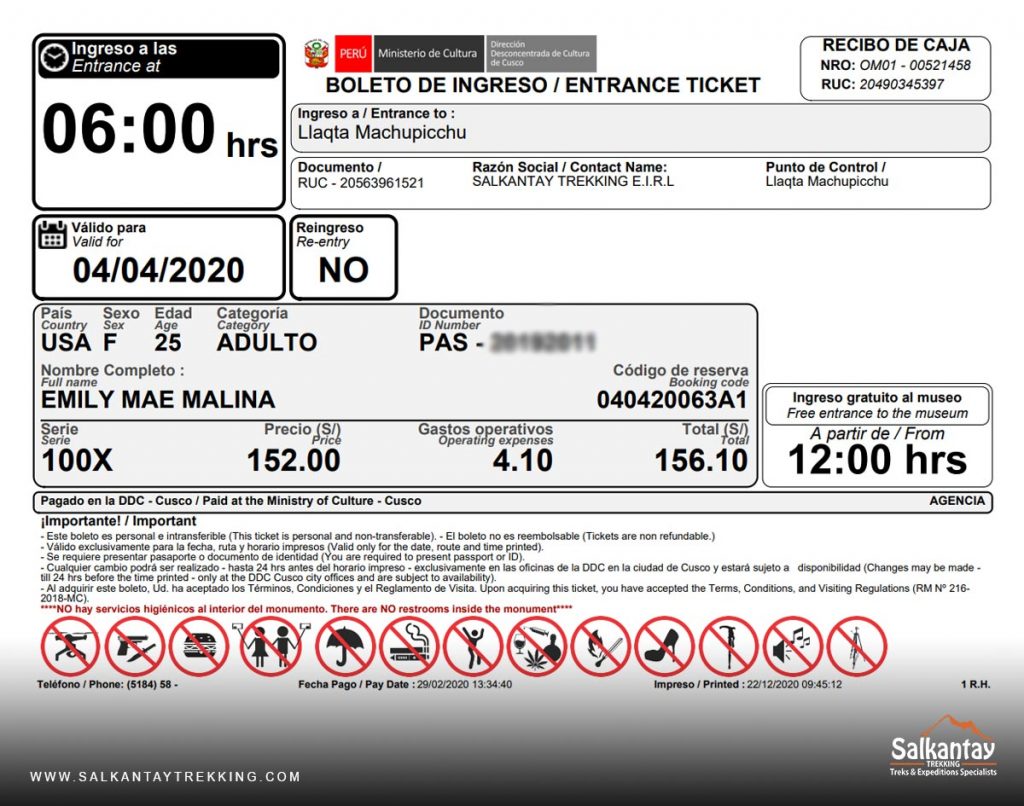
Check Inca Trail permit availability here.
What Are the Main Differences Between the Salkantay Trek and the Inca Trail?
| Salkantay Trek | Camino Inca |
| Landscapes | |
| Deep green valleys, towering snow-capped peaks, the magical Humantay Lake, the Salkantay Glacier, and dramatic climate transitions—from snowy high mountains to humid jungle. Panoramic views of the Urubamba River and arrival in Aguas Calientes before visiting Machu Picchu. | Lush tropical forests, unique biodiversity, ancient Inca stone staircases, and a living archaeological route. Includes sites such as Runkurakay, Sayaqmarca, Phuyupatamarca, and Wiñay Wayna, with final entry to Machu Picchu through Inti Punku (Sun Gate). |
| Weather | |
| Wide temperature variation: warm conditions in Challacancha, extreme cold at the Salkantay Pass, and warm, humid weather in Santa Teresa and Aguas Calientes. Best season: May to October (dry season). | Weather varies by altitude: warm in Piscacucho (Km 82), intense cold at Warmiwañusca, and humid conditions near Machu Picchu. Best season: May to October. Closed in February for maintenance. |
| Where to Sleep | |
| Premium glamping experience including Sky Camp, Mountain Sky View, Jungle Domes, Super Jungle Domes, and a hotel in Aguas Calientes. Comfort, design, and direct contact with nature. | Organized traditional camps with tents and portable bathrooms, designed for functional rest along the route. |
| Difficulty | |
| More physically demanding due to distance, altitude, and climate changes. A longer and wilder route. | Physically demanding due to elevation changes and Inca stone staircases, but shorter in distance. |
| Distance | |
| Approximately 74 km – 5 days / 4 nights | 42 km – 4 days / 3 nights |
| Maximum Altitude | |
| Salkantay Pass – 4,650 m (15,255 ft) | Warmiwañusca Pass – 4,215 m (13,828 ft) |
| Average Cost | |
| USD 500 – 700 (more affordable, more services included) | USD 800 – 1,000 |
| Permits | |
| No route permit required. Only a Machu Picchu entrance ticket. Can be done with or without an agency (guided tours recommended). | Official permit required, managed exclusively by authorized agencies. Limited to 200 visitors per day. |
| Availability | |
| High availability year-round | Very limited availability—sells out 5 to 6 months in advance during high season. |
| Type of Experience | |
| Nature adventure, scenic landscapes, glamping, and an immersive experience across Andean ecosystems. | Historical, archaeological, spiritual, and cultural route. |
So, Which One Should You Choose?
As you have seen, both the Salkantay Trek and the Inca Trail are among the best hiking routes in the world leading to Machu Picchu. The choice depends on your personal preferences, available time, and physical fitness level. Both options are incredibly beautiful and will allow you to enjoy a unique experience in the Peruvian Andes. Below, we provide a summary of the highlights of each route to Machu Picchu:
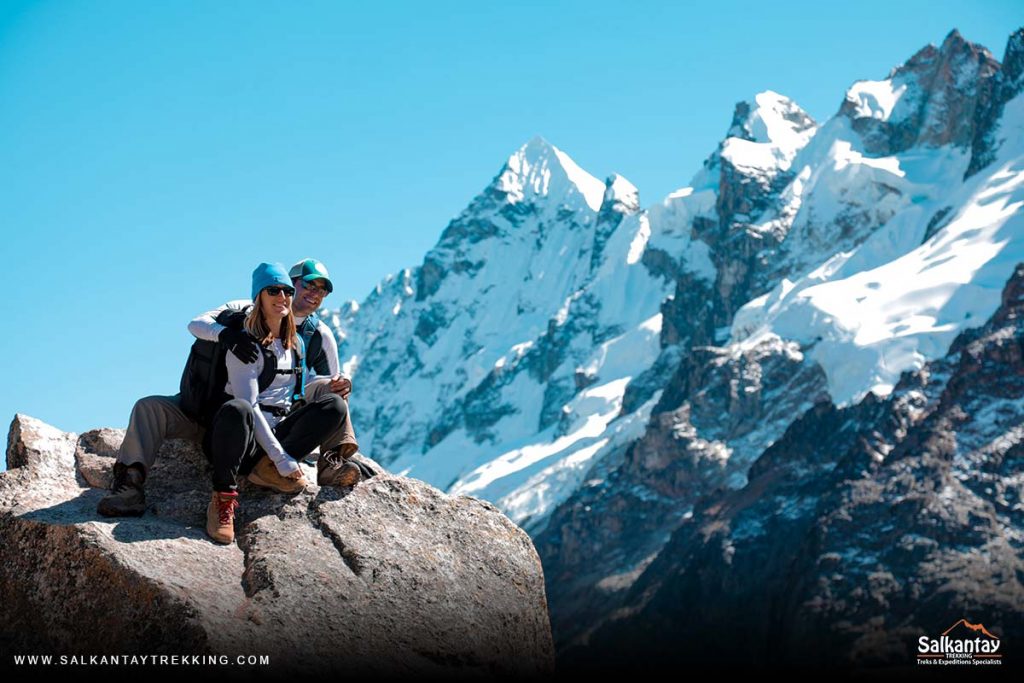
Why Choose the Salkantay Trek?
Choosing the Salkantay Trek route offers multiple benefits. Unlike the Inca Trail, it does not require route permits, which means it is always available; however, it is recommended to book 4 to 5 months in advance to secure your desired date, especially with Salkantay Trekking, which offers exclusive camps and personalized service. This route is known for its incredible landscapes, ranging from cold snow-covered areas to lush cloud forest and jungle. In addition, it includes a visit to the stunning Humantay Lake on the first day.
Other advantages of the Salkantay Trek include the option to rent horses on the most challenging sections, such as the ascent to the lake or the Salkantay Pass, as well as a more affordable price compared to the Inca Trail, since no route permit is required. This combination of accessibility, flexibility, natural beauty, and camp comforts makes it an unmatched alternative for reaching Machu Picchu.
Why Choose the Inca Trail?
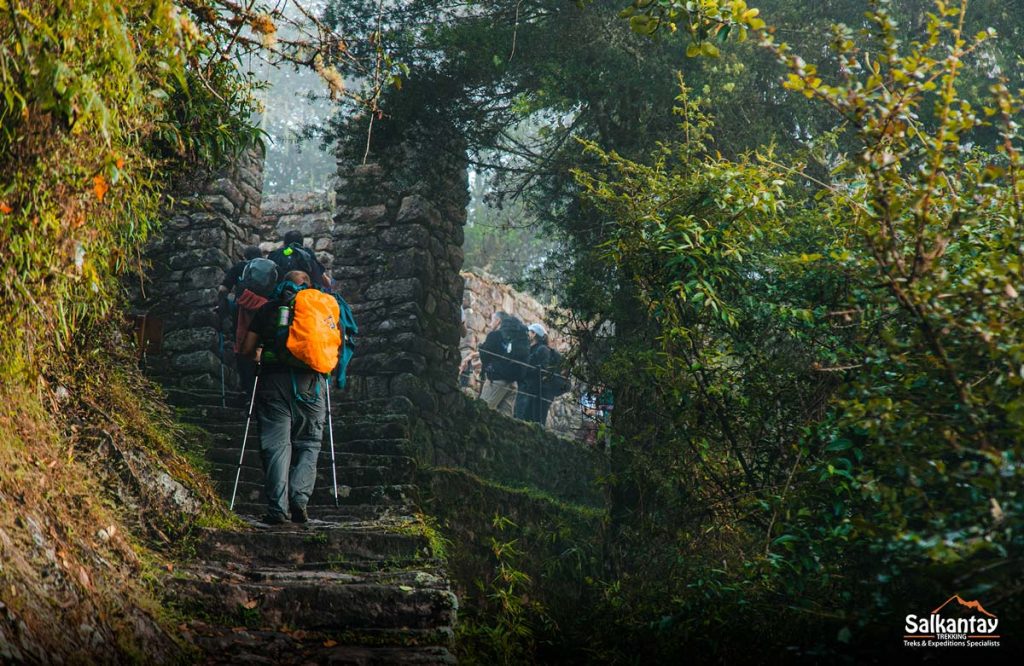
The Inca Trail is a world-renowned and highly sought-after hiking experience that offers a deep connection with history by following ancient paths once used by the Inca civilization. Beyond the excitement of walking such a famous route, the trek allows you to visit unique archaeological sites. It is an excellent way to disconnect and enjoy nature, returning to basics for a few days.
One of the most unique features of the Inca Trail is that it is the only trek that enters Machu Picchu through the Sun Gate (Inti Punku), providing a truly unique and memorable experience. In terms of physical effort, the Inca Trail is generally considered slightly less difficult than the Salkantay Trek, making it a somewhat more accessible option.
Frequently Asked Questions
Both routes present their own challenges; however, in general, the Salkantay Trek is considered slightly more physically demanding, mainly due to its altitude and varied terrain. The Inca Trail has more staircases, but the Salkantay Trek reaches higher elevations, such as the Salkantay Pass (4,650 meters above sea level / 15,255 feet).
If you are in good physical condition, either trek will be an unforgettable experience!
The Inca Trail is undoubtedly the most well-known due to its historical and cultural value—you will walk along paths once used by the Inca civilization, surrounded by unique archaeological remains. However, the Salkantay Trek is an excellent alternative. It offers an impressive variety of landscapes, from snow-capped mountains to cloud forest and jungle, unique accommodations, and natural beauty that rivals any route.
The Salkantay Trek is considered by many to be the most visually striking. It features glaciers, snow-covered peaks, Humantay Lake, high-altitude passes, alpine valleys, cloud forests, and jungle landscapes.
The Inca Trail focuses more on cultural scenery, archaeological sites, and historic paths.
Yes, the Salkantay Trek can be done by beginners with proper preparation, good physical condition, and a guided tour. However, due to its altitude and terrain, it is recommended to train in advance and acclimatize properly in Cusco before the trek.
For hikers with little experience at high altitude, the Inca Trail is usually the safer and more manageable option.
Conclusion
Both the Salkantay Trek and the Inca Trail are two of the best hikes in Peru, offering different yet equally impressive routes to Machu Picchu. The Inca Trail connects you with the living history of the Inca Empire, ancient paths, and cultural symbolism, making it ideal if you are seeking history, culture, and tradition.
On the other hand, the Salkantay Trek immerses you in the power of Andean nature, glaciers, and wild landscapes, making it the perfect choice if you are looking for adventure, epic scenery, and an authentic connection with the mountains. It is not about which one is better, but about what kind of traveler you are and what kind of experience you want: choose the Inca Trail if you seek history, or the Salkantay Trek if you seek adventure—and turn the journey itself into the best part of your trip.


Leave A Reply